Post-Modern
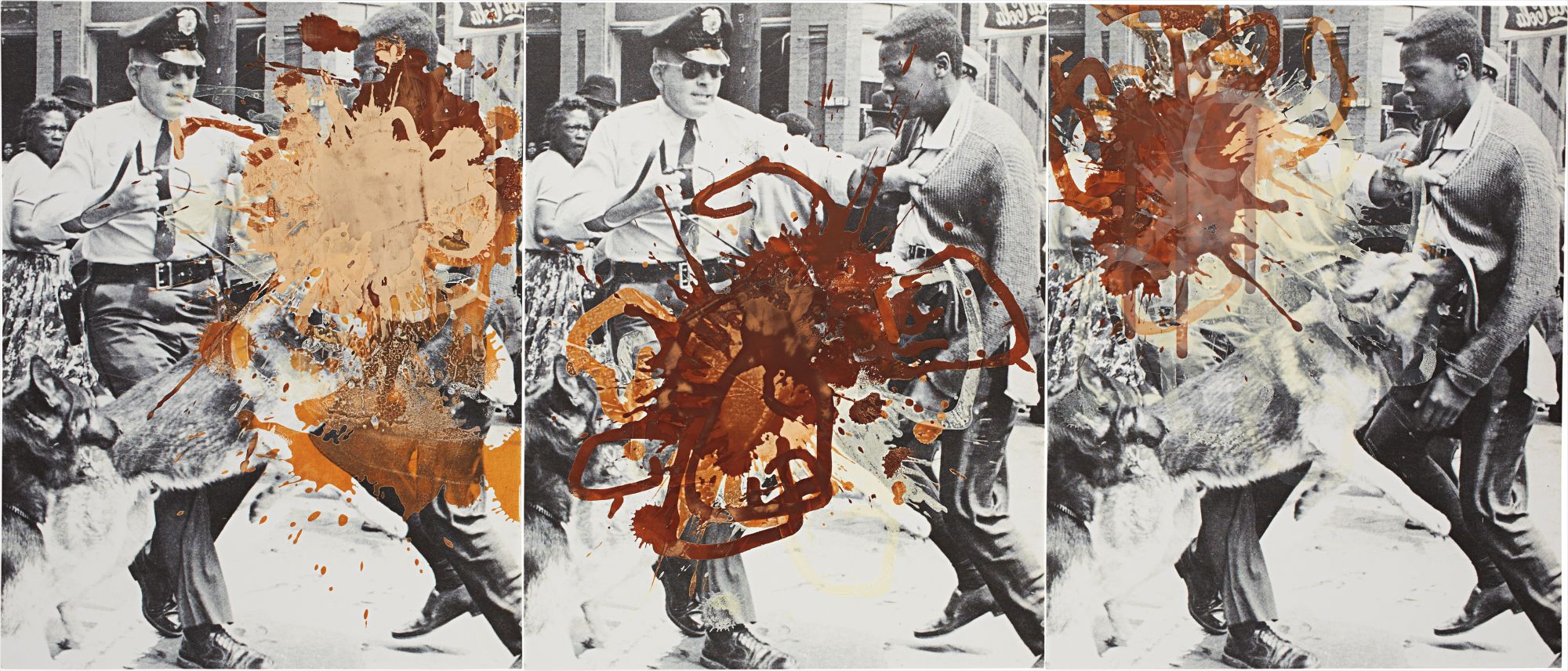
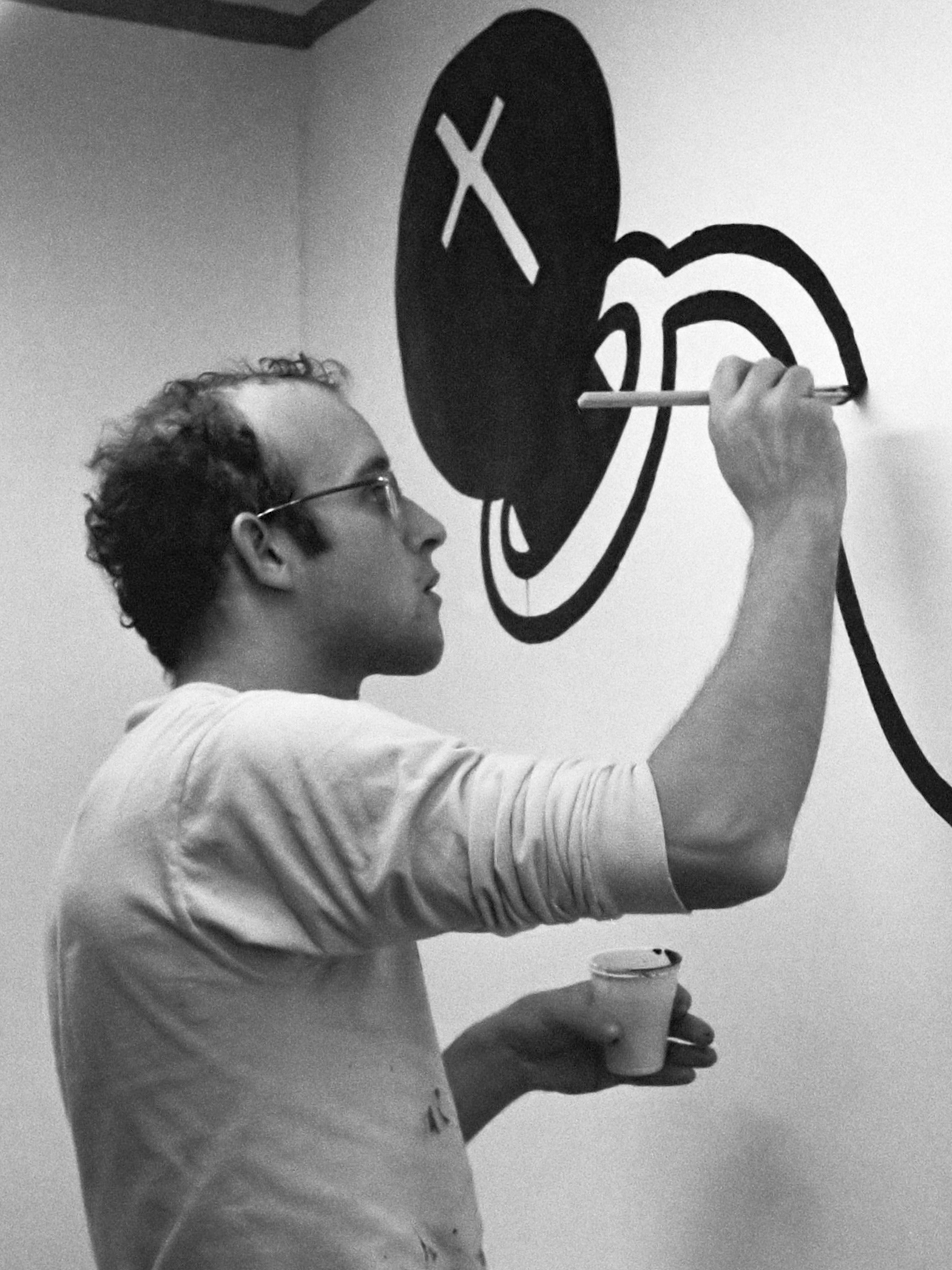
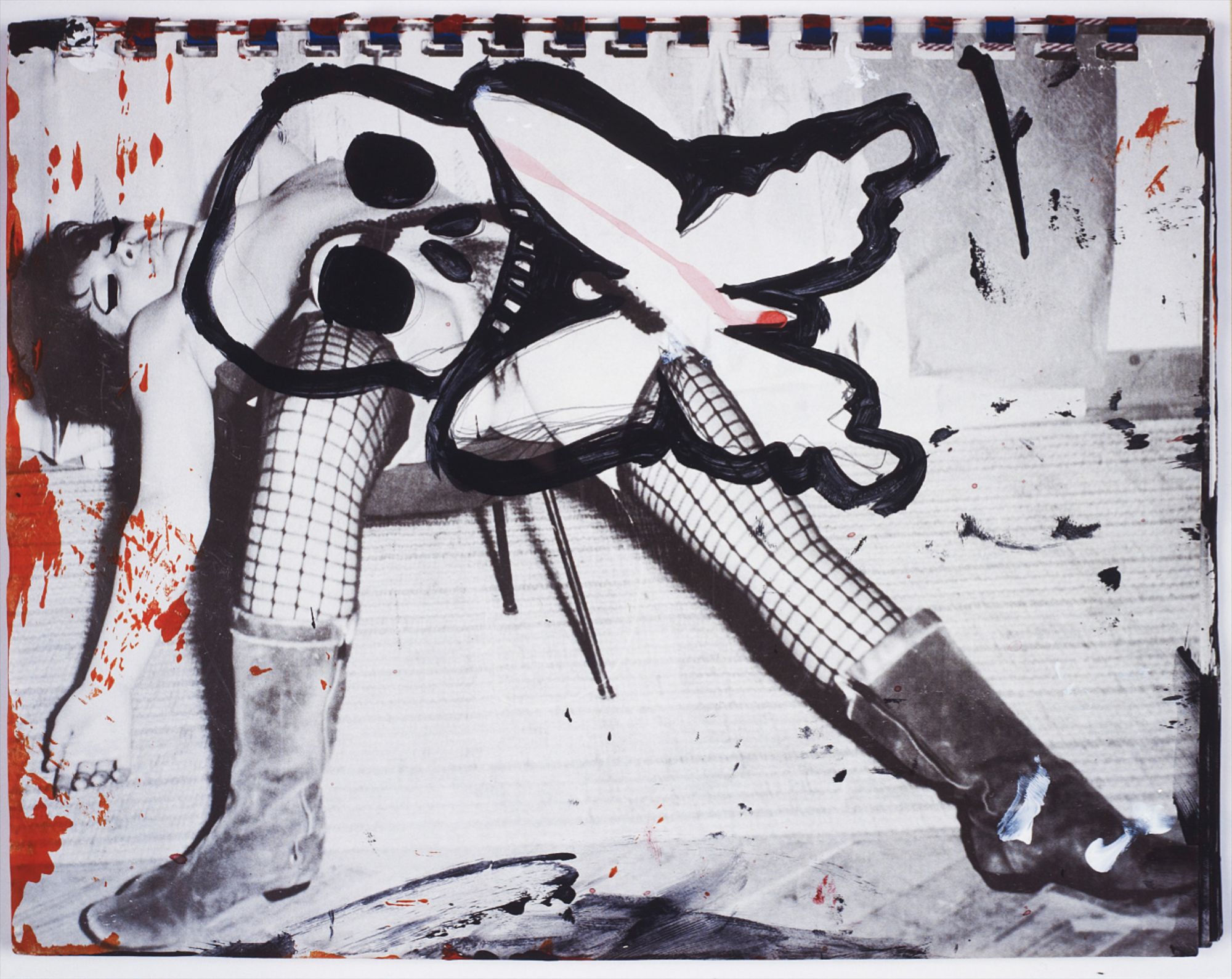
Keith Haring
Barking Dog from White Icons, 1990

The Joke That Became the Canon
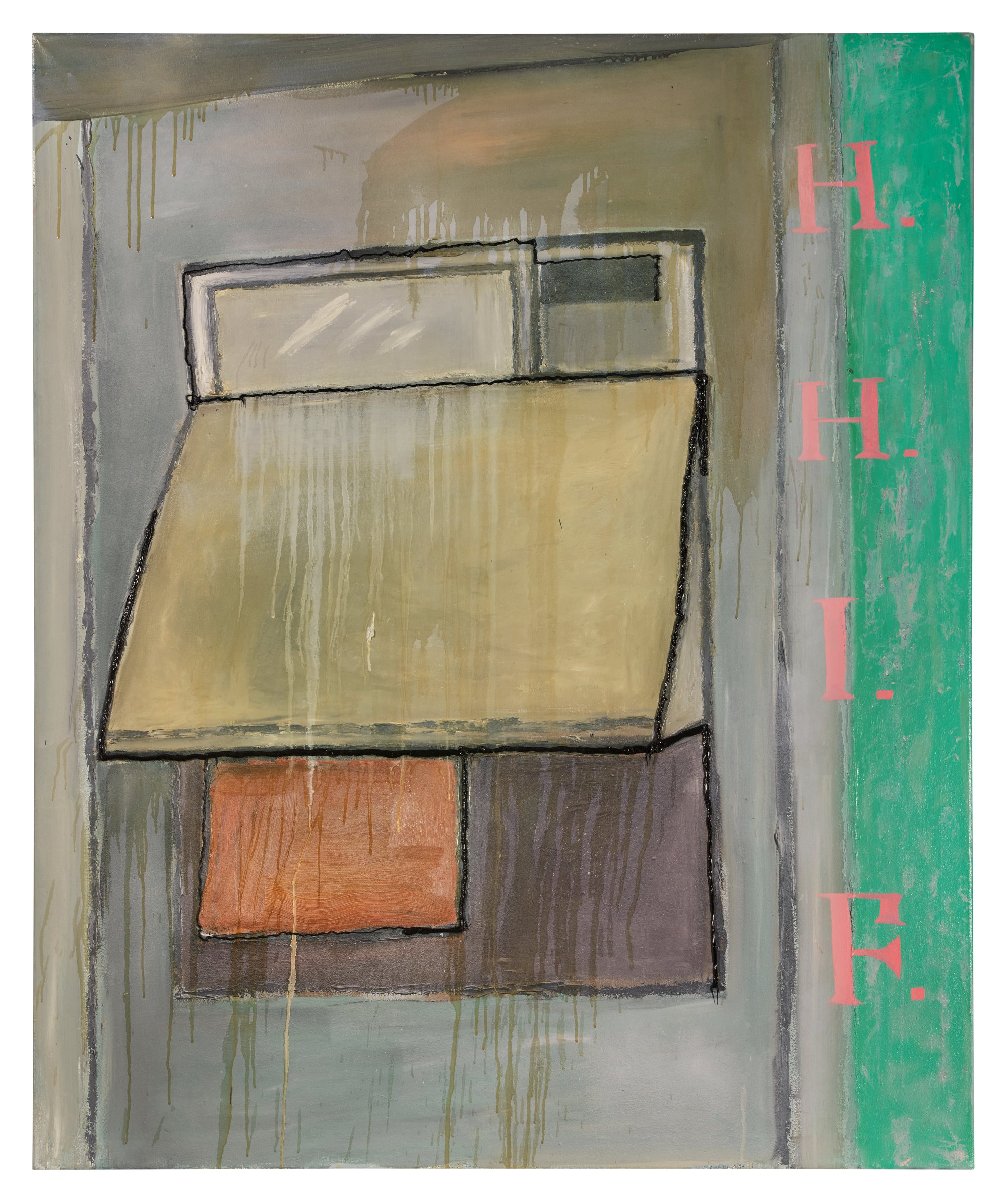
Last November, a Christopher Wool painting covered in his signature stenciled text sold at Christie's for well above its estimate, landing in the room with the particular silence that follows when a market confirms what critics spent decades arguing about. Wool's work, once read as a kind of deadpan refusal, now reads as foundational. That shift, from antagonist to ancestor, is the story of postmodernism in the art market right now. The movement that declared there were no more moves left to make has turned out to be one of the most generative forces in contemporary collecting.
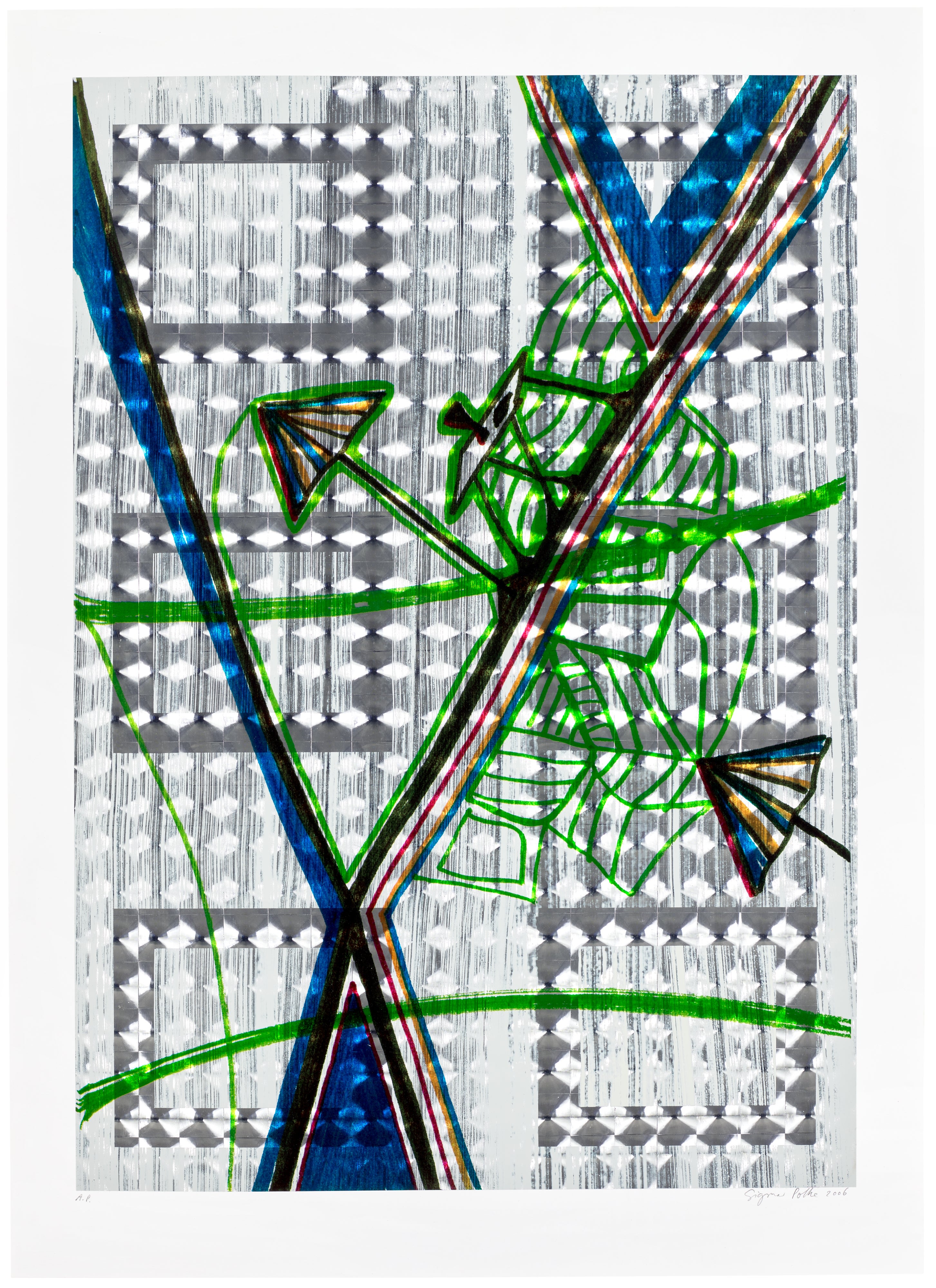
The cultural reassessment has been building for some time. The Museum of Modern Art's 2019 rehang of its permanent collection, which placed artists like Sherrie Levine and Robert Rauschenberg in direct conversation with earlier modernists rather than sequestering them in a separate postmodern wing, was a quiet but significant institutional statement. It said: this is not a footnote, this is the continuation. Around the same time, major retrospectives for Sigmar Polke and Martin Kippenberger at European institutions reintroduced those artists to younger audiences who had grown up in a world their aesthetic irony had already thoroughly shaped.
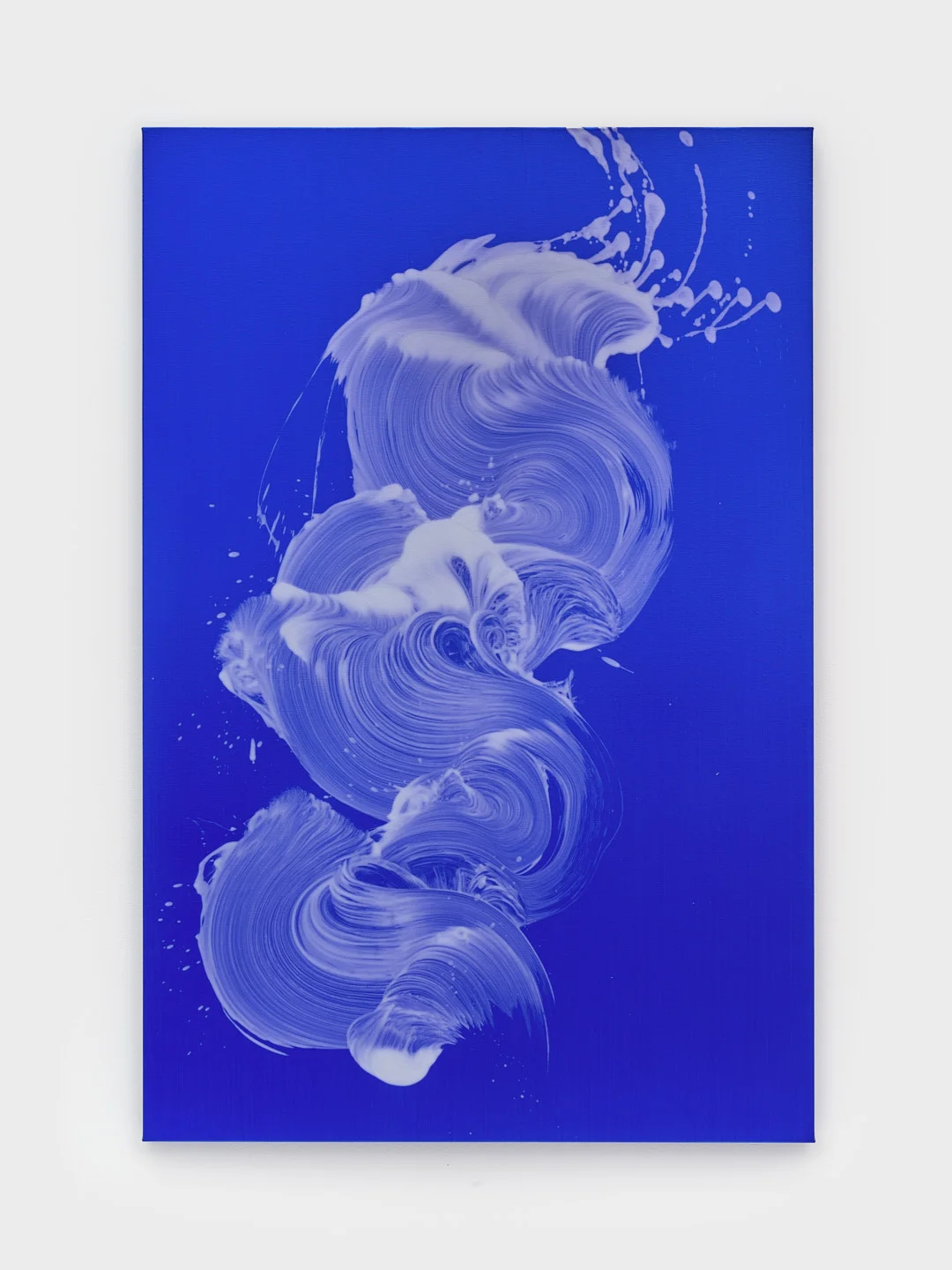
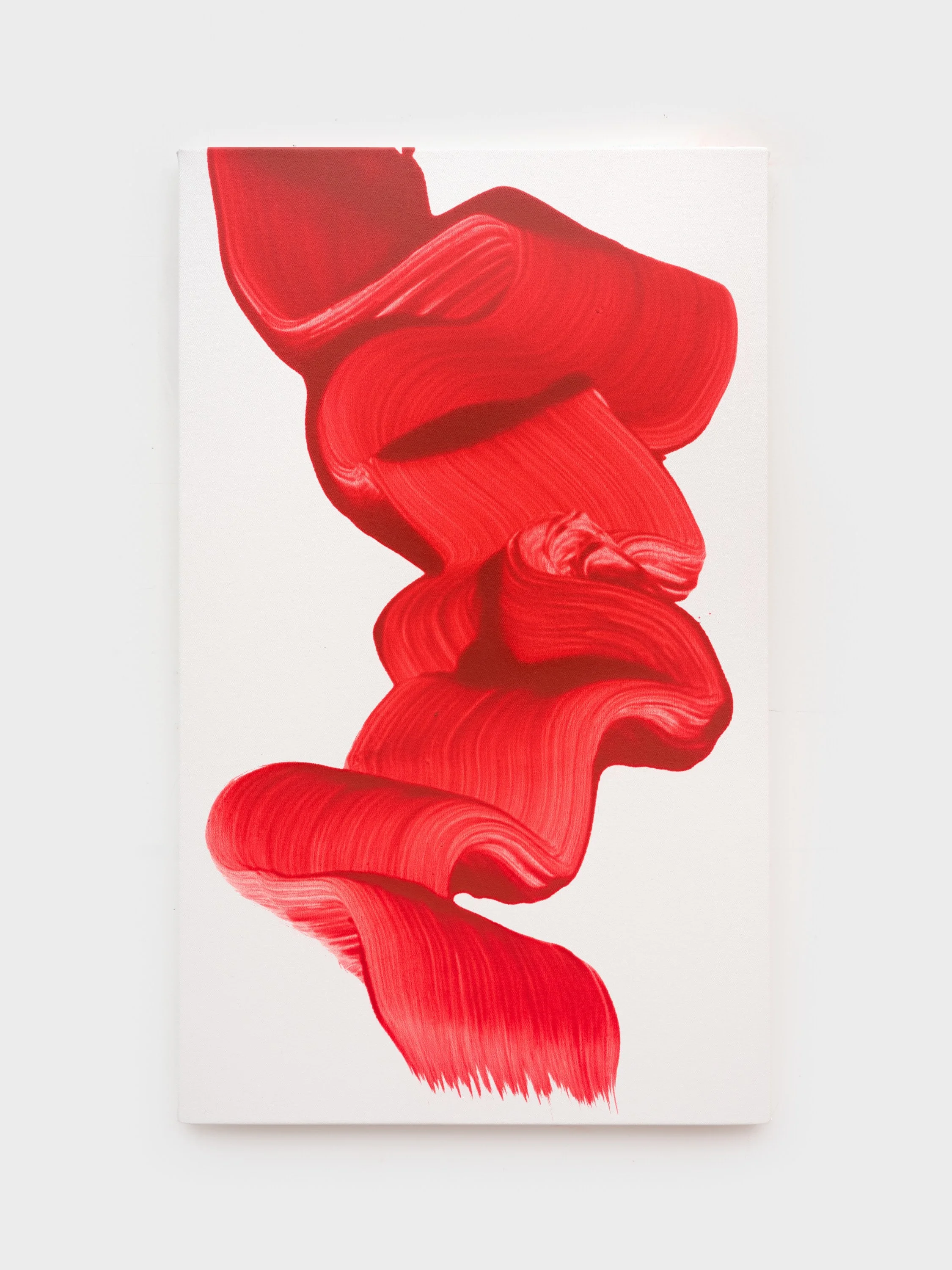
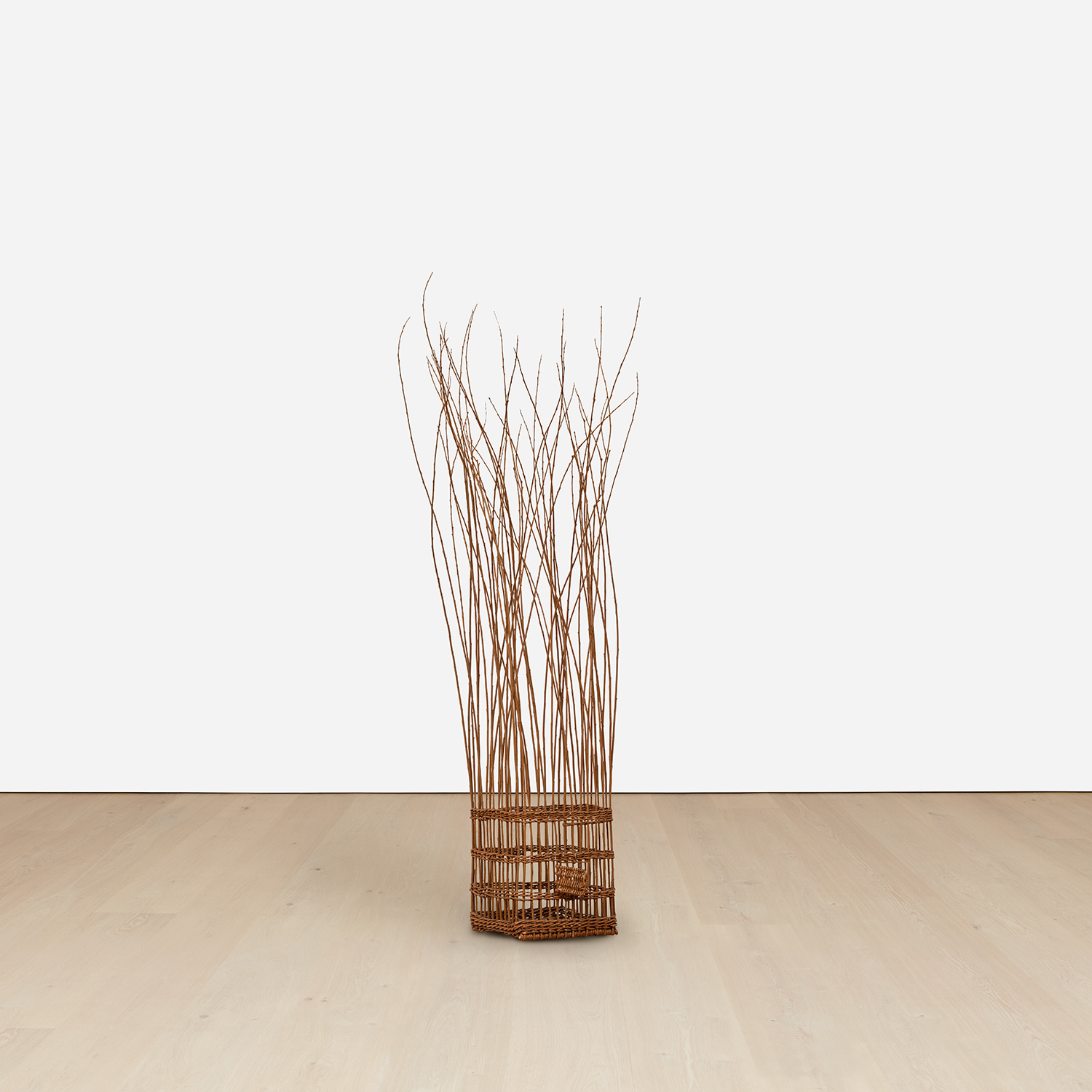
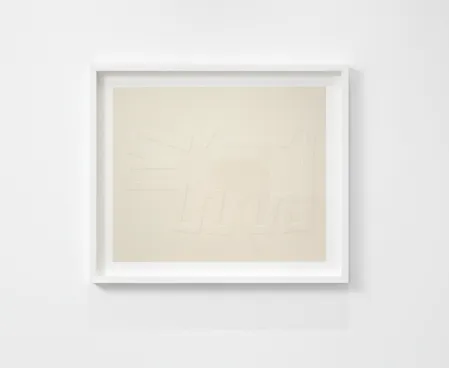
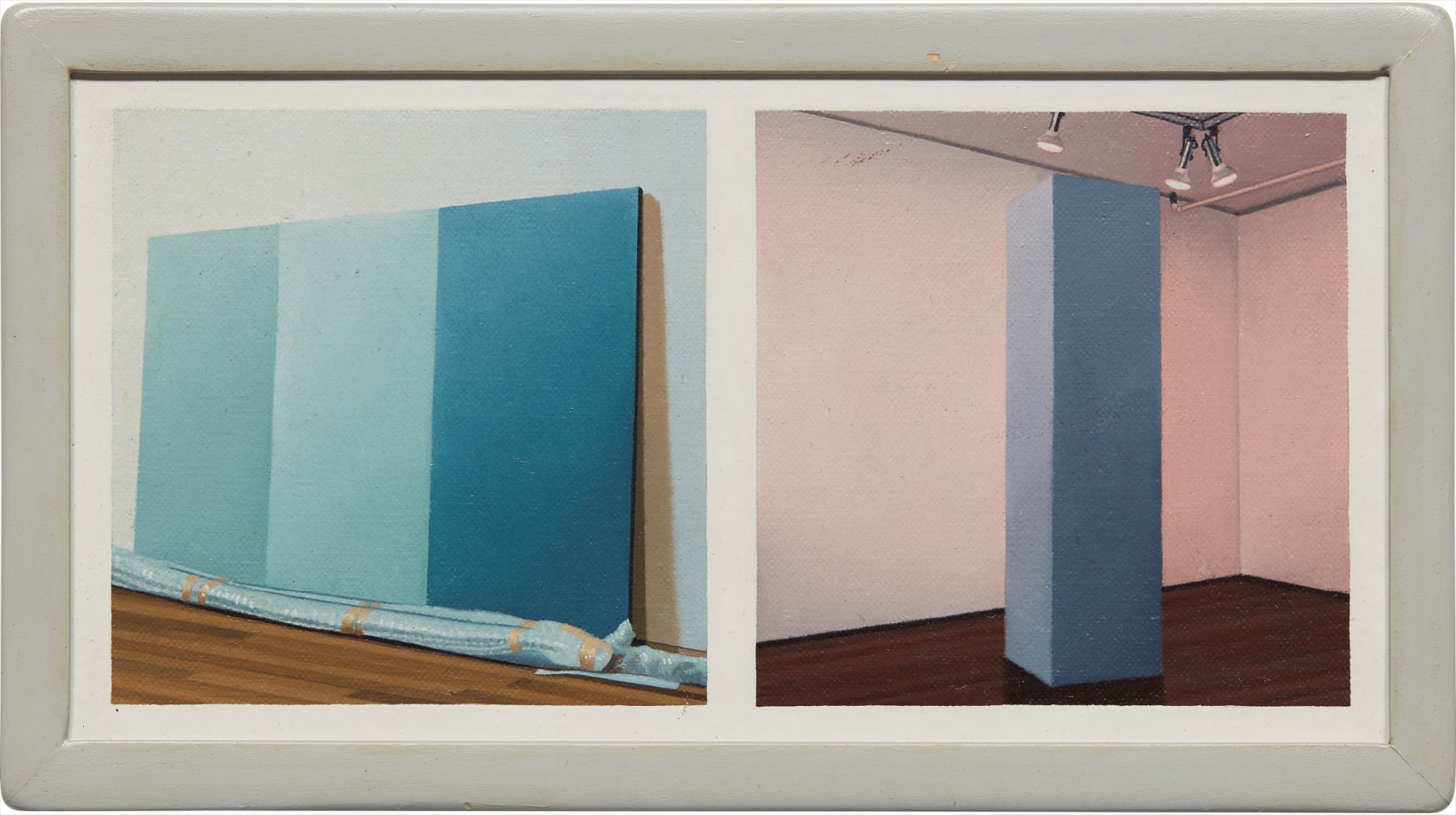
Jamie Nares
Juke, 2025
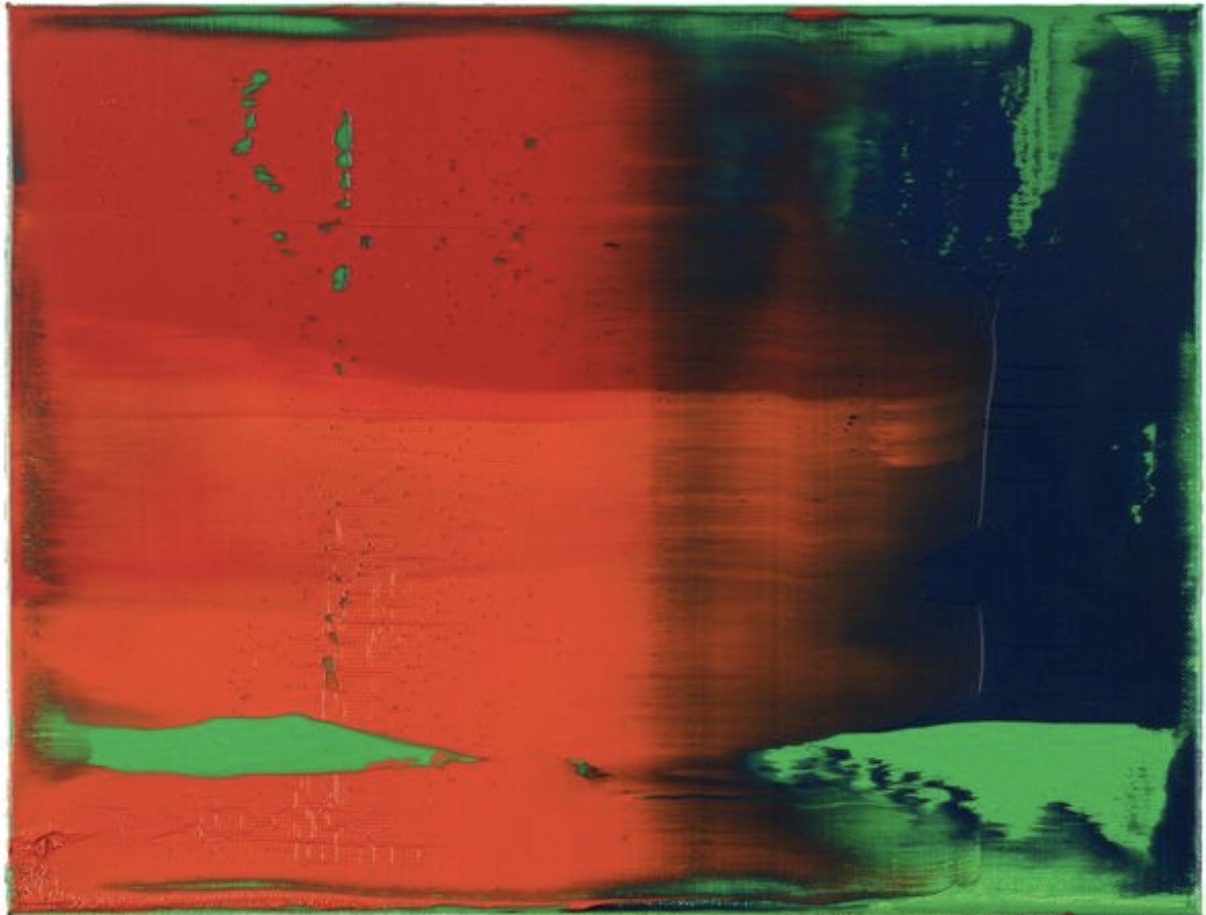
Kippenberger in particular, whose career was almost designed to resist institutional embrace, has become one of the most urgently collected figures of the past decade. Auction results tell a story that the critical establishment sometimes trails behind. Gerhard Richter has long anchored the market for postmodern painting, with his photo paintings and abstractions commanding figures that place him among the most expensive living artists in the world. His 2015 sale at Sotheby's London demonstrated that institutional scale and conceptual ambiguity are not obstacles for collectors but attractions.
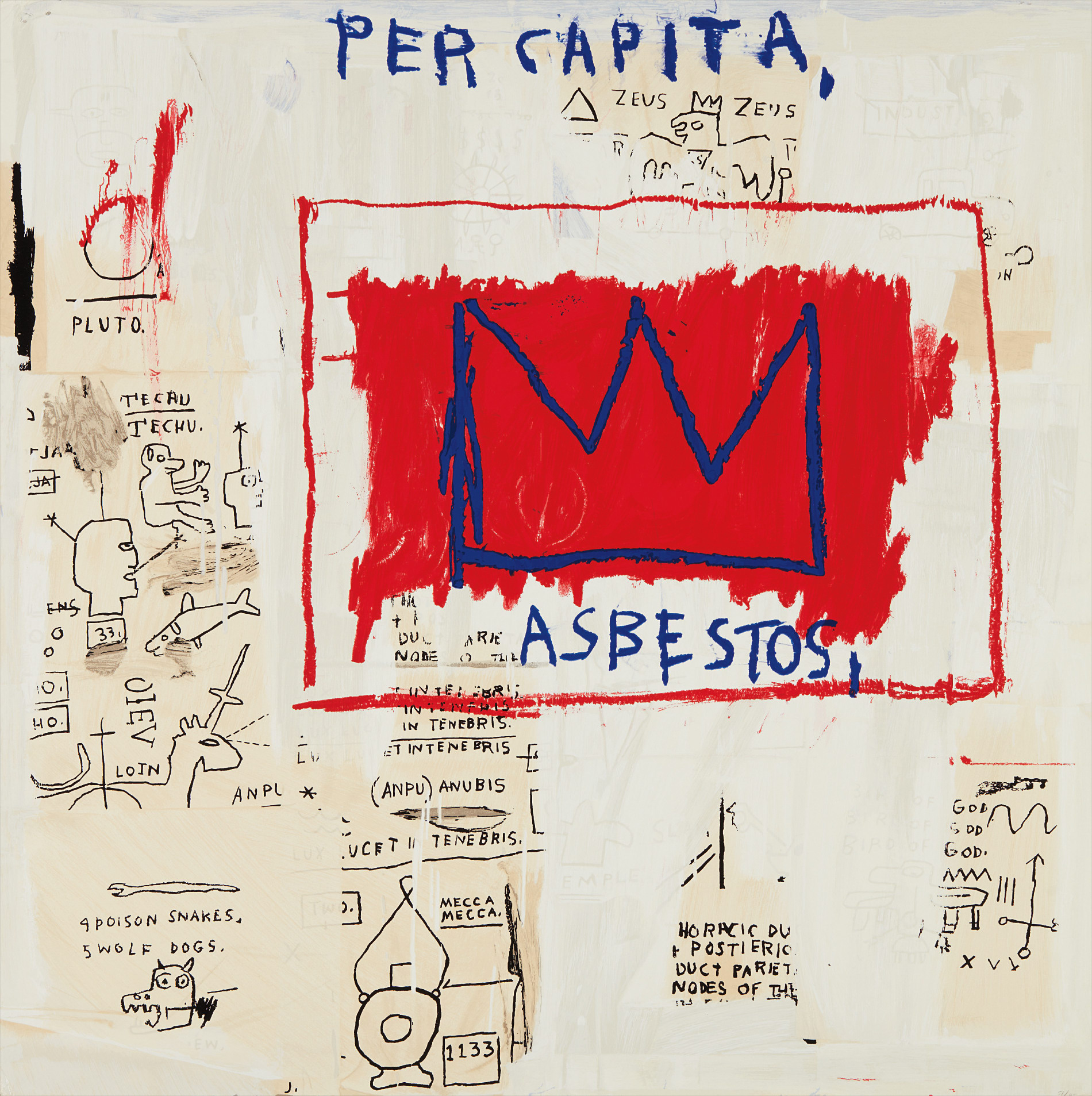
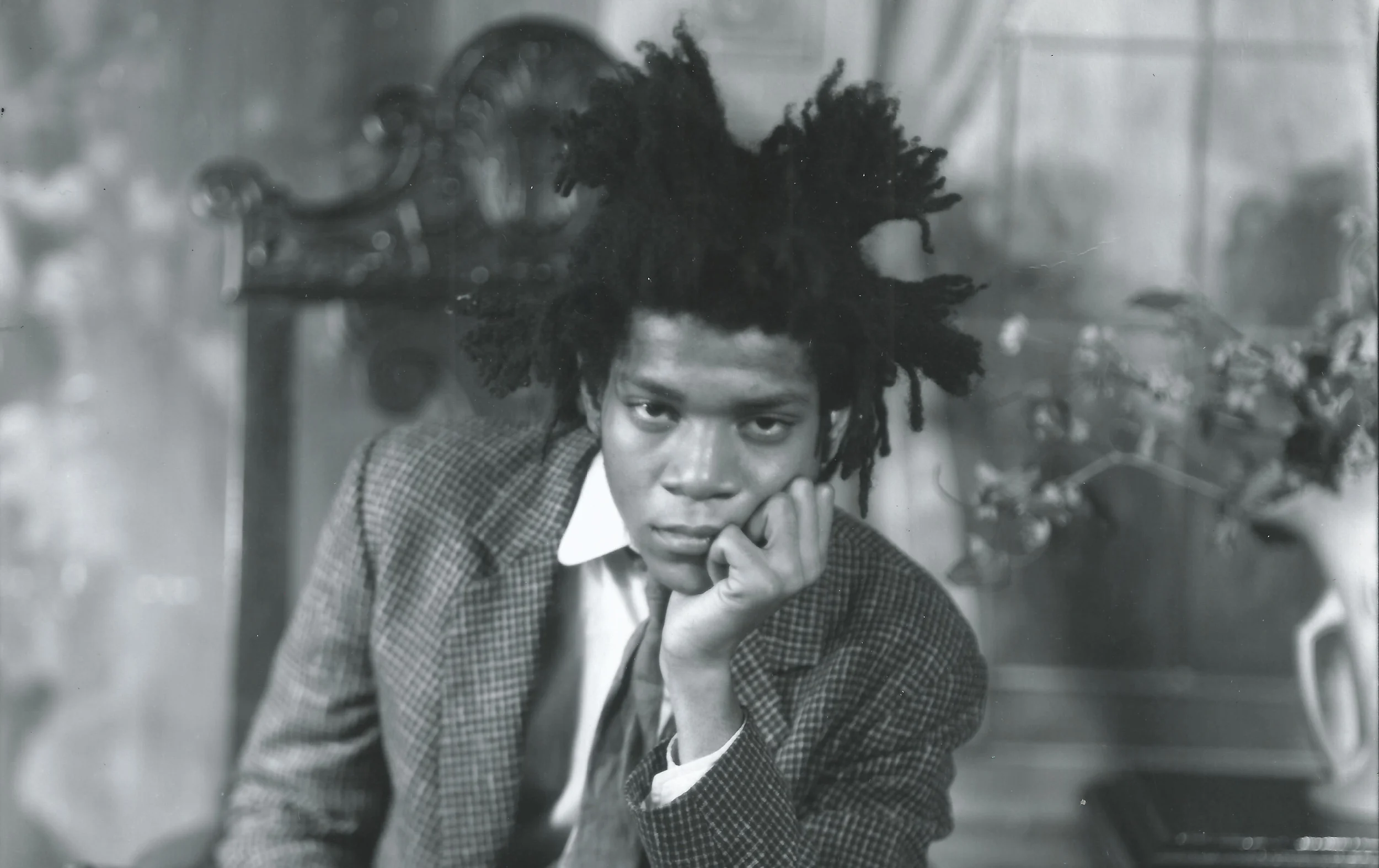
Jean Michel Basquiat, whose prices have reached into the hundreds of millions, represents a different dimension of the postmodern market, one where the intersection of street culture, art history, and identity politics registers as urgent rather than merely clever. Both artists are well represented on The Collection, and their presence alongside figures like Damien Hirst and Jeff Koons maps a particular moment when the art world was simultaneously celebrating and cannibalizing itself. What institutions are acquiring in this space reveals something about where the field believes postmodernism sits in the longer arc of art history. The Broad in Los Angeles, which holds major works by Koons and Hirst alongside Basquiat and Cindy Sherman, has essentially built its identity around the proposition that this era deserves permanent, prominent housing.
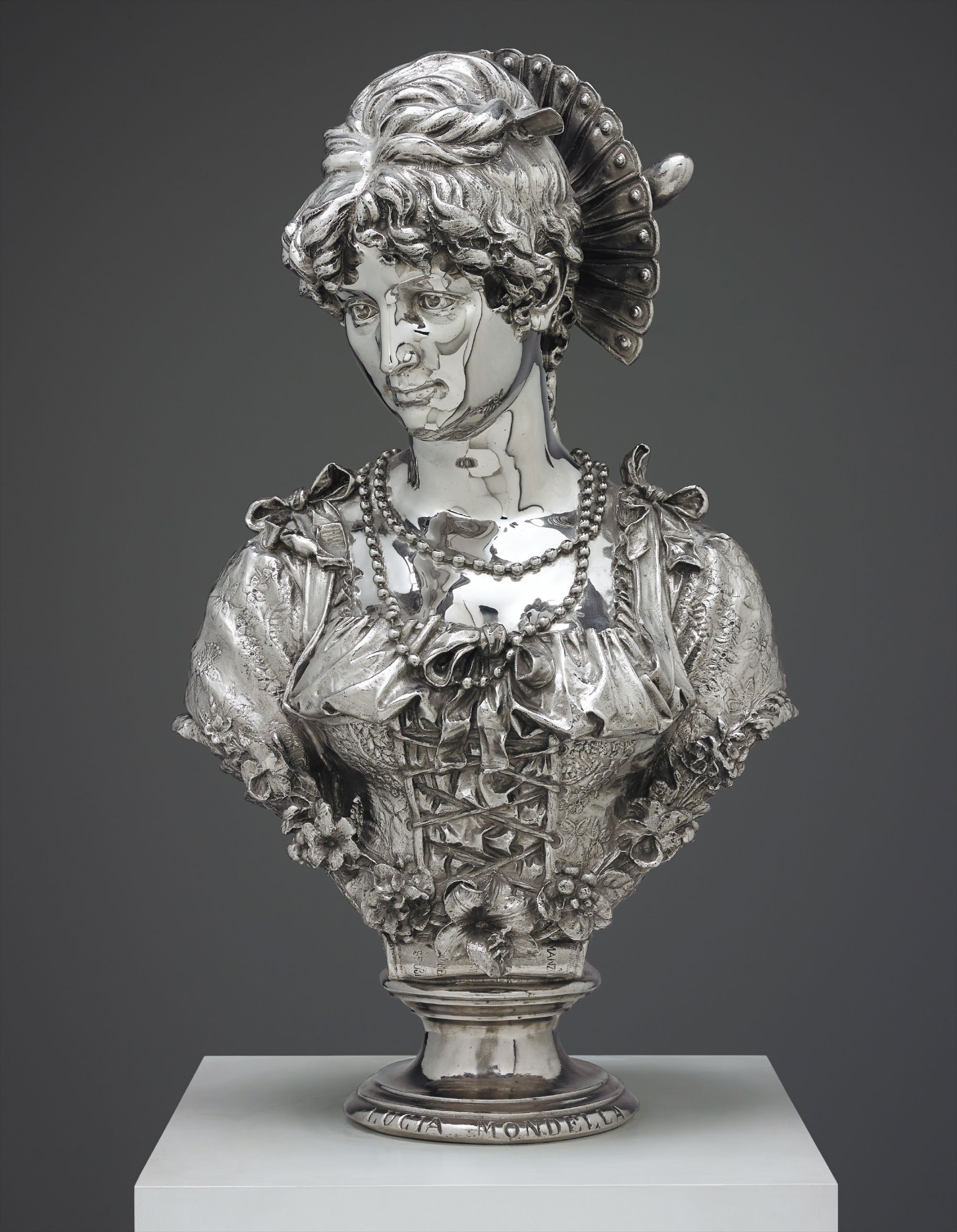
Jeff Koons
Italian Woman, 1986
Tate Modern's commitment to Marcel Broodthaers, whose conceptual investigations of the museum as institution feel more prescient with every passing year, signals that the European institutional world has made its peace with the movement's philosophical provocations. The fact that Broodthaers is represented on The Collection places it in serious company. The critical conversation has matured in interesting ways. Hal Foster's writing, particularly his essay on the return of the real, remains a touchstone, but younger critics have pushed the discussion toward questions the original theorists did not fully anticipate.
How does postmodern appropriation look in an era of algorithmic image circulation? What does Richard Prince's long career of rephotographing and reclaiming mean now that every image online is already someone else's? These questions animate the work of critics writing in publications like Artforum, October, and Frieze, and they explain why artists like Prince and Levine, whose work once seemed to be about a specific historical moment, continue to feel like live wires rather than artifacts. The Collection's holdings of both artists position it within a conversation that is genuinely unfinished.
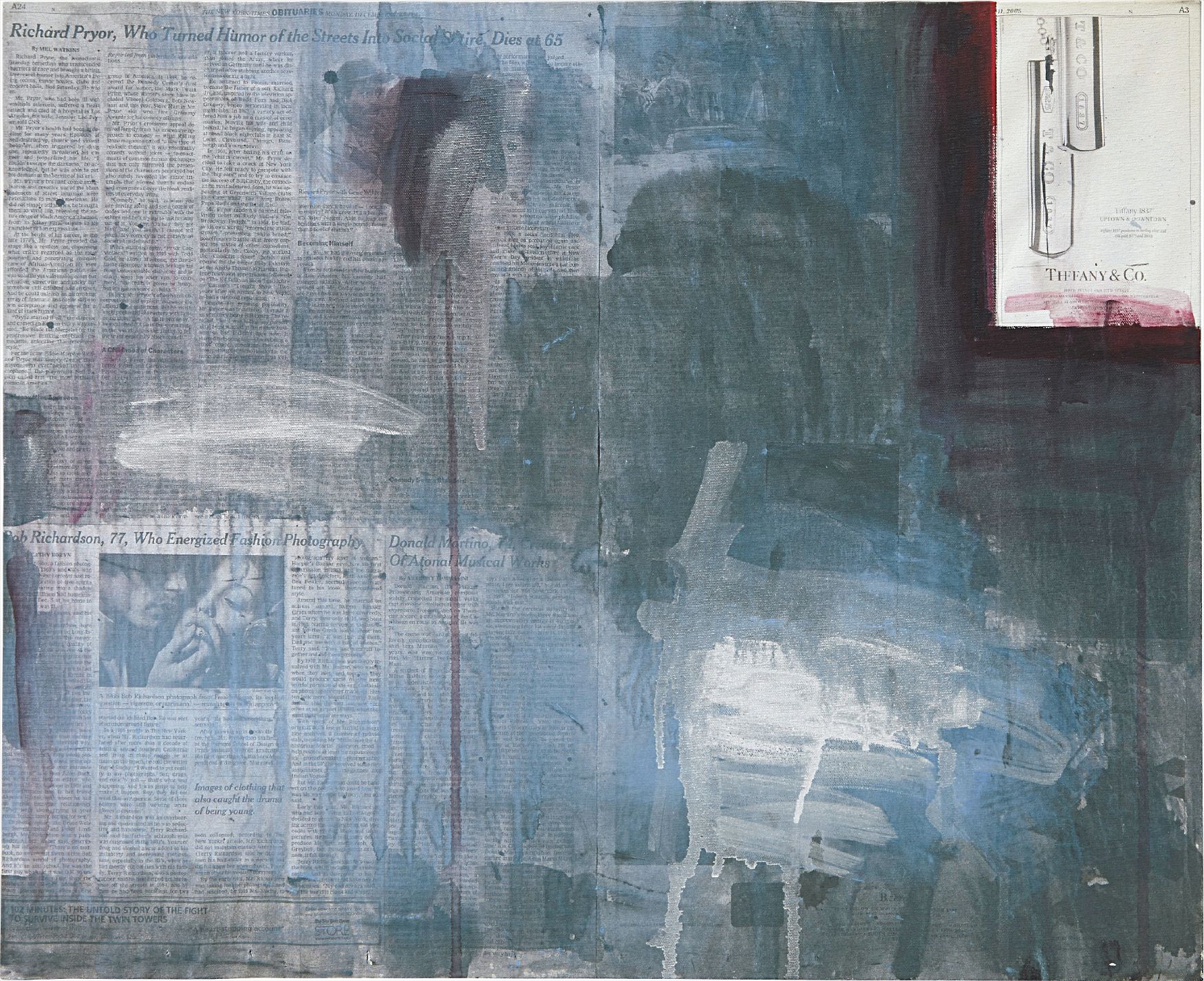
Richard Prince
Fuckin A, 2009
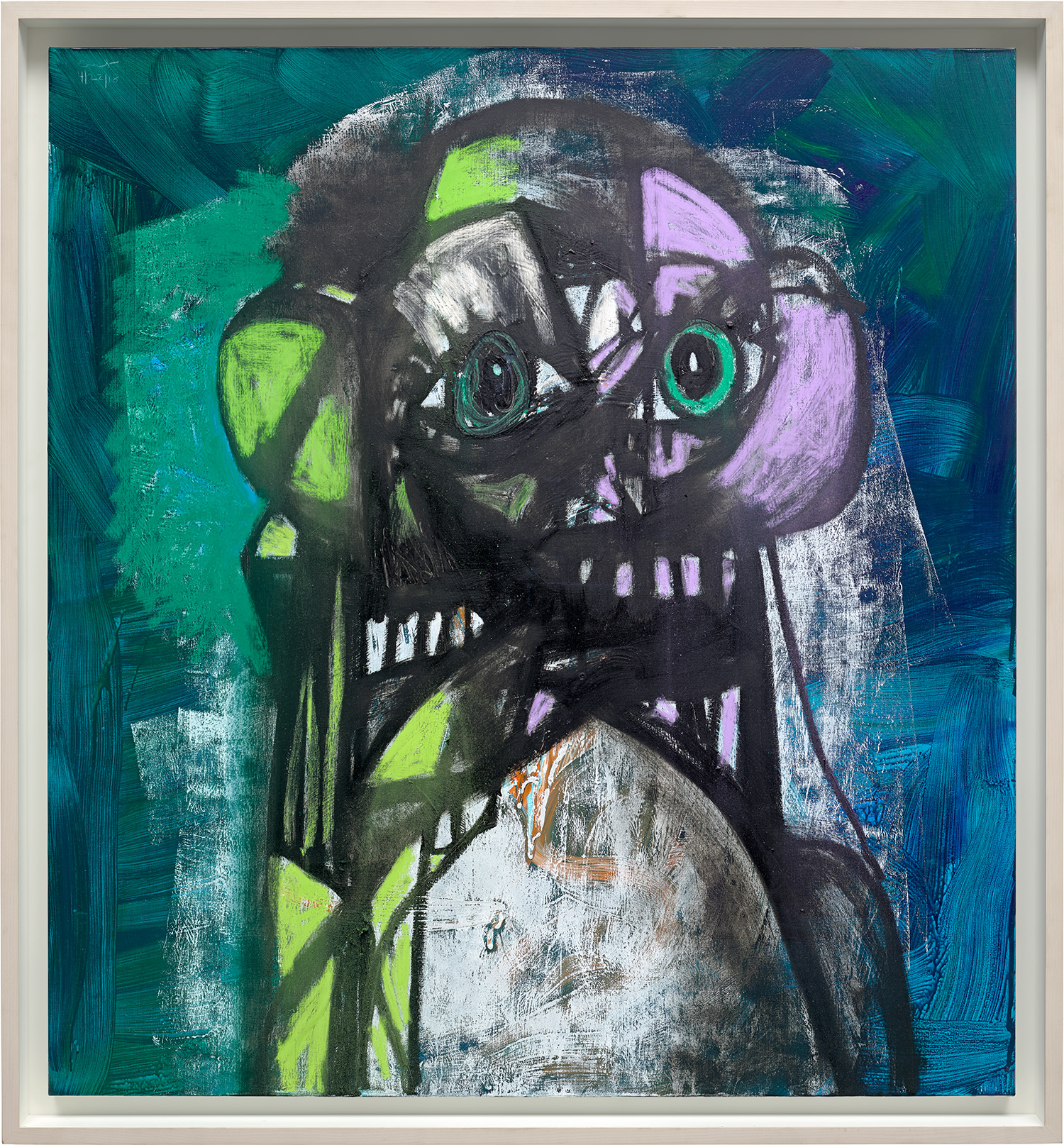
There is also a generational story worth watching. Artists who came of age inside postmodernism, absorbing its strategies as a native language rather than a revolutionary gesture, are now themselves mid career and being reassessed. Albert Oehlen and George Condo both carry the spirit of Kippenberger and Polke while arriving somewhere distinctly their own. Condo's psychological portraiture and Oehlen's painterly chaos have attracted serious institutional attention in recent years, with both artists receiving major retrospectives that reframed their earlier work as less nihilistic and more genuinely exploratory than first readings allowed.
Sterling Ruby, whose practice moves through sculpture, textile, and painting with an almost punk restlessness, feels like the next iteration of this line of inquiry. What feels settled is the market value of the first wave. Warhol, Rauschenberg, Haring, and Basquiat are not going anywhere in terms of collector desire or institutional reverence. Their prices reflect a consensus that has calcified into something close to art historical certainty.
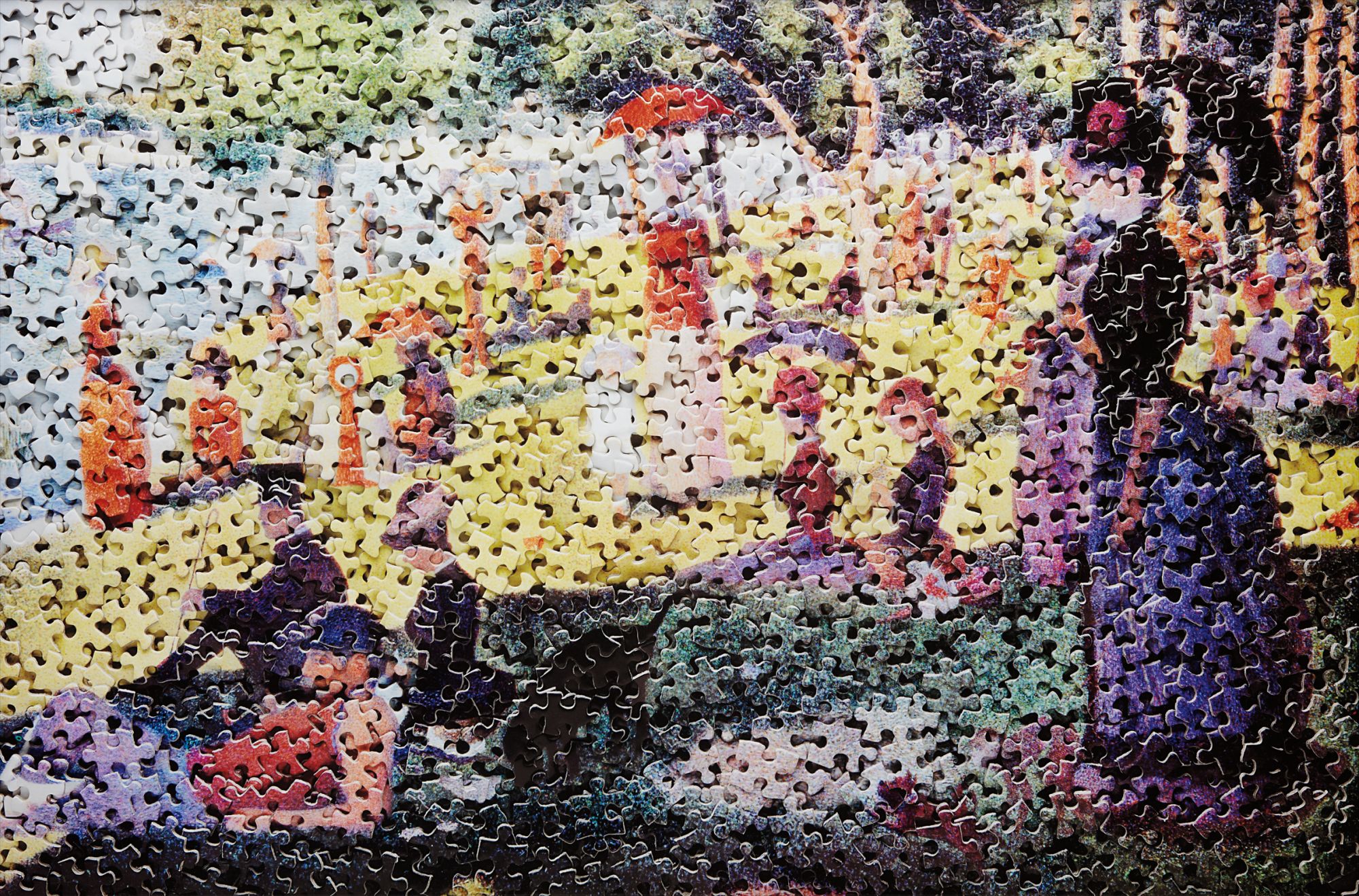
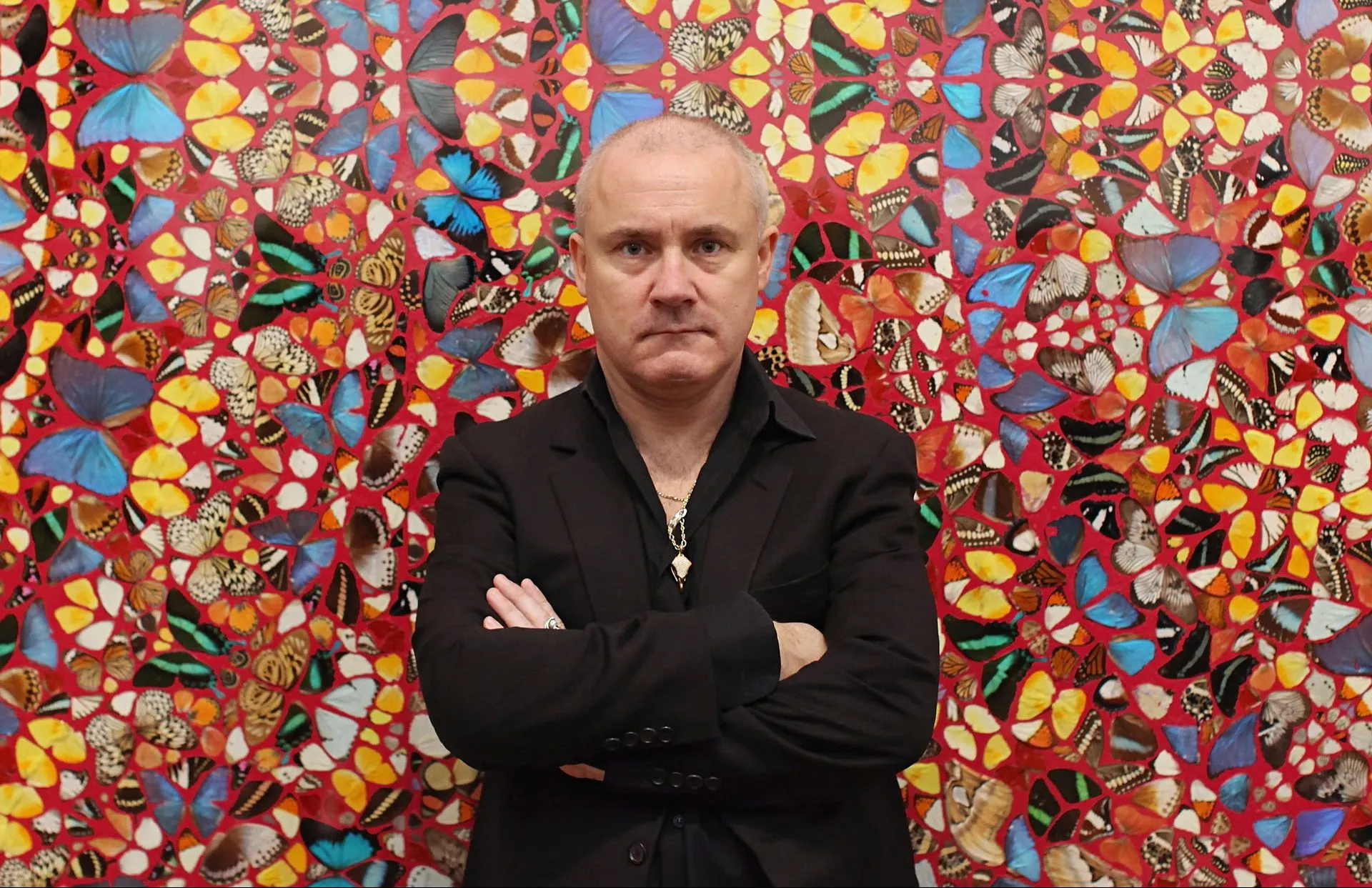
Vik Muniz
A Sunday on La Grande Jatte, after Georges Seurat from Gordian Puzzles
What feels alive is the reassessment of the figures who were never quite given their full due during the movement's initial reception. Kippenberger is perhaps the most striking example, having spent his lifetime performing a kind of aggressive uselessness and now being recognized as one of the most serious painters of his generation. Vik Muniz, whose elaborate constructions from humble materials engage directly with questions of image, reproduction, and meaning, represents a postmodern sensibility that has always been warmer and more humanistic than the movement's reputation for cold irony would suggest. The surprise that may be coming is a renewed interest in the movement's theoretical underpinnings as a tool for understanding the present rather than describing the past.
Postmodernism was declared over many times and it kept returning because the conditions that produced it, the saturation of images, the collapse of grand narratives, the suspicion of originality, did not go away. They intensified. Collectors who understand this are not buying postmodern work as history. They are buying it as a mirror.