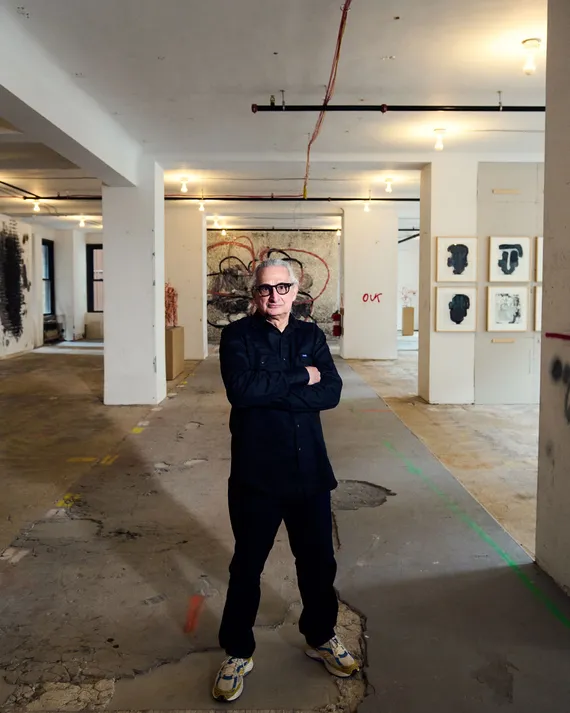
Christopher Wool
67
Works
4
Followers
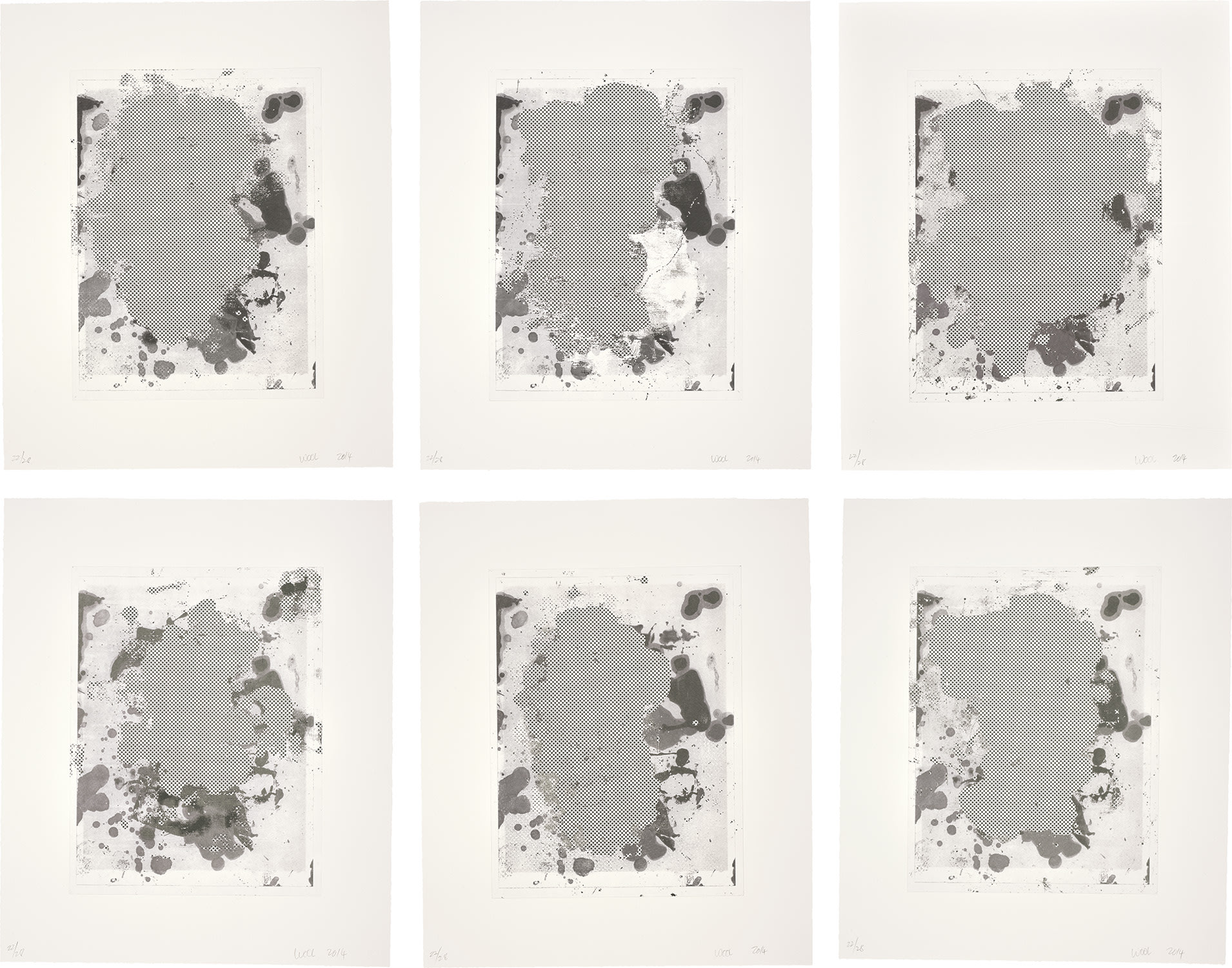
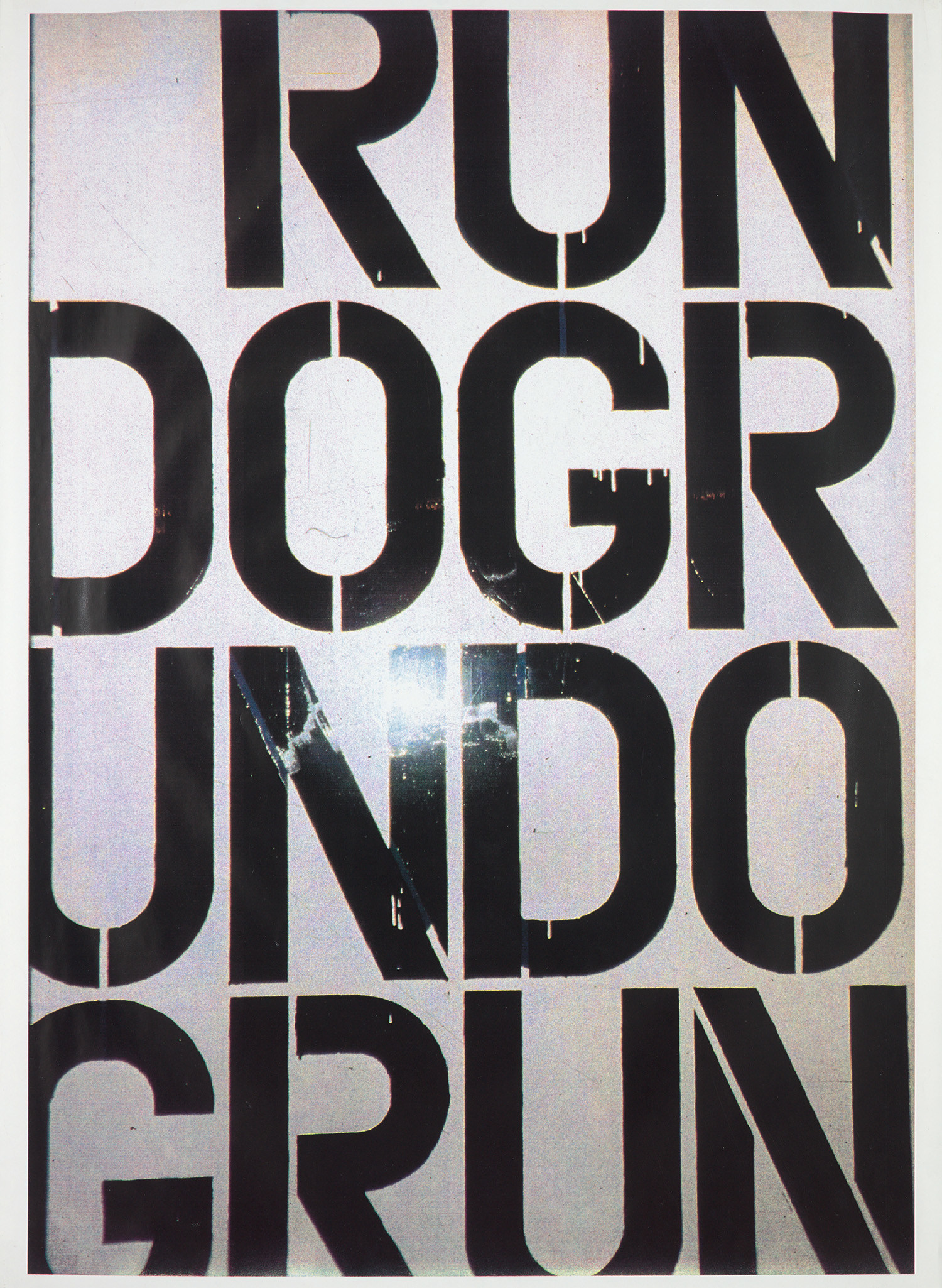
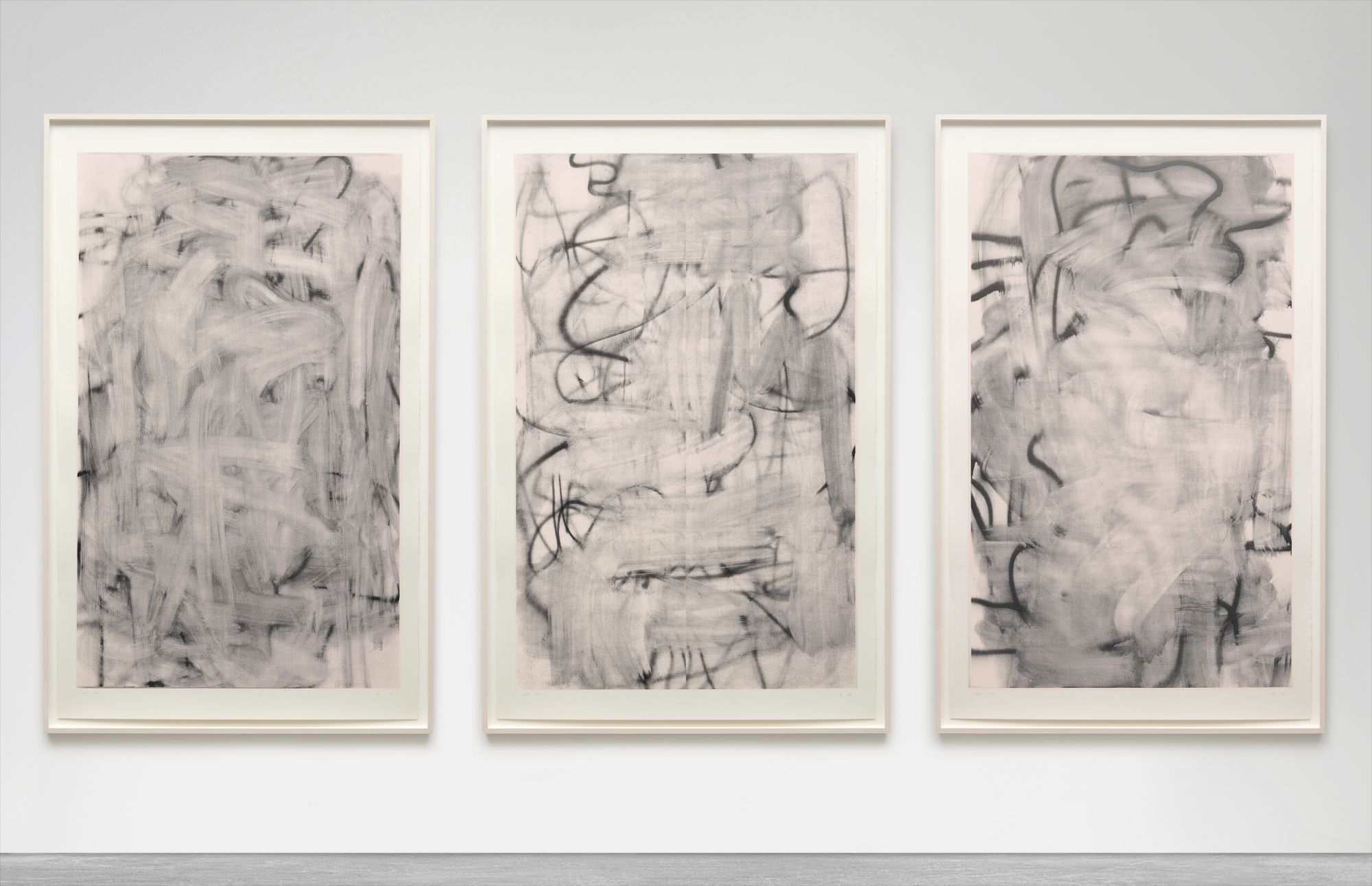


Artists in conversation
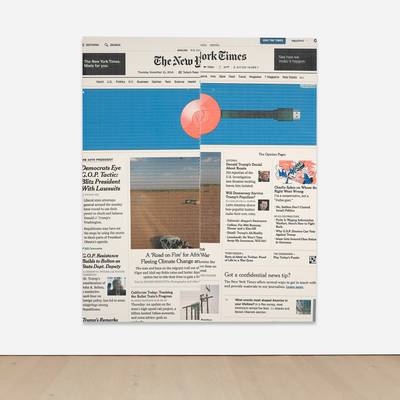
Wade Guyton
Guyton similarly interrogates painting through mechanical reproduction, using inkjet printers on linen to produce abstract and text based works that question authorship and the boundaries of the painted surface.
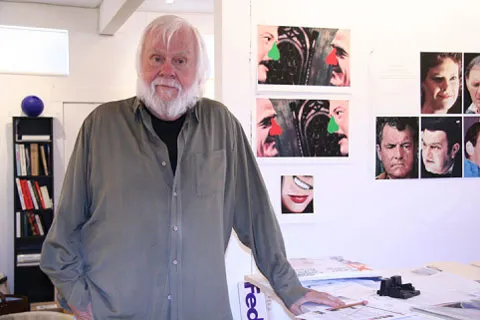
John Baldessari
Baldessari combined text and image in large format conceptual works that challenged conventional notions of artistic gesture and meaning, operating in the same conceptual register as Wool's language driven paintings.
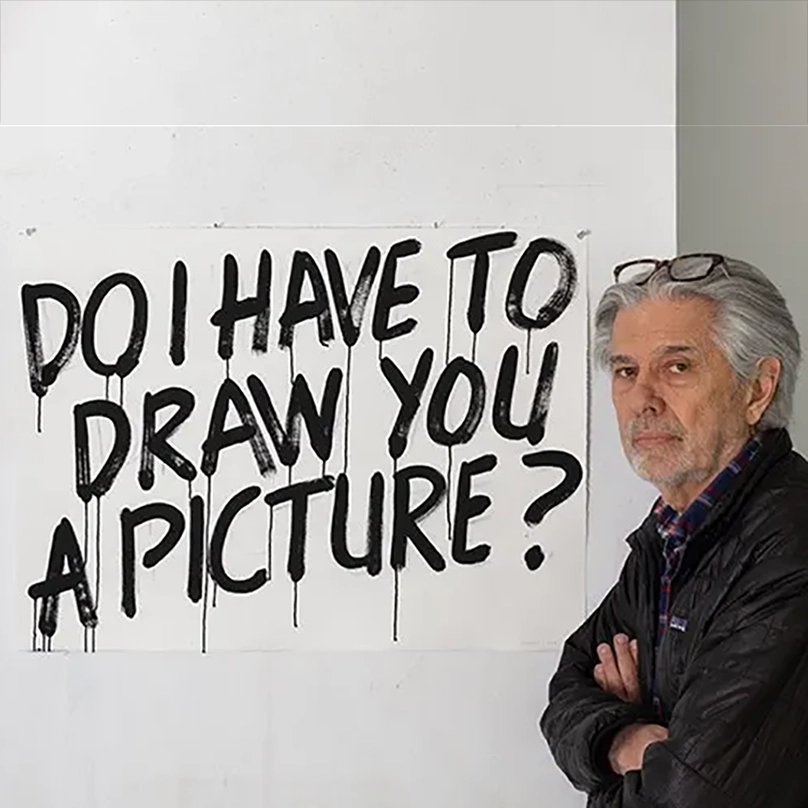
Mel Bochner
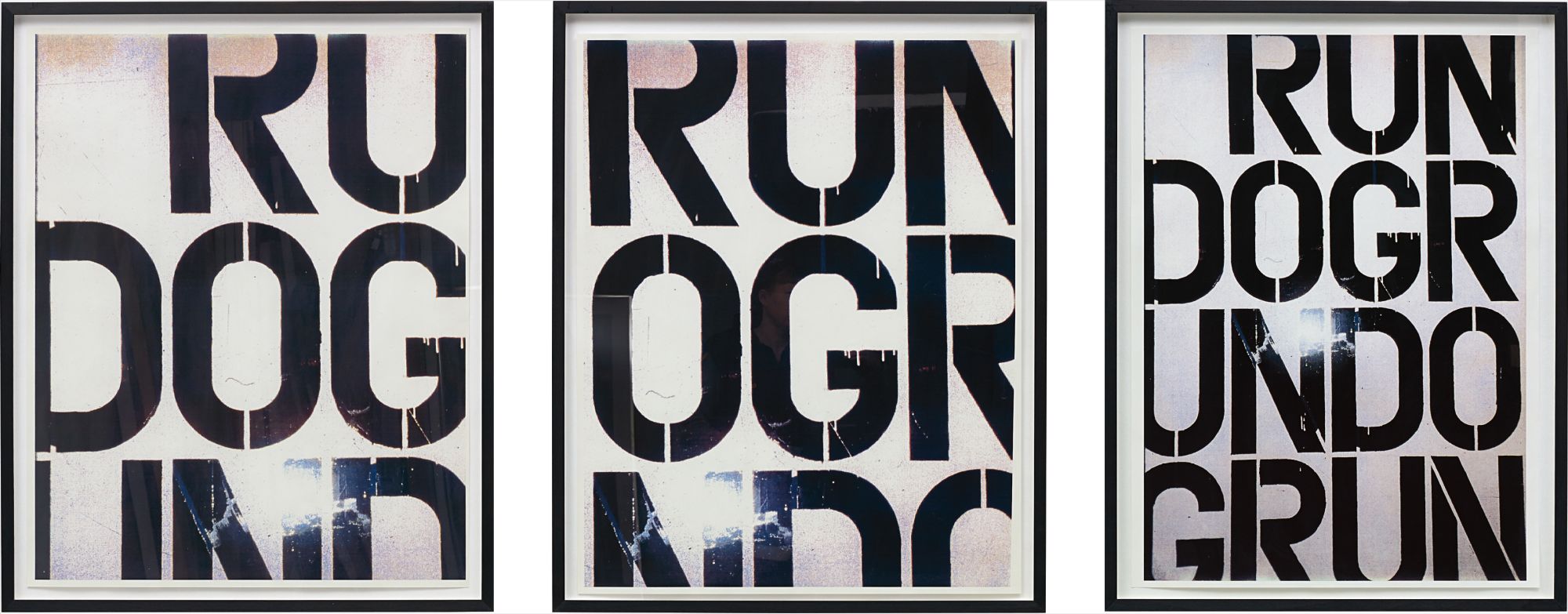
Bochner has long worked with boldly stenciled text on canvas exploring the expressive and philosophical weight of language, making his practice one of the closest stylistic and conceptual parallels to Wool's text based paintings.
Artists who inspired them
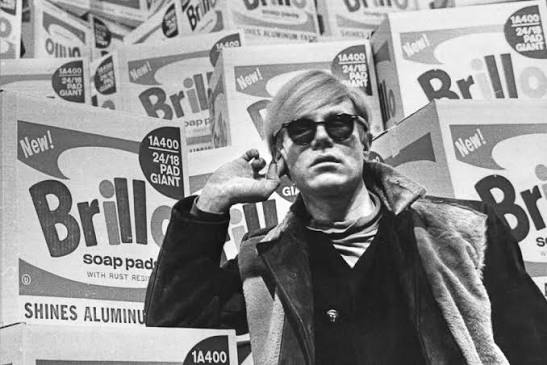
Andy Warhol
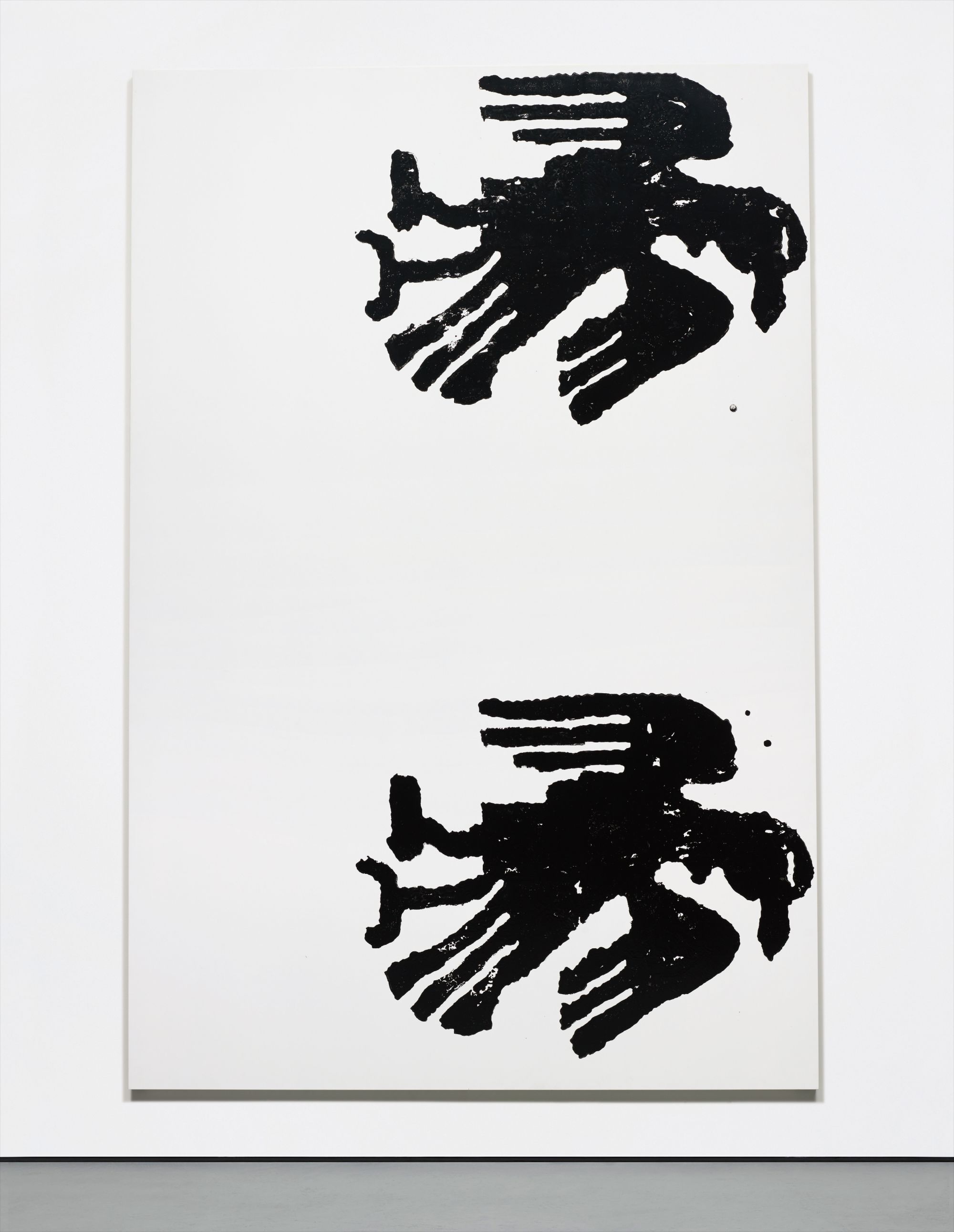
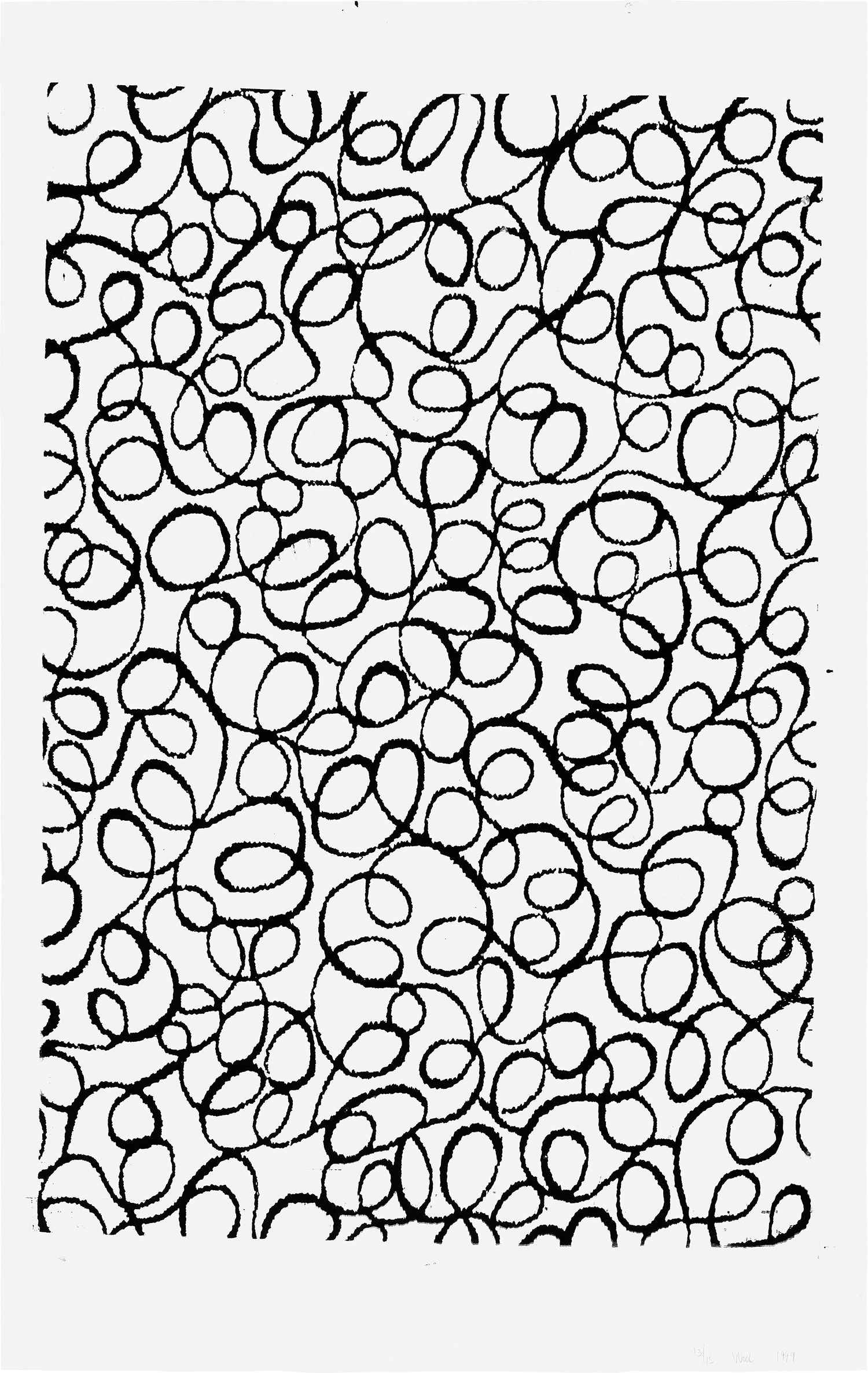
Warhol's use of silkscreen, mechanical repetition, and appropriation of commercial imagery directly informed Wool's embrace of non painterly processes and his questioning of originality and artistic authorship.
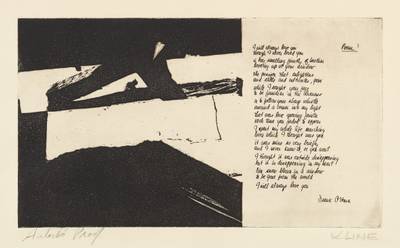
Franz Kline
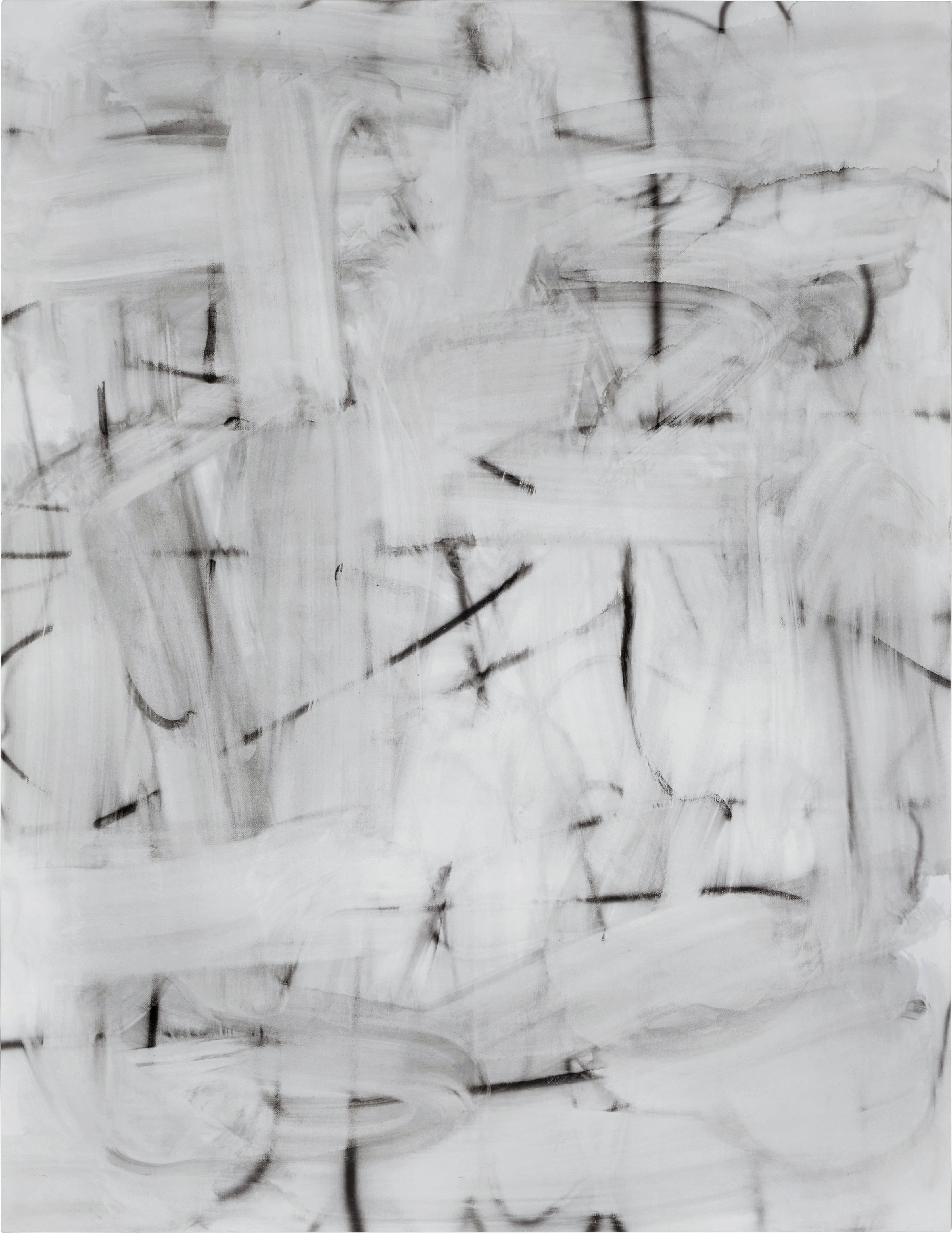
Kline's monumental black and white gestural abstractions provided a formal and emotional precedent for Wool's own stark monochromatic compositions that balance raw mark making with structural tension.
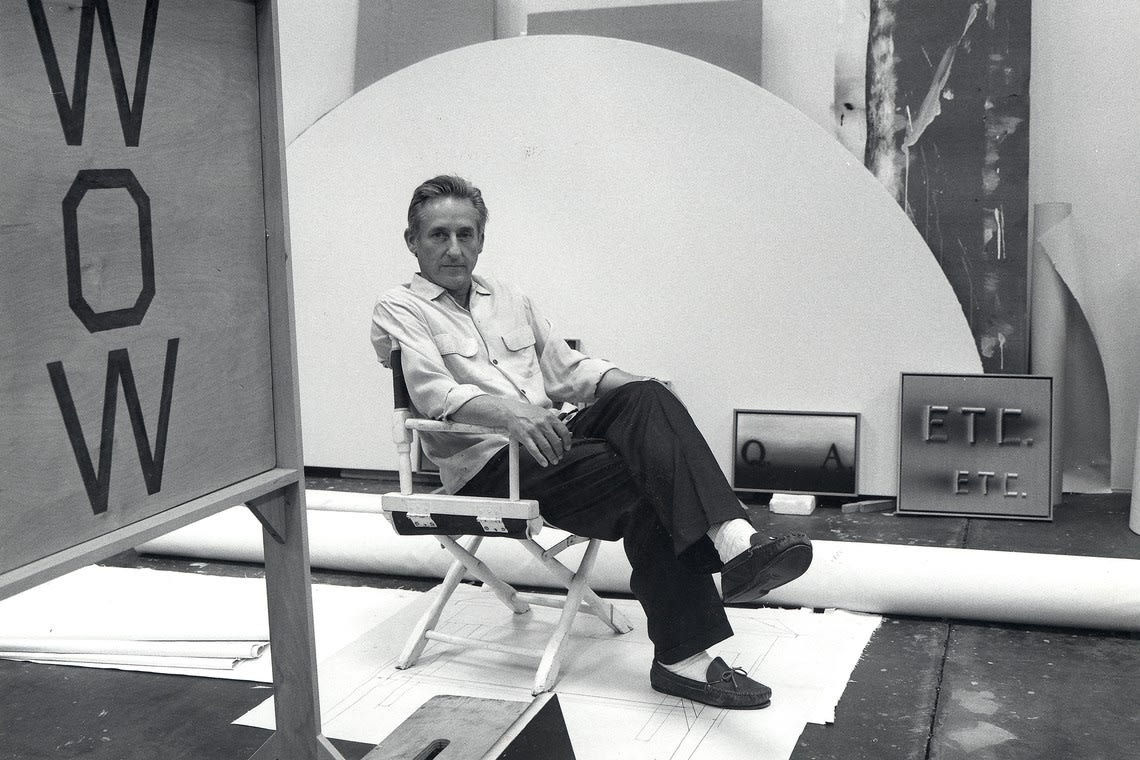
Ed Ruscha
Ruscha pioneered the integration of vernacular American text and language into fine art painting, establishing a conceptual framework for using words as primary pictorial elements that was foundational to Wool's text based practice.
Artists they inspired
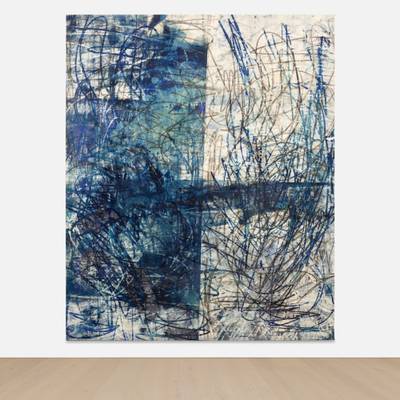
Oscar Murillo
Murillo's layered process based paintings combining text, abstraction, and urban visual culture reflect a clear engagement with the raw aesthetic and conceptual strategies Wool pioneered in the 1980s and 1990s.
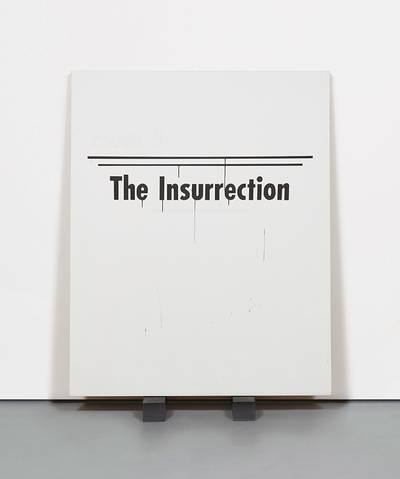
Gardar Eide Einarsson
Einarsson's stenciled text works on large format surfaces addressing subcultural and political language demonstrate a direct lineage from Wool's template for merging conceptual urgency with graphic visual force.
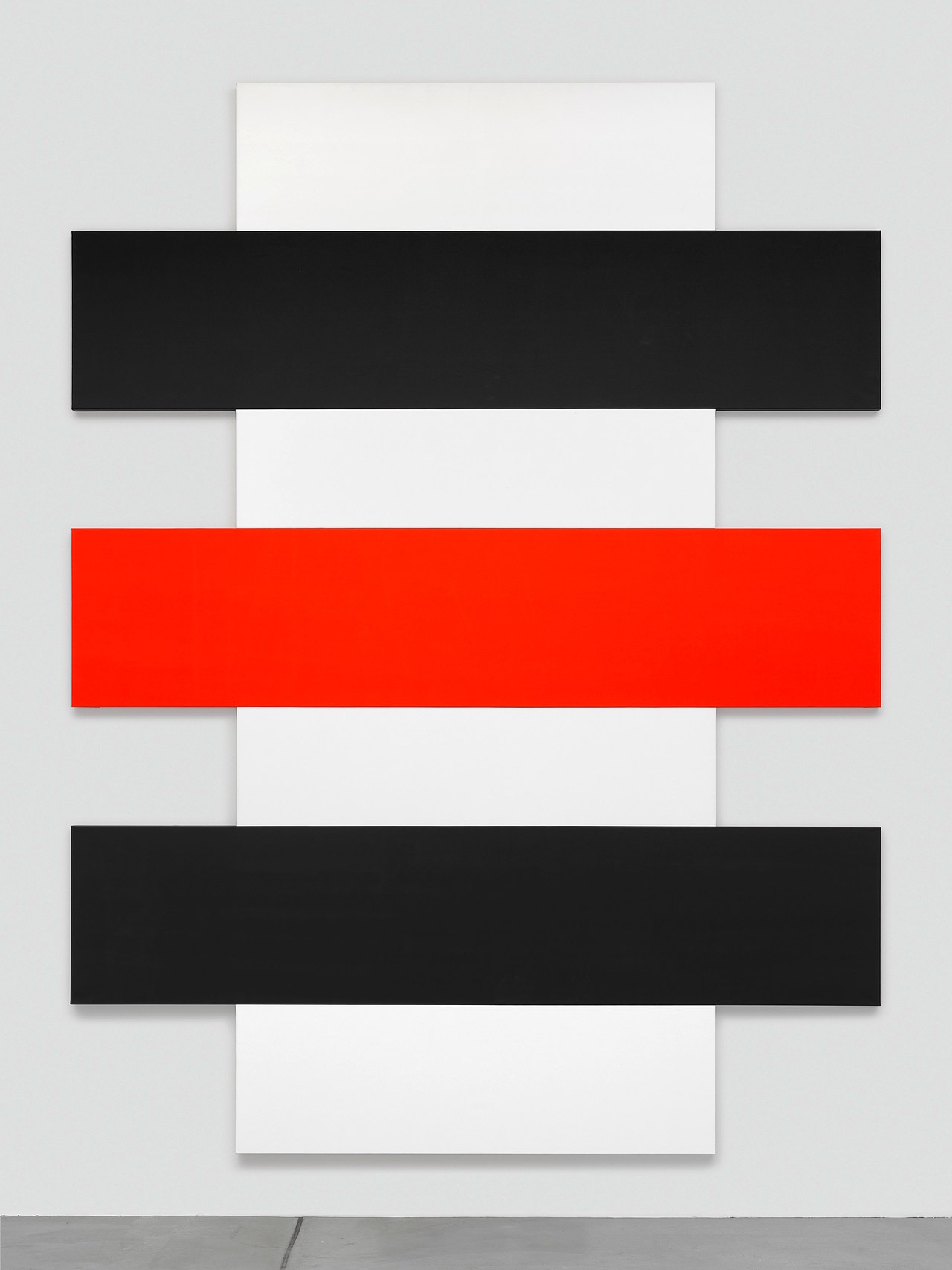
Joe Bradley
Bradley's reductive abstract paintings that flirt with figuration and process based mark making owe a significant debt to Wool's demonstration that painting can remain conceptually rigorous while retaining raw material presence.