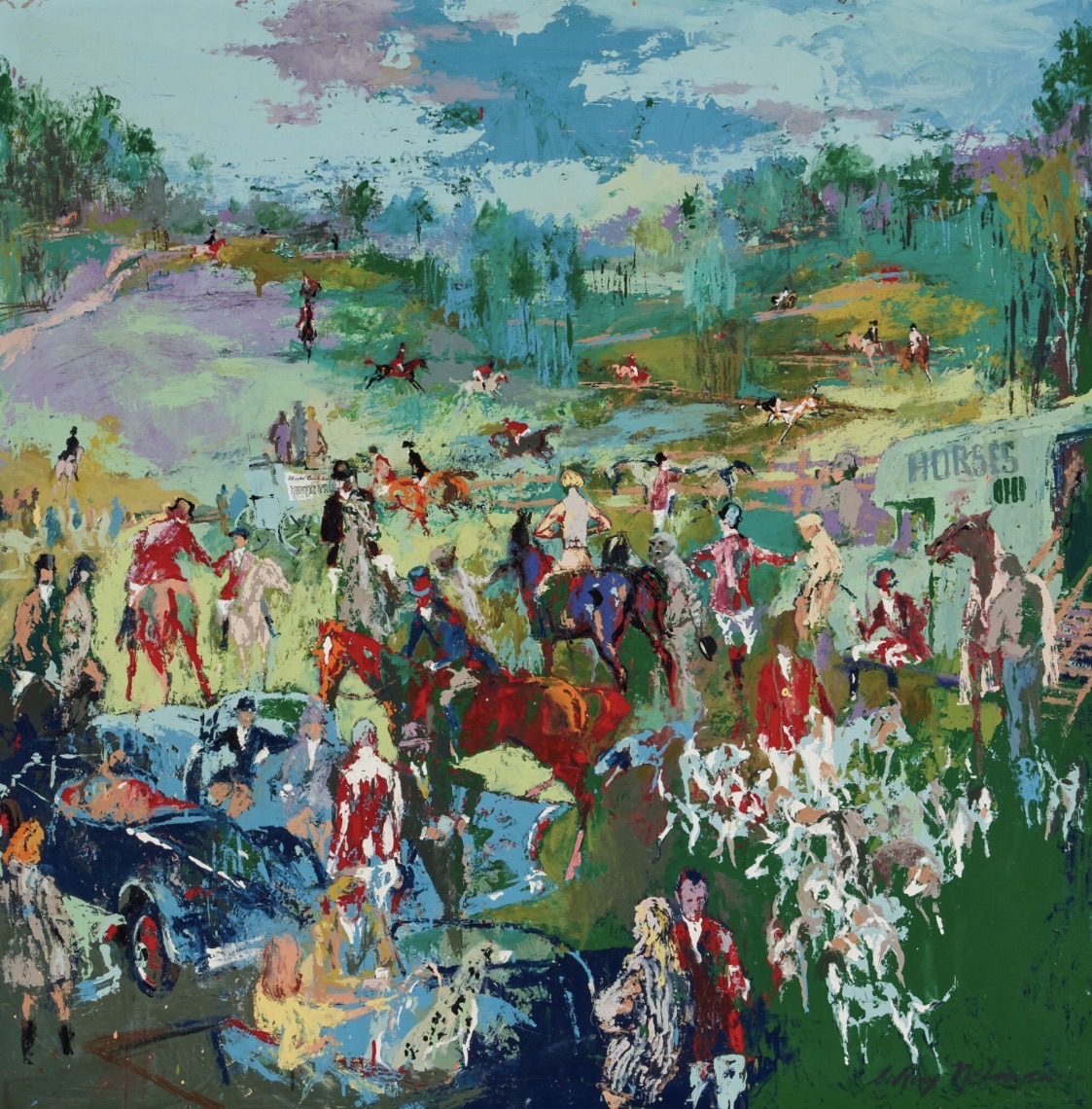
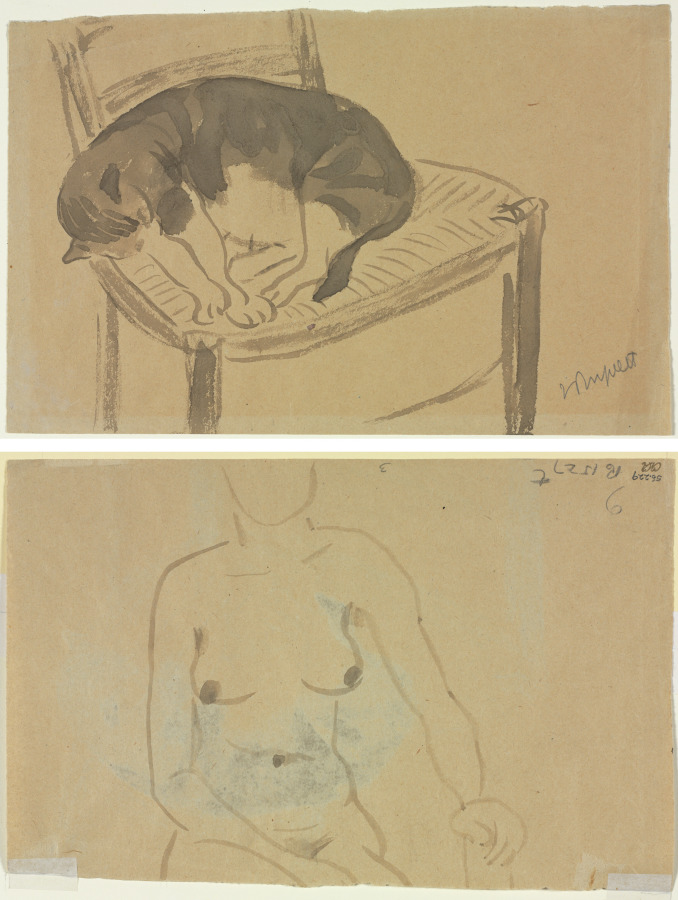
Portfolio Format
Agnes Martin
Paintings and Drawings: Stedelijk Museum Portfolio, 1990
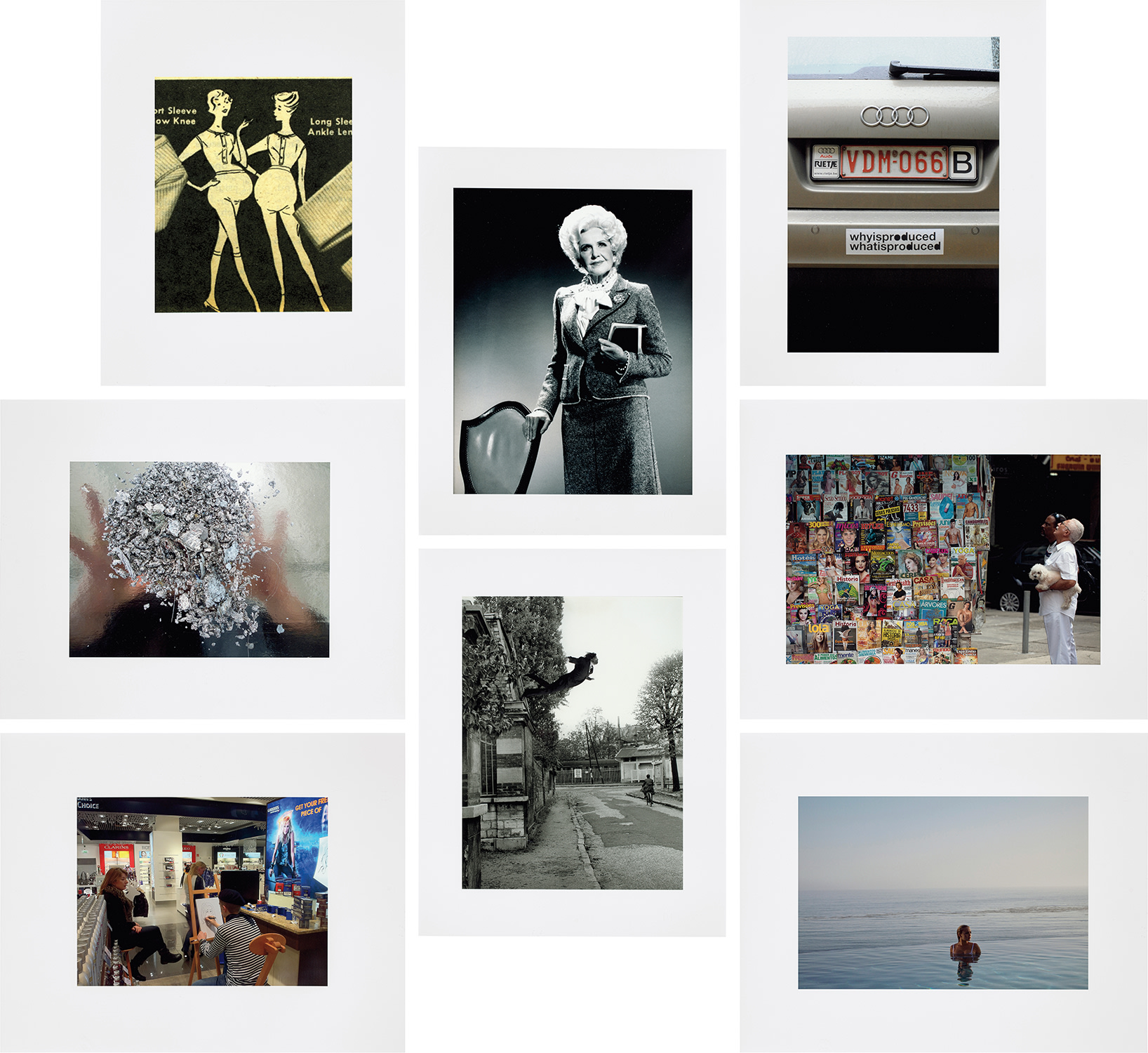
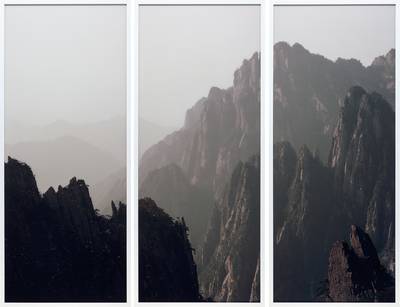
The Portfolio: Art's Most Intimate Argument
There is something quietly radical about the portfolio format. In a world that prizes the singular masterpiece, the lone canvas hung in splendid isolation under a museum spotlight, the portfolio insists on something different: that meaning accumulates, that one image or object answers another, and that the artist's full intelligence only reveals itself across a sequence. To collect a portfolio is to enter into a sustained conversation rather than exchange a single glance. The portfolio as a deliberate artistic form has roots that run deeper than most collectors appreciate.
In the printmaking traditions of seventeenth century Europe, artists and publishers began issuing grouped suites of engravings as cohesive objects, works intended to be experienced together rather than dispersed. By the nineteenth century, the tradition had grown considerably more ambitious. Louis Haghe, the Belgian born lithographer celebrated for his architectural and historical subjects, produced work that circulated in precisely this format, with grouped lithographic series that carried viewers through layered visual arguments about place, history, and craftsmanship. The portfolio was both a commercial vehicle and an aesthetic statement.
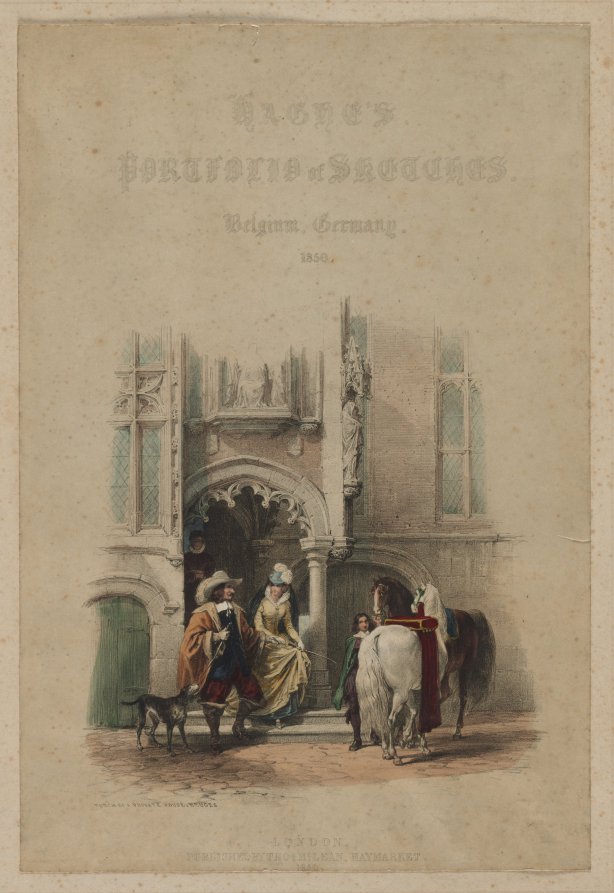
Louis Haghe
Haghe's Portfolio of Sketches. Belgium. Germany, vol. III: Title Page, on a door, part of a view, Porch of a Private House, Bruges, 1850
The twentieth century transformed the portfolio into something more consciously conceptual. Following the Second World War, artists began treating the format as a philosophical proposition in itself. Joseph Beuys, whose expansive thinking about art, politics, and social transformation reshaped postwar European culture, understood the multiple and the portfolio as democratic objects, works that could exist outside the singular precious commodity structure of traditional art collecting. His various editions and multiples were not lesser versions of his ideas but vehicles for spreading them.
The portfolio, in this light, became a form of argument about who art belongs to and how ideas travel. In America, a parallel tradition developed through the extraordinary flourishing of print culture in the 1960s and 1970s. Publishers and workshops including Gemini G.E.
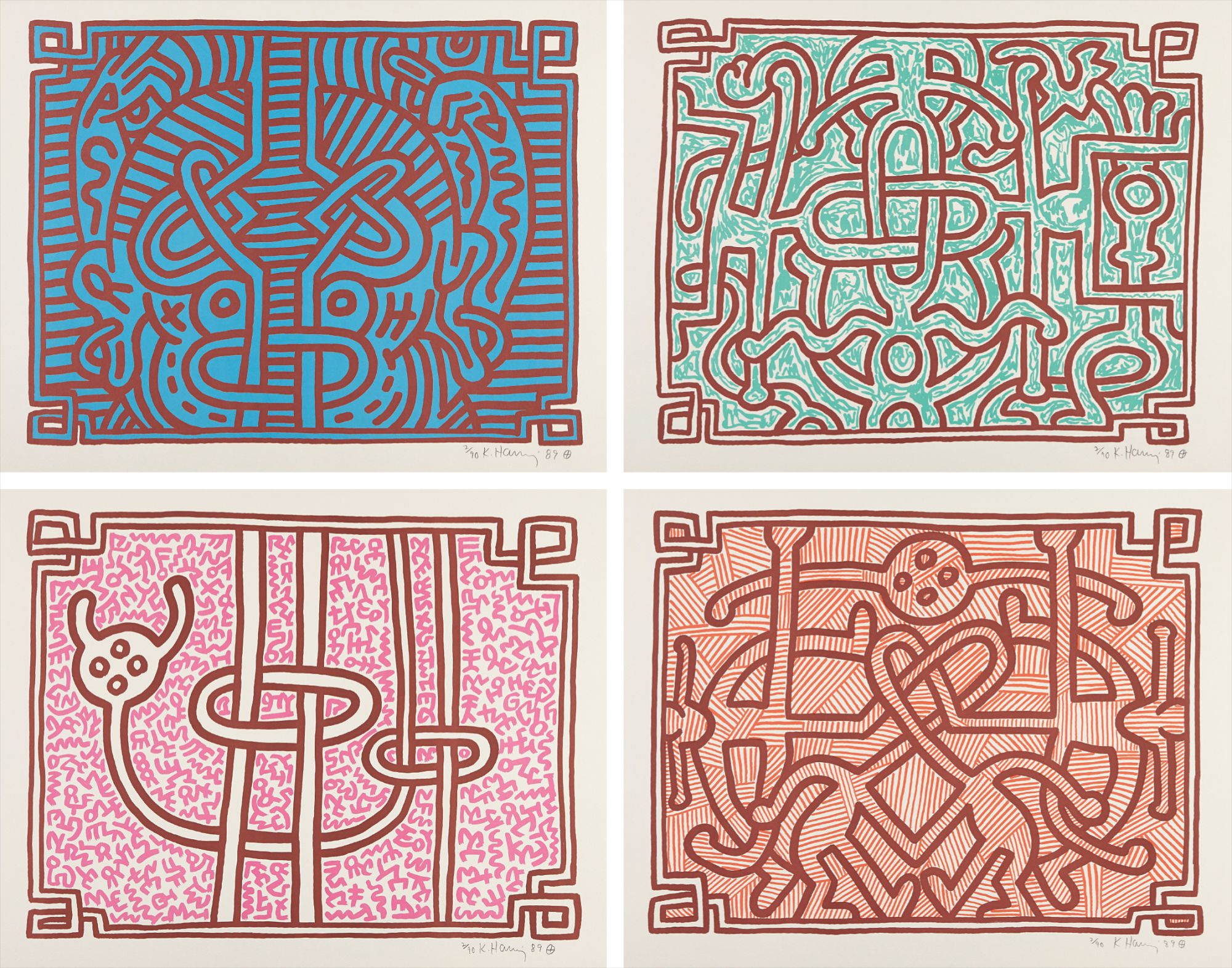
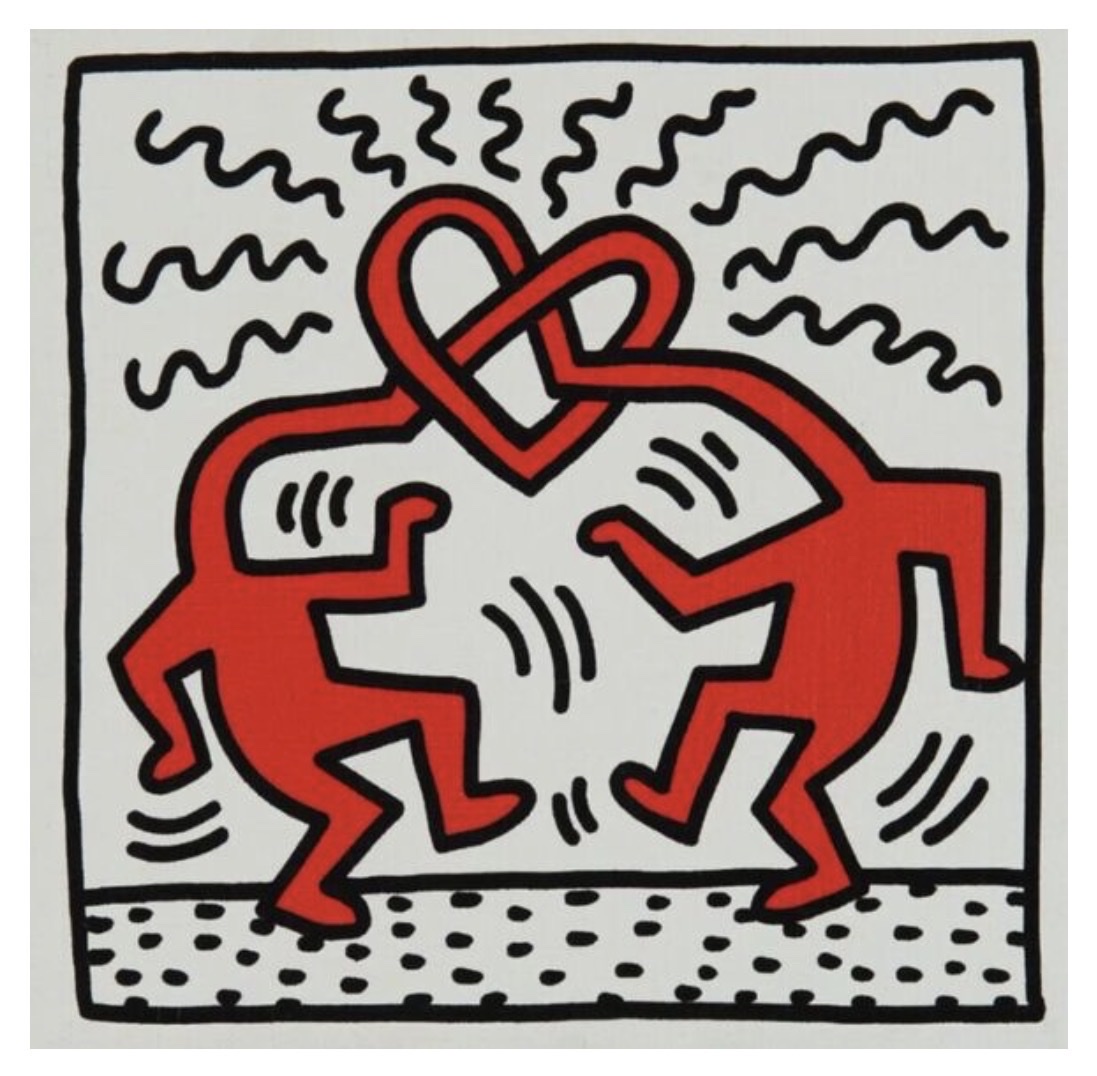
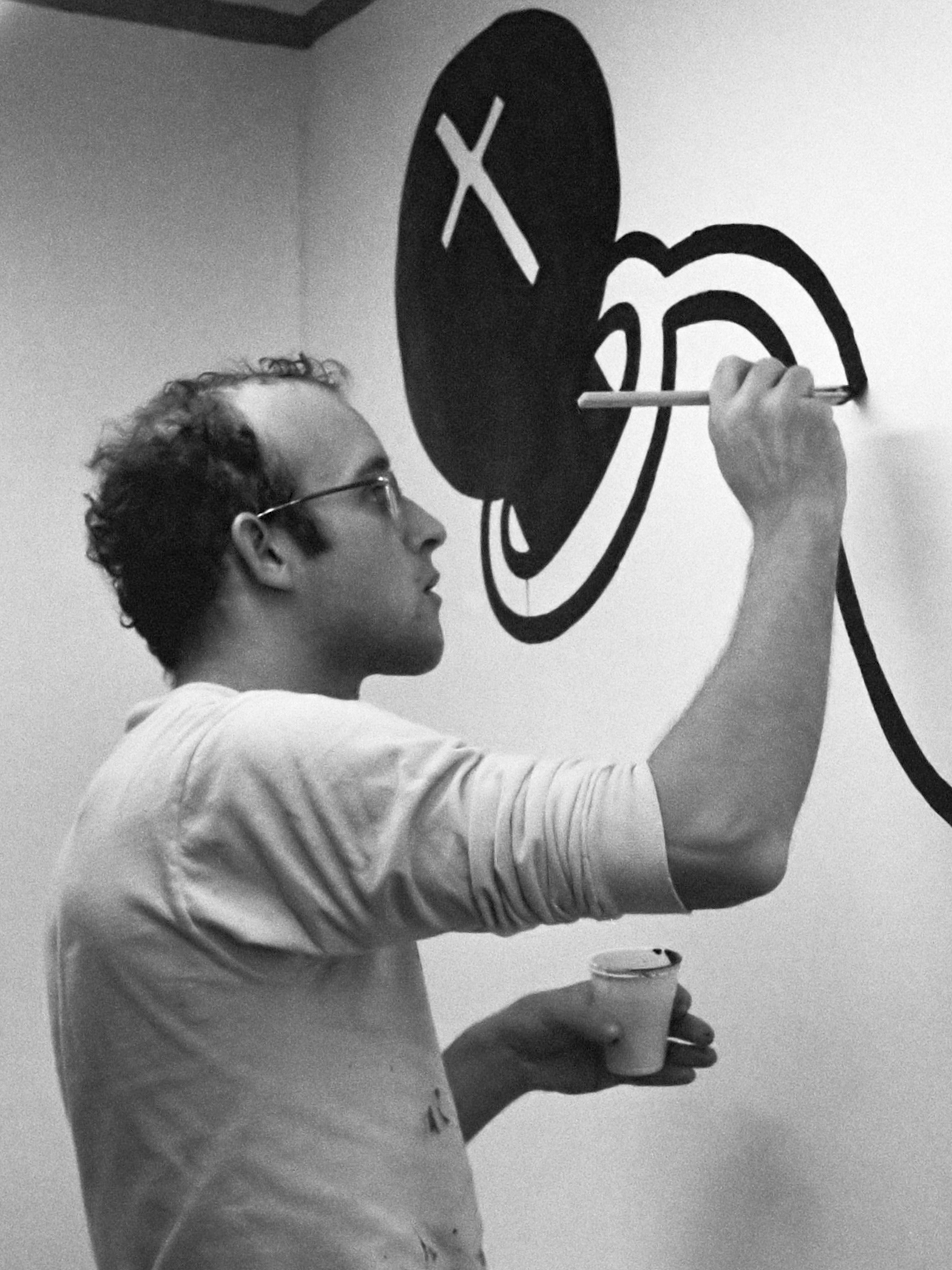
Keith Haring
Chocolate Buddah: four prints
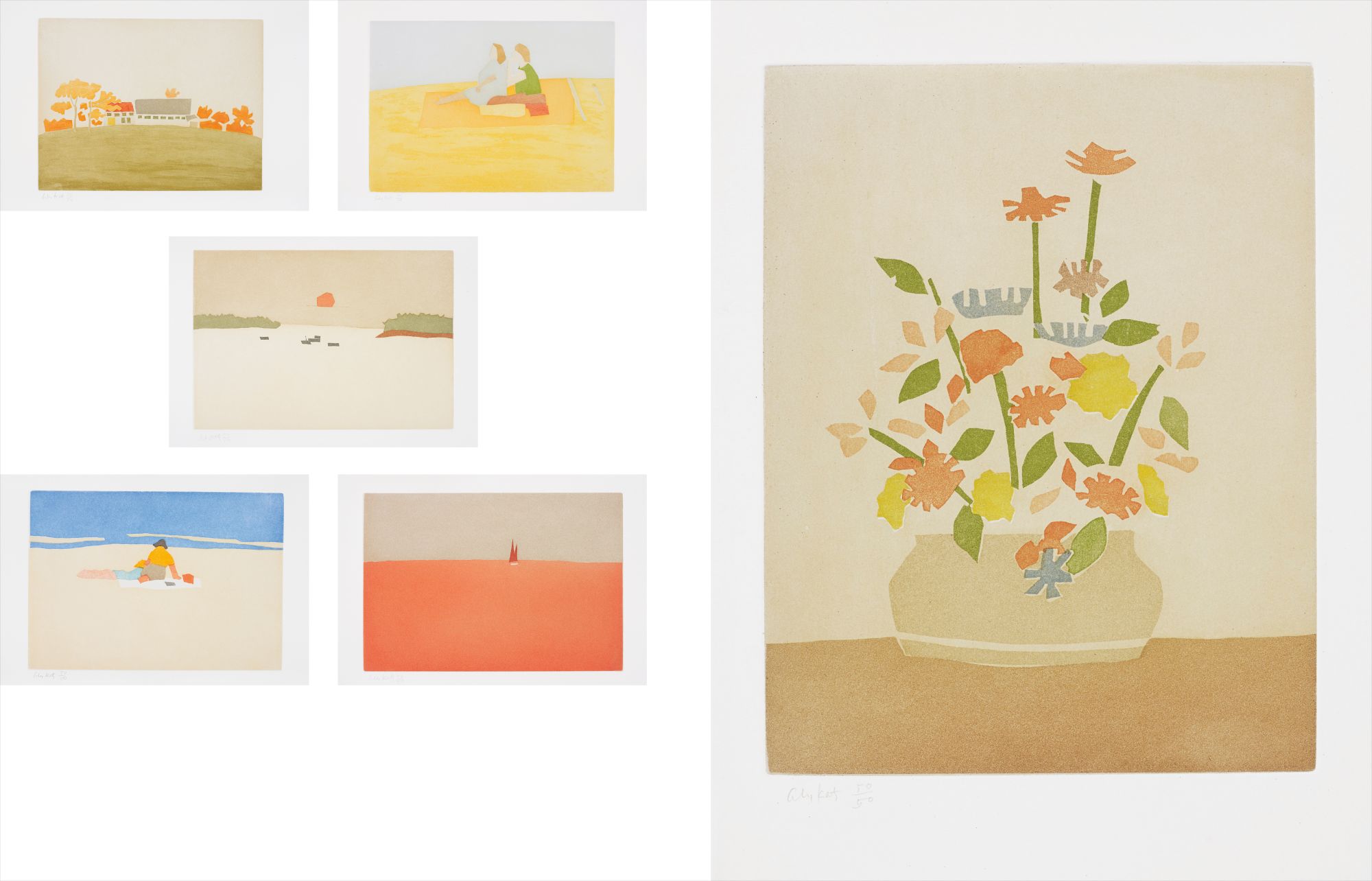
L. in Los Angeles and Universal Limited Art Editions in New York collaborated with major artists to produce portfolios of prints that sit among the most significant works of that era. Robert Indiana, whose bold graphic sensibility translated with particular power into print, and Keith Haring, who understood the reproducible image as central to his entire project, both produced work in portfolio formats that demonstrated how seriality and repetition could amplify rather than dilute artistic impact. The portfolio allowed these artists to think in sequences, to let motifs breathe and transform across pages.
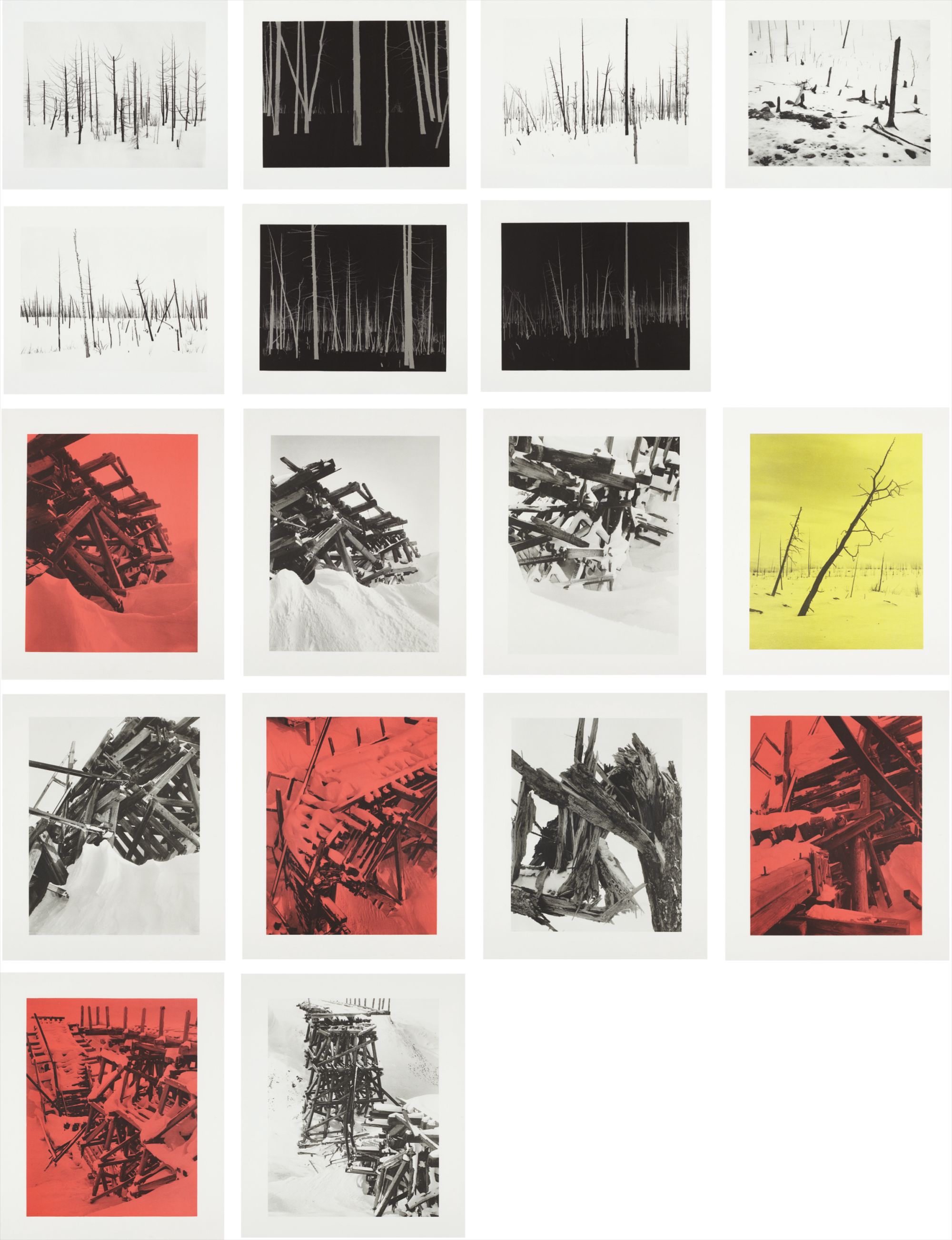
Photography arrived at the portfolio format through its own distinct logic. For photographers, the sequence had always been a natural mode of thinking, but the twentieth century saw that intuition formalized into something more rigorous. Edward Weston, working in the 1920s and 1930s, produced prints intended to be understood as related bodies of work, each image in dialogue with the others. Later, William Eggleston and Stephen Shore brought the portfolio sensibility into the color photography that redefined what the camera could address.
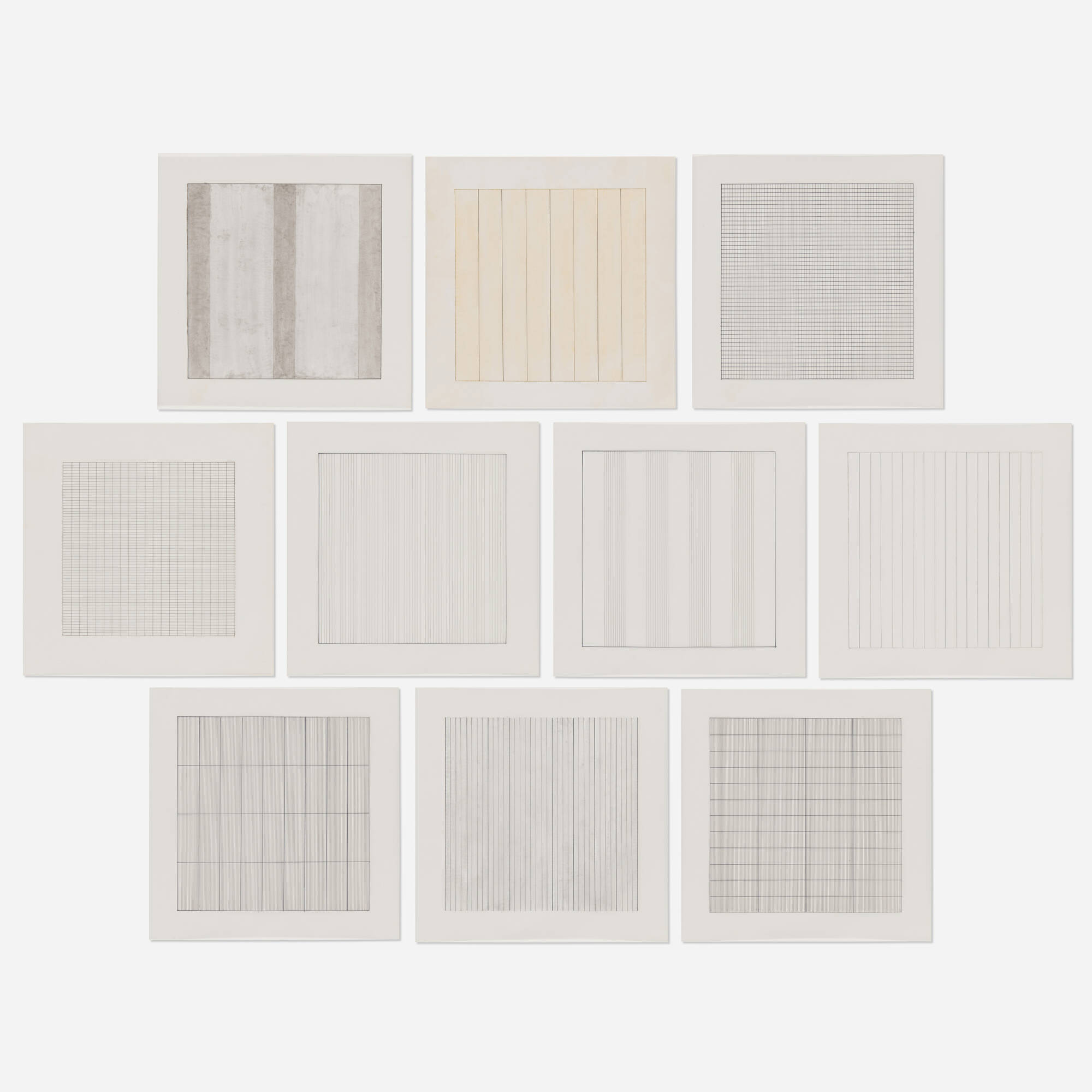
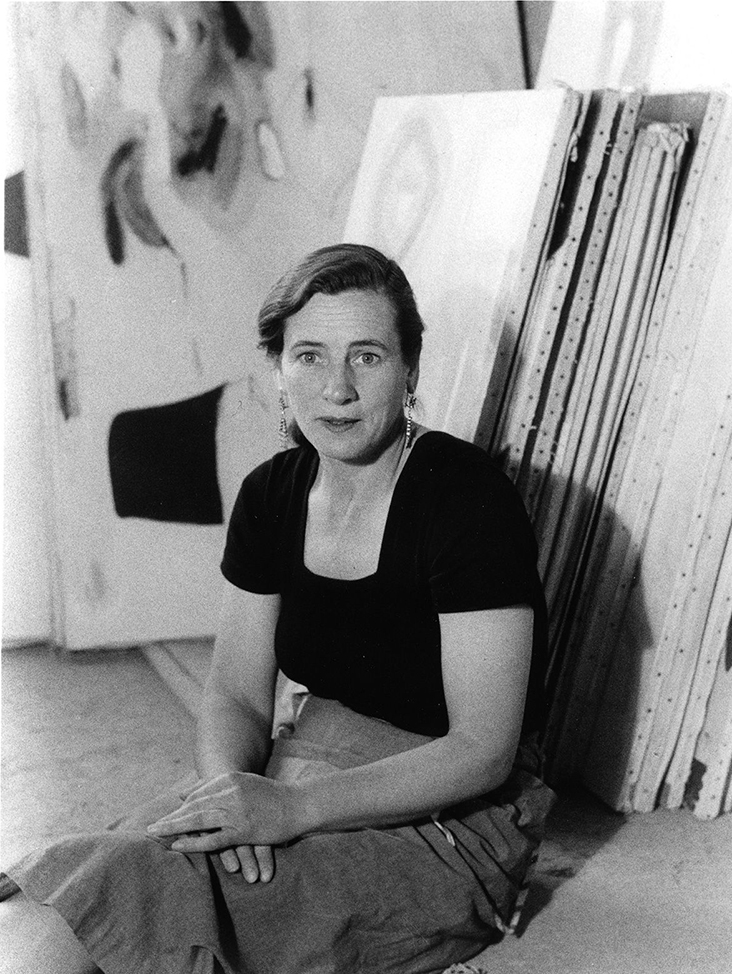
Agnes Martin
Paintings and Drawings: Stedelijk Museum Portfolio, 1990
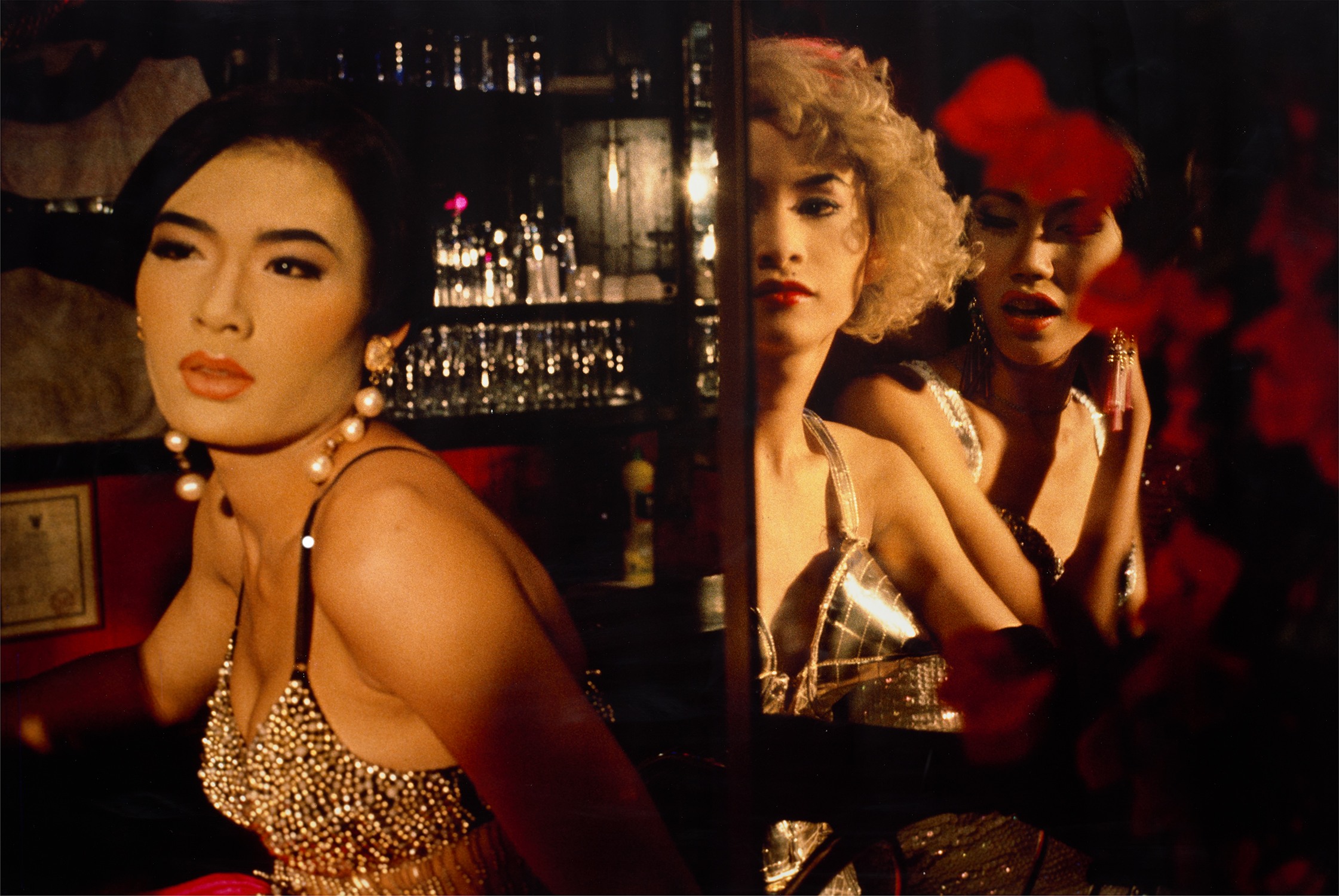
Shore's work in particular rewards sequential attention: his images of American vernacular landscapes and spaces accumulate meaning slowly, each photograph adjusting how you read the ones before and after it. Nan Goldin's work operates similarly, insisting that her photographs only make full sense as part of an ongoing, cumulative witness. Beyond print and photography, the portfolio concept has influenced how we understand groups of related works across media entirely. Agnes Martin, whose spare ruled canvases represent one of the purest pursuits of feeling in postwar abstraction, worked in series that function like extended meditations, each canvas a breath in a longer rhythm.
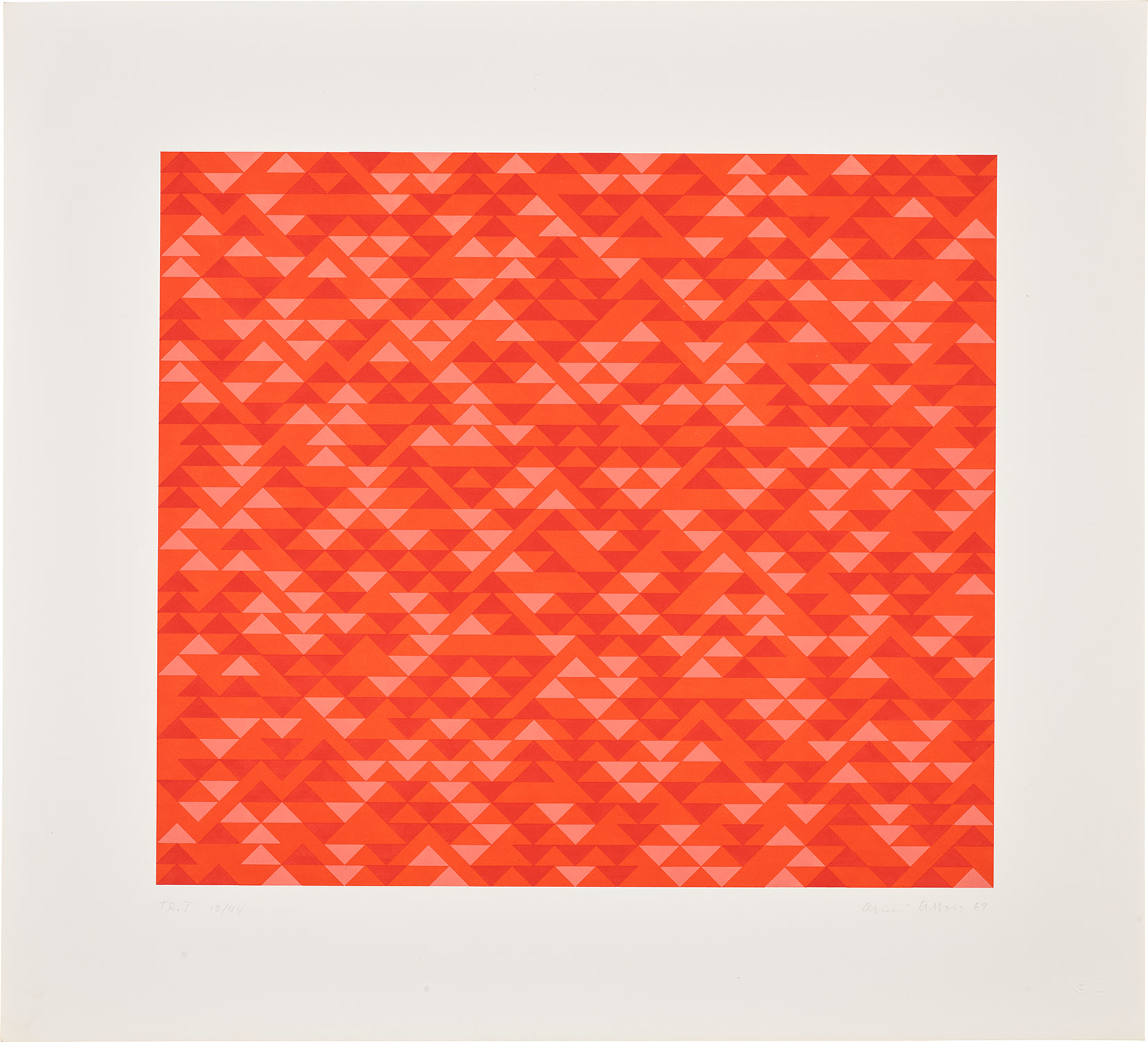
Lee Ufan, the Korean born artist central to the Japanese Mono Ha movement, has similarly produced works where the individual piece gains resonance through its relationship to a broader practice and series of related objects. To acquire one work by these artists is to hold a fragment of an ongoing philosophical inquiry. Anni Albers, the Bauhaus trained weaver and printmaker, produced print series in the 1960s and 1970s that drew on her lifelong investigation of structure and material, portfolios in which each image refined and extended the thinking of the last. The conceptual richness of the portfolio format lies partly in what it refuses.
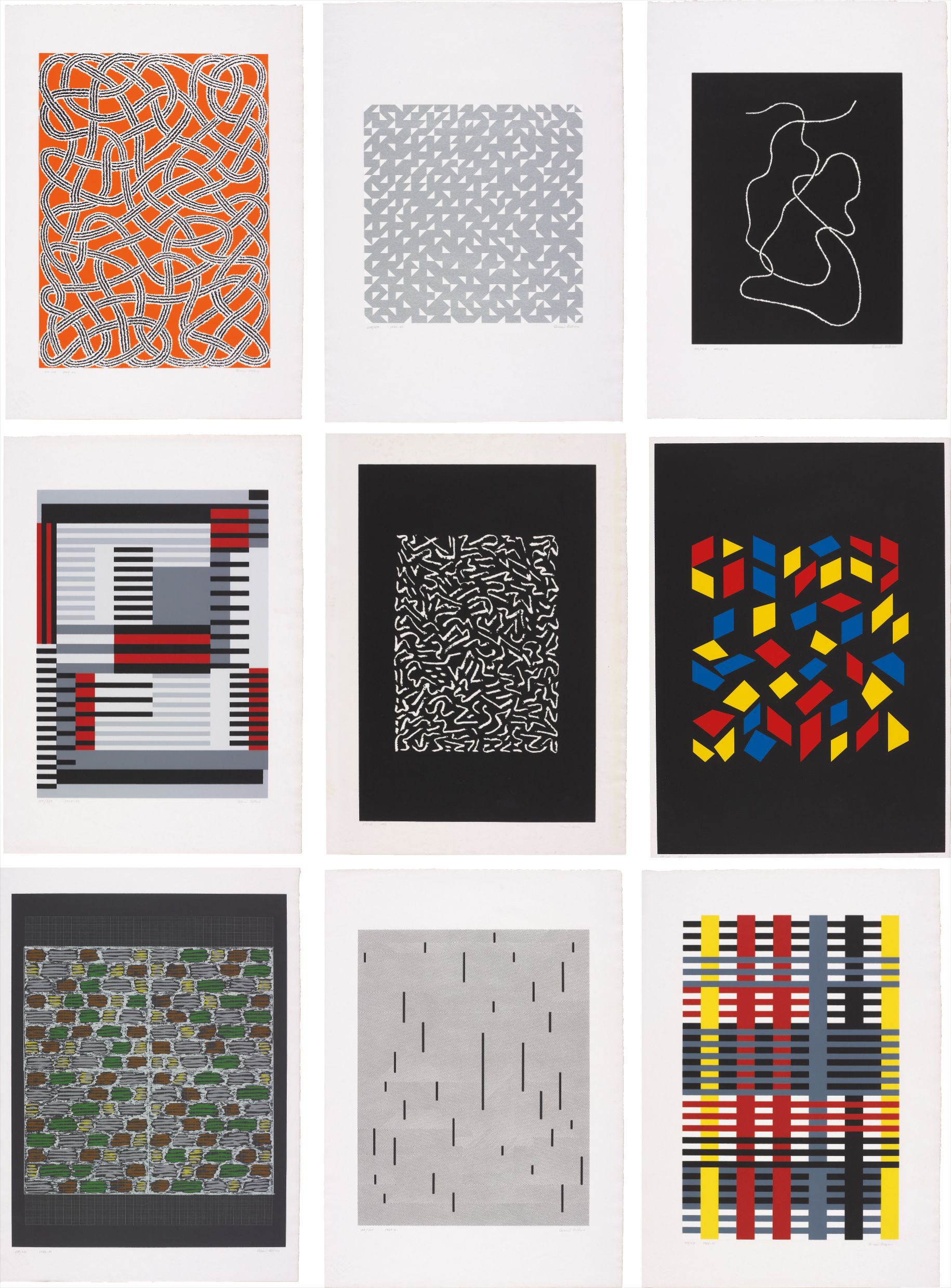
Anni Albers
Connections 1925/1983
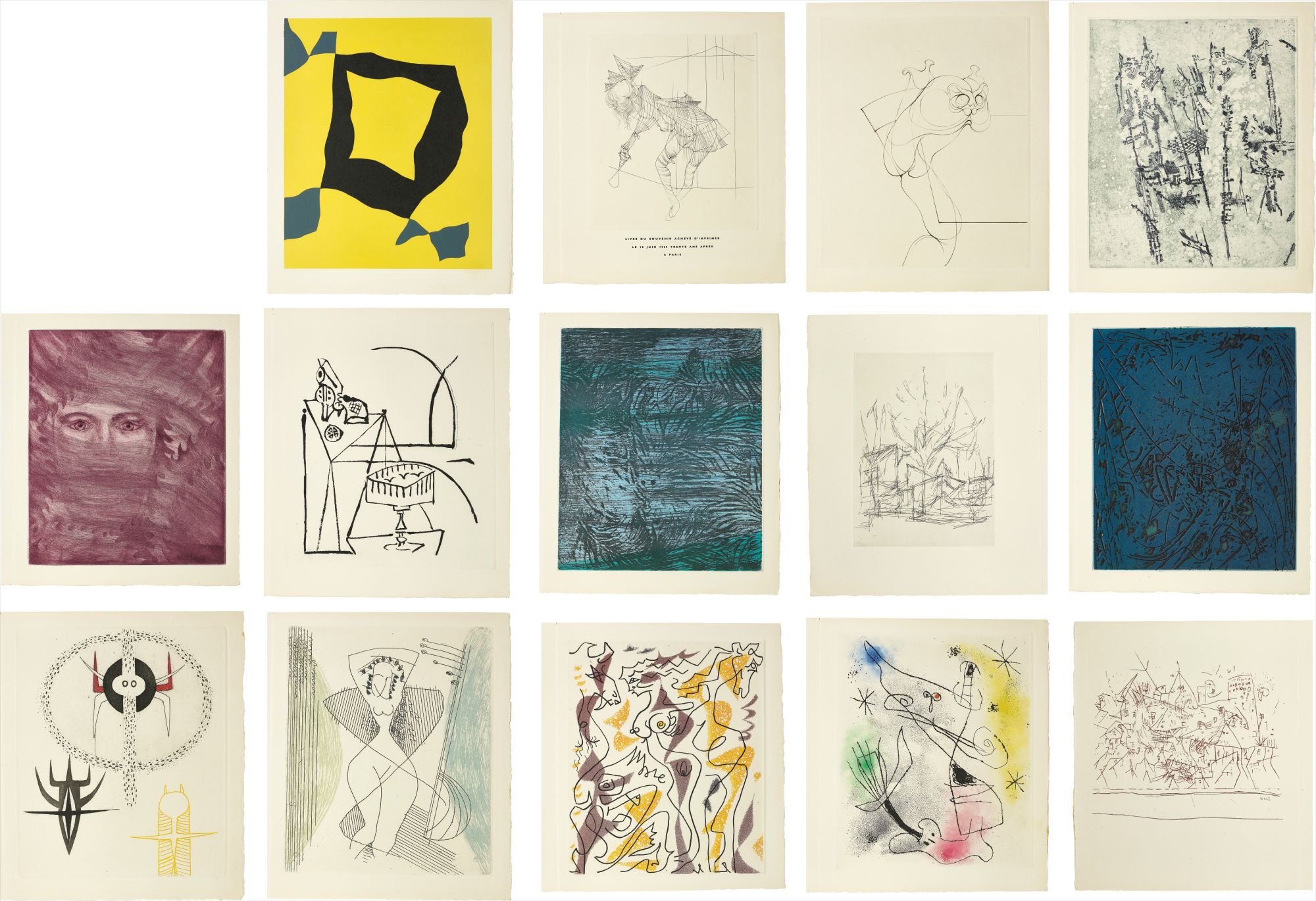
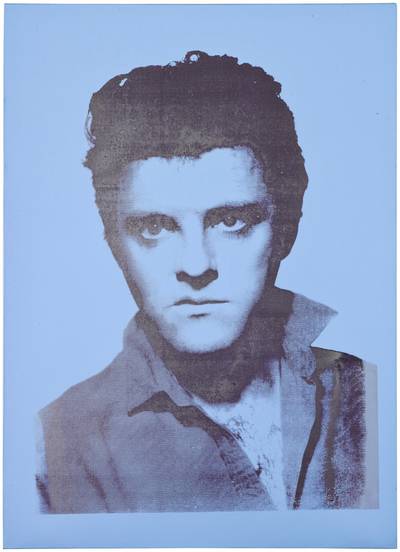
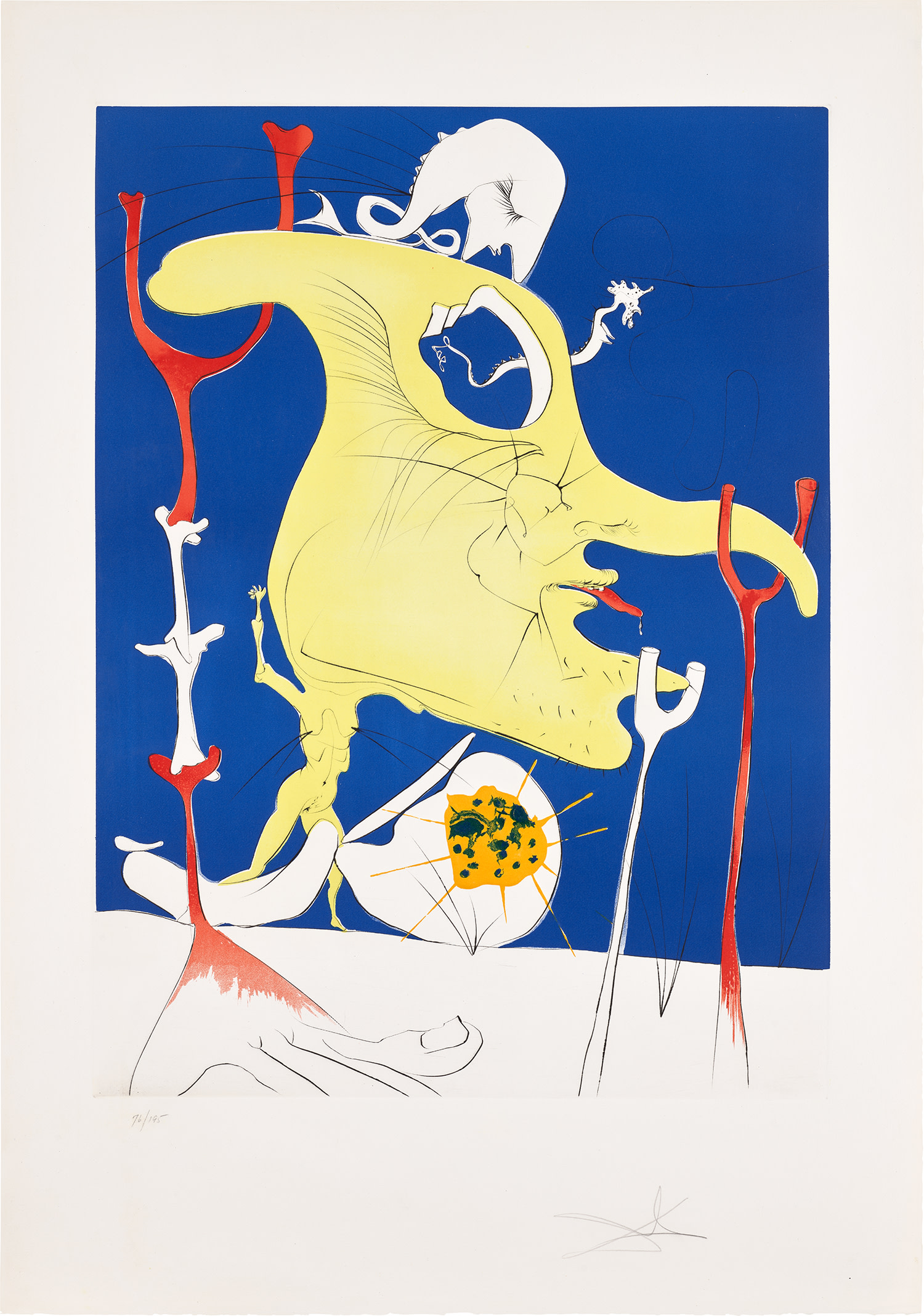
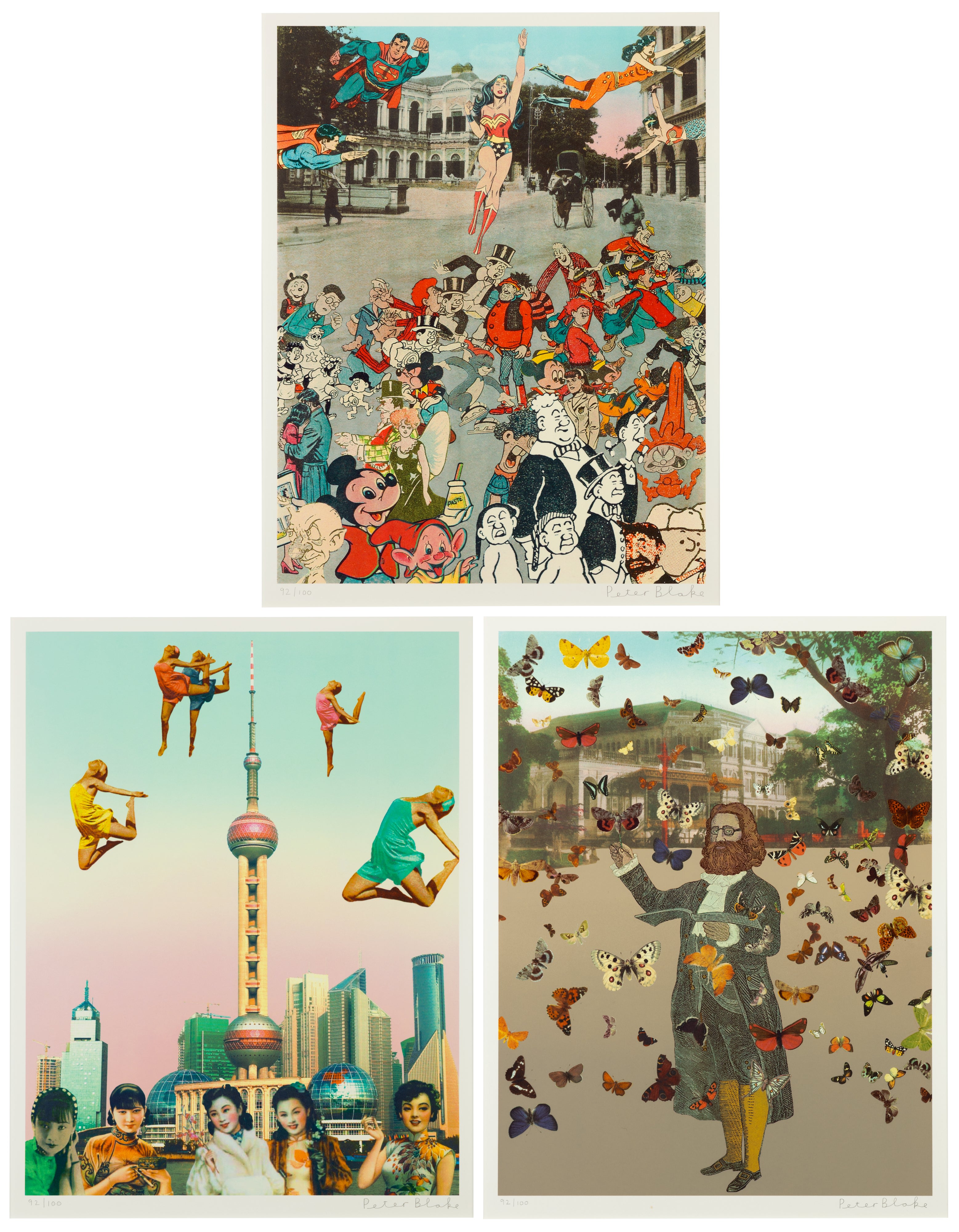
It refuses the hierarchy that elevates one masterwork above all others. It refuses the fetish of singularity. Artists as different in temperament and approach as Salvador Dalí, who produced numerous print suites across his career, and Carlos Cruz Diez, whose investigations of color and perception unfolded across extended series, both understood that certain ideas require space to breathe, require multiple instances to become legible. Sir Peter Blake, the British Pop artist whose work has always carried a deep engagement with popular culture and imagery, has returned throughout his career to the portfolio and suite format as a way of thinking through affinities and obsessions.
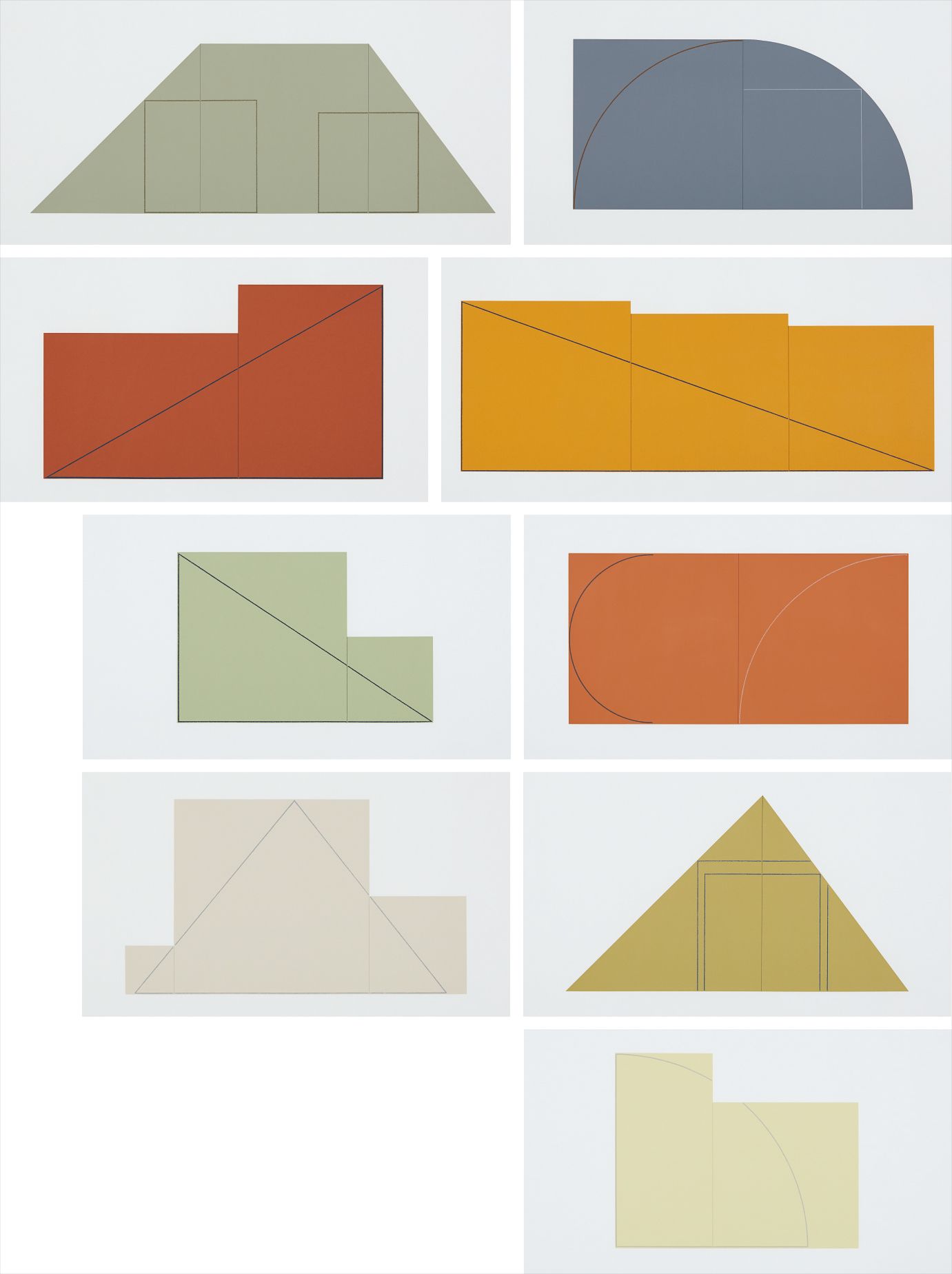
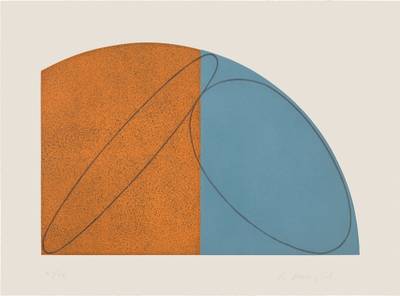
Darren Almond and Robert Mangold, despite working in very different registers, have each produced bodies of work where the series and the group carry significant weight. For collectors today, the portfolio presents both an opportunity and a particular kind of responsibility. To acquire a portfolio or a group of works understood as a sequence is to commit to the artist's full argument rather than extracting a single persuasive line from it. It demands more wall space, more patience, and more willingness to let meaning arrive slowly.
But it also offers a depth of engagement that the isolated single work cannot always provide. The works on The Collection that fall into this category reward exactly this kind of sustained attention, whether they arrive from the print traditions, photography, or conceptual practice. The portfolio format endures because it reflects something true about how thinking actually works. Ideas do not arrive complete and singular.
They develop, contradict themselves, return transformed. The artist who works in series or suites is not being indecisive or repetitive but is being honest about the nature of inquiry. In collecting portfolios, we collect not just objects but the evidence of minds at work, which may be the most valuable thing art has ever offered.