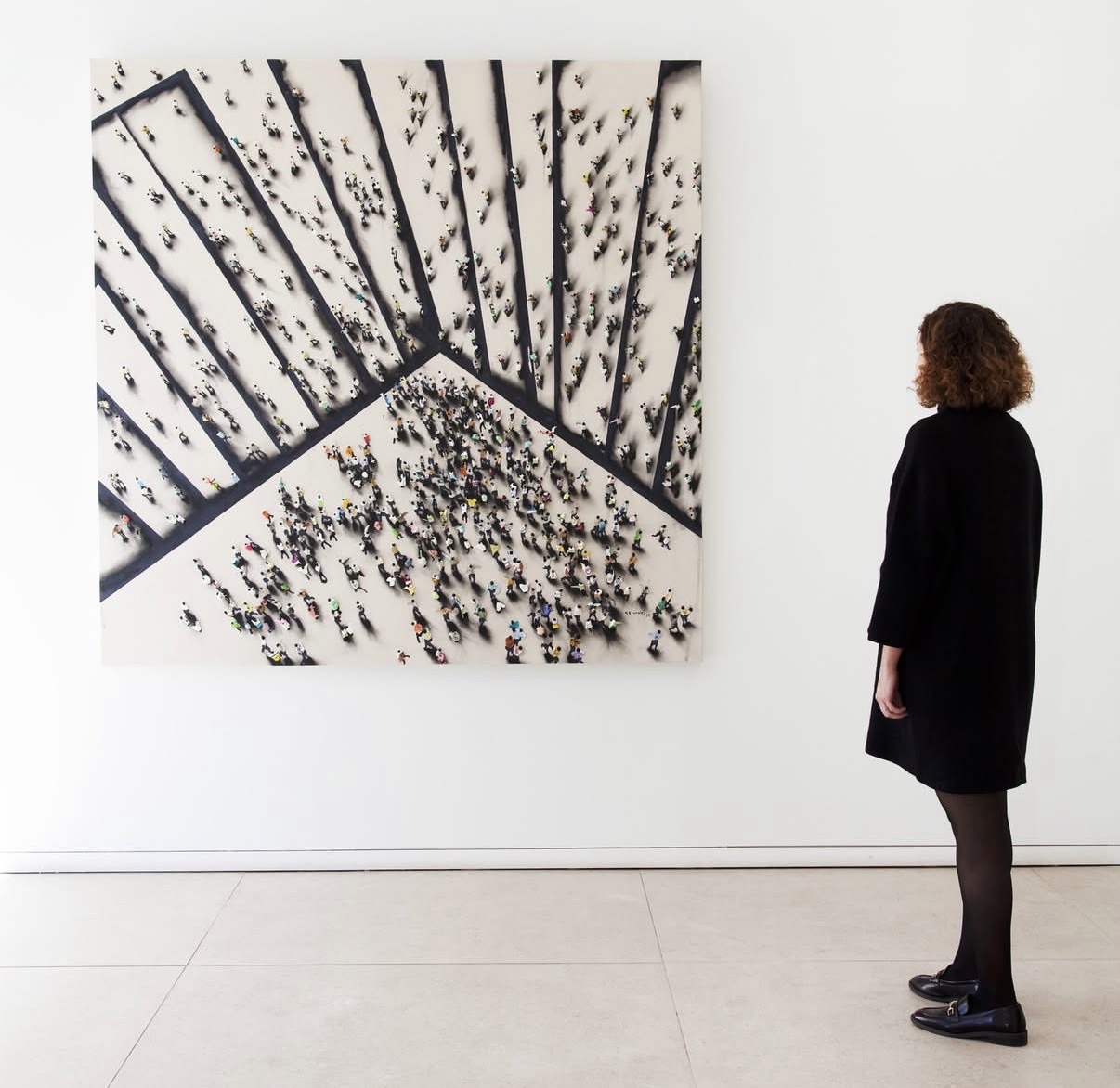
Pop Influenced
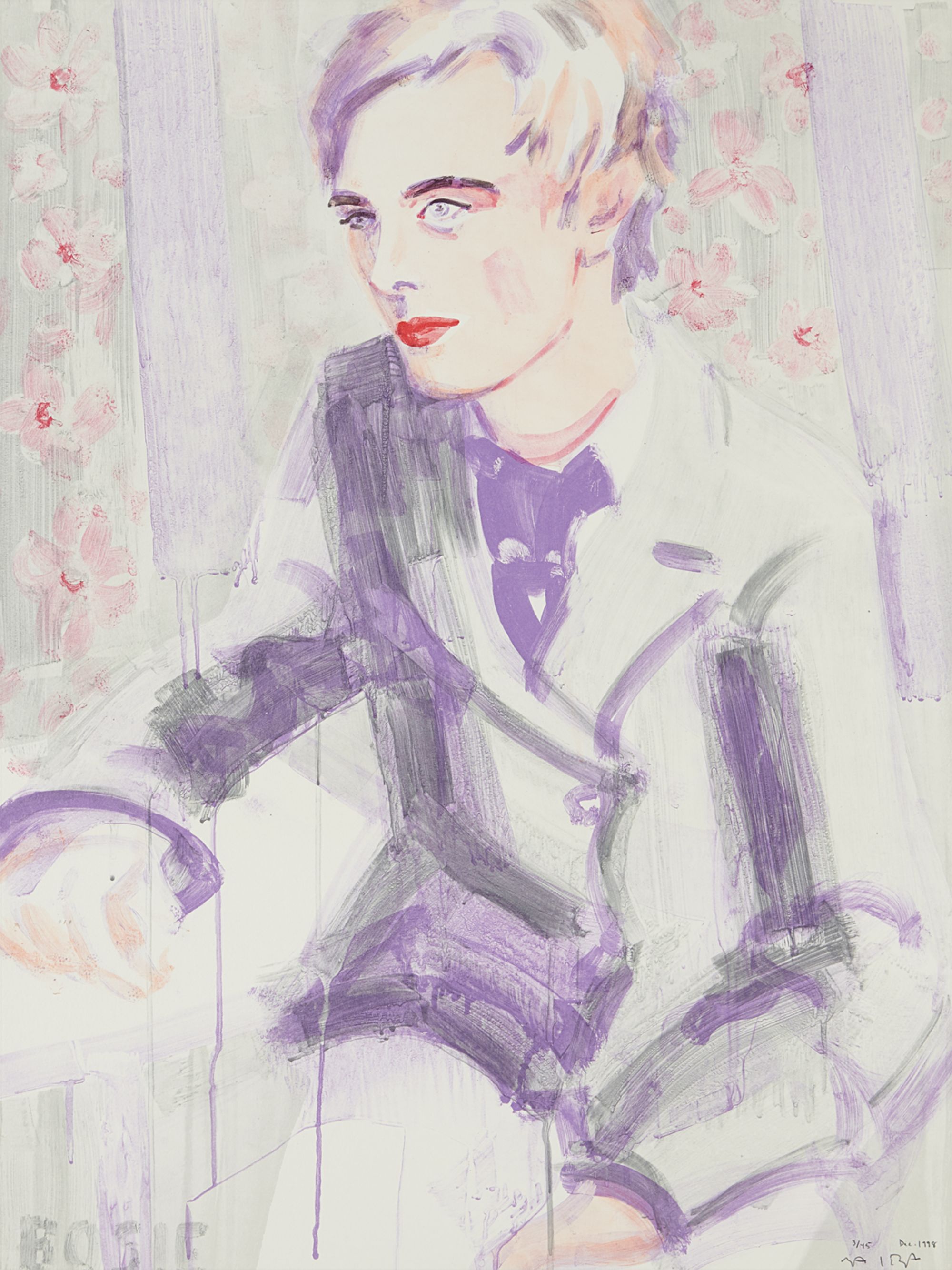
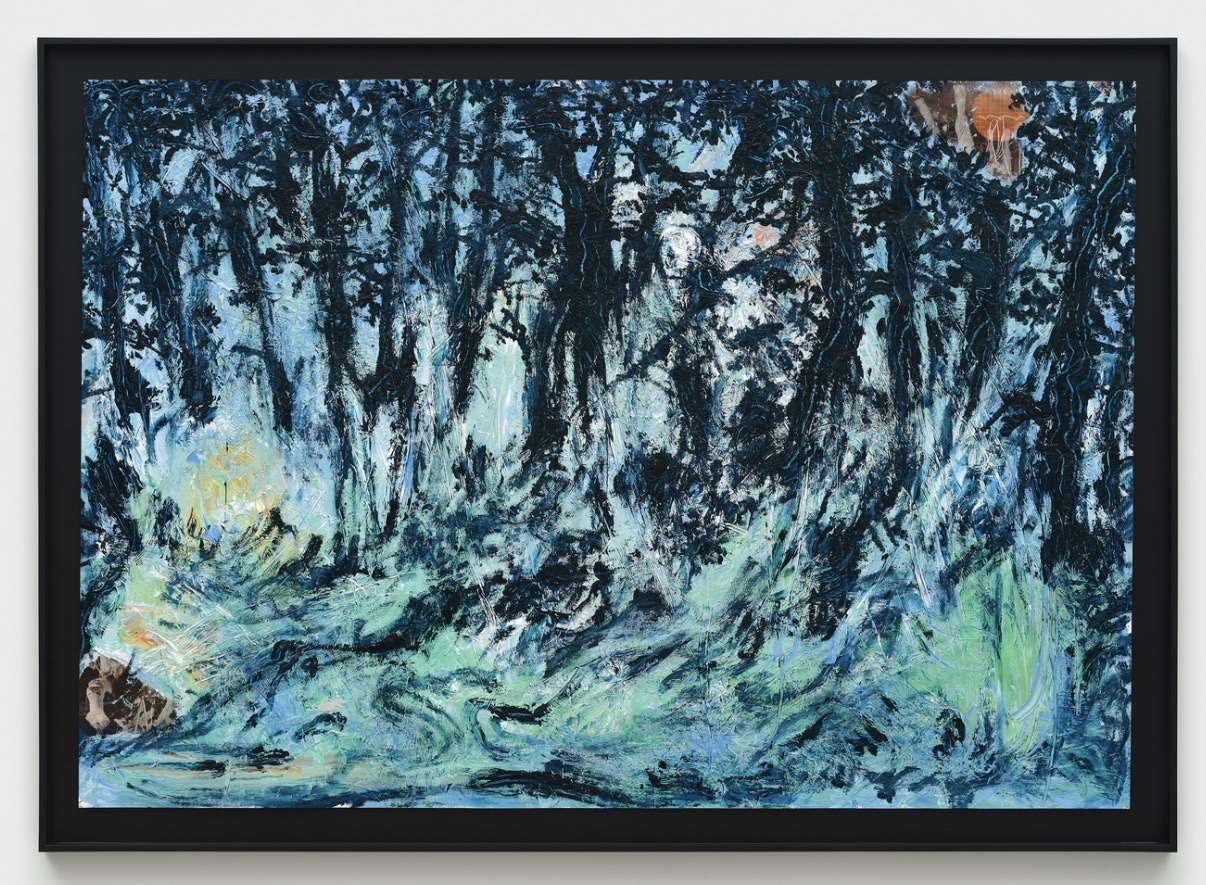
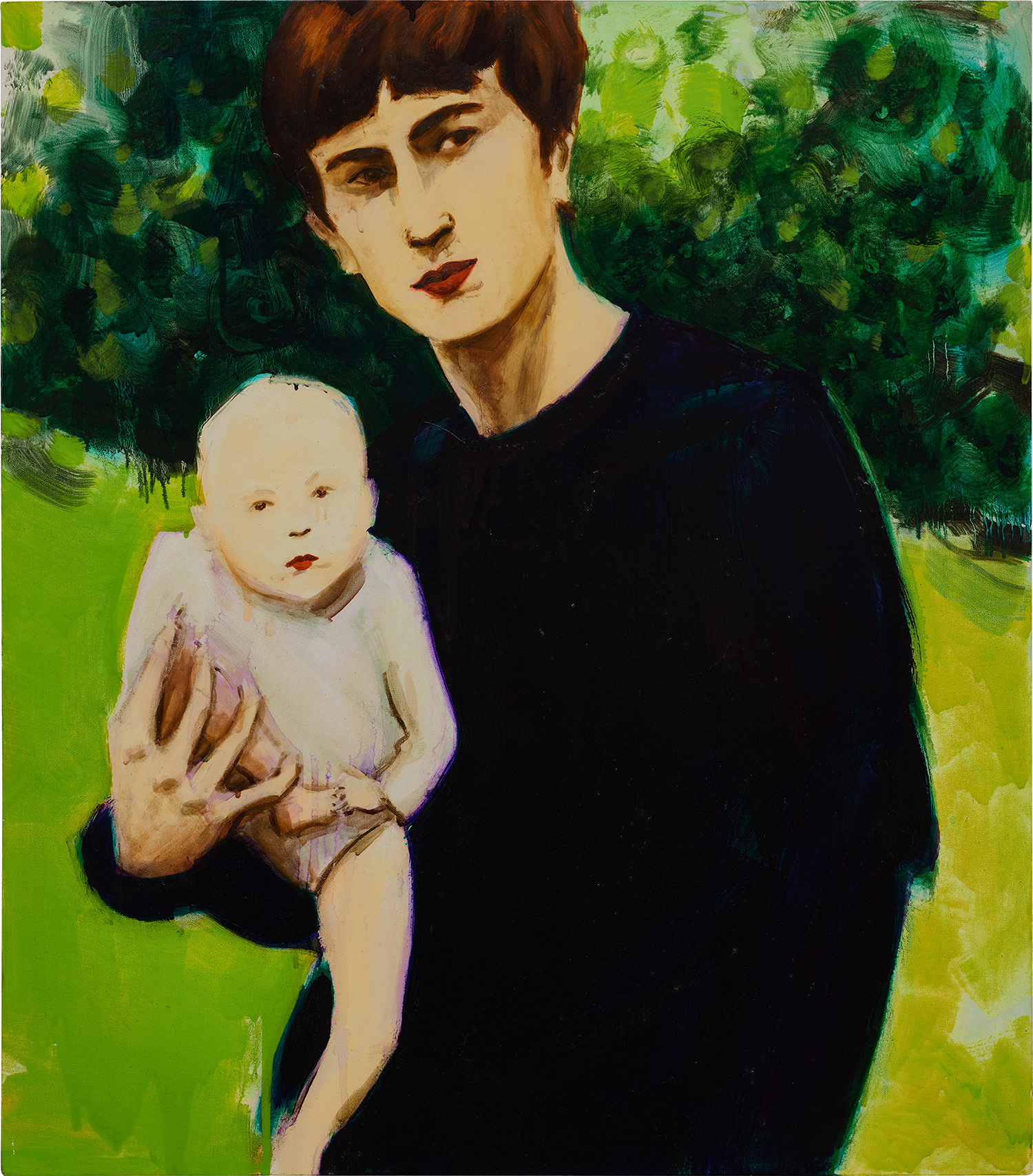
Elizabeth Peyton
Bosie
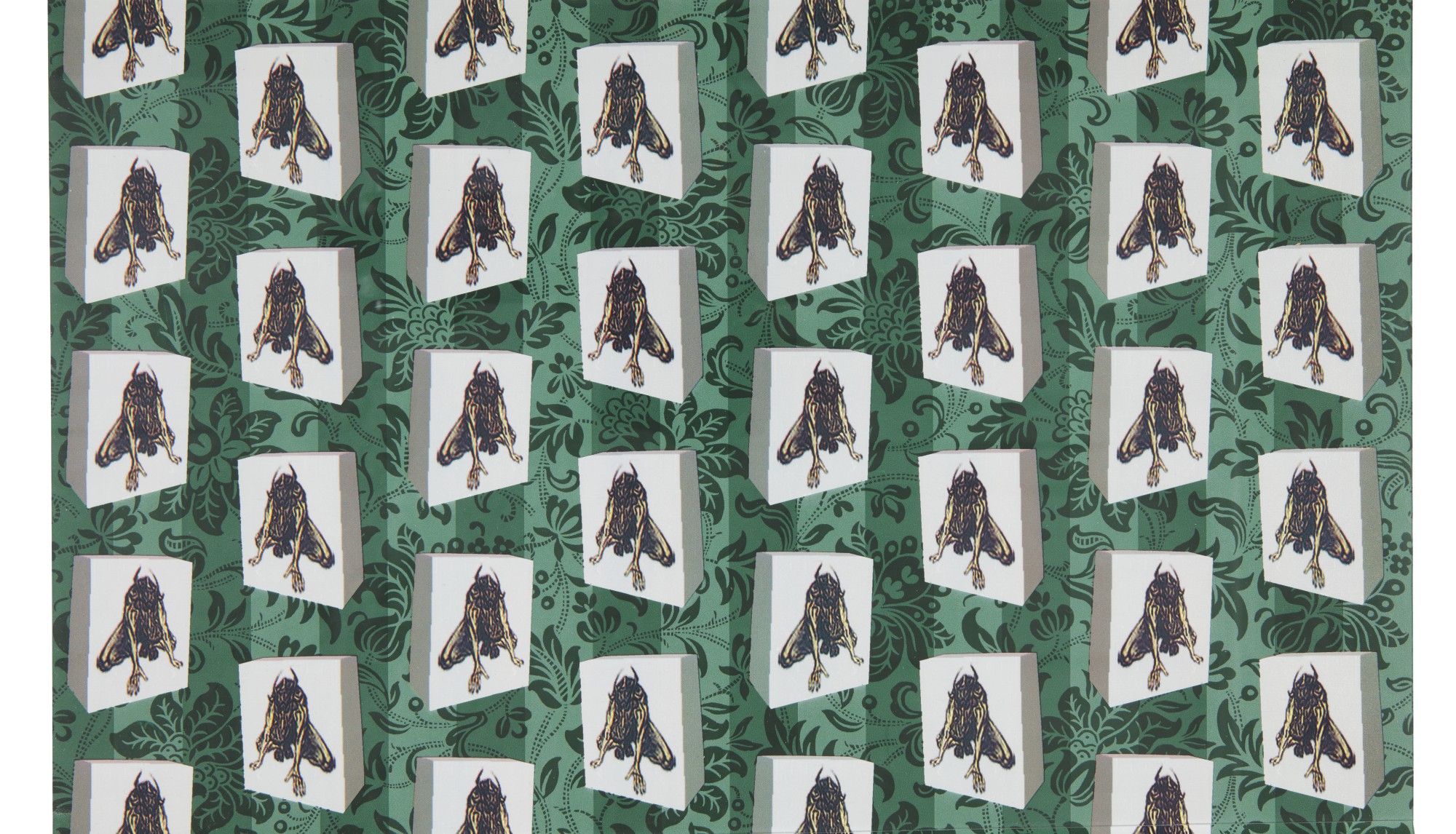
When Pop Never Really Went Away
There is a particular charge that comes from standing in front of a painting that knows exactly where it came from. Pop influenced work carries that charge in abundance. It is art that has absorbed the visual grammar of advertising, cartoons, celebrity, and consumer culture and then done something genuinely personal with that inheritance. It is not nostalgia and it is not pastiche.
It is the ongoing conversation between fine art and the world outside the gallery, a conversation that has been running for over sixty years and shows no sign of cooling. The story begins, as most serious students of the movement know, on two sides of the Atlantic almost simultaneously. In Britain, the Independent Group gathered at the Institute of Contemporary Arts in London in the early 1950s, with figures like Richard Hamilton and Eduardo Paolozzi collaging together magazine imagery and asking what exactly distinguished high culture from popular culture. Hamilton's 1956 collage "Just what is it that makes today's homes so different, so appealing?
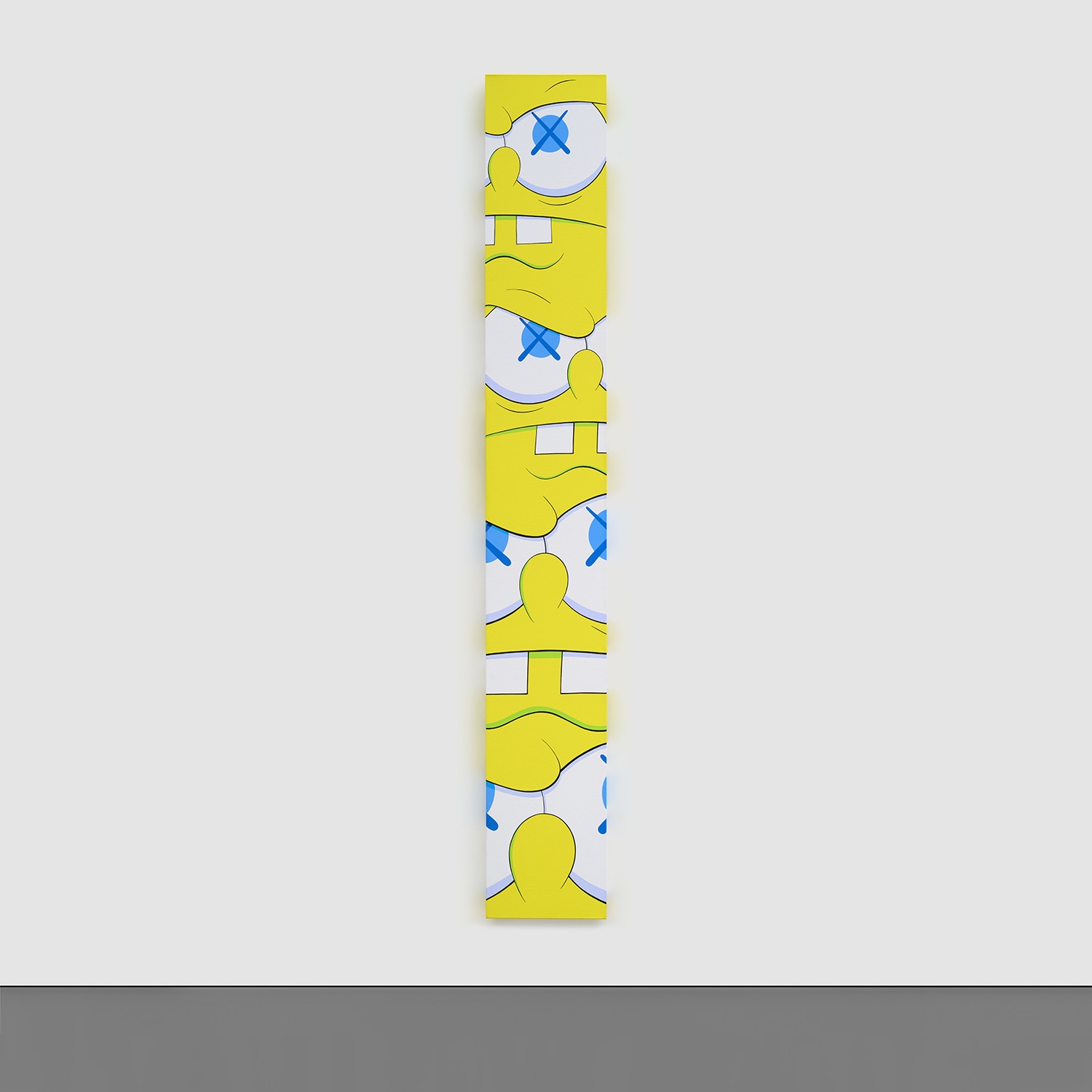
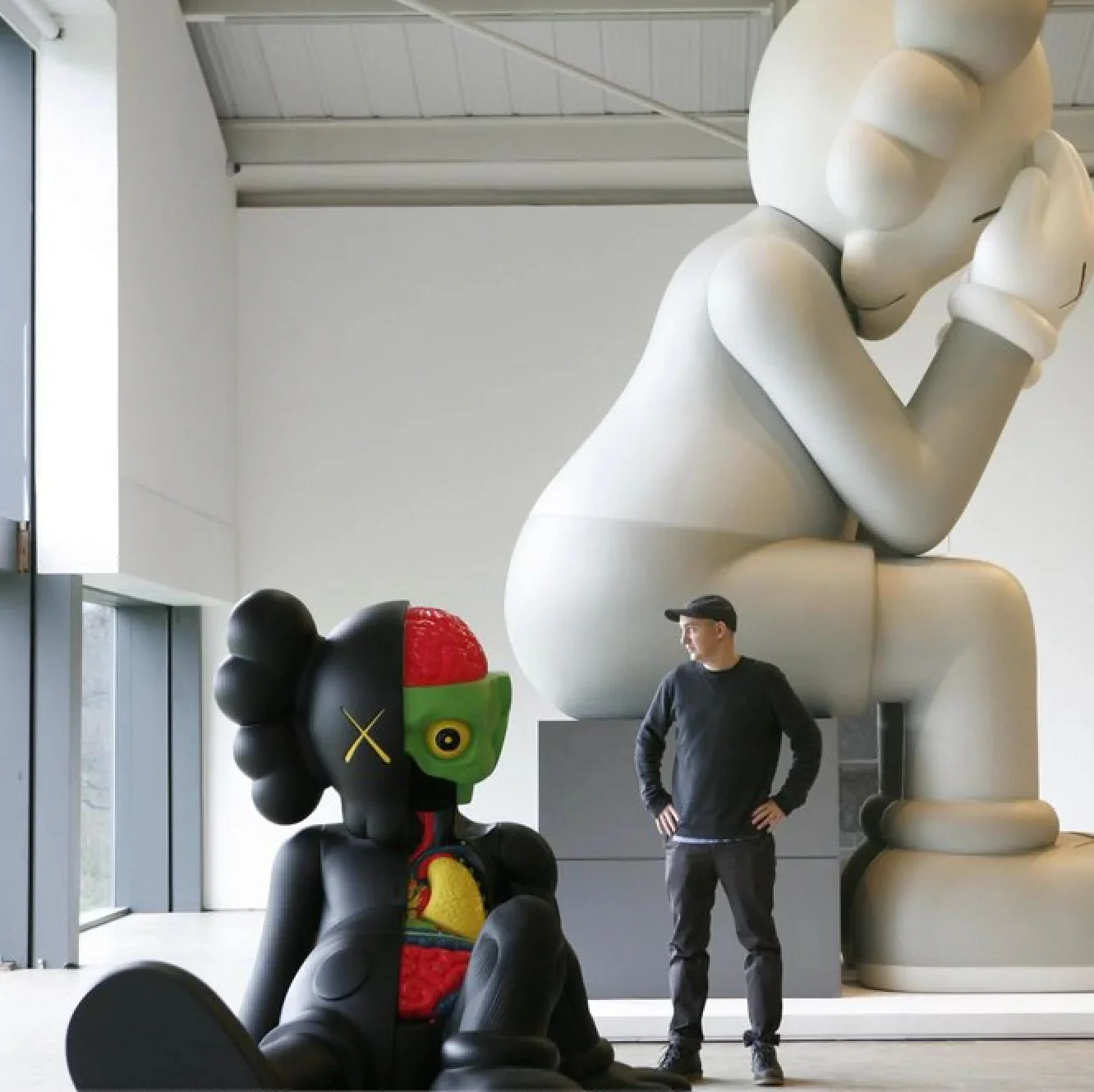
KAWS
Oblivion Ally, 2010
" is one of those rare works that genuinely earns its canonical status. It looked at consumer society with a mix of delight and anxiety that still feels contemporary. Across the Atlantic, Jasper Johns was painting flags and targets, and soon Roy Lichtenstein and Andy Warhol were dragging the imagery of supermarkets, newspapers, and Hollywood into the most serious galleries in New York. What made the original Pop moment so seismic was not just the subject matter but the attitude.
These artists were refusing the emotional earnestness of Abstract Expressionism and replacing it with something cooler, more knowing, and more interested in surfaces. Warhol's Brillo Boxes at the Stable Gallery in 1964 were a kind of philosophical prank with beautiful manners. Lichtenstein's Ben Day dots made the mechanical reproduction process itself into something painterly. The content was mass culture but the commitment, when you looked closely enough, was still to the making of art objects that repaid sustained attention.
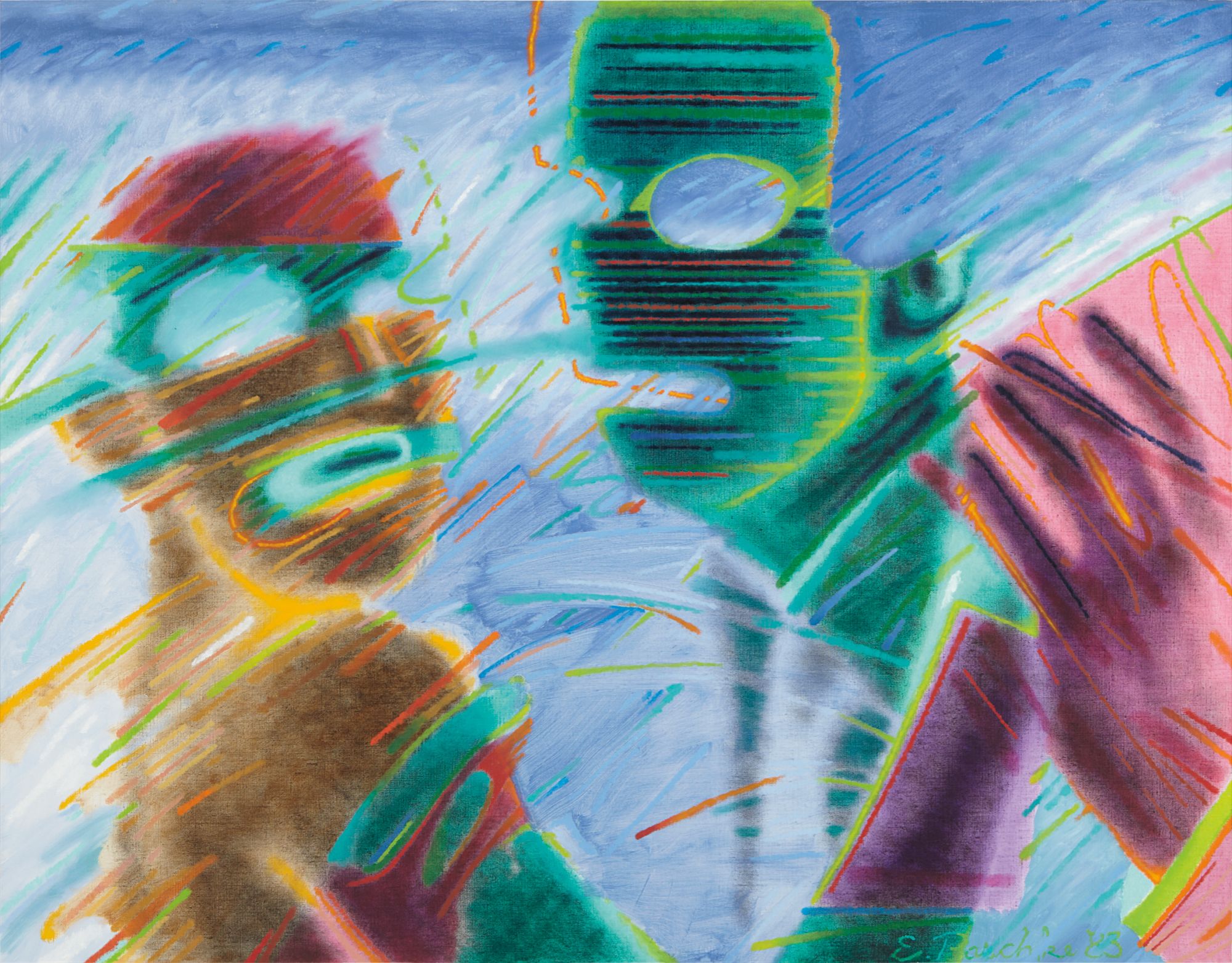
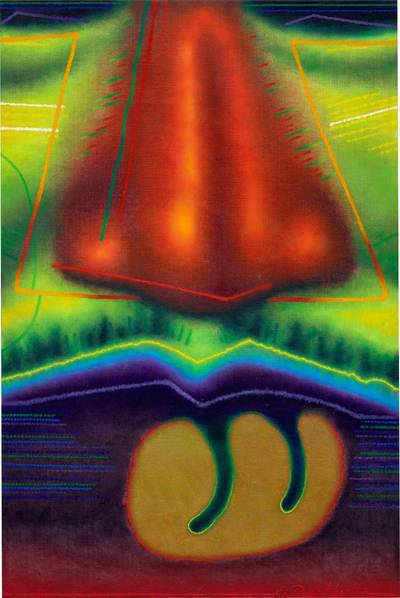
Ed Paschke
Canasta
That tension has never fully resolved, and it is precisely what keeps artists returning to the territory. Edward Paschke belongs to the generation that received Pop as a gift and then ran somewhere strange with it. Working from Chicago, Paschke merged the visual language of television, tattoos, and lurid commercial printing with a painterly intensity that the New York movement sometimes deliberately avoided. His figures pulse with electric color, fluorescent and slightly threatening, sourced from popular media but transformed into something almost ritualistic.
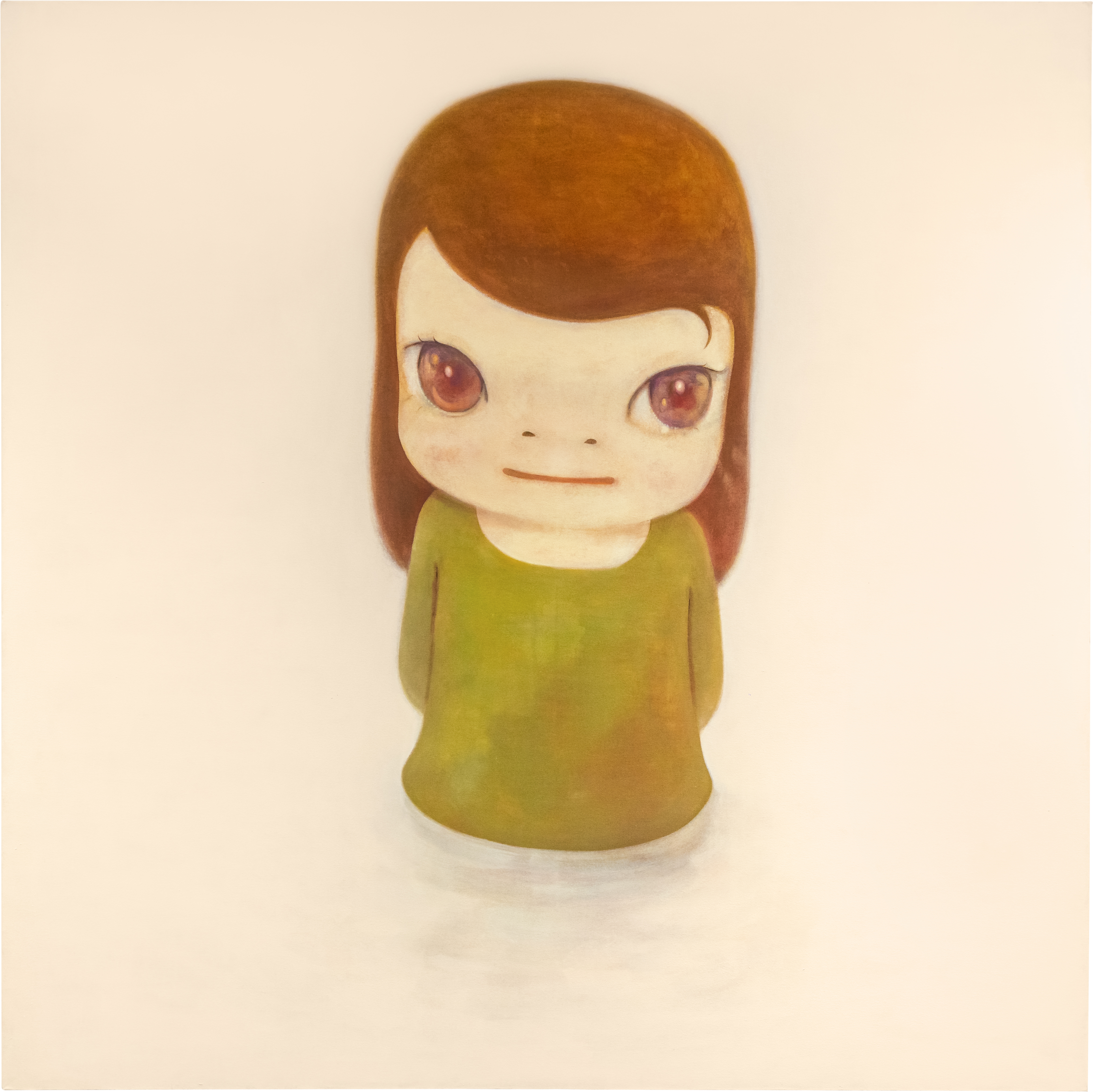
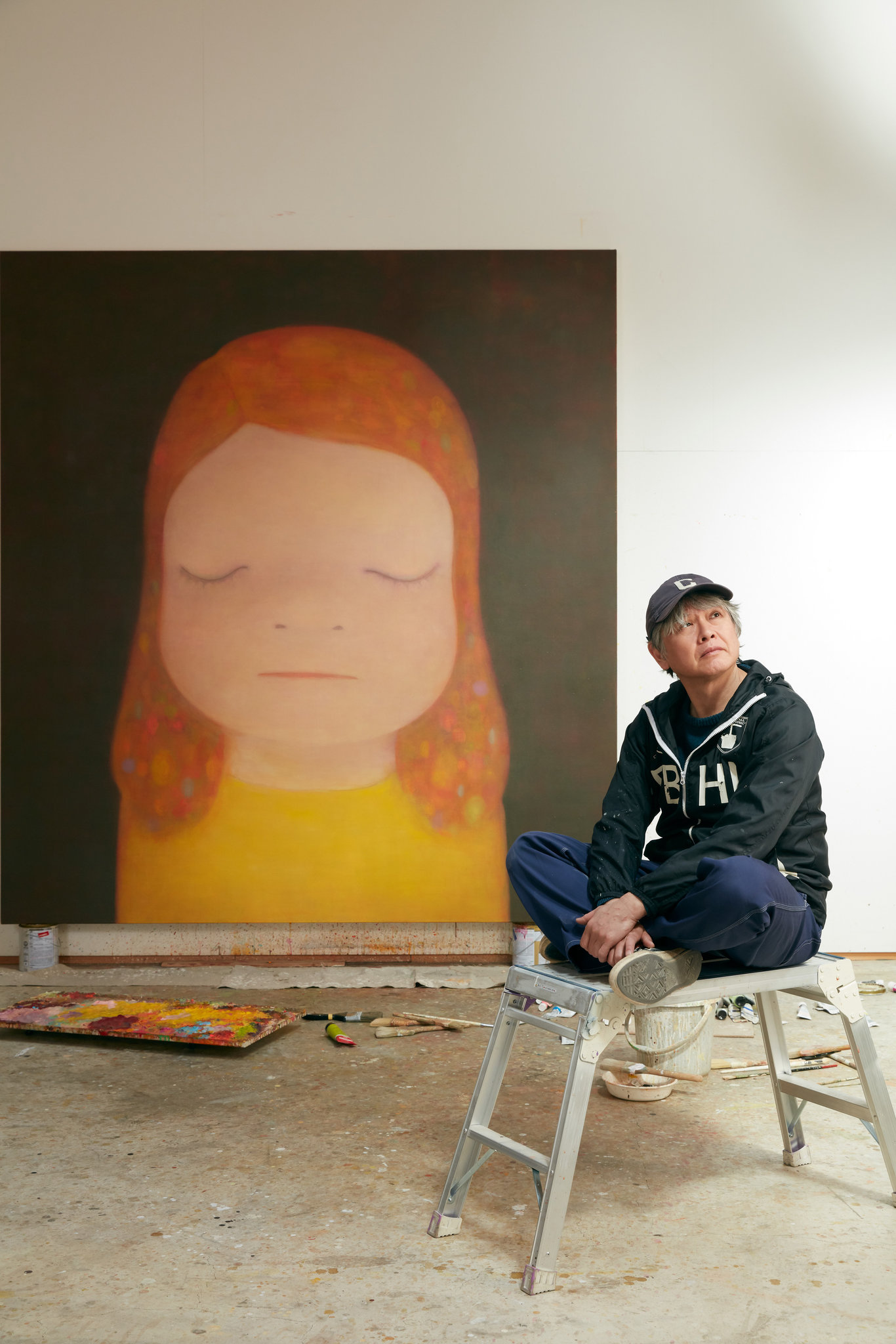
Paschke understood that Pop's vernacular was not just a formal choice but a way of talking about identity, performance, and the mediated self, ideas that feel entirely contemporary in any age of social media and personal branding. The influence of Pop has been absorbed and reprocessed by several generations now, and some of the most interesting work in this lineage comes from artists who encountered it not as a radical rupture but as part of the visual landscape they grew up inside. Yoshitomo Nara arrived at his imagery through a combination of Japanese manga culture, Western rock music, and a deeply personal emotional world, but the resulting paintings and sculptures carry an unmistakable debt to the clarity and directness of Pop. His children are deceptively simple on first glance and quietly devastating on second.
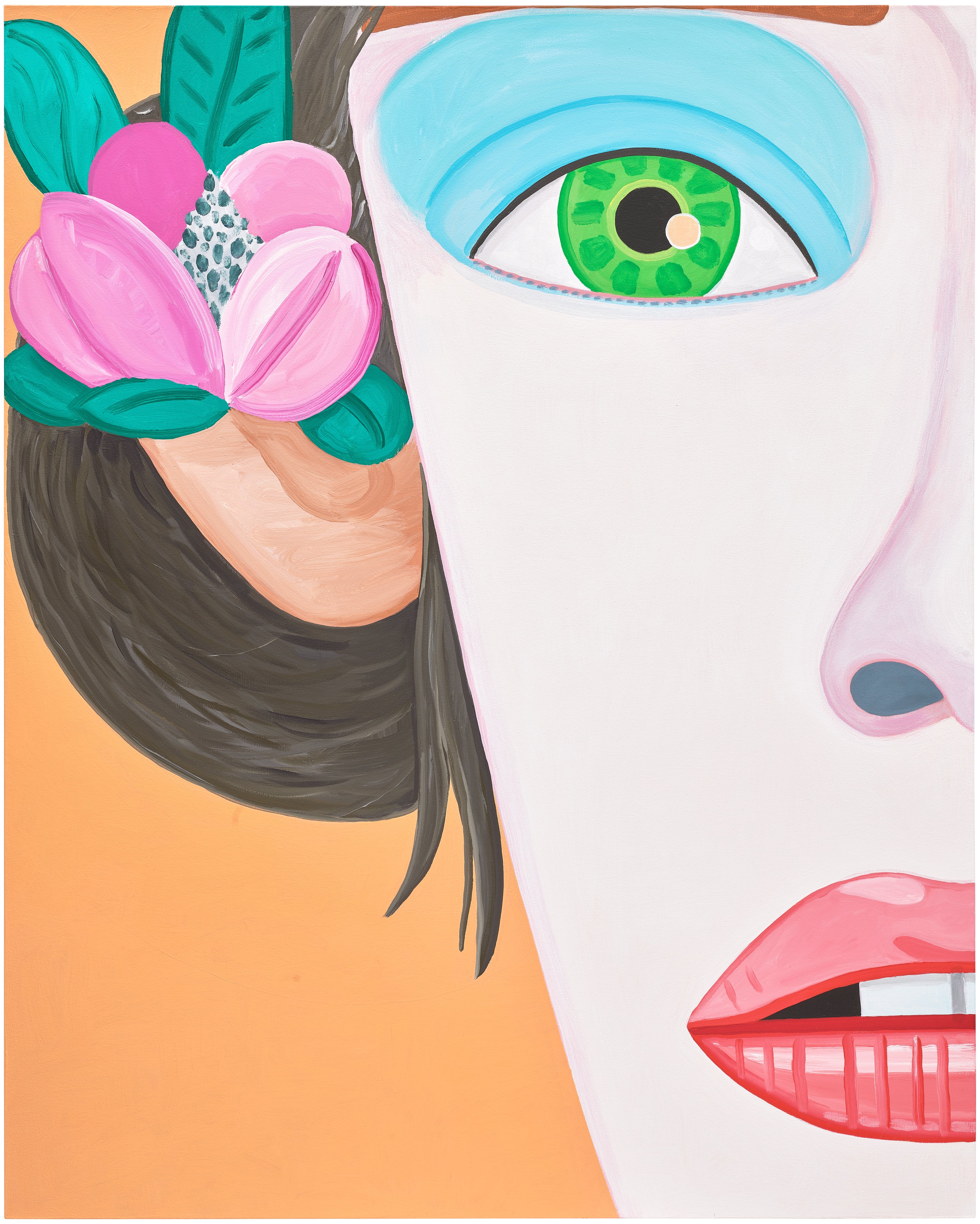
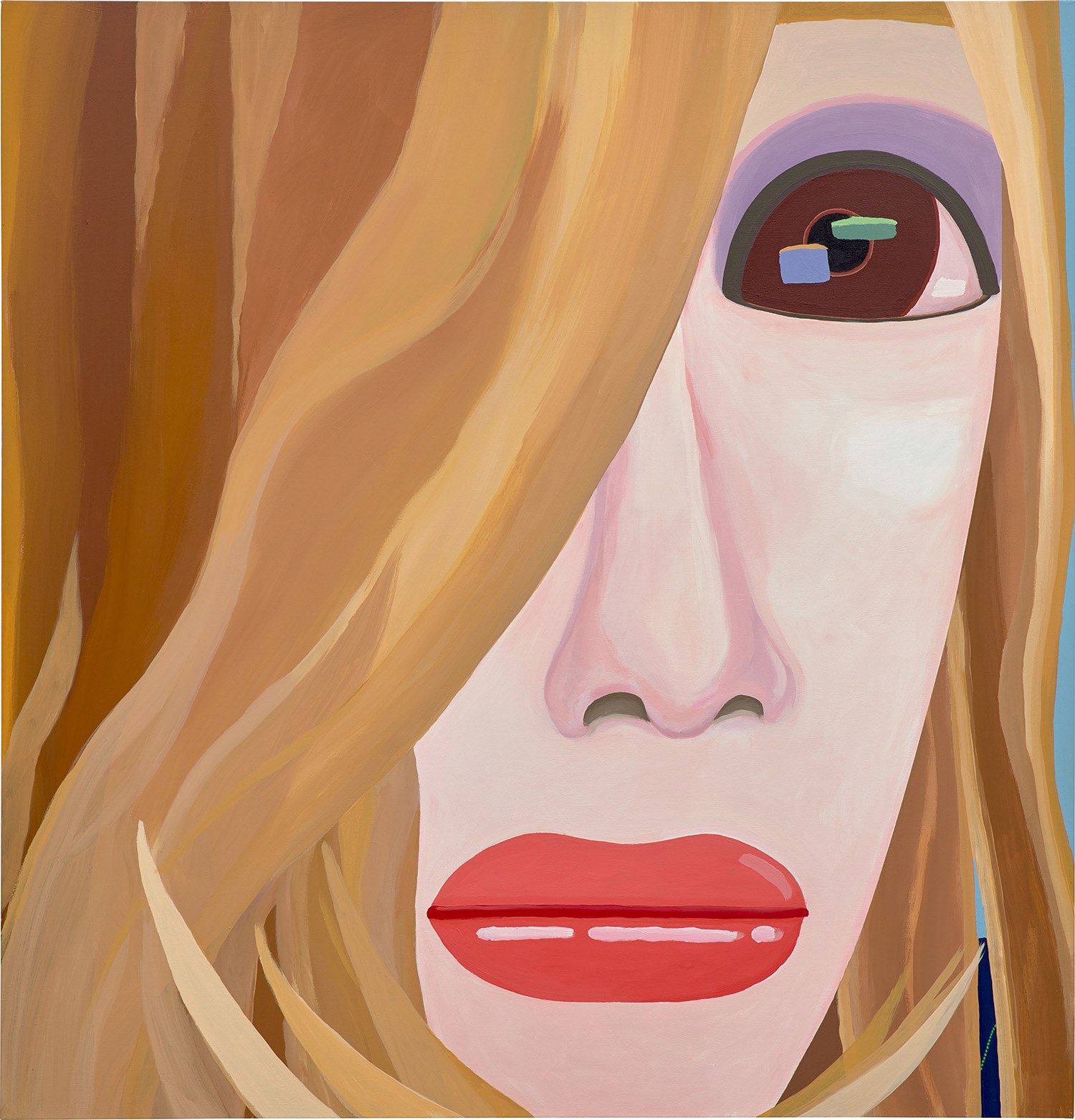
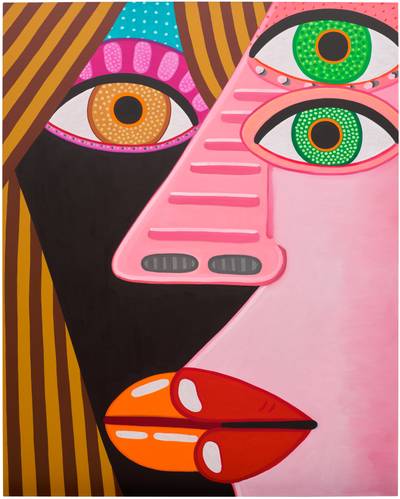
Brian Calvin
Florist, 2016
KAWS operates in a related register, building a visual practice out of the materials of street culture, toy design, and cartoon iconography, and then interrogating what happens when those images are given the gravity of fine art. Both artists demonstrate how the boundaries between commercial and gallery culture, which Pop originally dramatized, have become genuinely porous rather than merely questioned. Elizabeth Peyton and Brian Calvin represent a more intimate strand of Pop influence, one routed through portraiture and the culture of celebrity and youth. Peyton has spent decades painting musicians, artists, and figures from art history with a soft intensity that recalls Warhol's fascination with fame while feeling entirely different in emotional temperature.
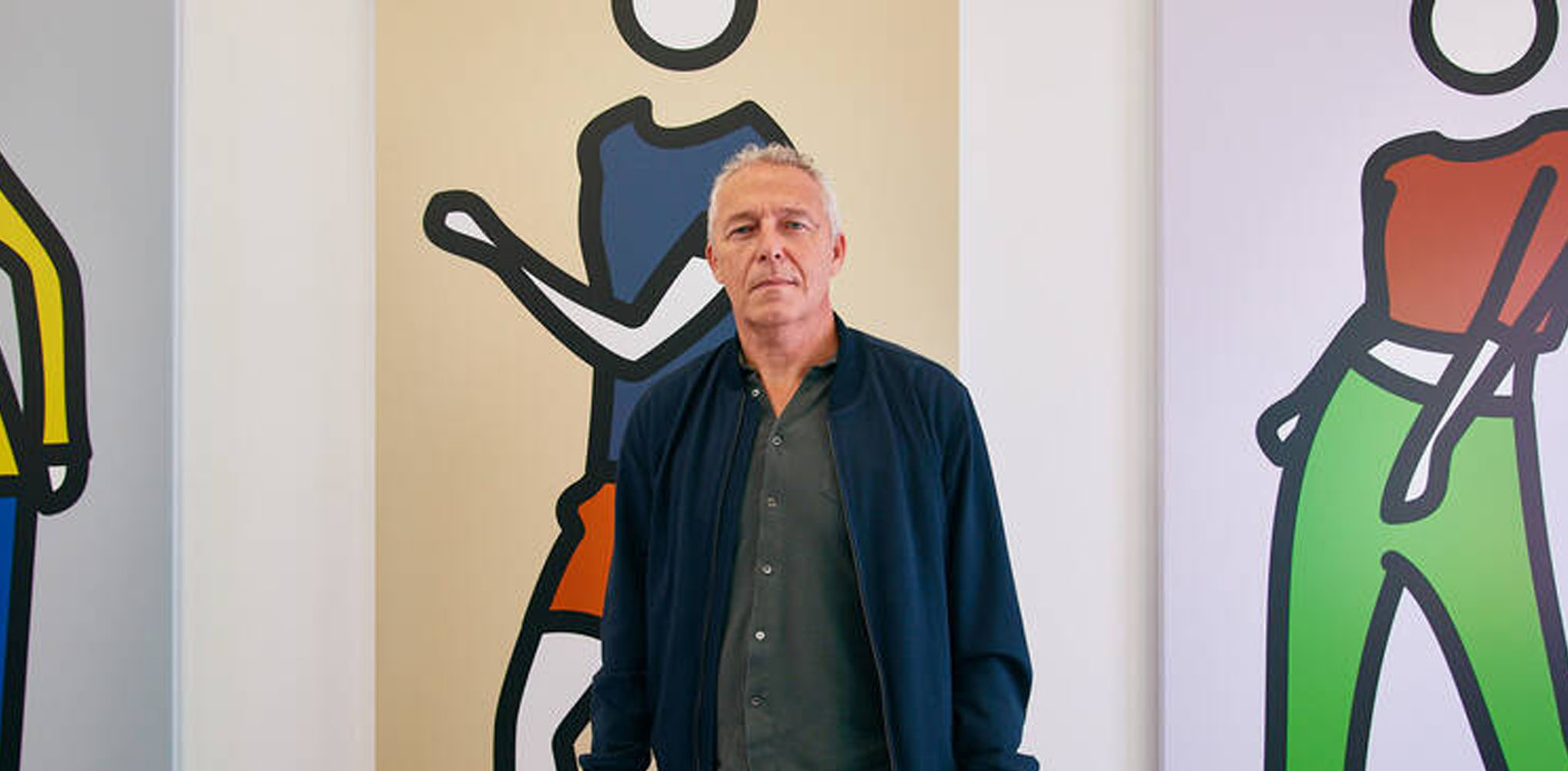
Her work asks what it means to be devoted to another person's image, to study a face seen in a photograph or on a stage and find something worth painting there. Calvin's figures share that quality of absorbed stillness, caught between poster flatness and genuine psychological presence. Julian Opie works from a different angle, distilling the human figure into the cleanest possible graphic language, taking the Pop interest in signage and reduction to a logical and quietly beautiful conclusion. The fact that David Bowie himself made visual art is worth pausing over.
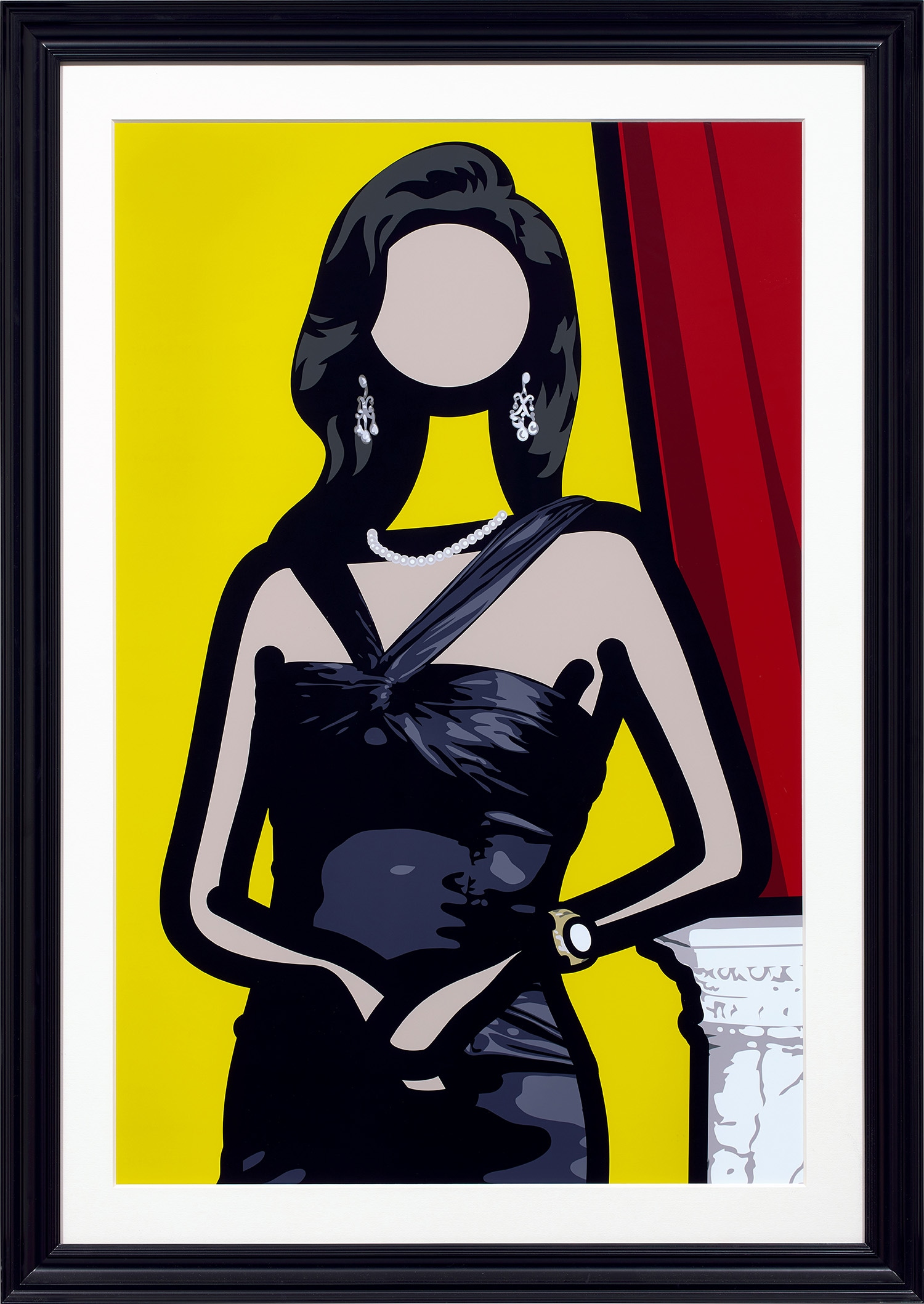
Julian Opie
Antonia (C. 156)
Bowie was a serious and knowledgeable collector, someone who interviewed Damien Hirst for Modern Painters magazine and thought rigorously about the relationship between pop music and visual culture. His own paintings and drawings engage with Expressionist and neo Expressionist traditions, but his entire career was also an argument about the Pop artist's right to inhabit multiple identities, to treat the self as a kind of ongoing collaborative artwork. That sensibility runs through the most interesting Pop influenced practice today. What unites this lineage across decades and geographies is not a single style but a shared set of questions.
How do images circulate and what happens to them when they are reclaimed? What is the relationship between popularity and seriousness? Can sincerity survive irony, or does it have to find a way through it? The works gathered in this category on The Collection suggest that these questions have lost none of their urgency.
If anything, in a world where every image is potentially viral and every cultural reference is immediately available and immediately exhausted, the Pop tradition's interest in the metabolism of images feels more relevant than ever. These artists are not simply making attractive objects from recognizable sources. They are thinking hard about how we live inside a visual world that was already described, with remarkable accuracy, by a group of artists working in London and New York while the sixties were just beginning.