Political Imagery
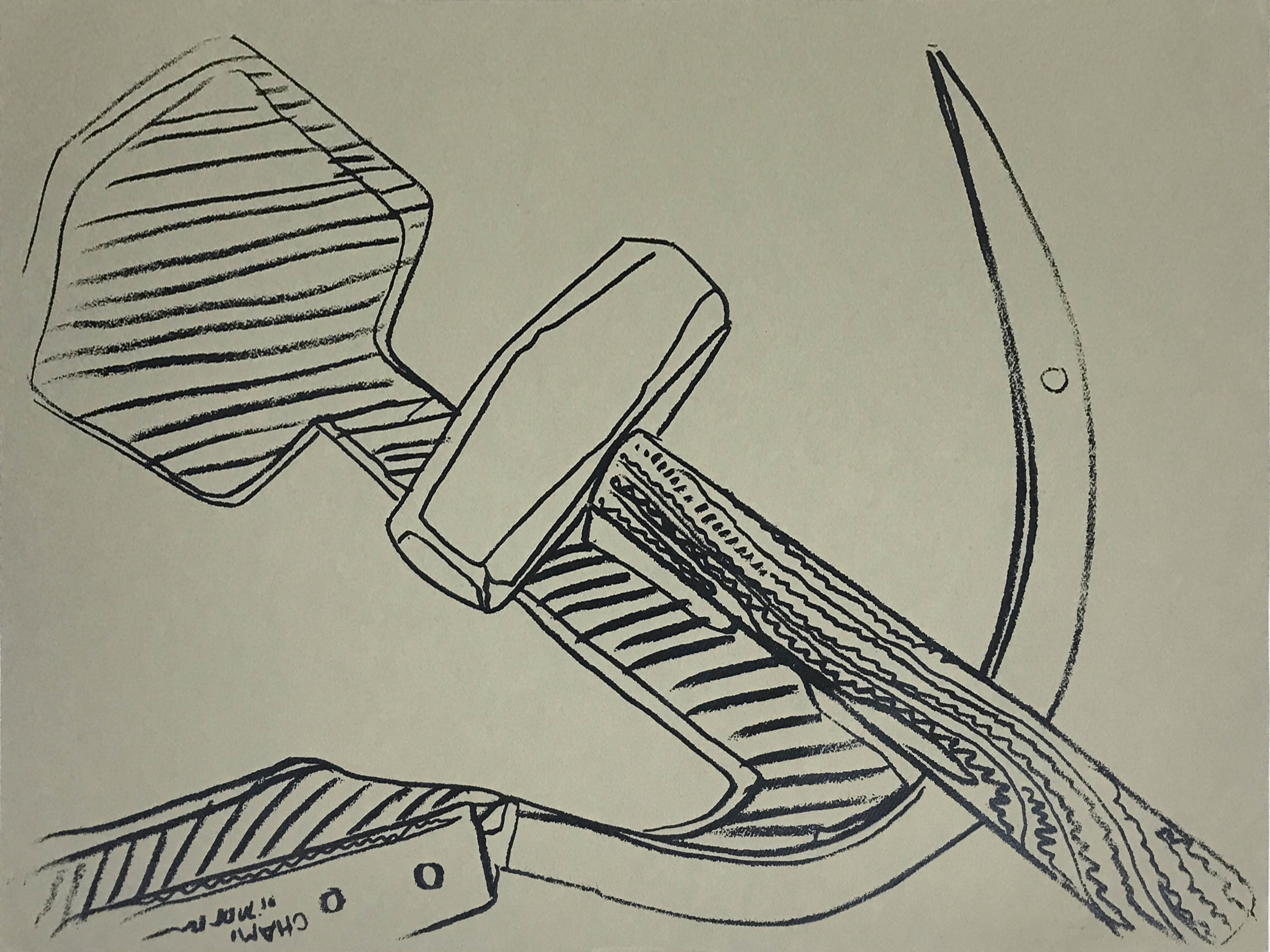
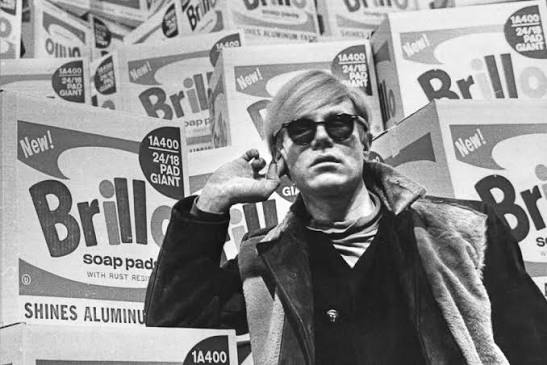
Andy Warhol
Hammer & Sickle , 1977
Power, Portrait, Propaganda: Art Talks Back
There is something almost primal about the impulse to put a face to power. Long before the printed photograph or the televised address, rulers understood that controlling your image meant controlling your story. Art has always been the medium through which that story gets told, contested, subverted, or shattered entirely. The works gathered under the broad tent of political imagery represent some of the most urgent and lasting contributions to the Western and global canon, precisely because they refuse the comfortable distance that abstraction sometimes offers.
They insist on the world as it is, or as it has been made to appear. The roots of politically charged art reach back to antiquity, to the propaganda reliefs of Roman emperors and the devotional iconography that bound church and state together for centuries. But the modern tradition as collectors tend to think of it crystallised in the early twentieth century, sharpened by the twin pressures of industrialised warfare and ideological revolution. The Soviet state, for instance, recognised almost immediately that art could be weaponised as surely as a printing press.
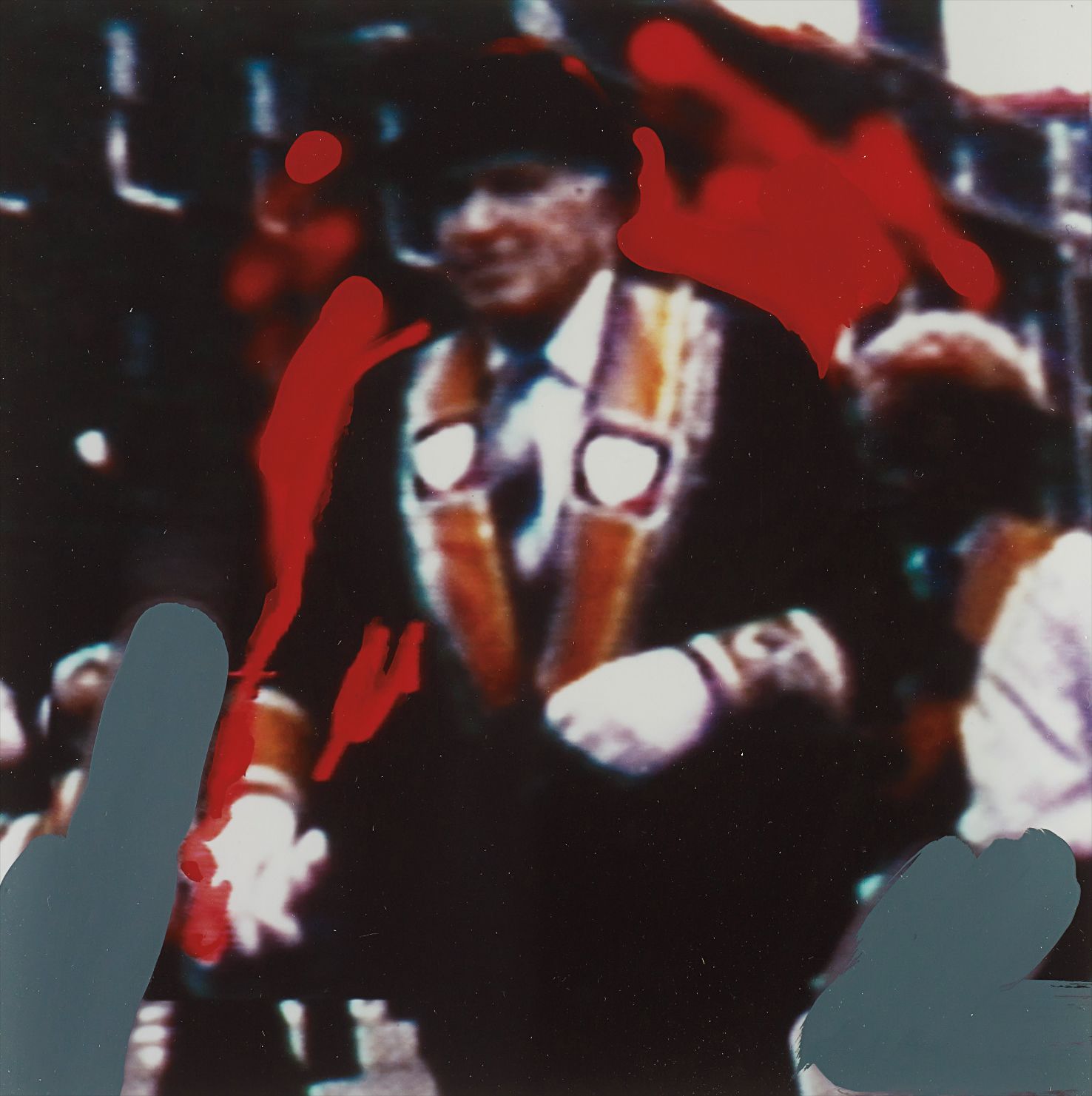
Richard Hamilton
Orange Order
The State Porcelain Factory in Petrograd began producing agitprop ceramics shortly after the revolution, and a 1923 plate depicting a young man absorbed in reading Pravda distils that entire propaganda project into a single domestic object. It is quietly extraordinary: a piece of everyday tableware freighted with the full weight of a new political order. By mid century, artists in the West were beginning to turn the tools of mass communication back on themselves. Richard Hamilton's famous 1956 collage, often cited as a founding text of Pop Art, took the language of advertising and consumer culture and made its seductions visible and slightly strange.
Andy Warhol pushed that logic further and more ruthlessly through the 1960s and into the 1970s, silk screening Mao Zedong with the same deadpan repetition he gave to Marilyn Monroe and Campbell's soup cans. The gesture was ambiguous in the most productive way: was this critique, fascination, or complicity? Warhol never quite answered, and that unresolved tension is precisely why the work still crackles. Both artists are well represented on The Collection, and looking at their work together it becomes clear how much of contemporary political art descends from that Pop lineage.
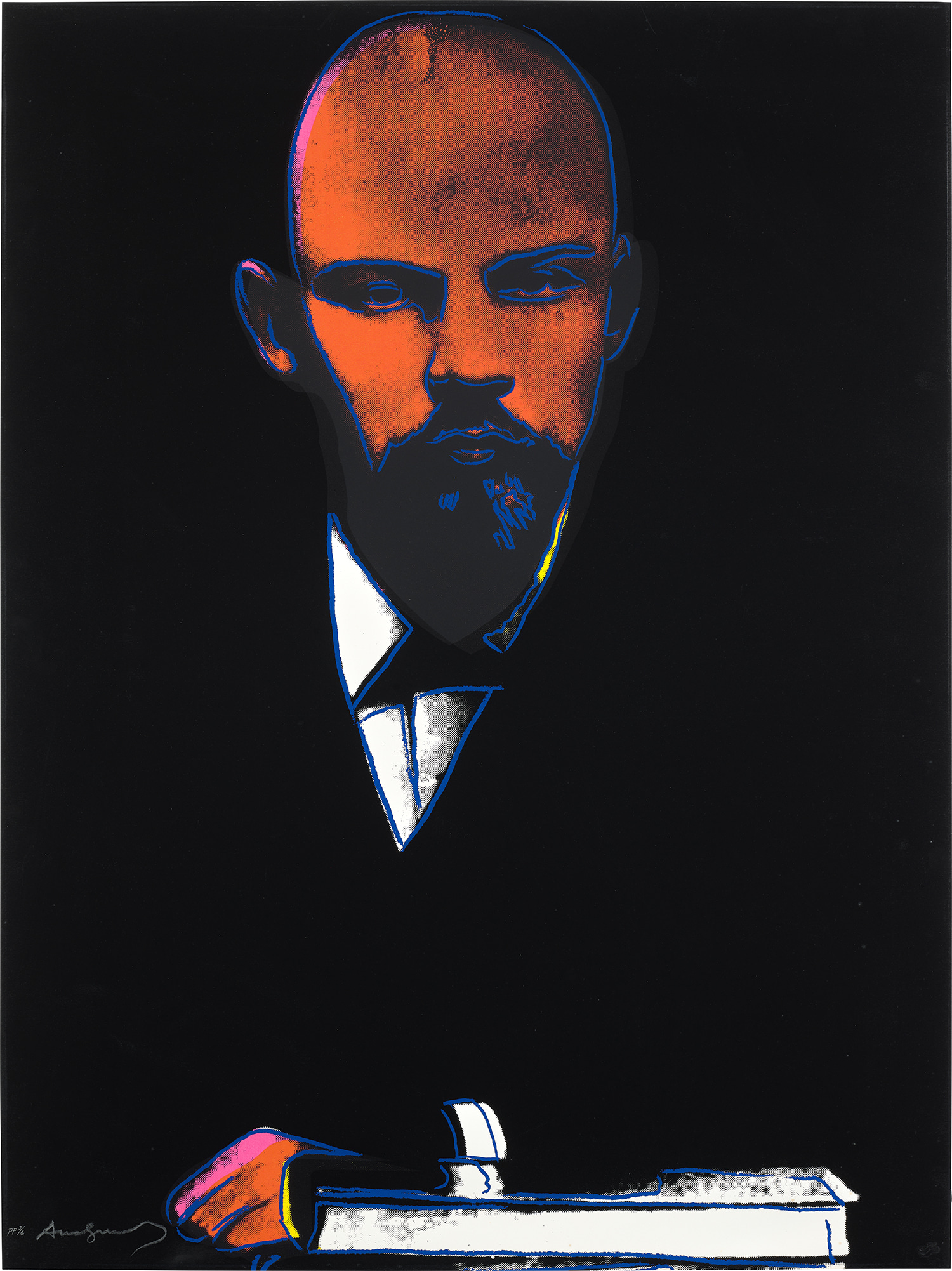
Andy Warhol
Lenin (F. & S. 402)
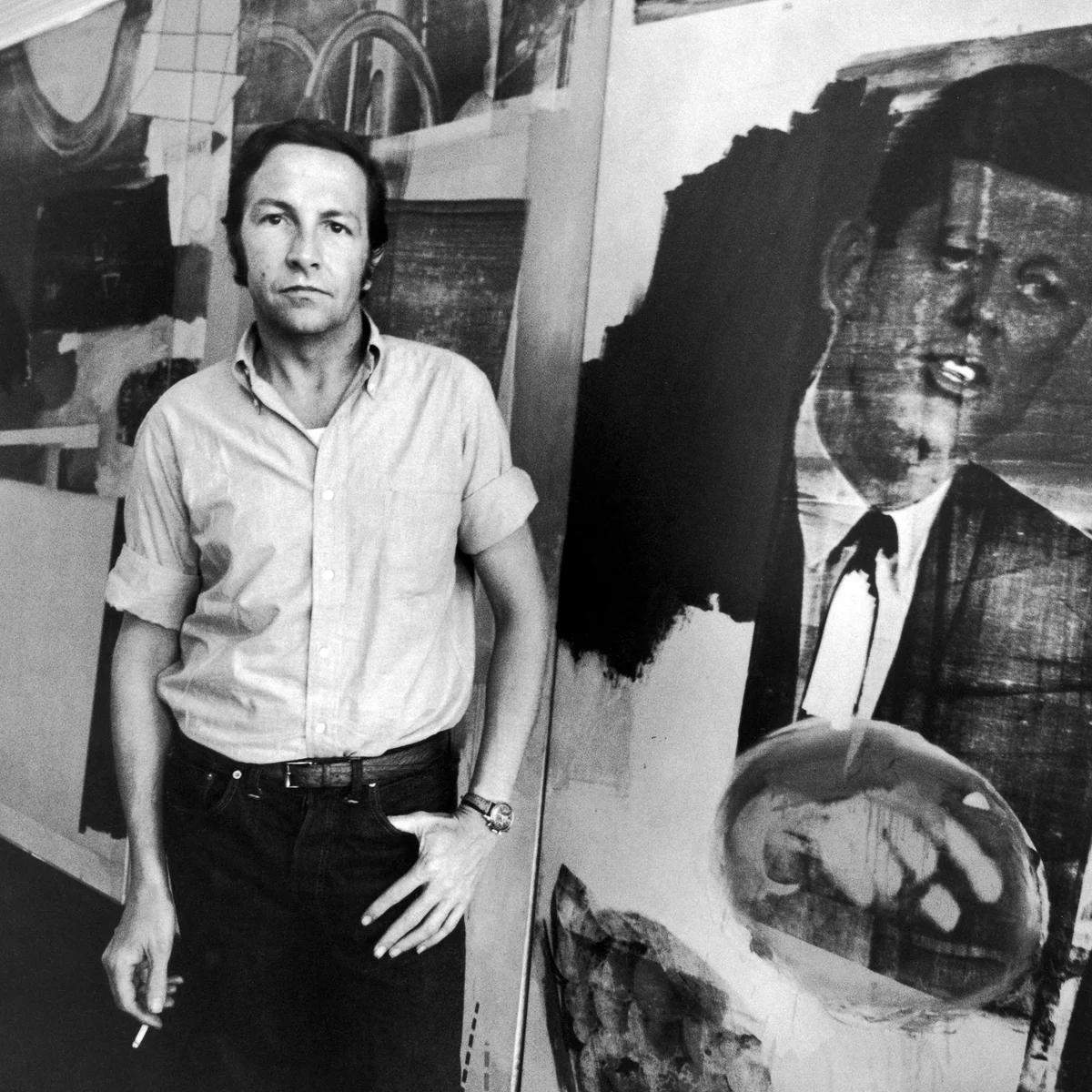
Robert Rauschenberg was doing something different but equally consequential. His combines and screen prints from the 1960s absorbed newspaper photographs, political imagery, and the visual noise of American public life into surfaces that felt simultaneously chaotic and elegiac. He was not making posters or slogans. He was making something closer to an archaeological record of how it felt to live inside a particular political moment.
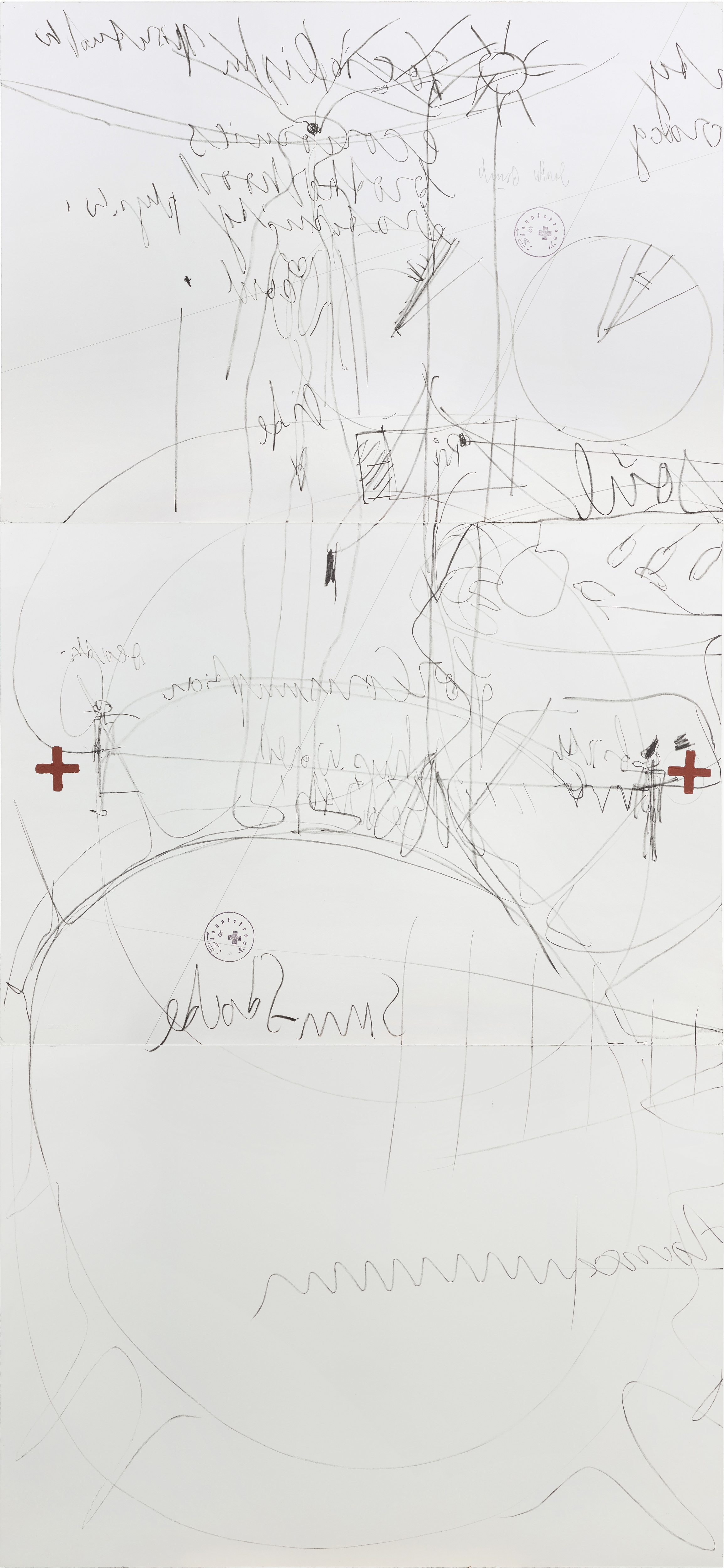
Joseph Beuys, working out of postwar Germany with an entirely different set of materials and preoccupations, extended political art into performance and social sculpture, insisting that every act of making was also an act of citizenship. His presence on The Collection sits in productive dialogue with the American artists around him, a reminder that the political in art is never just about national politics. The artists who came of age in the latter decades of the twentieth century inherited these frameworks and complicated them considerably. Komar and Melamid, the Soviet duo who emigrated to the United States, made work that was both deeply funny and genuinely unsettling, using the visual vocabulary of Socialist Realism as material for a sustained inquiry into taste, ideology, and the myths that cultures tell themselves.
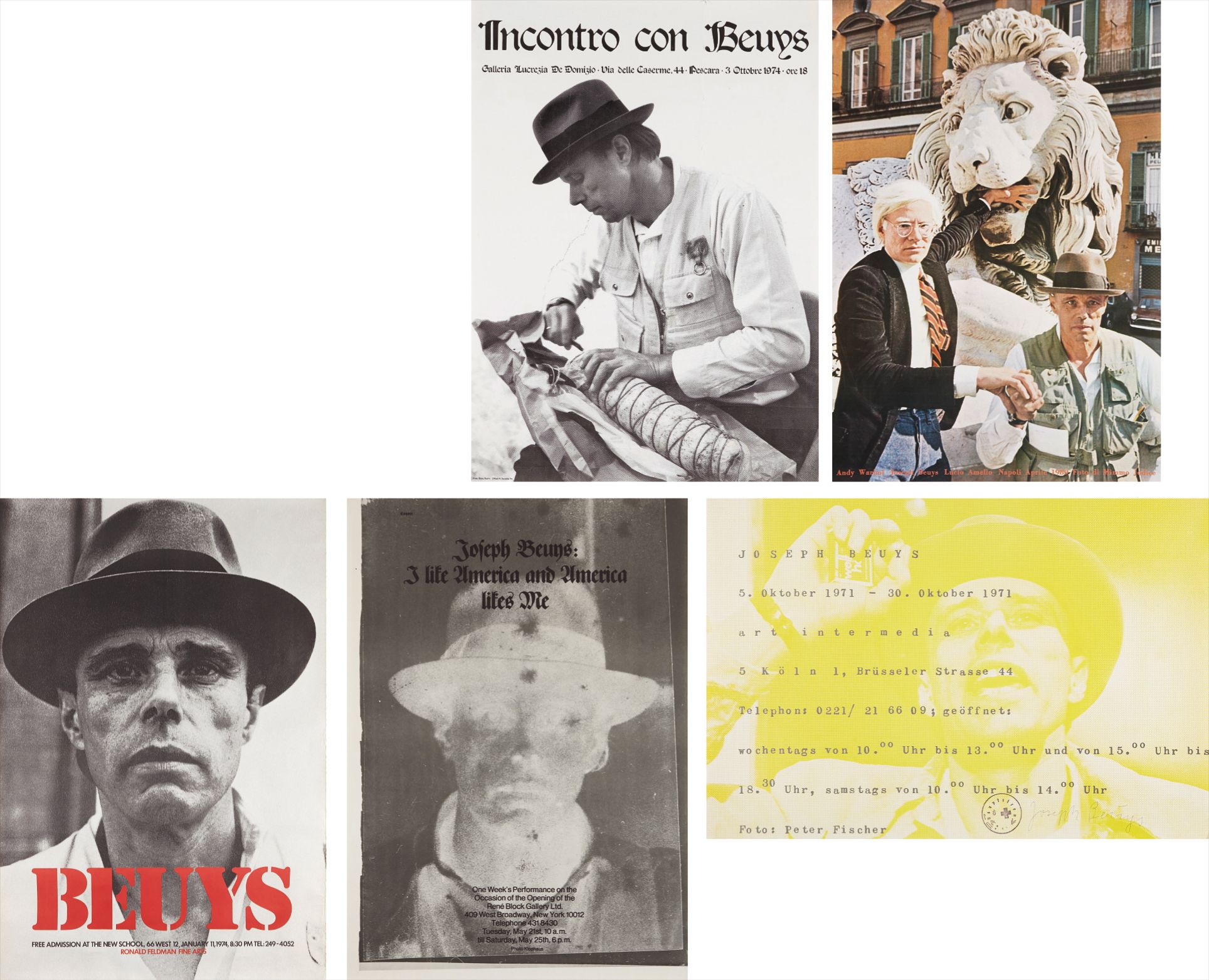
Joseph Beuys
Group of seven posters
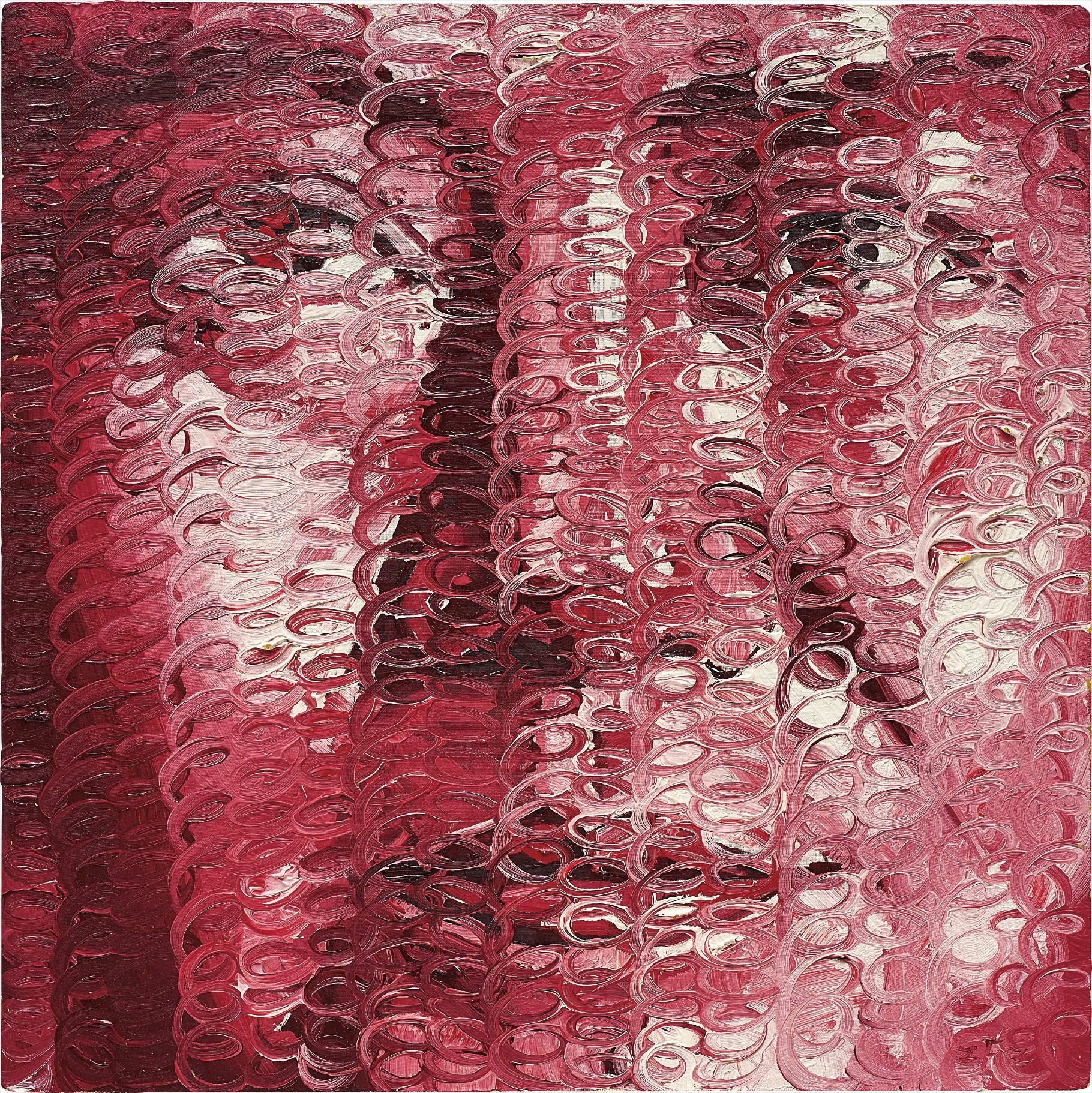
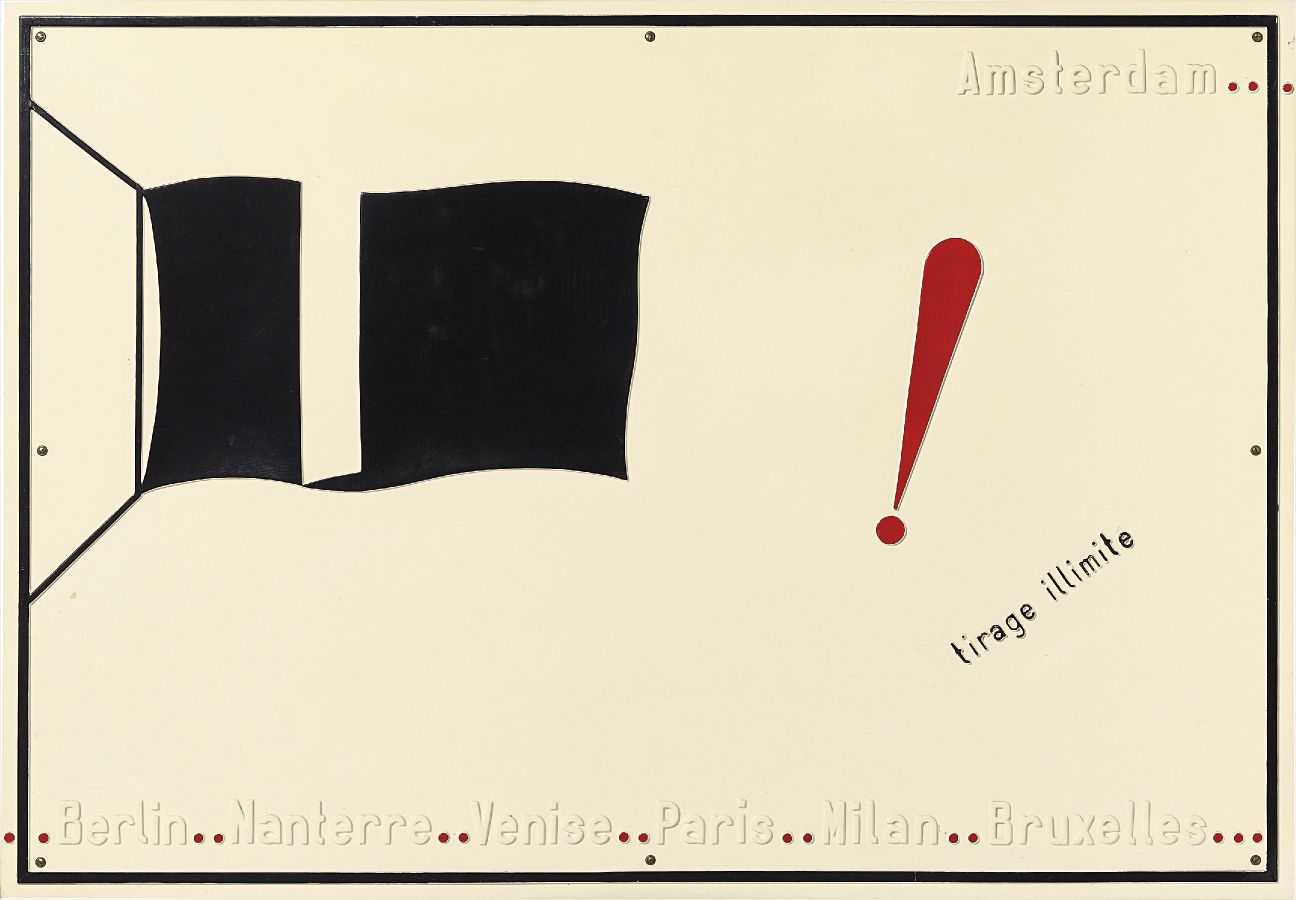
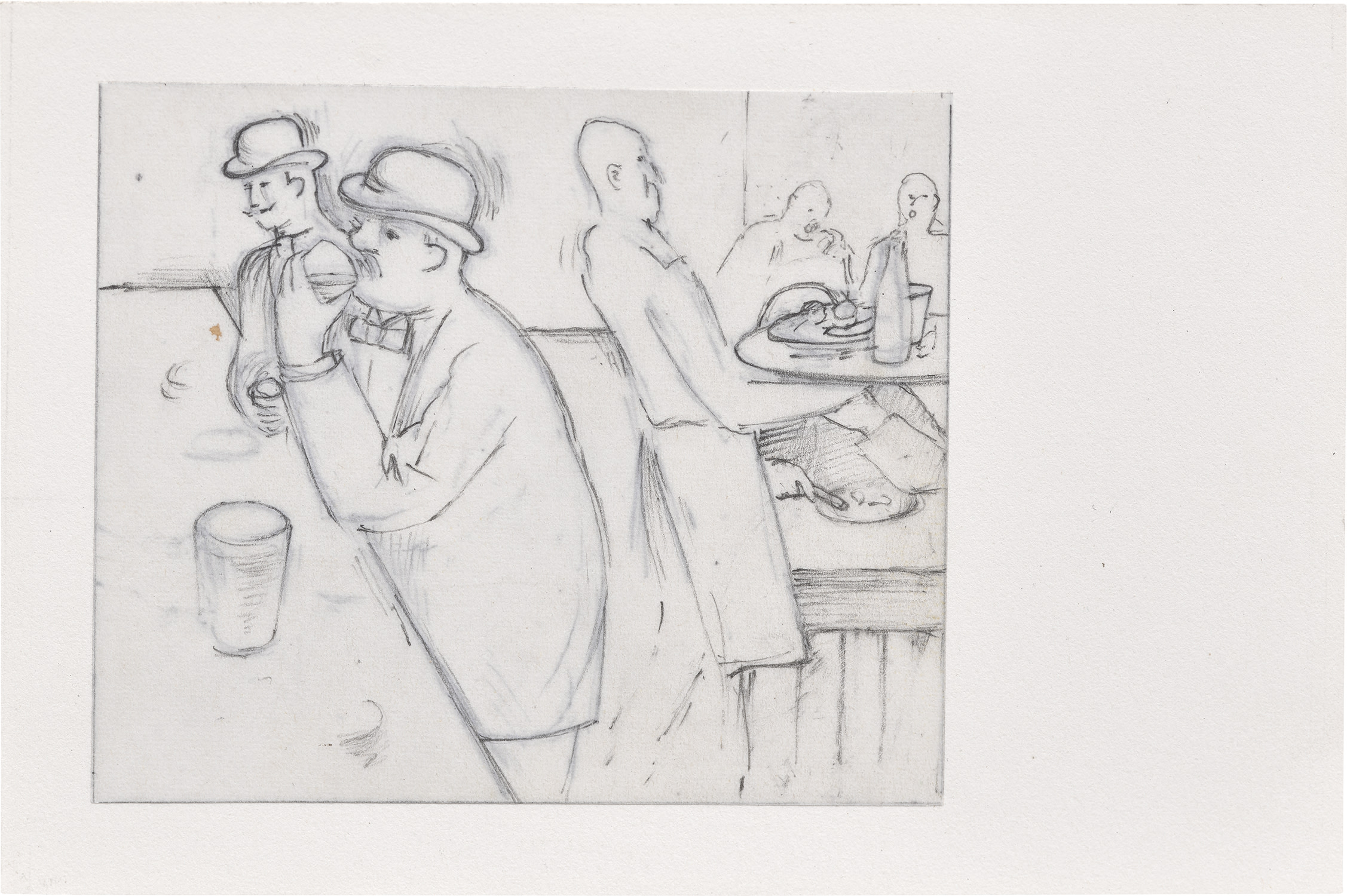
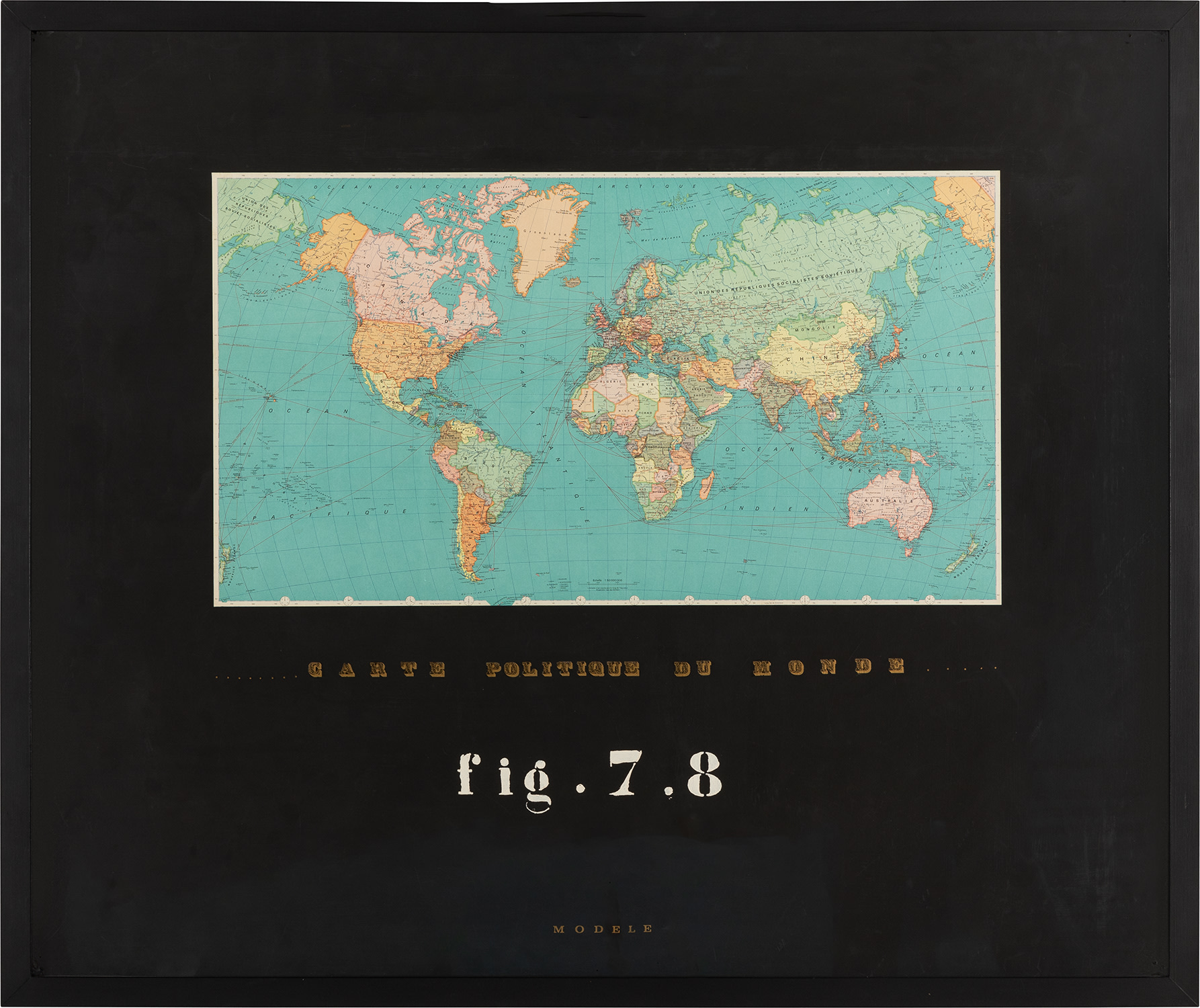
Luc Tuymans, working in Belgium, developed a painterly language of washed out, almost sickly imagery that returned again and again to the violence lurking beneath official histories. His paintings are not illustrations of atrocity but something more troubling: they implicate the act of looking itself. Marcel Broodthaers, another Belgian, took a more conceptual route, using institutional critique to expose the political economies of culture that usually prefer to remain invisible. The question of political imagery in China has produced some of the most complex and formally inventive work of the past forty years.
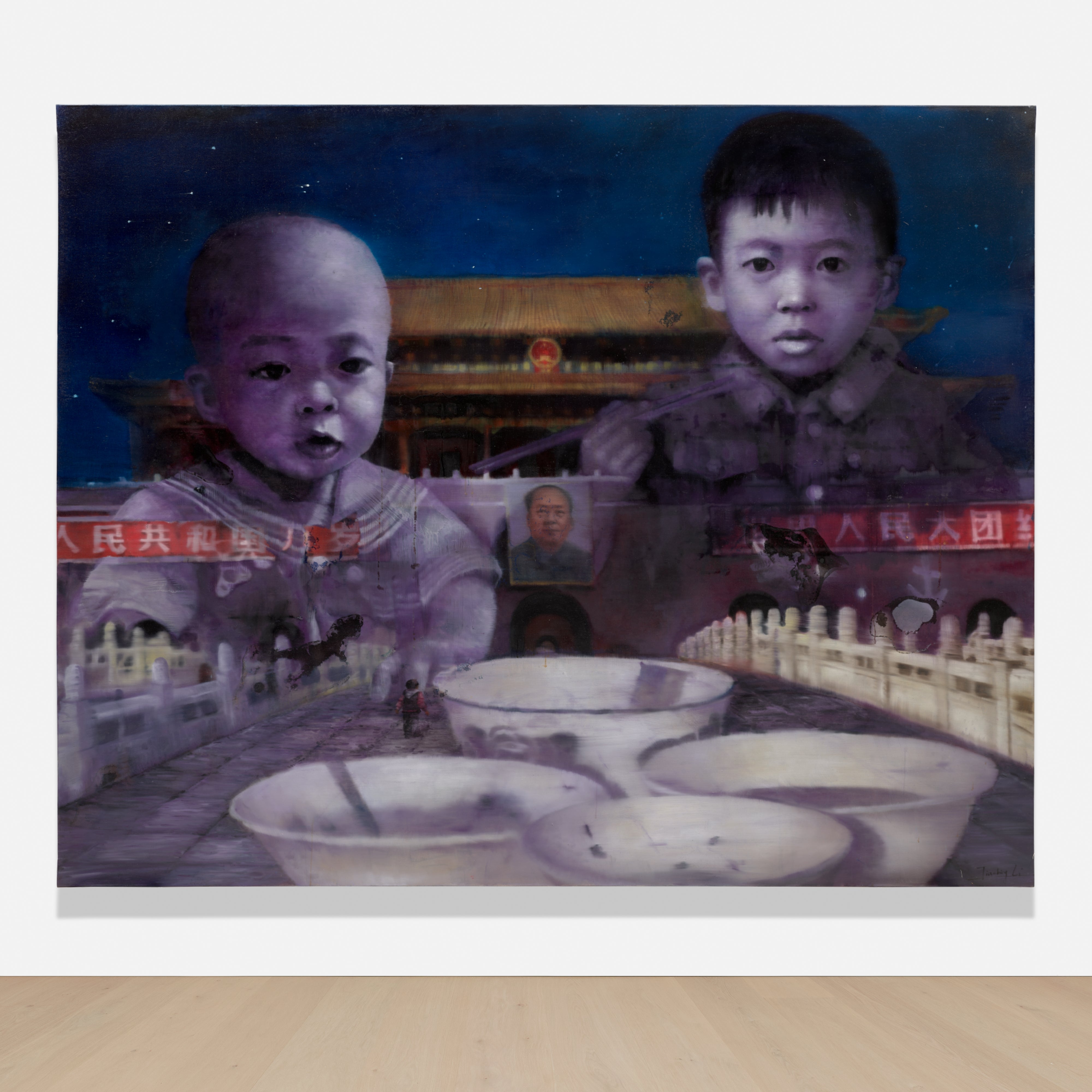
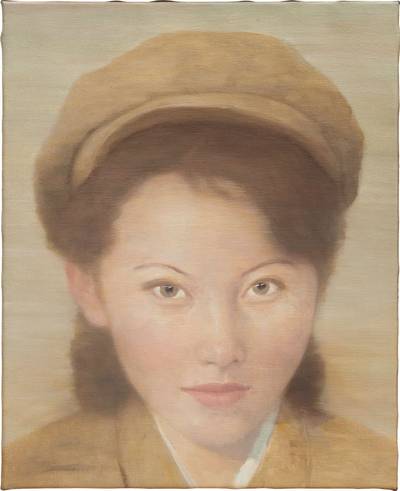
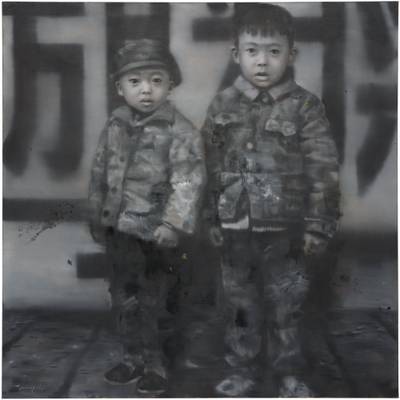
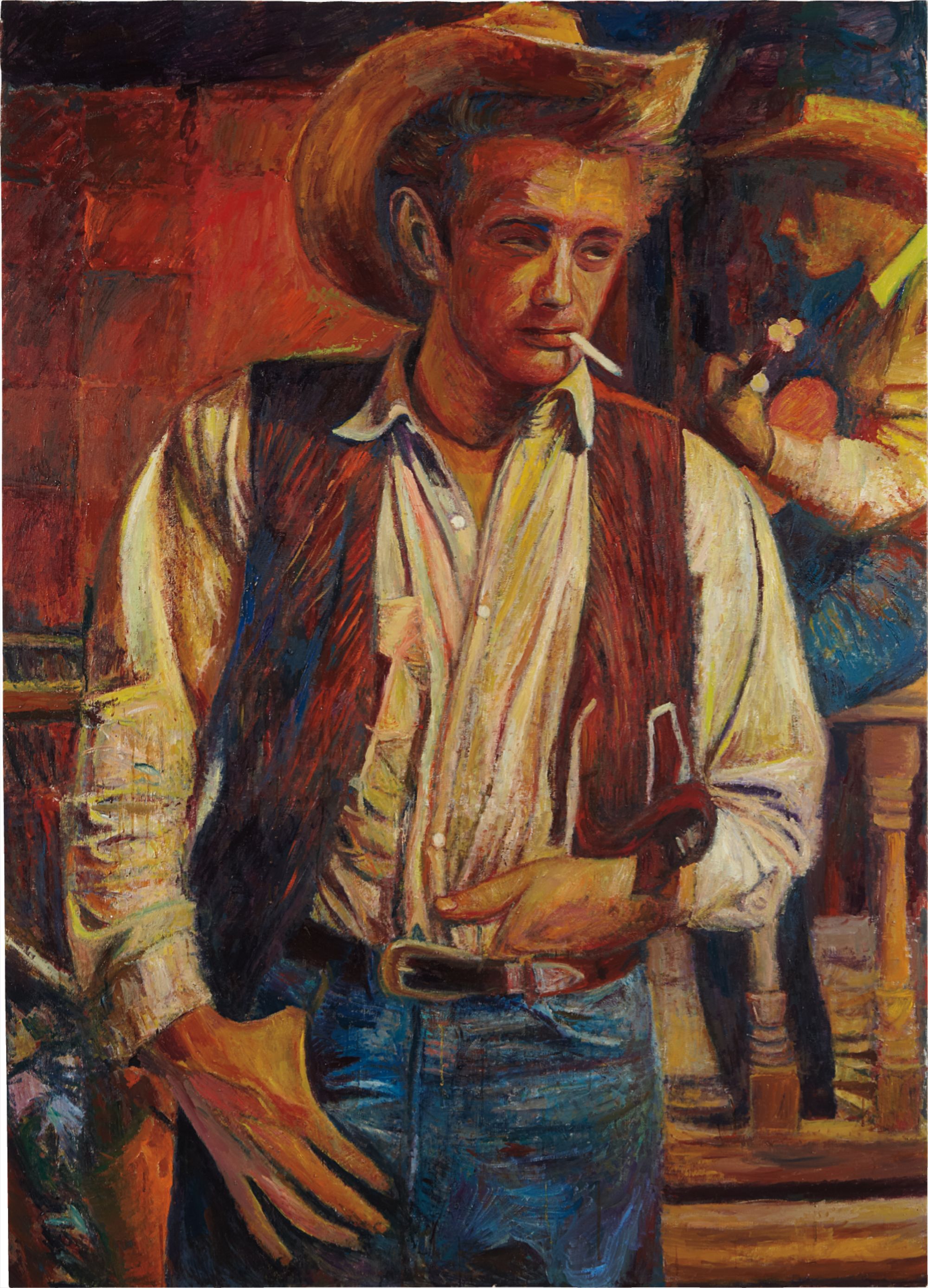
Artists like Qi Zhilong and Zeng Fanzhi emerged from a generation that had lived through the Cultural Revolution and its aftermath, and both have developed distinctive visual languages for processing that experience. Qi Zhilong's soldier paintings adopt the iconography of official Socialist Realism and introduce into it a kind of gorgeous, destabilising glamour. Li Tianbing, working from his own childhood memories, produces paintings of uncanny stillness that speak to the experience of growing up as the only child in a generation shaped by state policy. Together these artists offer a portrait of political selfhood that is impossible to reduce to slogan or symbol.
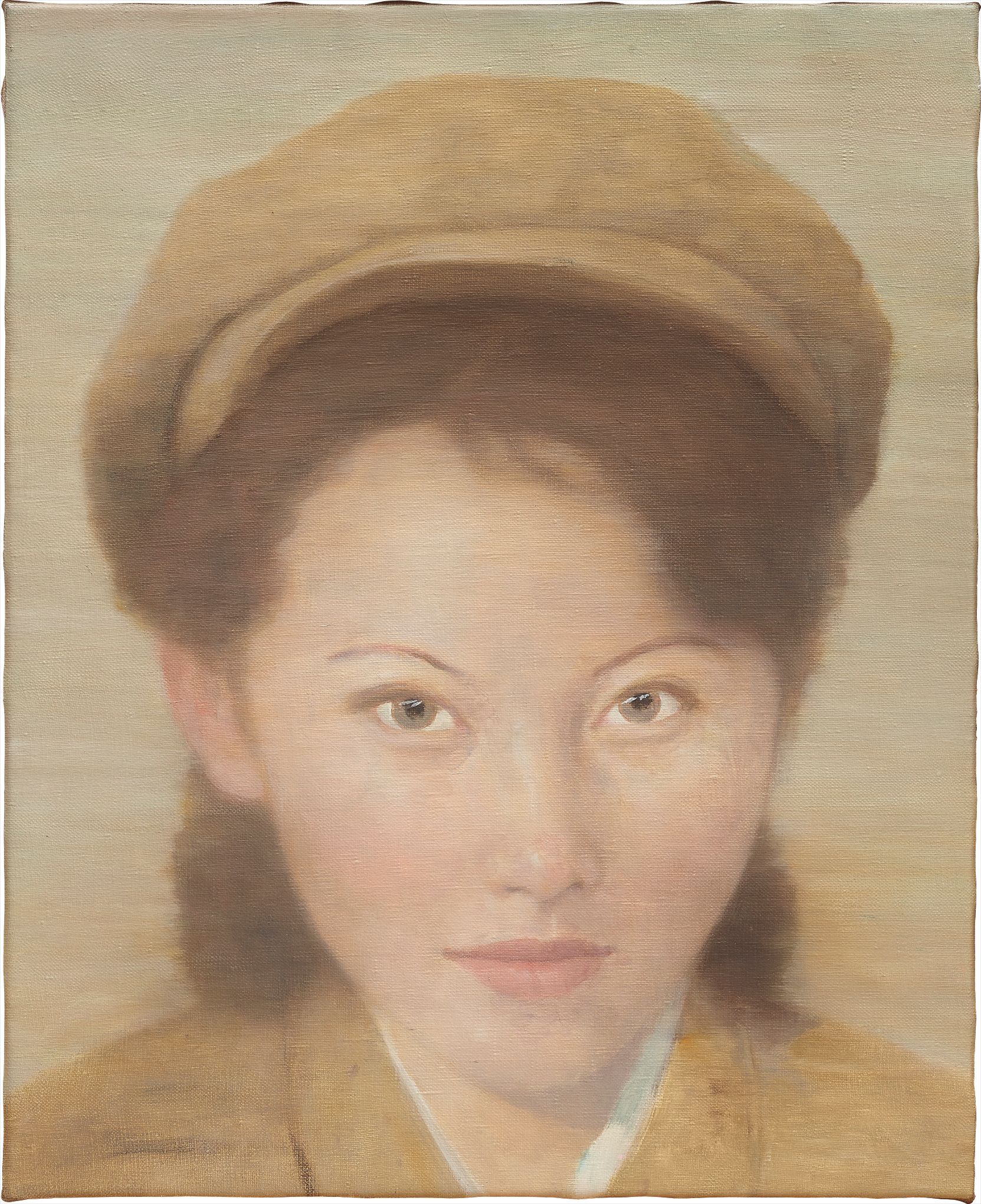
Qi Zhilong
'Chinese Girl' Nr. 8, 2005
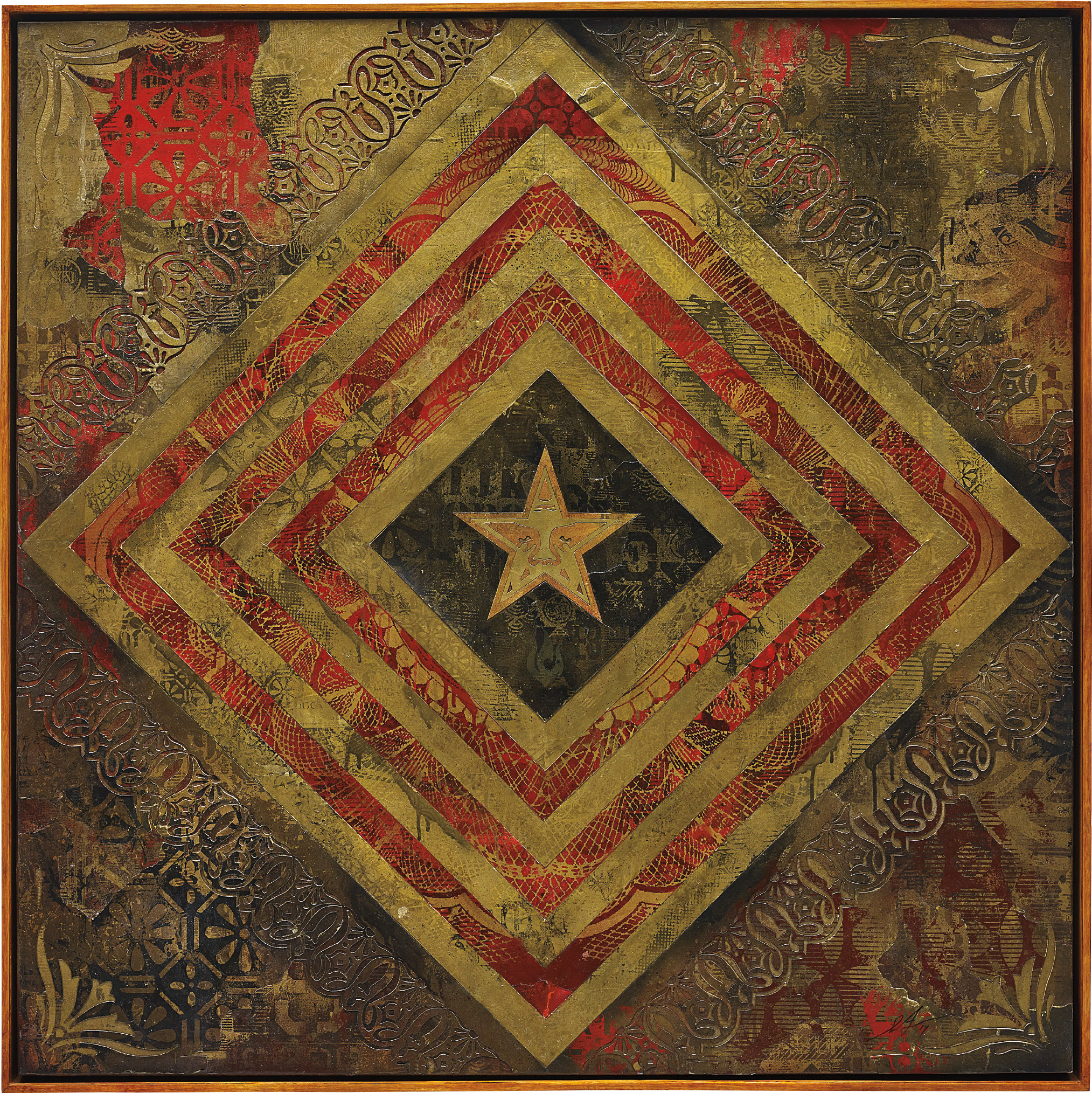
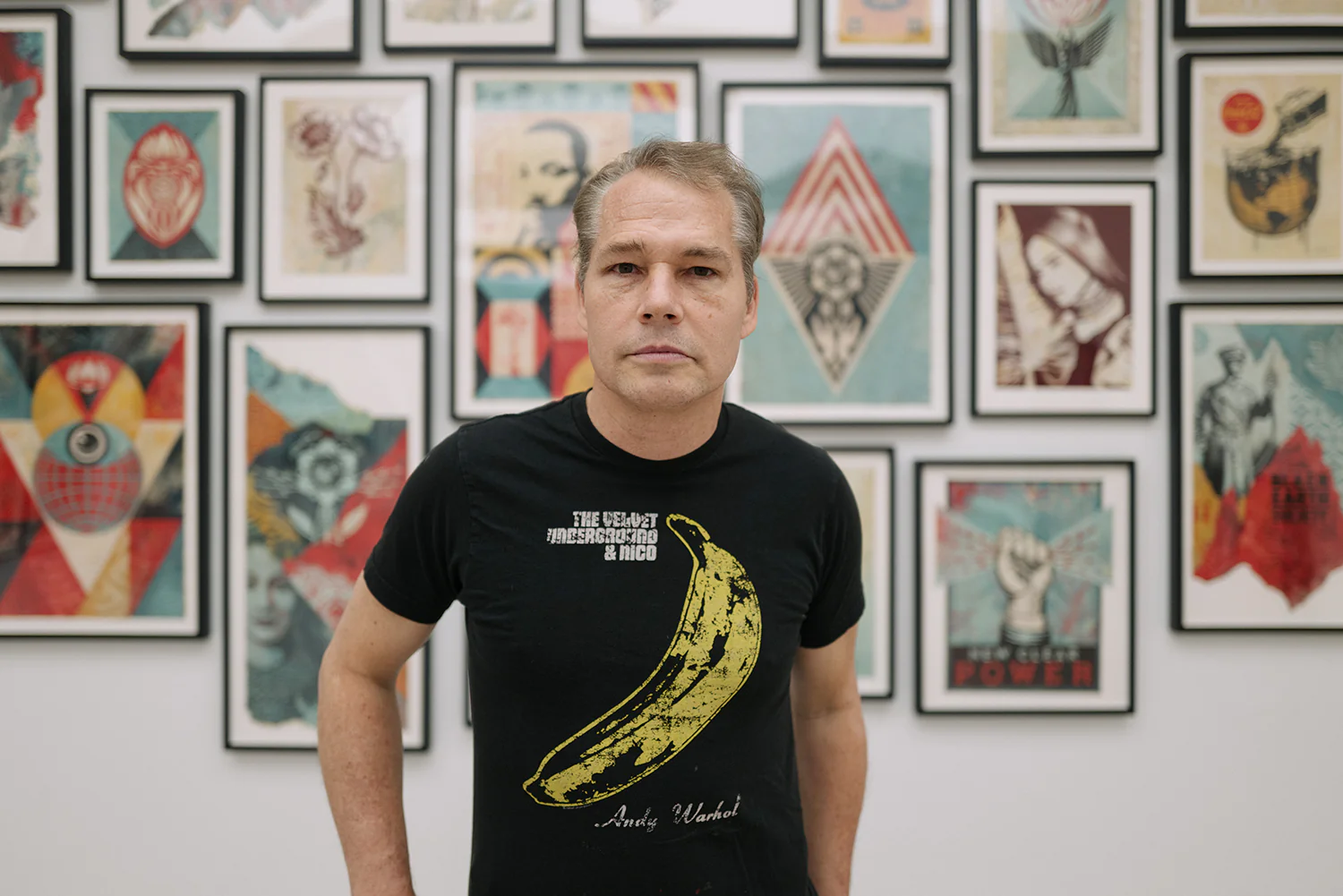
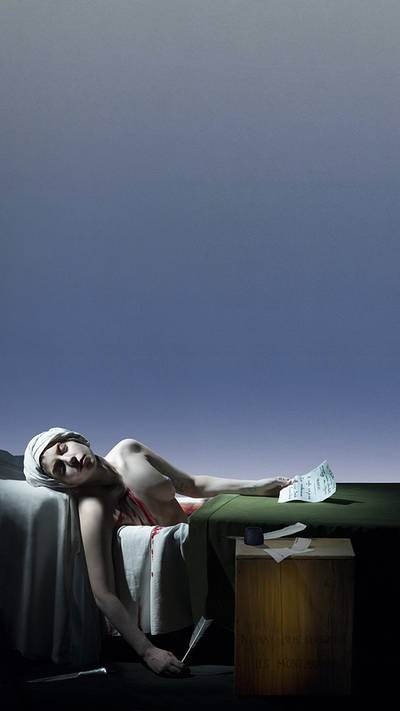
Shepard Fairey represents a different tradition entirely: the street, the poster, the democratic surfaces of the city. His 2008 Obama Hope image became arguably the most reproduced political artwork of the twenty first century, a reminder that political art does not always begin in the gallery or the auction house. Vito Acconci brought the body itself into the equation through performance and installation, collapsing the distance between the political and the deeply personal. Wim Delvoye and José Antonio Hernández Díez each in their own ways use material culture and the language of kitsch and consumer goods to reflect power structures back at their audiences with considerable wit and some discomfort.
What unites these otherwise wildly different practices is a shared refusal to treat art as separate from the conditions in which it is made and seen. Political imagery, at its best, does not simply reflect the world. It changes the terms on which we are willing to look at it. The works gathered on The Collection trace a lineage from Soviet porcelain to twenty first century street art, from the alienating cool of Warhol's Mao to the intimate grief of Li Tianbing's painted children, and what emerges is not a single argument but a sustained, layered conversation about who gets to hold power, who gets to represent it, and who gets to talk back.
That conversation has never felt more necessary.