Photographic Print
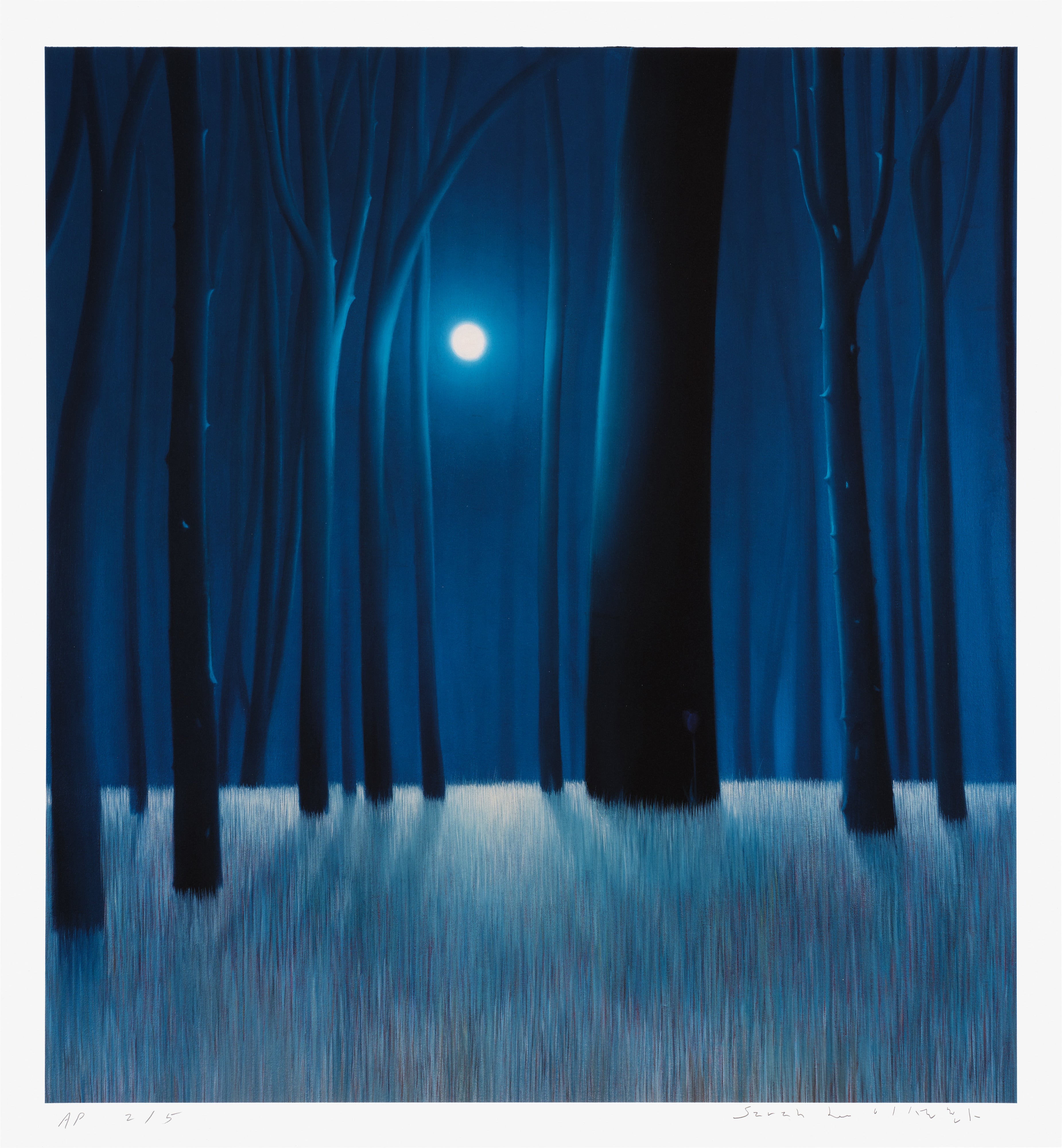
Sarah Lee
The Black Tulip

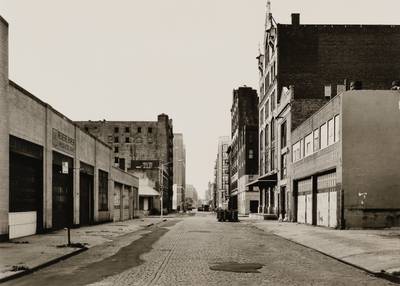
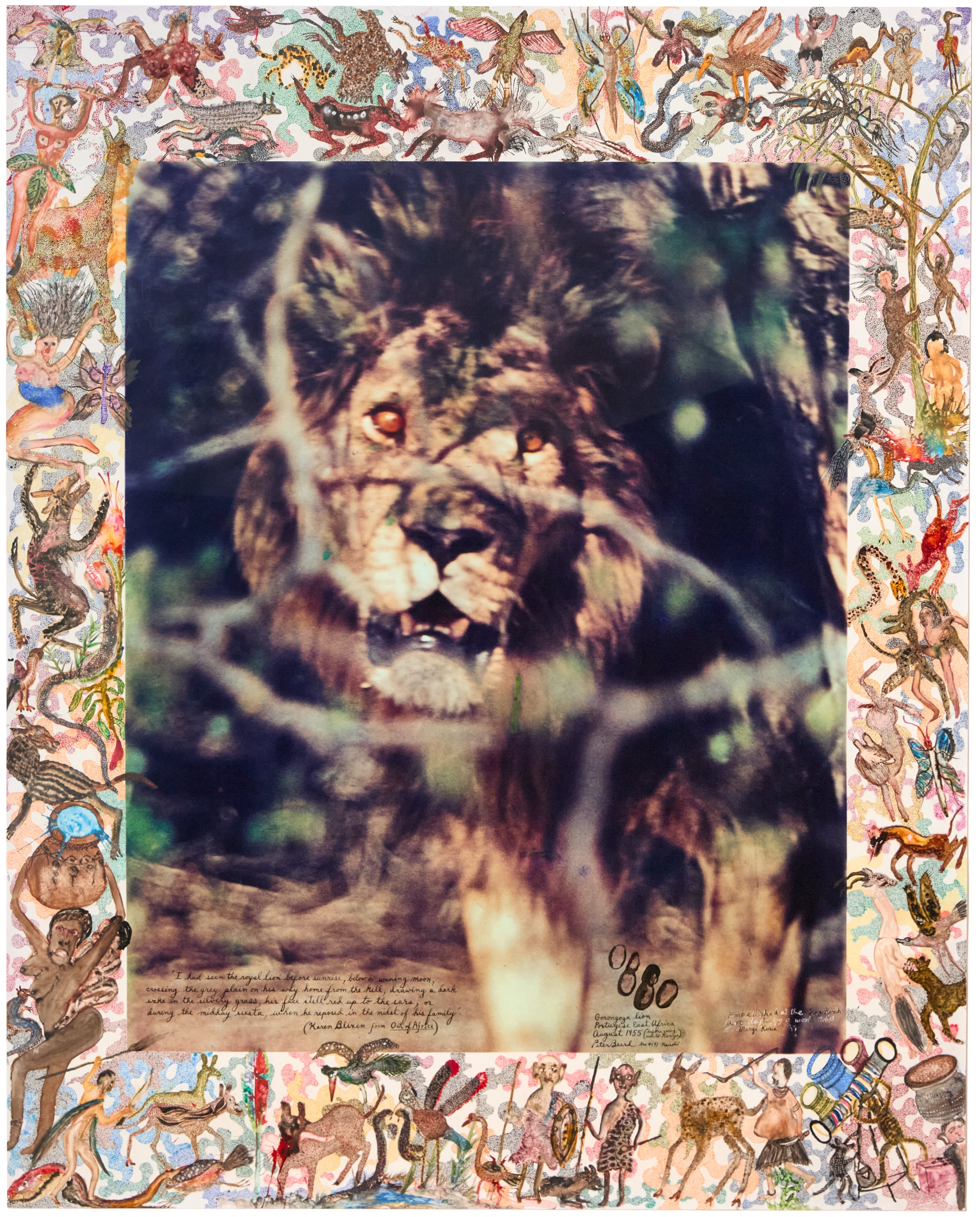
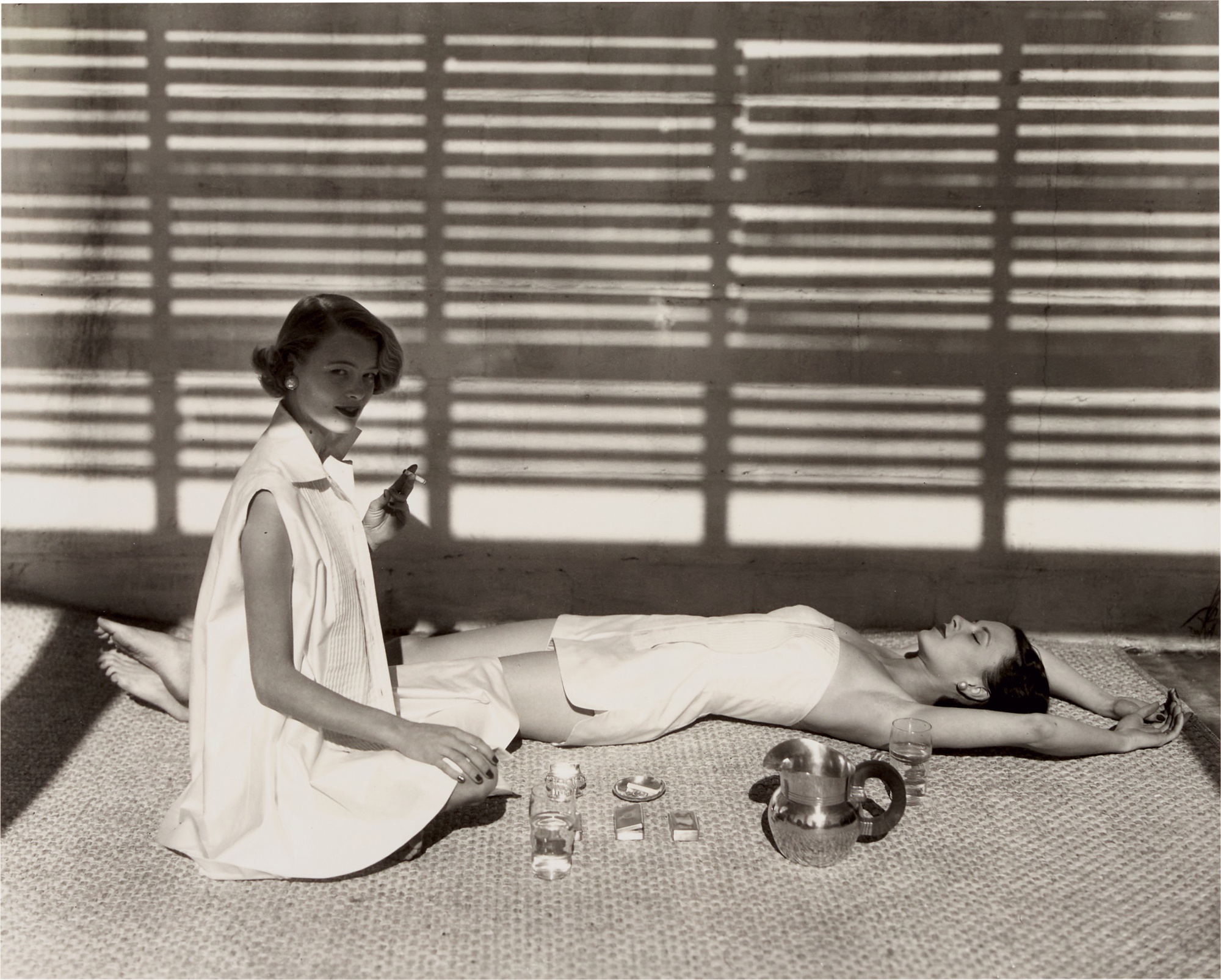
The Print That Changed How We See
There is something quietly radical about a photographic print. It is an object that looks like a window and behaves like a mirror, holding light that fell on a real moment while simultaneously reflecting back the intentions, obsessions, and blind spots of whoever pointed the camera. Collectors who have spent years in the company of paintings and sculptures often describe their first serious encounter with a fine photographic print as a kind of recalibration, a moment when they understood that photography was not documentation wearing the costume of art, but art working through the logic of documentation. That distinction turns out to matter enormously.
The story begins, as most things in modern culture seem to, in the 1830s. William Henry Fox Talbot's calotype process, announced publicly in 1839, introduced the negative and with it the possibility of infinite reproduction. But reproduction was never really the point. The earliest practitioners understood almost immediately that the print itself, the physical object made of paper and silver salts and arrested light, carried its own aesthetic weight.
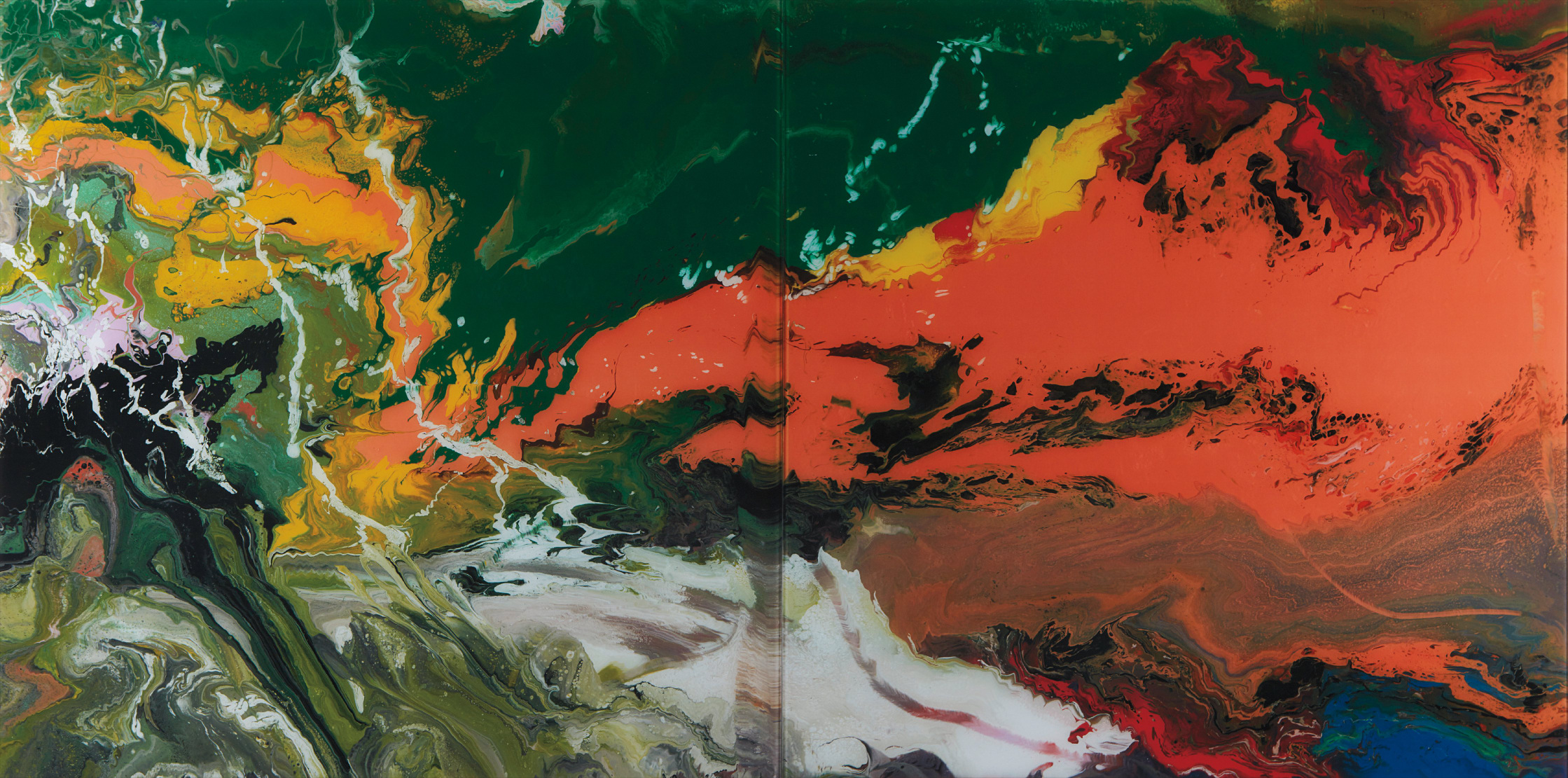
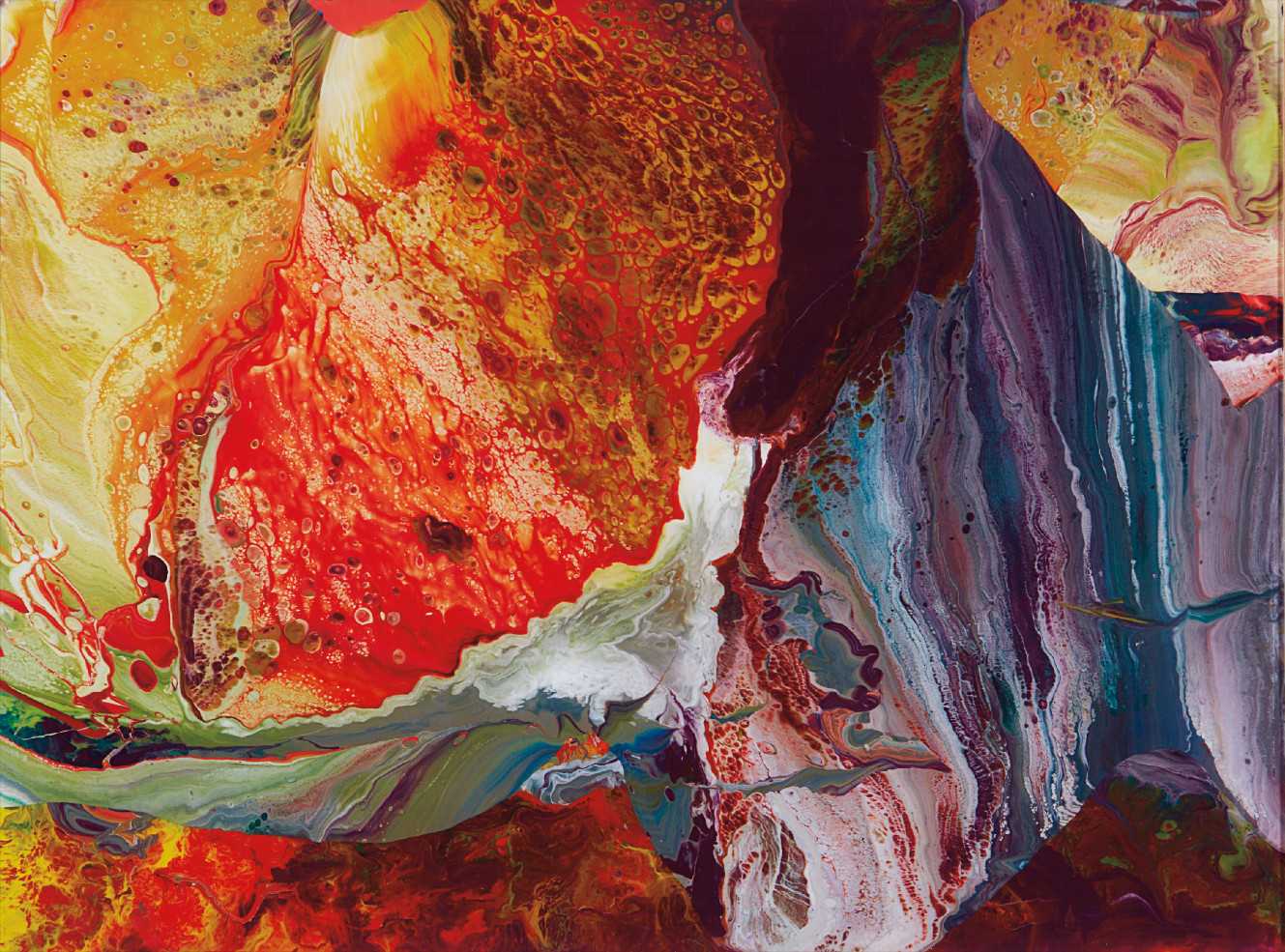
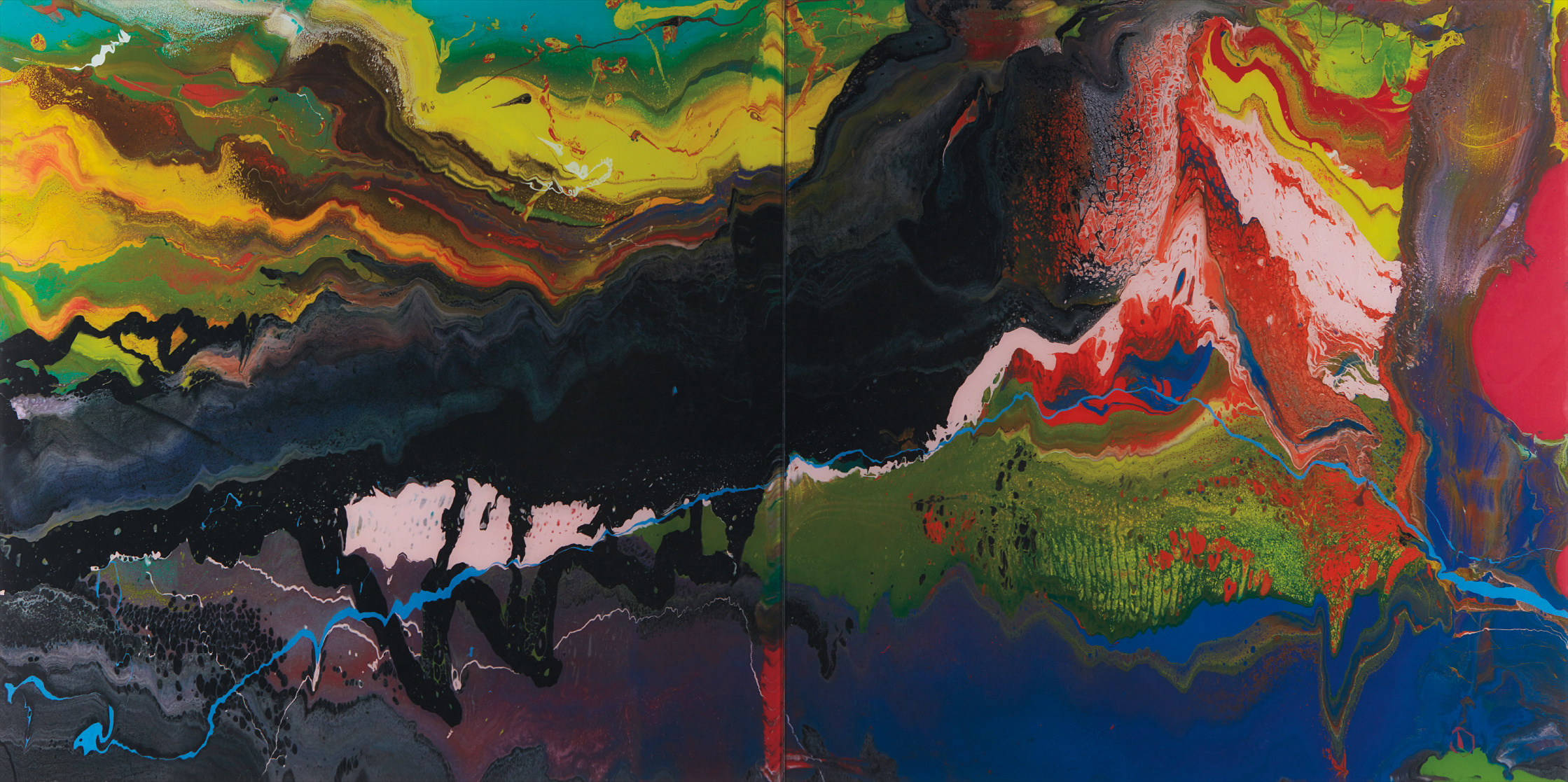
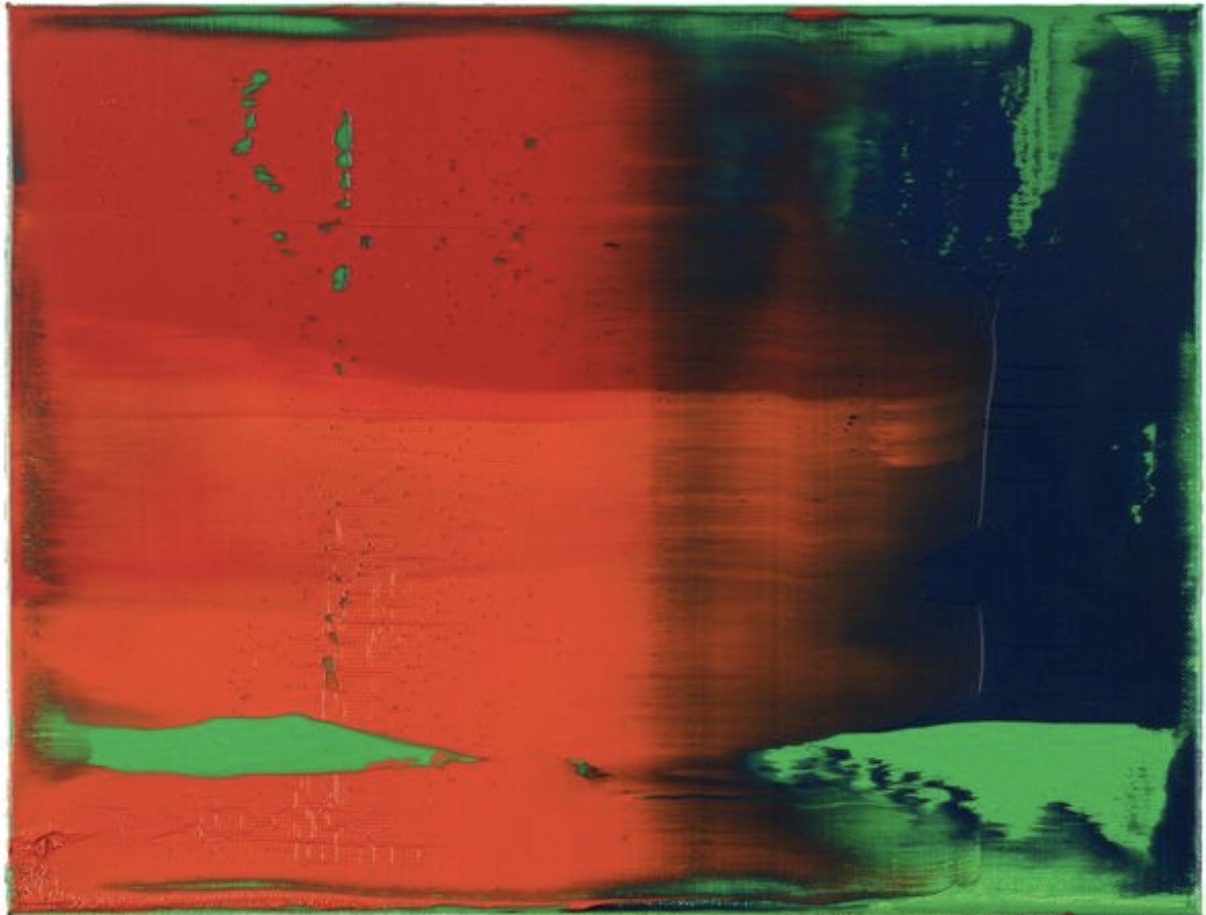
Gerhard Richter
Flow (P 15)
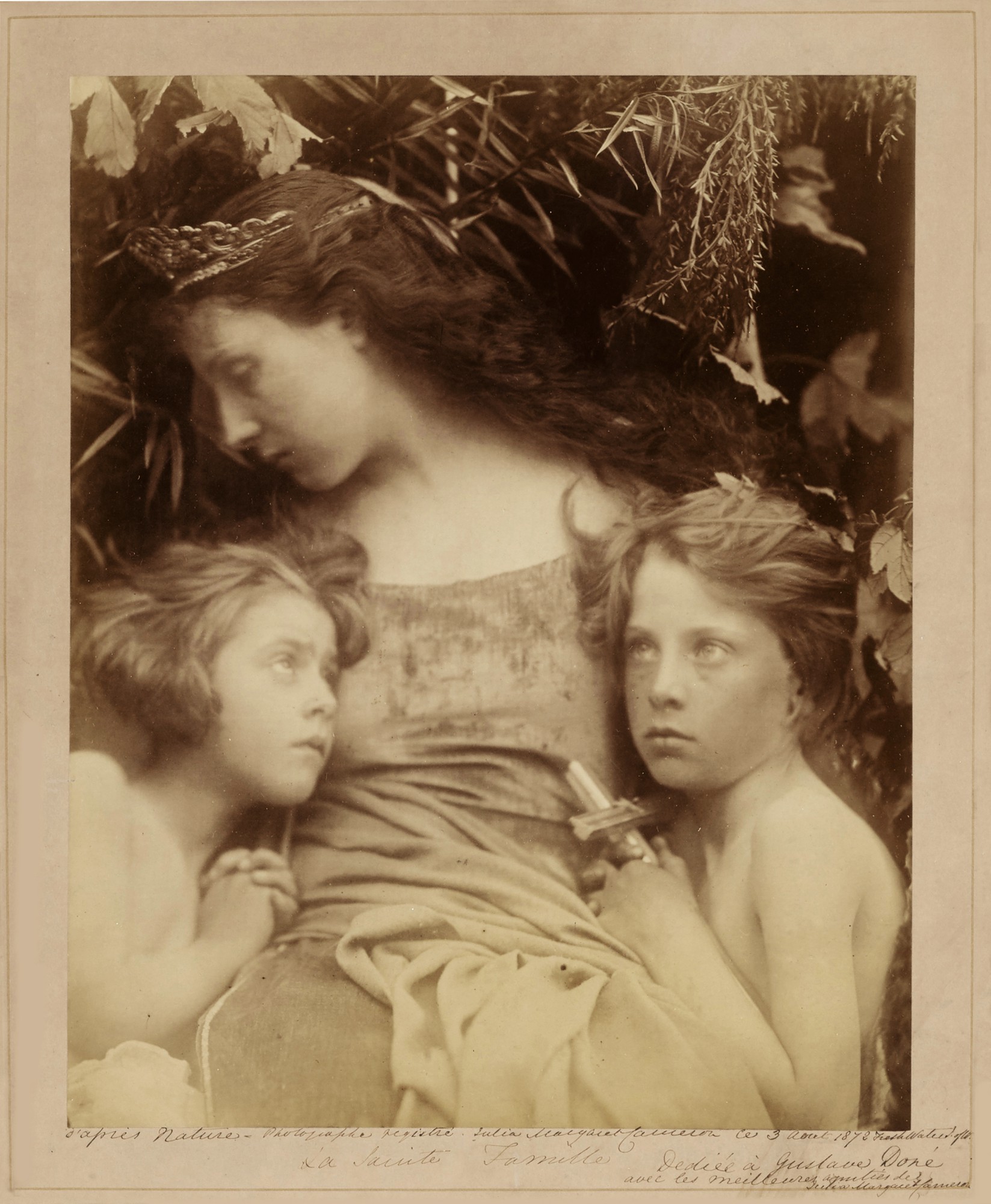
Julia Margaret Cameron, working in the 1860s and 1870s on the Isle of Wight, grasped this instinctively. Her soft focus portraits, made with long exposures and considerable force of personality, were criticized by technical purists and praised by artists. She was doing something that would take critics a century to fully articulate: using the photographic print as a medium for feeling rather than a vehicle for fact. Her work appears on The Collection and rewards close looking precisely because you can sense all that resistance and intention in the surface of the image.
The question of whether photography was art occupied serious minds for most of the nineteenth century and a good part of the twentieth. Alfred Stieglitz spent years fighting that battle through his journal Camera Notes and later Camera Work, and through his gallery 291 in New York, where he showed photographers alongside Matisse and Picasso as a deliberate provocation. By the time Edward Steichen curated The Family of Man at MoMA in 1955, drawing more than nine million visitors worldwide, photography had won the argument in the court of public opinion. The art world took longer to concede.
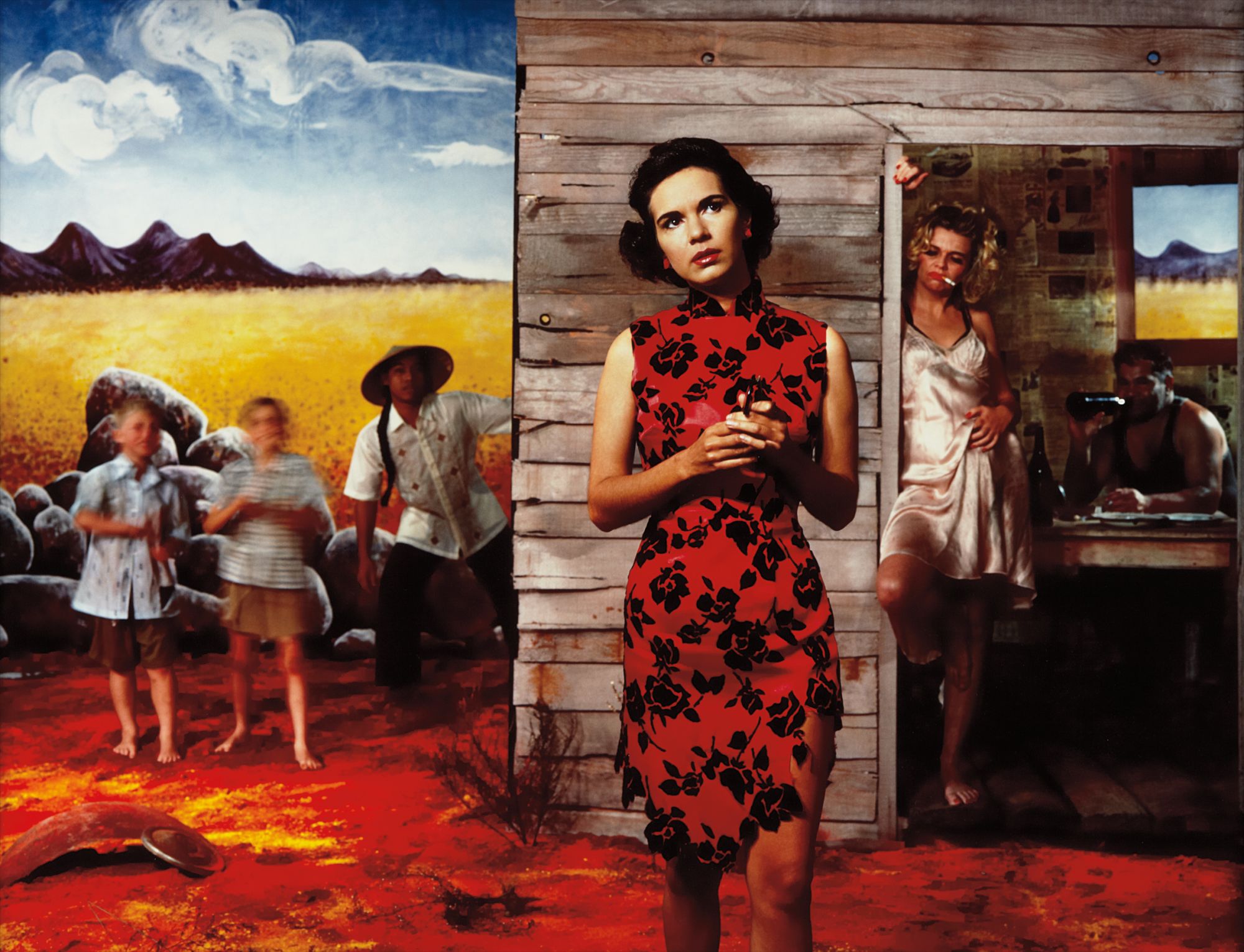
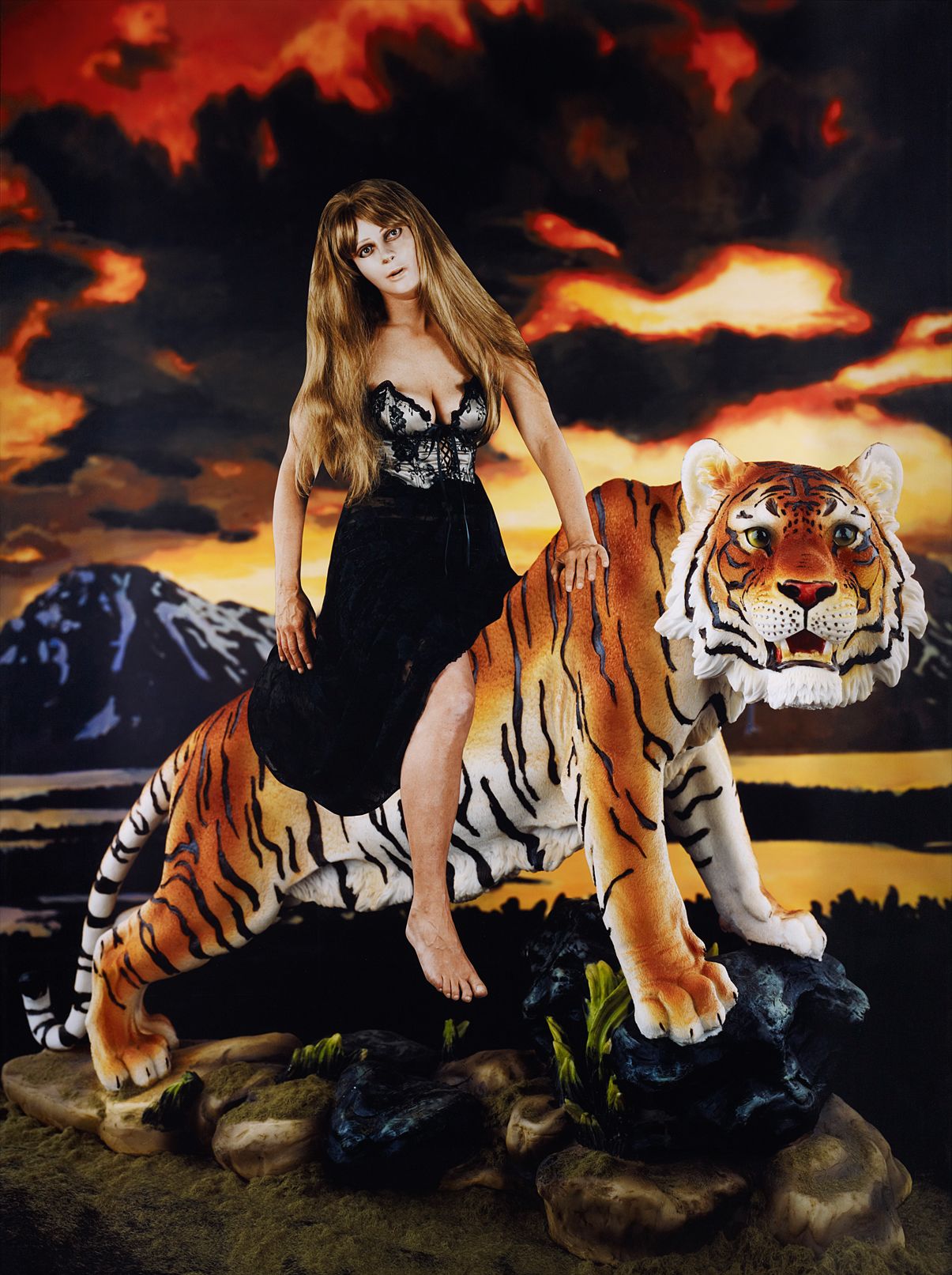
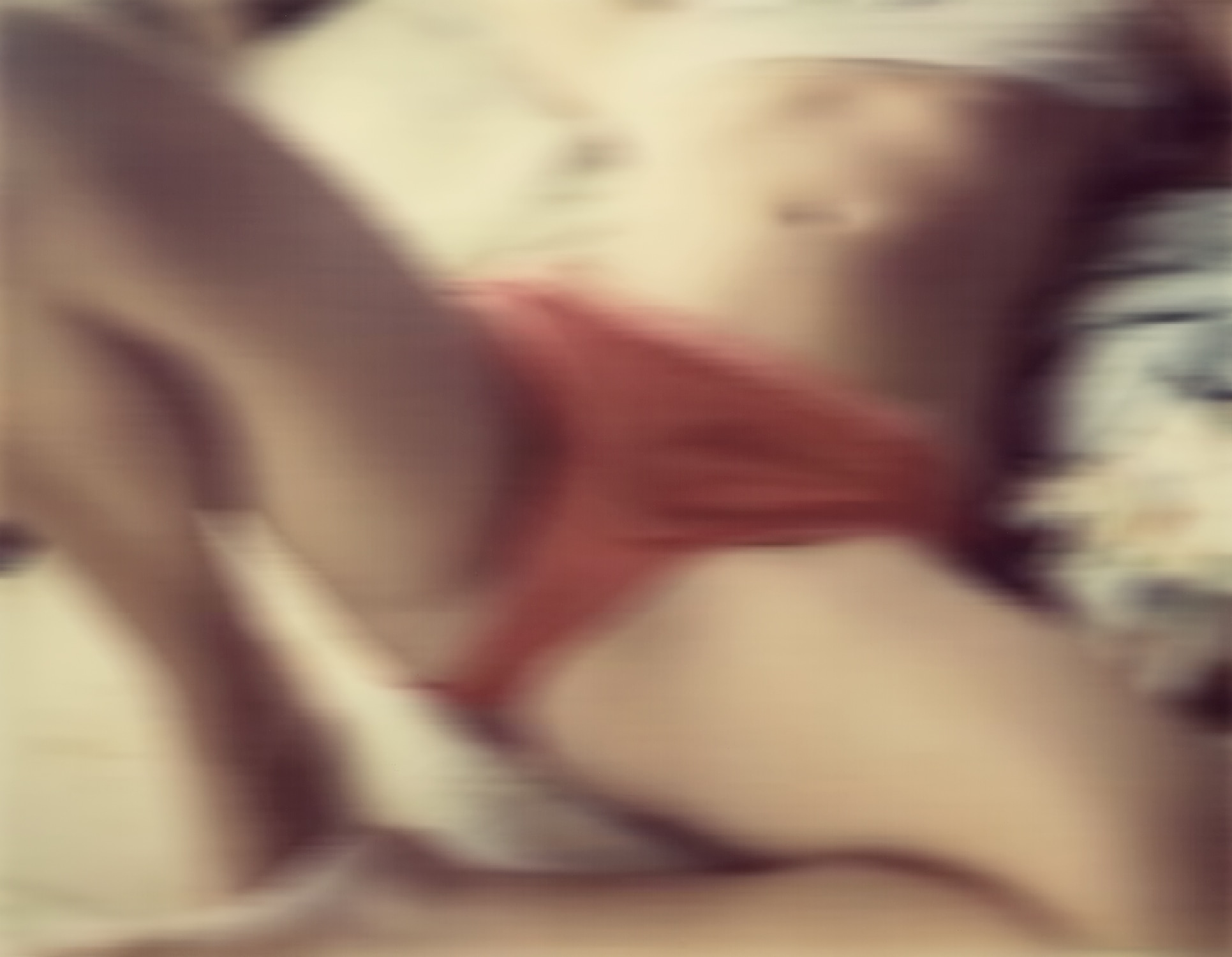
Tracey Moffatt
Something More #1
It was really in the 1970s and 1980s that major auction houses began treating photographic prints with the seriousness of works on paper, and institutions started building dedicated photography departments. What changed the conversation as much as anything was the arrival of artists who came to photography from painting, sculpture, and conceptual practice, and who were completely unintimidated by questions of medium legitimacy. Gerhard Richter is a defining example. His photo paintings, where he translated found photographs into blurred, painterly canvases, collapsed the boundary between the two mediums so thoroughly that the question itself started to seem beside the point.
Richter's photographic prints, represented with notable depth on The Collection, exist in a dialogue with his paintings and his Atlas project, in which he accumulated thousands of found images as both archive and raw material. He treated photography not as truth but as one more representation among representations, a position that feels more relevant with every passing year. The generations that followed Richter pushed the photographic print into territory that earlier practitioners could not have imagined. Thomas Ruff's enormous passport photograph series from the late 1980s confronted viewers with faces enlarged to a scale that stripped away intimacy and replaced it with something closer to forensic scrutiny.
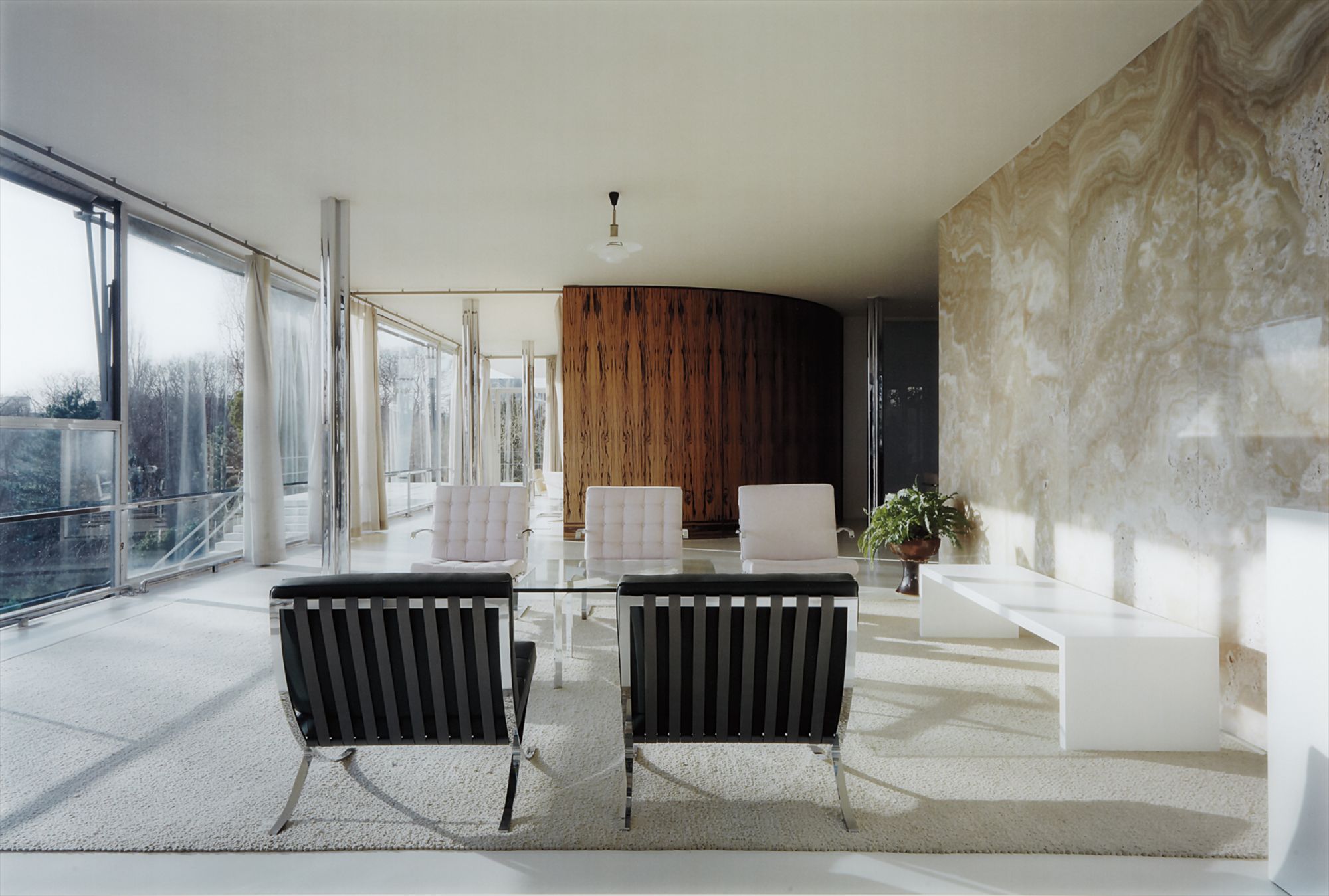
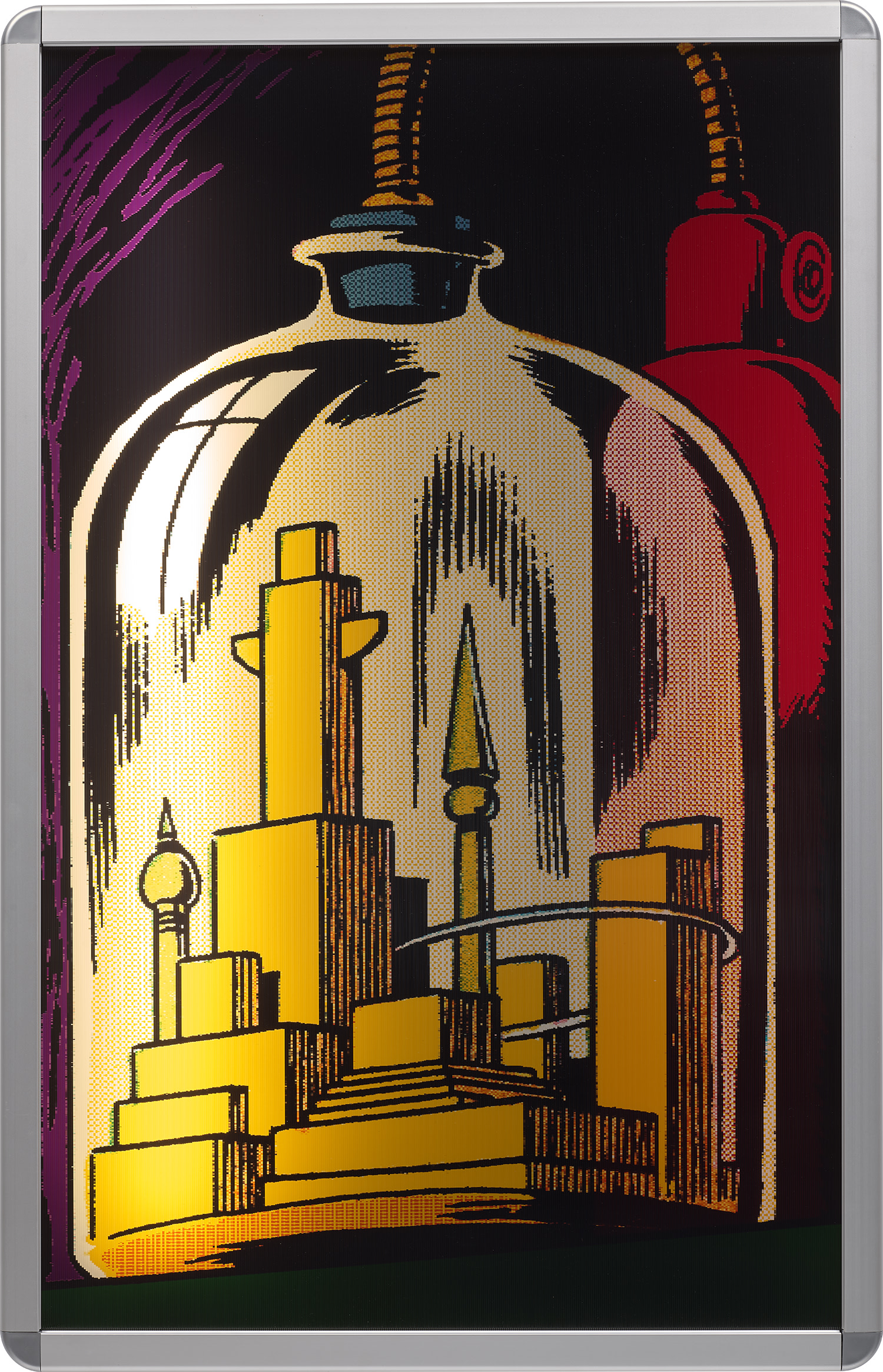
Thomas Ruff
h.t.b. 06
Thomas Struth's museum photographs, pictures of people looking at pictures, folded the viewing experience back on itself with cool, almost architectural precision. Both artists are present on The Collection and both represent a specifically German engagement with photography's relationship to power, memory, and the archive, an engagement shaped by the particular weight of postwar history. Nan Goldin, working in a completely different register, made the photographic print into a form of testimony and solidarity, her Ballad of Sexual Dependency constituting one of the most emotionally direct bodies of work the medium has ever produced. Technique has never been neutral in photography.
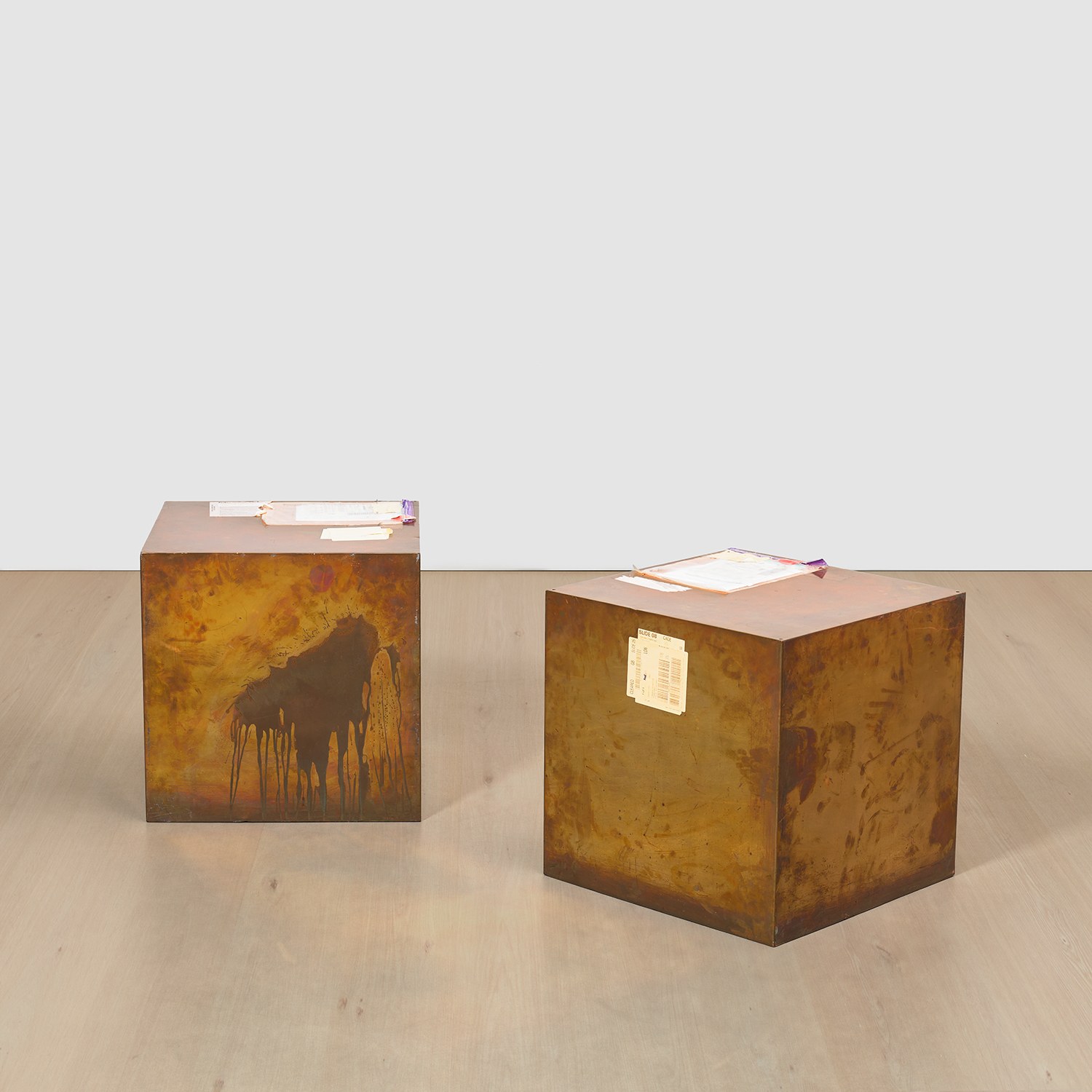
The choice between gelatin silver, chromogenic, pigment inkjet, or dye transfer is always also a choice about meaning. Walead Beshty makes this explicit by physically subjecting his photographic paper to stress during processing, introducing folds, tears, and chemical accidents that foreground the material reality of the print. Vik Muniz takes a different approach, constructing elaborate tableaux from unexpected materials, photographing them, and then presenting the photograph as the final work, so that the print becomes evidence of a process more than a picture of a subject. Both artists, collected seriously and represented on The Collection, remind us that the photographic print is never just a recording device.
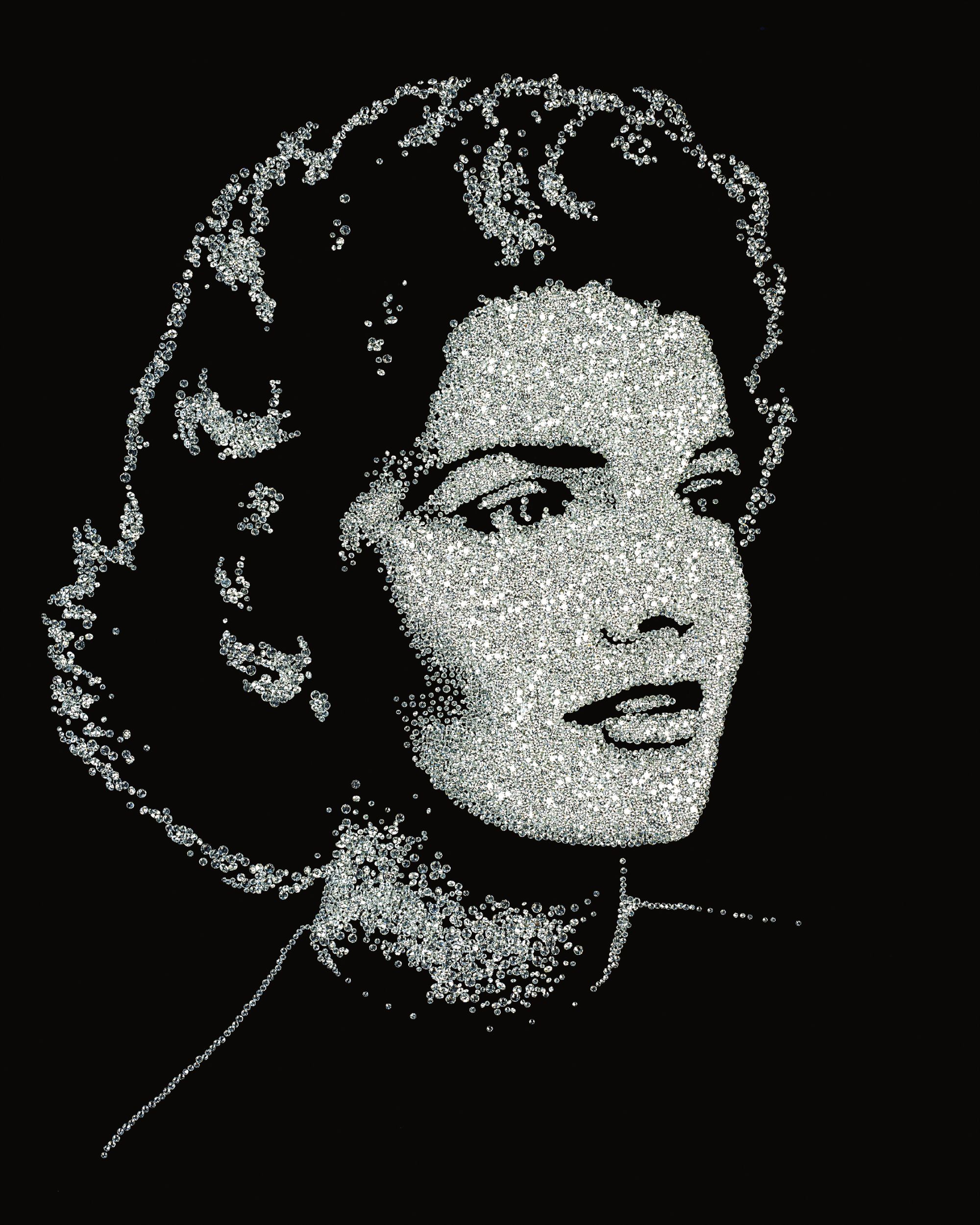
Vik Muniz
Jackie (from the series Pictures of Diamonds), 2005
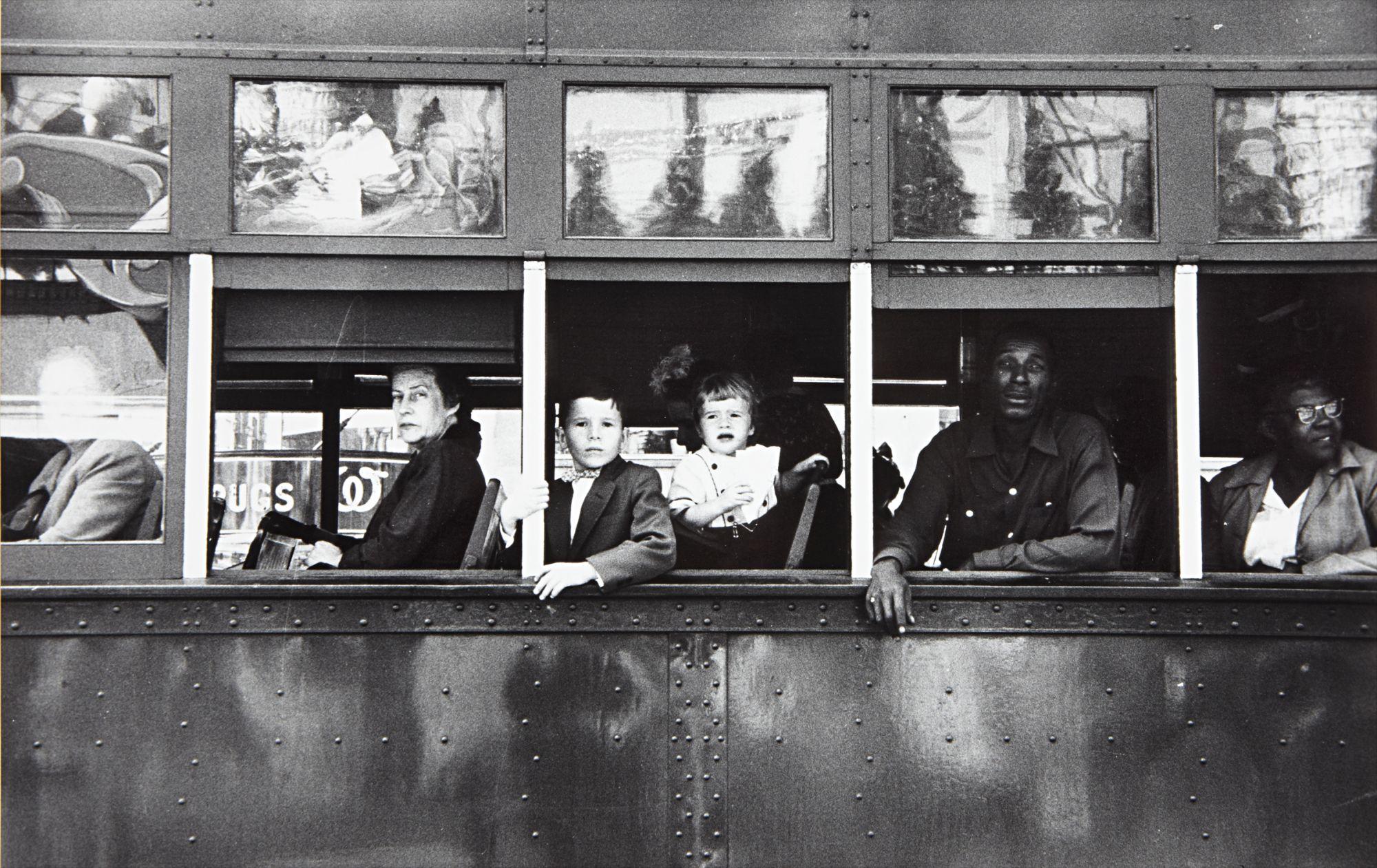
It is an argument about what recording means. The cultural significance of the photographic print extends well beyond gallery walls, of course. Richard Avedon's portraits redefined the relationship between subject and photographer as a negotiation rather than a transaction. Robert Frank's The Americans, published in 1958 after being rejected by American publishers who found it too bleak, changed documentary photography permanently and gave a generation of artists permission to be subjective.
Rotimi Fani Kayode brought the photographic print to bear on questions of Black identity, desire, and spirituality in ways that the British art world of the 1980s was not always ready to receive but that history has thoroughly vindicated. Today, at a moment when photographic images are produced and discarded at a scale that would be incomprehensible to Fox Talbot or Cameron, the photographic print asserts its value partly through its very resistance to that economy. A print is slow. It takes up space.
It has a specific chemistry and a specific history of hands. Collectors who live with fine photographic prints often describe the experience differently from living with photographs on a screen, noting a quality of presence that digital reproduction simply cannot replicate. That presence is not nostalgia. It is the accumulated meaning of a medium that has spent nearly two centuries learning how to tell the truth slant, and doing it with extraordinary grace.