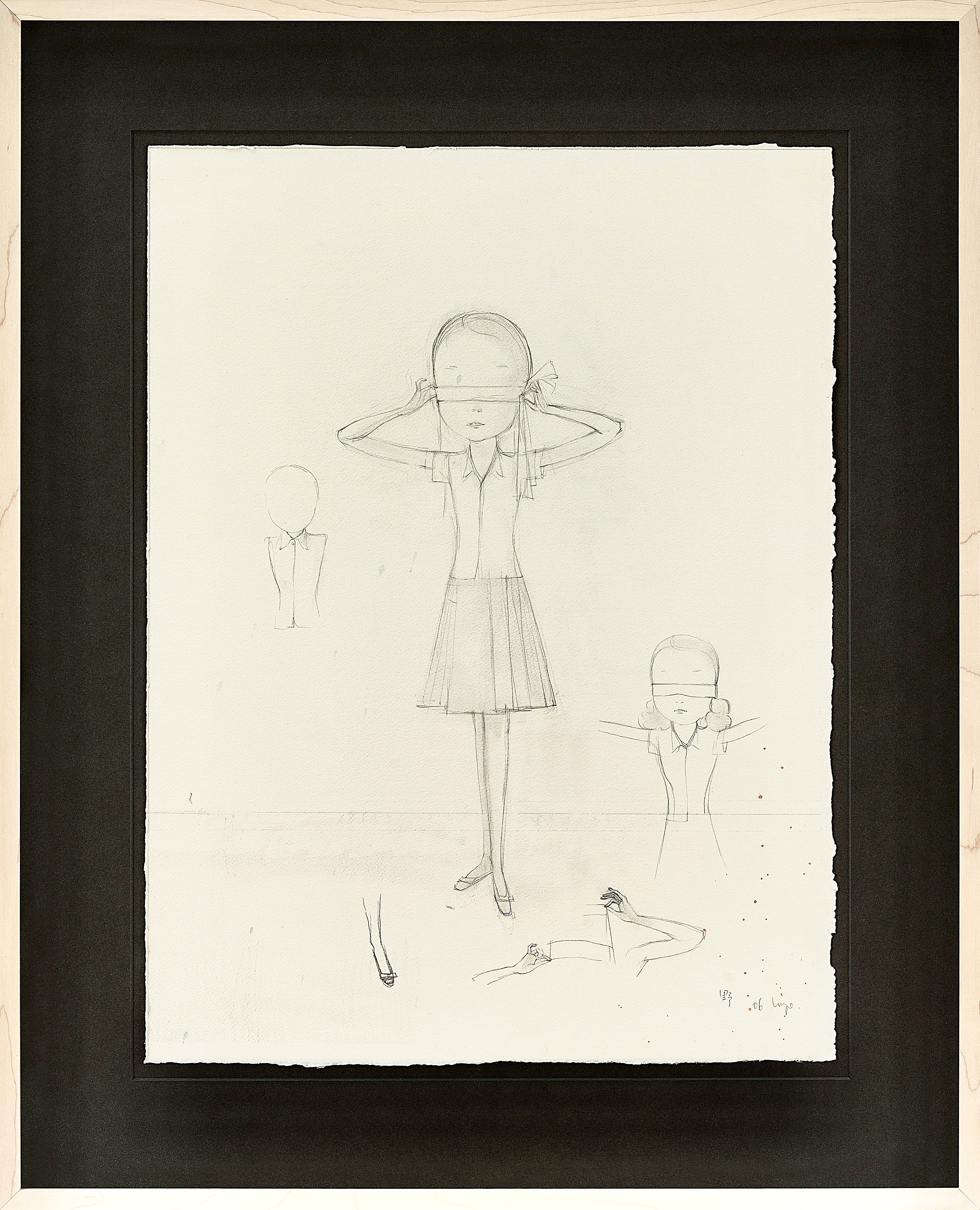
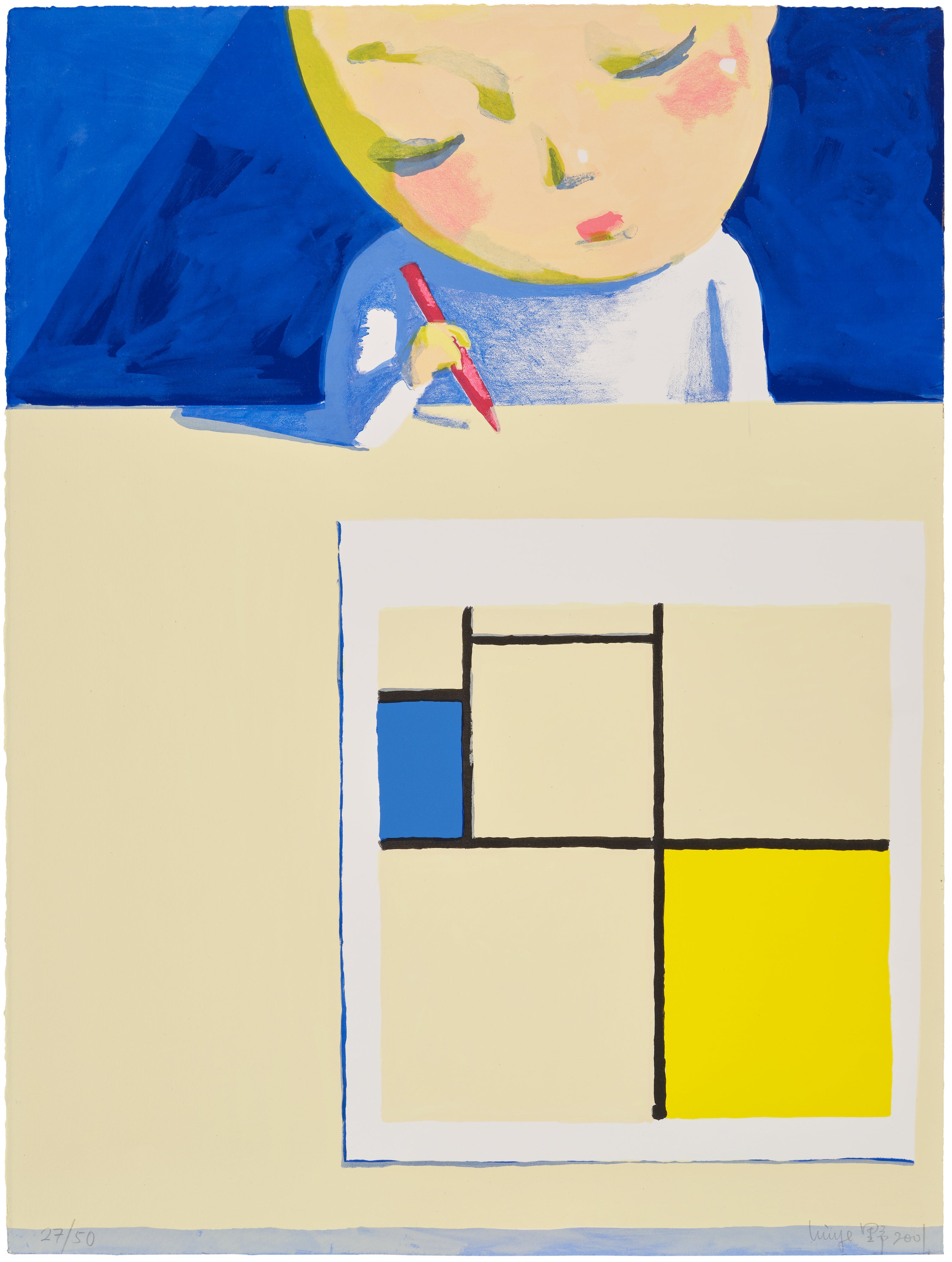
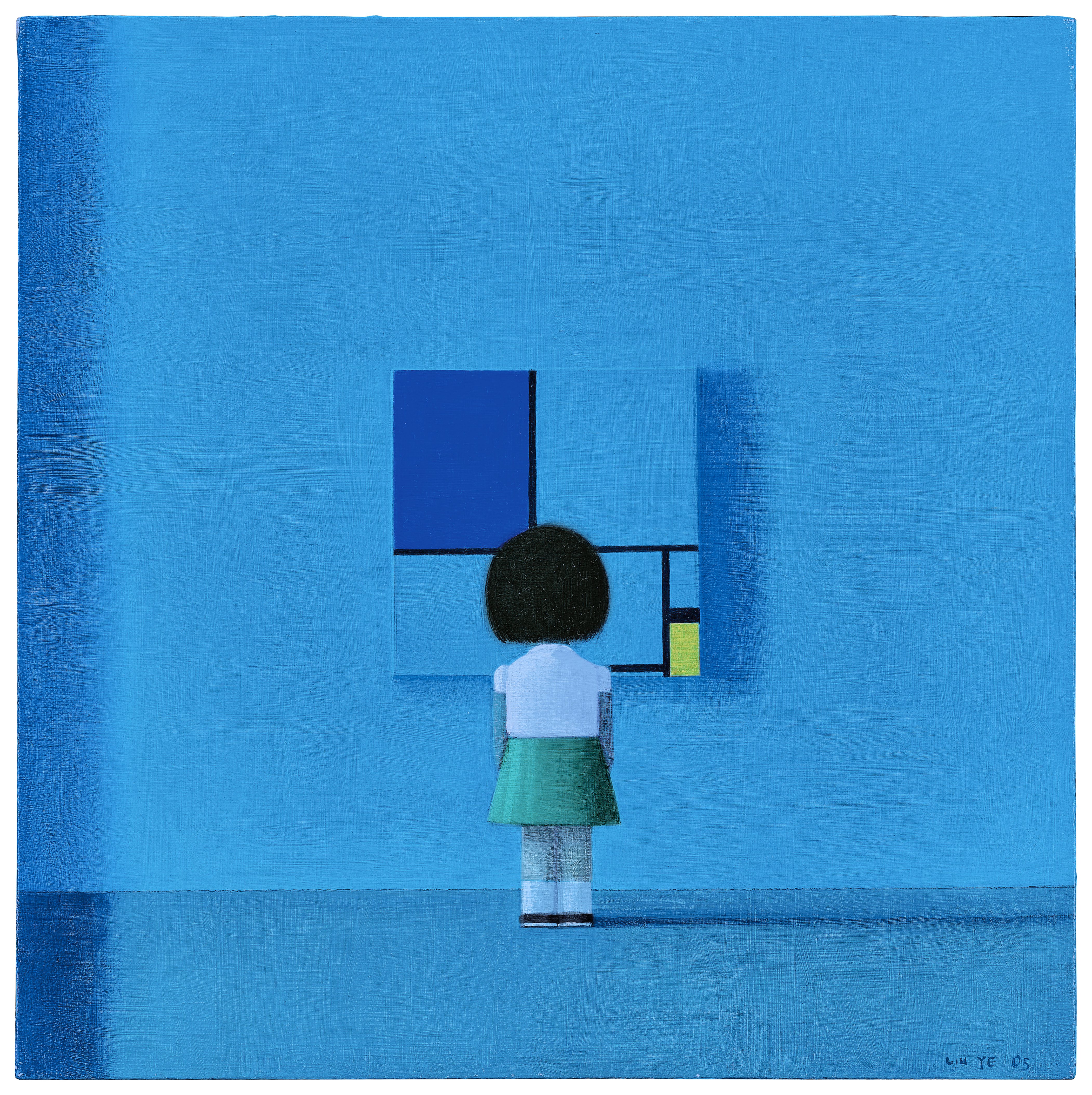
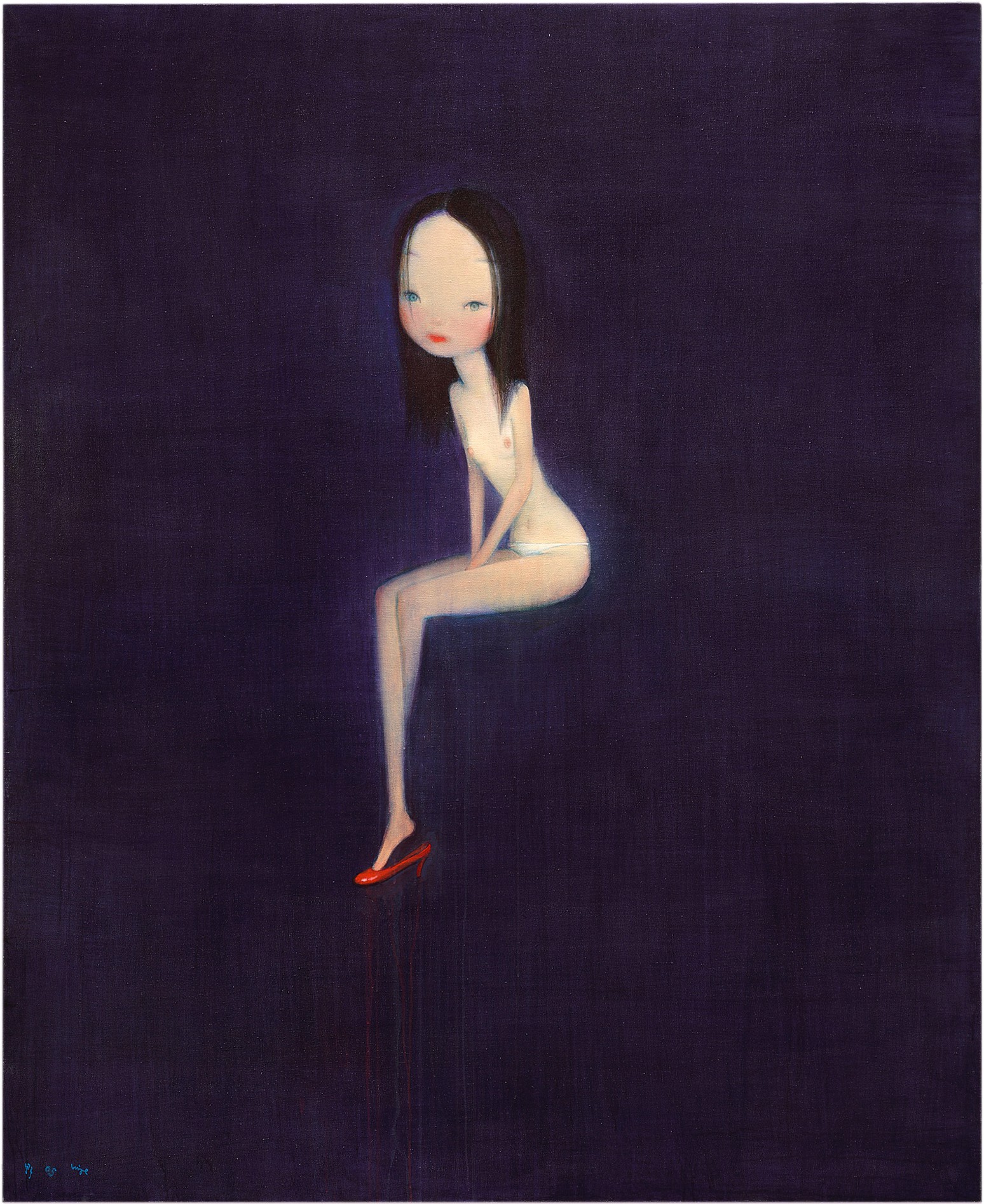
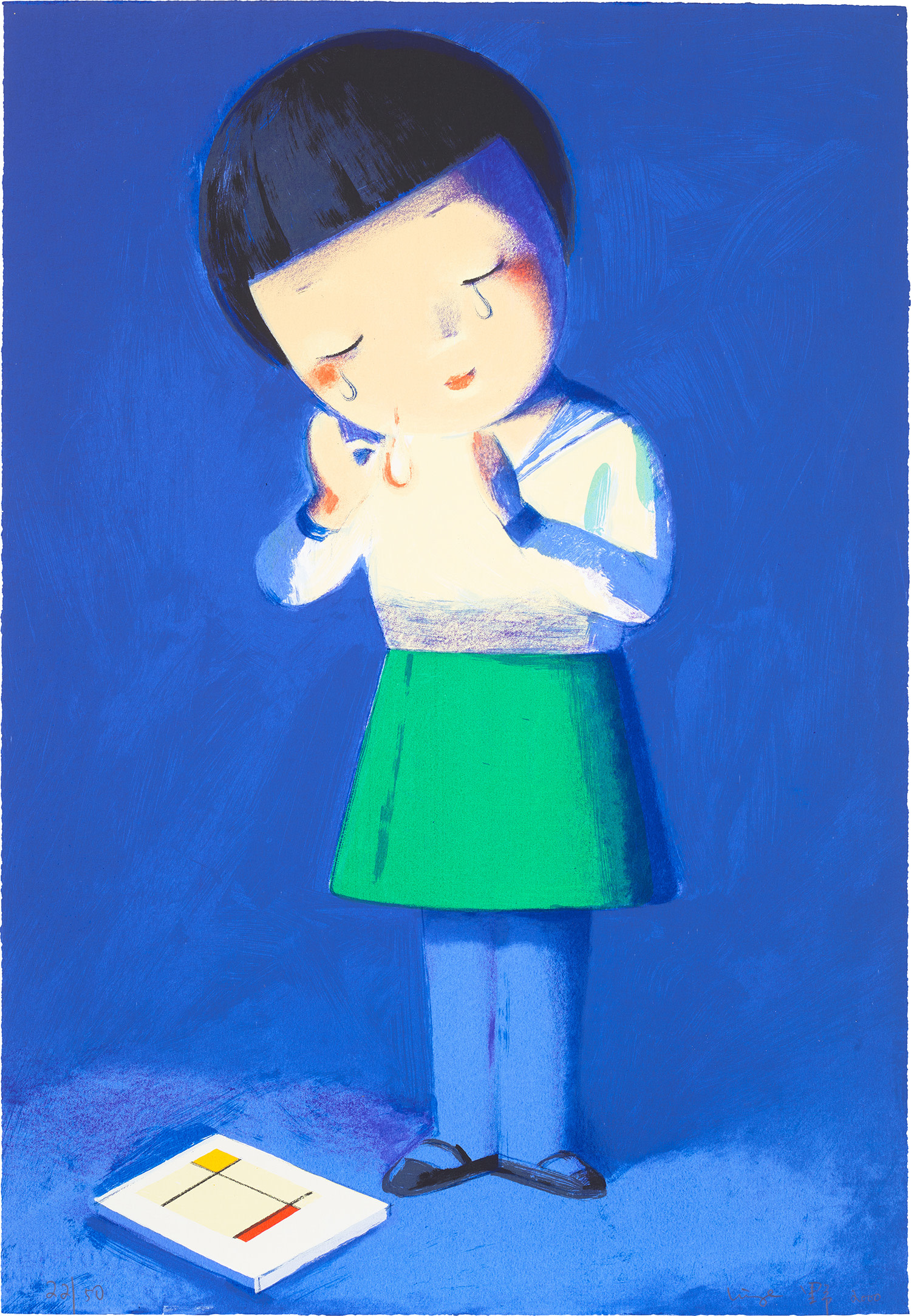
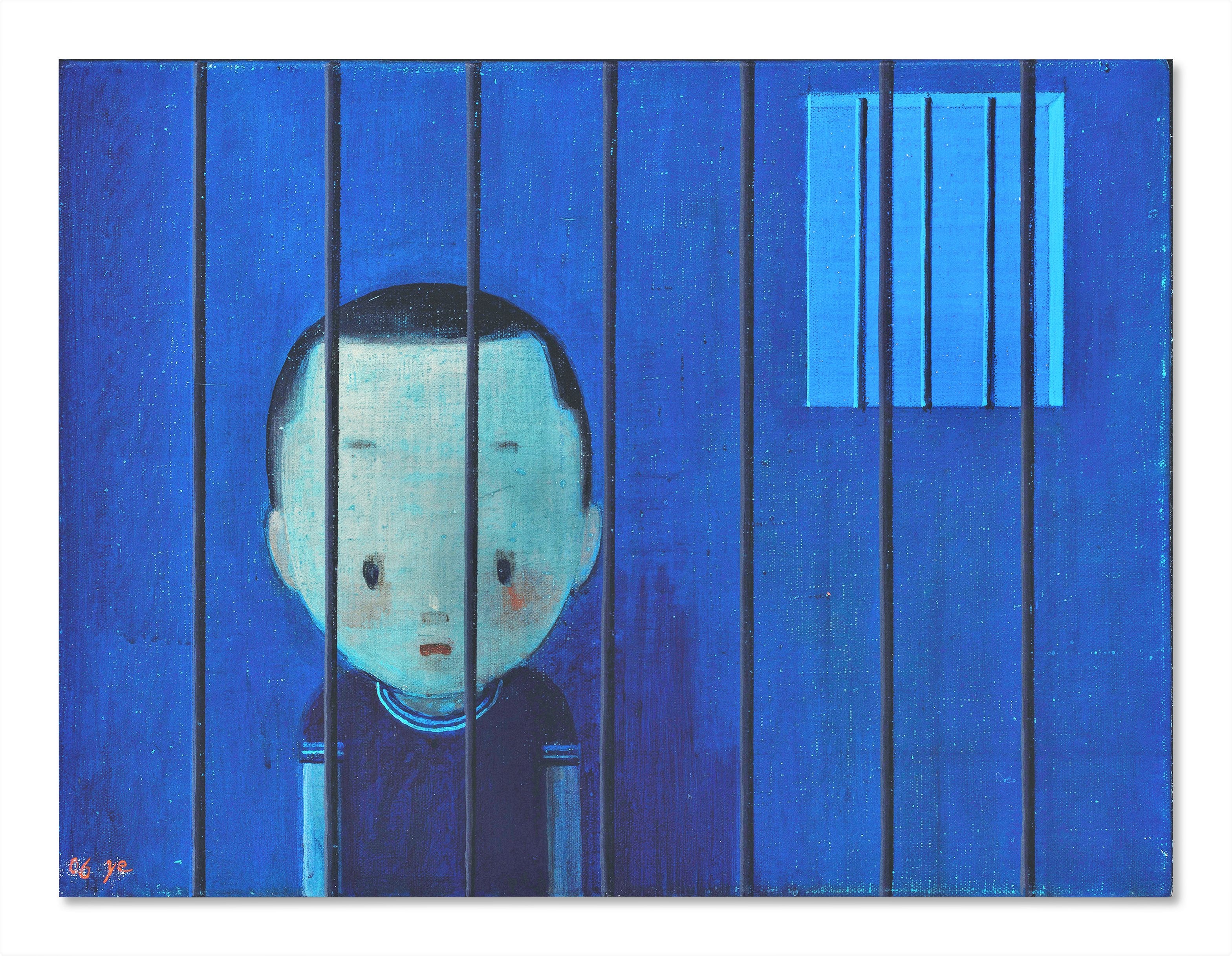
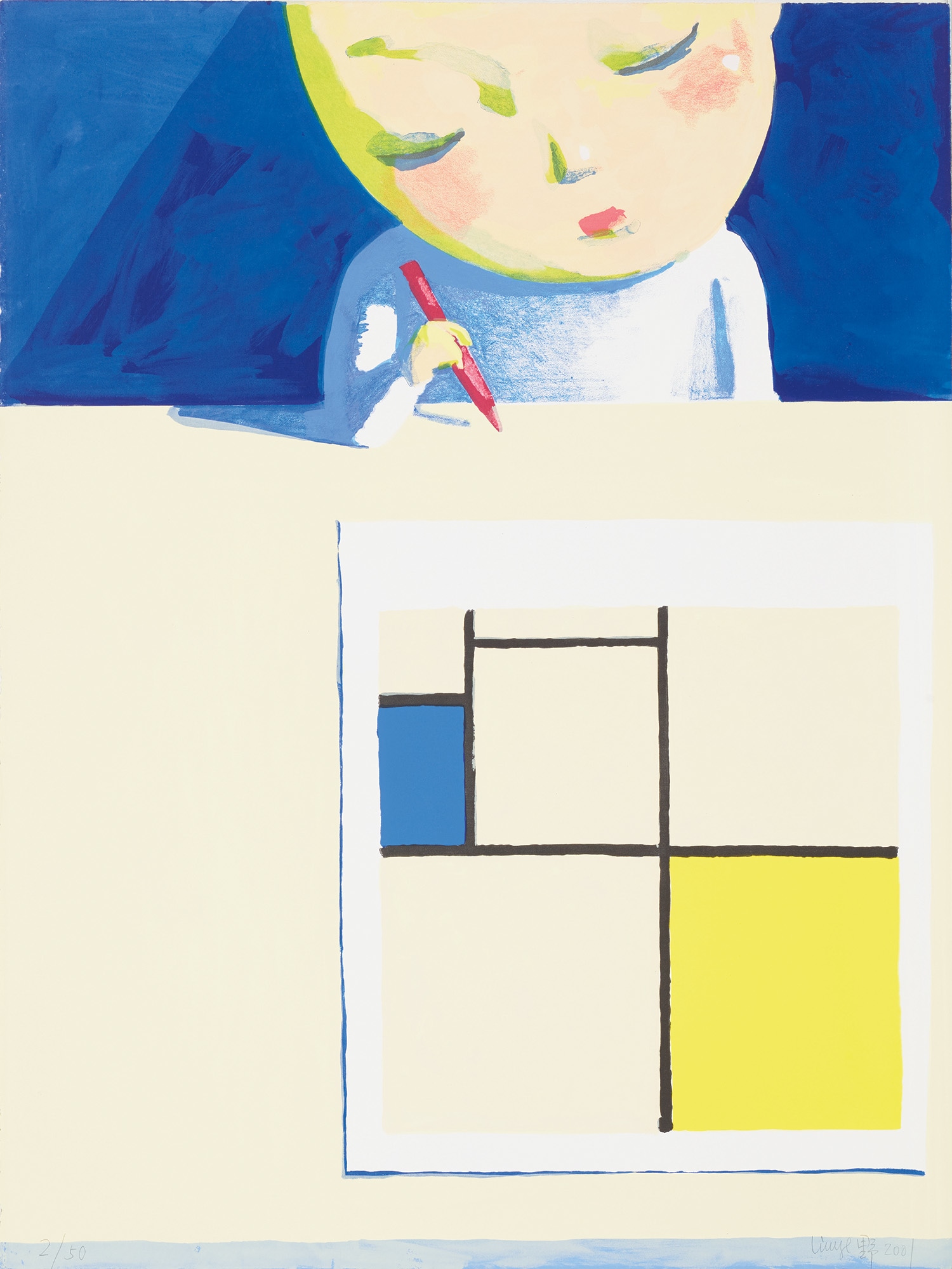
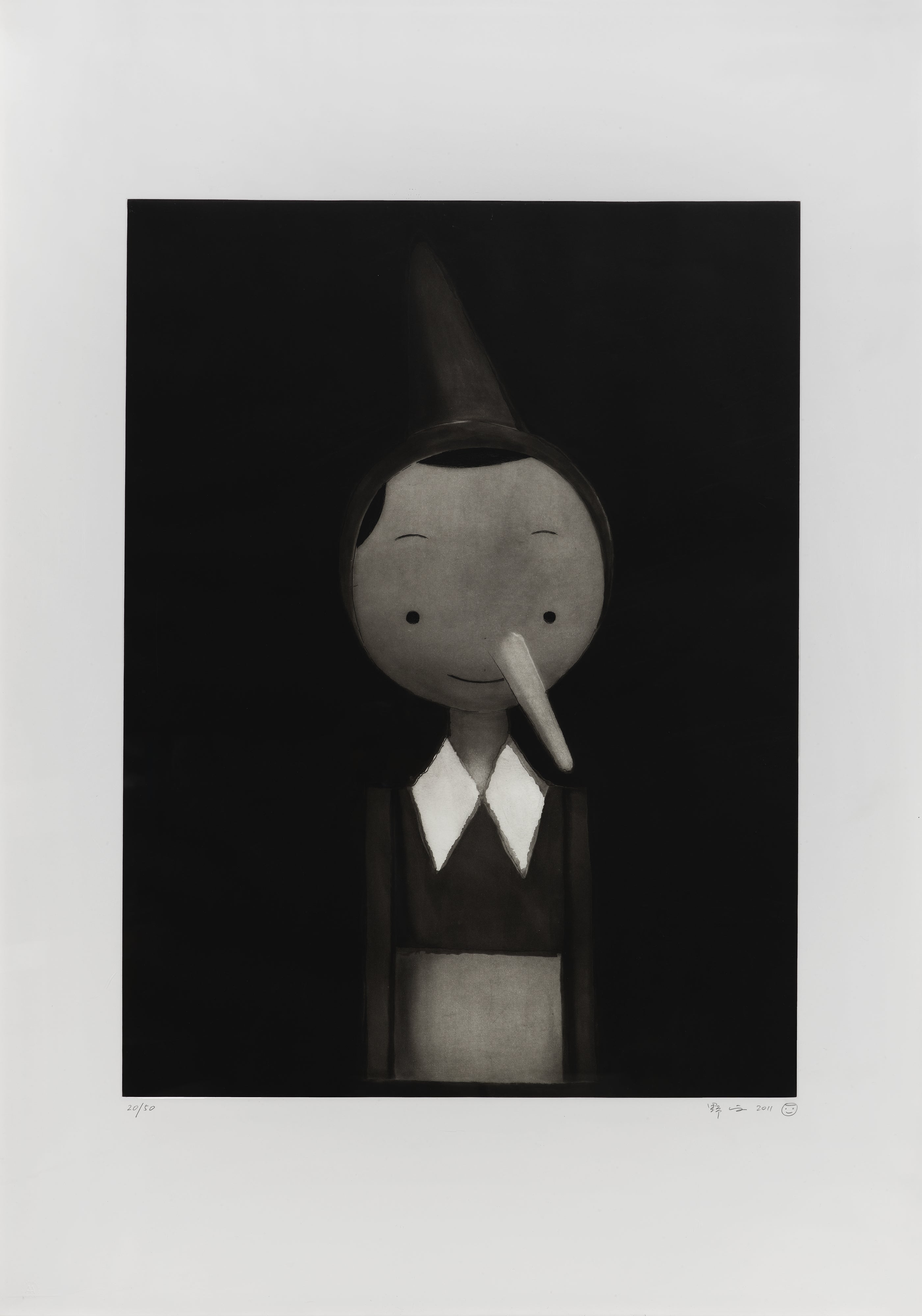
When the Fondation Cartier pour l'art contemporain in Paris opened its doors to a major solo exhibition of Liu Ye's work, something quietly remarkable happened. Visitors expecting the brash spectacle often associated with contemporary Chinese art found themselves instead in rooms of hushed, almost devotional intensity, standing before small and medium canvases that seemed to glow from within. The experience was described by many who attended as unexpectedly moving, the kind of encounter with painting that reminds you why the medium still holds such singular power. That exhibition confirmed what a devoted circle of collectors and curators had long understood: Liu Ye is among the most genuinely original painters working anywhere in the world today. Liu Ye was born in Beijing in 1964, coming of age during one of the most turbulent and transformative periods in modern Chinese history. He studied at the Central Academy of Fine Arts in Beijing before travelling to Germany, where he enrolled at the Hochschule für Bildende Künste Hamburg in the late 1980s and early 1990s. That period abroad proved decisive. Immersed in the traditions of European modernism while carrying with him the visual languages and emotional textures of his Chinese upbringing, Liu developed a sensibility that belongs entirely to neither world and is therefore beautifully his own. The distance from home, and the experience of existing between cultures, gave his work its characteristic atmosphere of tender dislocation. His artistic development in the years following his return traces a journey toward an increasingly refined and personal iconography. Early works already showed his instinct for flattened planes of colour, for the eloquent silhouette, and for figures that seem to exist in a space outside ordinary time. Over successive bodies of work he refined these instincts into something approaching a complete pictorial language. His canvases are often small in scale yet monumental in presence, painted with a surface quality that collectors consistently describe as jewel like, the paint applied with a precision and care that rewards long and close attention. He works slowly, deliberately, and the results carry the weight of that patience. Central to understanding Liu Ye is his profound and sustained engagement with Piet Mondrian. Where another artist might treat such an influence as a starting point to be left behind, Liu has made his conversation with Mondrian ongoing, intimate, and genuinely reciprocal. Works such as Mondrian Hello from 2002, the lithographs Dreaming of Mondrian and Crying for Mondrian both from 2000, and Mondrian Composition from 2001 do not simply quote or pastiche the Dutch master. They mourn him, celebrate him, and reimagine him through a sensibility rooted in an entirely different cultural tradition. The Mondrian with Dutch Coins painting extends this dialogue into territory that feels almost biographical, as though Liu is meditating on the relationship between artistic idealism and the material world. These works are among the most intellectually rich and emotionally surprising paintings in contemporary art. Equally beloved among collectors and critics are the works featuring Liu's recurring cast of solitary child figures, often wide eyed, formally dressed, and surrounded by objects charged with symbolic weight. Girl with Balloons from 2001, rendered in watercolour on paper, exemplifies the delicate balance Liu achieves between innocence and melancholy, between fairy tale imagery and something altogether more searching. The children in his paintings are never simply sweet. They carry a gravity, an awareness, that transforms sentiment into genuine feeling. Works like Taking Off II from 2003 and The Last Tempter extend this vocabulary into more enigmatic territory, where narrative suggestion and compositional precision work together to create images that linger long after you have left the room. The painting A View of My Teacher's Back, with its quietly charged title, speaks to themes of inheritance, learning, and the passing of knowledge across generations. On the secondary market, Liu Ye's work has attracted serious and sustained collector attention across Asia, Europe, and the United States. His paintings appear regularly at the major Hong Kong auction houses, where they consistently find strong results, and works on paper as well as his lithographic editions offer collectors a compelling entry point into his practice at a range of price levels. Collectors are drawn not only to the visual beauty of the work but to its psychological depth and its art historical literacy. Owning a Liu Ye painting is to own something that participates in a conversation stretching from De Stijl to contemporary Beijing, from European modernism to the picture books of Miffy creator Dick Bruna, whose simple forms and bold outlines have clearly captivated Liu's imagination. The works feel simultaneously timeless and very much of this moment. In the broader context of contemporary painting, Liu Ye occupies a position that is genuinely distinctive. Where artists such as Neo Rauch bring a dreamlike quality to figurative painting through a lens of East German memory and surrealist tradition, or where Marlene Dumas charges her figures with erotic and political urgency, Liu operates in a register that is quieter but no less profound. His closest spiritual kinship may be with certain strands of mid century illustration and with the magical realist tradition in literature, where the everyday is made suddenly luminous by the presence of the uncanny. He is an artist who takes the idea of enchantment seriously, and who understands that enchantment properly achieved is not escapism but a form of truth telling. Liu Ye's legacy, still very much in the process of being written, already feels assured. He has demonstrated that painting can be at once deeply personal and universally resonant, that references drawn from both East and West can be synthesised into something entirely new rather than merely hybrid, and that smallness of scale is no obstacle to largeness of feeling. For collectors approaching his work for the first time, the experience is often described as one of recognition, as though these paintings articulate something you had felt but never quite found words for. That quality of recognition, so rare and so valuable, is the mark of an artist working at the highest level. Liu Ye is painting the world tender again, one luminous canvas at a time.