Offset Lithography
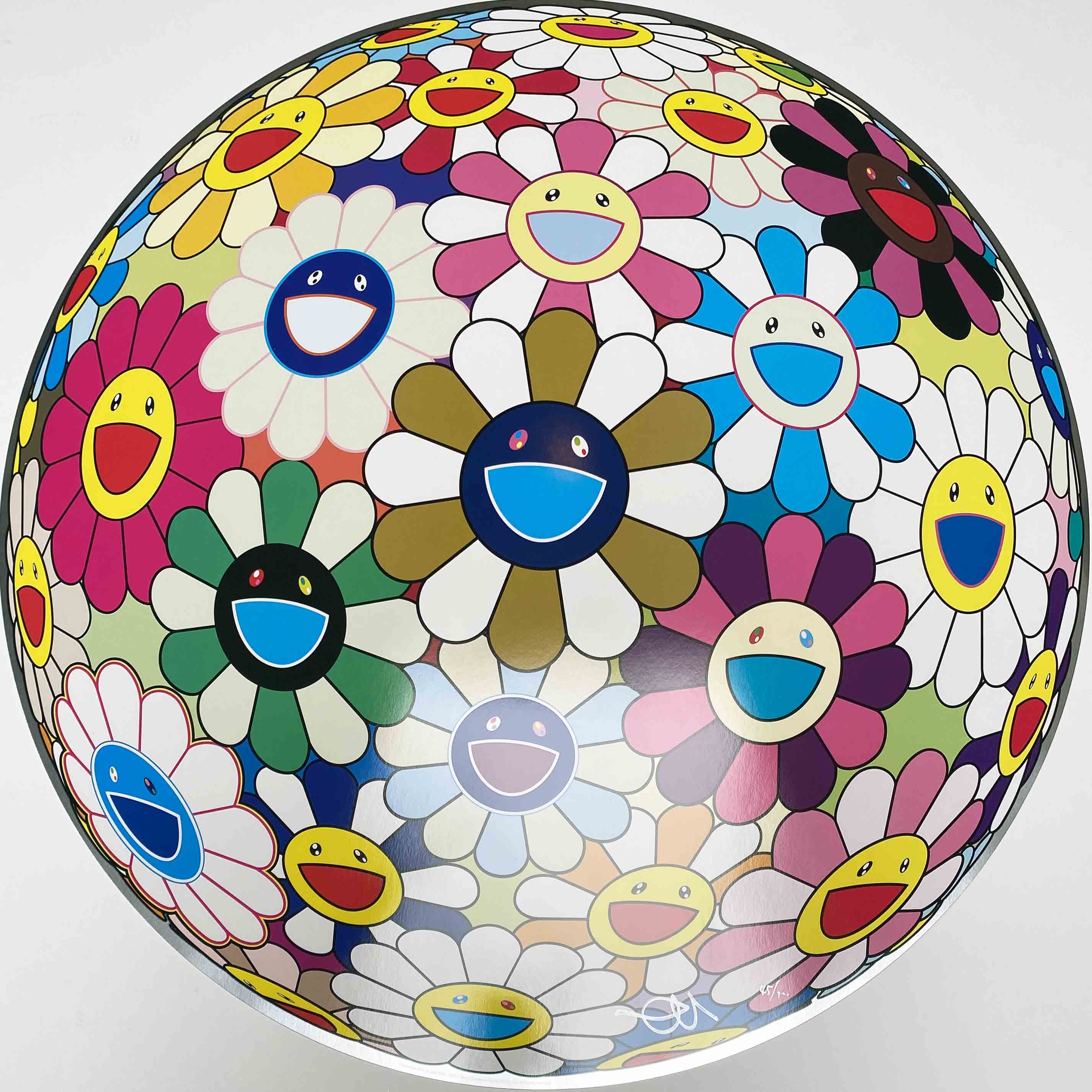
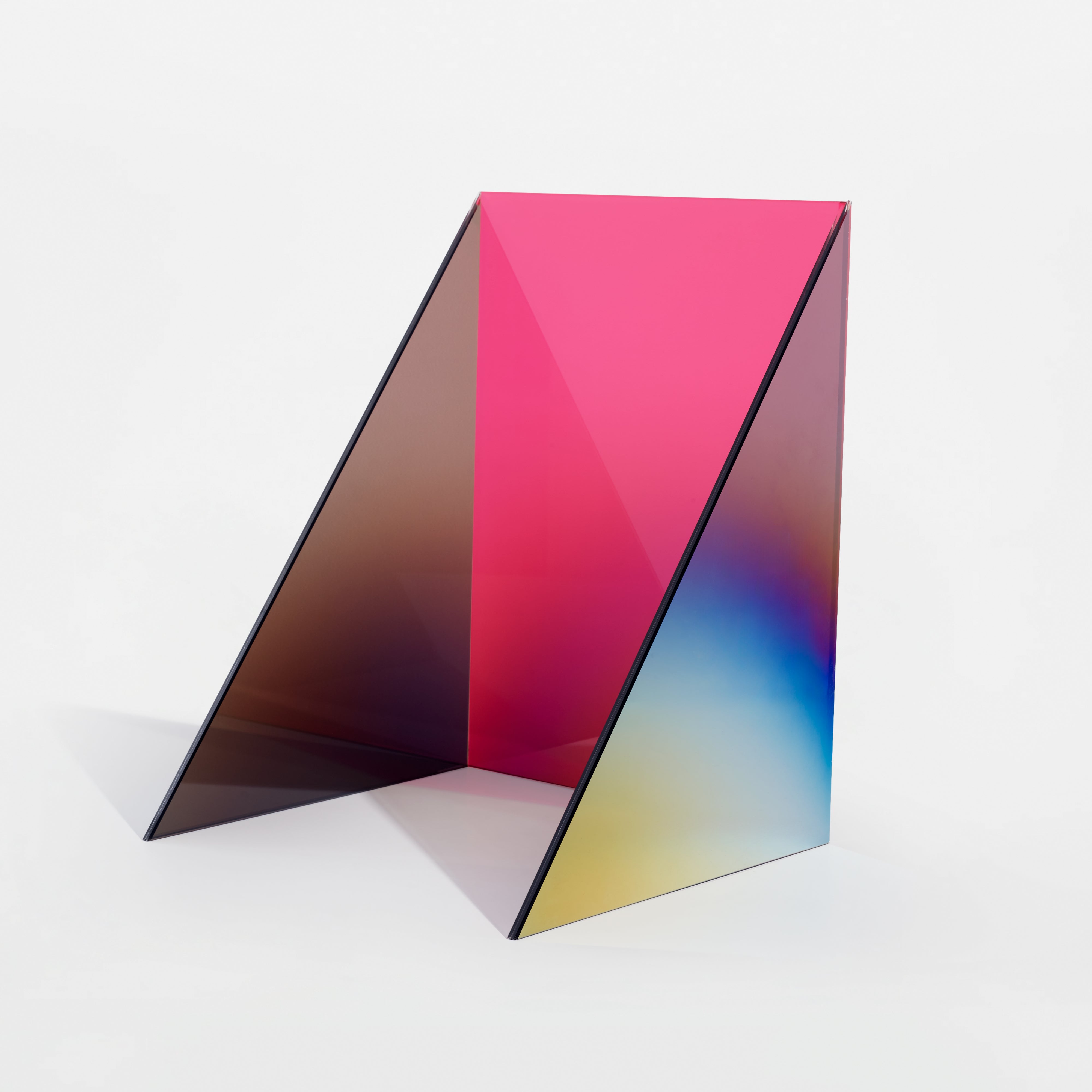
Takashi Murakami
Flower Ball (3-D) Autumn 2004, 2013




The Machine That Learned to Dream in Ink
There is something quietly radical about a process that was invented to solve a practical problem and ended up reshaping how artists think about image, repetition, and the very nature of an original. Offset lithography began its life in the commercial printing trade, a workhorse technology designed for speed and volume. What nobody anticipated was that its particular qualities, the way it flattens colour into something almost optical, the way it renders line with a precision that feels both mechanical and strangely alive, would seduce some of the twentieth century's most restless artistic minds. The origins of offset lithography trace back to the early years of the twentieth century.
The process builds on the principles Alois Senefelder had established with planographic lithography in the late 1790s, the idea that oil and water repel each other and that an image drawn in a greasy medium onto a flat surface could be transferred to paper. The offset variation, patented in various forms in the United States and Britain around 1904 and 1906, introduced a rubber blanket cylinder as an intermediary between the plate and the paper. The image was printed first onto the rubber, then offset onto the substrate. This extra step produced a softer, more even result, and it meant the plate lasted far longer than in direct lithography.
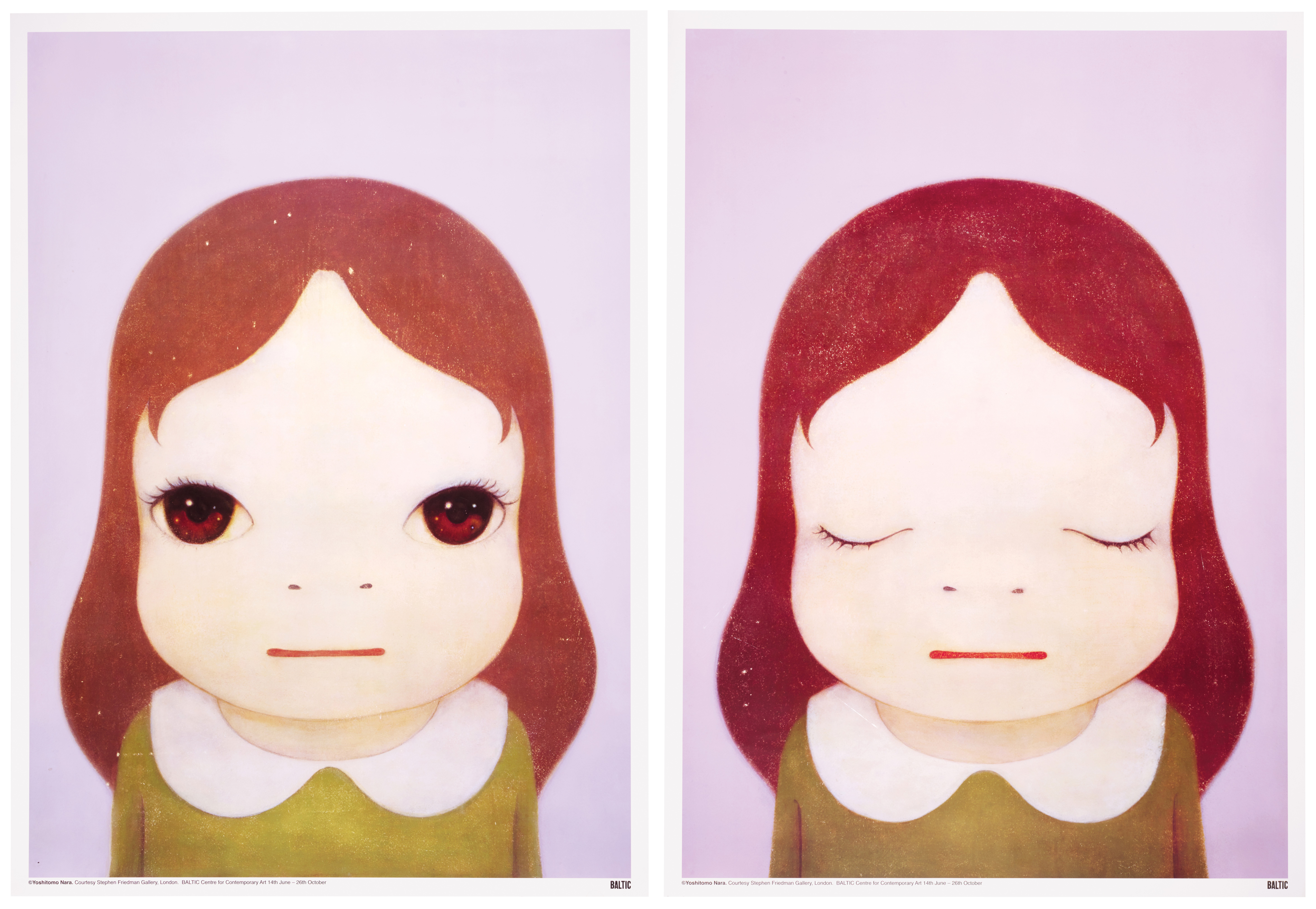
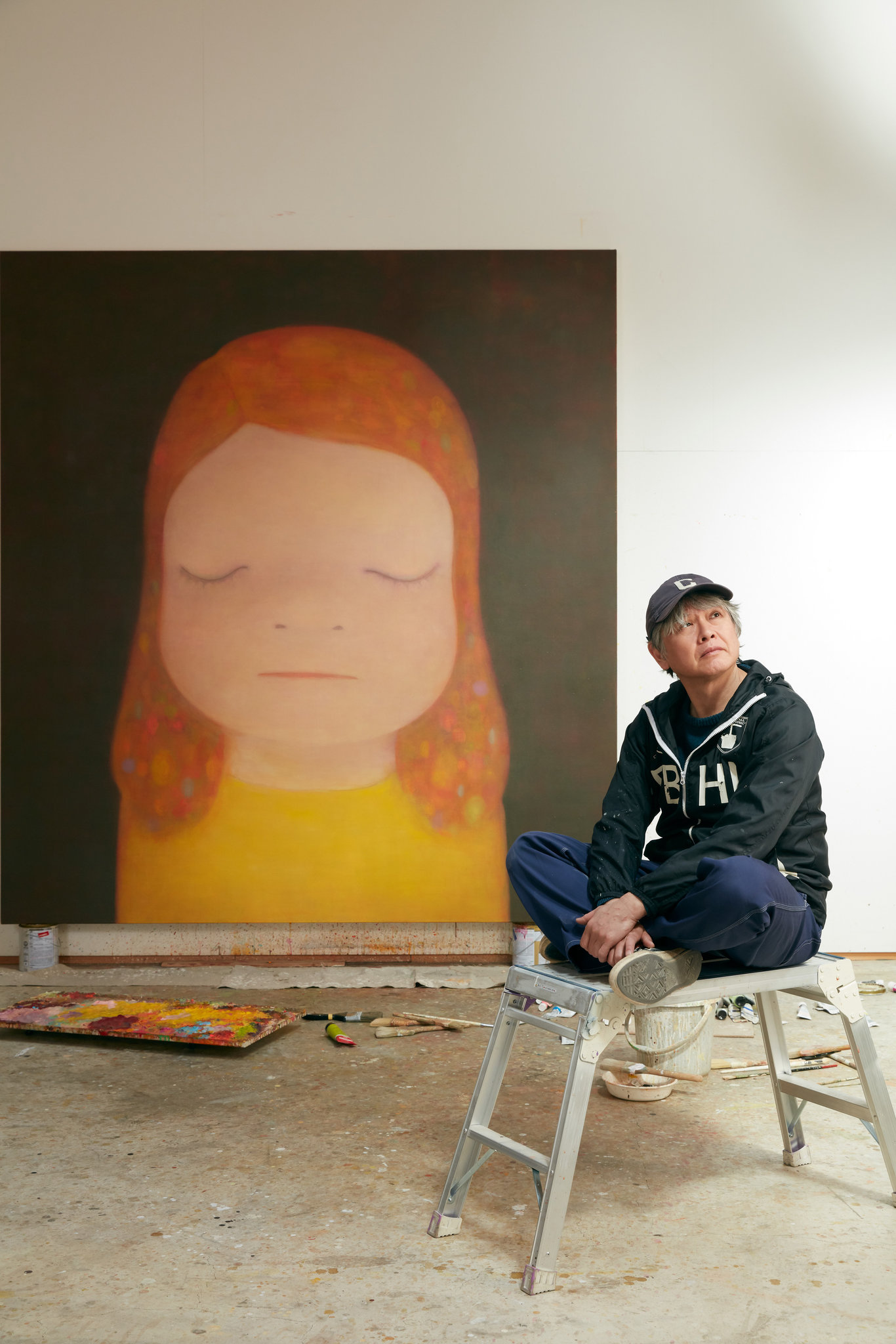
Yoshitomo Nara
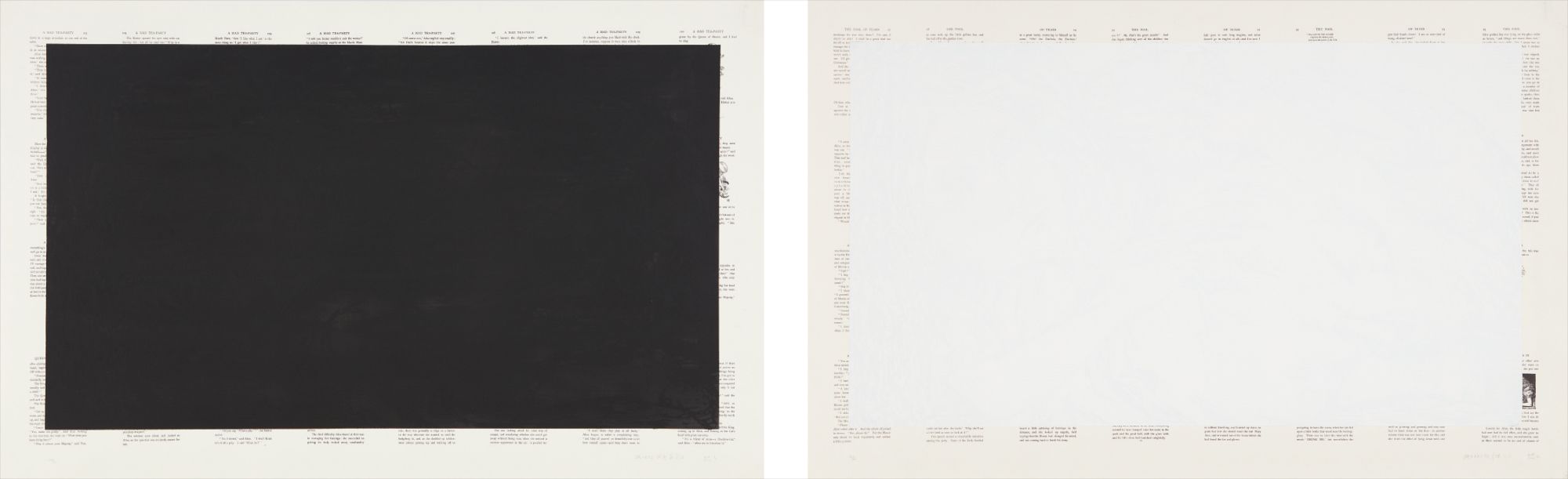
Cosmic Girls: Eyes Open / Eyes Closed (Two Works)
For commercial printers, this was purely an economic advantage. For artists who came later, it opened a different kind of conversation entirely. Through the first half of the twentieth century, offset lithography remained largely in the background of artistic practice, powering magazines, posters, and packaging rather than gallery walls. That changed decisively in the 1960s, when a generation of artists began to question the hierarchy between fine art and mass production.
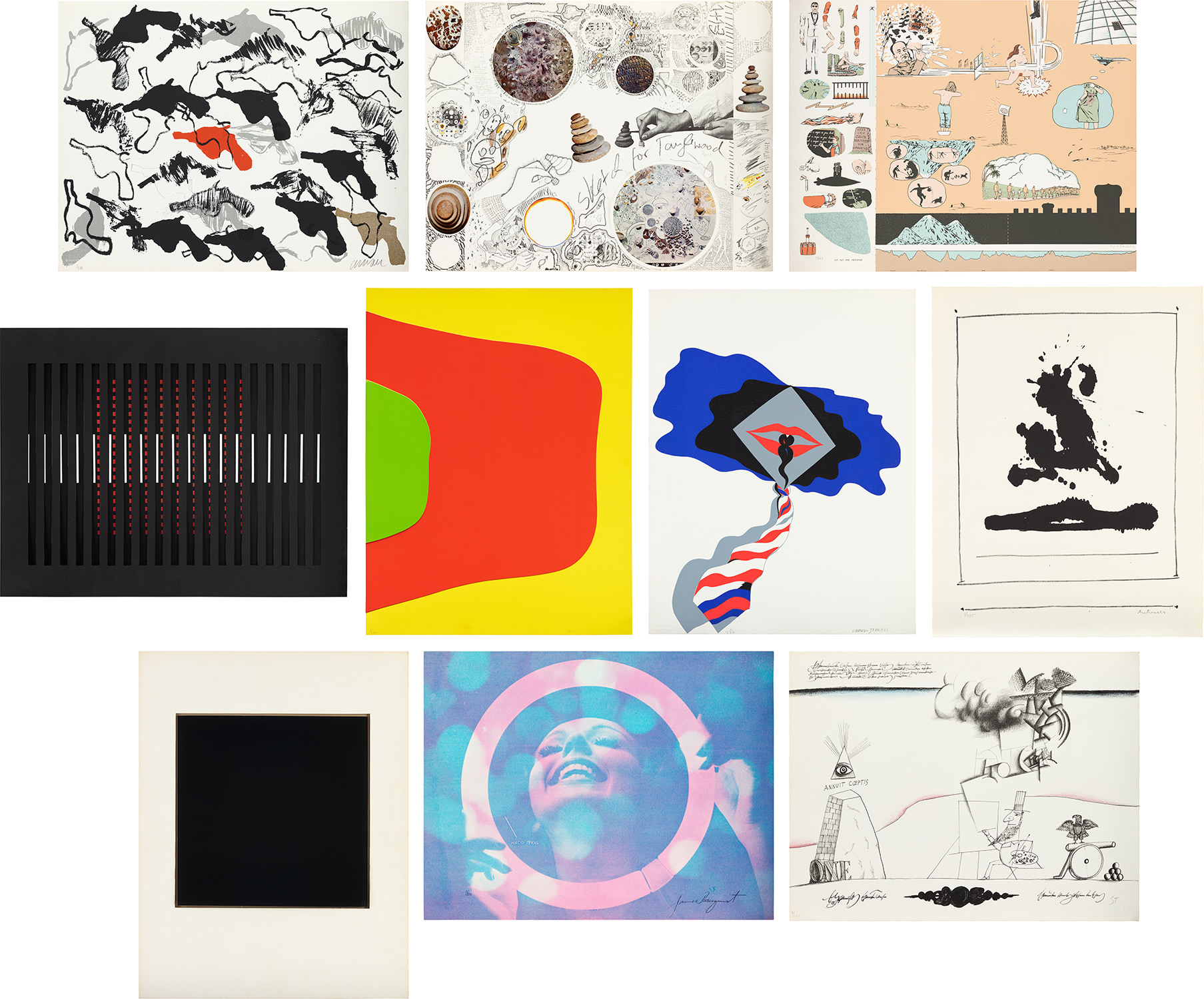
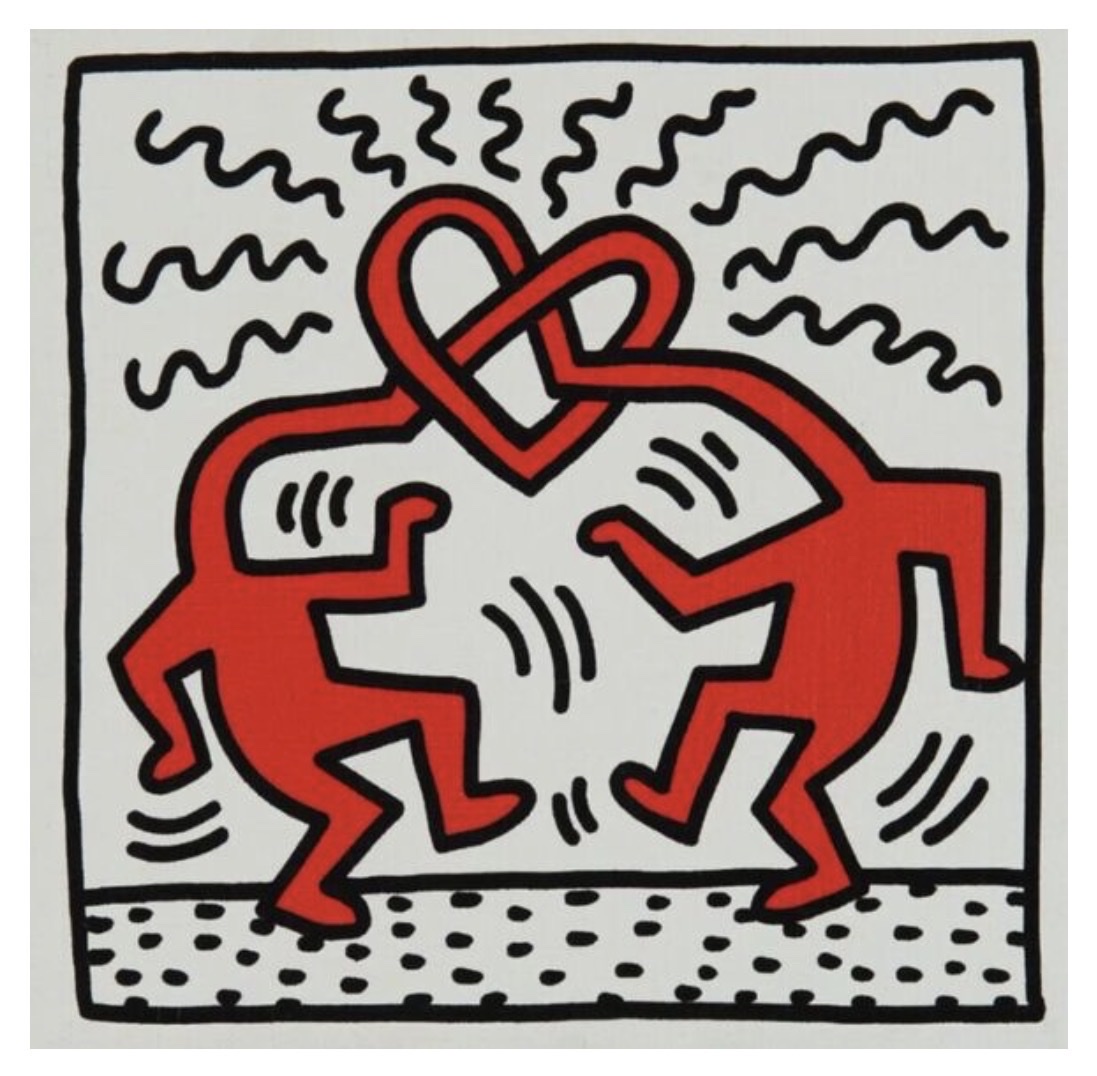
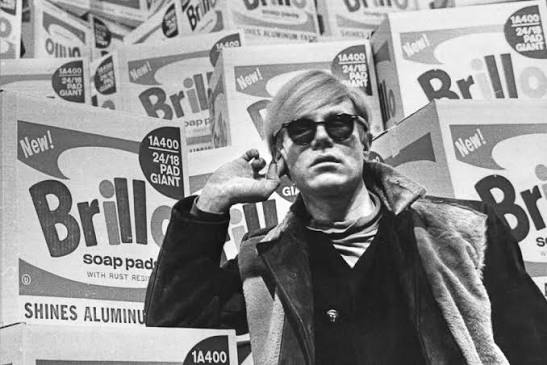
The Pop movement was the obvious catalyst. Andy Warhol had already demonstrated that the look of mechanical reproduction could itself be the subject of a work, and his engagement with commercial printing techniques fed a broader appetite for imagery that felt mediated, processed, and deliberately impersonal. Offset lithography, with its roots in commerce and its capacity for flat, clean colour, was perfectly positioned for this moment. Roy Lichtenstein brought a particular forensic intelligence to the aesthetics of commercial printing.
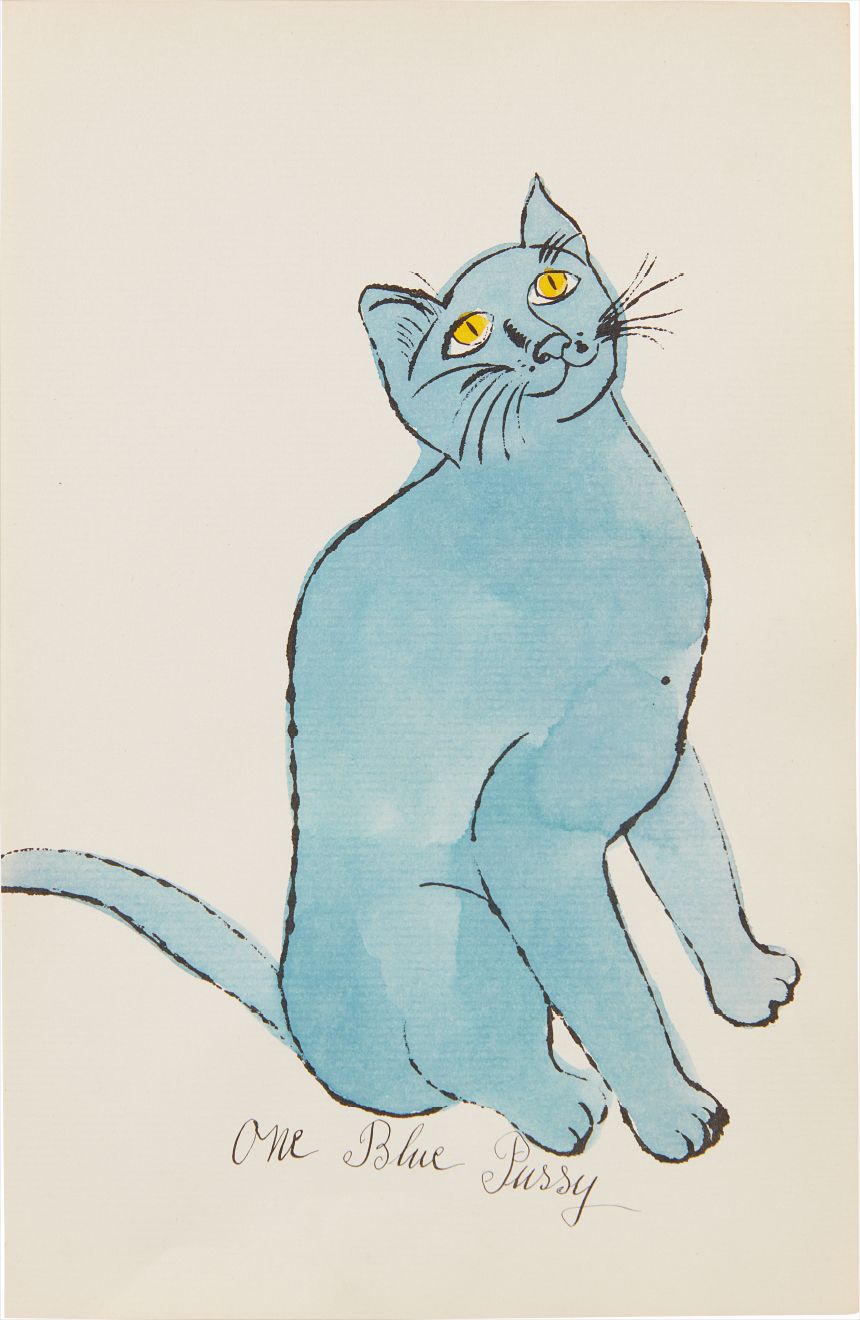
Andy Warhol
One Blue Pussy, 1954
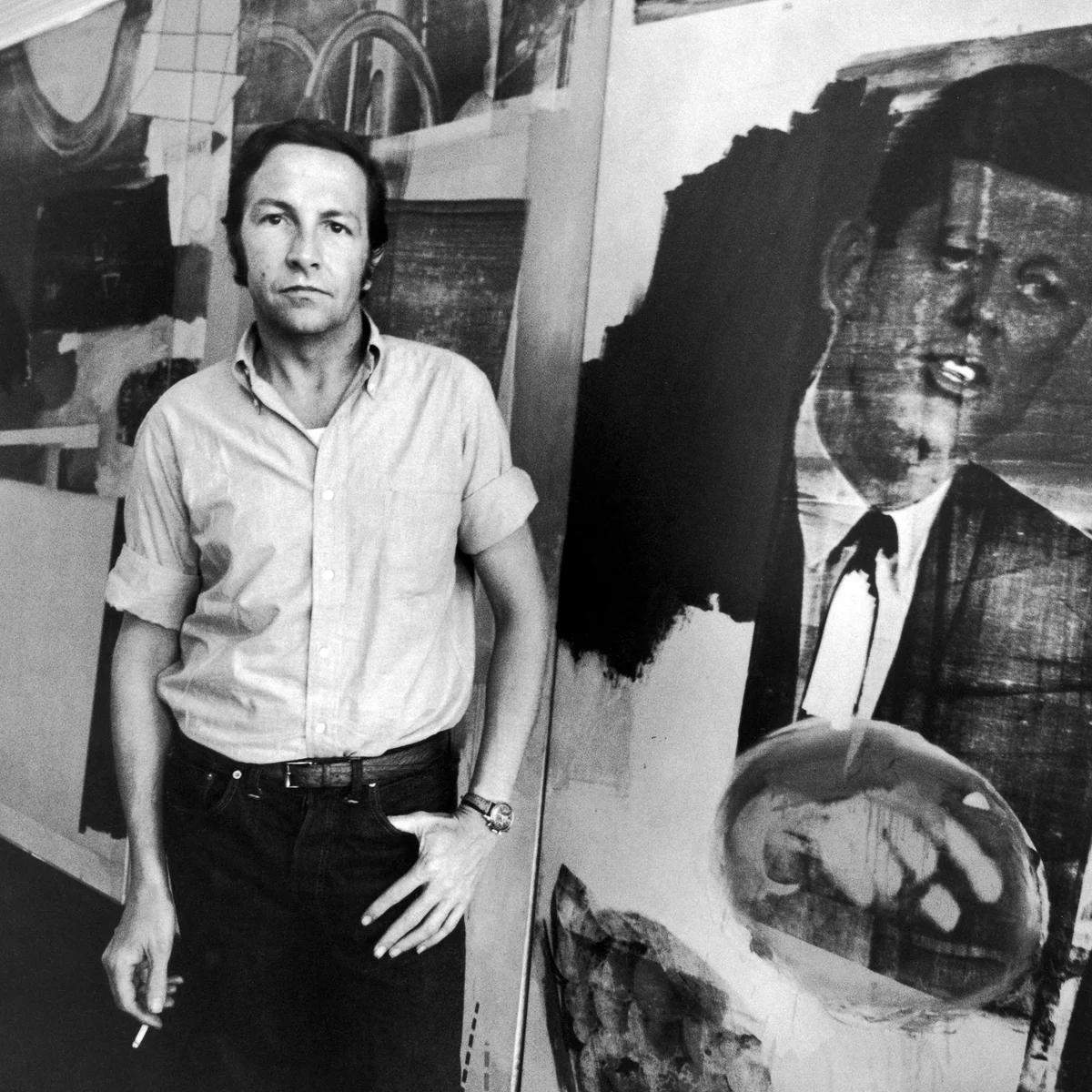
His celebrated Benday dot paintings of the early 1960s were not produced using actual Benday dots in the traditional sense, but they quoted the visual language of cheap offset printed comics and advertisements with extraordinary precision. The work made visible something that had always been there in mass printed imagery but was rarely consciously seen. Around the same time, Robert Rauschenberg was incorporating found printed material into his practice in ways that dissolved the boundary between collage and printmaking, and his ongoing interest in transfer and reproduction intersected with offset techniques throughout his career. Both artists understood that the printing press was not merely a tool but a cultural site loaded with meaning.
What makes offset lithography technically distinctive is the consistency of its ink lay. Unlike relief printing or intaglio, where the pressure and texture of the process leave physical traces in the paper, offset produces a surface that is almost paradoxically smooth. Colour fields are flat in a way that approaches the condition of painting while remaining unmistakably photomechanical. This quality attracted artists across very different sensibilities.

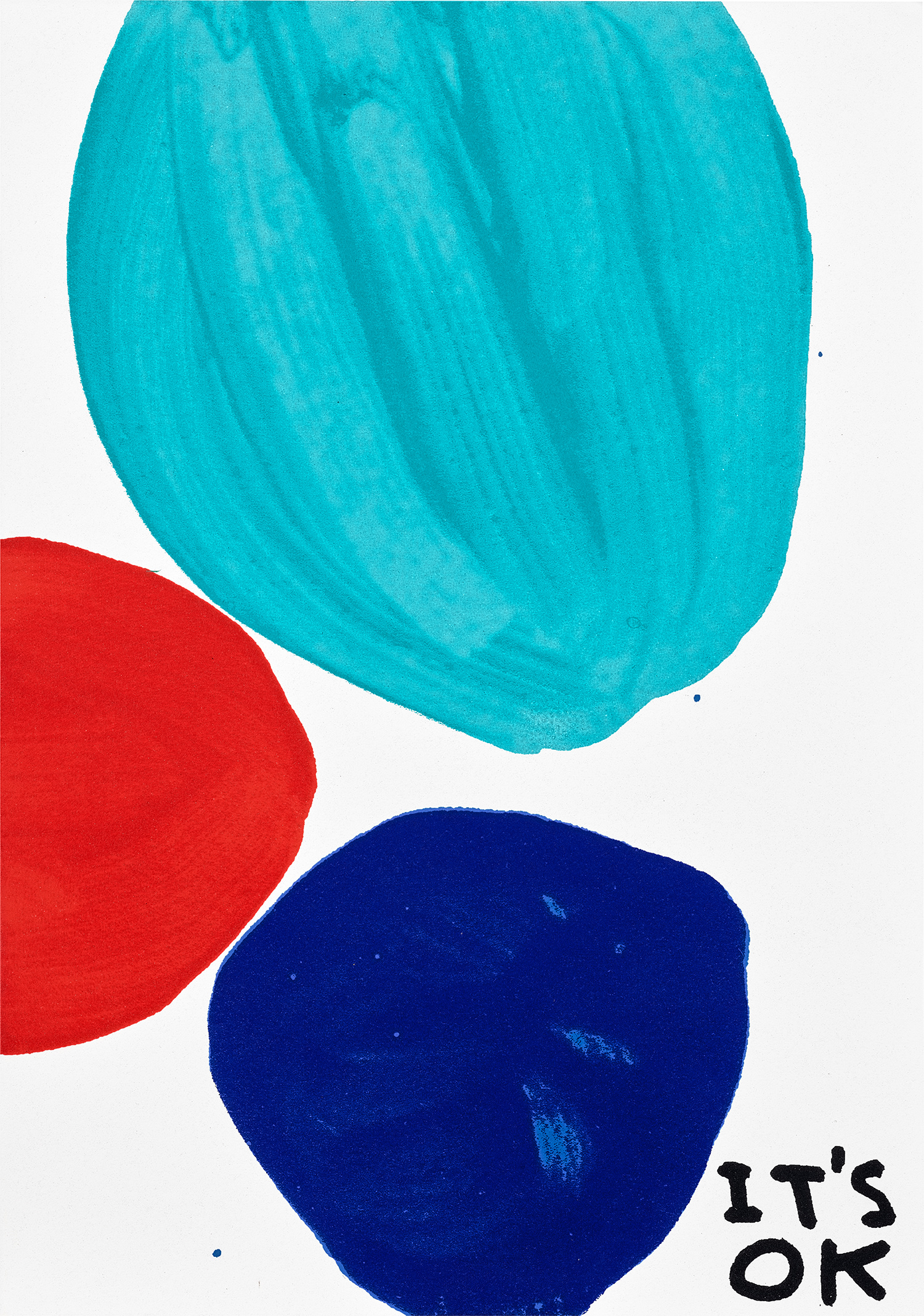
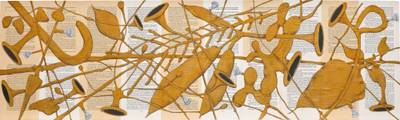
David Shrigley
Untitled (You Make Them Happy), 2023
David Shrigley, whose work is well represented on The Collection, has exploited offset printing's capacity to reproduce his deliberately crude drawing style with a deadpan fidelity that amplifies the comedy and the unease in equal measure. The flatness of the process suits his aesthetic perfectly, preserving the impression of a biro sketch while giving it the authority of a published object. Takashi Murakami, whose work also appears in the collection, has used offset and related photomechanical processes to achieve the anime inflected colour saturation that is central to his visual proposition, where the line between fine art and consumer product is part of the point. The process also suited artists working in a more political register.
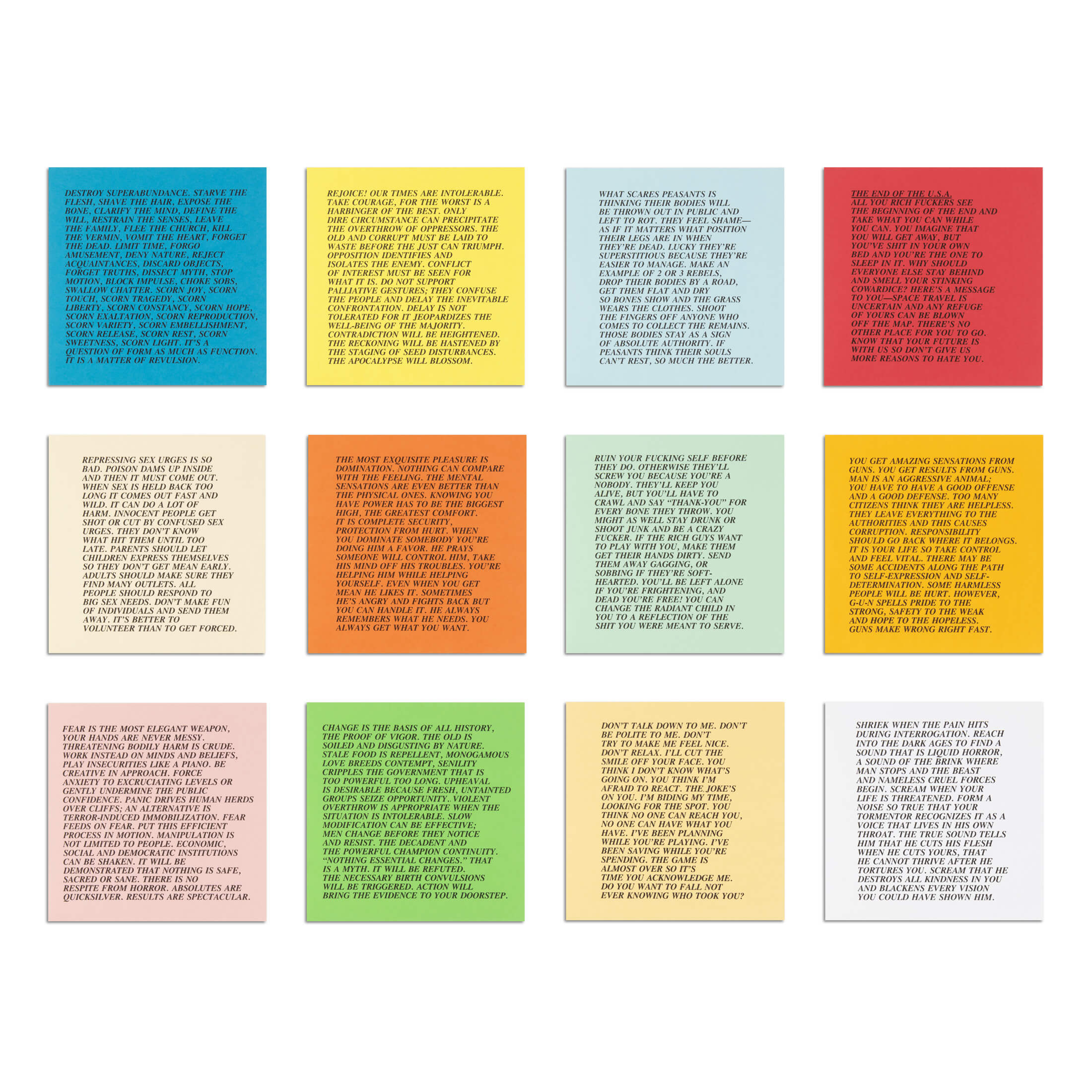
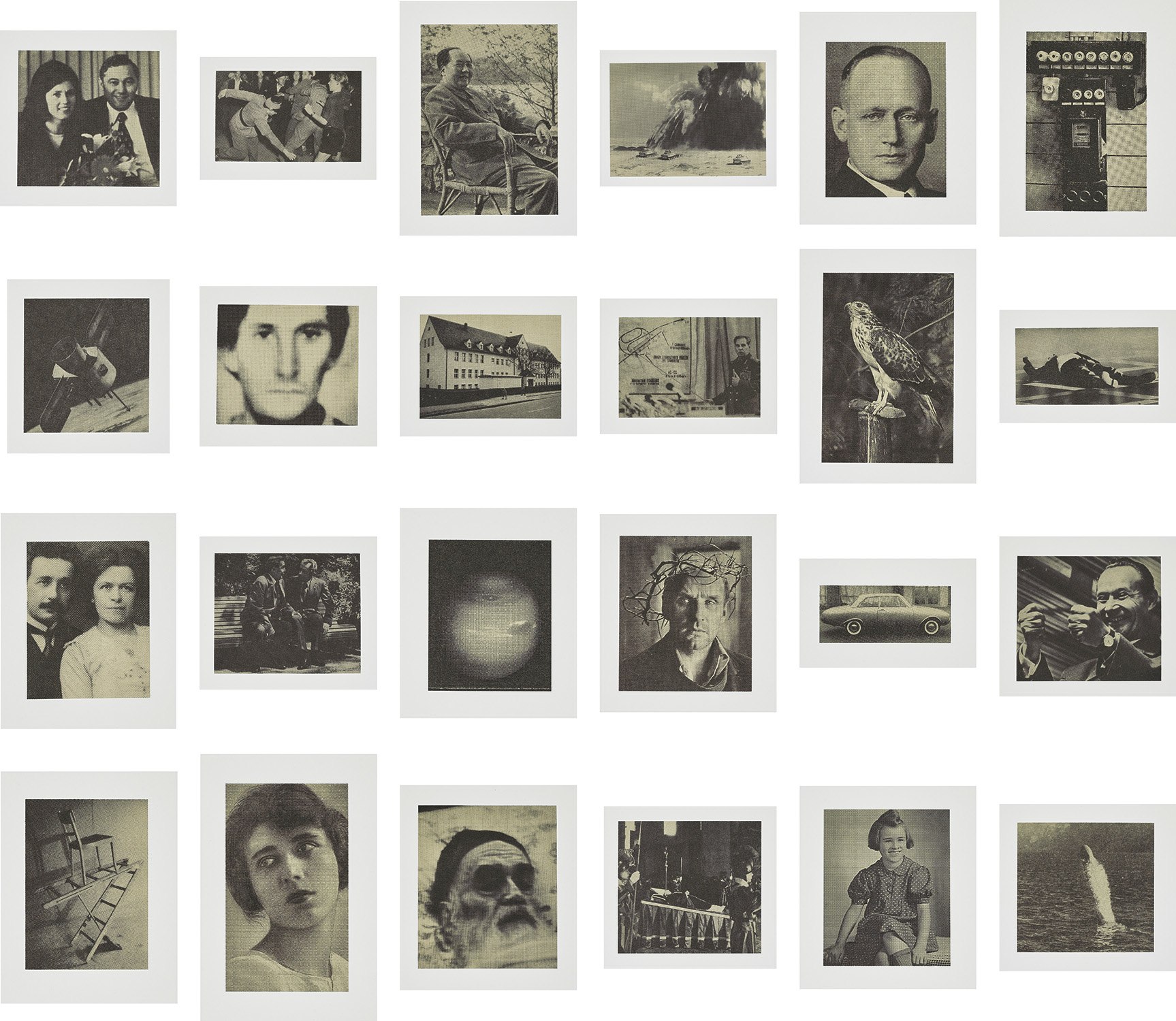
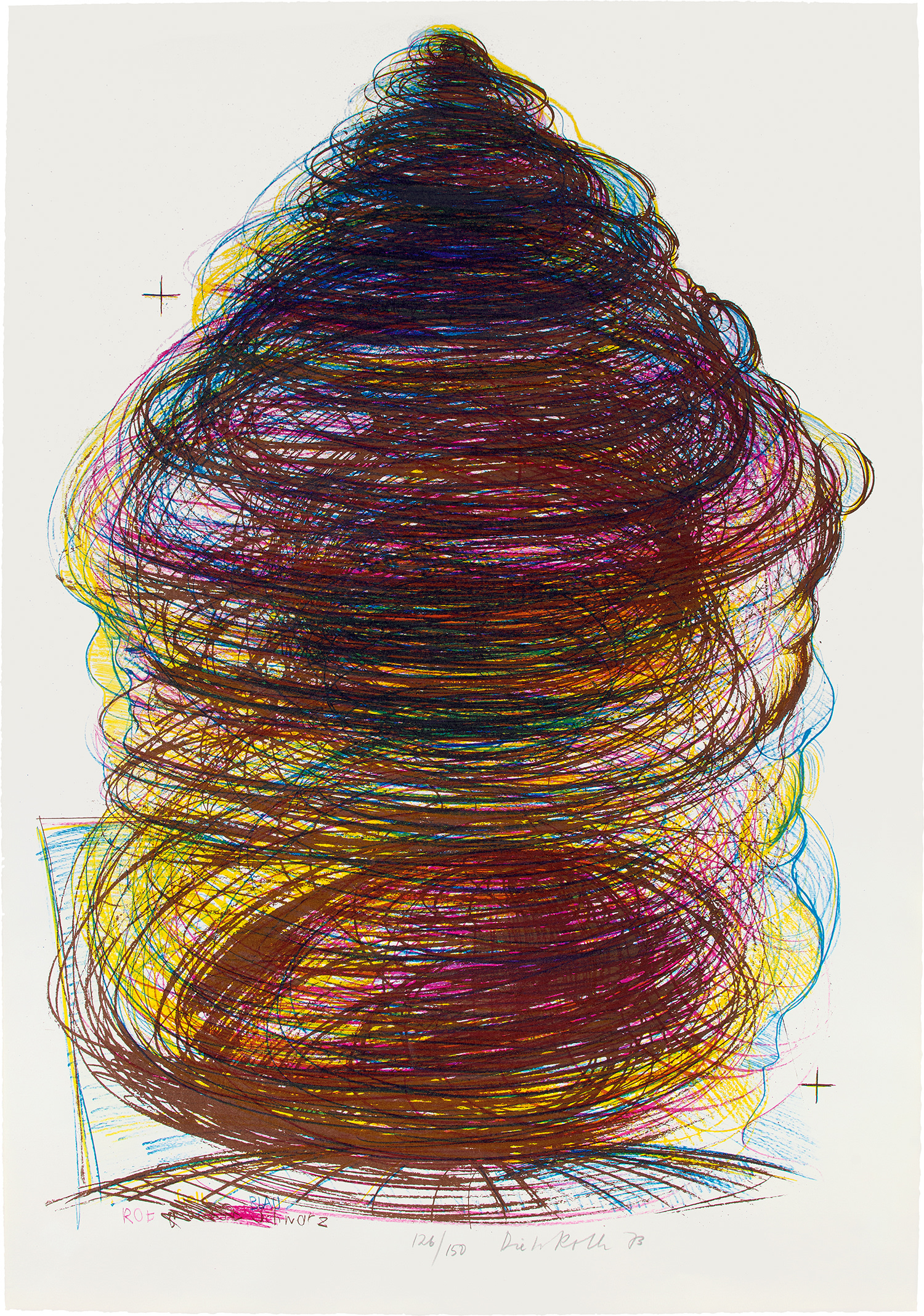
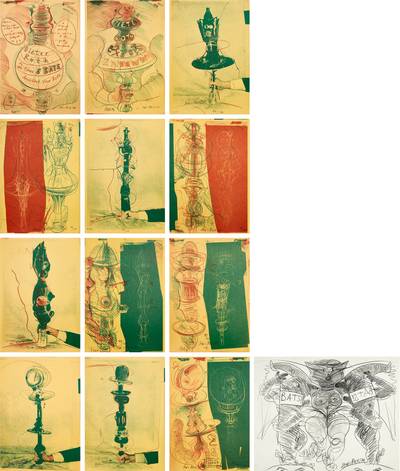
Jenny Holzer, whose practice centres on the power of language in public space, has engaged with printed formats throughout her career, understanding that the authority of the printed word carries its own ideological charge. Joseph Beuys, whose relationship to multiples and printed editions was philosophically complex, used editions in part to democratise access to his ideas, and offset lithography's scalability made it a logical vehicle for that project. Pablo Picasso, who had been one of the great lithographic experimenters of the mid twentieth century, helped establish printmaking as a legitimate arena for major artistic ambition rather than a secondary activity, paving the way for the generations that followed. The cultural significance of offset lithography extends well beyond the art world.
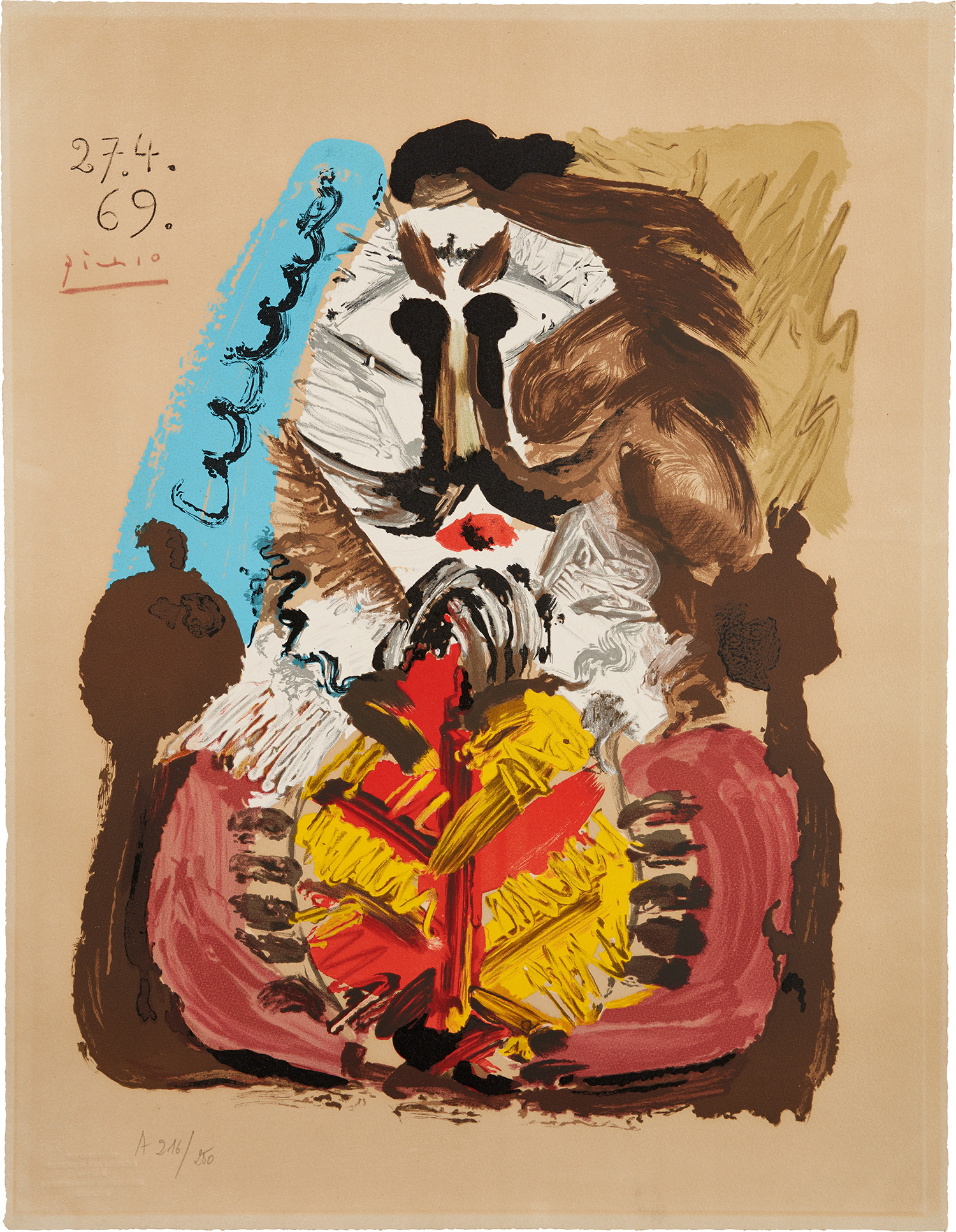
Pablo Picasso
Les Portraits imaginaire (Imaginary Portraits): one plate
It is the technology that made the modern magazine possible, that printed the political posters of the 1960s and 1970s, that put art images in the hands of people who would never visit a gallery. In this sense it is deeply implicated in the democratisation of visual culture. When Yoshitomo Nara or Frank Stella produce offset editions, they are participating in a history that connects high art to the everyday printed world in ways that remain genuinely meaningful rather than merely commercial. Today, digital printing has displaced offset lithography in many commercial contexts, but within artistic practice the medium retains a strong presence.
There is a collector audience that understands the difference between a true offset lithograph and a digital reproduction, and that understanding is partly technical, partly connoisseurial, and partly about the pleasure of knowing where an image comes from. The works in offset on The Collection represent a lineage that runs from the commercial print rooms of the early 1900s through the conceptual turbulence of the 1960s and into the present, where the question of what makes an image reproducible, and what that reproducibility means, remains as alive as ever.