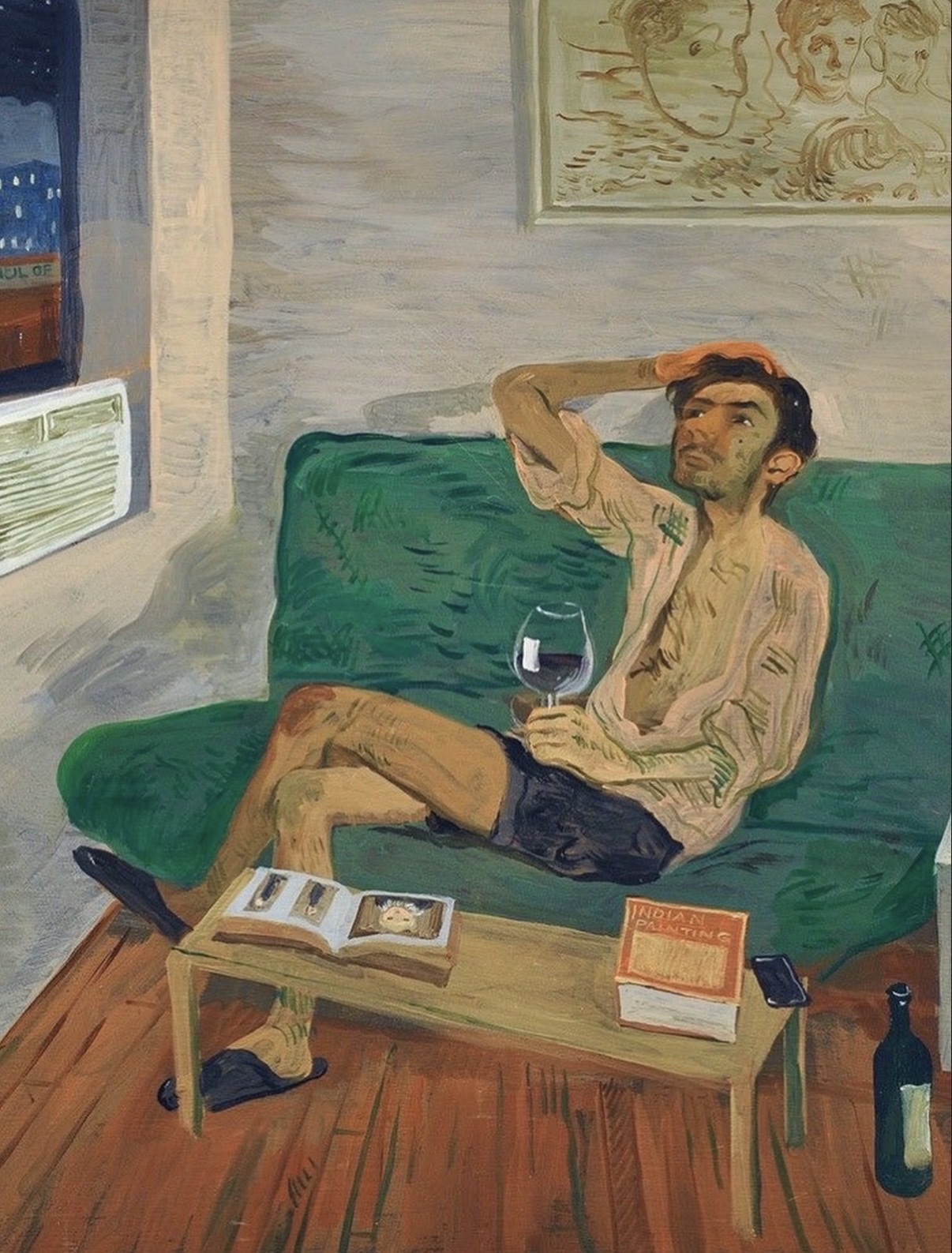
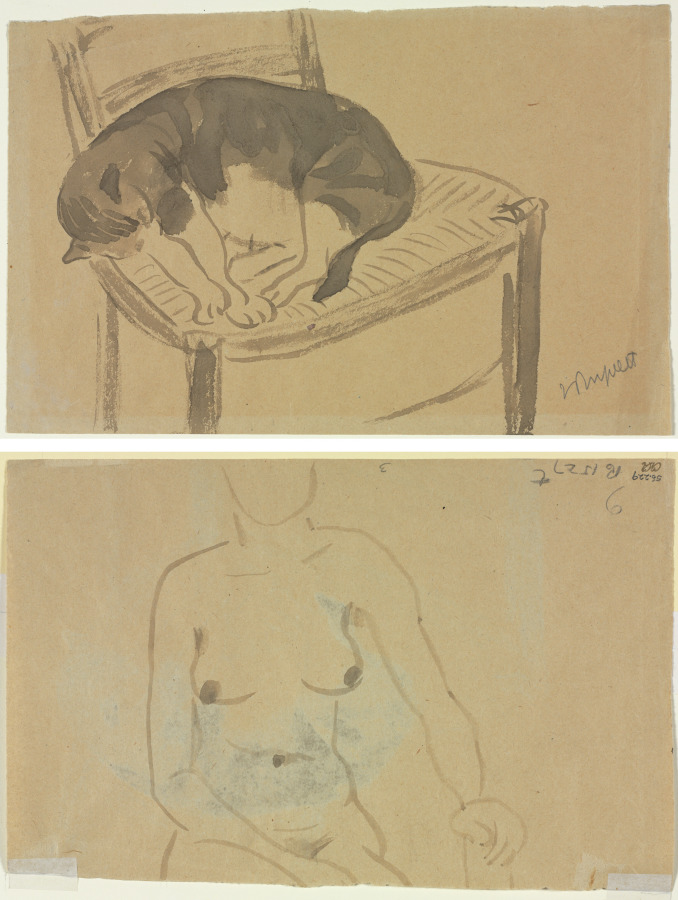
Nude Subject
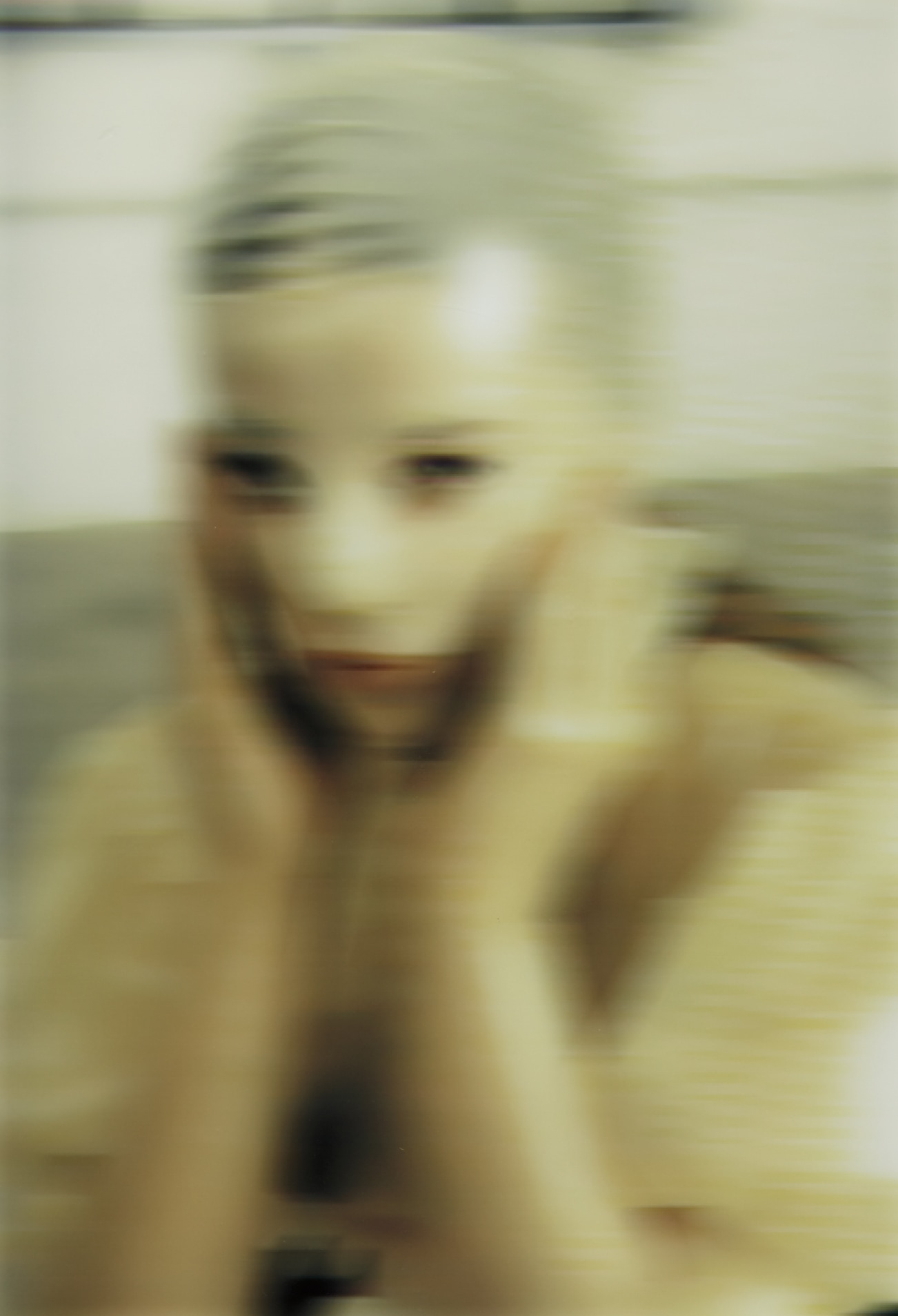
Thomas Ruff
Nudes ASD04



The Naked Truth Has Always Been Complicated
There is no subject in Western art history more loaded, more contested, or more persistently misunderstood than the nude. It has served as the proving ground for technical mastery, the site of philosophical inquiry, and the flashpoint for cultural anxiety across centuries. To look seriously at the nude is to look at everything art has ever wanted to say about beauty, power, desire, mortality, and the strangeness of existing in a body at all. The nude as a formal category in Western art traces its origins to ancient Greece, where the idealized male body became a vehicle for expressing civic virtue and divine proportion.
The kouros figures of the archaic period, carved in the sixth century BCE, established a vocabulary of physical perfection that would echo through millennia of art making. By the time of Praxiteles in the fourth century BCE, the female nude had entered the canon with the Aphrodite of Knidos, a work so charged with erotic presence that ancient sources record people sailing to the island of Knidos just to see it. The nude was never simply a body. It was always an argument.
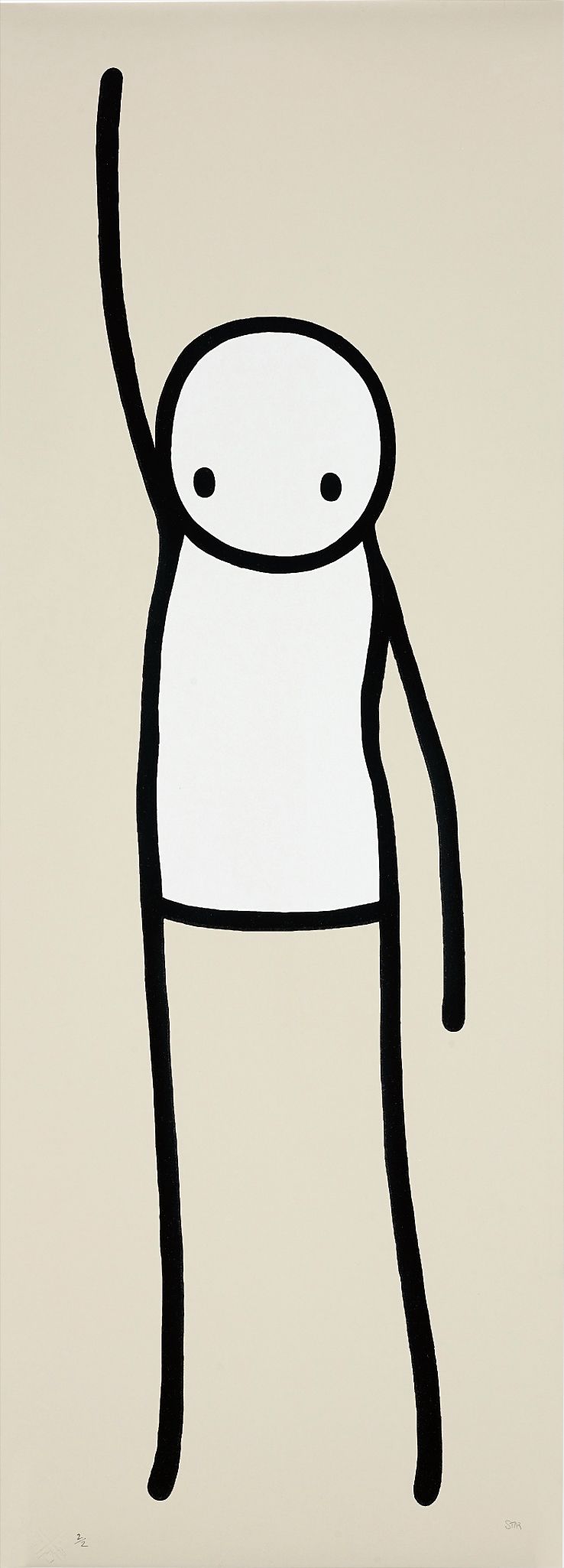
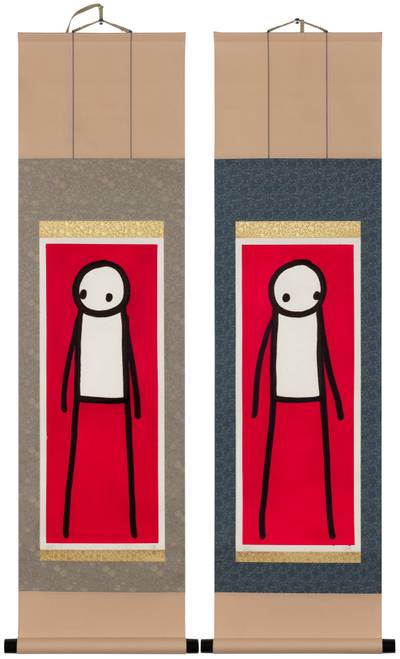
Stik
Liberty (Nude)
The Renaissance brought the nude back to the center of European ambition. Botticelli's Venus, Michelangelo's David, Titian's reclining goddesses: these works established the nude as the highest test a painter or sculptor could set themselves. The tradition codified itself around idealization, the idea that the painted body should improve upon nature rather than simply record it. This convention held enormous sway for centuries, producing magnificent work and also enormous conformity.
The bodies that mattered were specific bodies: young, symmetrical, almost always white, almost always presented for a particular kind of gaze. The rupture, when it finally came, was seismic. Édouard Manet's Olympia, exhibited at the Paris Salon of 1865, presented a nude that refused every consoling fiction of the tradition. Her gaze met yours directly.
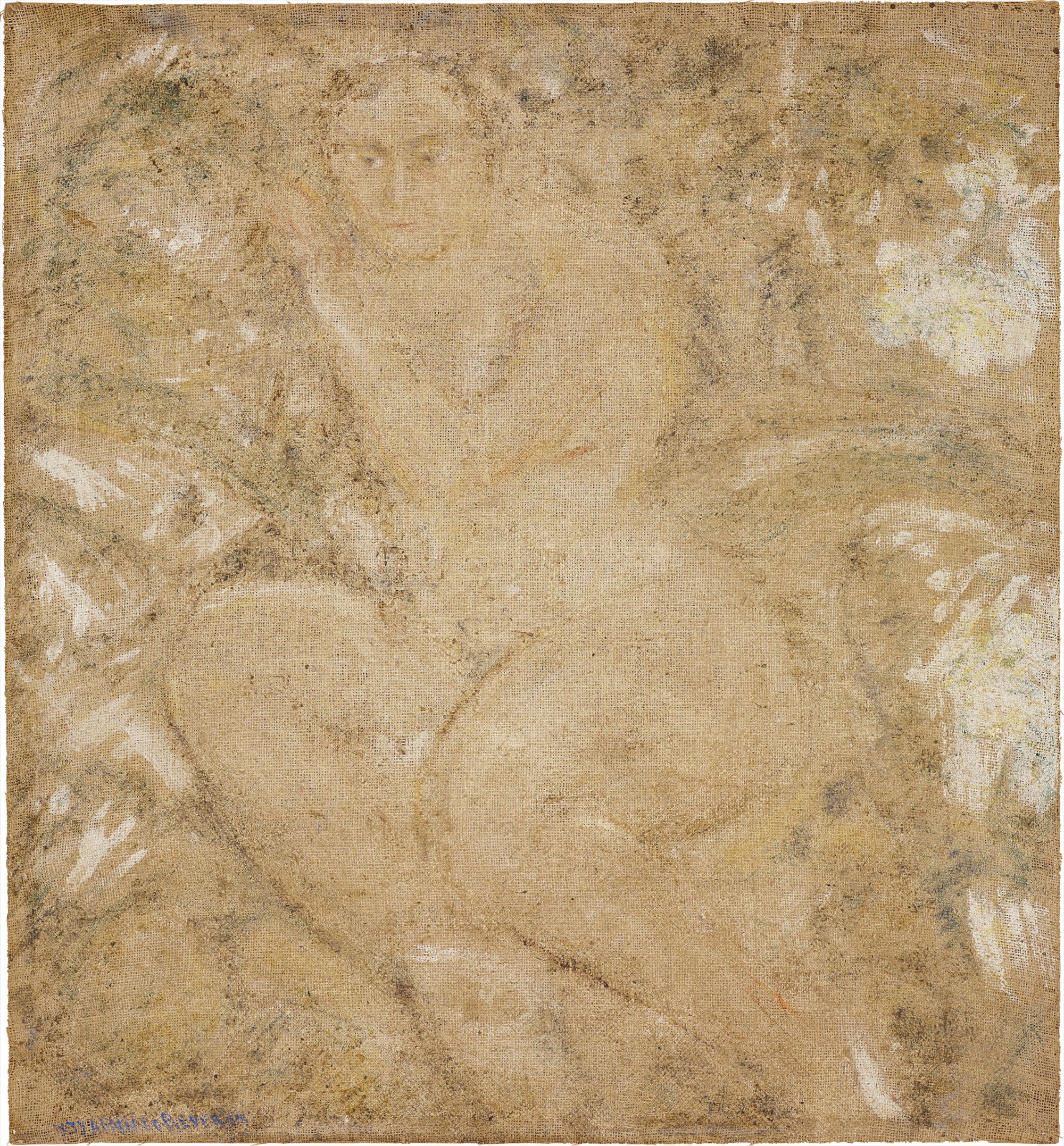
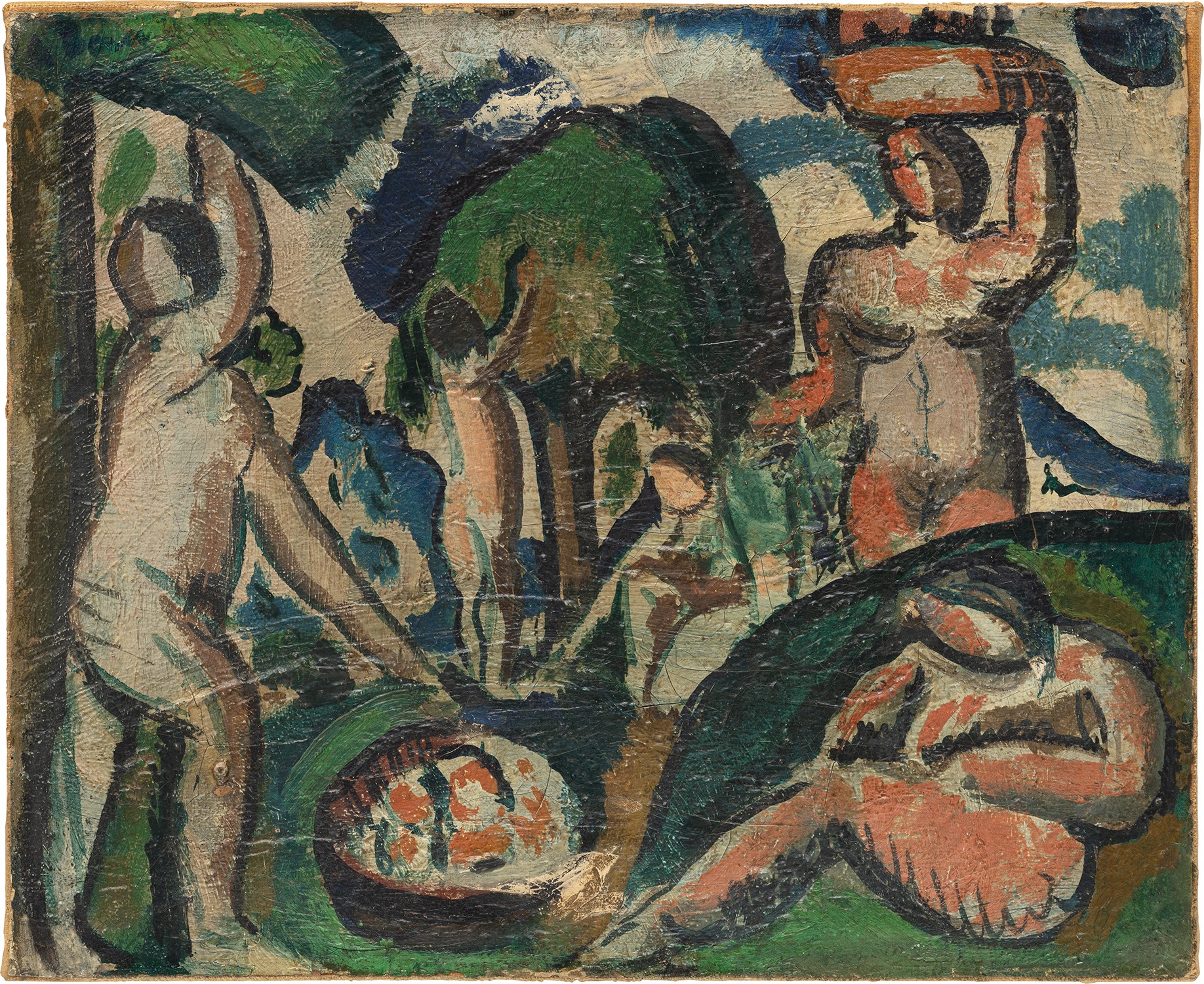
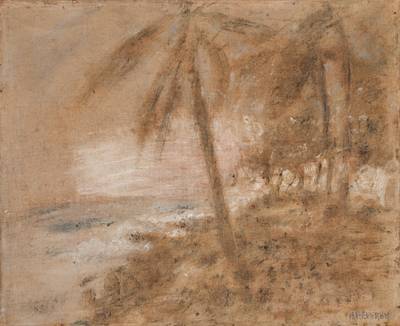
Armando Reverón
Desnudo
She was not a goddess or an allegory. The painting caused a scandal not because it showed a naked woman but because it showed a real one, stripped of the mythological distance that made idealized nudity acceptable to bourgeois sensibility. Manet cracked the convention open, and artists have been working in that fissure ever since. Pierre Auguste Renoir, working in the same Impressionist milieu, took a different path, pursuing warmth and sensual pleasure in his nudes with a commitment to paint as a medium that could approximate the luminosity of skin itself.
The twentieth century exploded the nude in every possible direction. Picasso fragmented it. Egon Schiele contorted it into raw psychological exposure. Willem de Kooning smeared and battered it until figure and ground became indistinguishable.
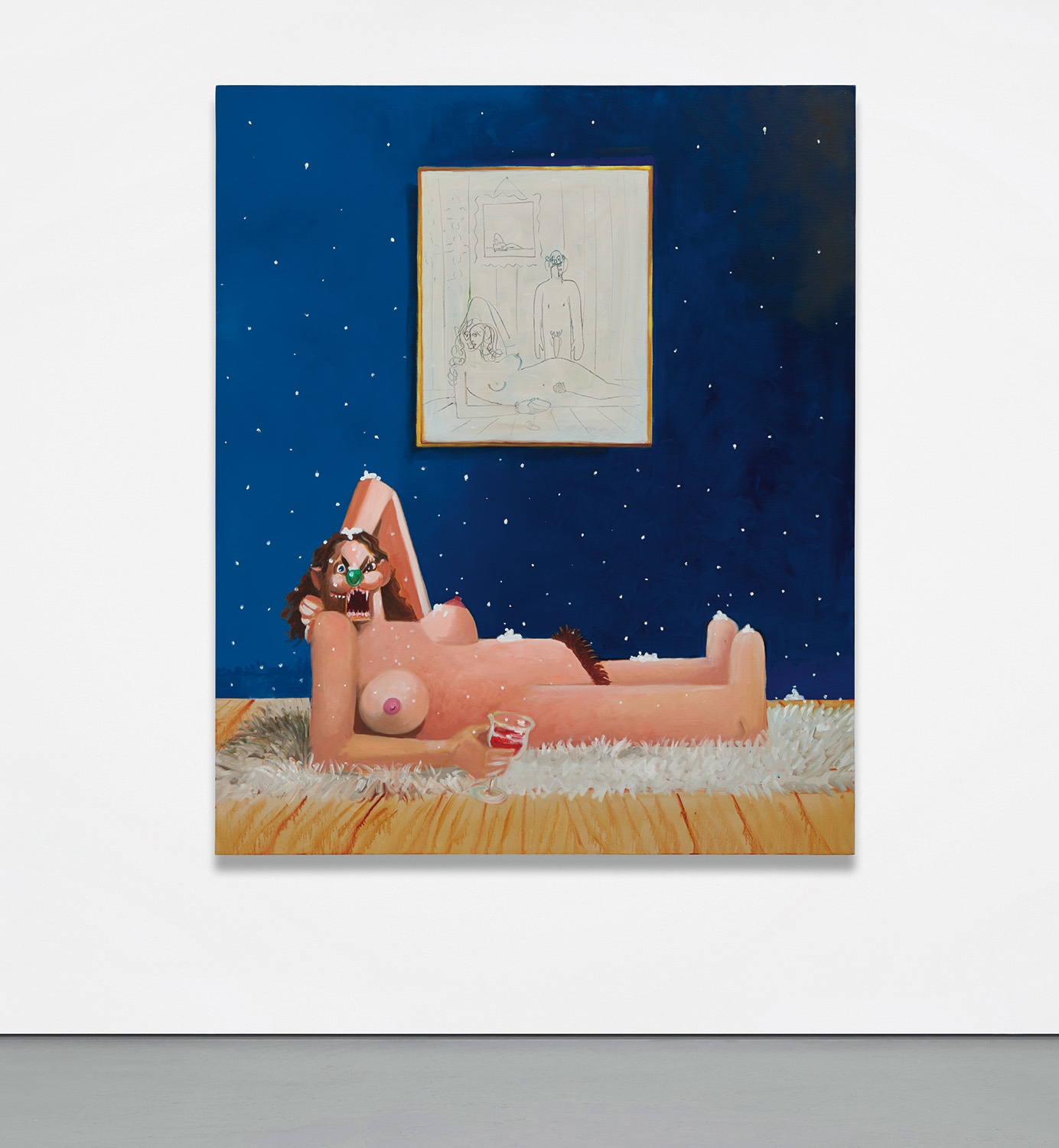
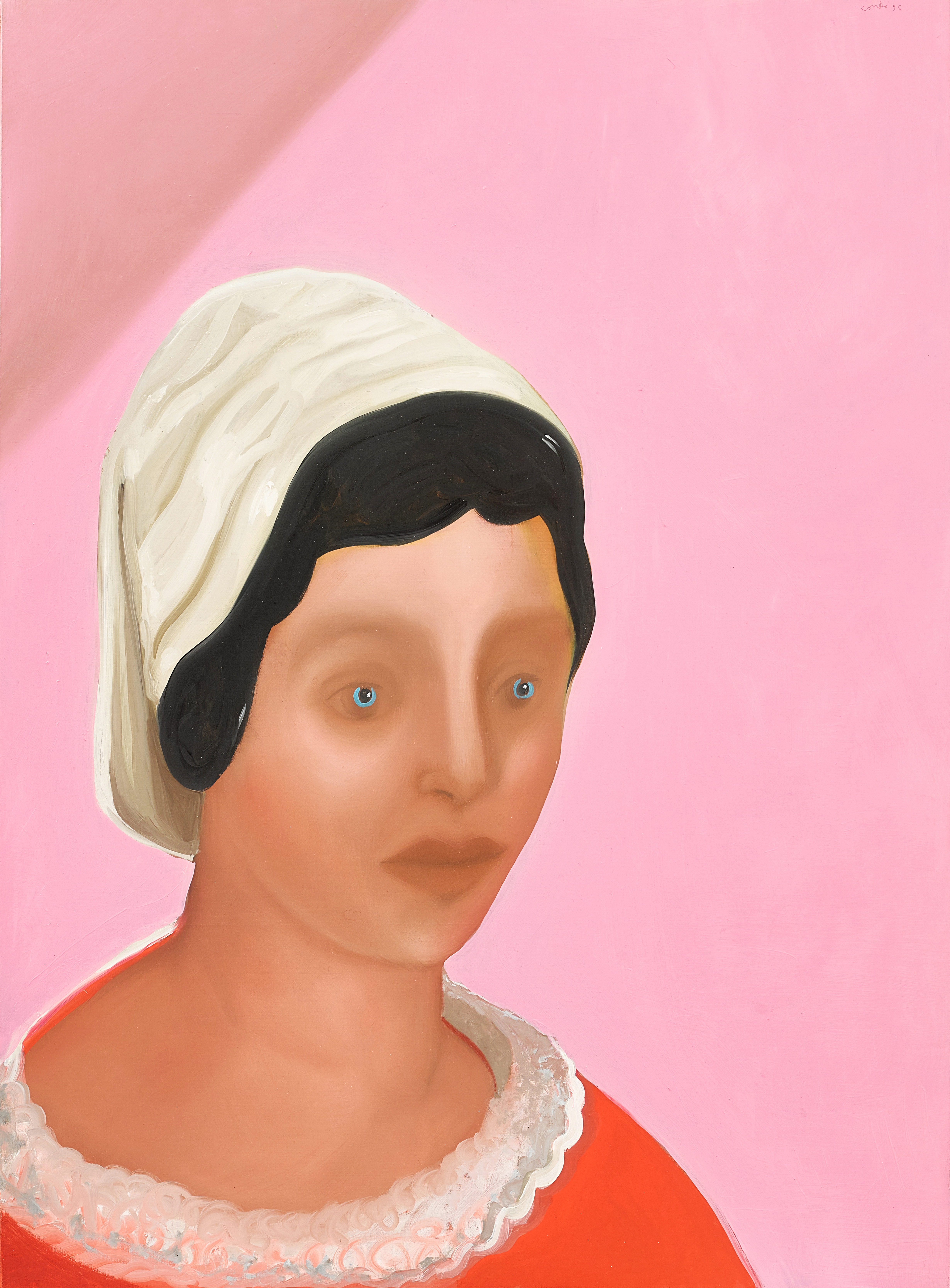
George Condo
Dreaming Nude, 2006
George Condo, whose work appears on The Collection, operates in this lineage of figurative distortion, pushing the human body toward a grotesque comedy that is simultaneously tender and unsettling. His figures occupy a space between portraiture and hallucination, and the nude in his hands becomes a way of asking what it means to be a self at all. Armando Reverón, the Venezuelan modernist who spent much of his life in self imposed isolation in Macuto, made nudes of astonishing delicacy, often working in near monochromatic palettes that seemed to dissolve his subjects back into light and atmosphere. Photography transformed everything.
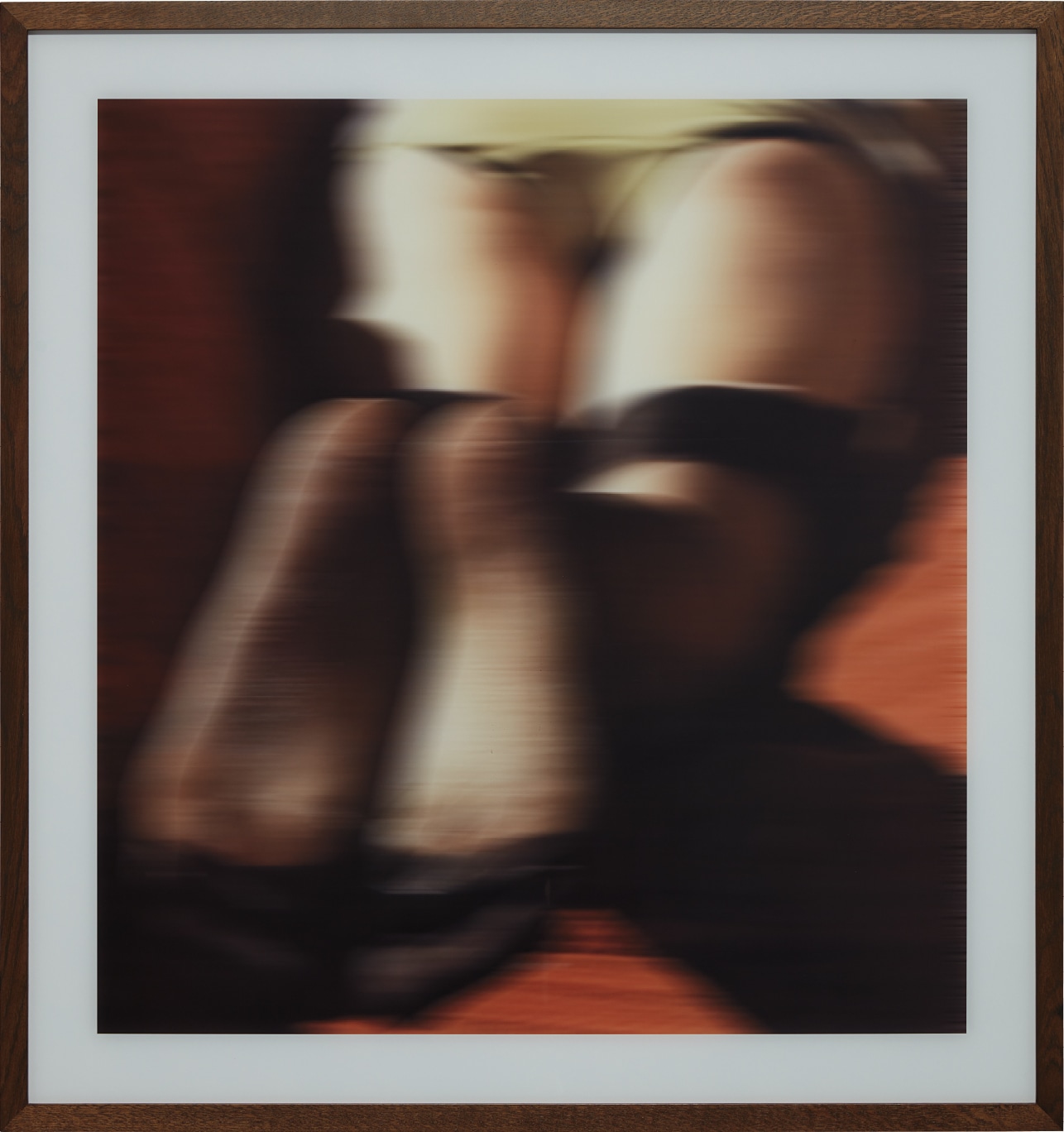
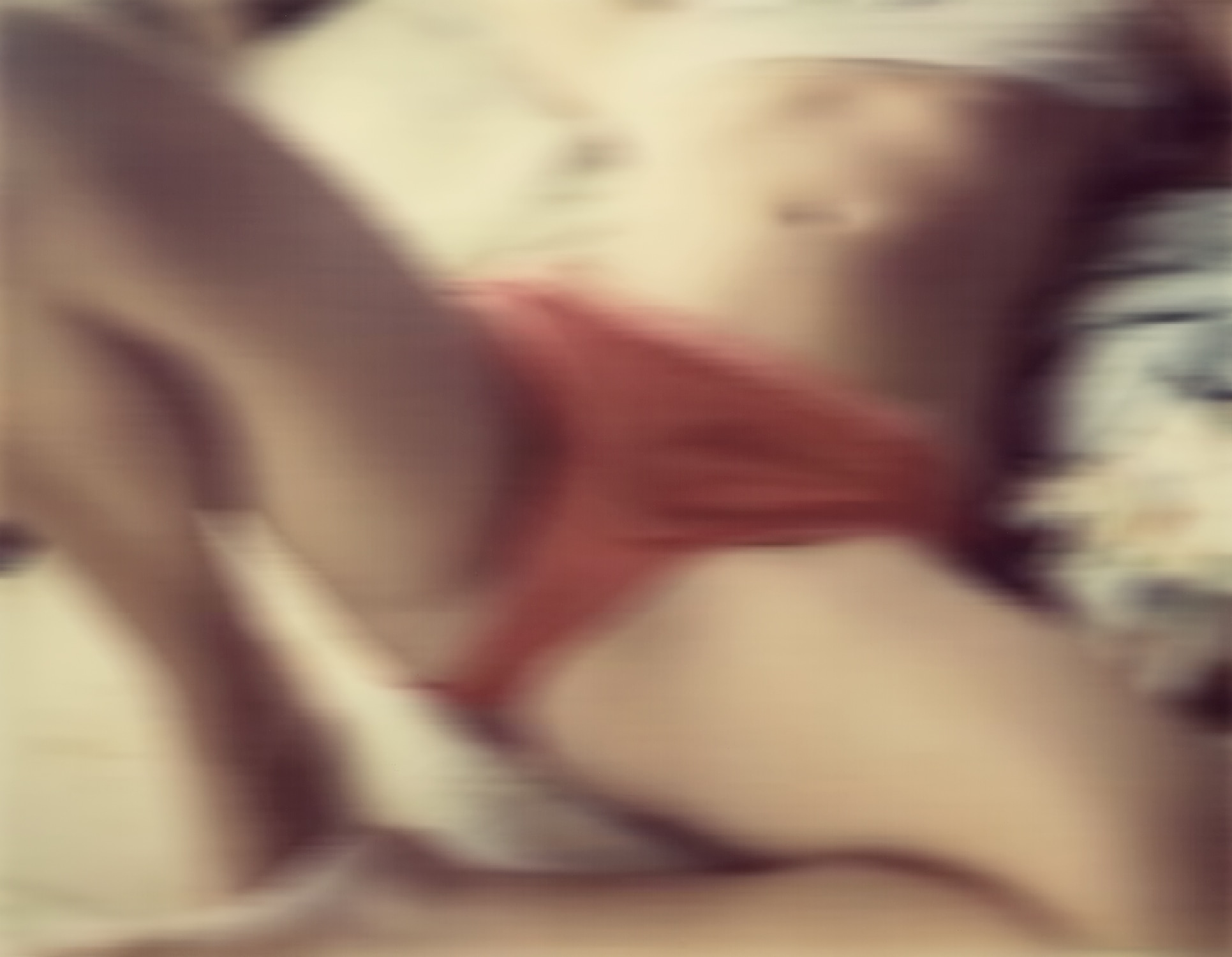
When Thomas Ruff began working with found internet pornography in the early 2000s, digitally blurring and pixelating the images to create his Nudes series, he was asking pointed questions about looking, desire, and the way digital mediation had changed what it meant to see a body. The work, which is well represented on The Collection, operates on multiple levels simultaneously: it is formally beautiful, conceptually rigorous, and deeply uncomfortable in ways that feel entirely contemporary. Ryan McGinley approached the nude from a completely different angle, sending his young subjects running naked through American landscapes in photographs that read as a kind of utopian freedom, bodies released from the studio and from art history into open air. The question of who gets to be looked at, and on whose terms, has never been more central to how artists approach the subject.
Thomas Ruff
Nudes ASD04
Lisa Brice, a South African painter now based in London, has developed a practice around female nudes that insists on a different set of conditions. Her women, often rendered in a distinctive Prussian blue, observe one another rather than performing for an implied male viewer. The gaze in her paintings circulates among women, and the effect is quietly revolutionary. It is a reminder that the history of the nude is also a history of looking relations, and that changing who looks, and from where, changes everything about what the image means.
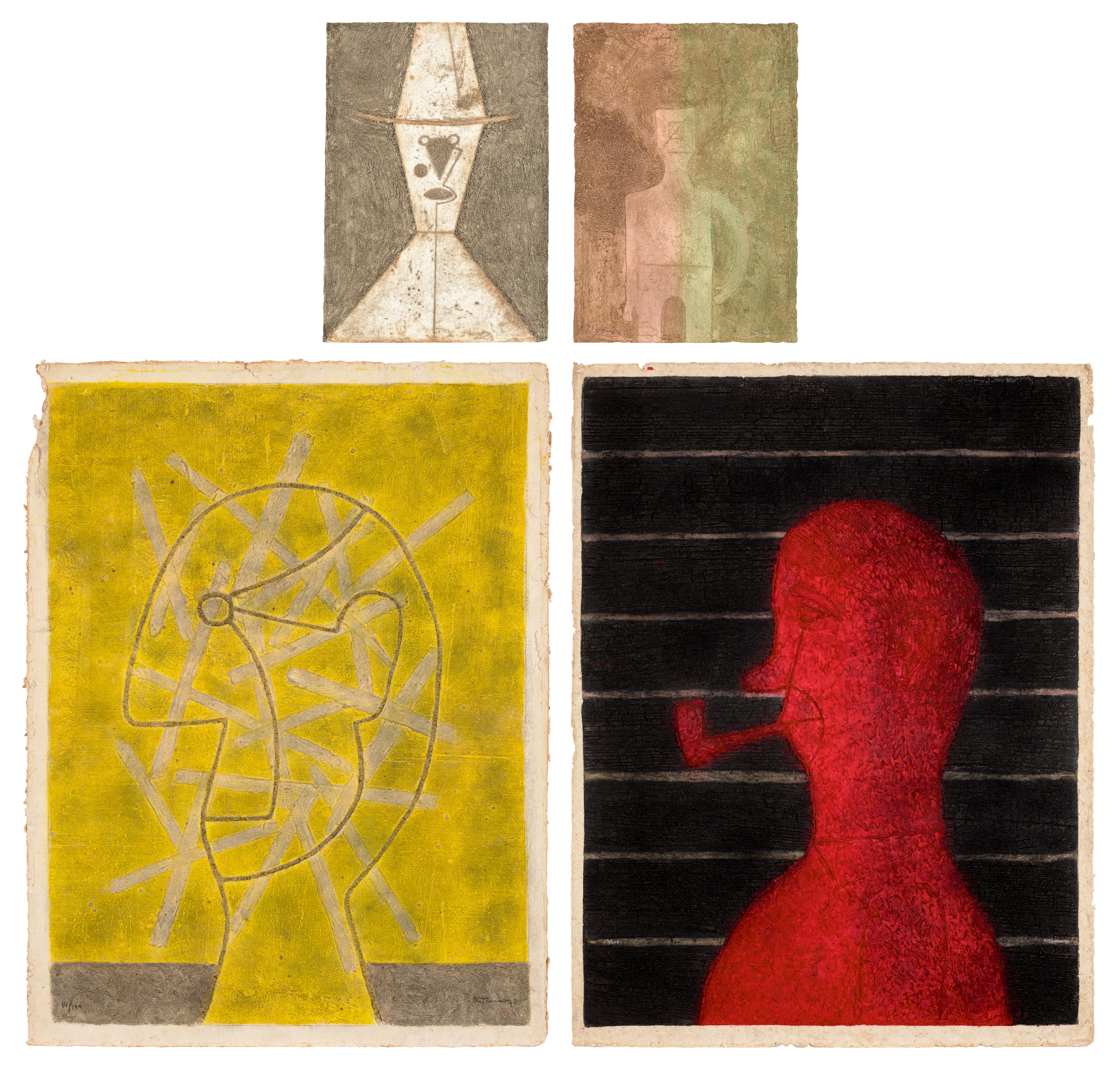
Rufino Tamayo brought the nude into contact with pre Columbian visual tradition, creating bodies that carried the weight of Mexican cultural memory alongside their European formal inheritance. His figures feel rooted in the earth in a way that distinguishes them sharply from the weightless idealism of the classical tradition. Julian Opie, whose sleek graphic style reduces the figure to its most essential lines, arrives at the nude from the opposite direction entirely, asking how little information you need before a body becomes readable as a body. The answer, his work suggests, is very little: a curve, a silhouette, the suggestion of mass.
What keeps the nude vital as a subject is precisely its impossibility. Every generation of artists confronts it with fresh anxiety and fresh ambition, knowing the weight of everything that has come before. The body remains the most immediate thing any of us has access to, and also the most mysterious. Art has been trying to account for that paradox for at least three thousand years, and the conversation shows no signs of concluding.
The works gathered on The Collection reflect that ongoing argument in all its complexity, spanning centuries of technique and intention, united only by the persistent, unresolved question of what we see when we see a human being.