Night Photography
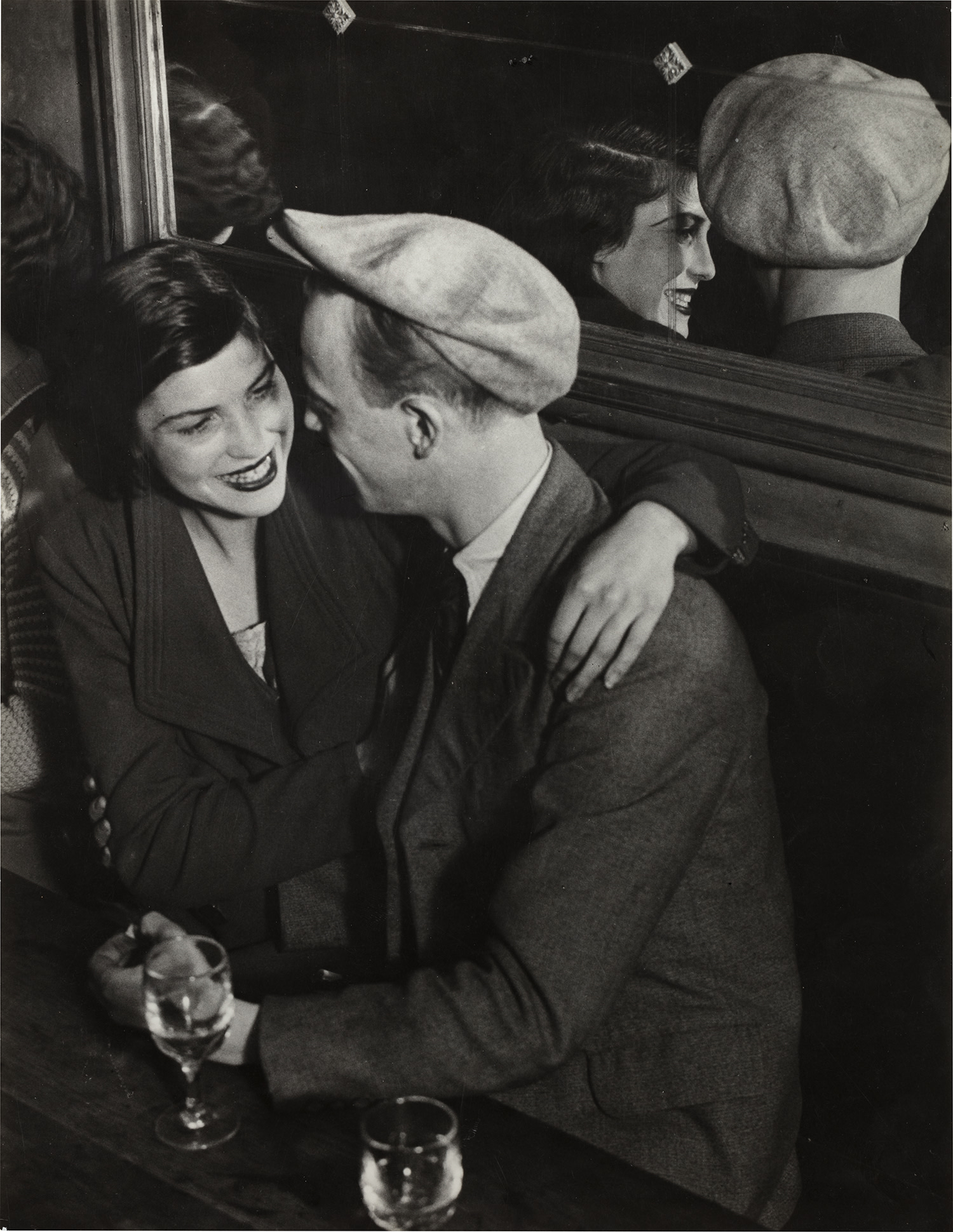
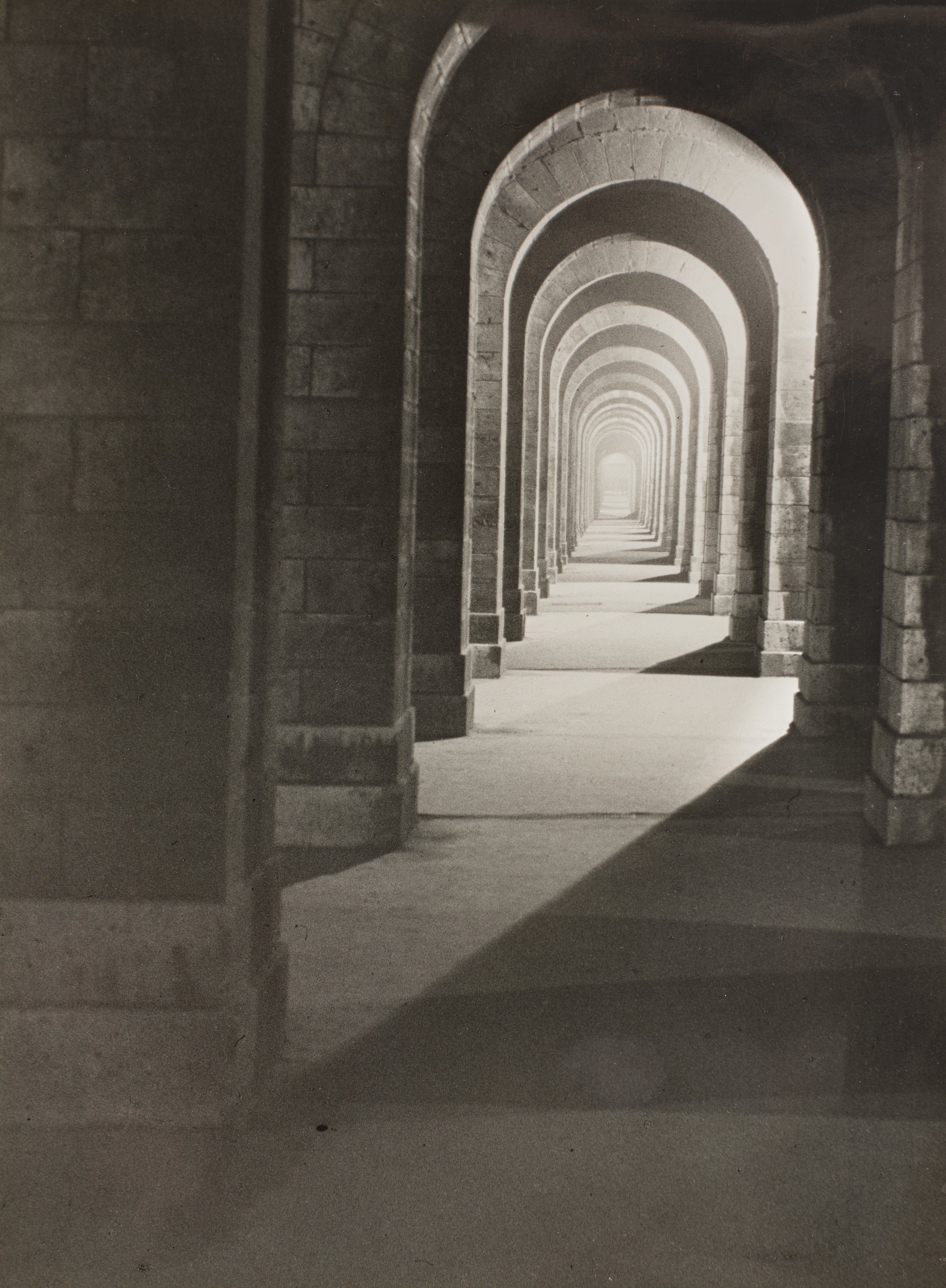
Brassaï (Gyula Halász)
Couple at the Bal de Quatres Saisons, Rue de Lappe
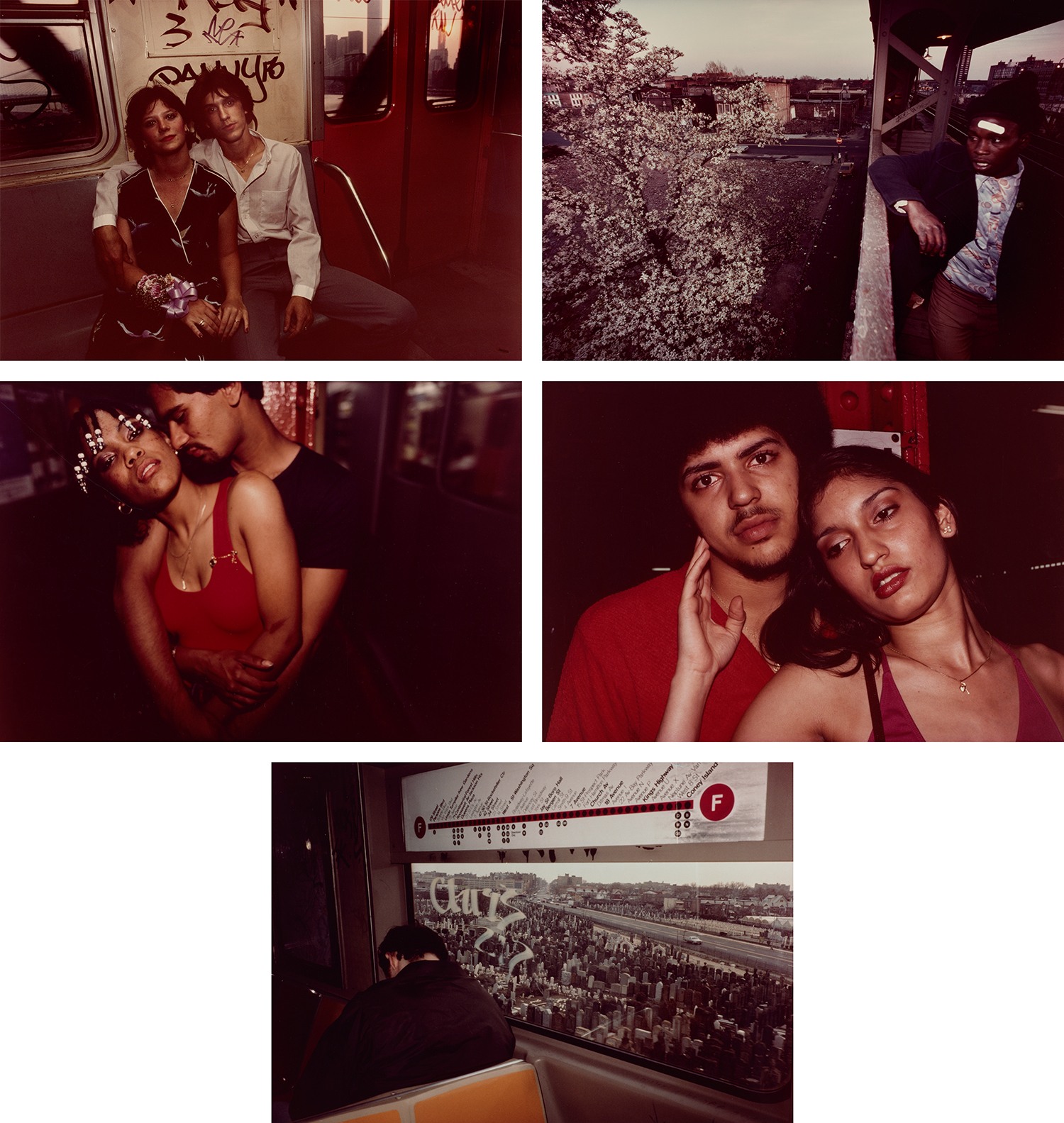

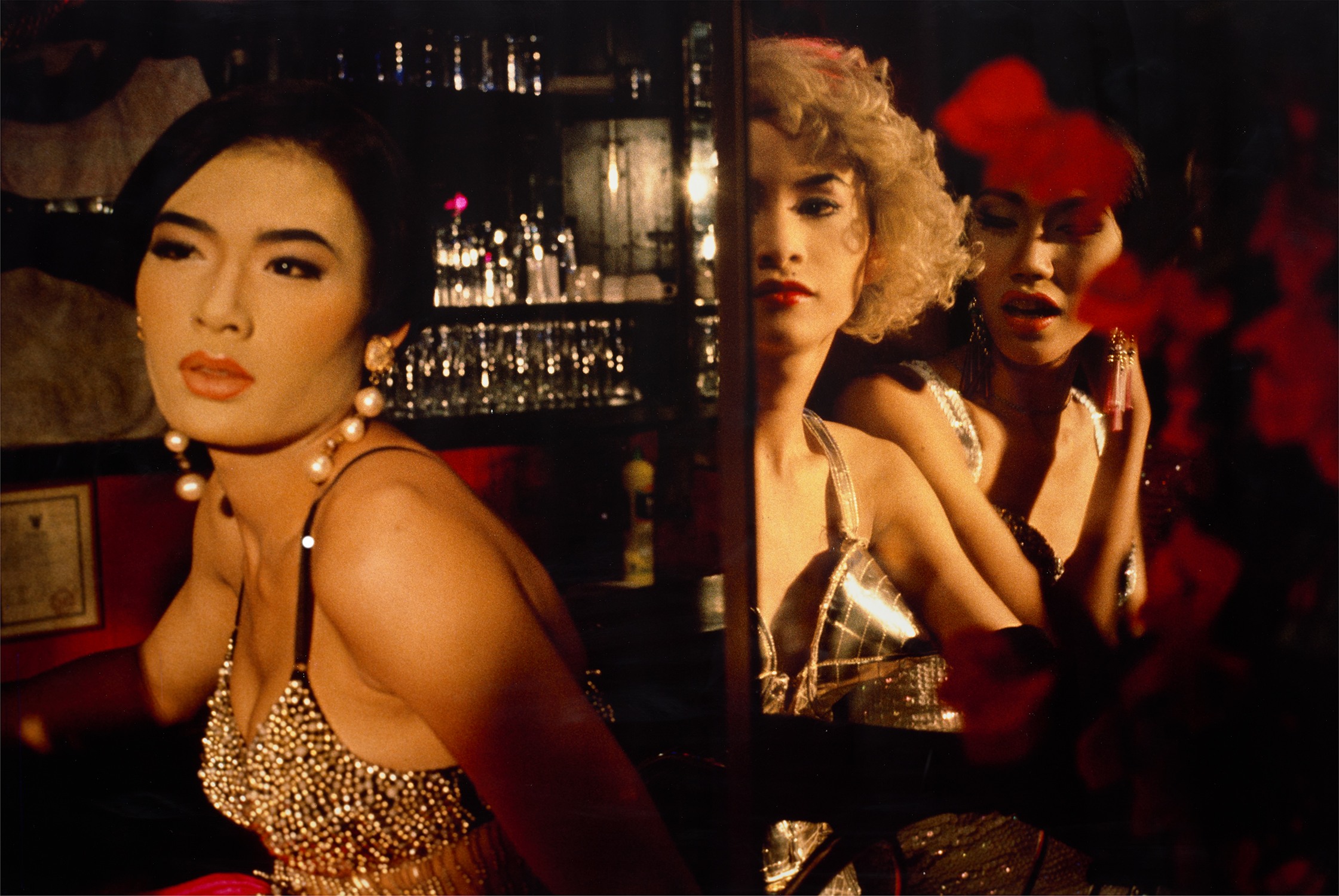
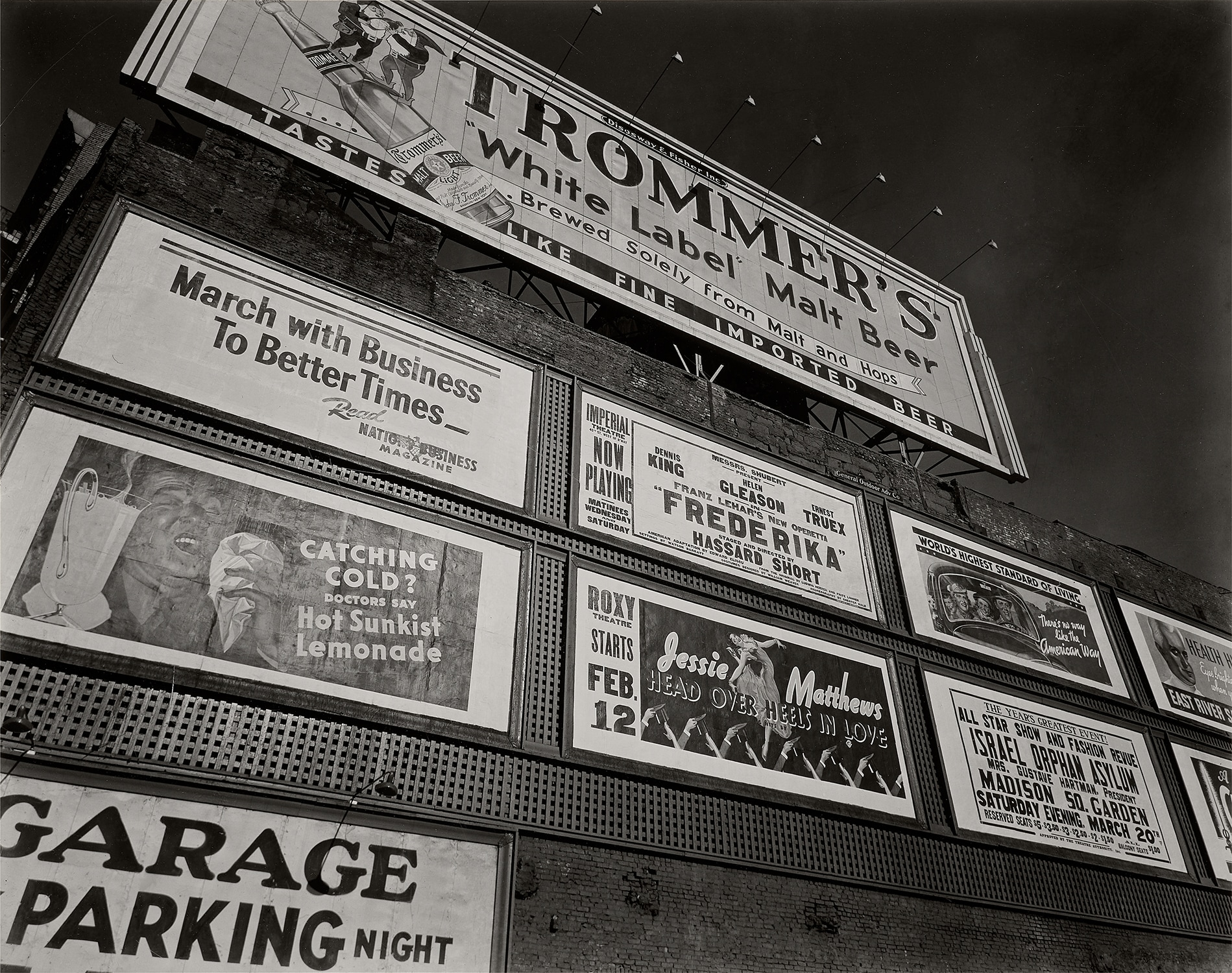
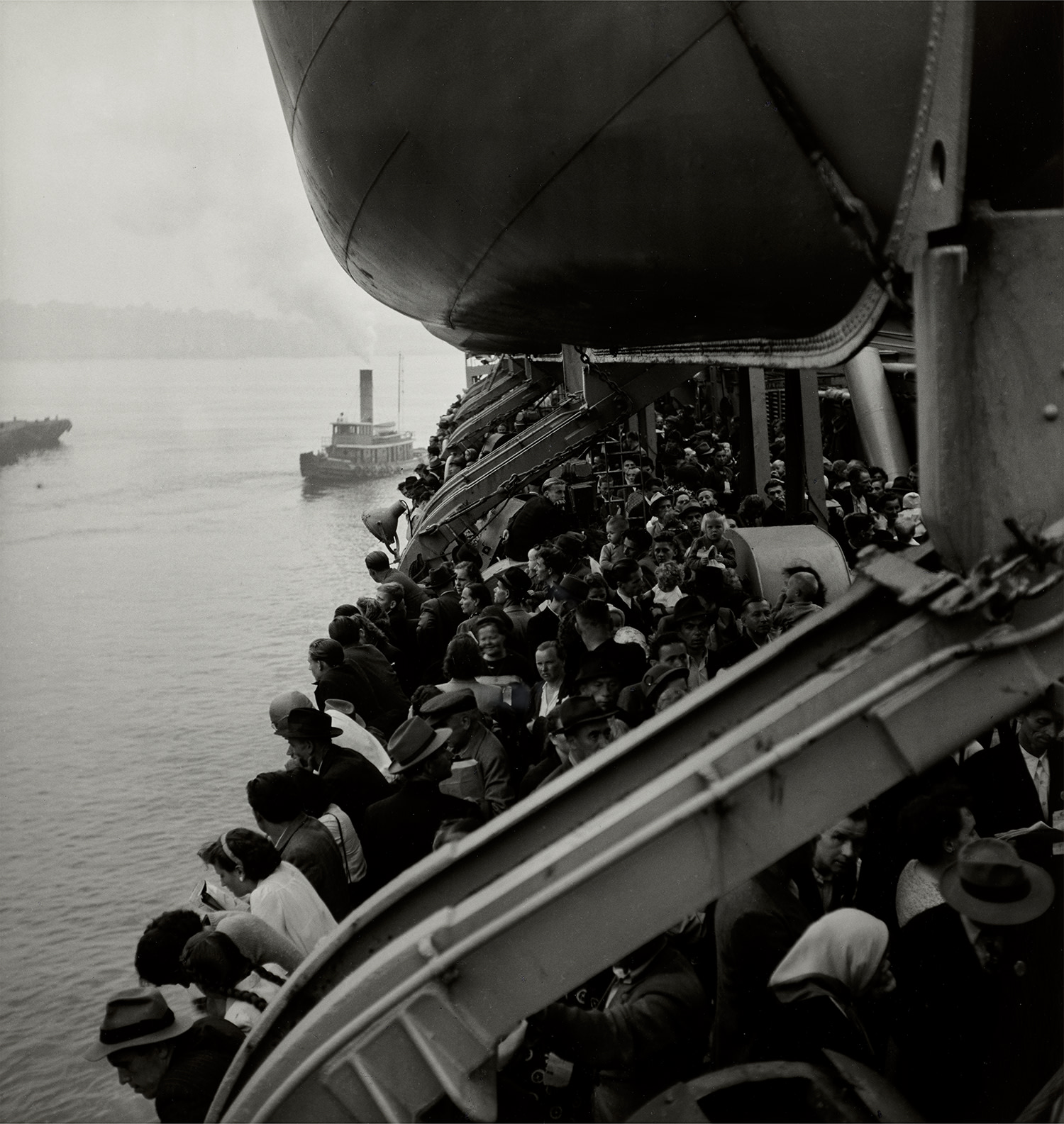
After Dark, the Real Work Begins
When Darren Almond's 'Fullmoon' series sold at auction a few years back, the bidding told a story collectors already understood intuitively. These luminous landscapes, made with exposures long enough to render moonlight as something indistinguishable from noon sun, are among the most quietly radical photographs being made today. They do not announce themselves. They seduce.
And the rooms where they sell tend to go very still before the paddle goes up. Night photography, once considered a technical curiosity or a noir affectation, is now one of the most seriously contested areas of the photographic market. The critical rehabilitation has been gathering pace for some time. The Museum of Modern Art's ongoing commitment to photographers who worked at the edge of visibility, from Brassaï to Weegee, helped establish the nocturnal image as something more than atmospheric mood.
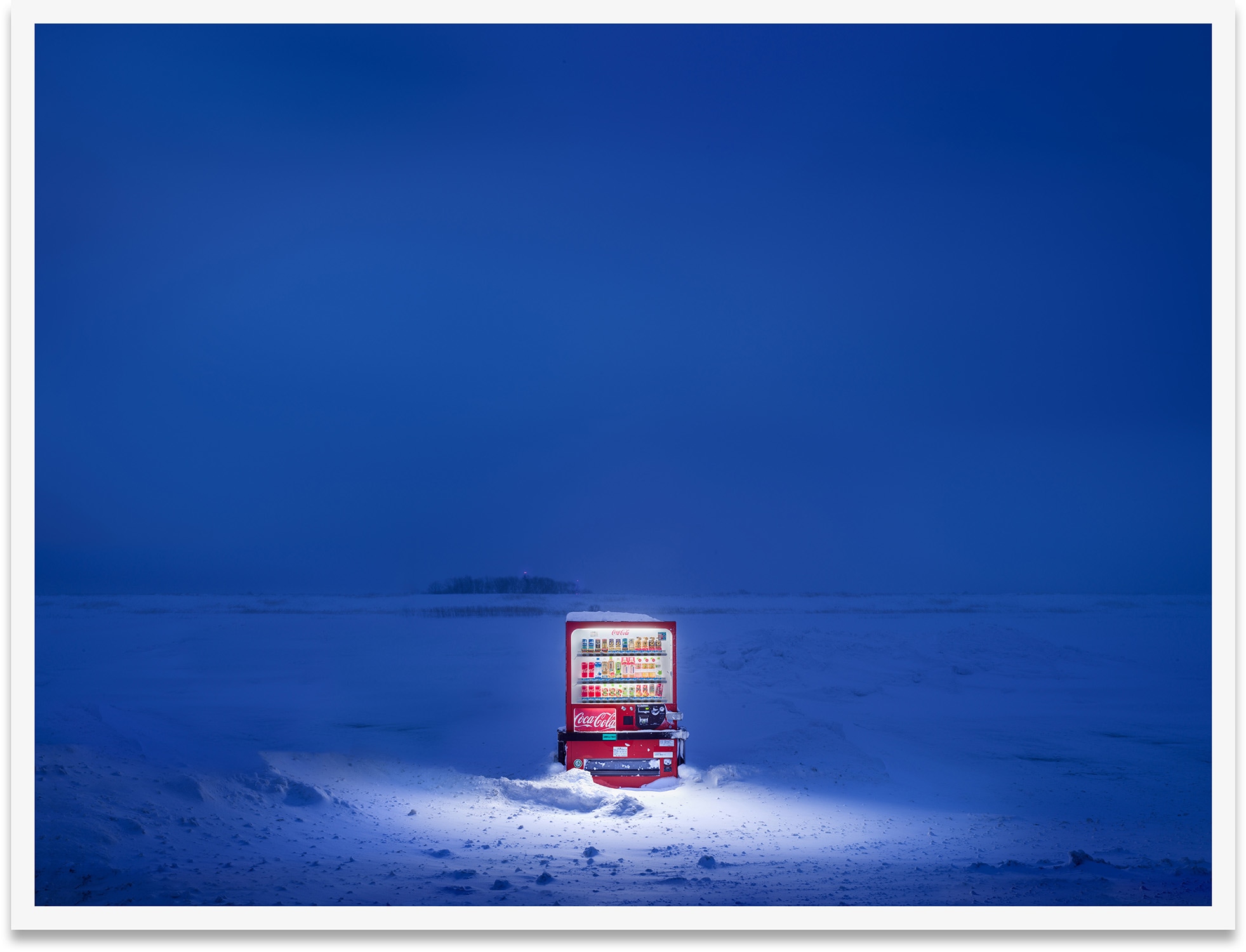
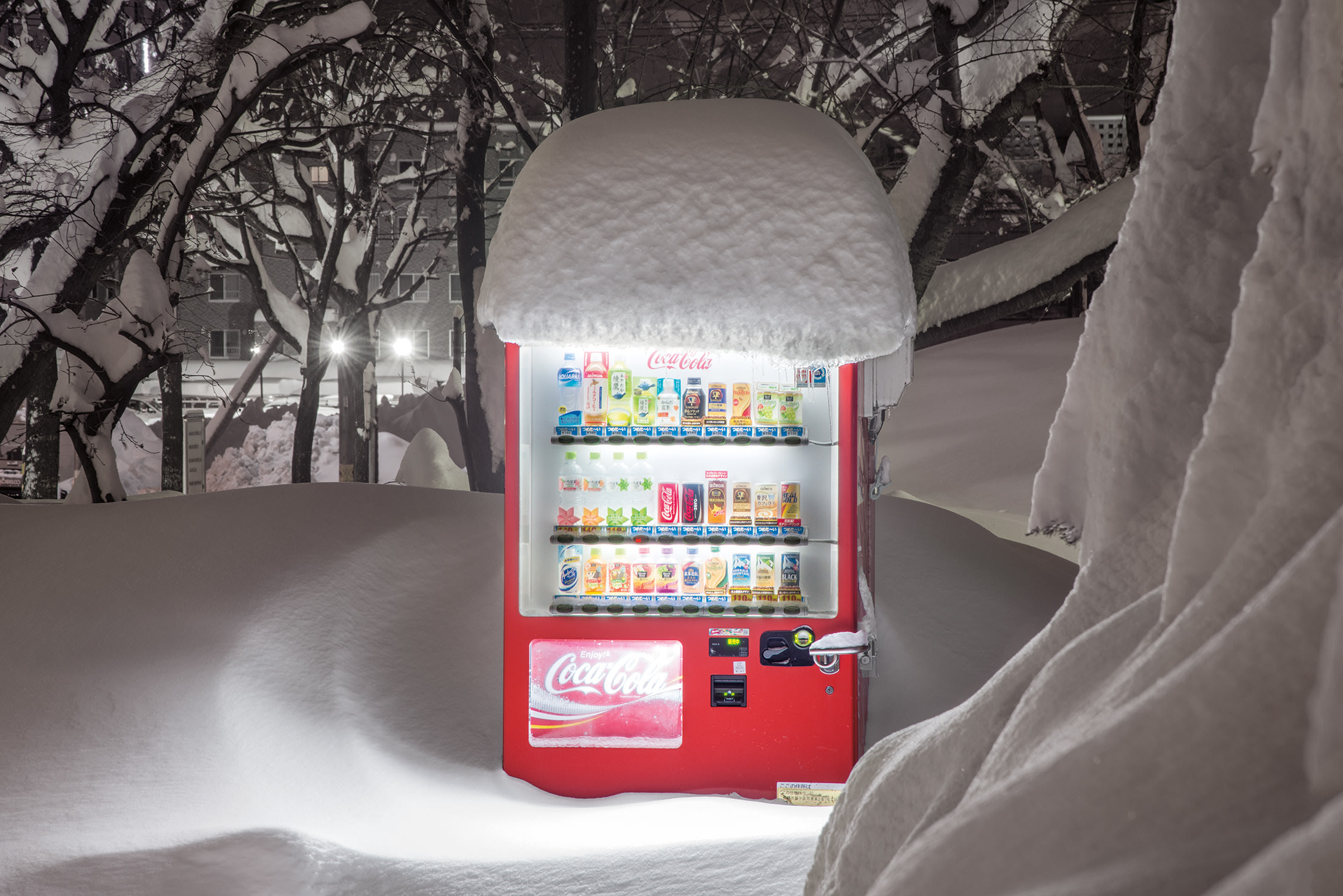
Eiji Ohashi
Roadside Lights #096
Brassaï, born Gyula Halász, essentially invented the grammar of the photographed night when he prowled the streets of 1930s Paris with a large format camera and a near obsessive patience. His images of fog, lamplight, and figures caught mid gesture in cafes and on bridges remain benchmarks. When prints from his Paris de Nuit series appear at auction, they are absorbed quickly and at prices that reflect their foundational status in the medium. Weegee occupies a different register entirely.
Where Brassaï found poetry, Arthur Fellig found urgency. His crime scene and tabloid photographs, made almost exclusively at night with a press camera and flashbulb, are works of savage democratic energy. Major institutions including the International Center of Photography in New York, which has deep holdings of his work, have done significant curatorial work to reframe him not as a newspaper curiosity but as a genuine artist working in the tradition of social witness. His prints have performed strongly at Christie's and Phillips in recent sale cycles, with buyers increasingly younger and more gallery oriented rather than coming from the traditional photography collector base.
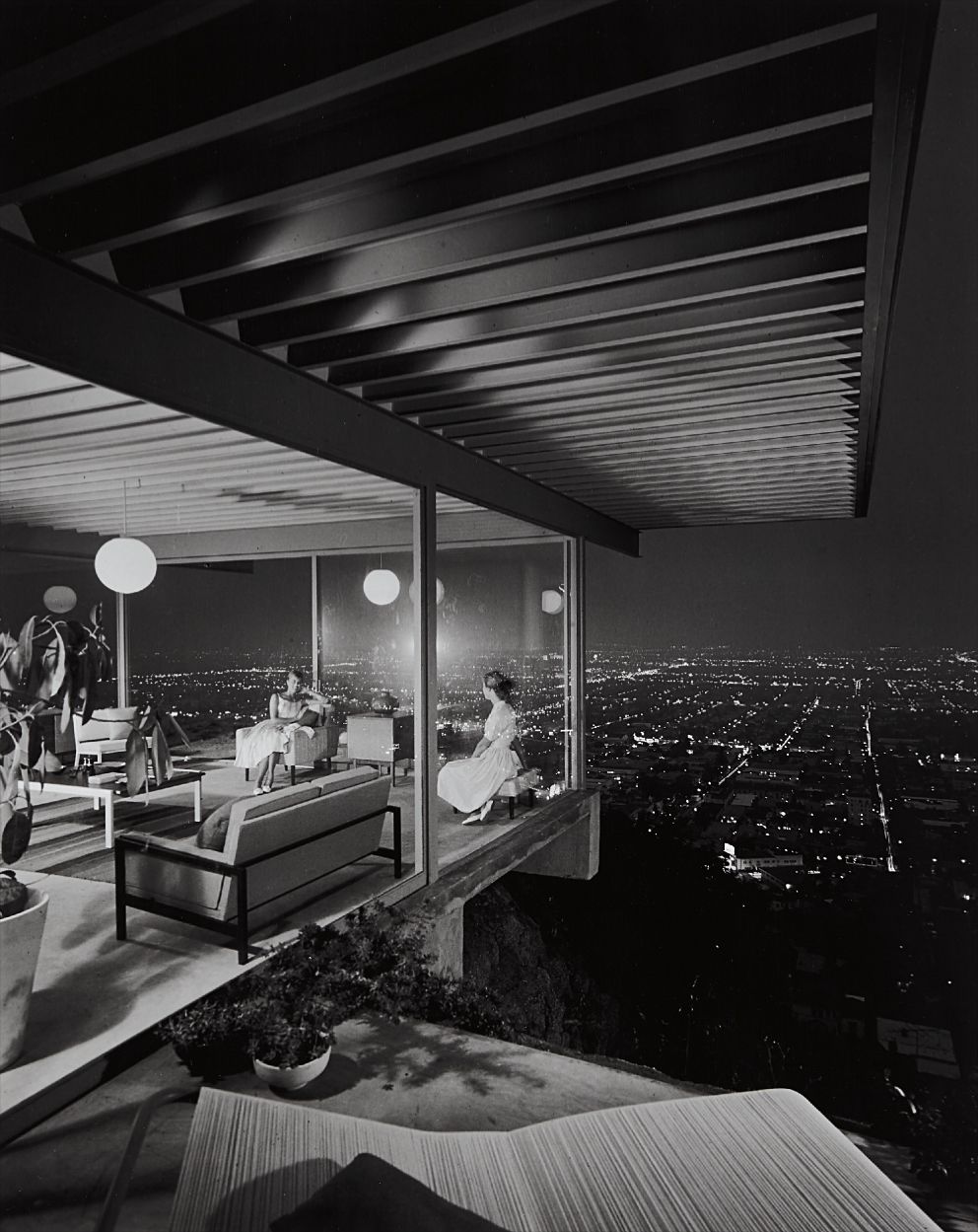
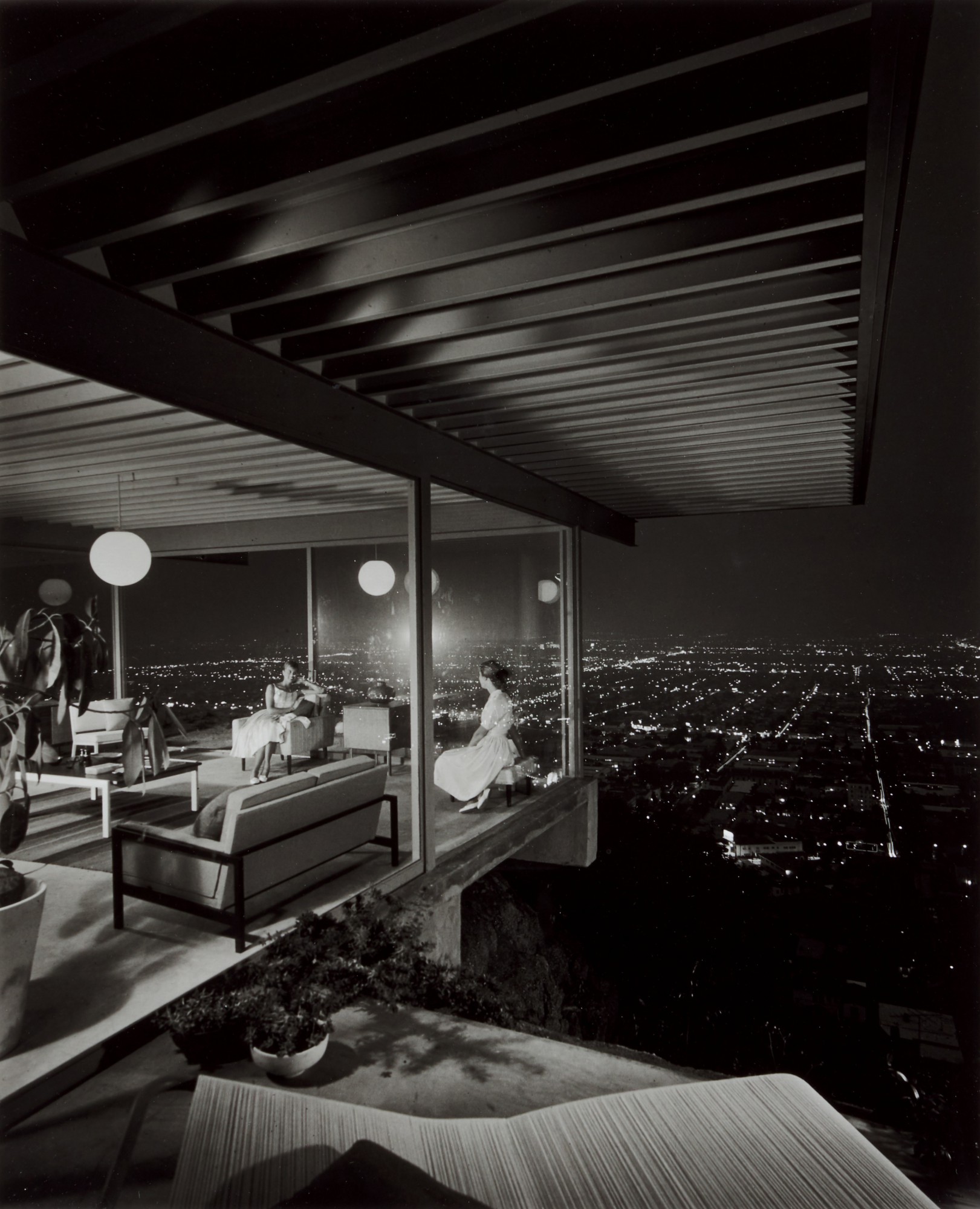
Julius Shulman
Case Study House #22, Los Angeles, CA, Pierre Koenig Architect
The institutional appetite for nocturnal work has become notably broader. The Getty Museum's holdings of Julius Shulman sit comfortably alongside midcentury American photography, but the famous night view of Case Study House No. 22 from 1960 has transcended architecture photography entirely to become one of the defining images of the twentieth century. It appears in design exhibitions, photography surveys, and cultural histories simultaneously, which is a form of canonical status that very few photographs achieve.
When significant Shulman prints come to market, they draw bidders from multiple collecting communities at once, which keeps prices strong and sometimes surprising. The contemporary end of the market is where things feel genuinely alive right now. Eiji Ohashi's photographs of vending machines glowing in the Japanese countryside have moved from cult appreciation to serious institutional interest with unusual speed. There is something in their combination of the mundane and the transcendent that speaks directly to how younger collectors are thinking about photography: not as document, not as fine art object in the traditional sense, but as something that sits productively between both.
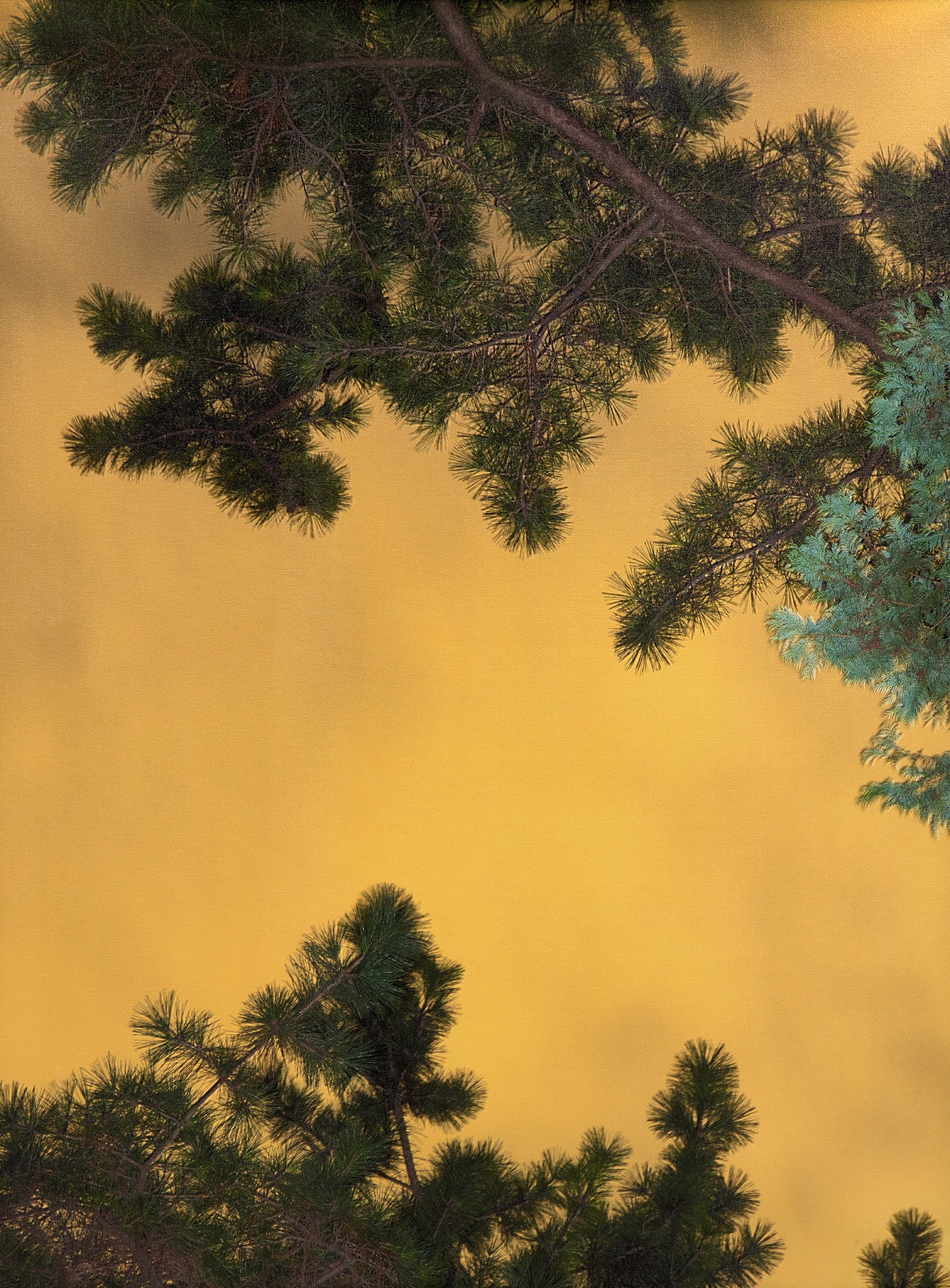
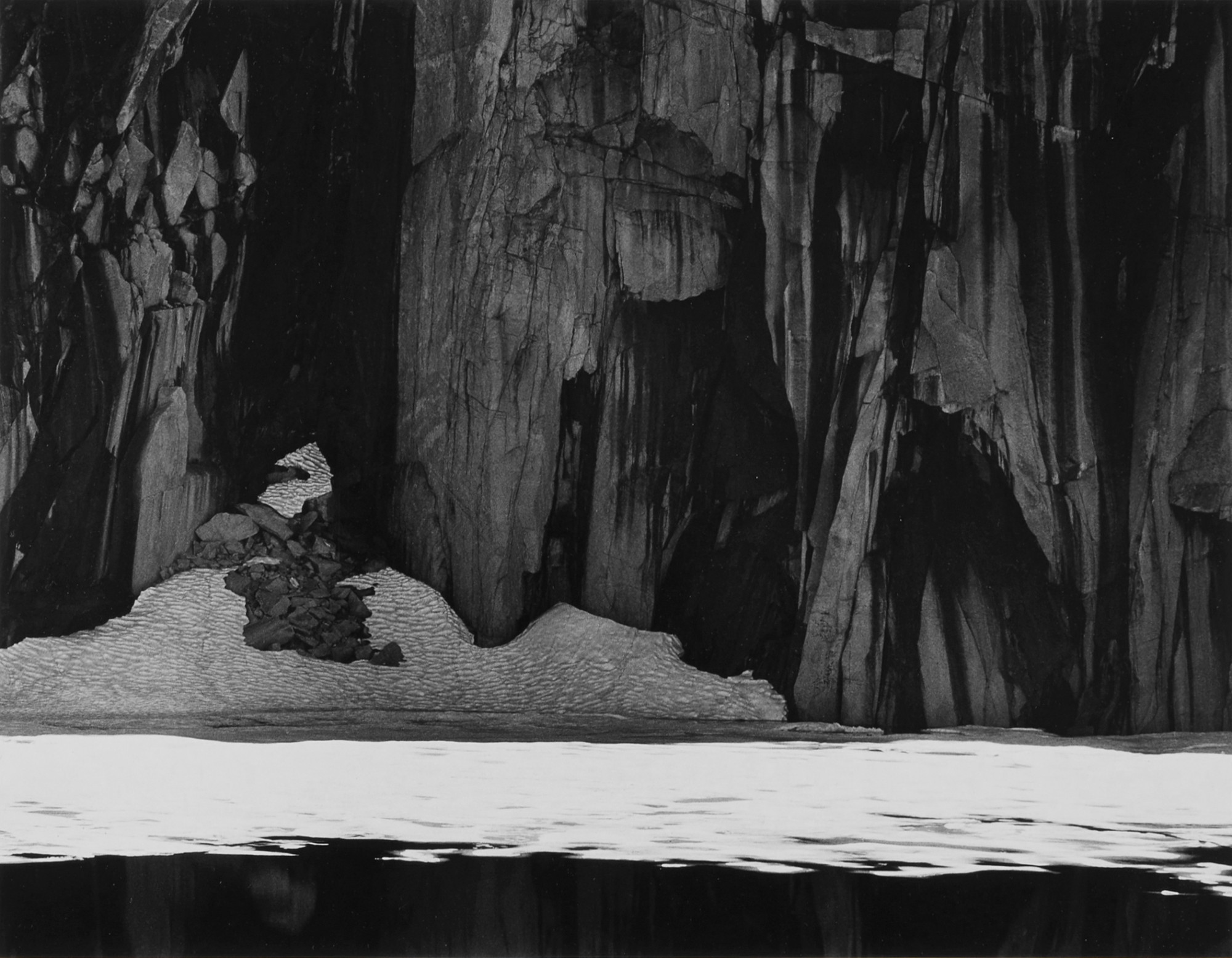
Yoshinori Mizutani
Moonlight 02
Similarly, Yoshinori Mizutani's color saturated urban nightscapes engage the sensory overload of contemporary city life with a formal precision that rewards sustained looking. Both artists are well represented on The Collection, and the trajectory of their market attention feels strongly upward. The critical conversation has been shaped in important ways by writers working outside the traditional photography press. Geoff Dyer's extended engagement with the medium, including his thinking on photographers like Nan Goldin and Wolfgang Tillmans, brought a literary intelligence to work that photographic criticism had sometimes approached too technically.
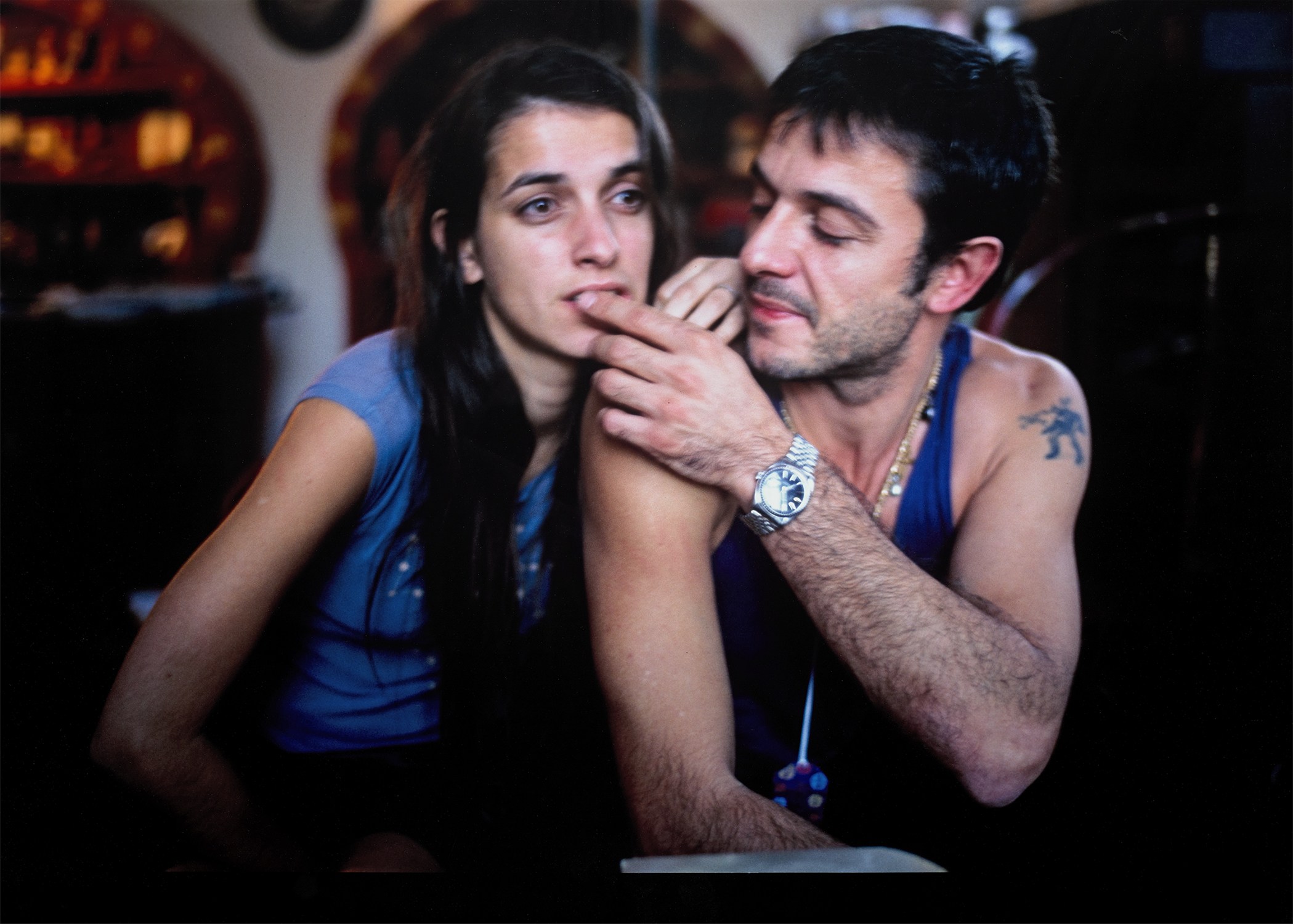
Goldin's night world, those intimate scenes of friends and lovers in bars and bedrooms lit by the particular warmth of incandescent bulbs, is inseparable from ideas about community, visibility, and survival. Tillmans, working in a completely different register, uses the camera at night to find abstract beauty in club lights and street reflections, images that sit in the space between photography and painting without being anxious about it. Richard Misrach brings an entirely different sensibility to the nocturnal. His large scale color photographs of the American desert at night, made over decades as part of his monumental Desert Cantos project, are works of political and ecological weight wrapped in extraordinary beauty.
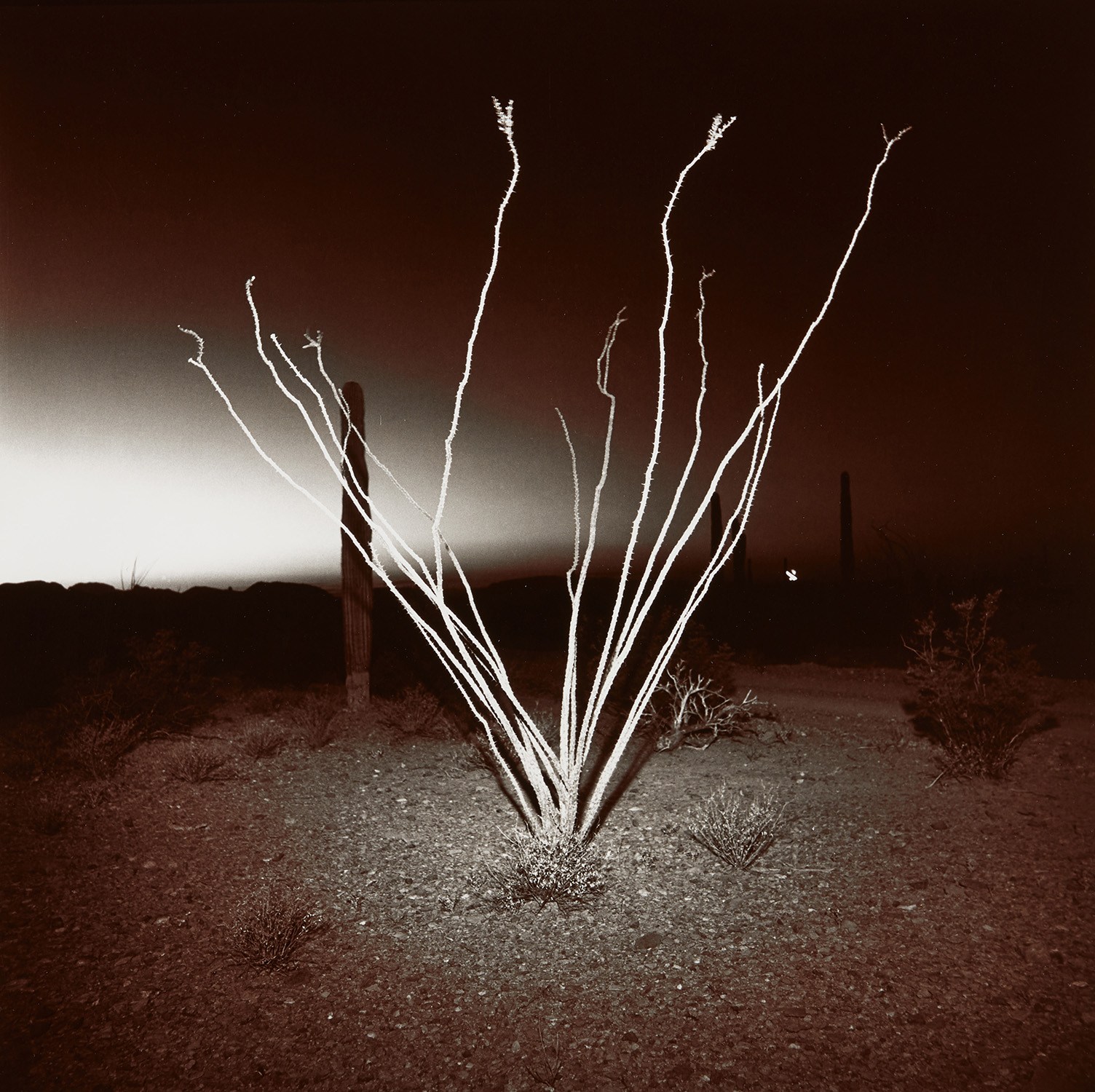
Richard Misrach
Ocotillo at Night
The tension between those two things is exactly what makes them so compelling to serious collectors. Philip Lorca diCorcia's night photographs, particularly his 'Streetwork' series from the 1990s in which he rigged elaborate lighting setups in public spaces and photographed strangers without their knowledge, remain some of the most discussed works in contemporary photography in terms of both ethics and aesthetics. They sell accordingly. What feels settled is the canonical status of the early masters.
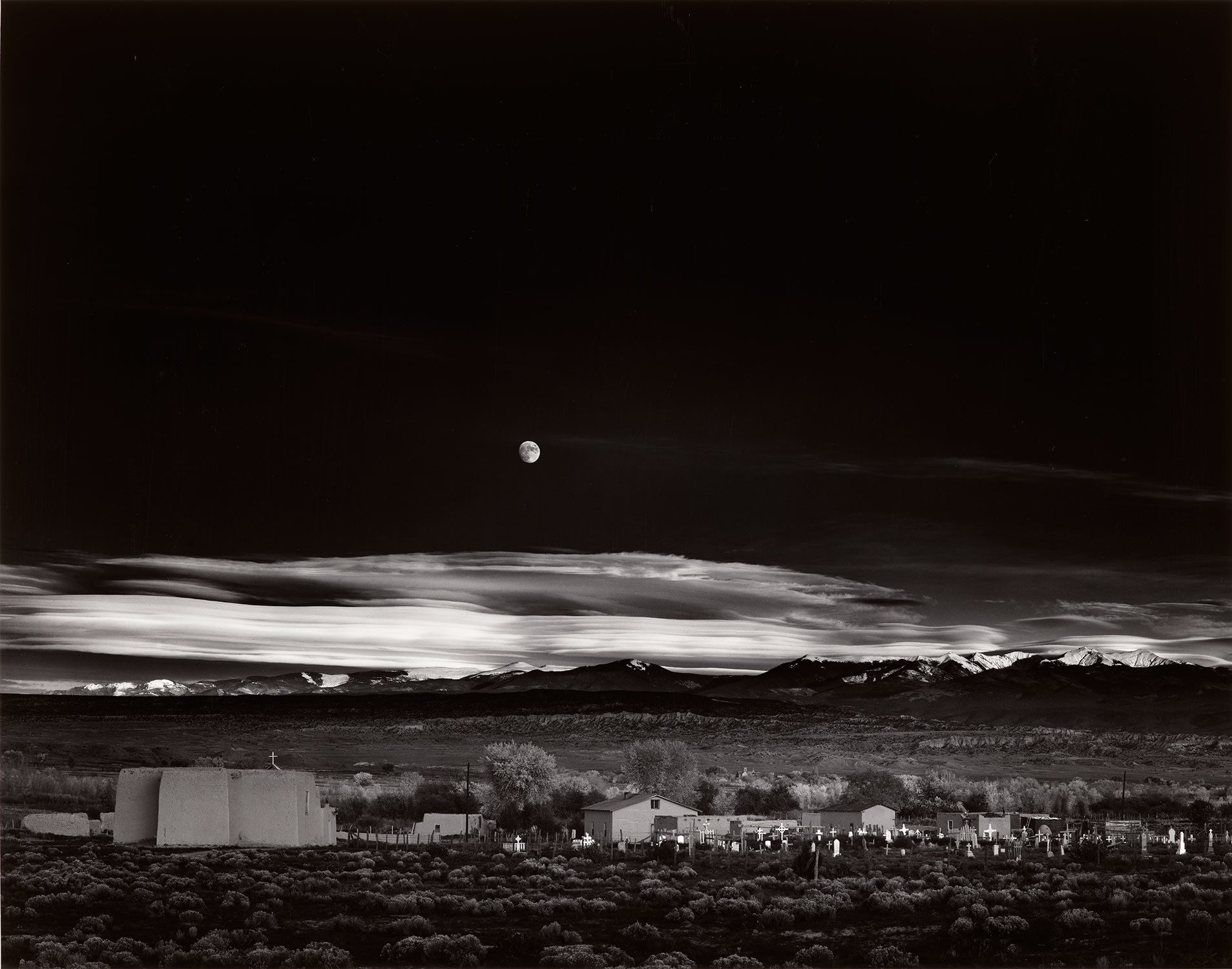
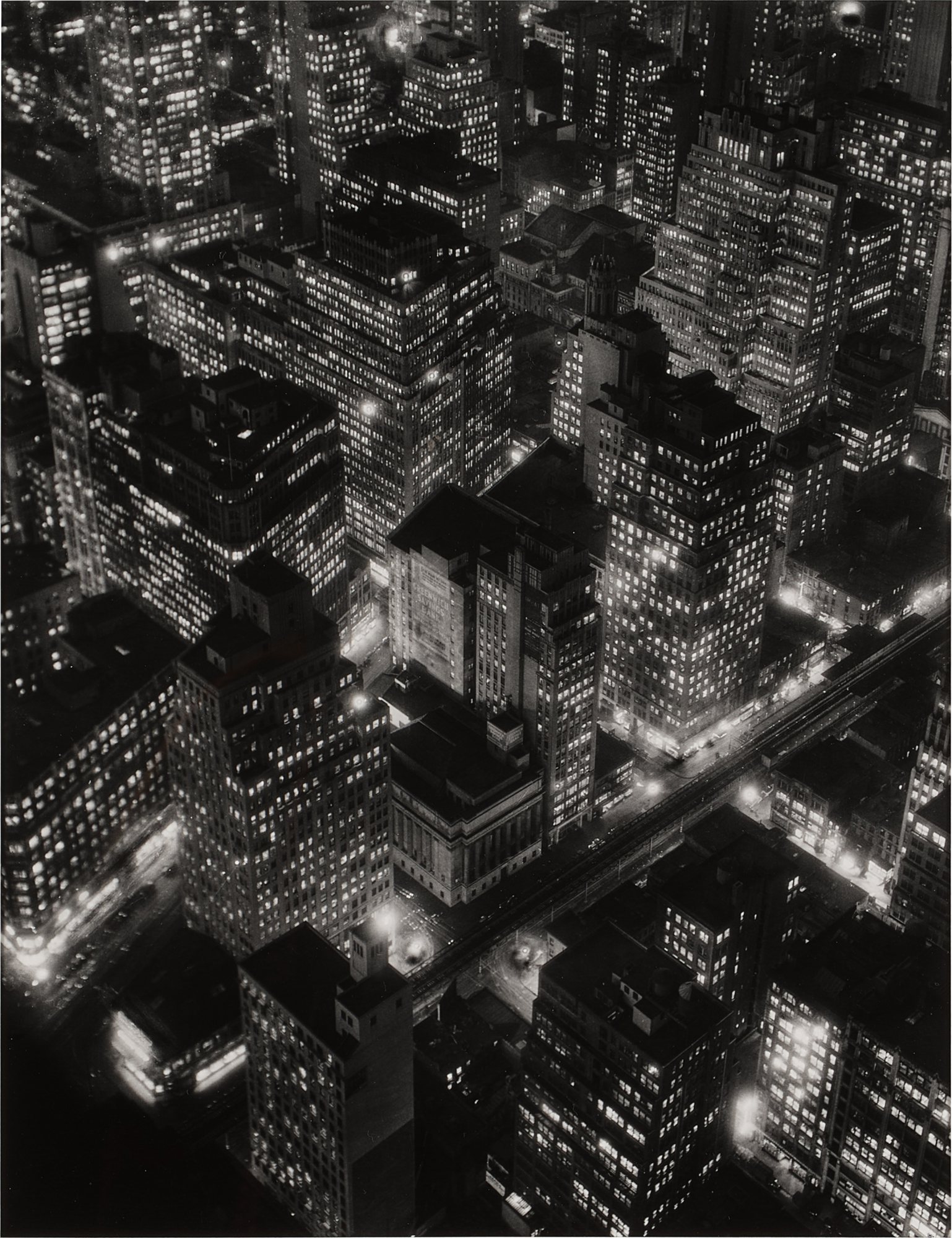
Berenice Abbott's night views of New York, made in the 1930s as the city transformed itself vertically, are firmly in the territory of established masterworks. Ansel Adams is somewhat less associated with night work, but his moonrise photographs carry enormous market weight and continue to set records for American photography broadly. O. Winston Link's extraordinary night photographs of steam locomotives in the American South, technically astonishing images made with massive flashbulb arrays in the 1950s, occupy a singular place in photographic history and attract collectors drawn to both the formal achievement and the historical document.
What feels genuinely open, and this is where the more adventurous collectors are paying attention, is the intersection of night photography with questions about light pollution, ecological change, and the future of darkness itself. Ernst Haas understood color and light in ways that still feel contemporary, and Thomas Ruff's conceptual engagement with the photographic image, including his manipulation of night sky imagery, points toward territory that younger photographers are beginning to explore seriously. The works on The Collection reflect a market and a critical conversation in productive motion. Night photography is not a niche.
It is, increasingly, where some of the most urgent thinking about photography is happening.