Muted Color Palette
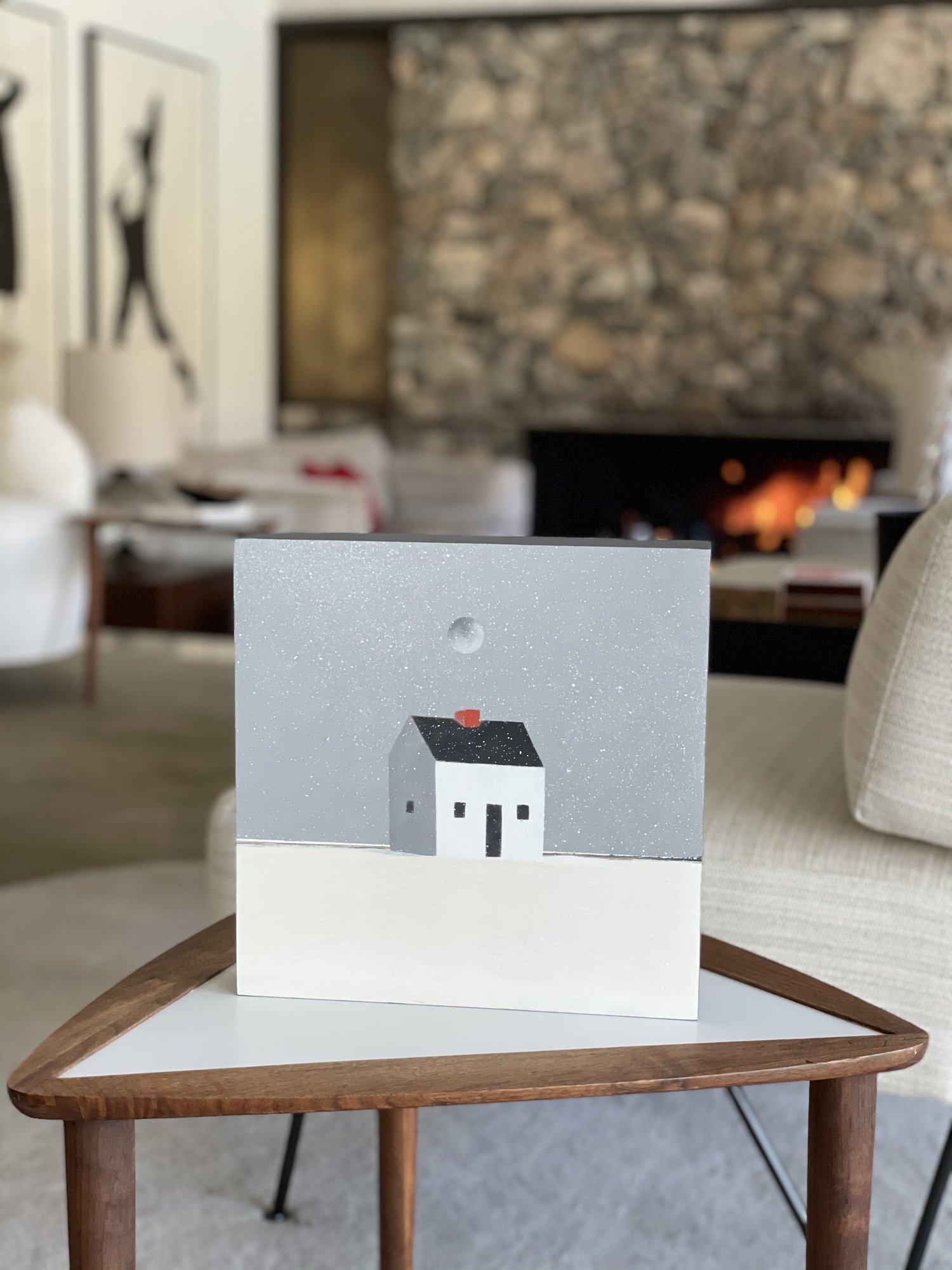
Adam Peck
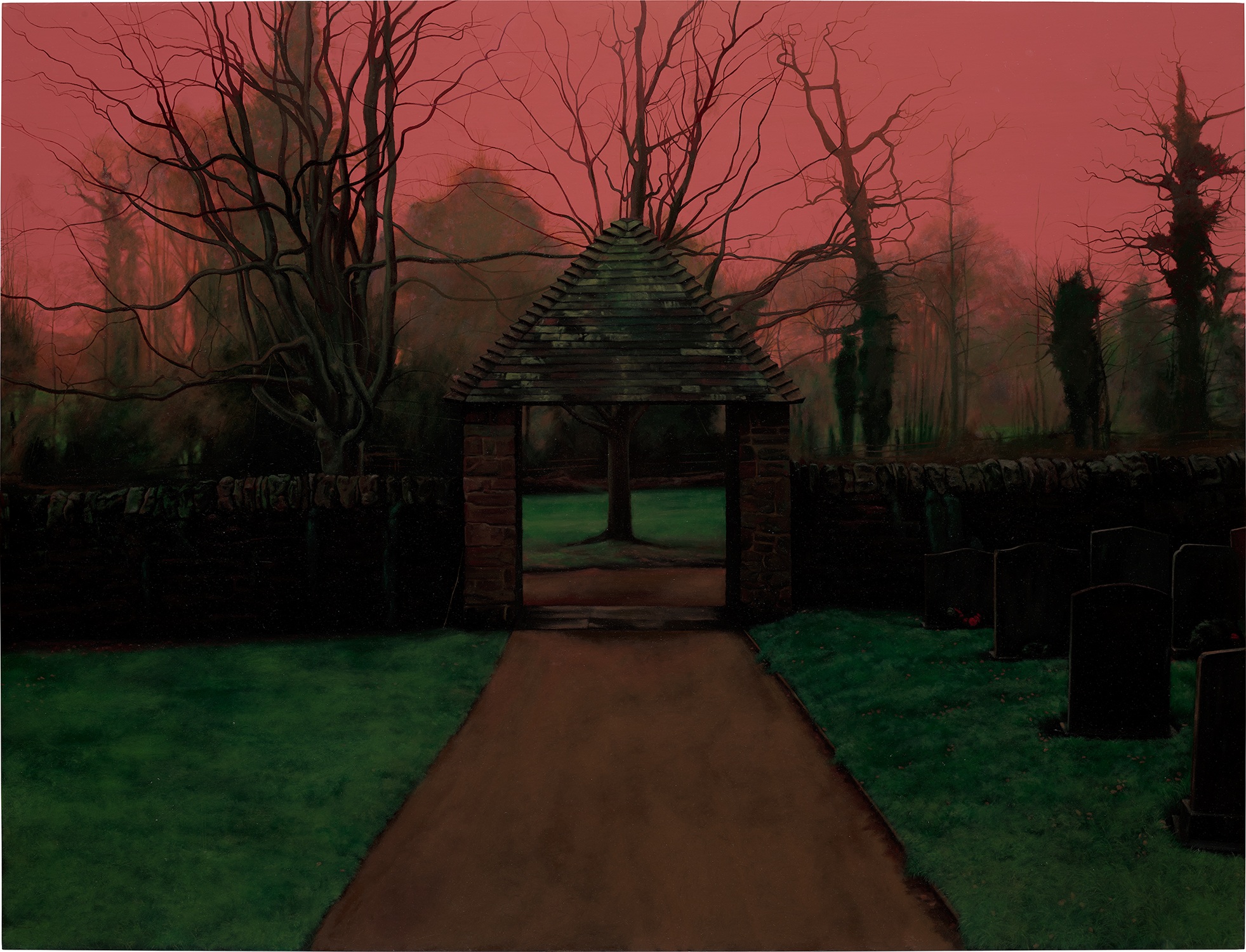
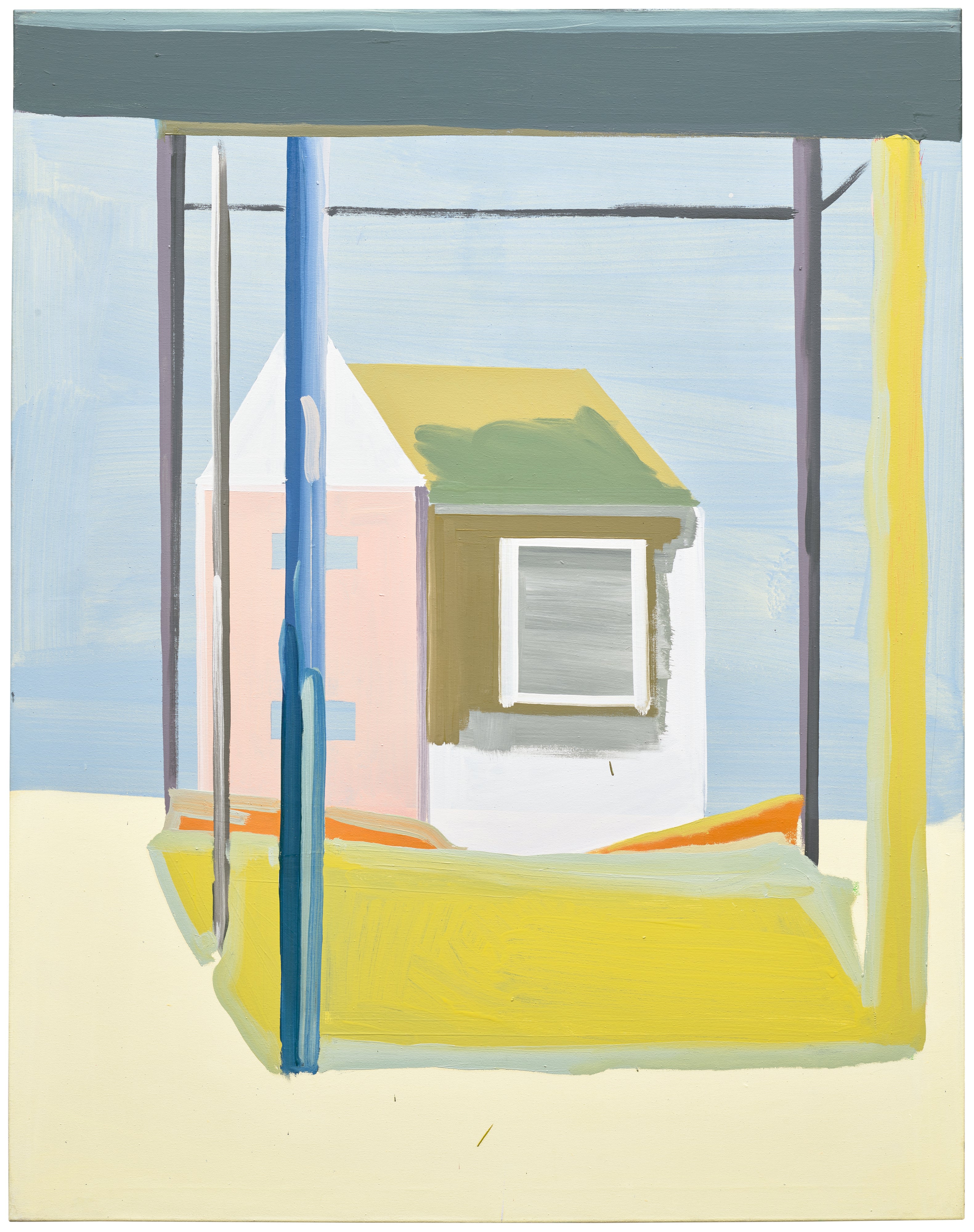
Commission House in Snow

The Quiet Ones Always Win Eventually
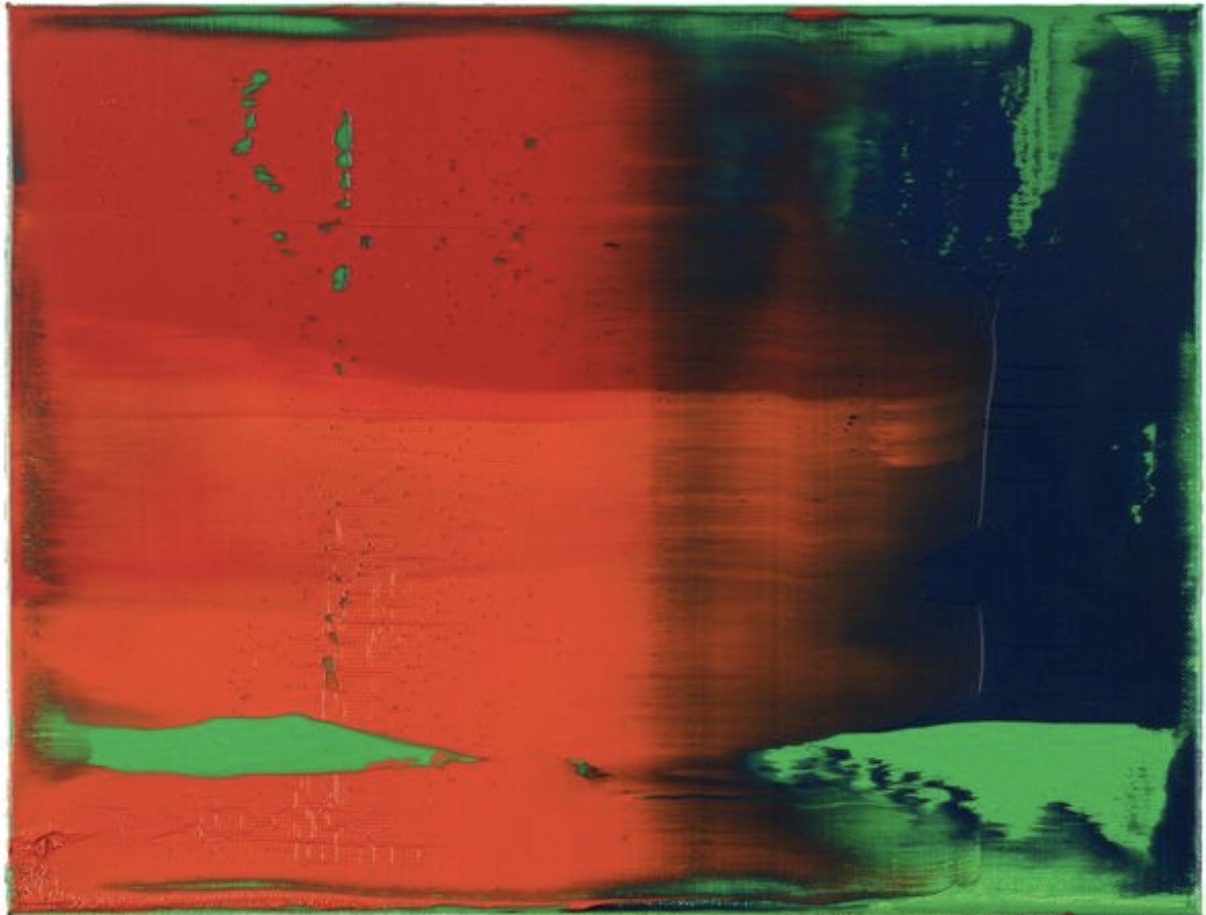
When Gerhard Richter's grey paintings began commanding nine figure sums at auction, the art world had to reckon with something it had long suspected but rarely said aloud: restraint, in the right hands, is the most radical gesture available to a painter. At Christie's New York in 2015, his abstract grey work Abstraktes Bild sold for over 46 million dollars, a result that sent a clear signal through the market. The collectors who had been quietly accumulating works built around muted, subdued, carefully drained palettes suddenly found themselves sitting on something that felt less like a taste preference and more like a prescient conviction. The appetite for works organized around tonally restrained color has only deepened since.
It is not a trend so much as a recurring recognition, one that surfaces every decade or so when the market grows fatigued with spectacle. Right now, in the mid 2020s, that fatigue is palpable. After years of neon maximalism and algorithmically optimized visual noise, collectors are gravitating toward works that ask for something in return: patience, attention, a willingness to sit with uncertainty. The artists who have built entire practices around this kind of visual quietude are finding new and serious audiences.
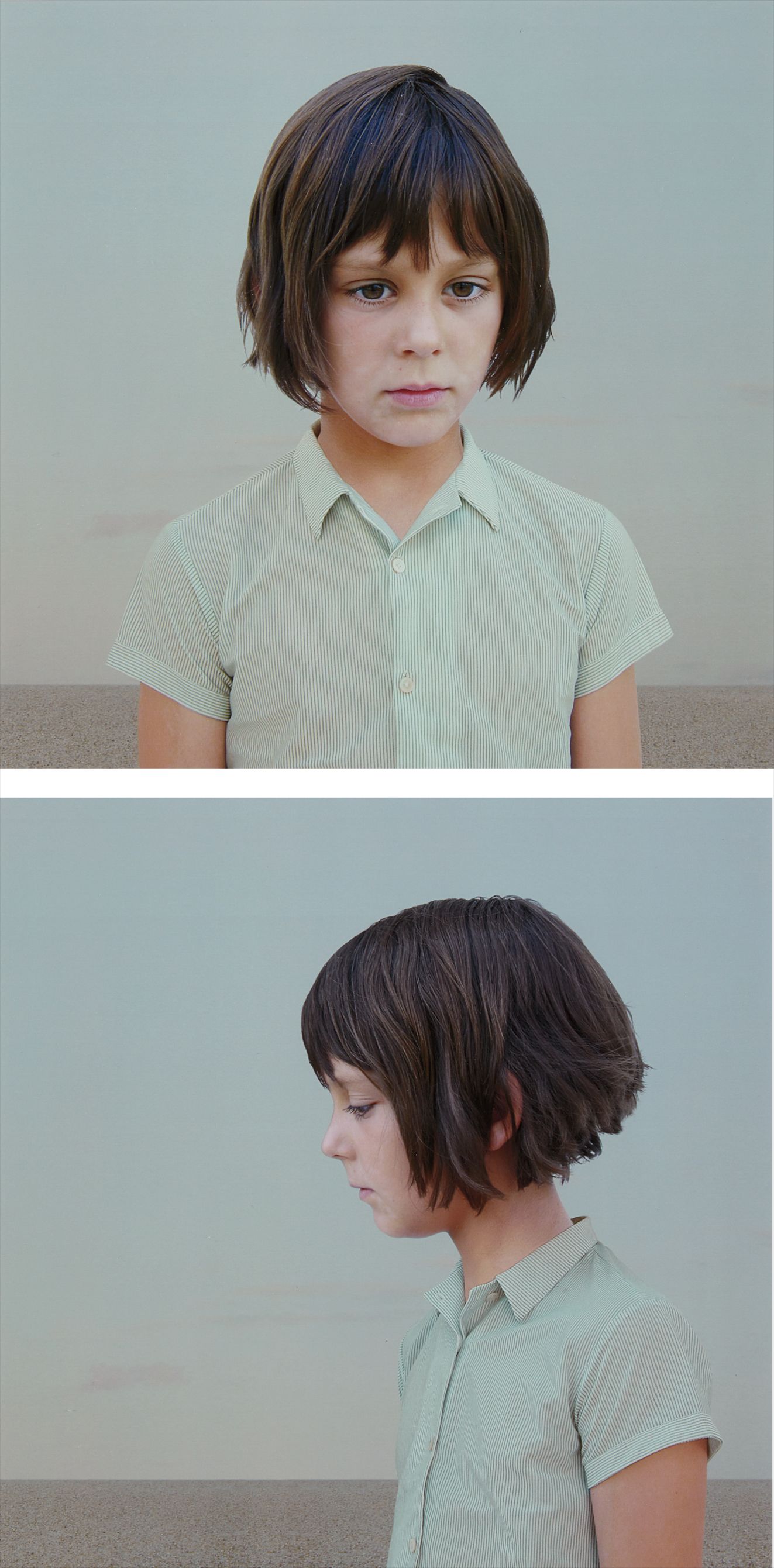
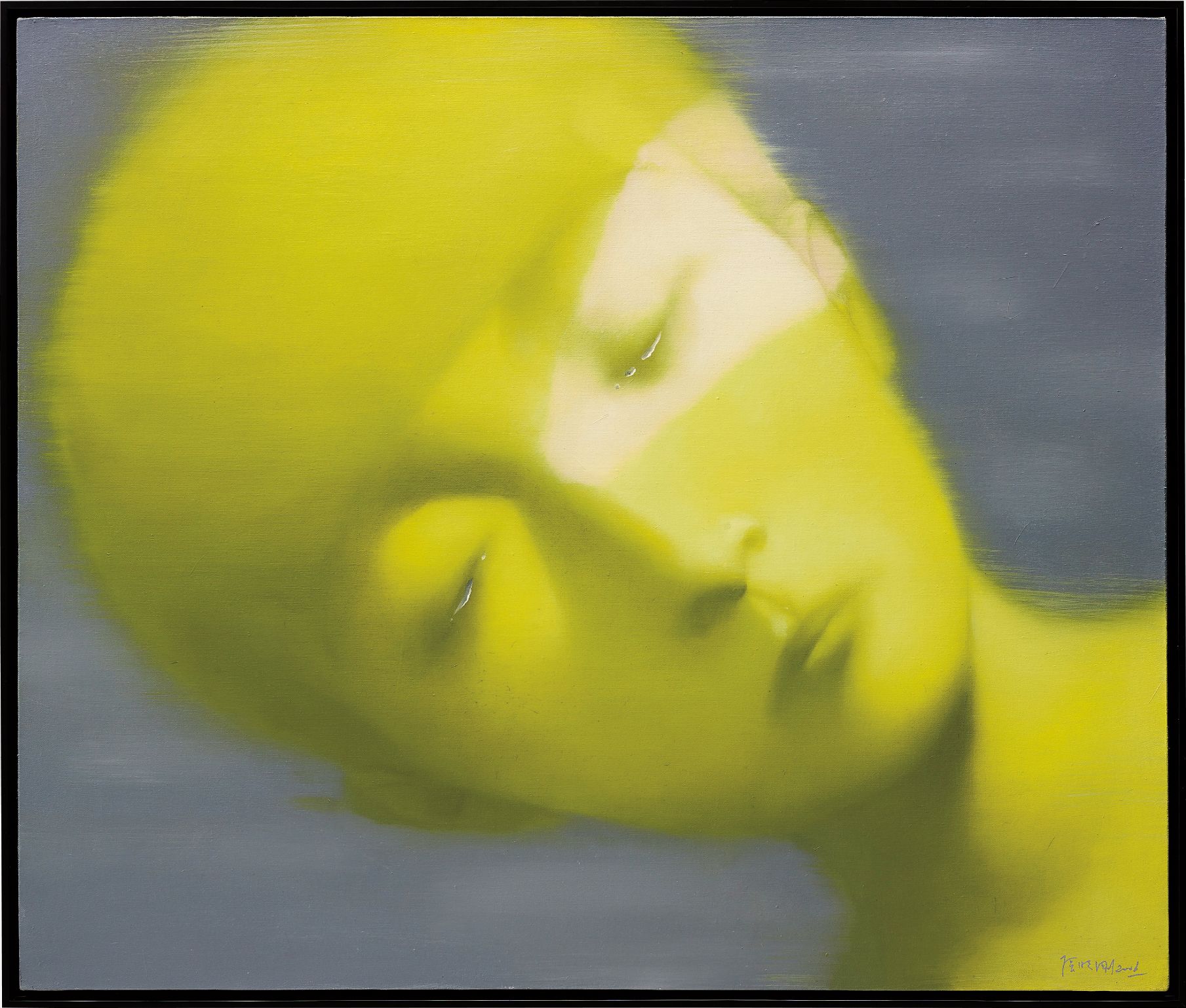
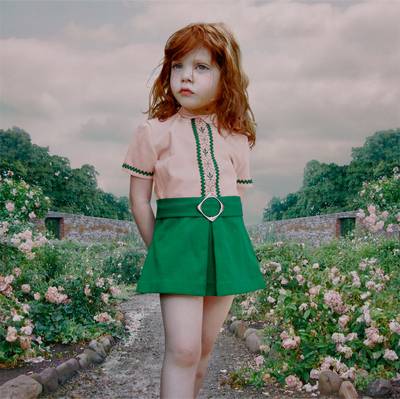
Loretta Lux
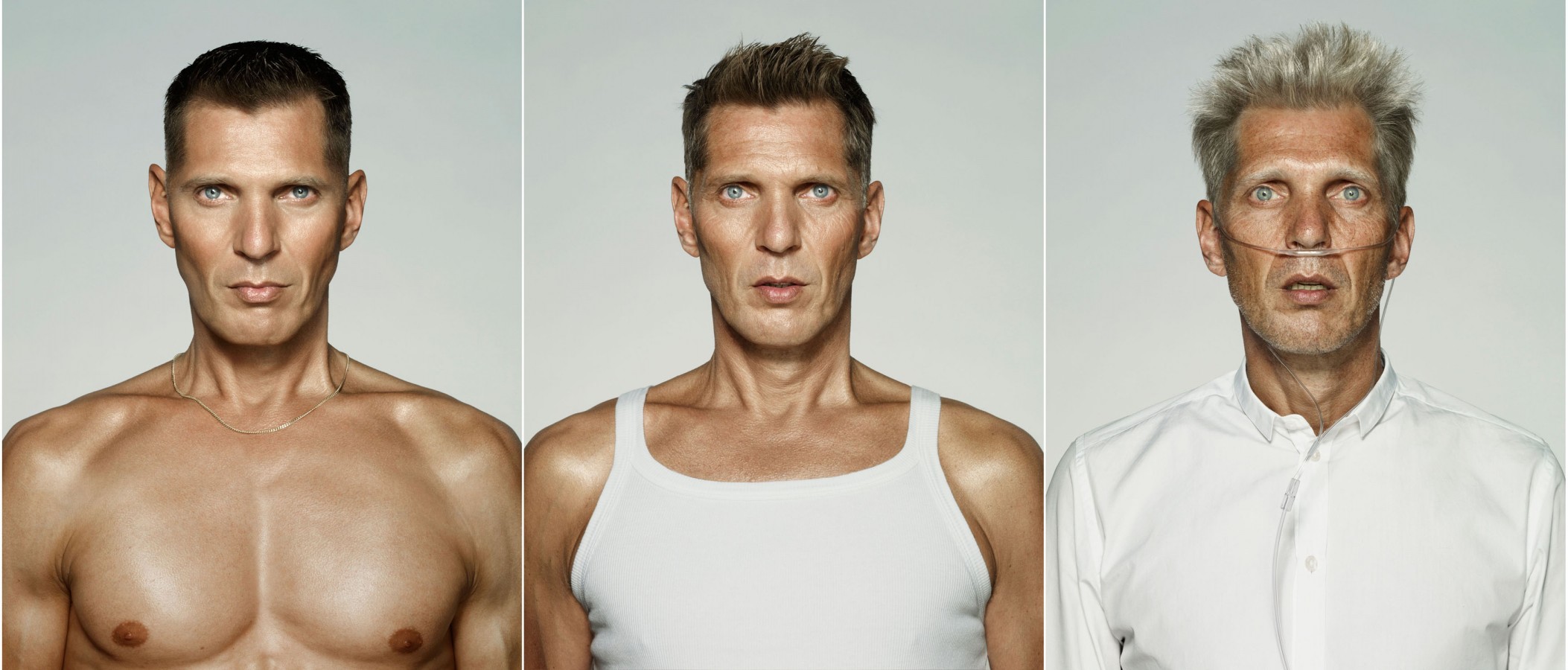
Maria 1 and Maria 2
Loretta Lux is perhaps the most instructive case in the current conversation. Her digitally composited photographs of children, rendered in pale, silvery tones that seem to belong to no particular historical moment, have become among the most sought after works by any photographer working today. Her 2005 show at Yossi Milo Gallery in New York crystallized her reputation, and her prices at auction have remained strong ever since, with prints regularly achieving well into five figures at Phillips and Christie's. What collectors respond to in her work is precisely what makes it difficult to describe: a color temperature that exists somewhere between nineteenth century portraiture and something more uncanny, a palette that feels emotionally calibrated rather than accidentally subdued.
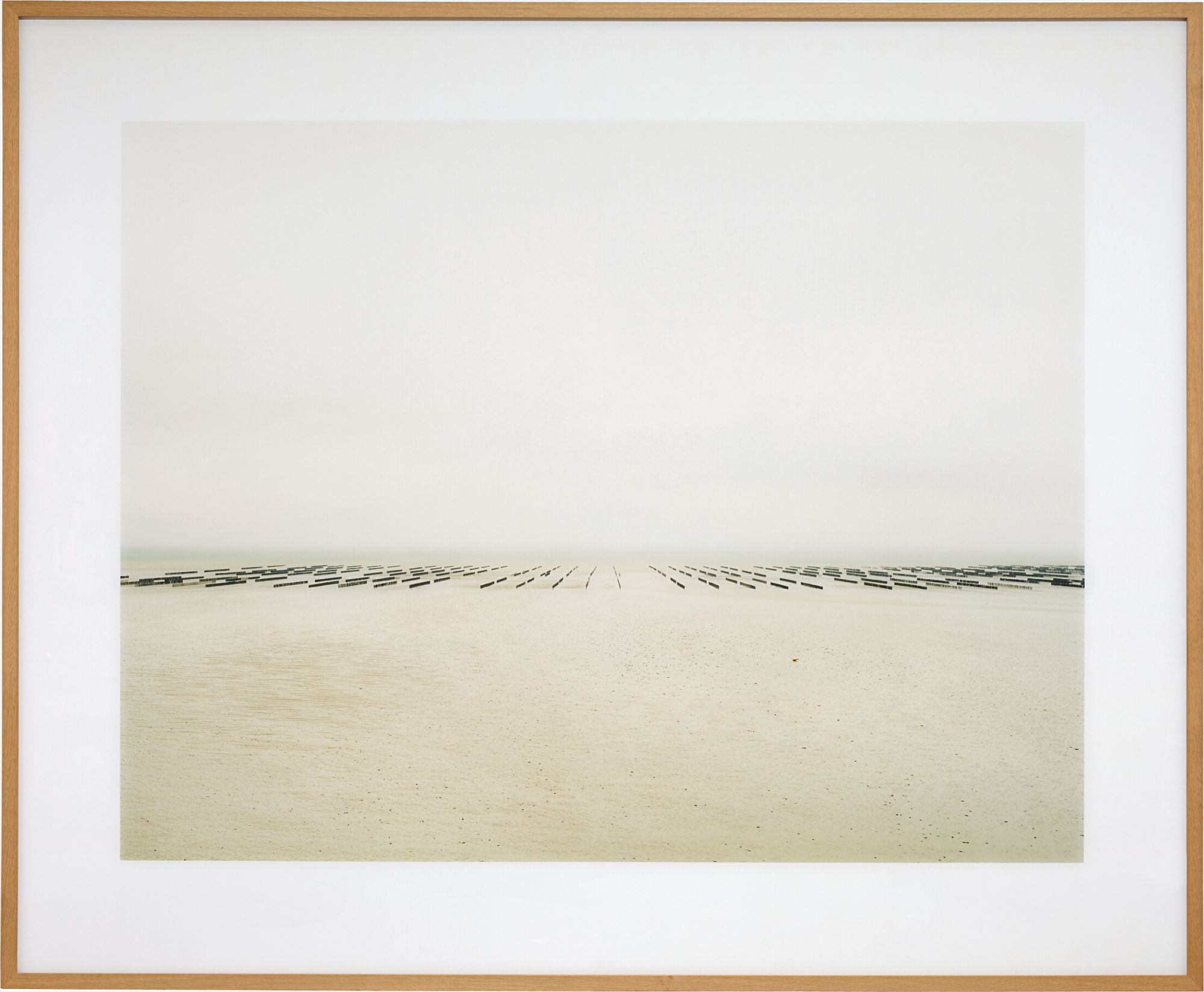
She is well represented on The Collection, and for good reason. Elger Esser occupies a related territory, though his is rooted in landscape rather than portraiture. His large format photographs of rivers, coastlines, and industrial waterways in France and Germany carry a muted luminosity that owes something to Caspar David Friedrich and something to early color photography. The prints are cool, considered, and often slightly overcast in their tonal range.
![Katsushika Hokusai — Kanagawa oki nami ura (Under the well of the Great Wave off Kanagawa) [“Great Wave”]](https://rtwaymdozgnhgluydsys.supabase.co/storage/v1/object/public/artwork-images/auction-lots/japanese-and-korean-art-24346-nyr-lot84.jpg)
Katsushika Hokusai
Kanagawa oki nami ura (Under the well of the Great Wave off Kanagawa) [“Great Wave”]
Esser has been shown extensively at Galerie Johnen in Berlin and collected by major European institutions including the Museum Folkwang in Essen, which has long championed photography that operates in this register. His presence on The Collection reflects the broader institutional appetite for work that treats color as atmosphere rather than statement. The Düsseldorf School more broadly casts a long shadow over the current market enthusiasm for muted, considered tonality. Candida Höfer's interiors, with their cool institutional light and near surgical color control, sit comfortably in this lineage.
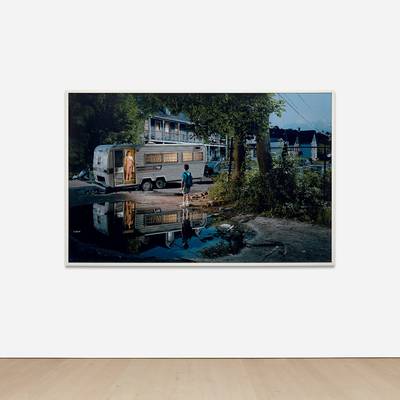
So does the American Gregory Crewdson, whose elaborately staged suburban tableaux drain the color from American vernacular life in a way that feels equal parts cinematic and deeply unsettling. Crewdson's prices at auction have climbed steadily over the past decade, with his large prints achieving six figures at major houses. His 2014 retrospective at the Kunstfoyer in Munich traveled widely and reconfirmed his position as one of the most serious photographers working anywhere. The critical conversation around muted palettes has evolved considerably from the old formalist debates about color theory.
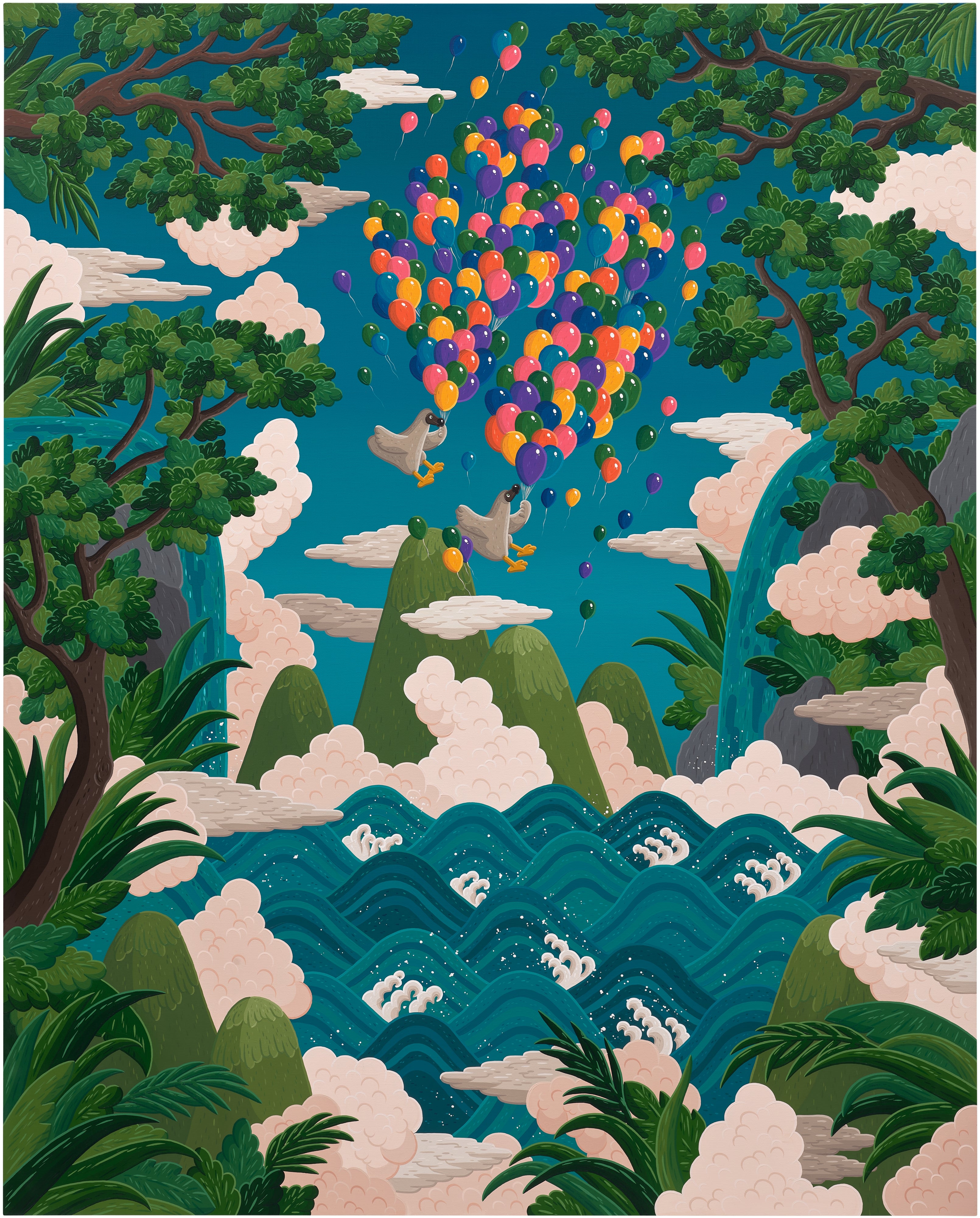
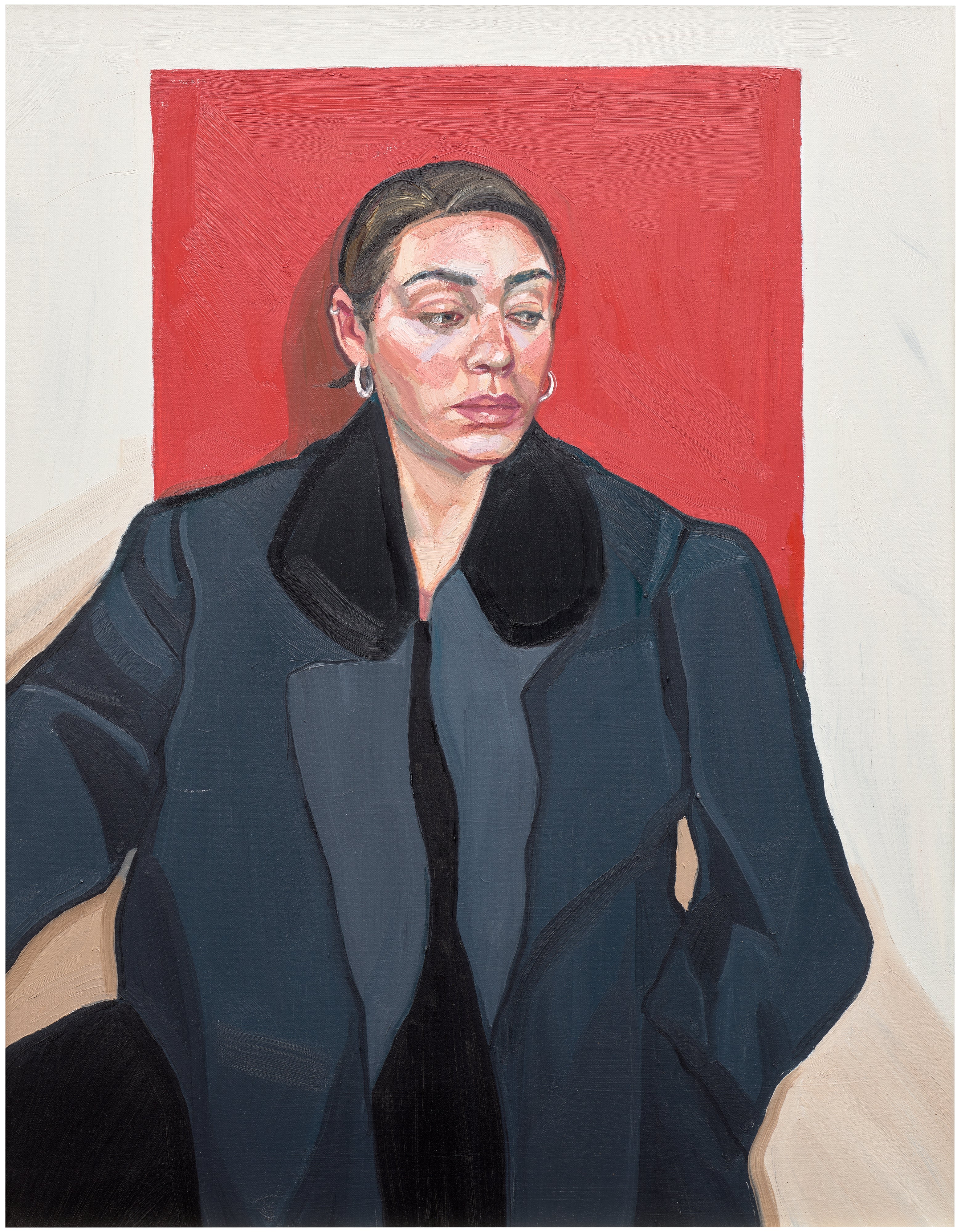
Kim Sunwoo
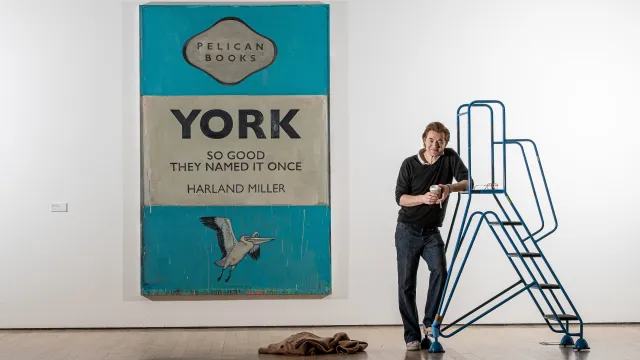
Flight Beyond the Tide, 2025
Writers like Jan Verwoert and curators associated with the Stedelijk Museum Amsterdam have framed the contemporary preference for tonal restraint in terms of emotional register and political atmosphere rather than purely aesthetic preference. There is a growing body of writing that links the muted palette in painting to something like controlled grief, a response to the overwhelming saturation of contemporary visual culture. Luc Tuymans is often the anchor of this argument, and rightly so. His bleached, slightly nauseous paintings carry a moral weight that has nothing to do with drama and everything to do with what is withheld.
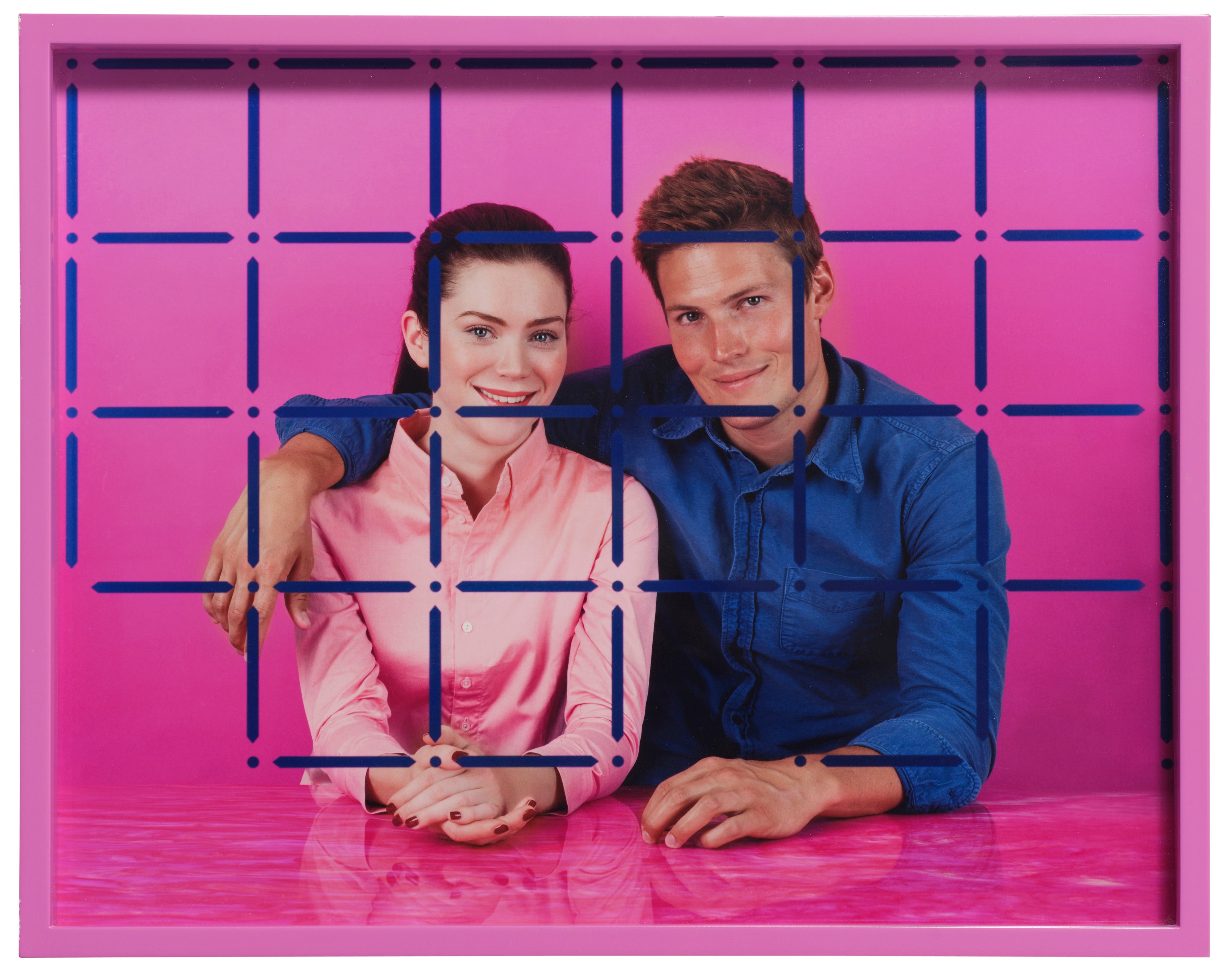
His retrospective at the San Francisco Museum of Modern Art in 2009 remains a landmark, and his market has only strengthened in the years since. Elad Lassry brings a different kind of rigor to this territory. His photographs, often presented in colored frames that function as part of the work itself, use desaturation and tonal flatness as conceptual tools rather than atmospheric ones. He is less concerned with mood than with the mechanics of how we read images, and the muted palette becomes a way of slowing that reading down.
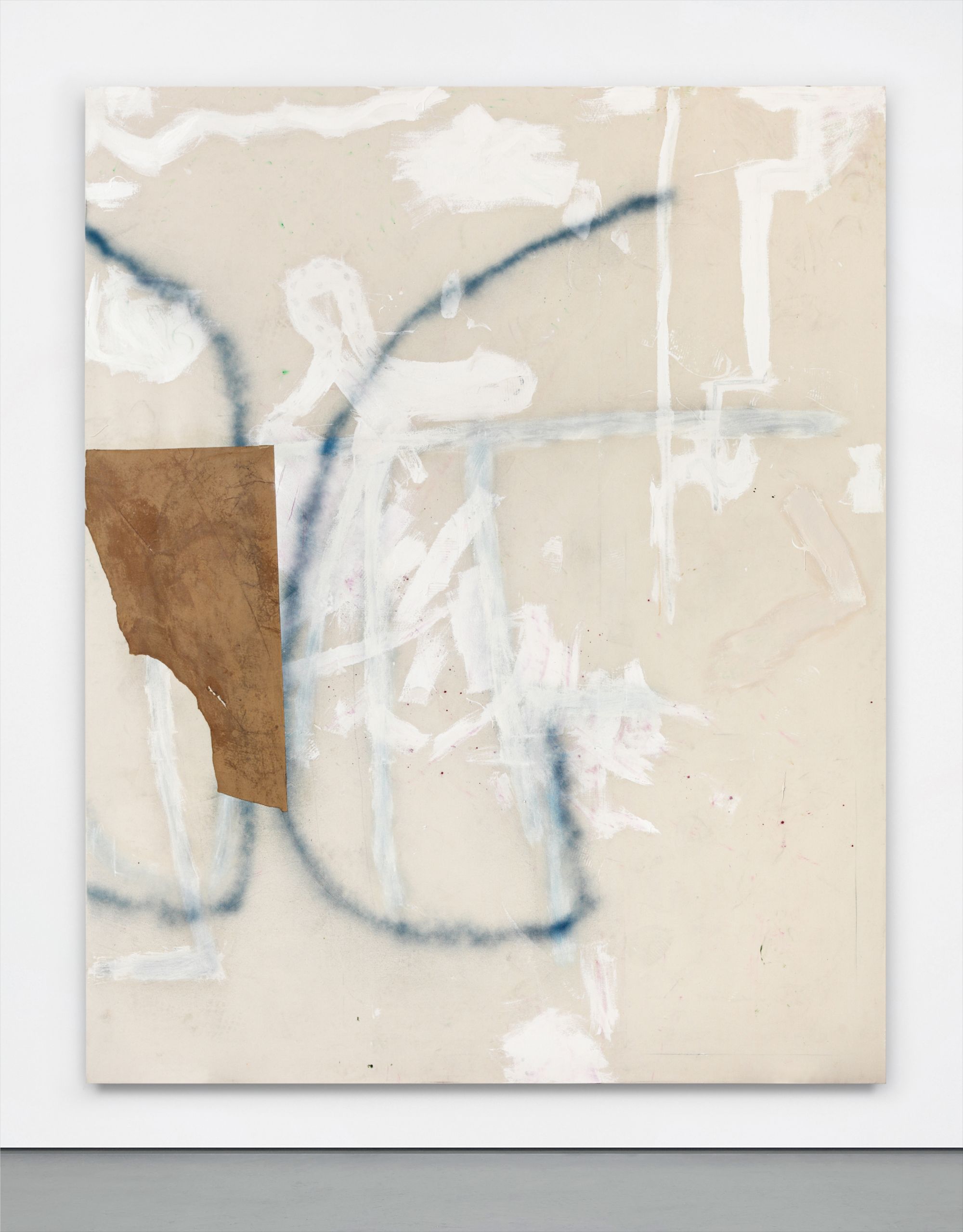
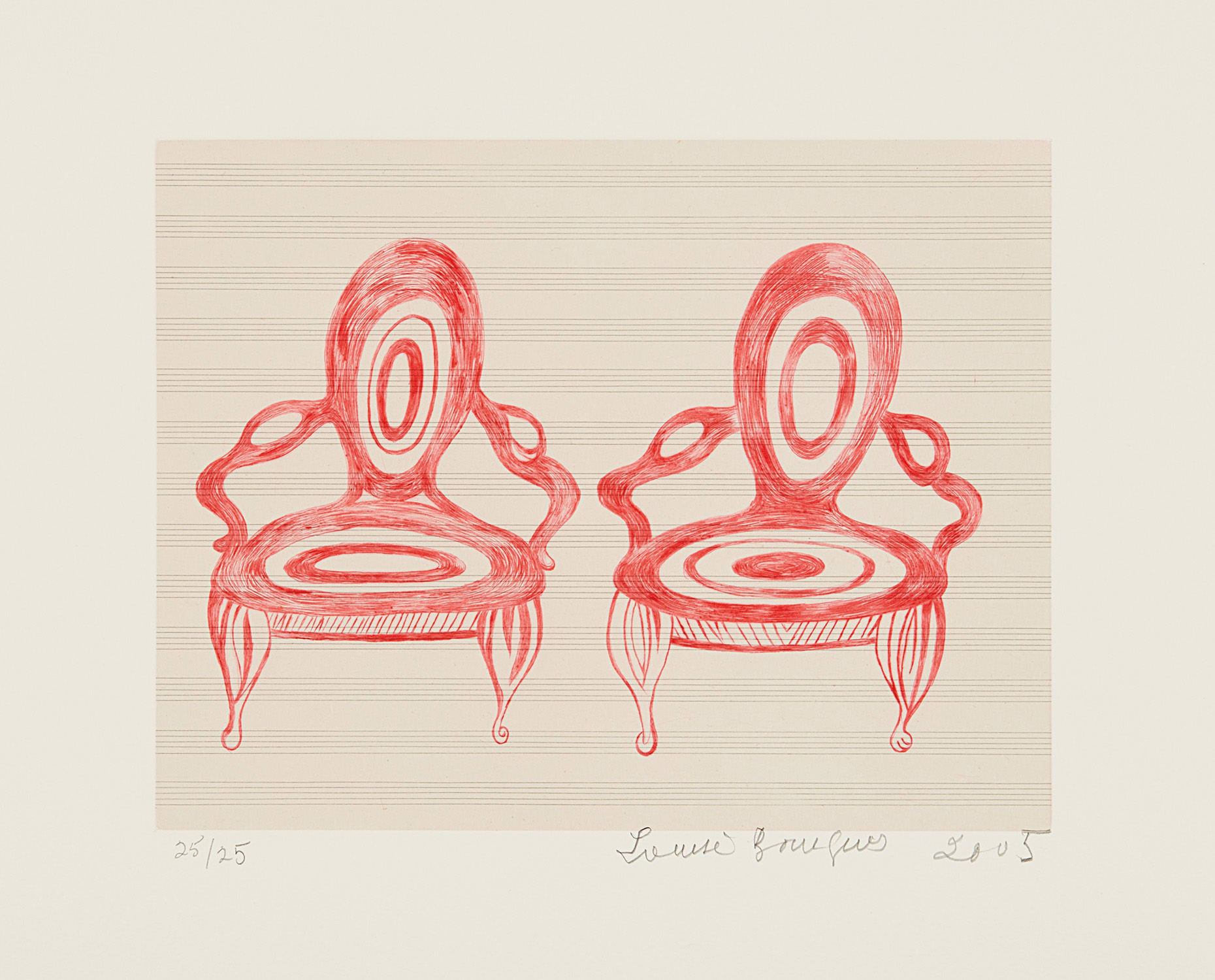
David Ostrowski
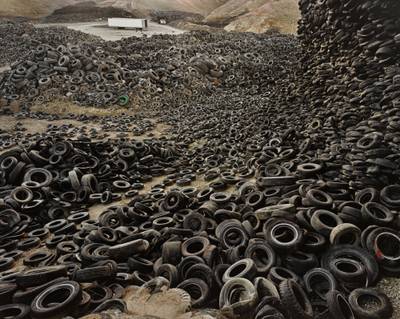
F (Bilder die Ähnlichkeit haben mit meinem Vater), 2012
His work has been collected by institutions including the Museum of Contemporary Art Los Angeles and the Whitney Museum of American Art. Alec Soth, working in a more documentary tradition but with the same sensitivity to color temperature, uses muted midwestern light as a kind of subject in itself. His Sleeping by the Mississippi series, first published in 2004 by Steidl, remains one of the defining photobooks of its era precisely because of how it treats color as emotional weather. The energy right now is heading somewhere interesting and slightly unexpected.
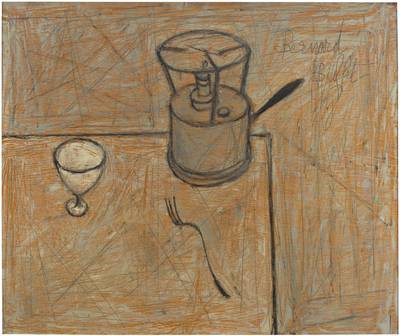
Painters like Peter Doig, whose Caribbean and northern landscapes operate through a kind of chromatic fog, are commanding extraordinary prices at auction while also being embraced by younger collectors who find in his work a bridge between the historical and the contemporary. Bernard Buffet, long underestimated by the international market, is experiencing a genuine reappraisal, with his grey and black dominated figurative paintings finding new homes in collections that previously overlooked him entirely. The muted palette is no longer coded as melancholy or minor. It has become, for a generation of collectors who have looked carefully at Richter and Tuymans and Lux, a marker of depth, seriousness, and the particular kind of ambition that does not announce itself until you have been in the room with it long enough.