Maximalism
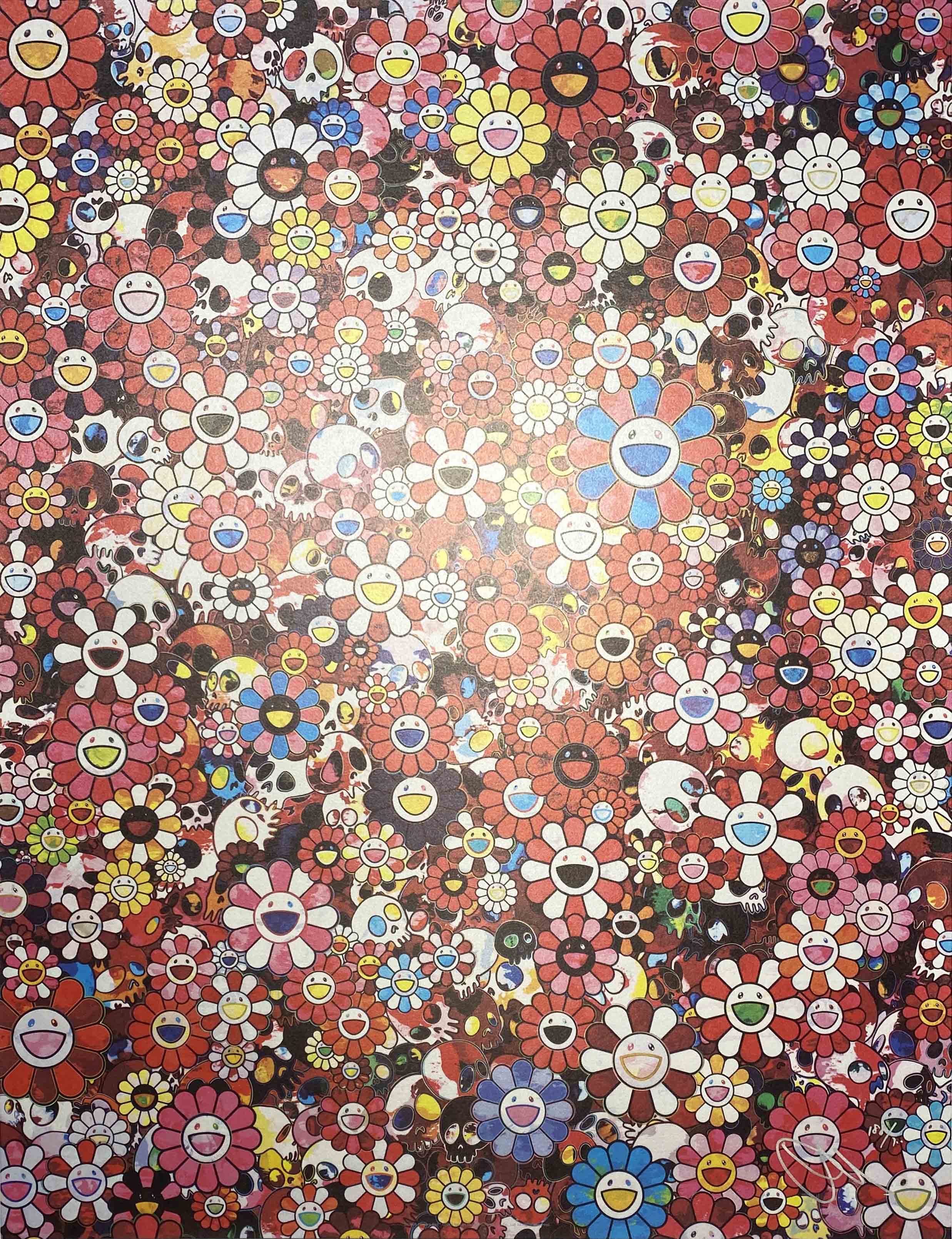
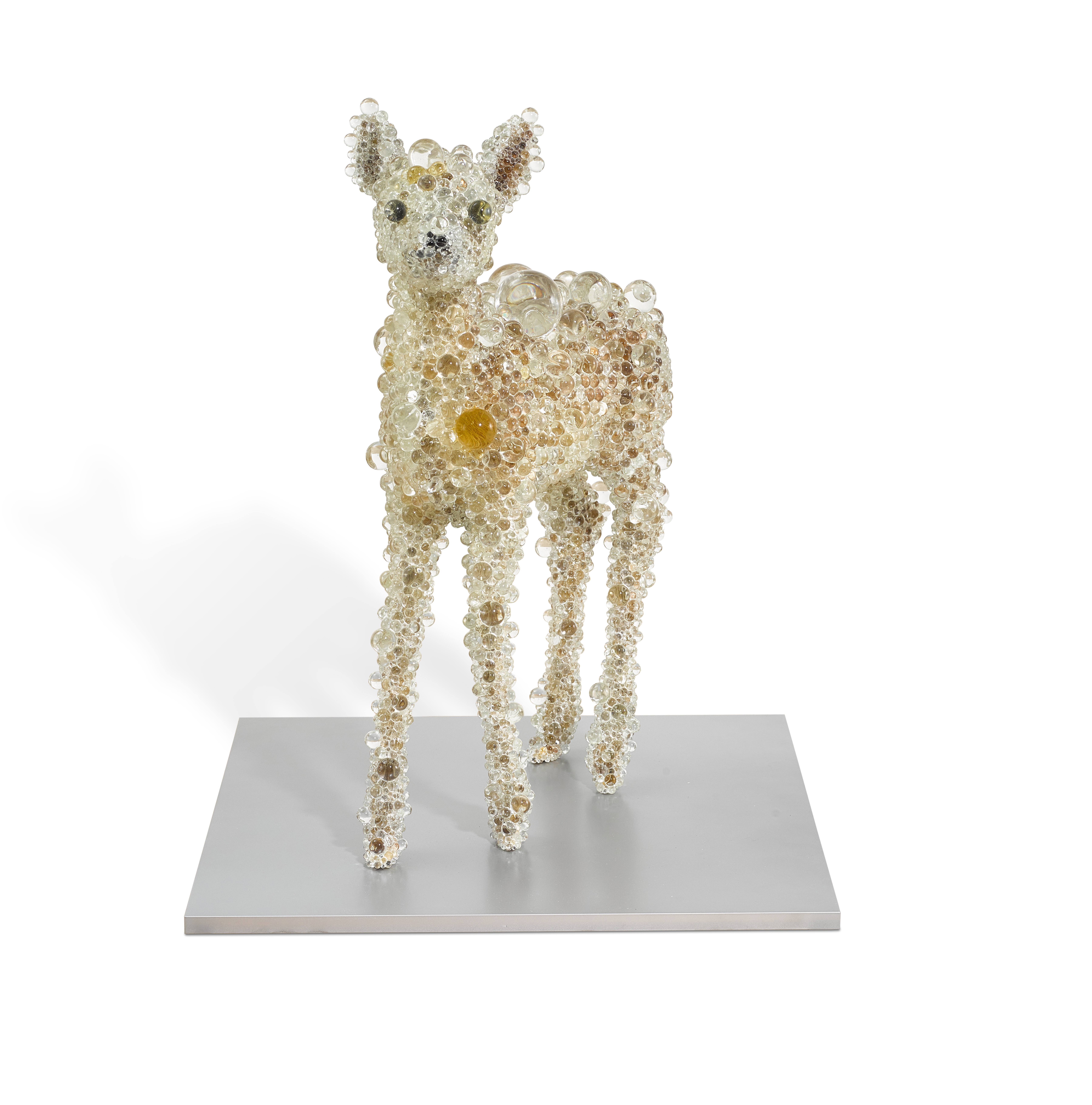
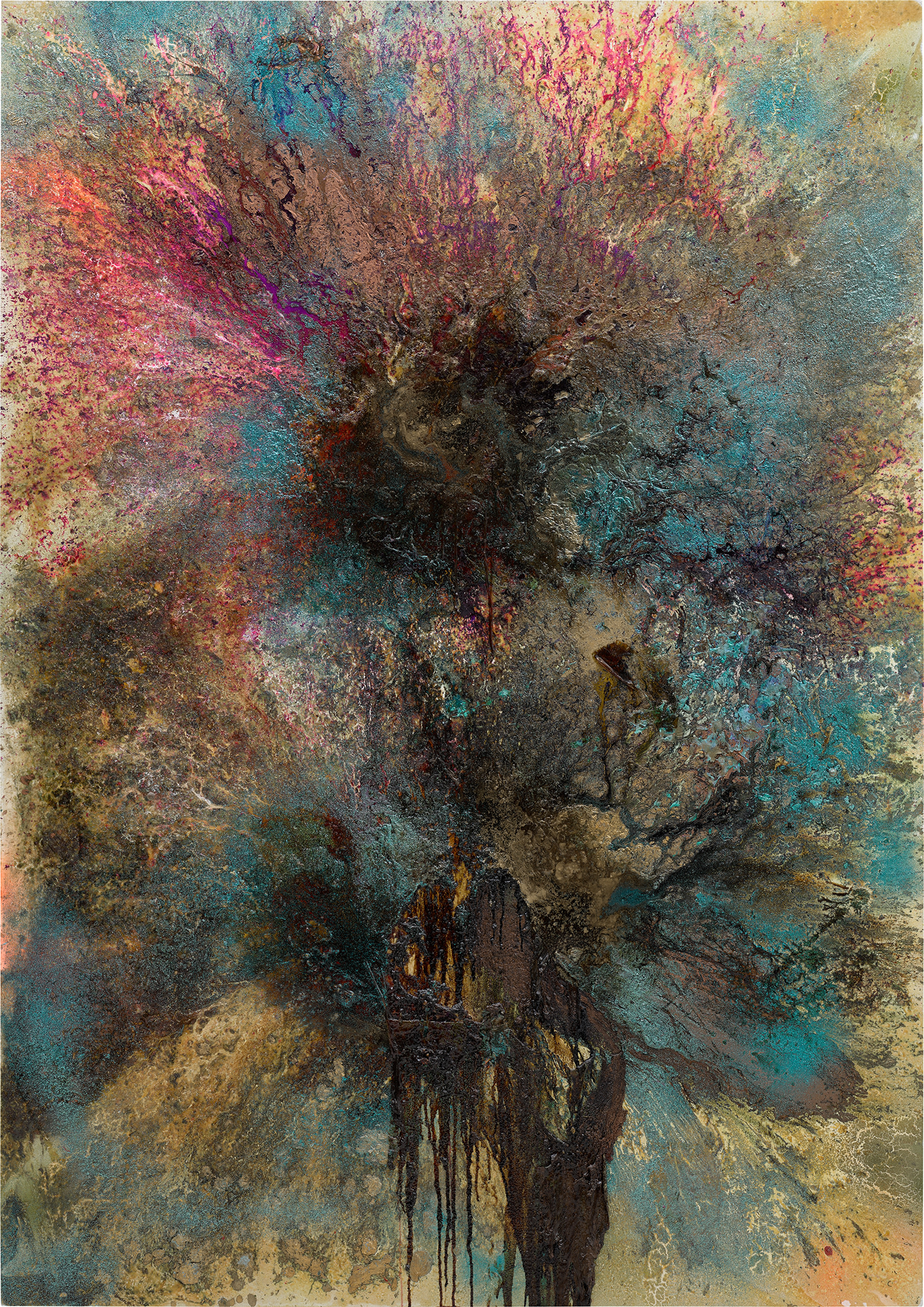
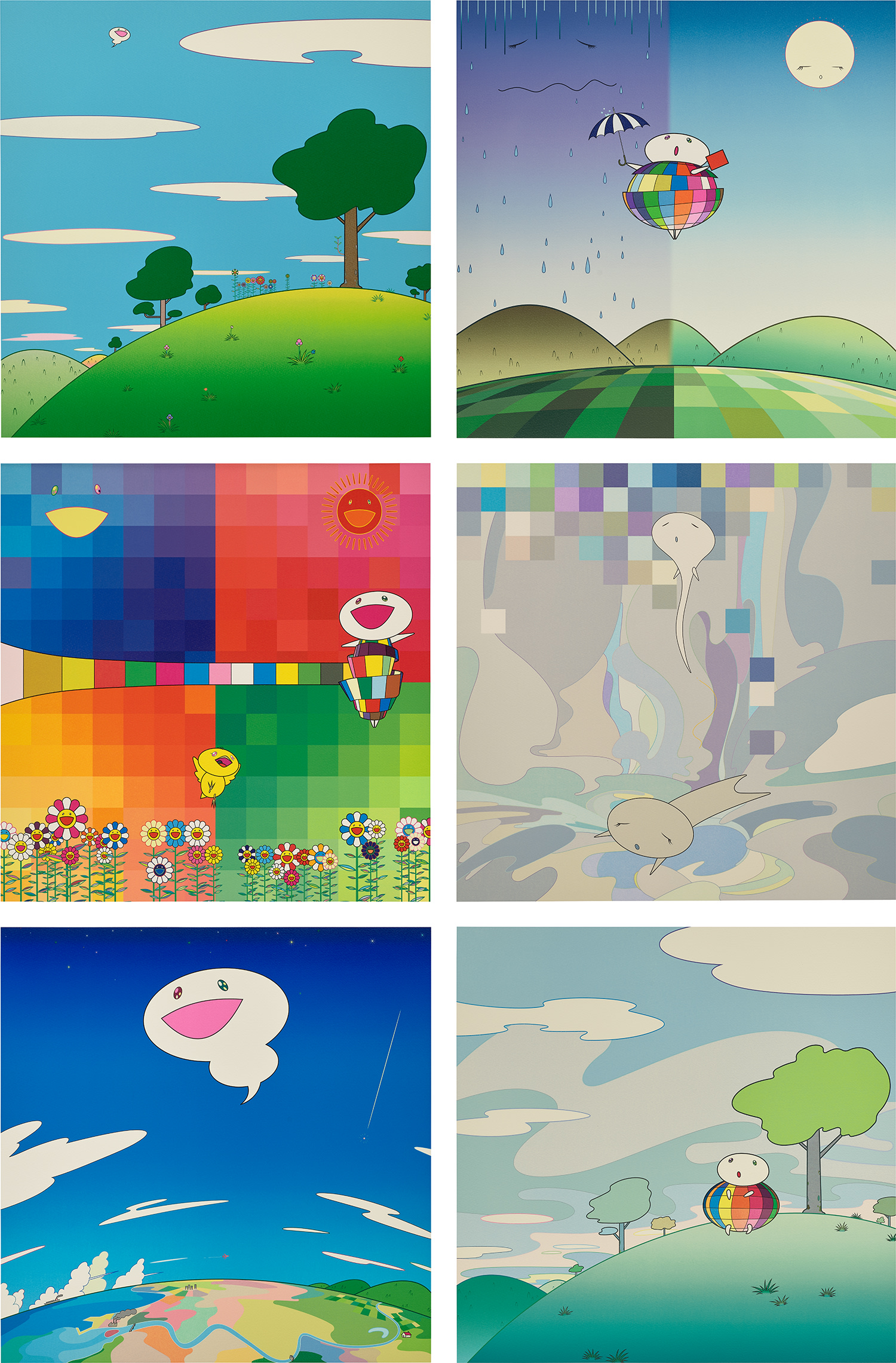
Takashi Murakami
Skulls & Flowers Red, 2013
More Is More: Maximalism Reclaims the Wall
There is a particular kind of audacity in the decision to add one more thing. One more color, one more pattern, one more layer of meaning pressed into a surface already straining with information. Maximalism is not merely an aesthetic preference or a stylistic tic. It is a philosophical position, an insistence that the world is dense and contradictory and beautiful and that art should be too.
In a century that spent decades worshipping the void, the grid, and the reduction of form to its barest essence, maximalism arrived again and again like an uninvited guest who turned out to be the most interesting person in the room. The historical roots of maximalism reach far back, well before the word itself became useful critical shorthand. The Baroque period, with its swelling drapery and gilded ceilings and theatrical light, established the foundational argument: that excess could be a form of truth. The Symbolists of the late nineteenth century loaded their canvases with allegory and atmosphere, resisting the clean clarity that academic painting demanded.
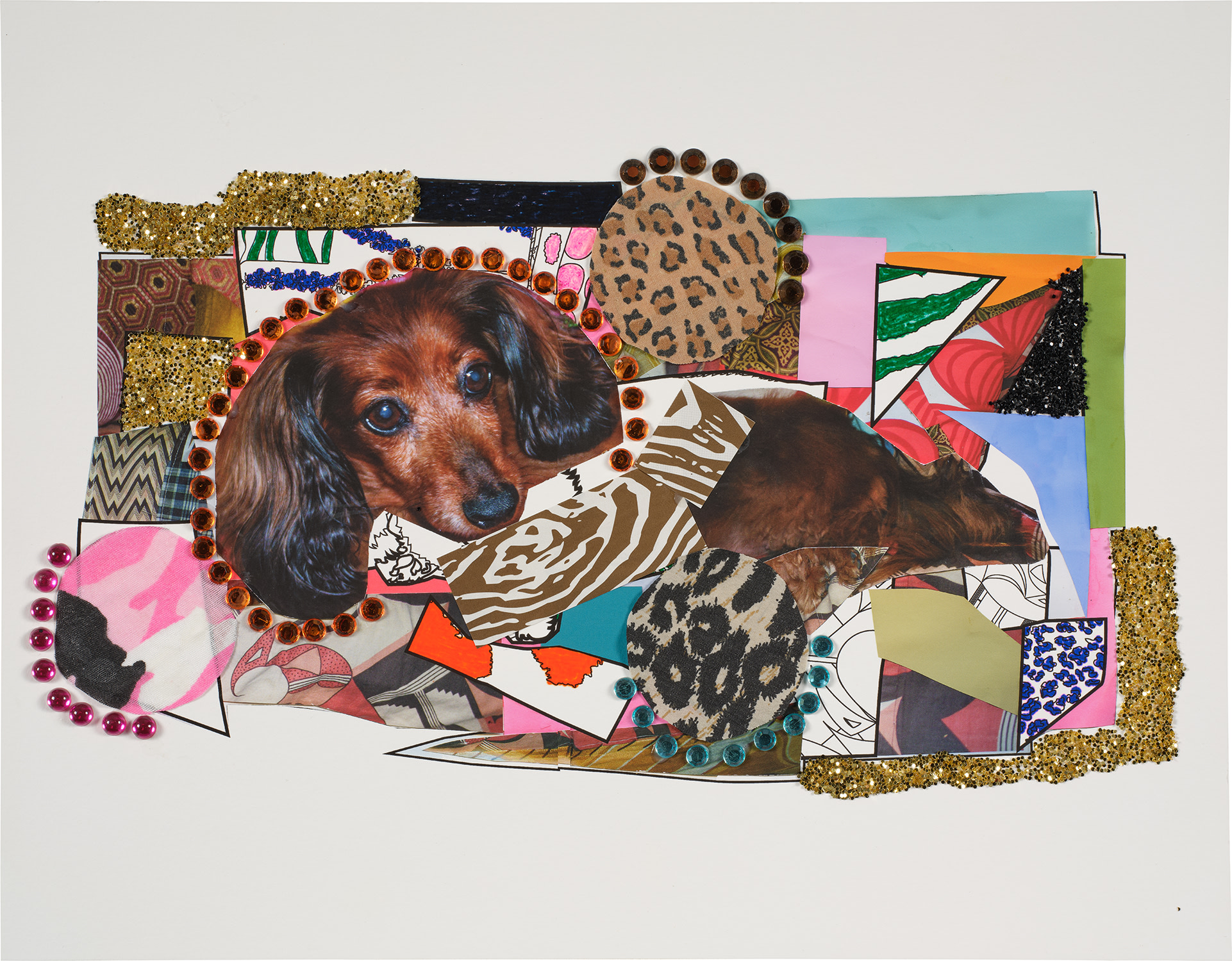
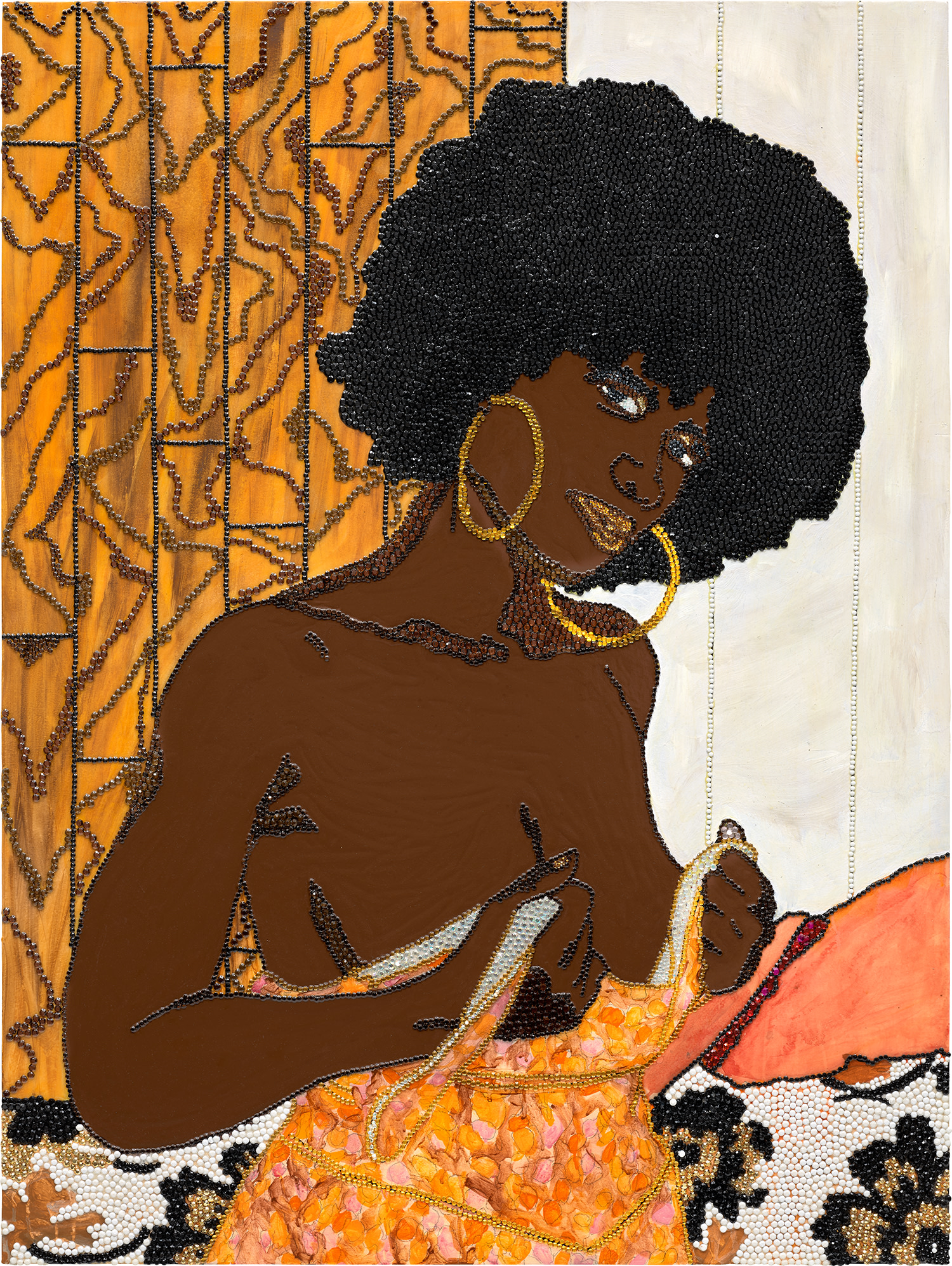
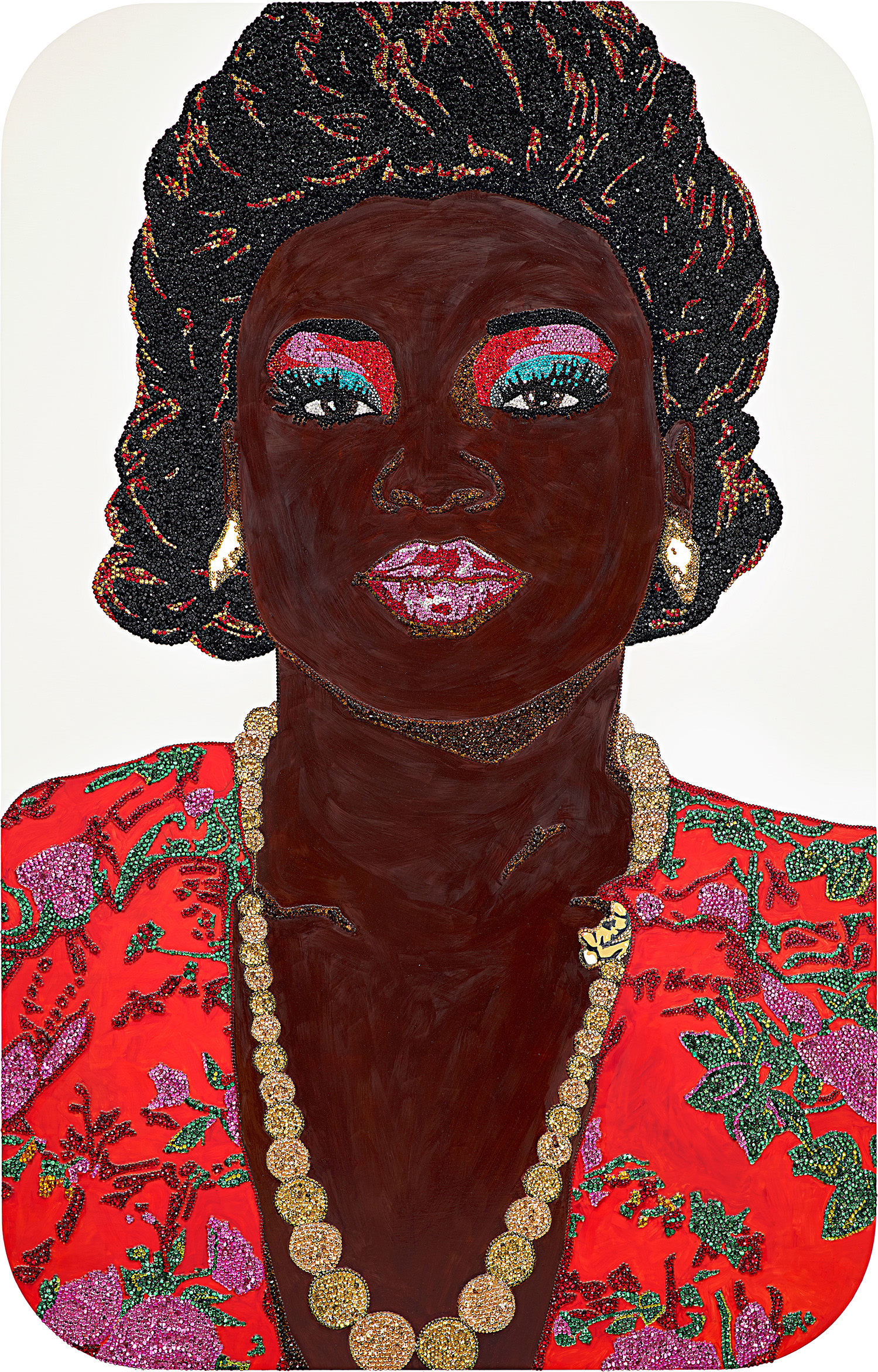
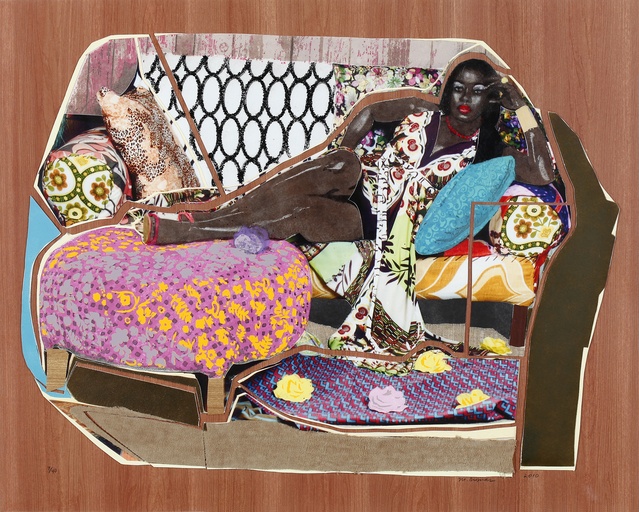
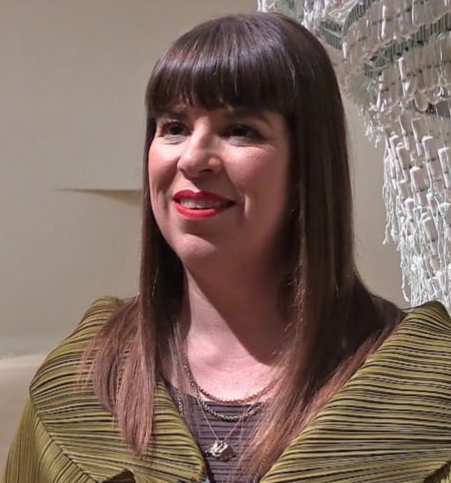
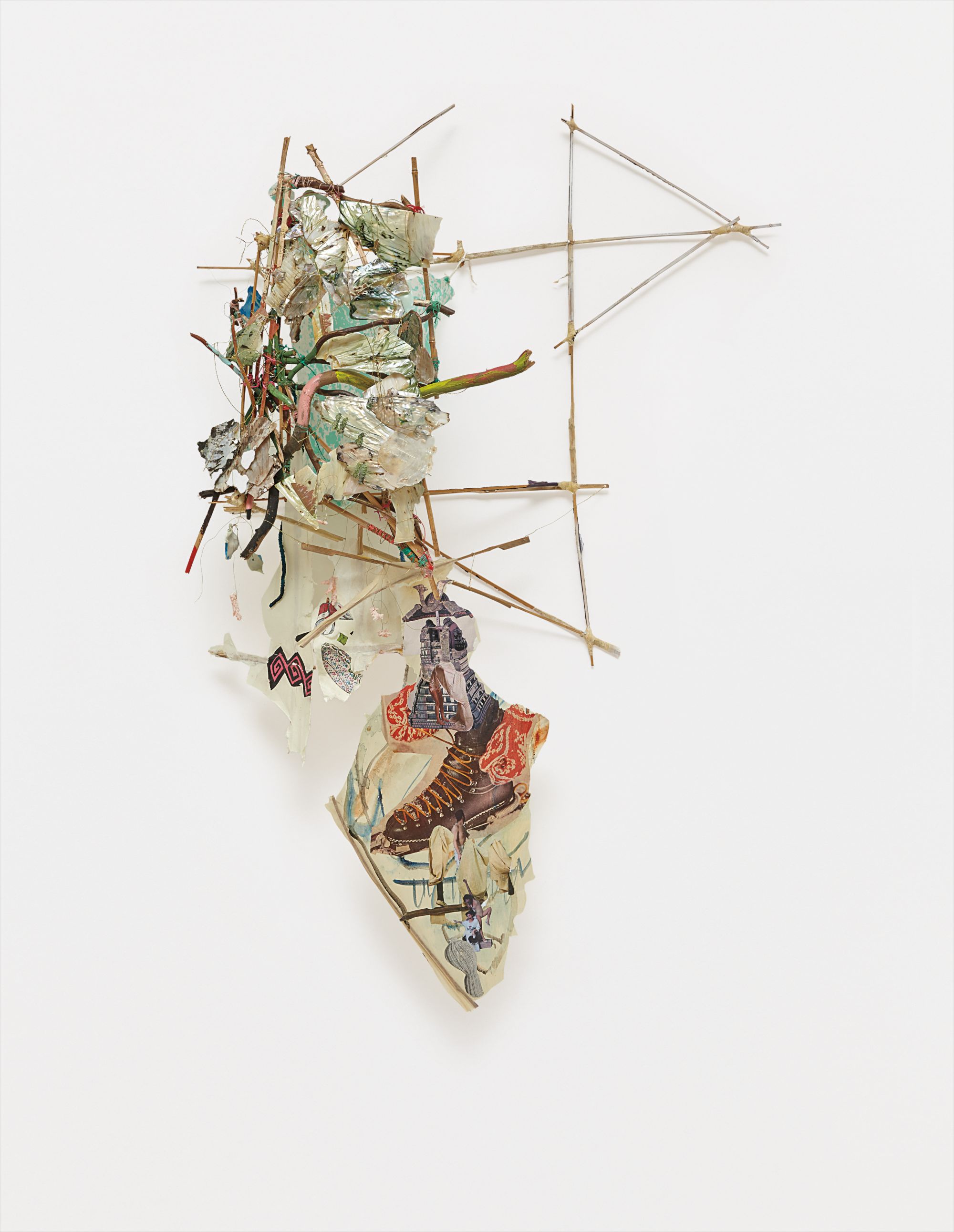
Mickalene Thomas
Portrait de Priscilla la Petite Chienne Deux :)
Even the Surrealists, ostensibly interested in the unconscious rather than ornamentation, produced work of extraordinary accumulative density. But it was the 1960s and 1970s that gave maximalism its modern grammar, as artists across movements began to push back against the austerity of Minimalism with an almost gleeful determination to overwhelm. Pattern and Decoration, the movement that cohered in New York around 1975, is perhaps the most explicit ancestor of contemporary maximalist practice. Artists like Miriam Schapiro and Robert Kushner drew deliberately on craft traditions, textile history, and decorative arts that the dominant culture had dismissed as feminine or minor.
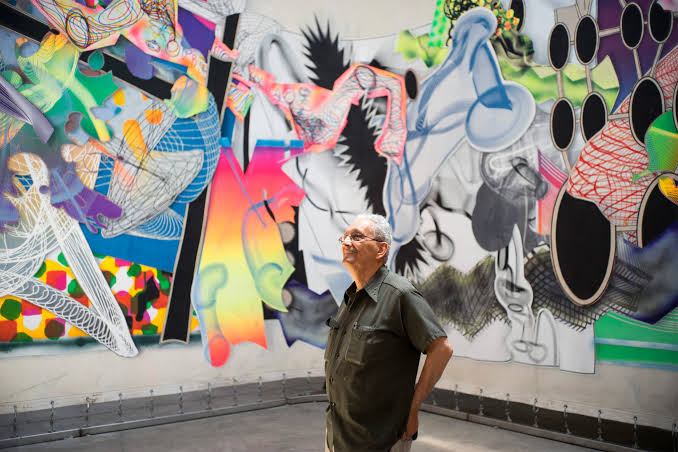
They argued that all surfaces carried meaning, that ornament was not crime but language. At the same moment, artists like Frank Stella were completing a remarkable transformation, moving from the rigorous shaped canvases of the early 1960s toward an explosion of layered, projecting, brazenly ornate relief structures that confused and thrilled critics in equal measure. Stella's later work, with its aluminum and fiberglass forms colliding in space, remains one of the most intellectually serious cases for maximalism ever made. What defines maximalist work, technically and conceptually, is an insistence on accumulation as methodology.
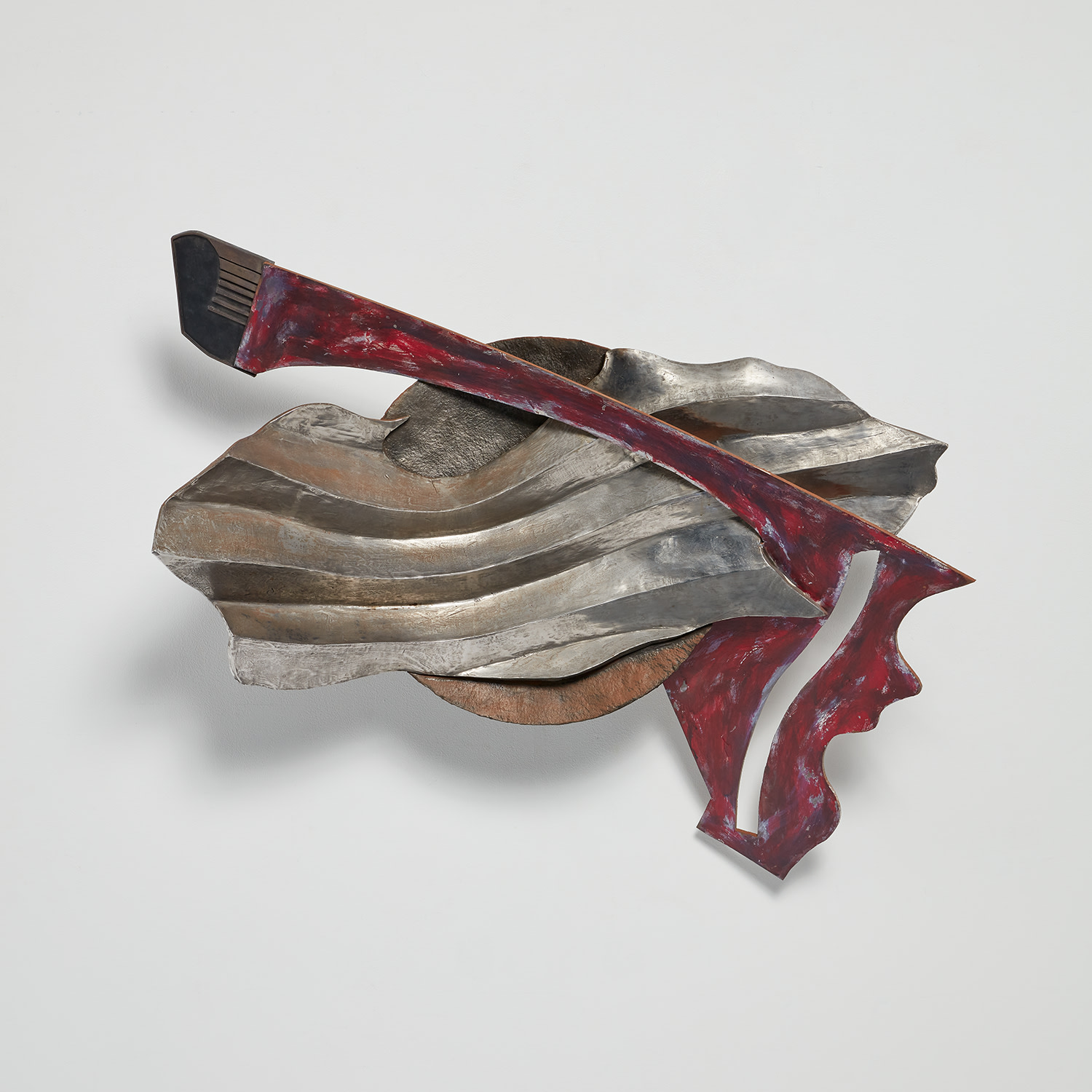
Frank Stella
Stubb's Supper (S-1, 1X), 1986
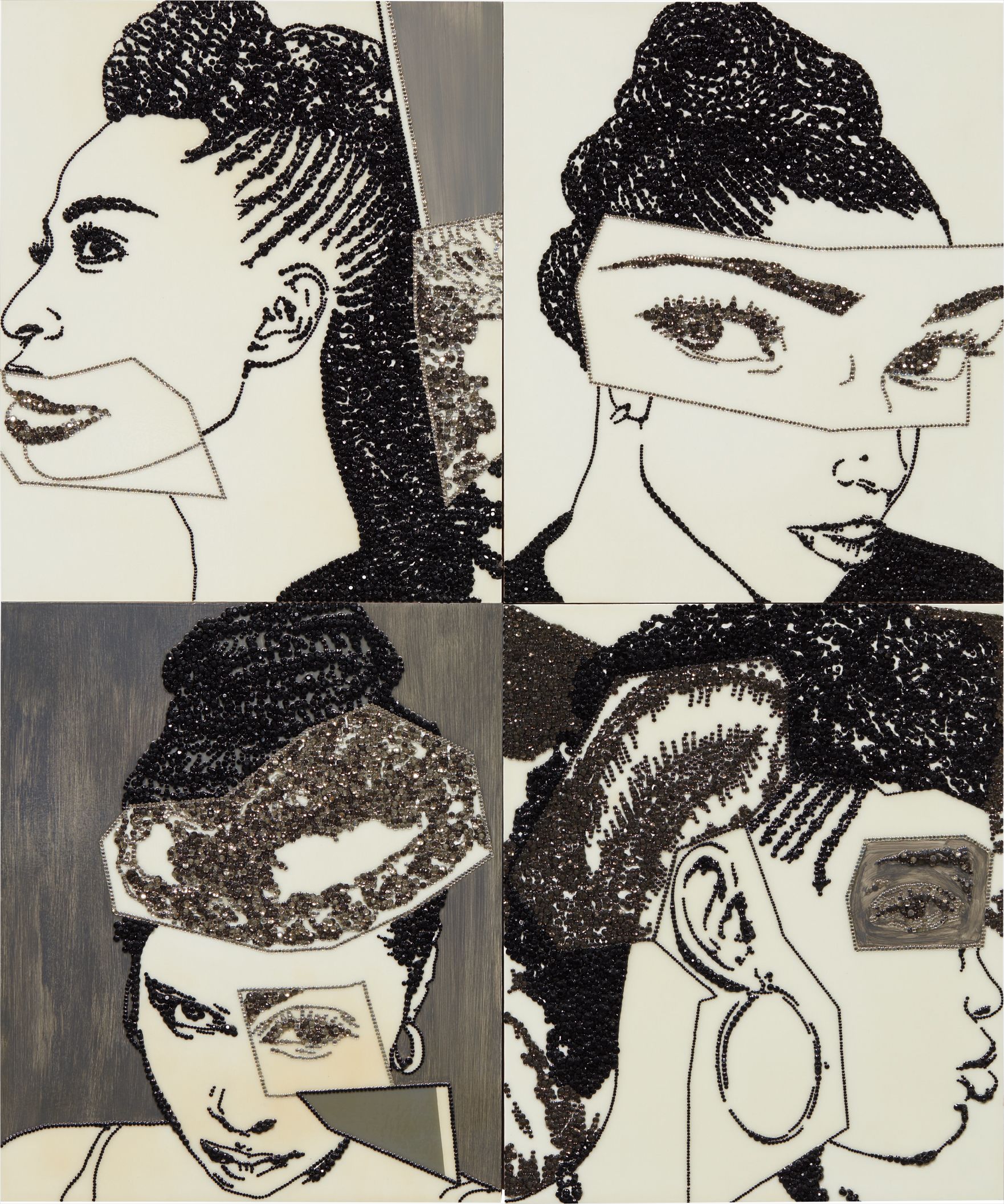
This can mean the literal piling up of materials, as in the extraordinary beaded environments of Liza Lou, whose painstaking surfaces transform labor itself into spectacle. It can mean the collision of references across time and culture, which is central to the practice of Mickalene Thomas, whose rhinestone encrusted portraits fuse art historical quotation with Black feminine experience in compositions that demand sustained looking. It can also mean the aggressive layering of imagery until pictorial space becomes something closer to archaeology, which is the territory Fred Tomaselli has long explored through his resin sealed collages of pills, leaves, and printed matter. The technique varies enormously but the underlying logic is consistent: meaning is generated through density, not despite it.
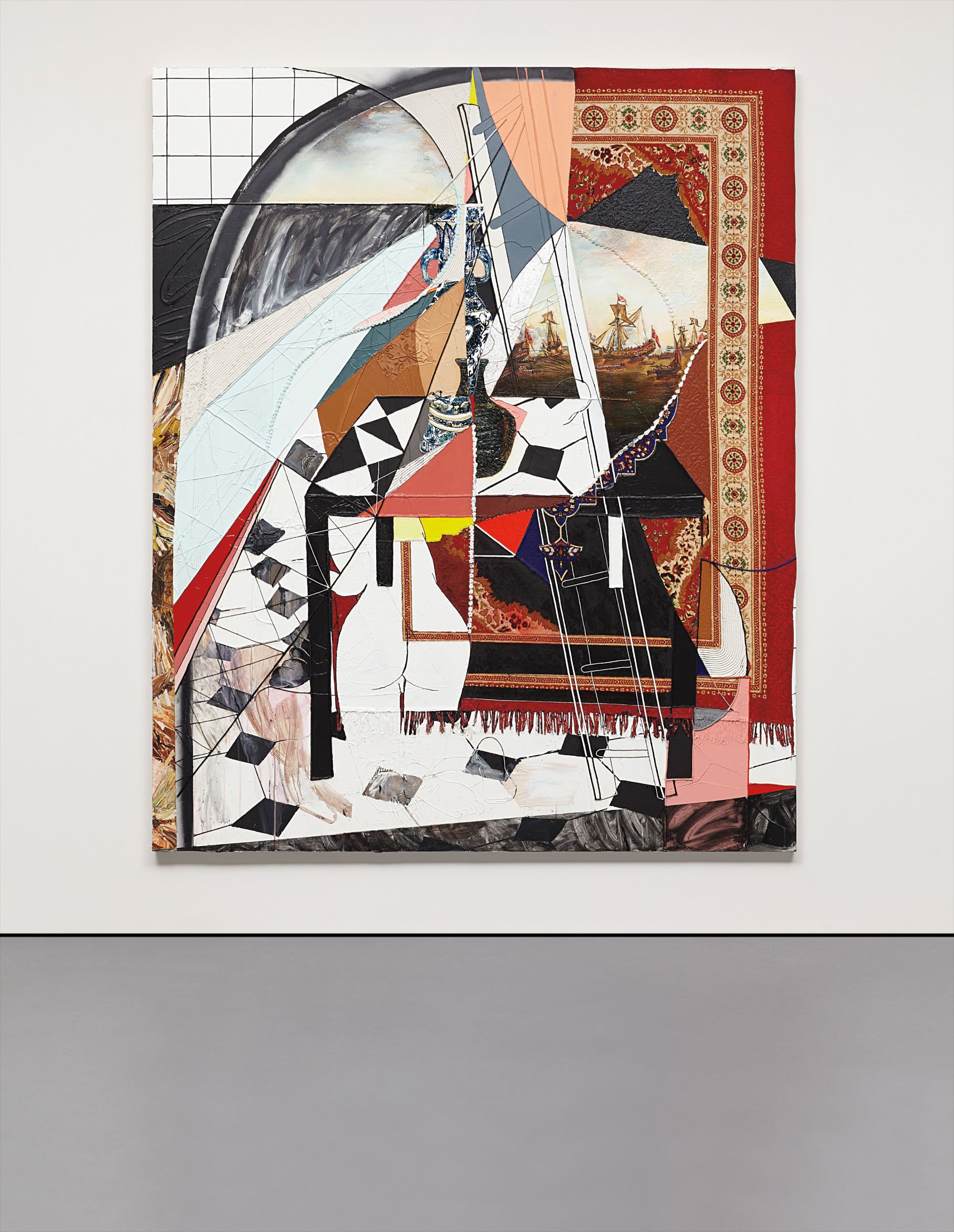
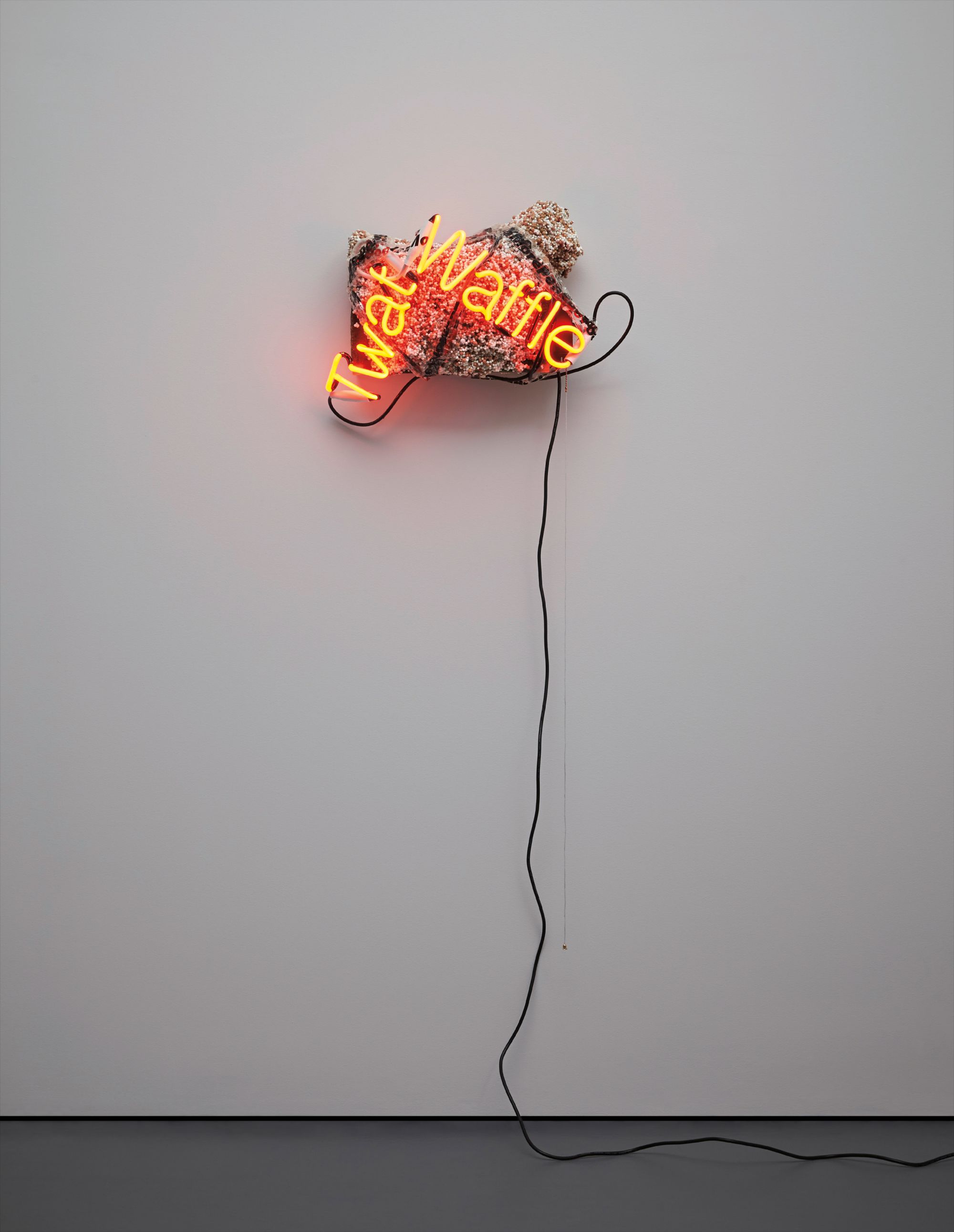
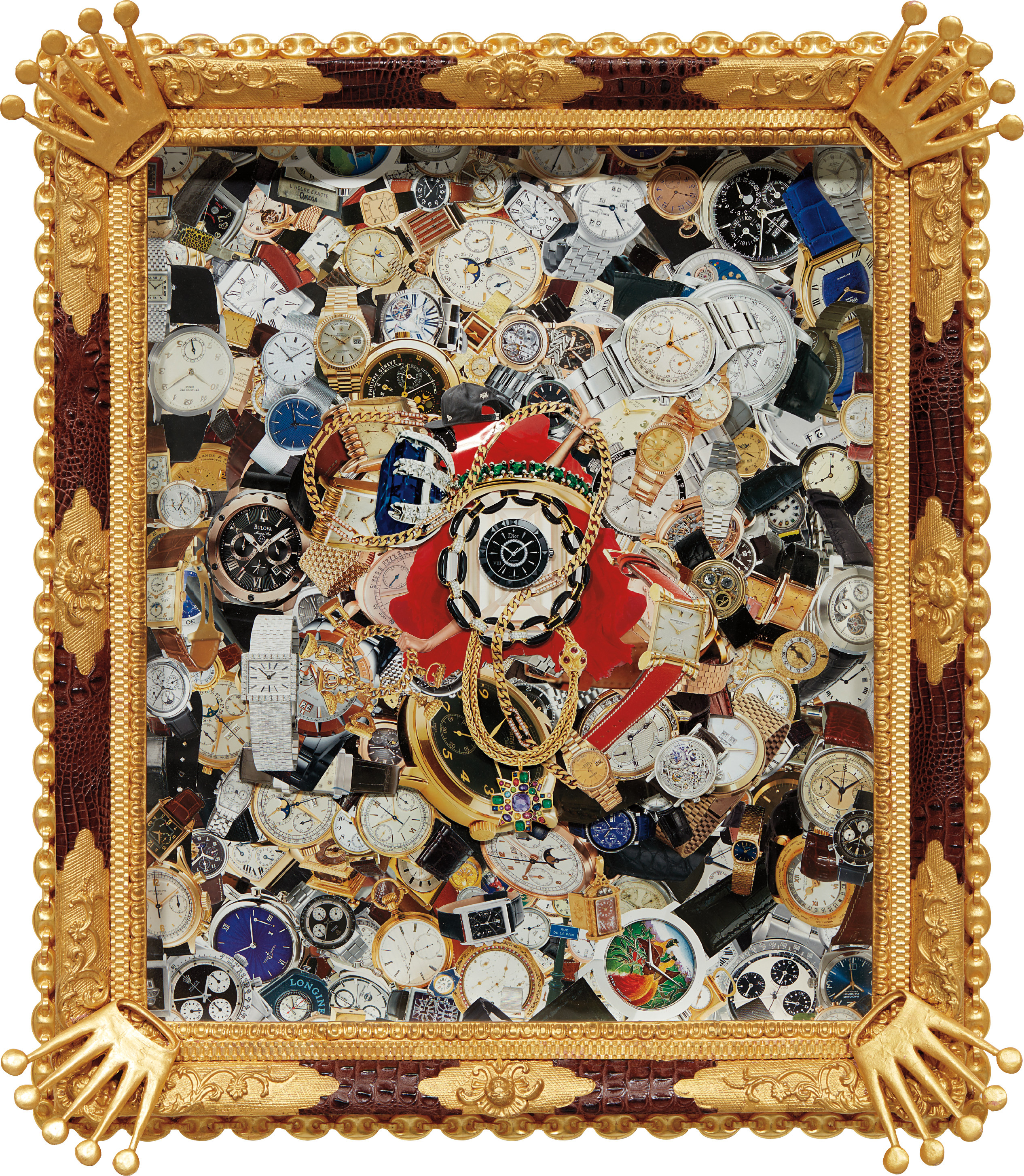
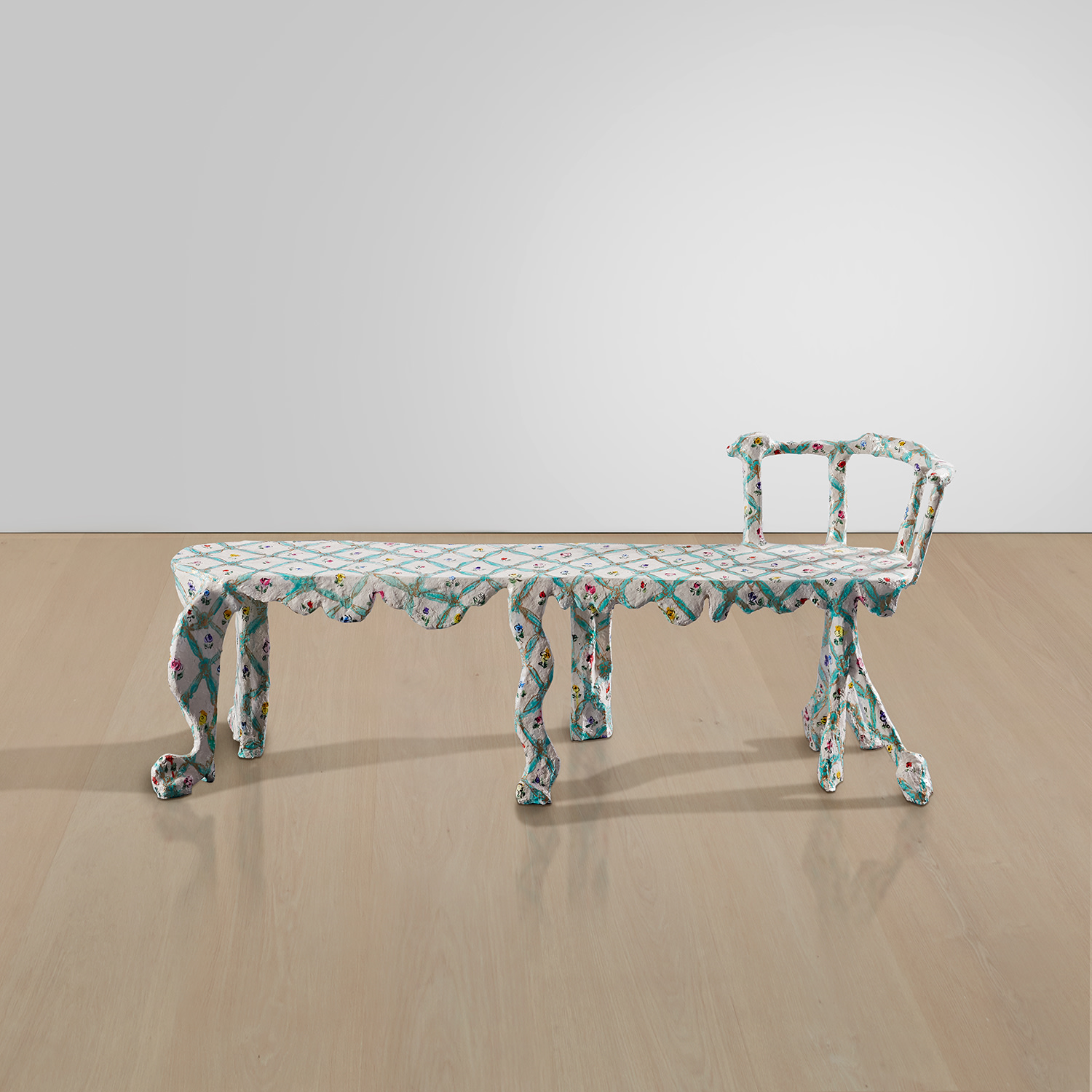
The institutional embrace of maximalism has accelerated considerably since the early 2000s. Takashi Murakami's 2007 retrospective at the Los Angeles Museum of Contemporary Art, accompanied by a Louis Vuitton boutique operating inside the museum itself, announced that the maximalist impulse had fully absorbed the language of consumer culture and was wielding it back against itself. Joana Vasconcelos, the Portuguese artist whose monumental installations fill entire rooms with crocheted, tiled, and bejeweled fabrications, gained enormous visibility at the Palace of Versailles in 2012, a pairing that felt almost too perfect given the palace's own baroque excess. John Armleder, the Swiss artist whose Furniture Sculptures and wildly patterned Pour Paintings have accumulated since the 1980s, has long been a critical figure in European maximalism, working the line between critique and sincere pleasure with characteristic wit.
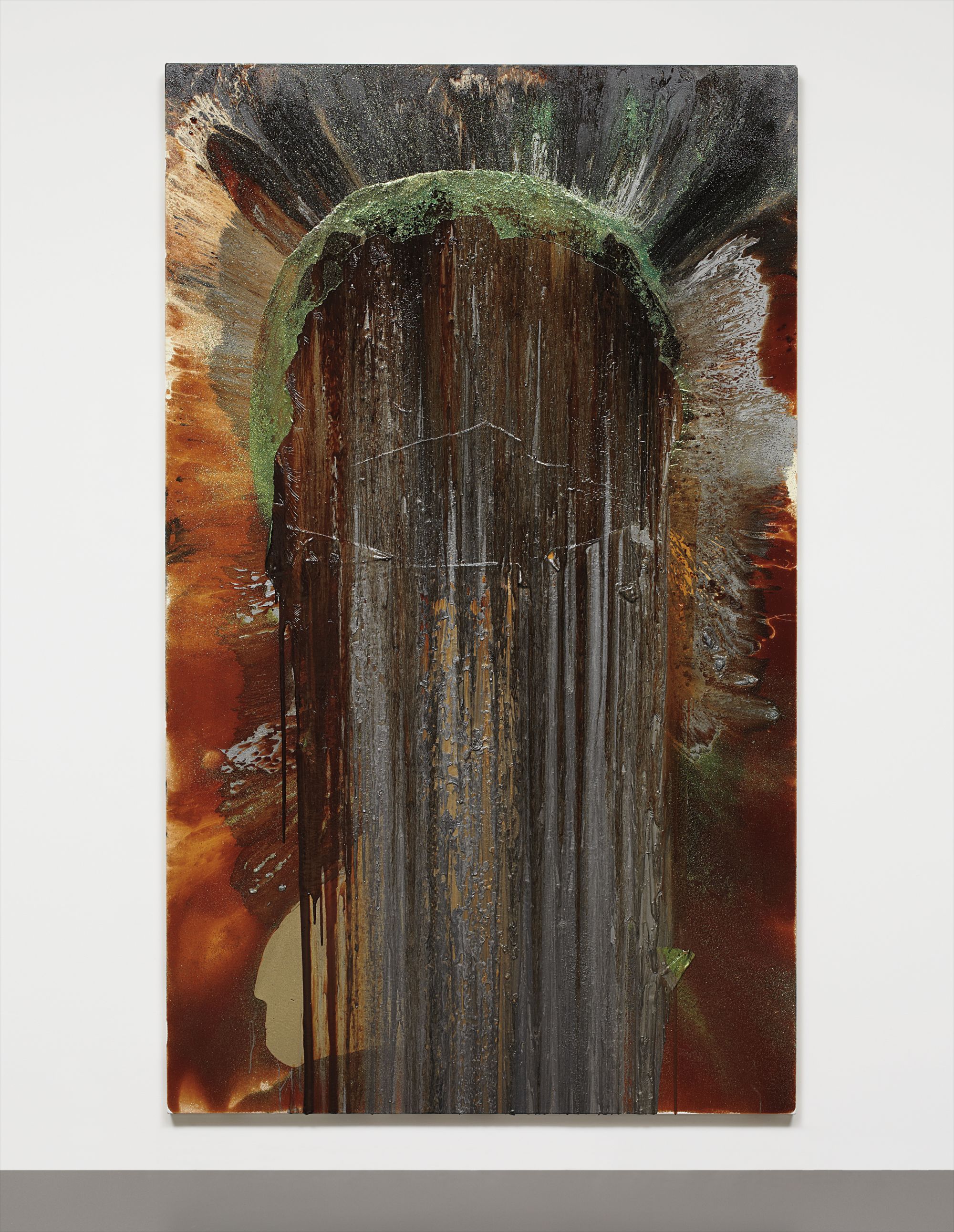
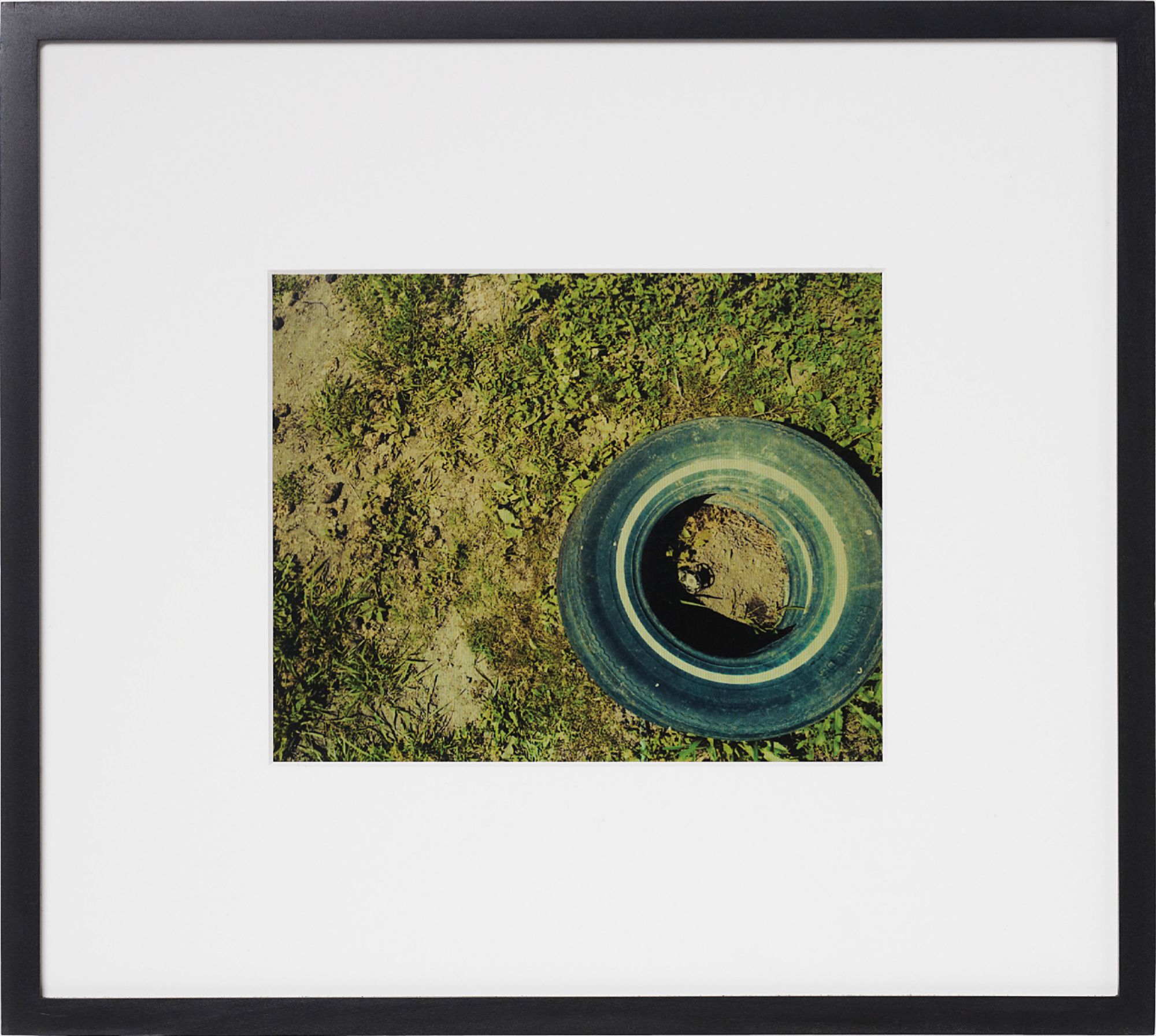
John Armleder
La Cantina dei Pescatori
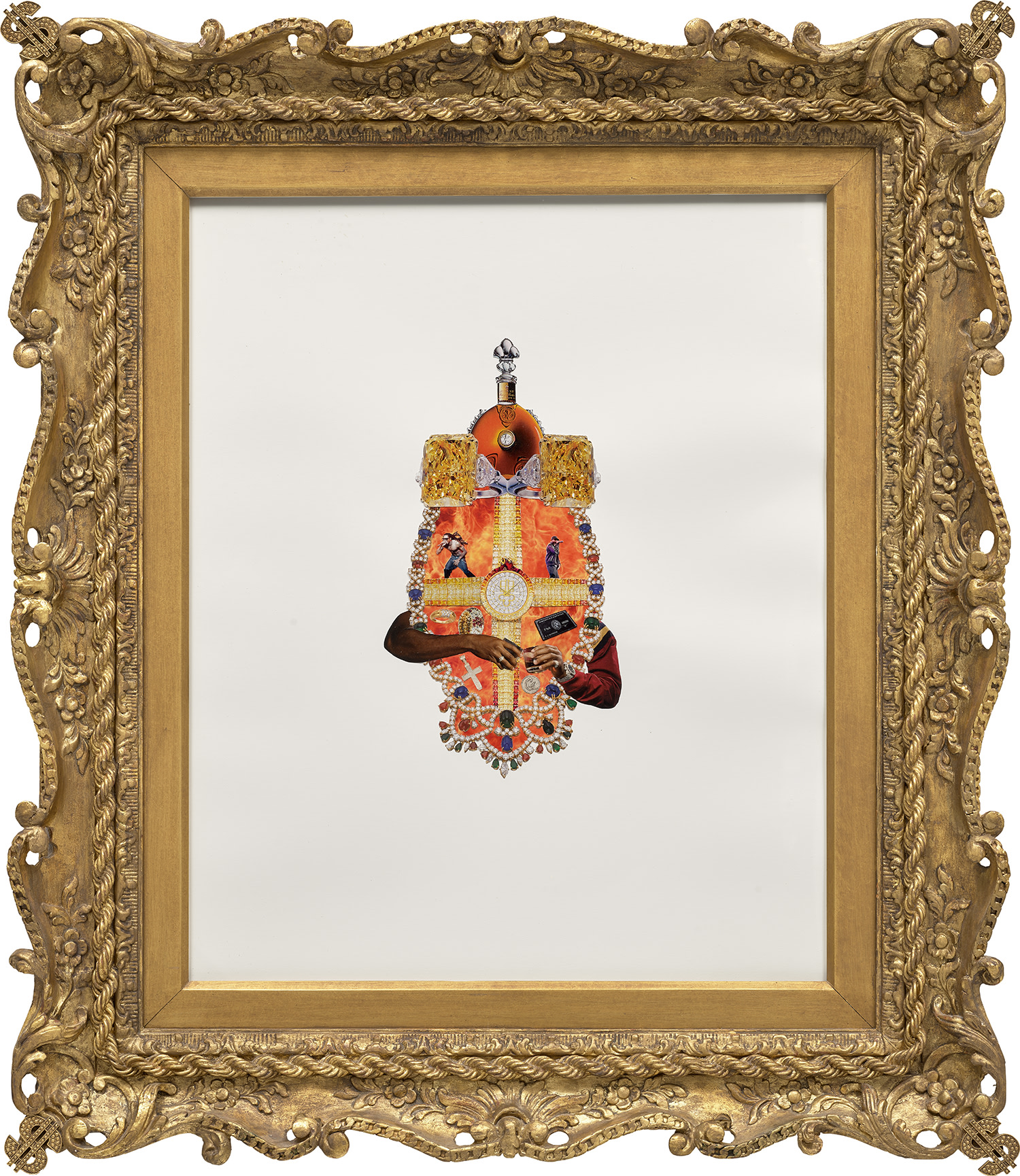
There is also a political dimension to maximalism that deserves careful attention. For artists navigating questions of identity, representation, and cultural belonging, the refusal of minimalist restraint can be an act of resistance. Rashaad Newsome's work, which draws on vogueing culture, heraldry, and hip hop, constructs visual systems of such complexity that they require new frameworks to understand. Elliott Hundley's densely collaged and pinned surfaces, which reference ancient Greek drama alongside contemporary imagery, suggest that no single perspective can hold the complexity of human experience.
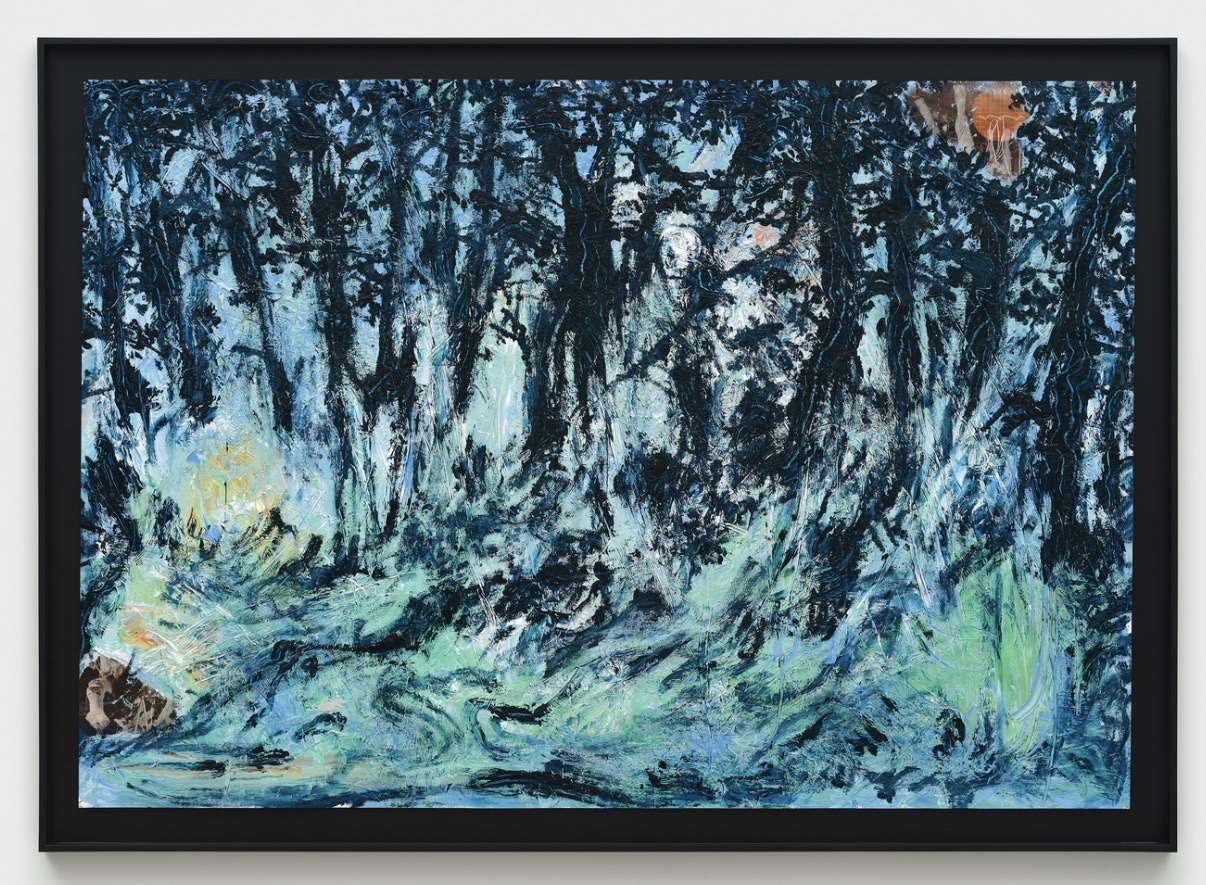
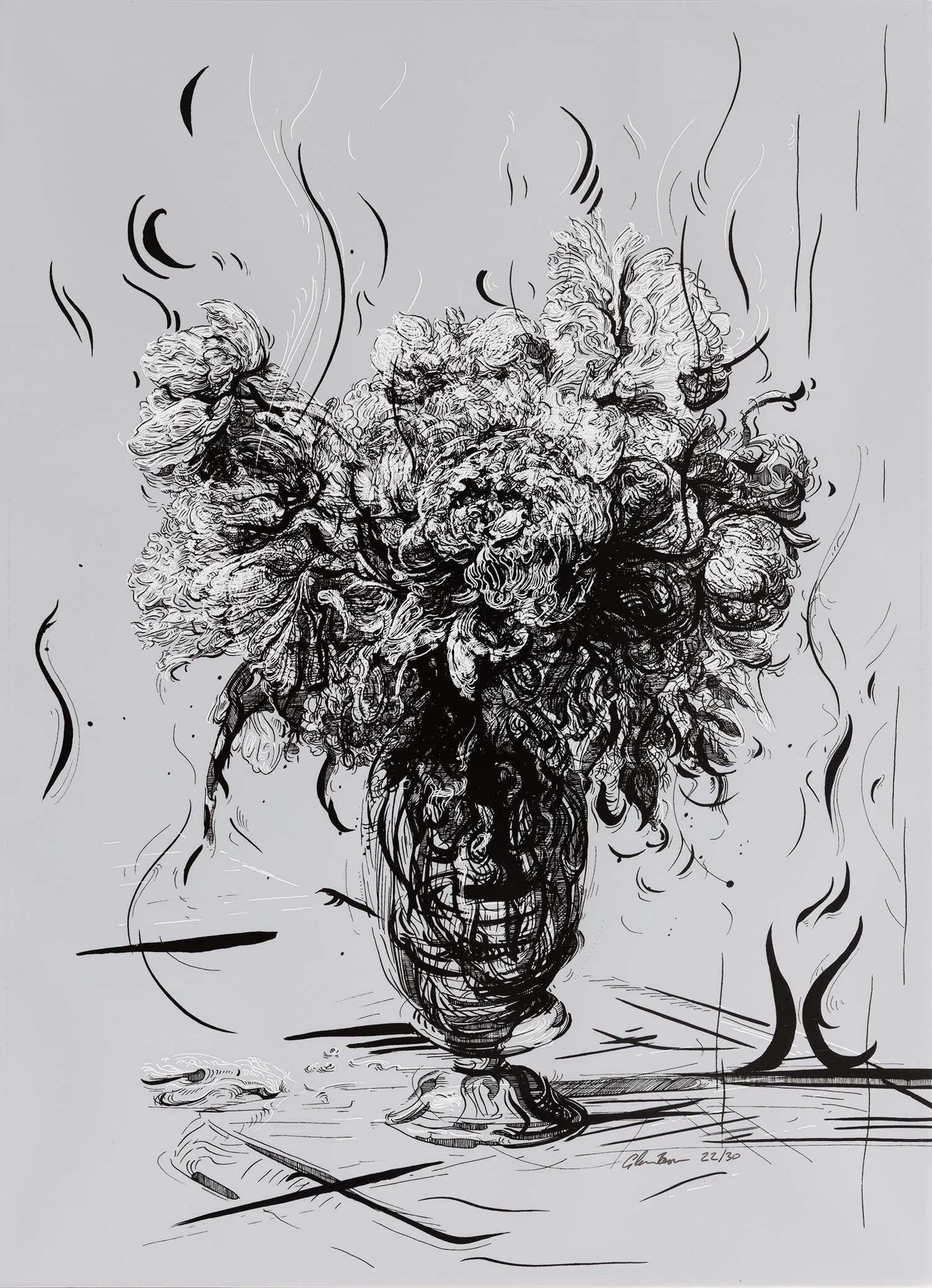
Even Glenn Brown's paintings, which begin with appropriations of other artists and then subject those sources to vertiginous swirling reworkings, are maximalist in a quieter but no less insistent way. Younger and more recent practitioners have pushed the conversation further still. Francesca DiMattio brings together ceramic forms that quote from Chinese porcelain, European majolica, and American craft in sculptures and paintings of almost unmanageable richness. Alex Da Corte creates installation environments saturated with color and pop cultural reference, turning the gallery into something approaching a fever dream.
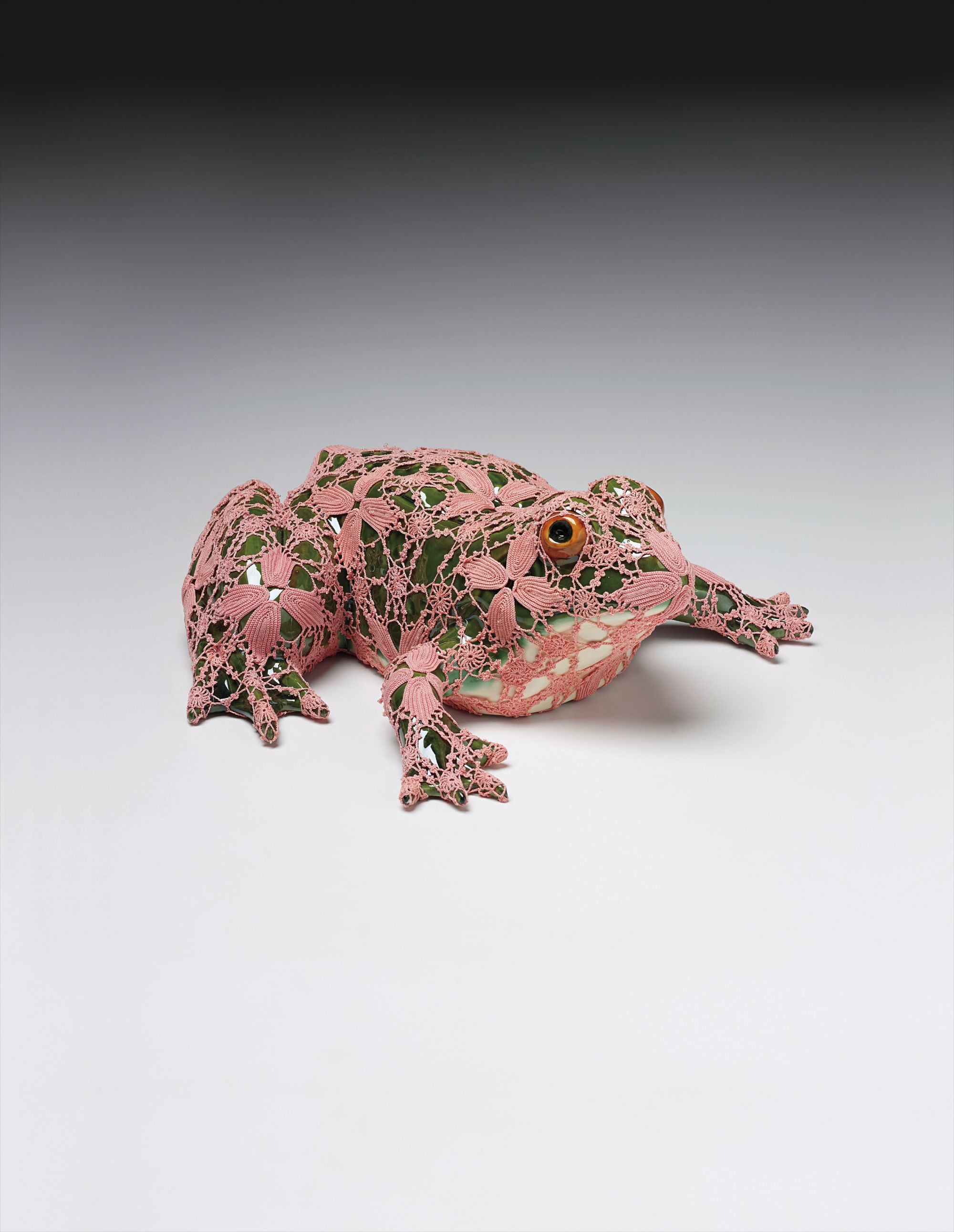
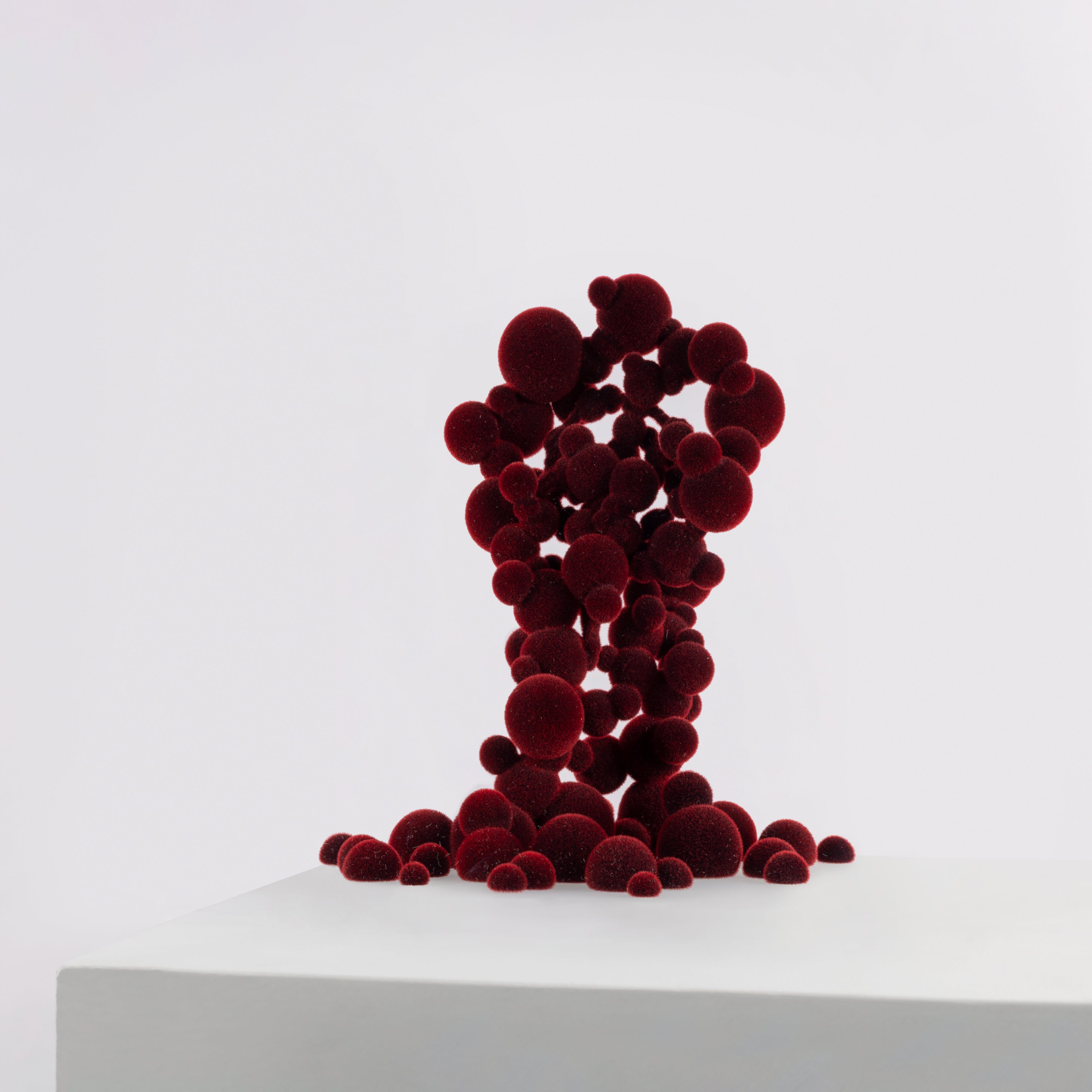
Joana Vasconcelos
Bérénice
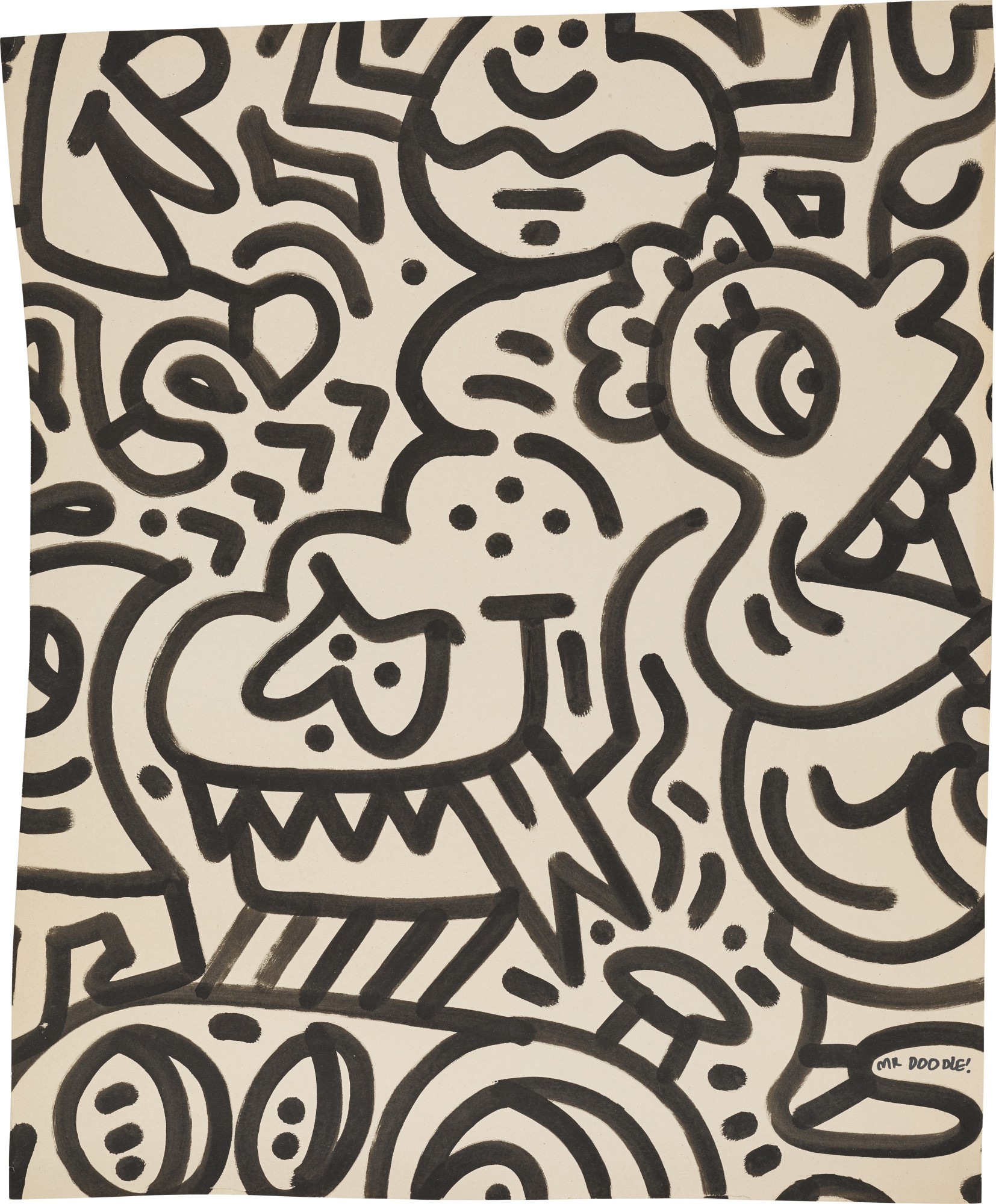
Mr Doodle, the British artist born Sam Cox, covers every available surface with an endlessly proliferating universe of cartoon characters and abstract forms, a practice that recalls Keith Haring while arriving somewhere entirely its own. What all of this suggests is that maximalism is not a single movement with a manifesto but an ongoing negotiation with the limits of restraint. It appears wherever artists feel that what has been left out matters as much as what has been included, wherever the stripped down answer feels like a form of dishonesty about the texture of actual experience. The works gathered on The Collection speak to this tradition with remarkable range, from Murakami's superflat profusion to the material extravagance of Joana Vasconcelos to the accumulative intensity of Mickalene Thomas.
Taken together, they make a persuasive case that more, handled with intelligence and genuine conviction, can be a great deal more indeed.