Marble Sculpture
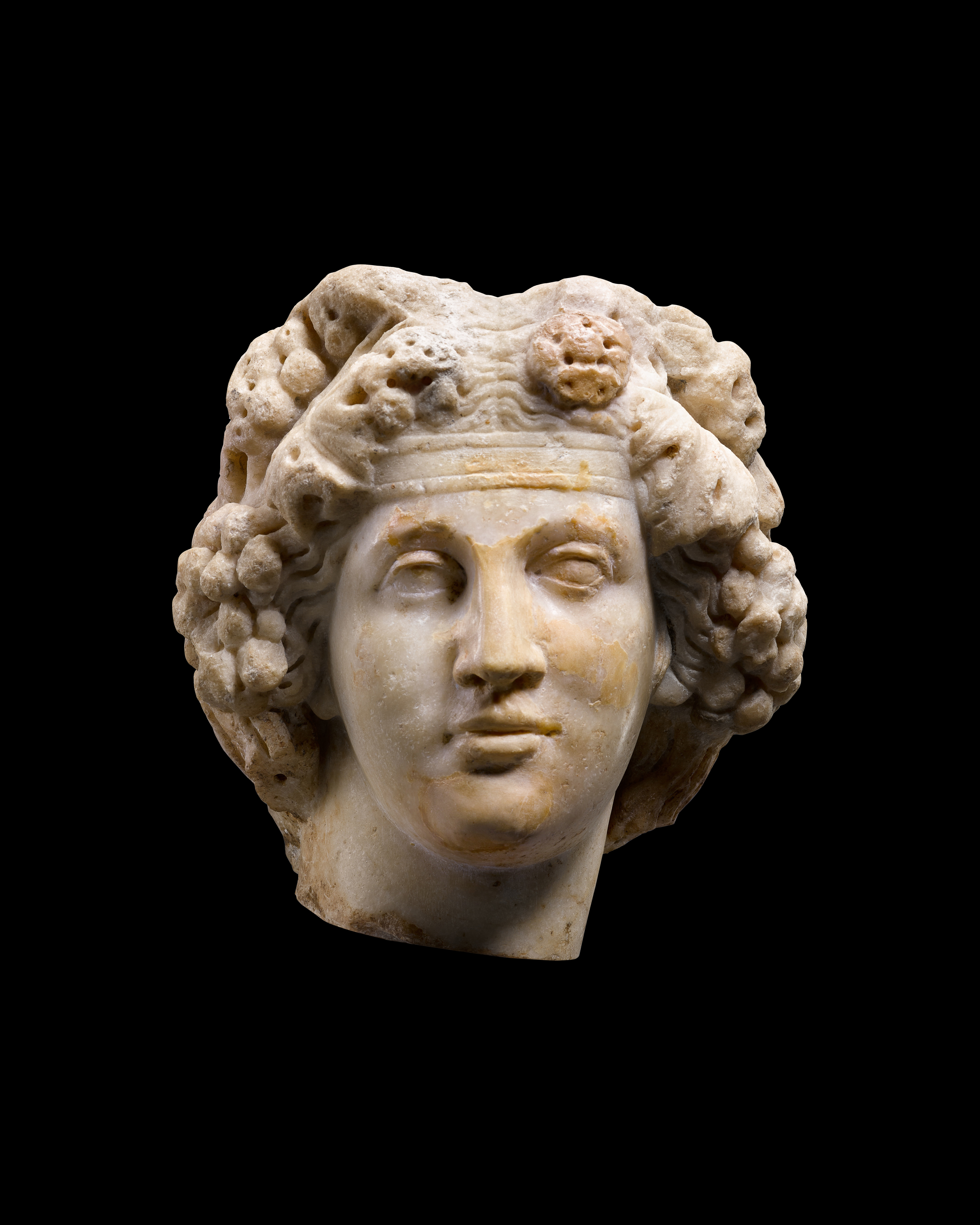
A Roman Marble Head of Dionysos
A Roman Marble Head of Dionysos, circa 2nd Century A.D.

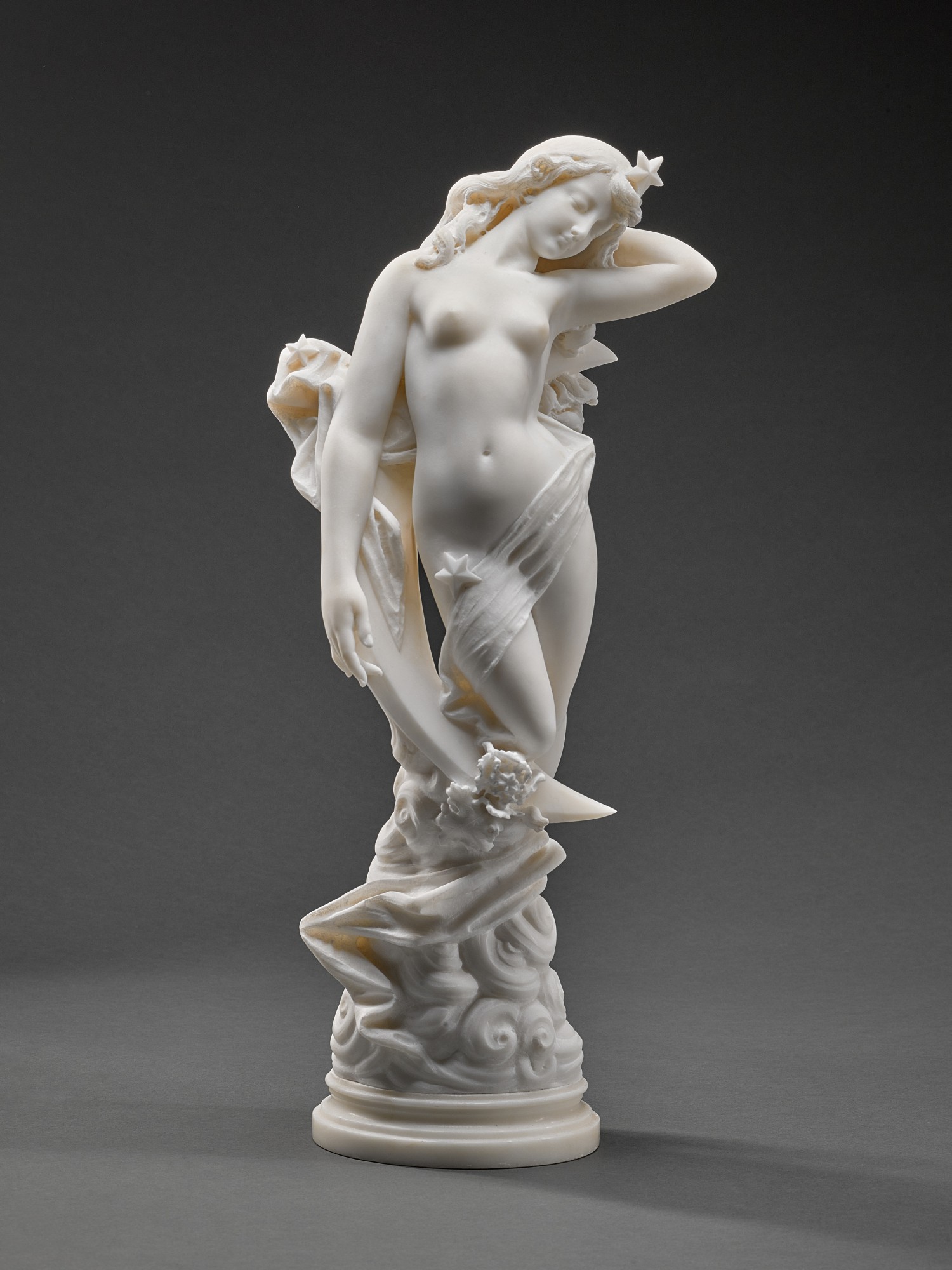
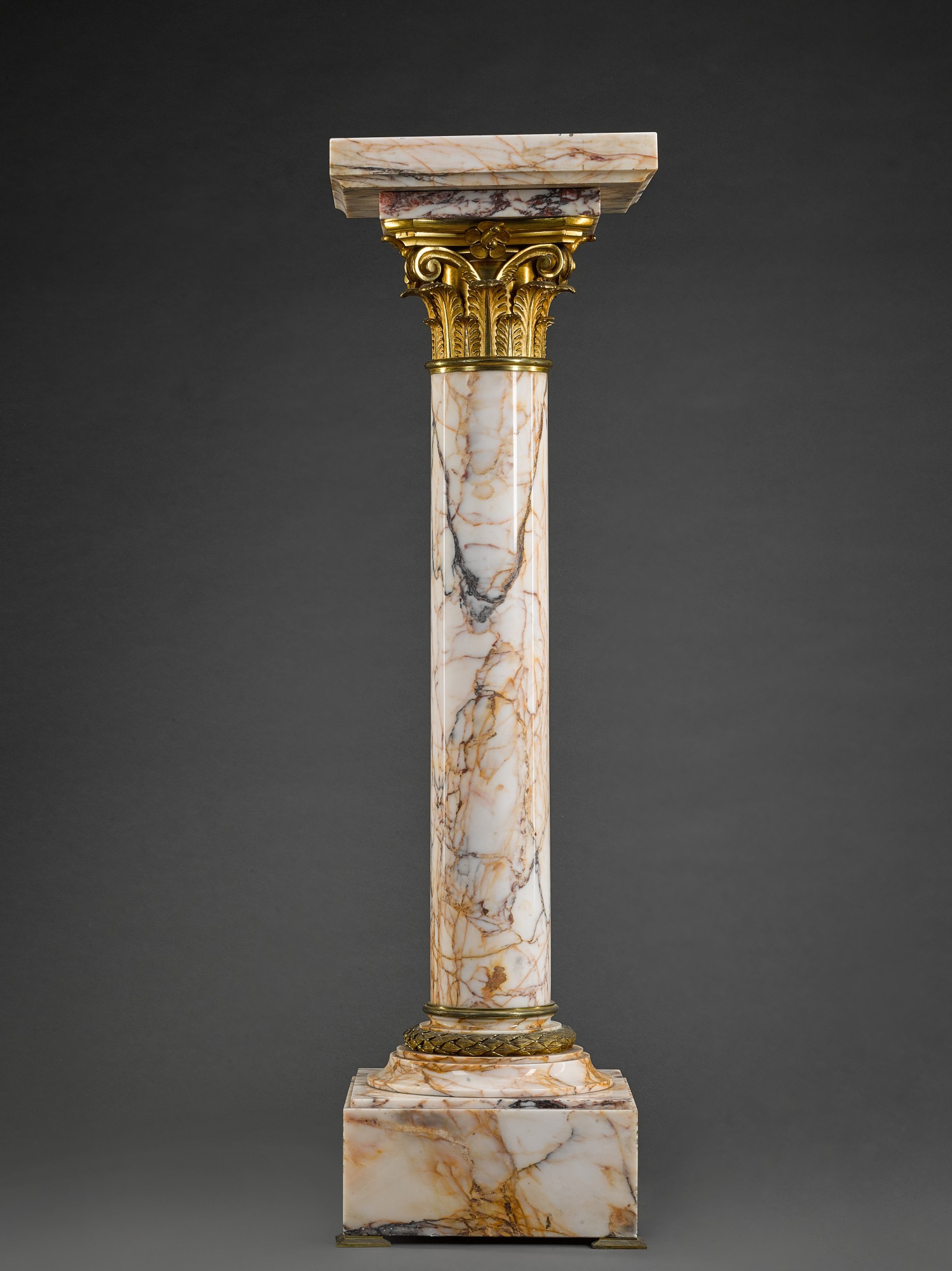
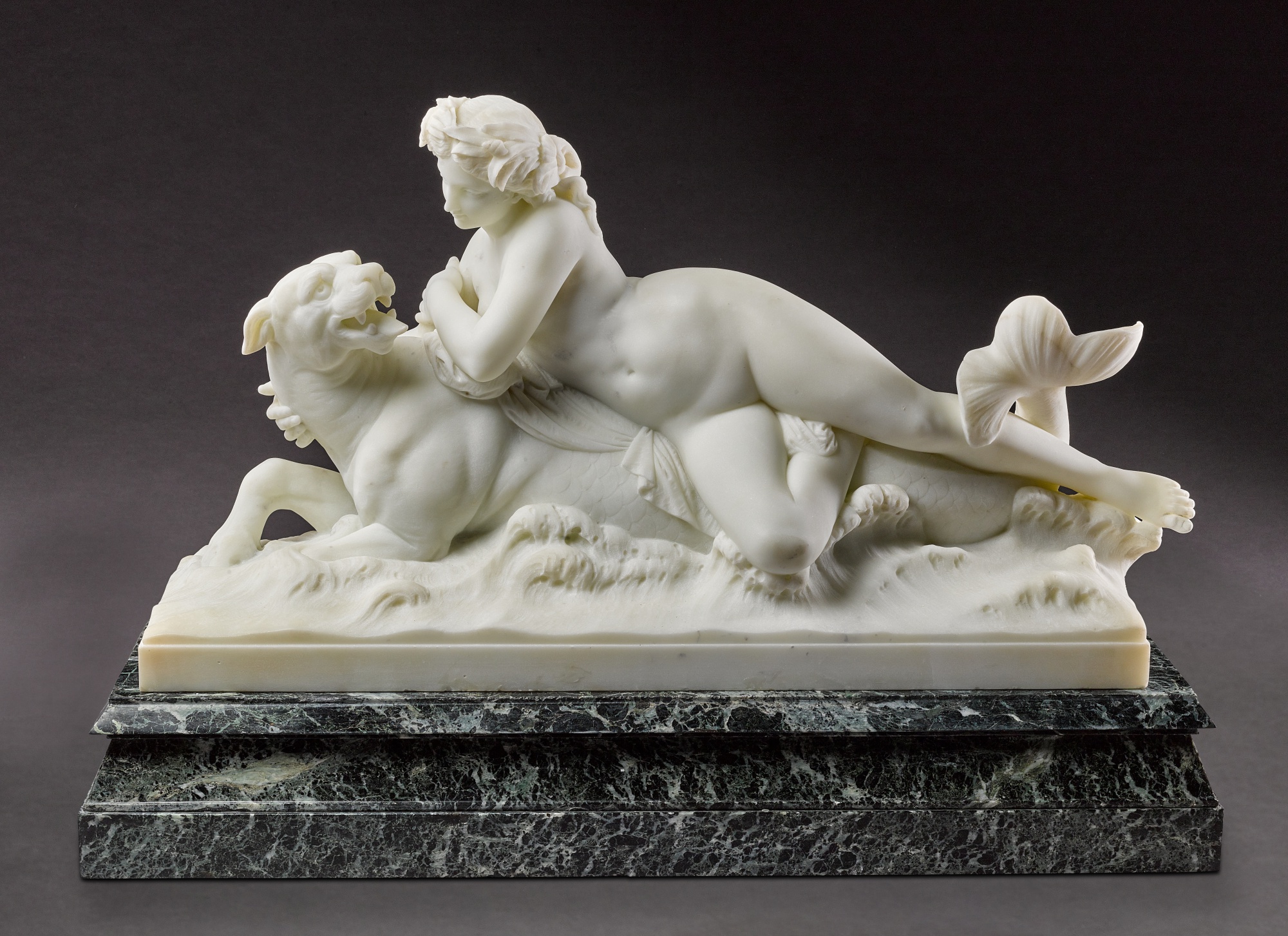
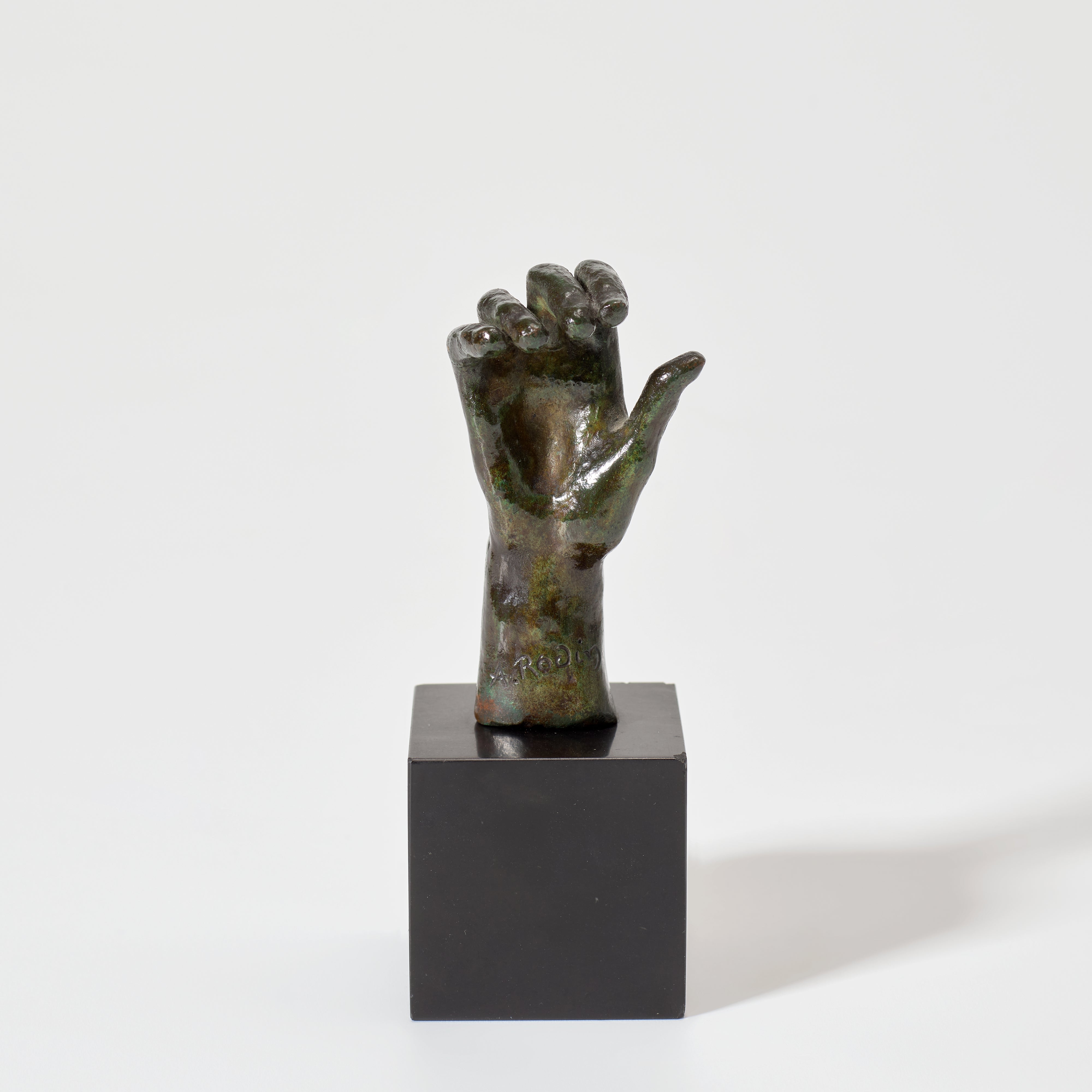
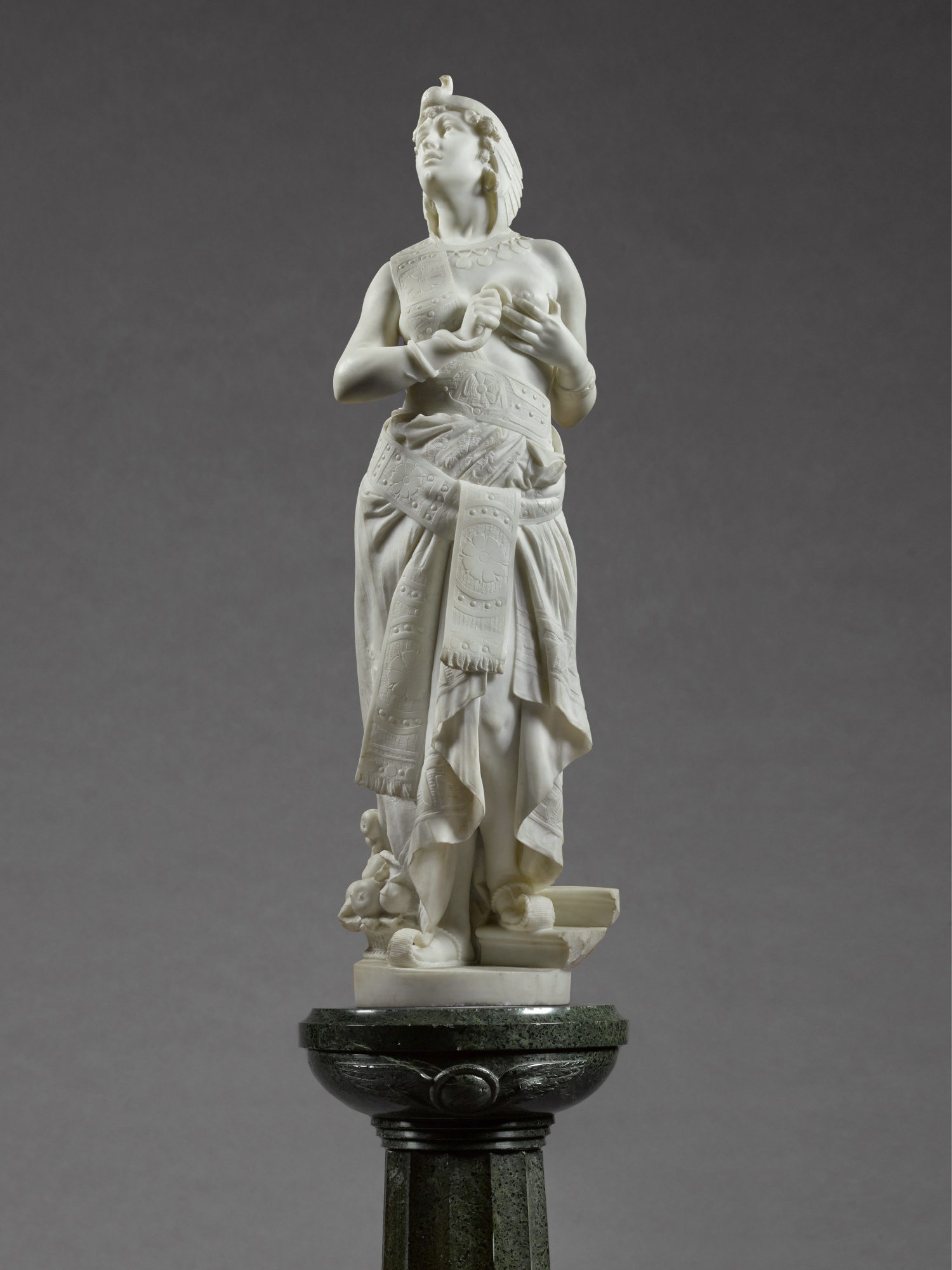
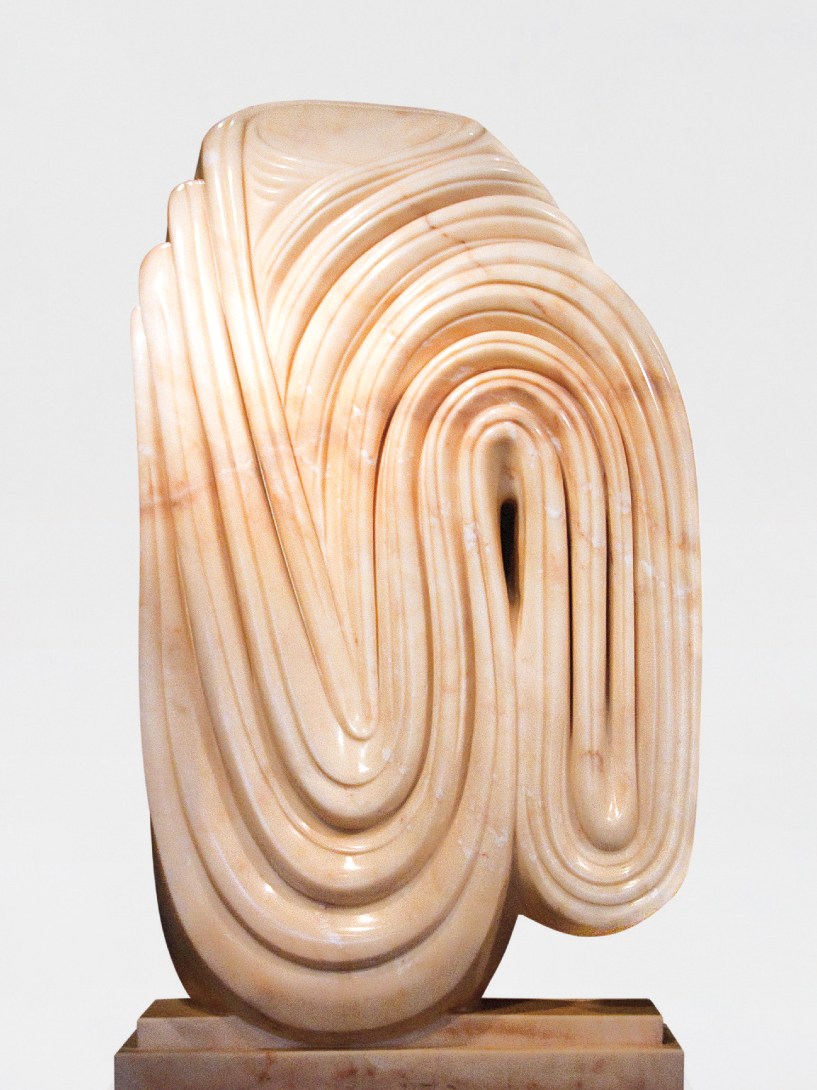
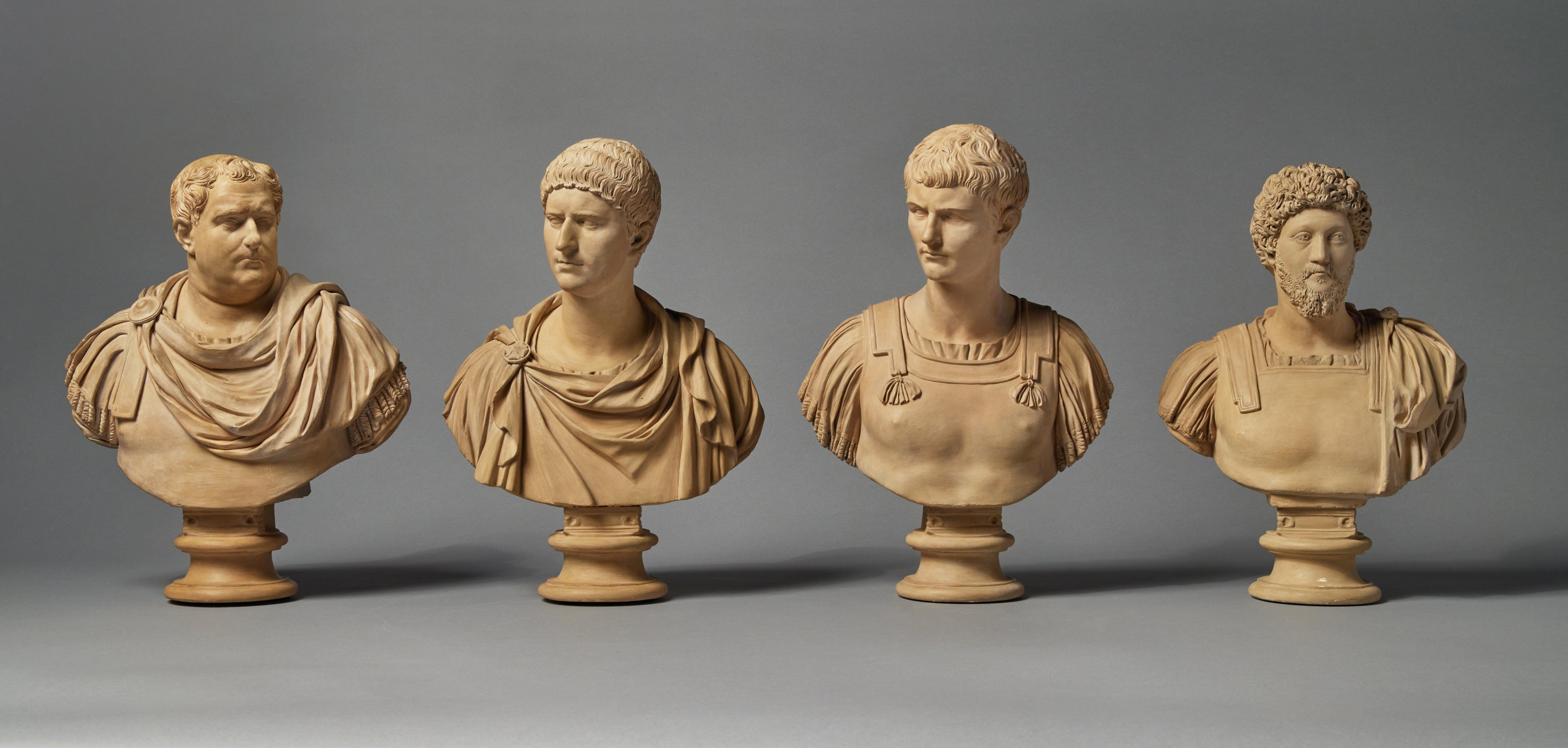
Stone Cold Obsession: Why Marble Never Loses
There is something quietly radical about choosing to live with marble sculpture. In an era of screen saturation and immaterial experience, here is an object that demands physical presence, that holds light differently at noon than at dusk, that asks you to walk around it, to notice the vein running through a shoulder or the way a draped fold catches shadow. Collectors who fall for marble tend to fall hard, and they rarely stop at one piece. The medium has a way of recalibrating your eye for everything else in a room.
What draws serious collectors is partly this irreducibility. You cannot reproduce marble's particular cold weight, its translucency under raking light, the way its surface reads as both geological and almost biological. But the appeal runs deeper than material seduction. Marble carries time in a way few other mediums can match.
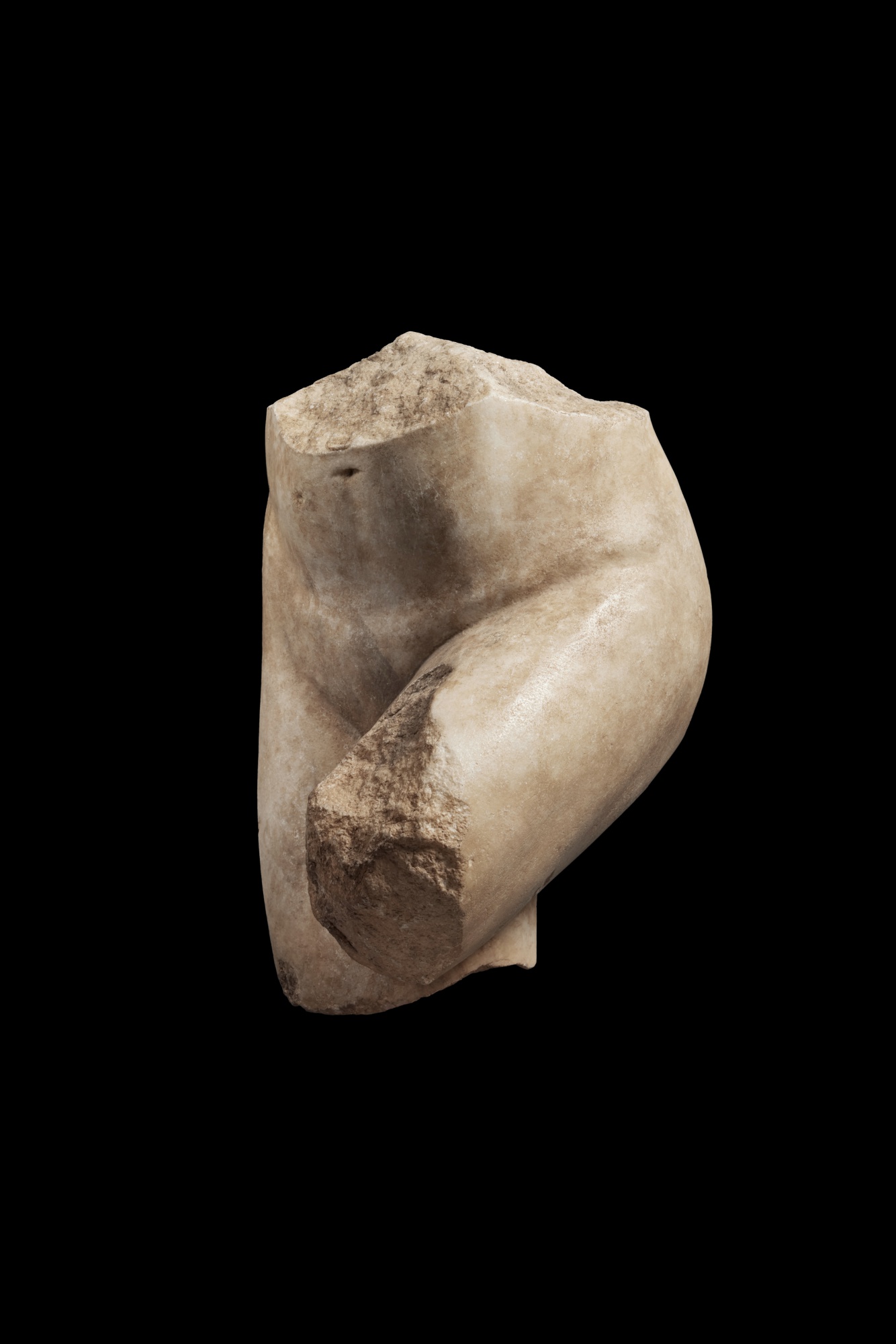
A Fragmentary Roman Marble Torso of Aphrodite Untying her Sandal, circa 2nd Century A.D.
A Fragmentary Roman Marble Torso of Aphrodite Untying her Sandal, circa 2nd Century A.D.
A fragment of Roman sarcophagus relief, the kind of work that appears among the ancient pieces on The Collection, has passed through hands and centuries and civilizations before arriving in your possession. That history is not incidental to the collecting experience. It is the whole point. Knowing what separates a strong work from a genuinely great one is where serious collecting begins.
In ancient material, quality of carving is paramount, and you are looking for evidence of an original, skilled hand rather than a later restoration or a heavily worked surface. Roman workshop production varied enormously, and a sensitively carved portrait head of a young woman from the second century carries entirely different weight than a generic decorative figure. Condition matters, but not in a simple way. Ancient works are expected to show their age, and a fragment with honest wear can be far more compelling than a supposedly intact piece that has been aggressively restored.
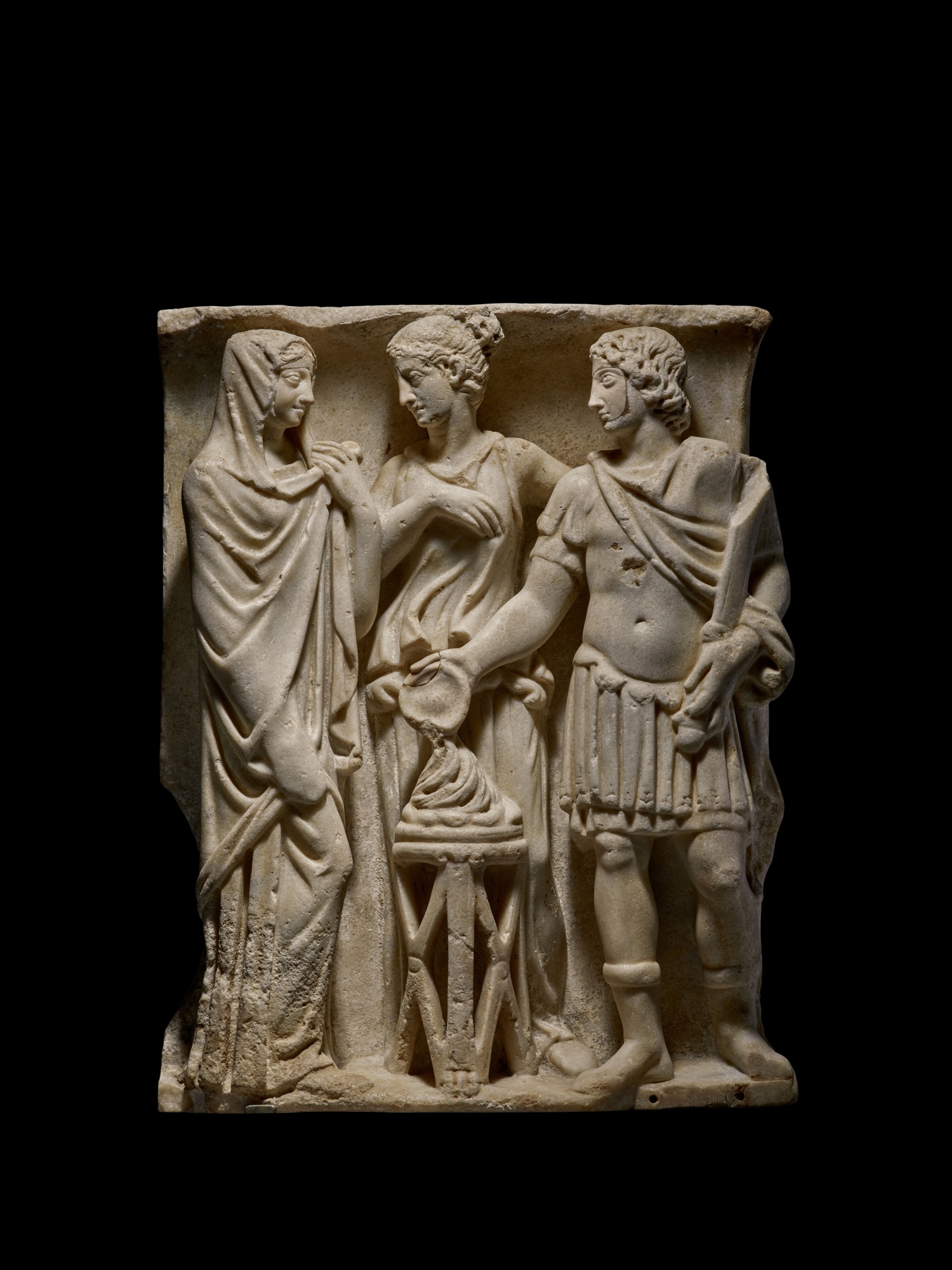
A Roman Marble Sarcophagus Fragment
A Roman Marble Sarcophagus Fragment, circa 3rd Century A.D.
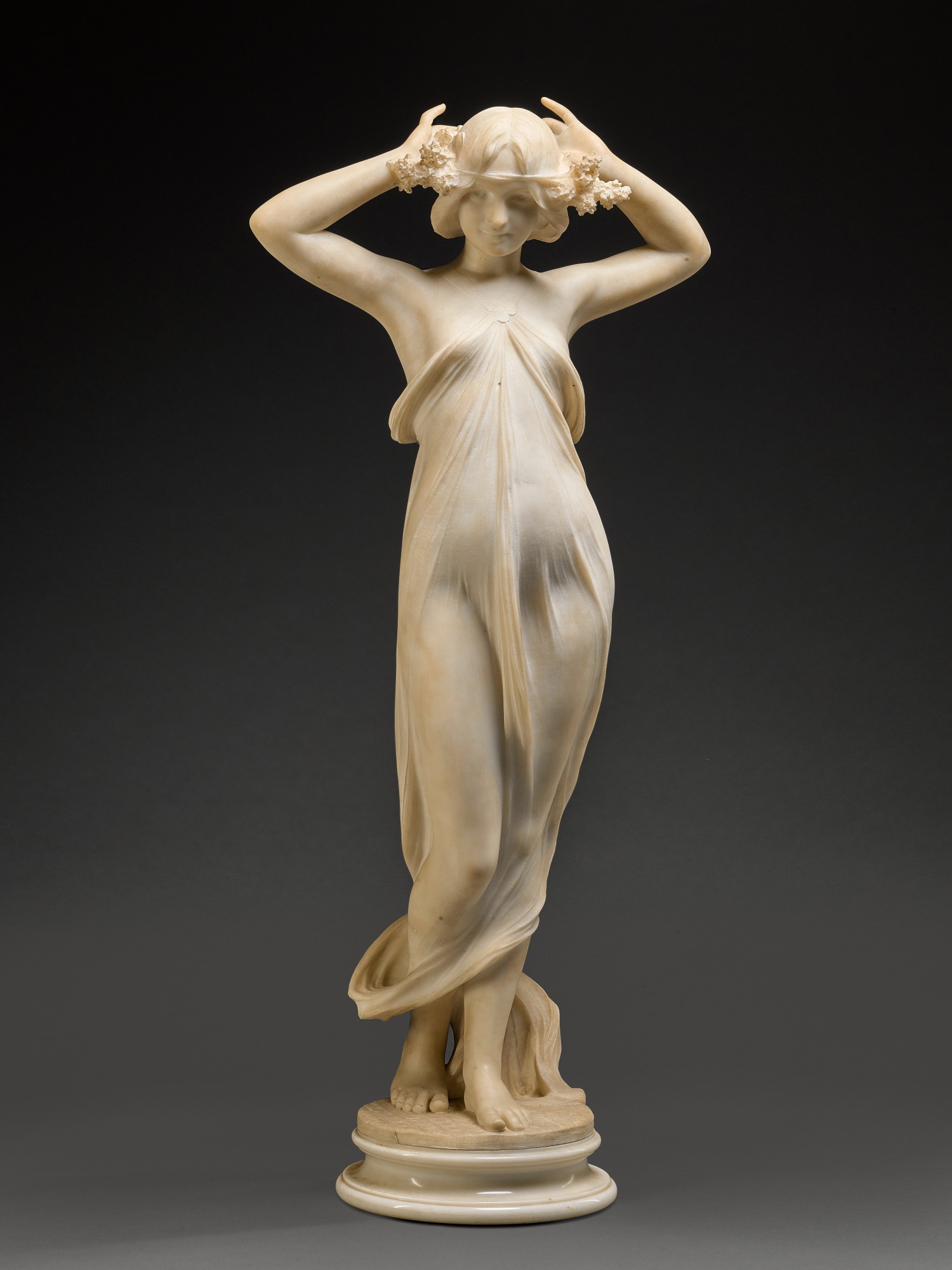
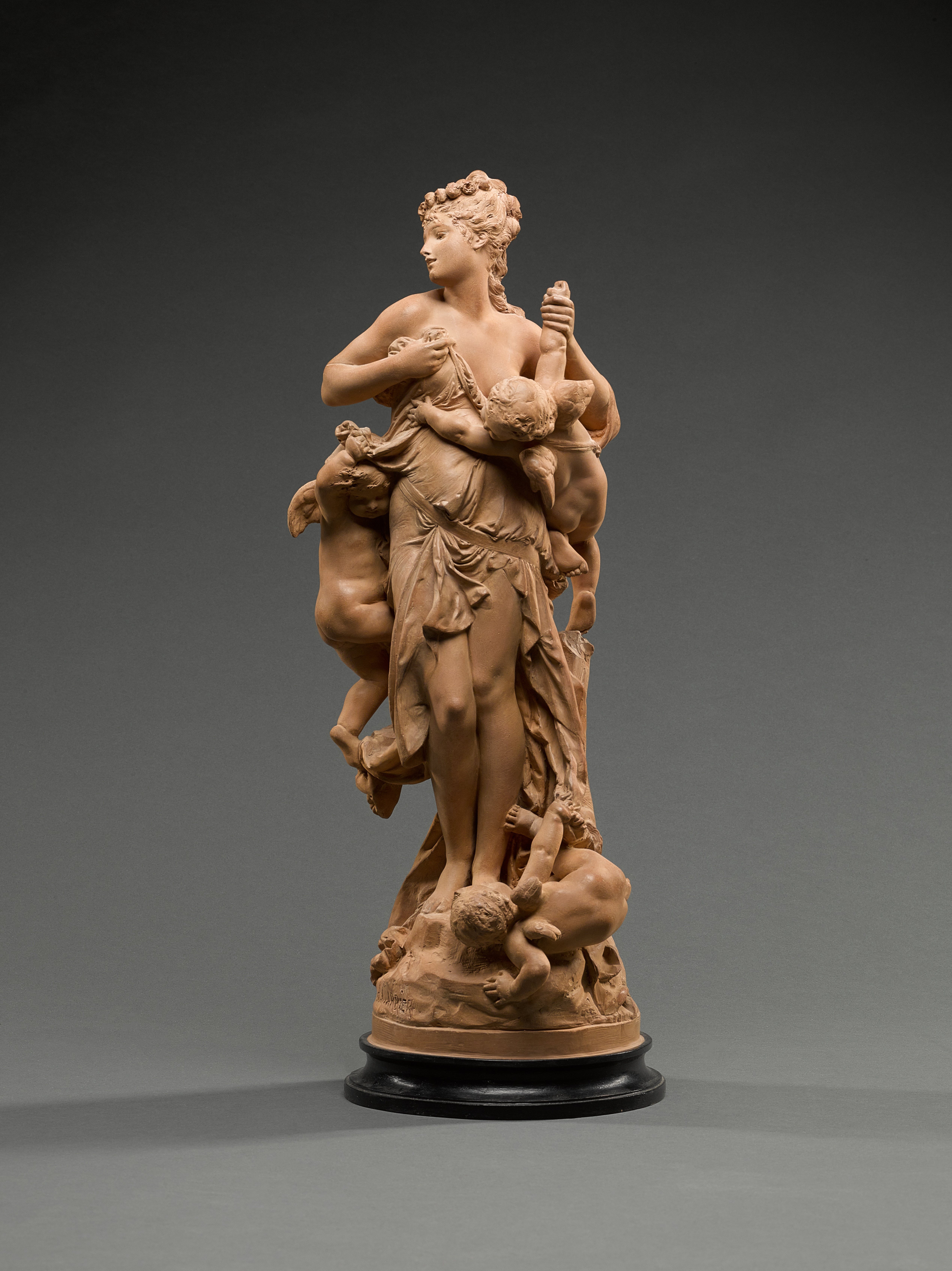
For nineteenth century marble, the question shifts: you want to see the carver's confidence in the handling of flesh against drapery, the degree to which the work transcends the constraints of academic convention. Among the nineteenth century figures well represented on The Collection, Albert Ernest Carrier Belleuse rewards close attention. He was one of the most commercially sophisticated sculptors working in Paris during the Second Empire, and he understood how to translate the energy of Baroque composition into the tastes of his moment. Importantly, he also employed Auguste Rodin early in his career, and there is a productive tension between Carrier Belleuse's refinement and Rodin's later insistence on raw psychological truth.
A Rodin marble is a rare thing on the market and commands accordingly, but Carrier Belleuse remains genuinely undervalued relative to his historical significance. Jean Baptiste Carpeaux, whose work was collected obsessively in his own lifetime, similarly holds its ground. His surfaces have an extraordinary quality of arrested motion, a sense that the marble is about to exhale. For collectors with an eye on the longer arc, the intersections between historical and contemporary marble practice offer some of the most interesting opportunities in the market right now.
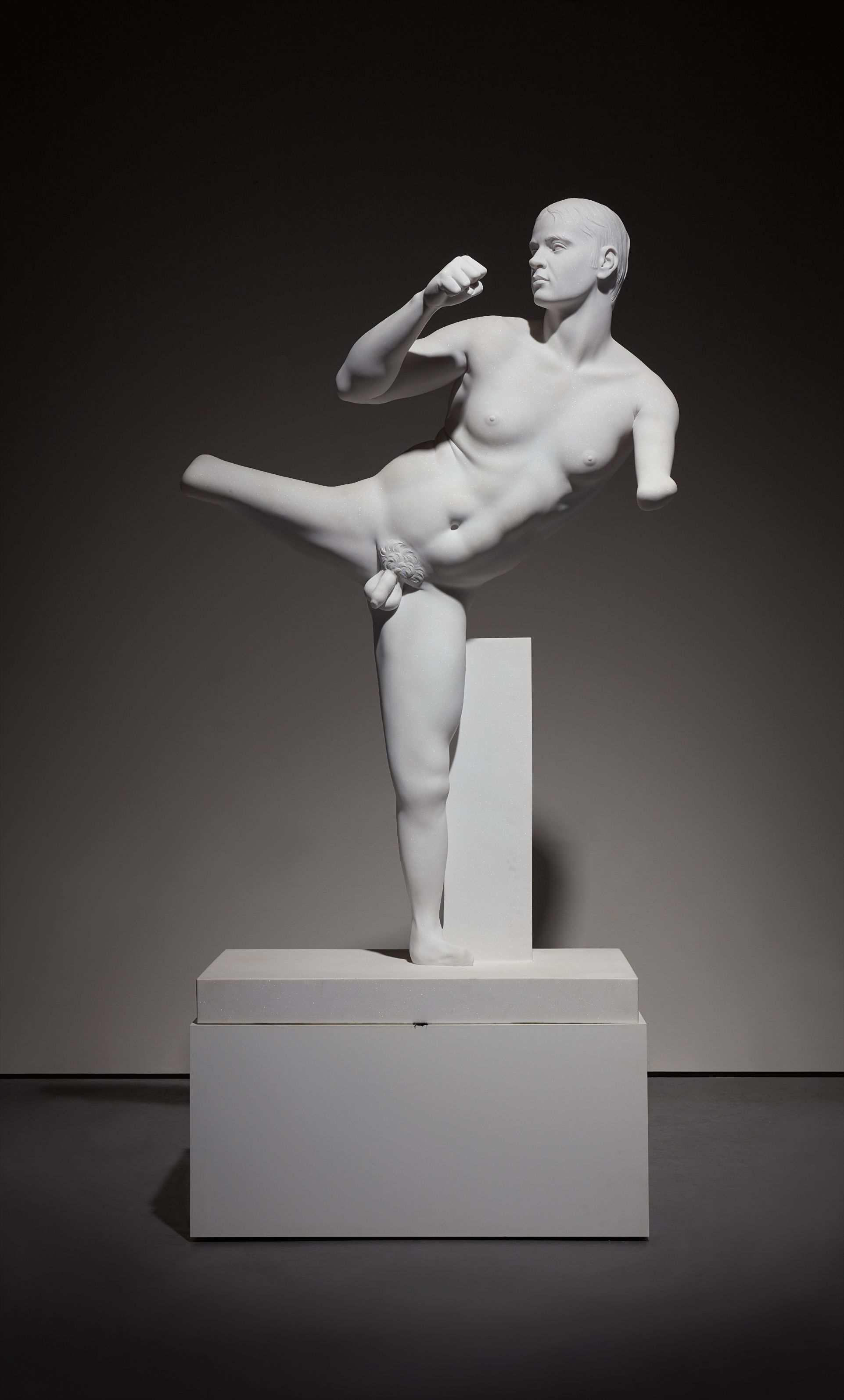
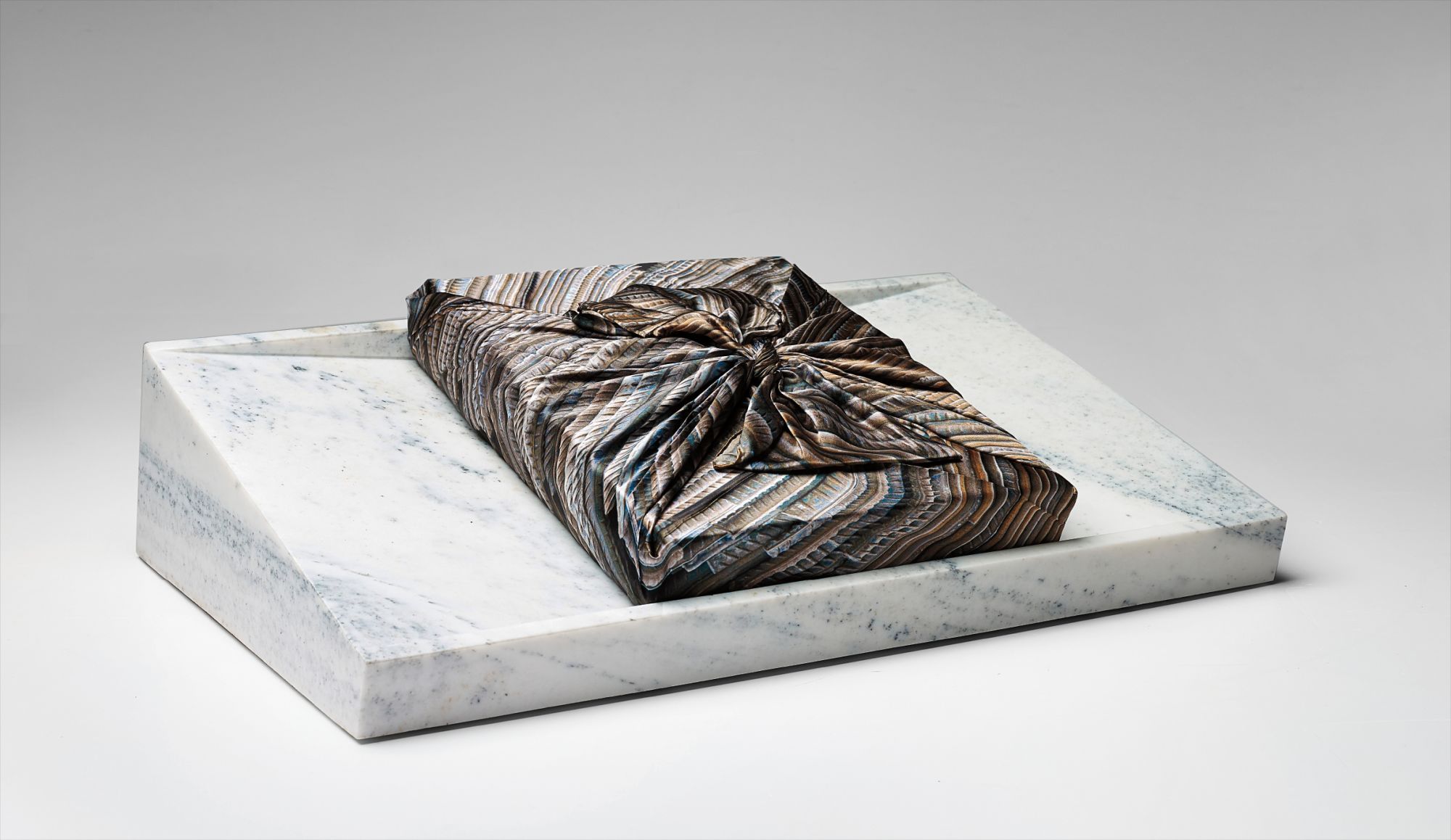
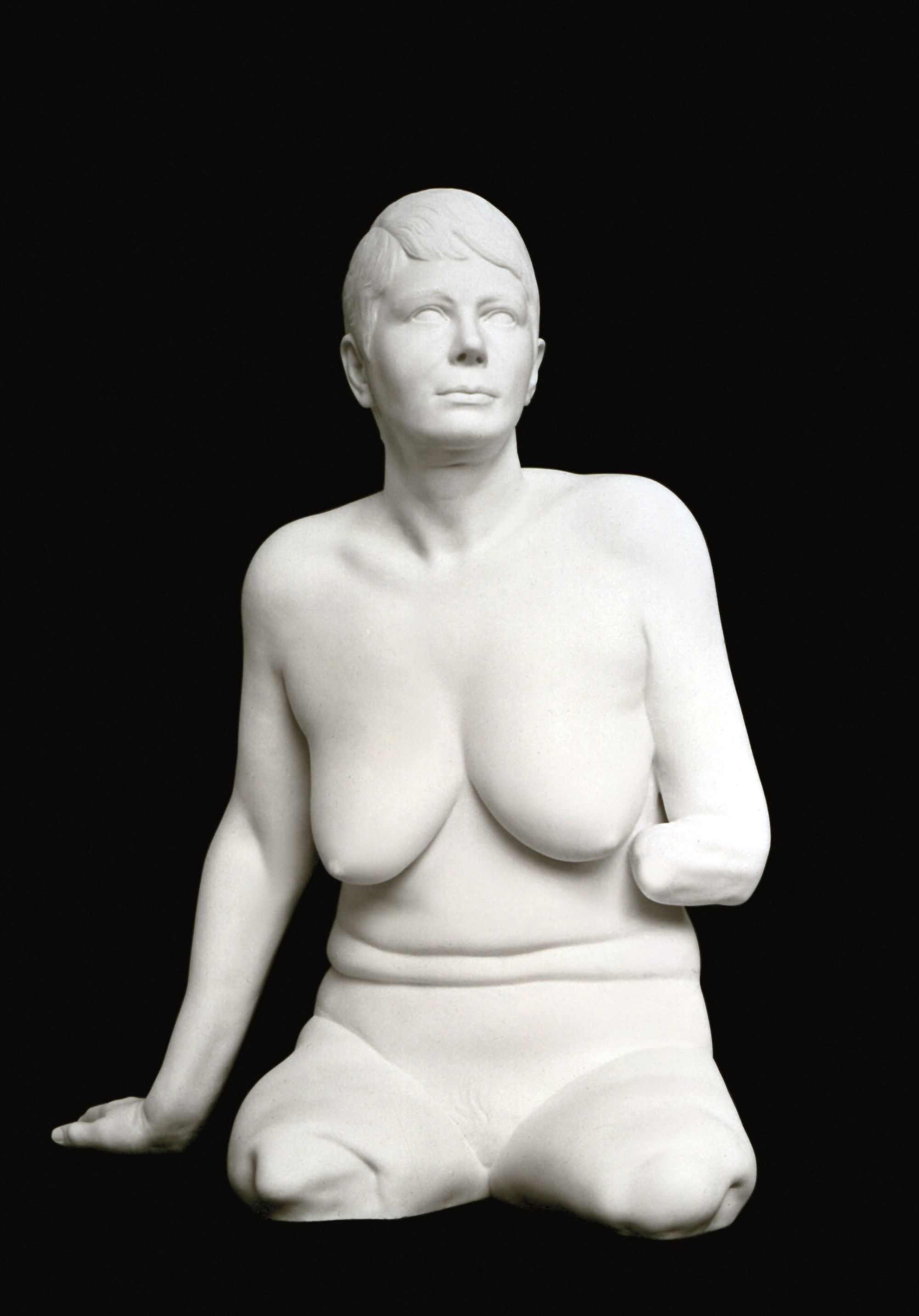
Marc Quinn
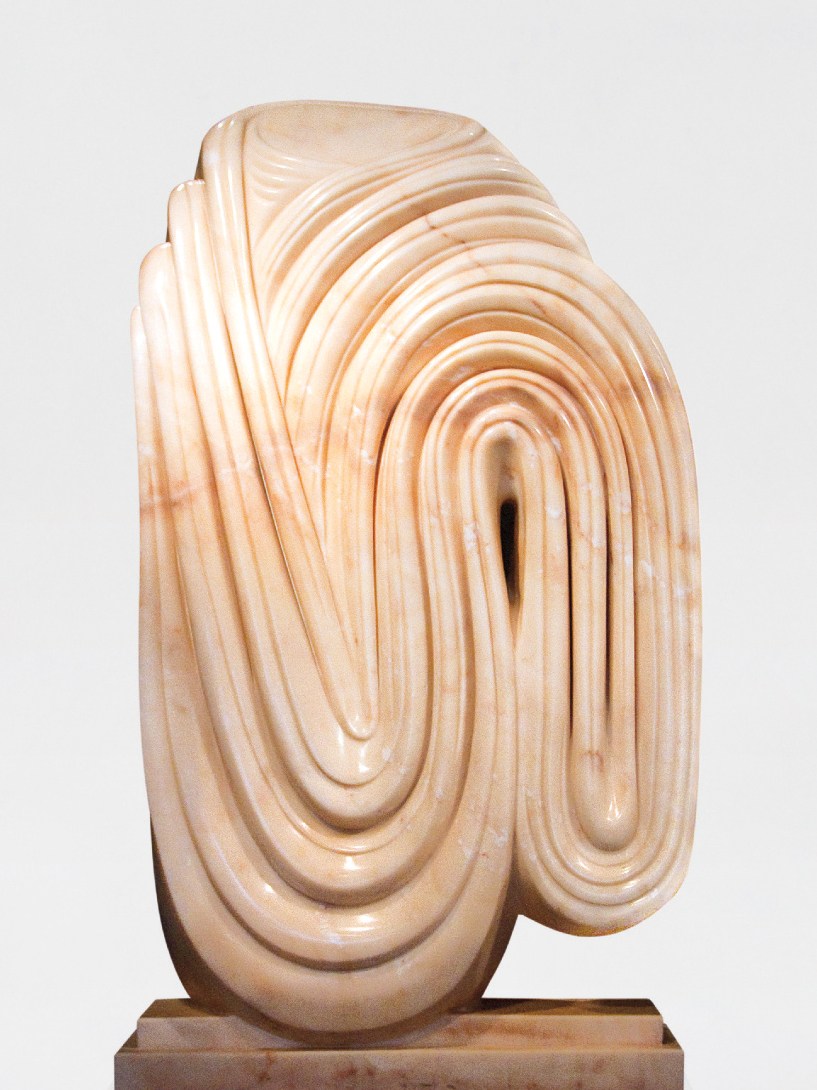
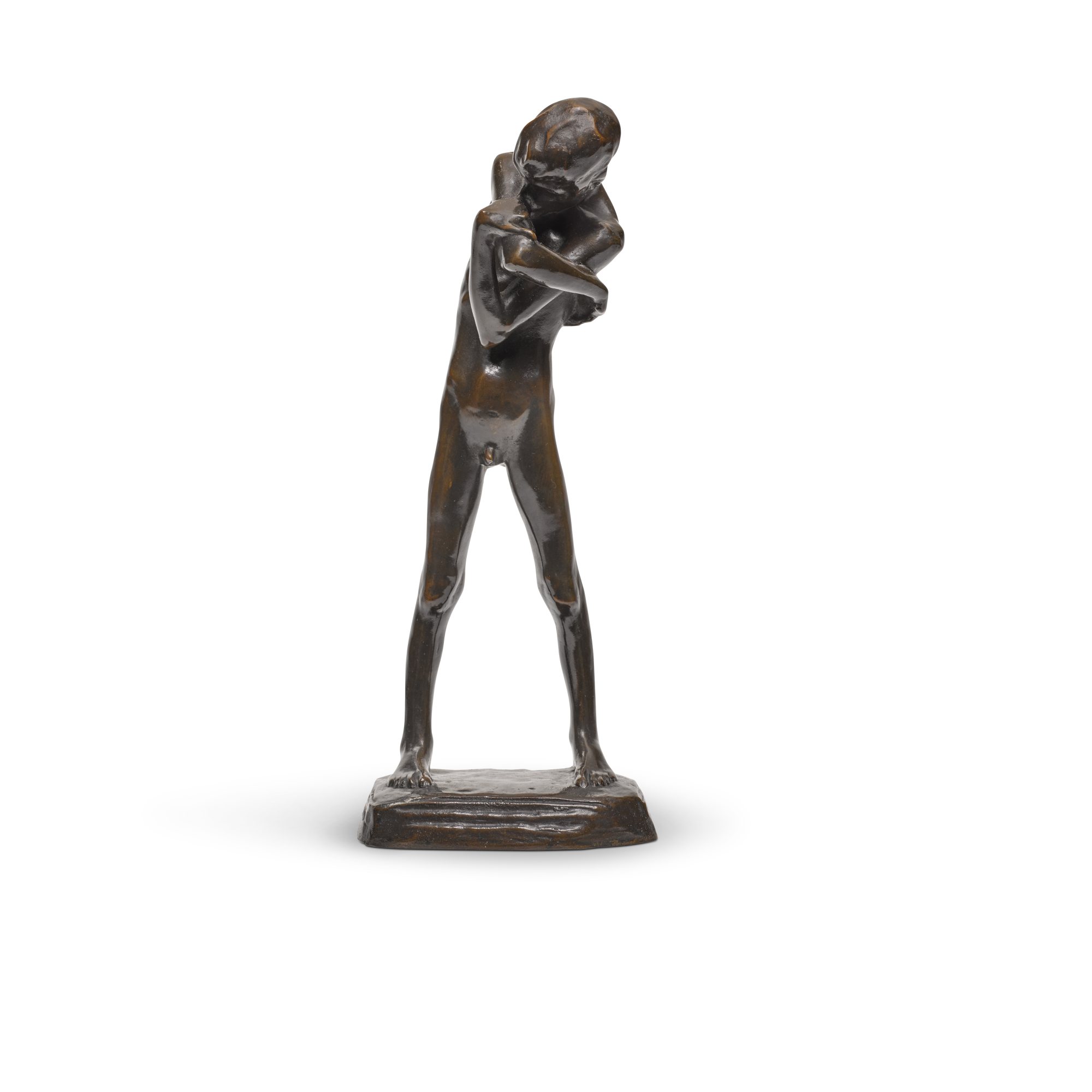
Stuart Penn
Marc Quinn has worked consistently in marble for decades, often positioning the medium's classical associations in deliberate tension with his subject matter. His marble works read differently in a collection than his better known biological pieces, and they are worth serious consideration for a collector who wants depth across his practice. Ai Weiwei's engagement with stone and classical form similarly operates on multiple registers at once. These are not decorative choices.
Both artists understand marble as a medium loaded with ideological content, and their works reward the kind of sustained attention that the medium has always demanded. At auction, marble occupies an interesting position. Ancient works with strong provenance and exhibition history perform consistently, particularly when they can be traced through distinguished private collections. The market for nineteenth century academic marble tightened after a long period of institutional disfavor, but it has recovered steadily as collectors have grown more comfortable separating aesthetic quality from the critical fashions of the 1970s and 1980s.
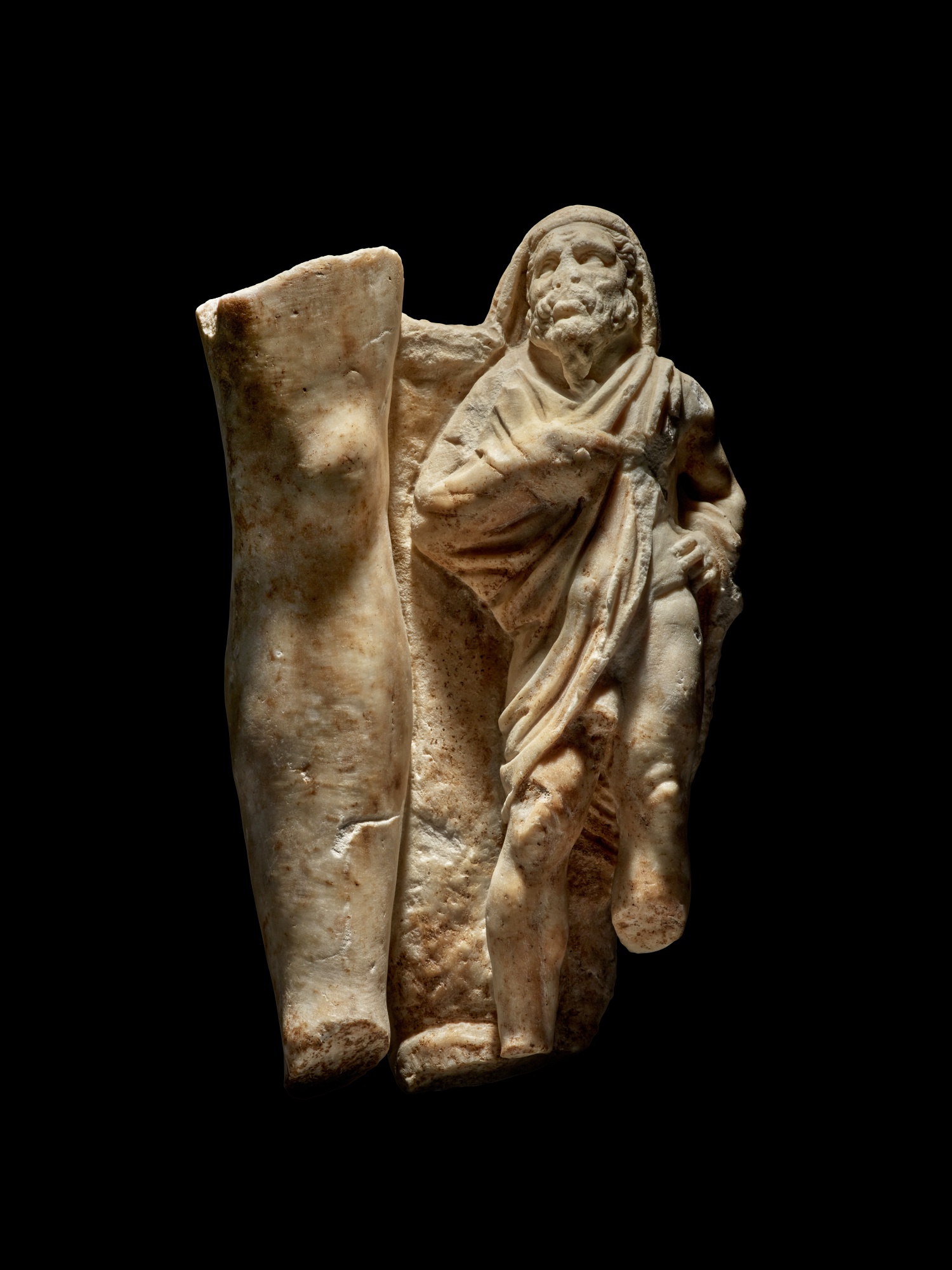
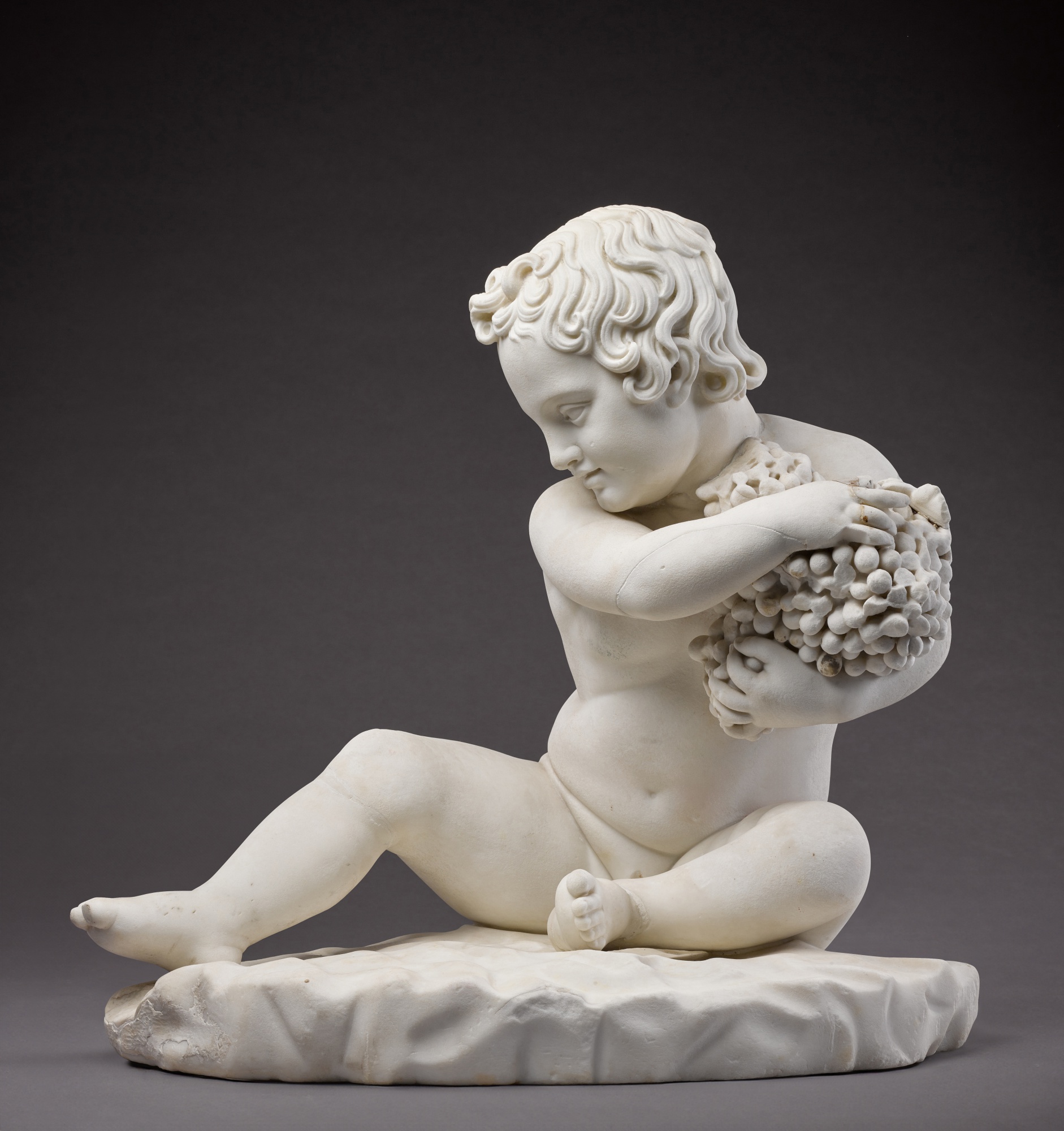
A Roman Marble Figure of Priapos, circa Early 3rd Century A.D.
A Roman Marble Figure of Priapos, Circa Early 3rd Century A.D.
Sculptors like Harriet Goodhue Hosmer, the American neoclassicist who worked in Rome and was a pioneering figure both artistically and professionally, have seen renewed scholarly and market attention. Gaston Lachaise's work commands strong prices in American contexts given his importance to the development of modernist figuration. The secondary market for all of these figures rewards patience and knowledge. Practical considerations matter enormously with marble and are worth discussing frankly with any gallery or specialist before purchase.
Condition inspection should focus on any evidence of restoration, particularly joins that might indicate a head or limb has been reattached, and on the stability of the base and mount. For ancient works, always request full provenance documentation and, ideally, thermoluminescence testing results or other scientific analysis where applicable. Display deserves genuine thought: marble benefits from controlled humidity and should never be placed near direct heat sources. Lighting is a collecting pleasure in itself with this medium, and a single well positioned light source can transform how a piece reads.
For contemporary work, clarify edition size and material specification in writing, since some editions combine marble with other materials in ways that affect both the aesthetic and the long term value. The fundamental advice for any collector approaching marble for the first time is to resist the pressure to acquire quickly. This is a category where handling matters, where seeing a work in different lights across different visits tells you things a photograph never will. Ask galleries about the work's exhibition record, about any conservation that has been carried out, about how the piece has been stored.
The best dealers in this space will welcome those questions. The medium has survived millennia not because it is indestructible, which it is not, but because generation after generation has found it worth caring for. That continuity of attention is itself part of what you are collecting.