Male Nude
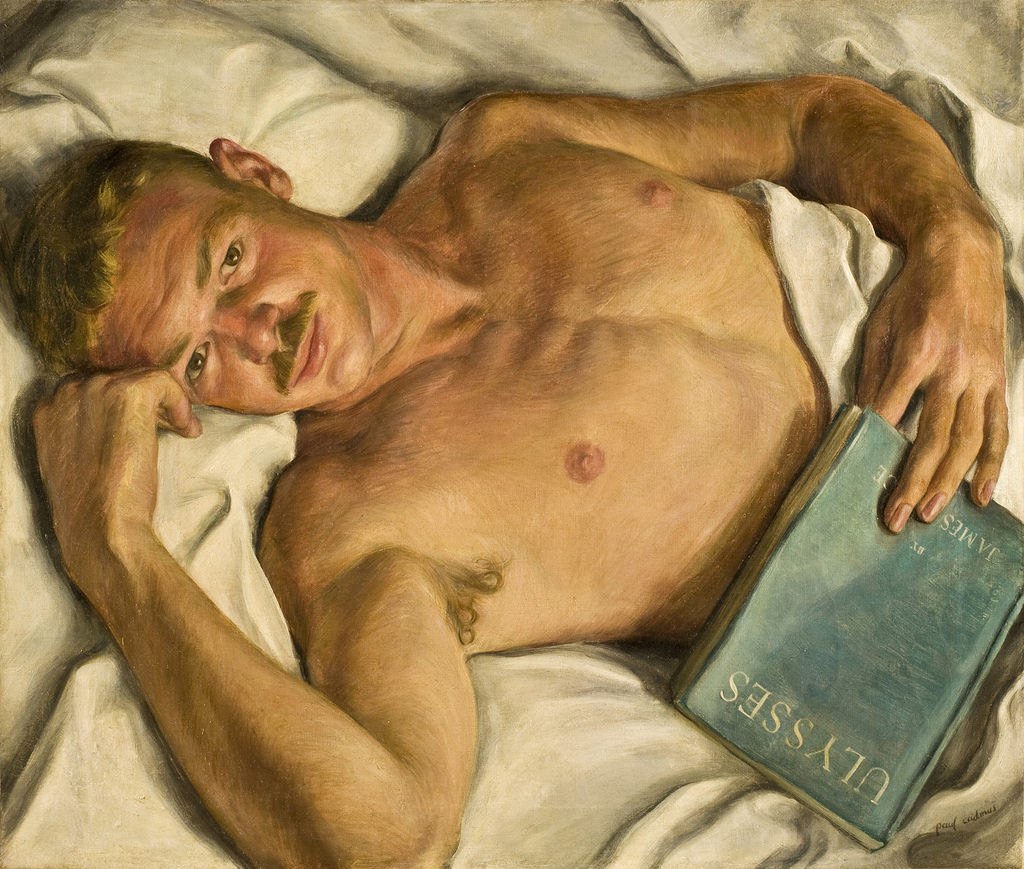
Paul Cadmus
Jerry, 1931
The Body as Object: Collecting the Male Nude
There is something arrestingly intimate about living with a work that places the human body at the center of everything. Collectors drawn to the male nude often describe the experience in similar terms: a sense of being held in conversation with the work, of returning to it across different moods and finding it changed, or finding themselves changed. This is a category that resists easy decoration. It asks something of the rooms it occupies and of the people who occupy those rooms alongside it.
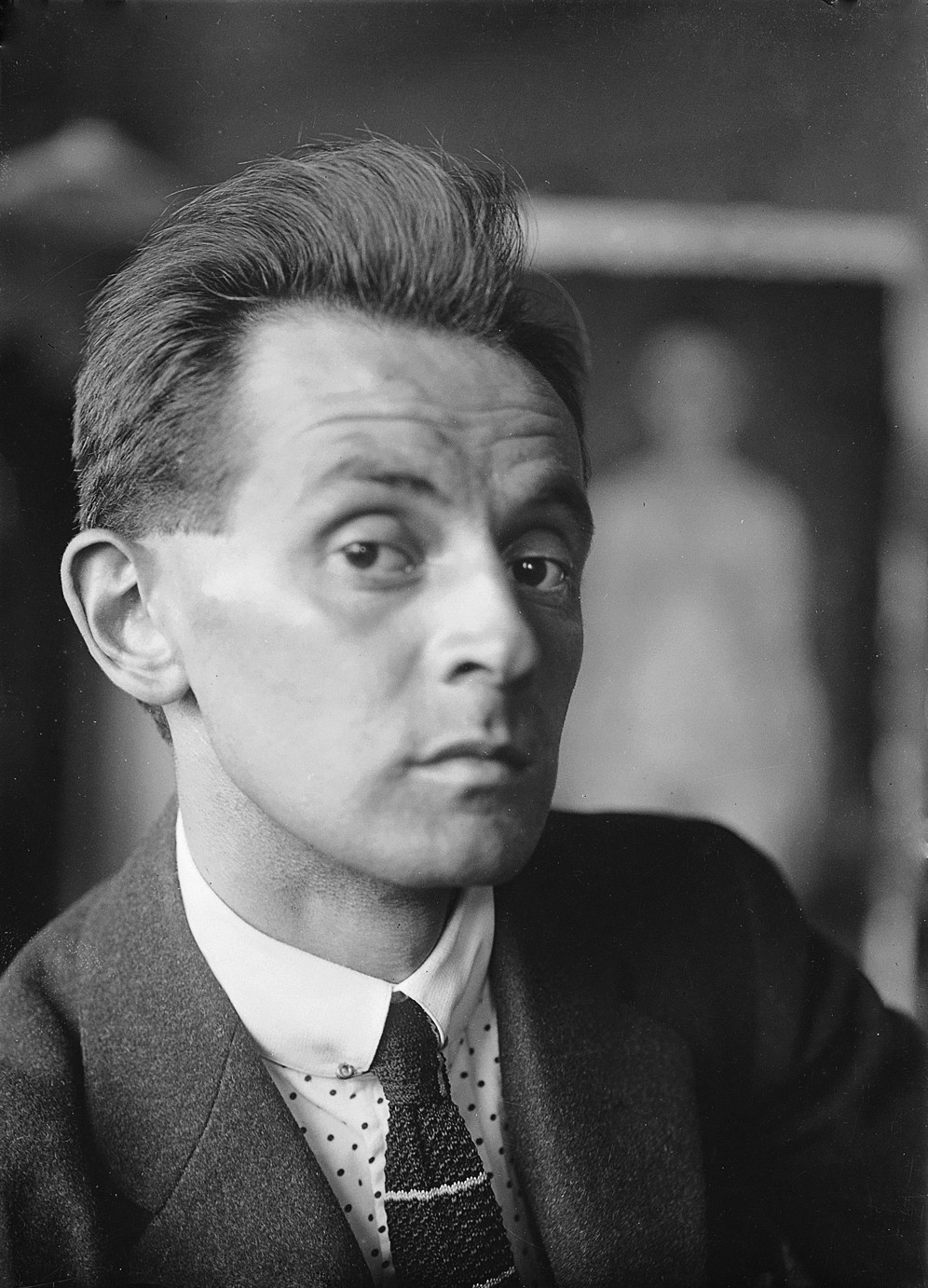
That demand, far from being a deterrent, is precisely what makes it so compelling to serious collectors. The tradition is vast and the market is layered, which means quality varies enormously and the collector's eye is everything. What separates a good work from a great one in this space is rarely subject matter alone. It is almost always about tension, whether the tension is between idealization and rawness in a Rodin bronze, or between vulnerability and defiance in a drawing by Egon Schiele.
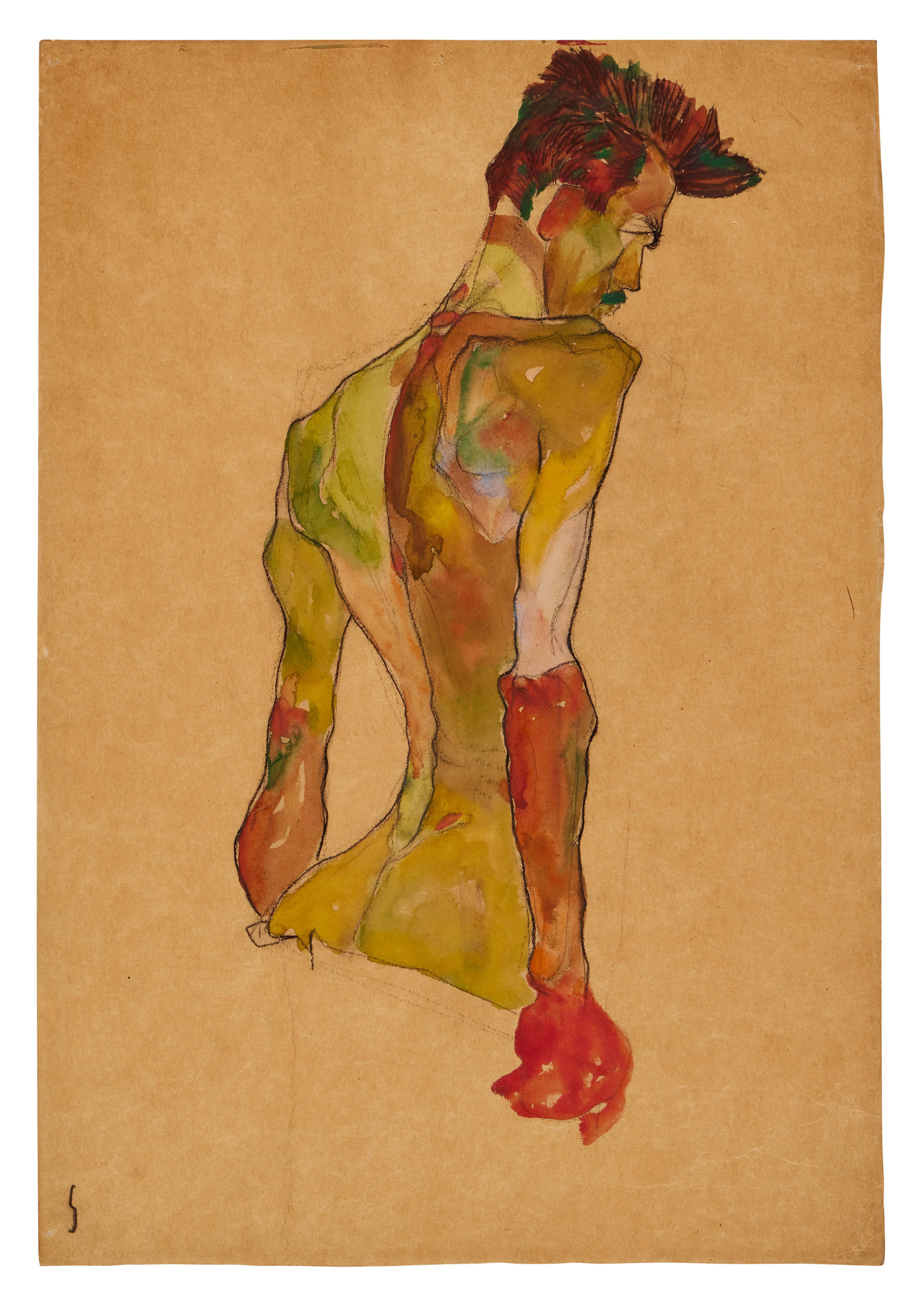
Egon Schiele
Männlicher Akt im Profil nach rechts (Male Nude in Profile Facing Right), 1910
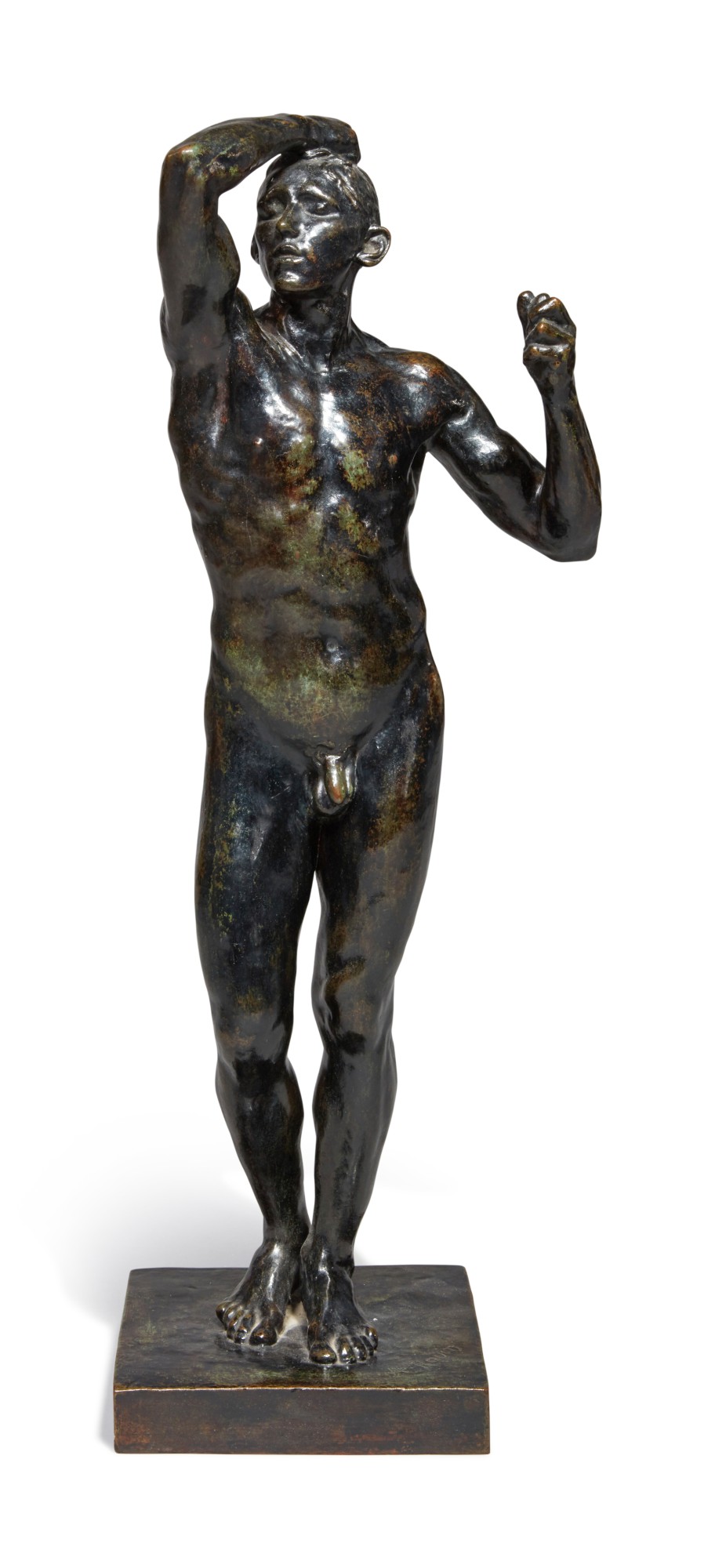
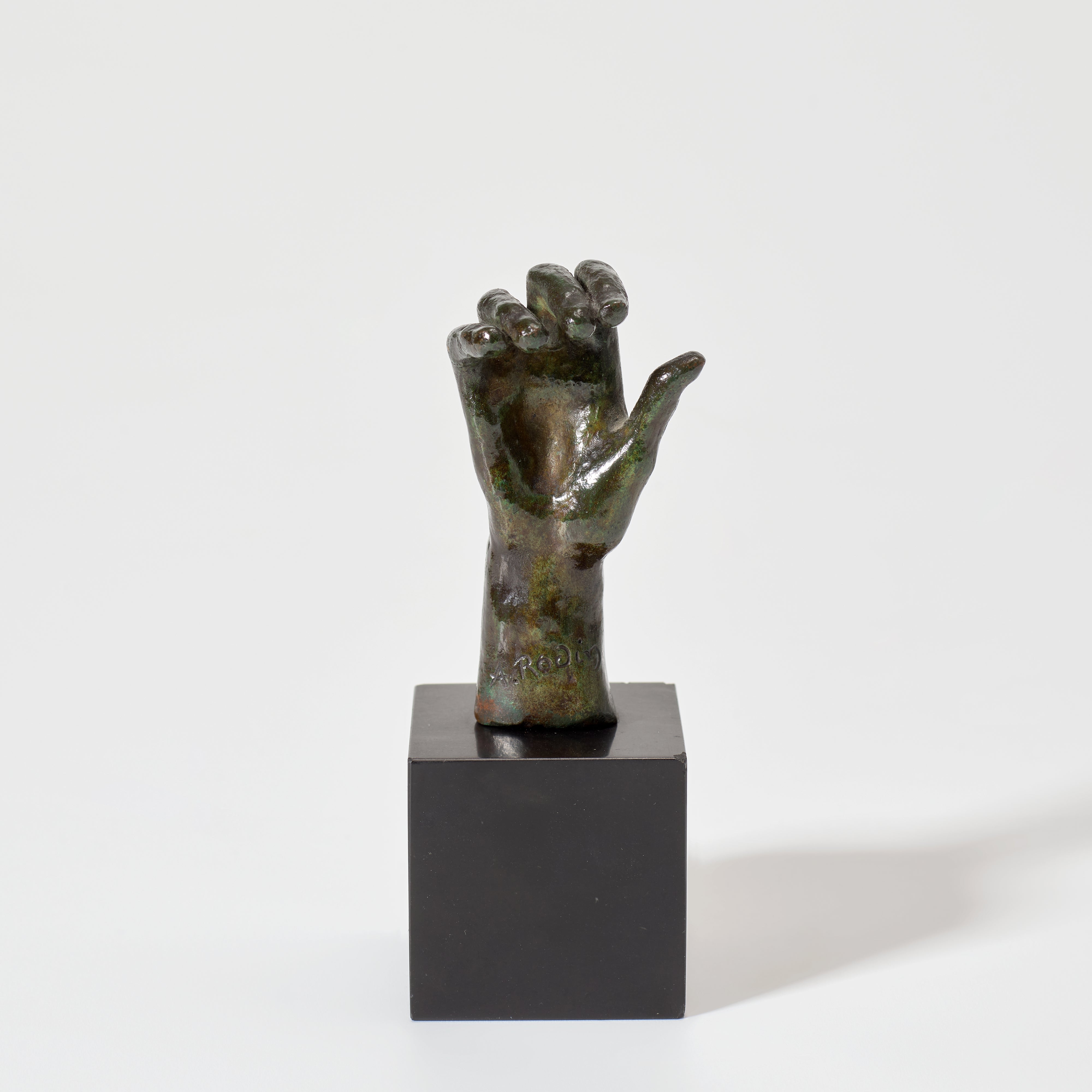
Rodin understood the fragment as a complete statement, and his partial figures carry an energy that finished academic works rarely achieve. When you are looking at works in this category, ask yourself whether the artist had something genuinely at stake in the making. The best works in this tradition do not merely represent a body. They metabolize it.
For collectors building in this space, certain artists represent both cultural weight and genuine market resilience. Auguste Rodin remains foundational, and his bronzes, even smaller casts and later editions, hold value with remarkable consistency because institutional demand never retreats. The important question with Rodin is always provenance and casting history. Works cast during his lifetime carry premiums that posthumous casts, however authorized, cannot match.
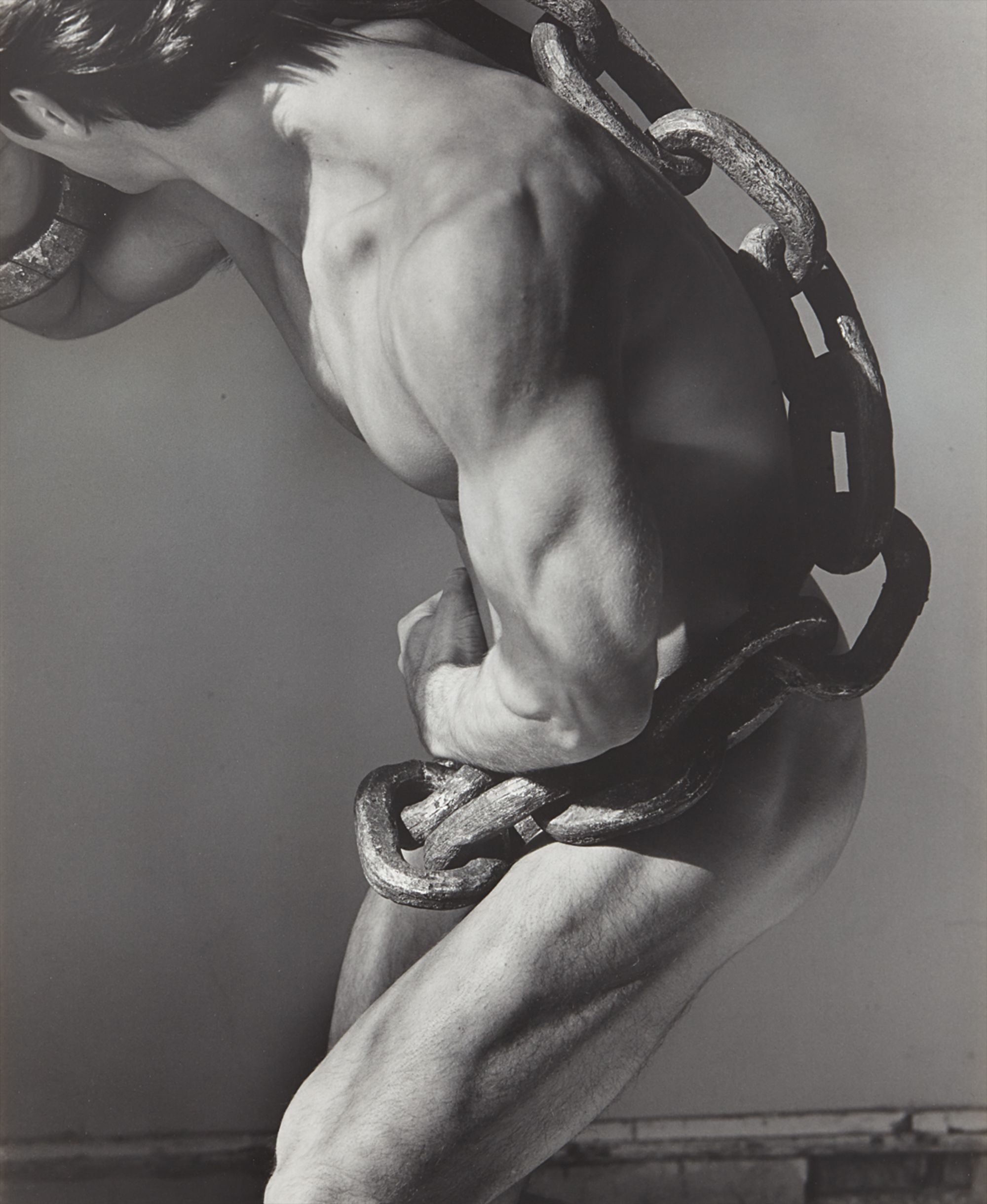
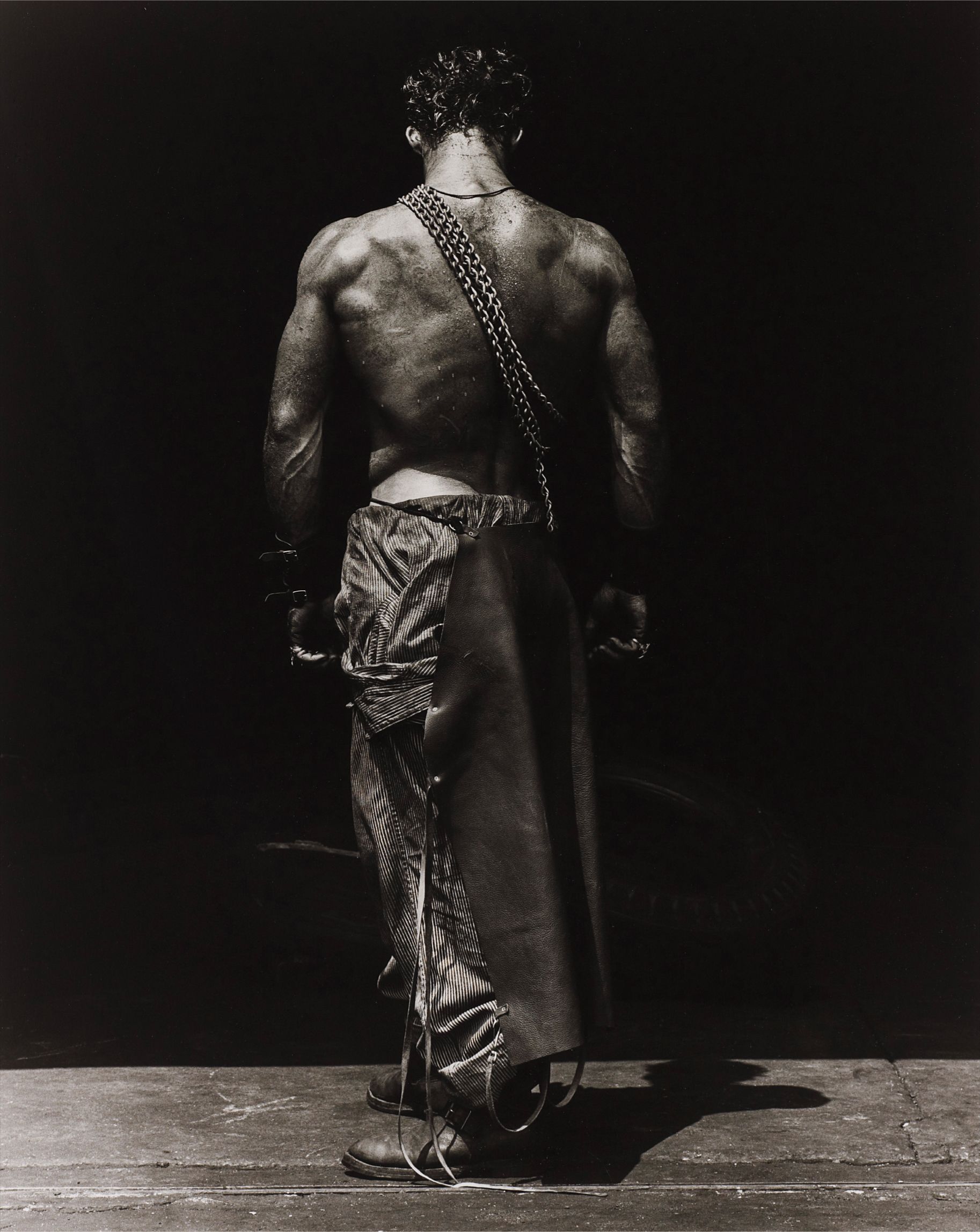
Herb Ritts
Man with chain, Los Angeles
Similarly, Emile Antoine Bourdelle, Rodin's most significant student, is arguably undervalued relative to his historical importance. Bourdelle's male figures carry a monumental gravity that sits beautifully in contemporary interiors, and serious collectors would do well to look carefully at what comes to market. The photography side of this collecting area is where the most dynamic conversations are happening right now, and where values have shifted most dramatically over the past two decades. Herb Ritts, whose work in the 1980s and 1990s redefined the relationship between fashion, celebrity, and classical form, now commands serious secondary market attention.
His male nudes draw on a sculptural tradition, the figures feel carved rather than captured, and that deliberate art historical consciousness gives the work a longevity that more spontaneous photography sometimes lacks. George Platt Lynes, working decades earlier in a very different cultural climate, made photographs of extraordinary refinement and courage. His prints are genuinely rare and have appreciated steadily as queer art history has received the institutional reassessment it deserves. Horst P.
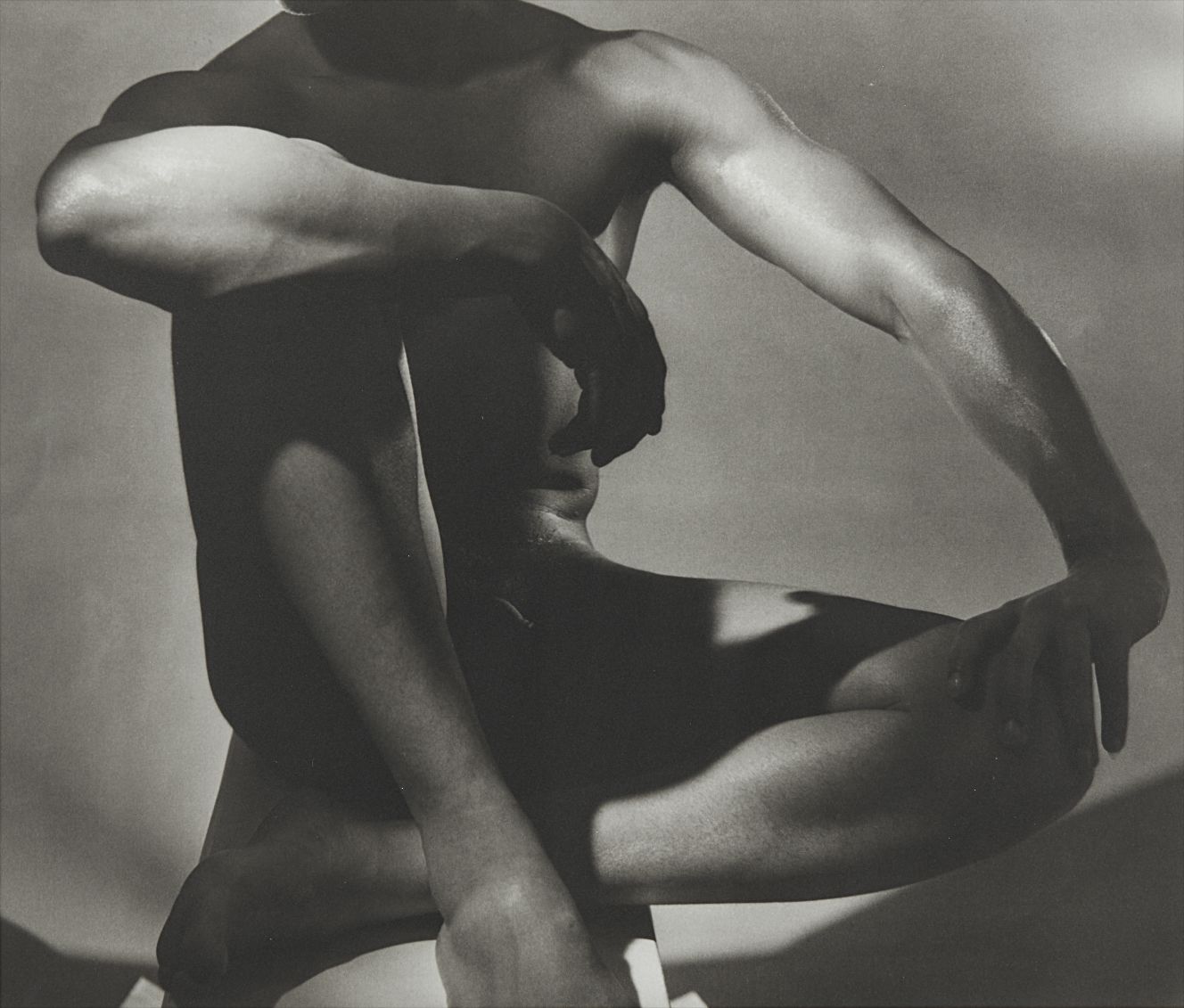
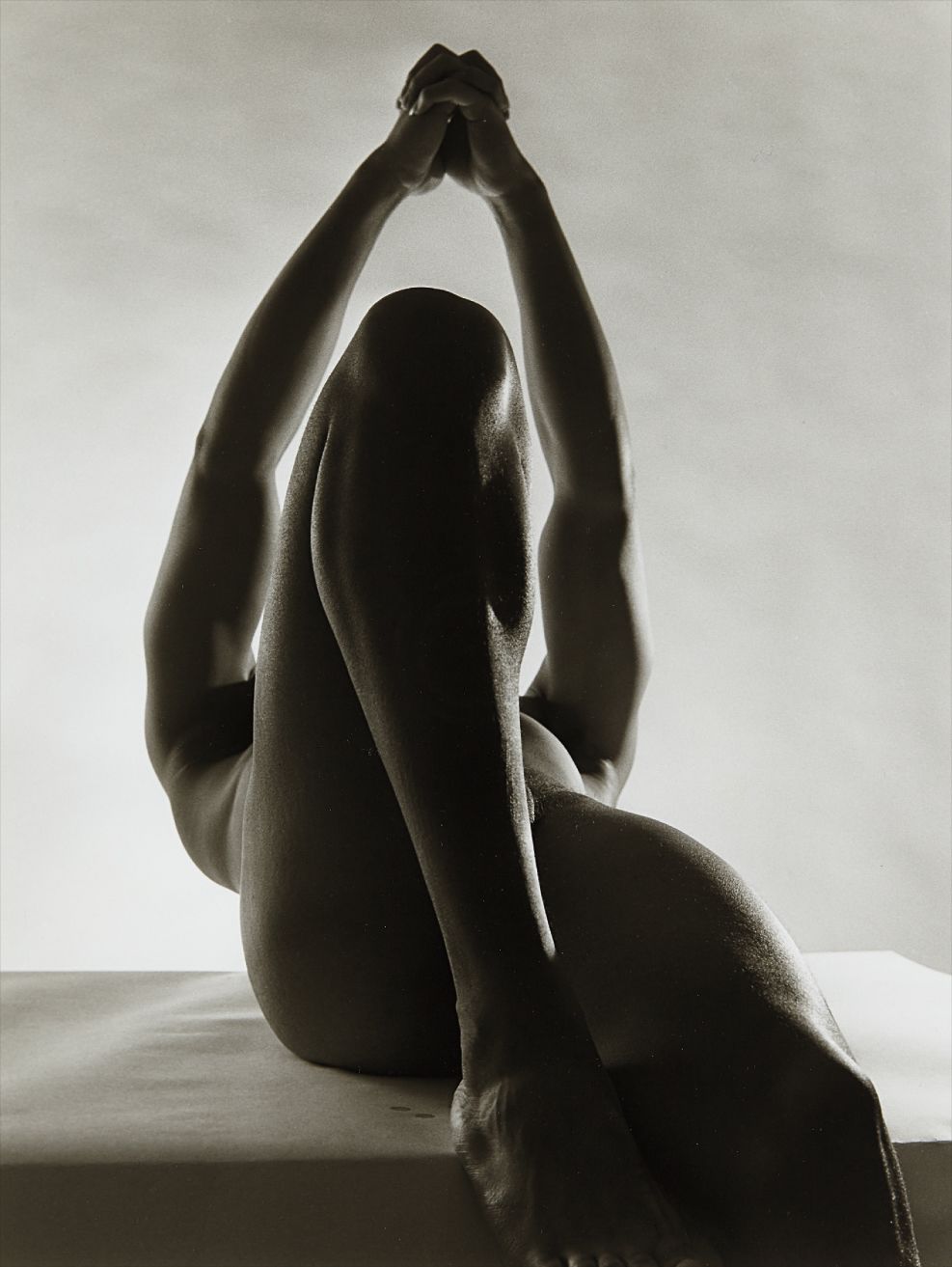
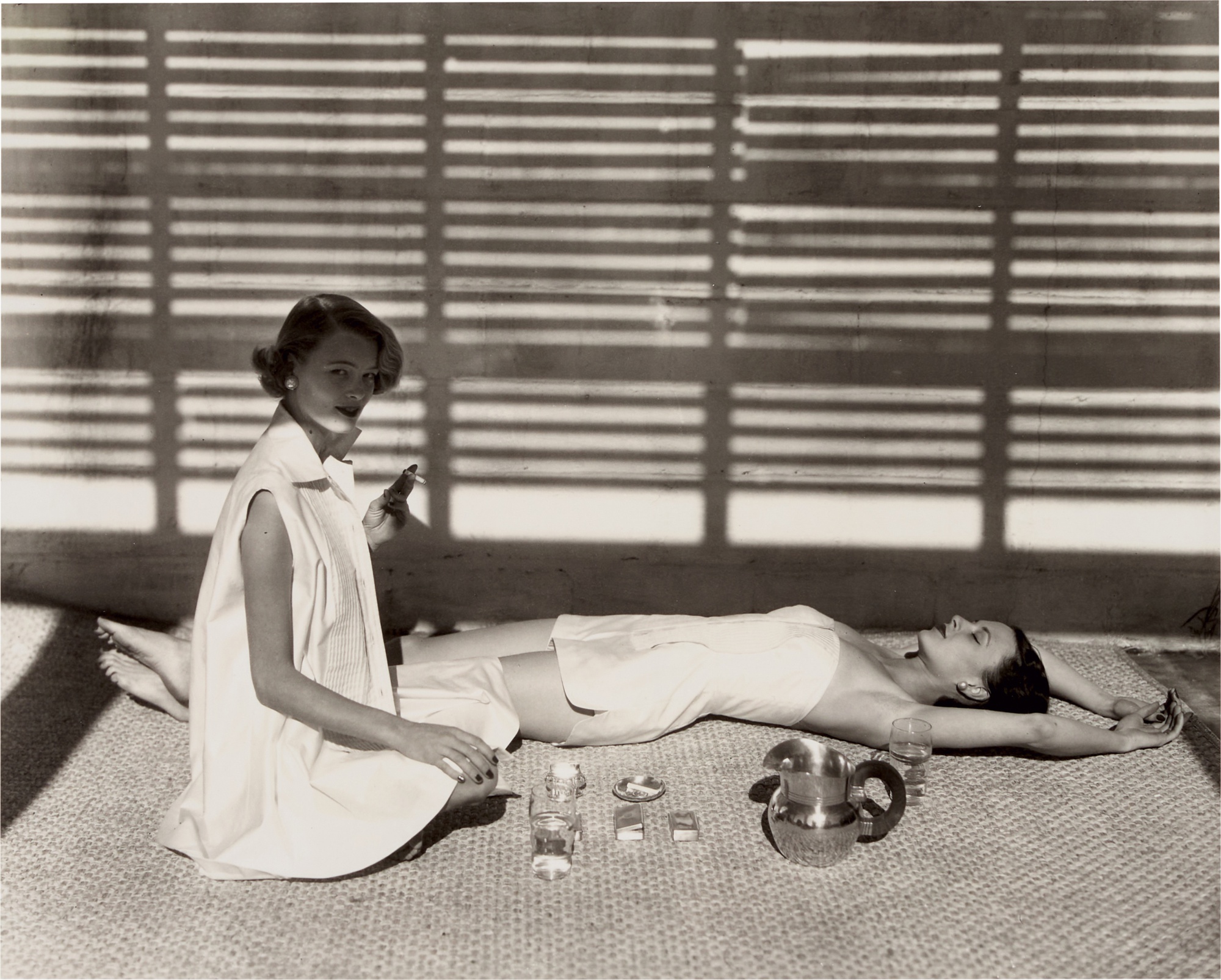
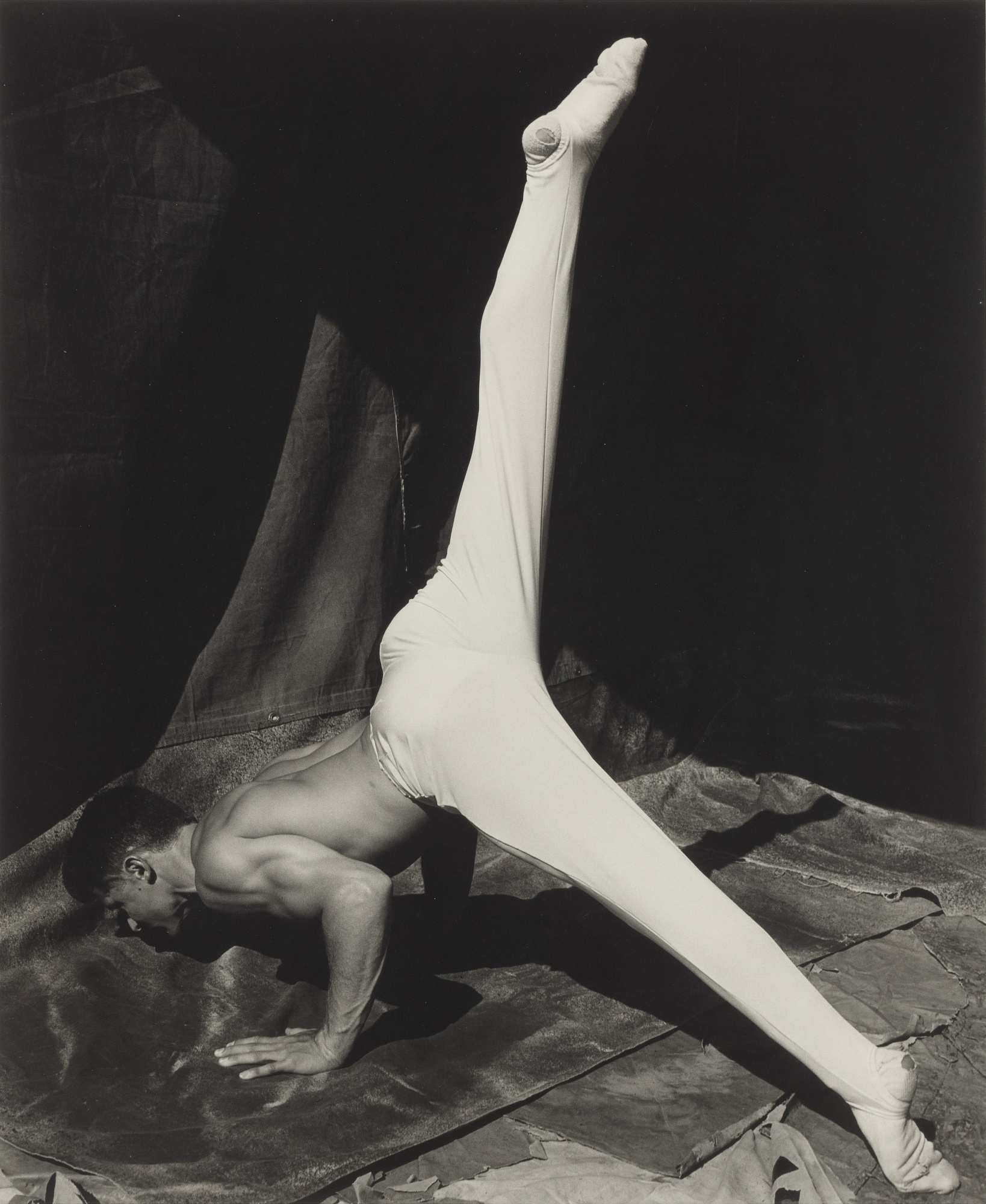
Horst P. Horst
Male Nude (Legs Crossed)
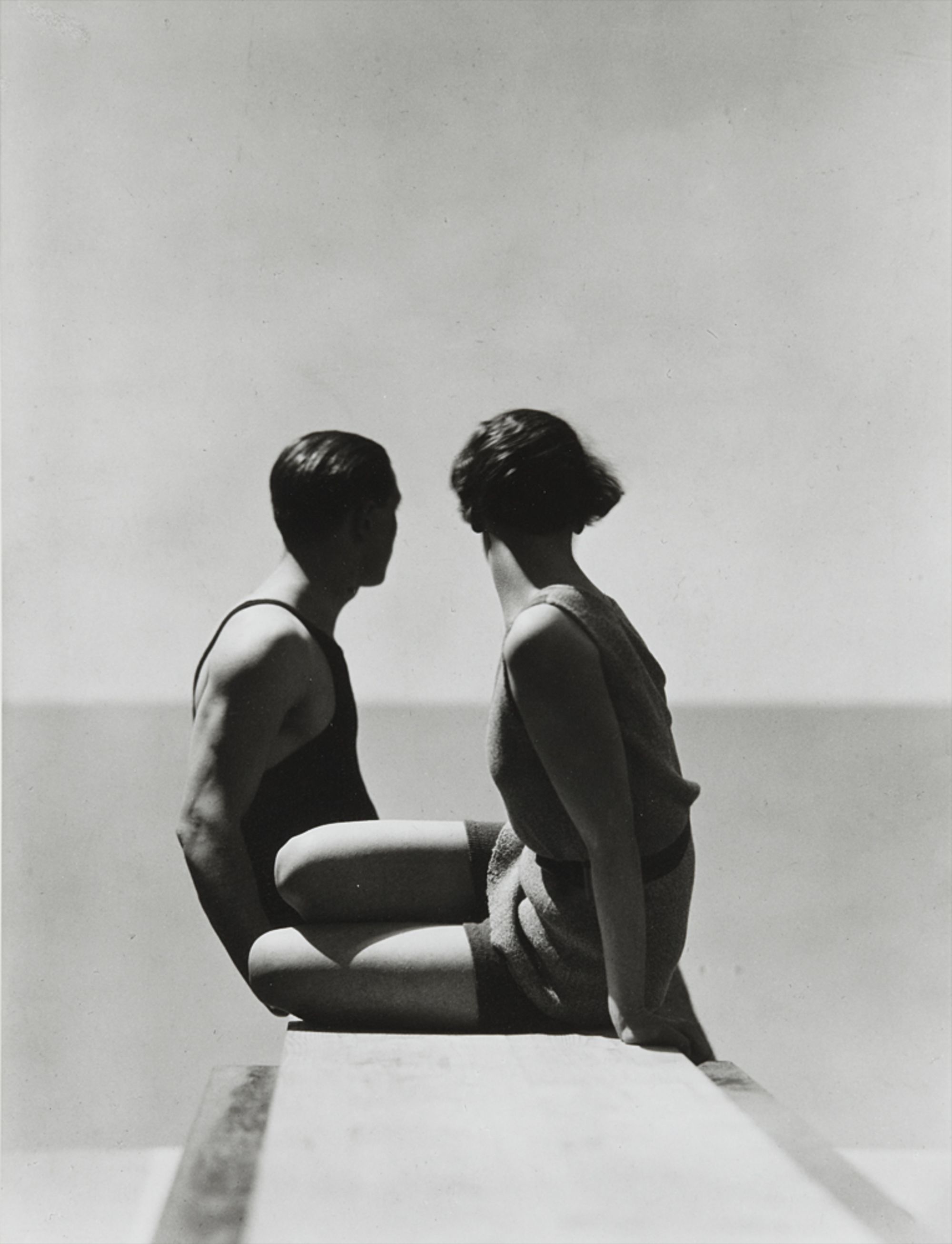
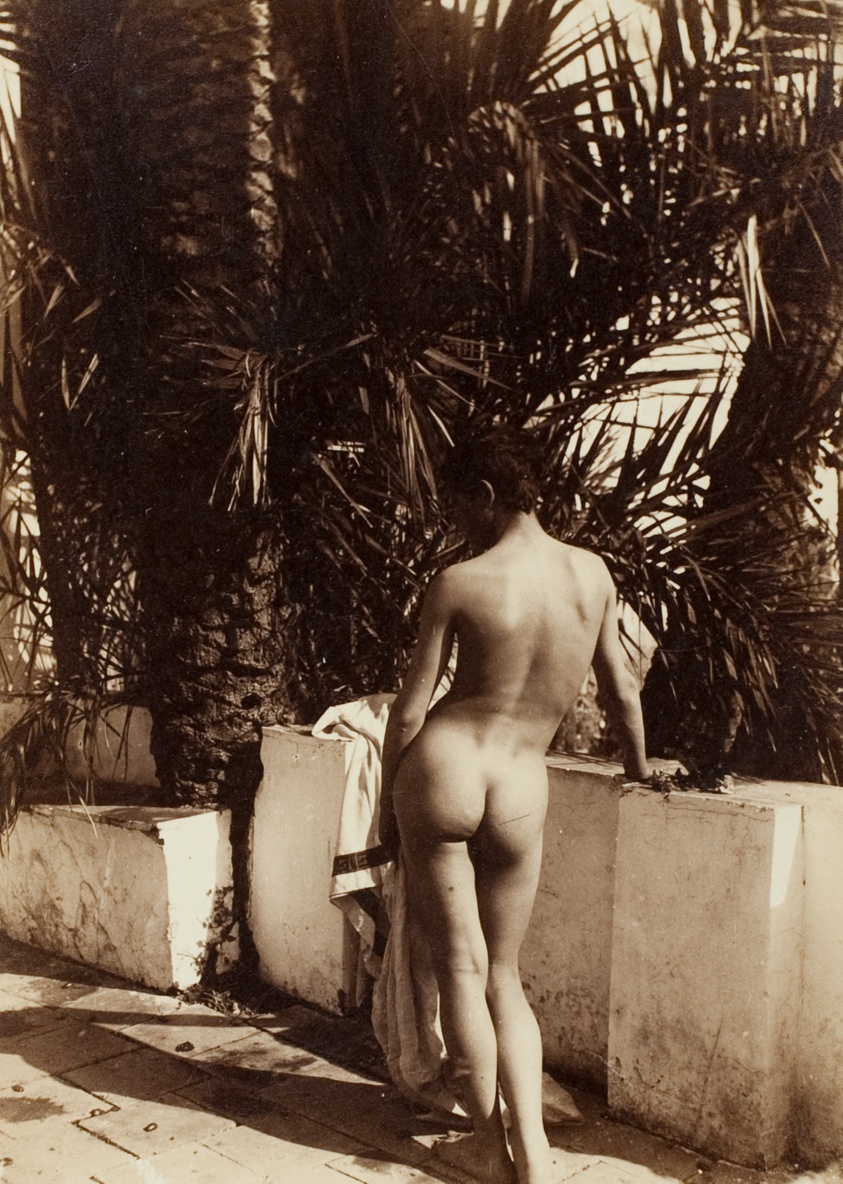
Horst and George Hoyningen Huene, both associated with the golden era of Vogue, brought an architectural precision to the male body that feels startlingly modern when encountered in person. Wilhelm von Gloeden deserves particular mention for collectors interested in the intersection of photography and classical antiquity. Working in Taormina in the late nineteenth and early twentieth centuries, von Gloeden constructed images that borrowed explicitly from ancient Greek and Roman sources while producing something entirely his own. Original prints are genuinely scarce and when they appear at auction they generate competitive bidding.
Tom of Finland occupies a different register entirely but the market for his drawings has transformed over the past decade as institutions from the Los Angeles County Museum of Art to major European kunsthalles have programmed serious exhibitions of his work. What was once considered subcultural is now understood as a significant contribution to postwar figuration, and prices have responded accordingly. For those interested in drawings and works on paper, the category rewards patience and expertise in equal measure. A drawing attributed to the Florentine School of the sixteenth or seventeenth century requires careful looking and ideally specialist opinion, but the rewards for collectors who do the work are real.
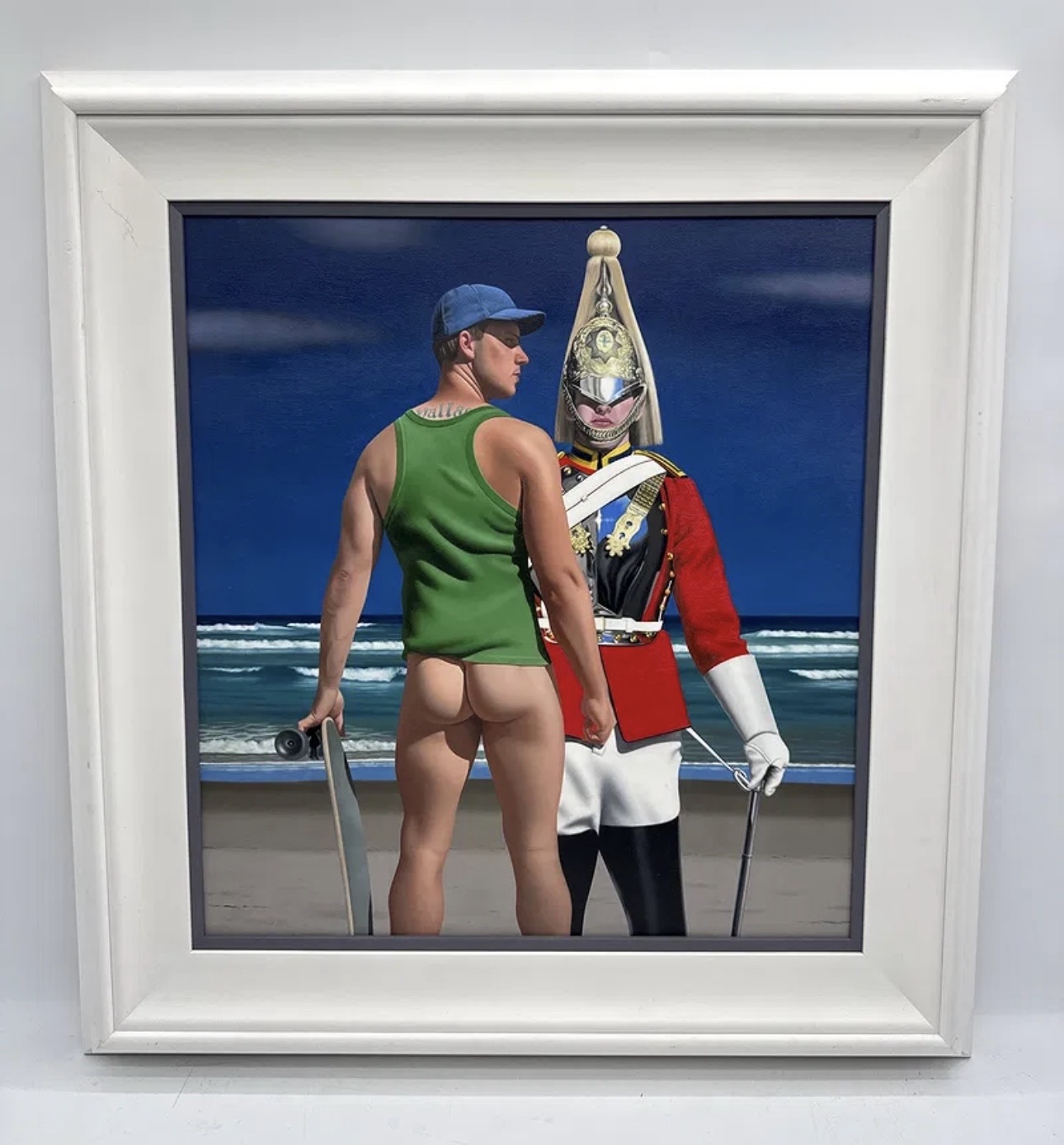
Paul Cadmus
Jerry, 1931
Academic figure studies in this tradition were made in extraordinary numbers but genuinely distinguished examples, where the draughtsmanship is alive and the handling of light on form is sophisticated, are far rarer than the market sometimes suggests. Paul Cadmus, the American realist whose 1934 painting The Fleet's In caused a scandal when the Navy demanded its removal from a Washington exhibition, is another figure whose drawings and prints represent serious collecting opportunity. His work sits at the intersection of social observation and classical training in a way that feels urgently relevant to contemporary conversations about the male body in culture. Practically speaking, condition is everything in this category and it requires honest conversation with any gallery or dealer before you commit.
With works on paper, ask directly about any restoration, foxing, or exposure to light, and request a condition report in writing. With bronze, understand the patination history and whether any surface treatment is original or later intervention. Photography requires particular attention to print type and date: a vintage print made close to the time of the negative will almost always outperform a later print both aesthetically and at auction. When considering editions, ask how many prints exist in the edition, how many have been sold, and whether the edition is closed.
An open edition is a fundamentally different investment proposition than a closed one, regardless of how the work looks on the wall. Display requires some thought too, not because these works are difficult to live with once you have made the commitment, but because they respond so strongly to context. A Rodin fragment on a plinth in a room with natural light becomes a conversation about time and materiality. A Schiele drawing needs intimacy, a smaller wall, closer viewing distance, the sense of encountering something private.
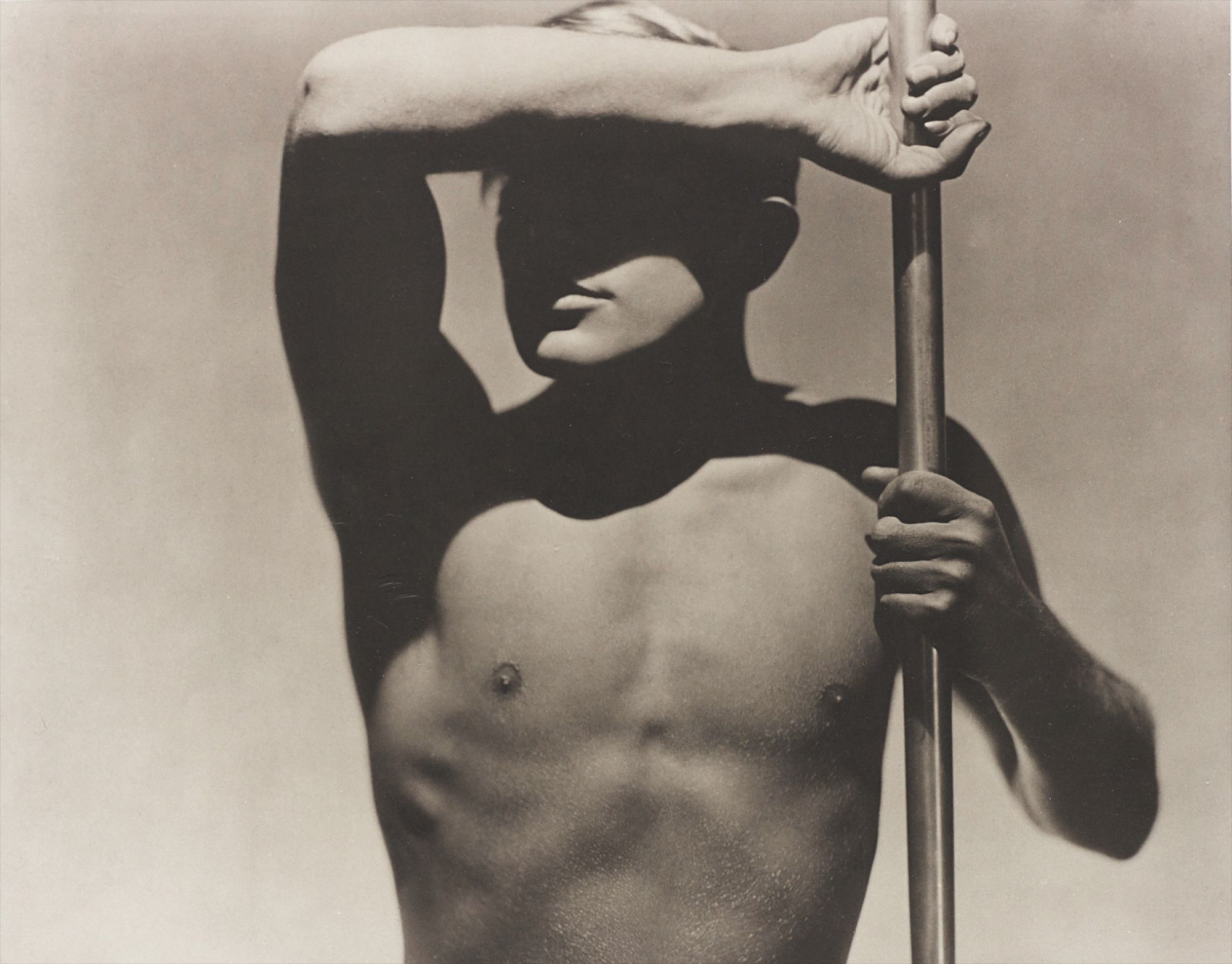
The photographers in this tradition, from Ritts to Lynes to Bruce of Los Angeles, were all thinking about light with tremendous sophistication, and their prints deserve to be seen in conditions that honor that thinking. The male nude, across all its forms and centuries, asks to be seen properly. That is not a burden. That is the whole point.