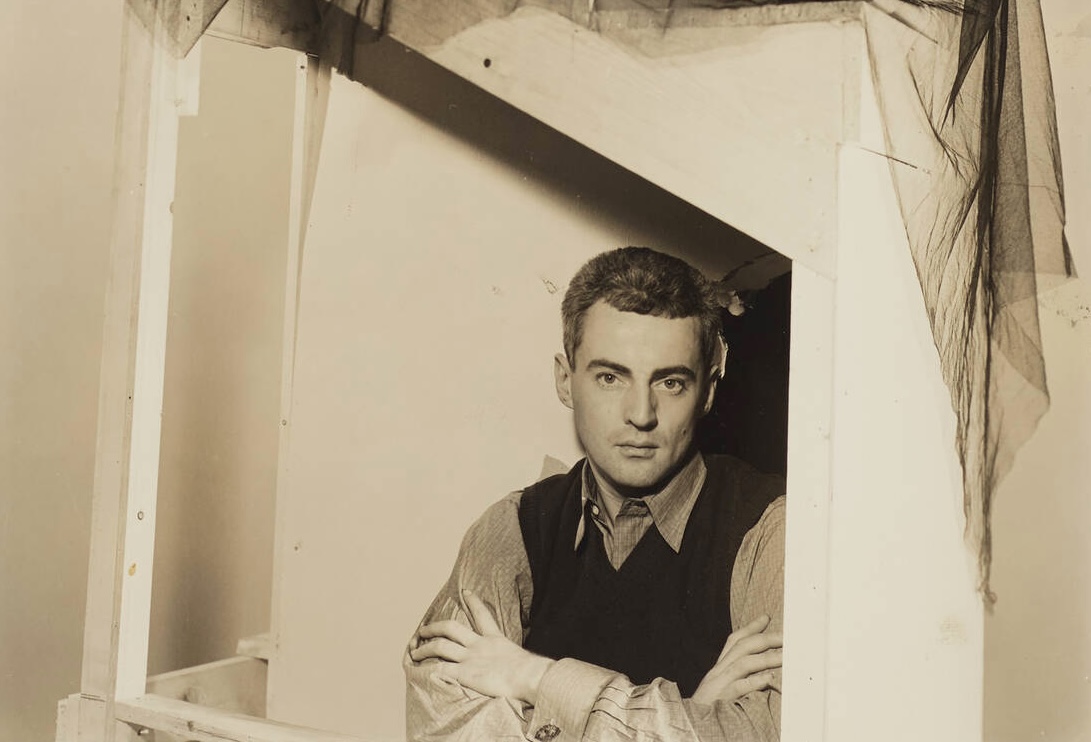
George Platt Lynes
3
Works
5
Followers
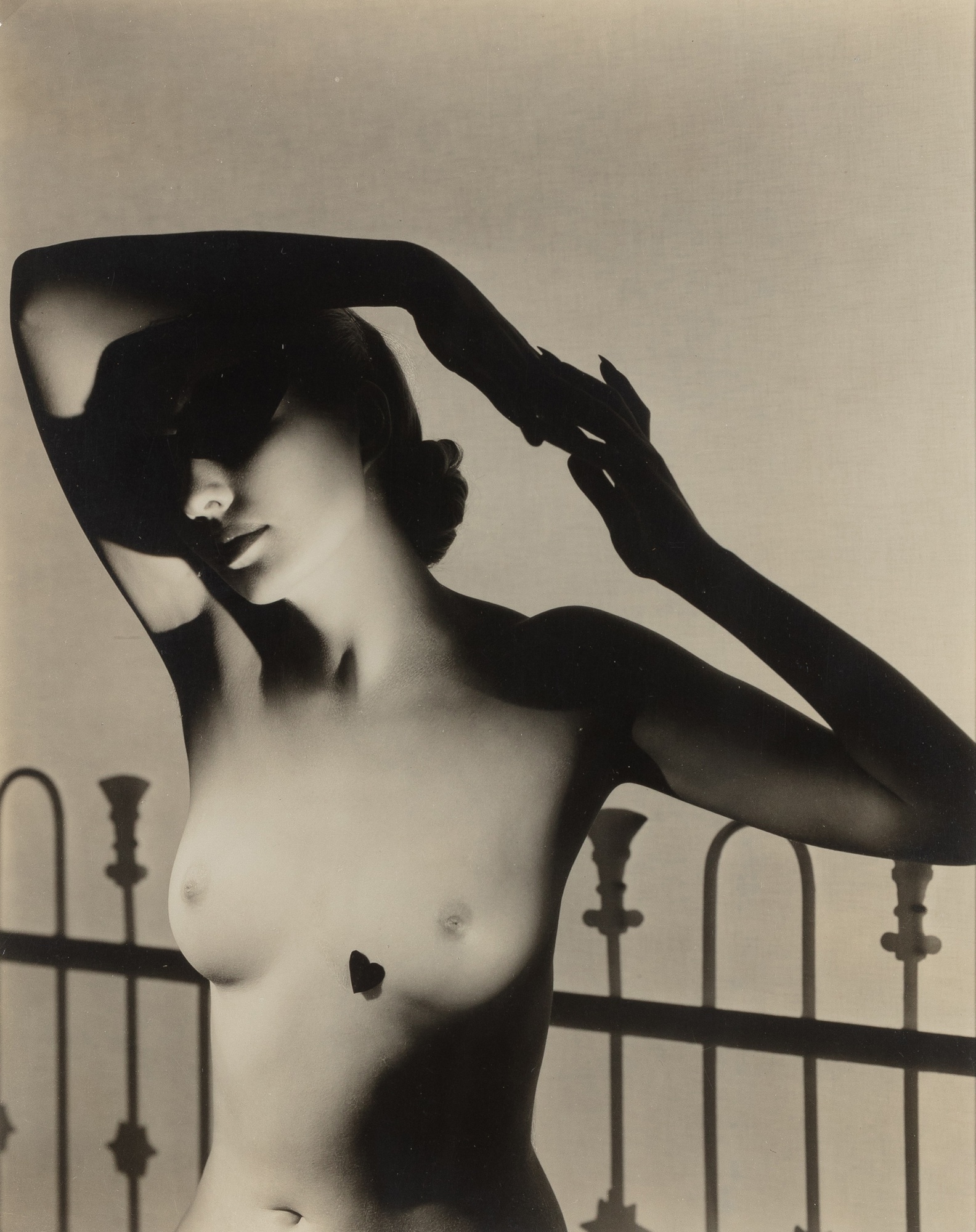
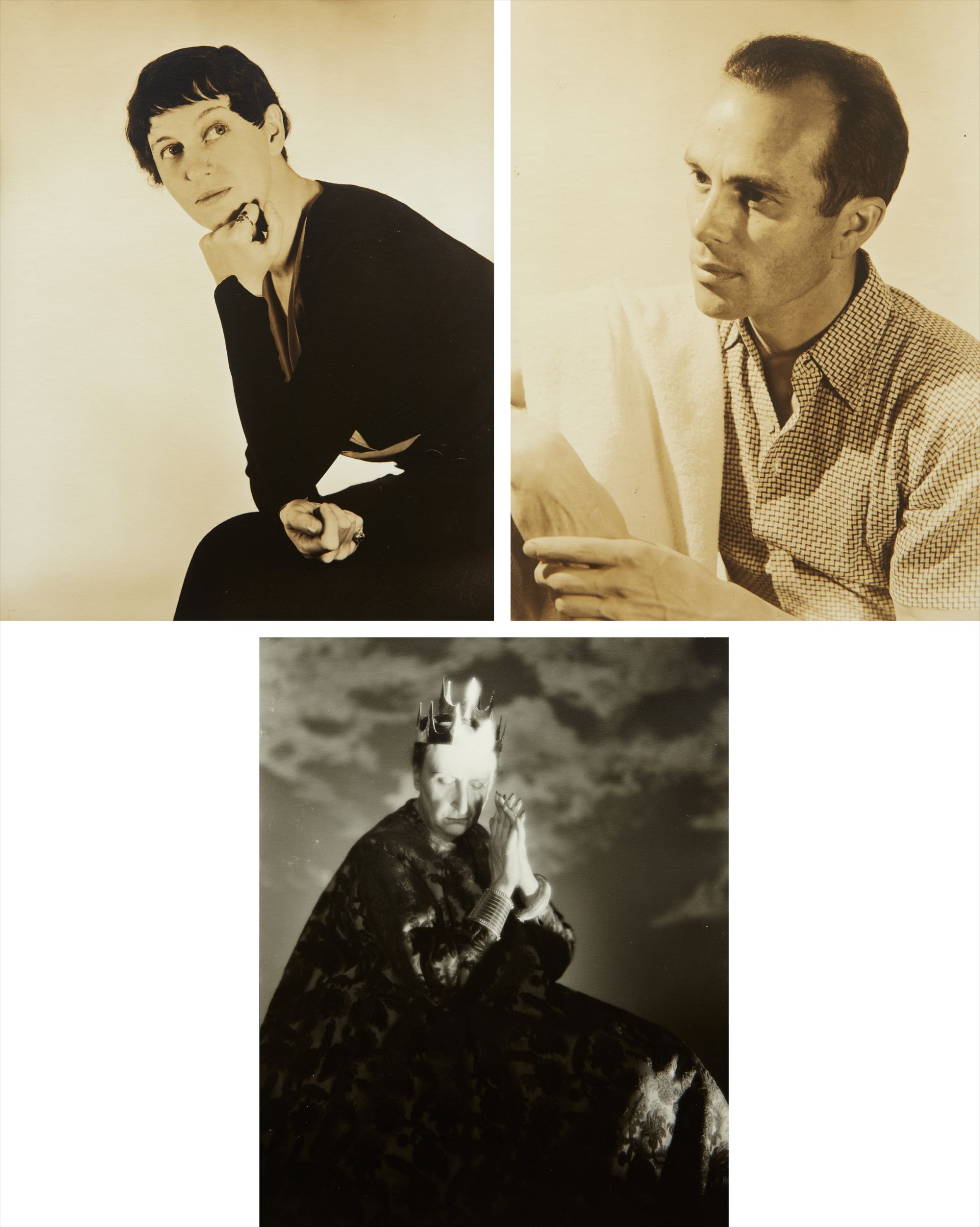
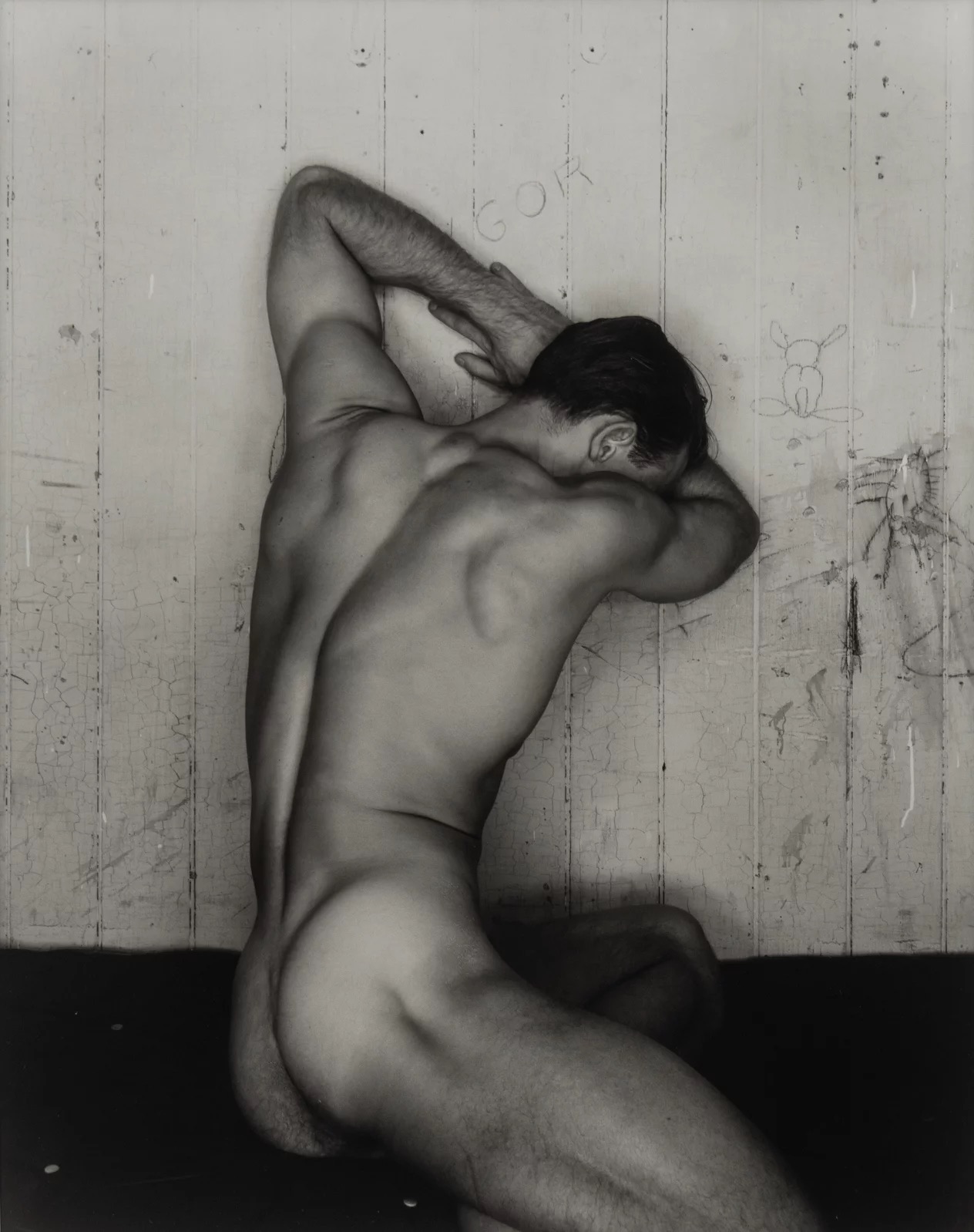
George Platt Lynes was an American fashion and commercial photographer who became renowned for his surrealist-influenced work and pioneering homoerotic male nude photography. Born in East Orange, New Jersey, Lynes initially pursued a literary career in Paris during the 1920s, where he befriended Gertrude Stein, Jean Cocteau, and other avant-garde figures. He turned to photography in the late 1920s and quickly established himself as a leading fashion photographer, working extensively for Harper's Bazaar and Vogue throughout the 1930s and 1940s. His fashion work was characterized by dramatic lighting, classical compositions, and a theatrical sensibility that set him apart from his contemporaries. Lynes is perhaps most significant for his private body of work featuring male nudes, which he created alongside his commercial photography. These images, influenced by classical Greek sculpture and surrealist aesthetics, were highly artistic studies that explored male beauty and homoerotic desire with unprecedented sophistication and artistry. Working during an era when such imagery was largely taboo, Lynes kept much of this work private, sharing it only with close friends and fellow artists. He also photographed many notable cultural figures of his time, including ballet dancers, writers, and artists from his extensive social circle in New York. Despite his commercial success, Lynes struggled financially later in life and died of lung cancer in 1955 at the age of 48. Before his death, he destroyed a significant portion of his work, particularly the male nudes, fearing persecution. However, the surviving images were preserved by his friends, notably Alfred Kinsey, and have since been recognized as groundbreaking contributions to both fashion photography and LGBTQ+ art history. His work has been reassessed and celebrated in numerous exhibitions since the 1980s, cementing his legacy as one of the most important American photographers of the mid-20th century.
Collectors

Artists in conversation

Horst P. Horst
Horst worked in the same era as a leading fashion photographer whose studio work blended surrealist aesthetics with classical elegance, appealing to the same Vogue and Harper's Bazaar audience. Both photographers shared a meticulous approach to lighting, sculptural form, and the male and female body as artistic subject.
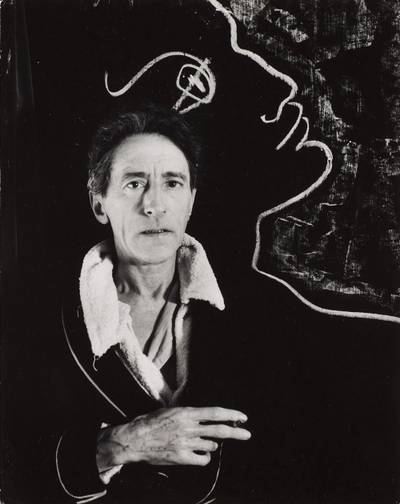
Herbert List
List similarly fused surrealist sensibilities with classical references and produced pioneering homoerotic male nude photography with great formal beauty. His Mediterranean studies of the male figure share a poetic and mythological quality directly comparable to Lynes's work.
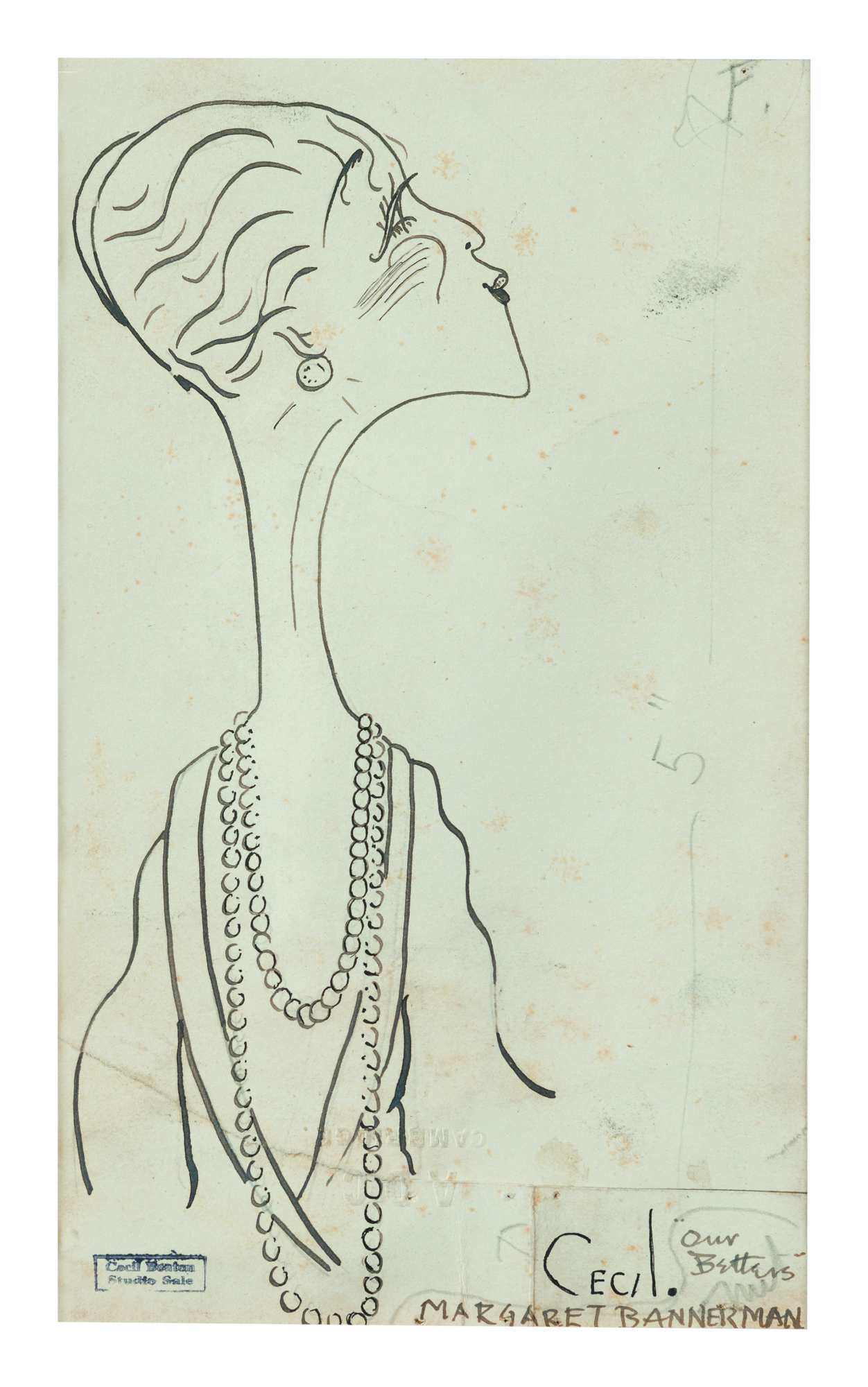
Cecil Beaton
Beaton was a contemporaneous fashion and portrait photographer whose surrealist theatrical sensibility and connections to the same cultural avant garde circles made his output stylistically akin to Lynes. Collectors drawn to Lynes's glamour and wit find natural kinship in Beaton's elaborate fantasy imagery.
Artists who inspired them

Man Ray
Man Ray was a central figure in the Paris surrealist circle that Lynes entered in the late 1920s, and his experimental approach to the photographed body and surrealist montage directly shaped Lynes's conceptual ambitions. Lynes absorbed Man Ray's idea of photography as fine art capable of dreamlike transformation rather than mere documentation.

Baron Adolf de Meyer
De Meyer established the template of the fashion photographer as an artist of soft light and romantic atmosphere, working for Vogue and Harper's Bazaar before Lynes entered the field. His elevation of commercial photography to a pictorialist art form gave Lynes a professional and aesthetic precedent to build upon.
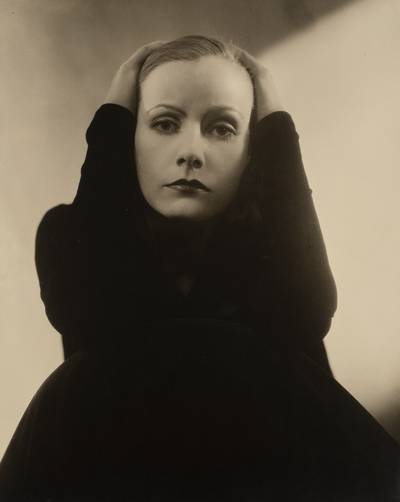
Edward Steichen
Steichen demonstrated that a photographer could move fluidly between fine art portraiture and high fashion work while maintaining artistic credibility, a path Lynes consciously followed. His commanding studio lighting and classical treatment of the human form were foundational models for Lynes's own photographic language.
Artists they inspired
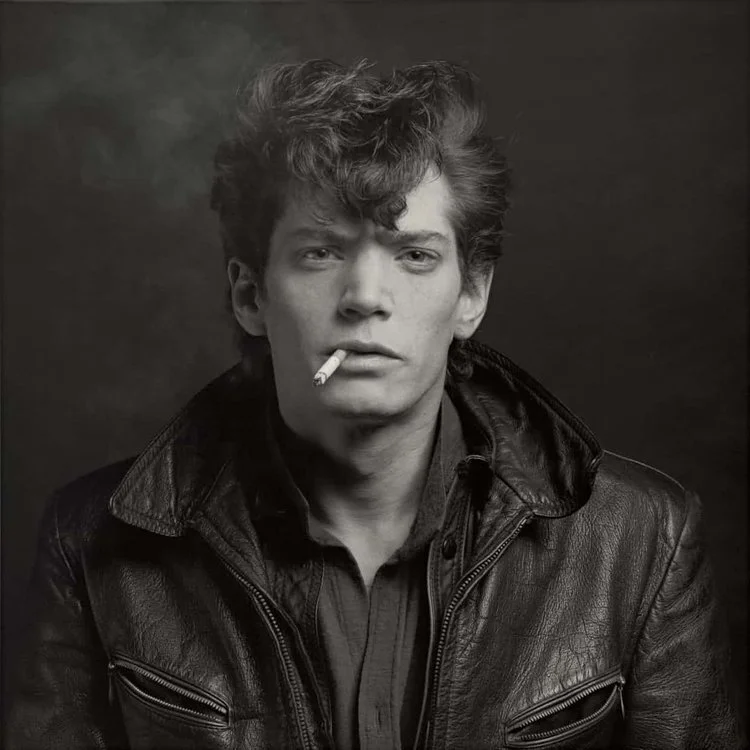
Robert Mapplethorpe
Mapplethorpe directly acknowledged the tradition of homoerotic male nude photography that Lynes pioneered, sharing his emphasis on classical sculptural form, stark studio lighting, and unflinching yet aestheticized depictions of male sexuality. Mapplethorpe extended Lynes's project of legitimizing the male nude within fine art photography into a more public and confrontational arena.
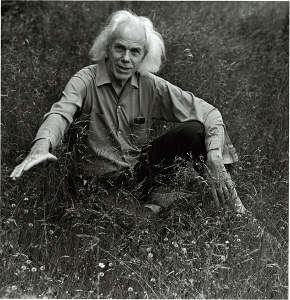
Minor White
White was aware of Lynes's clandestine male nude work and similarly pursued a serious fine art approach to the homoerotic male figure in mid twentieth century America. Lynes's example helped establish that such imagery could aspire to formal and spiritual depth rather than mere transgression.