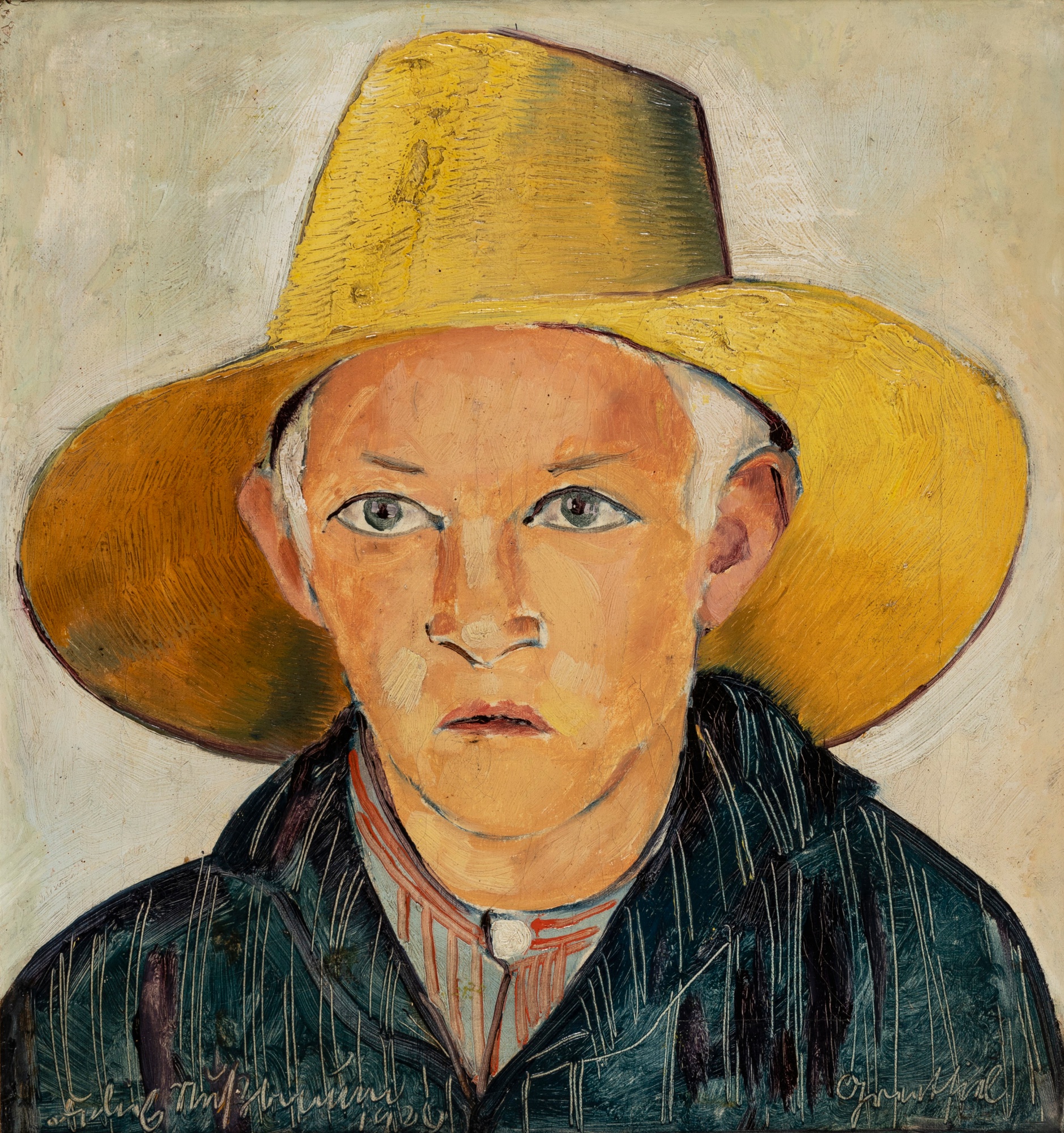
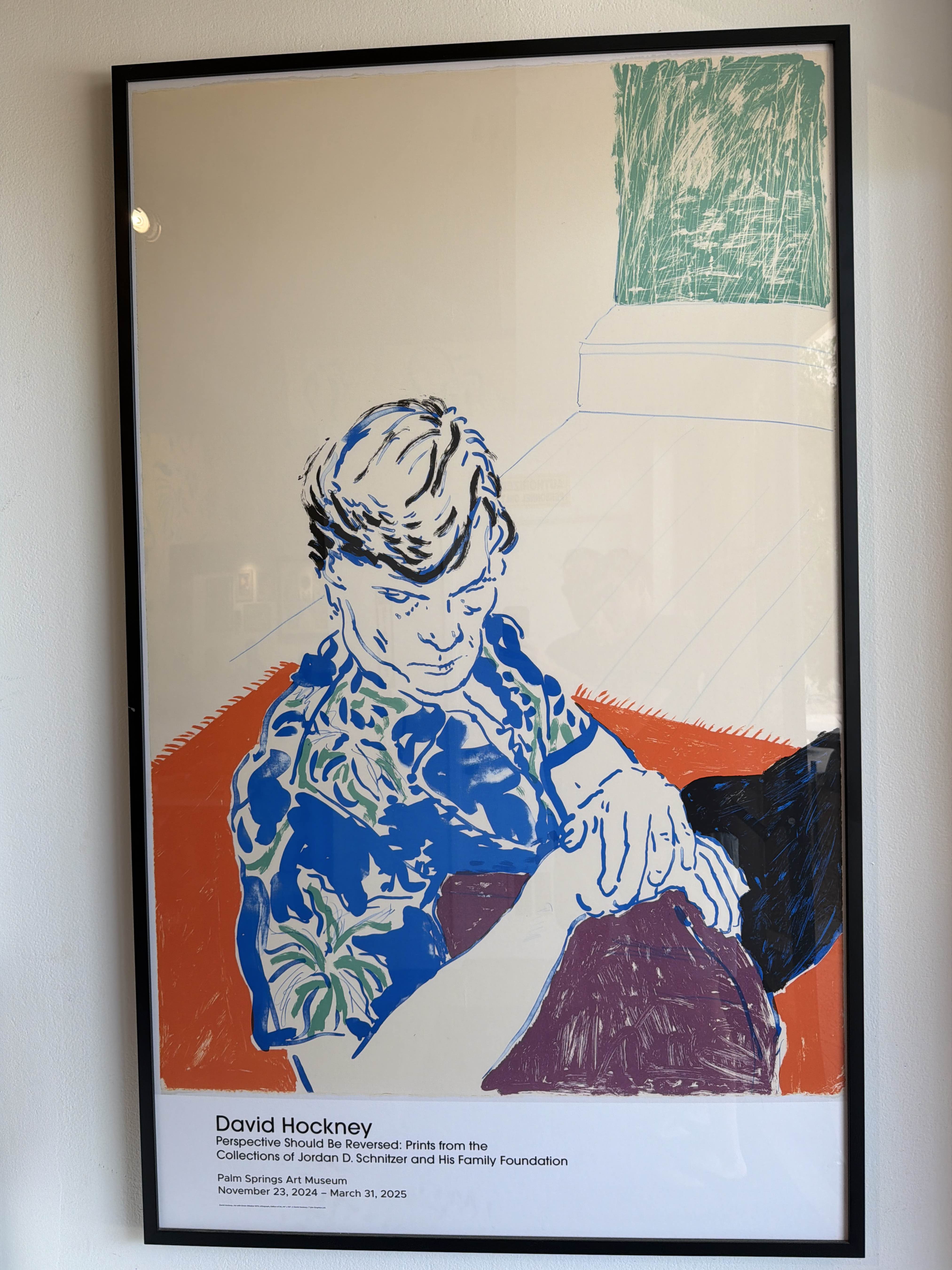
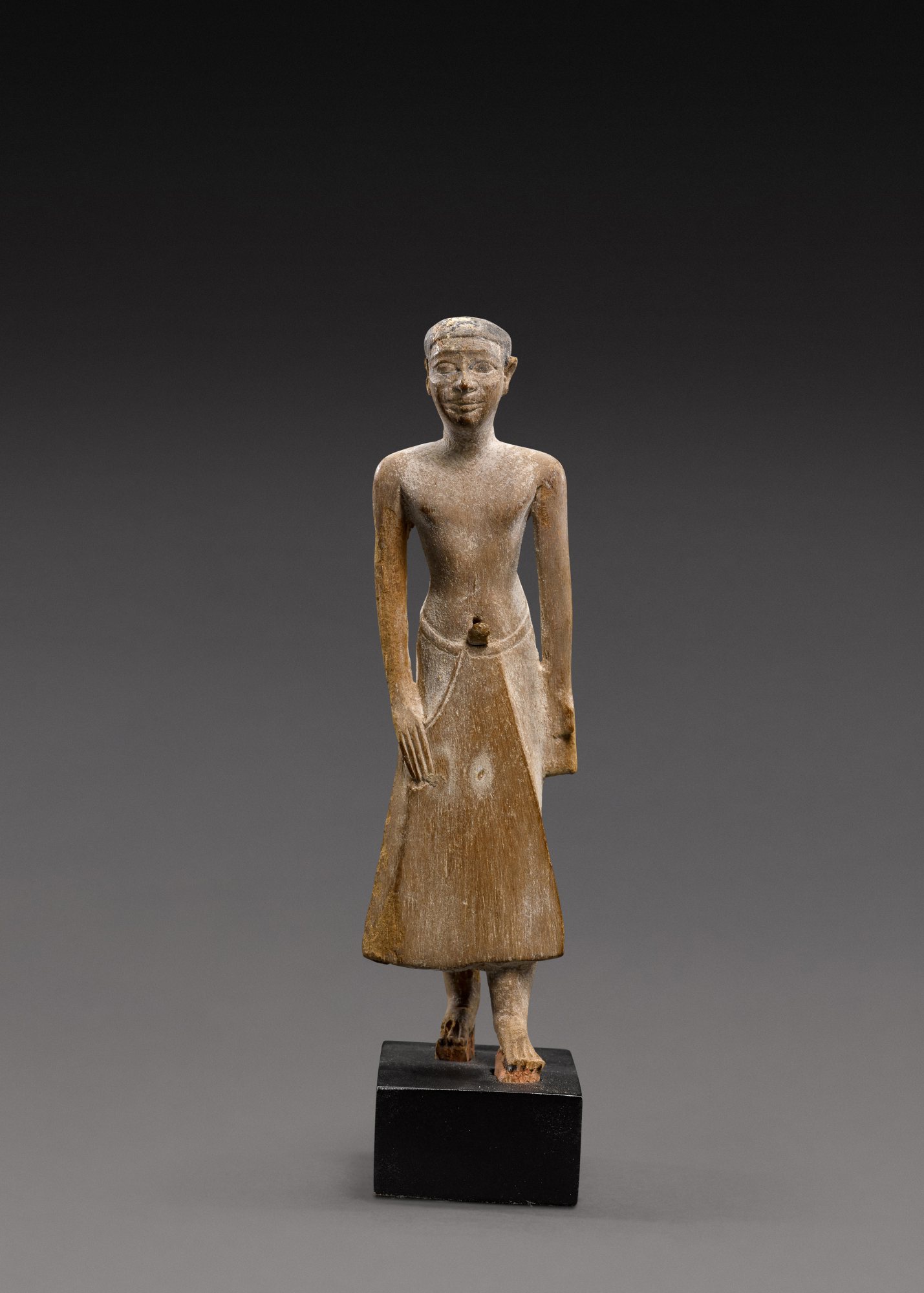
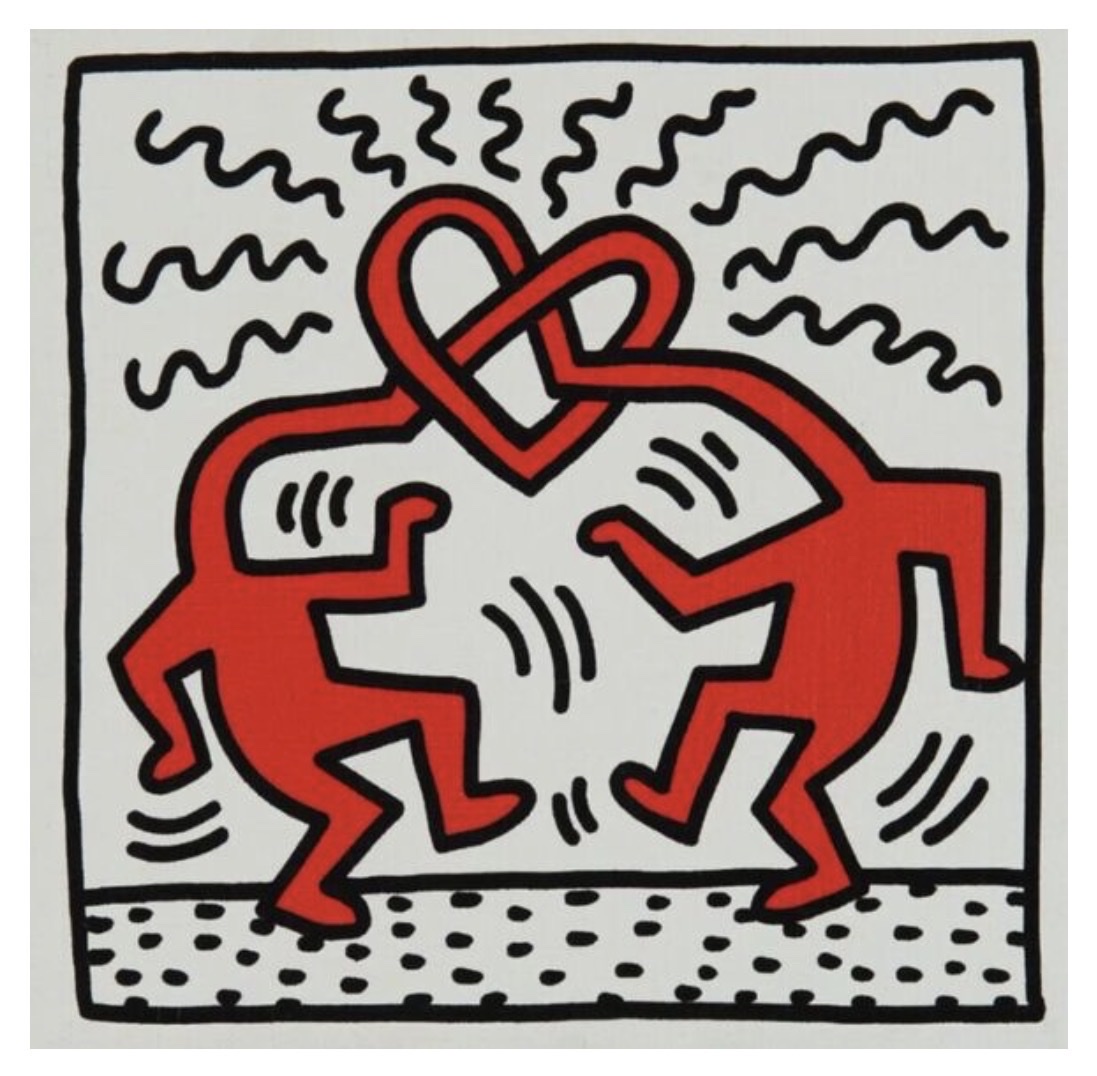
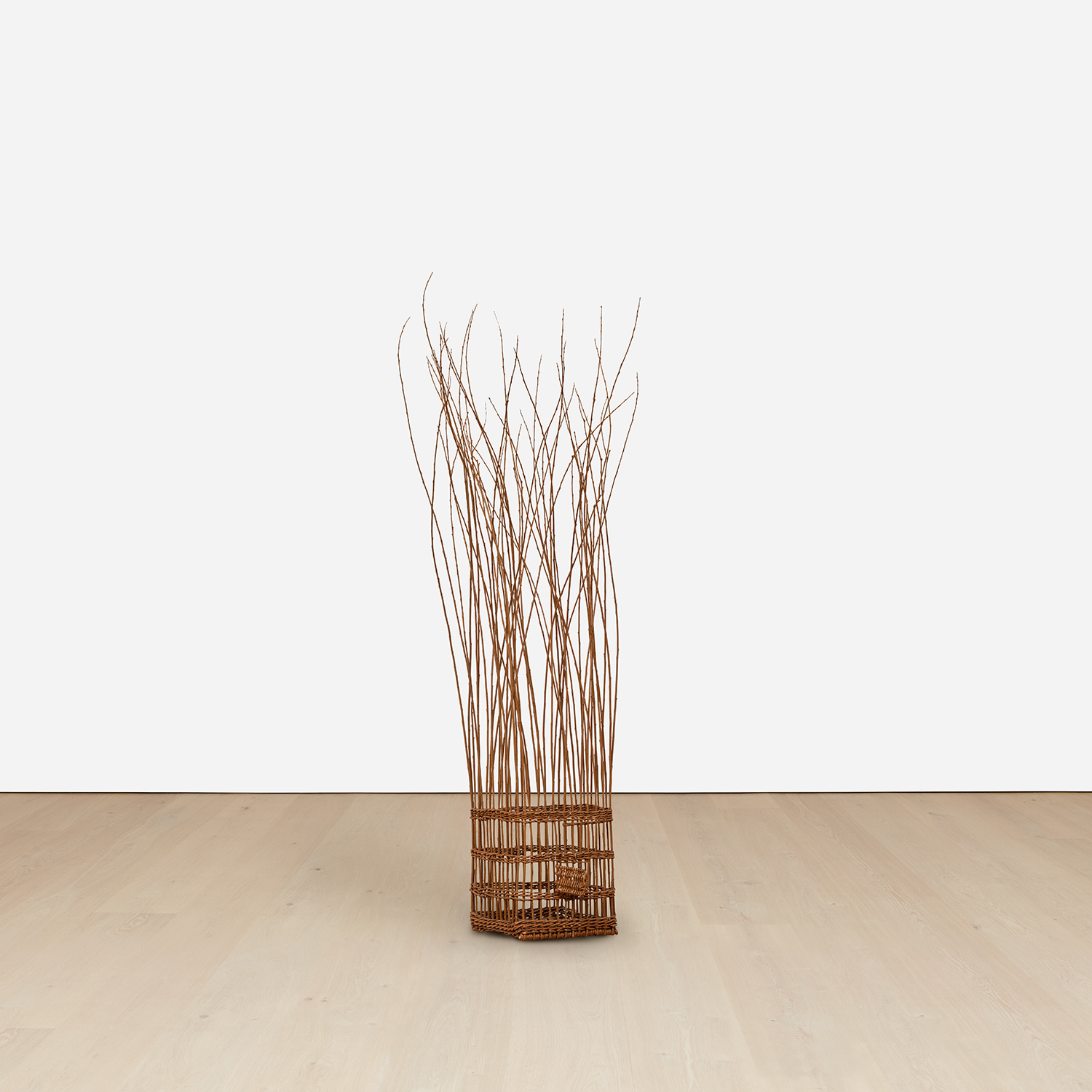
Male Figure
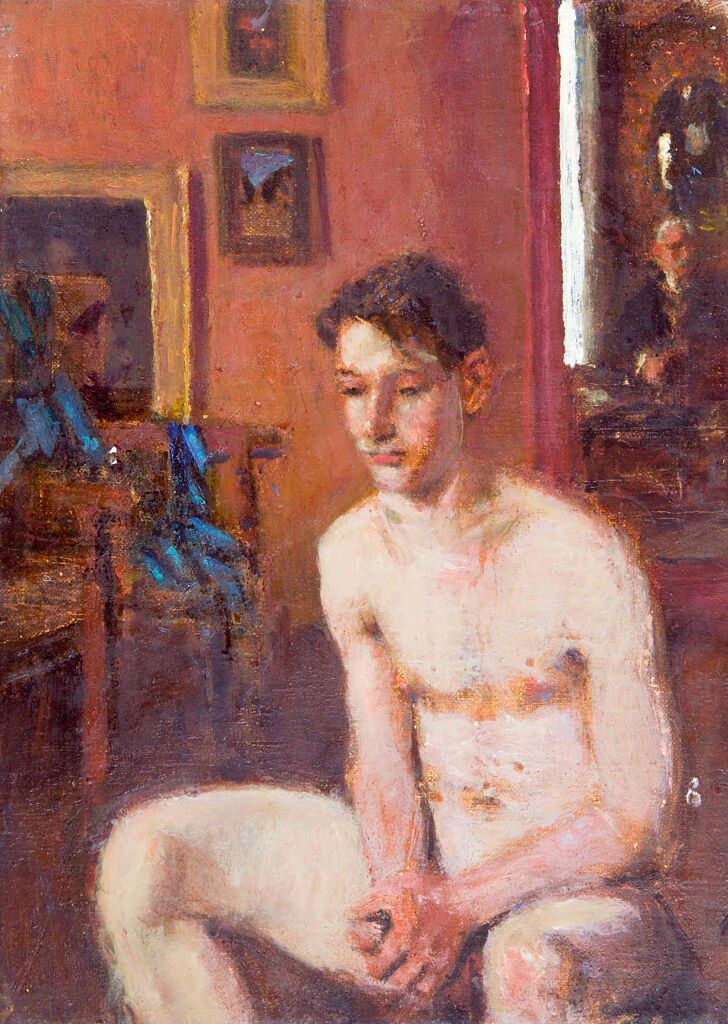
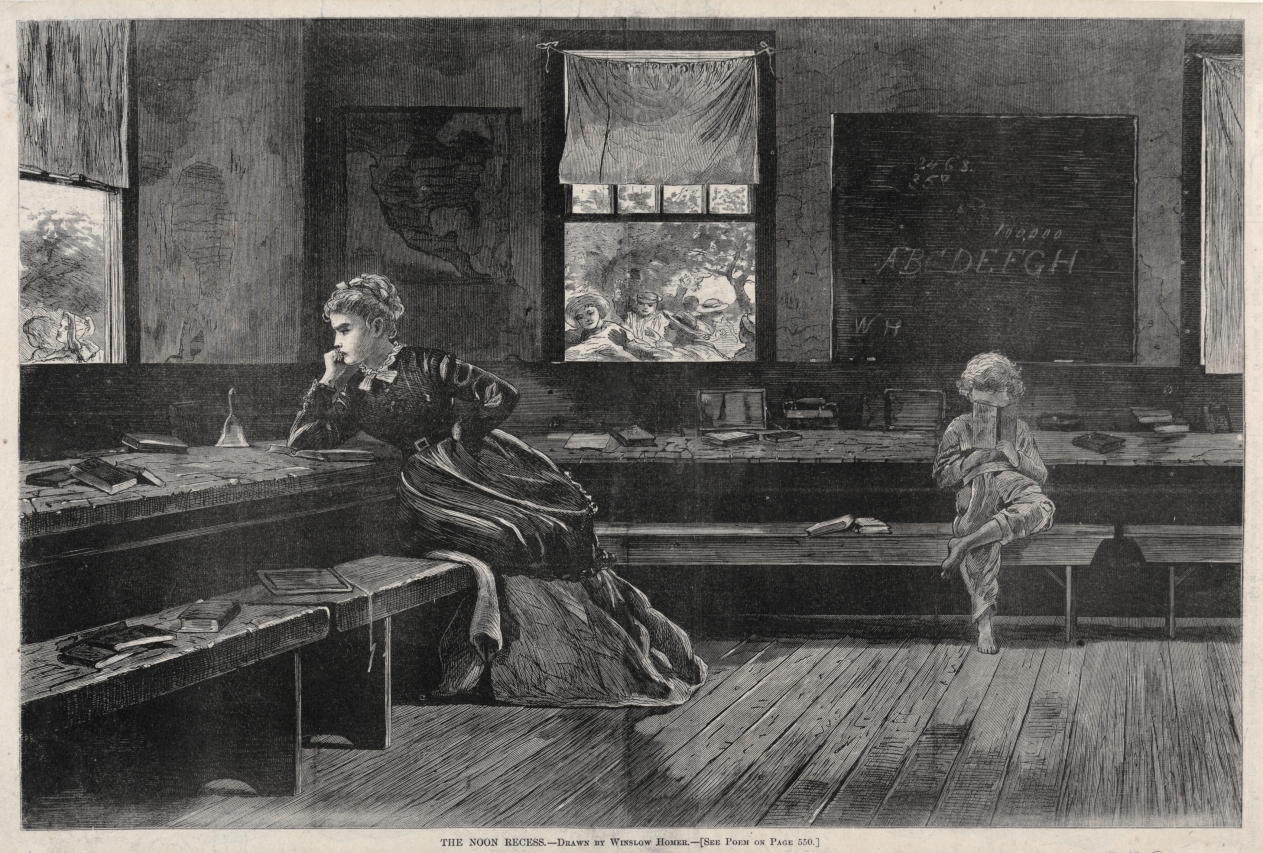
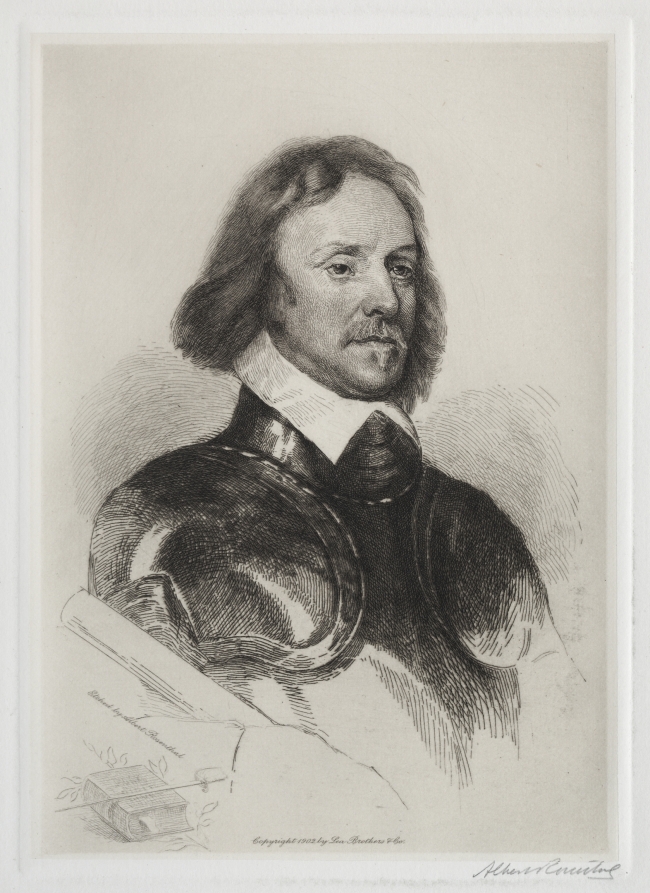
Denman Waldo Ross
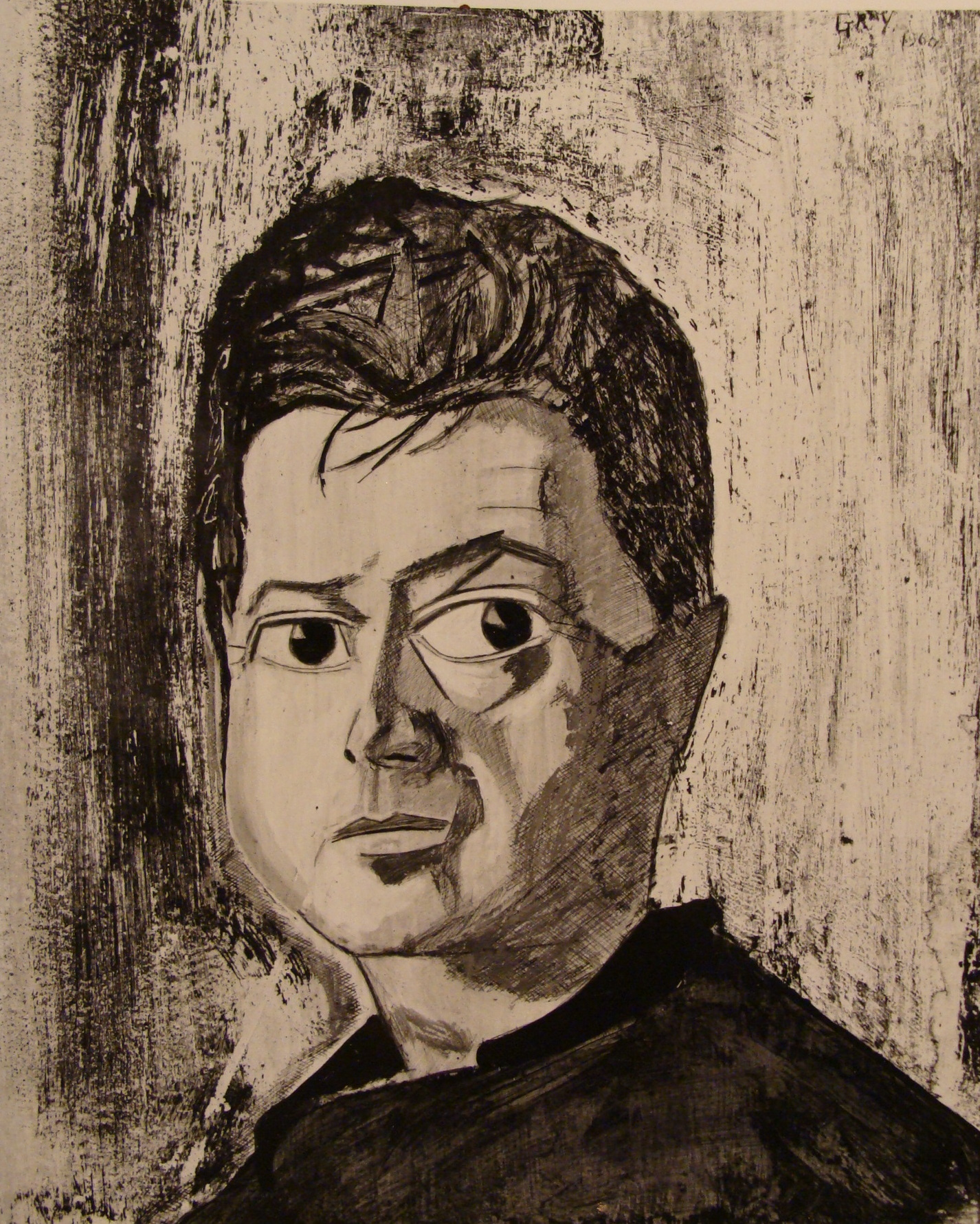
Portrait of a Seated Young Man with Mirror at Right

The Male Figure Still Has Something to Say
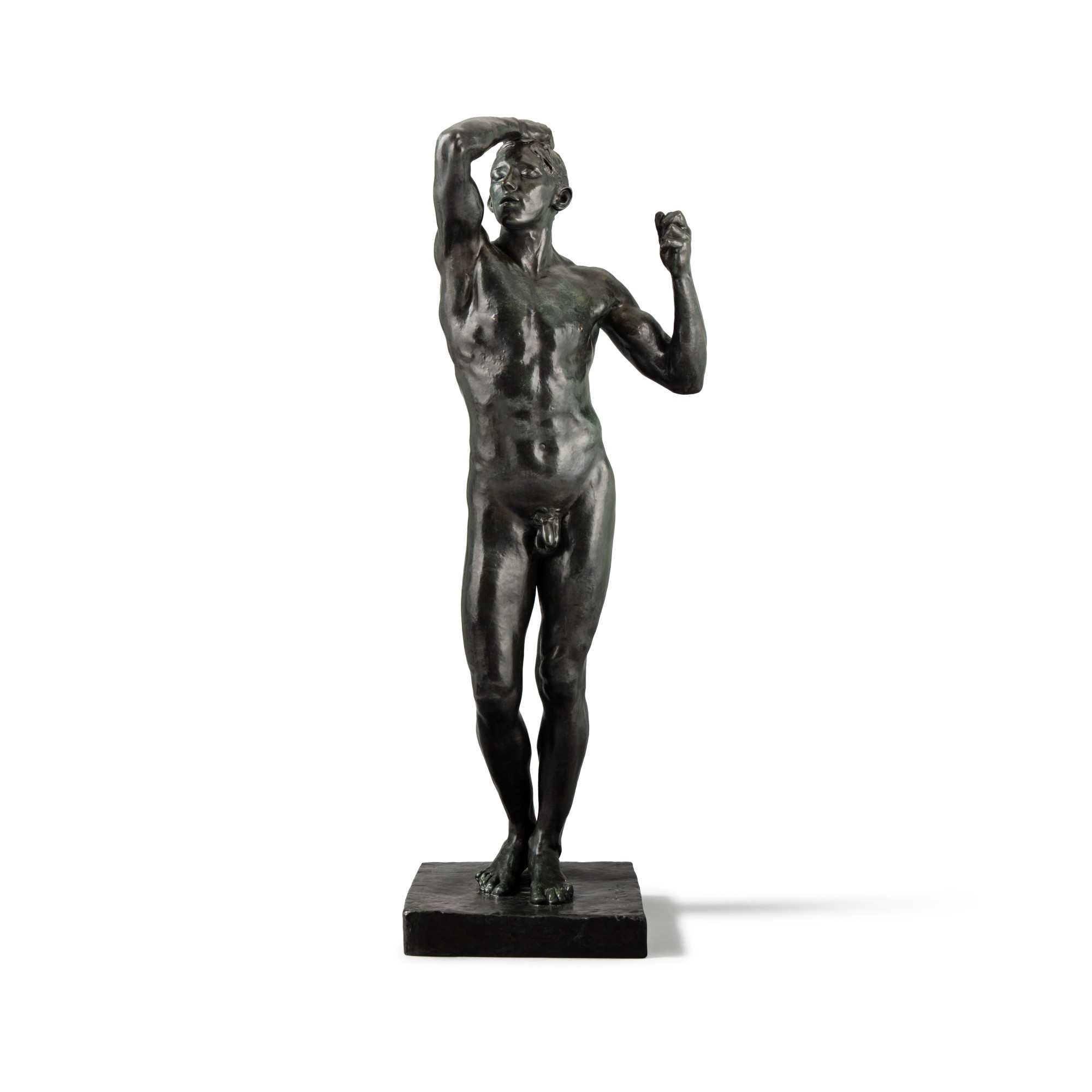
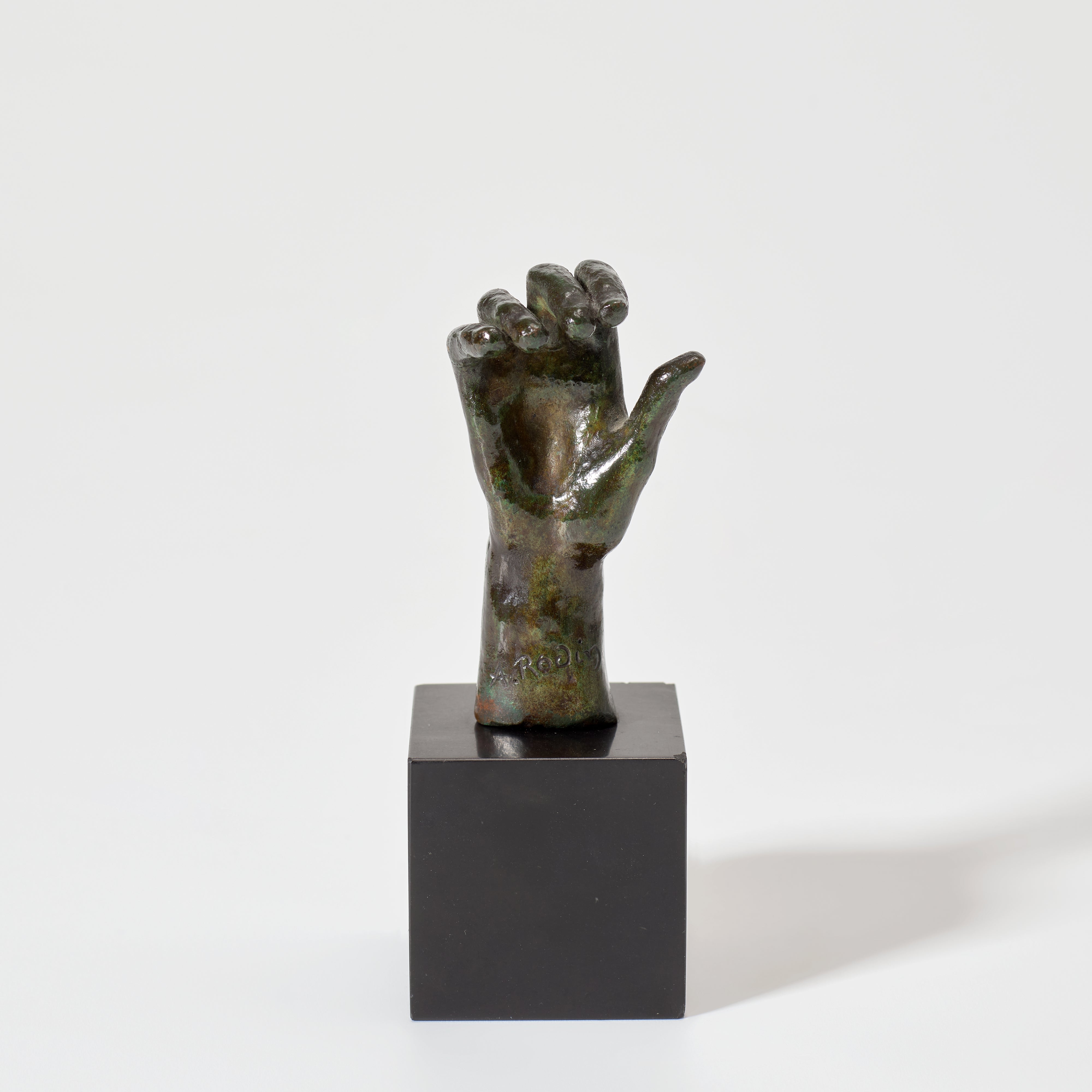
When a small bronze by Auguste Rodin sold at Christie's Paris for well above its estimate a few seasons ago, the room took notice not because Rodin needs reintroduction but because the work in question was intimate, unfinished, almost awkward in its pose. It was a male figure caught between action and rest, and it reminded the room that this subject, so ancient it predates art history itself, continues to generate genuine feeling when handled with conviction. The result pointed to something broader: collectors are returning to the male figure not out of nostalgia but out of a renewed curiosity about what the body, specifically the male body, has been asked to carry across centuries of representation. The conversation has accelerated in recent years, partly driven by museum programming that has chosen to examine rather than simply celebrate the tradition.
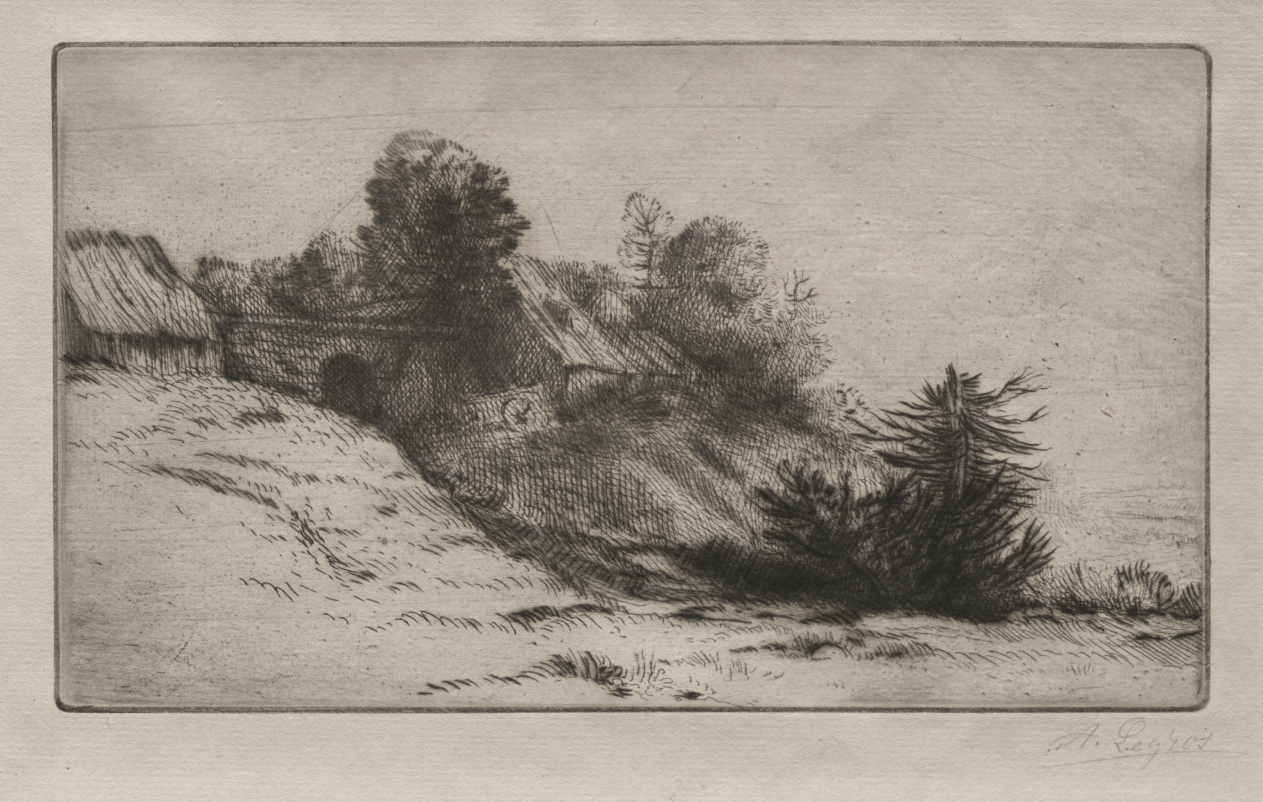
The National Portrait Gallery in London, following its major renovation and reopening in 2023, staged displays that placed Victorian and Edwardian figurative work in dialogue with questions of masculinity, labor, and social visibility. Works on paper by artists like Alphonse Legros, the French born printmaker who spent much of his career in London and became deeply influential at the Slade School, gained new critical attention in this context. Legros understood the working male body as a subject worthy of the same gravity as religious or mythological scenes, and that insistence feels remarkably current. The auction market reflects a genuine breadth of appetite in this category.
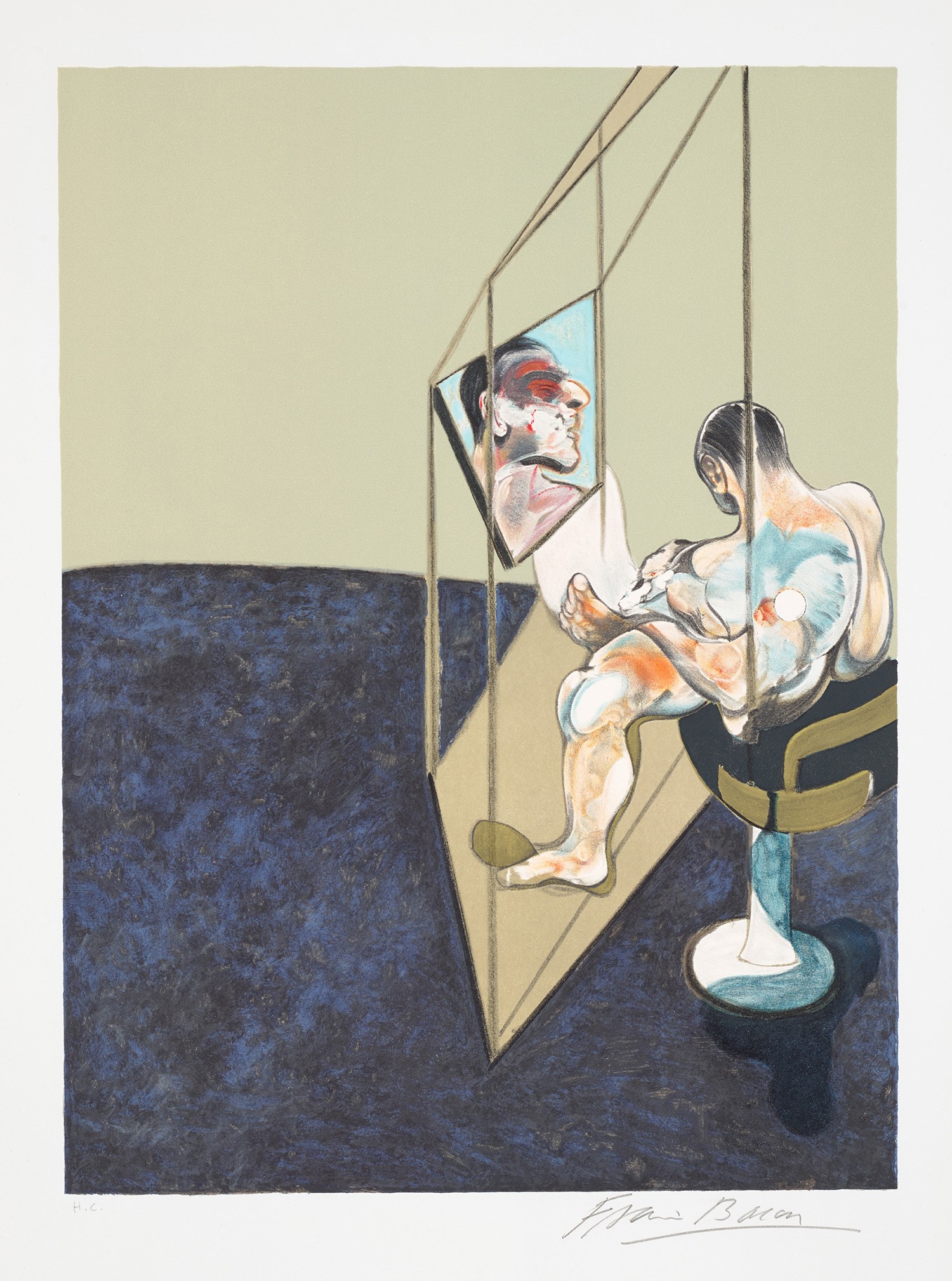
Francis Bacon
Trois études de dos d'homme (after, Three Studies of the Male Back 1970): right panel (S. 21, T. 21)
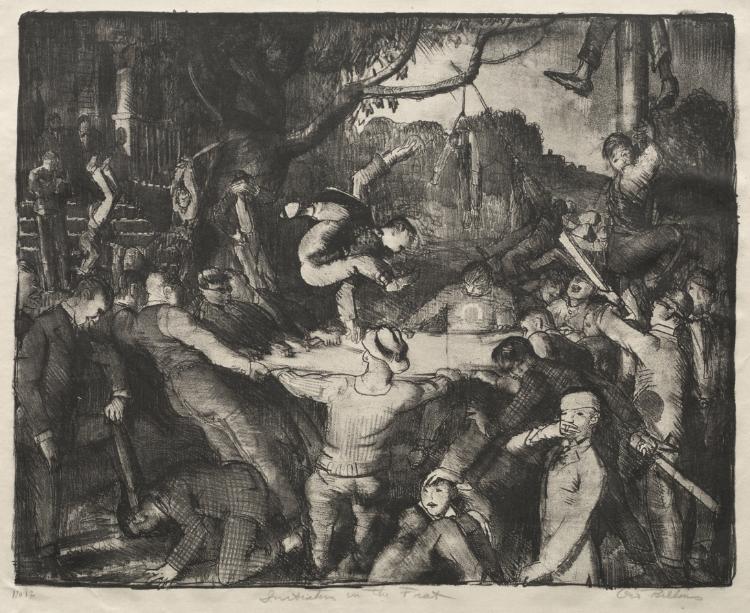
Francis Bacon commands the upper register with a consistency that borders on the inevitable. His male figures, distorted and confined, set records at Sotheby's and Christie's with a regularity that other figurative painters can only observe from a distance. George Bellows, the American realist whose boxing paintings remain among the most viscerally alive images of masculine physical contest ever put to canvas, has seen sustained institutional and market interest, particularly as American museums reconsider the social history embedded in early twentieth century realism. Anders Zorn, the Swedish painter whose draftsmanship was the envy of his European contemporaries, appears at auction with enough frequency to confirm that his reputation has moved well beyond Scandinavian regional esteem.
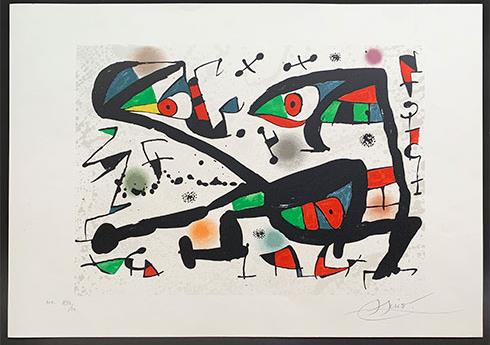
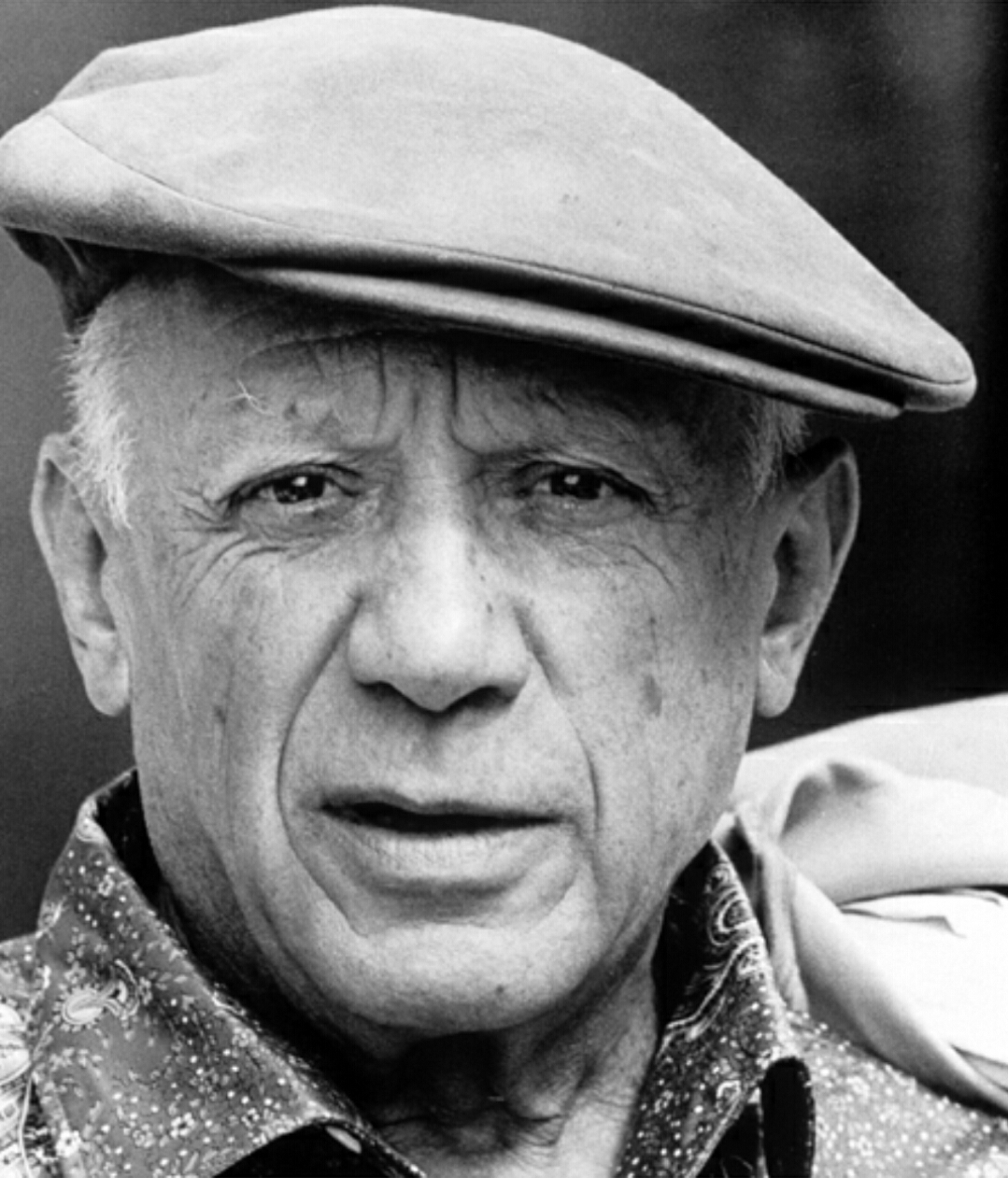
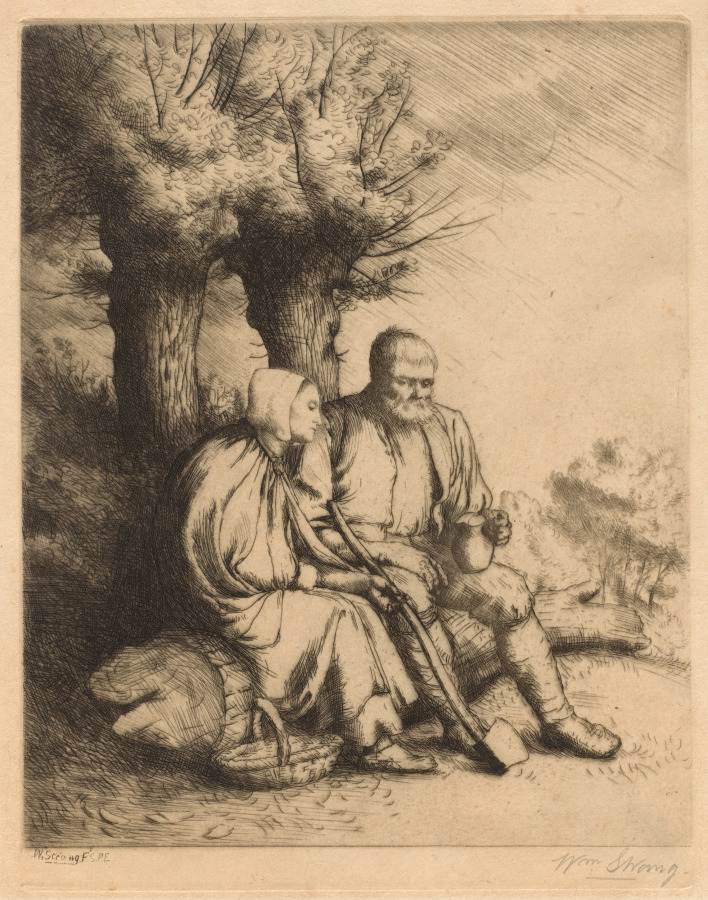
Pablo Picasso's presence in this category is almost structural rather than incidental. His drawings and prints of male figures, many made with a speed and authority that remains startling, serve as a kind of benchmark against which other works are measured. What the market has found interesting in recent cycles, though, is the renewed attention to figures who worked adjacent to canonical modernism without quite belonging to it. William Strang, the Scottish printmaker and portraitist who knew Legros and absorbed his etching discipline, has attracted serious collector interest.
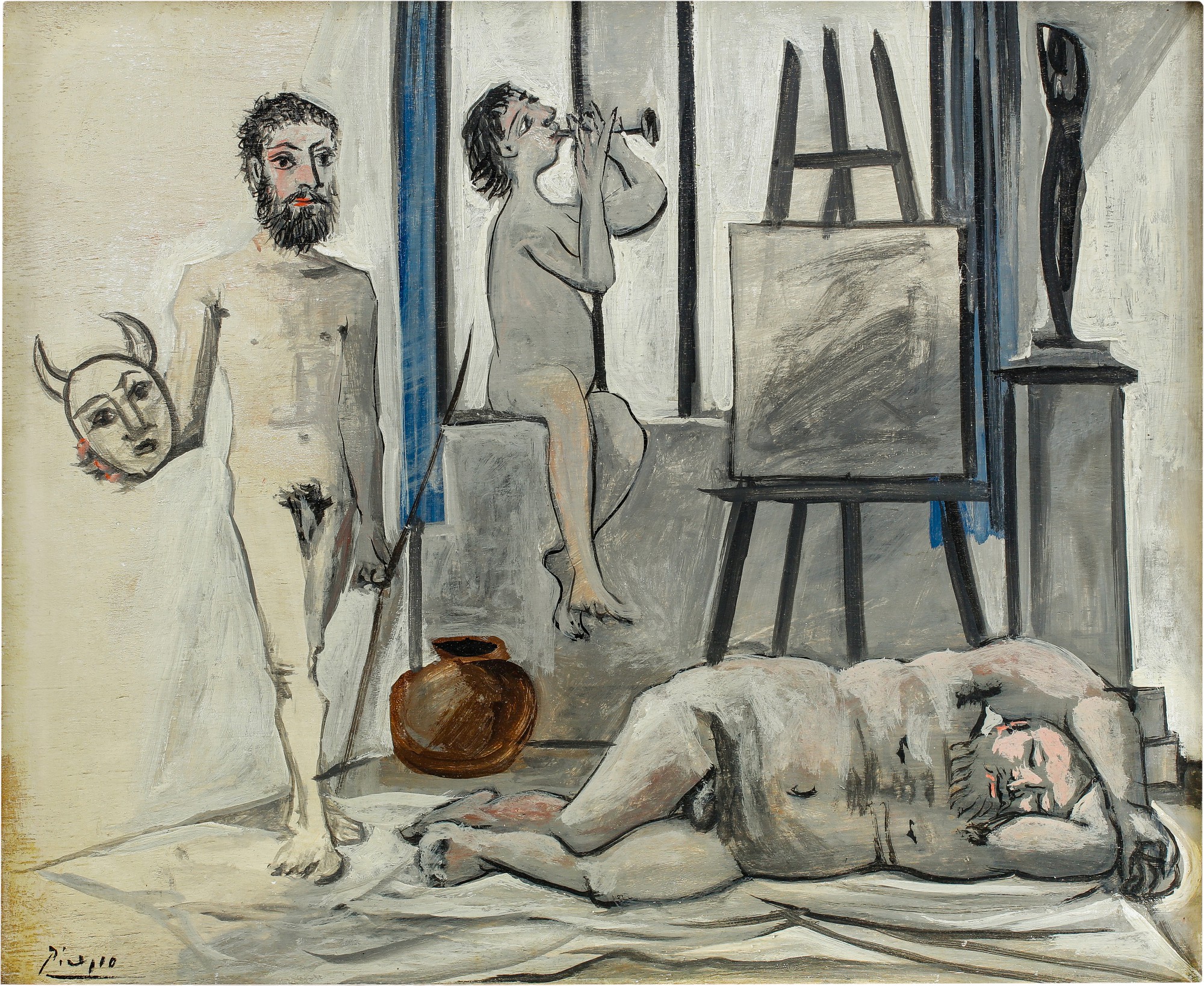
Pablo Picasso
Nus masculins (Les trois âges de l'homme)
Vincenzo Gemito, the Neapolitan sculptor whose bronze studies of boys and young men carry an almost veristic emotional charge, has moved from specialist enthusiasm to something approaching broader recognition. Institutional collecting patterns tell their own story. The Morgan Library in New York has continued to strengthen its holdings in works on paper with figurative content, and their acquisitions in this area signal that drawings and prints are no longer treated as secondary evidence of a painter's ideas but as primary artistic statements in their own right. The Getty in Los Angeles has similarly invested in European academic drawing, which brings figures like Charles Despiau and the circle of sculptors working in Paris during the interwar period into sharper focus.
When institutions of that caliber commit resources to a particular strain of figurative work, the market tends to follow within a few years. The critical conversation has shifted in ways that feel genuinely productive rather than merely corrective. Writers like T.J.
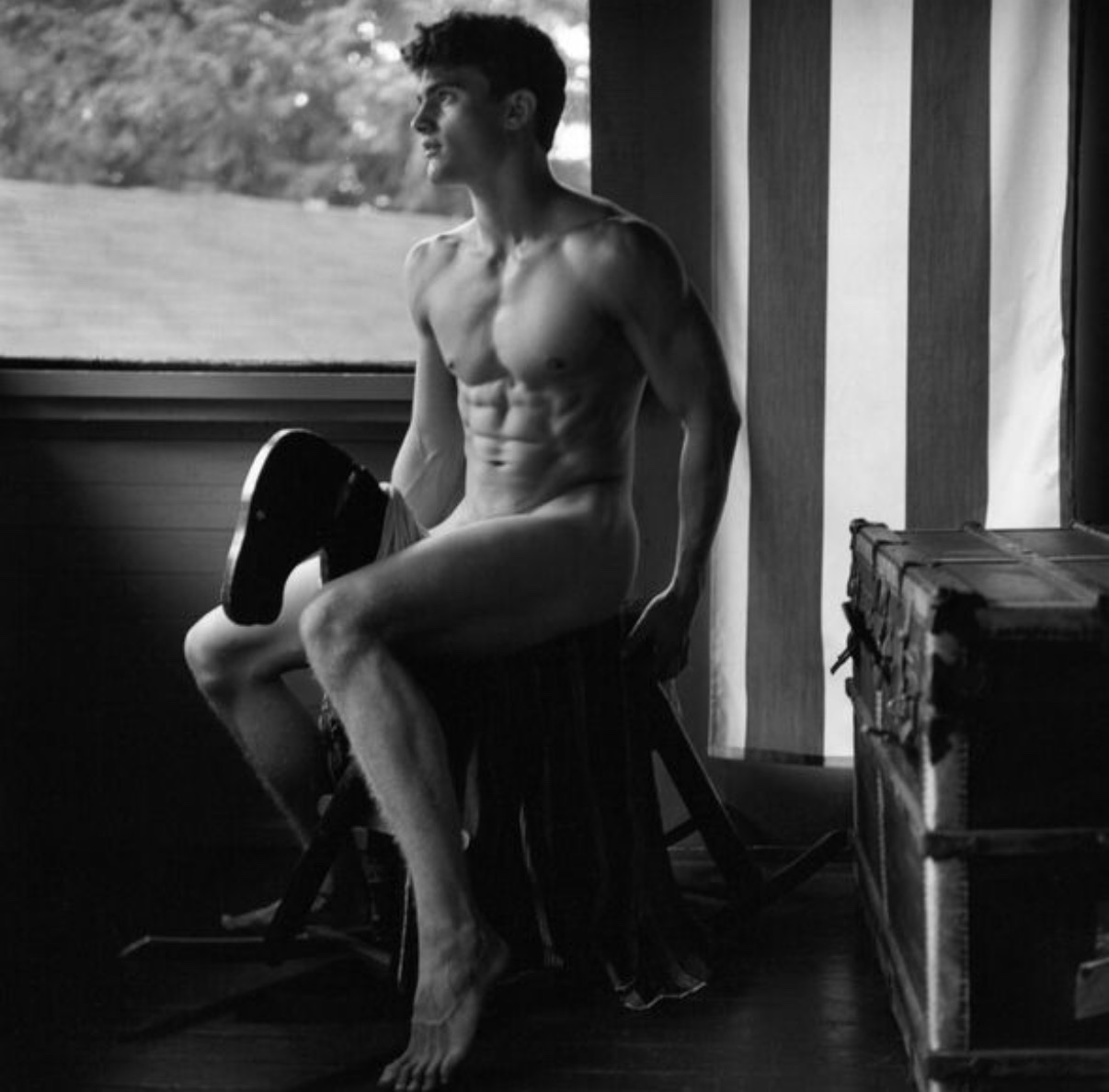
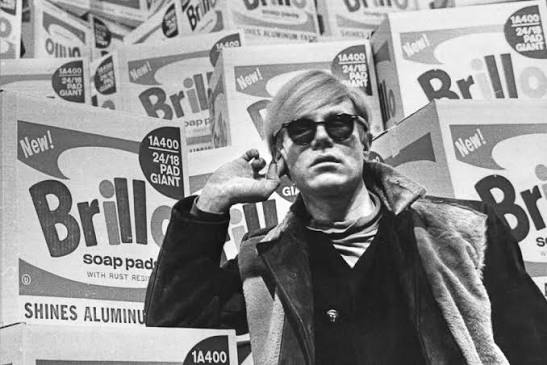
Bruce Weber
Peter Johnson on rocking horse, Camp Longwood, Adirondacks, 1999
Clark, whose long engagement with the social meanings embedded in Western figuration remains essential, provide a framework for understanding why these images mattered when they were made and why they continue to matter now. More recently, younger critics writing in publications like Frieze and The Burlington Magazine have explored how photographers working in the figurative tradition, Bruce Weber and Horst P. Horst among them, extended and complicated the visual vocabulary that painters and sculptors had established. The male figure in photography carries a different charge than it does in bronze or on canvas, and that difference has become one of the more interesting pressure points in current critical writing.
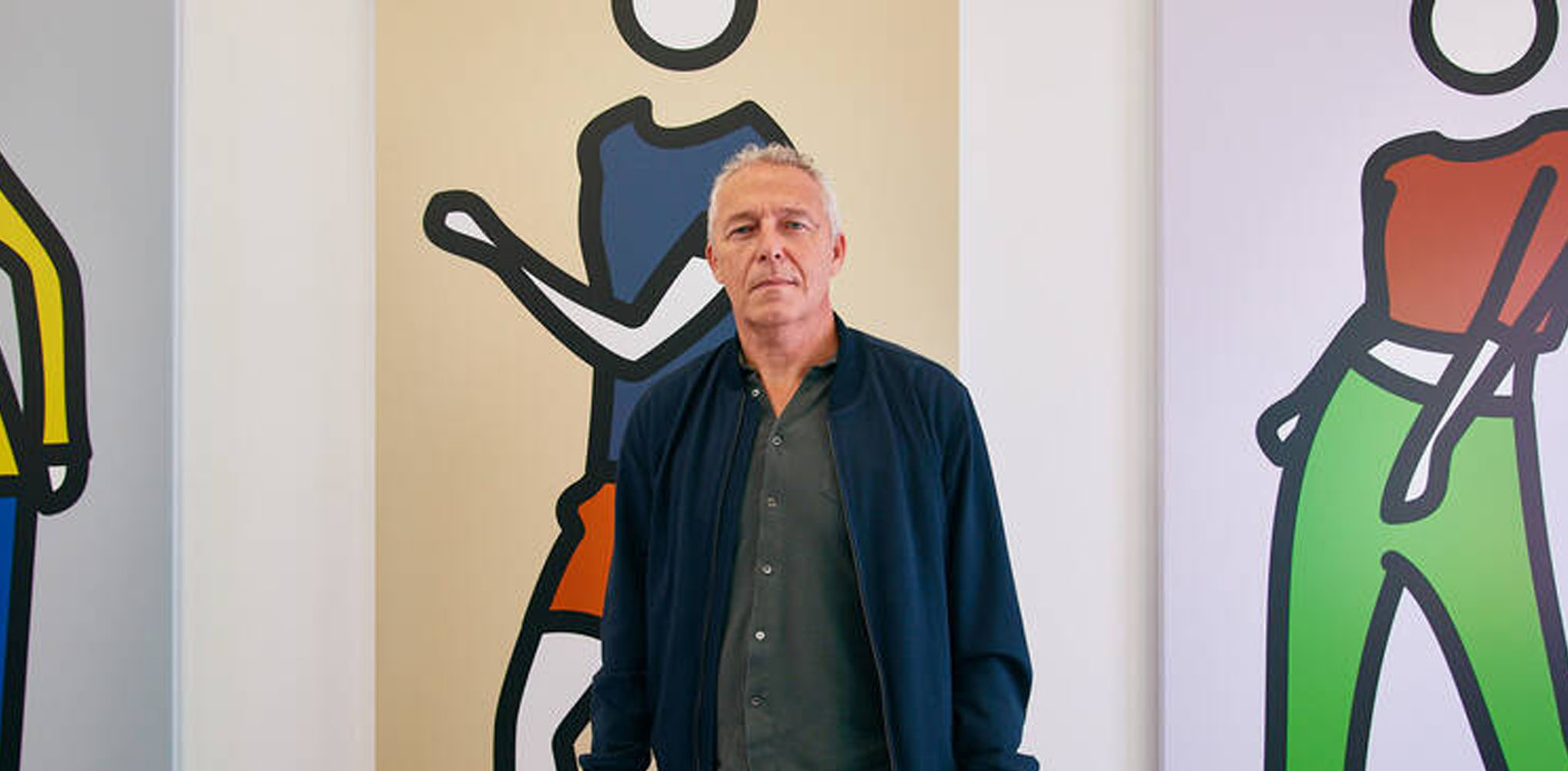
Julian Opie represents a useful point of orientation for thinking about where the figurative tradition has traveled and where it might be heading. His stripped down, almost algorithmic male figures strip away the psychological drama that Bacon loaded into his subjects and replace it with a kind of democratic anonymity. They are everywhere and no one. The contrast with Rodin, whose male figures seem burdened by inner life, could not be more instructive.
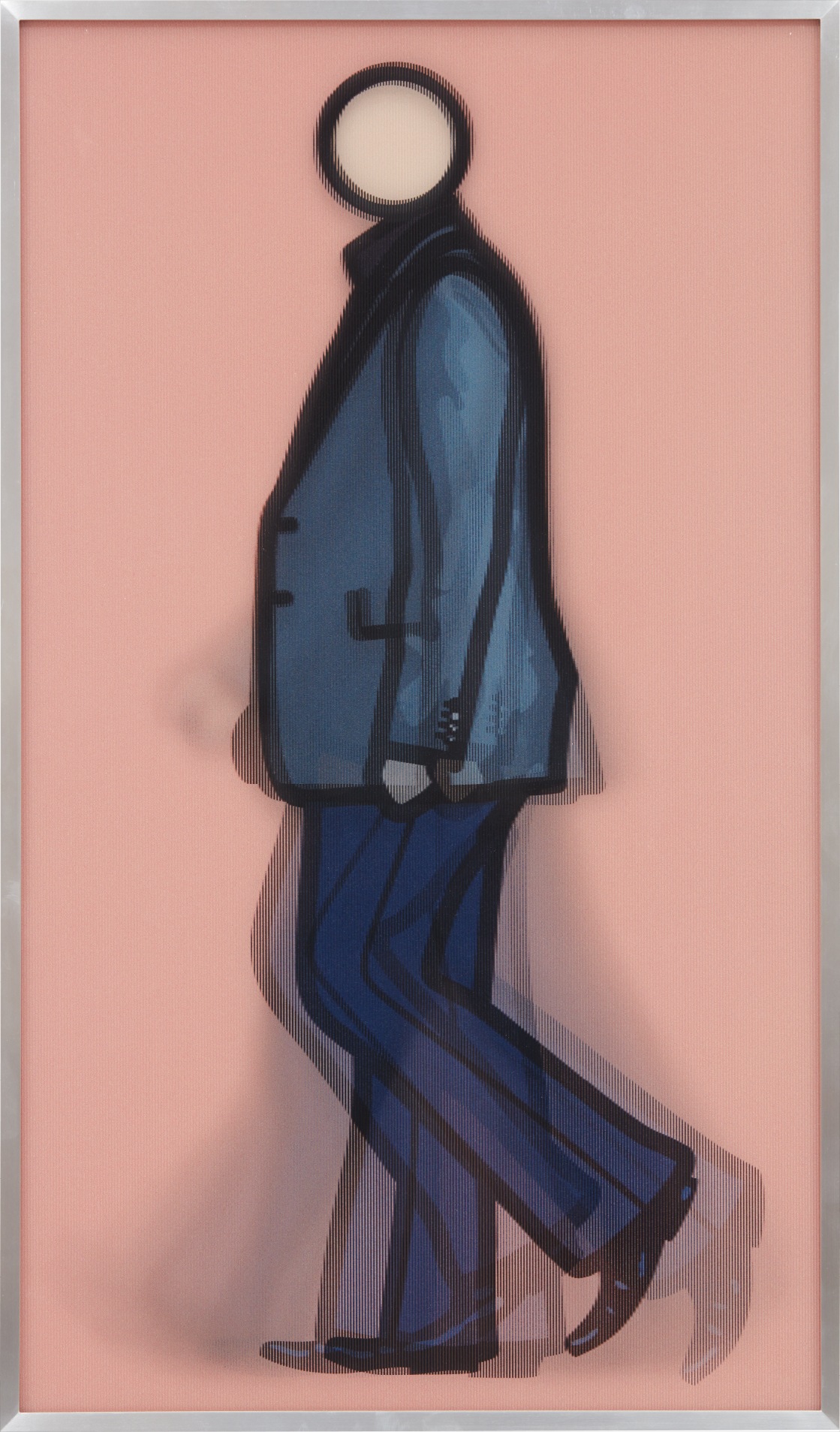
Julian Opie
Rod Walking
Both approaches are well represented on The Collection, and holding them in mind together clarifies something about the range of ambitions this subject has served. What feels alive right now is the intersection of the figurative and the archival. Collectors are looking carefully at photographic work alongside sculpture and drawing, treating these as part of a single extended inquiry rather than separate categories. The work of Imogen Cunningham, whose male figure studies were decades ahead of where the culture was prepared to meet them, is receiving overdue attention.
What feels settled is the canonical hierarchy at the very top of the market. Bacon and Picasso are not going anywhere, and their prices reflect a settled consensus. What might surprise in the coming seasons is the rising profile of the nineteenth century academic tradition, not as historical curiosity but as a body of work that addressed the male figure with a rigor and seriousness that later modernism was perhaps too quick to dismiss. The collectors who are paying attention to that space now are likely to be very pleased in ten years.