Vincenzo Gemito
8
Works
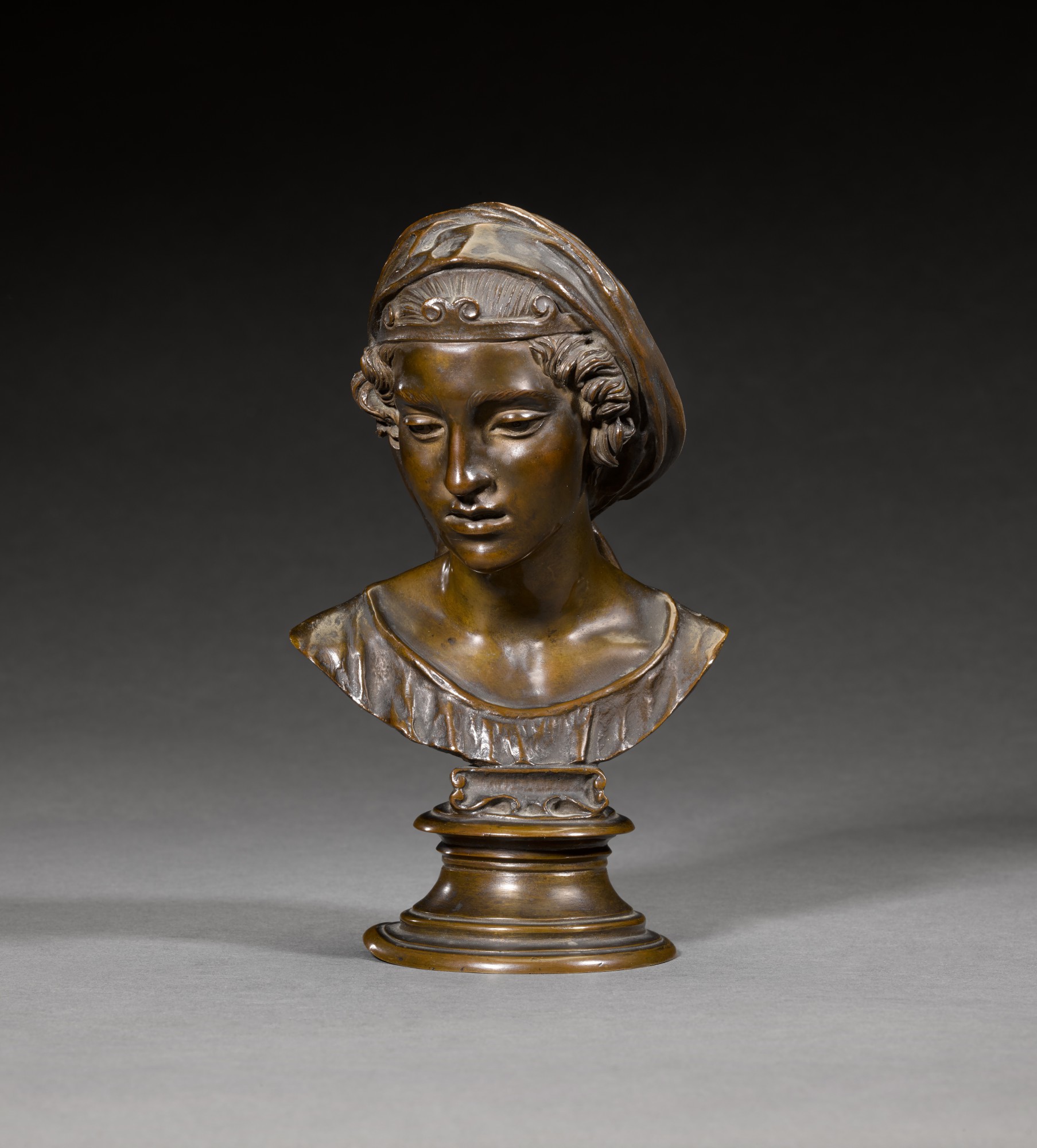
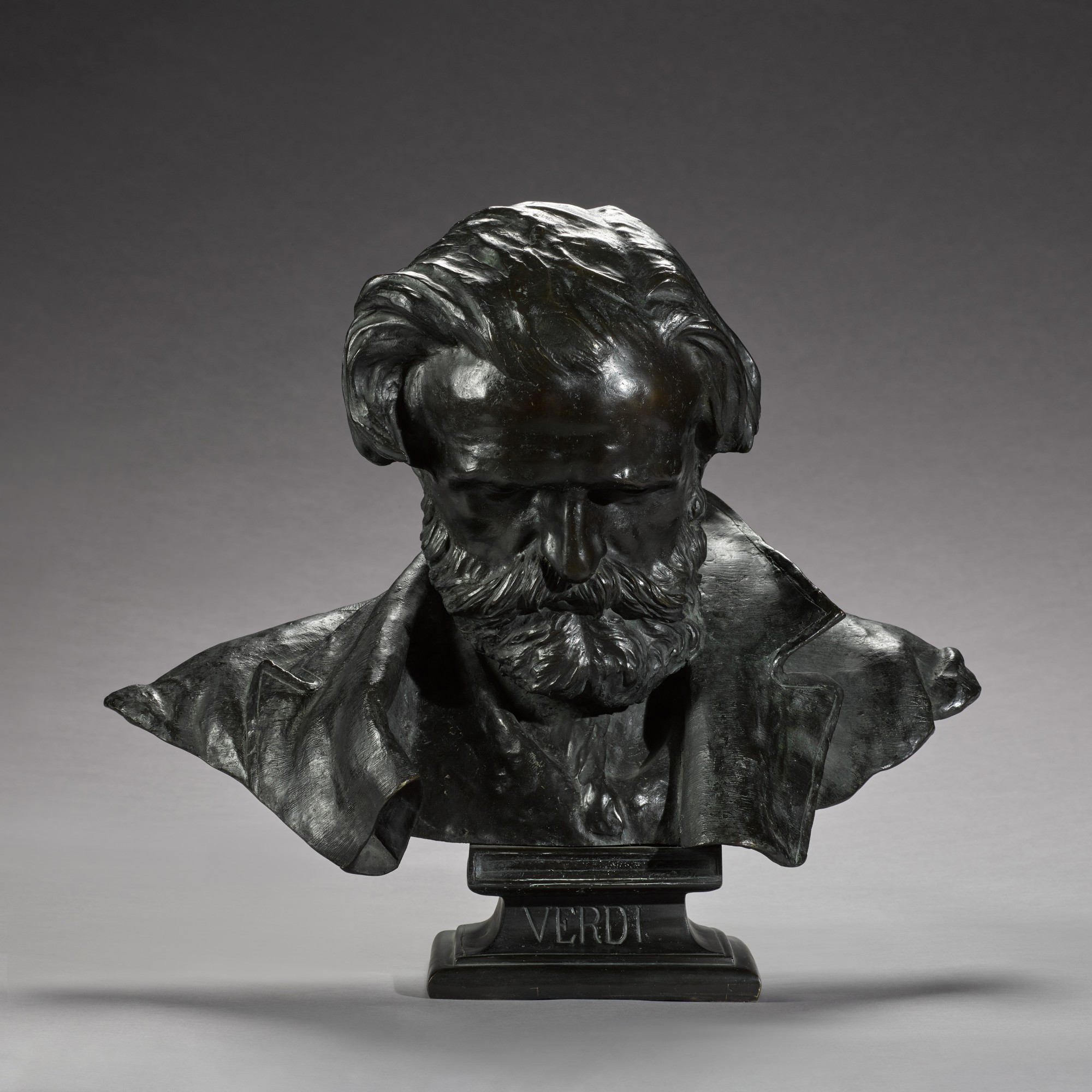
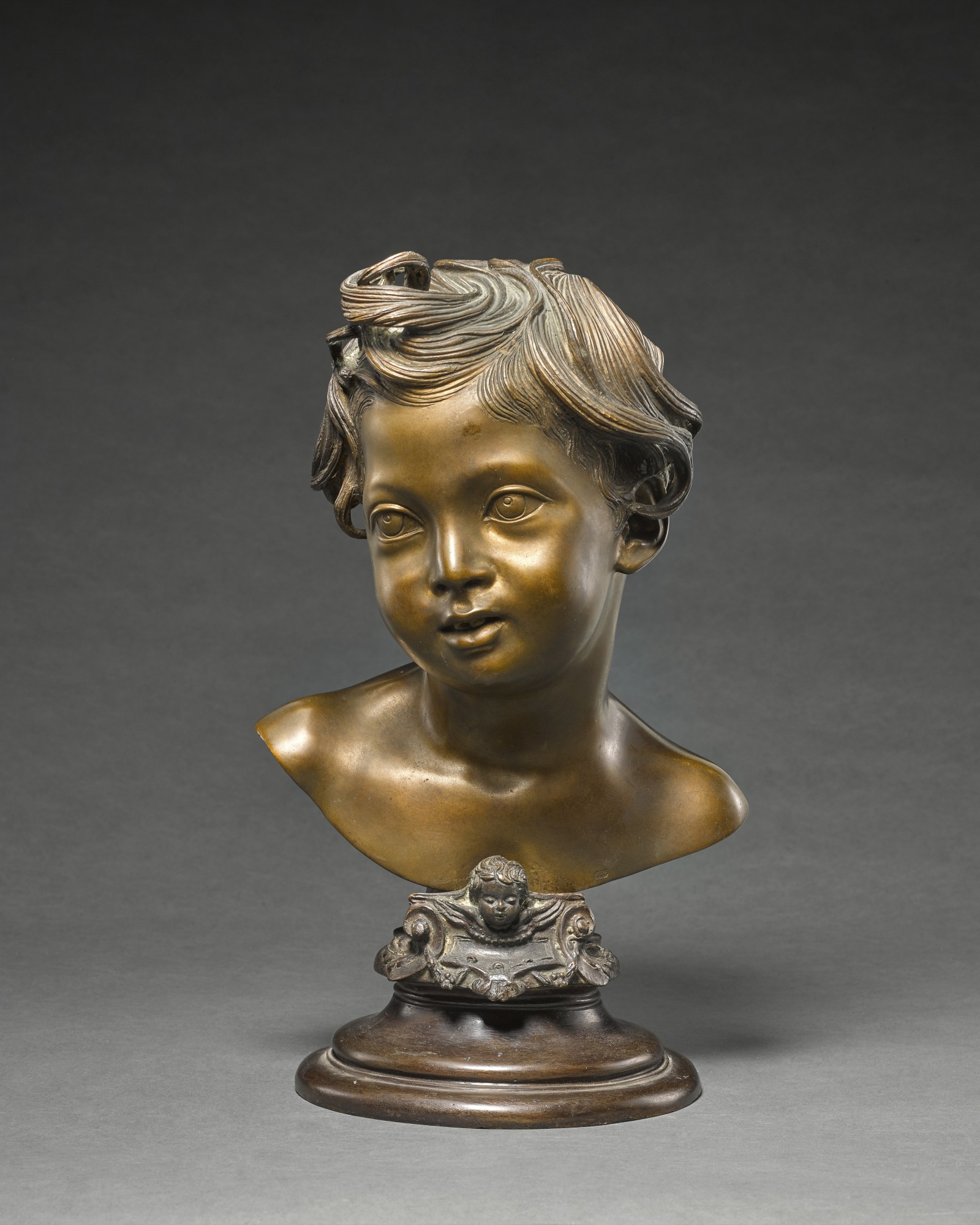
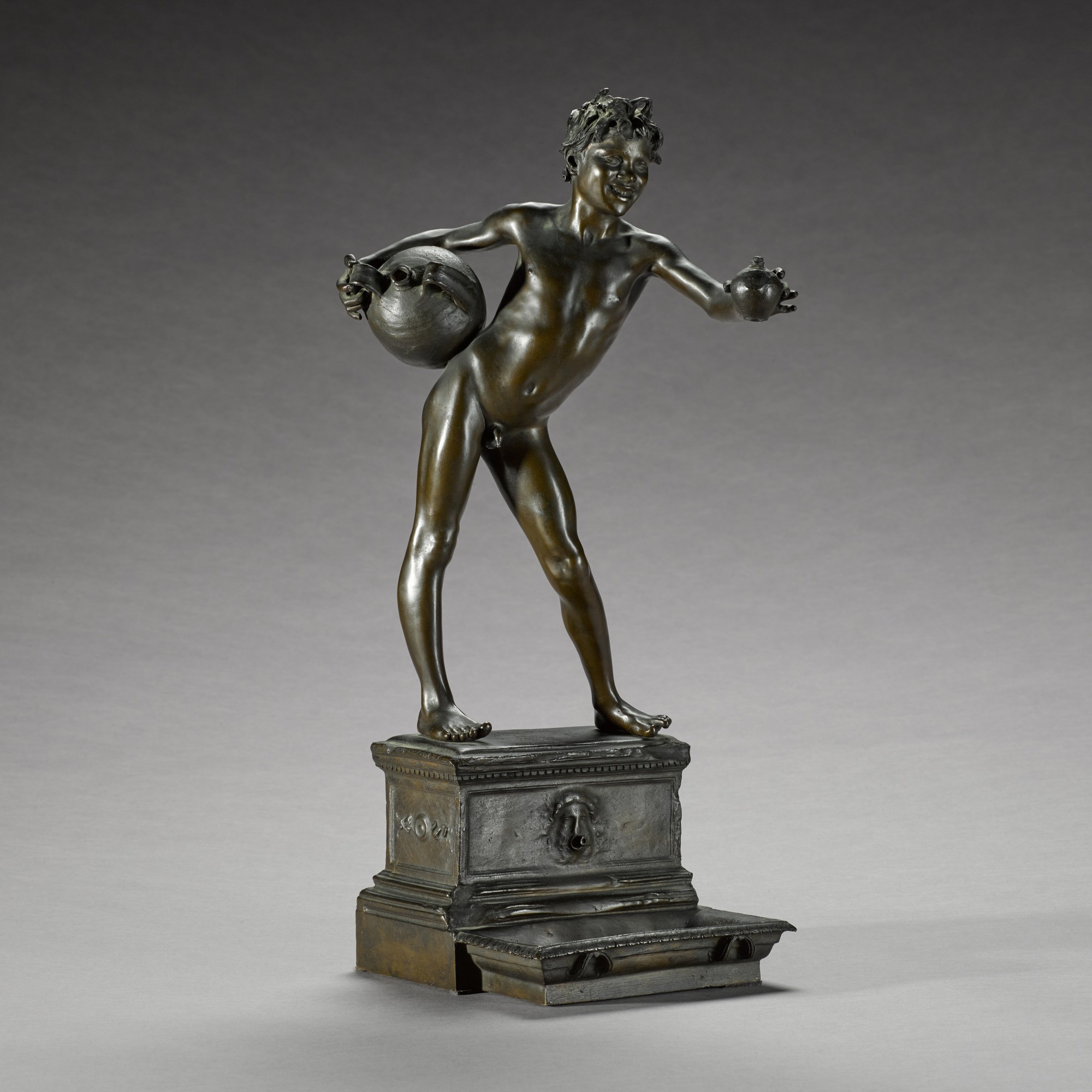
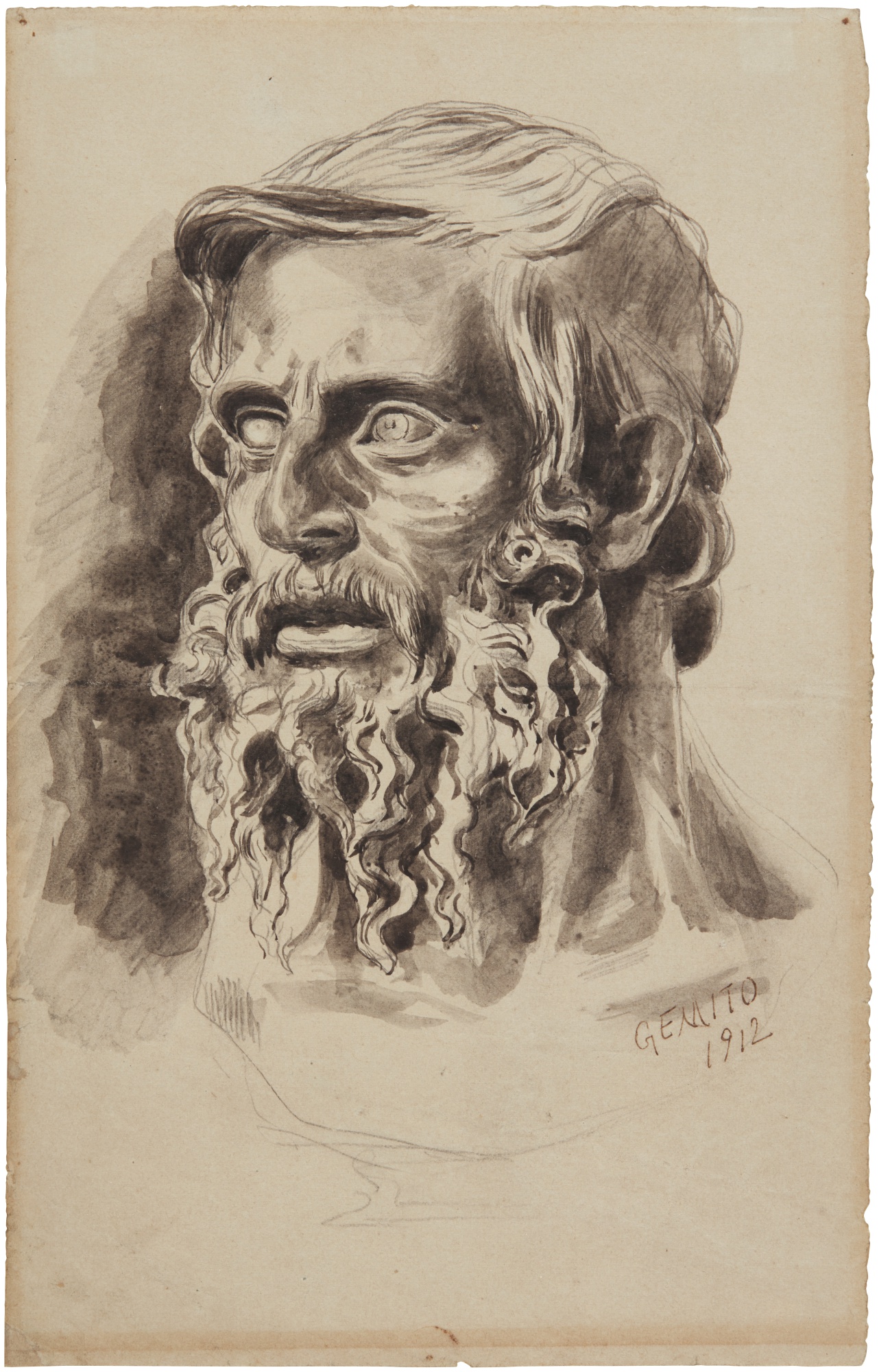
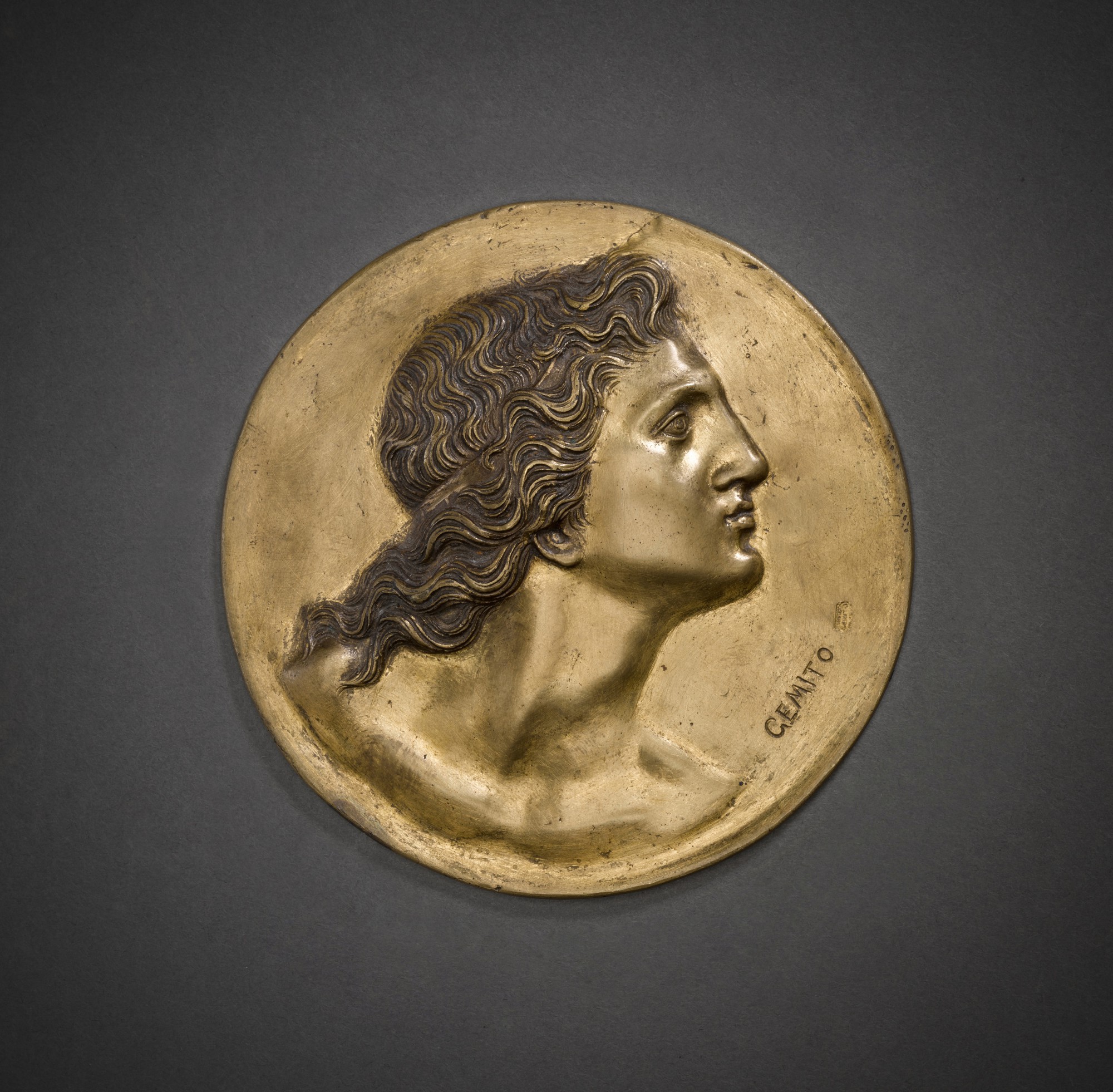
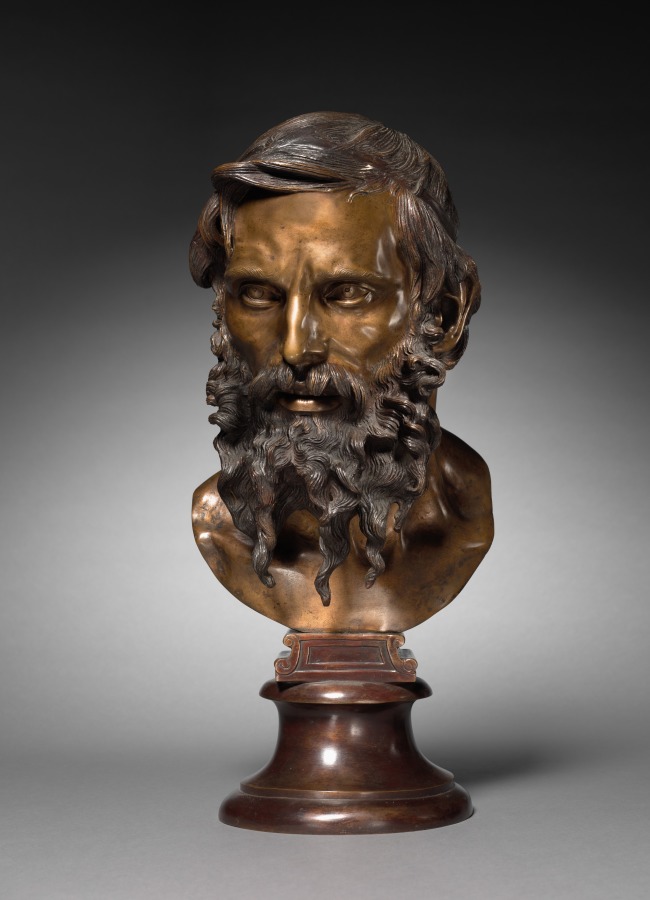
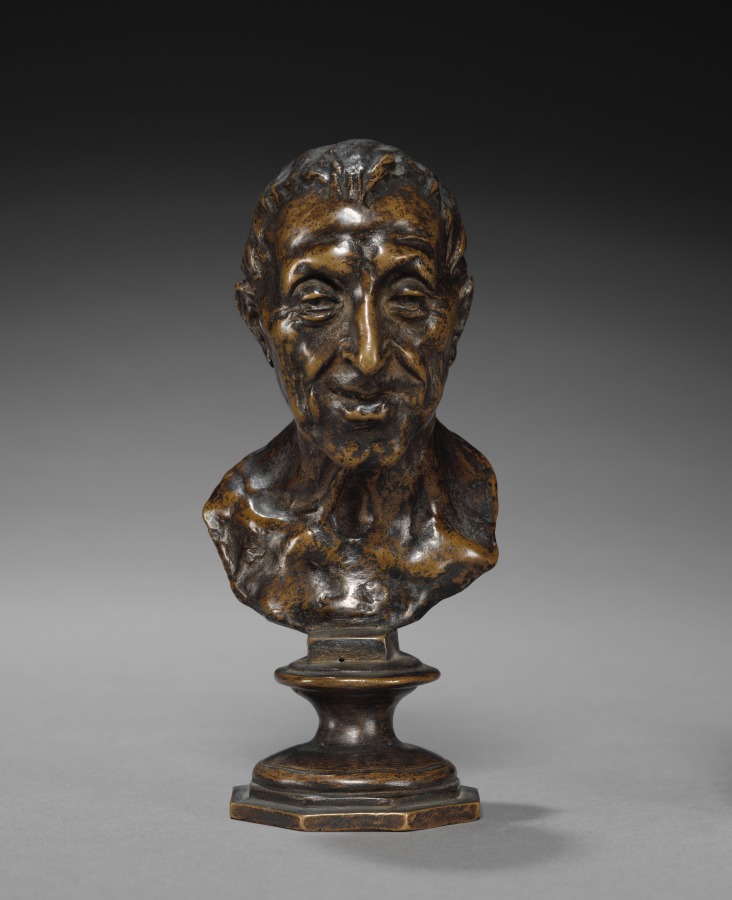
Vincenzo Gemito was an Italian sculptor renowned for his masterful naturalistic bronzes and his depictions of Neapolitan street life. Born in Naples to unmarried parents, he was abandoned as an infant and raised in poverty, experiences that profoundly influenced his artistic vision. Gemito demonstrated prodigious talent from an early age, studying briefly at the Accademia di Belle Arti in Naples before embarking on an independent path. His breakthrough came in the 1870s with works like "Il Pescatorello" (The Fisher Boy), which showcased his extraordinary ability to capture the vitality and character of Naples' working-class youth. His sculptures were characterized by their remarkable technical virtuosity, psychological depth, and rejection of academic idealization in favor of direct observation from life. Gemito achieved international recognition during his productive years in the 1870s and 1880s, exhibiting at major European exhibitions and receiving commissions from aristocratic patrons. His portrait busts, including those of Giuseppe Verdi and other prominent figures, demonstrated his skill in capturing individual personality and expression. However, in the late 1880s, Gemito suffered a severe mental breakdown that led to decades of isolation and sporadic artistic production. During this period of mental illness, he became increasingly reclusive, though he continued to work obsessively on various projects in his studio, often destroying or reworking pieces repeatedly. Despite his tragic personal circumstances, Gemito's influence on Italian sculpture was profound. His return to more consistent artistic production in his later years, particularly after 1909, saw a renewed appreciation for his talents. His work bridged the gap between nineteenth-century naturalism and modern sculptural sensibilities, emphasizing truth to nature and emotional authenticity over classical idealization. Today, Gemito is recognized as one of the most important Italian sculptors of his era, with major collections of his work held at the Museo Nazionale di Capodimonte in Naples and other significant Italian museums. His legacy lies in his passionate commitment to depicting humanity with unflinching honesty and his exceptional technical mastery of bronze casting and modeling.
Spotted by
Artists in conversation