Large Format Photography
Abelardo Morell
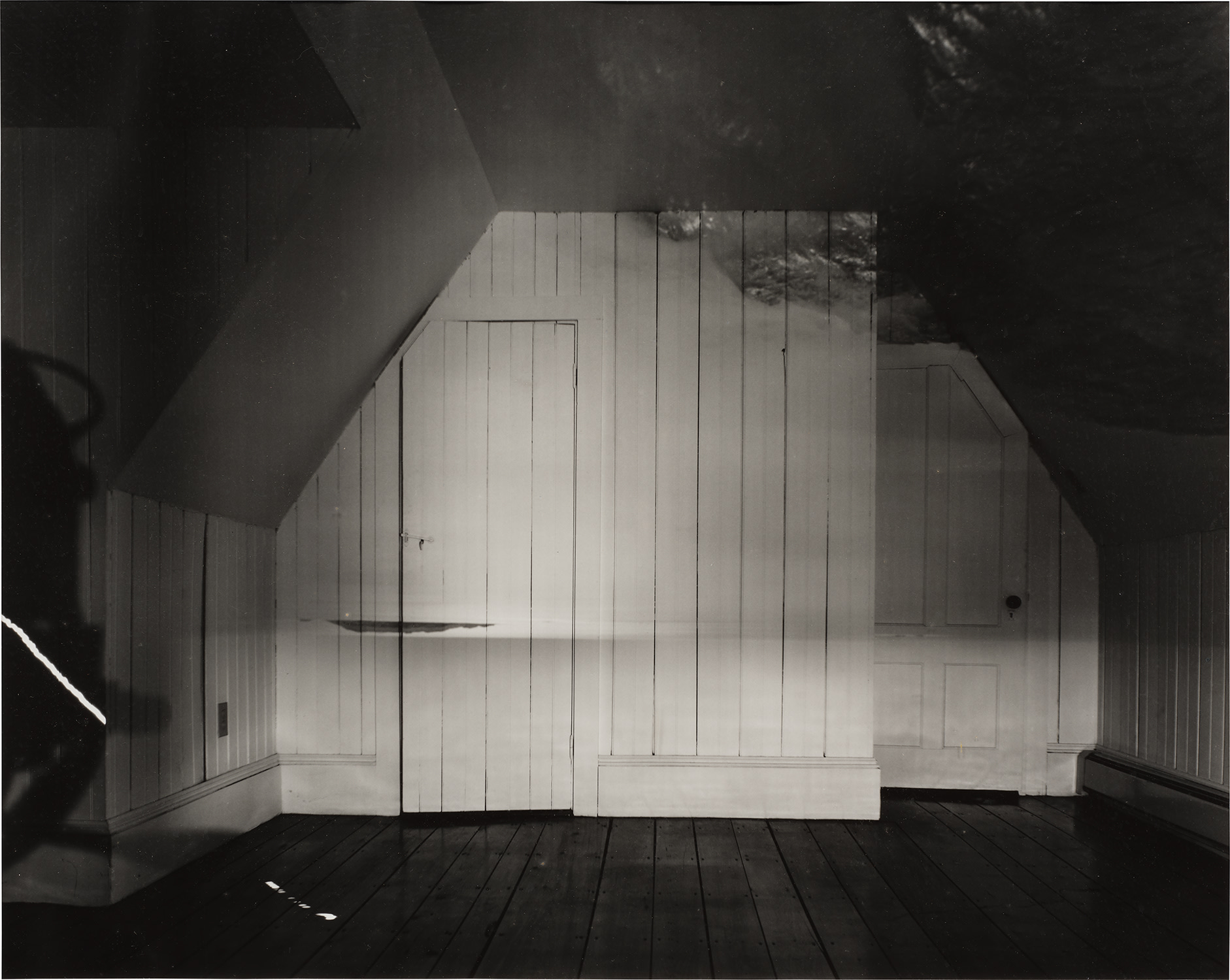
Camera Obscura Image of the Sea in Attic, Marblehead, Massachusetts
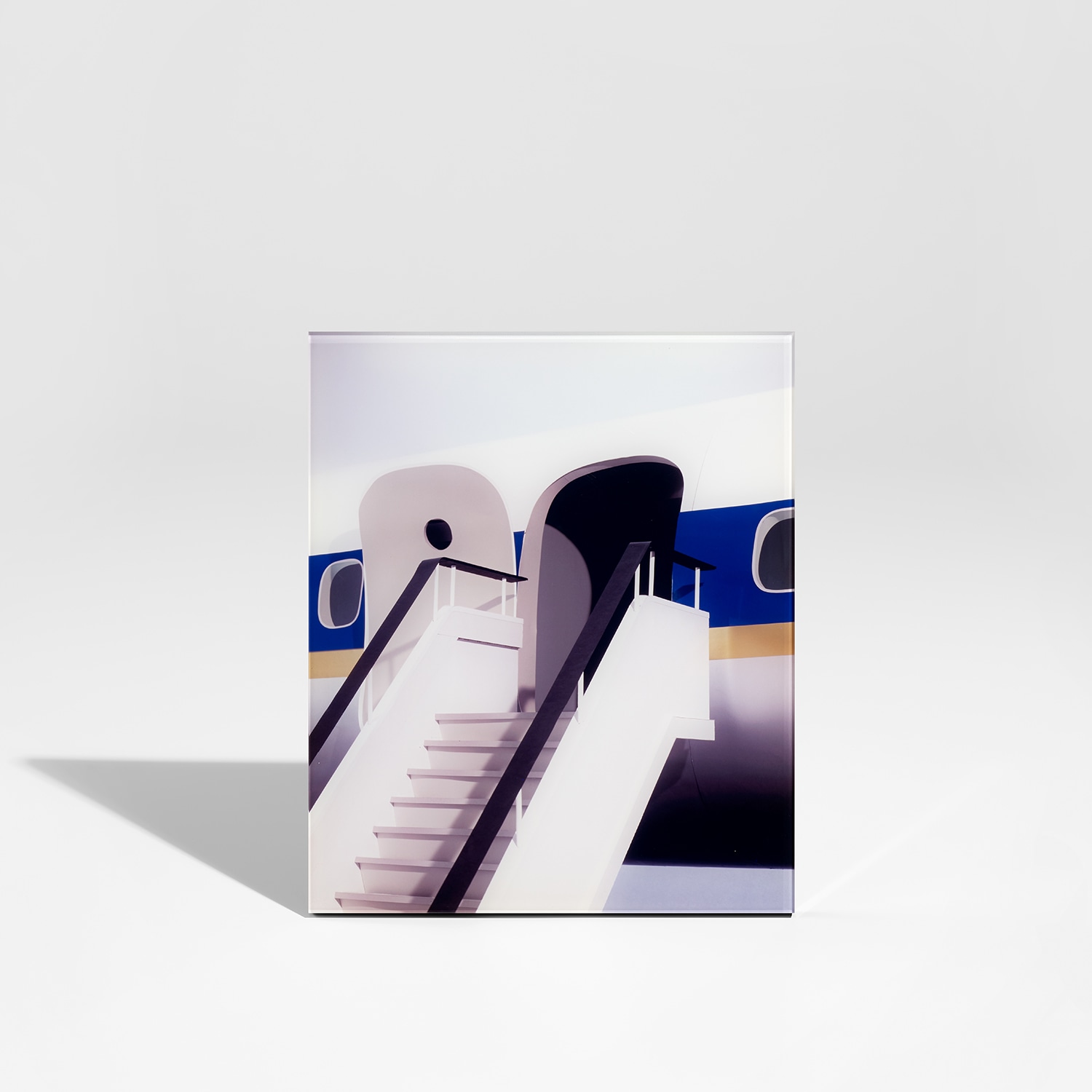
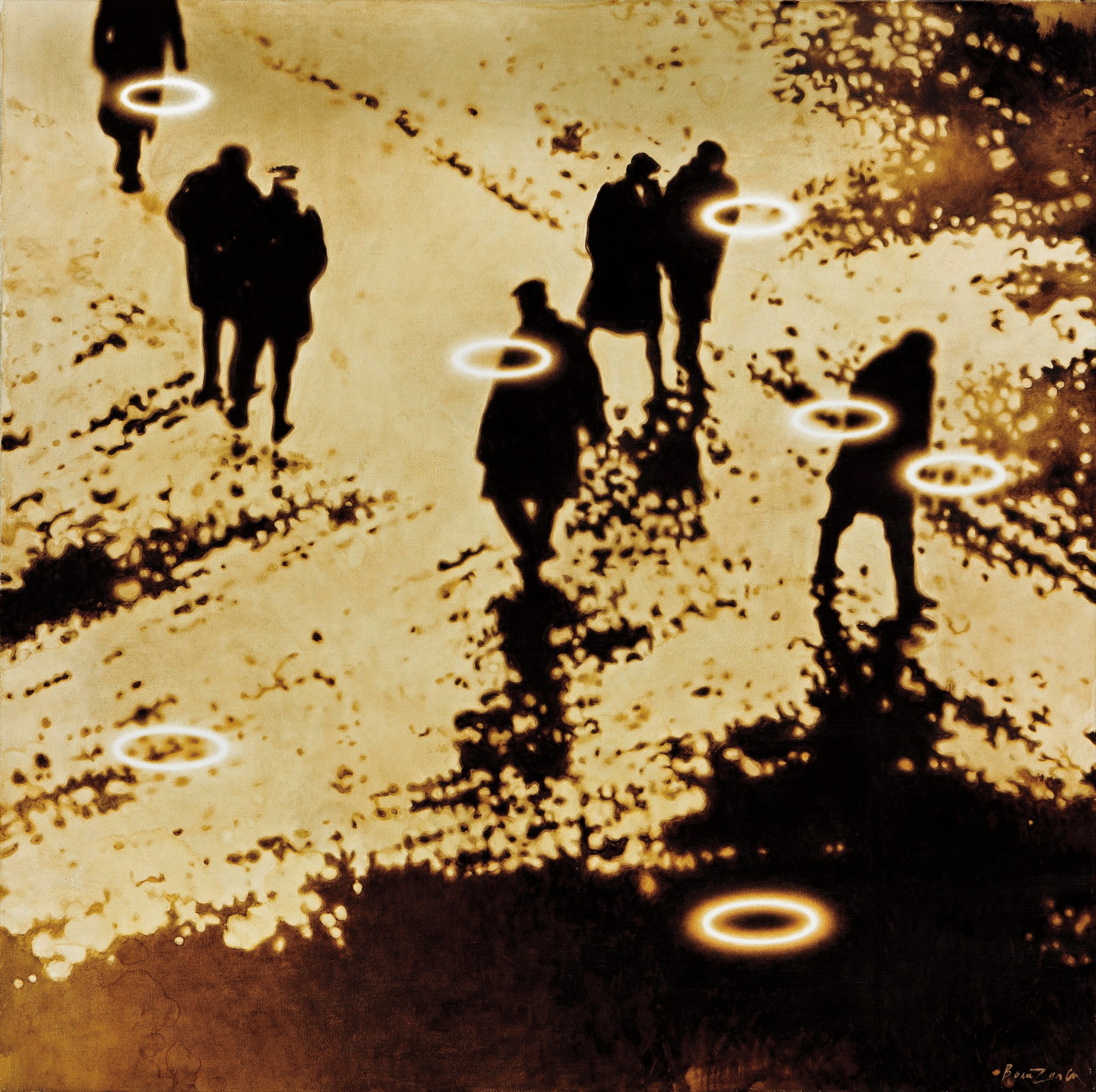
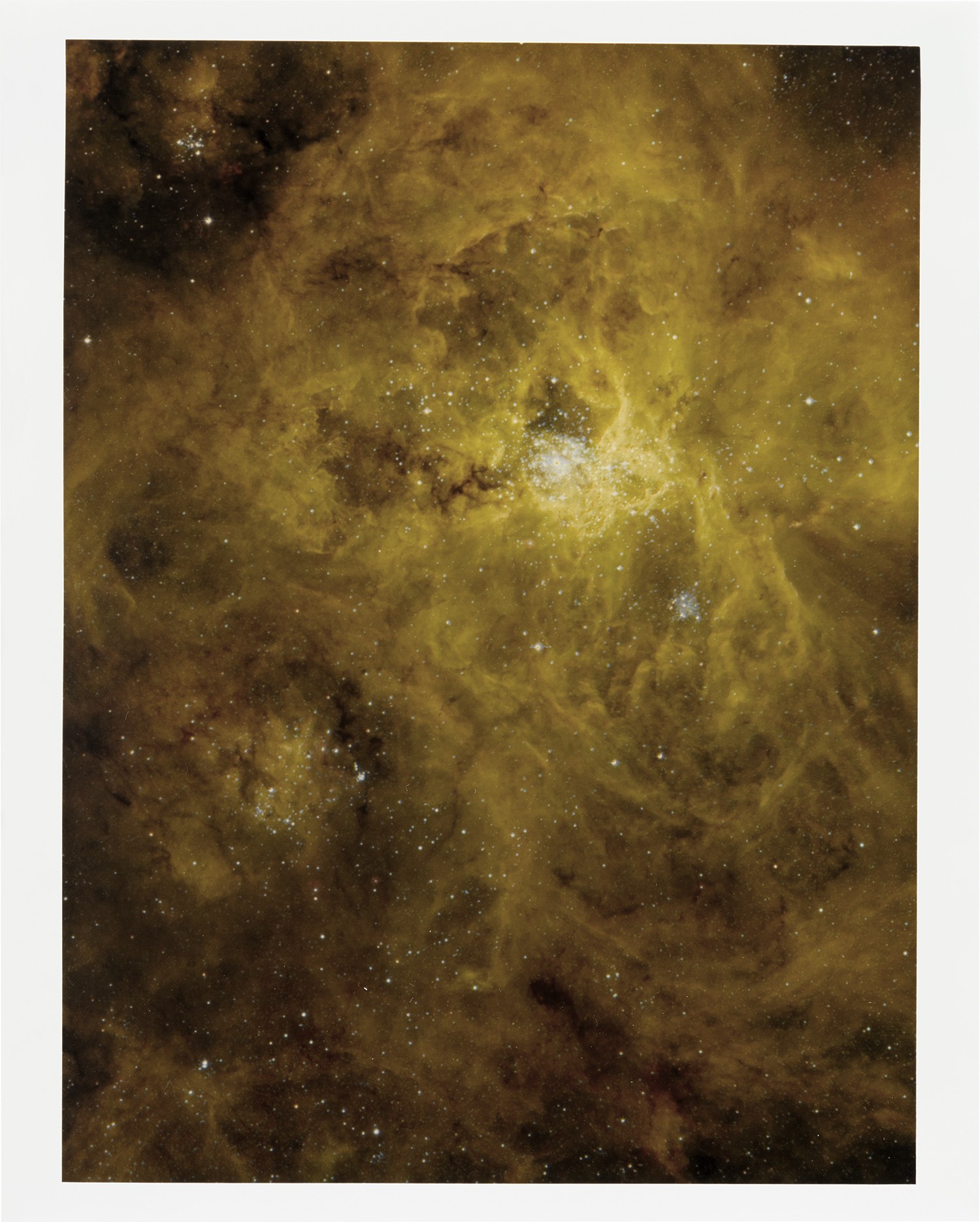

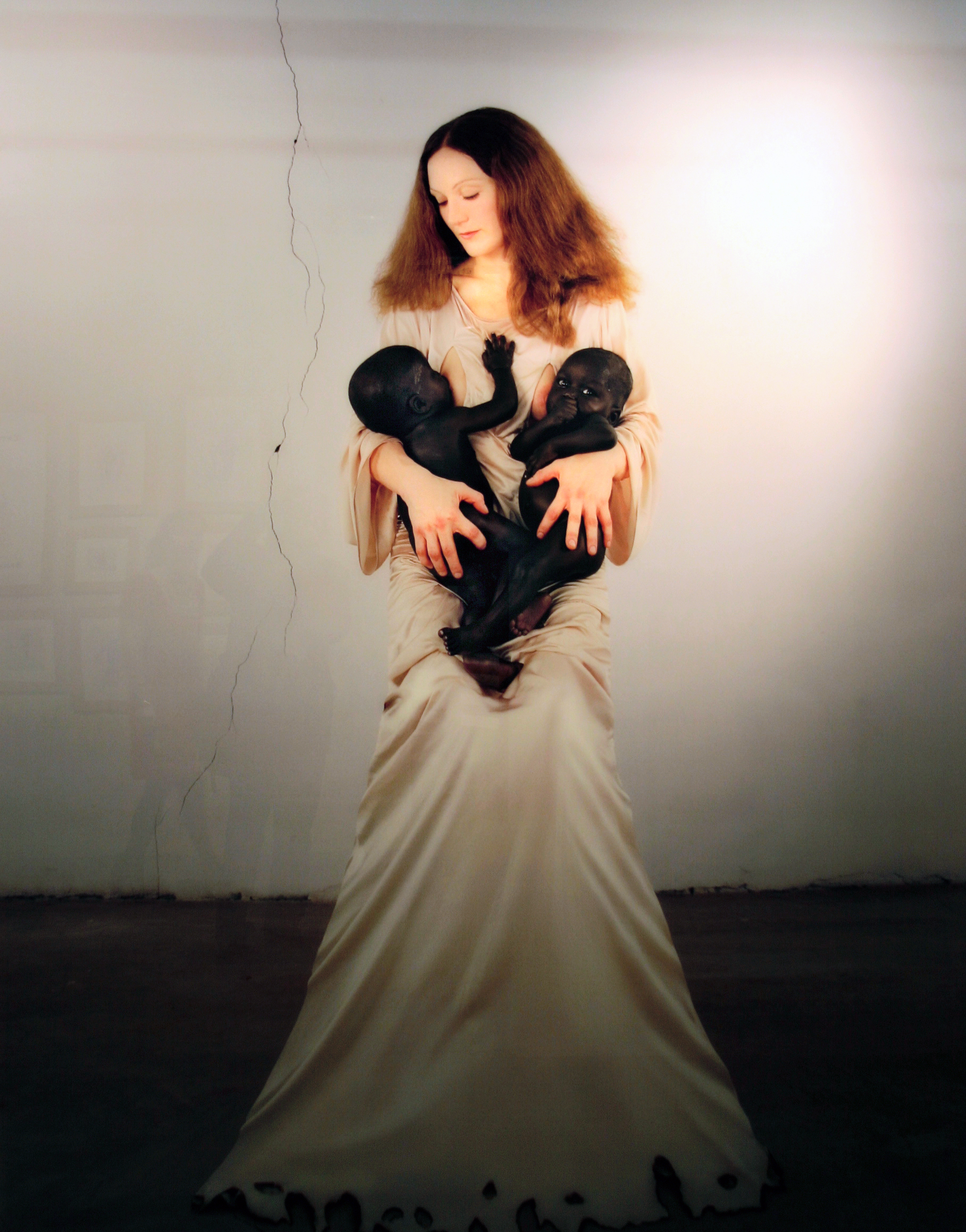
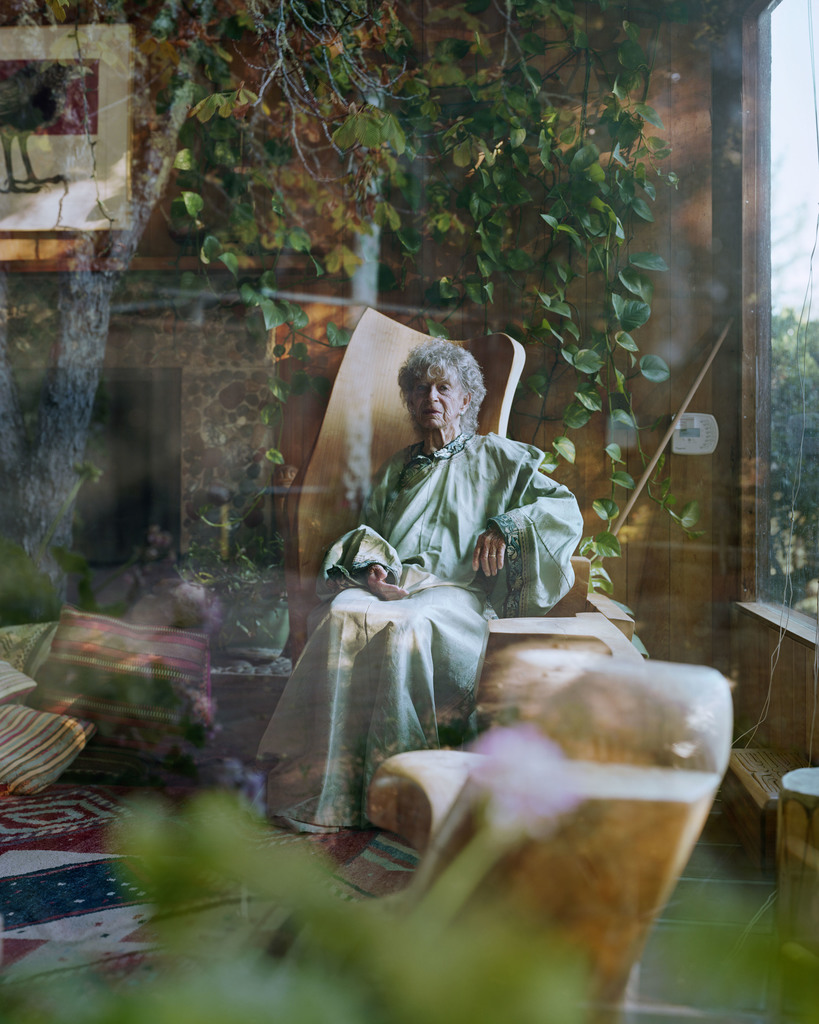
The Photograph That Commands an Entire Room
There is a particular kind of collector who walks into a room, stops in front of a large format photograph, and feels something shift. The scale does something to you. It is not merely decorative presence, though the presence is undeniable. It is the way the image opens up, the way detail accumulates at a size that rewards sustained looking rather than a quick glance.
Collectors drawn to this corner of the market often describe the same experience: they live with these works differently than they live with paintings or sculpture. The photograph becomes environmental. It changes the room it inhabits, and it changes how you inhabit it. What makes large format photography so compelling to collect is precisely this quality of immersion combined with an almost scientific fidelity to the visible world.
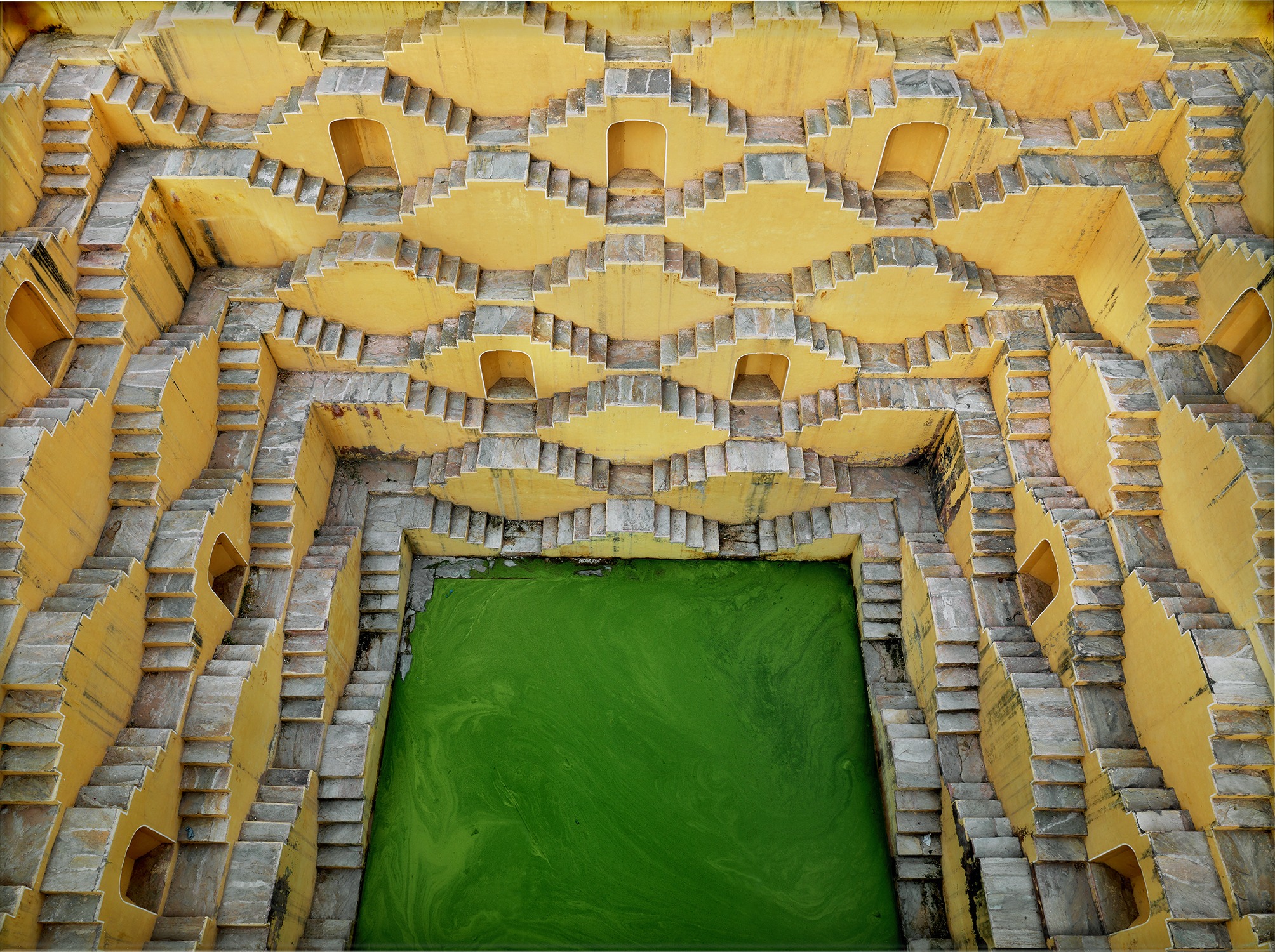
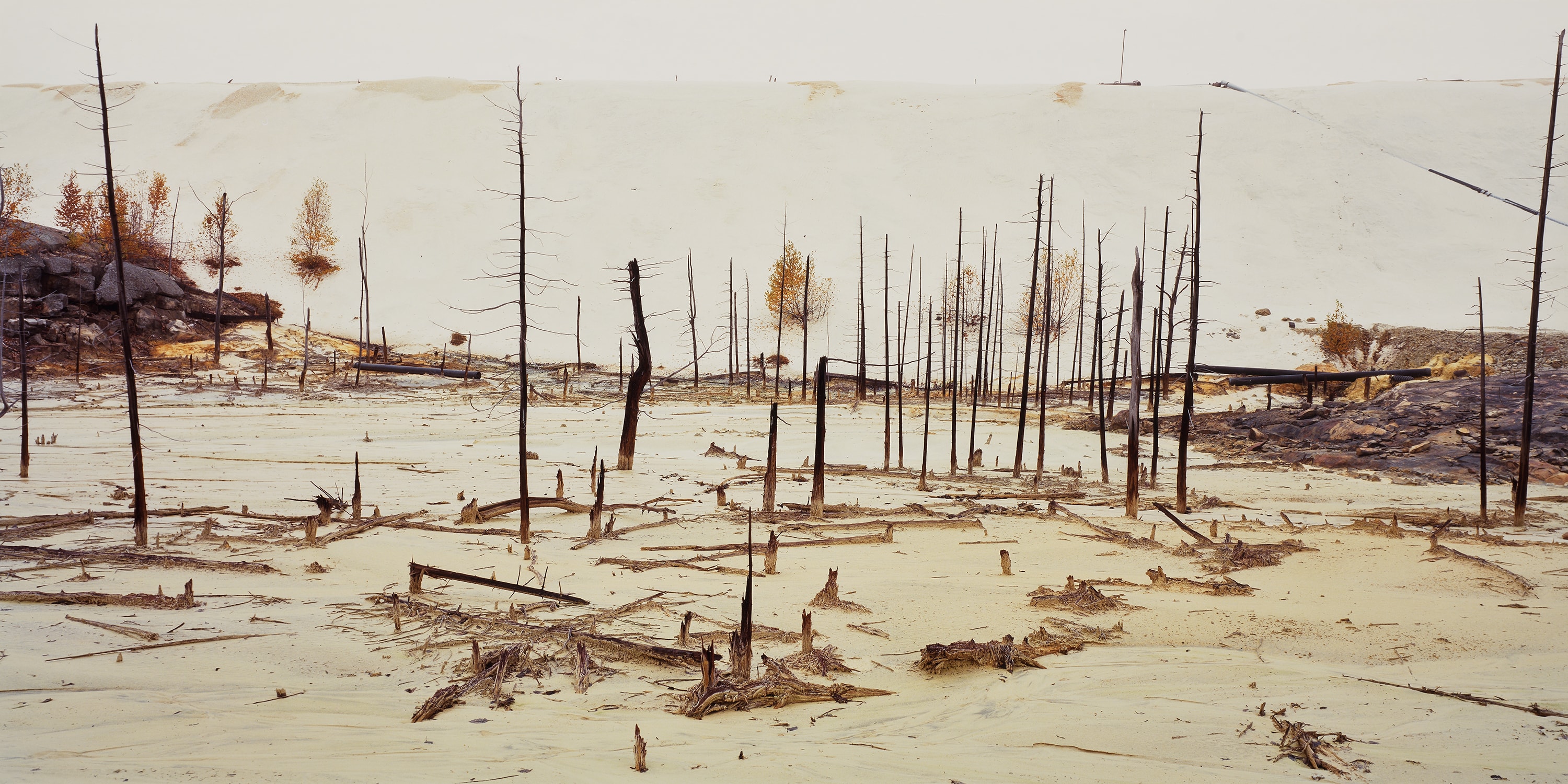
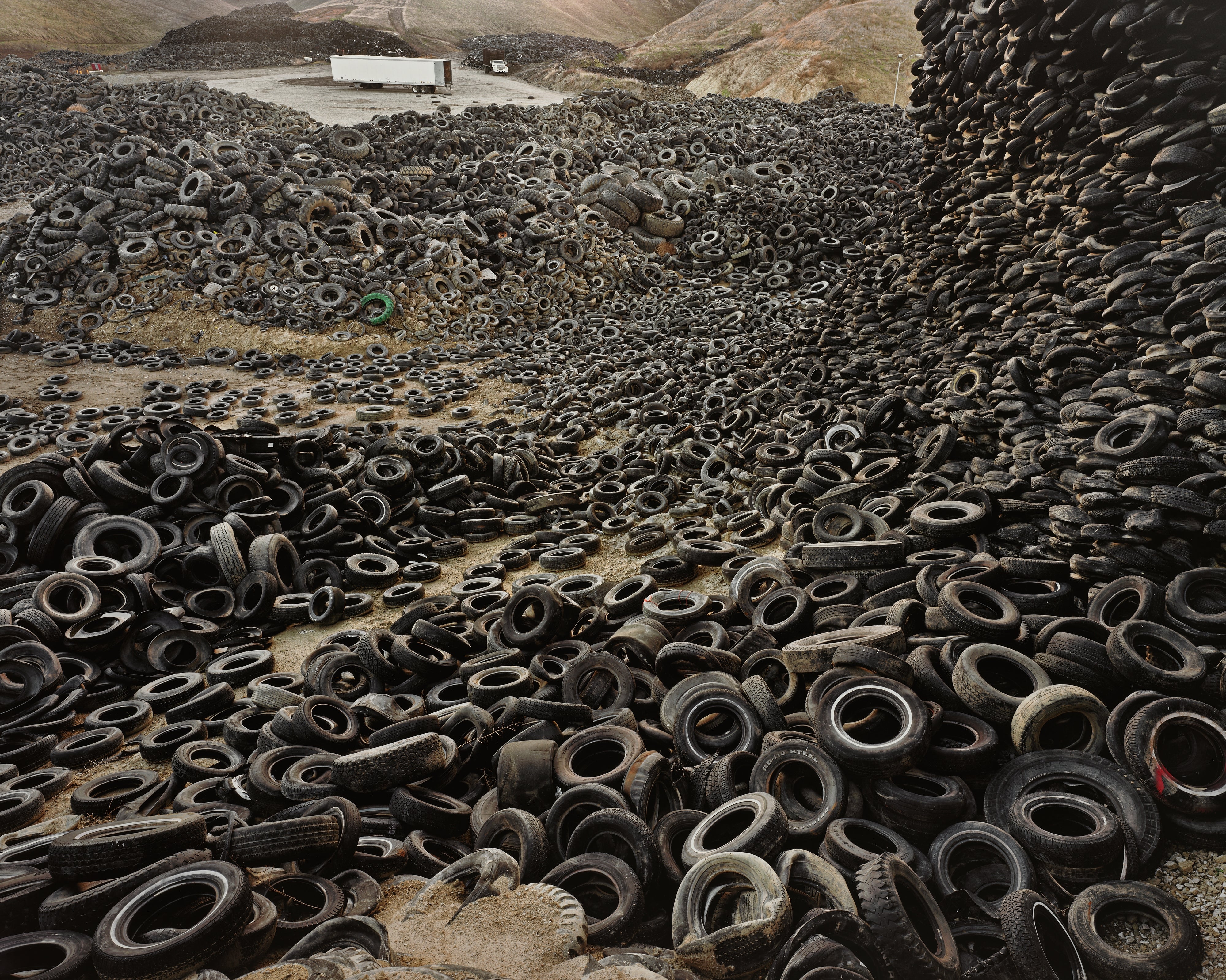
Edward Burtynsky
Stepwell #2, Panna Meena, Amber, Rajasthan, India
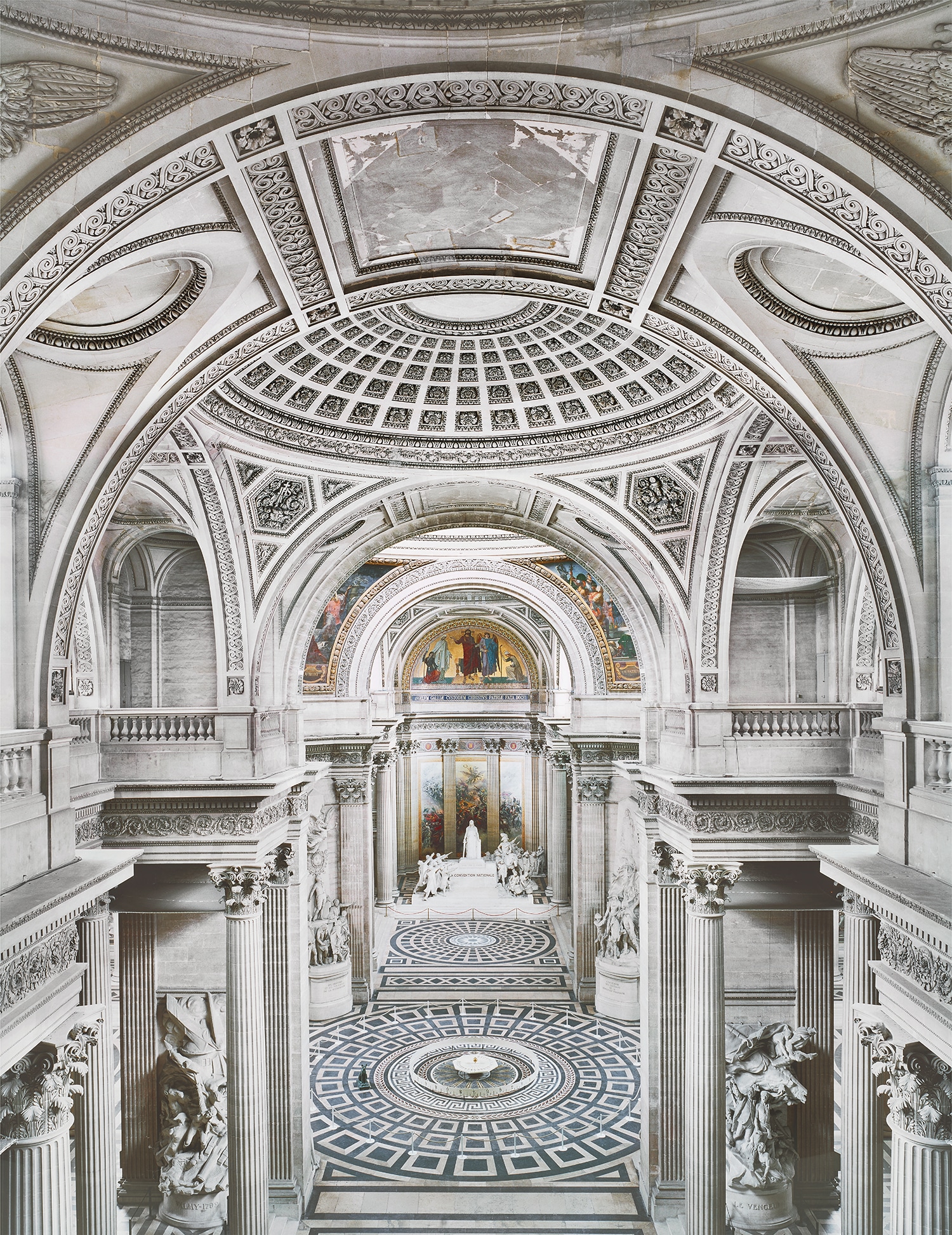
Whether it is the vast industrial landscapes of Edward Burtynsky or the cathedral interiors of Candida Höfer, these are images that reveal more the longer you look. The tradition of the view camera, with its capacity for extraordinary resolution and geometric precision, connects contemporary practitioners to a deep lineage in photography. But the artists working seriously in this mode are not nostalgists. They are using the technical possibilities of large format to make arguments about how we see, what we ignore, and what scale itself means.
Separating a good work from a great one in this category requires attention to a few things that dealers do not always volunteer upfront. Conceptual coherence matters enormously. The best large format photographs are not simply impressive images made bigger. They are works where scale is intrinsic to meaning.
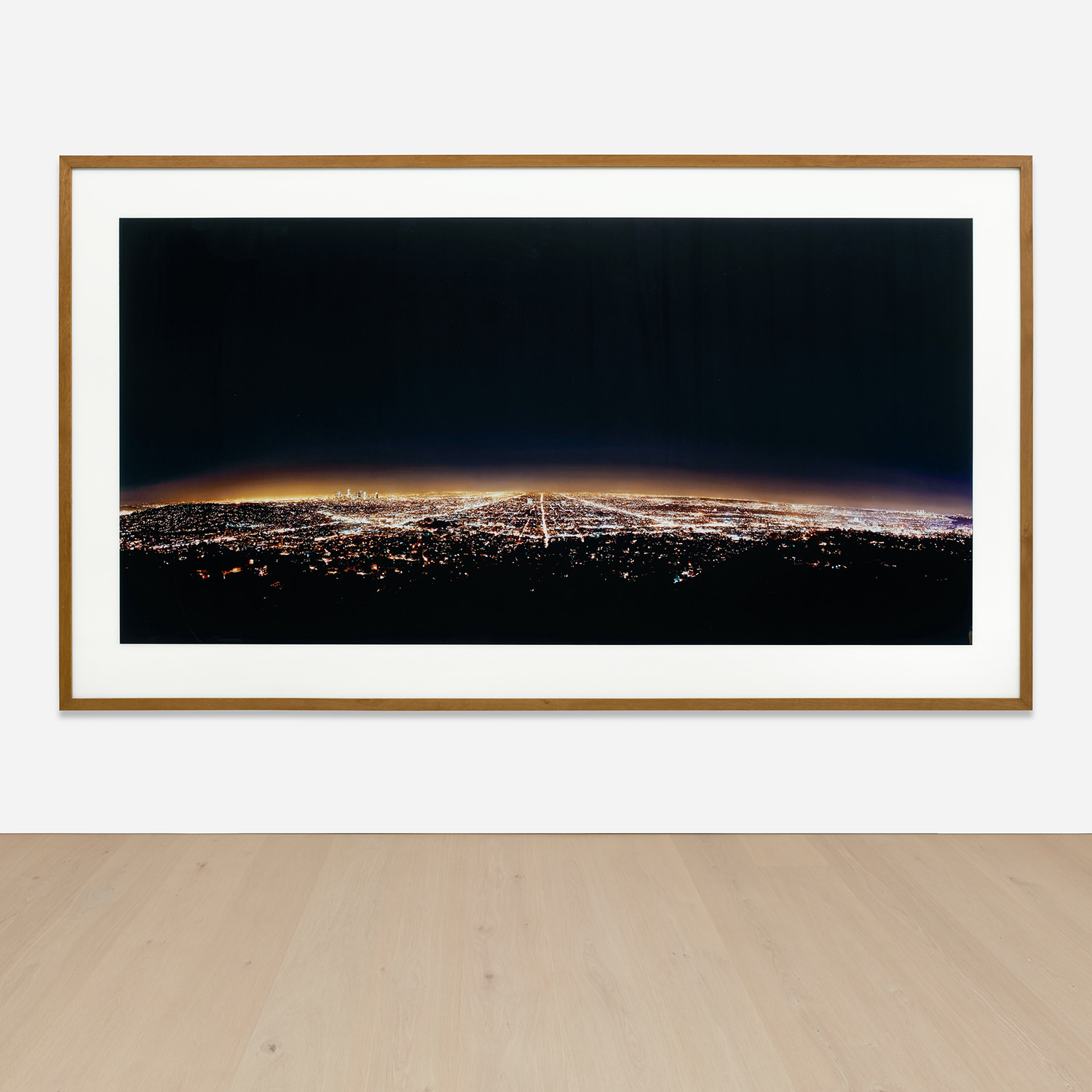
Andreas Gursky
Los Angeles, 1998
Andreas Gursky's images of stock exchanges, supermarkets, and ocean views function precisely because their enormous size collapses the distinction between the individual and the systemic. Thomas Struth's museum photographs, showing visitors standing before canonical paintings, require a scale that mirrors the museum experience itself. When you encounter a work where the size feels arbitrary or merely spectacular, that is usually a sign to look elsewhere. Printing quality and exhibition history are the next things to scrutinize.
The chromogenic and inkjet printing traditions have developed enormously since the Düsseldorf School photographers began showing monumental works in the 1980s and 1990s, and the difference between a carefully produced print and a commercially expedient one is visible under proper light. Ask the gallery about the printing process, the paper or substrate, and whether the artist was involved in or supervised production. Works with strong institutional exhibition histories, particularly those shown at major museums or included in survey exhibitions, carry a provenance that matters in the secondary market. Thomas Demand, for instance, whose constructed paper environments photographed with large format cameras have appeared in MoMA and Tate shows, benefits from an institutional footprint that anchors his market position.
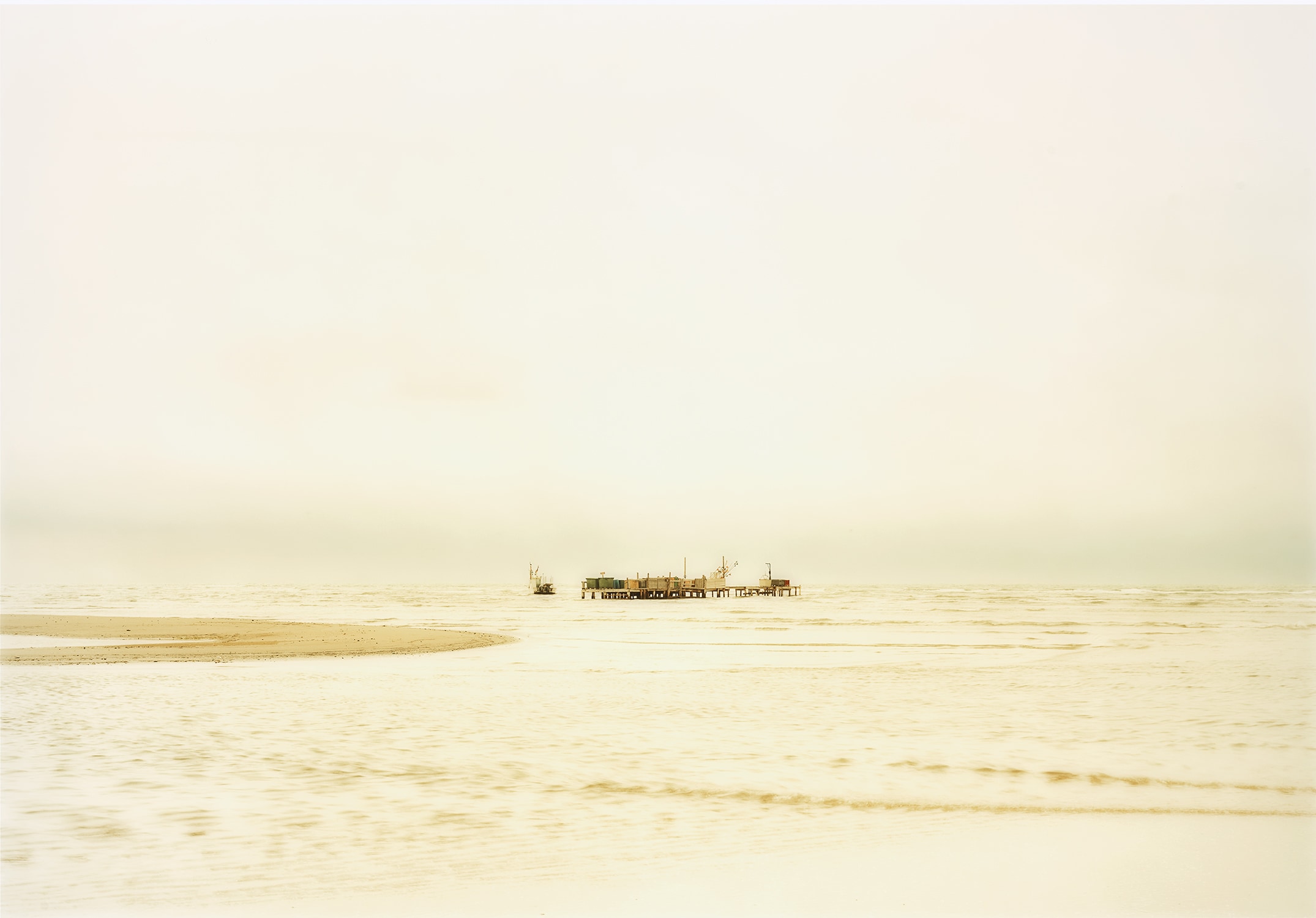
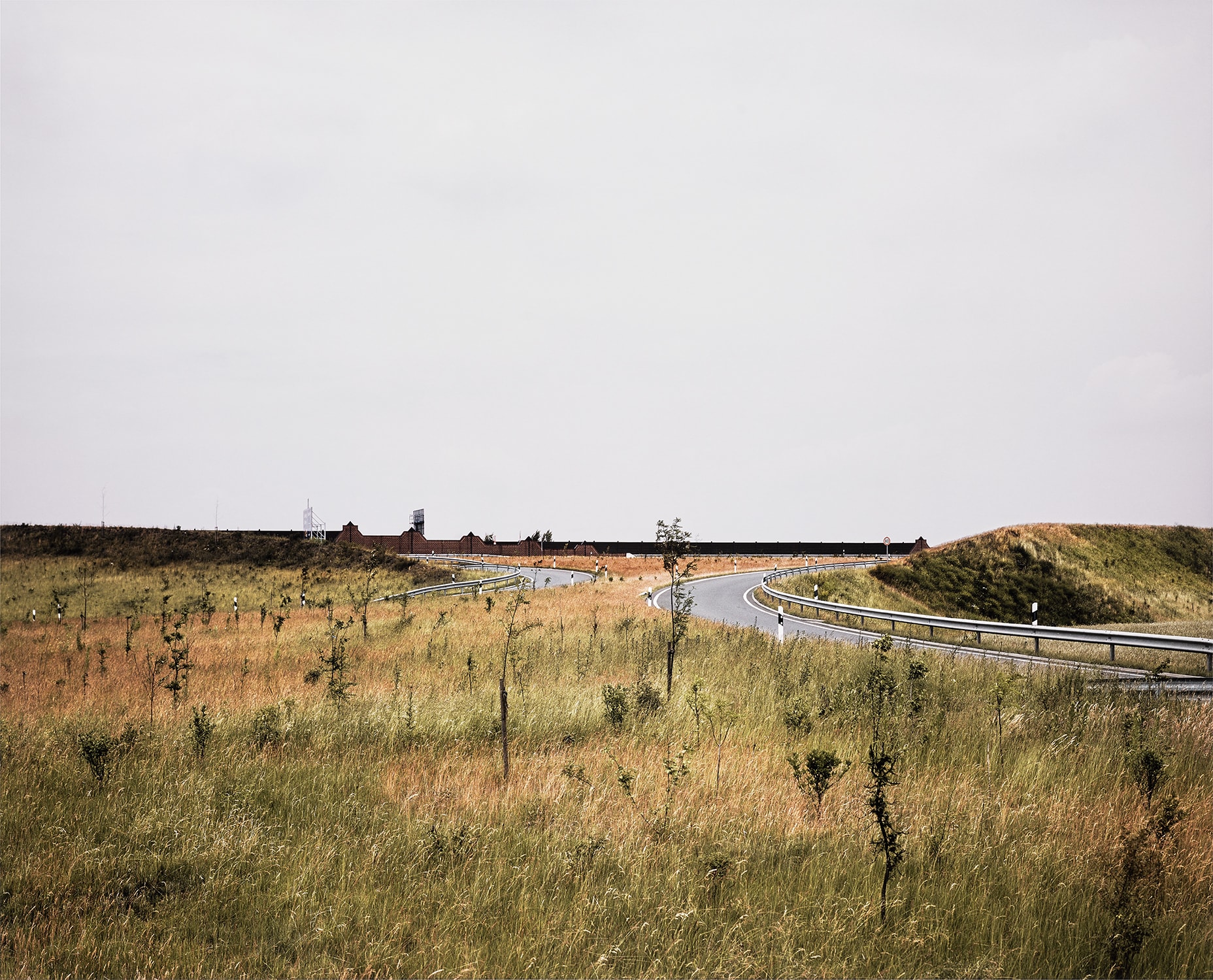
Elger Esser
Beauduc III, Frankreich
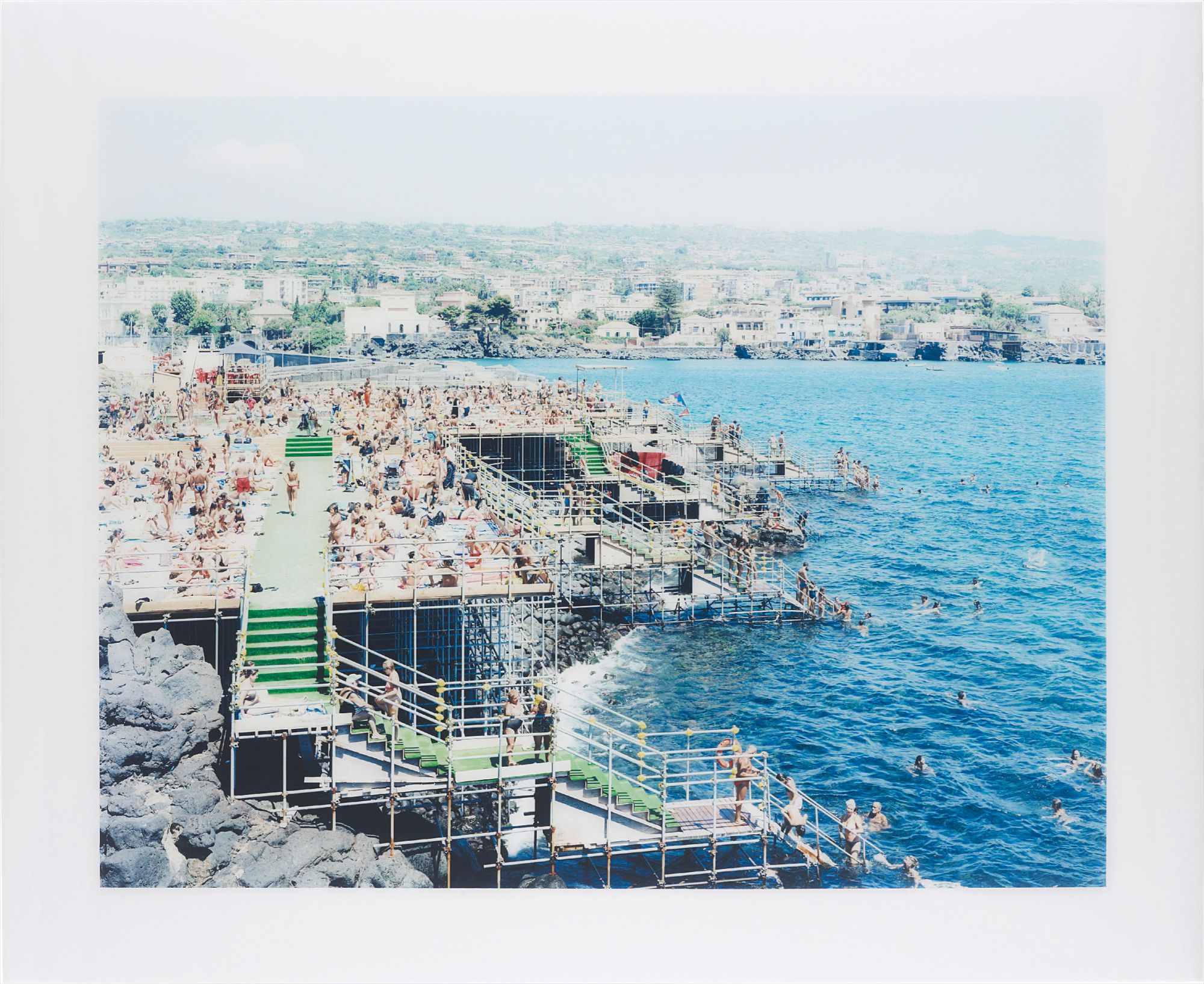
For collectors building a serious position in this category, the roster of artists well represented on The Collection offers a genuinely instructive cross section. Burtynsky remains one of the most significant figures working today, his images of industrial extraction and environmental consequence accumulating a moral weight that only grows more urgent. Elger Esser brings a painterly, almost melancholic quality to European landscapes that situates his work in a tradition stretching from Romanticism through New Topographics. Massimo Vitali's beach and leisure crowd scenes occupy a different register entirely, sociological and gently comic, with a warmth that makes them exceptionally livable.
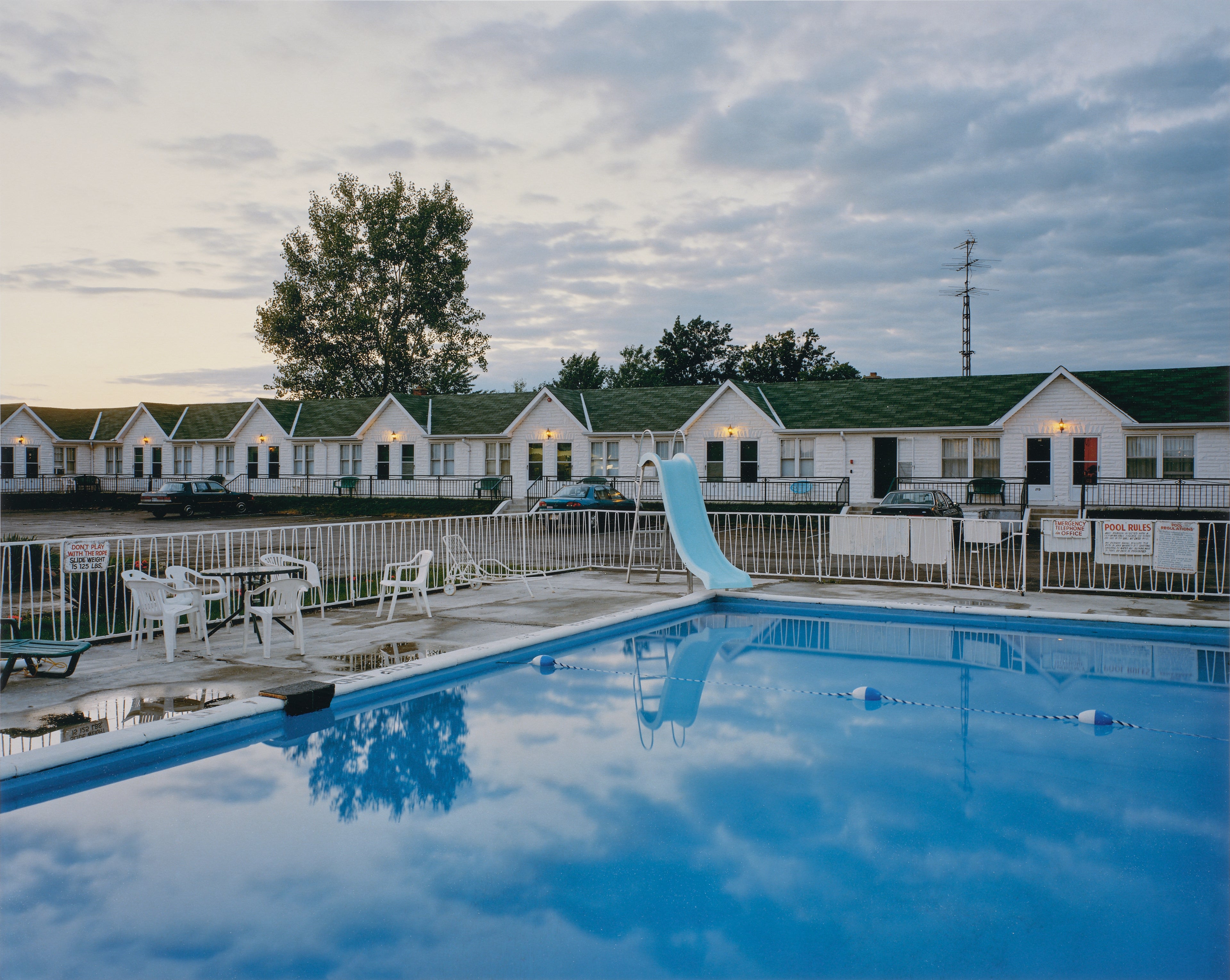
Robert Polidori's architectural interiors, including his exhaustive documentation of post Katrina New Orleans and the Versailles restoration, represent some of the most sustained photographic projects of the past three decades. For collectors with an eye toward emerging value, several names deserve close attention. Alec Soth, who has worked with large format cameras throughout his career, has a literary and wandering sensibility that connects him to Robert Frank as much as to the Düsseldorf tradition, and his market remains accessible relative to his critical standing. Richard Learoyd works with a room sized camera obscura to produce direct positive prints that are entirely unique objects, no edition, no negative, no possibility of reproduction.
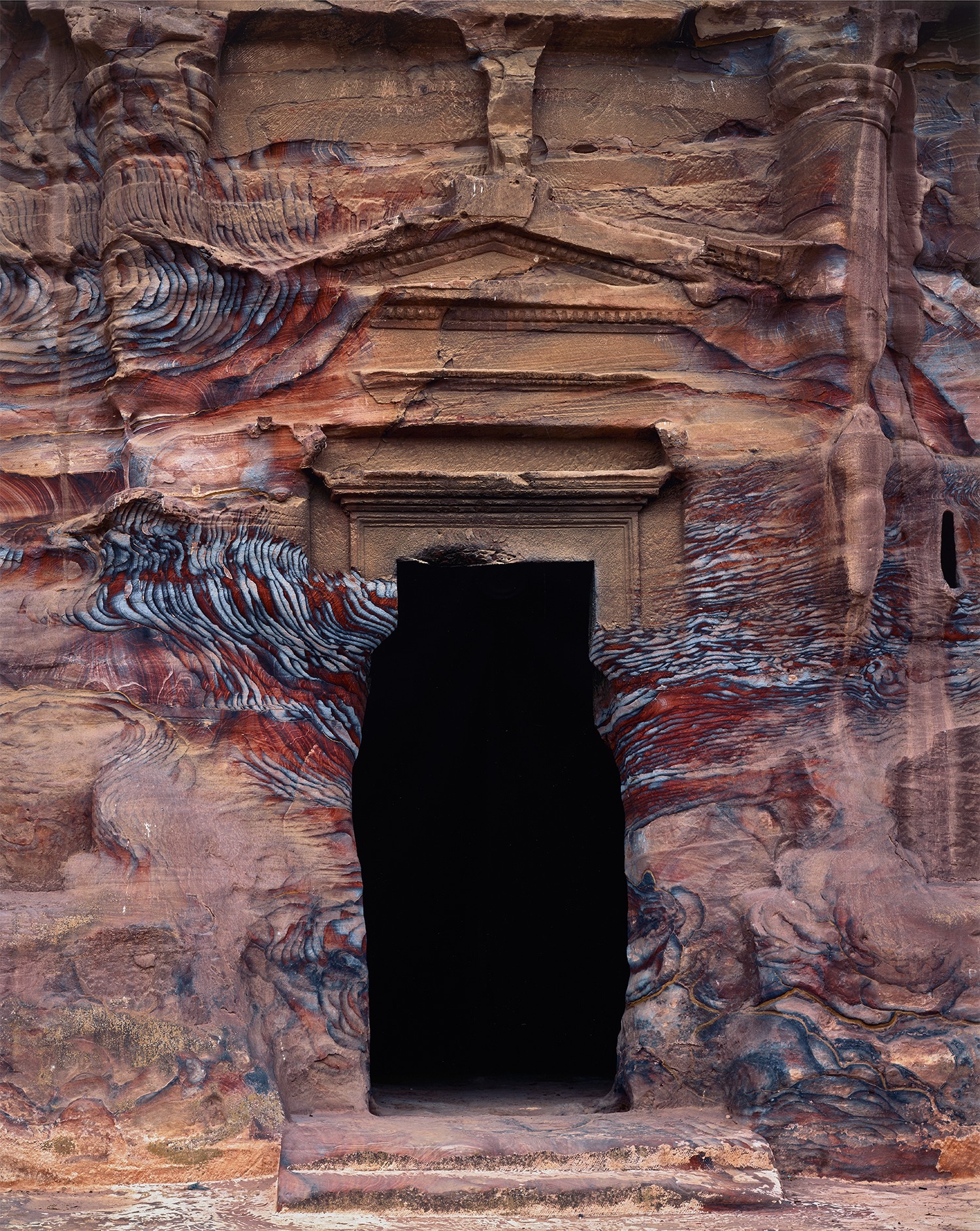
Robert Polidori
Door in Façade of Tomb el-Hubta, Necropolis Area Petra, Jordan
That singularity is increasingly understood by the market, but his prices still reflect the fact that he operates somewhat outside the mainstream commercial photography world. John Chiara similarly uses a large camera of his own construction to make unique photographic objects, and unique works in photography are becoming a serious area of collector focus as the edition model comes under increasing scrutiny. At auction, the large format photography market has shown genuine resilience even as other photography categories have softened. Gursky's 1999 work Rhein II set a record for photography at Christie's in 2011 when it sold for just over four million dollars, a moment that announced to the broader art market that photography could compete at the highest levels.
The secondary market for established names like Gursky, Struth, and Burtynsky is liquid and well documented, with regular appearances at the major houses. Condition is the single greatest risk factor at auction. Chromogenic prints are vulnerable to fading, and large works are disproportionately difficult and expensive to store, transport, and frame properly. Always request a condition report, ask specifically about any UV protective glazing on framed works, and factor the cost of proper installation into your acquisition thinking from the beginning.
Practical wisdom for this category: understand the edition structure before you buy. Most serious artists work in small editions, typically between two and six prints at any given size, and position within an edition can affect resale. Earlier prints from an edition are generally preferable. Ask whether the artist has retired the edition formally.
For works by artists like Rineke Dijkstra or Hiroshi Sugimoto, where the conceptual integrity of the project is paramount, understanding where a specific print sits within the larger body of work matters as much as condition. The greatest large format photographs reward exactly this kind of diligence. They are not impulse acquisitions. They are commitments, and the collectors who take them seriously tend to find that the works justify every hour of that attention.