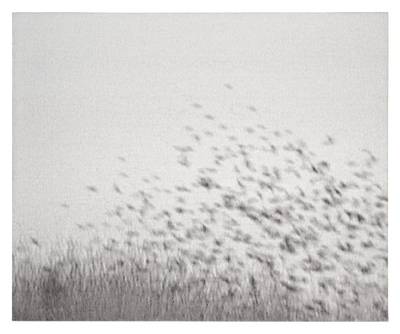
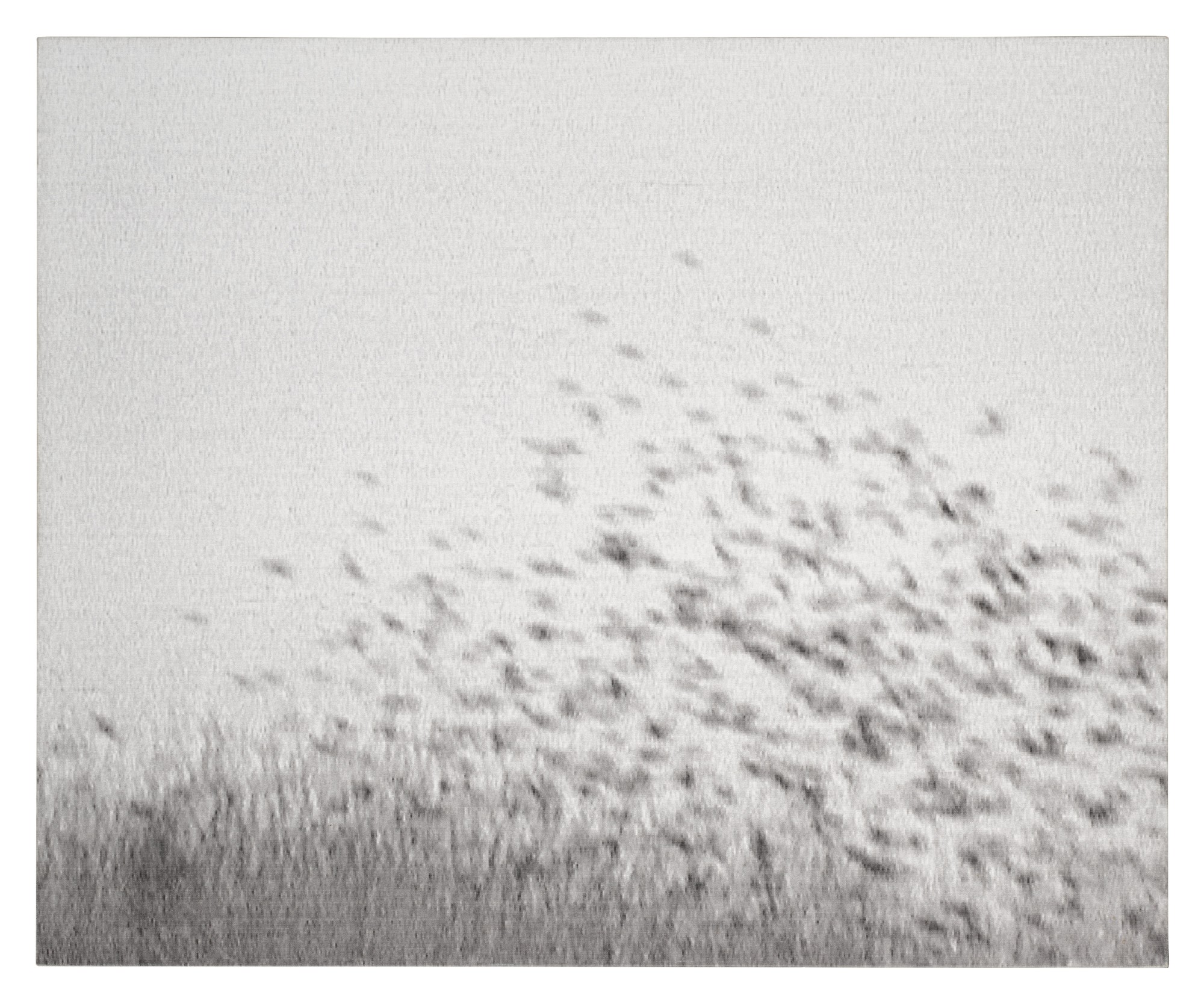
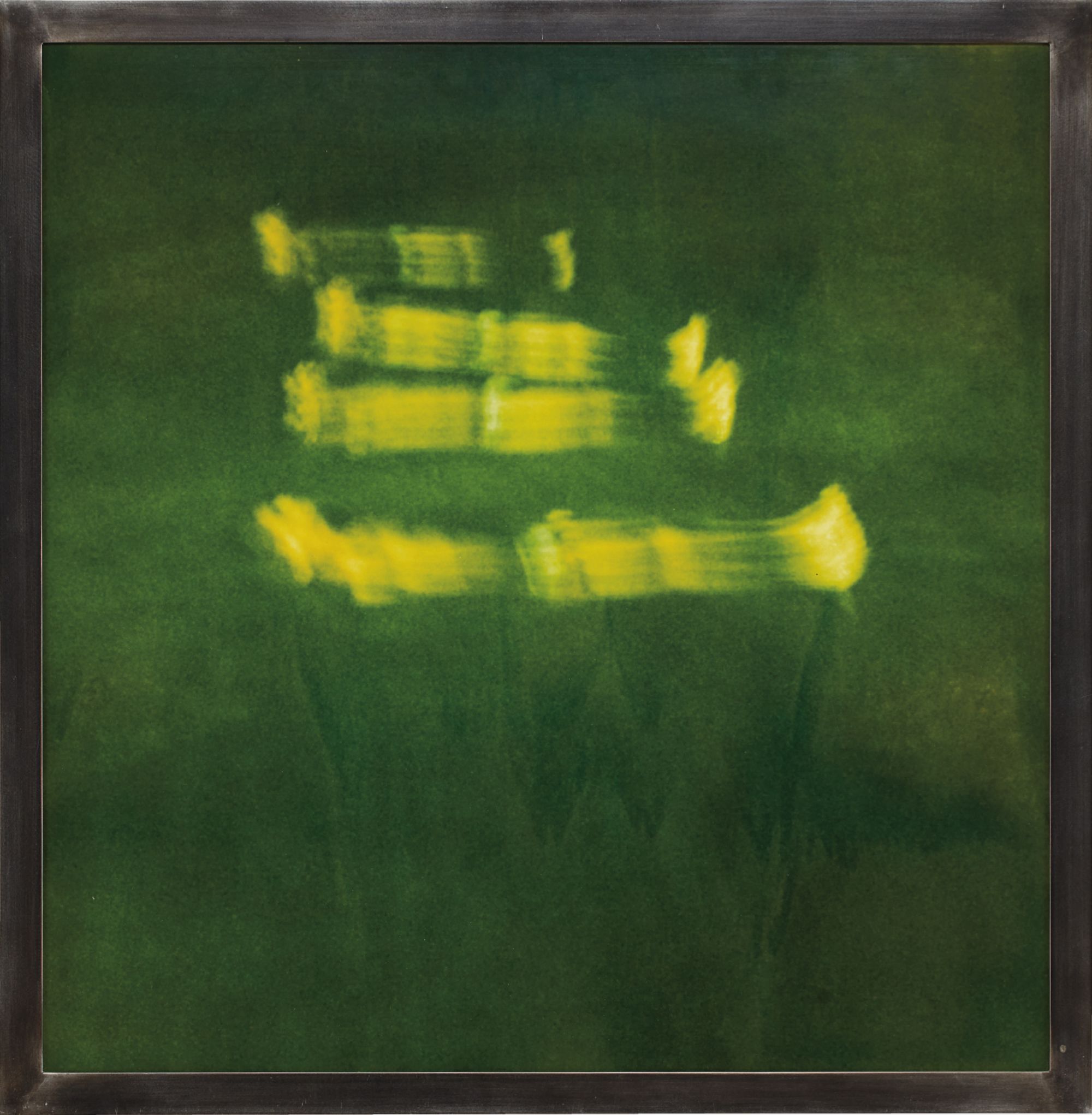
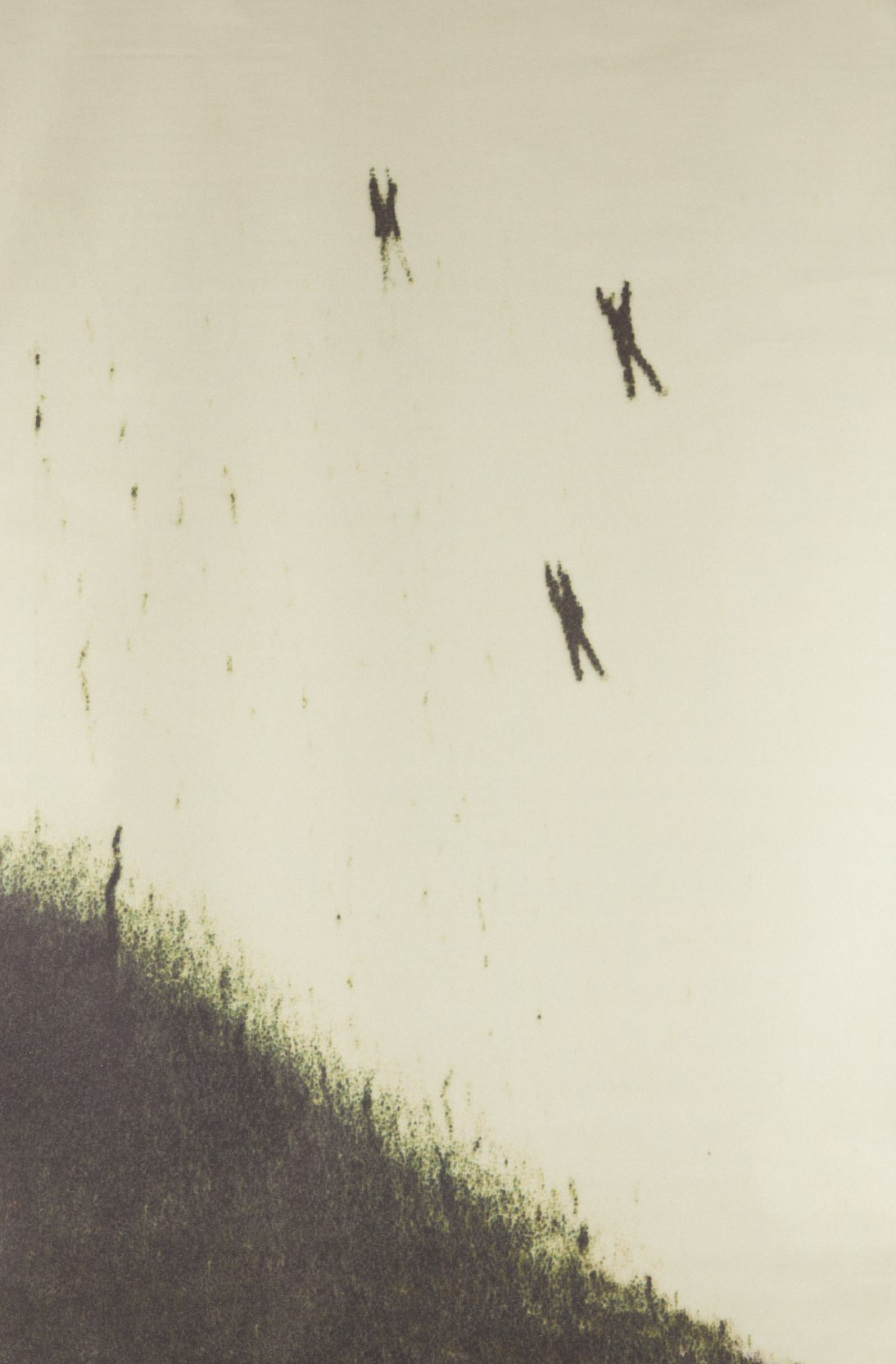
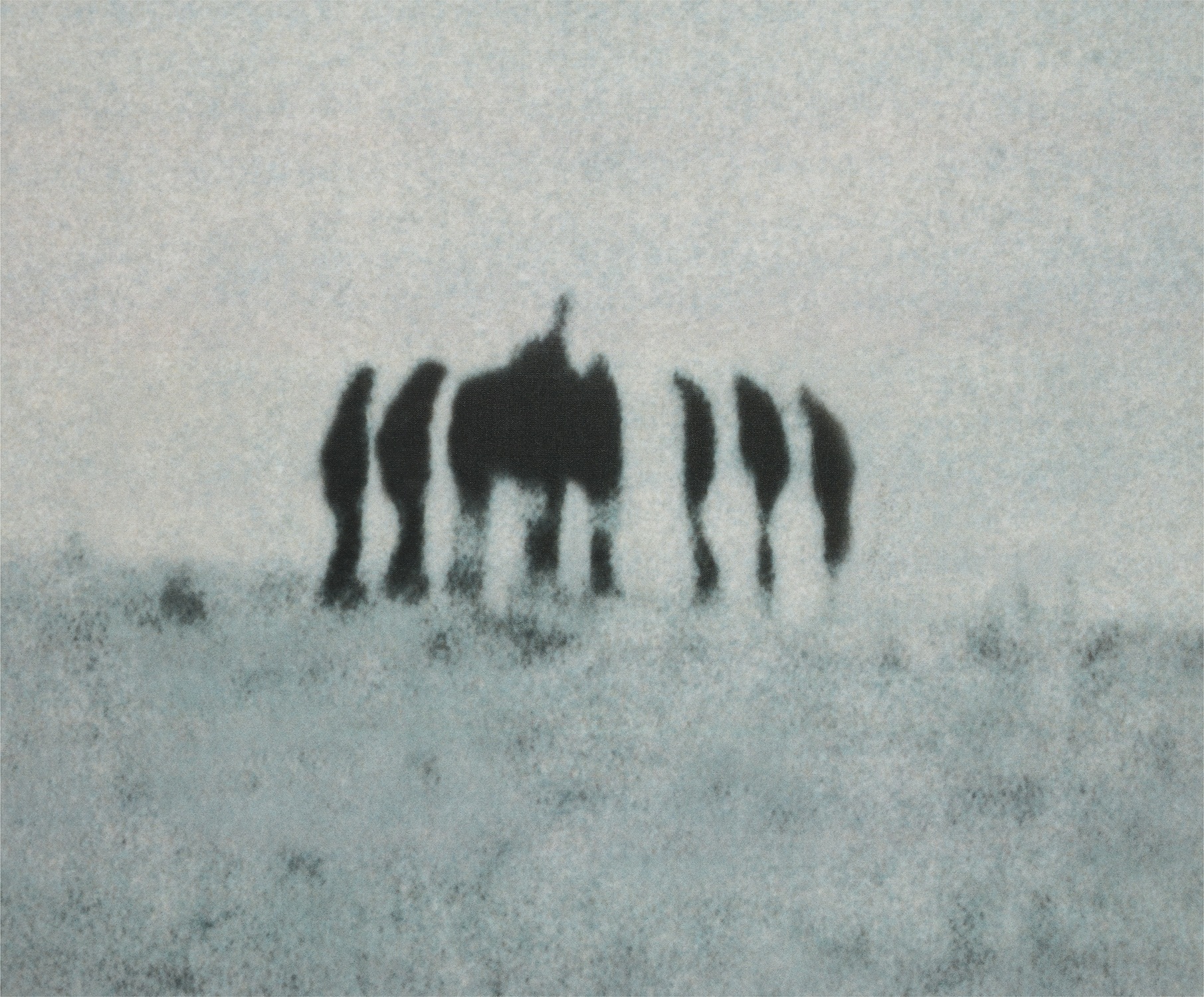
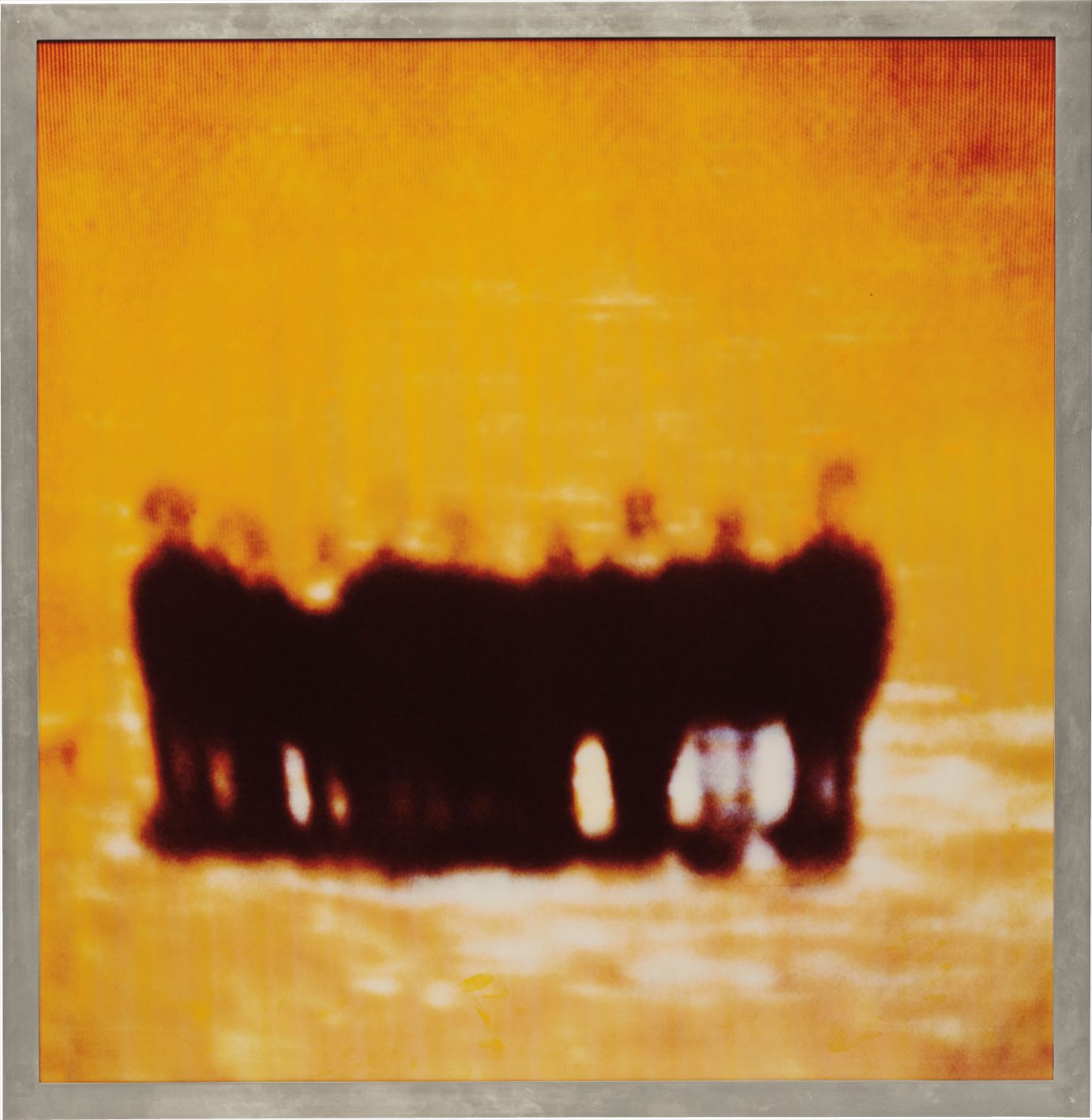
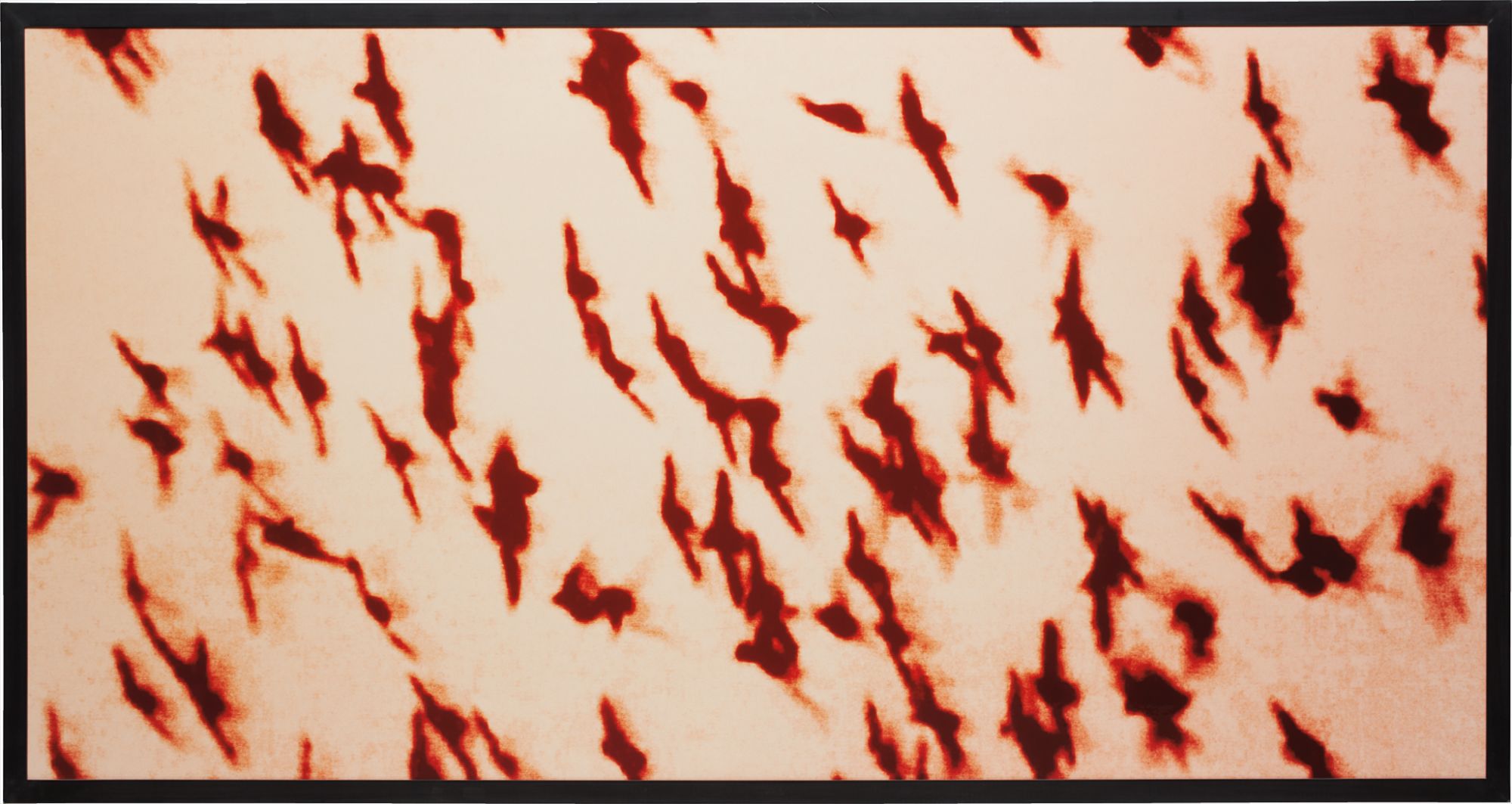
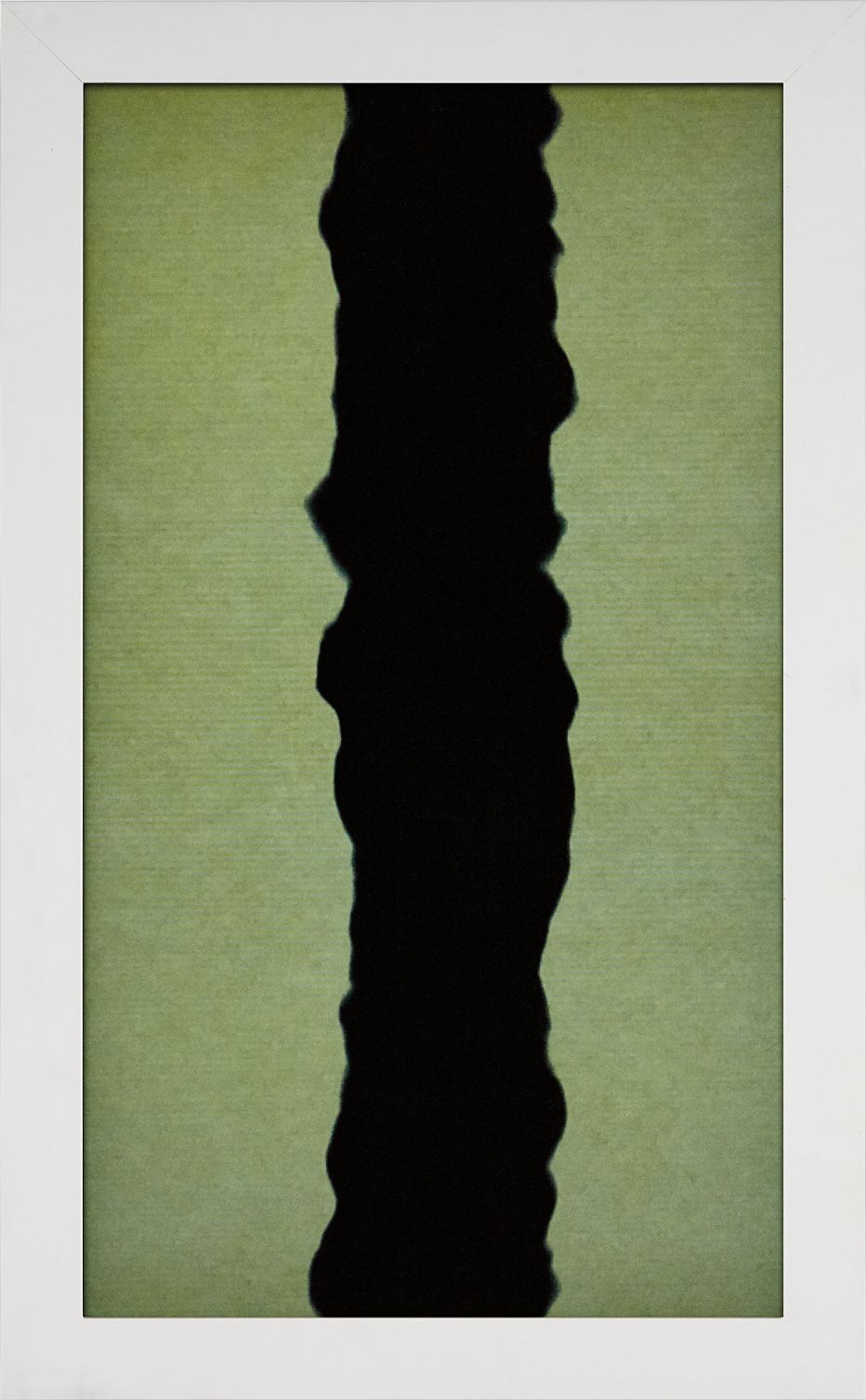
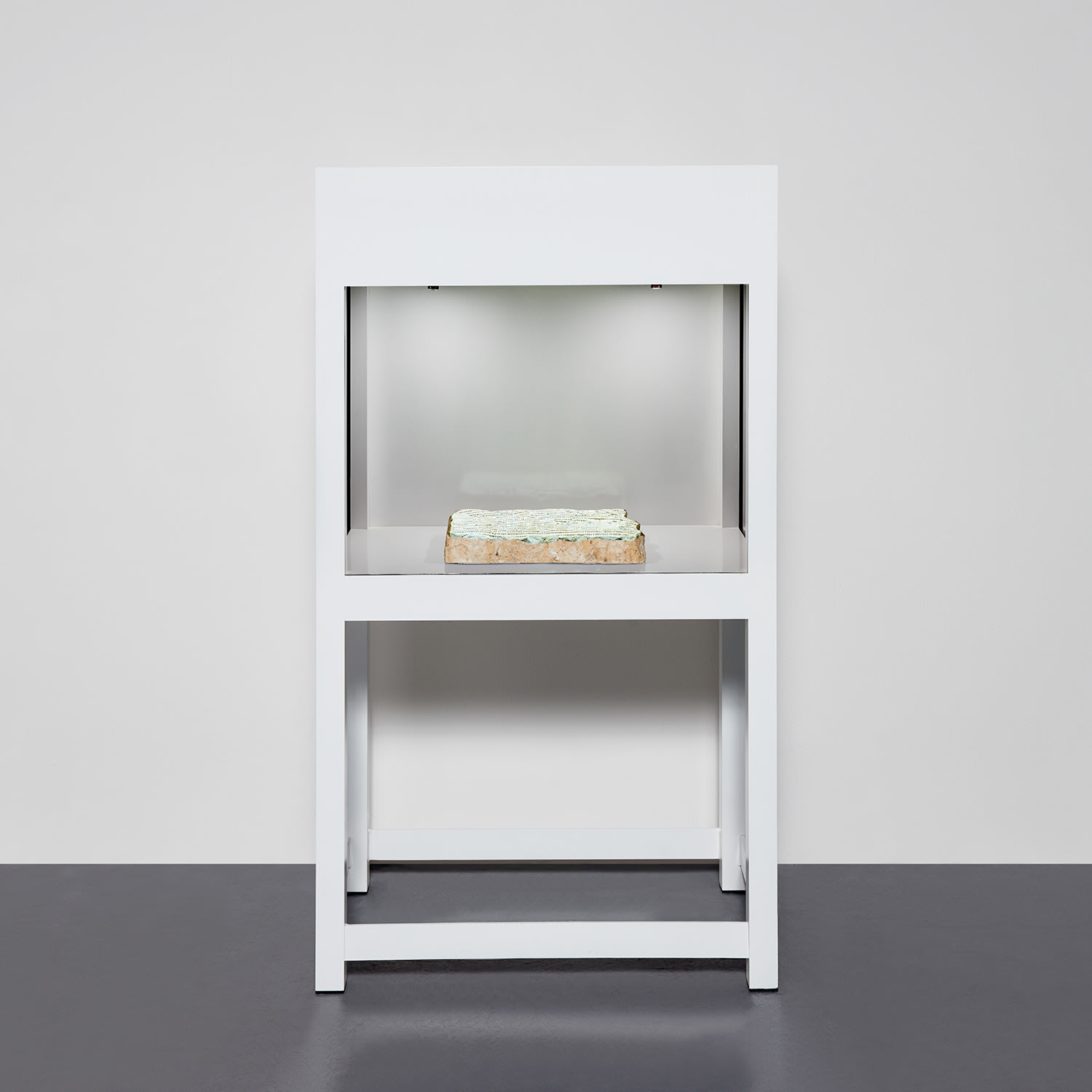
When the Venice Biennale selected Michal Rovner to represent Israel in 2003, the art world encountered something rare: a pavilion that stopped visitors in their tracks not through spectacle alone but through a profound, almost physical sense of recognition. Her installation Data Zone filled the space with ghostly figures moving in hypnotic loops across stone surfaces and laboratory petri dishes, blurring the boundary between scientific specimen and human archive. It was a moment that crystallized what Rovner had been working toward for two decades, and its resonance has only deepened with time. Today, as institutions and collectors around the world continue to seek out her work, the Venice presentation stands as one of the defining gestures of early twenty first century art. Rovner was born in Tel Aviv in 1957, growing up in a country where the weight of collective history is woven into daily life. She studied at the Bezalel Academy of Art and Design in Jerusalem and later at Tel Aviv University, before relocating to New York, a move that gave her both critical distance from her origins and a cosmopolitan framework for thinking about displacement, memory, and belonging. That dual perspective, rooted in the particular yet reaching toward the universal, would become the animating force of everything she made. Her early years in New York during the 1980s placed her at the intersection of photography, film, and conceptual practice at a moment when those disciplines were in fertile conversation with one another. Her photographic work from the late 1980s and early 1990s already showed an instinct for compression and ambiguity. Chromogenic prints from this period, including works in the Two Works series from 1992, captured landscapes and figures in states of dissolution, the grain and blur of the image functioning not as technical imperfection but as philosophical statement. Rovner was asking what it means to see clearly, and whether clarity is even the right ambition when the subject is human experience at scale. By the mid 1990s she had turned increasingly toward video and large scale projection, finding in moving image a medium that could sustain the temporal dimension her questions demanded. The figures in her videos never quite resolve into individuals: they are crowds, columns, streams of anonymous humanity in perpetual motion. The works from around 1999 represent a particularly significant chapter. Dust III A, one of her most recognized inkjet prints on canvas, distills the vocabulary she had been developing into a single arrestingly spare image. The chromogenic print Small Group Narrative from the same year brings a similar sensibility to the photographic object, with figures rendered as marks that hover between script and silhouette. These are not illustrations of ideas about collective identity but rather direct experiences of it: you do not read the image so much as feel absorbed by it. Her framing choices, including the artist made frames she has used for certain works, signal that every element of presentation is considered, that the work does not end at the image surface. By the 2000s Rovner had expanded her practice into increasingly sculptural territory. Zalach 1, from 2004, exemplifies this evolution: a steel vitrine containing glass, stone, and a DVD video projection, the work functions as a kind of reliquary or specimen case, holding living image within inert matter. The dialogue between the organic and the industrial, between motion and stillness, between the preserved and the vanishing, gives the object an uncanny presence. Her 2006 work Absolute, realized on LCD screen with paper and video, continues this investigation into how images inhabit objects and how objects can become containers for time. These sculptural pieces have attracted serious institutional attention and sit comfortably within collections that span contemporary video art and photography. For collectors, Rovner's work offers something that is genuinely difficult to find: formal beauty that does not sacrifice intellectual depth, and conceptual rigor that never becomes cold or inaccessible. Her prints and mixed media works, including pieces in the Merging series on canvas and on board, have a physical presence and material quality that rewards sustained attention. Works from her Mutual Interest series, produced on Fujiflex paper, demonstrate her command of photographic surface and her ability to make a single image carry enormous emotional freight. Editions tend to be small, typically five or fewer, and works from the late 1990s and early 2000s in particular have become touchstones for collectors who understand her importance within the broader landscape of conceptual photography and video art. In the context of art history, Rovner belongs to a generation of artists who transformed photography from document into meditation. Her work resonates alongside that of Christian Boltanski, whose archives of anonymous lives address similar themes of memory and collective loss, and Shimon Attie, whose projections onto architecture excavate buried histories. She also shares aesthetic territory with William Kentridge, another artist for whom drawing, mark, and motion are inseparable from political and historical consciousness. Yet Rovner's voice is entirely her own: the particular quality of abstraction she achieves, in which the human figure is simultaneously present and dissolved, has no precise equivalent in contemporary art. What makes Rovner matter today is precisely her insistence on the figure at a moment when figuration has returned to urgent prominence across all media. She never abandoned the human body, but she refuses to let it be merely individual, merely anecdotal. Her work asks us to consider what we share across boundaries of nation, language, and time, and it does so with an economy of means that feels increasingly rare. As conversations about displacement, migration, and collective memory grow ever more pressing in global culture, Rovner's visual language has become more relevant, not less. To collect her work is to hold something genuinely necessary: a reminder that art at its best does not describe the world but reveals it.