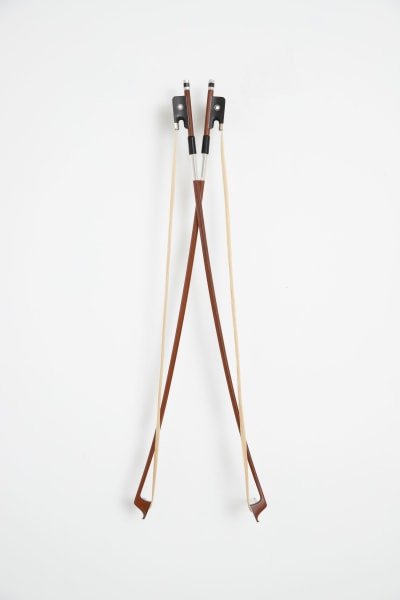
Naama Tsabar
1
Works
1
Followers
Naama Tsabar is an Israeli-American artist working with sound, sculpture, and performance. Her practice explores the physicality of musical instruments and the relationship between the body, sound, and space.
Collectors
Artists in conversation

Laurie Anderson
Anderson similarly merges sound, performance, and sculptural installation, treating the body as an instrument and exploring how sonic experience shapes physical and emotional space. A collector drawn to Tsabar's fusion of music and sculpture would find deep resonance in Anderson's multimedia performance works.
Tarek Atoui
Atoui builds custom instruments and sound sculptures that invite bodily participation, interrogating how listeners and performers co produce sonic experience in space. His practice parallels Tsabar's interest in the physicality of instruments and the blurring of performer and audience roles.

Céleste Boursier-Mougenot
Boursier-Mougenot transforms everyday objects and architectural environments into sound producing sculptures, creating immersive installations where the boundary between object, body, and music dissolves. This shared interest in activating space through sound and material form connects directly to Tsabar's practice.
Artists who inspired them
Charlotte Moorman
Moorman pioneered the use of the cello as a site of bodily and political performance, merging avant garde music with sculpture and the female body in ways that directly anticipate Tsabar's exploration of instruments as extensions of the performer's physicality. Her radical redefinition of the musician's role was foundational for artists like Tsabar.
Bruce Nauman
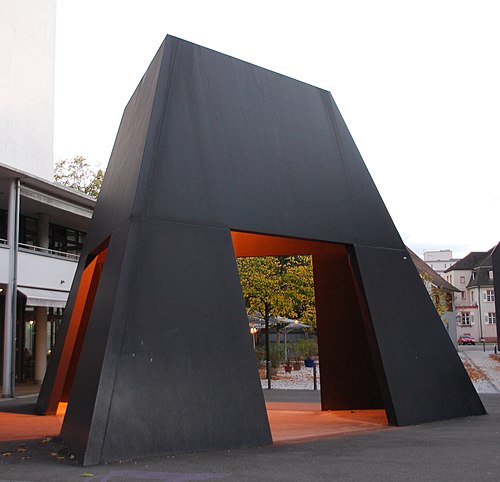
Nauman's investigations into the body, language, sound, and architectural space as sites of psychological and physical tension provided a conceptual framework for Tsabar's sculptural and performance based inquiries. His use of the studio and architectural environment as subject matter is a clear precedent for her practice.

Mona Hatoum
Hatoum's sculpture and installation work charges familiar objects and domestic forms with bodily and political tension, a strategy that informs Tsabar's transformation of musical instruments into charged sculptural and political objects. Her influence is visible in Tsabar's attention to vulnerability and power embedded in material form.