Intimate
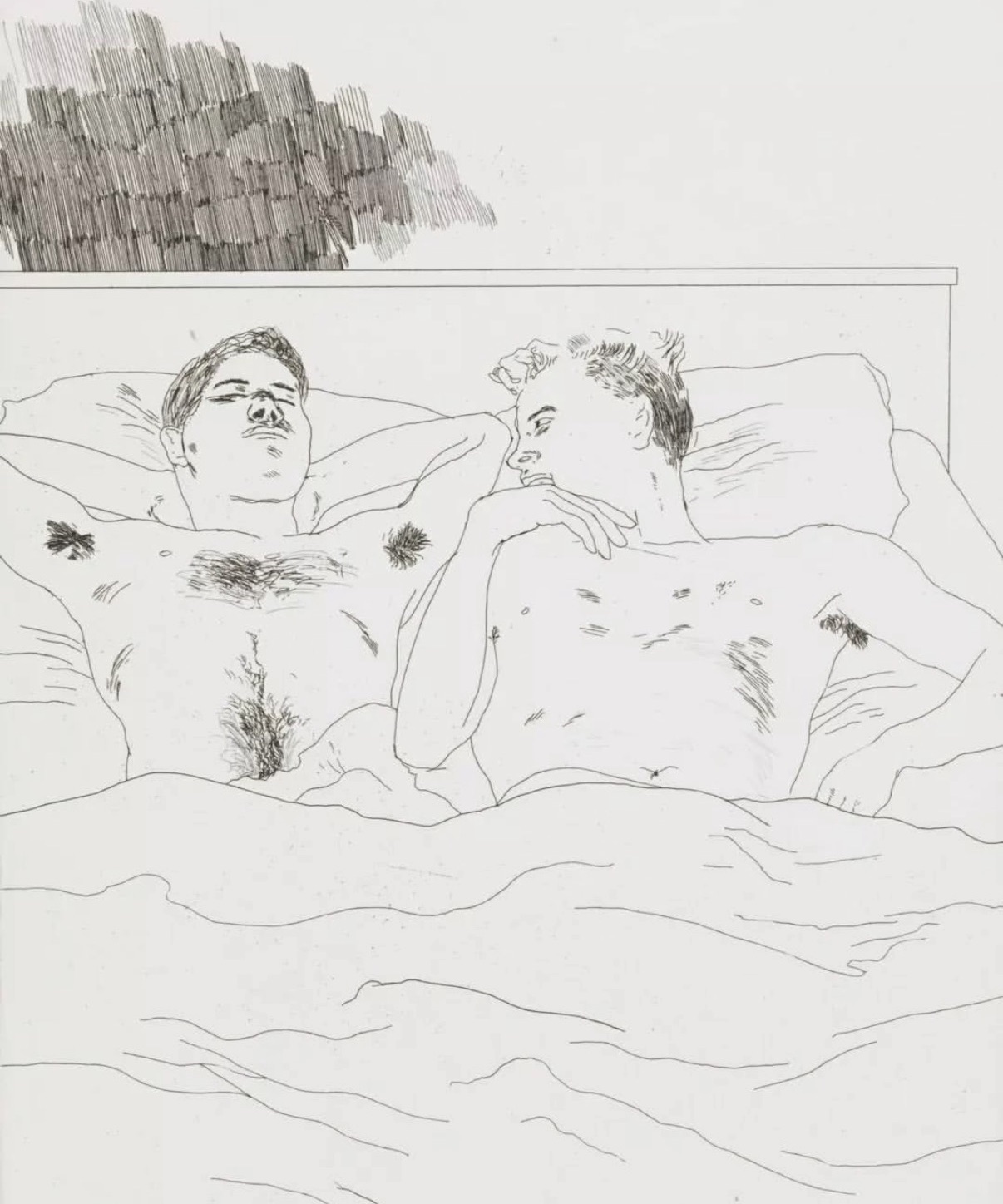
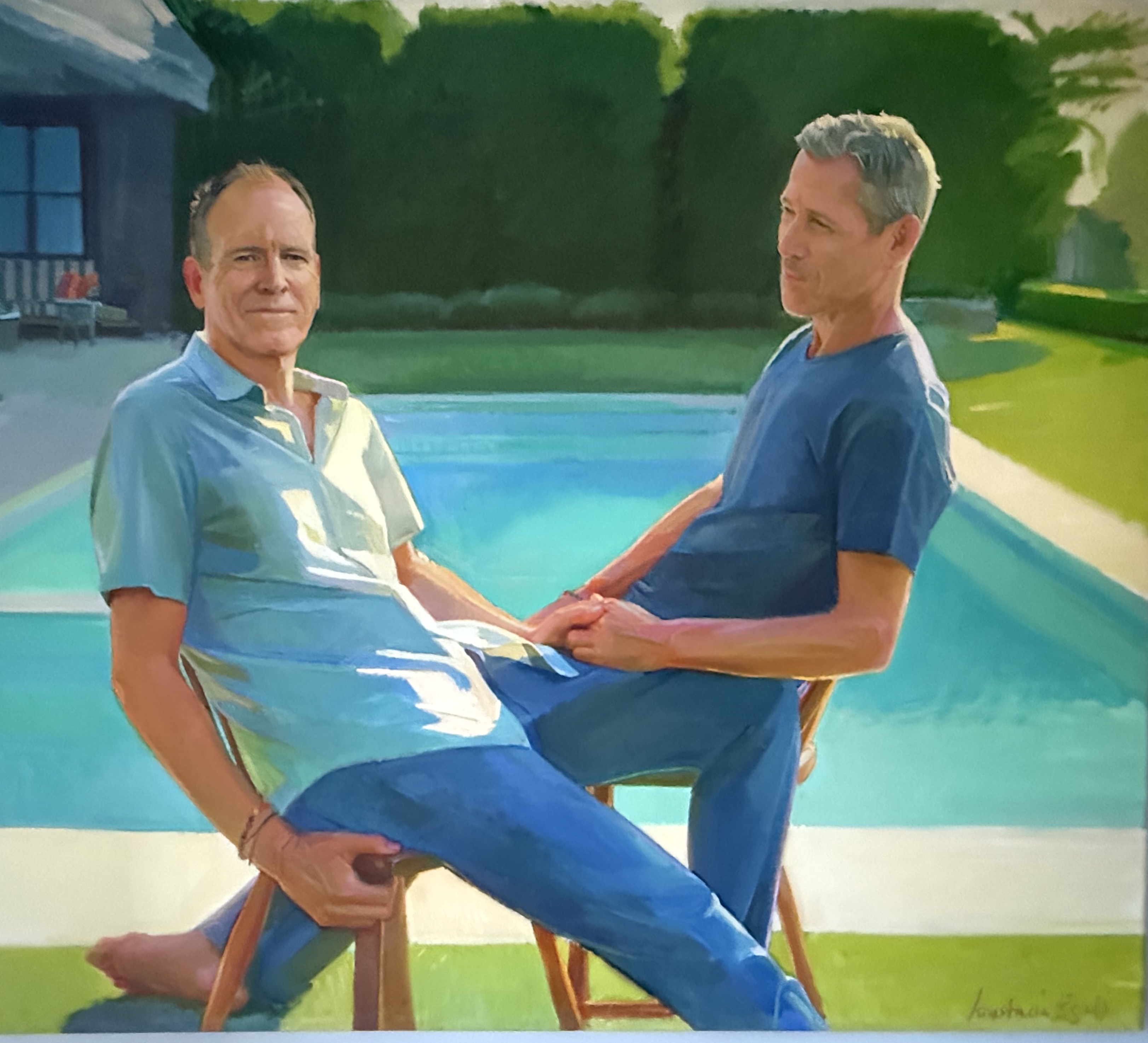
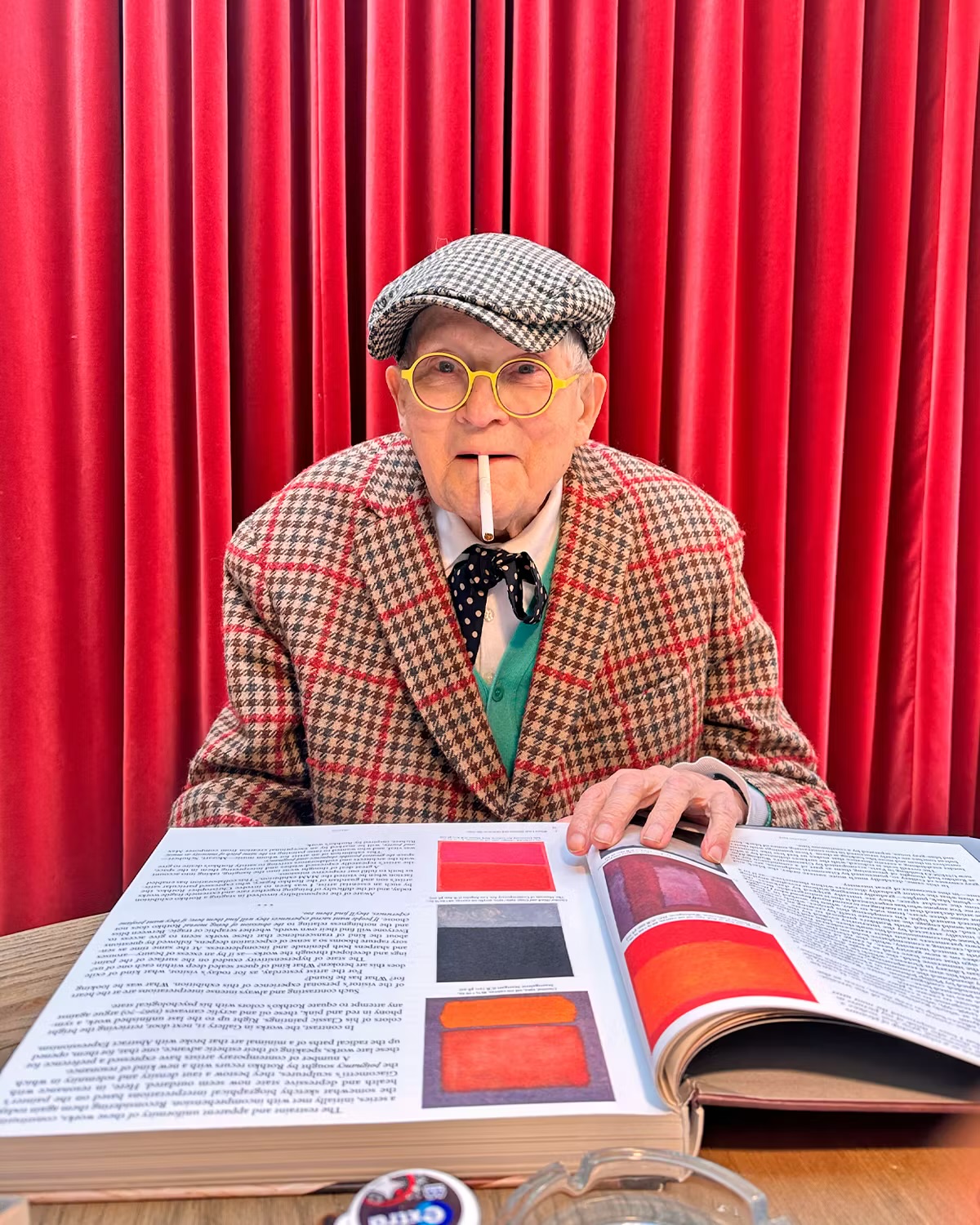
David Hockney
In Despair, 1966
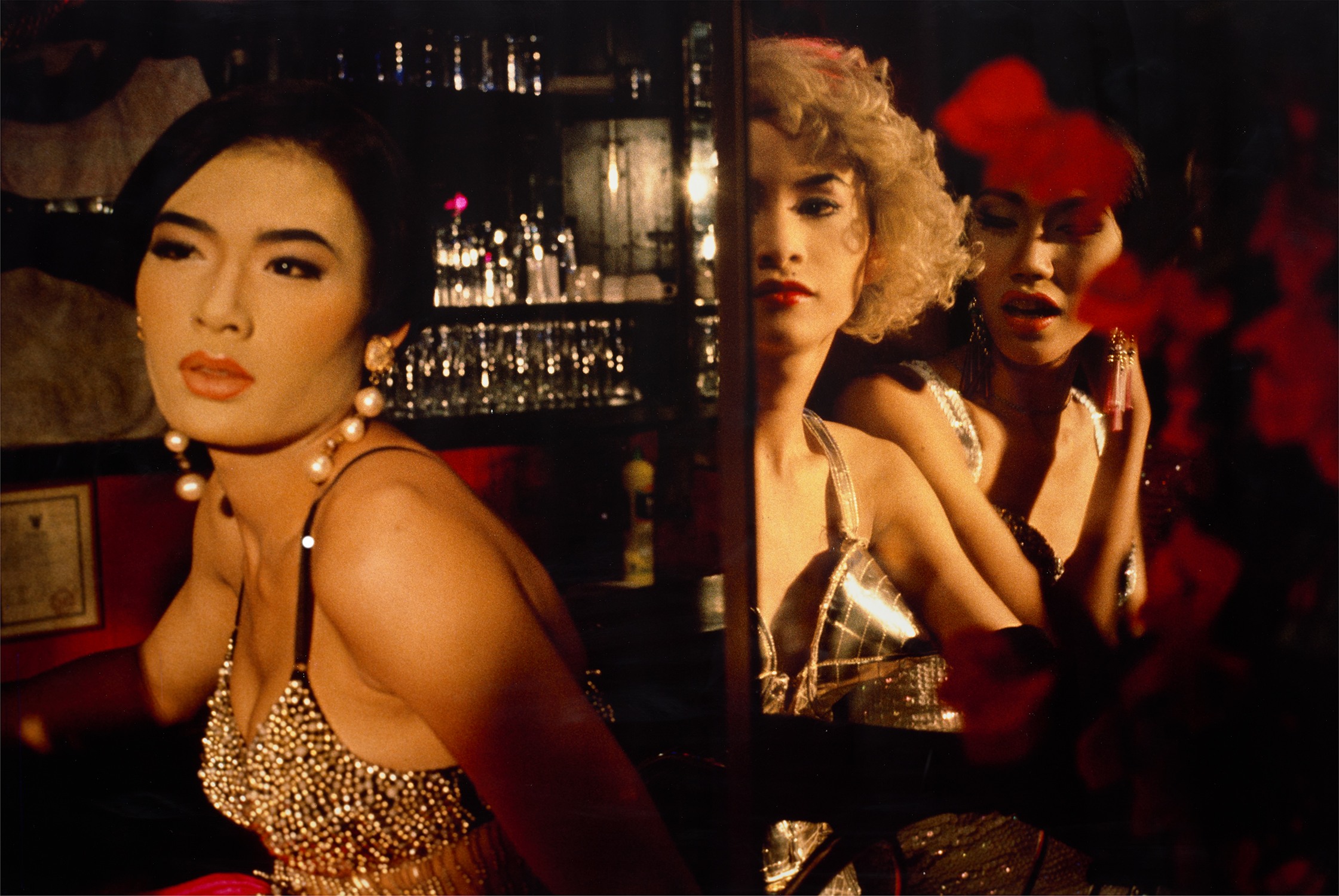
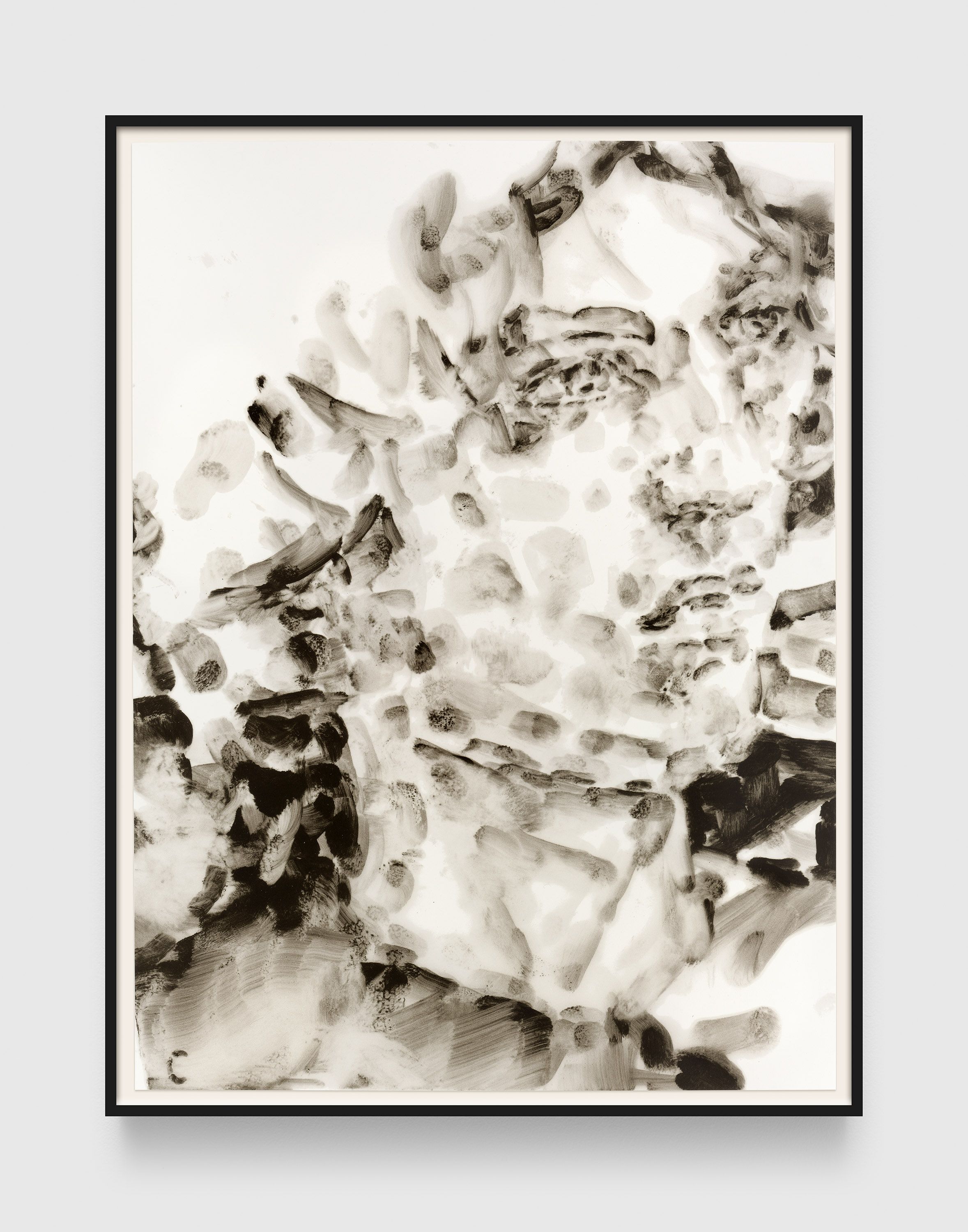



The Art of Getting Dangerously Close
There is a particular kind of courage required to make intimate art. Not the courage of the battlefield painter or the grand history canvas, but something quieter and considerably more exposed: the willingness to collapse the distance between artist and subject until what remains is something almost uncomfortably close to truth. Intimacy in art is not merely a matter of scale or subject matter. It is a quality of attention, a decision about proximity, and ultimately a statement about what the artist believes is worth seeing.
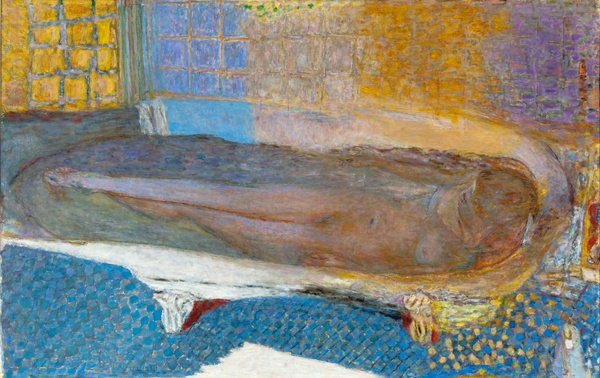
The impulse toward intimacy has always existed in Western art, but it crystallized into a recognizable mode during the late nineteenth century, when a generation of painters began turning away from the grand salon subjects of their predecessors and toward the domestic, the personal, and the quietly observed. Pierre Bonnard and Édouard Vuillard, working in Paris in the 1890s and into the early twentieth century, became the great poets of this interior world. Their Nabis paintings dissolved figures into pattern, light, and shadow in ways that felt less like observation and more like memory. Looking at a Bonnard bathroom scene or a Vuillard interior is not like looking at a painting so much as it is like being welcomed into someone's life without announcement.
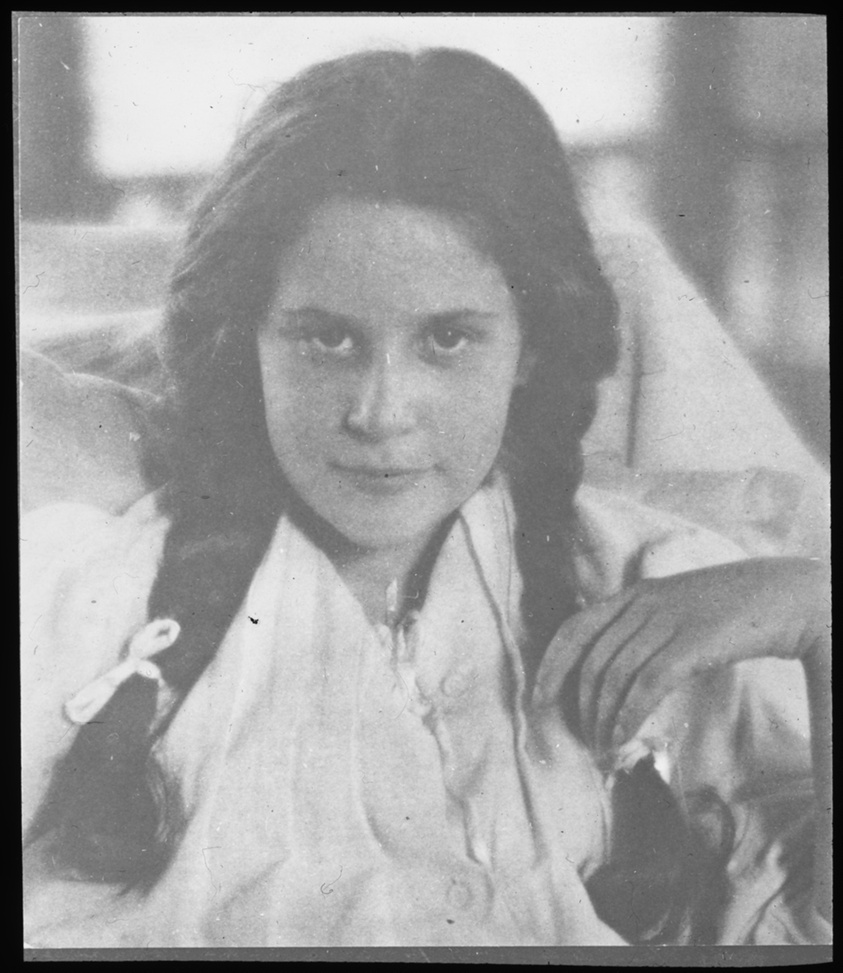
Alfred Stieglitz
Kitty, 1908
Photography arrived as the medium perhaps most naturally suited to intimacy, precisely because of its relationship to time. A photograph arrests a moment that would otherwise vanish. Julia Margaret Cameron, working in the 1860s with long exposures and soft focus, produced portraits of such intensity that the sitters seem to be giving something of themselves permanently to the image. Alfred Stieglitz understood this too.
His decades long photographic portrait of Georgia O'Keeffe, begun around 1917, remains one of the most sustained and searching studies of a single individual in the history of the medium. The project was love made visible through a lens, and it transformed how photographers thought about the relationship between subject and image maker. The twentieth century expanded the vocabulary of intimate art in ways that were sometimes uncomfortable, often necessary, and occasionally both at once. Nan Goldin's 1986 slideshow presentation of The Ballad of Sexual Dependency, later published as a book and shown extensively through the 1980s and 1990s, rewrote the terms entirely.
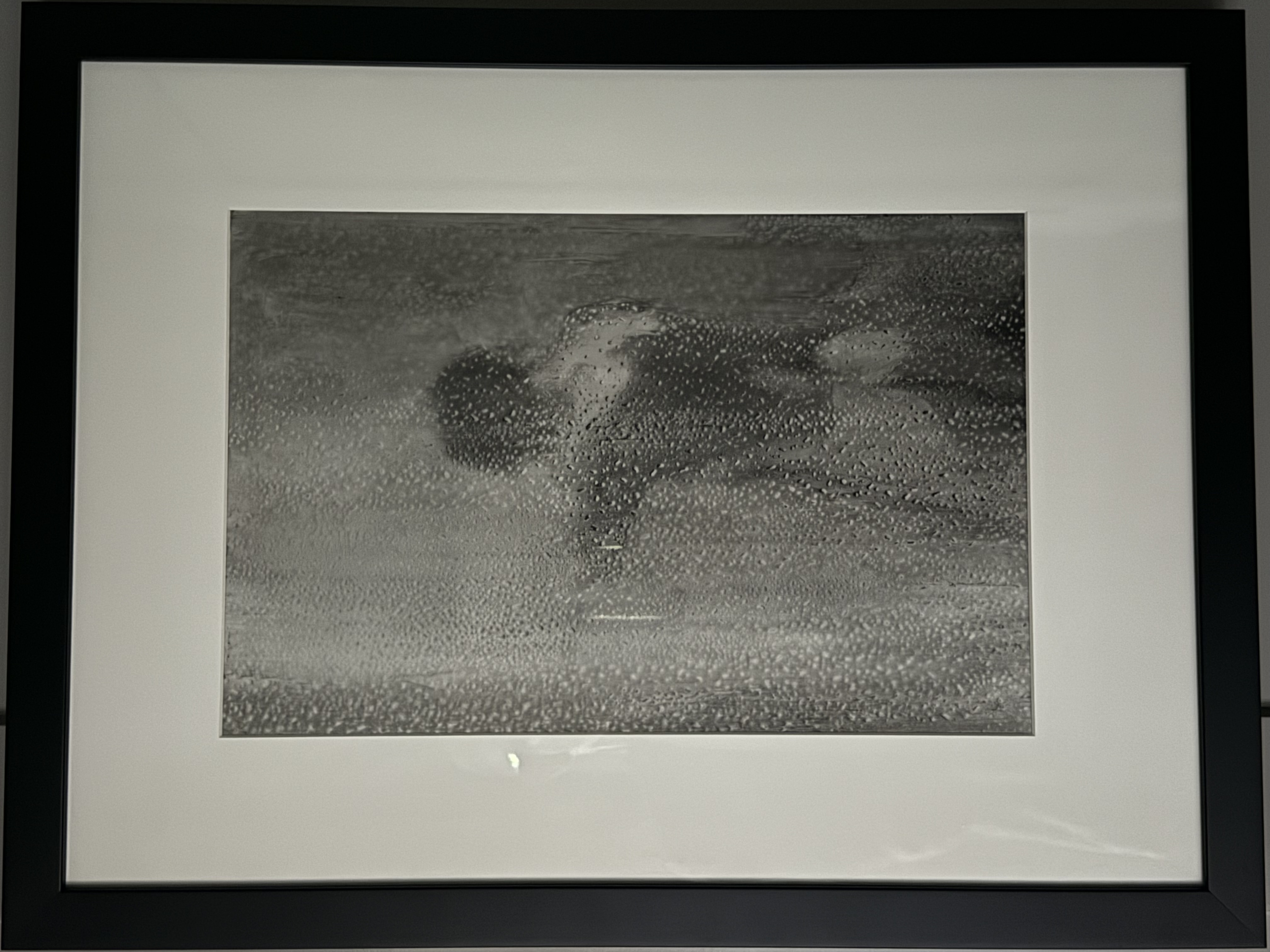
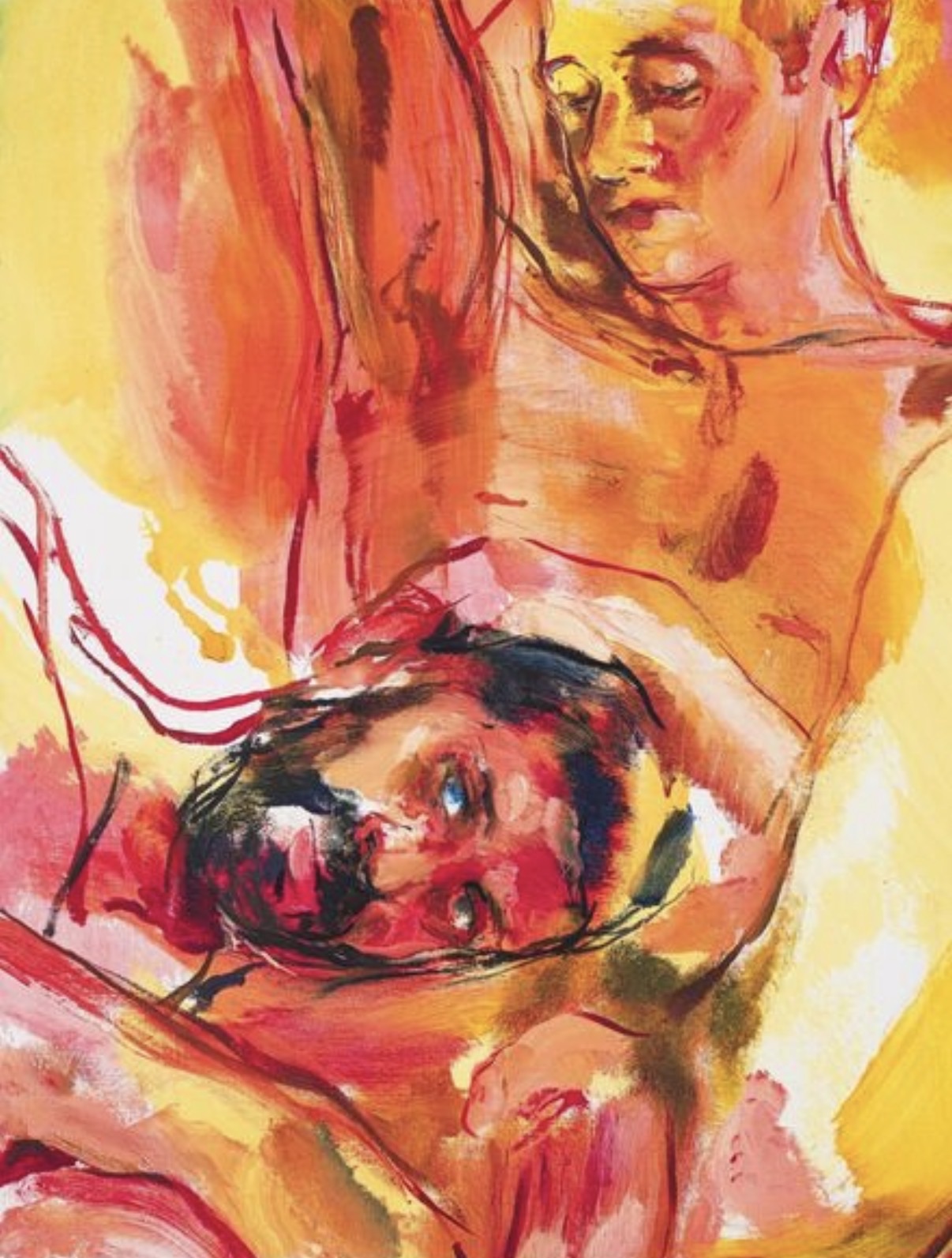
Michael David
Small Shower VII, 1998
Goldin photographed her friends, her lovers, and herself with a directness that refused sentimentality even as it insisted on tenderness. The work was intimate in the oldest sense: made from the inside of a life rather than the outside of one. Her photographs on The Collection carry that quality forward. They ask to be looked at slowly.
Lucian Freud occupied a different register but pursued a related truth. His long, demanding sittings with subjects produced paintings of flesh that were intimate not because they were flattering or even kind, but because they were so completely attentive. Freud believed that paint could register something about a person that no other medium could reach, and his late nudes bear this out with a kind of relentless honesty. Sally Mann, working in Virginia through the 1980s and beyond, brought similar commitment to her photographs of her own children and later to her landscapes, finding in the intimate domestic subject a gateway to something universal and sometimes unsettling.
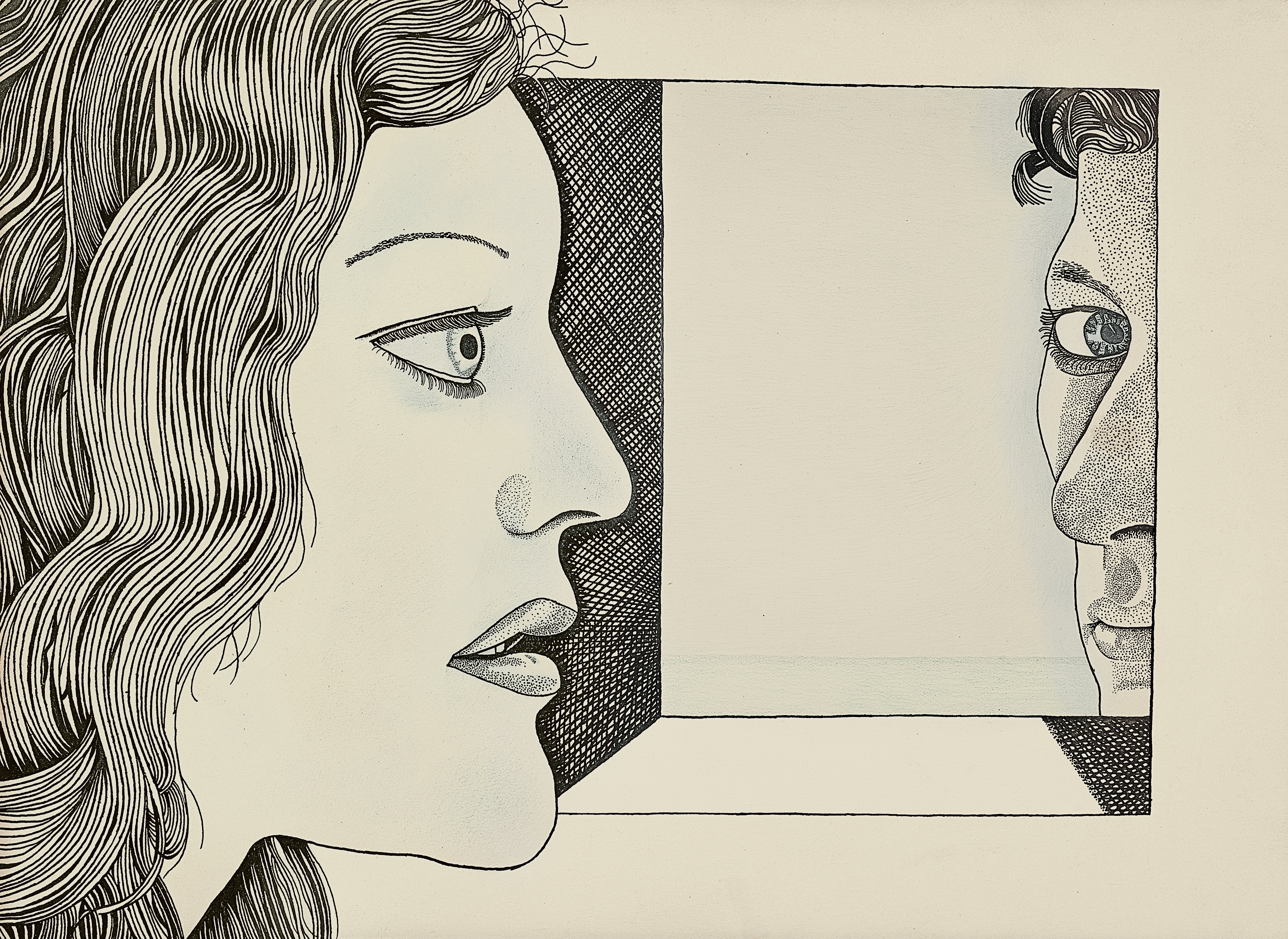
Lucian Freud
Flyda and Arvid, 1947
Diane Arbus, whose portraits of marginal and overlooked individuals remain among the most discussed photographs of the twentieth century, argued that the camera could be an instrument of profound recognition, a way of saying to a subject: I see you completely. Painters have continued to push at these boundaries in ways that photographers sometimes cannot. Elizabeth Peyton, whose small scale portraits of friends and cultural figures gained significant attention in the mid 1990s following her 1993 show at the Chelsea Hotel, works in a mode that is unashamedly romantic without being naive. Her subjects are caught in moments of unguarded beauty, and her handling of paint has a lightness that feels like affection.
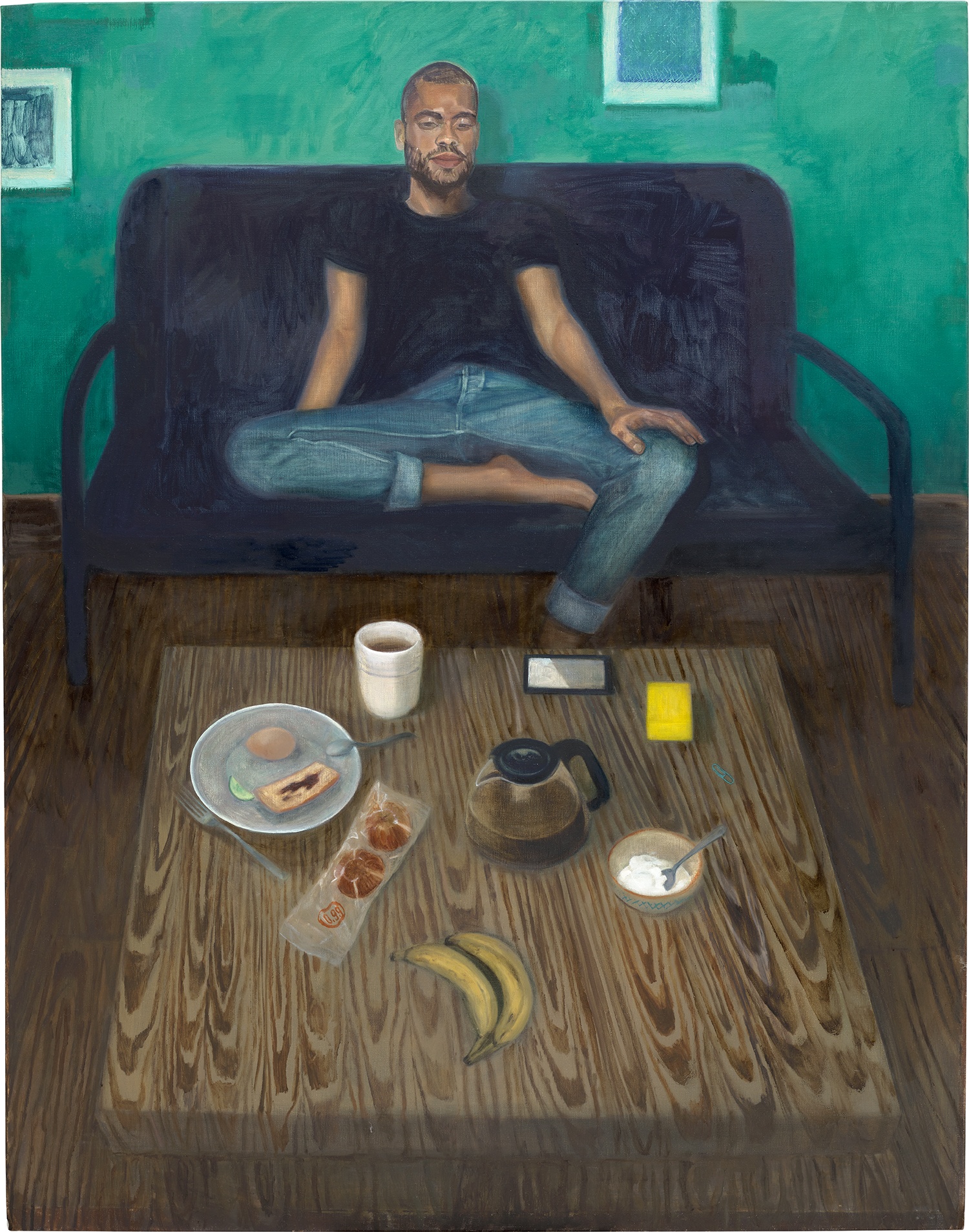
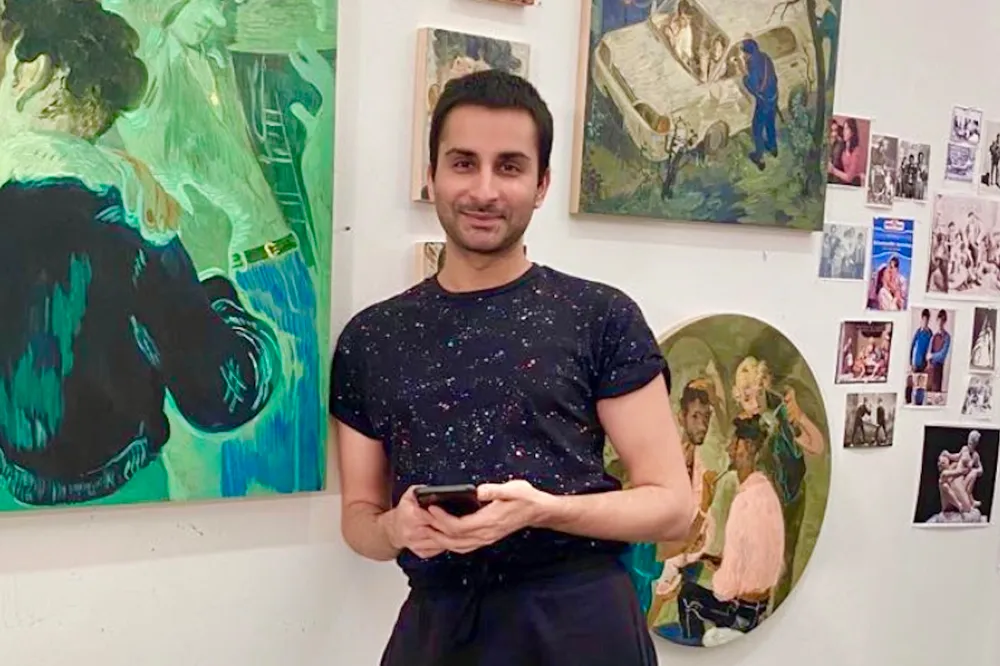
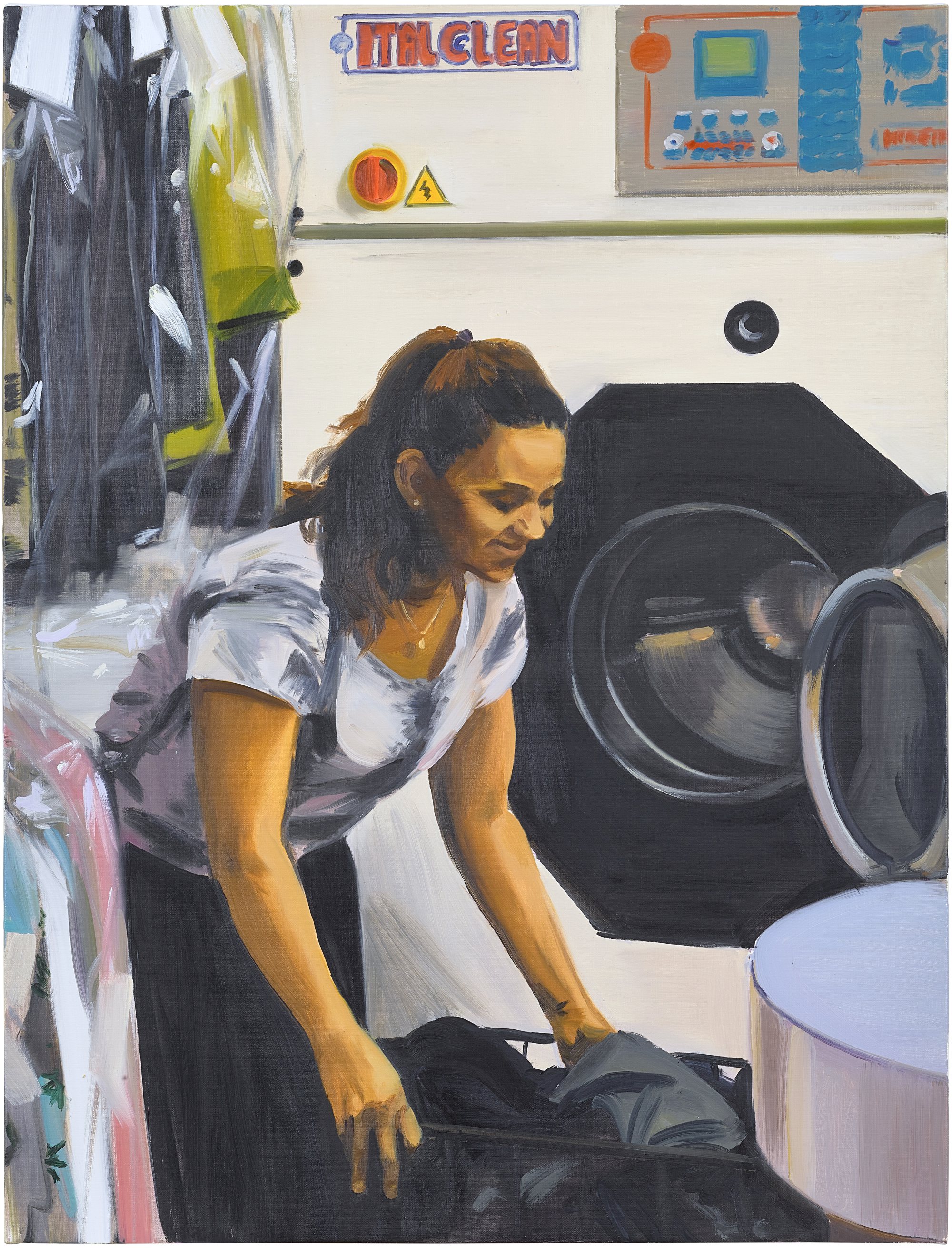
Salman Toor, one of the more compelling voices to emerge in recent years, creates scenes of South Asian queer life that feel simultaneously private and politically charged. His interiors have the warmth of Bonnard filtered through a contemporary consciousness that is very much his own. Caroline Walker places women in domestic and semi public spaces with a cool precision that reveals how much of female life happens just below the threshold of public attention. What connects these artists across generations and mediums is a shared conviction that the close up view matters, that the things happening in bedrooms, kitchens, bathrooms, and between people who know each other well are worthy of the most serious artistic attention.
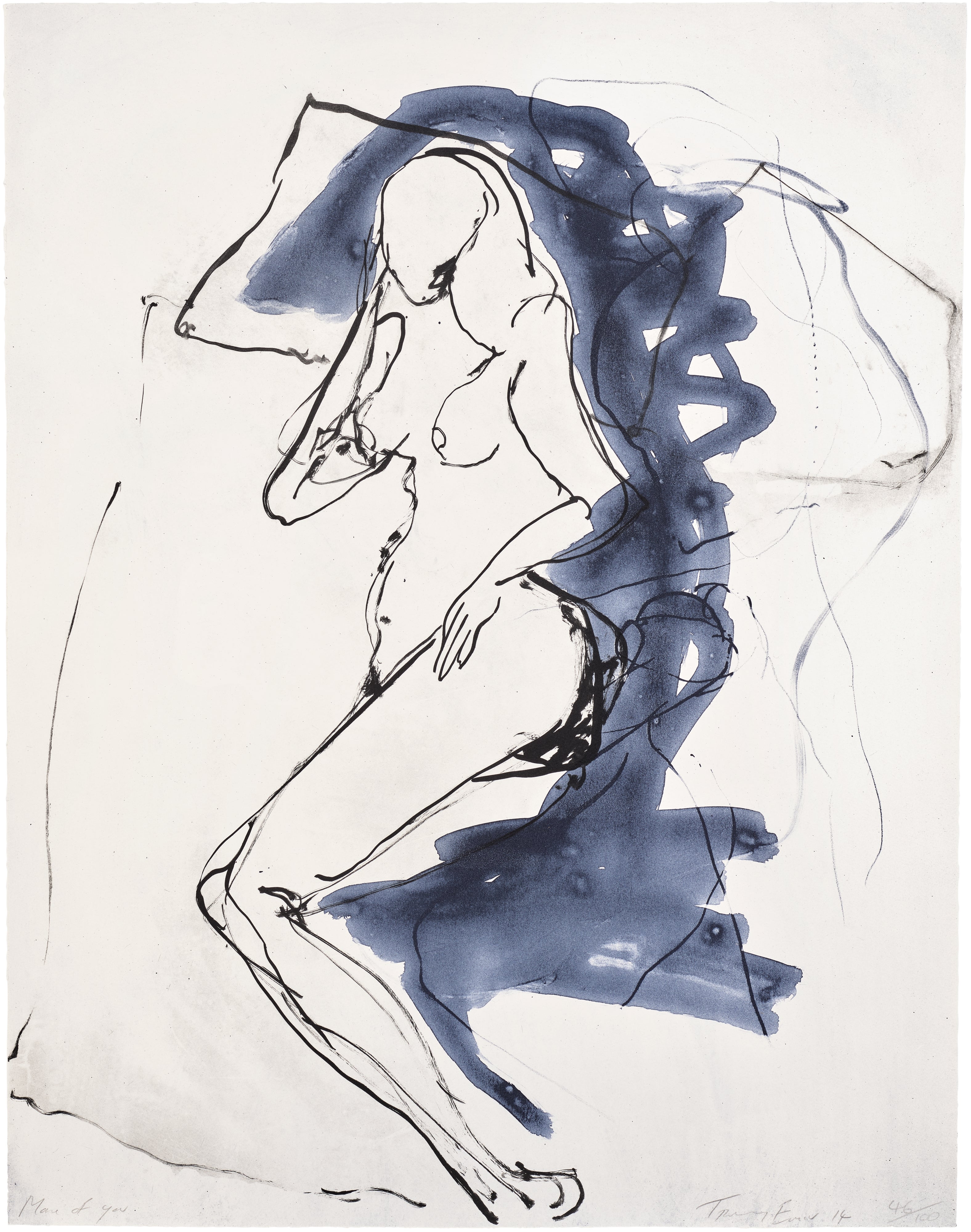
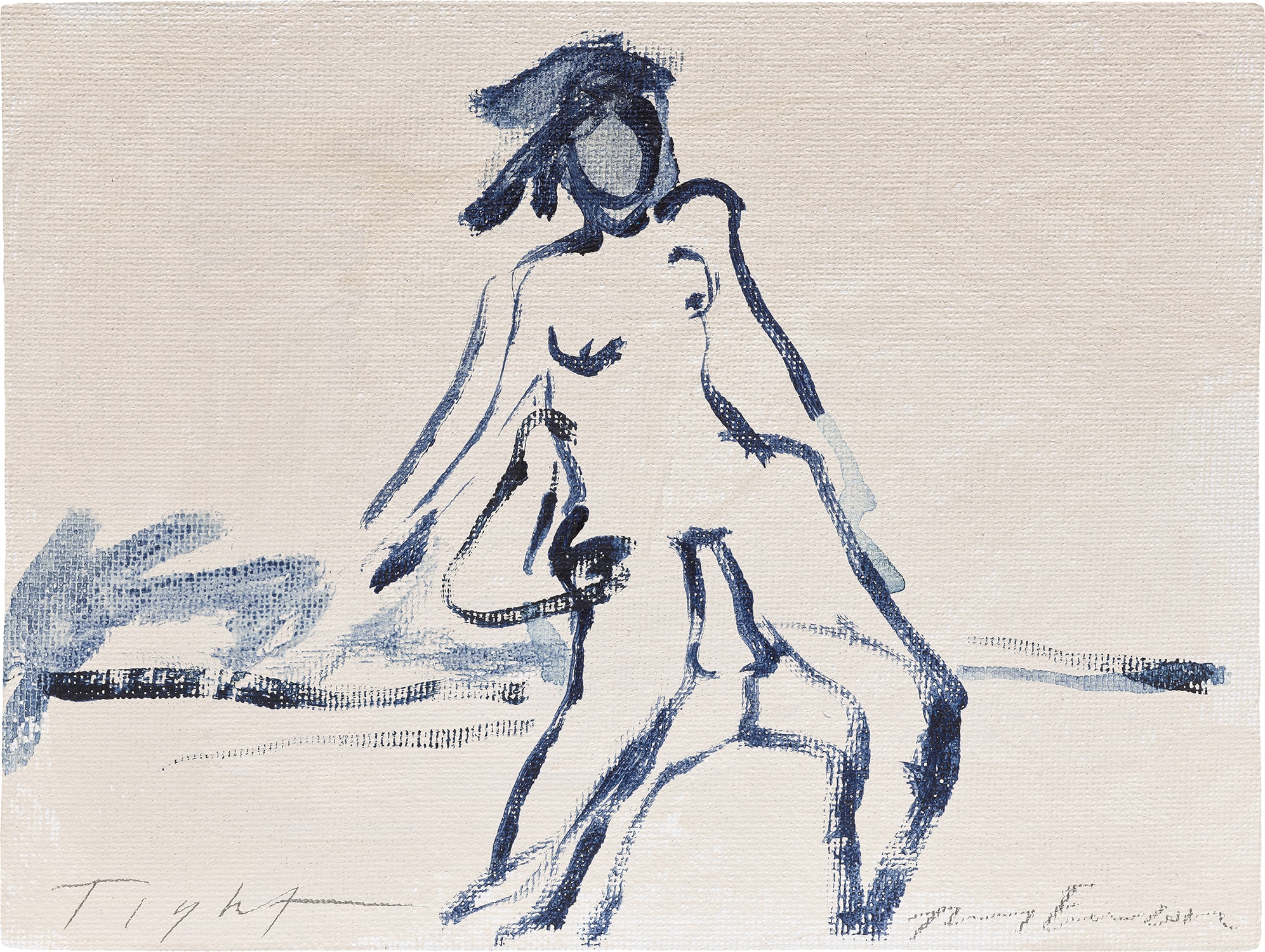
Tracey Emin
More of You
This was not always a given. The hierarchy of genres that dominated European academic painting for centuries placed domestic and private subjects near the bottom of the ladder of significance. The twentieth century effectively inverted this hierarchy, and artists from Pierre Auguste Renoir's sun drenched social scenes to Tracey Emin's confessional installations have made the case, sometimes loudly, that the personal is not merely personal. Today, intimacy as an artistic mode feels more relevant than it has in decades.
In an era of mass mediation and curated public identity, the genuinely close view has become almost radical. The works gathered on The Collection that fall under this sensibility share a quality that is difficult to name precisely but immediately recognizable: they make you feel like a witness rather than a viewer. They ask something of you. Wolfgang Tillmans captures this in his photographs of friends and everyday objects.
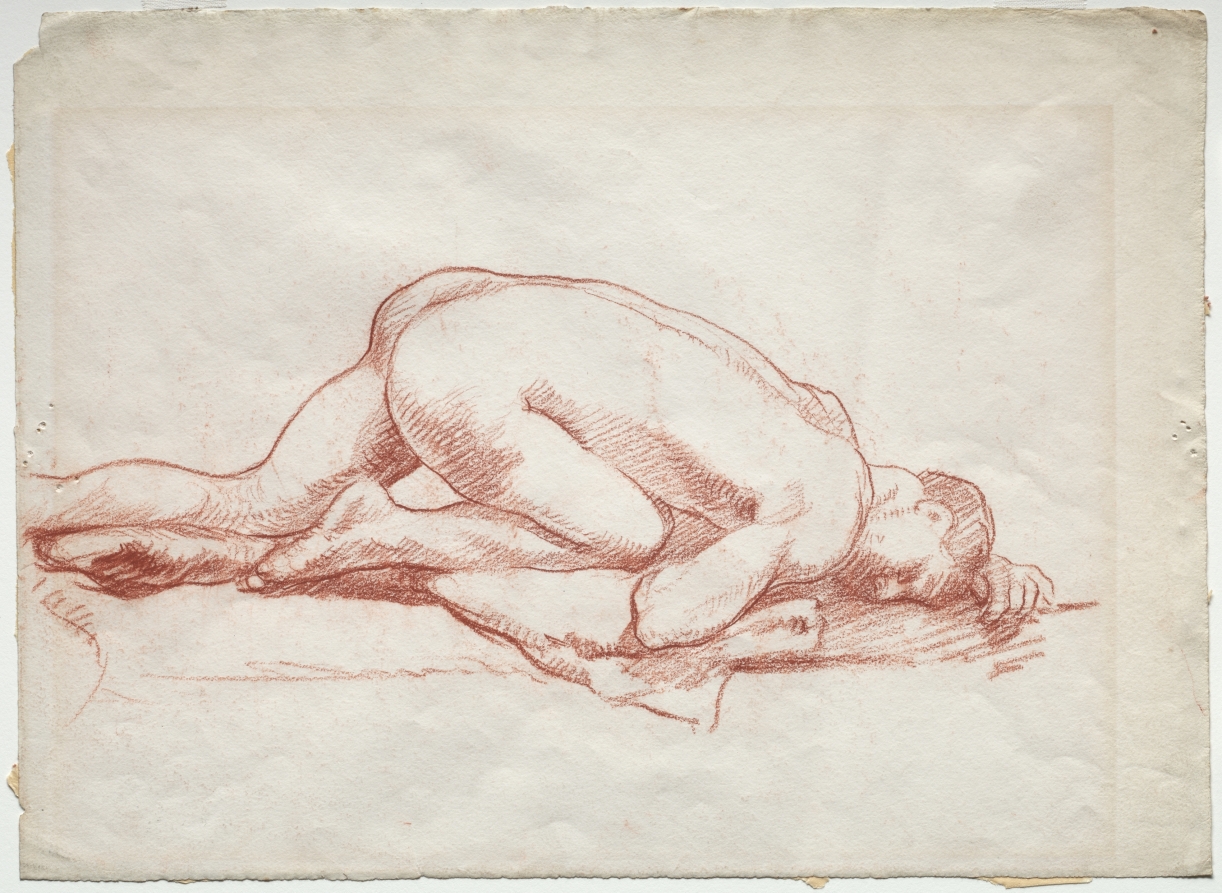
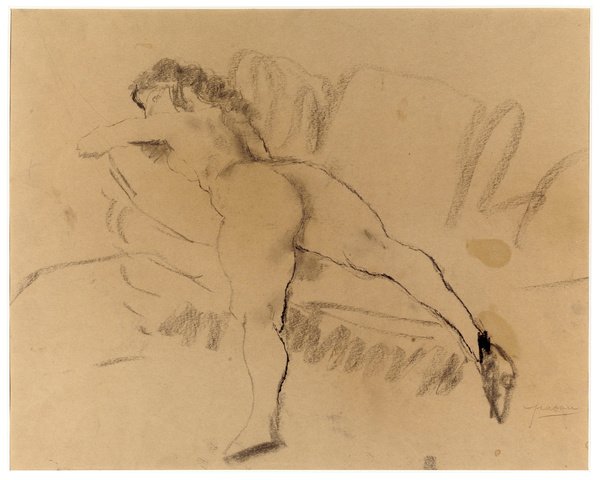
Robert Mapplethorpe found it in the charged stillness of his studio portraits. Jules Pascin discovered it in the drawn lines of figures caught in private moments in Paris between the wars. The thread running through all of it is the same: a belief that closeness, pursued honestly and with skill, can produce a kind of knowledge that nothing else quite can.