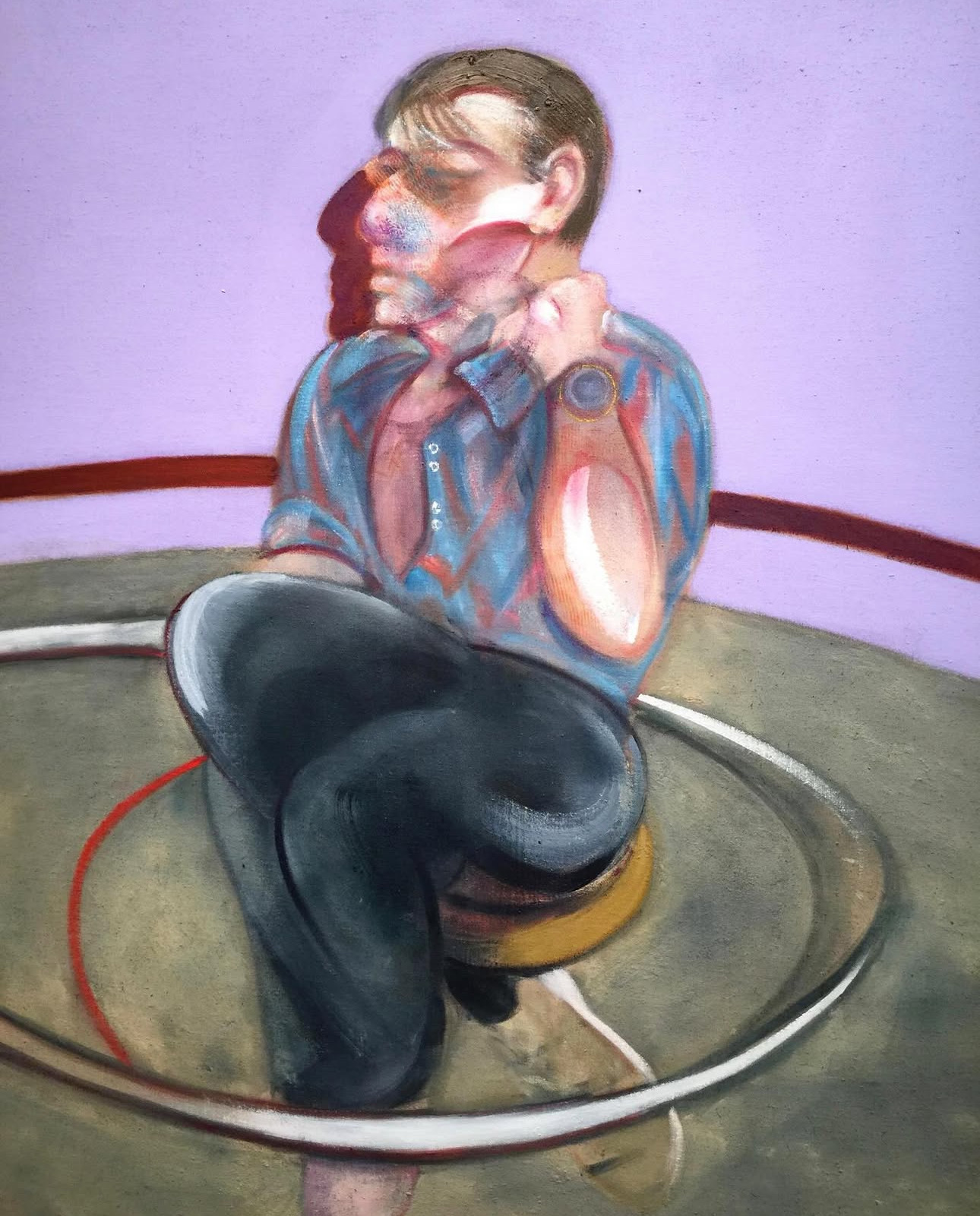
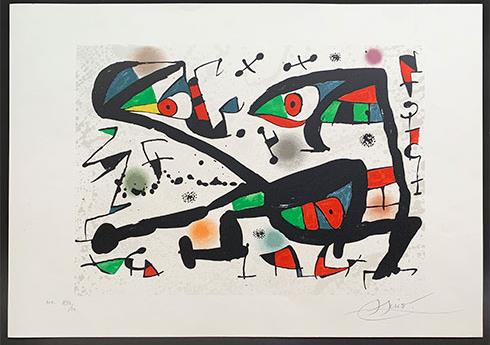
Grotesque
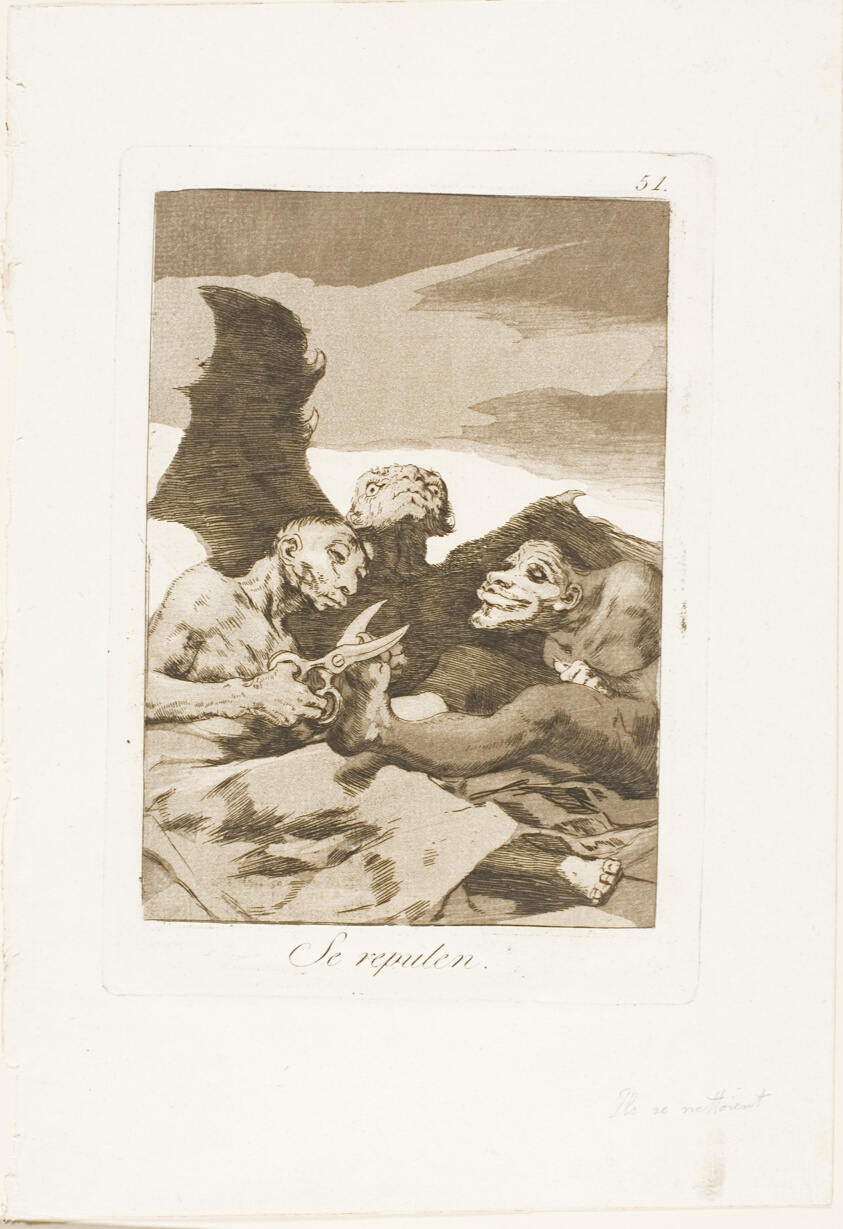
Francisco José de Goya y Lucientes
They Spruce Themselves Up, plate 51 from Los Caprichos, 1797

The Grotesque Is Having Its Moment
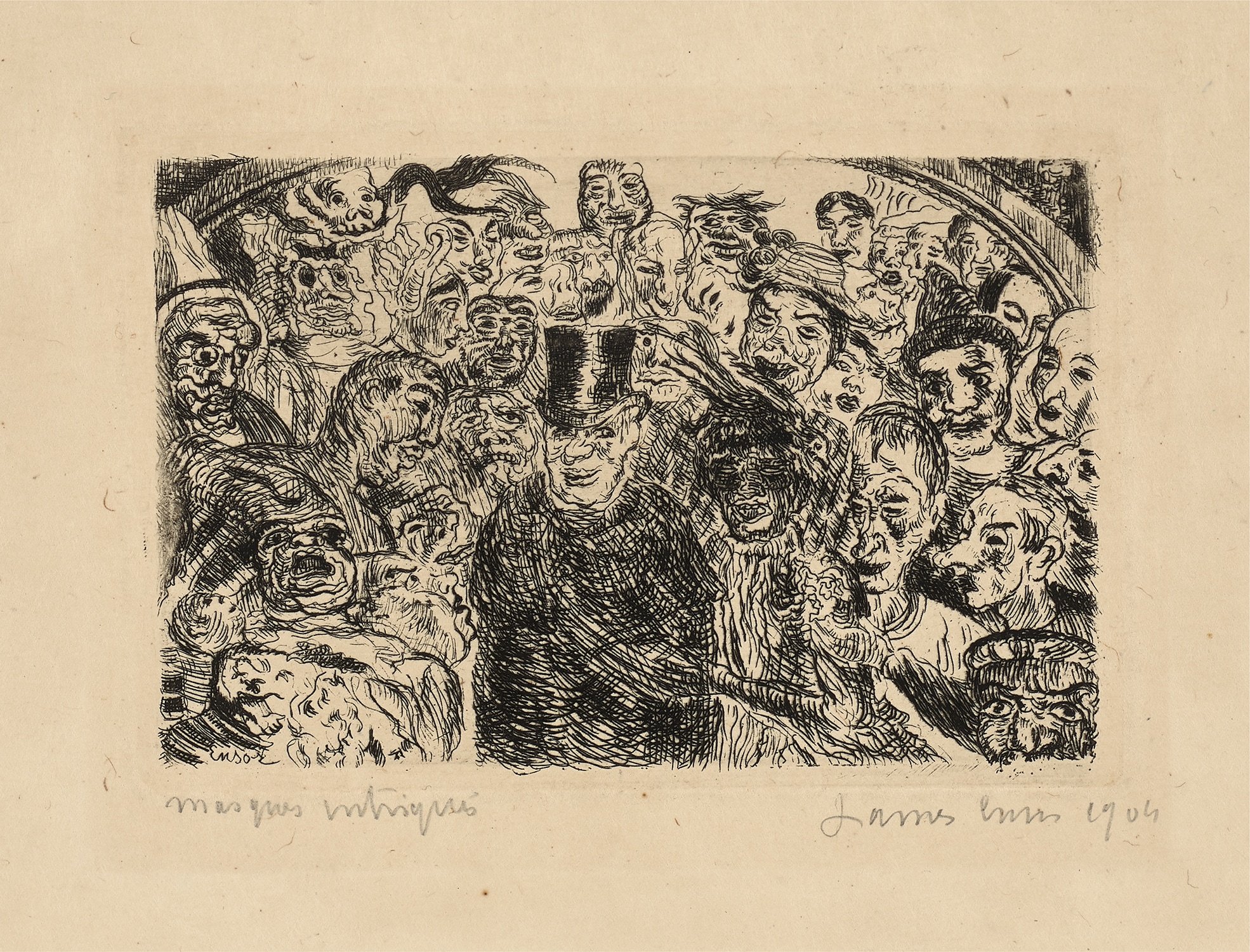
When a major work by James Ensor came to auction recently and drew fierce bidding from European and American collectors alike, it confirmed something many in the market had been sensing for years. The grotesque, long treated as a difficult category requiring a certain tolerance for discomfort, has moved decisively from the margins to the center of serious collecting. Institutions want it, younger collectors are hunting for it, and the critical apparatus is catching up with energy that feels genuinely urgent rather than manufactured. Ensor remains the totemic figure in this conversation, and his presence on The Collection is a reminder of how central his vision is to any serious engagement with the grotesque in Western art.
His carnival masks, his decomposing flesh, his crowds collapsing into anonymous, leering faces, these were not merely stylistic provocations. They were moral arguments made in paint, and the market has slowly come to understand them as such. Works from his peak Antwerp period regularly command prices that reflect the growing recognition that Ensor is not a footnote to Expressionism but one of its genuine architects. The appetite for this territory has been shaped in part by a sequence of landmark exhibitions that reframed the category's ambitions.
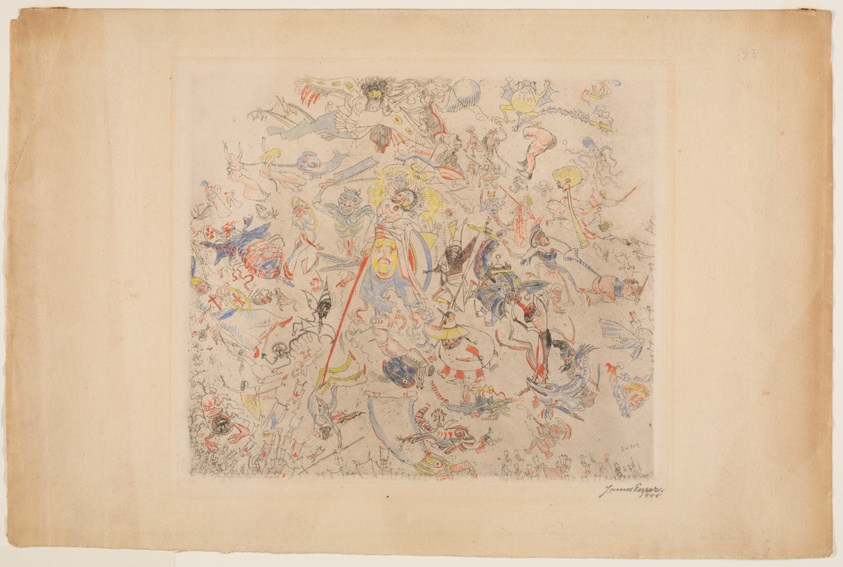
James Ensor
Devils Thrashing Angels and Archangels, 1888
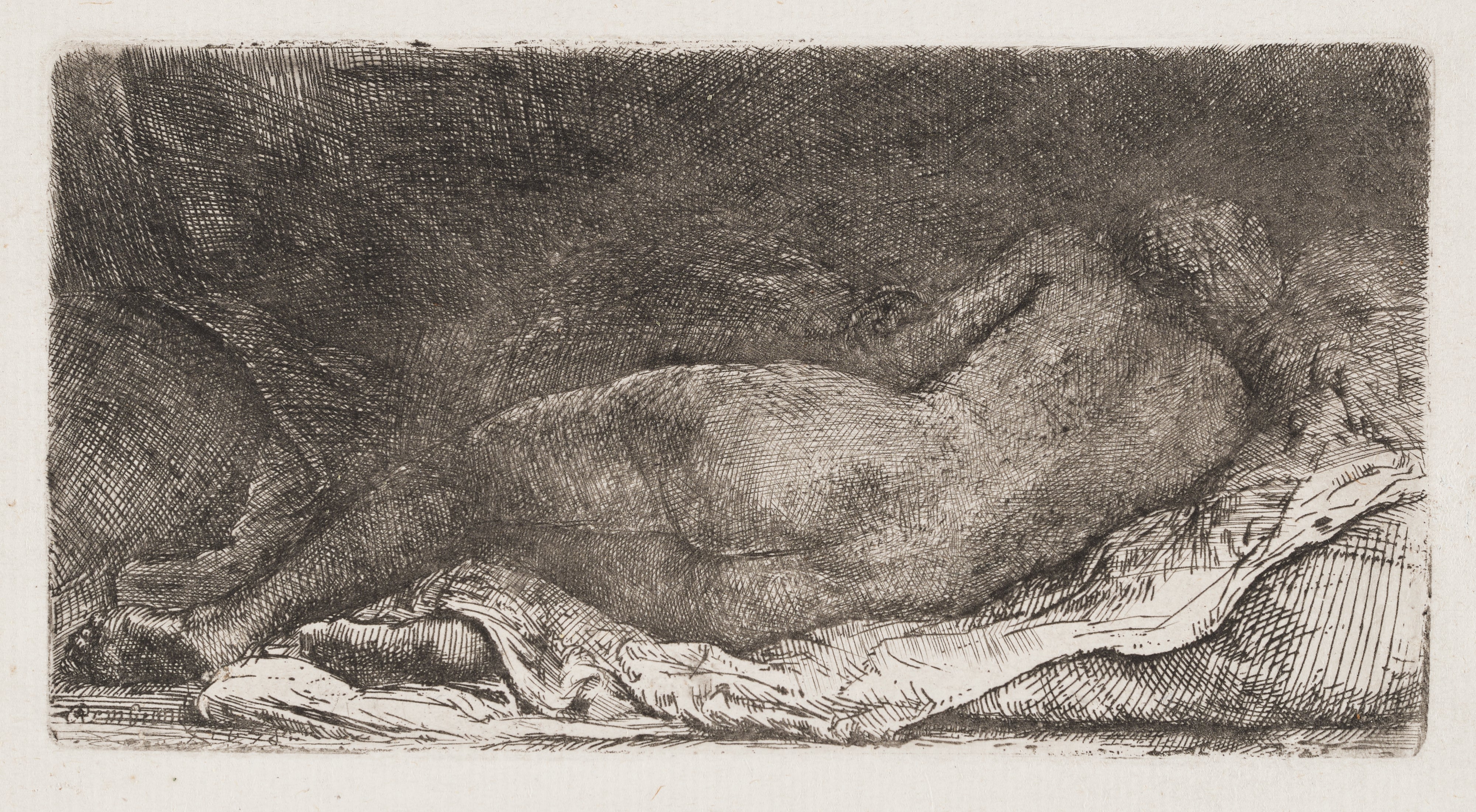
The Monstrous and the Sublime, in various institutional permutations across European museums, helped establish a critical vocabulary for understanding why distortion, excess, and bodily transgression carry genuine philosophical weight. More recently, survey exhibitions dedicated to Francisco de Goya have reminded audiences that the grotesque is not merely an aesthetic mode but a form of political speech. Goya's late works, the so called Black Paintings and the Disasters of War series, retain a capacity to unsettle that no amount of canonical status has managed to domesticate. Holding a Goya, even a single sheet, means holding something that still carries live voltage.
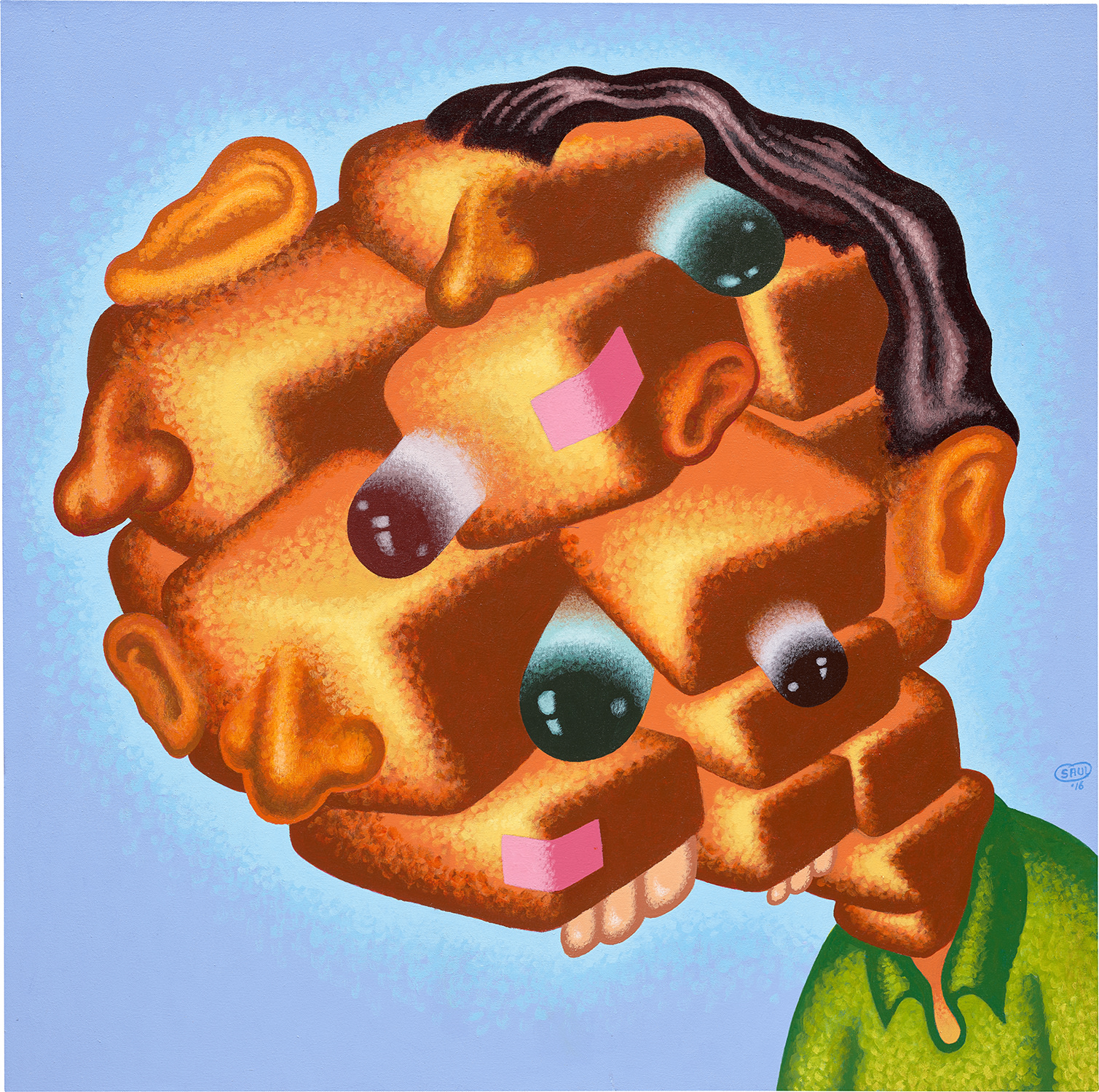
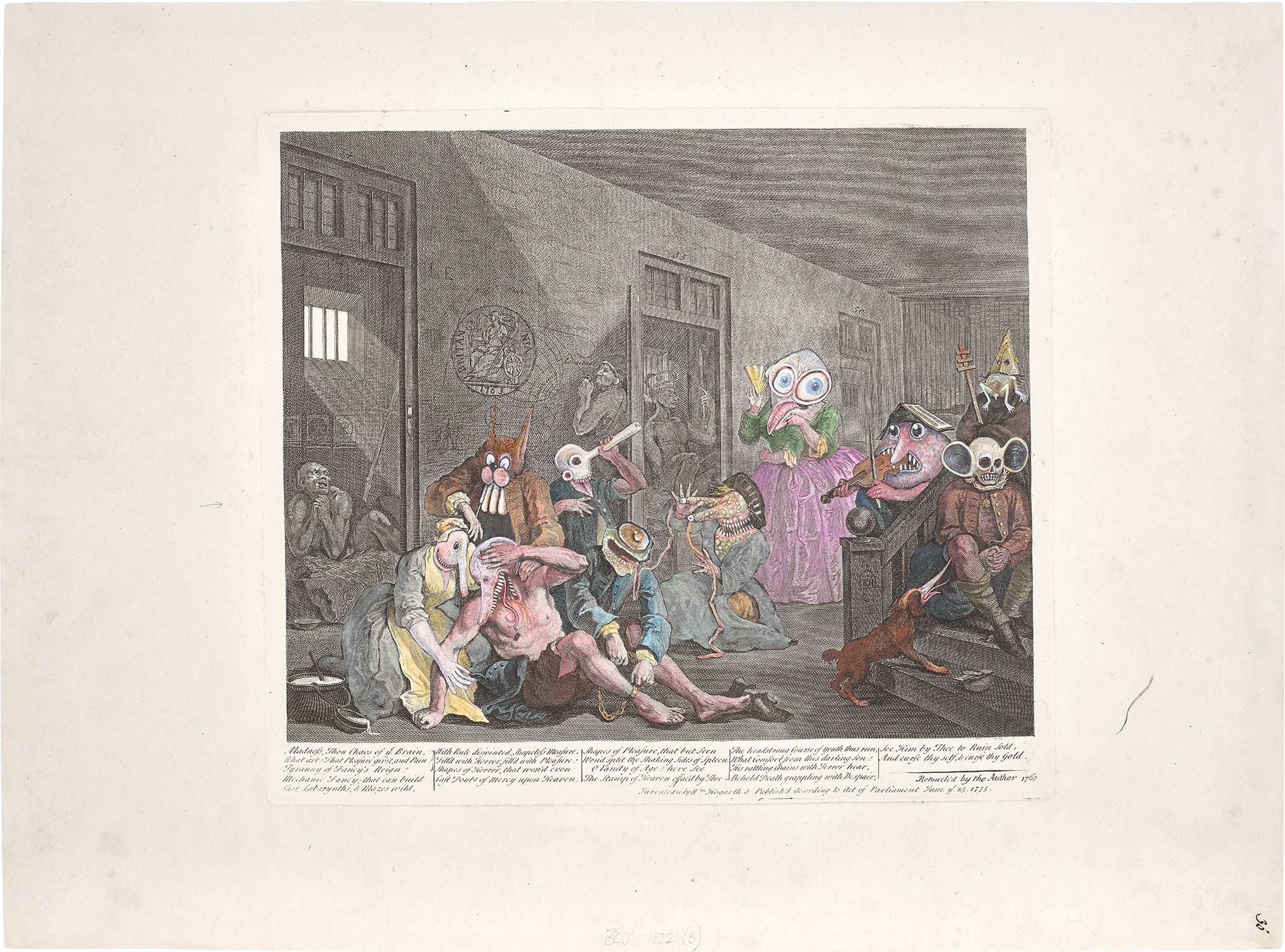
The auction results that matter most in this space tend to cluster around a handful of names. Peter Saul, for years treated as an eccentric outsider whose lurid, cartoonish violence was too gaudy for serious rooms, has seen his market transform significantly since his retrospective toured American institutions in 2020 and 2021. That show, originating at the New Museum in New York, recontextualized his work within a longer tradition of grotesque figuration and placed him in conversation with artists like Leonora Carrington and Mike Kelley in ways that felt genuinely illuminating rather than curatorially convenient. His prices have followed that critical repositioning.
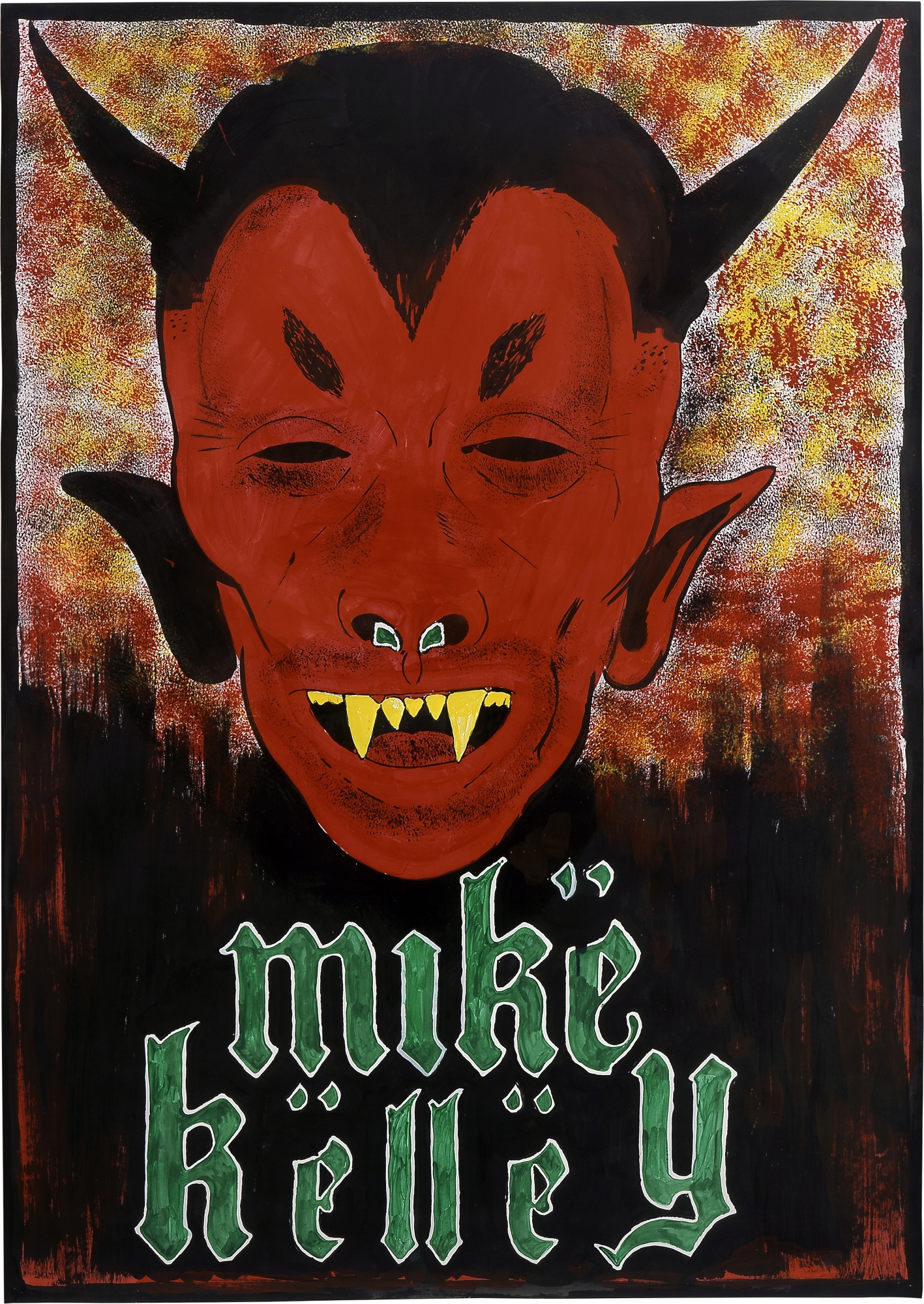
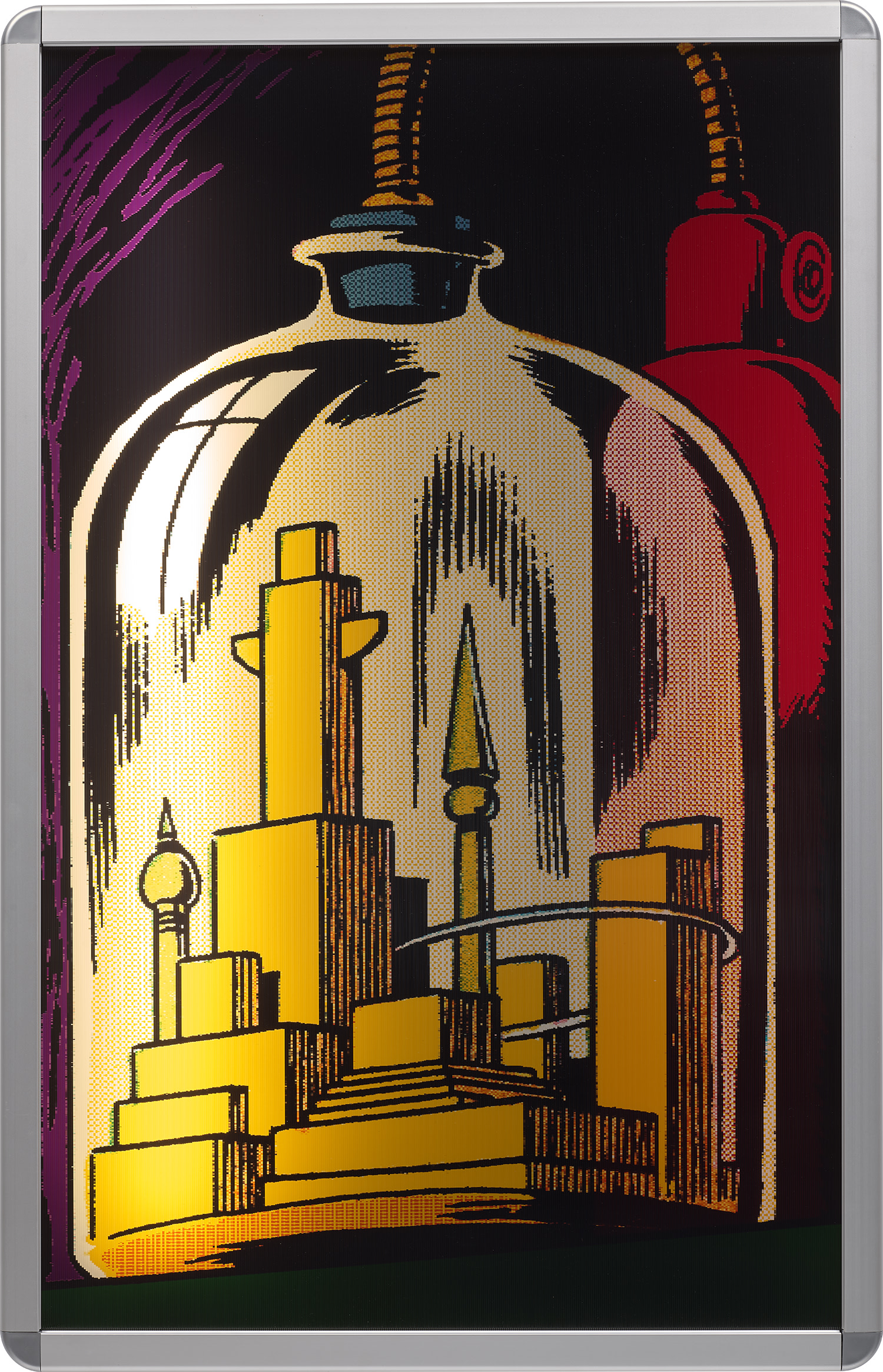
Mike Kelley
Satan's Nostrils, 1989
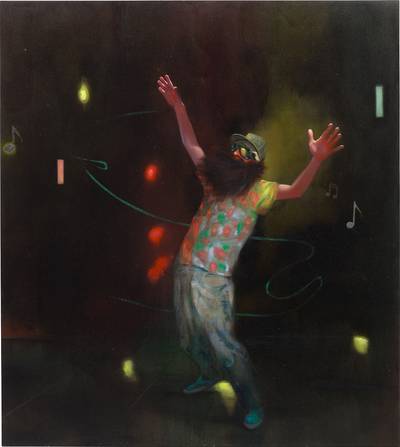
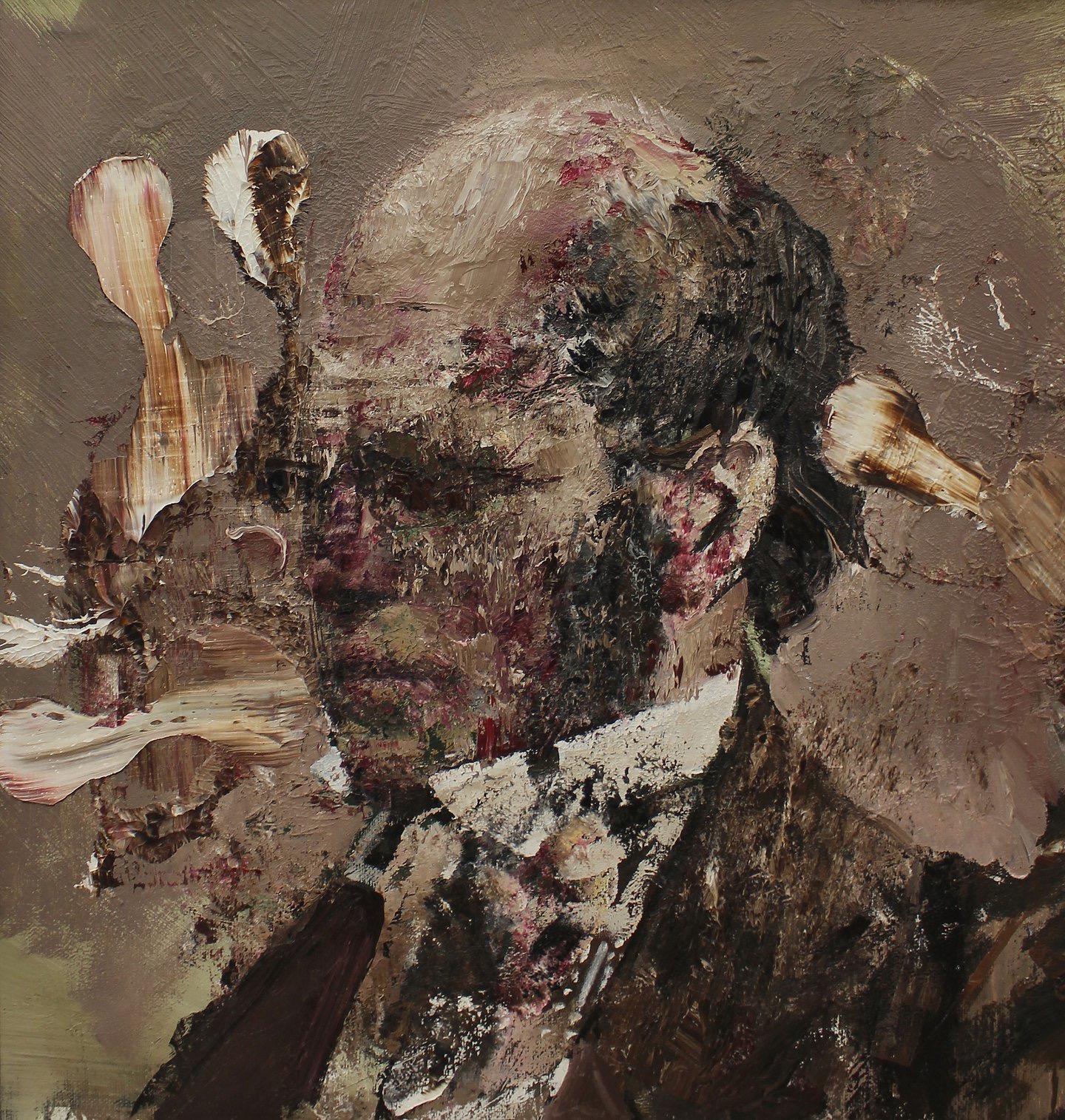
Similarly, Adrian Ghenie, whose paintings layer art historical trauma into surfaces of almost volcanic physical intensity, has sustained strong results at the major houses. His engagement with the imagery of historical atrocity through a lens of dream logic and bodily distortion places him squarely in this lineage, and collectors have responded accordingly. What is perhaps most interesting is the growing institutional seriousness around artists who might once have been considered too raw or too irreverent for museum walls. Tala Madani's work, which uses the grotesque body as a vehicle for examining power, humiliation, and masculinity, has entered major collections with a speed that would have seemed unlikely a decade ago.
Dana Schutz, whose figurative distortions draw on a lineage running through Chaim Soutine, has similarly moved from critical conversation piece to institutional fixture. Soutine himself, long admired but sometimes undervalued relative to his School of Paris contemporaries, has benefited from renewed scholarly attention that situates his visceral impasto within this broader grotesque tradition. The Soutine retrospective at the Musee de l'Orangerie in Paris in 2012 was an important moment in that reassessment, and the ripples are still visible in the market. The critical conversation has been shaped significantly by writers willing to take the mode seriously on its own terms rather than treating it as a subcategory of expressionism or outsider art.
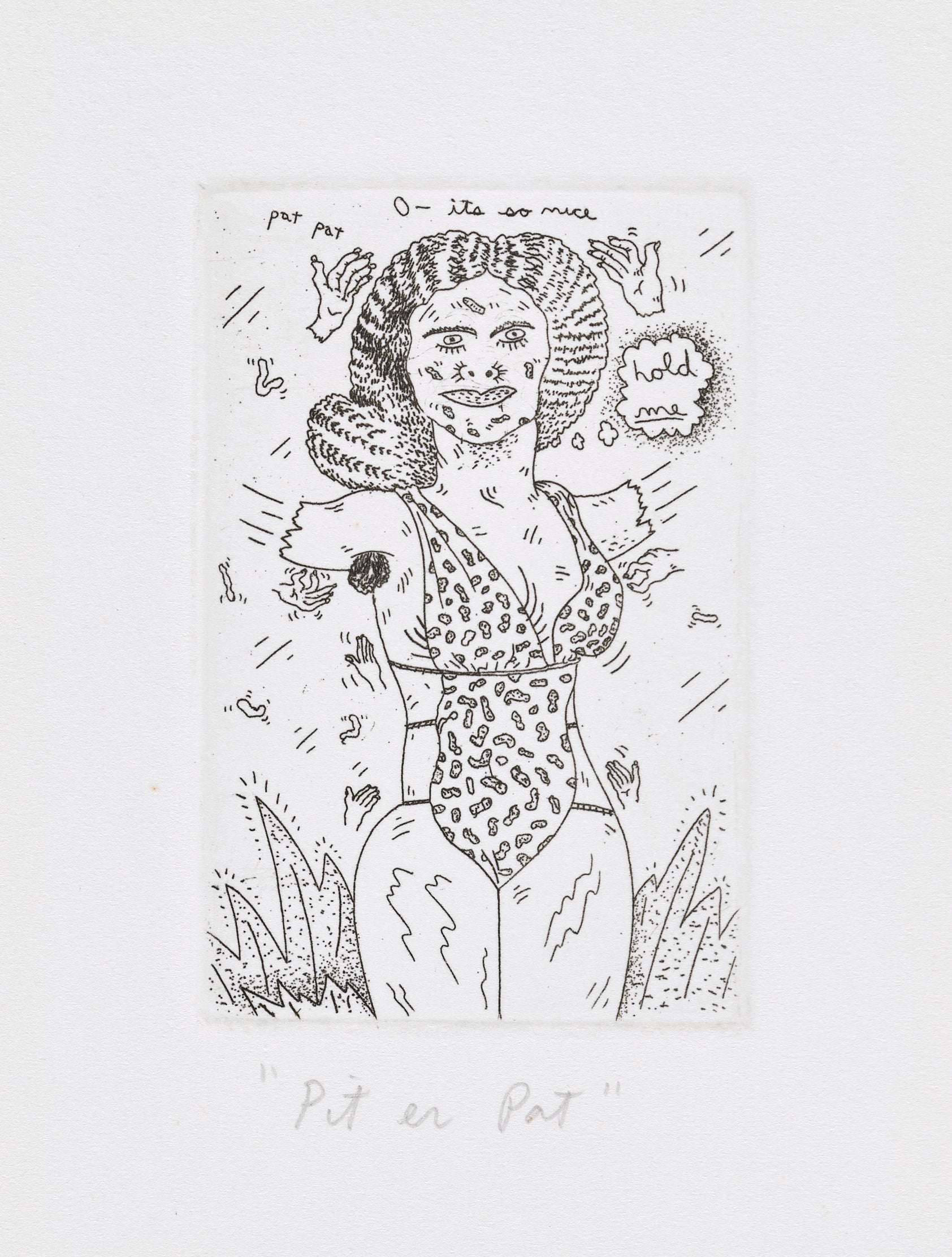
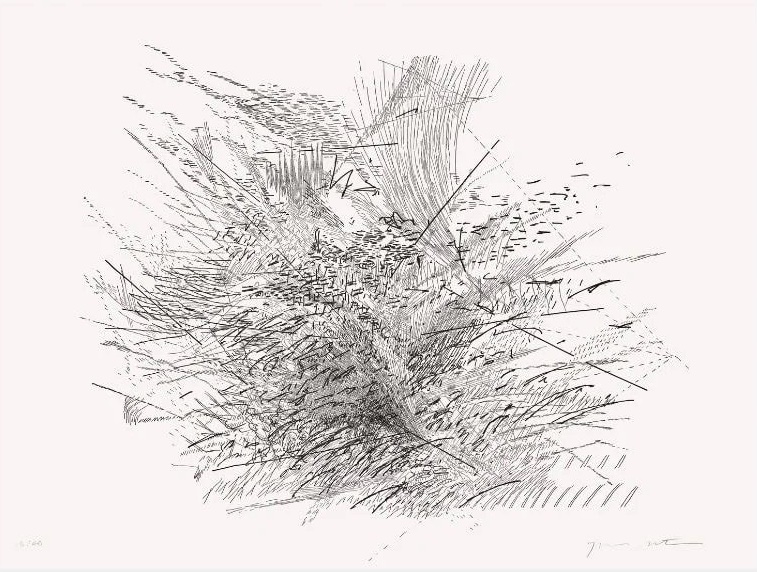
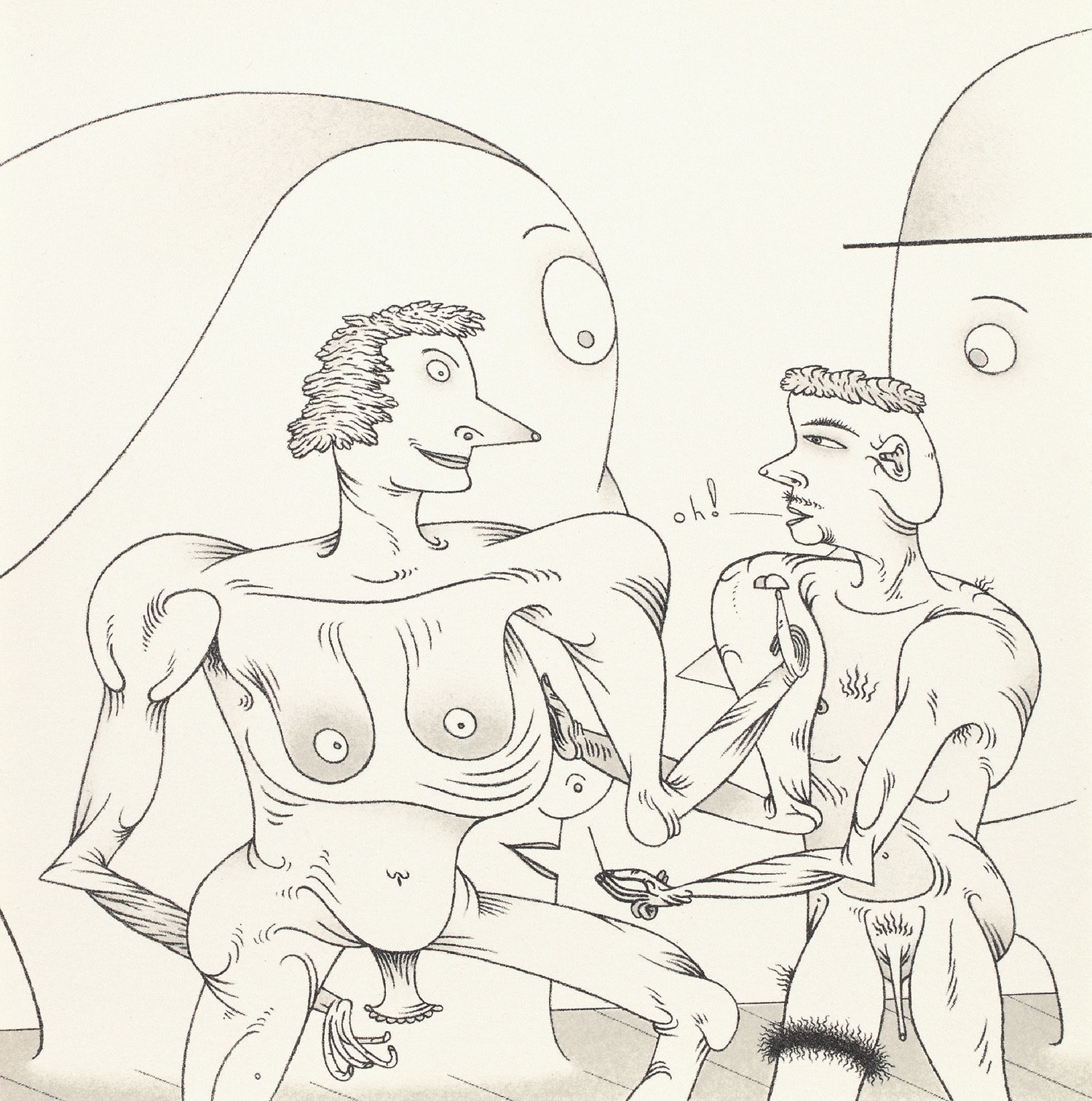
Jim Nutt
Pit er Pat
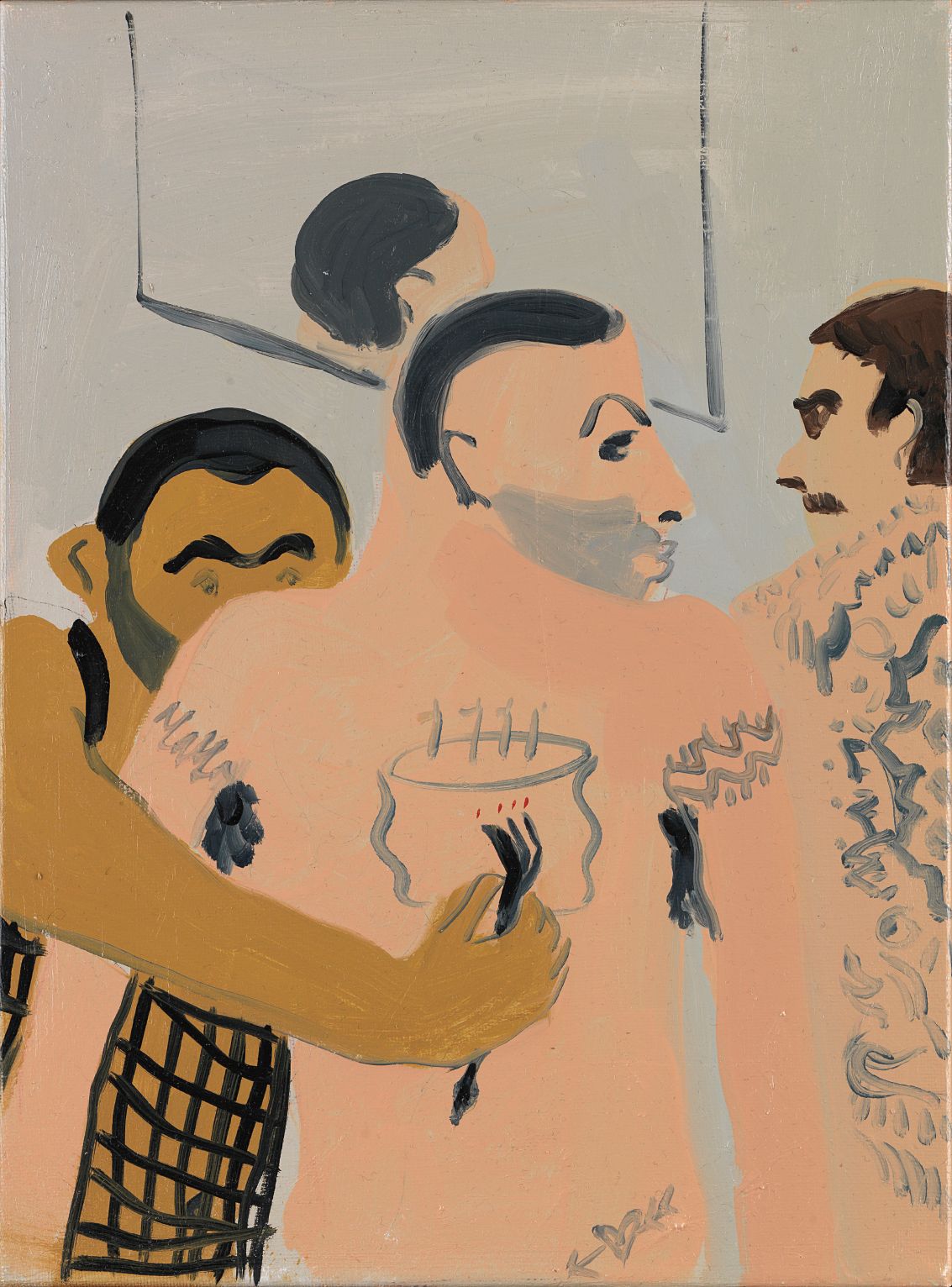
Frances Connelly's work on the grotesque in modern art provided an essential theoretical framework, and curators including Katy Siegel have written with real intelligence about how artists like Mike Kelley used abjection and bodily excess as tools of genuine cultural critique rather than mere shock. Publications including Artforum and Frieze have devoted increasing space to artists working in this register, and the Whitney, the Tate, and the Centre Pompidou have all signaled through their acquisitions that this is not a passing enthusiasm but a sustained revaluation. Jim Nutt and the Chicago Imagists, long somewhat siloed within a specifically American narrative, are beginning to receive the international attention their work has always deserved. Nutt's work in particular, with its obsessive linear distortions and its debt to both carnival imagery and pre Columbian art, fits naturally within a global reassessment of what the grotesque has meant across different cultural contexts.
Similarly, Nigel Cooke's painting, which stages elaborate allegories of cultural anxiety within landscapes of almost hallucinatory decrepitude, represents a distinctly British contribution to the mode that is gaining serious traction beyond the domestic market. Where is the energy heading? Several directions feel genuinely alive. The rediscovery of earlier moments in the tradition, including the brilliant and disturbing work associated with the School of Stefano Della Bella and the extraordinary grotesque heads produced in medieval workshops, is quietly influencing how younger artists and collectors think about the mode's deep roots.
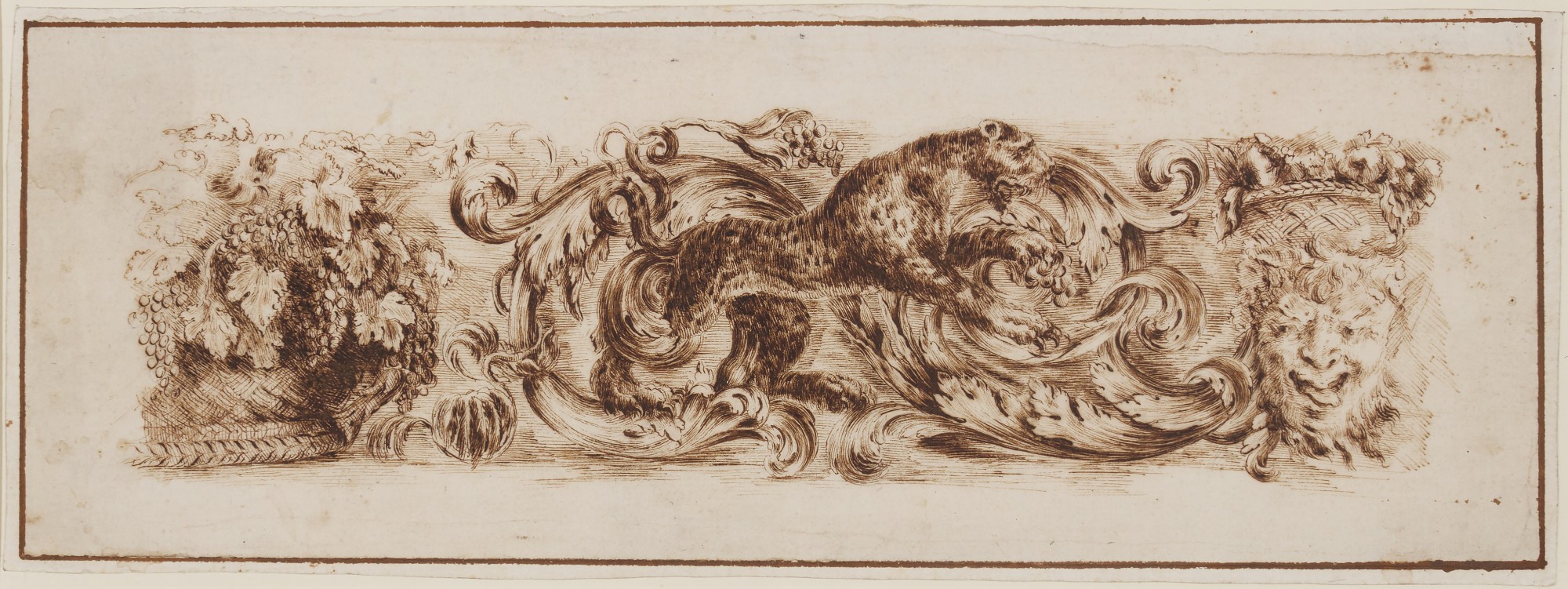
School of Stefano Della Bella
Design for a frieze with a leopard and a grotesque head
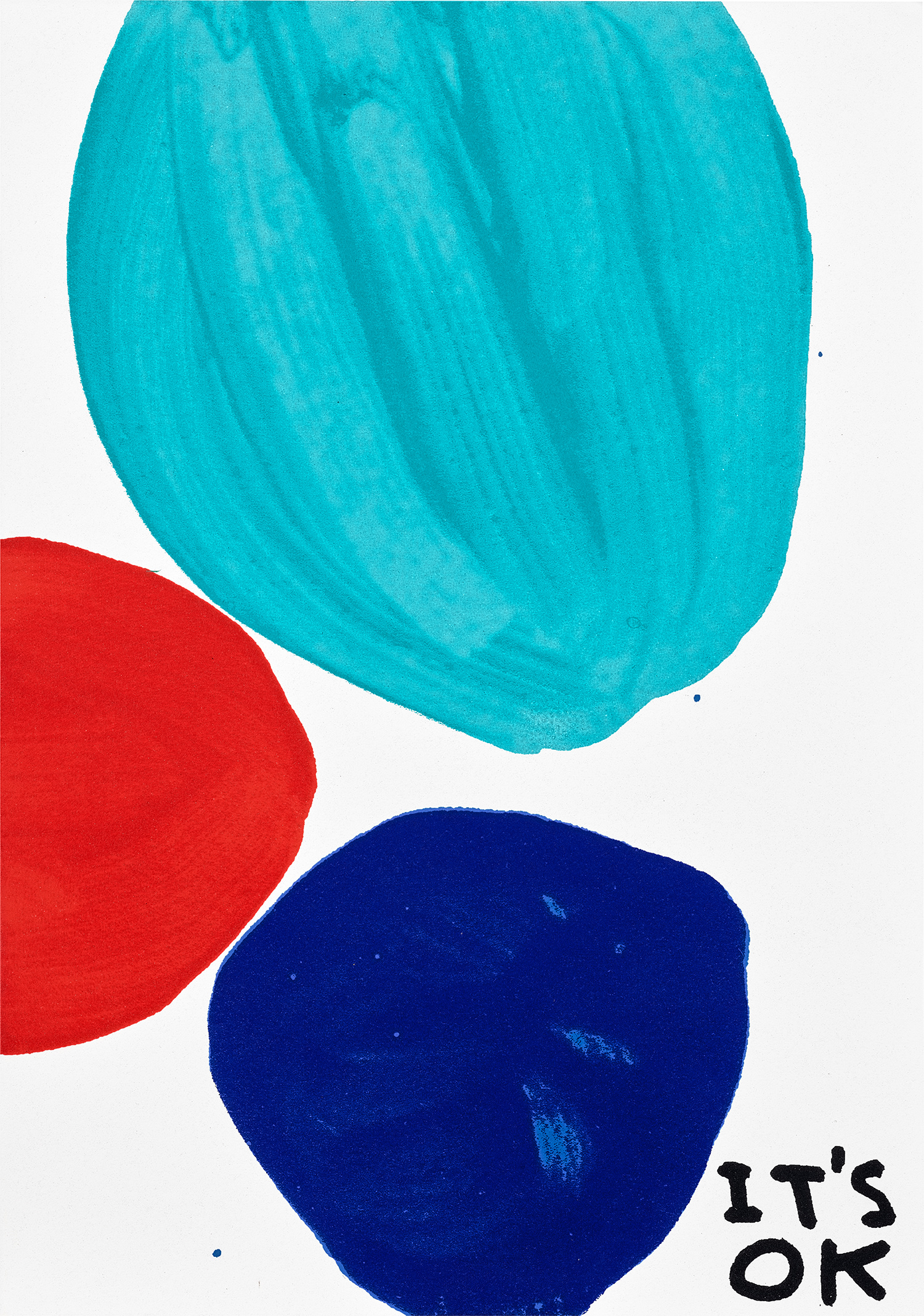
David Shrigley's deceptively simple drawings, which belong to this tradition in a more vernacular register, continue to attract collectors who appreciate humor as a form of grotesque pressure. And Peter Buggenhout's sculptural work, which transforms organic matter into objects of terrible and beautiful opacity, is building a reputation that feels poised to expand significantly. The grotesque, it turns out, is not a mood or a moment. It is a permanent human necessity, and the market is finally beginning to price it accordingly.