Equestrian
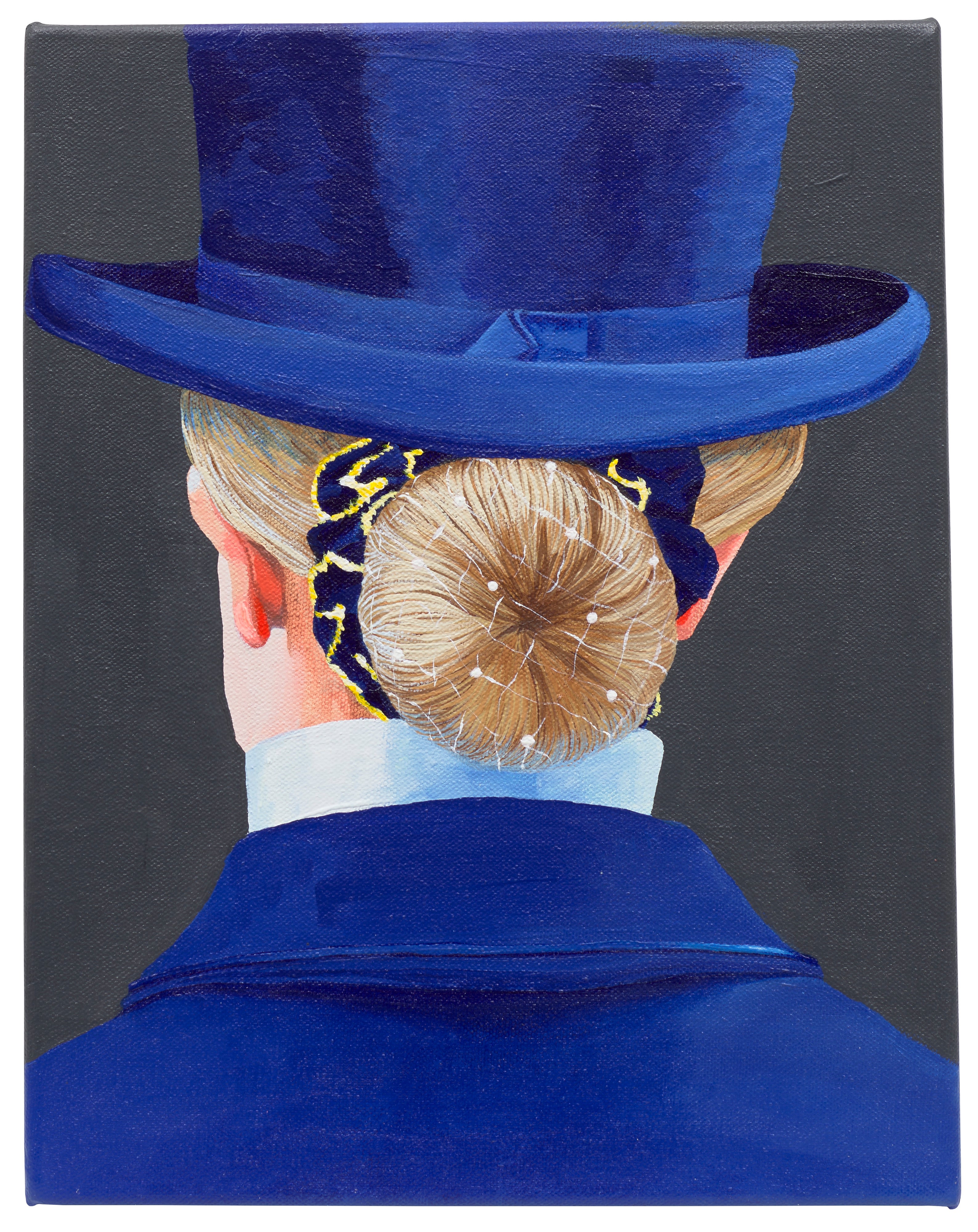
Sarah Miska
Rider with Blue Dressage Hat, 2021

The Horse That Never Stopped Moving
There is something almost unreasonable about the power a horse holds over the human imagination. Long before photography could freeze a gallop, before cinema could slow it to a dream, artists were consumed by the problem of capturing an animal that seemed to exist in perpetual motion. The equestrian tradition in Western art is not simply a genre. It is a conversation across centuries about power, beauty, and the particular thrill of depicting a living creature that refuses to be still.
The story begins, in many ways, not in a painter's studio but on a battlefield. The equestrian portrait emerged as a form of political theater during the Renaissance, when rulers understood that to be shown astride a horse was to be shown in command of nature itself. Titian's 1548 portrait of Charles V at the Battle of Mühlberg set a template that would echo through European courts for two centuries, with the horse functioning less as an animal than as an argument about sovereignty. Velázquez refined the formula at the Spanish court, and by the time Anthony van Dyck was painting Charles I of England, the genre had become the definitive language of aristocratic self presentation.
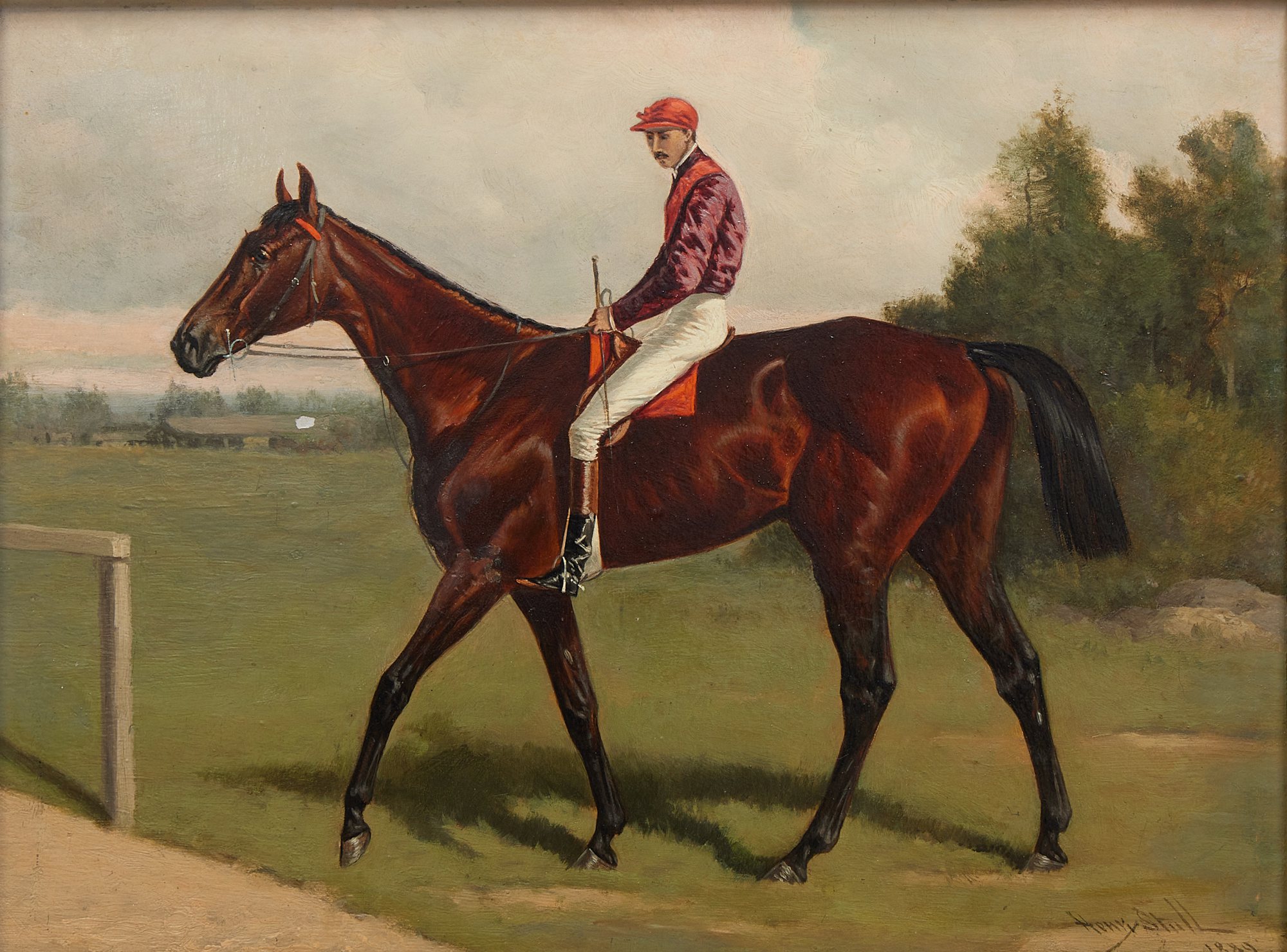
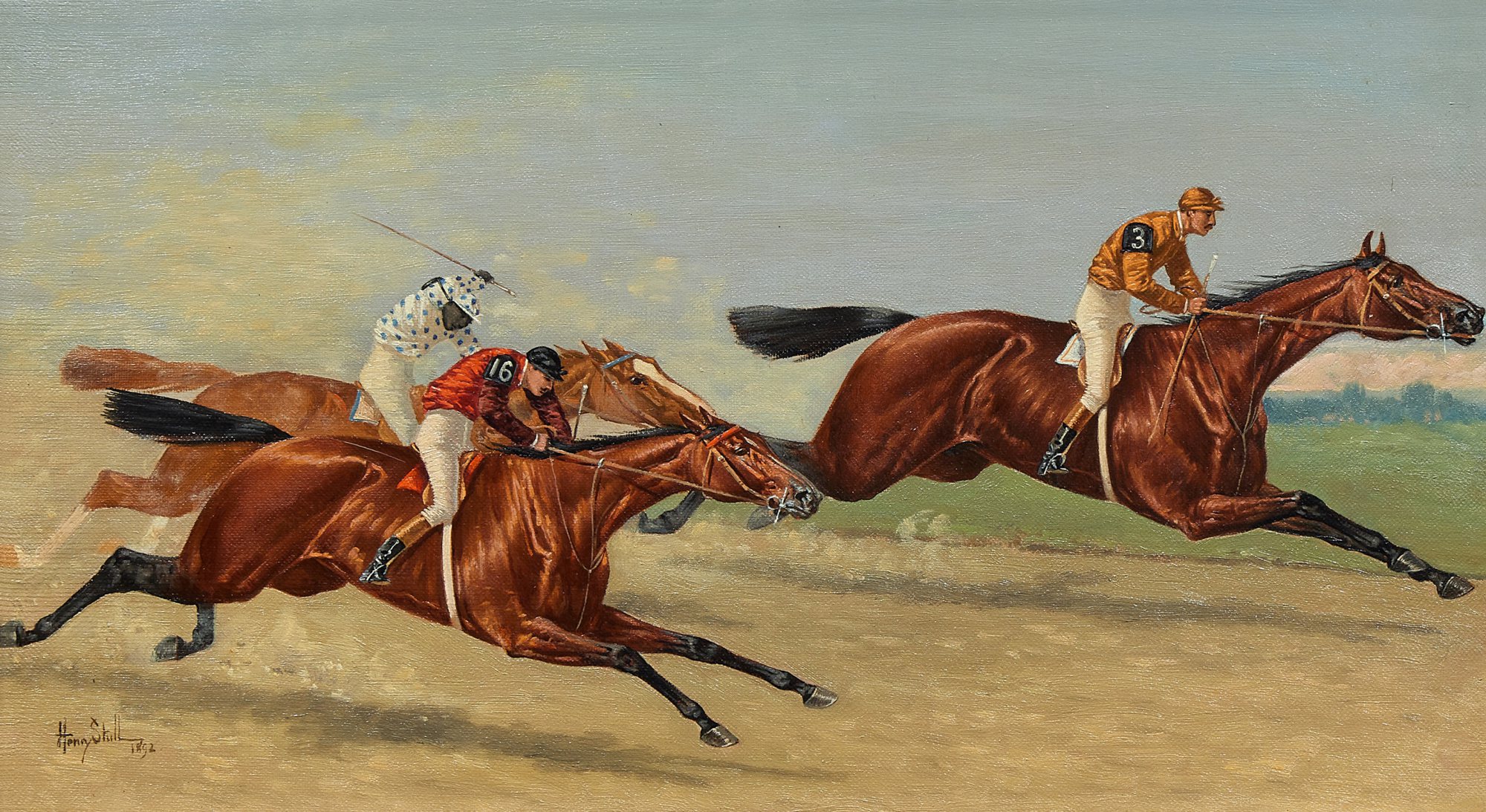
Henry Stull
Raceland with Garrison Up
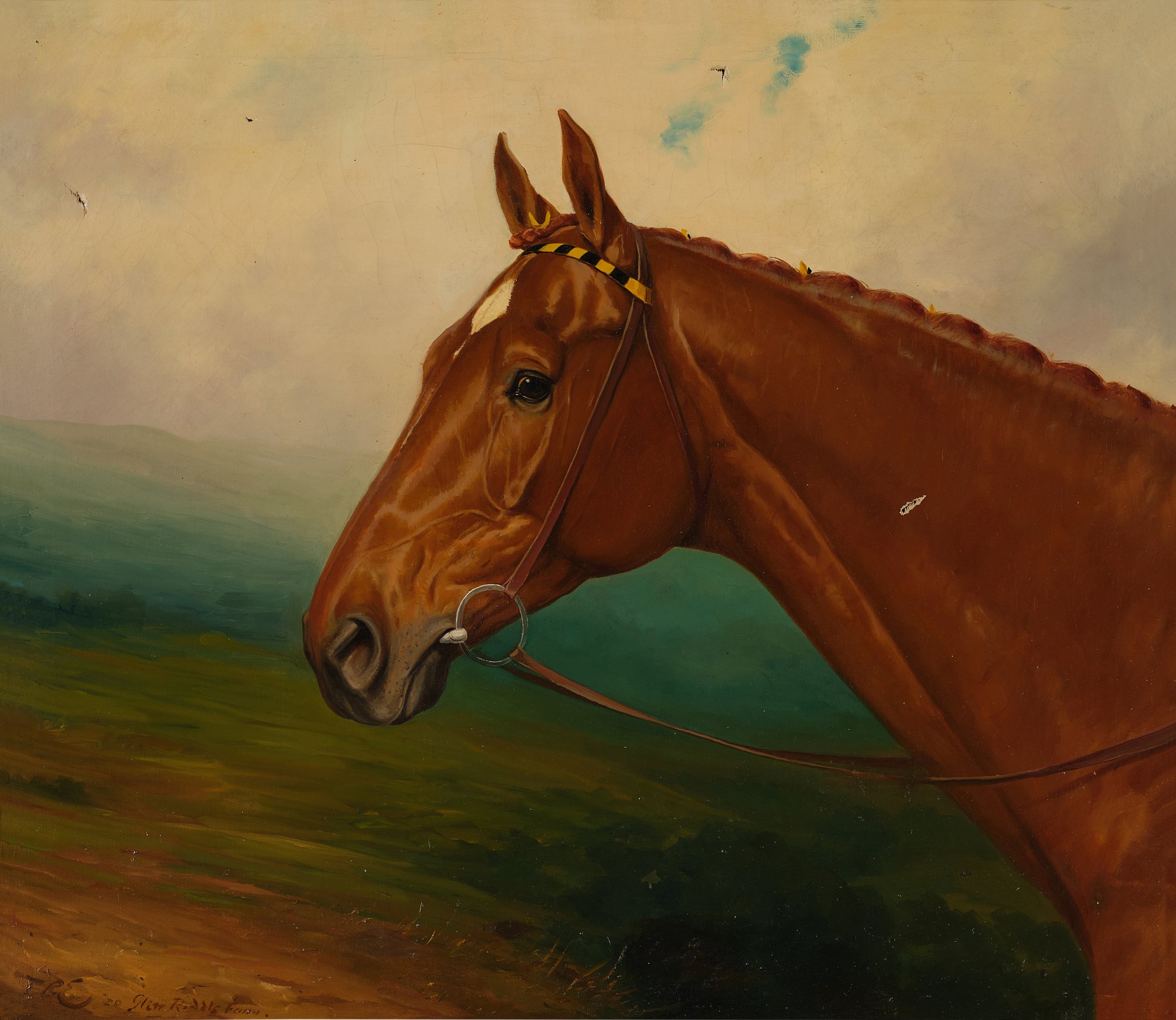
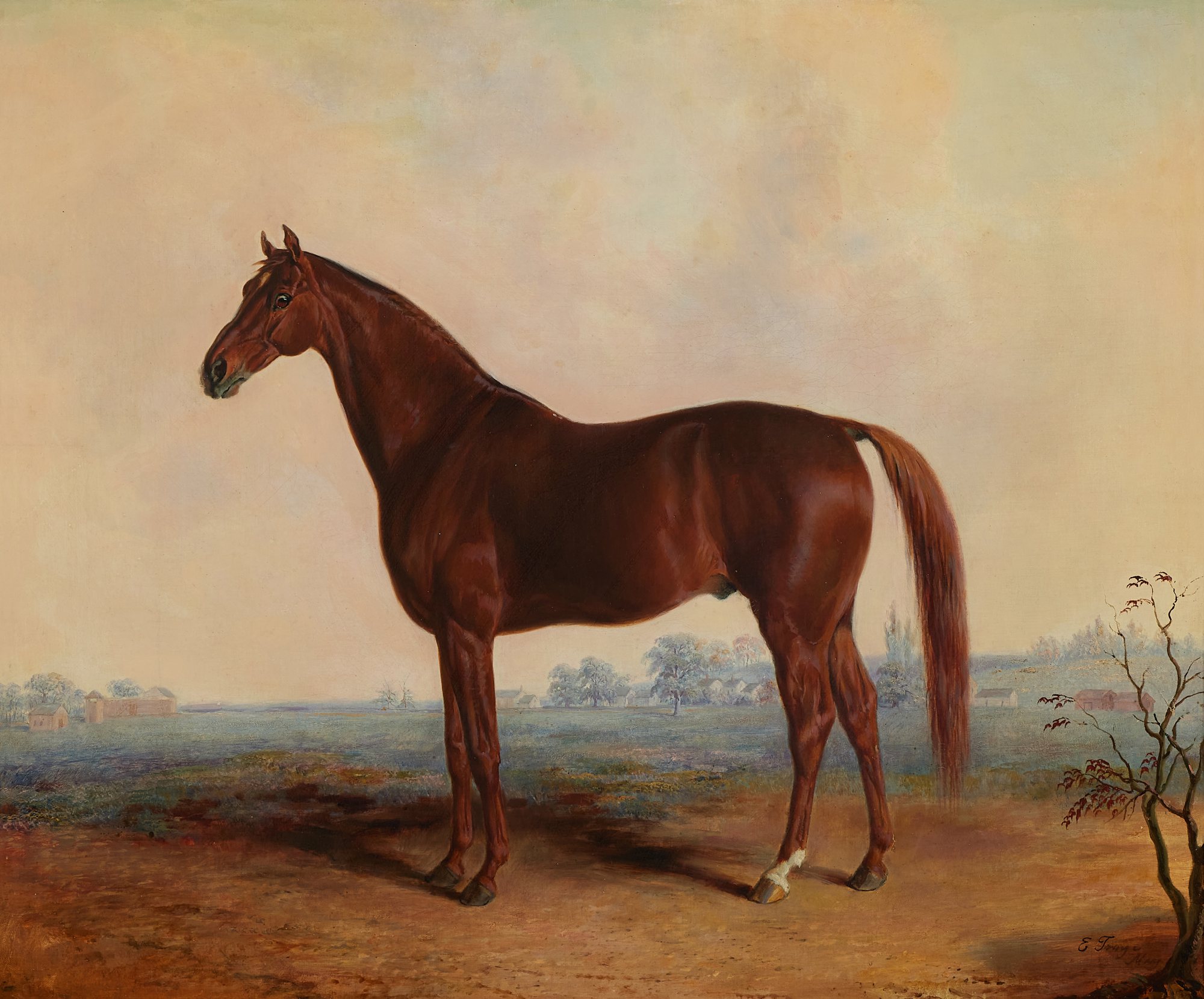
America's own equestrian tradition developed along different lines, rooted in the practical realities of a continent being explored and settled on horseback. Edward Troye arrived in the United States in the 1830s and essentially invented American thoroughbred portraiture, traveling from plantation to plantation in the antebellum South to document the horses that their owners considered living trophies. His approach was forensic and affectionate in equal measure, treating each animal as an individual worthy of serious attention. Henry Stull followed in a similar vein later in the century, and together their work forms something close to a visual archive of American racing culture before the age of photography transformed how we look at horses entirely.
That transformation came with a single extraordinary moment. In 1878, Eadweard Muybridge settled one of the great visual disputes of the era by proving through sequential photography that a galloping horse does indeed lift all four feet off the ground simultaneously. The images were published in Scientific American and stopped the art world cold. Edgar Degas, already obsessed with horses and their relationship to jockeys in a modern sporting world, absorbed this discovery and let it quietly reshape his approach.
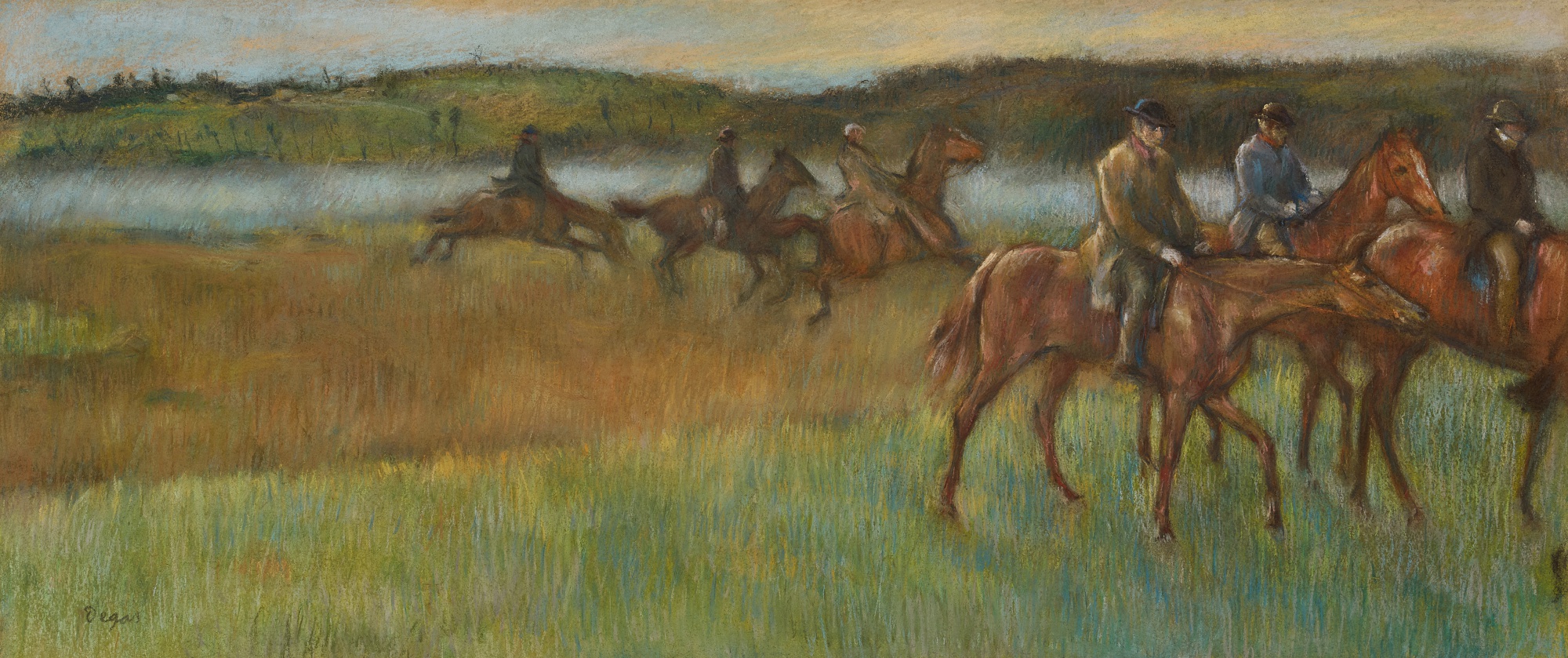
Edgar Degas
Les Entraîneurs, 1892
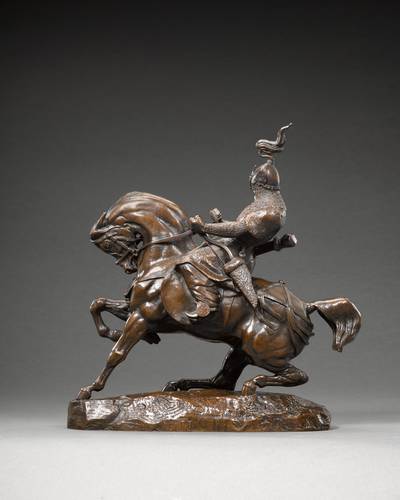
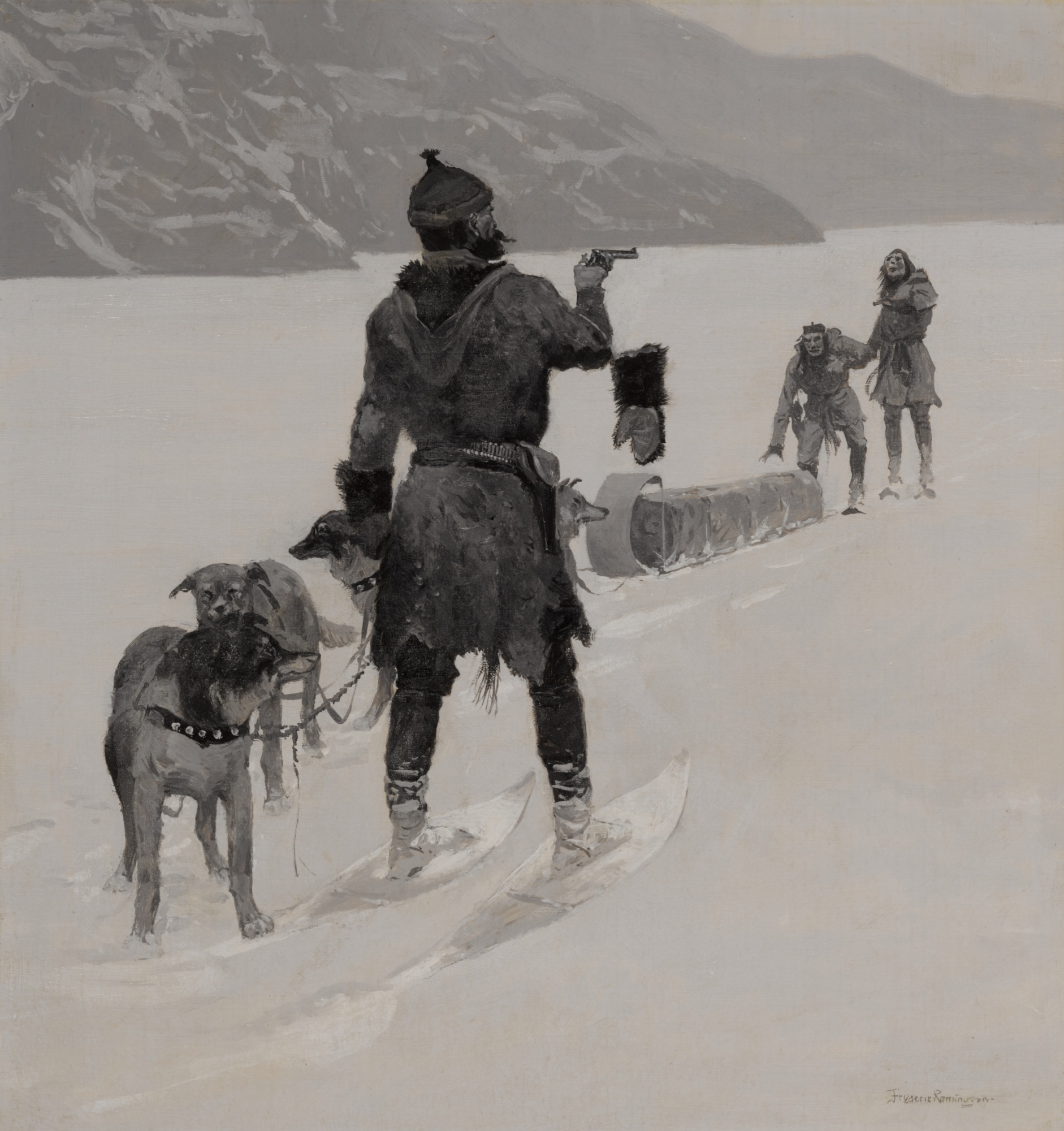
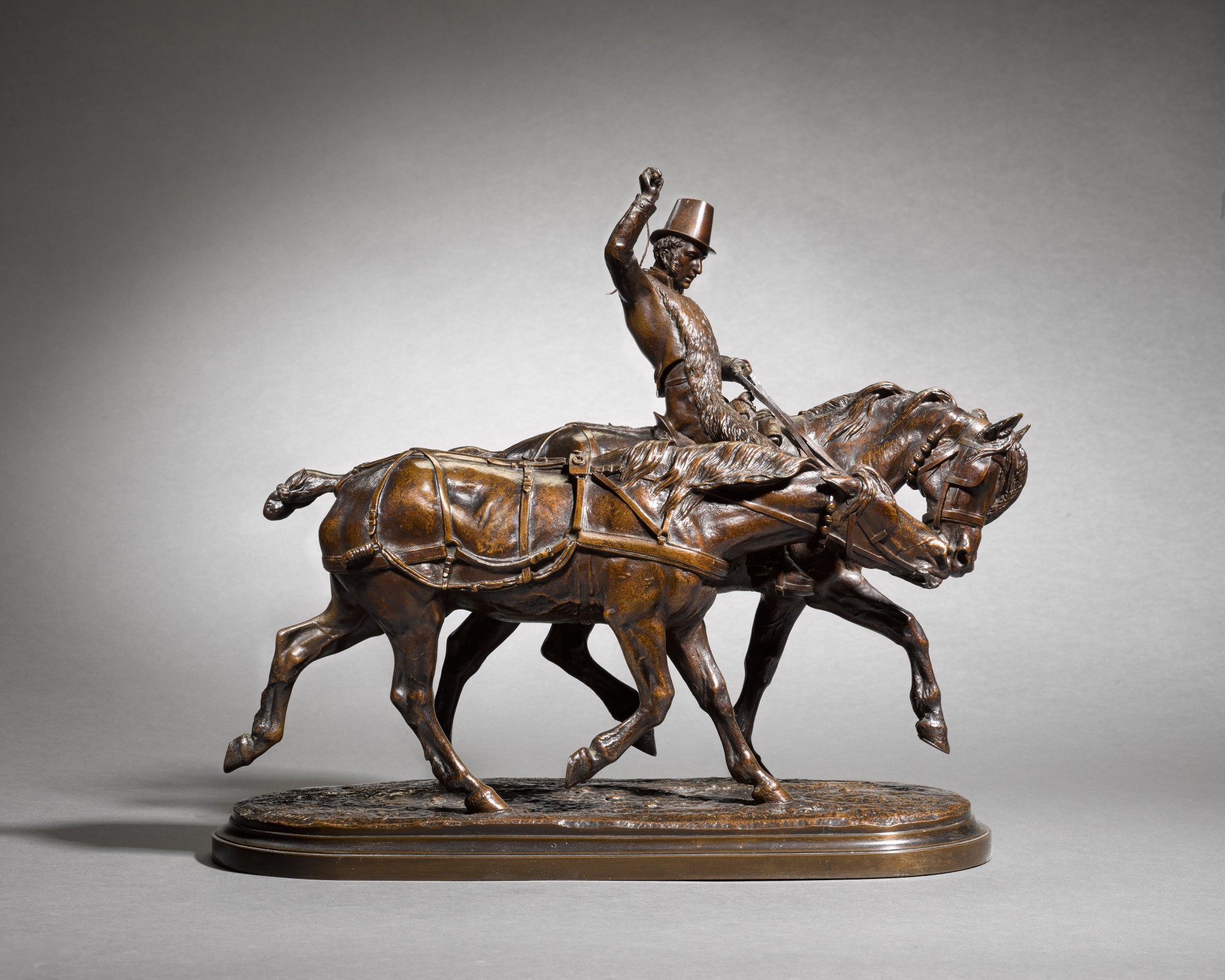
His racing scenes from the 1860s through the 1880s capture the paddock and the track as sites of social spectacle as much as athletic competition, with horses caught in those ungainly off moments that academic painting had always smoothed away. Frederic Remington brought a different urgency to the subject, finding in the American West a landscape where horse and rider existed in a relationship of genuine mutual dependence rather than ceremonial display. Antoine Louis Barye, working in the tradition of French animalier sculpture, approached horses through the language of Romanticism, interested in wildness and struggle. Isidore Jules Bonheur, brother of the more famous Rosa, worked in a similar sculptural register, and René Pierre Charles Princeteau, who was a significant early influence on the young Henri de Toulouse Lautrec, kept the French equestrian tradition alive well into the modern era.
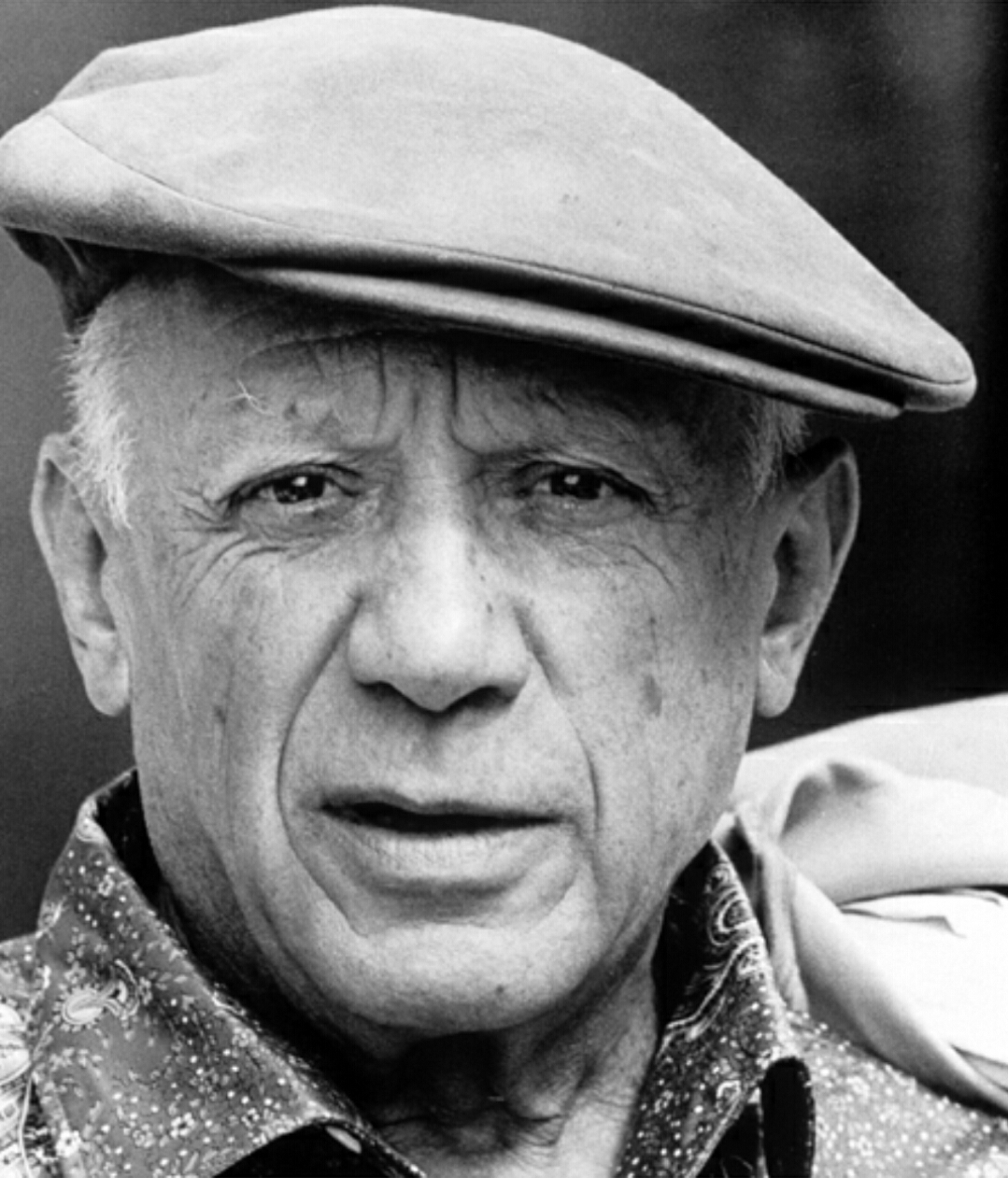
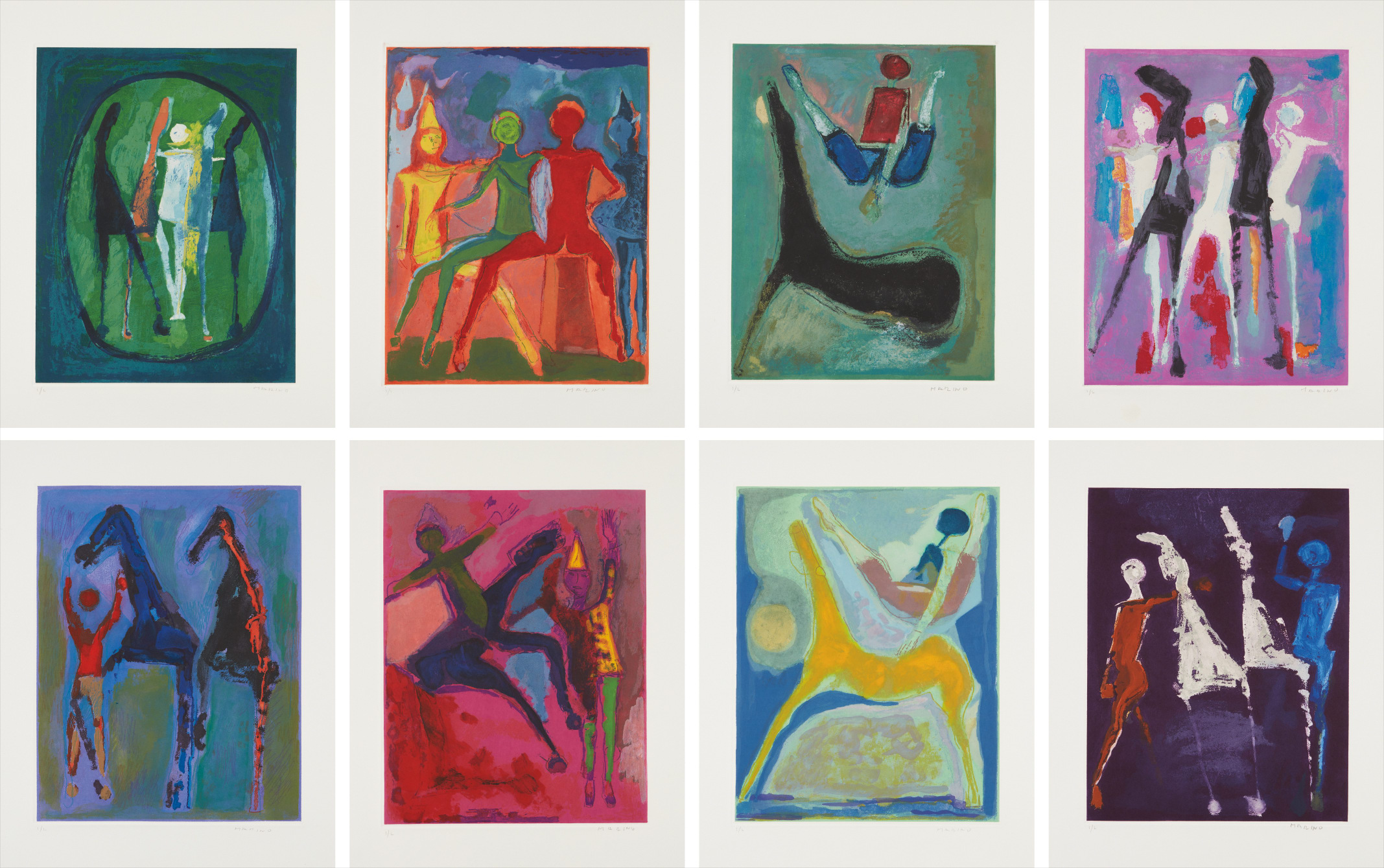
The twentieth century did not abandon the horse so much as reimagine what it could carry conceptually. Marino Marini's series of horse and rider sculptures, developed through the postwar decades from the late 1940s onward, gradually stripped the subject of any remaining heroic content, turning the rider into an increasingly unstable and distressed figure unable to control or even remain on his mount. The work functions as an extended metaphor for a civilization that had lost its confidence, the horse transformed from a symbol of mastery into an emblem of precarity. Pablo Picasso, never comfortable staying outside any major artistic conversation, engaged the horse throughout his career, most devastatingly in Guernica, where the screaming horse becomes a concentrated image of innocent suffering under mechanized violence.
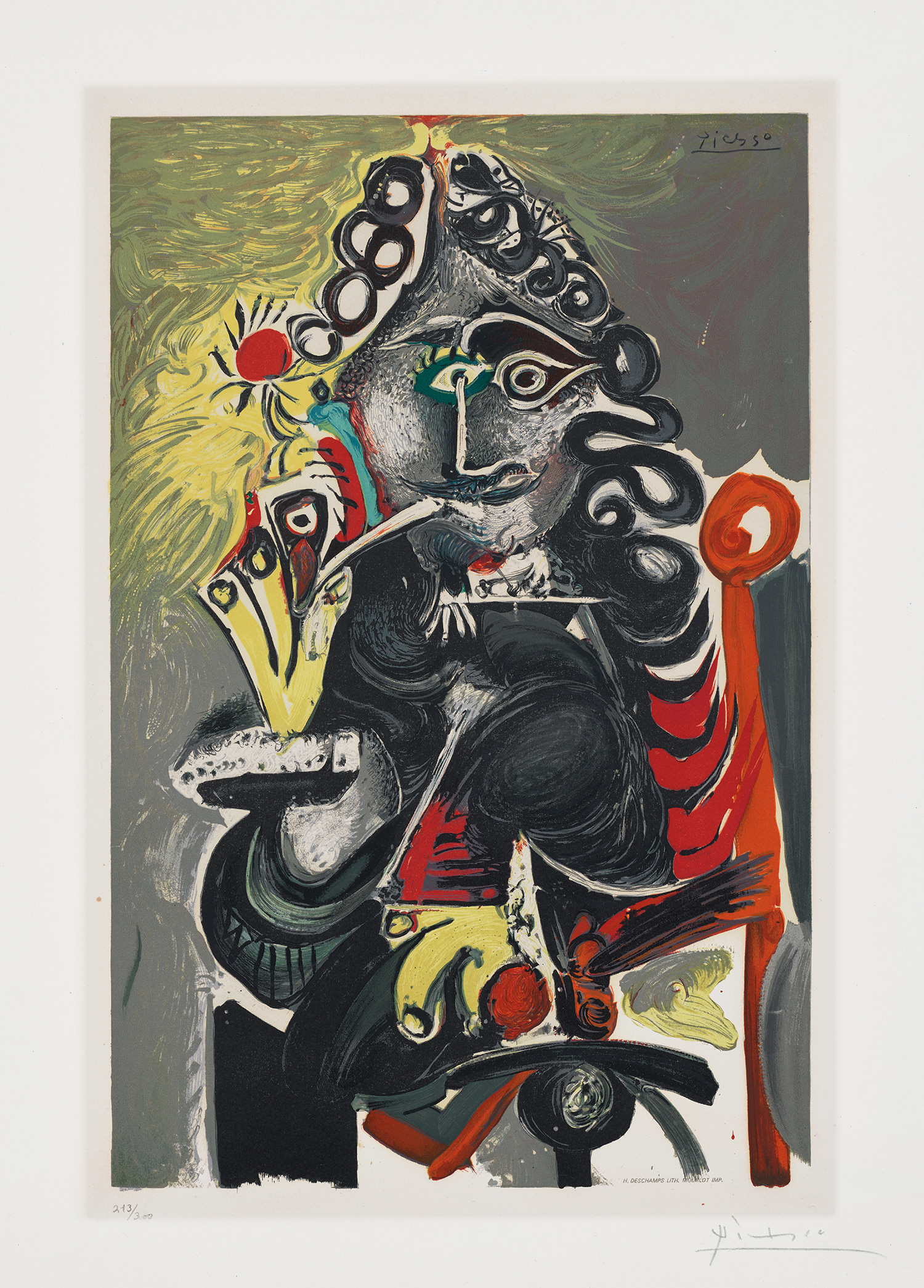
Pablo Picasso
Le Cavalier (The Rider)
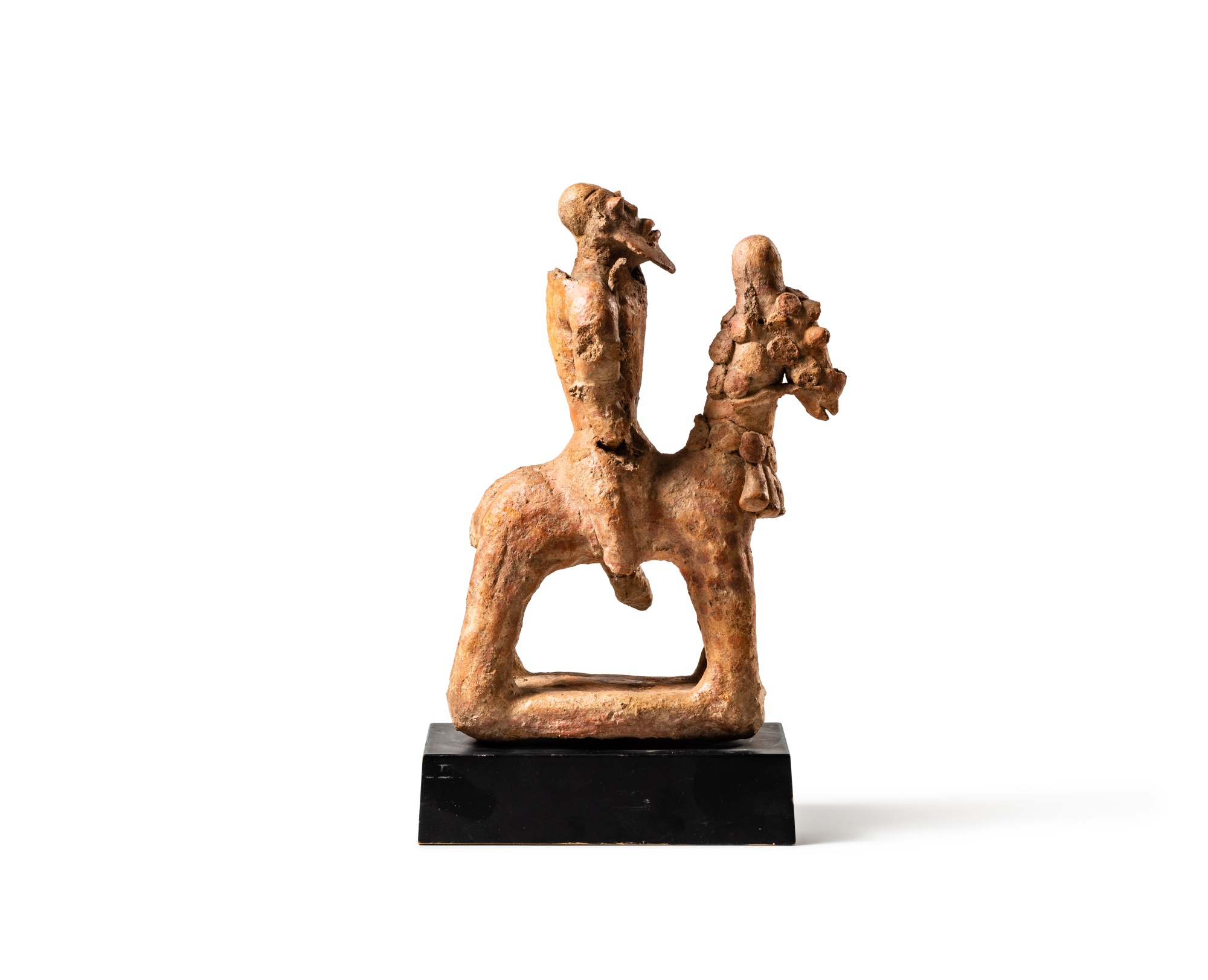
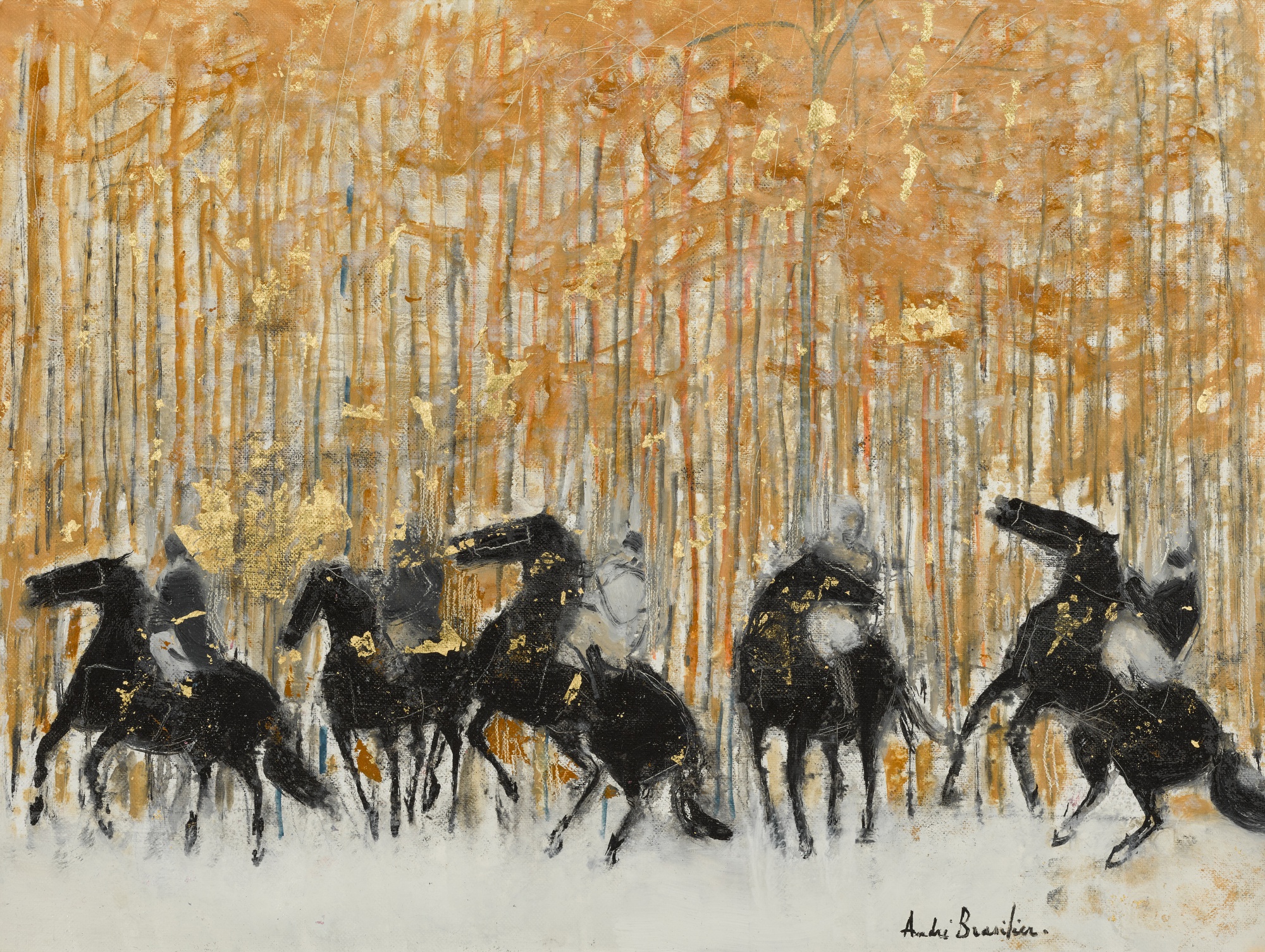
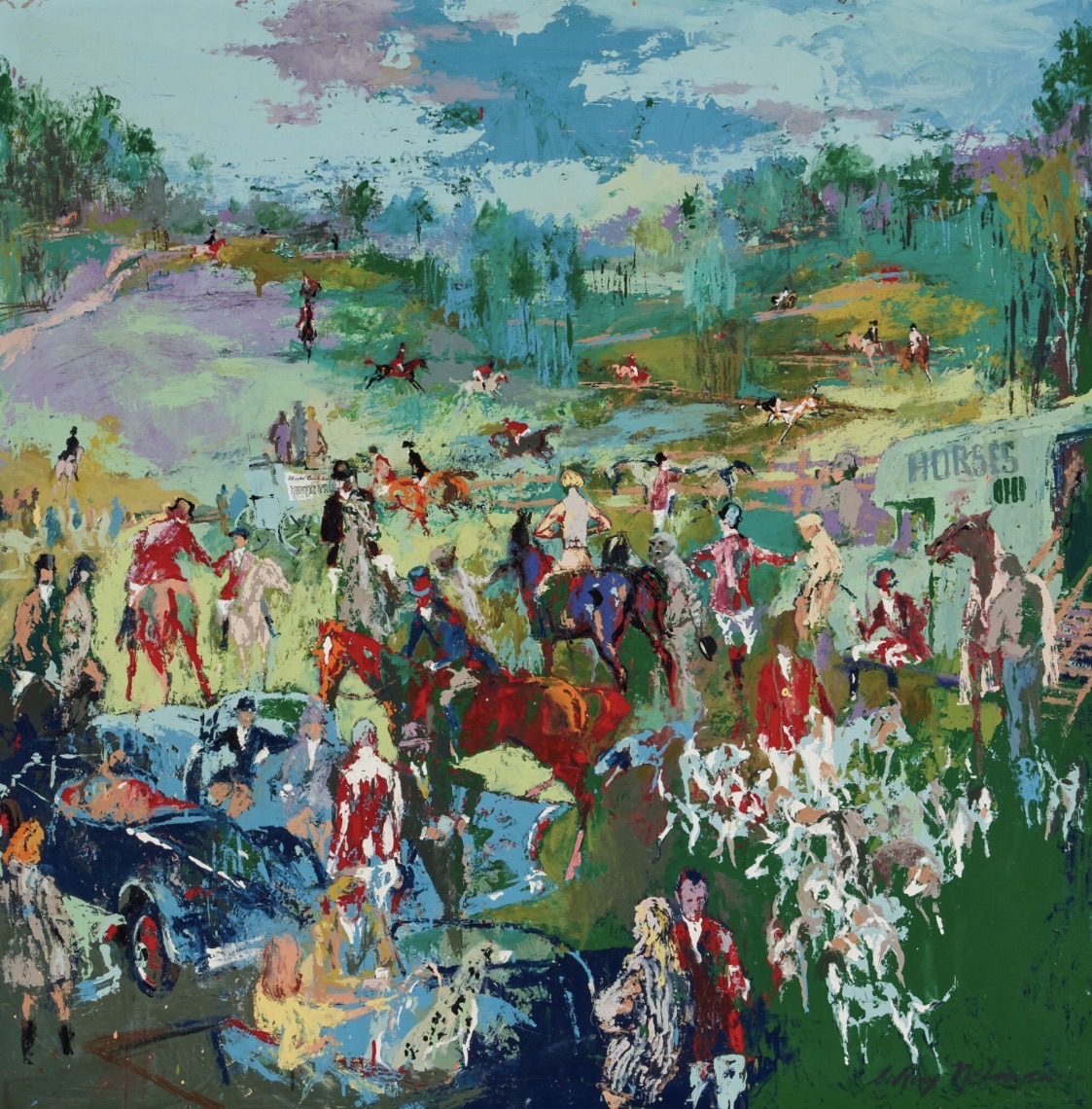
Marc Chagall found in the horse something dreamlike and folkloric, creatures that float through his canvases as freely as lovers or violinists. Raoul Dufy brought a lightness and graphic wit to racecourse scenes that made them feel like celebrations of color rather than sporting reportage. LeRoy Neiman, working in a more popular register, returned horse racing to its status as pure American spectacle, while André Brasilier has carried a lyrical, almost musical approach to equestrian subjects deep into the contemporary moment. And then there is the haunting terracotta cavalier from Djenné in Mali, a reminder that the human fascination with horses on horseback is not a European invention but something far older and more widely shared across cultures.
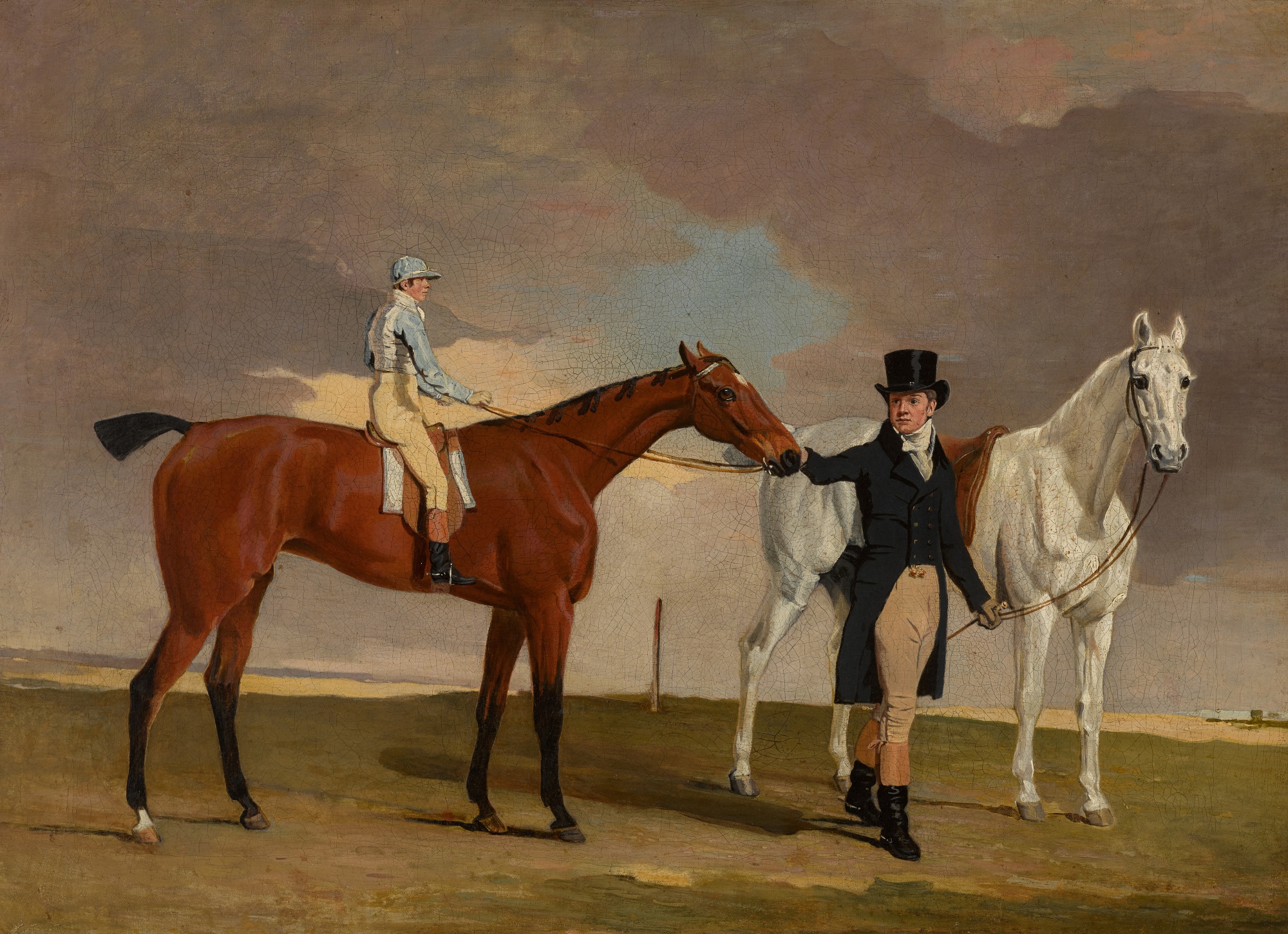
What the equestrian category on The Collection reveals, surveying the breadth of work gathered here, is just how capacious the subject has always been. It accommodates the documentary precision of nineteenth century sporting painters like John Frederick Herring Sr. and Percy Earl alongside the emotional turbulence of Marini. It holds the colonial grandeur of Raja Deen Dayal's photographs of Indian princes alongside the democratic exuberance of Remington's cowboys.
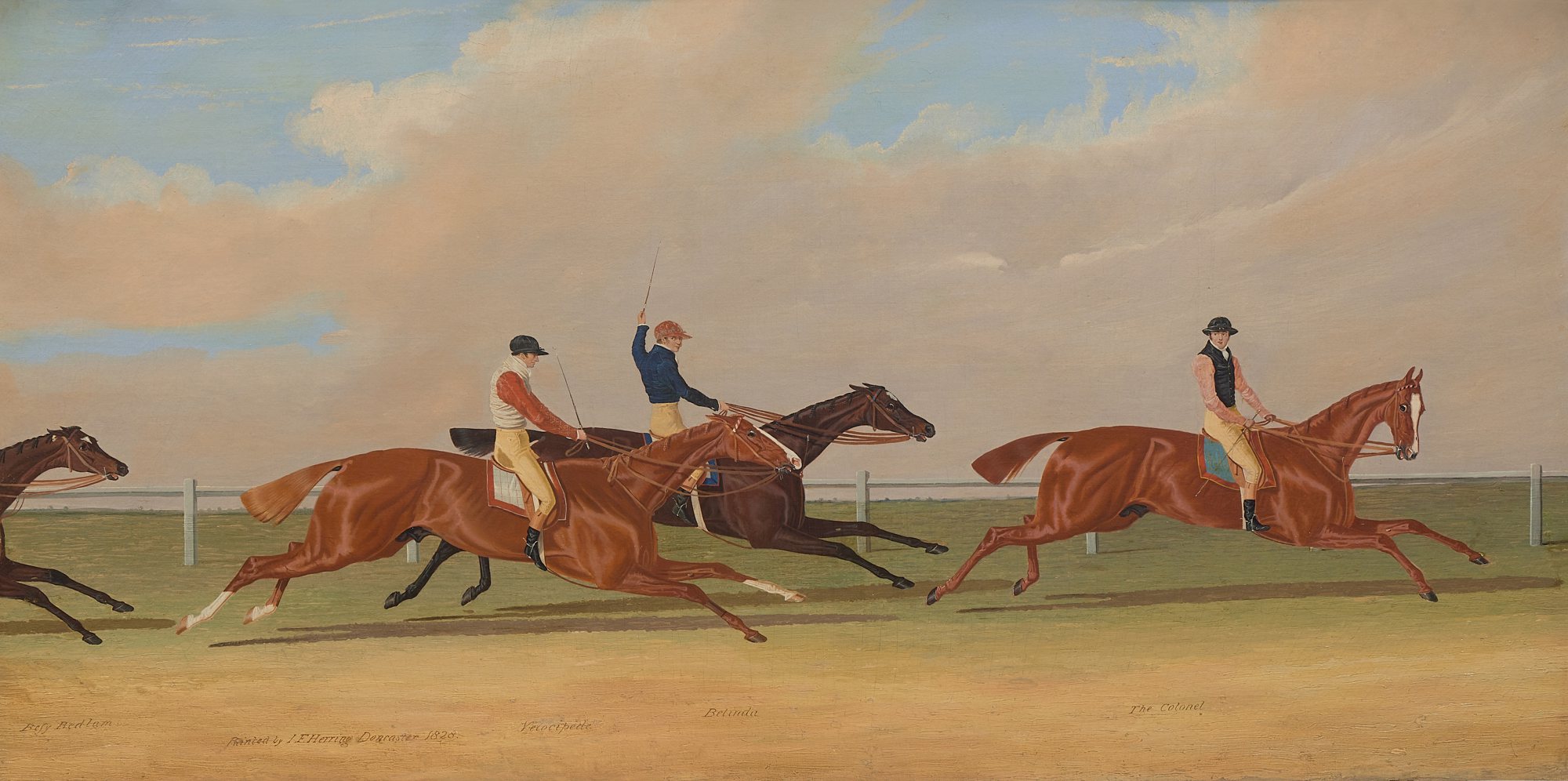
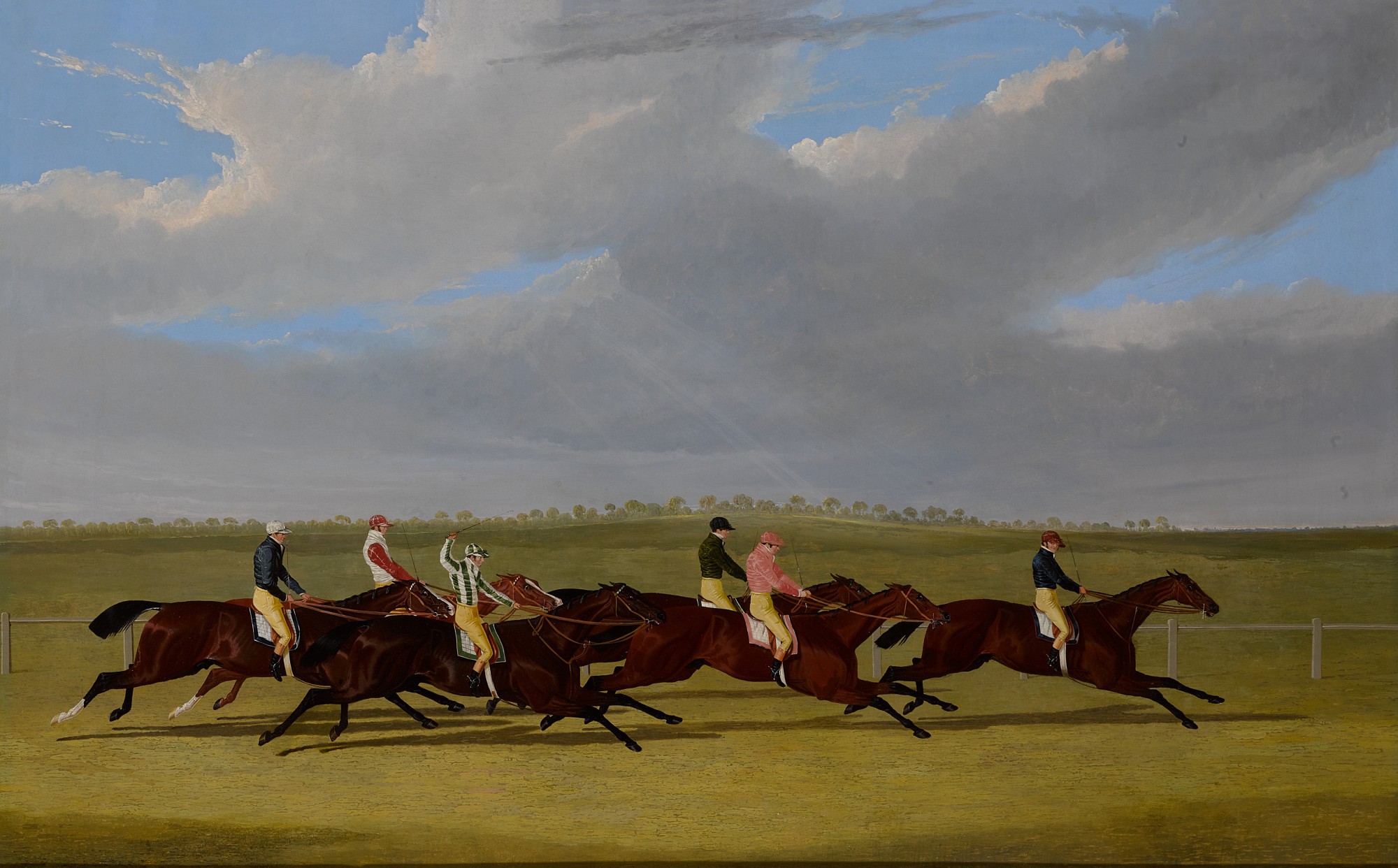
John Frederick Herring Sr.
The 1828 Doncaster St. Leger Won by The Colonel
Patrick Vrem and Sarah Miska represent the ways contemporary artists continue to find fresh territory within a tradition that might, on the surface, seem exhausted. The horse endures as a subject because it sits at a genuinely productive intersection. It is nature and culture simultaneously, a wild animal domesticated into a partner for human ambition. Every equestrian work is implicitly about the relationship between the human desire for control and the animal's irreducible aliveness.
In an era when artificial intelligence is beginning to generate its own versions of these images, drawing on the entire accumulated history of equestrian art, that tension feels more pointed than ever. The machine can learn to paint a horse. What it is still working out is what the horse was always really for.