Encaustic
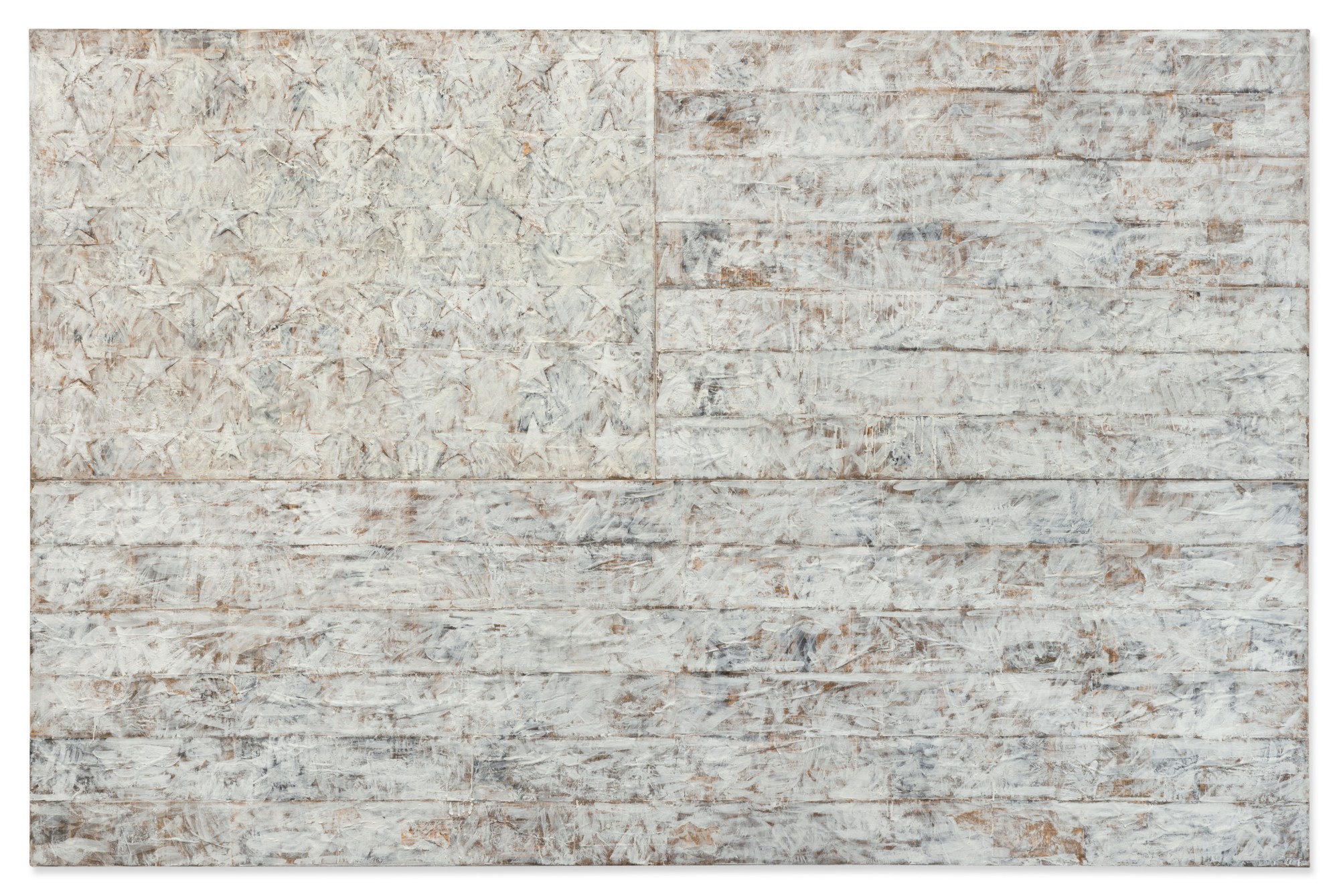
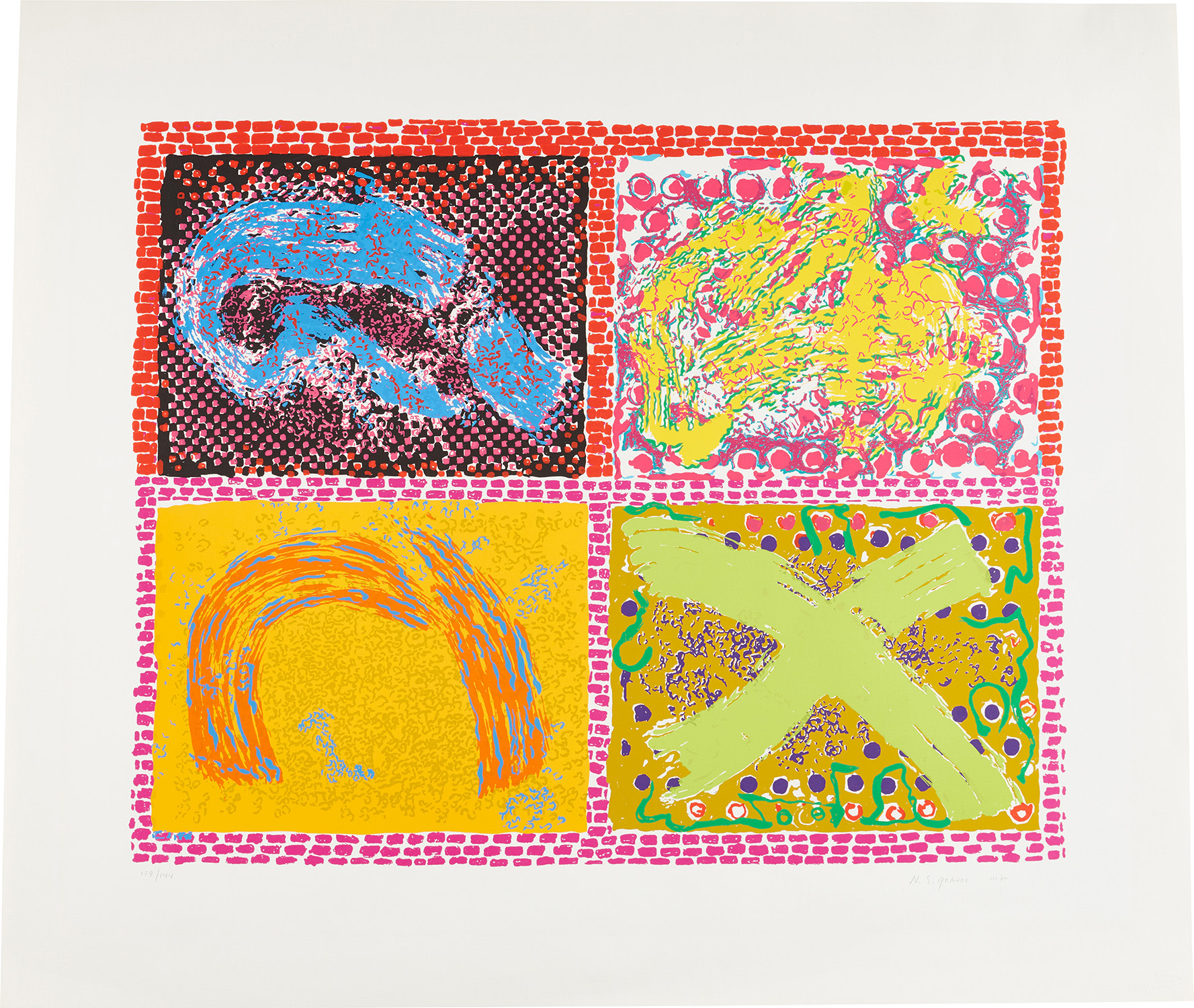
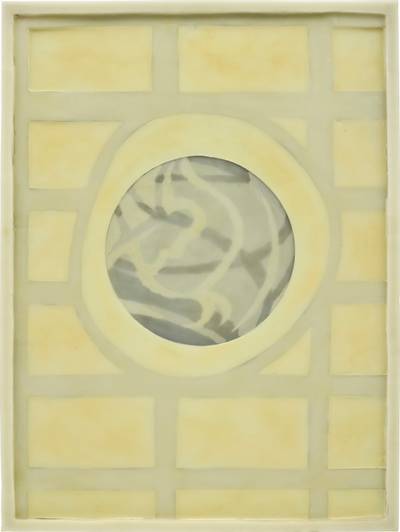
Nancy Graves
Not Identical With, 1978
Hot Wax, Cold Logic: Collecting Encaustic Now
There is something almost primal about the pull of encaustic painting. The surface breathes differently than oil or acrylic, catching light in a way that feels less like reflection and more like emanation, as though the work is generating its own warmth. Collectors who live with encaustic consistently describe the same experience: the painting changes throughout the day, shifts in afternoon light revealing depths that morning flatness obscured. That quality of perpetual discovery is rare in any medium, and for collectors who demand more than a static object on a wall, it can become quietly addictive.
The medium itself is ancient, predating oil paint by centuries, but its current moment in collecting is thoroughly contemporary. Encaustic asks its maker to work with molten beeswax mixed with pigment and resin, fusing each layer with heat. The process is irreversible in a way that demands total commitment, which is perhaps why the works that result carry such authority. You sense the physical intelligence behind them.
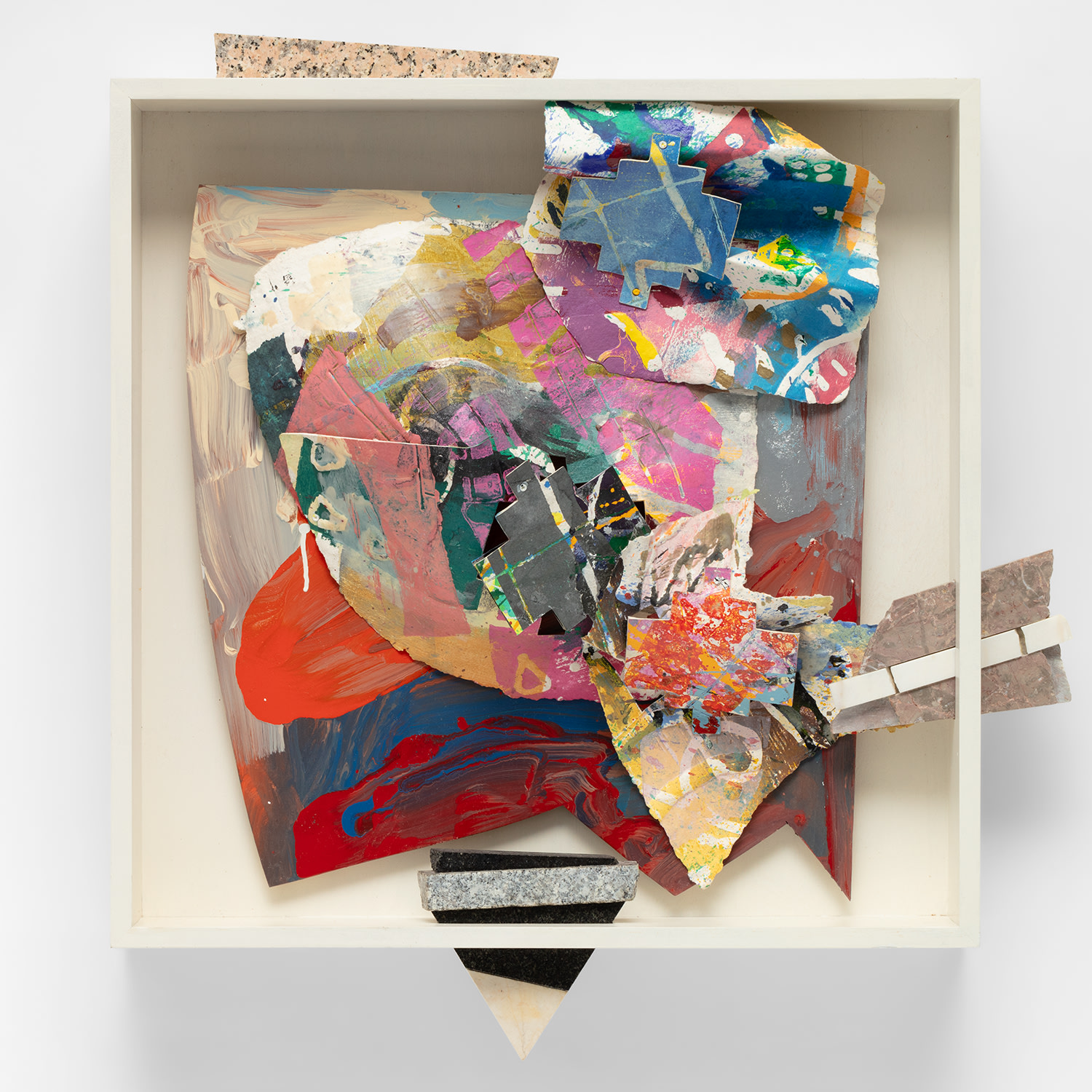
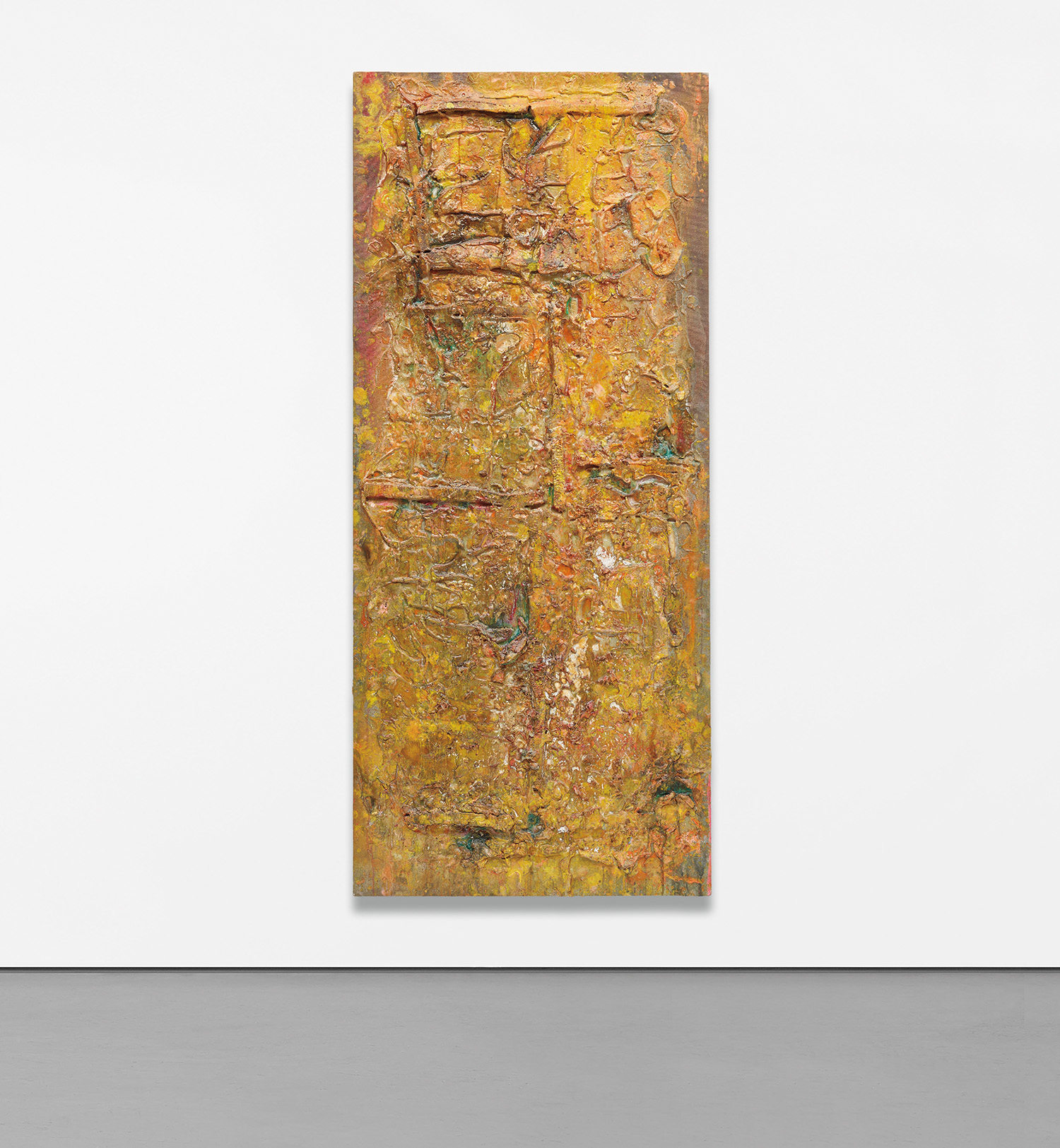
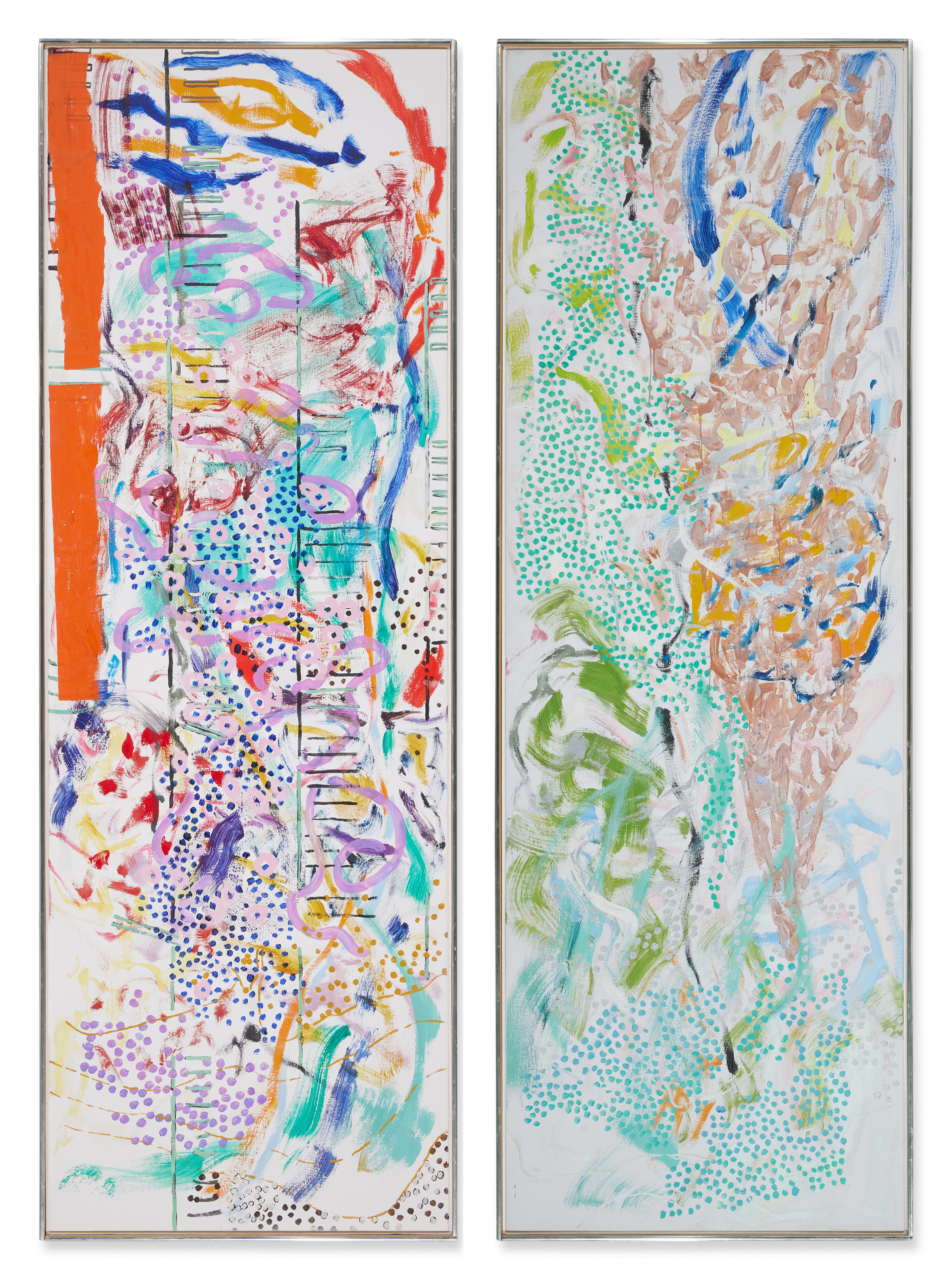
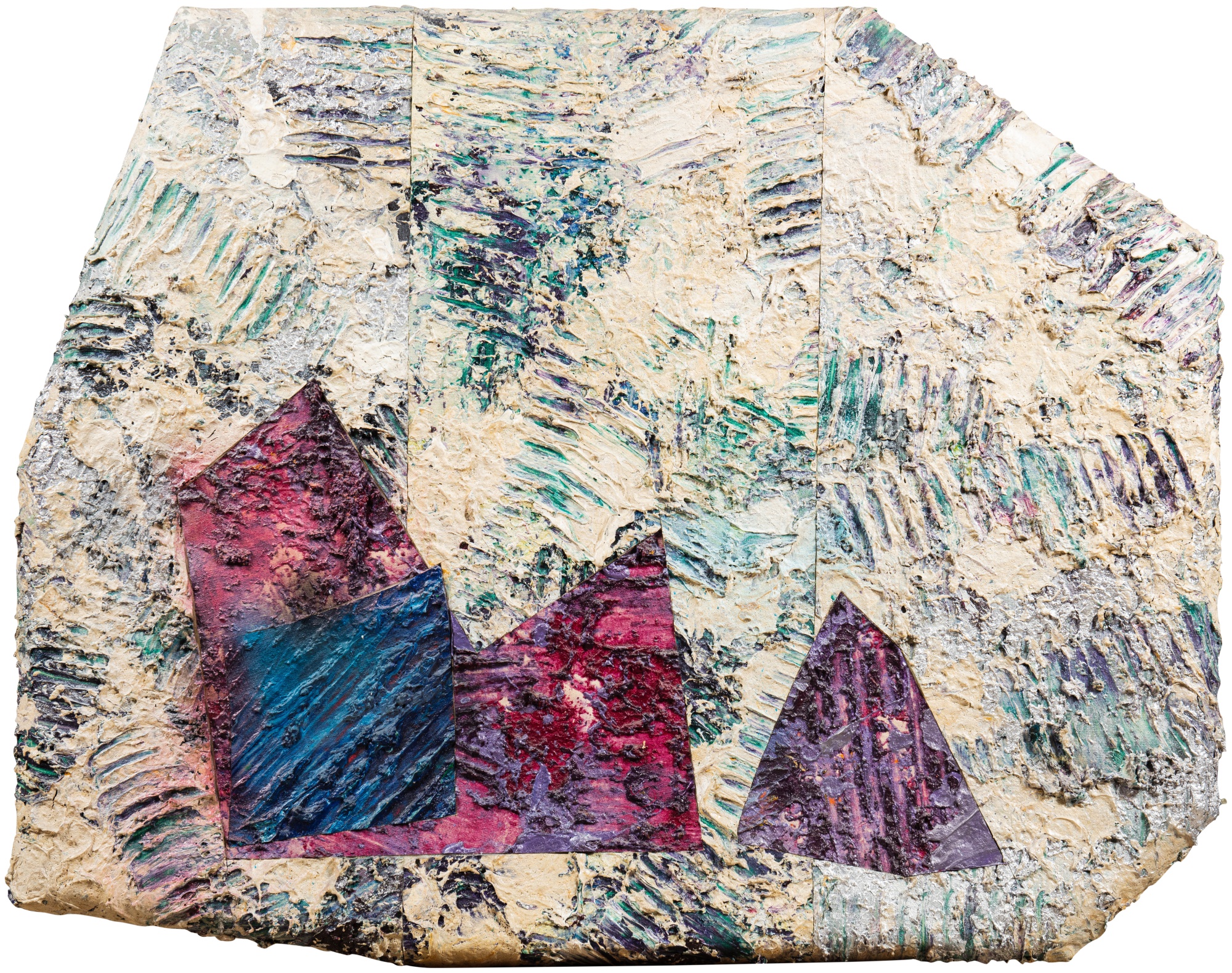
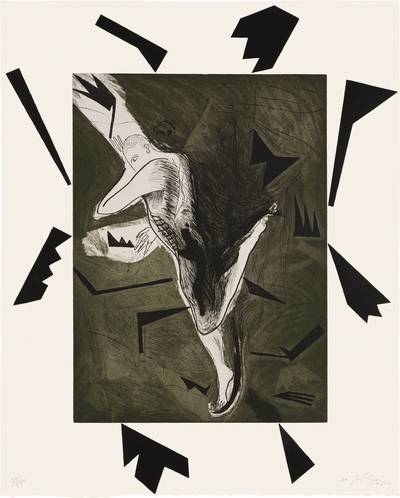
Sam Gilliam
Flowers, from Tulip series
That combination of material vulnerability and durational permanence, the fact that a well made encaustic can outlast almost any other painted surface, gives collectors a particular kind of confidence. What separates a strong encaustic from a truly great one comes down to depth and integration. Surface alone is not enough. Lesser works in the medium can feel gimmicky, relying on the novelty of texture or translucency without marshaling those qualities toward meaning.
The best works use the wax to construct a kind of visual archaeology, where earlier layers are visible but not dominant, and where the relationship between burial and revelation feels intentional rather than accidental. Collectors should look closely at the edges of pooled wax, at transitions between layers, and at whether the artist has used heat as a tool of composition or simply as a method of adhesion. The difference is visible once you know what to look for. The artists represented on The Collection who work in or adjacent to encaustic offer a genuinely compelling range of entry points.
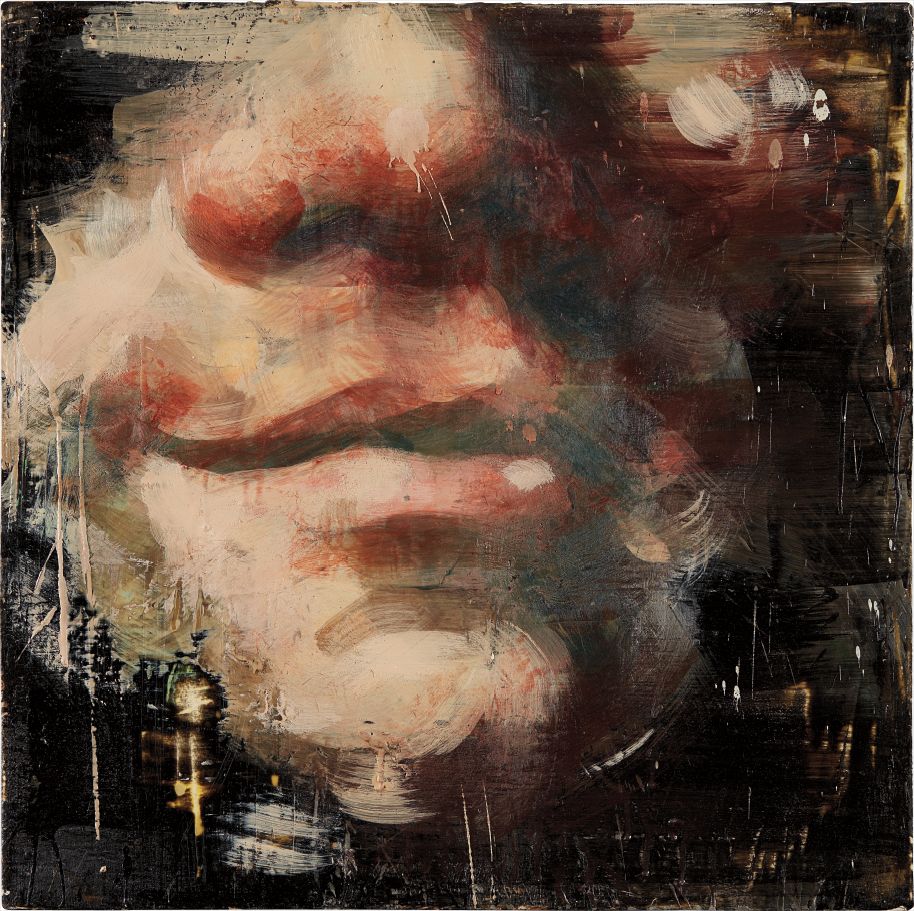
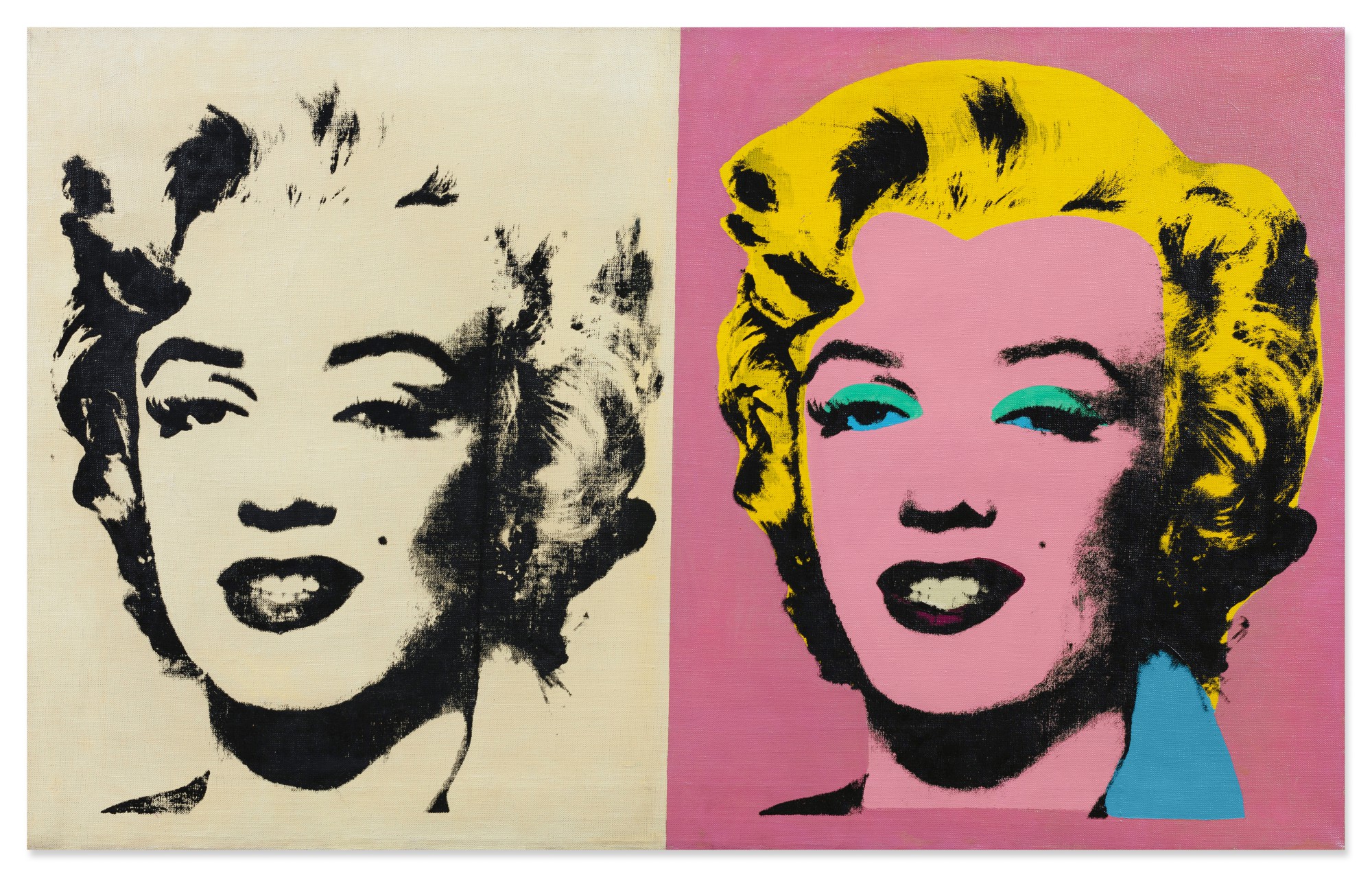
Tony Scherman
Death of Louis XVI Robespierre, 1996
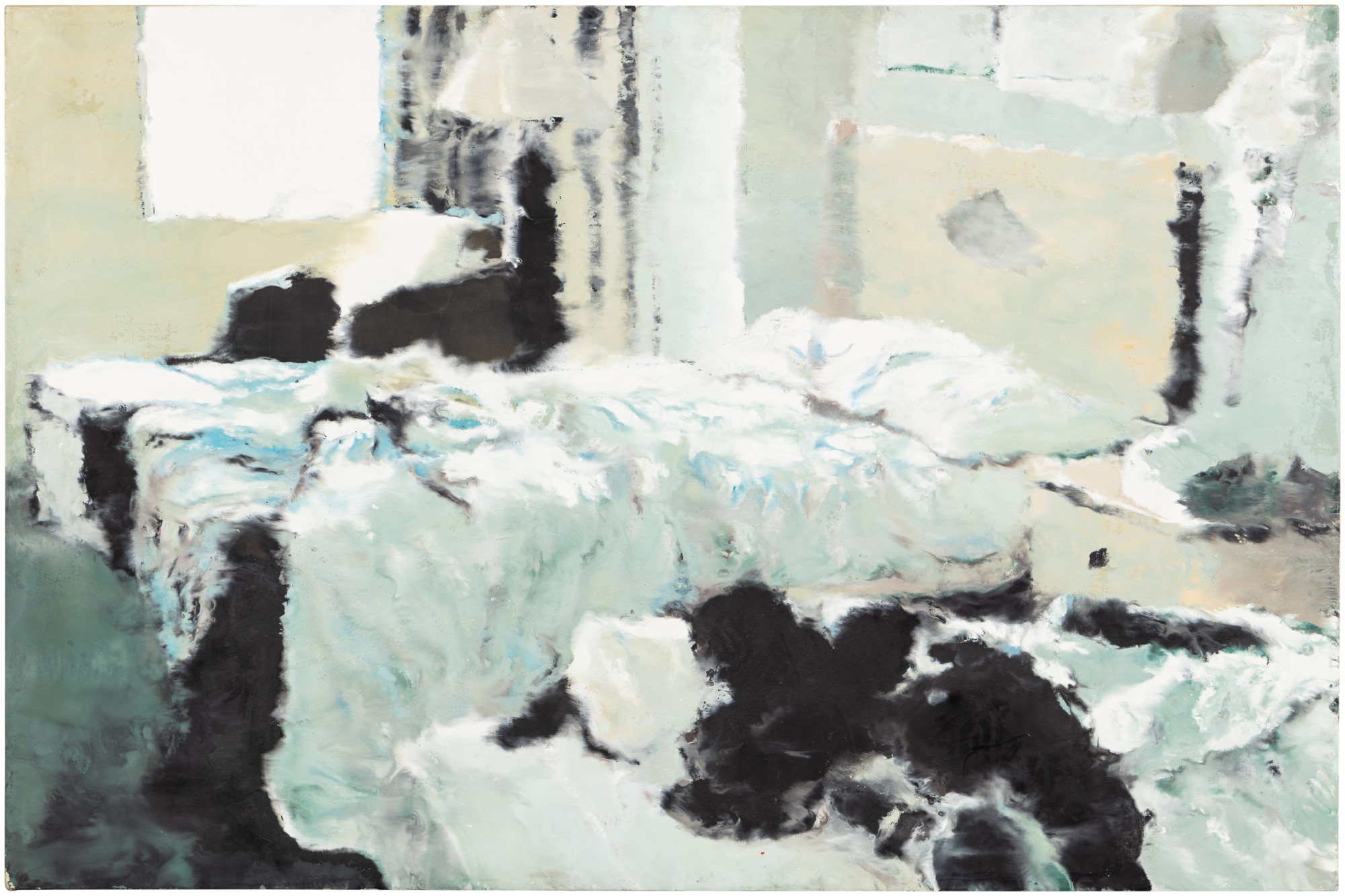
Tony Scherman built an international reputation across several decades through encaustic works of real psychological intensity, often drawing on historical and theatrical subject matter to create surfaces that feel both monumental and intimate. His paintings reward sustained looking in the way that only a few living painters can claim. Philippe Cognée approaches the medium from a very different direction, using encaustic to blur photographic imagery into something between memory and dissolution. His works have appeared in major European museum contexts and carry strong secondary market credibility.
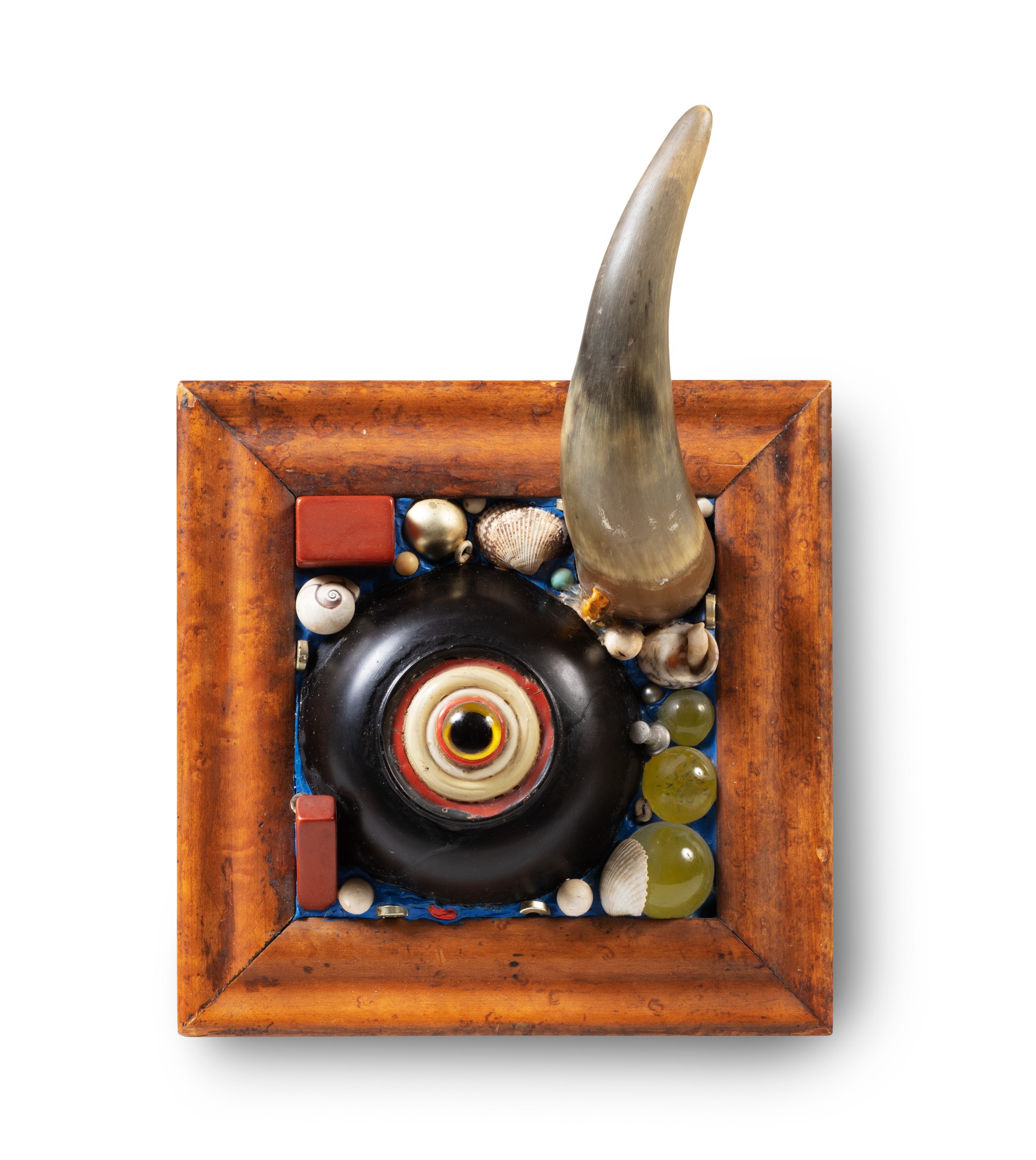
Alfonso A. Ossorio is another figure worth serious attention. His career intersected with both Abstract Expressionism and the New York avant garde of the postwar period, and his work in mixed media incorporating wax elements has been reconsidered significantly in recent years, with auction results reflecting a growing institutional appetite for his radical, often unsettling imagery. The broader constellation of artists on The Collection, including figures like Lynda Benglis, whose relationship to molten and poured materials speaks directly to the sensibility encaustic collectors tend to share, and Domenico Bianchi, whose wax surfaces carry a meditative Italian Arte Povera lineage, suggests a collector building thoughtfully in this space has real options across price points and geographies.
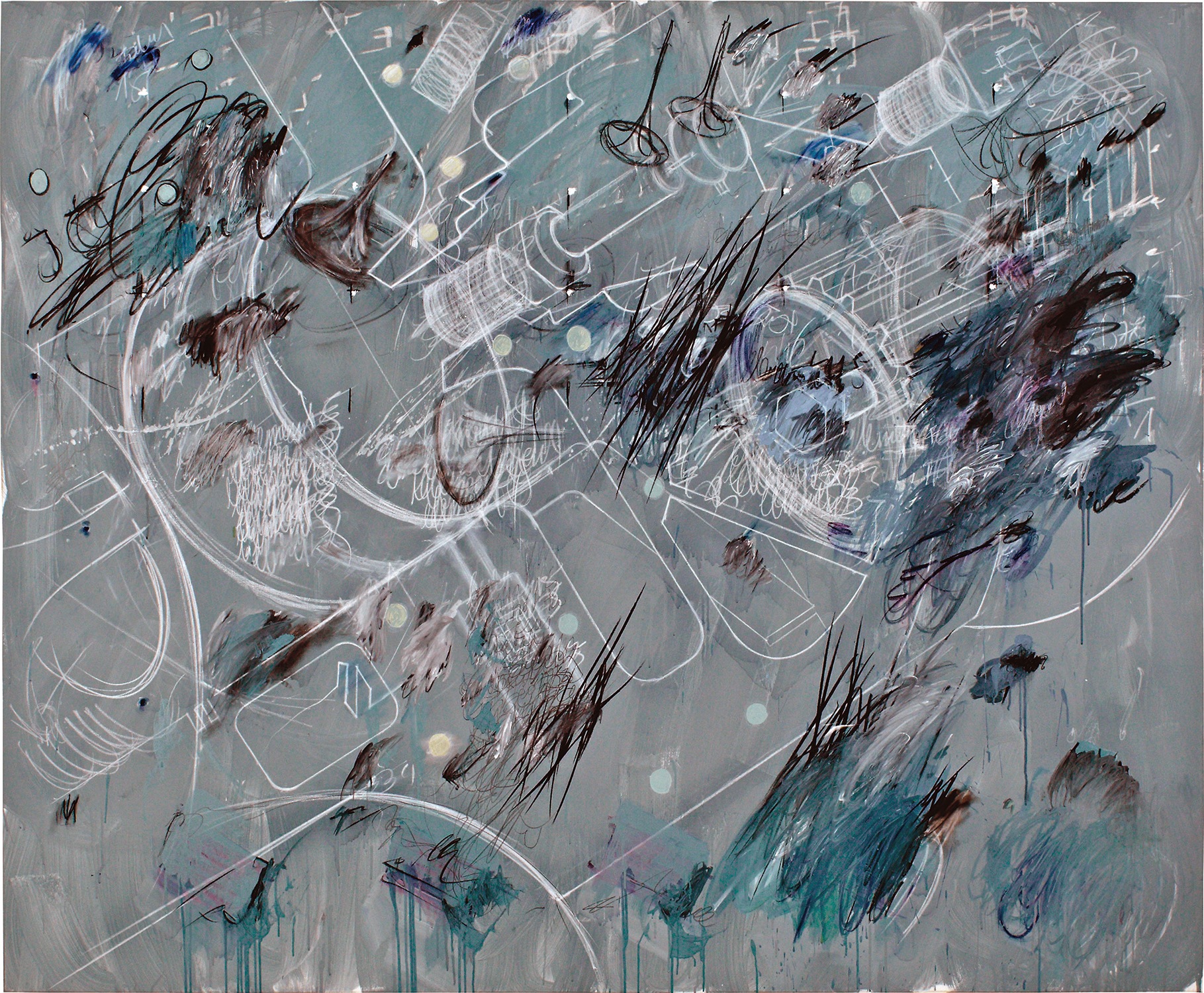
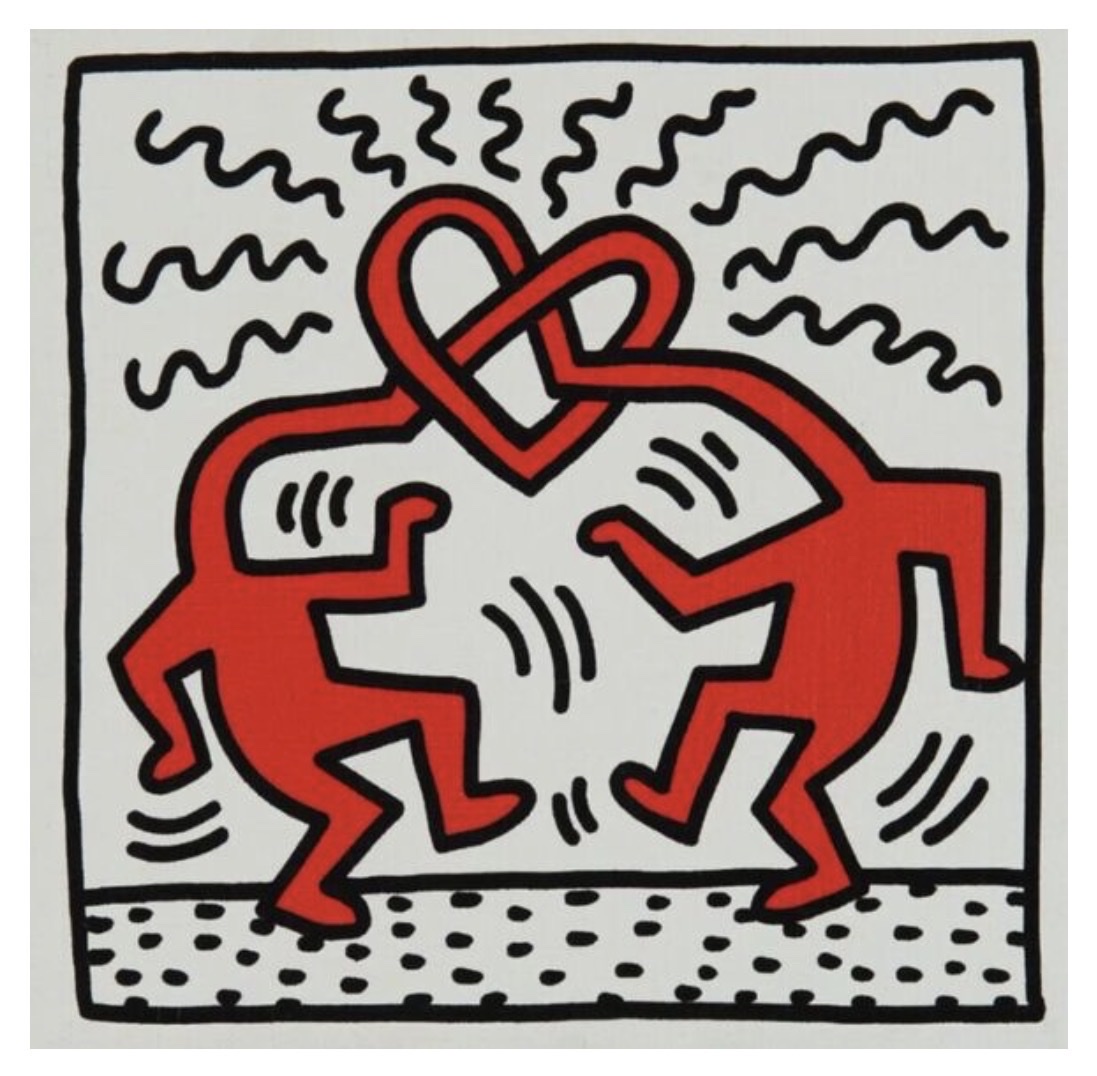
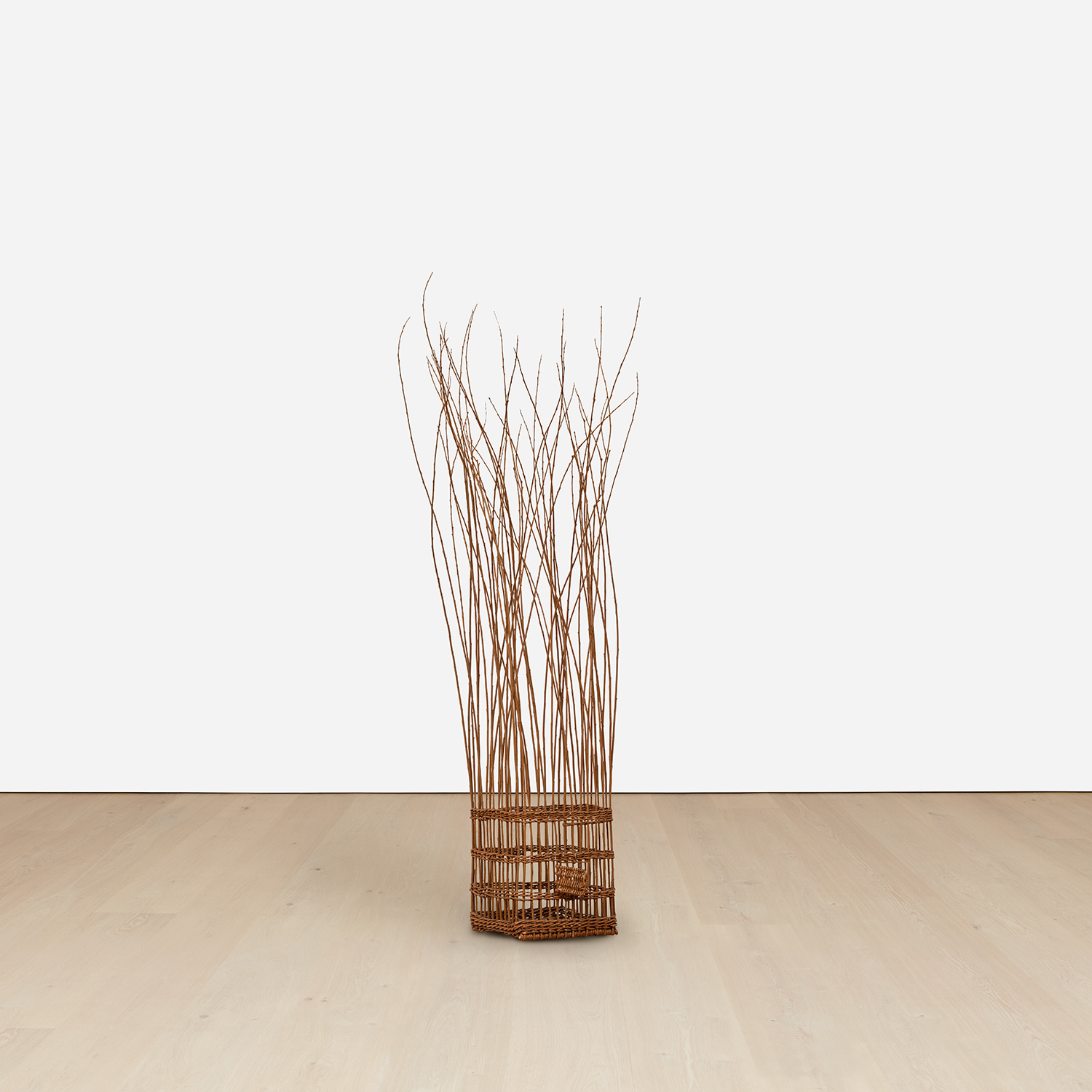
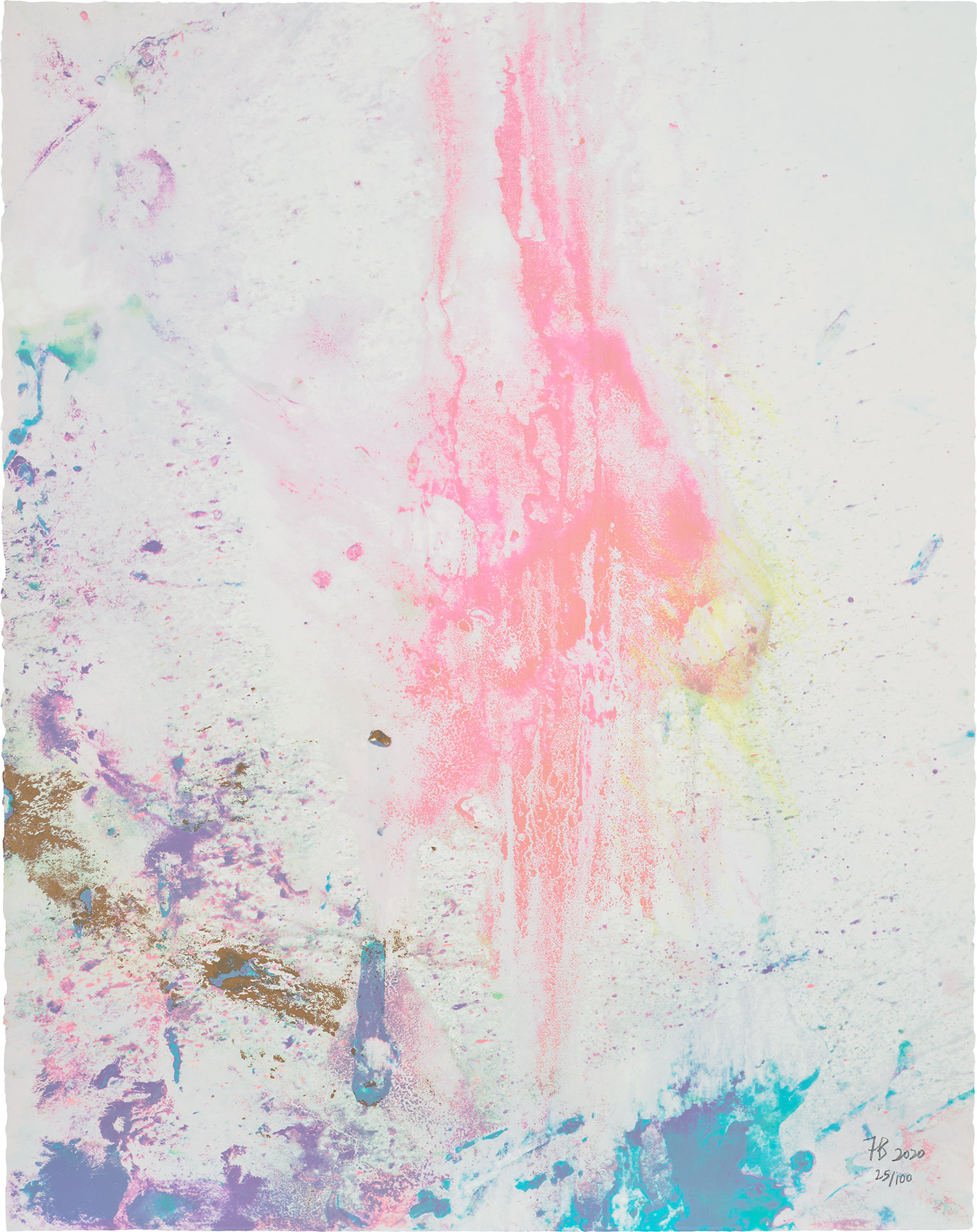
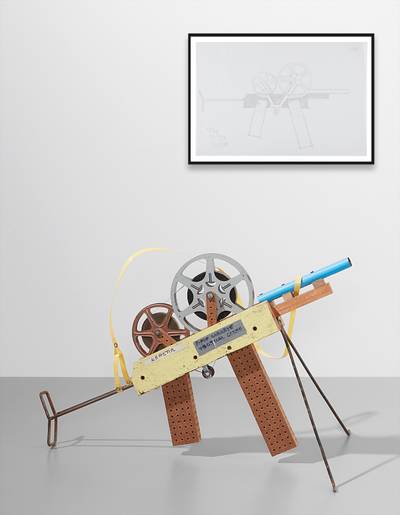
Konstantino Dregos
Lapsus 38, 2014
Benglis in particular occupies a position in the market that is still arguably undervalued relative to her historical significance, and works that demonstrate her engagement with liquid materiality have appreciated meaningfully as her institutional profile has expanded. Mimmo Paladino, associated with the Italian Transavanguardia movement of the 1980s, also brings a sensibility deeply sympathetic to encaustic thinking, even when he works in other media. For collectors watching for emerging or underrecognized voices, Konstantino Dregos represents exactly the kind of artist worth tracking. Working within a tradition that takes material seriousness as a given, younger practitioners in this space tend to move between encaustic and other heat based or wax adjacent processes, and the artists most worth watching are those who use the medium to address contemporary questions about time, memory, and surface without simply aestheticizing the process.
The secondary market for encaustic by younger artists remains relatively thin, which means primary market acquisitions made thoughtfully now carry real upside as institutional visibility grows. At auction, encaustic presents some specific dynamics that collectors should understand before bidding. Works by established figures like Scherman or Cognée have demonstrated consistent demand at the major houses, but the medium's condition sensitivity means that auction estimates can be compressed when provenance documentation around storage and handling is incomplete. Unlike works on paper or canvas, encaustic is less susceptible to some forms of deterioration but highly sensitive to temperature extremes, both heat and deep cold, and to sustained pressure.
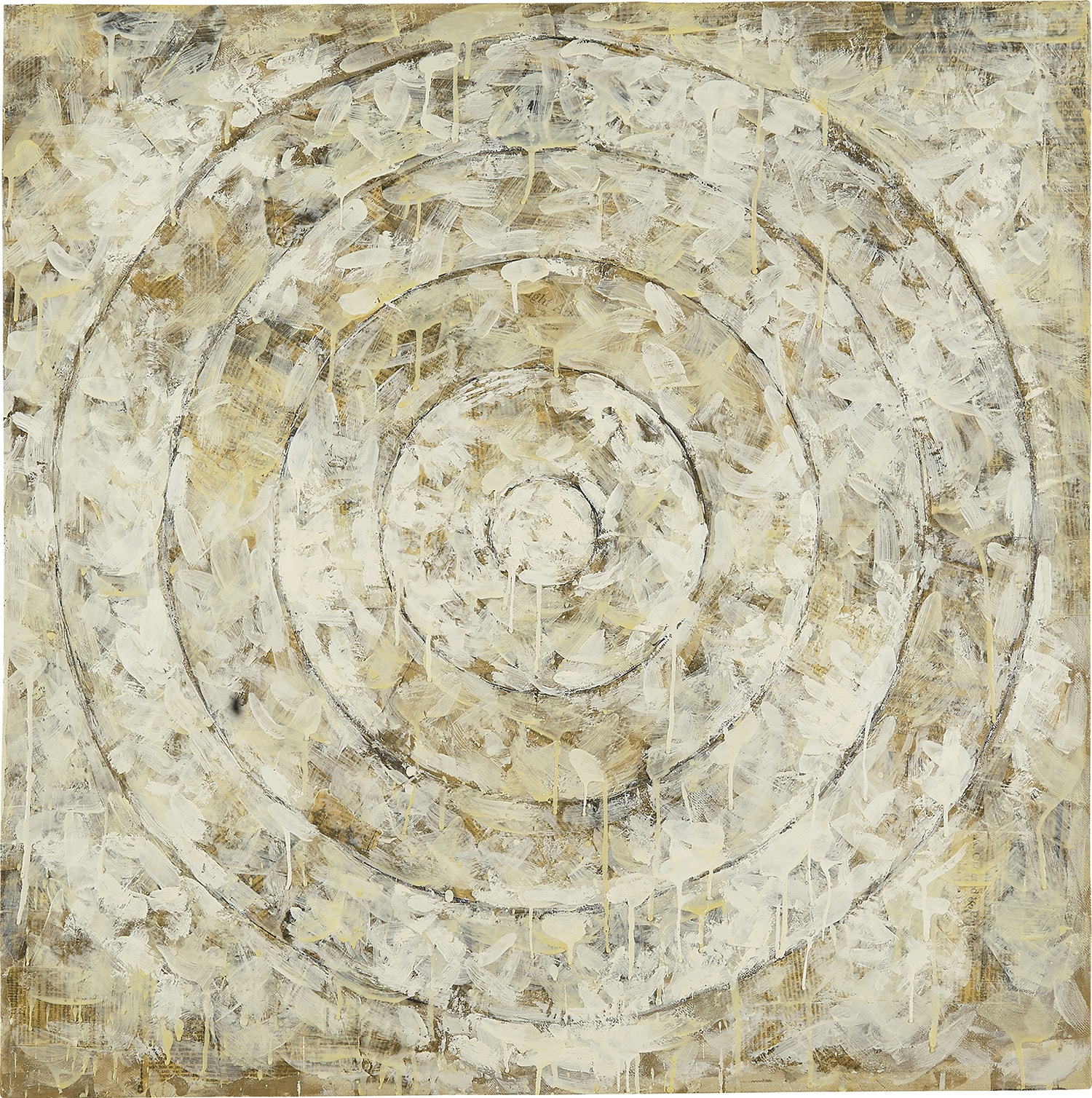
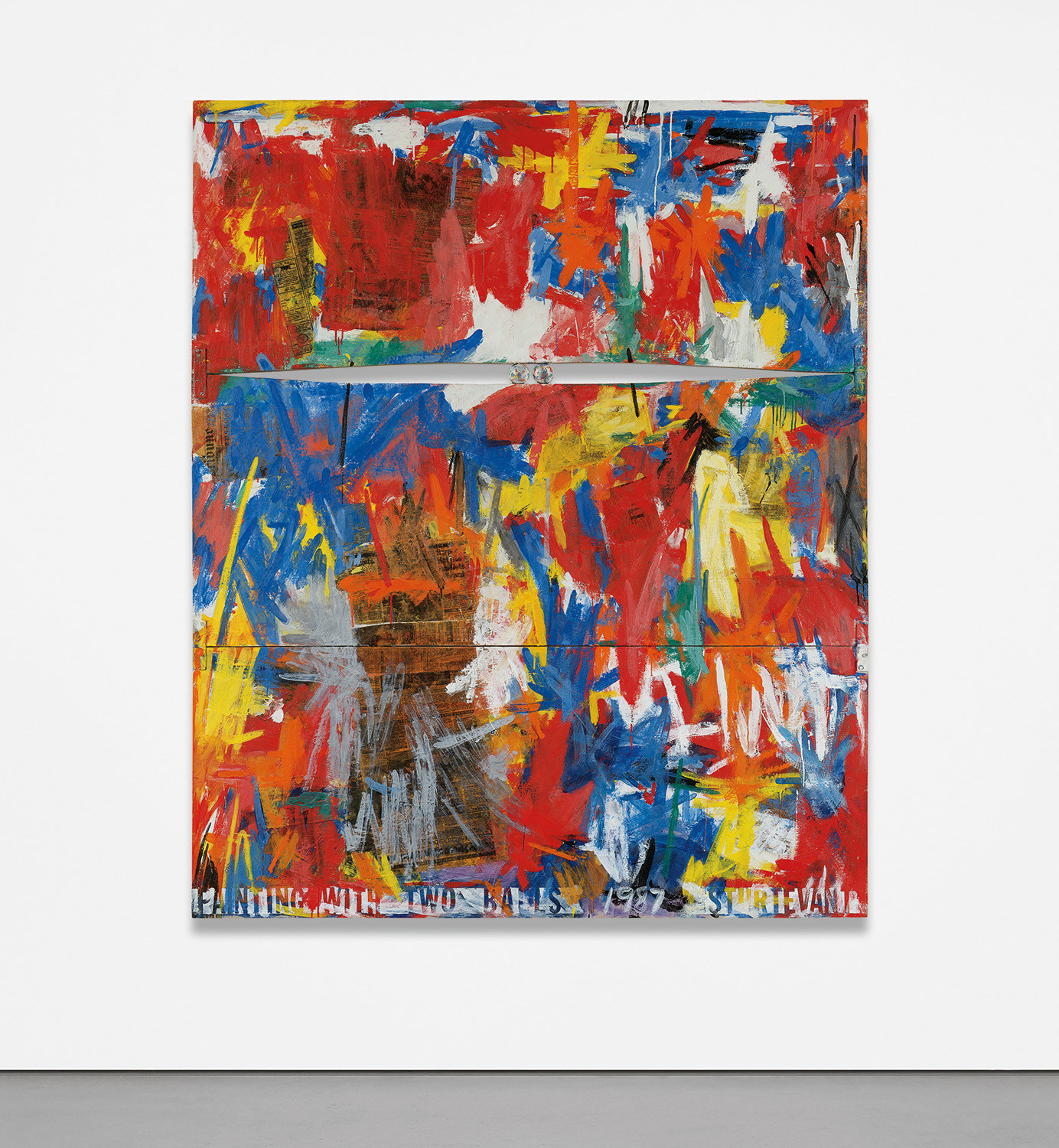
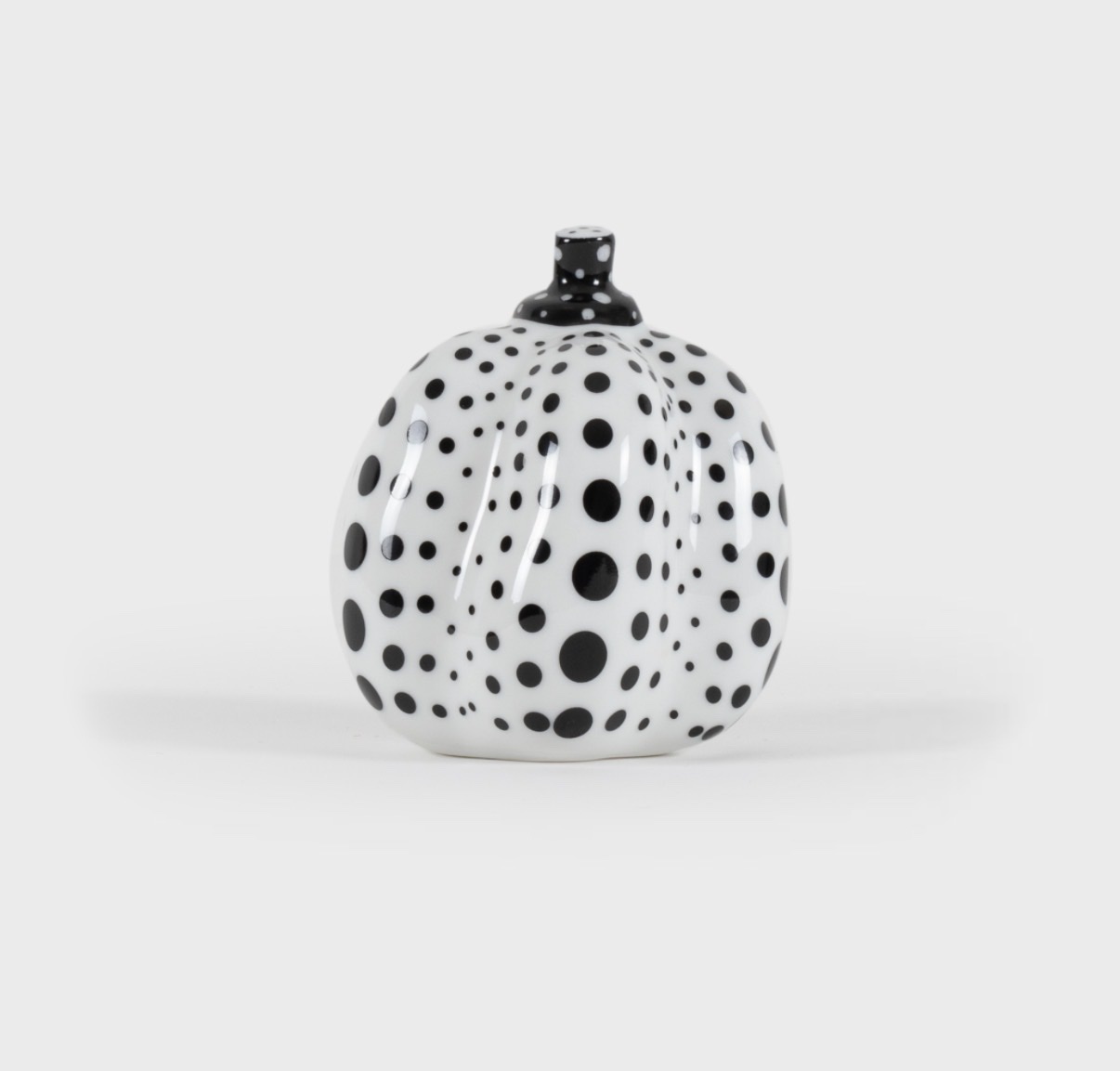
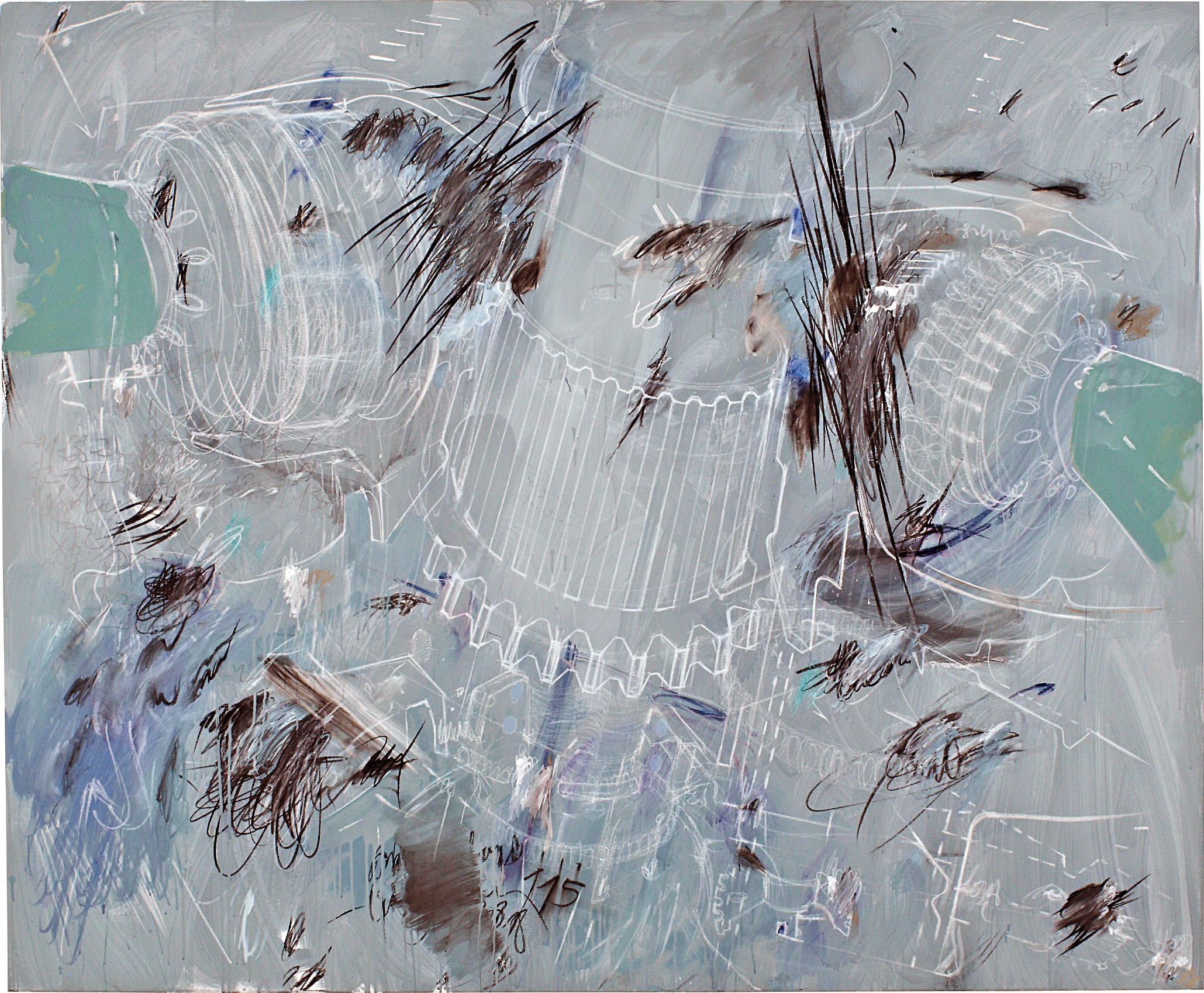
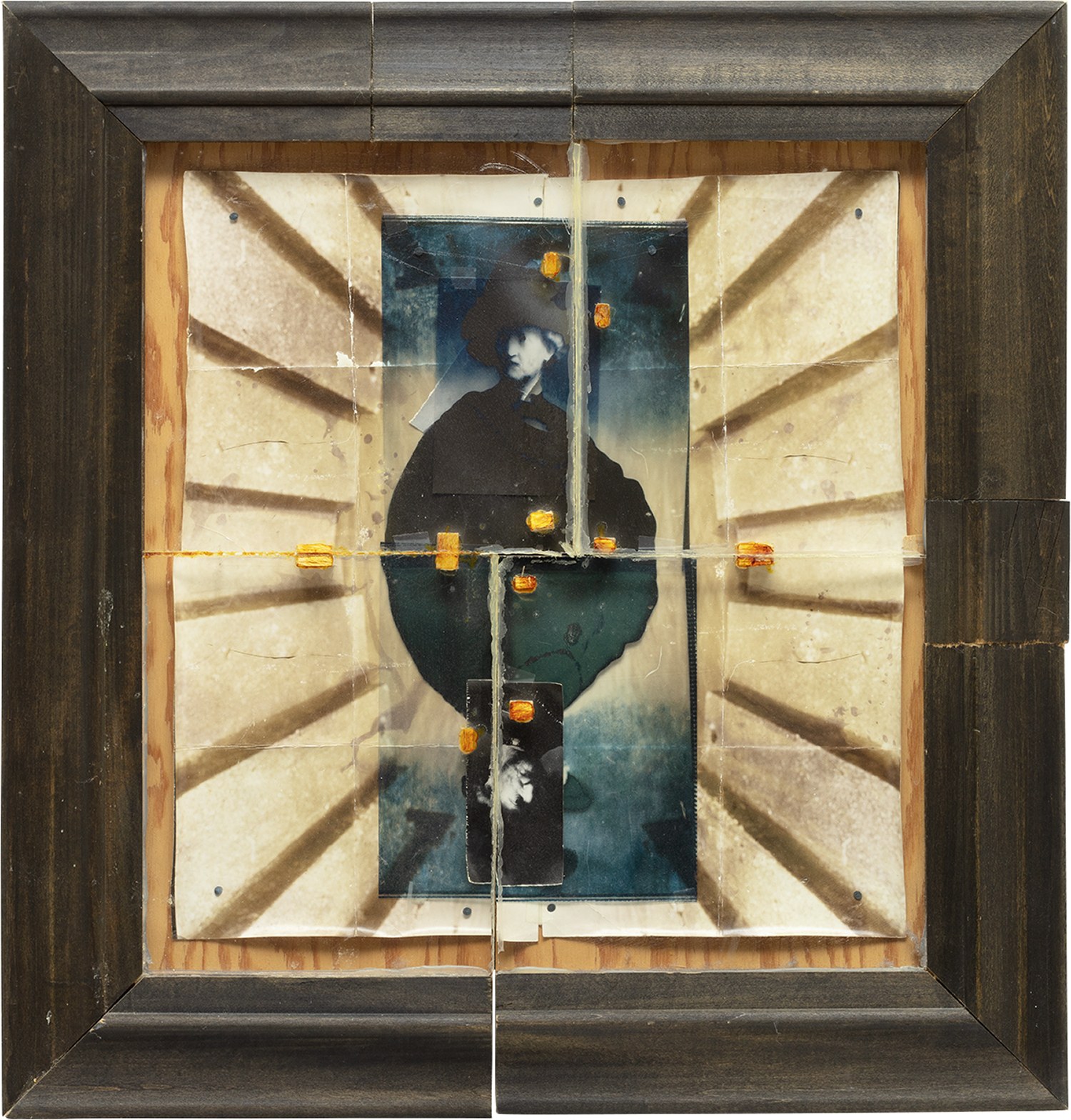
Sturtevant
Johns White Target (First Study), 1986
A work that has been improperly stored, wrapped in materials that contact the surface, or transported without climate control can show damage that is genuinely difficult to remediate. The secondary market rewards condition fastidiousness with a premium that is larger than in many other mediums. Practically speaking, displaying encaustic well means understanding its environmental preferences. Avoid direct sunlight, which can cause blooming or surface migration over time, and maintain stable room temperatures.
Works should hang away from heating vents and exterior walls in climates with dramatic seasonal swings. When working with a gallery on a primary acquisition, ask specifically about the fusing process used and whether the work has been cold waxed as a final layer, which offers some protection, or left with an exposed final surface. Ask about crating specifications for any future transport, and clarify whether the artist has experience with institutional loans, since a work that has traveled well through museum conditions is a meaningful form of due diligence. Unique works in encaustic carry a premium that is generally justified, given how fundamentally the medium resists editioning in any meaningful sense.
When you encounter an edition purportedly in encaustic, scrutinize it carefully. The nature of the process makes true replication nearly impossible, and works described loosely as editions often involve reproduction elements that change the fundamental character of what you are acquiring.