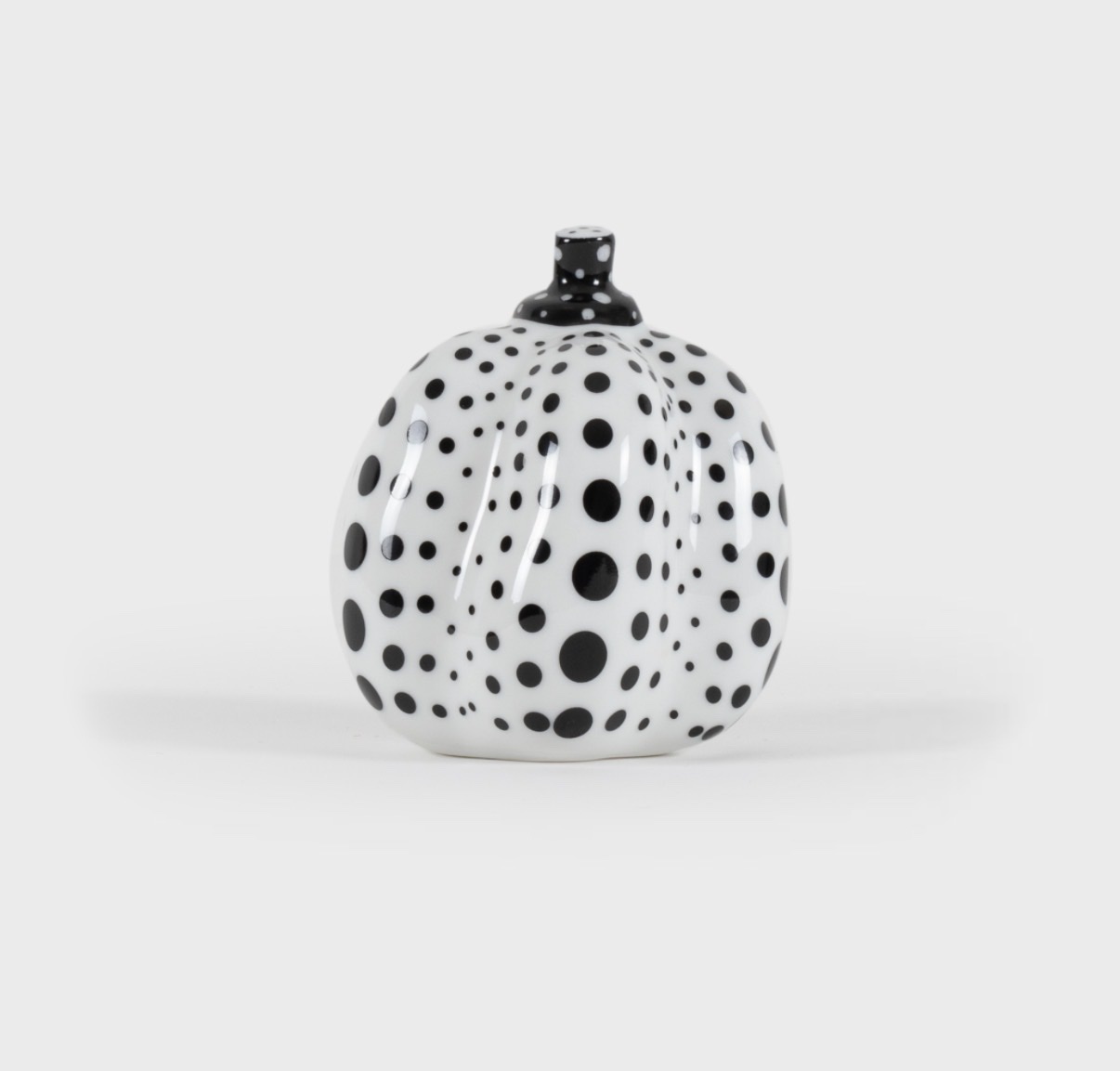
Duality
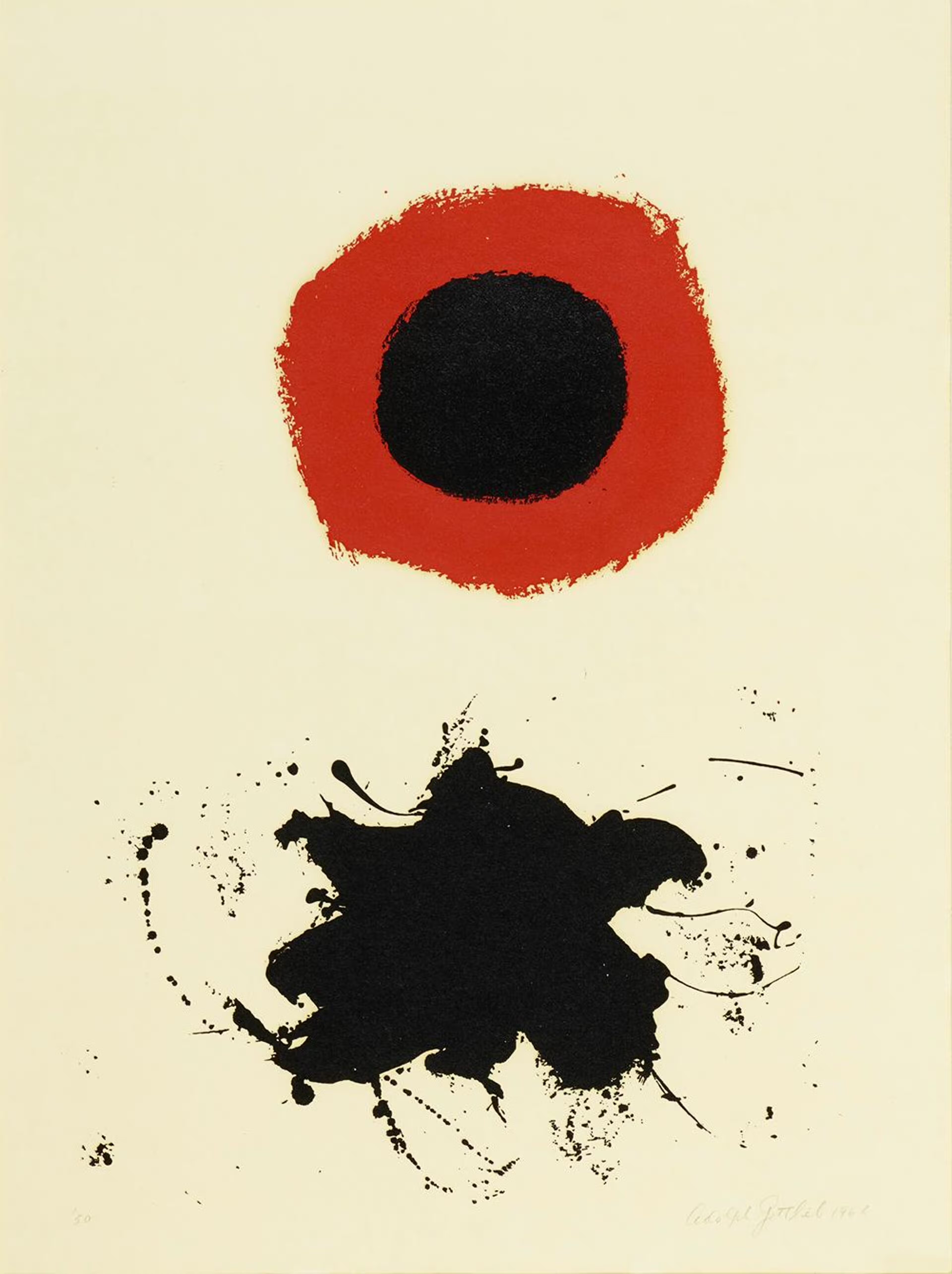
Adolph Gottlieb
Red Halo, White Ground, 1966
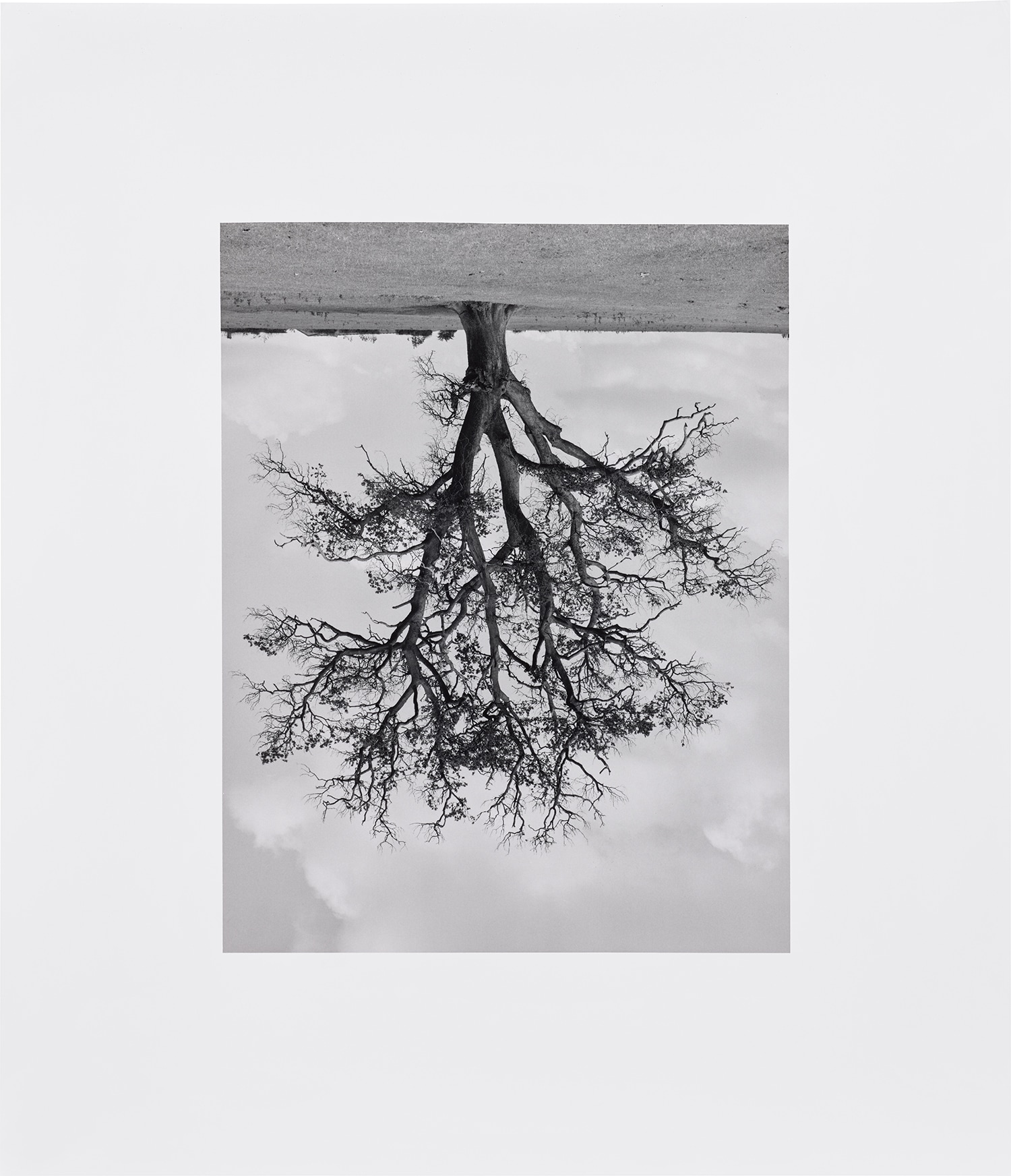
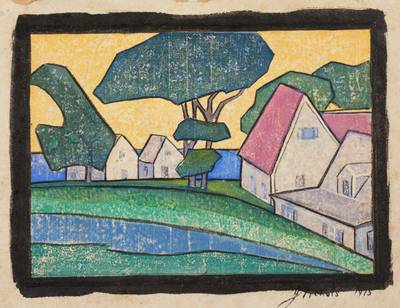
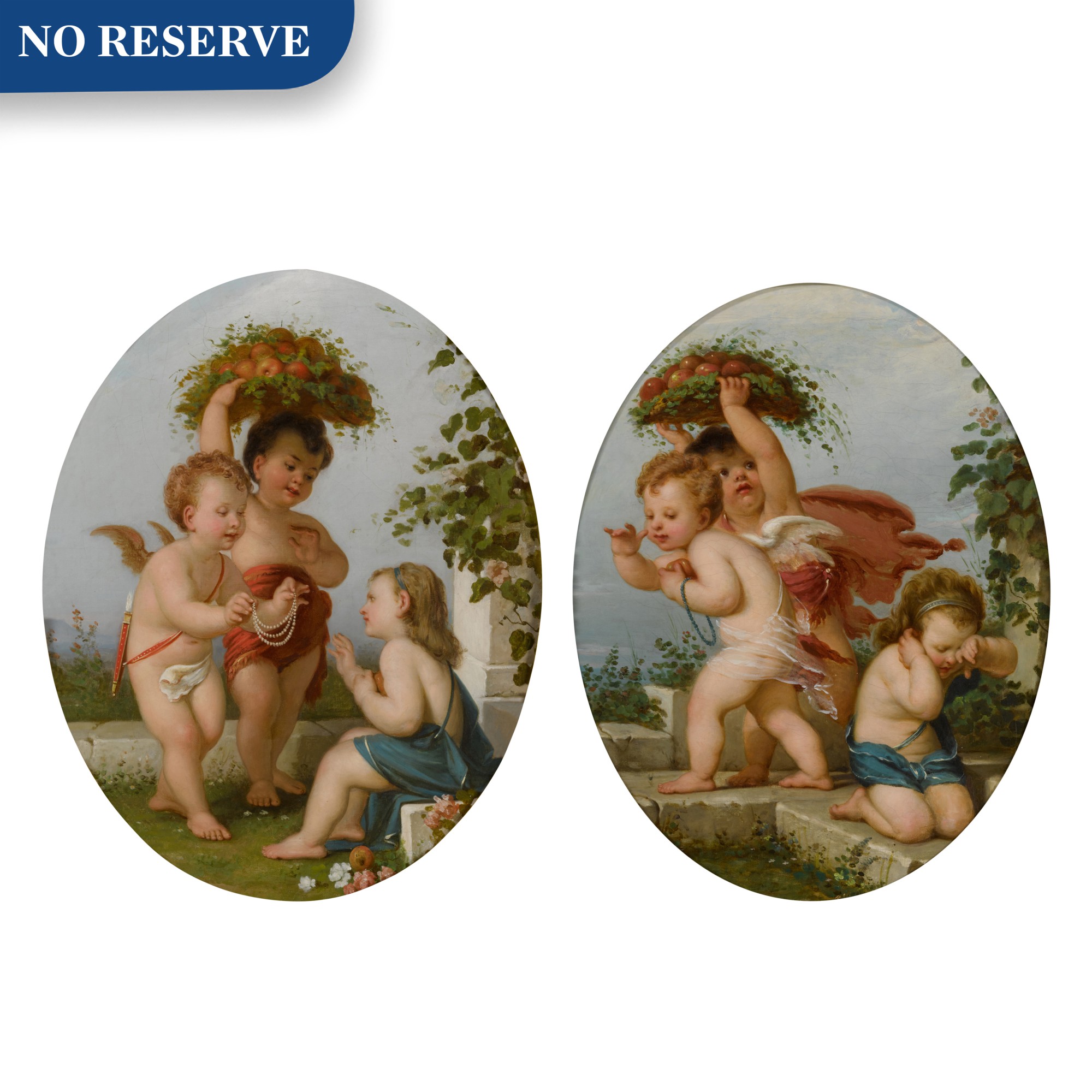
Two Truths: Art's Oldest Obsession Returns
There is something almost primal about the human need to hold two opposing ideas at once. Light and dark, self and other, order and chaos. Long before art history had a vocabulary for it, artists were working out these tensions on cave walls and temple friezes, trying to make visible the contradictions that language alone could never quite resolve. Duality is not a movement or a medium.
It is a condition, and it runs through the history of art like a fault line beneath everything we think we understand. The formal engagement with duality as an artistic strategy gathered real momentum in the twentieth century, when the certainties of the Enlightenment were cracking under the pressure of two world wars and the fracture of a unified self. The Surrealists were among the first to treat contradiction not as a problem to solve but as a space to inhabit. André Breton's 1924 Manifesto introduced the idea of psychic automatism, a method that let the conscious and unconscious minds coexist on the same surface.
Adolph Gottlieb
Red Halo, White Ground, 1966
By the 1940s, American painters associated with Abstract Expressionism had absorbed this spirit and pushed it further, making the canvas a site where interior and exterior states could collide without resolution. Adolph Gottlieb is a figure who understood this instinctively. His Burst paintings, which he began developing in the late 1950s, place a hovering, luminous orb above a ragged, explosive mass. The works say nothing definitive about what these two elements mean in relation to each other.
That is precisely the point. Gottlieb resisted symbolic certainty and let the visual tension speak for itself, trusting the viewer to feel the pull between calm and violence, ascent and rupture. Works by Gottlieb appear on The Collection, and they reward exactly this kind of slow looking. Victor Vasarely brought a different intelligence to the problem.
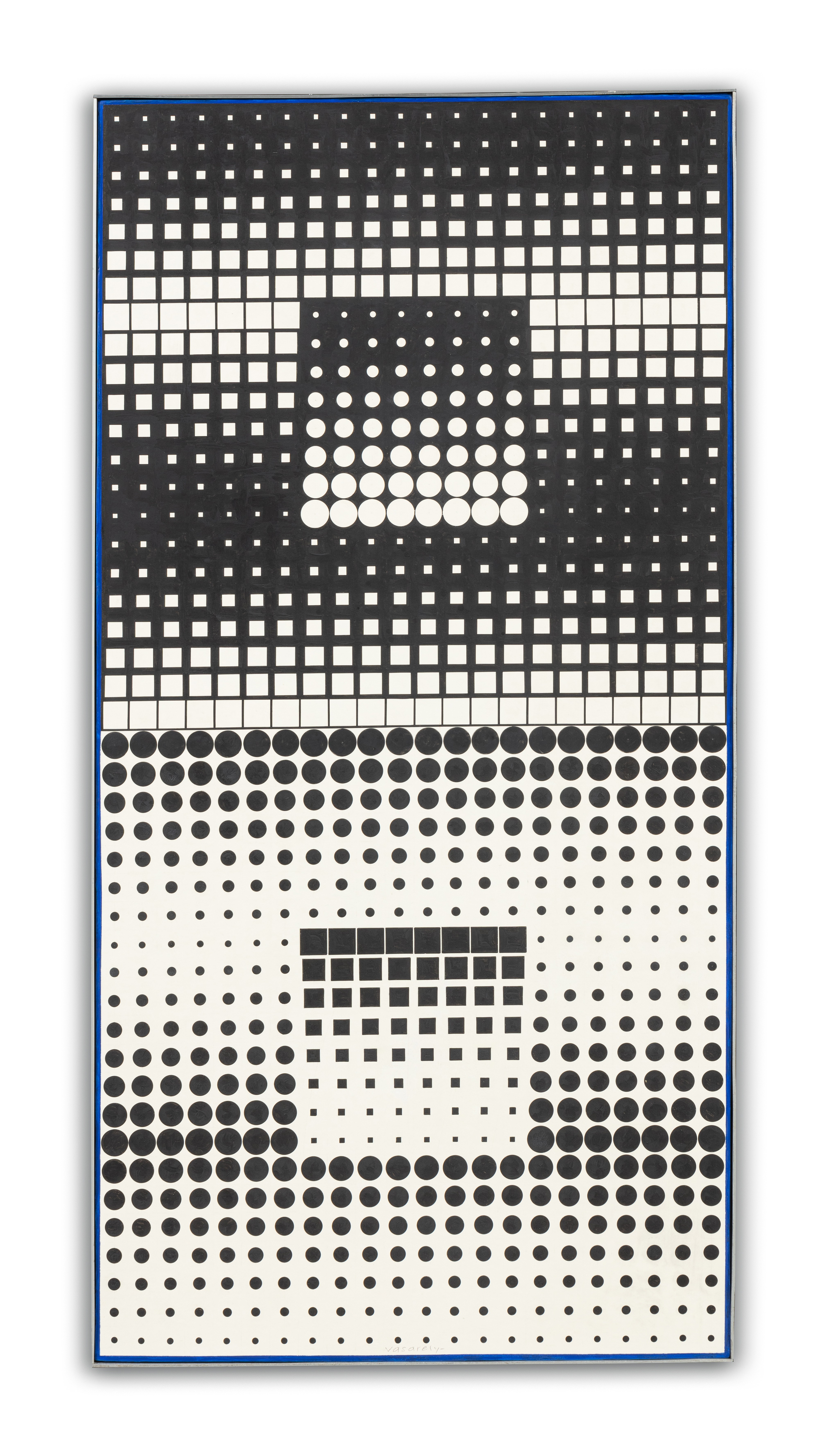
Victor Vasarely
Paar, 1966
Where Gottlieb worked through painterly intuition, Vasarely pursued duality as a scientific proposition. His Op Art investigations from the 1960s onward turned the flat picture plane into a field of competing perceptions, where form advances and recedes simultaneously, where figure and ground refuse to settle into hierarchy. Vasarely believed that art could model a new kind of seeing, one that acknowledged ambiguity as a feature rather than a flaw. His work sits in conversation with a longer tradition of visual paradox that stretches back to Renaissance anamorphosis and forward to the glitch aesthetics of digital art today.
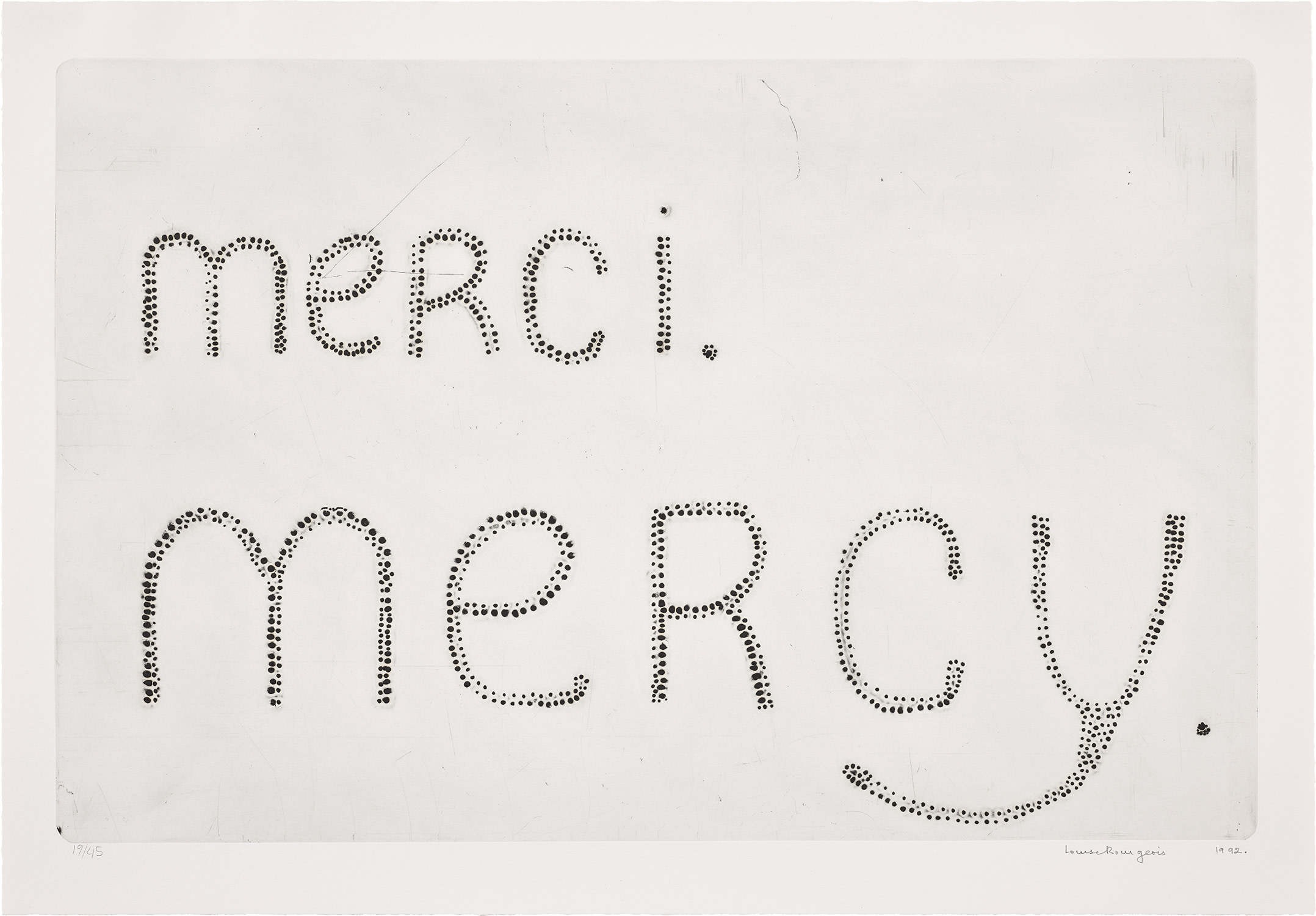
The relationship between self and constructed identity became another essential theater for duality in the latter half of the twentieth century. Louise Bourgeois spent decades making work about the divided self, about the way childhood and adulthood, vulnerability and aggression, the personal and the archetypal all occupy the same psychic space. Her Cells installations of the 1990s are perhaps the most architecturally realized version of this, creating environments where the viewer is simultaneously inside and outside, observer and observed. Bourgeois, whose work is represented on The Collection, described her practice as a form of exorcism, though it might equally be understood as a form of negotiation between irreconcilable forces.
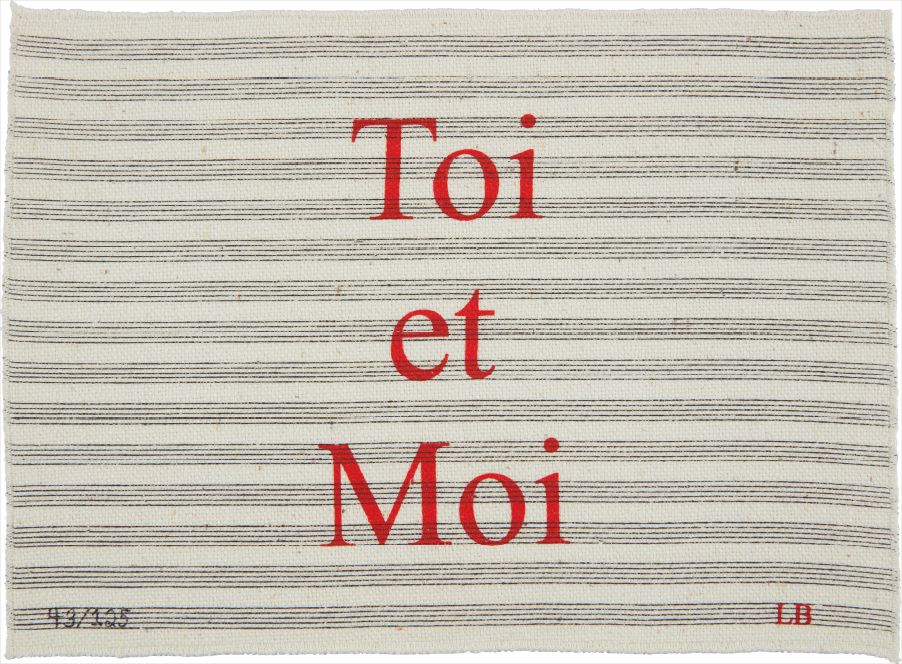
Louise Bourgeois
Toi et Moi
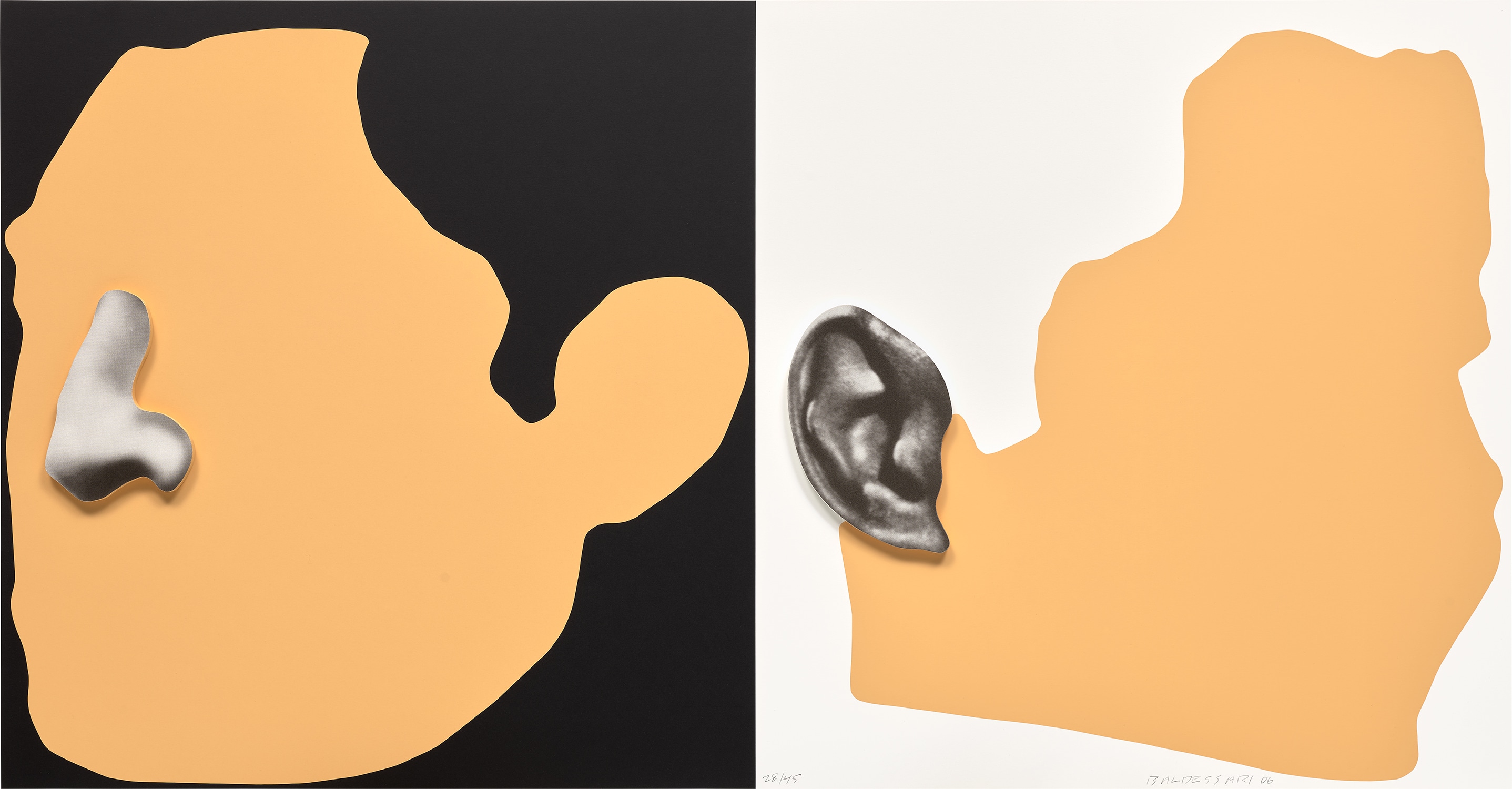
John Baldessari approached the question from a conceptual angle, treating language and image as two systems perpetually out of sync with each other. His work from the late 1960s onward exploited the gap between what a picture shows and what words claim it means, finding in that gap a kind of productive absurdity. Douglas Gordon, working several decades later and clearly alive to Baldessari's legacy, made duality the explicit subject of his most celebrated work. His 24 Hour Psycho, first shown at the Tramway in Glasgow in 1993, stretched Hitchcock's film across an entire day, turning a thriller into a meditation on memory, time, and the uncanny double that cinema creates of every moment it captures.
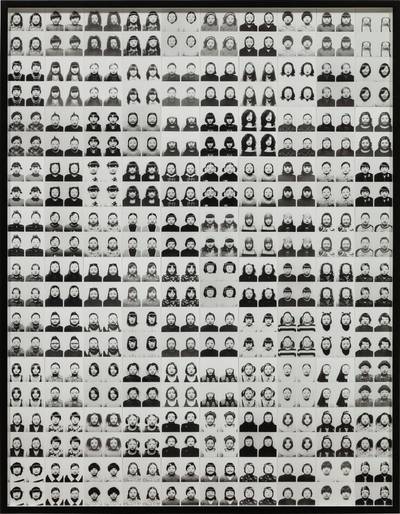
Tomoko Sawada has spent her career exploring what it means to be one person and many simultaneously. Her photographic series, in which she assumes dozens of distinct personas through costume, makeup, and performance, press hard on the idea that identity is not a stable quantity but a repertoire. Sawada's work sits in a lineage that includes Cindy Sherman while reaching toward something distinctly quieter and more sociological. Similarly, Julia Jo brings a painterly intensity to questions of selfhood and belonging, her canvases holding competing emotional registers in careful suspension.
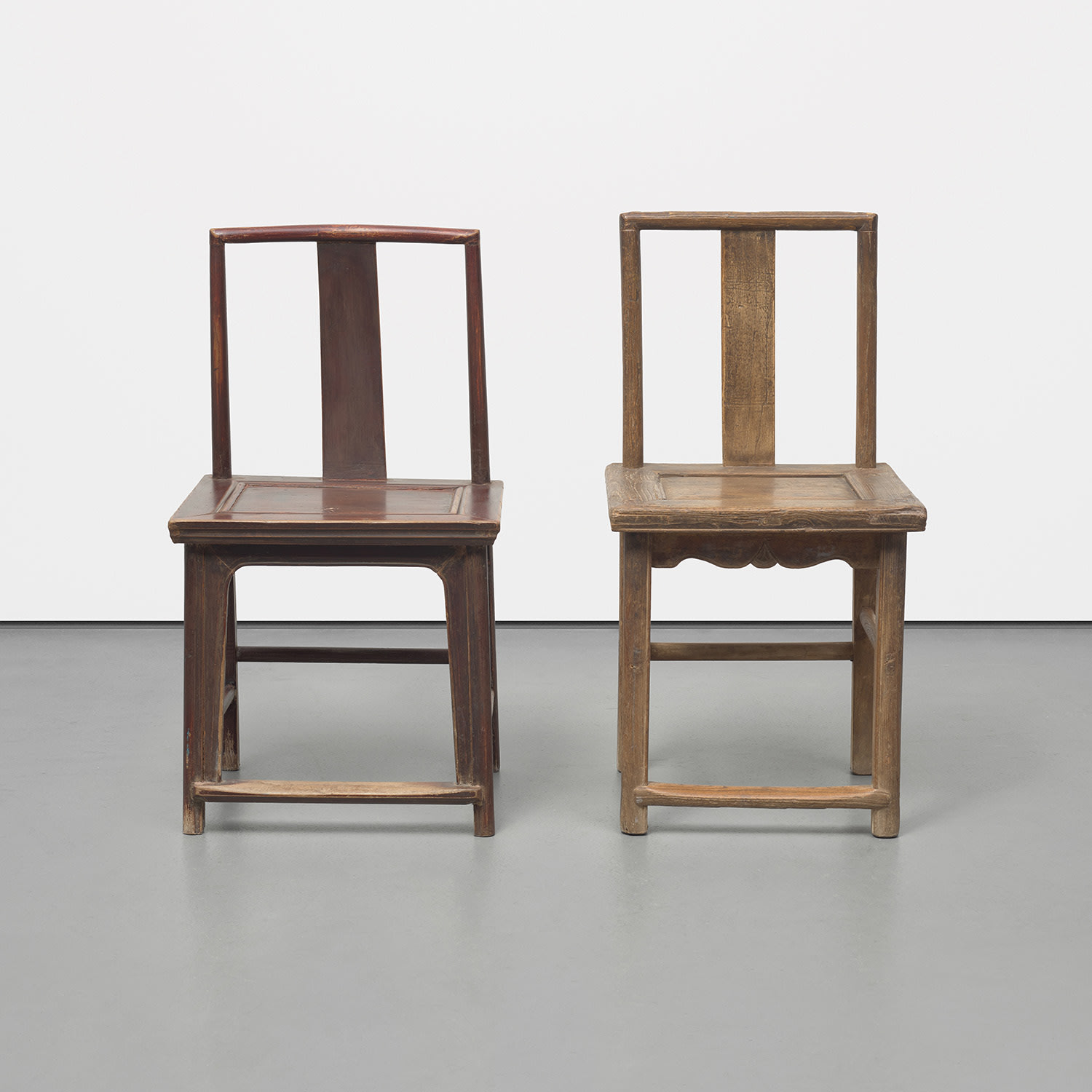
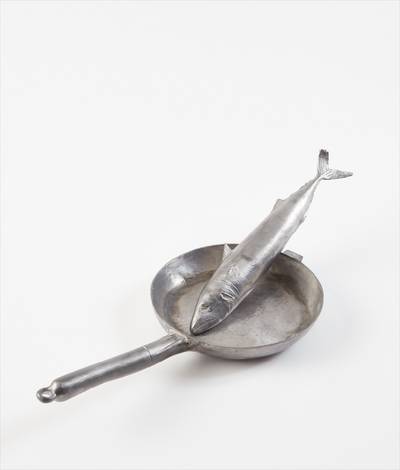
Ai Weiwei
Two works: (i), 2007
Both artists, represented on The Collection, use the surface of the image as a place where contradictions do not cancel each other out but instead charge the work with meaning. Ai Weiwei has consistently made duality a political matter. His practice holds together the monumental and the intimate, the historical and the urgently contemporary, tradition and rupture. His engagement with Chinese cultural heritage and his unflinching critique of state power are not separate threads.
They are the same thread, pulled in opposite directions at once, and the tension between them is where the work lives. To look at Ai's practice is to understand that duality is not always an aesthetic choice. Sometimes it is simply the shape that truth takes under pressure. Lucy Bull's abstract paintings offer a more purely optical version of this condition, one that feels very much of this moment.
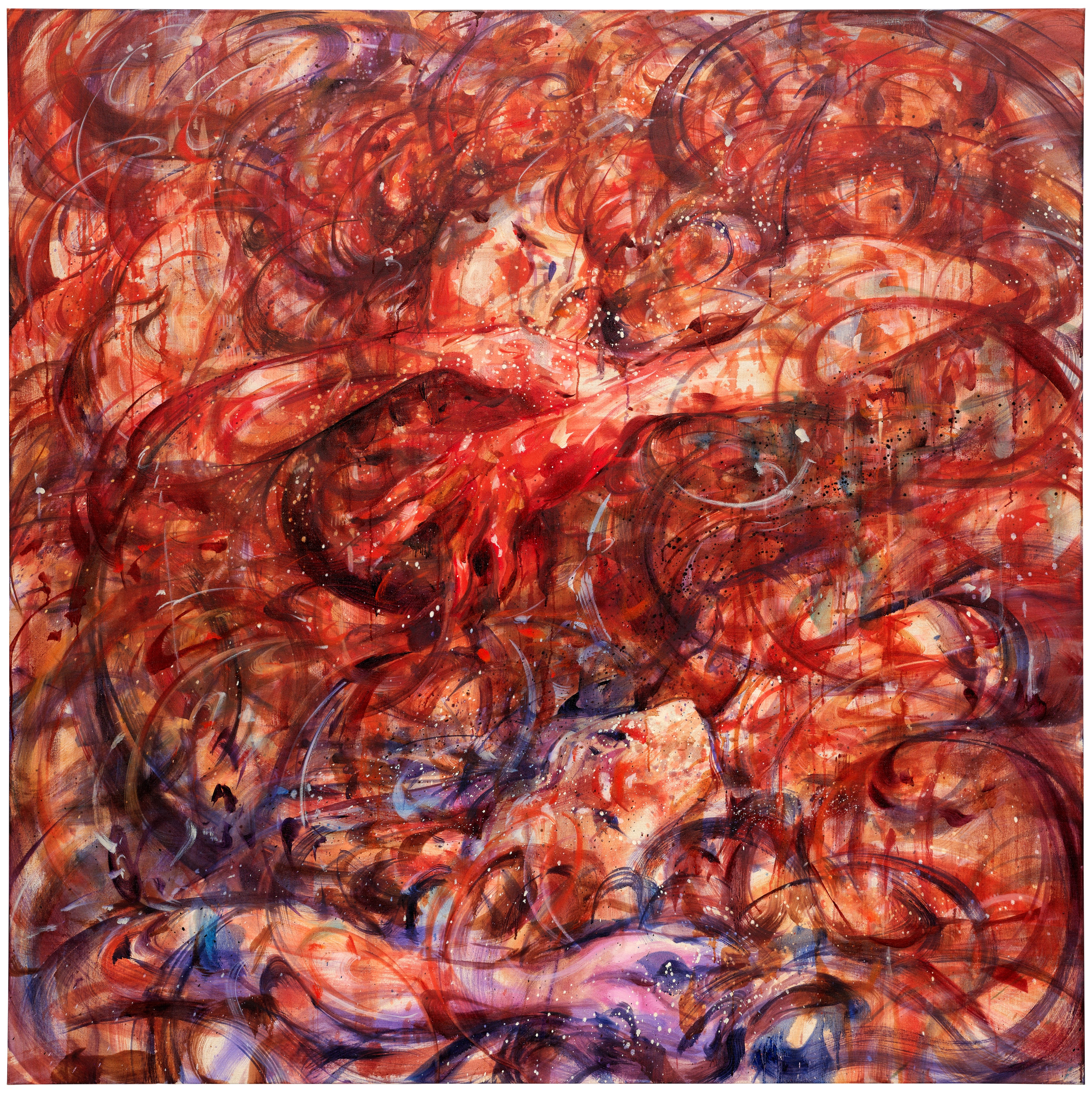
Her layered, luminous surfaces generate competing spatial readings, pulling the eye into depth while simultaneously insisting on the flatness of the support. They are paintings about the experience of looking, which is to say they are paintings about the impossibility of ever seeing just one thing at a time. This is perhaps what makes duality such a durable and generative theme across art history. It does not describe a style or belong to a period.
It describes how consciousness actually works, always holding the world in more than one way at once, always aware that the opposite of any true thing is also, somehow, true.