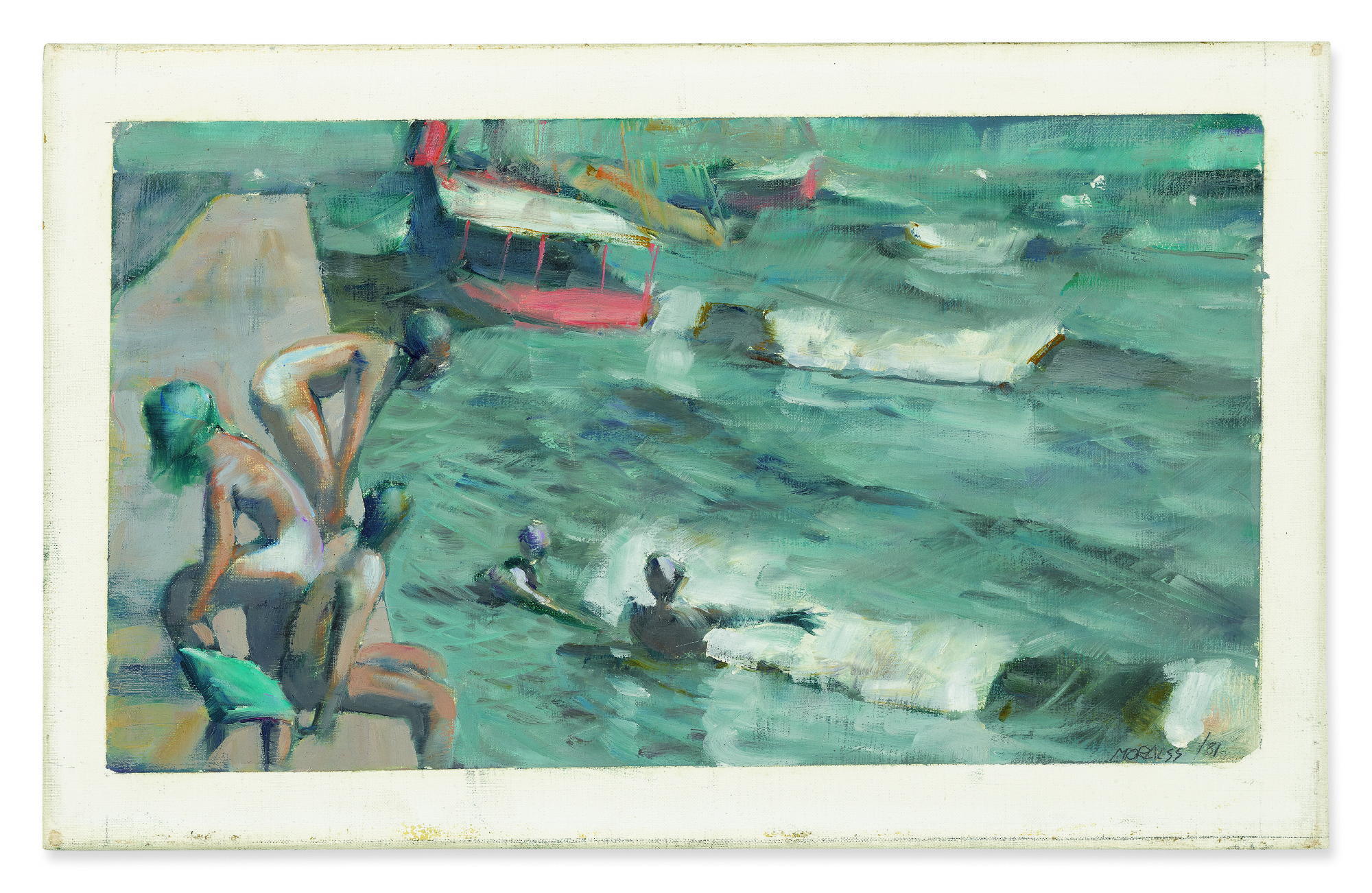
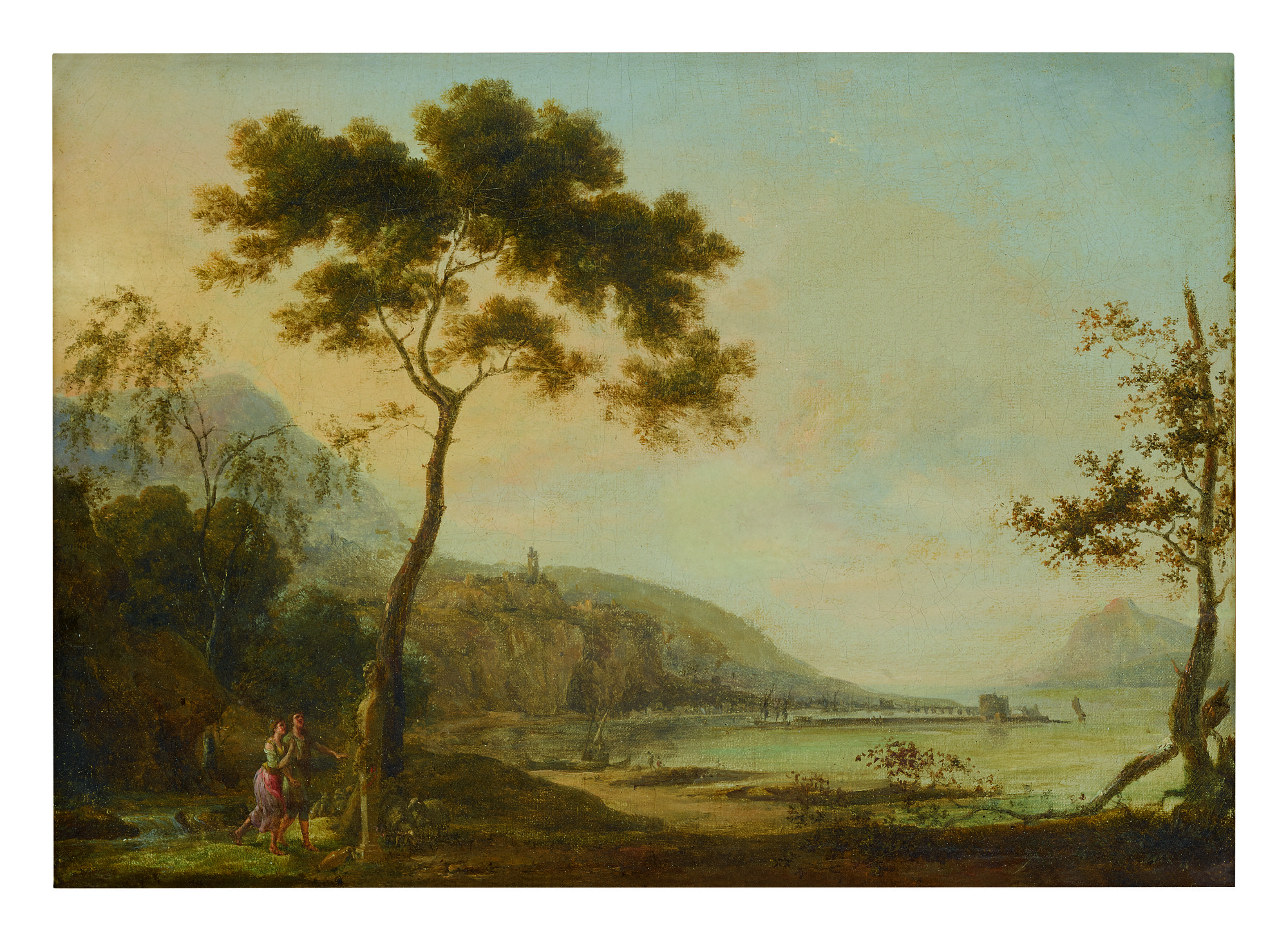
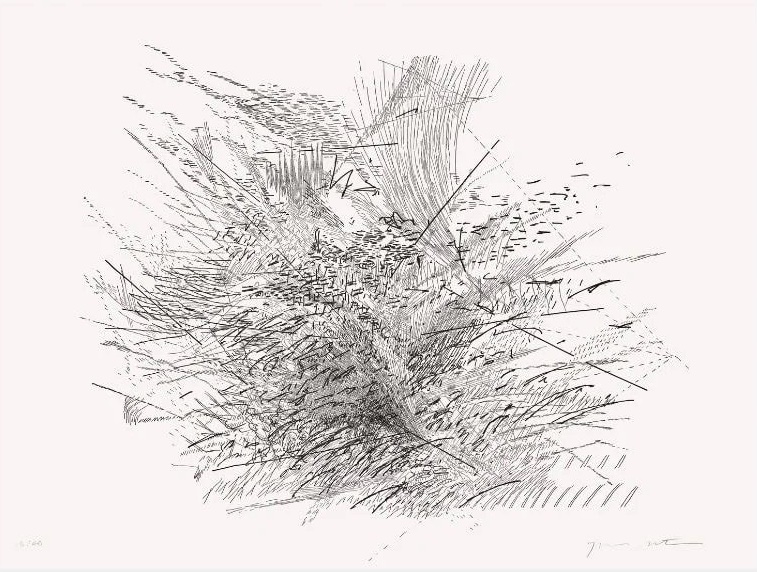
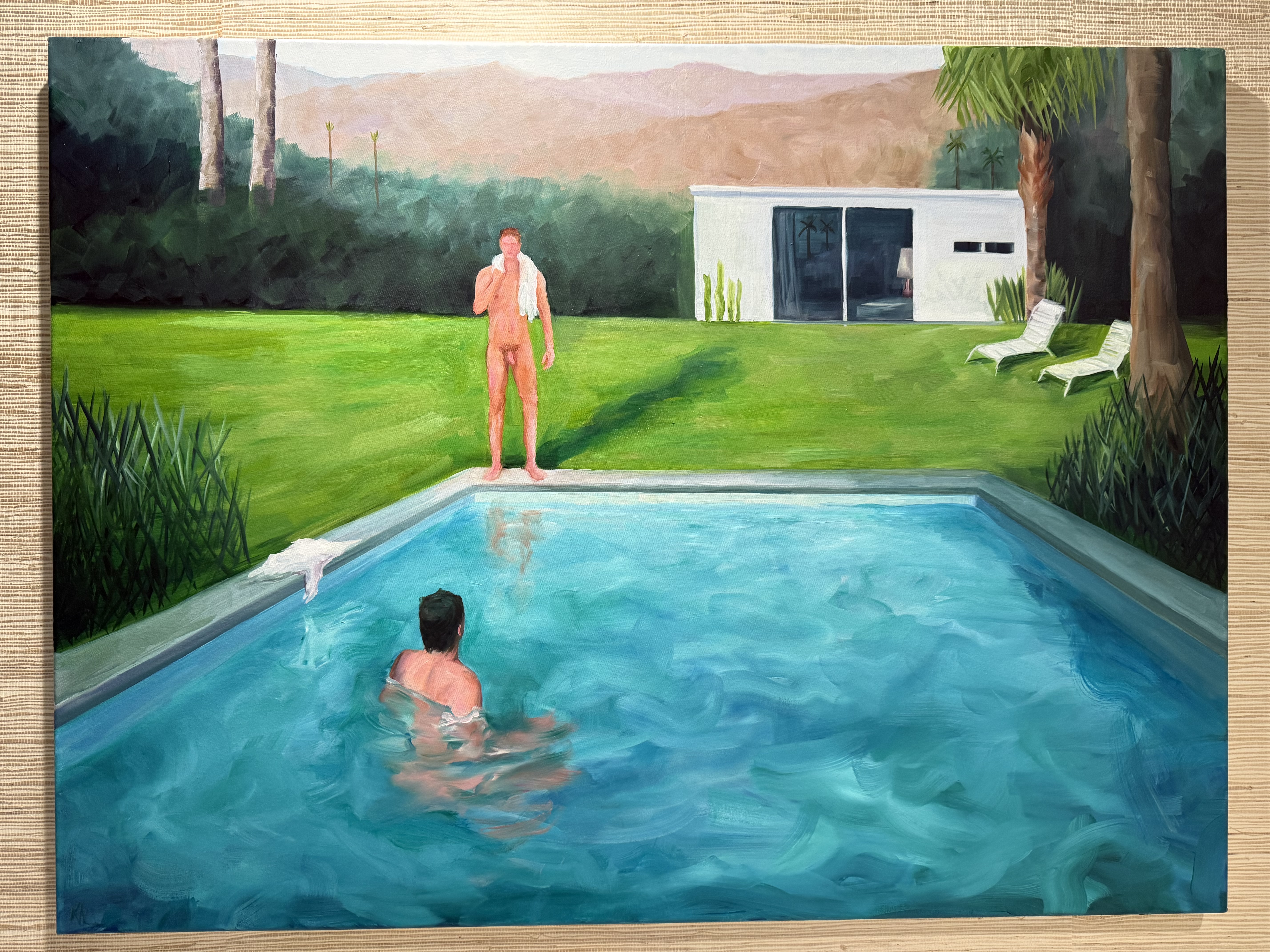
Coastal Scene

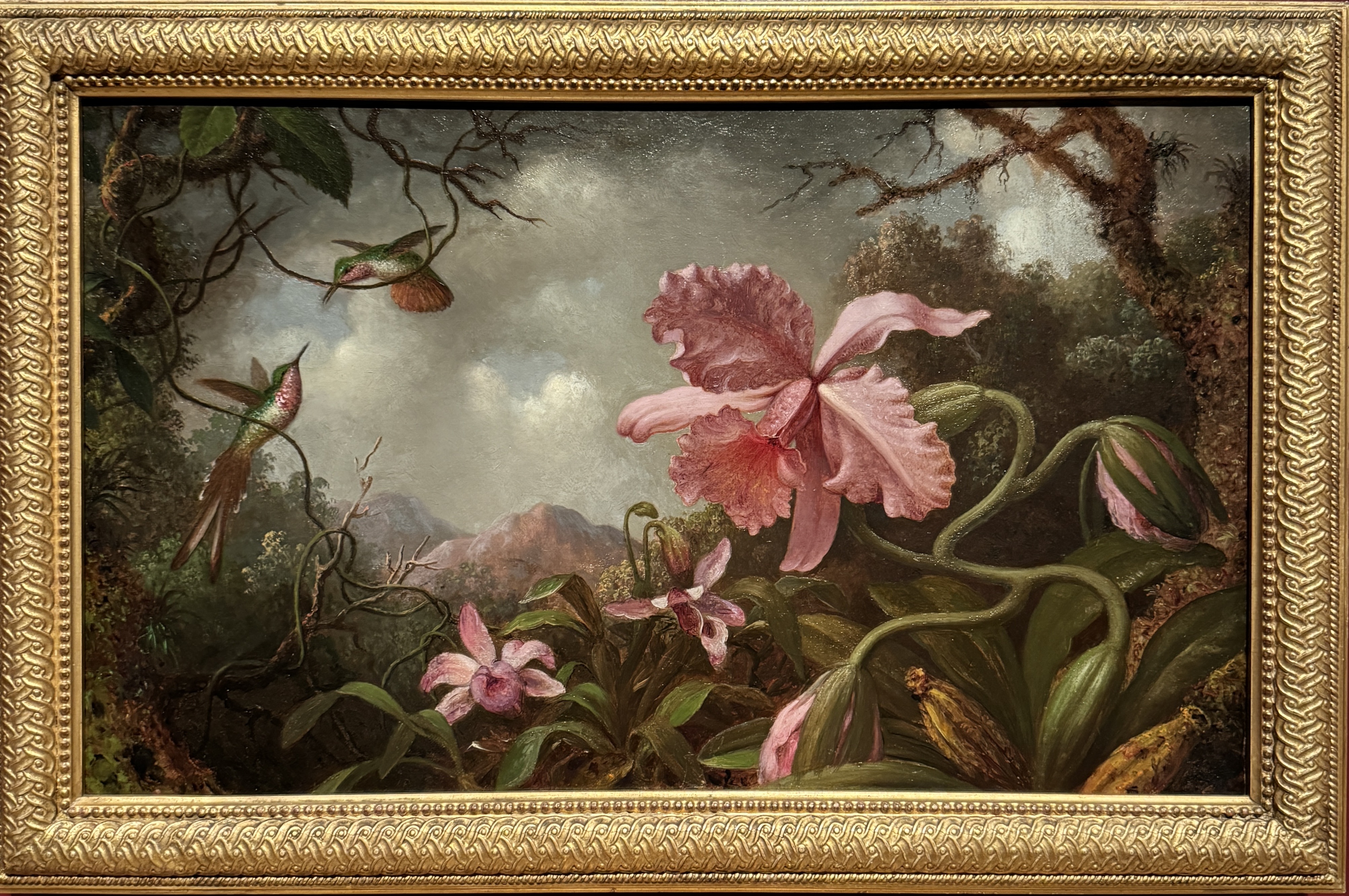
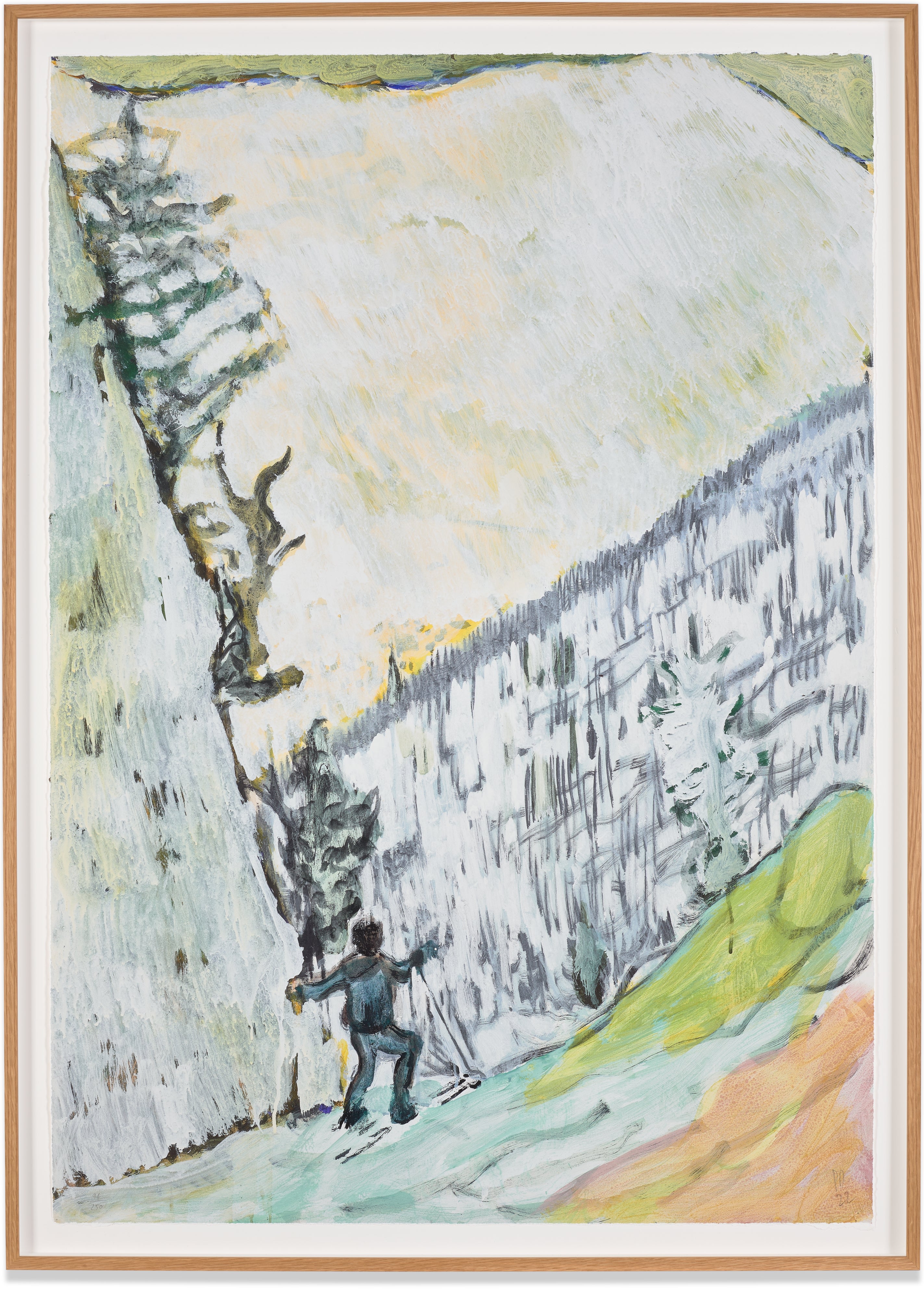
Julian Opie
Cornish Coast 2: Gribbin Head, 2017



The Sea Has Always Known Its Collectors
There is something almost confessional about choosing to live with a coastal scene. It suggests a person who finds comfort in the edge of things, in that charged and restless boundary where land dissolves into water and the light refuses to behave itself. Collectors who gravitate toward this subject tend not to be decorators in any superficial sense. They are drawn to what the sea represents as much as what it depicts: impermanence, scale, the particular melancholy of a horizon.
A well chosen coastal work does not simply fill a wall. It opens one. The question of what separates a competent coastal painting or photograph from a genuinely great one is worth sitting with carefully before spending. The most obvious trap is sentimentality.
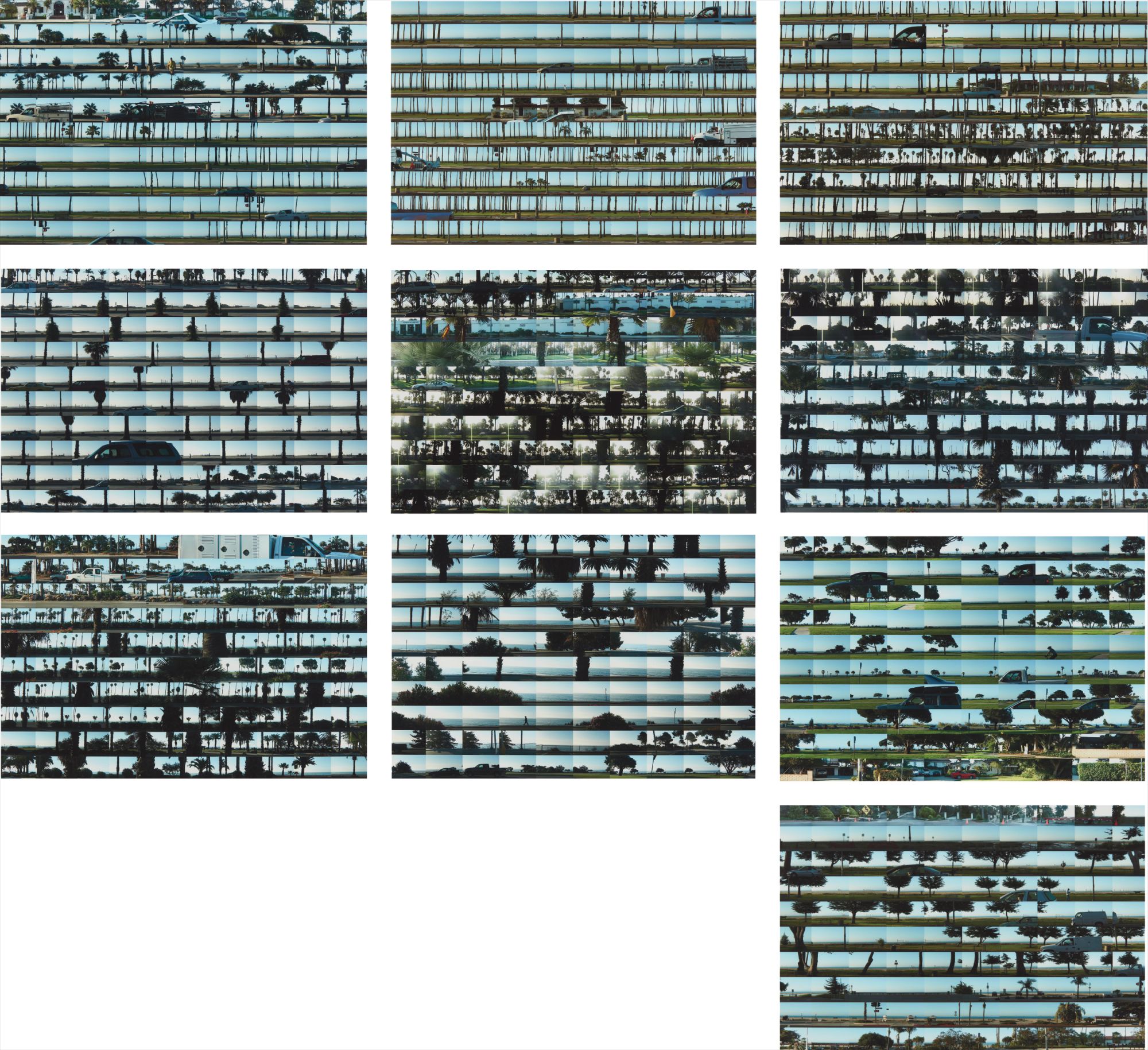
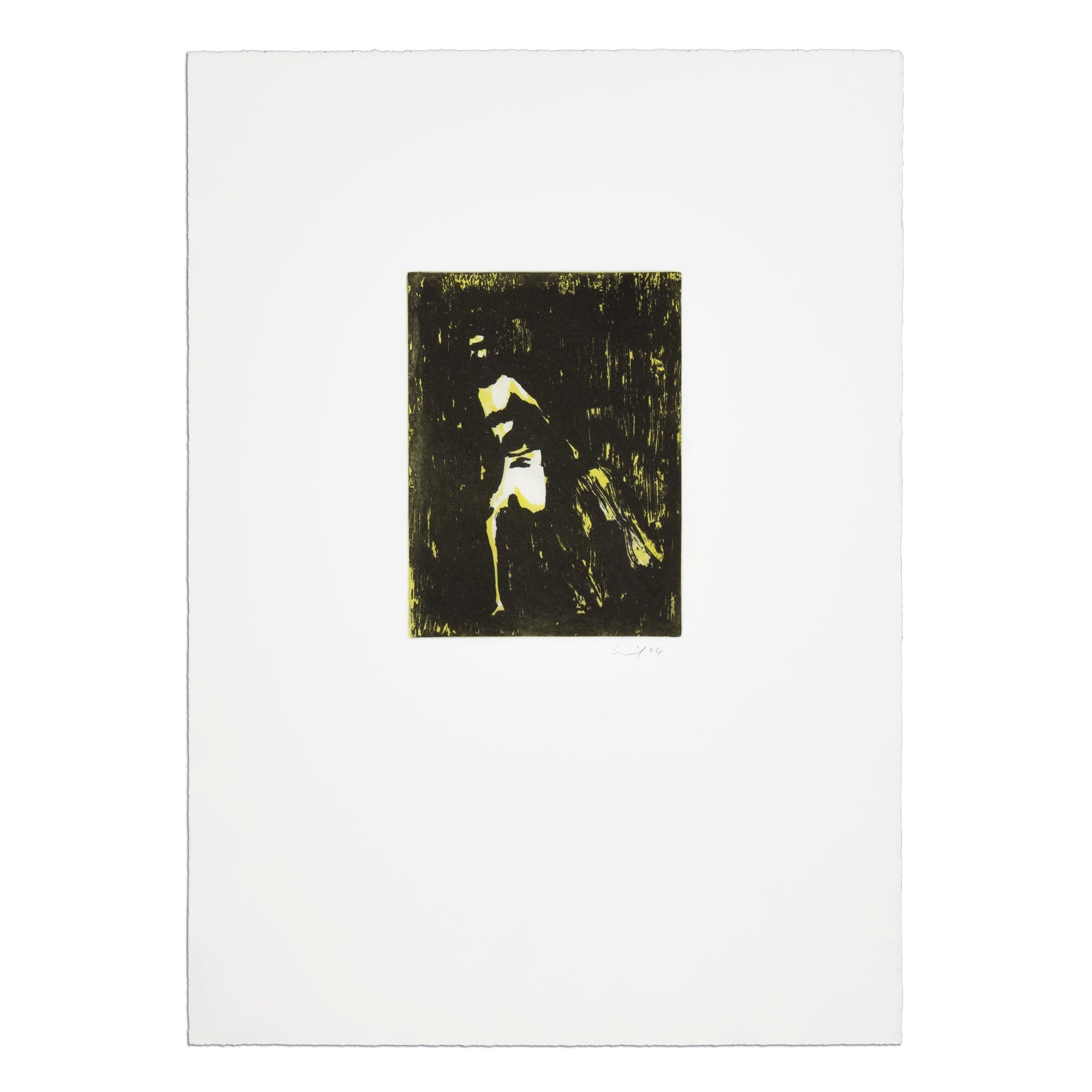
Robbert Flick
Along Cabrillo Boulevard
Coastal imagery has a long history of being produced for the tourist trade, and a great deal of technically proficient work exists that flatters the eye without doing anything more demanding. What elevates a work into something worth serious collecting is usually the same quality that elevates any great art: a particular point of view. The best works in this genre do not simply record the sea. They record a consciousness encountering it.
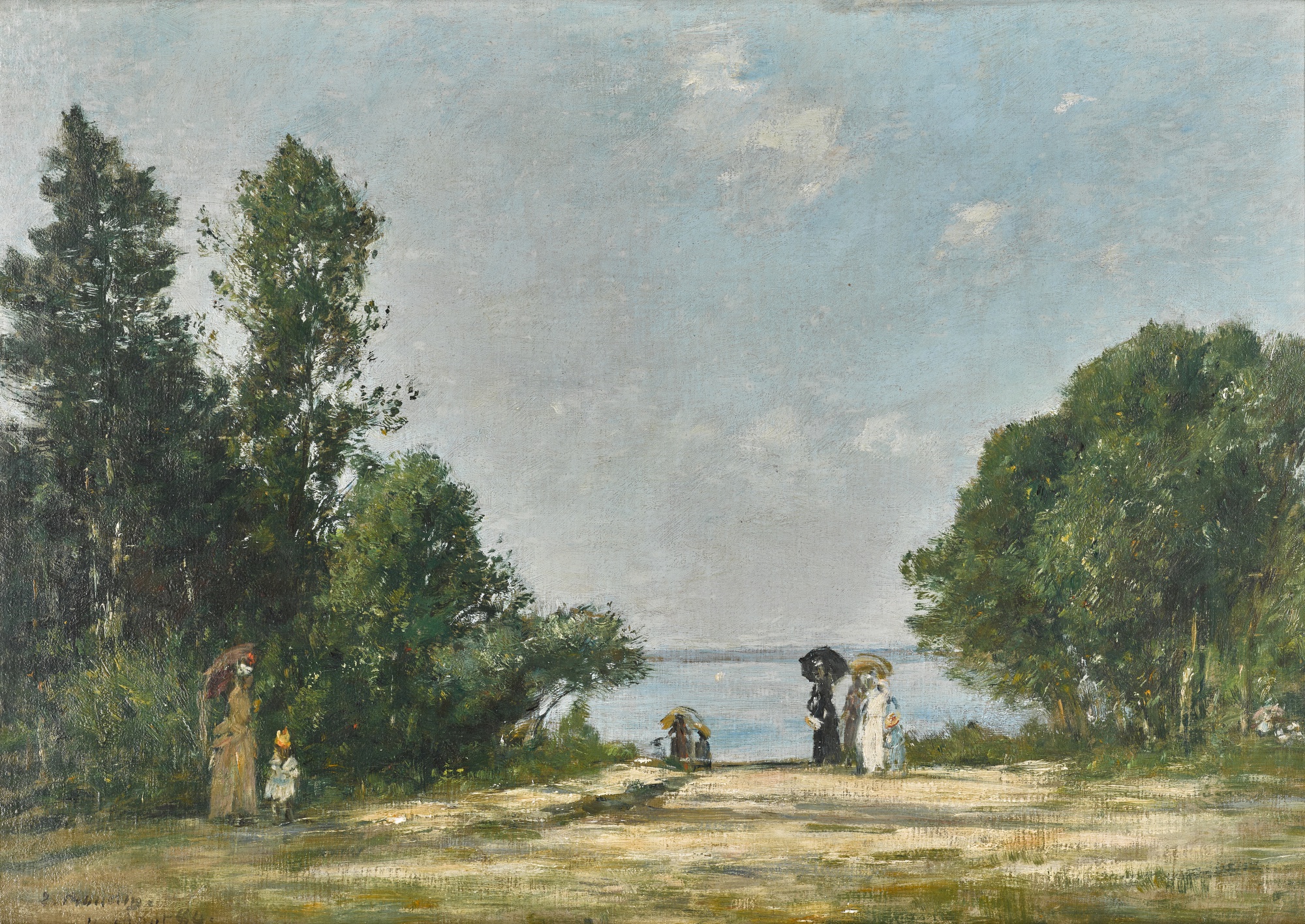
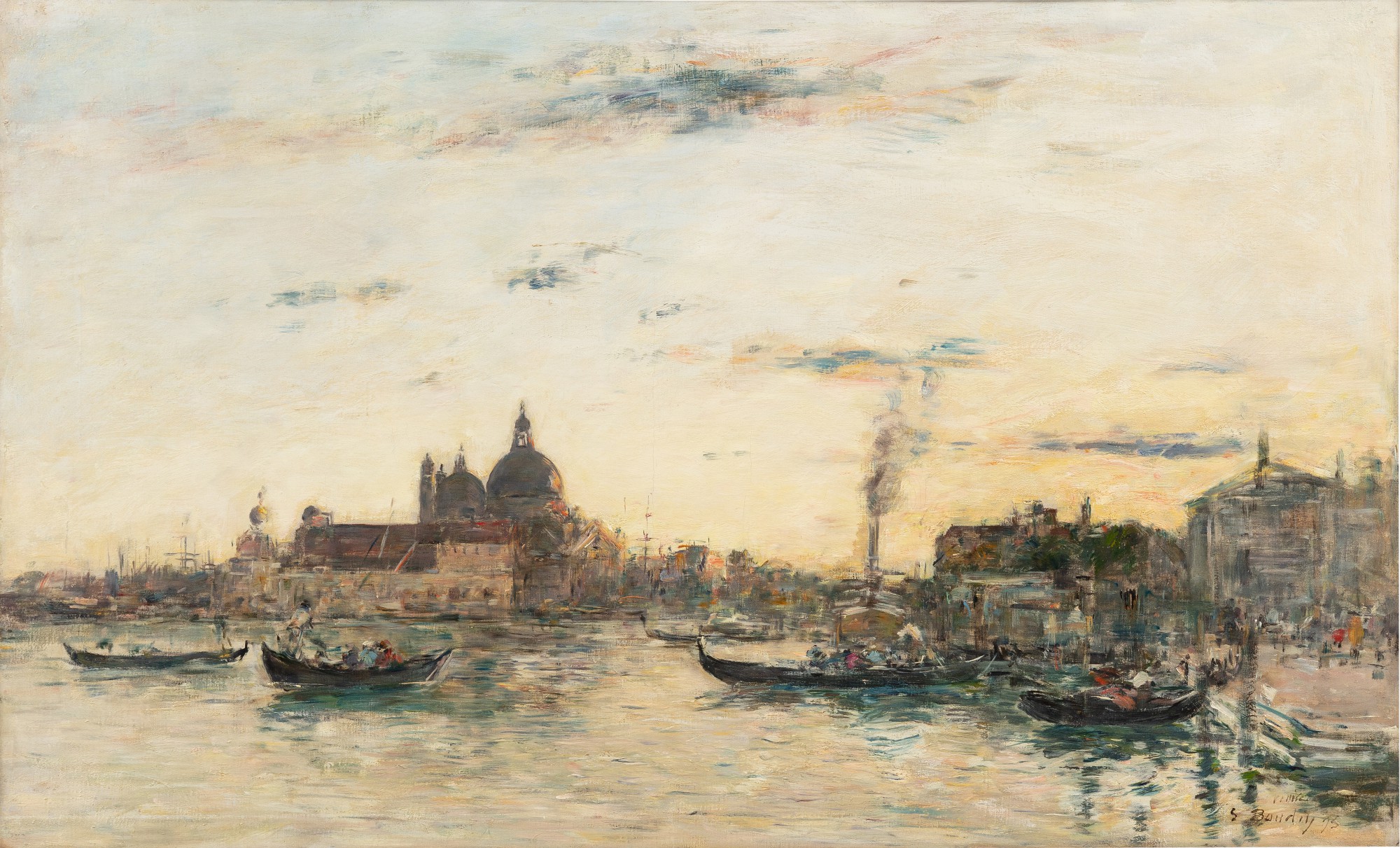
Look for evidence of decision, of the artist resisting the obvious and the easy. Look for light that feels observed rather than imagined, and for a compositional logic that holds under sustained attention. Within The Collection, the range of approaches to coastal subject matter across its represented artists gives any serious collector a remarkable study in contrast. Eugene Boudin, whose work appears across multiple listings, was a painter for whom the coast was essentially the whole world.
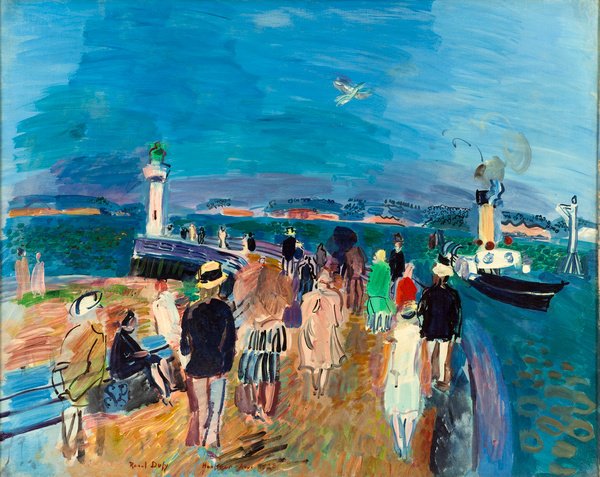
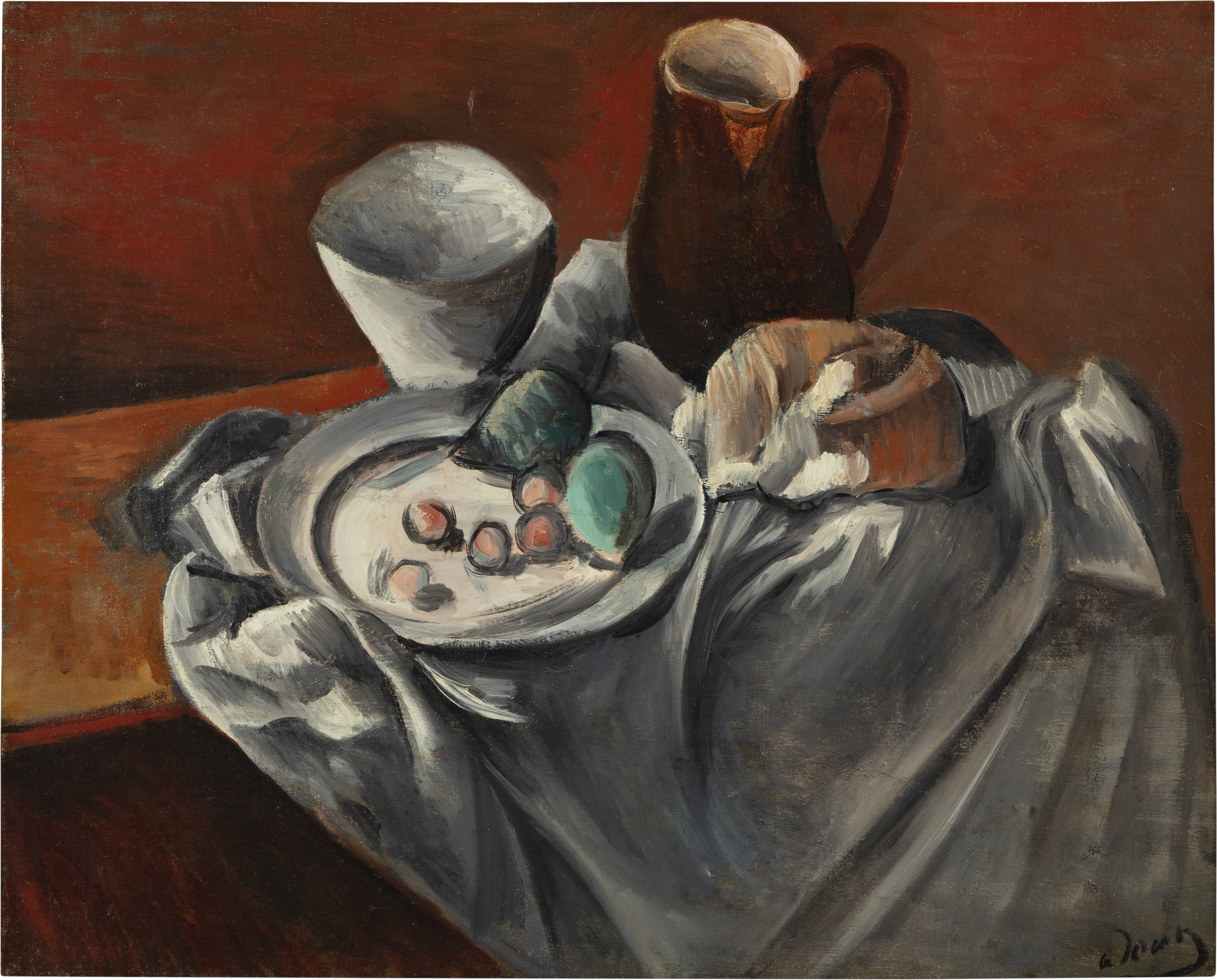
Raoul Dufy
La jetée de Honfleur, 1928
Working along the Normandy shoreline from the 1850s onward, he developed an eye for weather and social atmosphere that Monet openly credited as foundational to his own development. Boudin's skies in particular carry a kind of empirical precision that still feels modern. His beach scenes at Trouville and Deauville are small in scale but dense with observation, and they hold their value stubbornly at auction because their quality is consistent and their historical importance is well established. For a collector looking for nineteenth century work that combines market stability with genuine aesthetic seriousness, Boudin remains one of the most reliable names on the board.
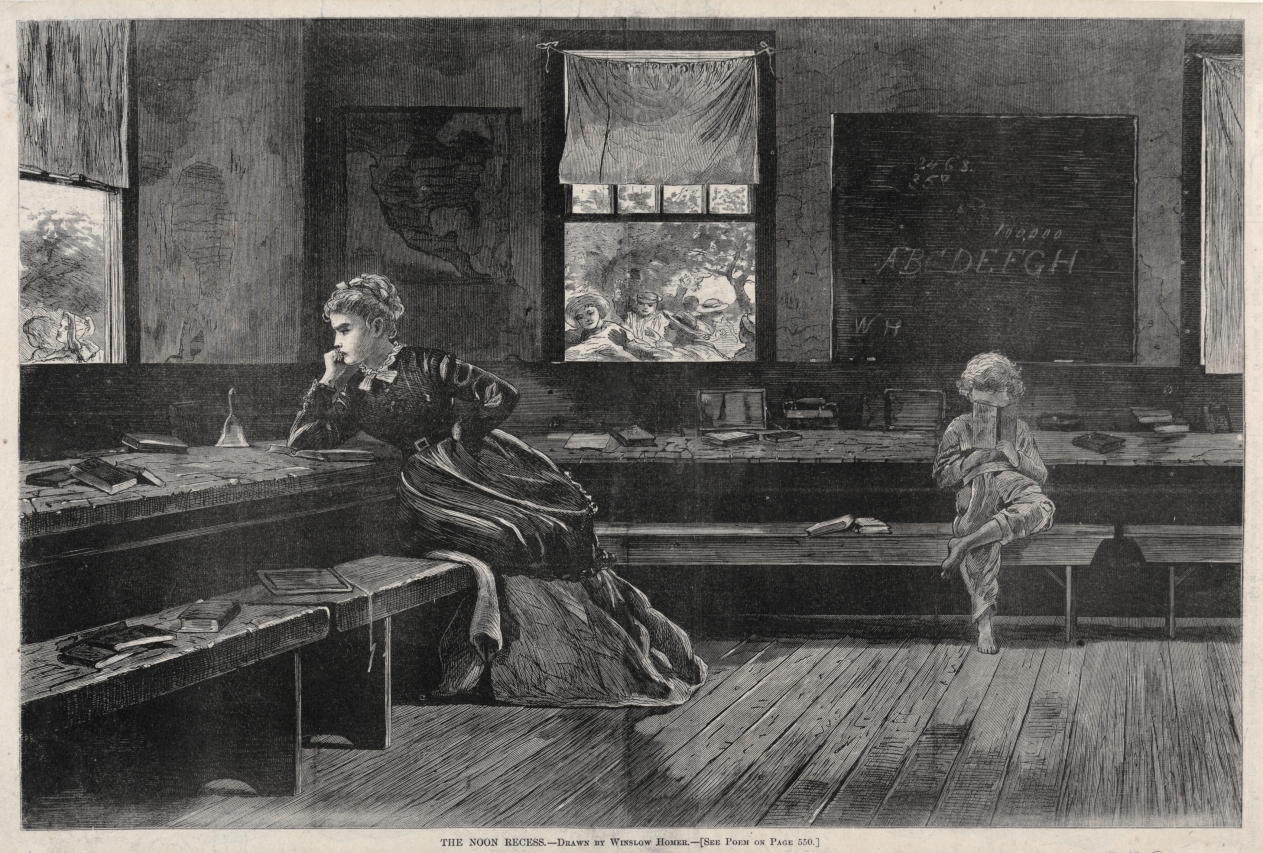
Winslow Homer represents a different proposition entirely. His coastal paintings and watercolors, many made around Prout's Neck in Maine during the final decades of his life, carry a weight that Boudin's more sociable scenes do not. Homer was interested in the sea as force, in its capacity for violence and indifference. Works from this late period appear infrequently on the market and command significant premiums when they do.

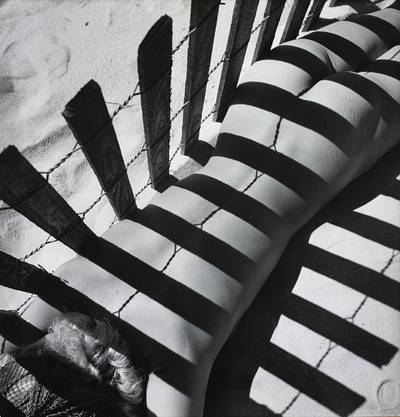
Harry Callahan
Provincetown
The value proposition here is about scarcity and canonical status as much as pure aesthetics. Maurice Prendergast, who is particularly well represented on The Collection, offers something more accessible in market terms while being no less rewarding to live with. His coastal scenes, often bathed in a mosaic of broken color that anticipates abstraction, feel perpetually contemporary. His works have performed consistently at mid level auction, making them among the more sensible entry points for a collector building a serious holding in American modernism.
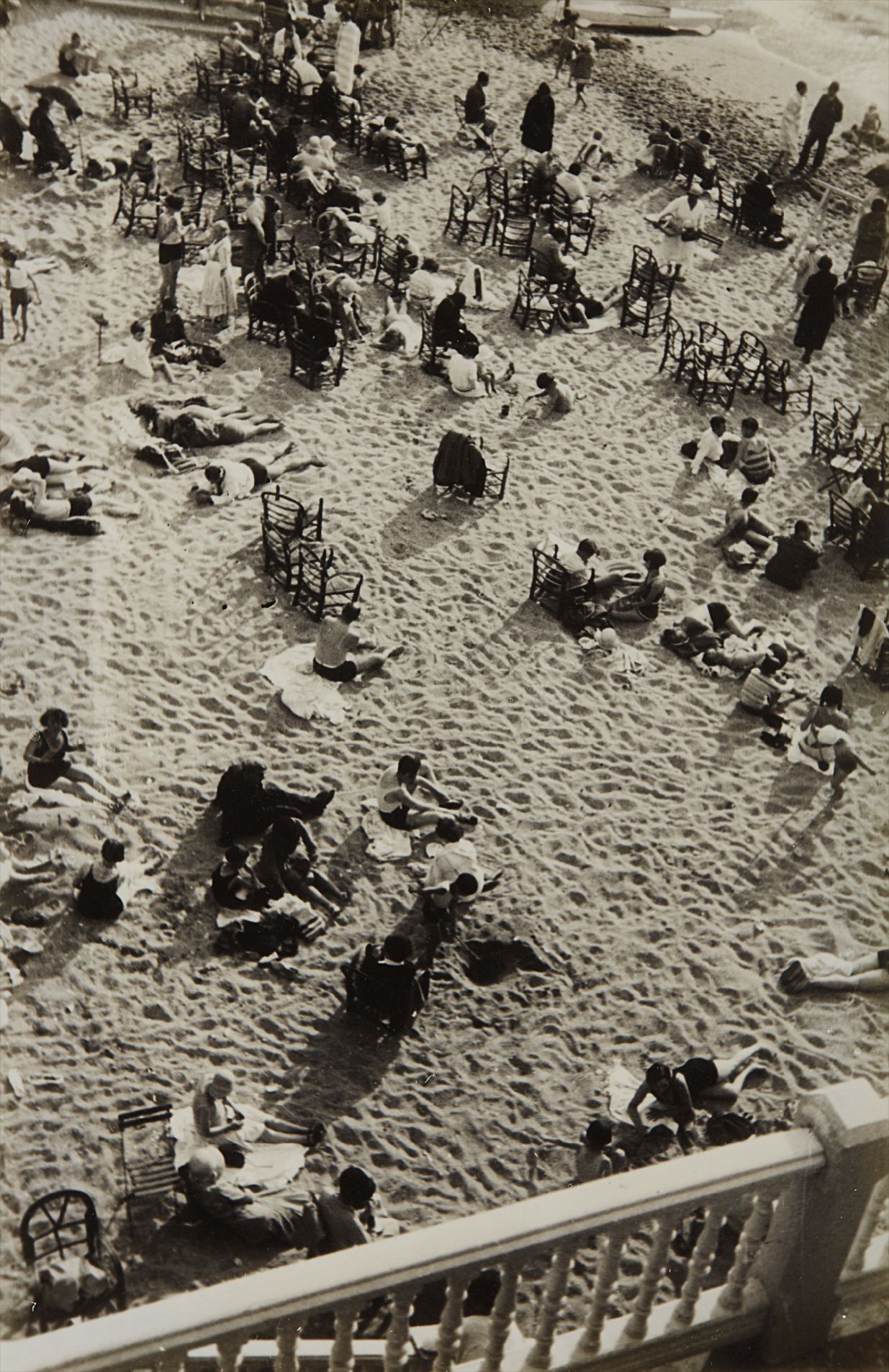
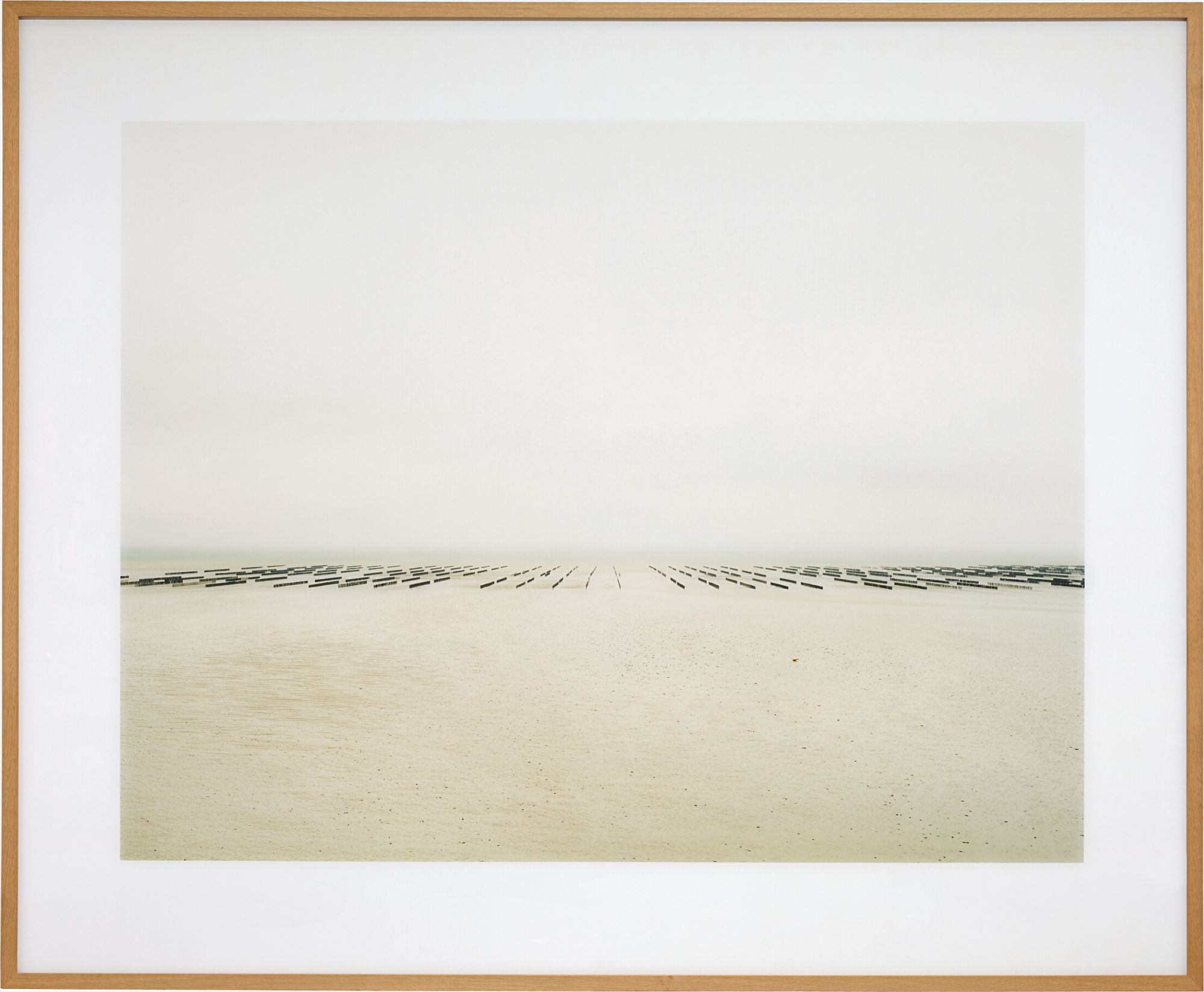
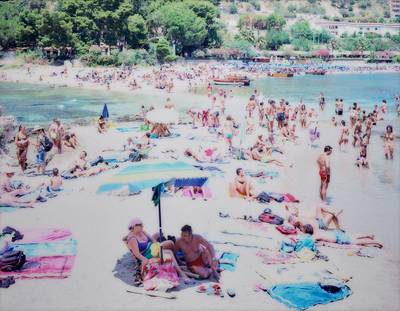
The photographic tradition of coastal imagery presents its own collecting logic and its own hierarchy. Elger Esser, whose large format photographs of European coastlines and waterways carry the meditative stillness of nineteenth century painting, has built a serious secondary market following. His works are produced in limited editions and their value tracks both the edition size and the print scale, with larger prints from smaller editions commanding the strongest prices. Massimo Vitali approaches the contemporary beach as a sociological theater, his elevated vantage points turning crowded summer shores into something between documentary and painting.
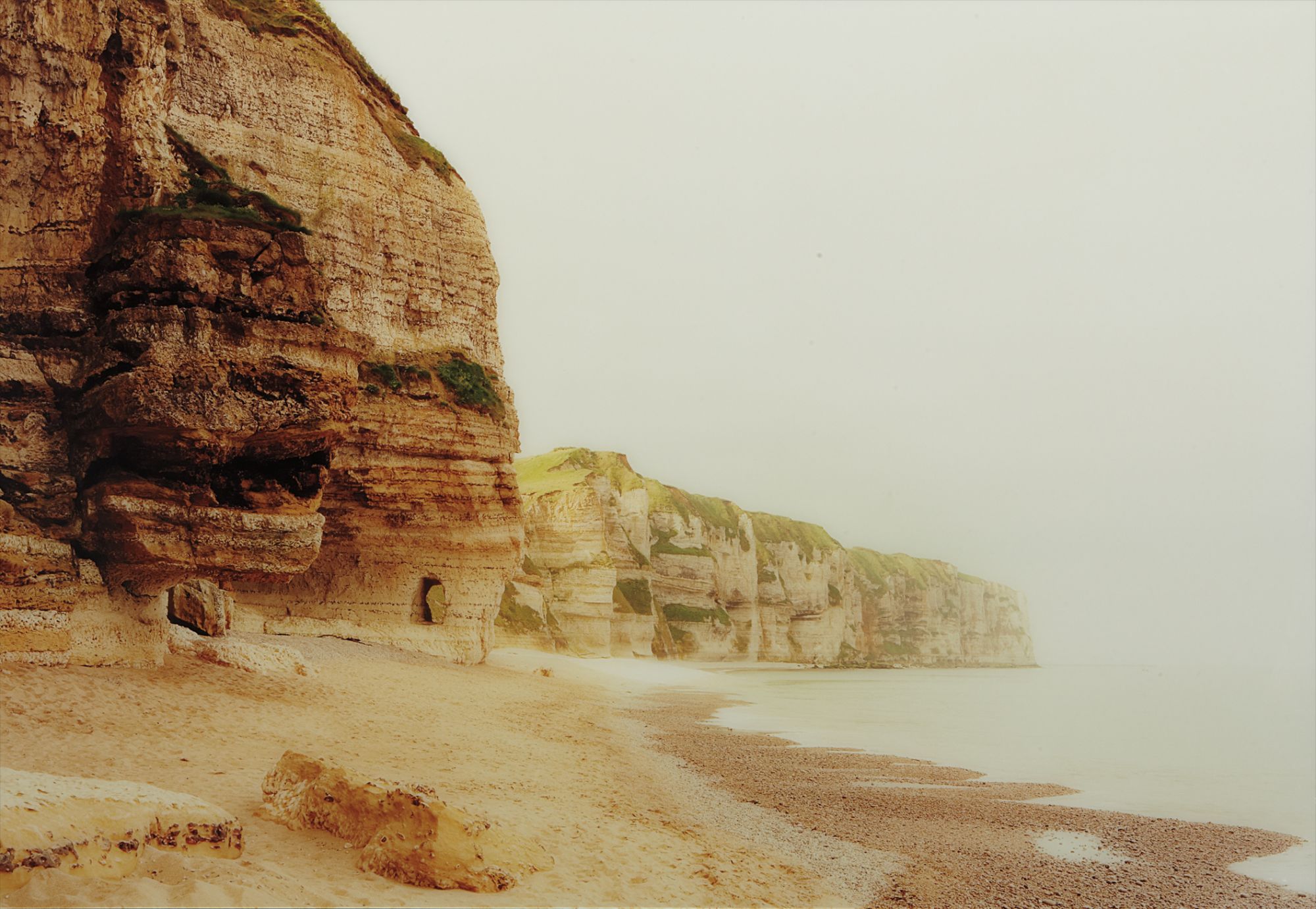
Elger Esser
Cap d'Antifer, Frankreich
Both artists reward the collector who is willing to think carefully about the relationship between photography and painting in their display environment. A Vitali hung near a Boudin is not as strange an idea as it might initially sound. The conversation between them, across a century and a half, is genuinely interesting. For collectors with an appetite for emerging or underrecognized work, the photographic tradition offers real opportunity.
Robbert Flick and Harry Callahan, both represented on The Collection, worked in modes that remain somewhat below the mainstream collecting radar despite their considerable critical reputations. Callahan in particular, whose beach photographs from the 1940s and 1950s reduce the coastal scene to near abstract essentials, seems undervalued relative to his peers. These are works that reward patience in the market as critical reassessment continues. On the practical side, coastal works present specific considerations worth discussing with any dealer before purchase.
Works on paper, including watercolors of the kind Prendergast and Homer produced prolifically, are vulnerable to light and humidity in ways that oil paintings are not. Framing behind UV protective glazing is not optional. For photographic works, ask the gallery or estate about edition certificates, whether the print was produced under the artist's supervision, and the archival stability of the printing process used. These questions are not pedantic.
They are the difference between a work that holds its value and one that does not. For coastal themes in particular, where the market is deep and the quality ranges enormously, provenance clarity and condition documentation are your most reliable guides. The sea in a painting may be timeless. The paper it was rendered on is anything but.