Caricature
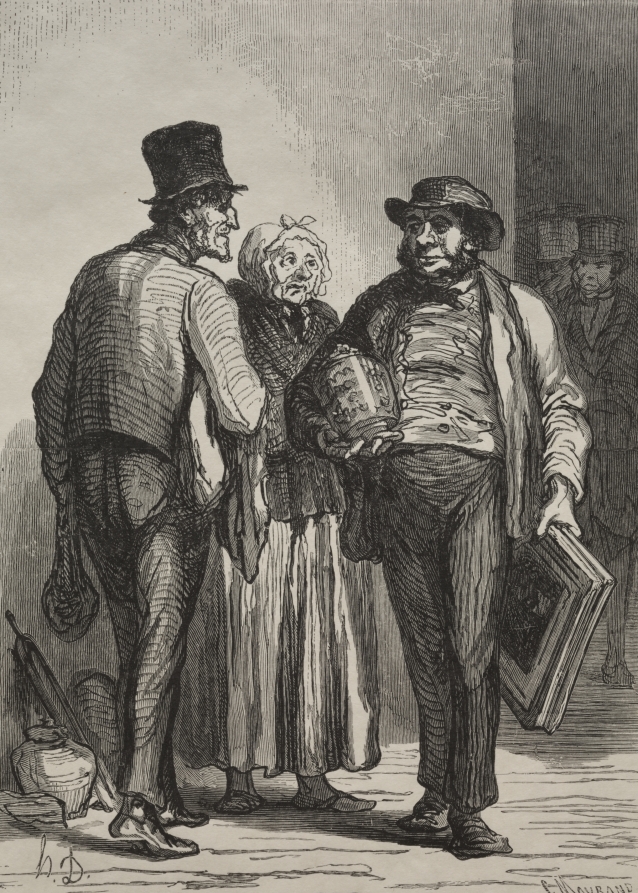
Honoré Daumier
The Auction House: The Dealers, 1863
The Sharpest Weapon in Art History
There is a particular kind of courage required to make someone laugh at power. Caricature has always understood this, operating in the space where art and dissent become indistinguishable from one another. It is one of the oldest and most continuously vital forms of image making we have, and yet it rarely gets the serious critical attention it deserves. That oversight says more about the art world's hierarchy of taste than it does about the work itself.
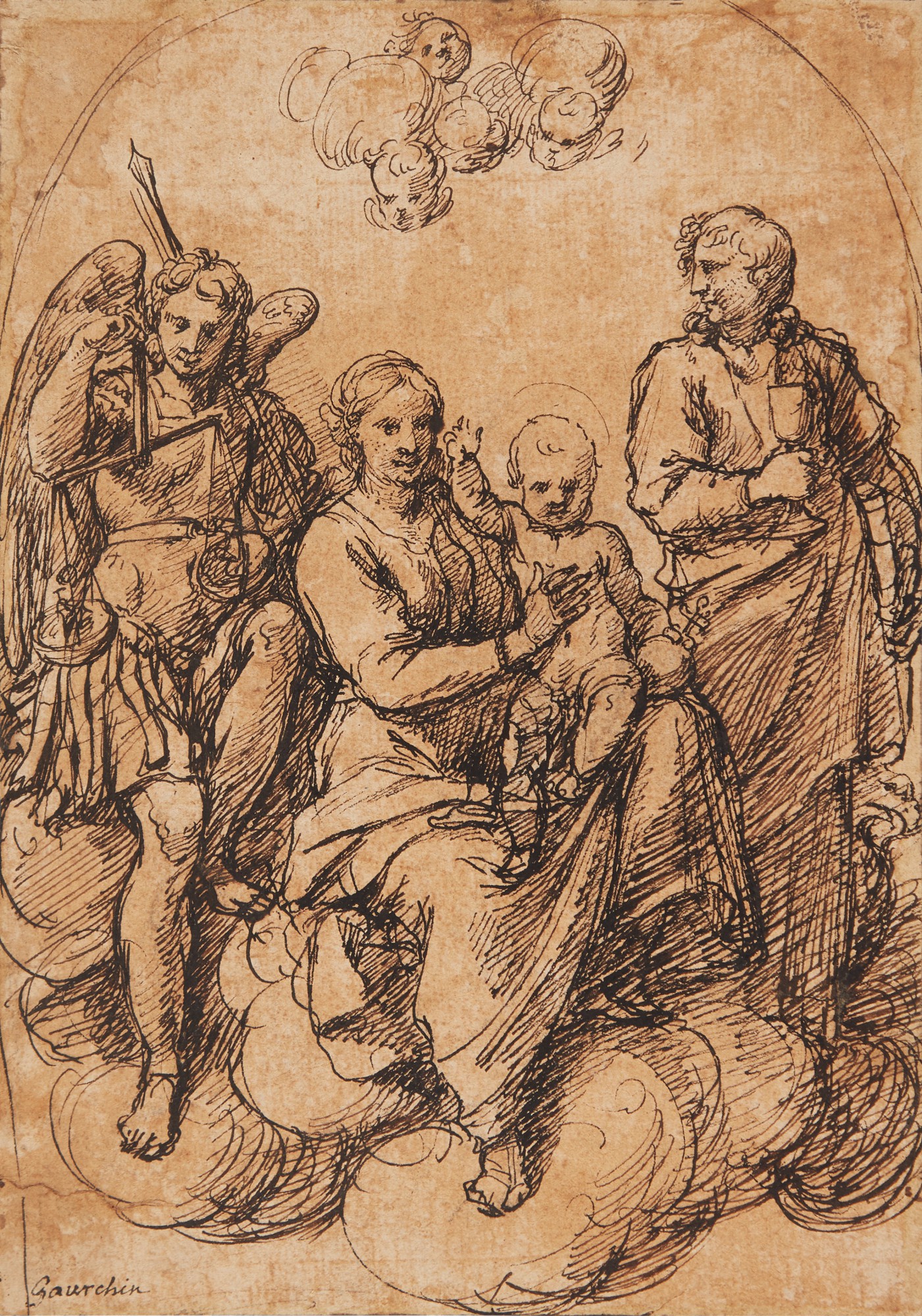
The roots of caricature reach back further than most people expect. Annibale Carracci, working in Bologna in the late sixteenth century, is often credited with formalizing the practice as a deliberate artistic strategy rather than mere mockery. He and his circle developed what they called the ritratto caricato, the loaded portrait, in which the essential truth of a face was distilled through exaggeration rather than idealization. The Bolognese School of the seventeenth century carried this sensibility forward, understanding caricature not as a diminishment of portraiture but as a concentrated form of it.
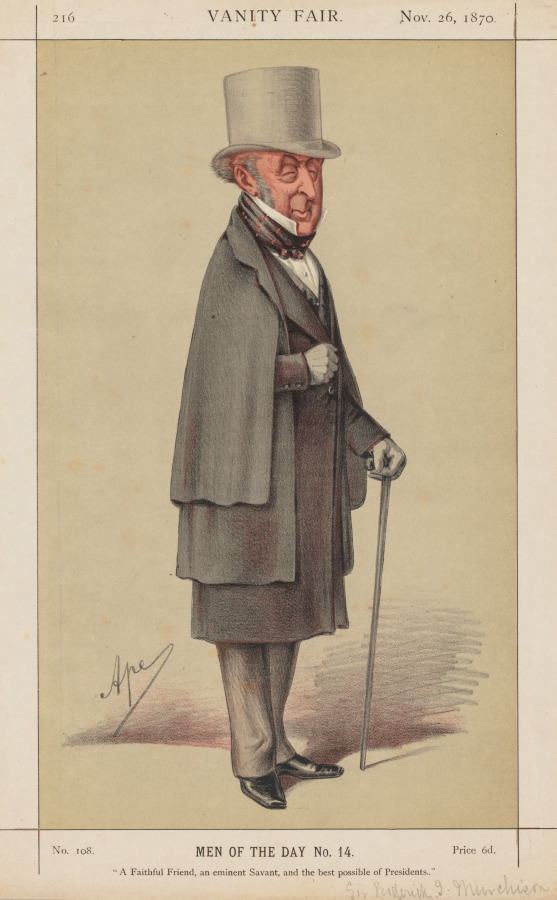
Carlo Pellegrini
Vanity Fair: Men of the Day No. 14 "A Faithful Friend, an eminent Savant, and the best possible of Presidents", 1870
A work in The Collection attributed to this tradition carries exactly that quality: something forensic and alive, as if the subject has been understood from the inside out. The form gathered real cultural velocity in eighteenth century England, where William Hogarth and later James Gillray turned political caricature into a mass medium. Prints were displayed in shop windows, passed hand to hand, pinned to tavern walls. The image became a form of journalism before journalism as we know it existed.
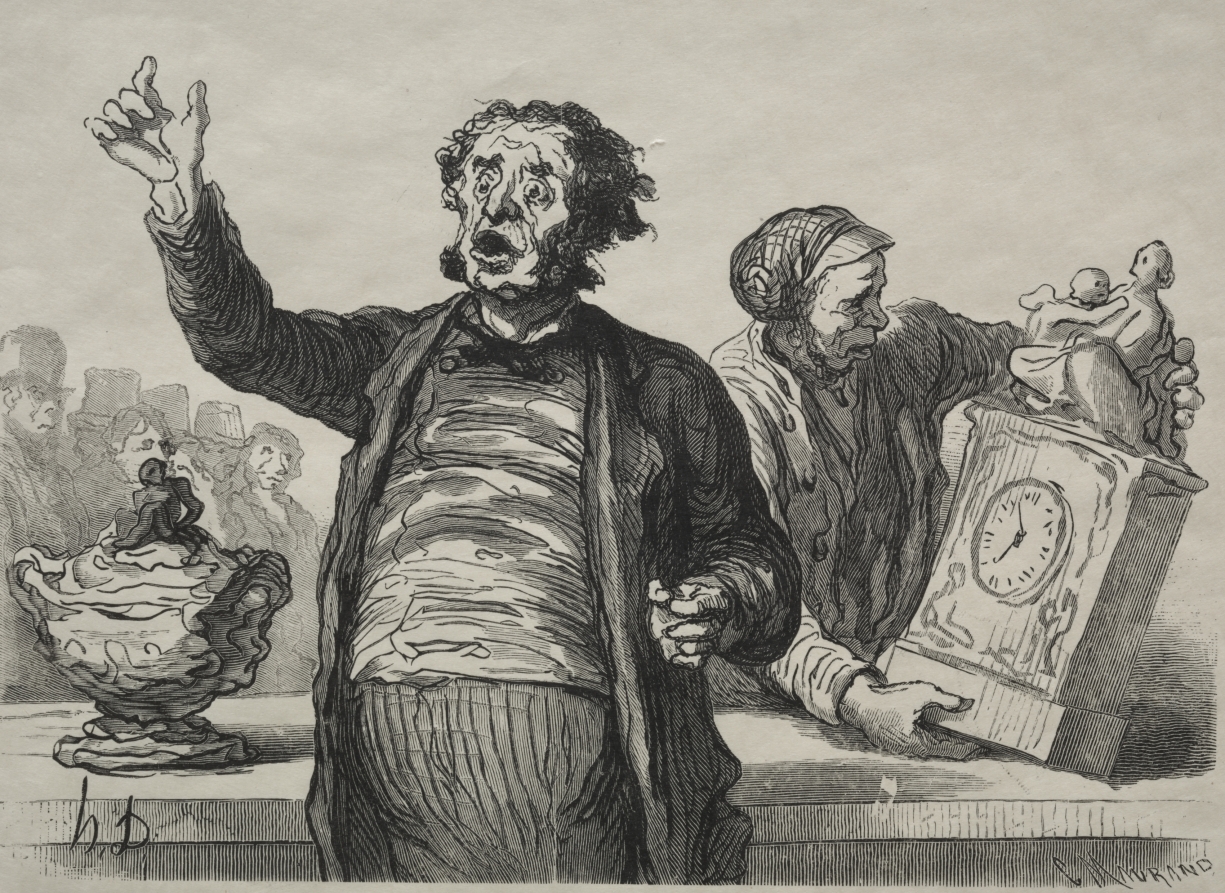
By the time George Cruikshank was working in the early nineteenth century, caricature had its own economy, its own stars, and its own public thoroughly addicted to it. The appetite for images that told uncomfortable truths about the powerful was, it turned out, insatiable. It was in France, however, that caricature reached something approaching high art. Honoré Daumier, whose work is represented with particular depth in The Collection, is the central figure here and perhaps the greatest caricaturist who ever lived.
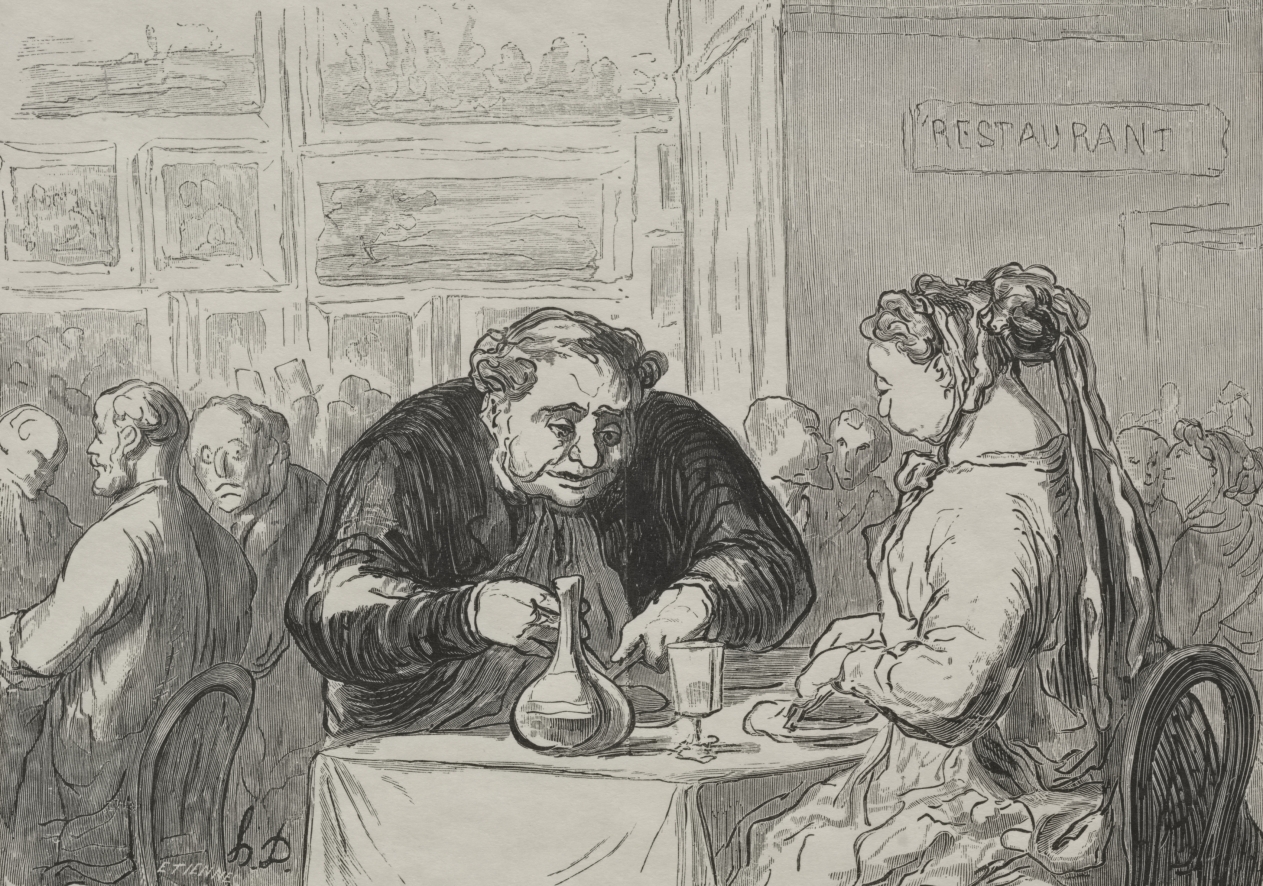
Honoré Daumier
The Auction House: The Dealers, 1863
Working primarily for the satirical periodical Le Charivari from the 1830s onward, Daumier produced thousands of lithographs that skewered Louis Philippe, the bourgeoisie, the legal profession, and the theater with equal precision. His series Les Gens de Justice from the 1840s remains one of the most devastating portraits of institutional hypocrisy in the history of art. What makes Daumier remarkable is the sculptural weight he brought to the medium: his figures have mass and gravity, a physical presence that transforms satire into something more like tragedy. Paul Gavarni, another major figure in The Collection, worked in a subtler register, his lithographs capturing Parisian social types with a wry tenderness that complements Daumier's more ferocious moral energy.
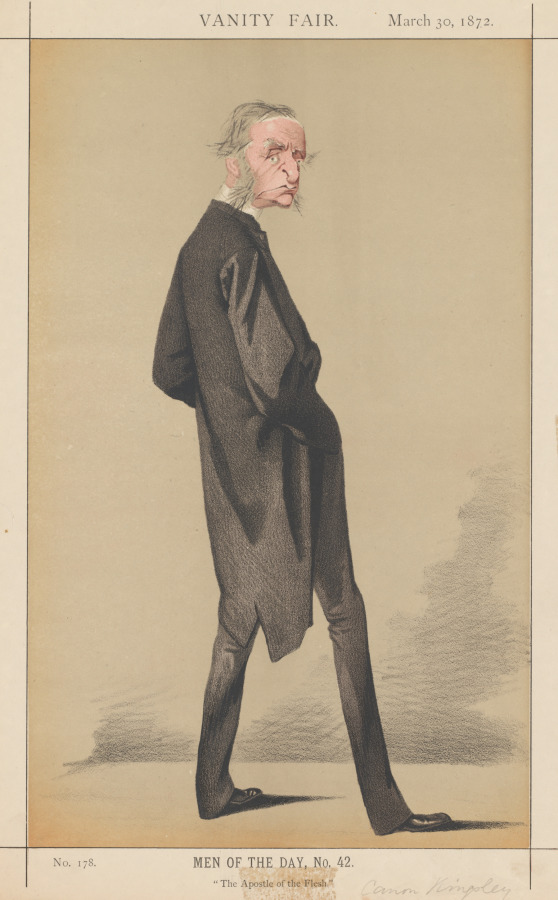
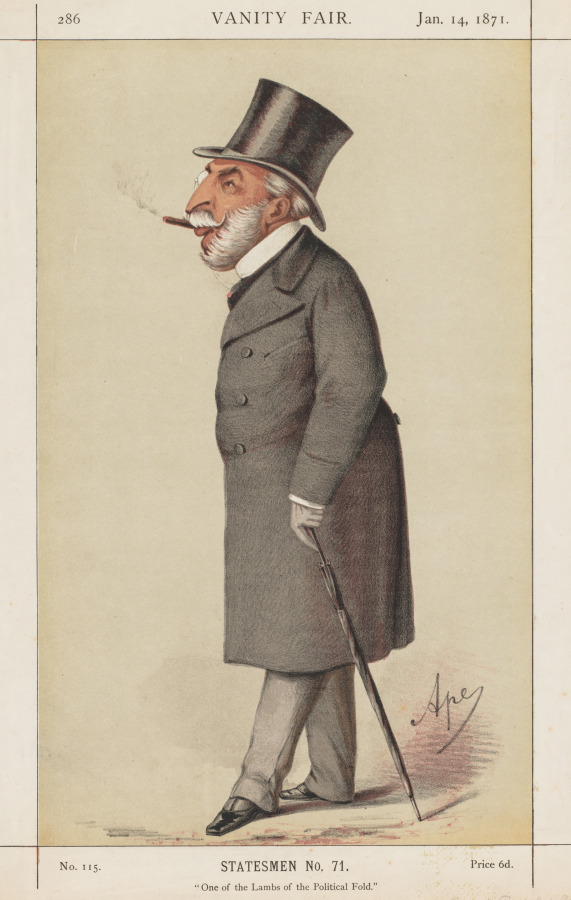
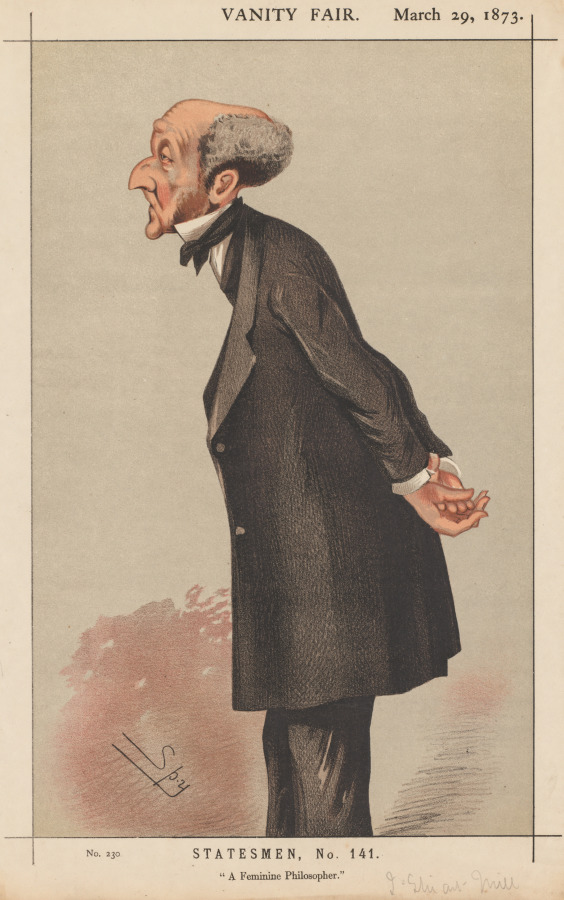
The second half of the nineteenth century produced a new species of caricature in the celebrity portrait, a genre perfected by Vanity Fair magazine in London beginning in 1868. The Italian sculptor and caricaturist Carlo Pellegrini, who signed his work Ape, became the defining voice of this format. His chromolithographs of politicians, aristocrats, and artists transformed the caricature into something to be framed and hung, a collector's object as much as a comic provocation. Leslie Matthew Ward, who signed himself Spy, followed Pellegrini at Vanity Fair and produced portraits that occupy an interesting middle territory between flattery and exposure.
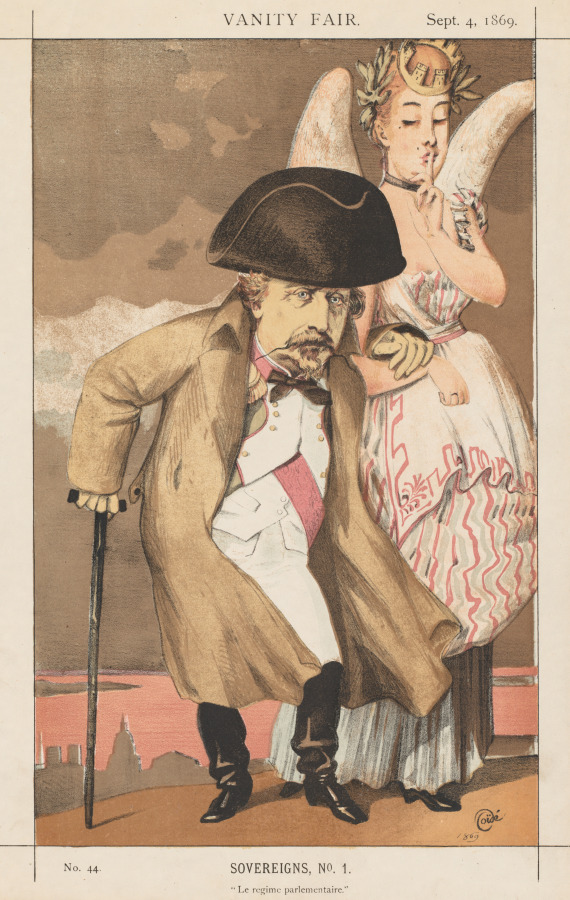
James Tissot
Vanity Fair: Sovereigns, No. 1 "Le regime parlementaire", 1869
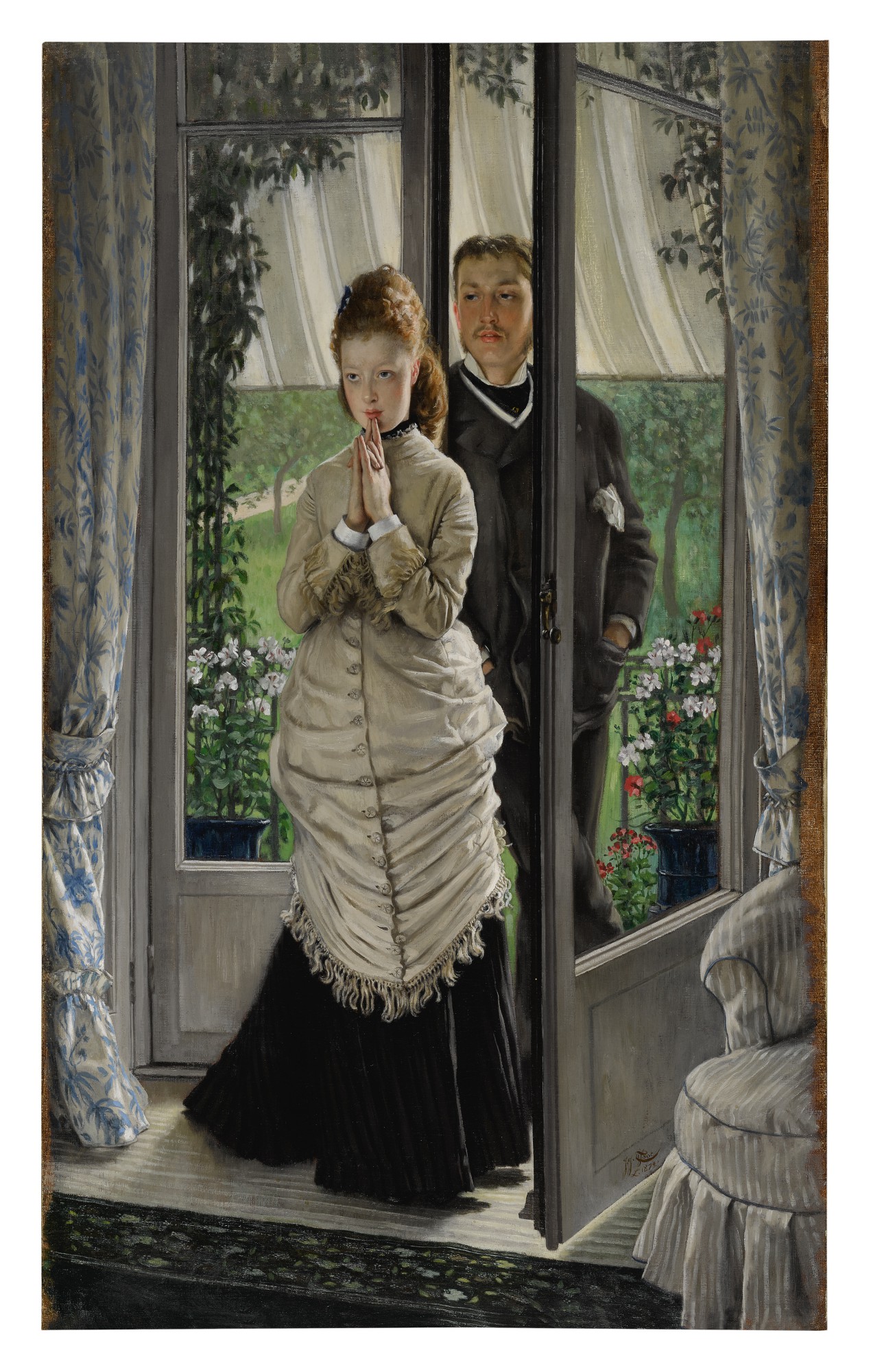
Both artists are well represented in The Collection, and seen together they tell a story about how Victorian Britain processed the idea of fame. James Tissot, the French painter so brilliantly attuned to the textures of fashionable London life, also contributed caricatures to Vanity Fair, a fact that surprises people who know him mainly for his jewel like oil paintings. The technique of caricature demands a specific kind of looking. The caricaturist must identify the organizing principle of a face, the feature or expression that, when amplified, makes everything else legible.
Thomas Nast, the American whose work is represented in The Collection, wielded this skill with political fury. His portraits of Boss Tweed in the 1870s are credited with contributing to Tweed's actual downfall, a remarkable instance of an image having direct political consequences. In Mexico, Miguel Covarrubias brought modernist elegance to caricature in the early twentieth century, his portraits of Harlem Renaissance figures and Hollywood celebrities appearing in Vanity Fair alongside his more obviously satirical work. His is a caricature informed by primitivism and cubism, proof that the form was thoroughly absorbing the energies of avant garde painting.
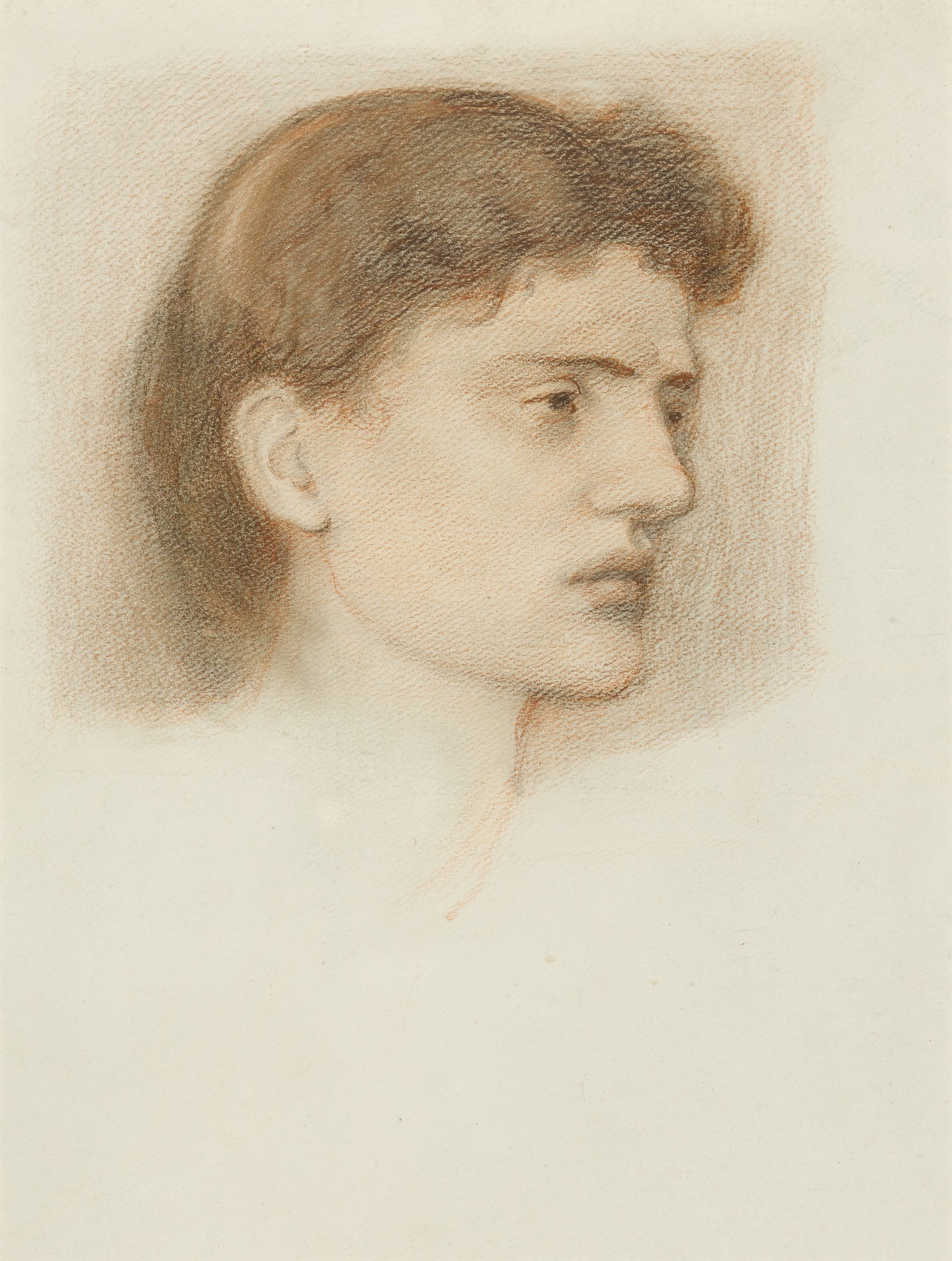
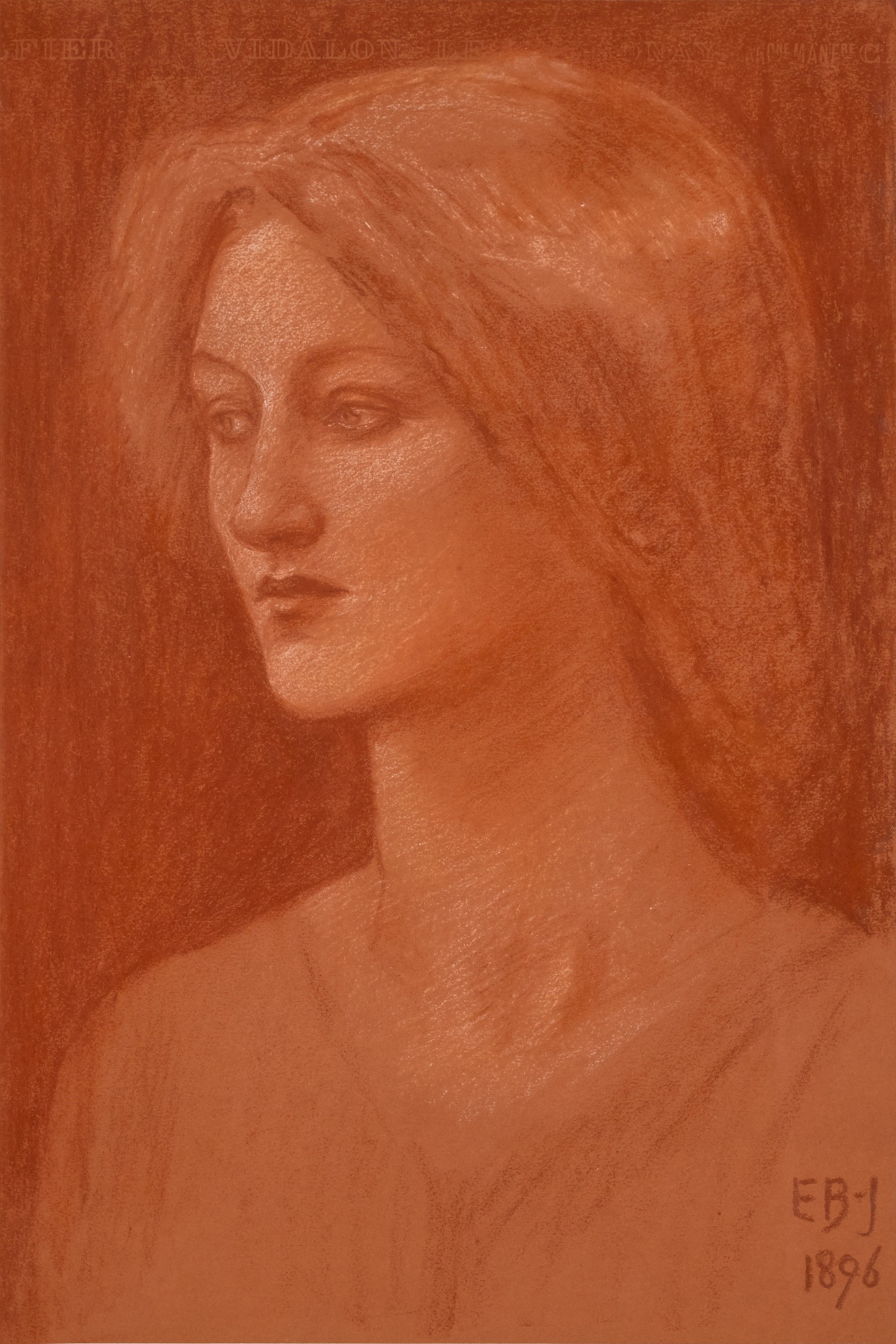
Sir Edward Coley Burne-Jones
Portrait of a Young Woman, Thought to be Miss Augusta Jones (recto); Two Caricatures of William Morris (verso)
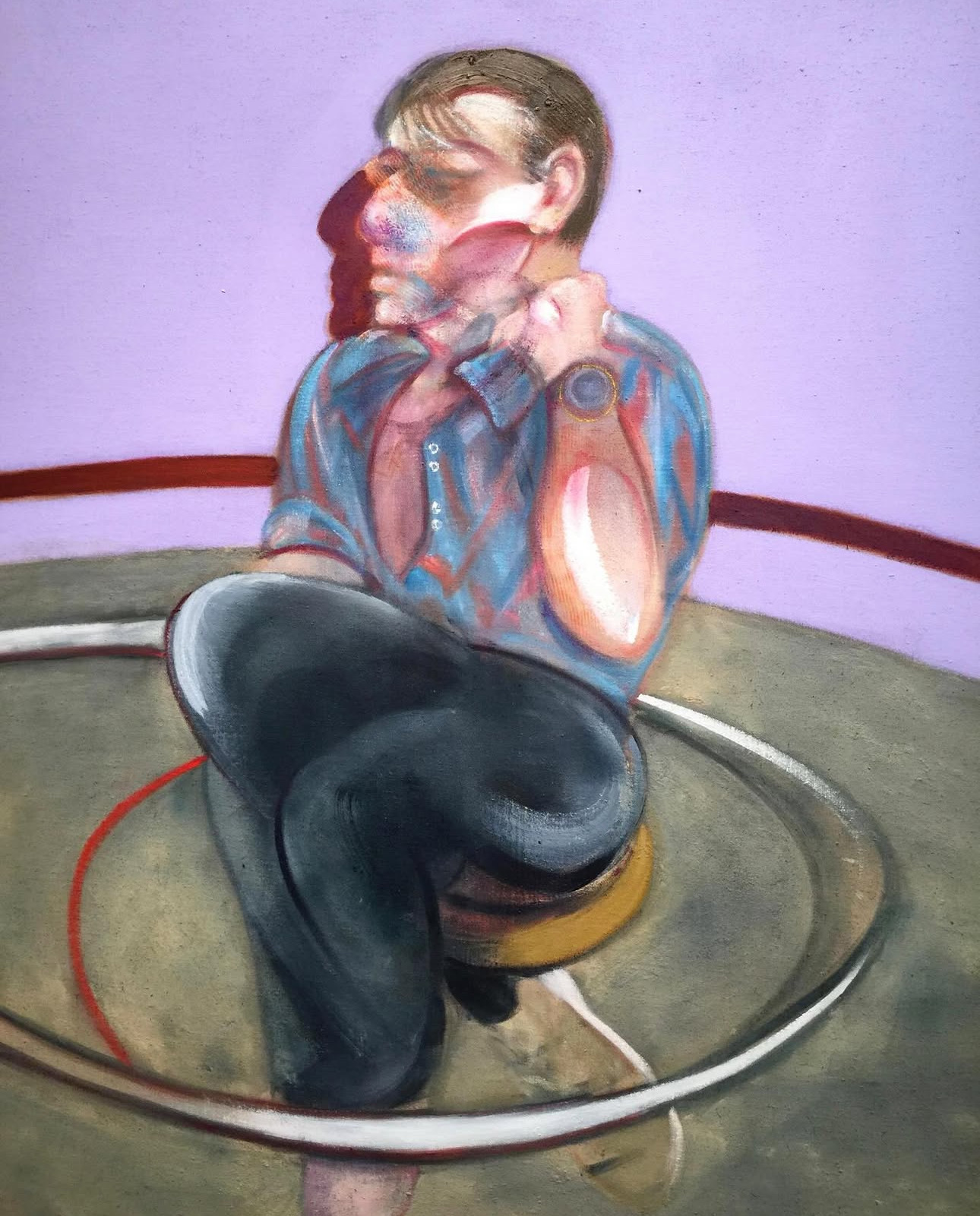
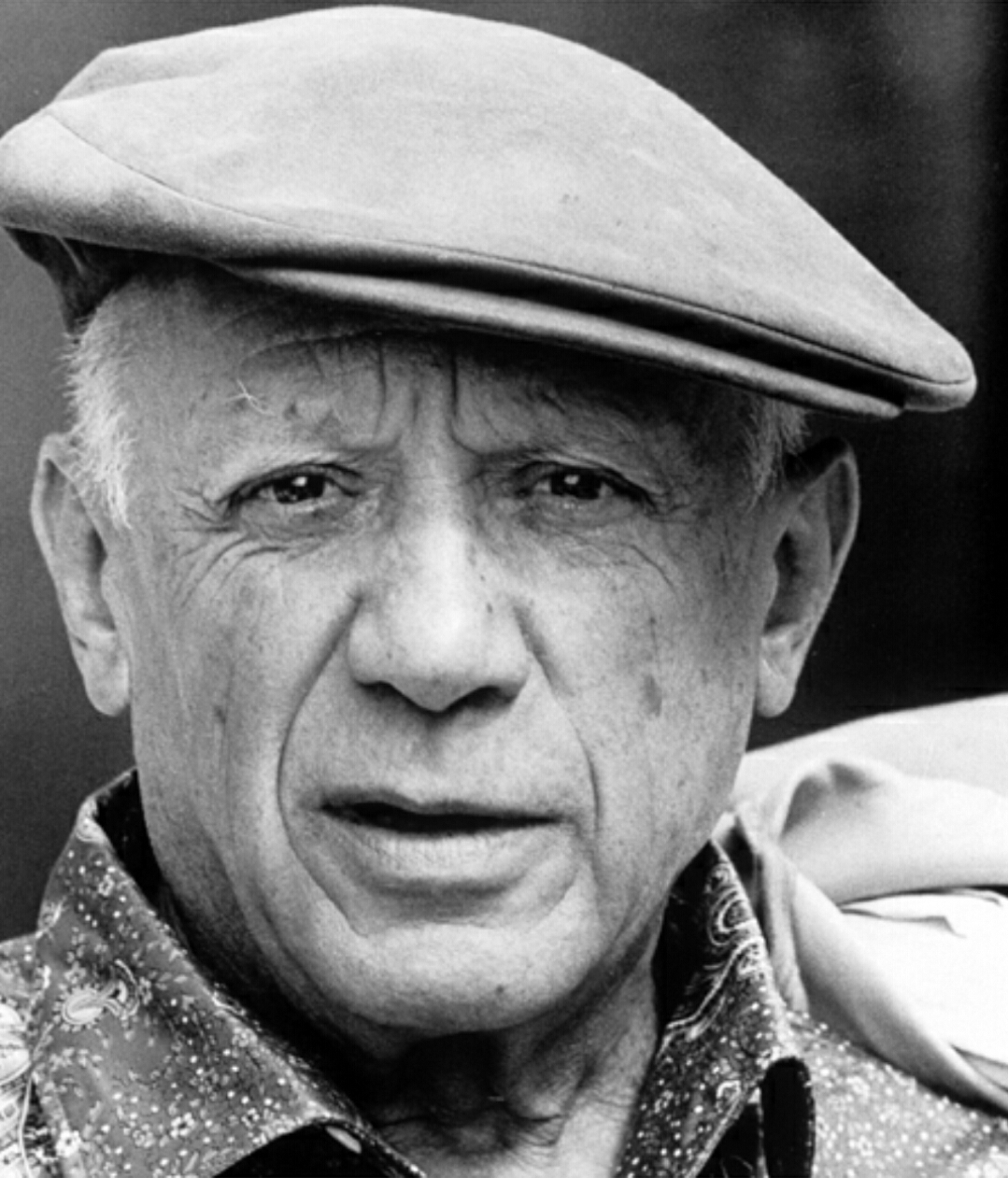
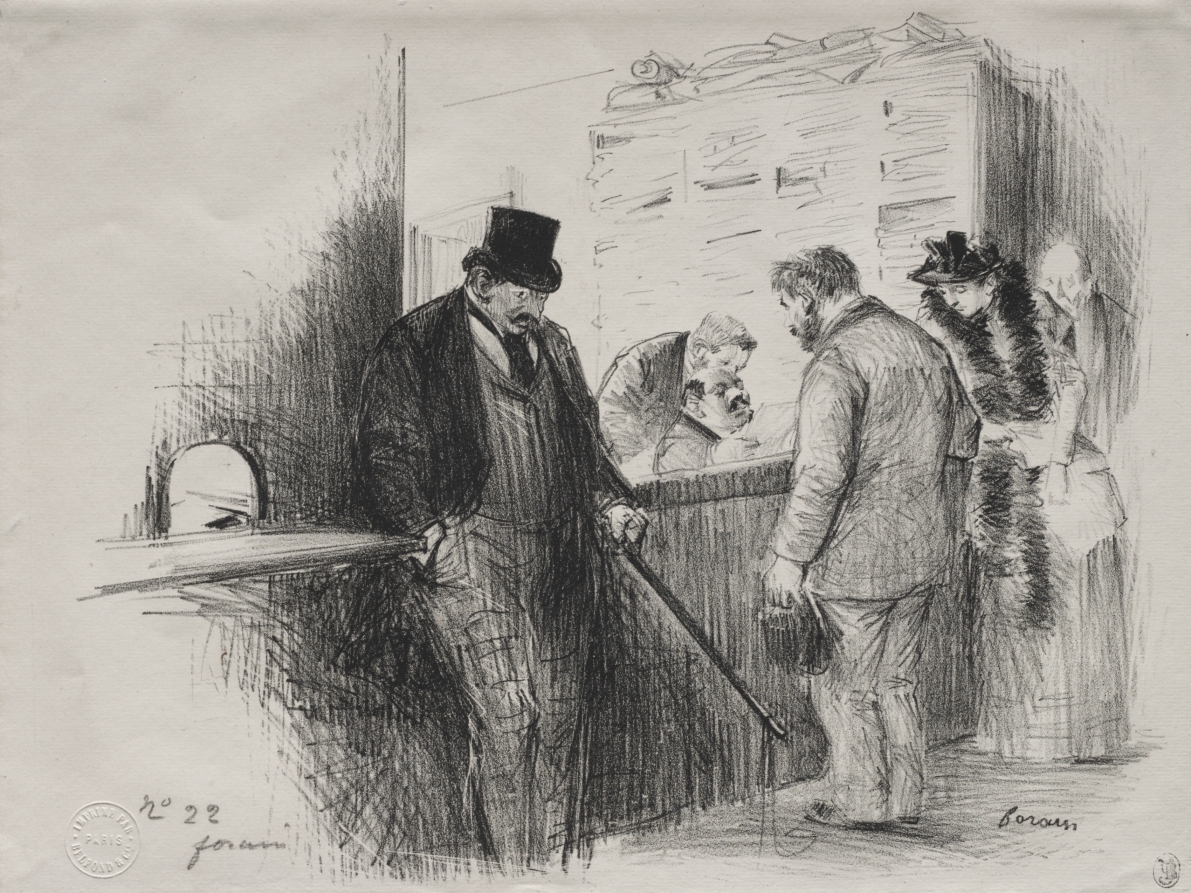
That dialogue between caricature and modern art runs deeper than is usually acknowledged. Picasso's distortions of the human face, his willingness to fragment and reassemble features for expressive ends, shares a conceptual foundation with the caricaturist's method. A Picasso work in The Collection makes this connection feel immediate rather than theoretical. Jean Louis Forain, the French artist and satirist who was close to Degas and Manet, moved fluidly between fine art circles and the illustrated press in a way that troubled nobody at the time and that we might now find instructive about our own divisions.
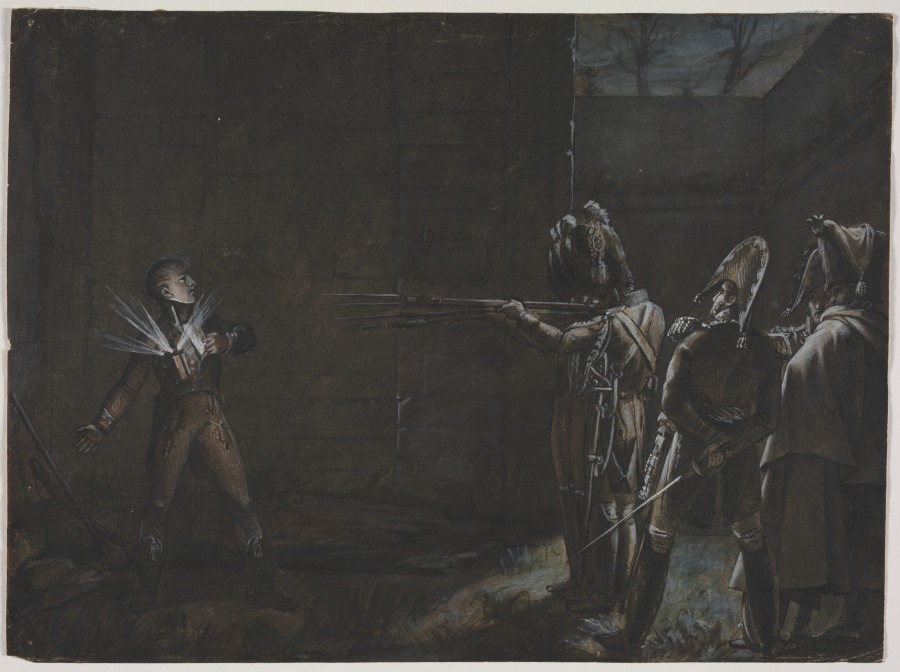
What caricature ultimately offers, and why it continues to matter, is a model of seeing that refuses deference. It insists that the face is a document, that power leaves traces in the body, and that the artist's job is to make those traces visible to everyone. In an era saturated with managed image and curated persona, that insistence feels more radical than ever. The works gathered in The Collection under this banner form a kind of alternative history of art, one told from the margins of official culture and aimed squarely at the center of it.
They reward attention not despite their wit but because of it.