.jpg/400px-James_Tissot_Self_Portrait_(1865).jpg)
James Tissot
12
Works
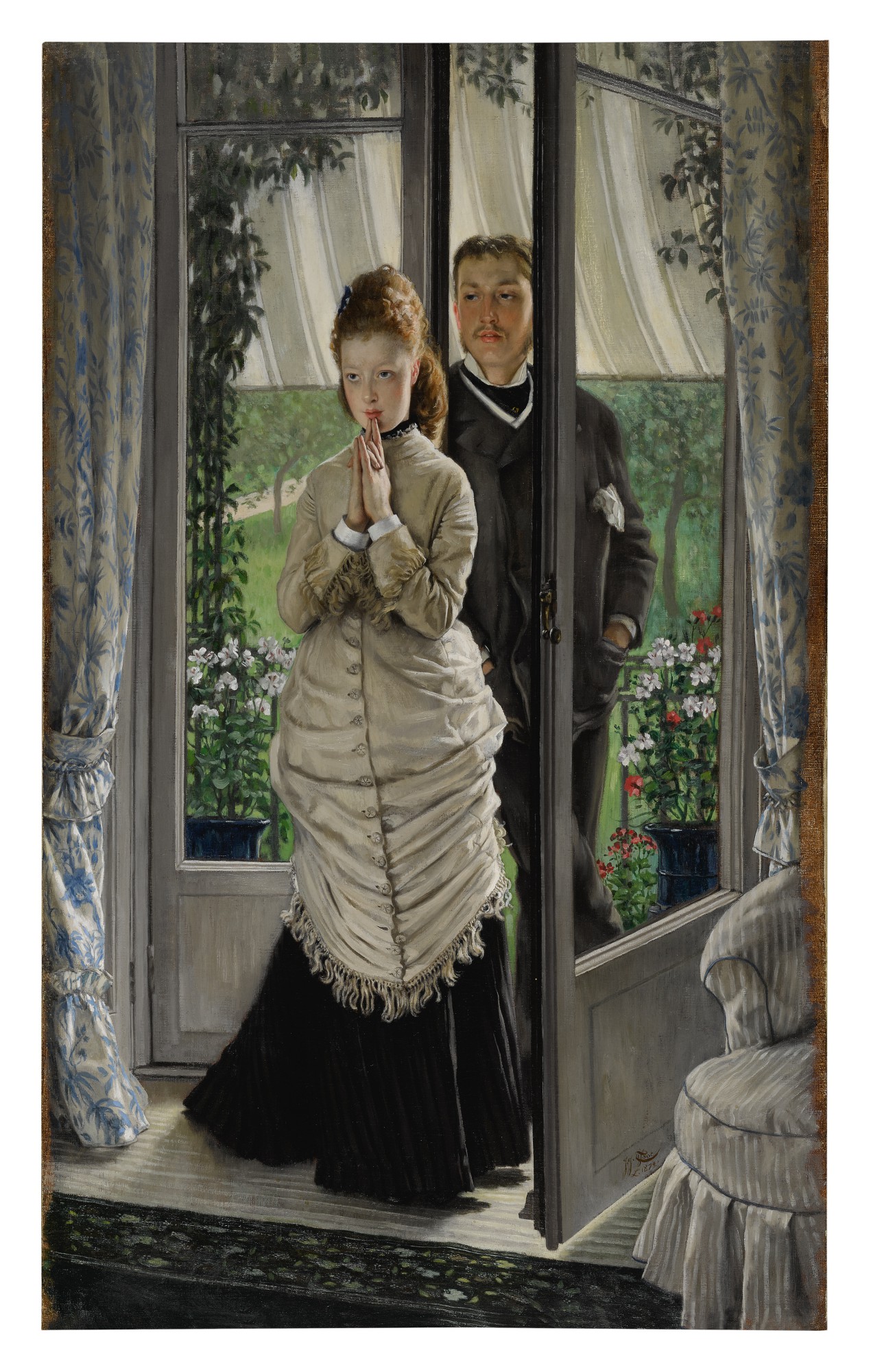
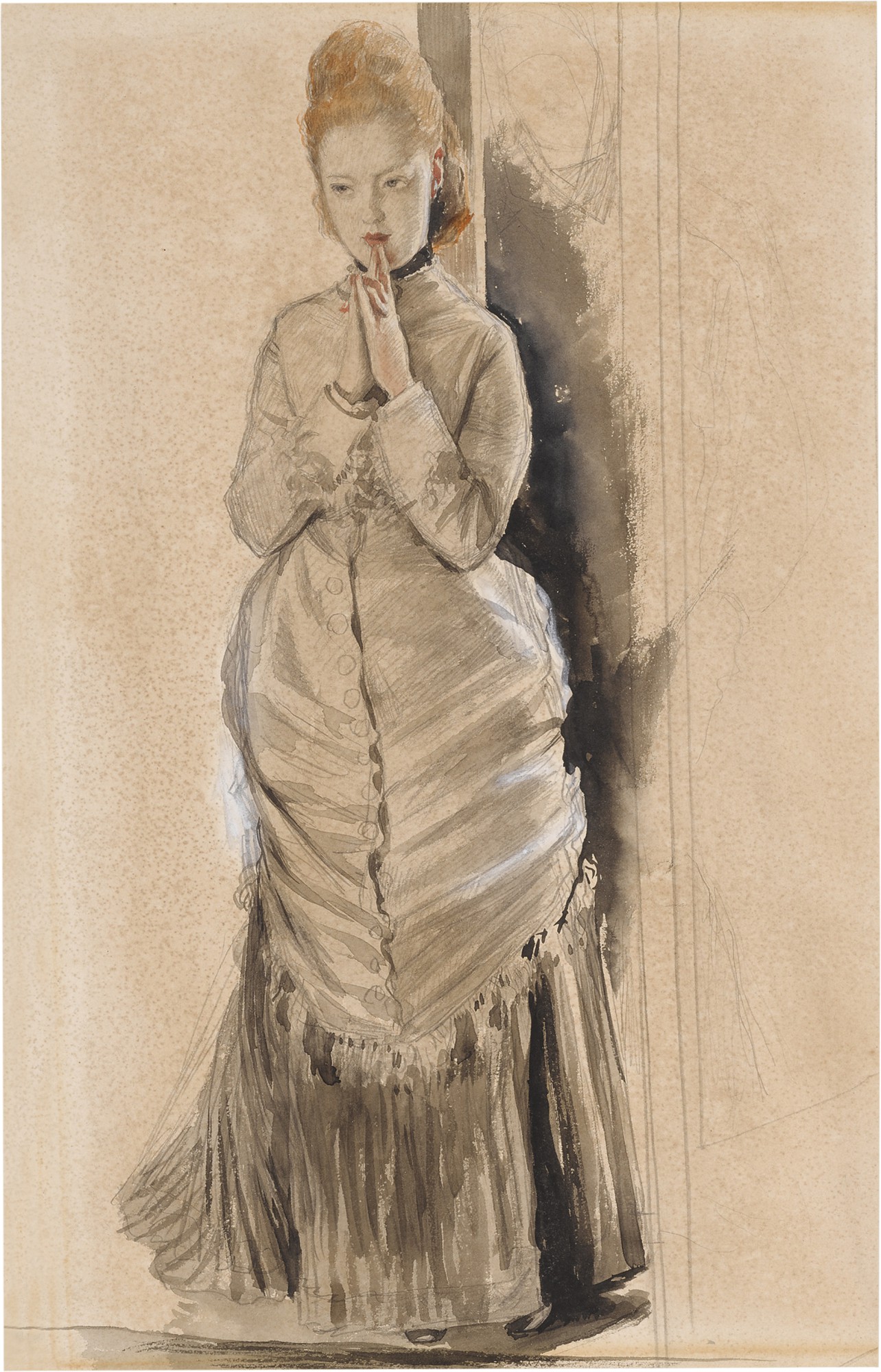
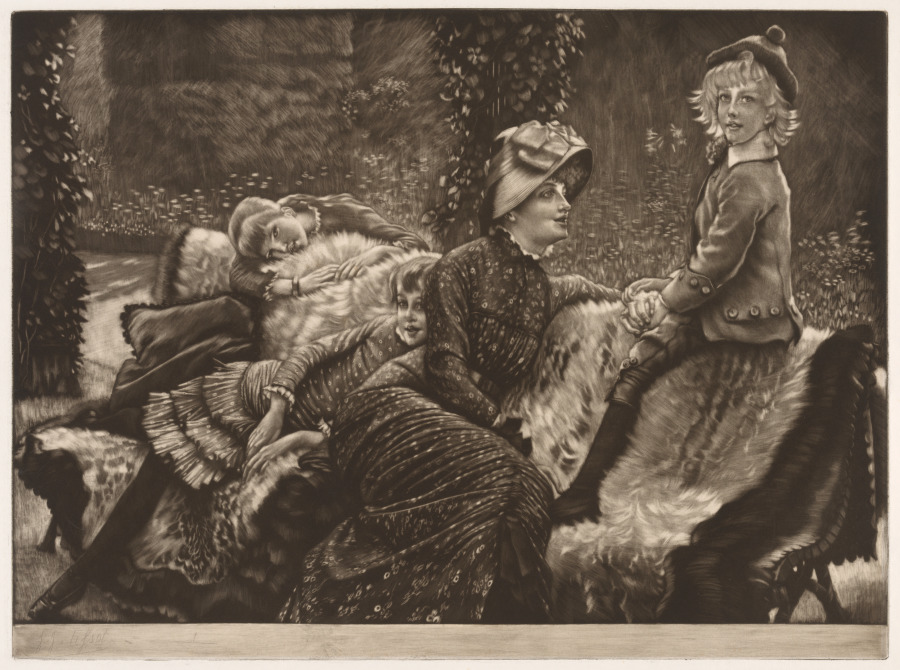
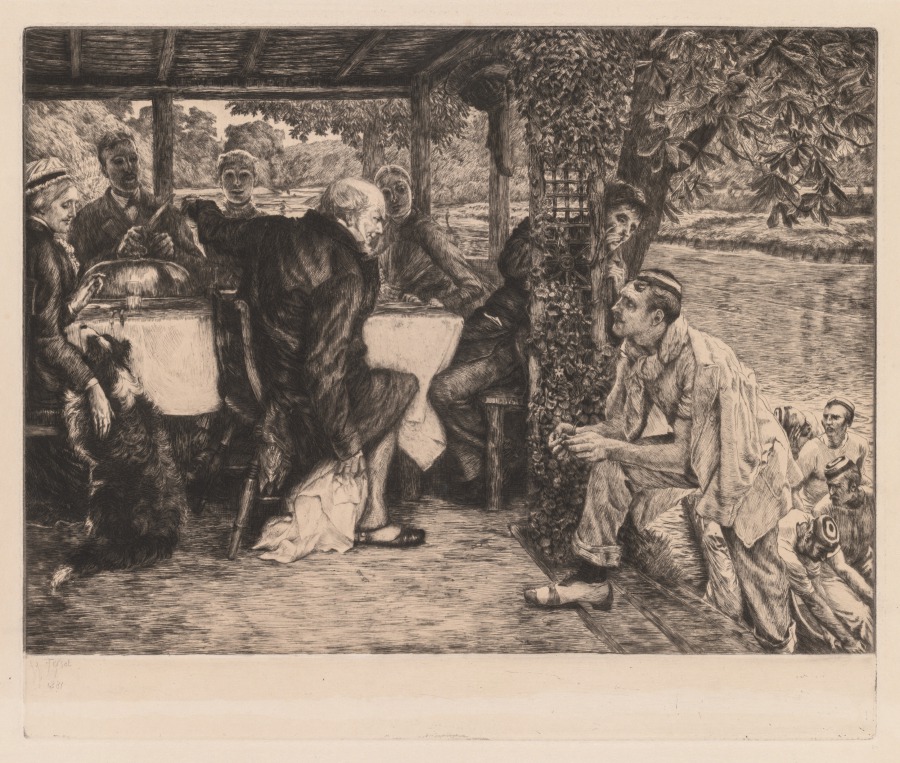
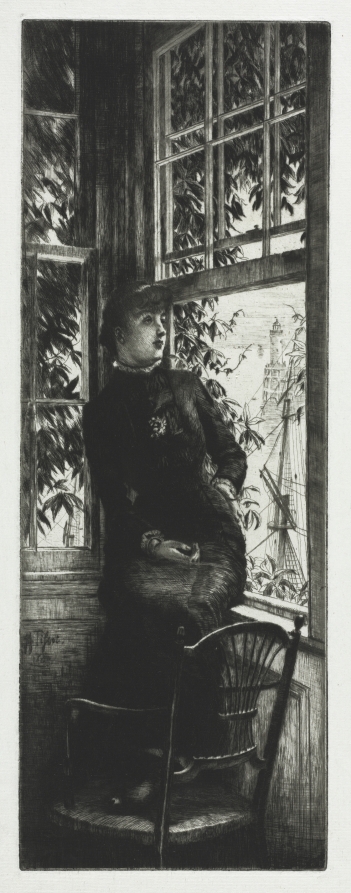
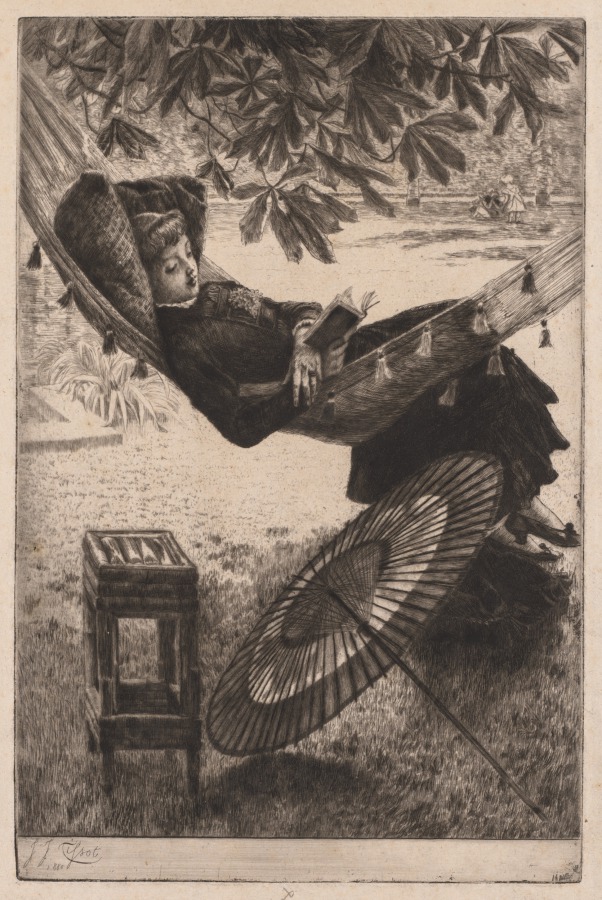
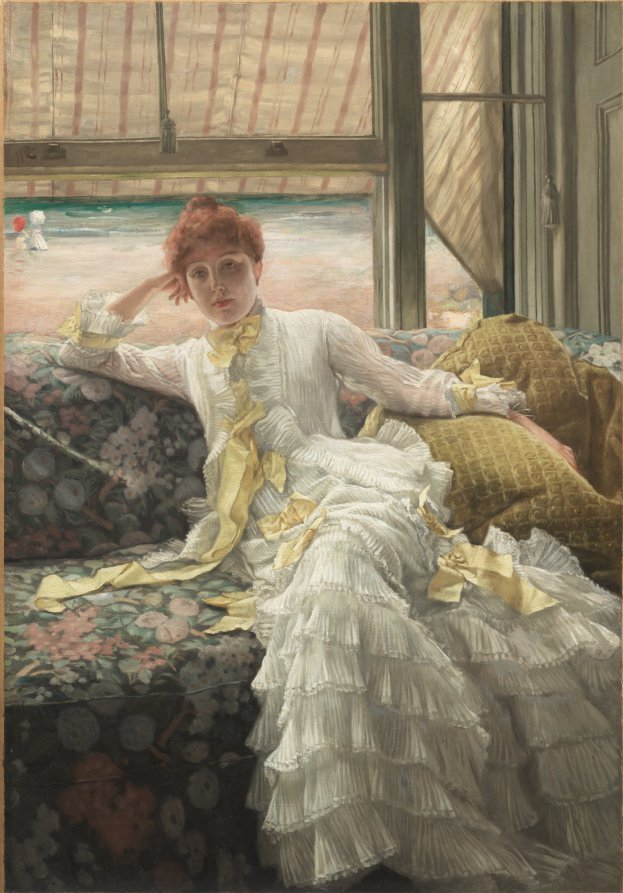
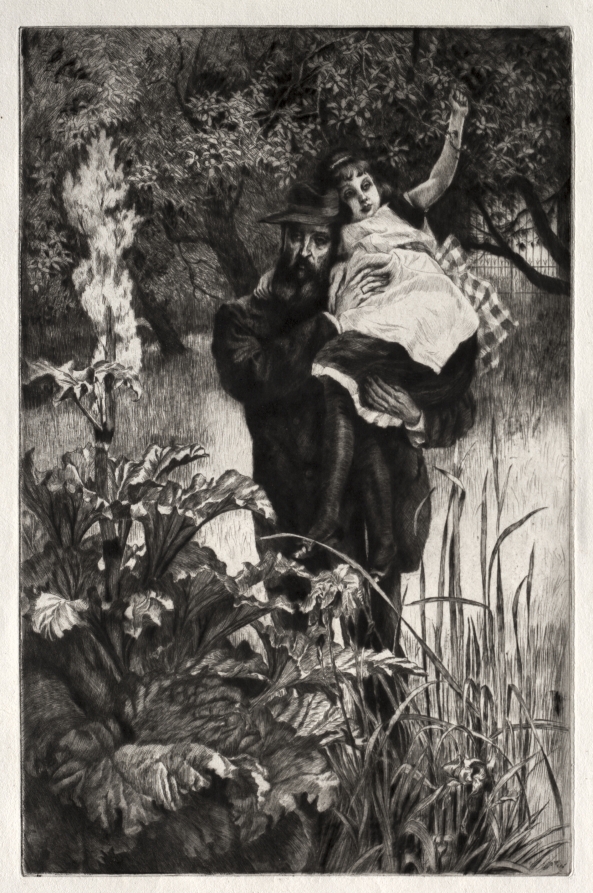
James Tissot was a French painter and illustrator who became renowned for his meticulously detailed depictions of fashionable Victorian society, particularly in London where he lived for eleven years. Born Jacques-Joseph Tissot in Nantes, France, he studied at the École des Beaux-Arts in Paris and was influenced by both academic painting traditions and the emerging Impressionist movement, though he maintained a more polished, narrative-driven style than his Impressionist contemporaries like Edgar Degas, with whom he was close friends. His work is characterized by extraordinary technical precision, rich color palettes, and an acute observation of contemporary fashion, social customs, and the nuances of modern life in the late nineteenth century. Tissot's career can be divided into distinct phases. During his Paris period in the 1860s, he achieved success with historical and contemporary genre scenes. Following his involvement in the Paris Commune of 1871, he relocated to London, where he produced his most celebrated works depicting elegant women in fashionable settings—garden parties, social gatherings, and domestic interiors. Paintings such as "The Ball on Shipboard" (c. 1874) and "The Gallery of HMS Calcutta (Portsmouth)" (c. 1876) exemplify his ability to capture the textures of fabric, the play of light, and the psychological complexity of social interaction. His work found great commercial success in Britain, and he became a favorite among wealthy patrons who appreciated his glamorous yet psychologically penetrating portrayals of modern life. After returning to Paris in 1882 following a personal crisis related to the death of his mistress Kathleen Newton, Tissot underwent a profound spiritual transformation. He devoted the final decades of his life to religious subjects, producing an extensive series of watercolor illustrations for the Bible, particularly "The Life of Christ" (1886-1894), which involved extensive research trips to the Middle East. These works, numbering nearly 350 illustrations, were exhibited internationally and represented a dramatic departure from his society paintings, demonstrating remarkable archaeological and ethnographic accuracy. Today, Tissot is recognized as a master chronicler of Victorian society and a significant figure bridging academic tradition, Realism, and early modernist sensibilities. His works are held in major museums including the Musée d'Orsay, Tate Britain, and the Metropolitan Museum of Art.
Spotted by
Artists in conversation