Bronze Medium
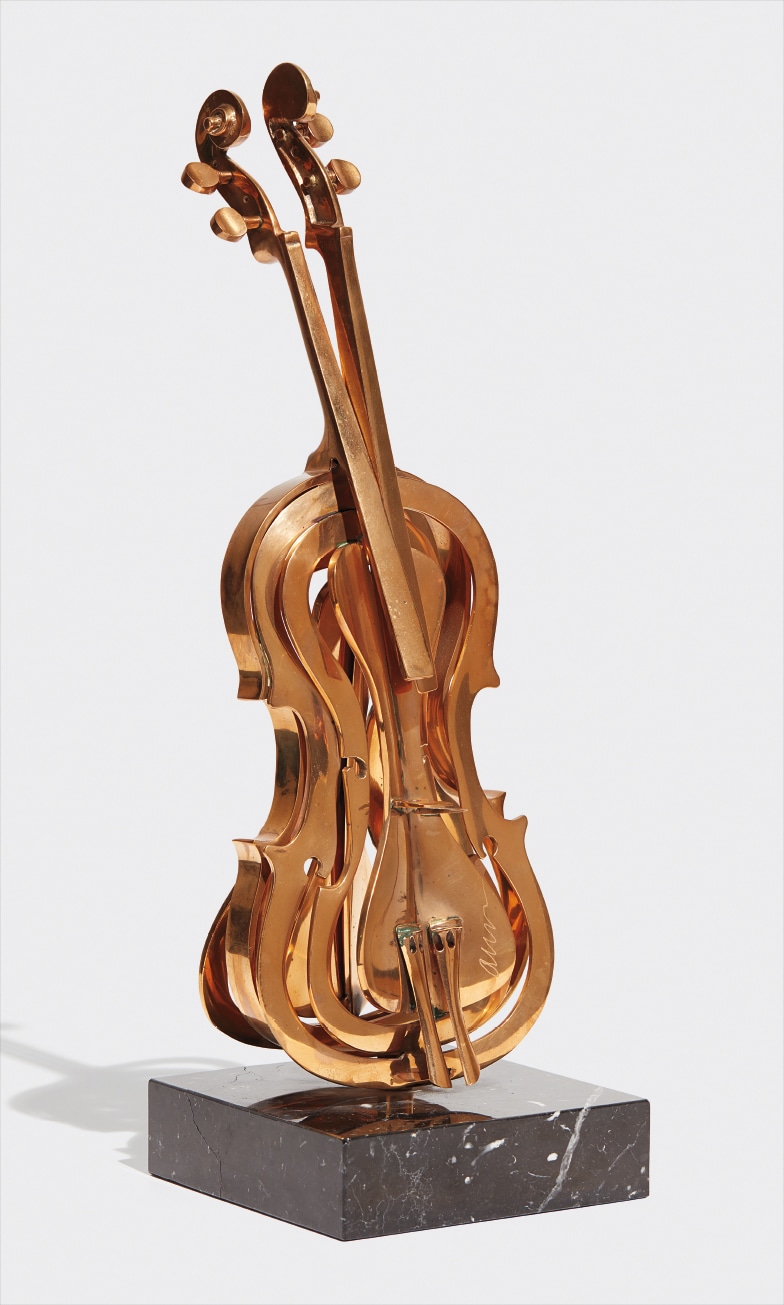
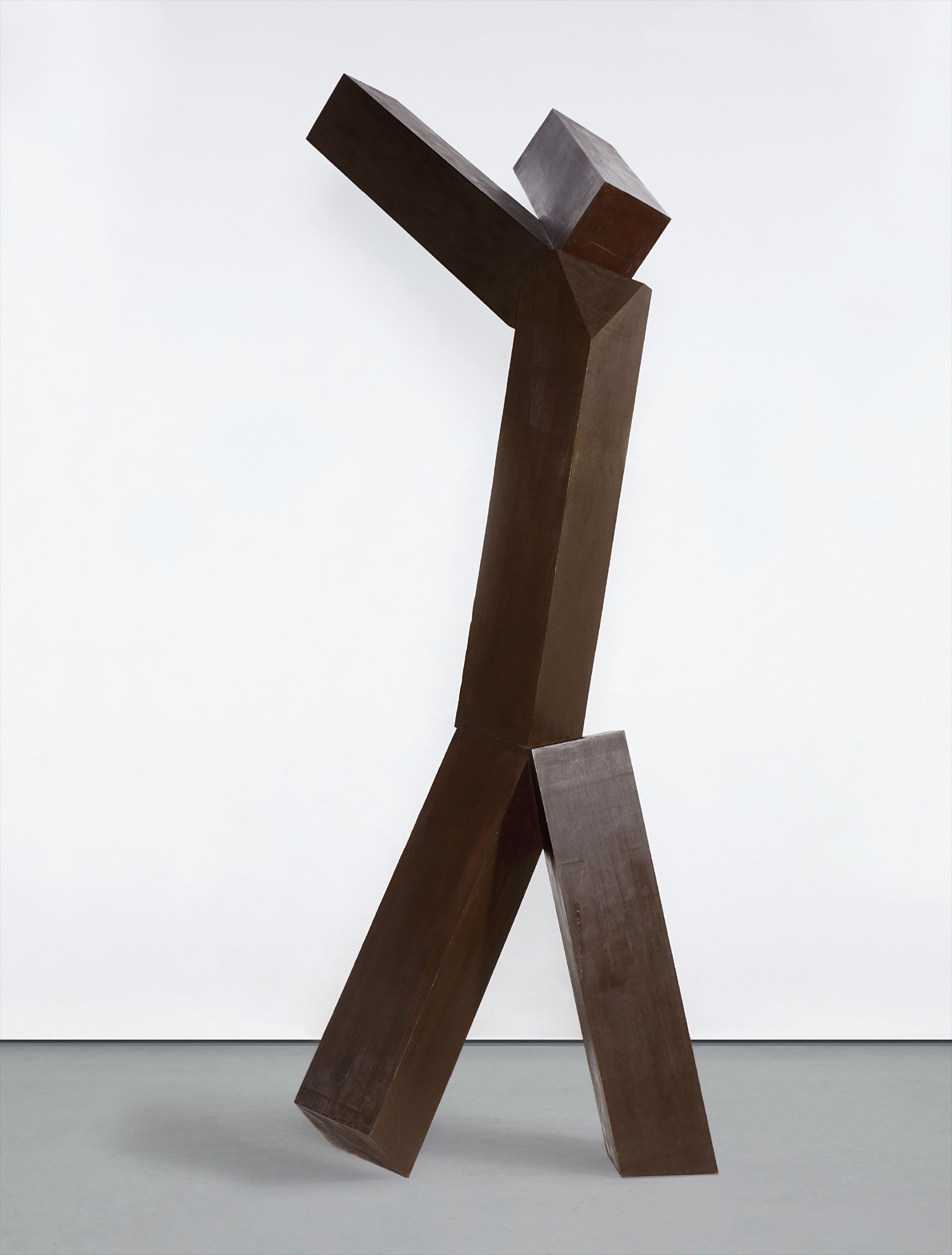
Joan Miró
Maternité, 1981
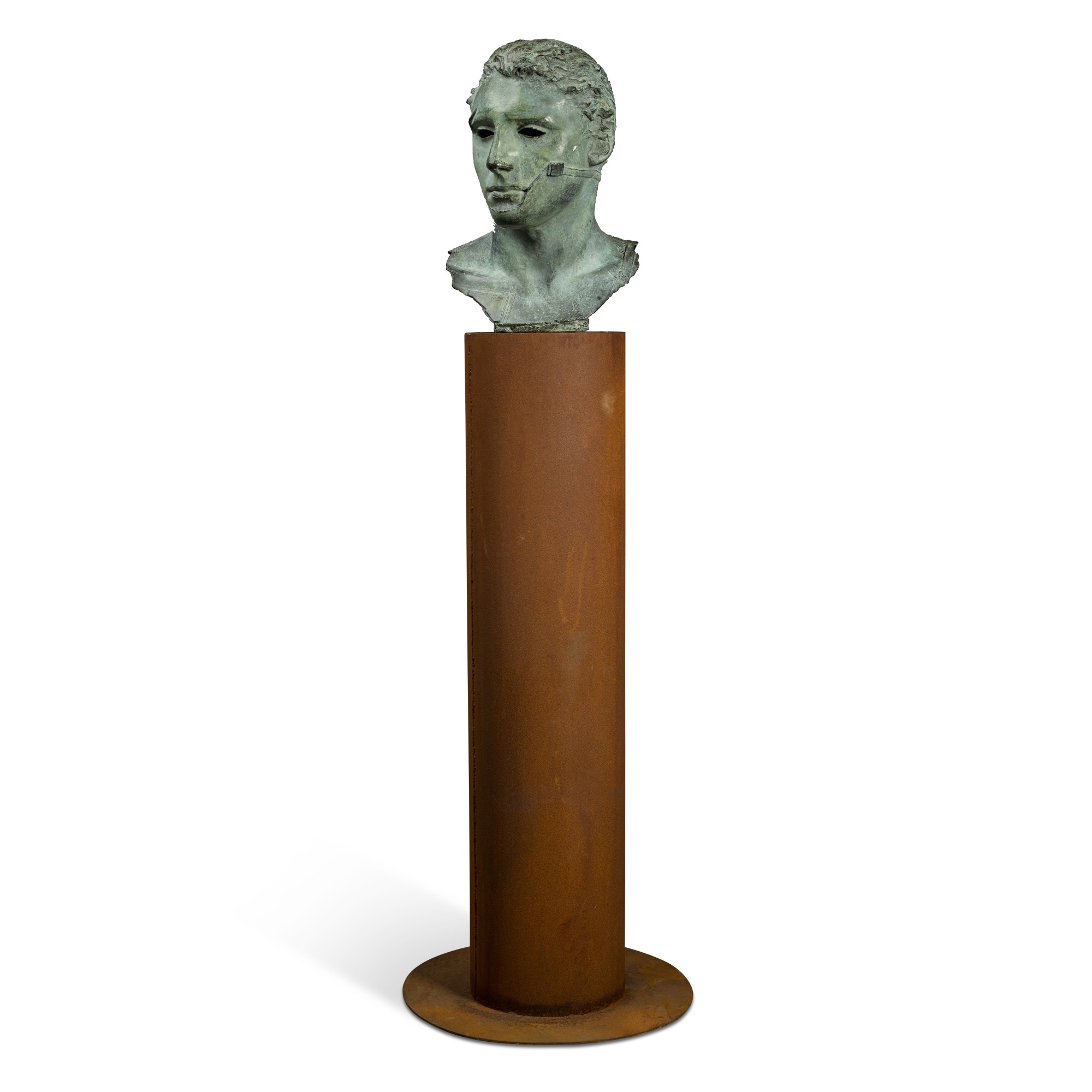
Bronze Never Dies, It Just Transforms
There is something almost unreasonable about bronze. It outlasts civilisations, survives fires, endures burial in the earth for millennia, and emerges not merely intact but often more beautiful for its time underground. The patina that collectors prize so highly, those deep greens and warm ochres, is not a sign of decay but of conversation between metal and atmosphere. To collect bronze is to participate in one of the oldest and most technically demanding traditions in human culture, a tradition that connects a Fernando Botero reclining figure to a ritual vessel cast in the Shang Dynasty three thousand years ago.
The lost wax process, known as cire perdue, is where most of this story begins in the Western tradition. Sculptors model a form in wax, encase it in a ceramic shell, then burn out the wax and pour molten metal into the void. The result is a hollow object that holds the memory of the artist's hand with extraordinary fidelity. This method was already sophisticated in ancient Greece, and by the Renaissance, Florentine foundries were producing works of such complexity that they have never been surpassed in technical ambition.
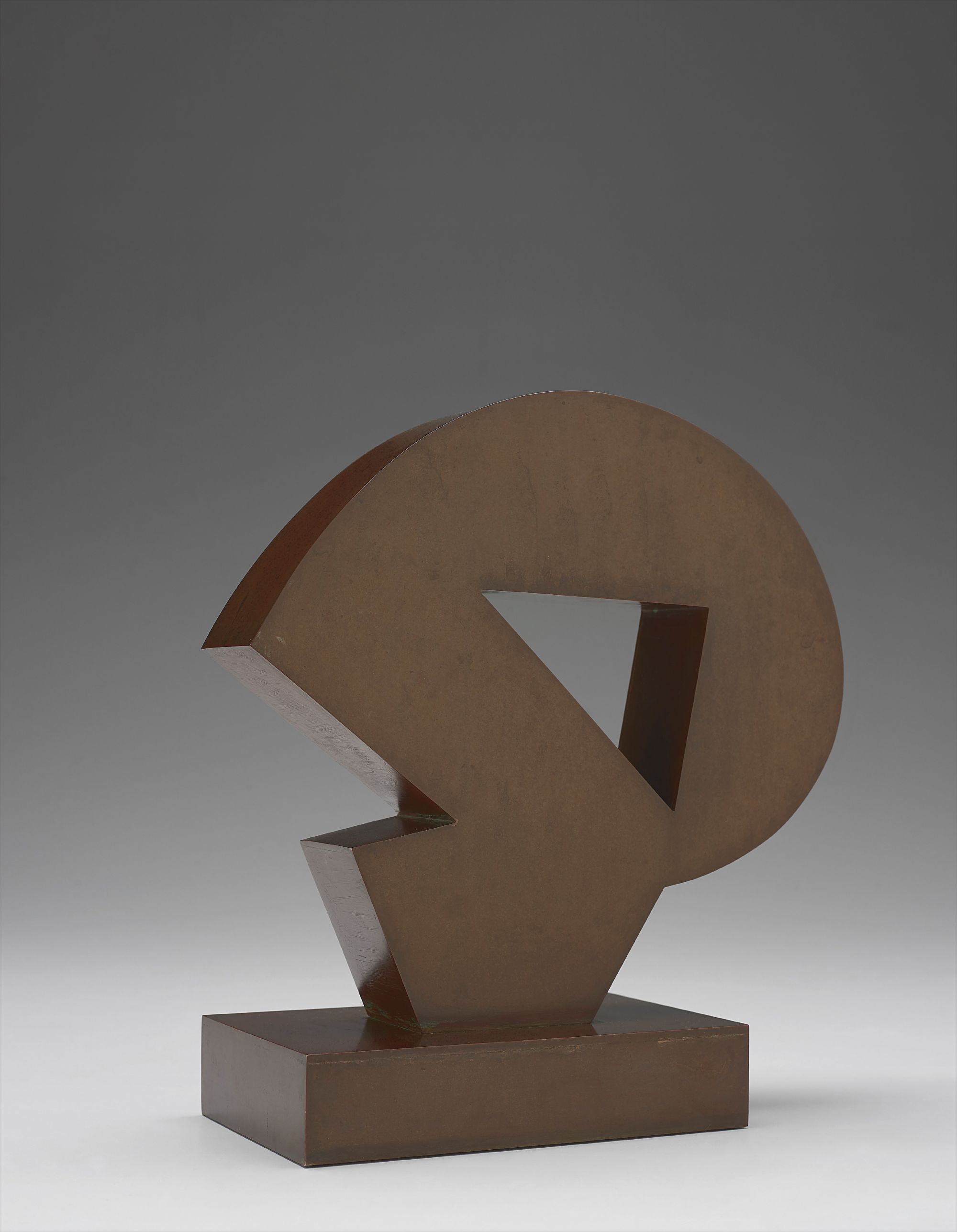
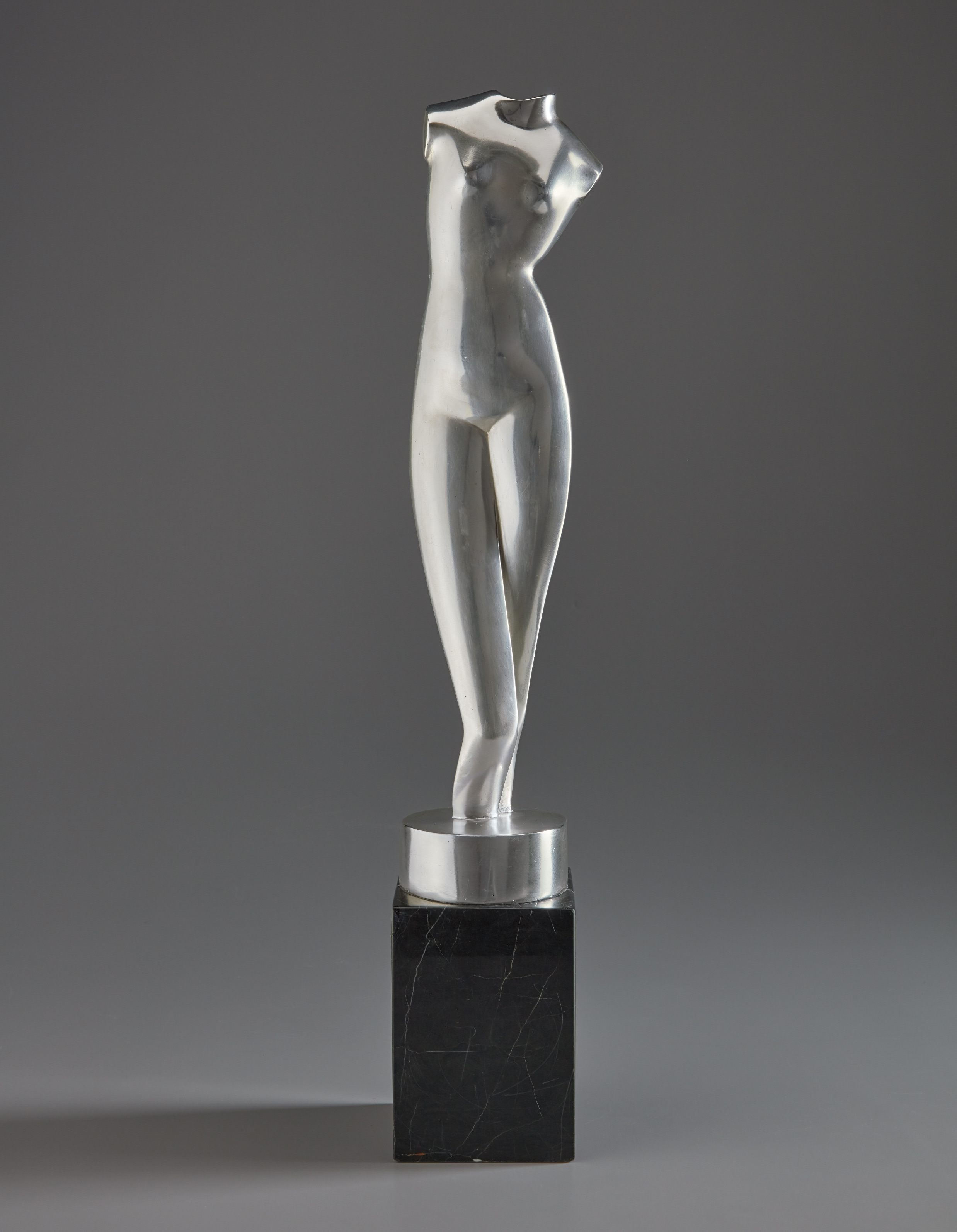
Jean (Hans) Arp
Parent d'oiseau (Bird Parent)
Donatello's David, completed around 1440, announced bronze as the medium of individual authority and physical grace. It set a precedent that sculptors have been arguing with ever since. The nineteenth century saw bronze industrialised, in a sense. Rodin changed everything not by inventing new techniques but by using the foundry's capacities as an extension of his own creative thinking.
He understood that bronze could hold both the rough and the refined simultaneously, that a thumb mark pressed into clay would survive the casting process as a gesture of astonishing intimacy. By the time Aristide Maillol emerged in the early twentieth century, working in a deliberately quieter register than Rodin's emotional storms, bronze had become the language of the body itself. Maillol's monumental female figures, anchored and self contained, treated the medium as something almost geological, permanent and unhurried. The modernist revolution in sculpture ran directly through bronze even as it questioned every assumption about what sculpture could be.
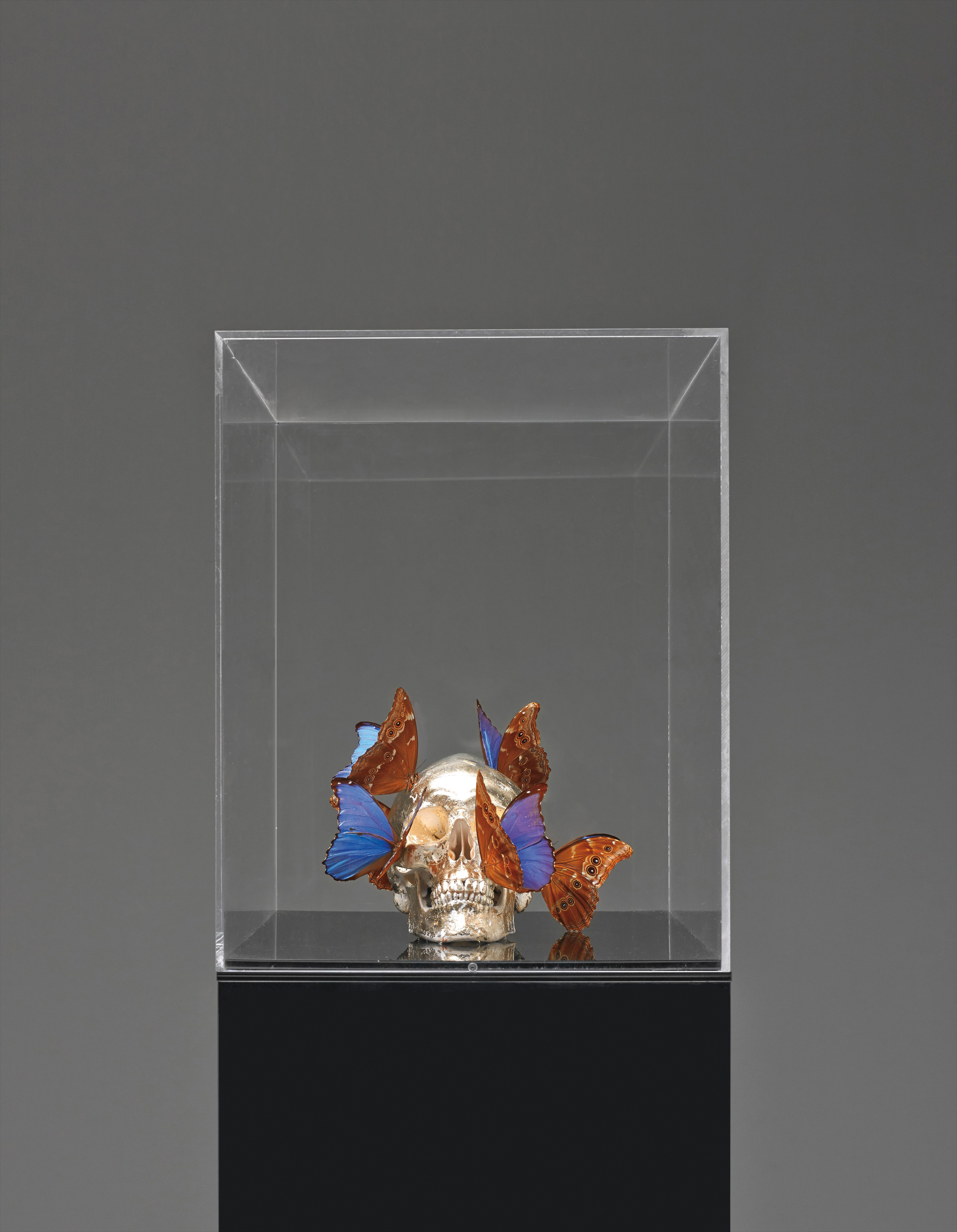
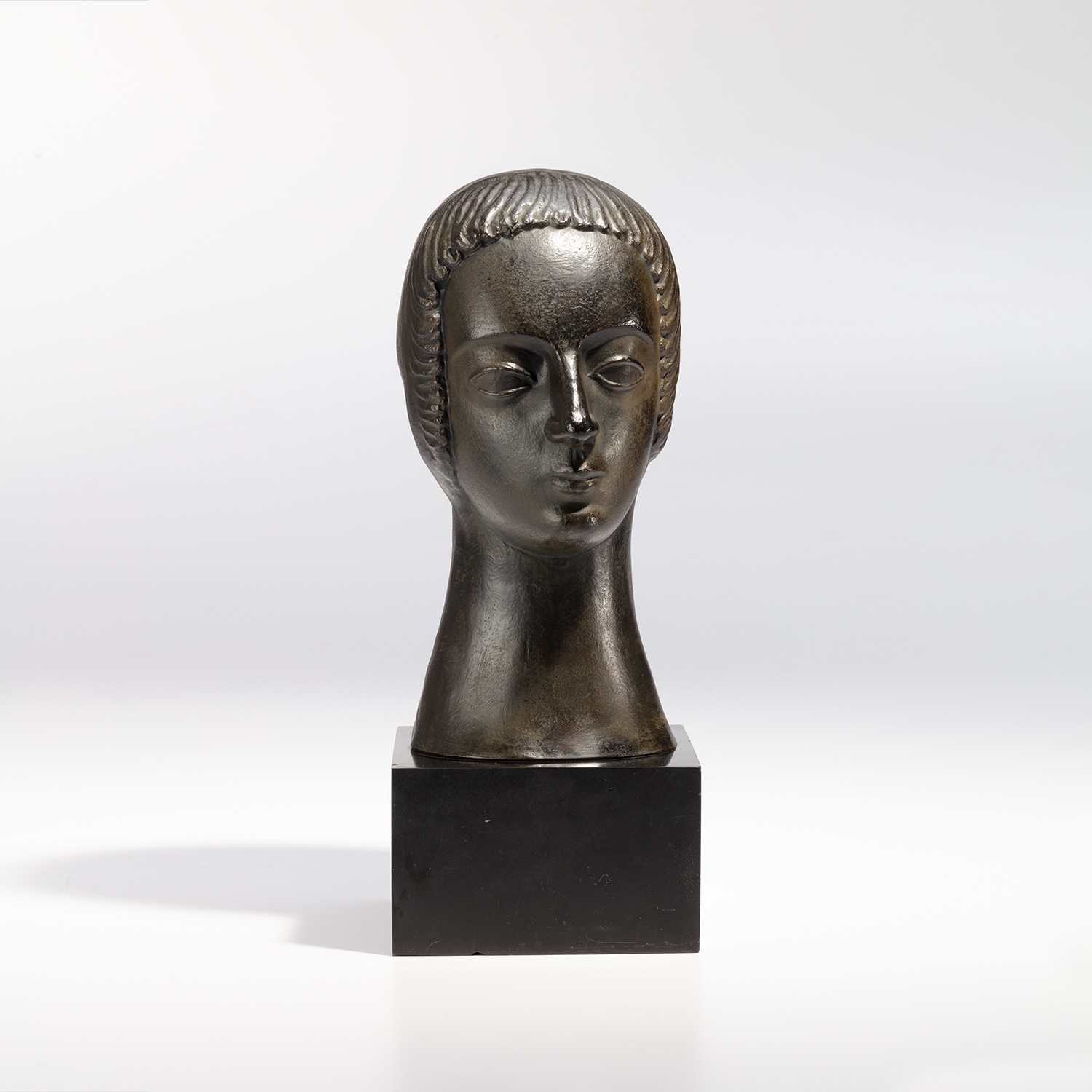
Germaine Richier
Juin 1940, 1940
Constantin Brâncuși polished his bronzes to a mirror finish, stripping away all narrative content until what remained was pure form in dialogue with light. Alexander Archipenko fragmented the figure and reassembled it with voids as present as solids, and Germaine Richier brought a raw, almost violent texture to the surface that felt like the aftermath of something catastrophic. By mid century, bronze was no longer simply a noble material with classical associations. It had become a site of genuine argument about the body, space, and the relationship between artist and world.
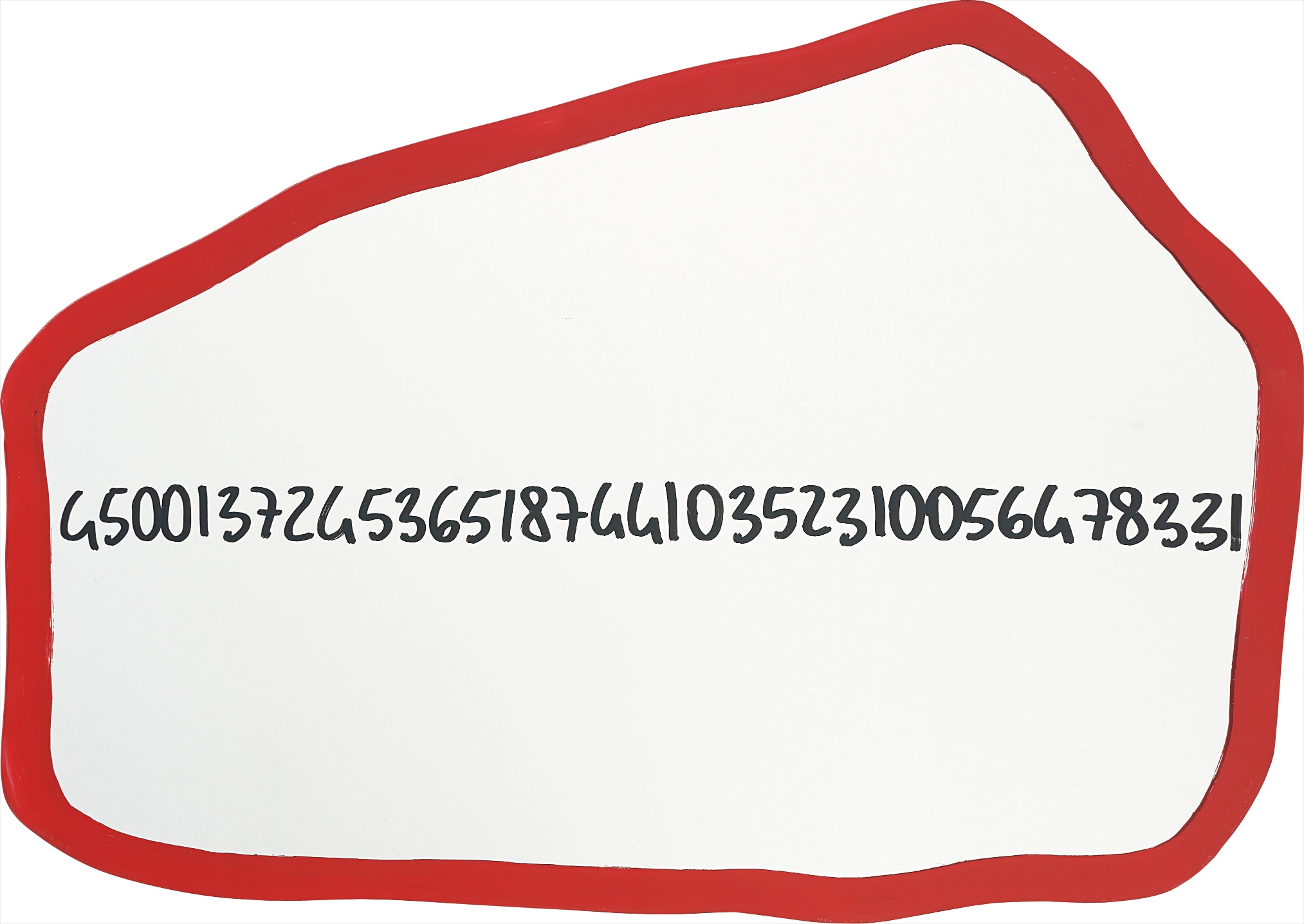
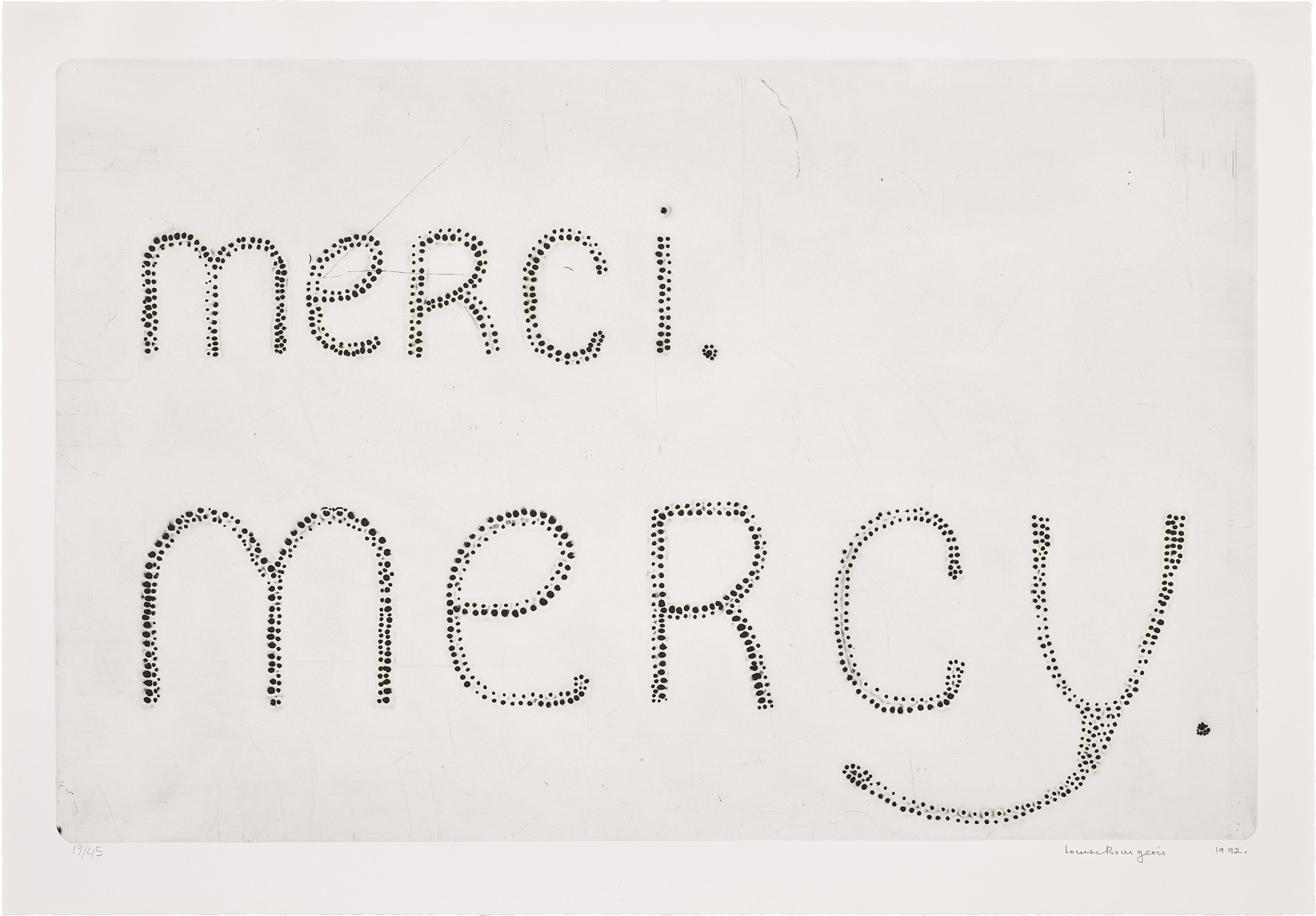
Alberto Giacometti refined this argument into something nearly philosophical. His elongated figures, so thin they seem to be disappearing even as they stand firm, used bronze's permanence to explore impermanence. The material that outlasts everything became, in his hands, an expression of how fragile presence really is. Louise Bourgeois worked in bronze with an entirely different vocabulary, one drawn from psychoanalytic imagery and the architecture of the body.
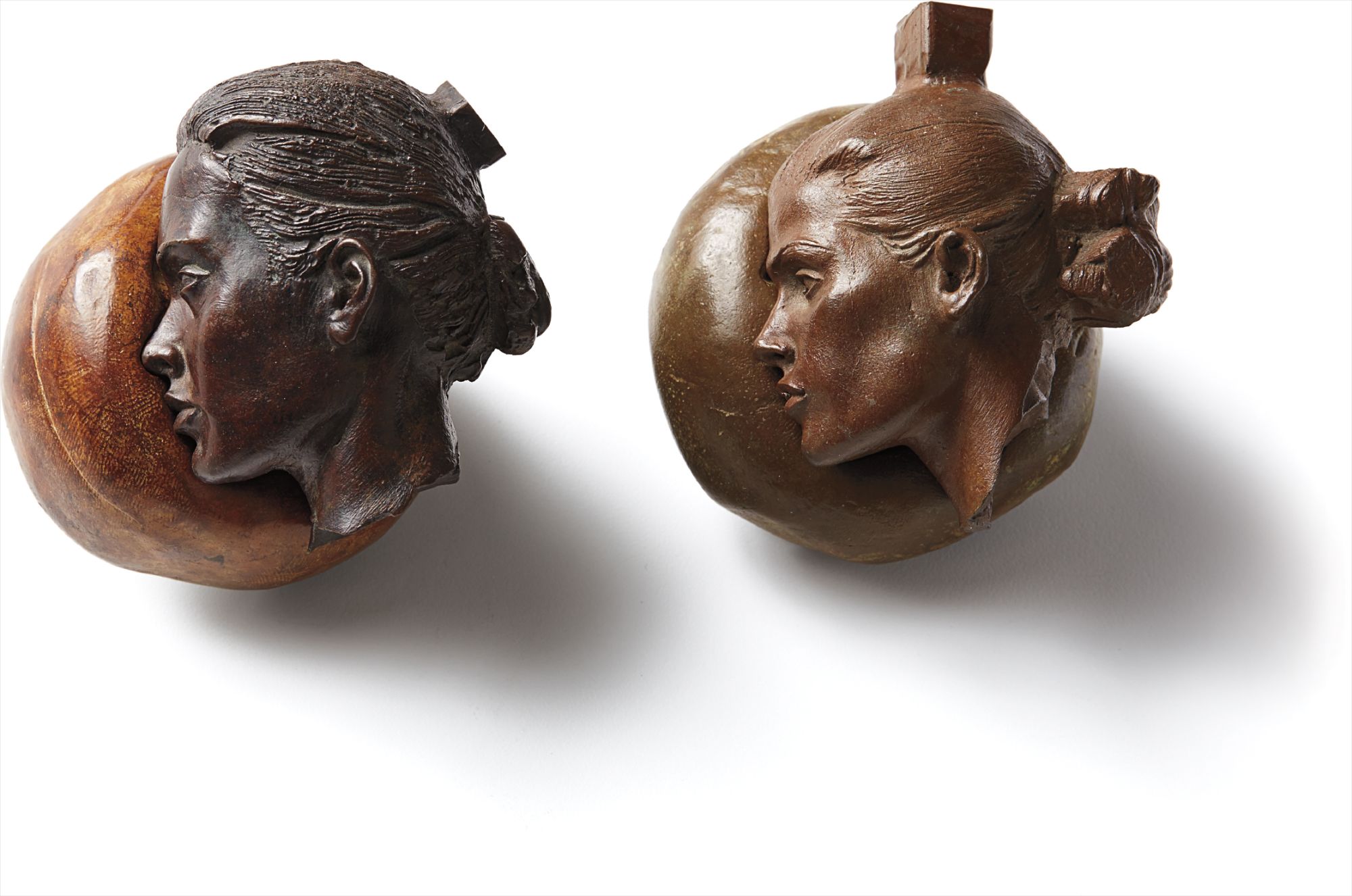
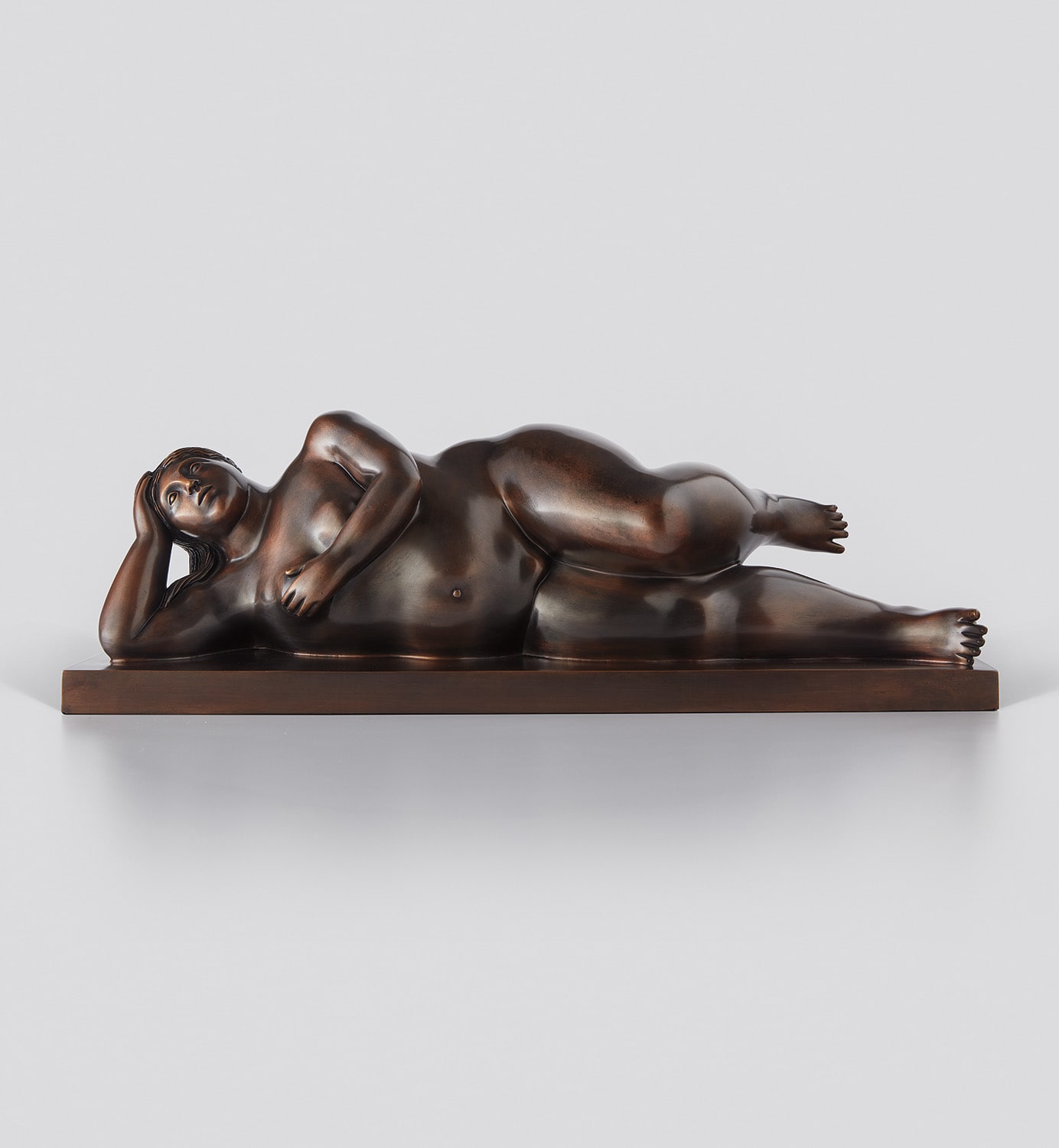
Robert Graham
Elizabeth; and Julie Ann
Her spider forms and cell structures used the medium's weight and authority to give physical mass to states of mind. Both are well represented on The Collection, and their proximity there makes for a quietly extraordinary comparison in what bronze can be asked to carry. The postwar decades brought a generation who approached the medium with both reverence and suspicion. Henry Moore, whose works feature prominently on The Collection, developed a language of reclining figures and internal forms that owed something to Maillol and Brâncuși while remaining entirely his own.
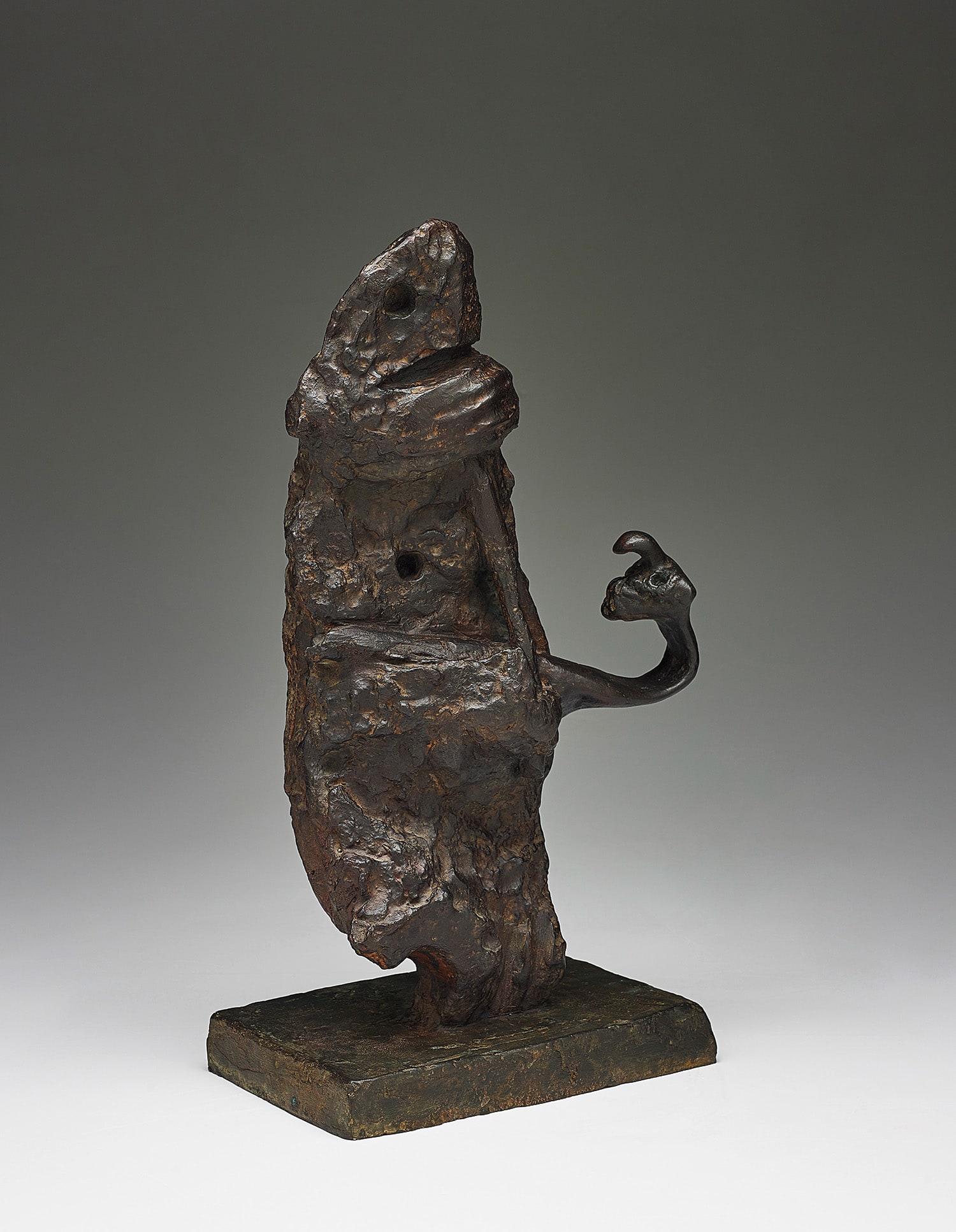
His bronzes think about landscape as much as the body, imagining the human figure as something geological in its own right. Joan Miró's bronze sculptures translated the biomorphic playfulness of his paintings into three dimensions, producing objects that are simultaneously serious and delighted. Barry Flanagan arrived later and brought genuine wit, his leaping hares introducing an anarchic energy that proved bronze could sustain irony alongside gravitas. In more recent decades, artists have continued to test what the medium will bear.
Joan Miró
Maternité, 1981
Thomas Houseago has built a practice around the tension between construction and dissolution, making bronzes that look as though they have been assembled from found fragments or torn from something larger. Joel Shapiro works at a smaller scale, with geometric forms that propose architecture and the body simultaneously in arrangements of almost diagrammatic clarity. Ai Weiwei's engagement with bronze connects the material directly to questions of cultural authority and political power, placing the foundry's ancient associations in deliberate tension with contemporary anxieties. And Ólafur Elíasson has explored bronze's capacity to interact with light and space in ways that feel genuinely contemporary.
The techniques themselves have evolved alongside the conceptual ambitions. Digital modelling now allows sculptors to work at scales and complexities that would have been impossible to achieve by hand alone, though the final casting process retains its fundamental character. The foundry remains a place of heat, risk, and skilled labour. Many artists working today maintain deep collaborative relationships with specialist foundries, some of which have been operating for generations.
The understanding between sculptor and foundry worker is itself a kind of craft knowledge that cannot be fully written down. What makes bronze endlessly fascinating for collectors is precisely this layering of time. When you stand before a work cast in this material, you are engaging with a process that connects to the earliest expressions of human technical ambition, while simultaneously encountering something entirely of its moment. The works on The Collection reflect this range with considerable depth, from the classical figurative traditions carried forward by Baltasar Lobo and Aristide Maillol through to the more disruptive propositions of Folkert de Jong or Roman Minin.
Bronze holds all of this without contradiction. It has the patience of deep time and the attentiveness of the present moment, which is perhaps why artists keep returning to it, and why collectors keep wanting to live with it.