Body Art
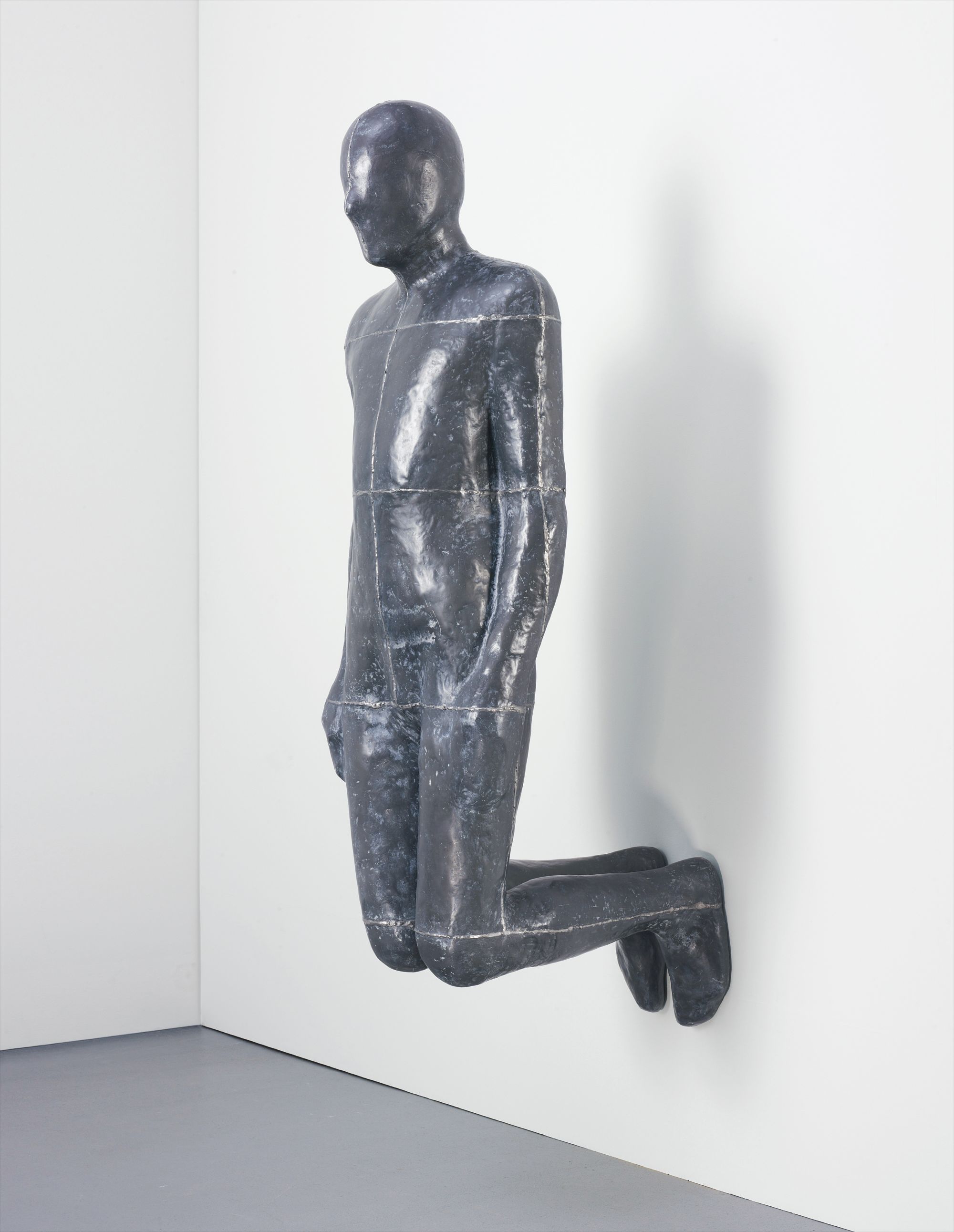
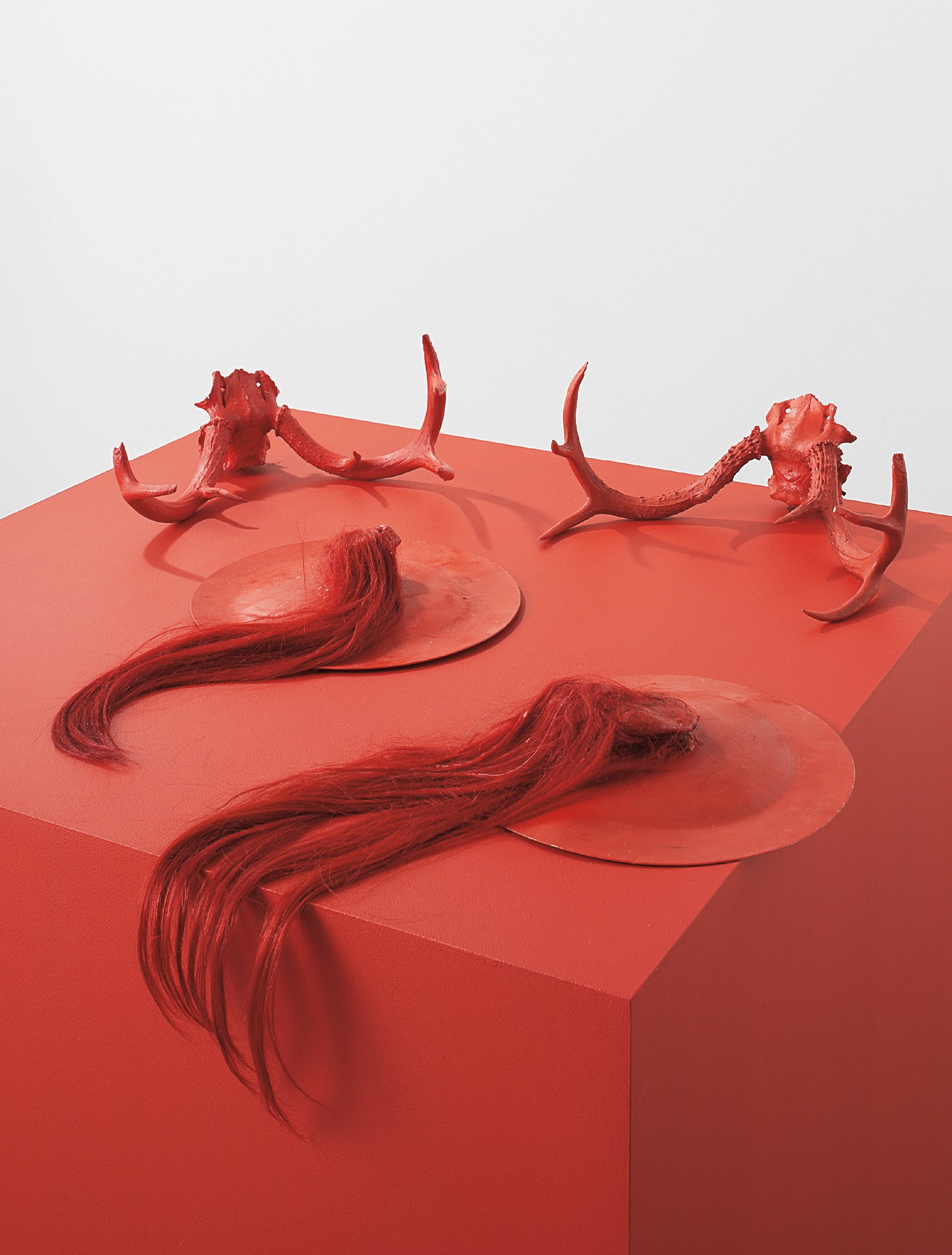
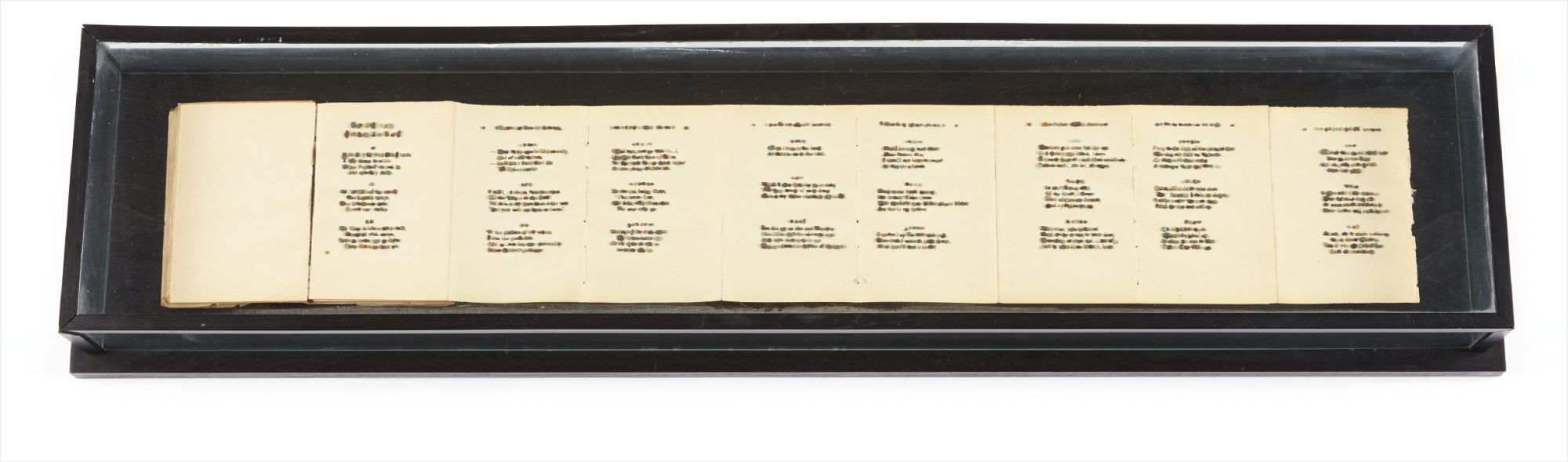
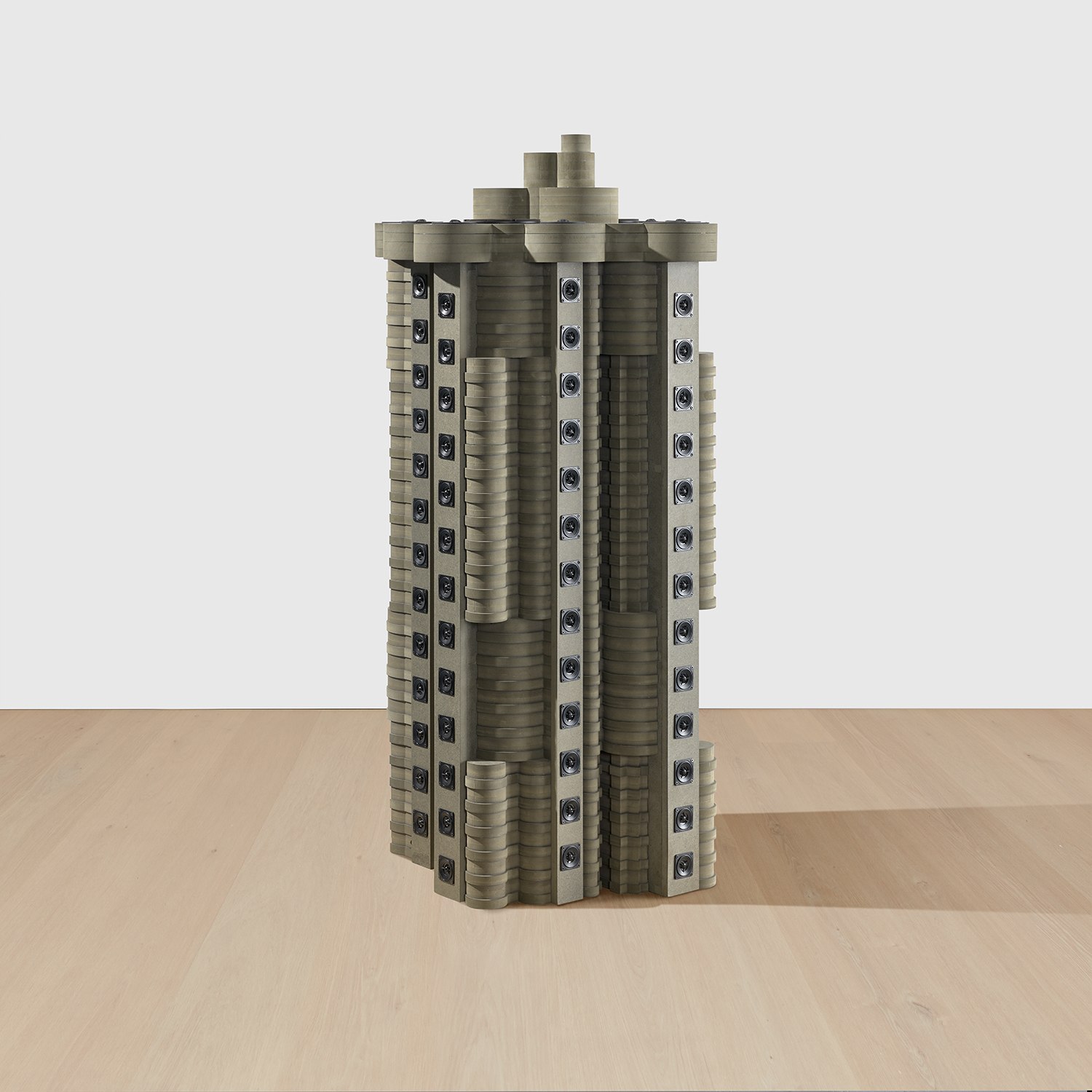
Antony Gormley
Sick, 1989

The Body Was Always the First Canvas
There is something profoundly unsettling and equally seductive about art that refuses to separate the maker from the made. Body art does exactly this. It collapses the distance between artist and object, between gesture and meaning, between the living and the permanent. When the body becomes the medium, every choice carries a particular weight: this is not pigment on linen, not bronze cast from a mold, but flesh and breath and time.
The stakes feel different, because they are. The roots of body art run deep into the postwar period, when artists across Europe, Japan, and the United States began questioning what a painting could be, and then what art itself could be. The Vienna Actionists were conducting their notorious performances by the early 1960s, treating the body as a site of transgression and ritual. In Japan, the Gutai group, founded in 1954 by Jiro Yoshihara, had already pushed artists toward direct physical encounter with materials, culminating in works where bodies plunged through paper screens or dragged paint across canvas using feet and hands.
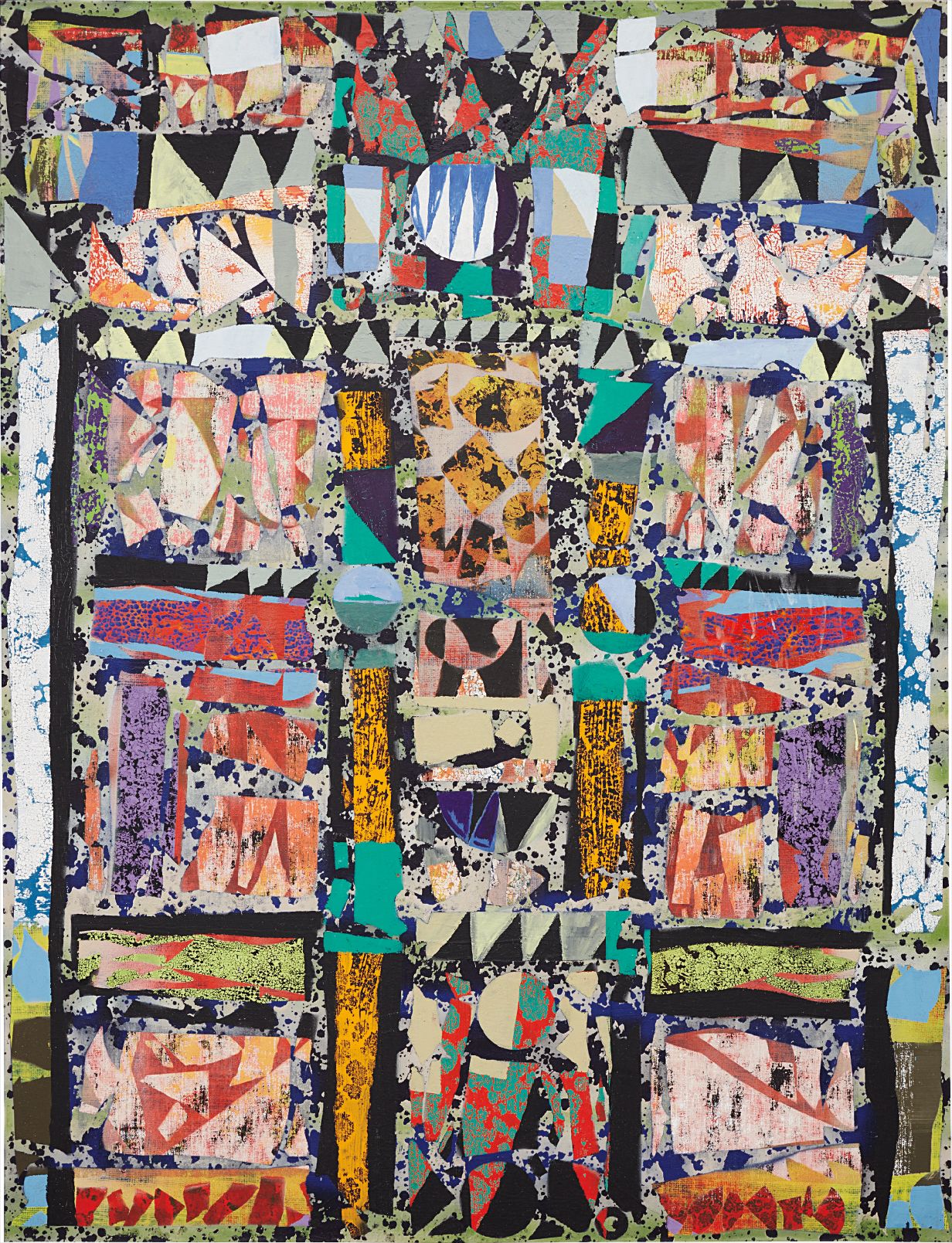
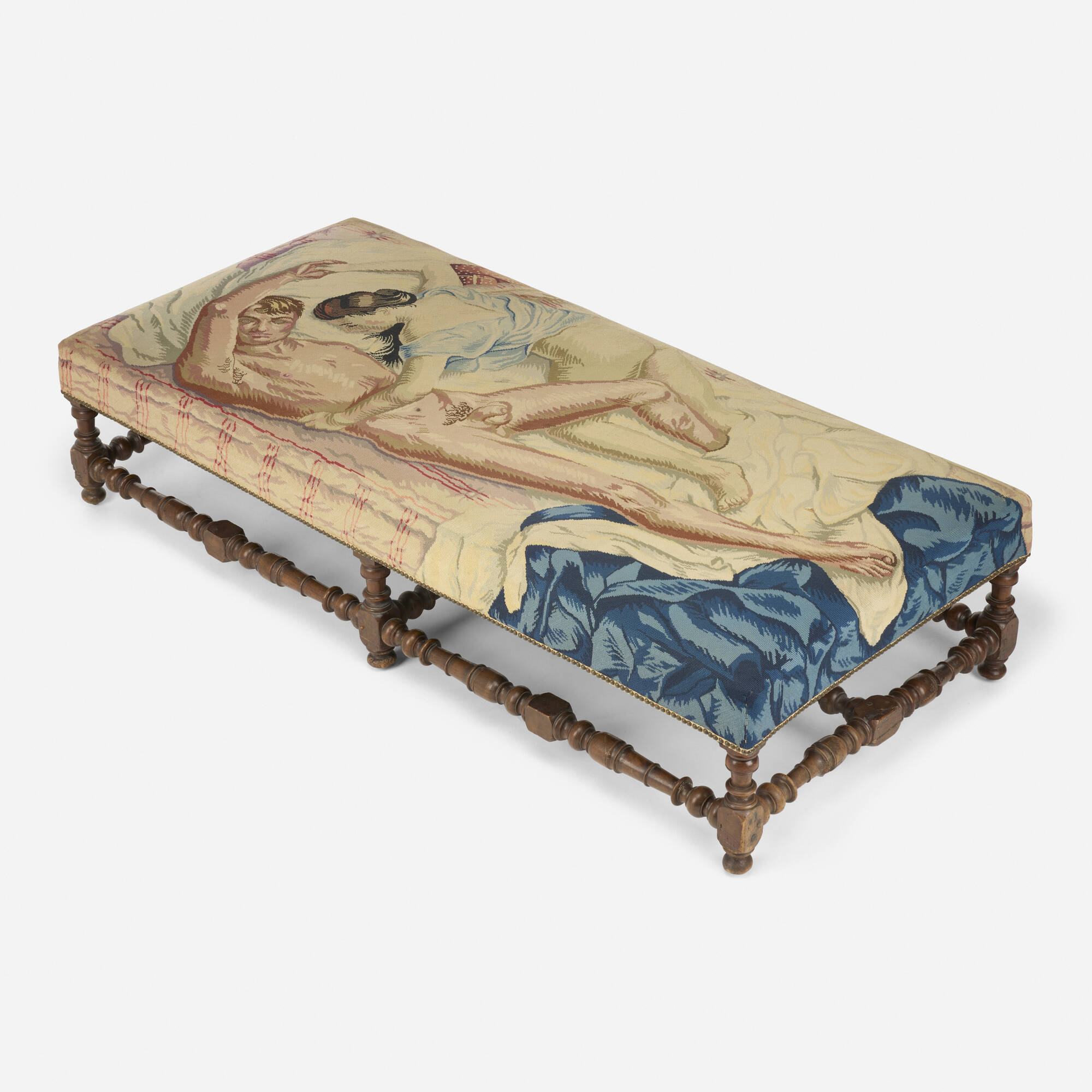
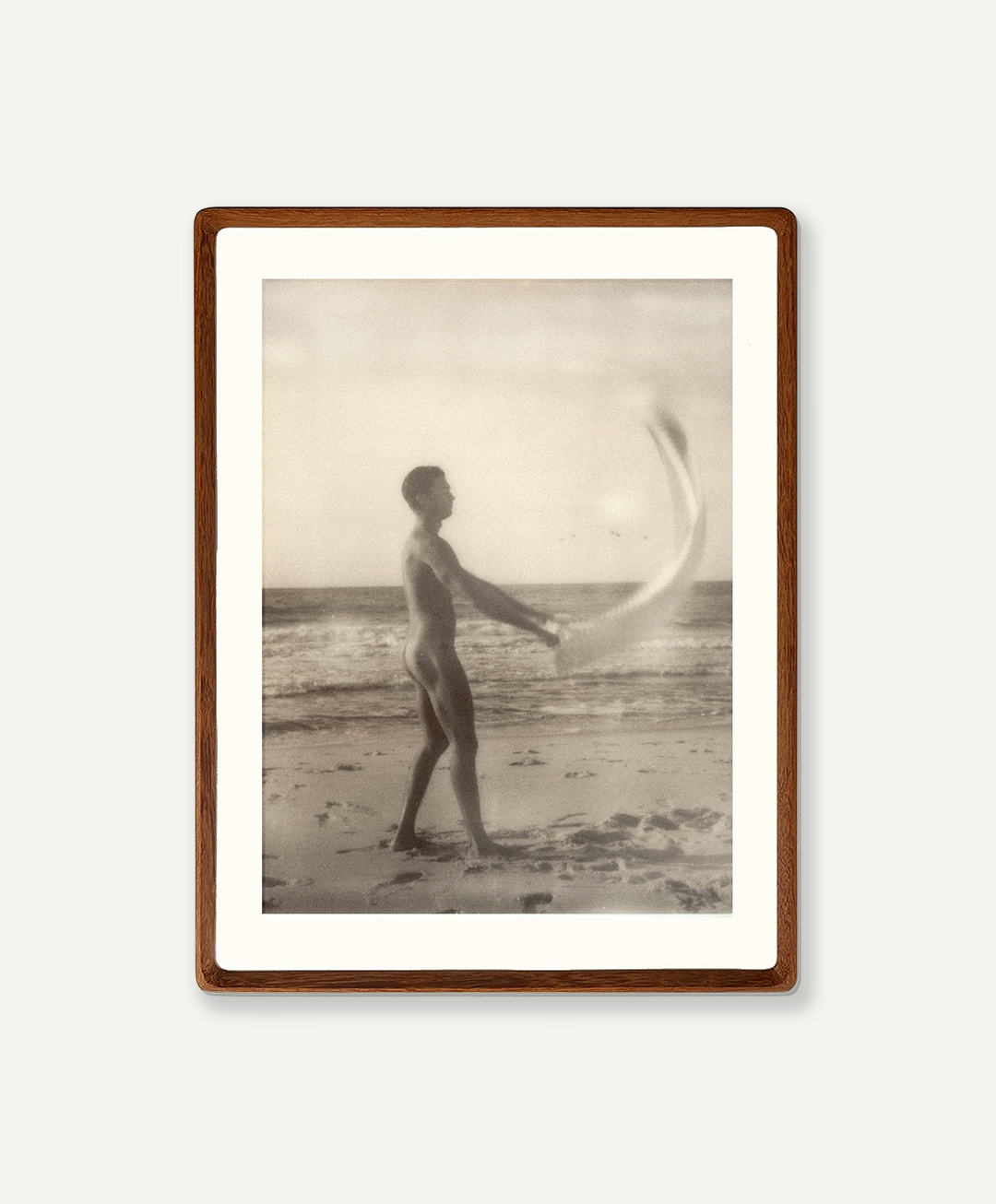
Alfred Boman
Body Paint #4
These were not peripheral experiments. They were foundational provocations that opened a door through which an entire generation would walk. By the late 1960s and into the 1970s, body art had become one of the defining modes of an era in crisis. Vito Acconci made his body a theater of psychological discomfort, staging works that probed voyeurism, aggression, and intimacy in ways that remain difficult to look away from.
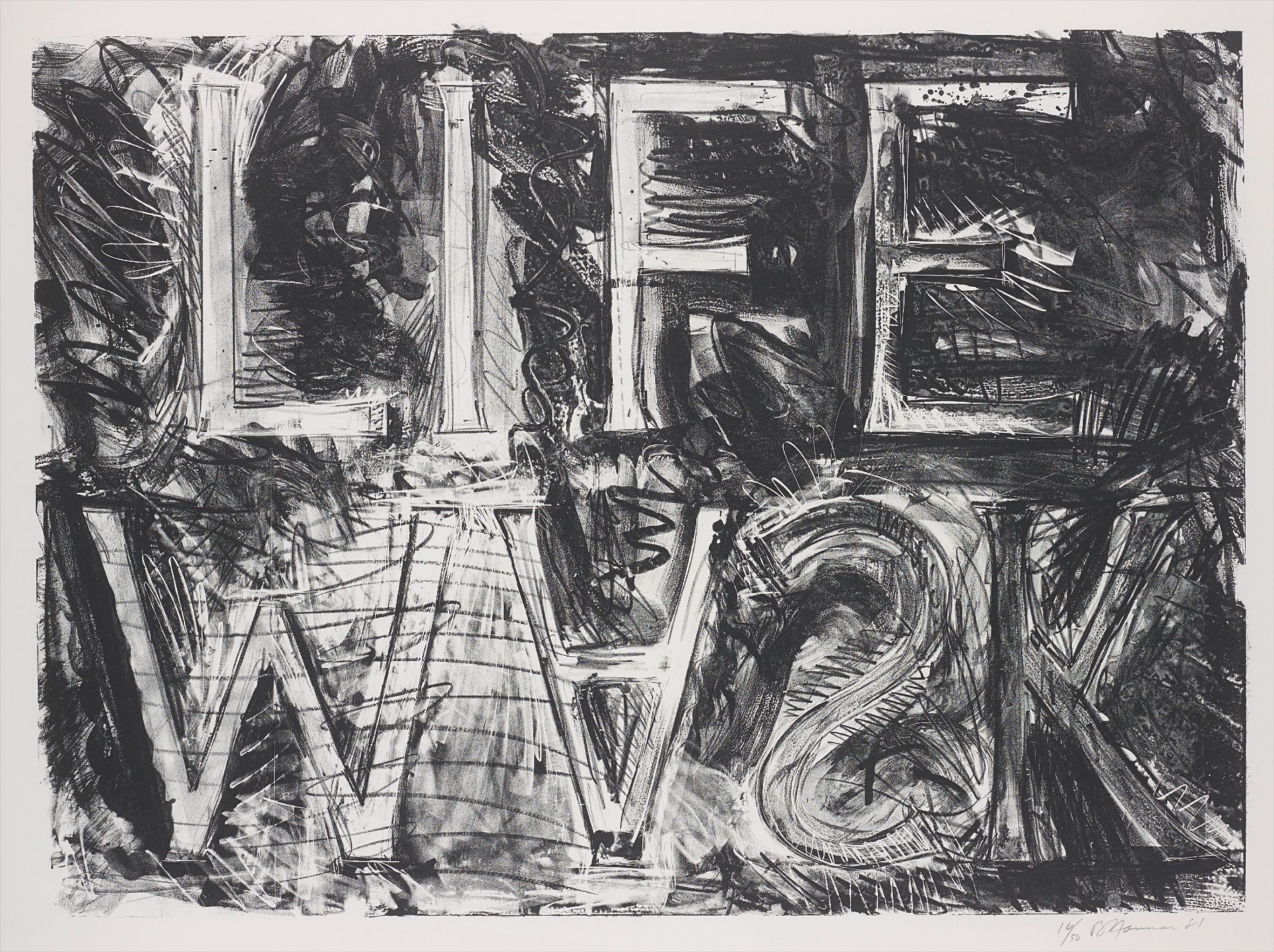
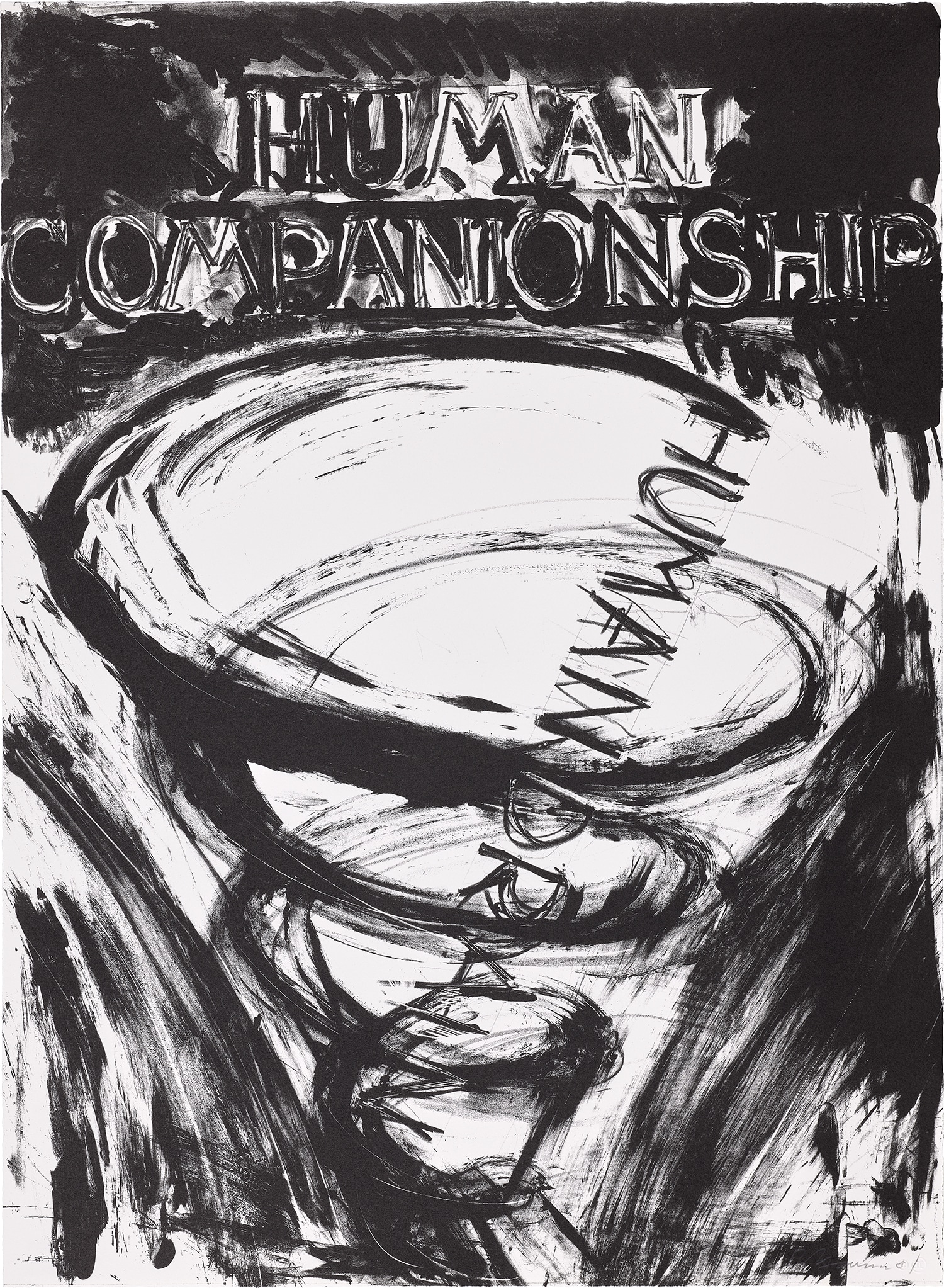
Bruce Nauman, working in his San Francisco studio in the late 1960s, turned the empty space around his own body into sculpture, documenting his movements in a series of films and photographs that asked, quietly but insistently, whether presence alone could constitute art. Both artists are well represented in The Collection, and returning to their work now, one is struck by how much philosophical ground they covered with such economy of means. The feminist reclamation of the body as subject and agent gave body art its most politically charged chapter. Hannah Wilke used her own form with a cool, confrontational intelligence, challenging the way women's bodies had been aestheticized by others while insisting on her own authorship of that gaze.
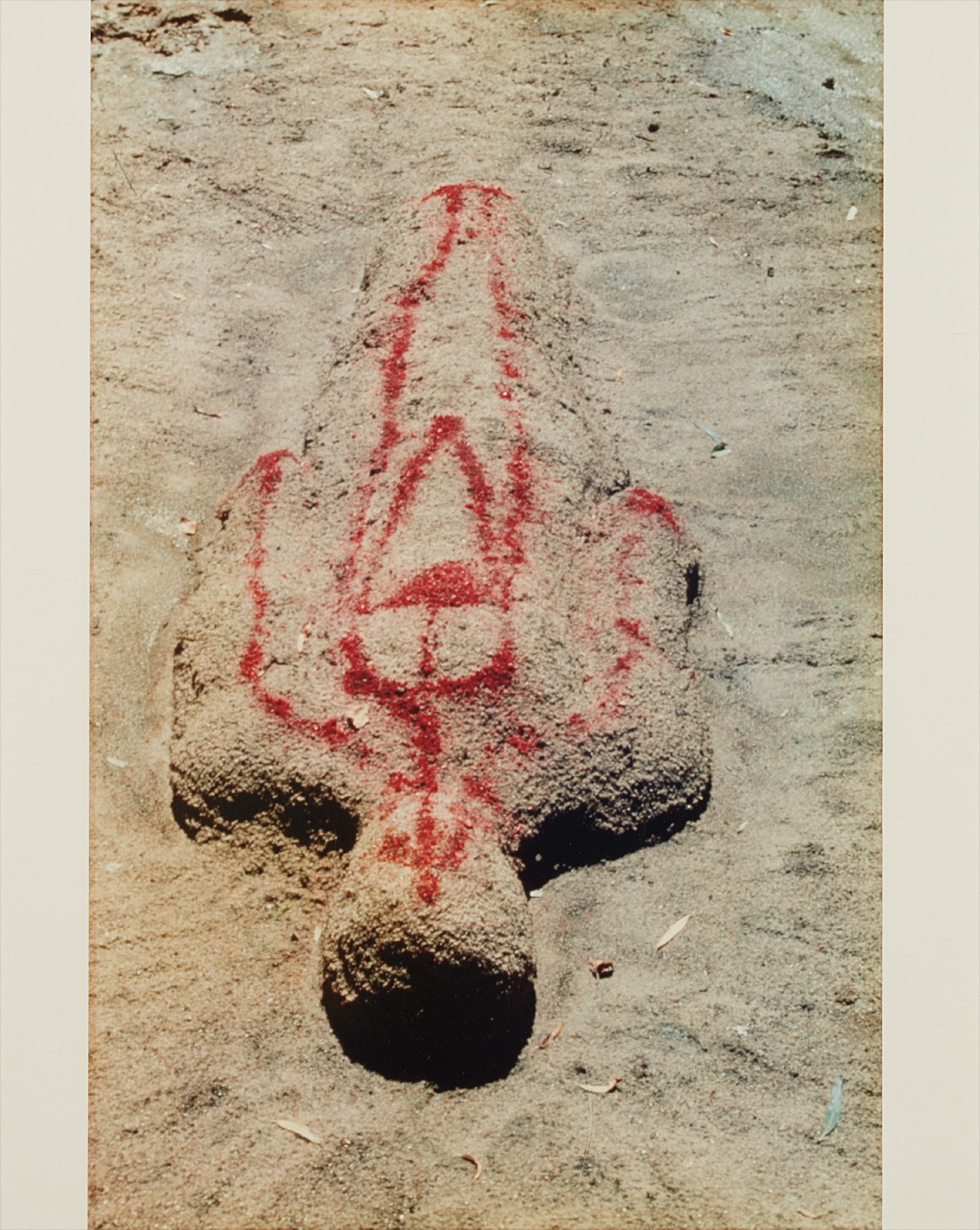
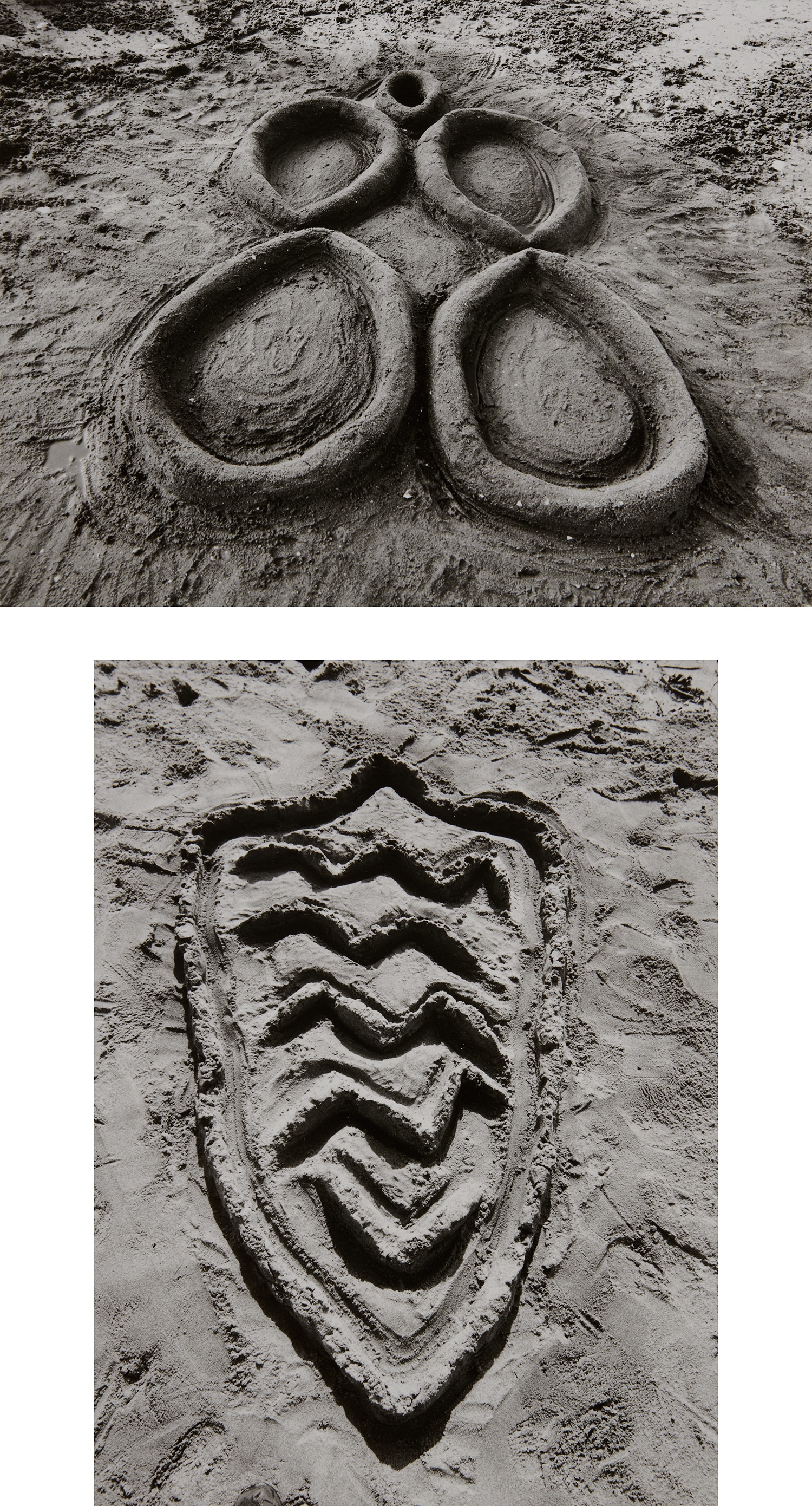
Ana Mendieta
Silueta Works in Iowa
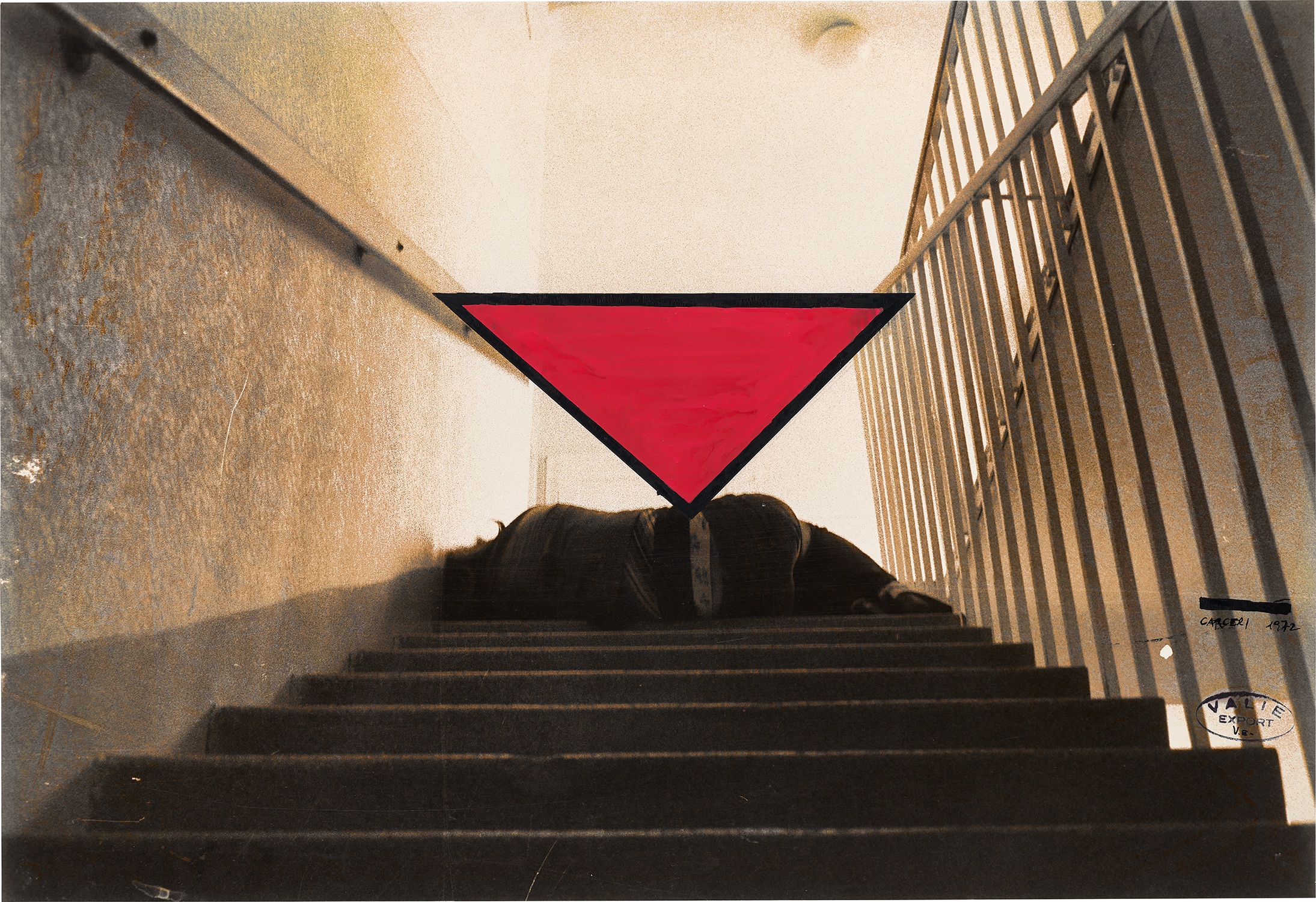
Valie Export staged actions in public space that forced encounters with female physicality on terms entirely her own. Ana Mendieta, whose presence on The Collection is substantial and deeply felt, worked across performance, earth art, and photography to create her Silueta series, a body of work begun in the mid 1970s in which her silhouette was pressed into sand, earth, and grass, sometimes filled with fire or flowers. The work is simultaneously tender and ferocious, a negotiation between a body in exile and the landscapes that might absorb it. Across the Pacific, artists in China were developing their own intensely physical practices, often in direct response to political upheaval and the trauma of the Cultural Revolution.
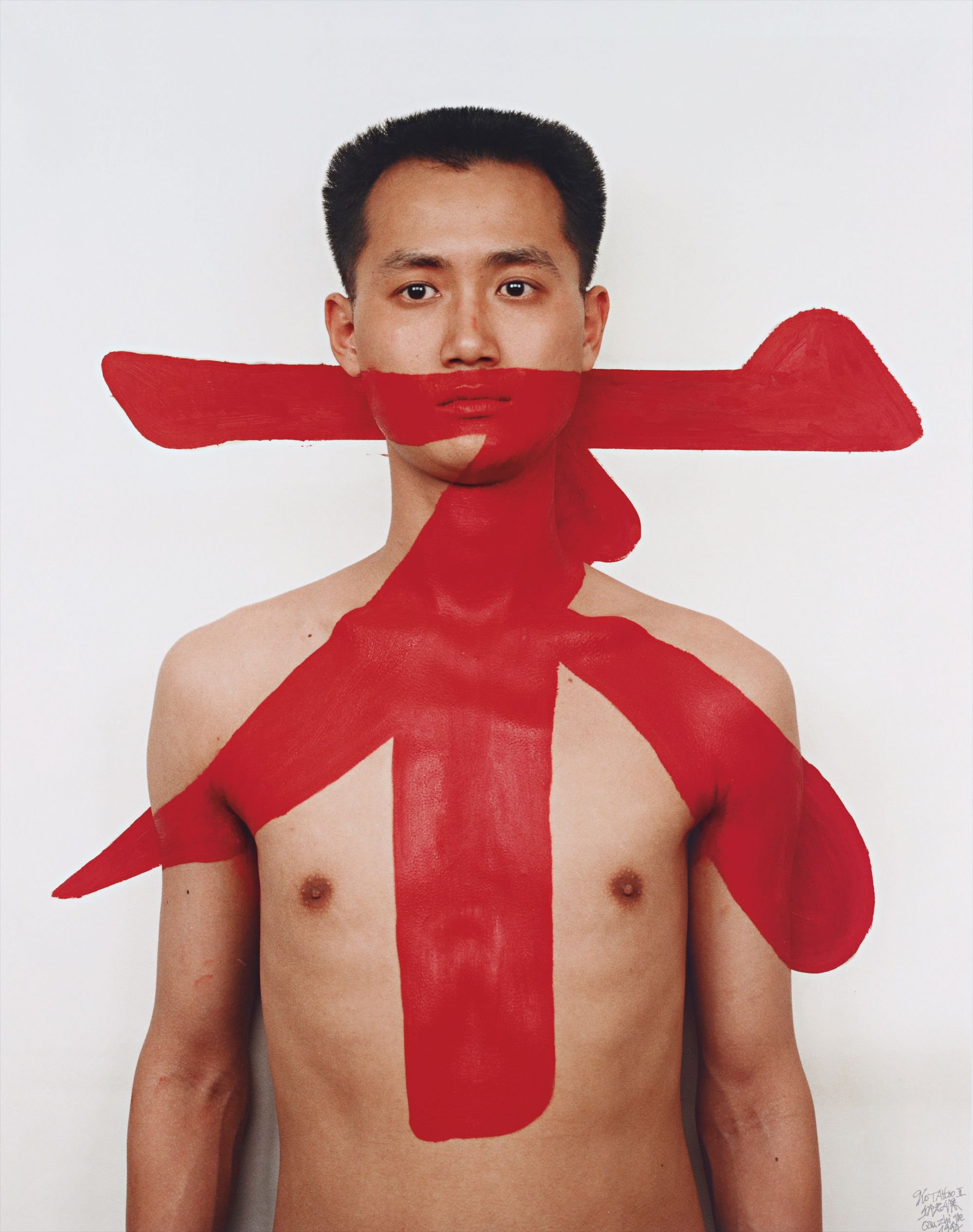
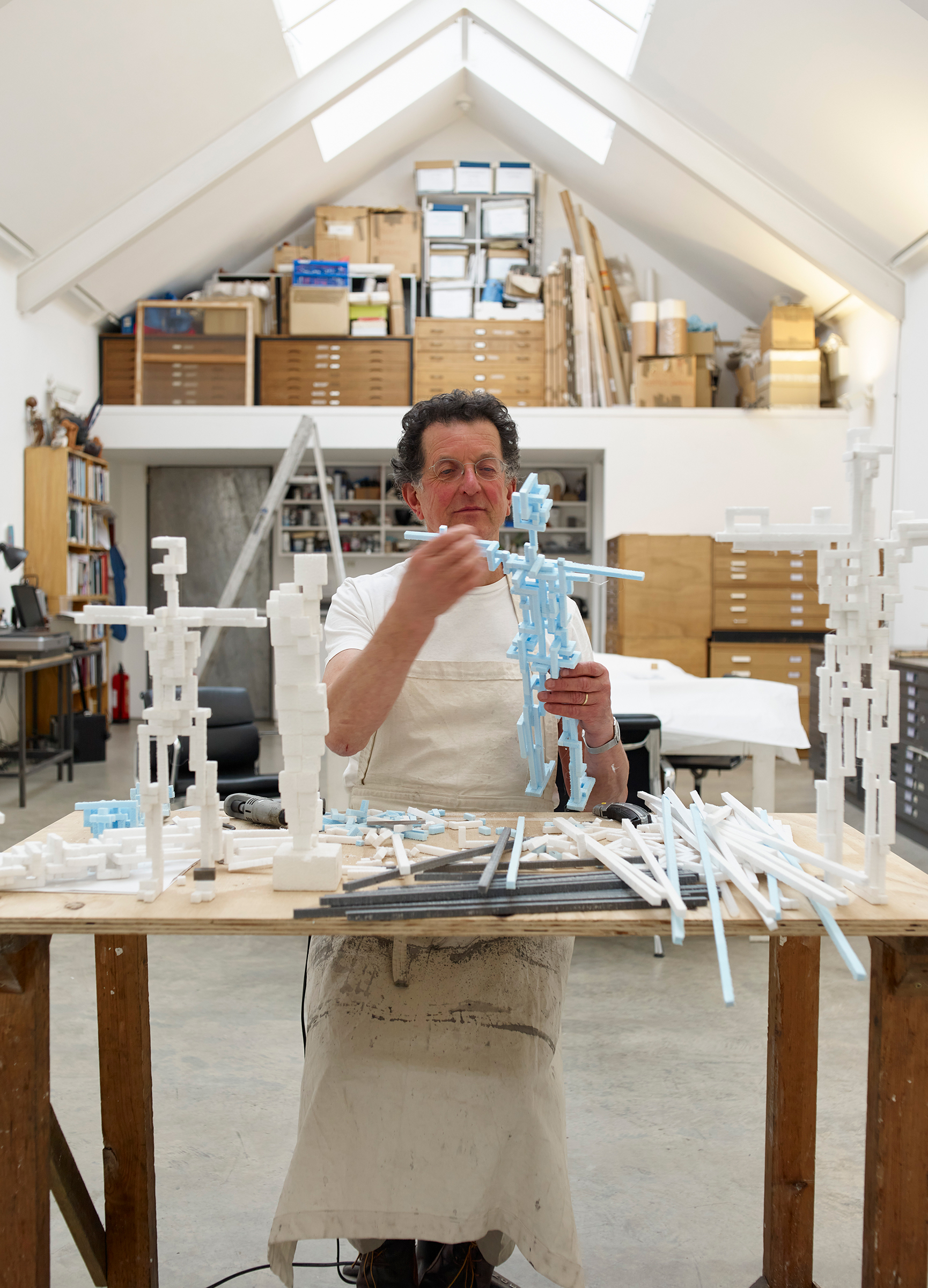
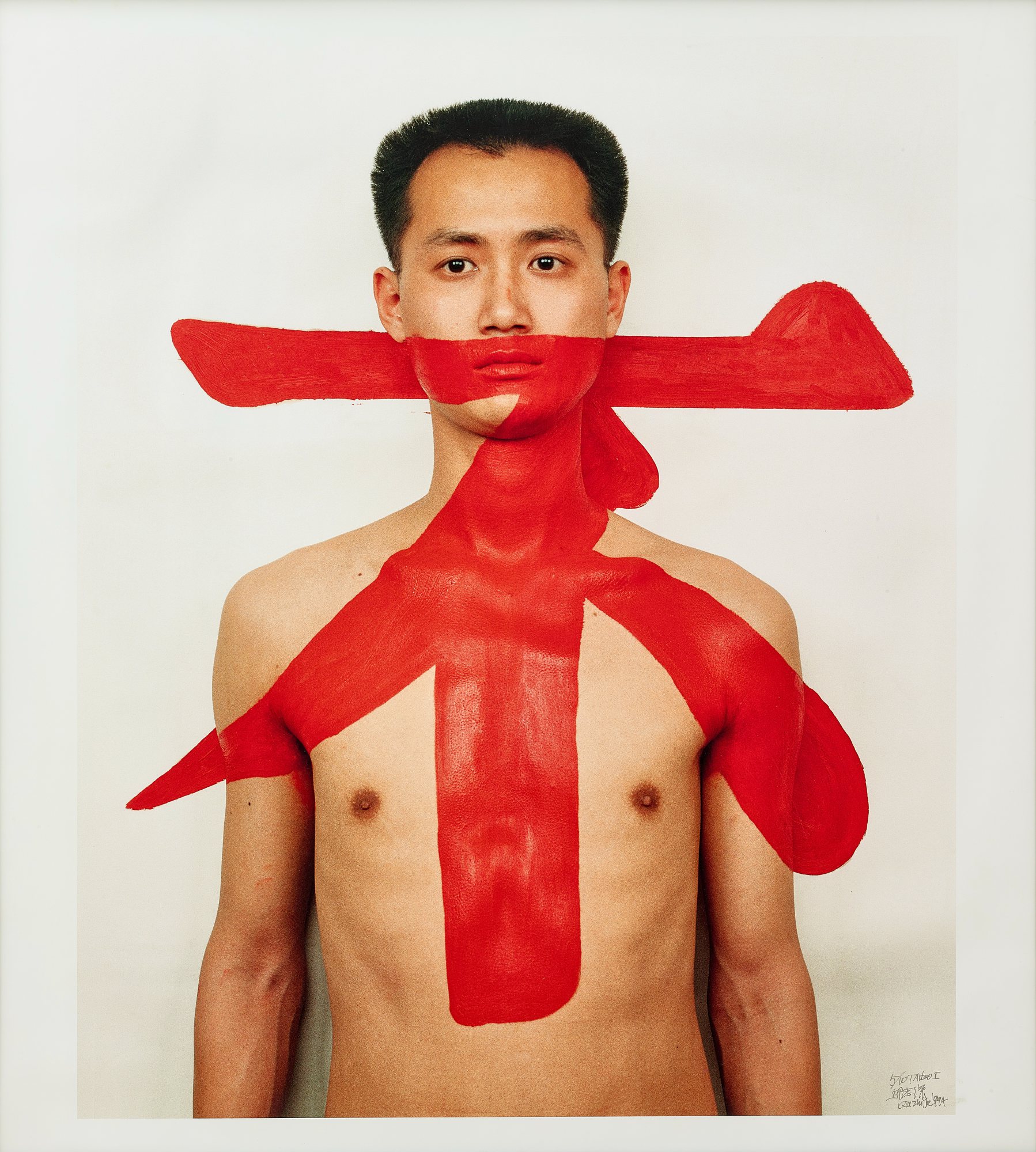
Zhang Huan emerged in Beijing in the early 1990s as part of the East Village artist community, enduring extreme physical conditions in performances that tested the body's capacity for suffering and endurance. His work carries a gravity that is specifically rooted in Chinese history and Buddhist philosophy, even as it speaks across cultural boundaries. Qiu Zhijie, also represented in The Collection, has approached the body through inscription and ritual, using calligraphy written directly onto skin as a way of exploring memory, language, and identity in relation to the self. Antony Gormley has taken a different route, one that is quieter in process but monumental in effect.
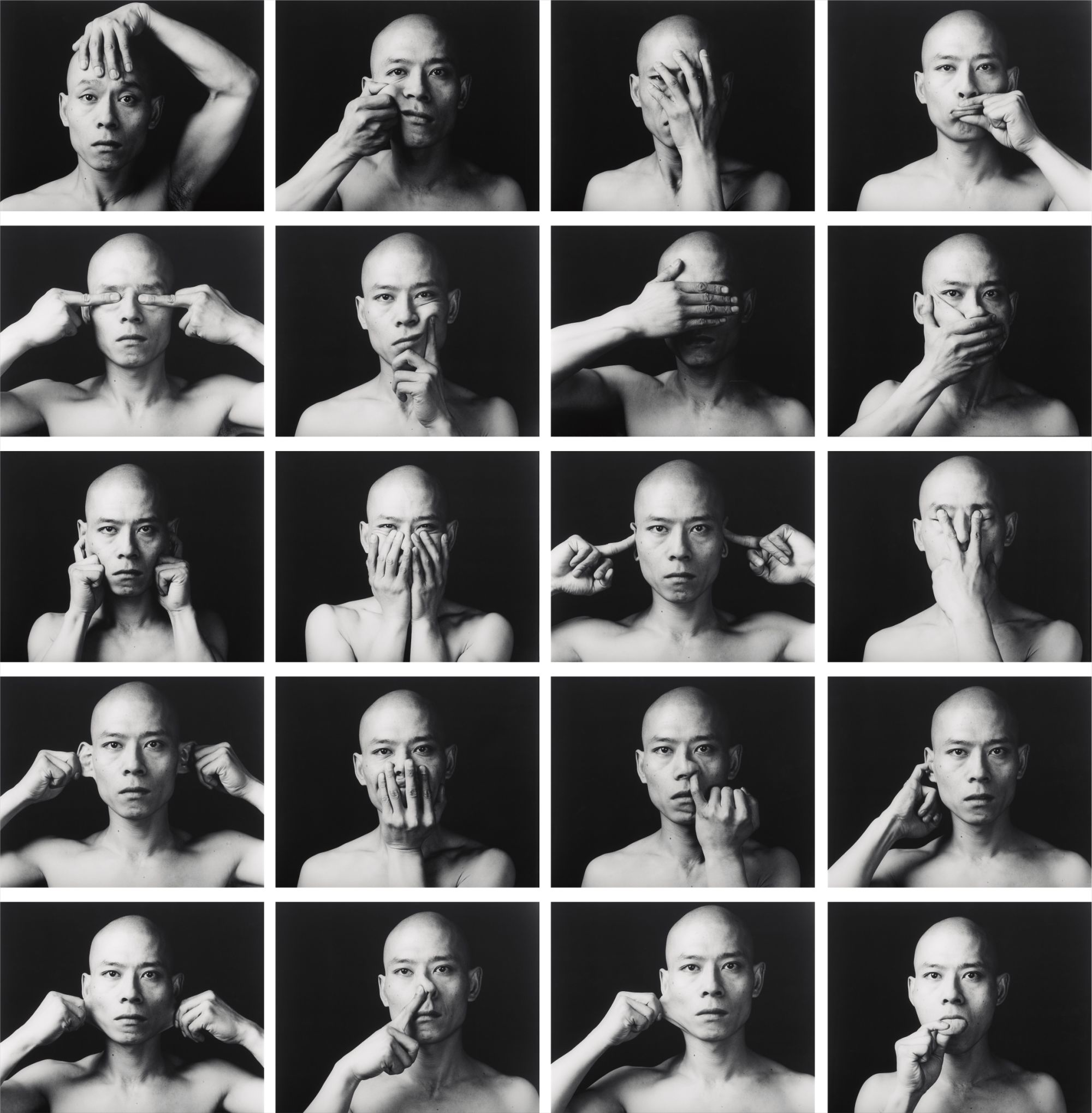
Zhang Huan
Skin (20 Self Portraits)
By casting his own body repeatedly in iron, lead, and eventually in relation to vast public spaces, Gormley has built a career around the idea that the human form is a measuring device for the world it inhabits. His Field installations, which filled rooms with thousands of small terracotta figures made by community hands, expanded the question of whose body matters and what collective presence might feel like. The works by Gormley held in The Collection speak to this sustained investigation with remarkable consistency. Meanwhile, Marina Abramović, perhaps the most widely recognized name in performance globally, has spent five decades testing the limits of endurance, surrender, and connection through works that require nothing more, and nothing less, than her complete physical presence.
What binds these artists across generations, geographies, and intentions is a shared conviction that the body is not incidental to meaning but is its primary carrier. The techniques vary enormously: Francesca Woodman used photography to dissolve herself into interior architecture, creating images of uncanny vulnerability. Jenny Saville works in paint rather than performance but treats the flesh with an almost clinical and yet entirely empathetic intensity that places her firmly in this lineage. Liu Bolin renders himself invisible against urban backdrops, using the body as a surface for camouflage and commentary.
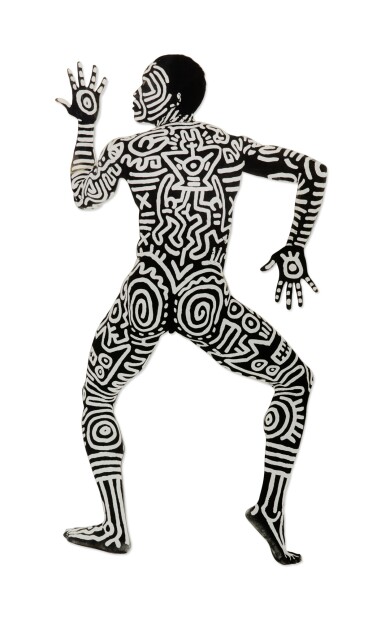
Keith Haring
Untitled (Painted Man), 1983
Spencer Tunick organizes vast gatherings of unclothed volunteers in public spaces, turning collective bodily presence into something between spectacle and solidarity. The lasting influence of body art is not confined to galleries or art historical footnotes. It runs through fashion, through cinema, through the way contemporary artists approach questions of identity, gender, race, and power. When we speak today about whose body is centered, whose is marginalized, whose is commodified or protected, we are speaking in a language that body art helped to invent.
The works gathered on The Collection under this category represent a remarkable cross section of that conversation, from the ritualistic to the political, from the quietly intimate to the aggressively public. To spend time with them is to be reminded that the oldest artistic material we have has never lost its urgency.