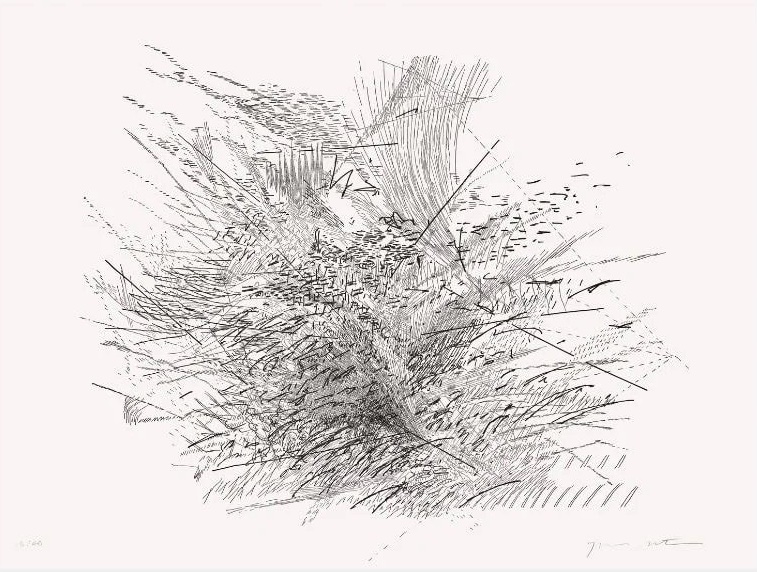
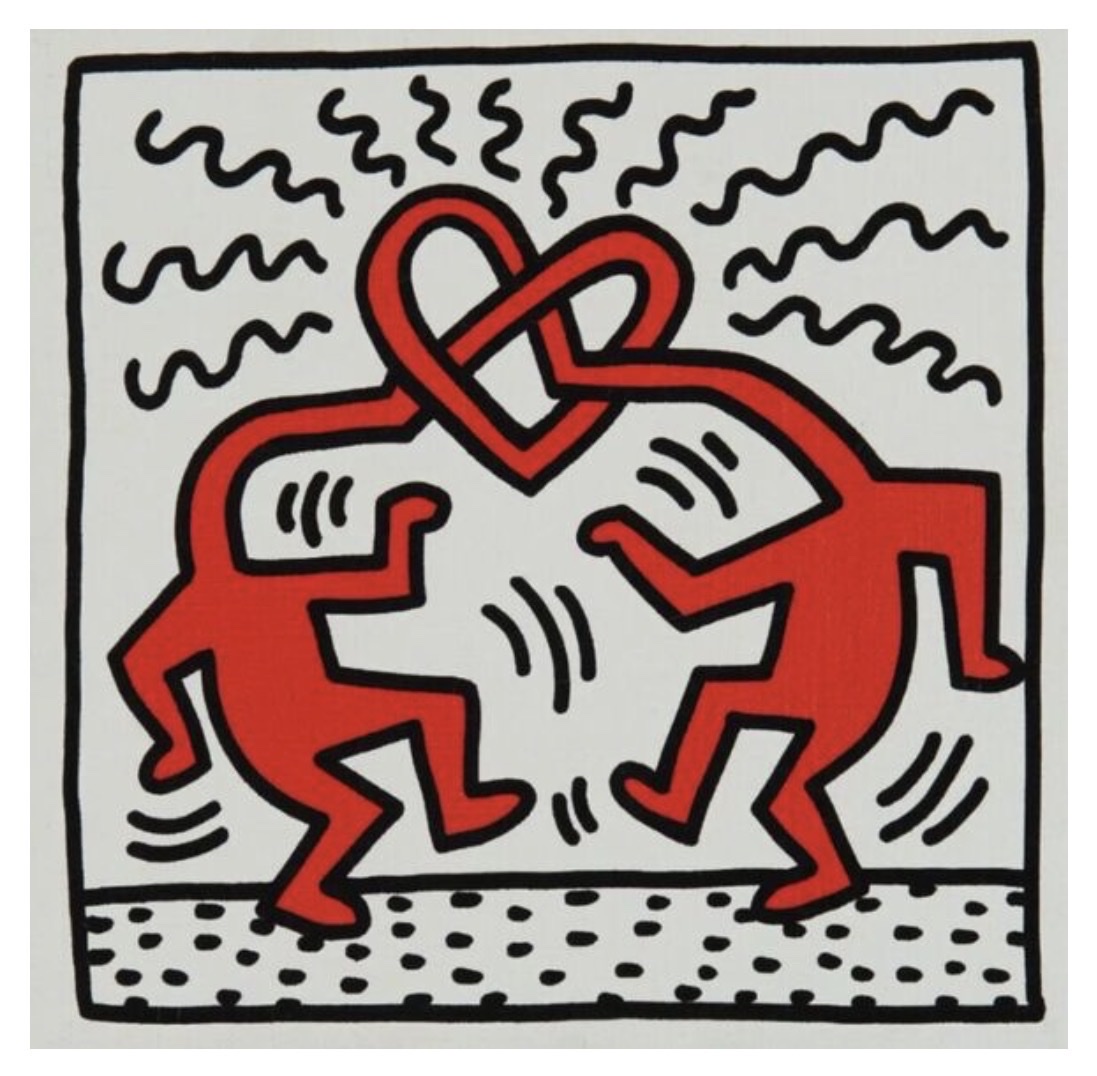
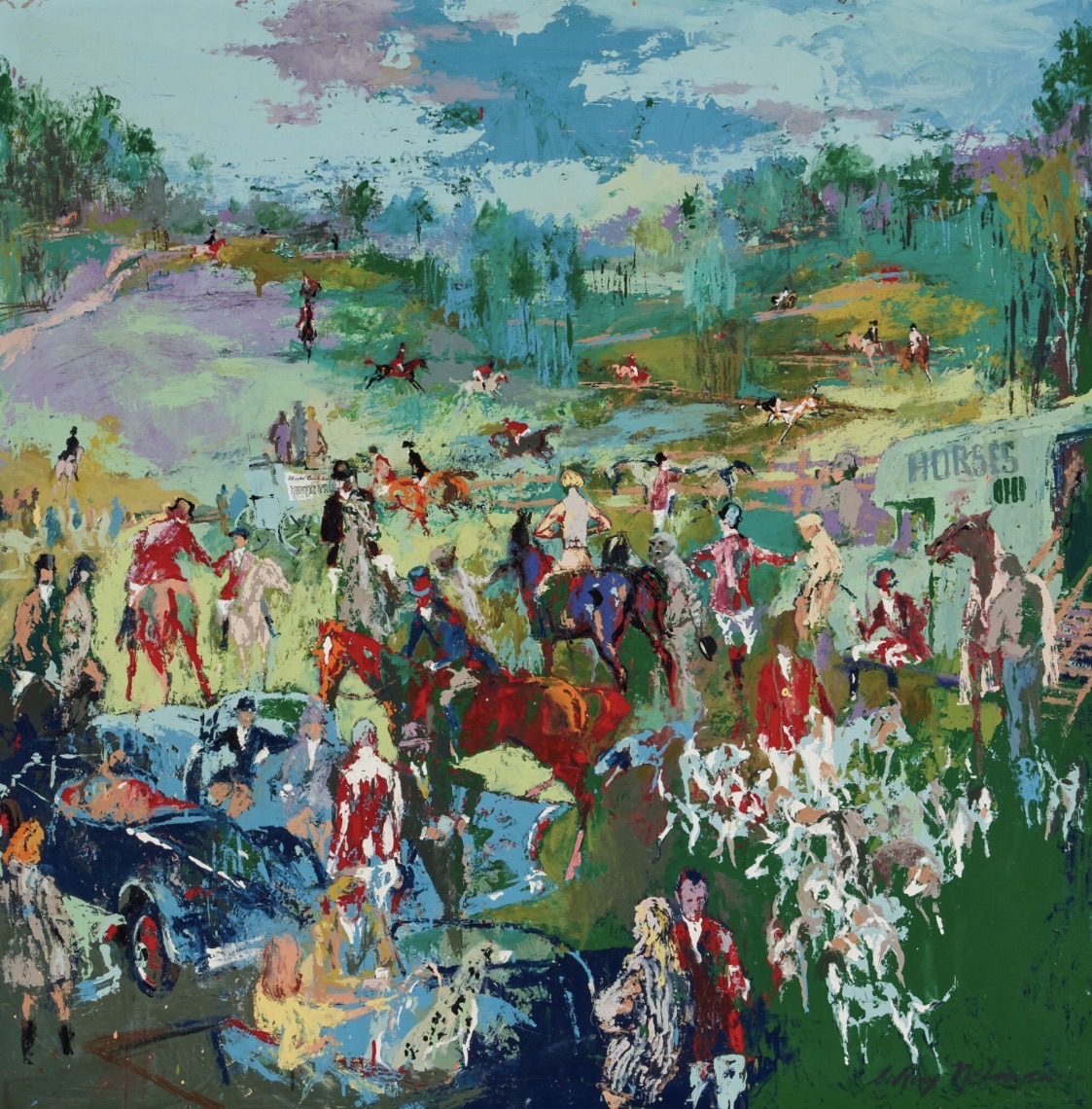
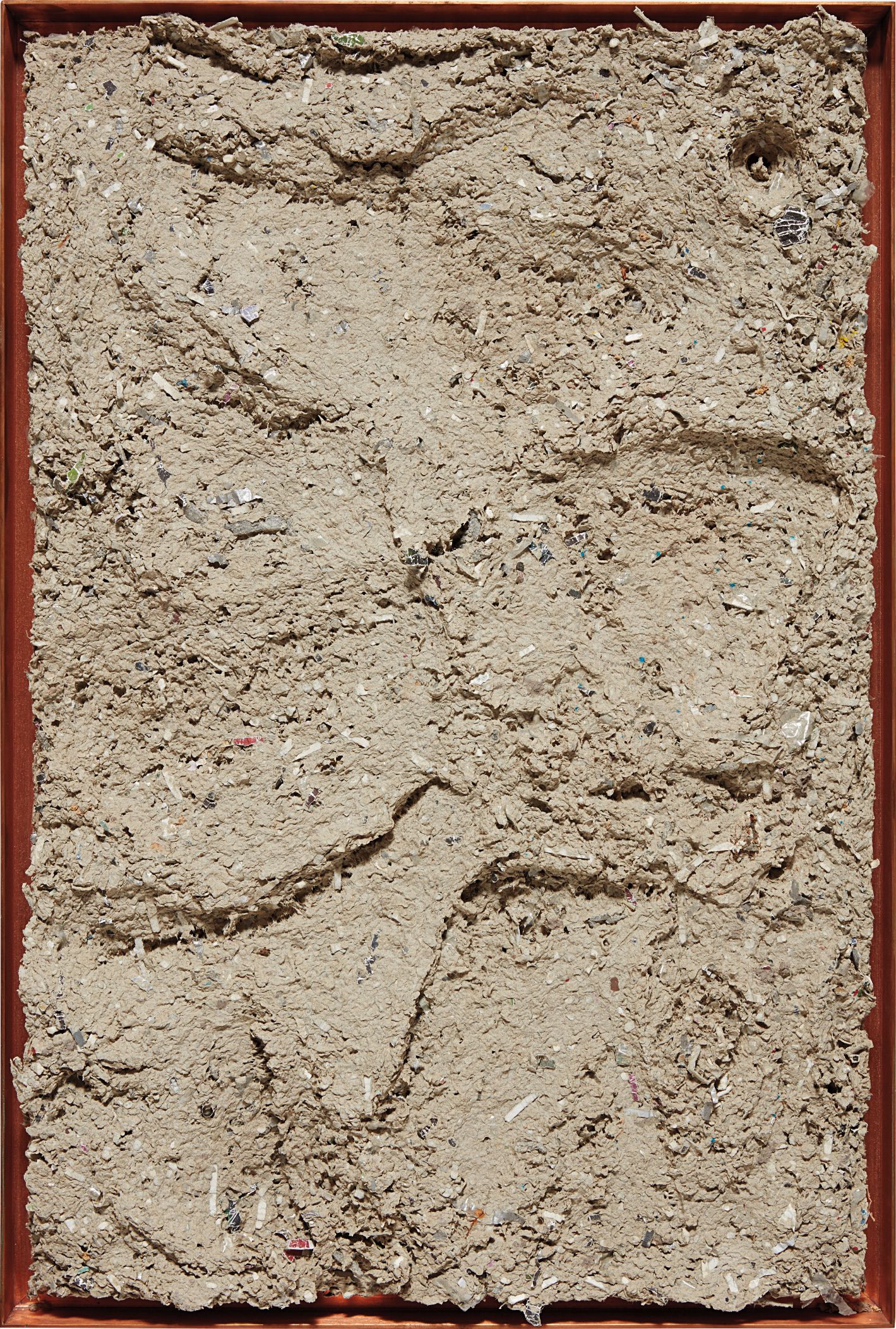
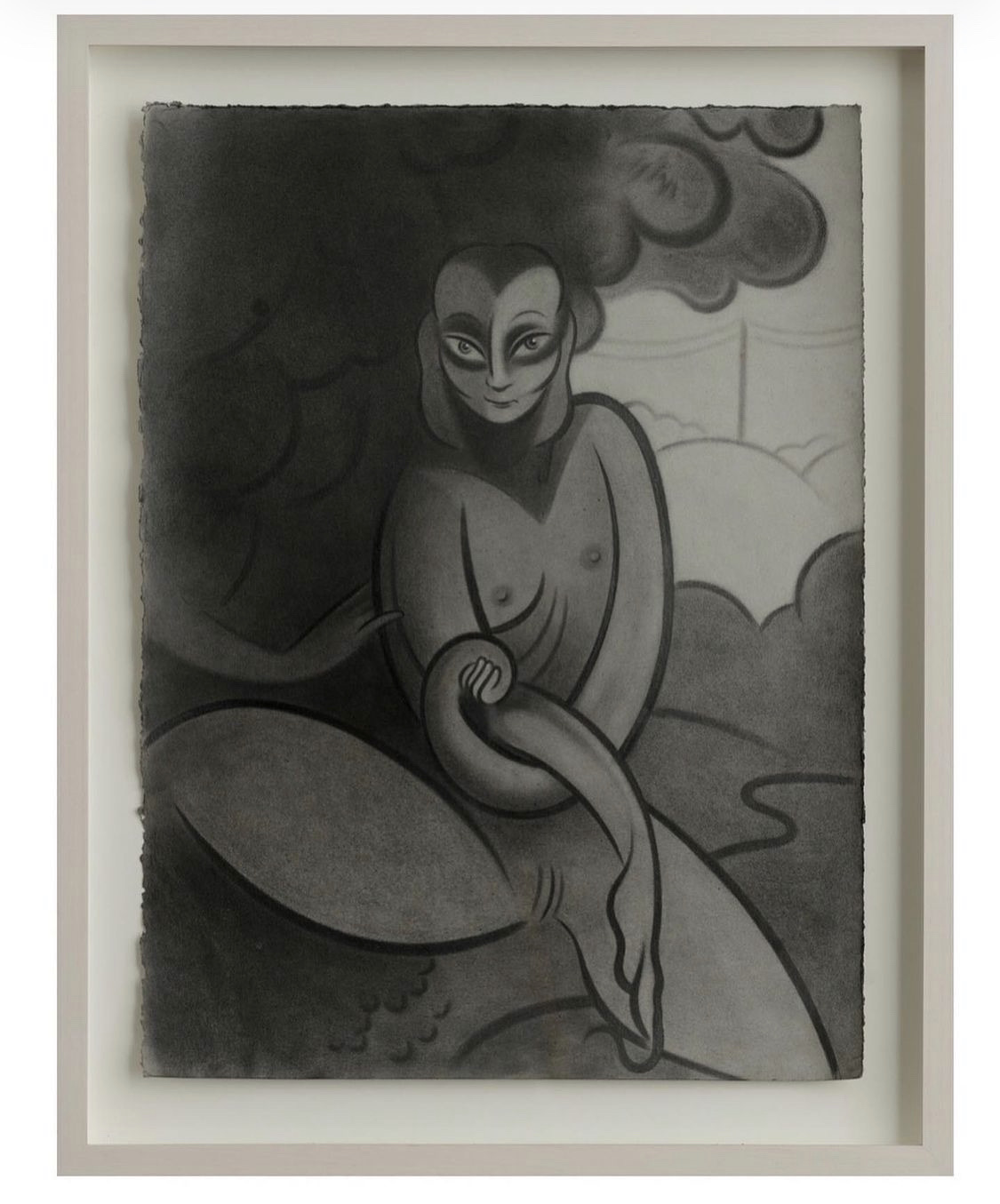
Archival Print
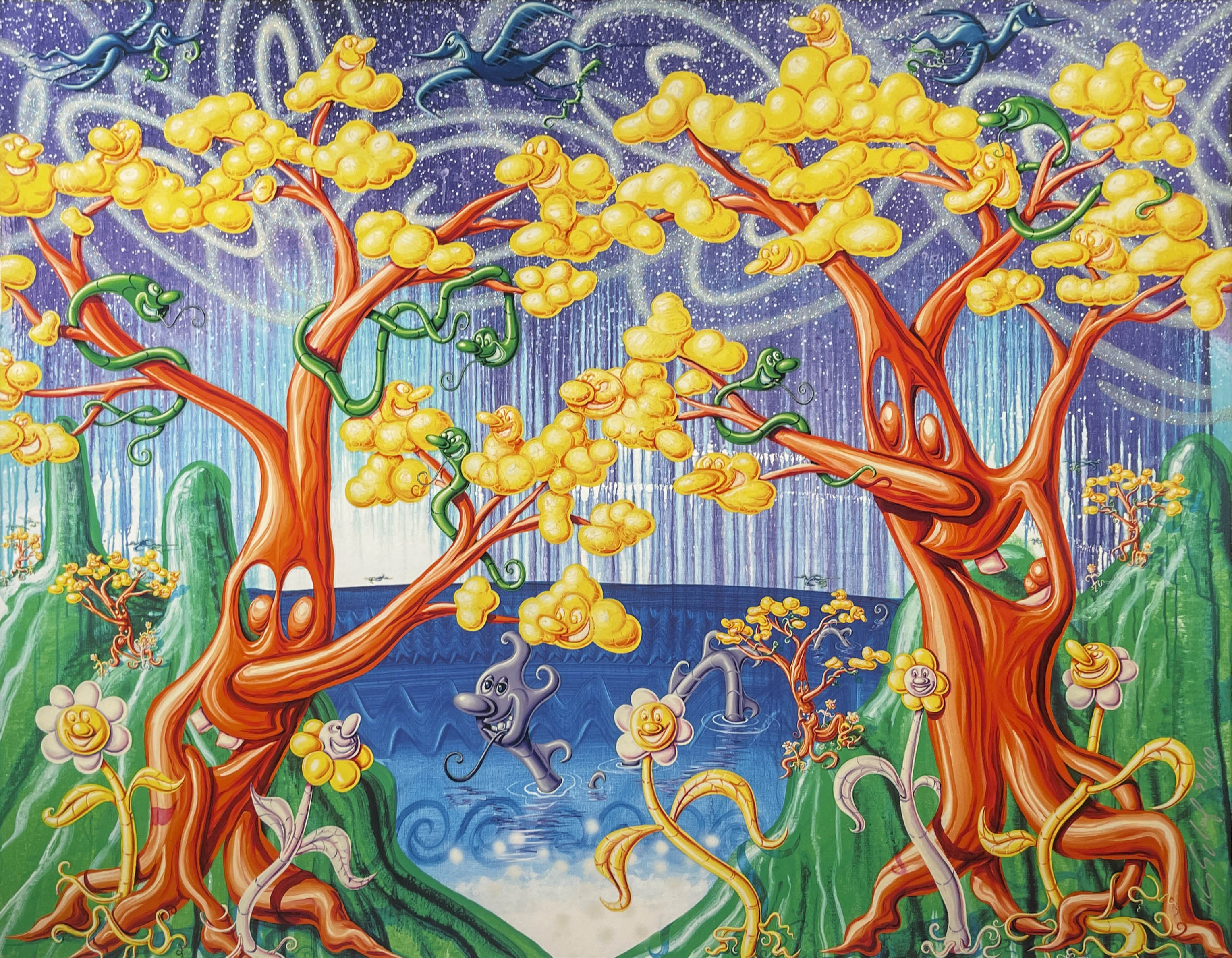
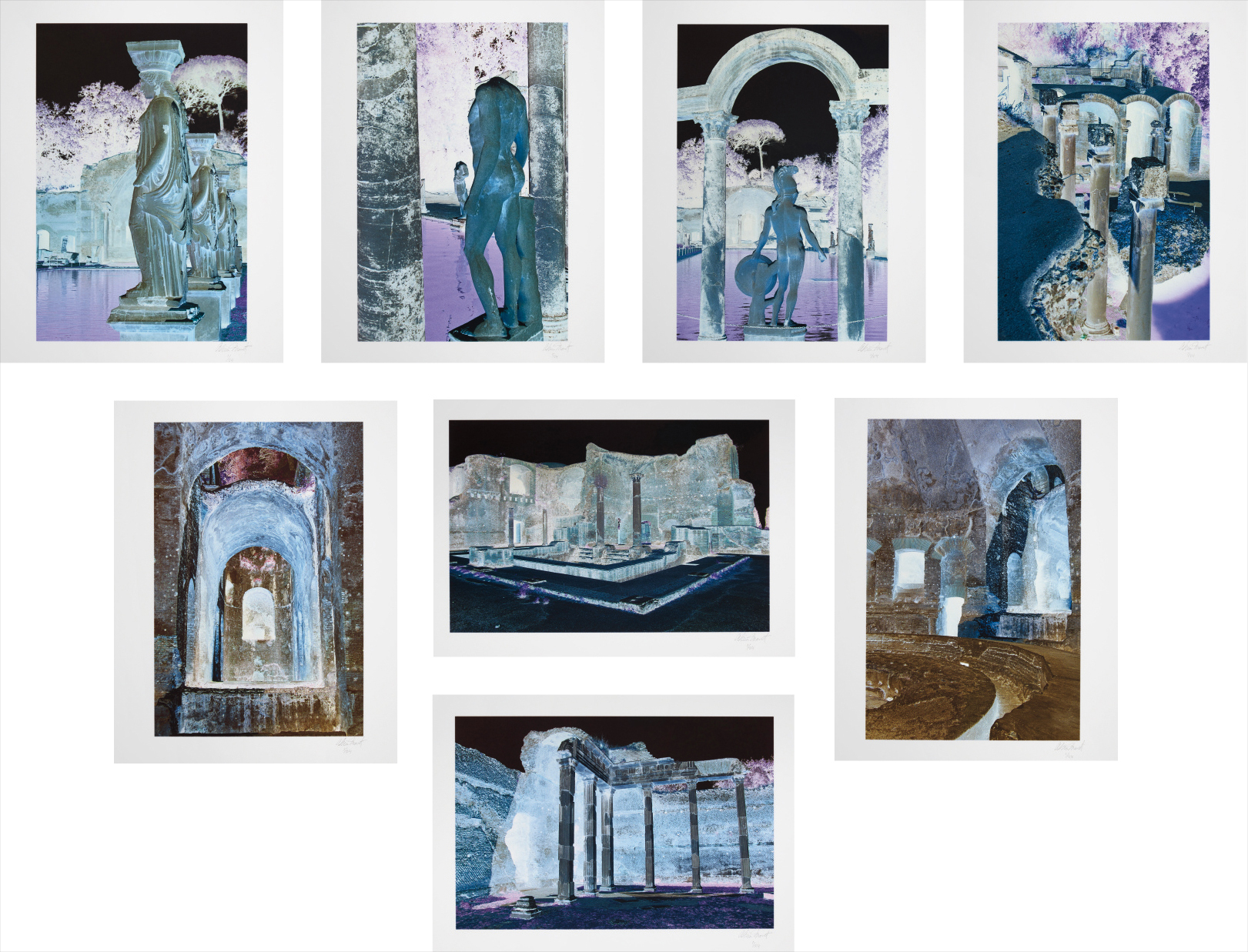
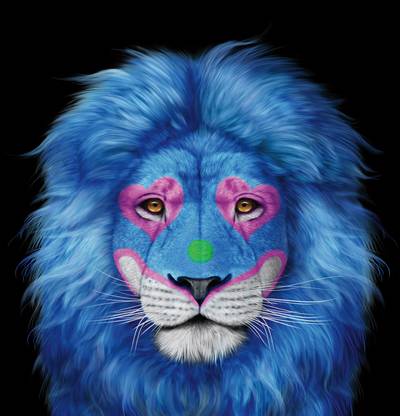
Kenny Scharf
Paradis Perdu, 2022






The Print That Outlasts Everything Else
There is a particular kind of silence that surrounds a well made archival print. It is the silence of permanence, of something that has been built to endure. In an art world perpetually chasing the new, the archival print stands apart as a quiet declaration: this image matters enough to last. For collectors, that conviction is not just philosophical.
It is structural, chemical, material, and deeply tied to the history of how photographs and works on paper came to be taken seriously as objects worthy of careful preservation and serious investment. The story of archival printing is inseparable from the broader struggle of photography to assert itself as fine art. Through most of the nineteenth and early twentieth centuries, photographs were considered documents rather than artworks. They were functional, reproductive, and assumed to be temporary.

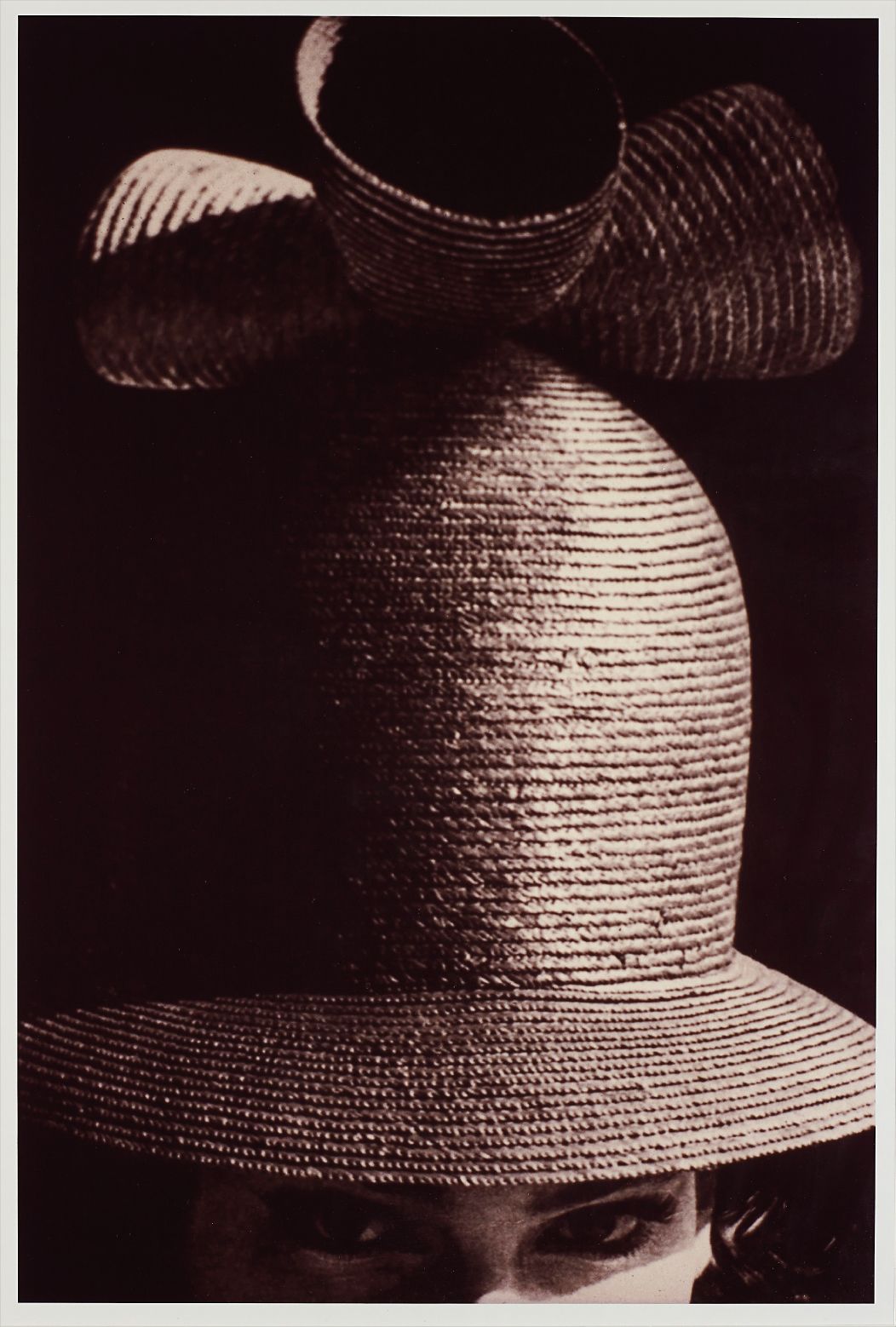
Steven Meisel
CK One, New York City
The materials used reflected that assumption. Early photographic papers relied on silver compounds that, without careful treatment, would fade, oxidize, or shift in tone within decades. The word archival, as applied to print media, essentially means resistant to that degradation: stable in light, stable in darkness, resistant to the humidity and acid that consume lesser materials over time. The shift began in earnest during the 1970s, when institutions and collectors started demanding that photographic works meet the same standards of longevity expected of paintings and drawings.
Wilhelm Imaging Research, founded by Henry Wilhelm, became the authoritative voice on print permanence, developing standardized testing methods that would eventually shape how fine art printers, paper manufacturers, and ink developers approached their craft. Around the same time, the landmark sale of photographs at Sotheby's Parke Bernet in 1975 signaled that the market had arrived. Photography was collectible. And if it was collectible, it needed to last.
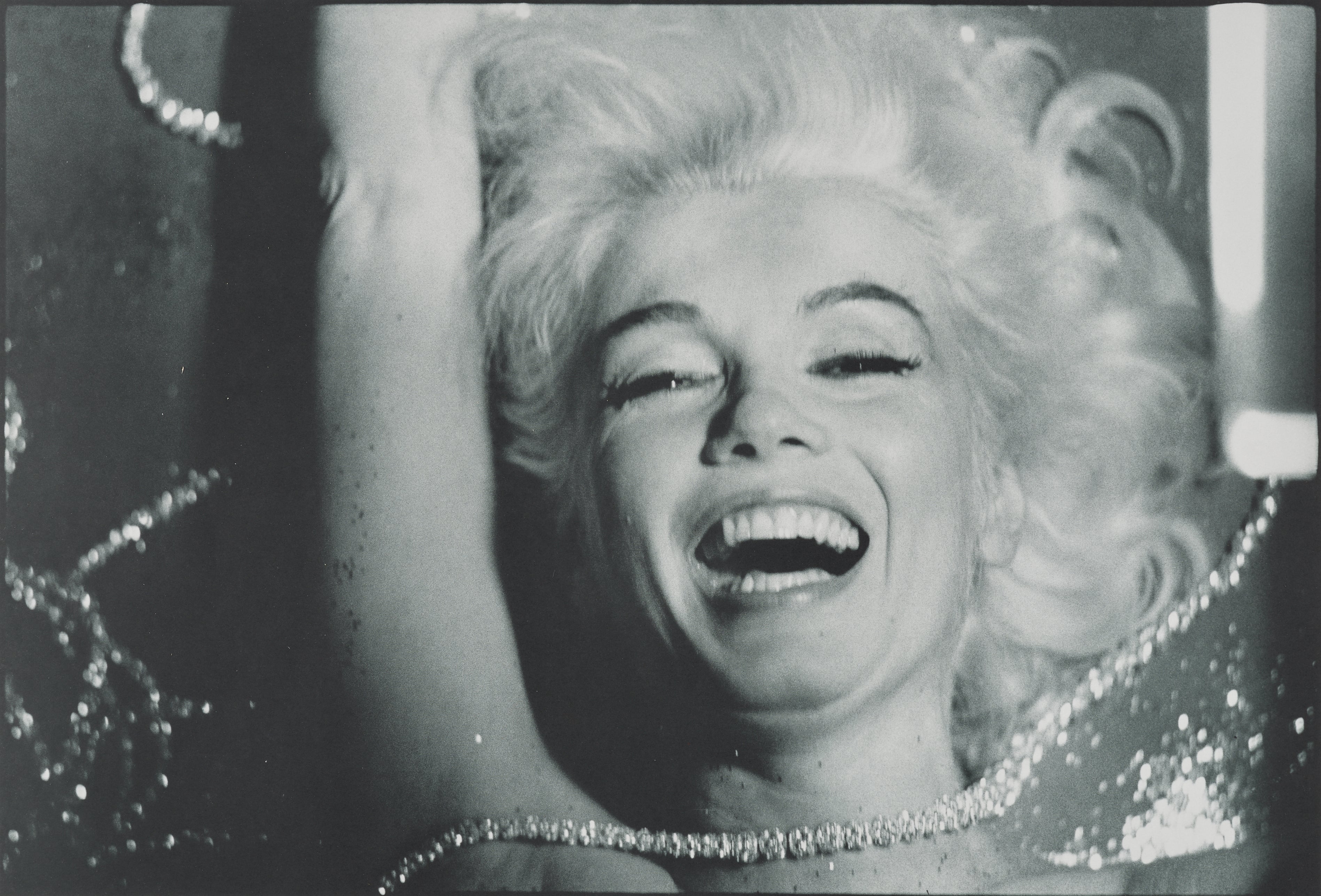
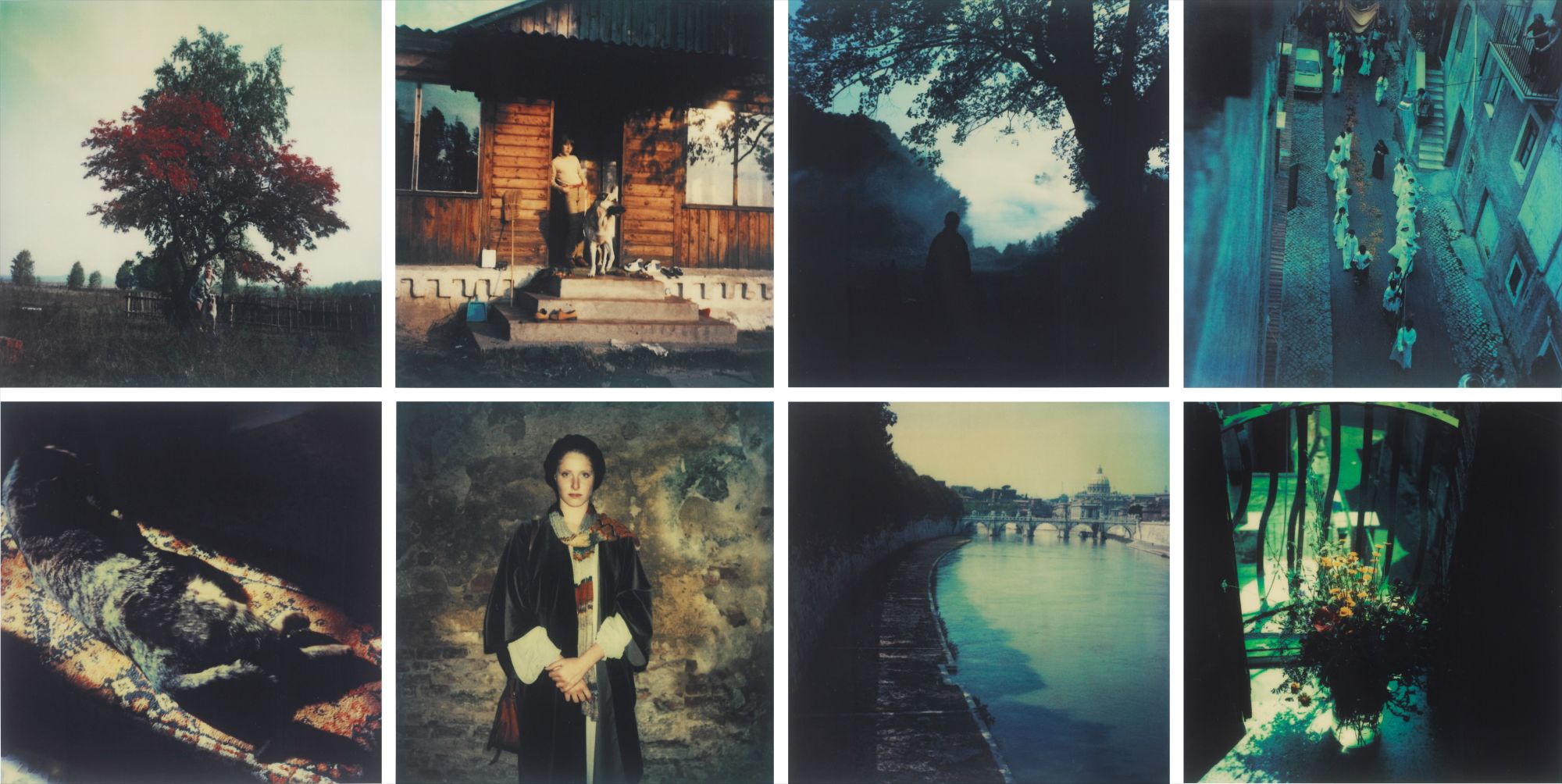
Bert Stern
Marilyn Monroe from the series The Last Sitting, 1962
The emergence of inkjet technology in the 1990s transformed what archival printing could mean in practice. Early inkjet prints were notoriously unstable, prone to fading within years. But advances in pigment based inks, combined with papers coated in materials designed to prevent acid migration and UV degradation, changed everything. By the early 2000s, a well produced inkjet print on archival cotton rag paper, using pigment inks rated for a century or more of indoor display, had become the standard for serious photographic editions.
Giclée, the term borrowed from the French word for spray, became both a technical designation and, for a time, a kind of aspirational branding. Galleries used it to signal quality. Collectors learned to ask for it by name. What makes archival printing significant is not only longevity but also fidelity.
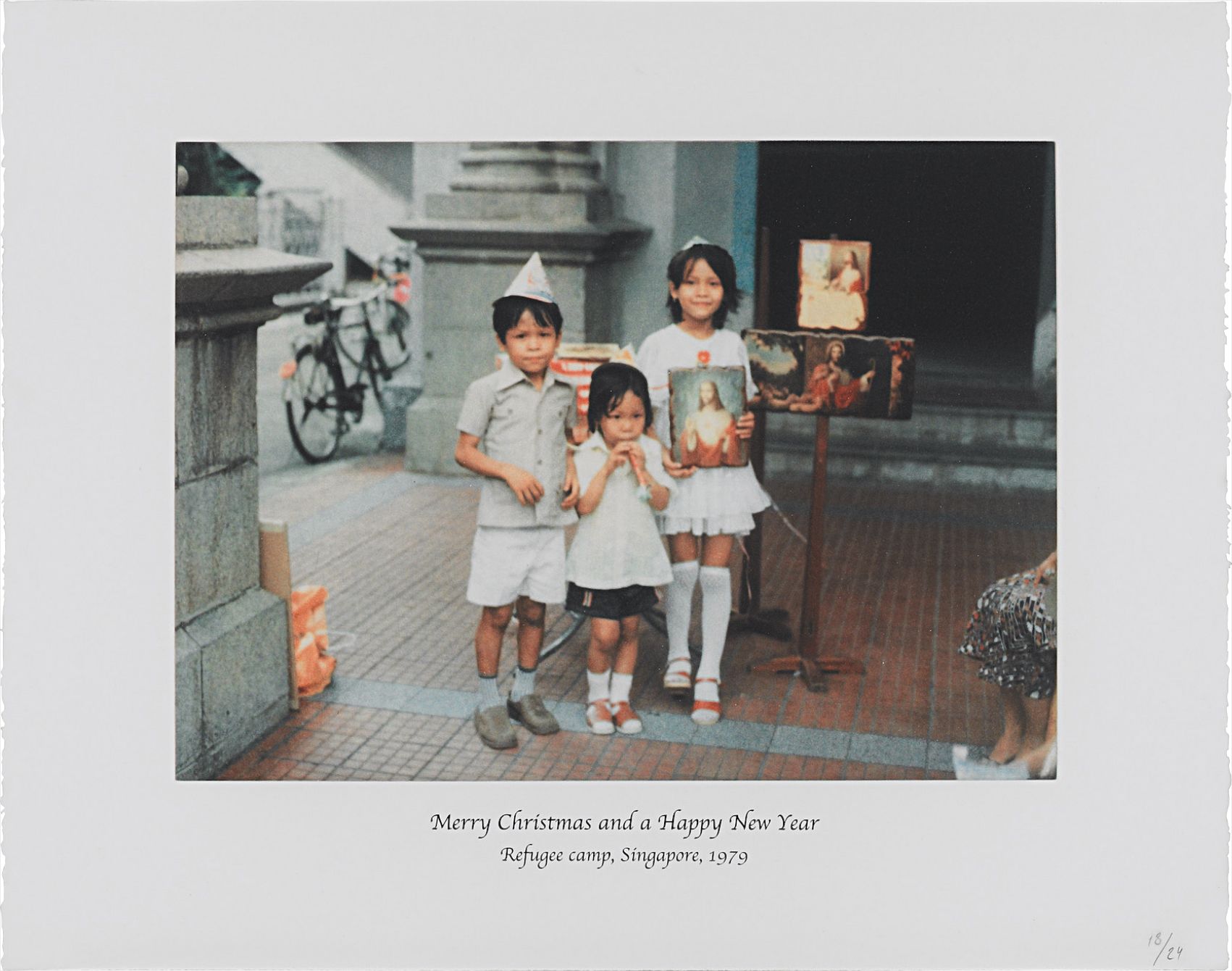
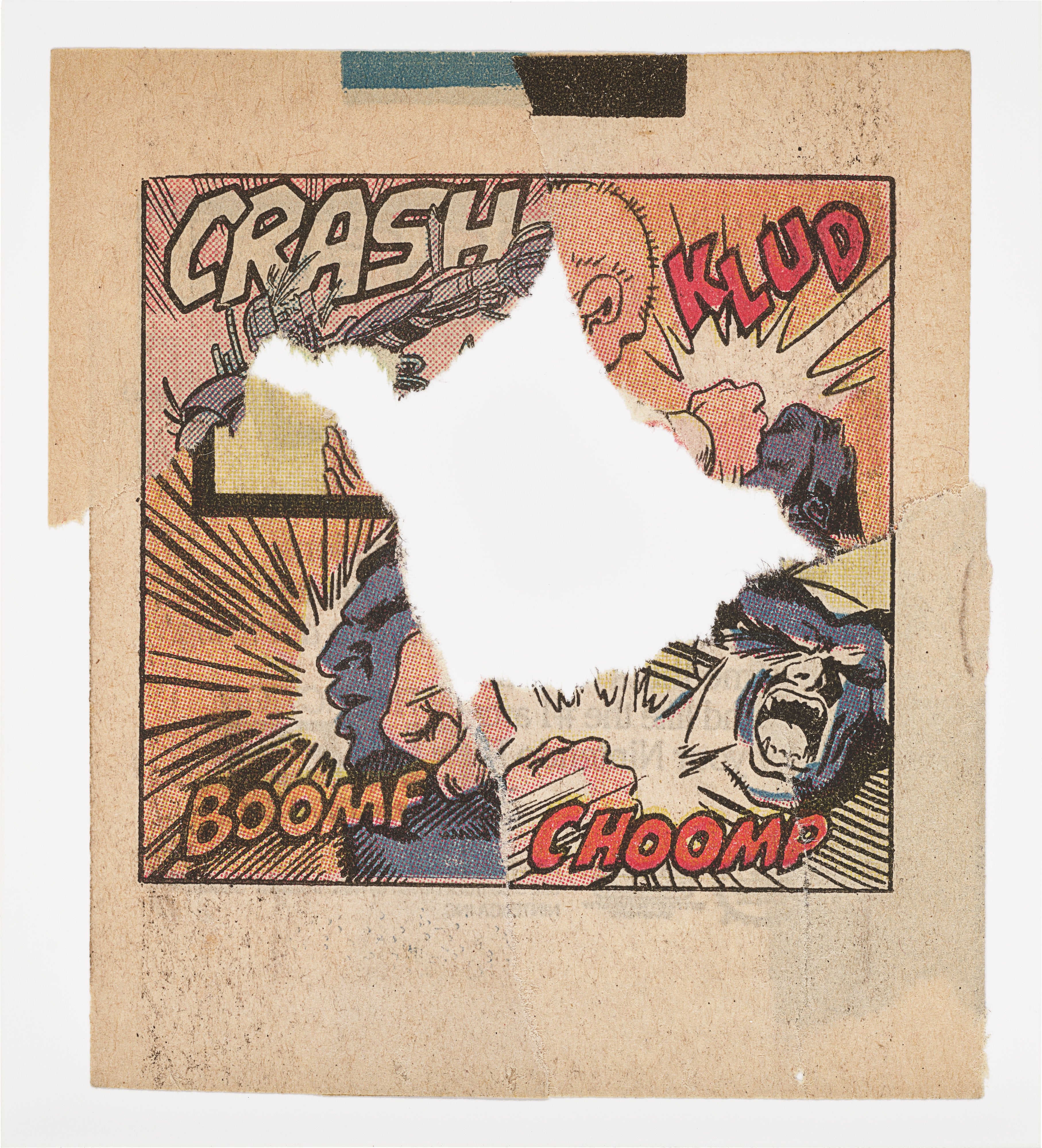
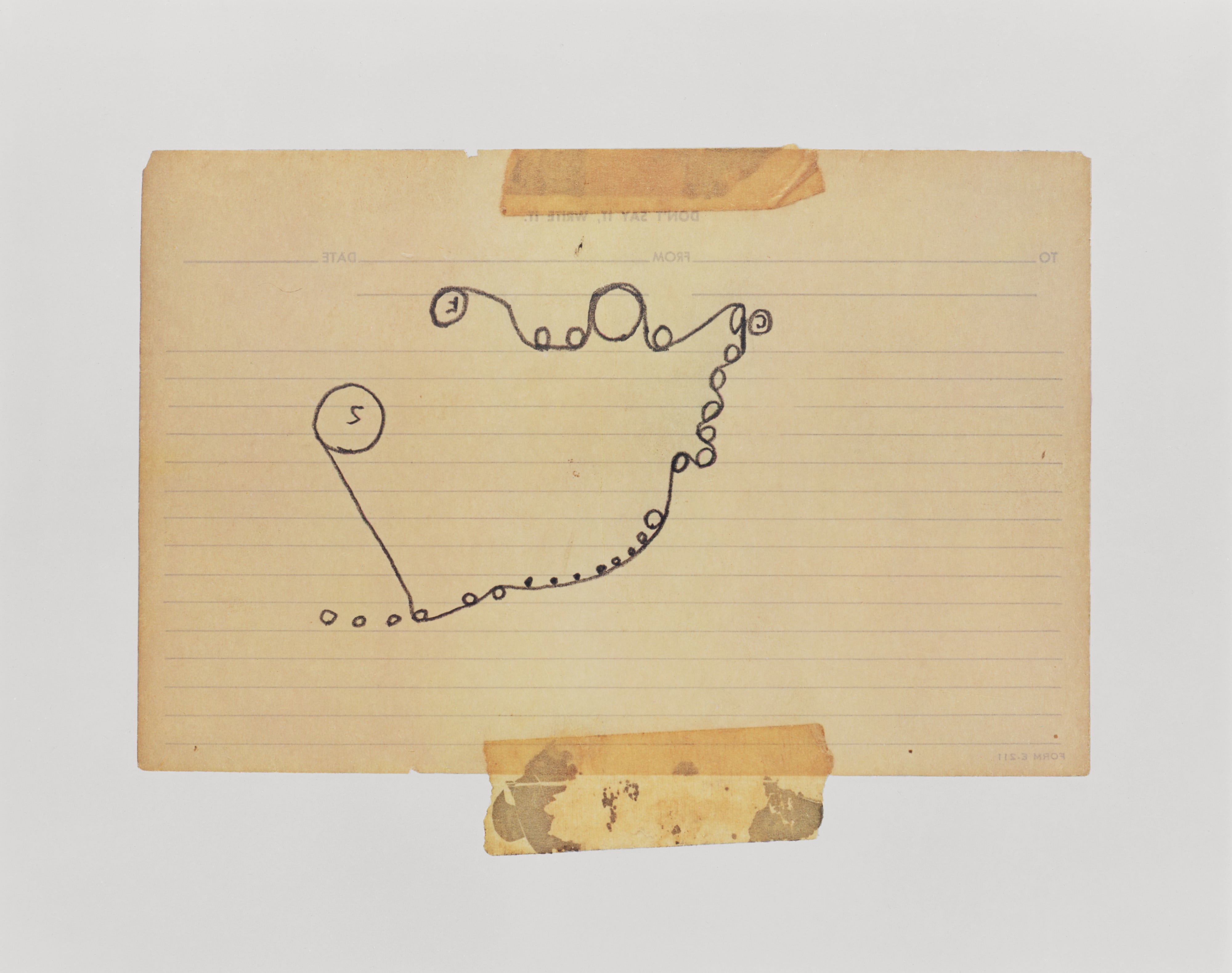
Danh Vō
This work is number 18 from an edition of 24 and is accompanied by a certificate of authenticity.
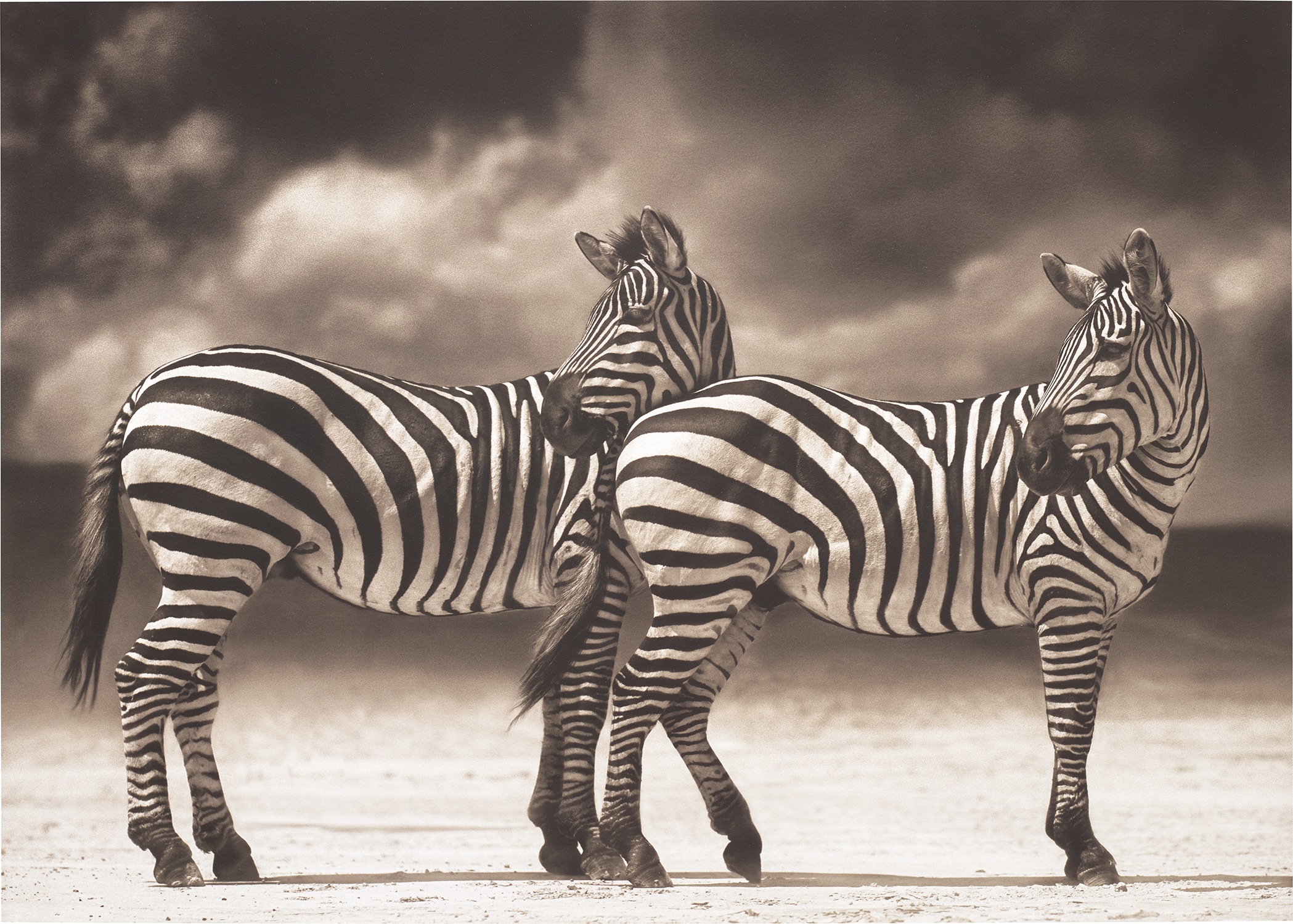
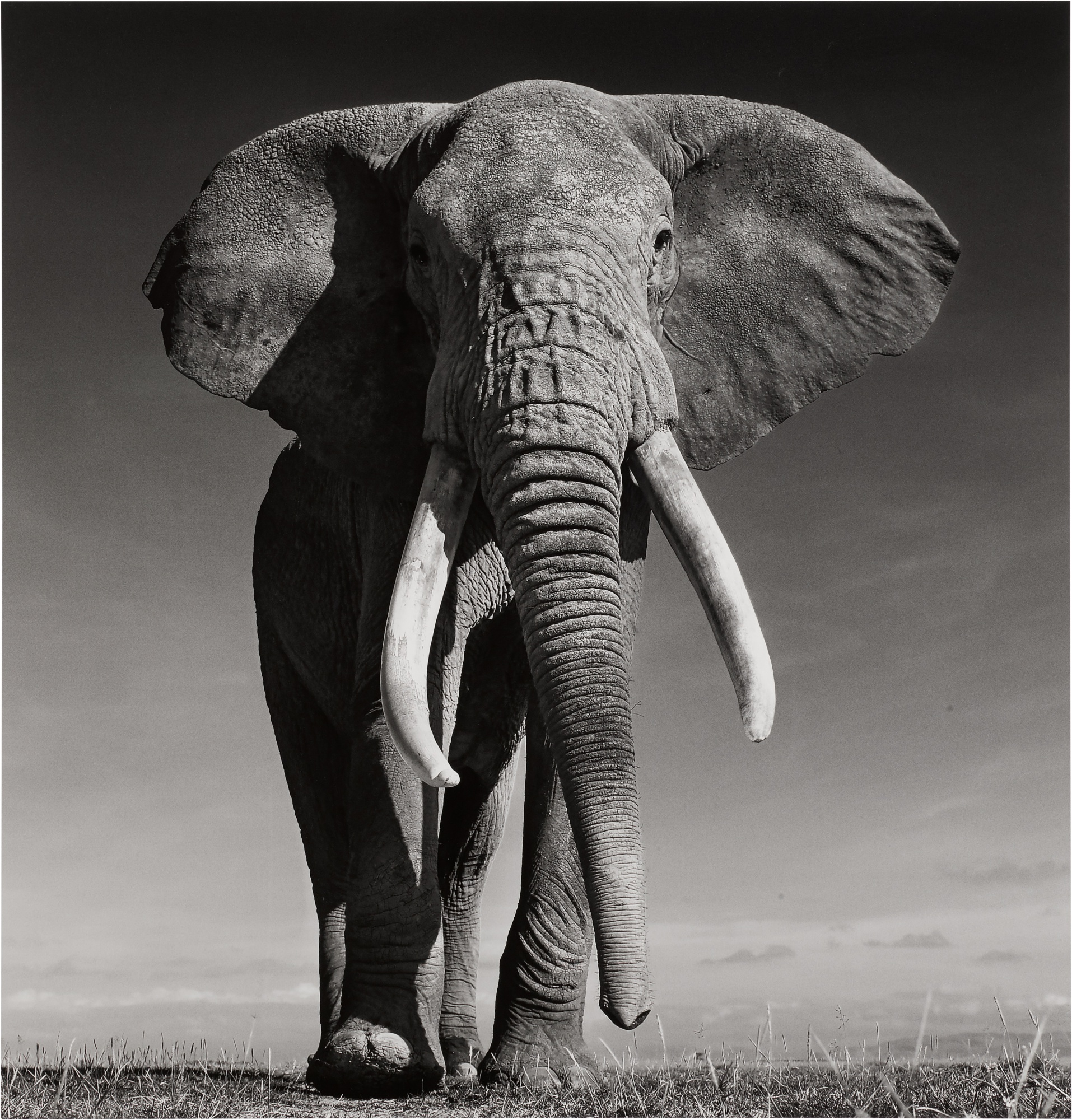
The best archival prints achieve a tonal range and color accuracy that allows photographers and artists to realize images at a level of detail and nuance that earlier reproductive processes simply could not support. Nick Brandt, whose vast scale black and white photographs of disappearing African wildlife demand every tone the medium can deliver, depends on archival output to communicate the weight of his subjects. The stillness in those images, the quality of the light falling across an elephant or a vanishing landscape, would be lost in lesser materials. Similarly, Albert Watson, whose career spans decades of iconic portraiture and editorial photography, has produced archival editions that function as complete artistic statements rather than mere documentation of a shutter click.
For photographers whose practice engages directly with the materiality and history of the medium itself, archival printing takes on additional conceptual weight. Walead Beshty has spent years investigating how photographs carry the marks of their own production and circulation, treating the surface and physical history of a print as part of its meaning. Christopher Williams approaches photographic production with an almost forensic attention to process, making every technical decision, including the choice of paper, chemistry, and output method, legible as an intellectual position. In this context, archival quality is not simply a preservation strategy.
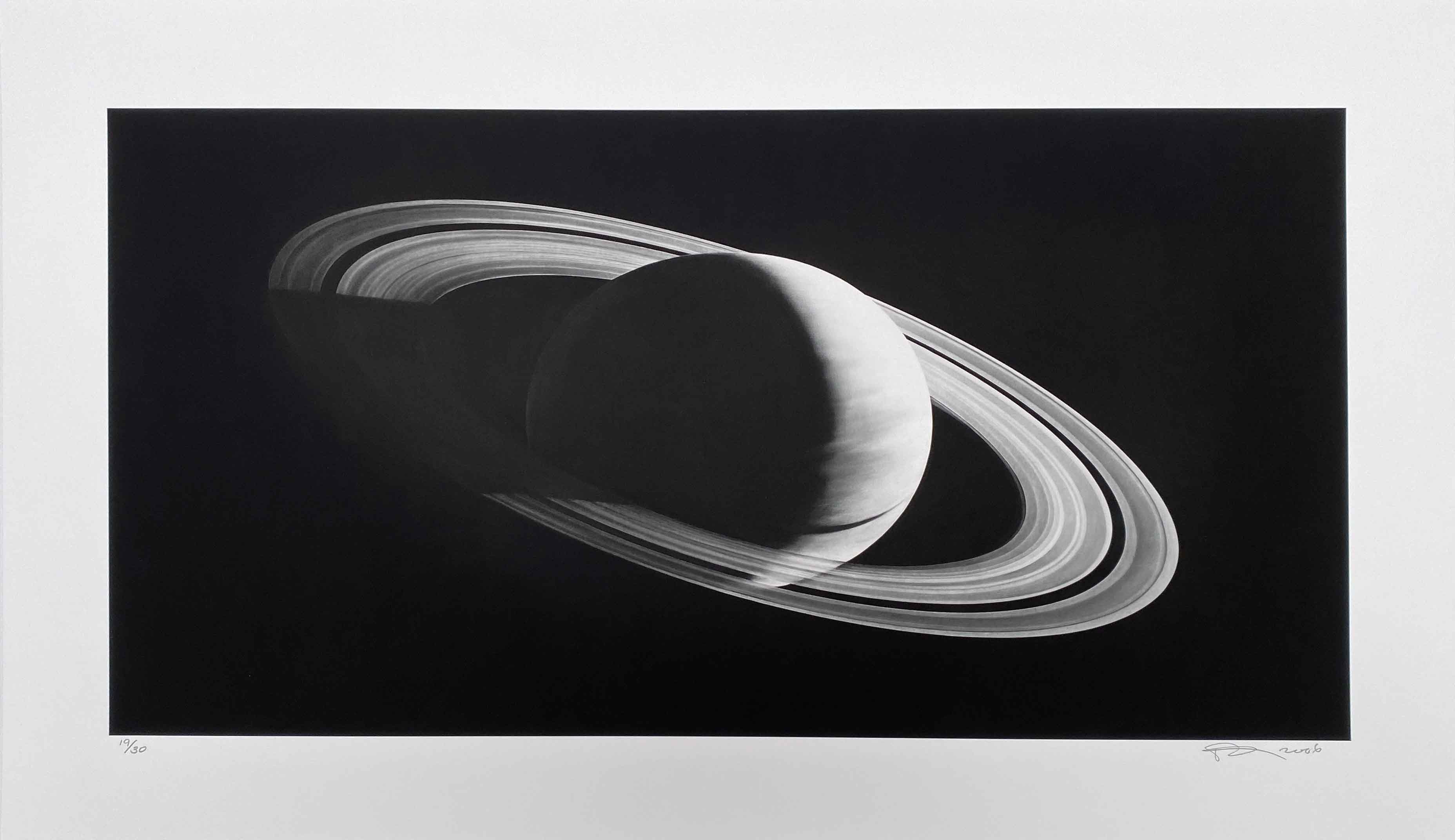
Robert Longo
Saturn, 2006
It is a form of argument about what a photograph is and what it owes to the people who look at it. The tradition runs deeper than photography alone. Artists working across drawing, printmaking, and mixed media have long understood that the materials you choose are a form of commitment. Robert Longo, whose monumental charcoal drawings have defined a particular strain of American image culture since the 1980s, works at a scale and intensity that demands paper and framing materials built to survive the ambitions of the work itself.
The archival imperative in his practice is bound up with the weight of the images he makes, the violence and beauty held in careful tension across large sheets of paper. Longevity and gravitas belong to each other. Today, the conversation around archival prints has expanded well beyond questions of chemistry and paper weight. Collectors and institutions increasingly consider archival quality in the context of digital works printed as physical editions, of artists whose practice moves fluidly between screens and surfaces, and of younger voices using print as a way to anchor ephemeral or process based ideas in tangible form.
The works on The Collection reflect this range, from the crystalline photographic precision of photographers like Bastiaan Woudt to the conceptual layering that characterizes artists such as Danh Vō, who understands the document and the relic as intertwined. What endures about the archival print, in the end, is the seriousness of the commitment it represents. An artist who chooses to edition work as an archival print is saying something about their relationship to the future, about who they believe will be looking at this image years or decades from now. For collectors, that commitment is both a practical guarantee and an invitation into a longer conversation, one that stretches back through the history of how images are made and forward into a future where the best of them will still be speaking clearly.