Archival
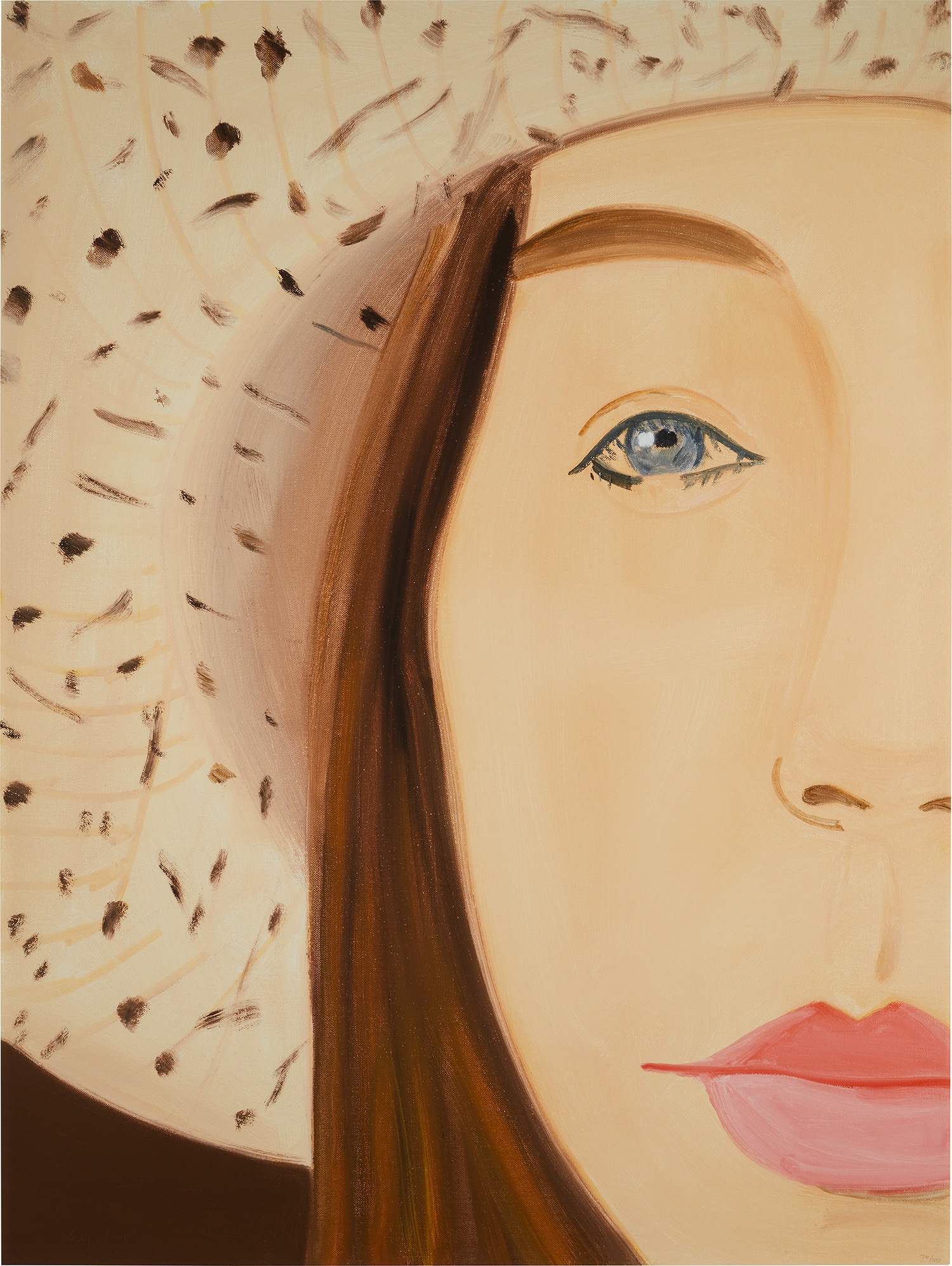
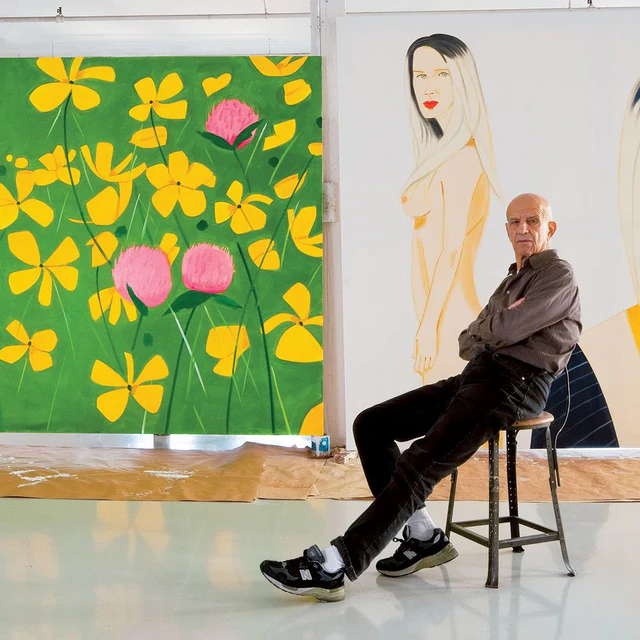
Alex Katz
Straw Hat 2 (S. 769)
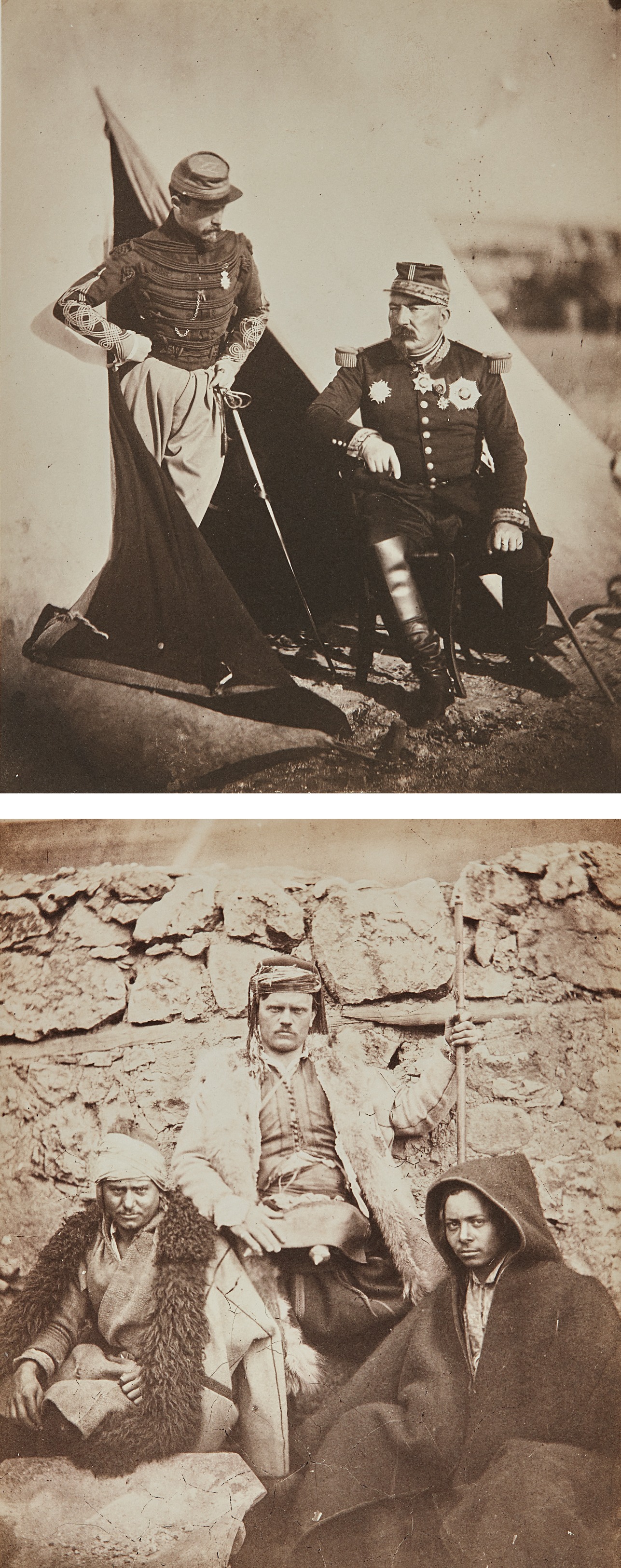
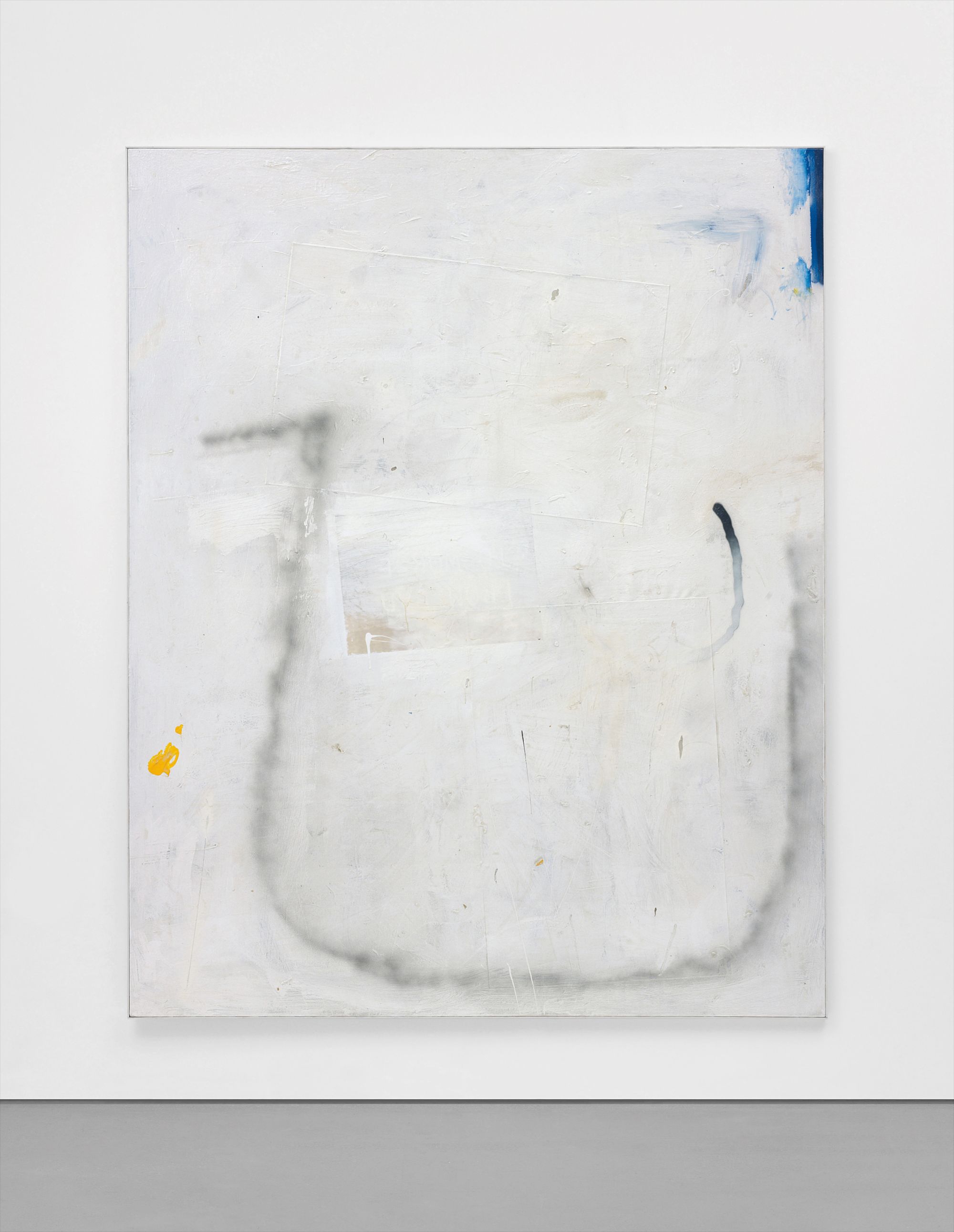
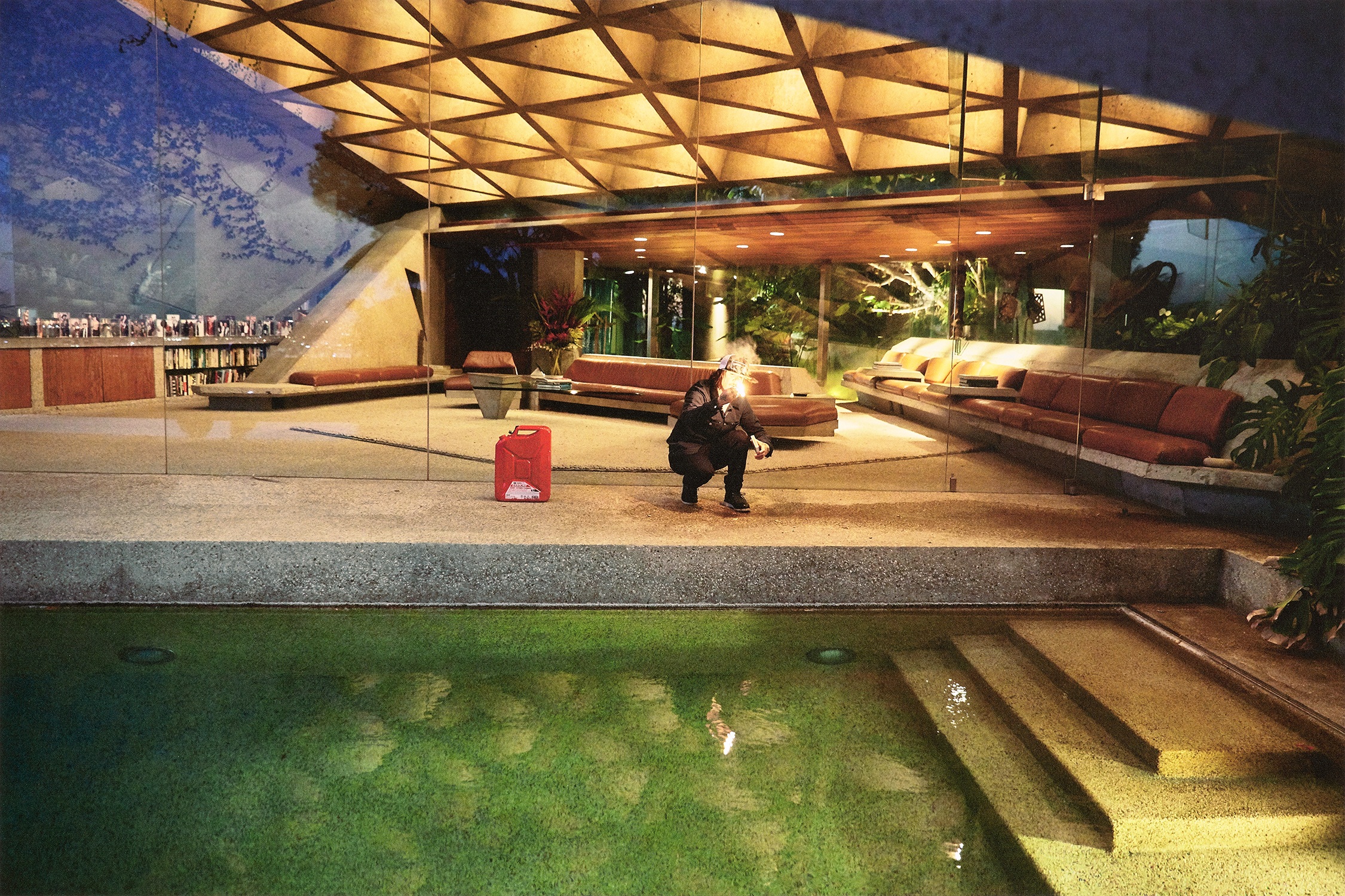
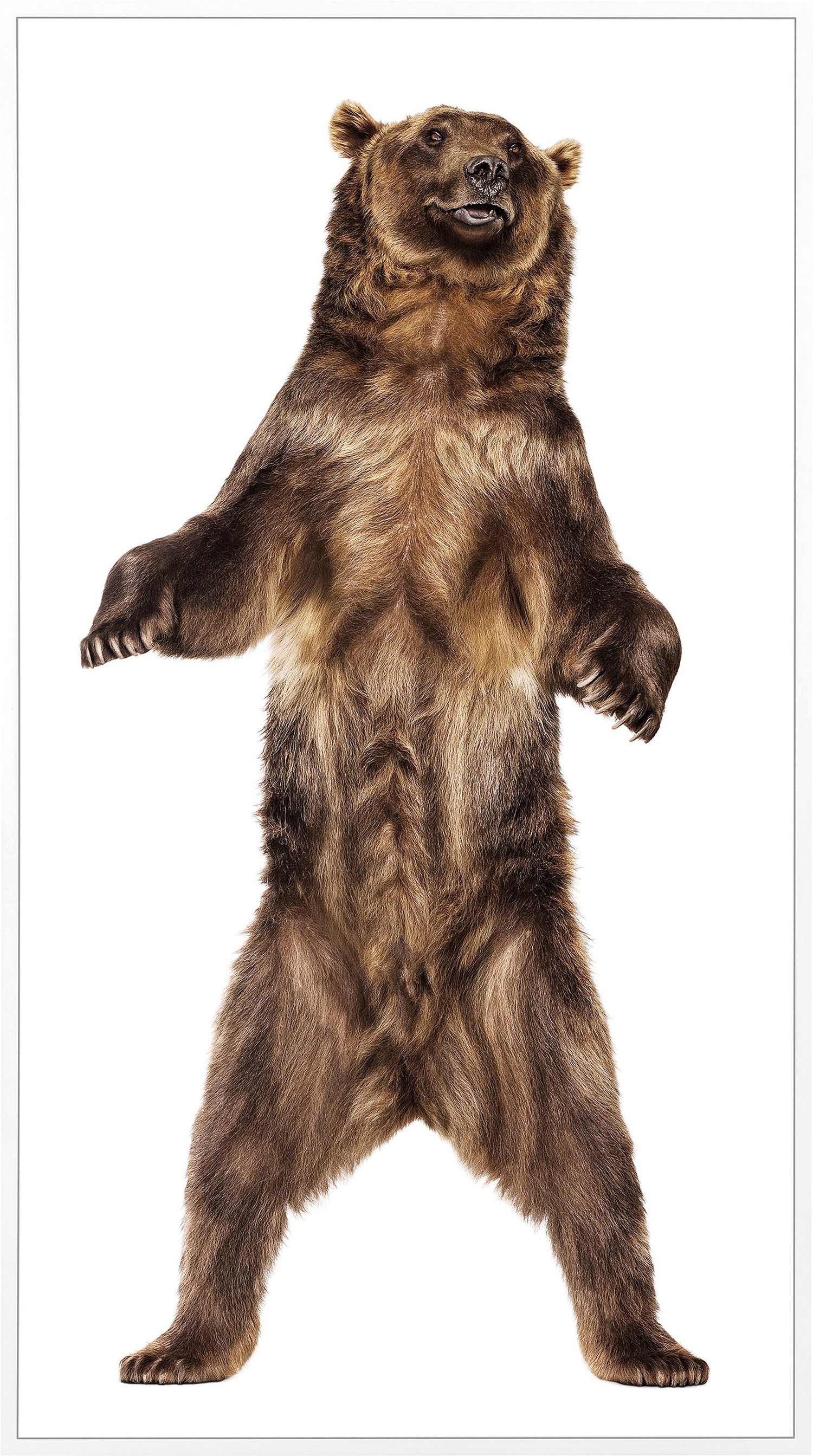
The Past Is Never Past: On Archival
There is something almost devotional about the archival impulse. The decision to preserve, to store, to insist that this moment matters enough to survive into the next one, is not merely administrative. It is a claim about meaning, about what deserves to be remembered and by whom. For artists, the archive has always been more than a repository.
It is a site of grief, of power, of resistance, and increasingly, of reinvention. The relationship between art and the archive stretches back to the earliest photographic experiments of the nineteenth century. When Louis Daguerre announced his process to the French Academy of Sciences in January 1839, what followed was not simply a new technology but a new hunger: the desire to fix the world in place before it slipped away. Among the artists who understood this most profoundly was Louis Désiré Blanquart Evrard, the French printer and publisher who in the early 1850s industrialized the production of photographic books, making the archive a democratic and widely distributed object for the first time.
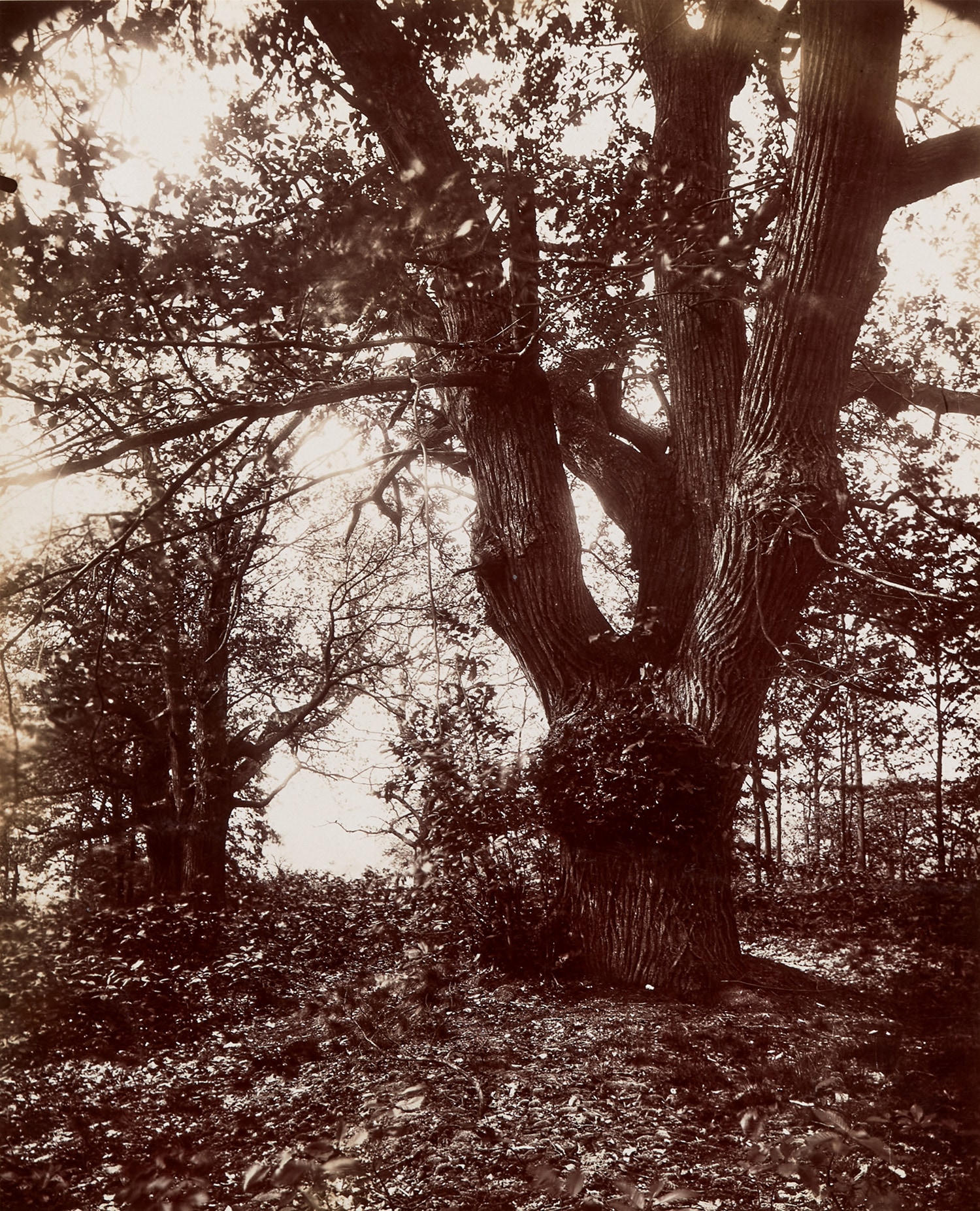
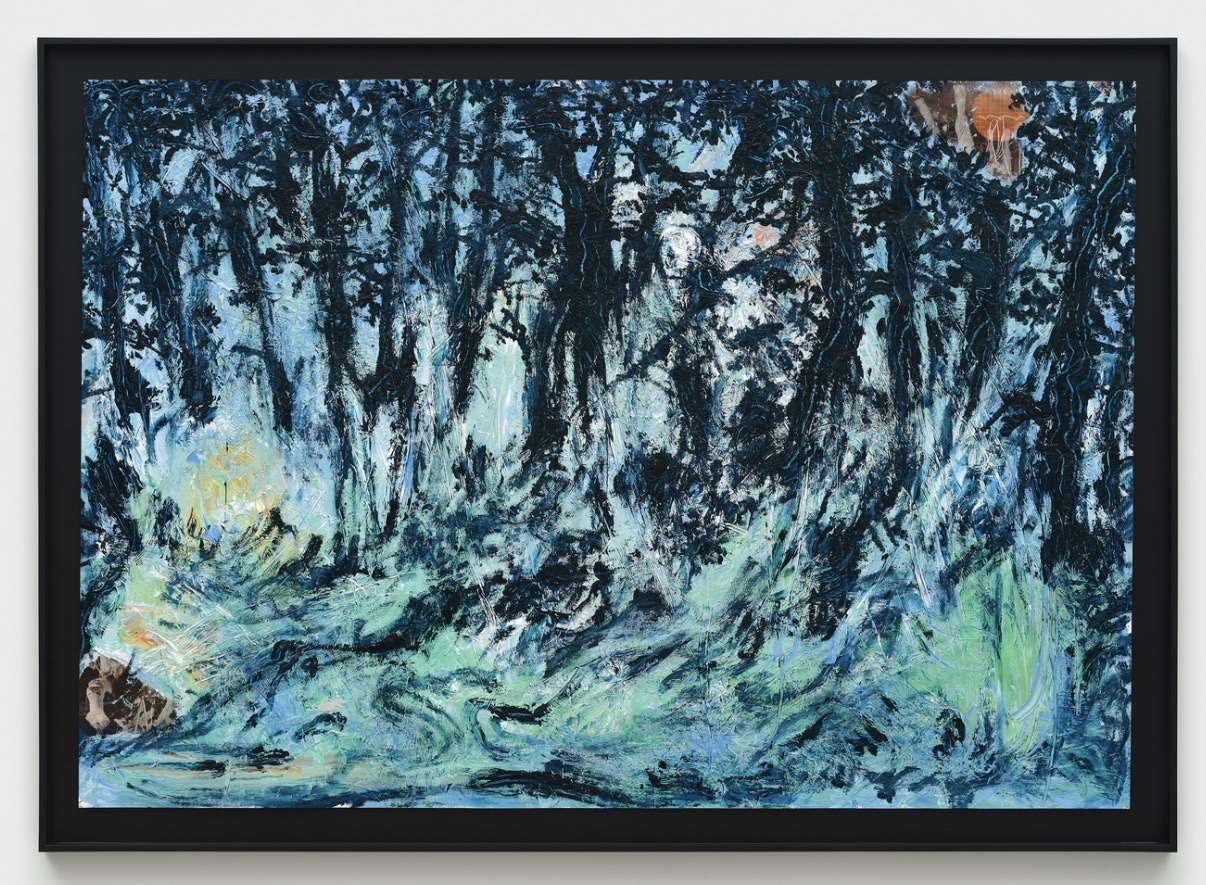
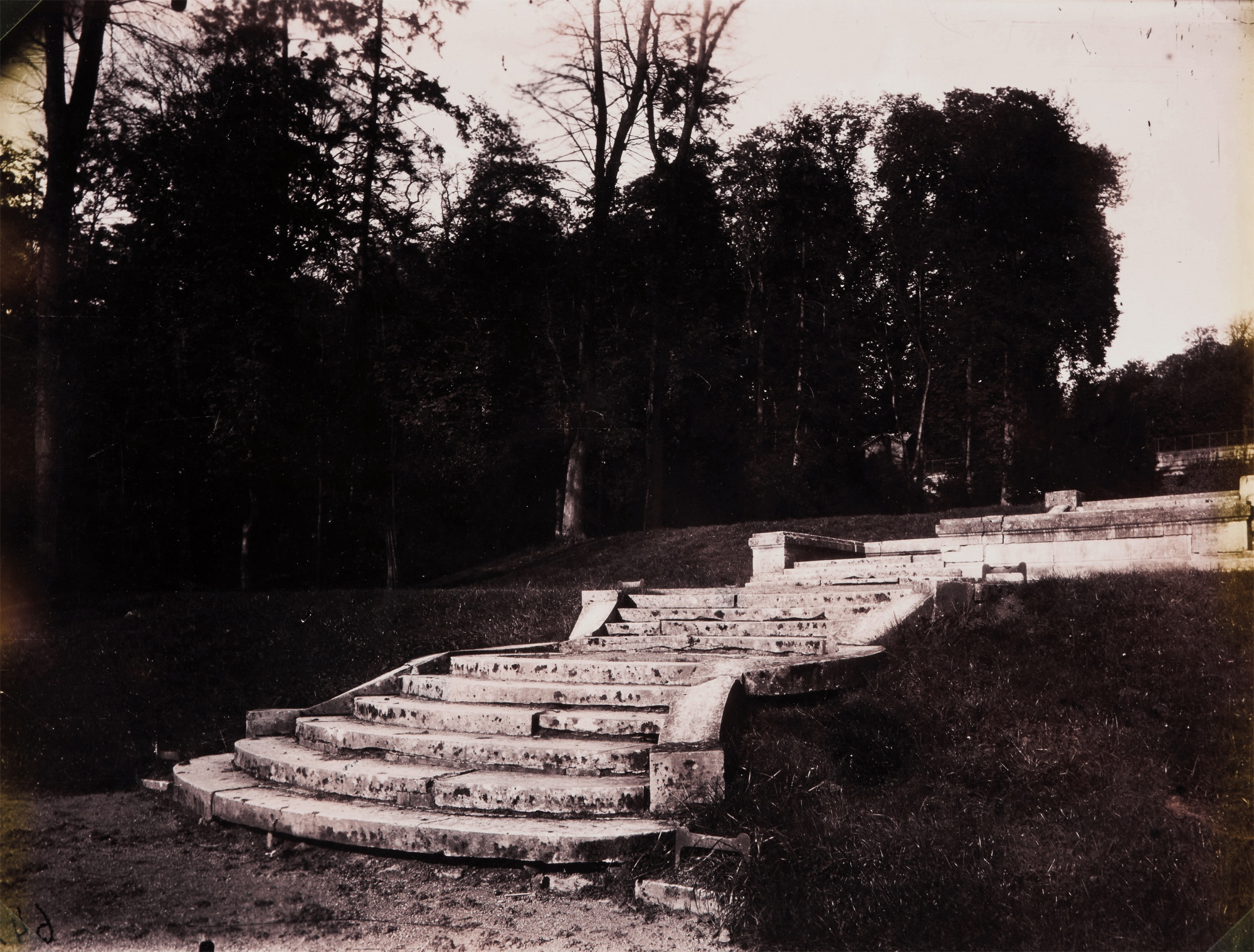
Eugène Atget
Châtaigniers (Chestnut Trees)
His contributions to the calotype tradition helped establish the idea that photographs could constitute a body of evidence, a record with institutional weight. Eugène Atget, whose work is deeply present on The Collection, spent roughly three decades photographing the streets, storefronts, courtyards, and parks of Paris with a methodical intensity that defies easy categorization. He began his project in earnest around 1898 and continued until his death in 1927, producing thousands of glass plate negatives that he sold to artists, architects, and municipal institutions as what he called simply documents. And yet Atget was doing something far more charged than documentation.
He was mourning a city in the process of transformation, making a counter archive against forgetting. The Surrealists recognized something spectral in his images, and it was Man Ray who first reproduced his work in the journal La Révolution surréaliste, initiating Atget's long posthumous life as an art historical giant. The archival photograph carries a particular tension when it crosses from documentation into representation of the other. The work of Edward S.
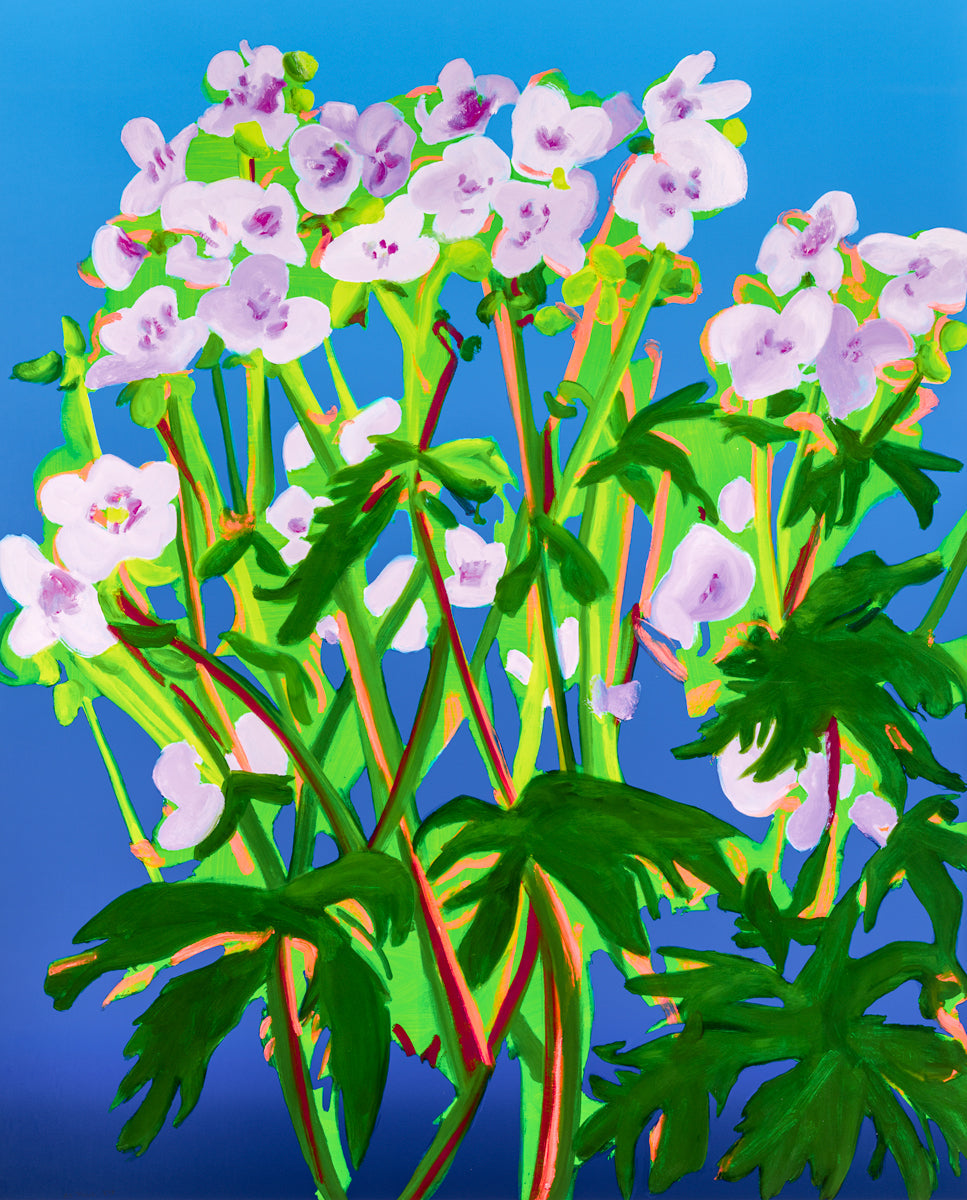
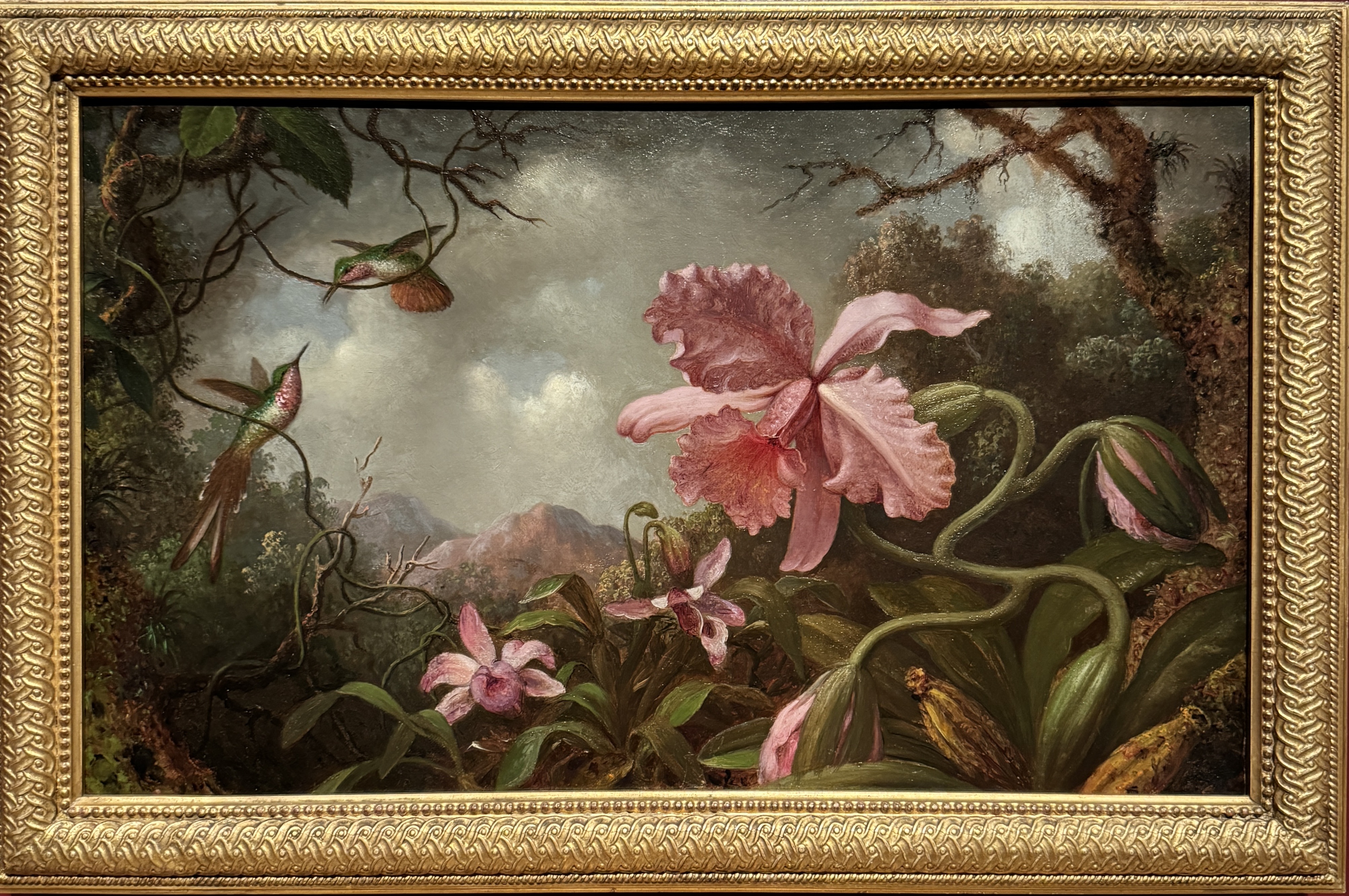
Nicole Wittenberg
Sweet William 2
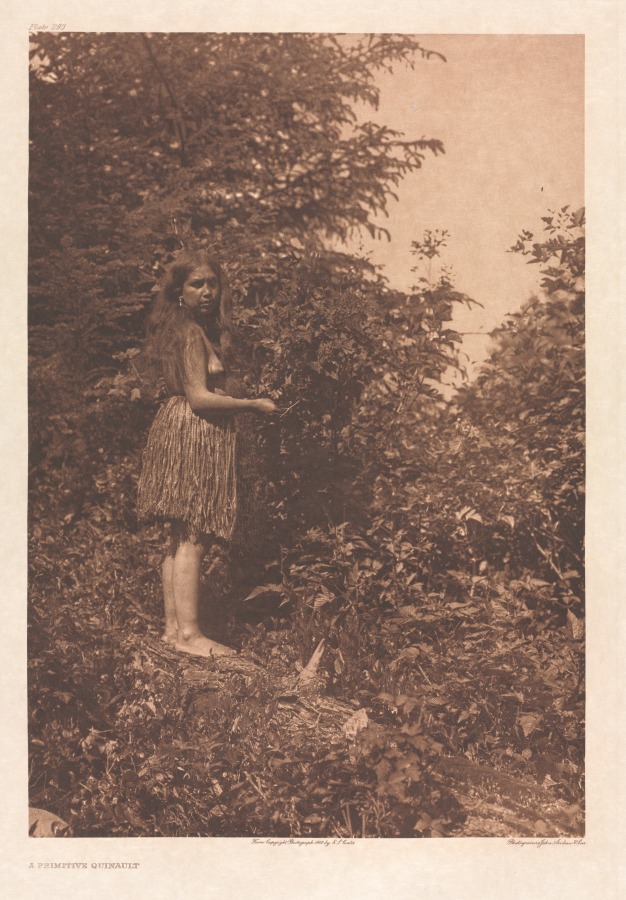
Curtis, also present on The Collection, raises questions that have only grown more urgent over time. Curtis spent decades in the early twentieth century photographing Native American communities across North America, producing a monumental project called The North American Indian, issued in twenty volumes between 1907 and 1930. The project was funded by J.P.
Morgan and endorsed by Theodore Roosevelt, and it is now understood as a deeply ambivalent object: a genuine archive of faces, rituals, and landscapes, but also one shaped by the colonial fantasy of a vanishing world. Curtis often had subjects wear traditional dress that had already gone out of use, making his archive as much an act of invention as of preservation. Raja Deen Dayal, the great Indian court photographer of the late nineteenth century, offers a counterpoint that is worth sitting with. Appointed official photographer to the Nizam of Hyderabad, Dayal built an archive of Indian royalty and colonial ceremony that resists easy reading from either direction.

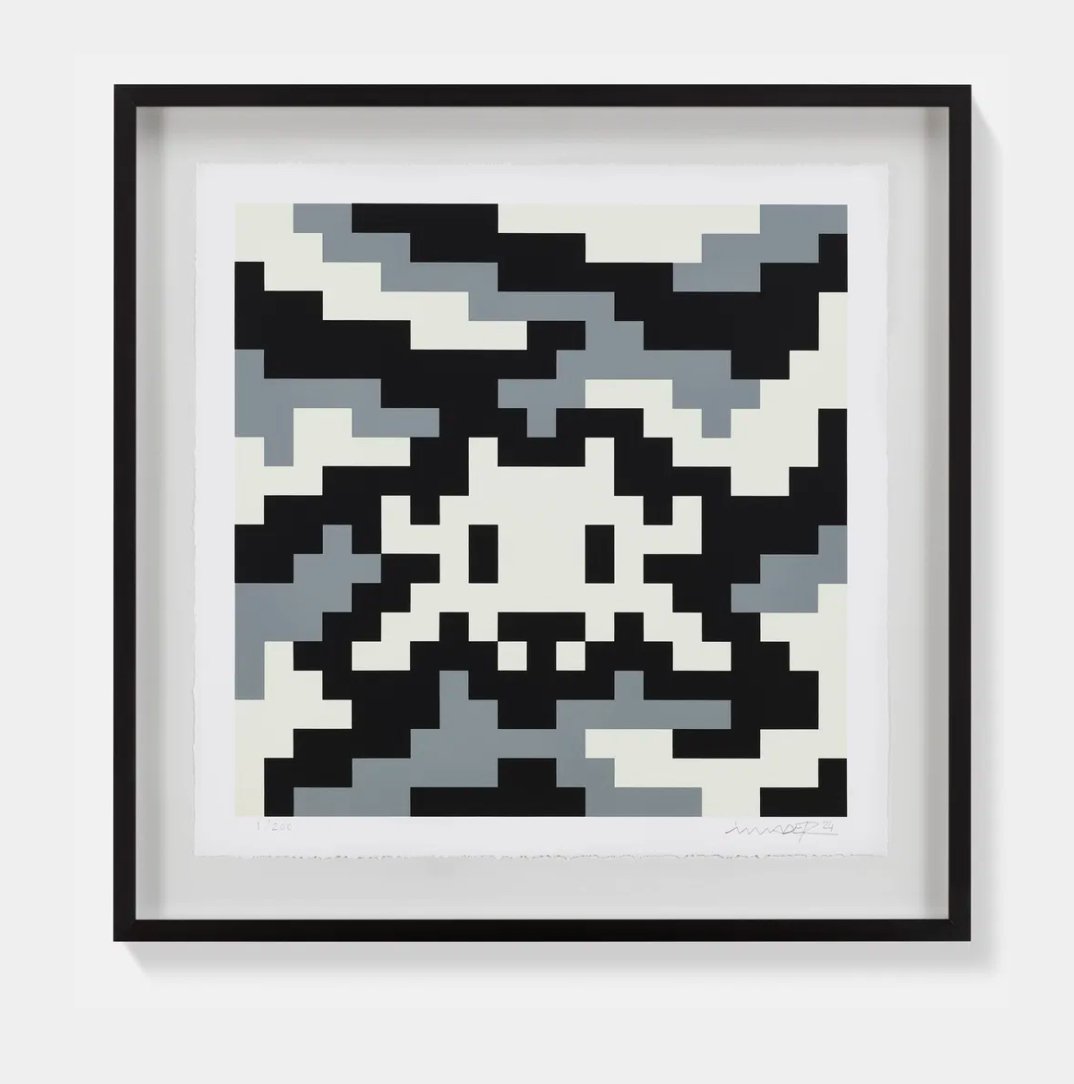
Takashi Murakami
Puuuu
His work is not the gaze of the colonizer documenting the exotic. It is, in many ways, a community's act of self representation, conducted with extraordinary technical skill and a clear sense of dignity. The photographs on The Collection reveal a practitioner who understood the archive as a form of portraiture, not merely of individuals but of an entire social order. The concept of the archive took on new philosophical weight in the late twentieth century, following Michel Foucault's influential 1969 text The Archaeology of Knowledge, which reframed the archive as a system of rules governing what can be said and known in a given culture.
Artists working in the wake of Foucault began treating the archive not as neutral storage but as an ideological construction to be examined, disrupted, and reimagined. Louise Lawler, whose work appears on The Collection, has spent her career photographing art in institutional settings, storage facilities, and auction rooms, revealing the conditions under which artworks are valued, shelved, and forgotten. Her images are archival in the deepest sense because they document the machinery of the art world itself. Doris Salcedo, one of the most ethically rigorous sculptors working today, has built her practice around the archives of the disappeared, drawing on testimonies from families of victims of political violence in Colombia.
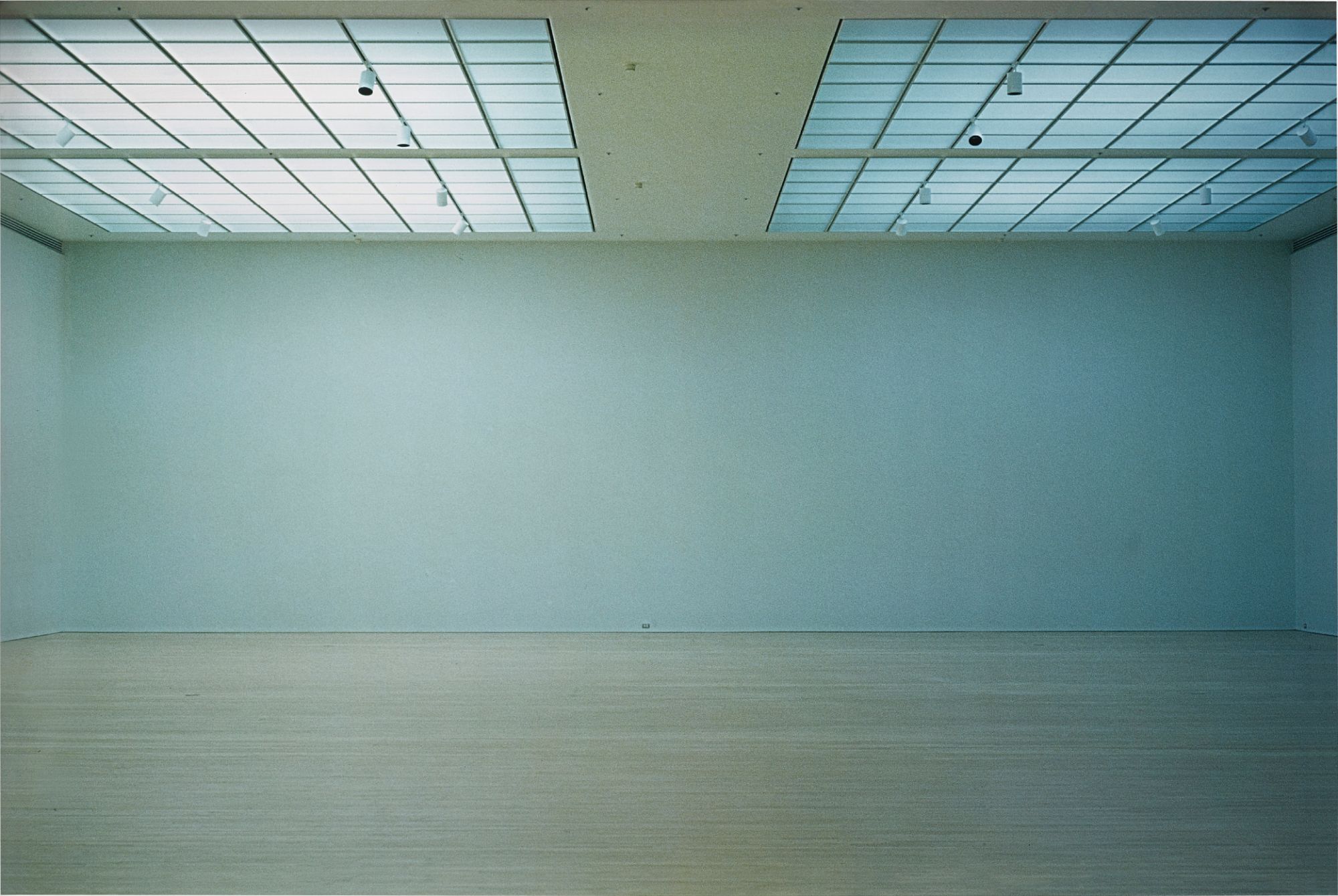
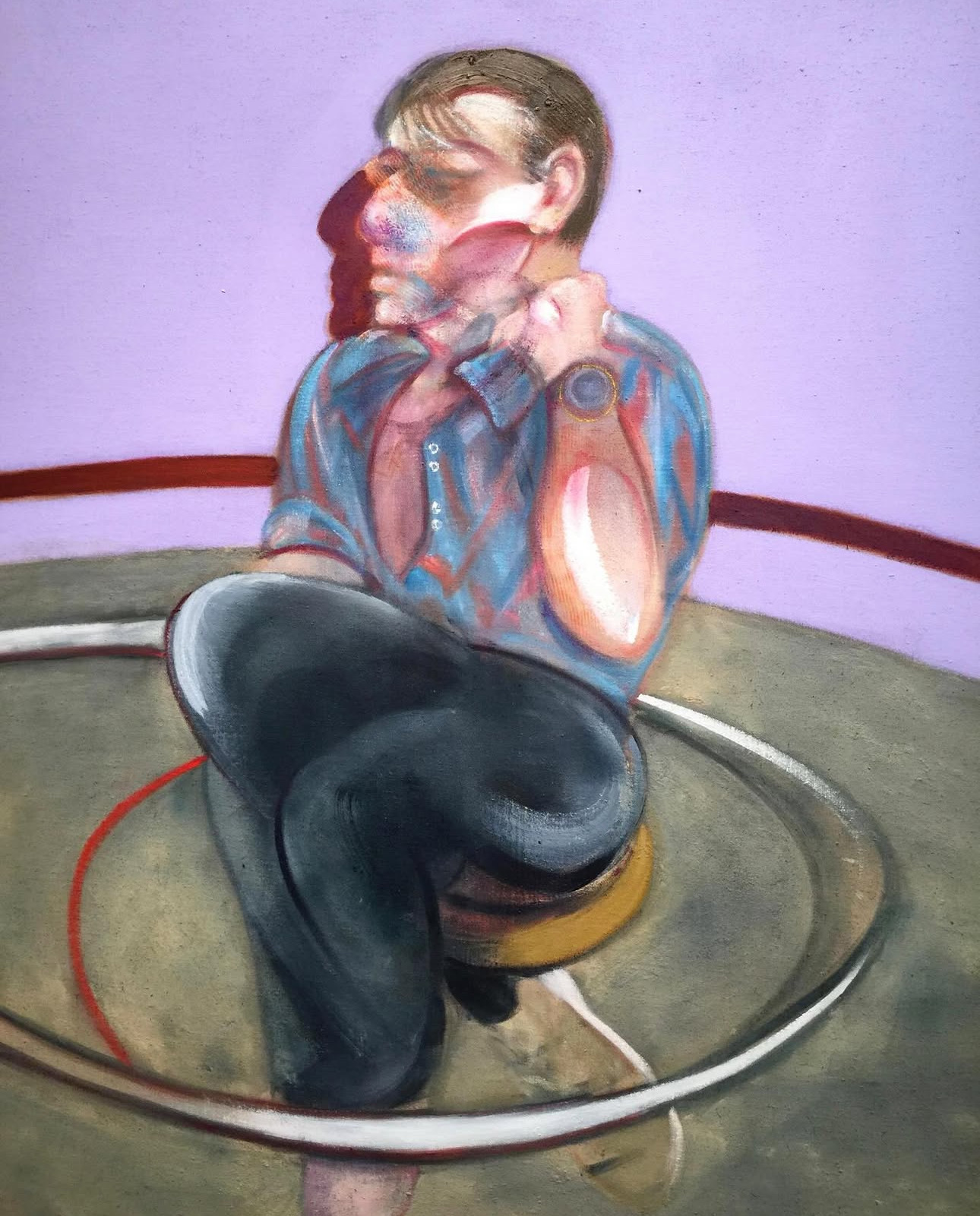
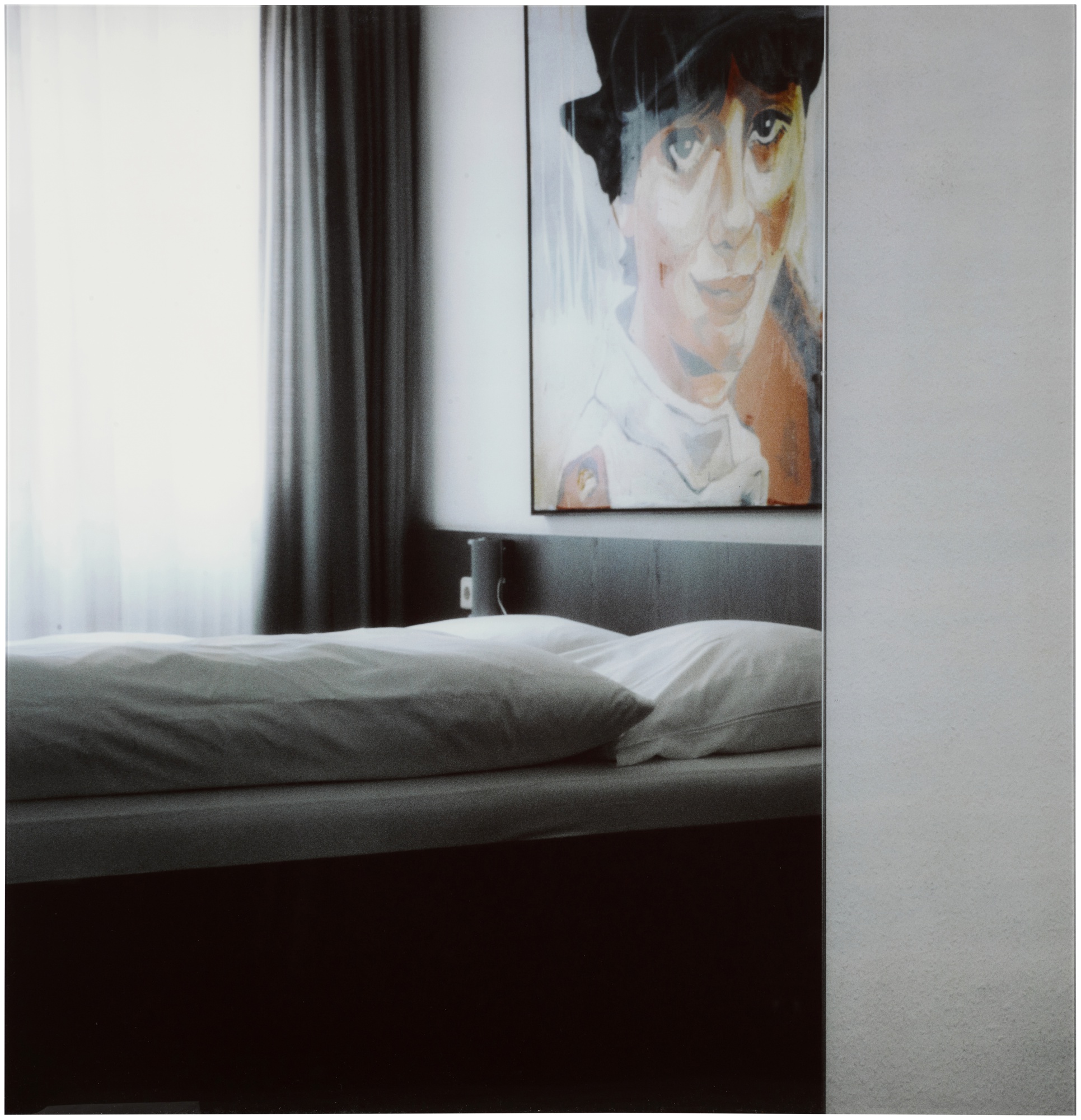
Louise Lawler
You Could Hear a Rat Piss on Cotton - Charlie Parker, 1987
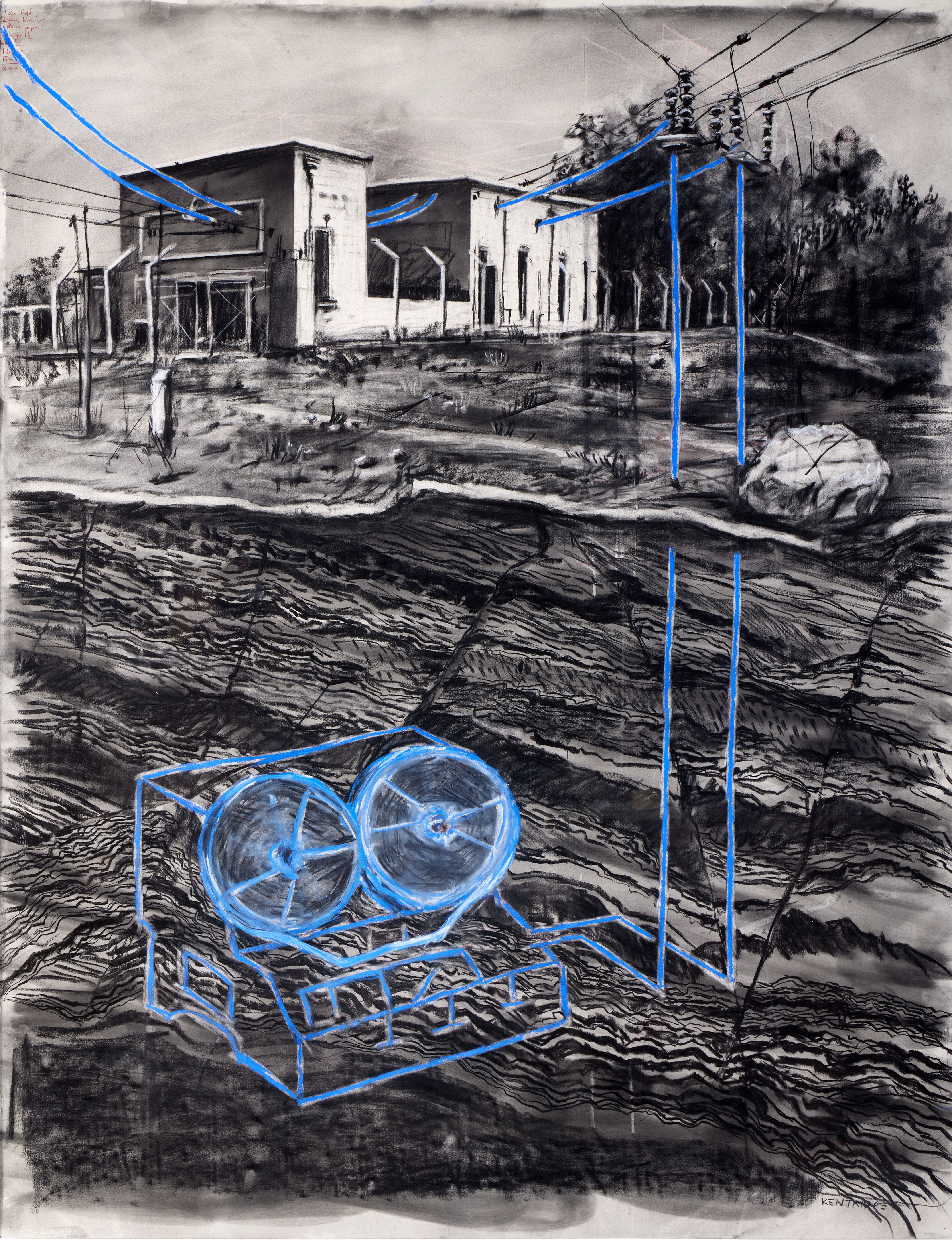
Her sculptures do not illustrate the archive; they inhabit its silences. Objects like a chair sealed inside a concrete wall or clothing stitched between two tables become physical repositories for losses that official archives routinely exclude. Working with found objects and humble materials, Salcedo insists that the archive of grief belongs to those who carry it, not to the state that created it. William Kentridge, represented on The Collection with characteristic depth, approaches the archive through the lens of South African history, working with colonial ledgers, old maps, and found footage to create films and drawings that stage a reckoning with the past.
His 2010 production of The Nose for the Metropolitan Opera incorporated archival Soviet imagery in a way that made history feel not recovered but reactivated, still capable of surprising and wounding. For Kentridge, the archive is never inert. It breathes and shifts depending on who is looking and from where. What the archival impulse reveals, ultimately, is a belief that the past has not finished speaking.
The artists drawn to this mode share a conviction that what has been stored, suppressed, or overlooked contains the material for understanding who we are and how we got here. On The Collection, the thread running through works by Atget and Dayal, through Lawler and Salcedo, through Kentridge and Curtis, is an attention to time that is anything but passive. These are not images of what was. They are arguments about what we owe the past, and what the past continues to demand of us.