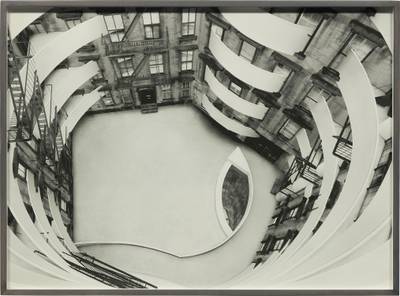
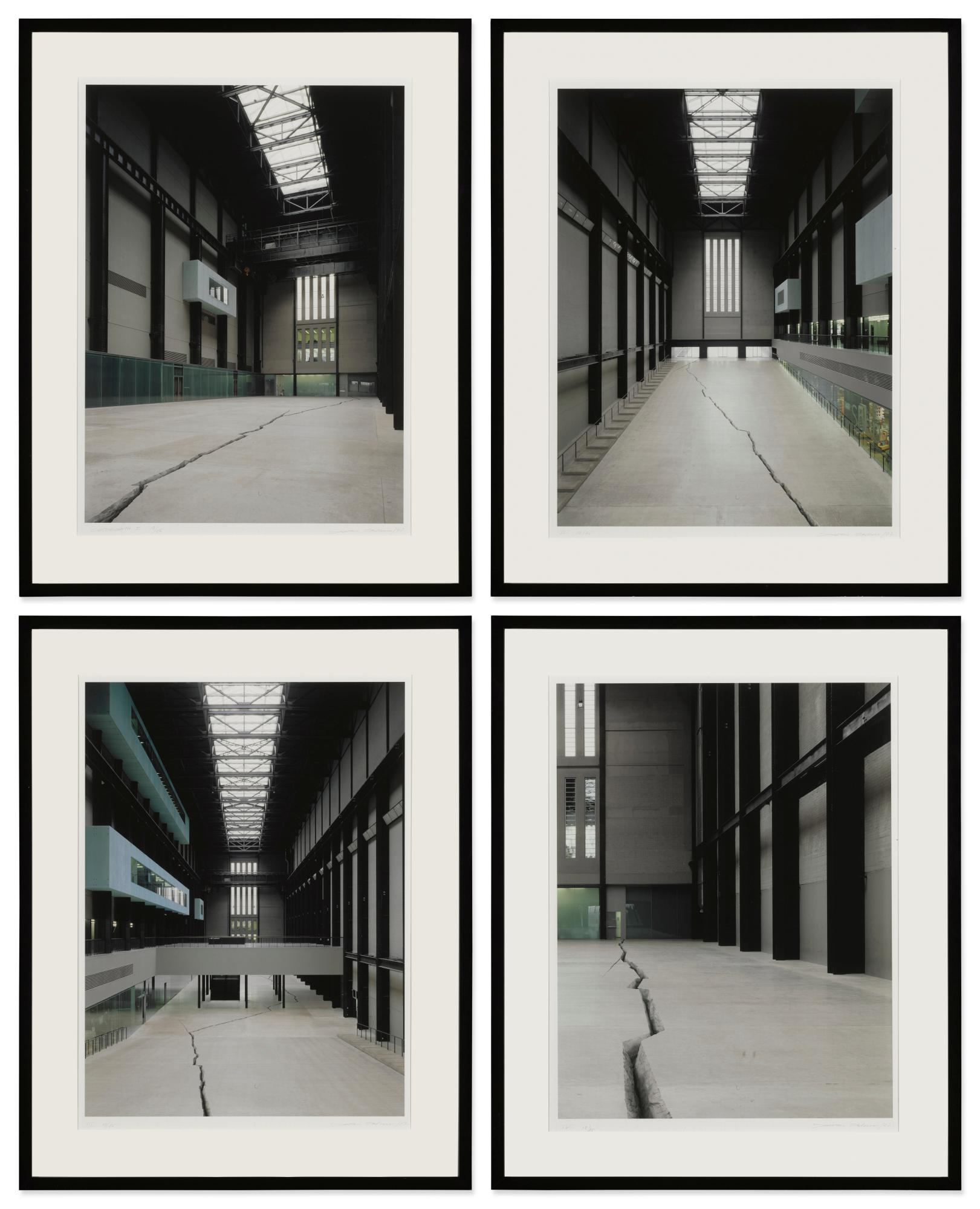
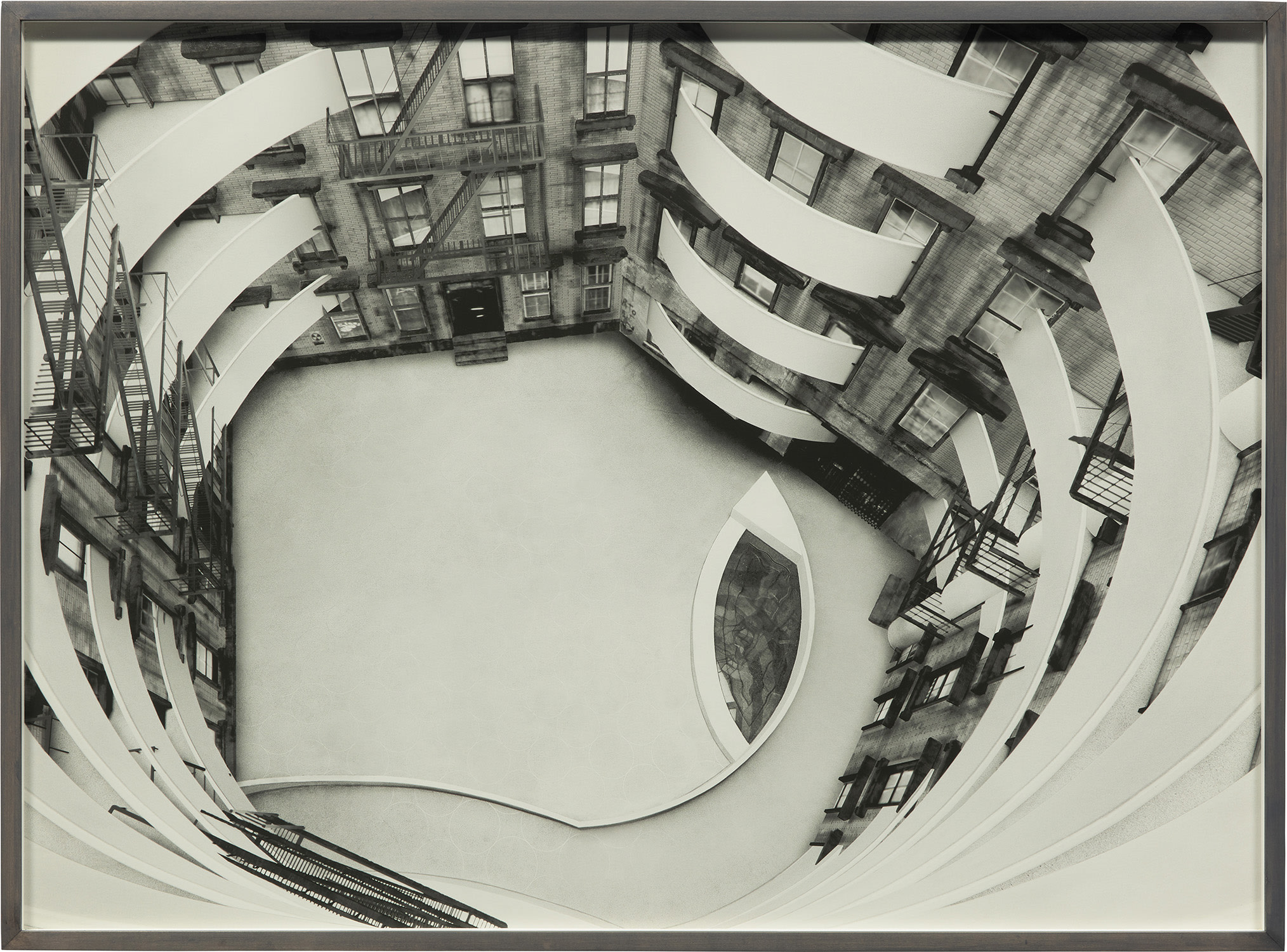
When Doris Salcedo split the floor of Tate Modern's Turbine Hall in 2007, the art world paused. The work, titled Shibboleth, was a 167 metre crack that ran the entire length of the iconic industrial space, beginning as a hairline fracture and widening into a jagged fissure that seemed to descend into an unknowable depth. Visitors crouched beside it, reached into it, and walked its length as though following a wound through the earth itself. It was one of the most visited and discussed Unilever Series commissions in the programme's history, and it announced to a global audience what those close to the contemporary art world already understood: Salcedo is among the most serious and morally essential artists working anywhere in the world today. Born in Bogotá in 1958, Salcedo came of age in a Colombia defined by profound civil conflict, the violence of cartels and paramilitaries, and a culture of enforced disappearance that left families without bodies to mourn and without language adequate to grief. She studied fine arts at the Universidad de Bogotá Jorge Tadeo Lozano before pursuing graduate studies at New York University in the 1980s, where she encountered the critical theory and art history that would give intellectual structure to the emotional urgency she already carried. Returning to Colombia, she did not retreat from the reality around her. Instead, she conducted what amounted to extended fieldwork, meeting with survivors of political violence, with mothers of the disappeared, with communities shattered by massacres. This direct human testimony became the ethical foundation of everything she would make. Salcedo's artistic development is inseparable from this methodology of witness. Her early furniture works from the 1990s, which involved embedding wooden chairs, wardrobes, and tables with concrete, hair, fabric, and bone, established a visual language of devastating restraint. These are not illustrations of violence. They are objects in a state of arrested time, caught between function and ruin, between presence and erasure. A shirt sleeve sealed inside a concrete block, or a baby's dress folded into the gap of a wooden cabinet, carries the weight of a specific human story without ever naming it. The works refuse spectacle while demanding attention. They operate, as Salcedo herself has described, through the body of the viewer, activating something felt before it is understood. The breakthrough into international recognition accelerated through the late 1990s and 2000s. Her installation Unland, first shown in 1997, involved tables joined at their seams and threaded through with human hair, creating objects of such quiet devastation that critics struggled to find adequate language. At the 8th Istanbul Biennial in 2003, she lowered 1,550 wooden chairs from the façades of buildings between two structures in the city centre, filling the gap between them with a waterfall of domestic furniture that referenced displacement and the geography of exclusion. The installation, titled Istanbul, drew tens of thousands of visitors and became one of the defining images of that year in contemporary art. Shibboleth followed four years later, and with it came the full weight of institutional recognition that her practice had long deserved. For collectors, Salcedo's works on paper and her print editions represent a significant and accessible point of entry into a practice that is otherwise largely housed in museum collections and major institutional commissions. Her archival pigment inkjet prints, including works such as For Hans Haacke and Edward Fry from 2009, produced on Hahnemühle Photo Rag and presented in the artist's own frame, demonstrate the same precision and conceptual density that characterises her sculptural work. The framing is never incidental with Salcedo: every material decision carries meaning, and the presentation of a work is understood as continuous with its content. Collectors who engage with her prints are not acquiring reproductions of ideas but complete, self contained works conceived for the intimacy of private space. She is represented by White Cube in London and Hong Kong, and by Alexander and Bonin in New York, both galleries with rigorous programs and discerning client bases, which reflects the seriousness with which the market regards her. Within the broader context of contemporary art history, Salcedo occupies a position that is both singular and richly connected. Her use of domestic objects as carriers of trauma places her in conversation with artists like Louise Bourgeois, whose own practice transformed the furniture and fabric of domestic life into excavations of memory and the body. Her political commitment and her attention to the lives of those marginalised by state violence echo the concerns of Felix Gonzalez Torres, whose quiet, accumulative works similarly refuse the loud registers of protest in favour of something more intimate and therefore more lasting. Younger artists working across Latin America and beyond, particularly those engaging with archives, testimony, and the aesthetics of mourning, consistently cite Salcedo as a decisive influence. What draws the most perceptive collectors to Salcedo is precisely the quality that makes her work difficult to categorise: it refuses comfort without surrendering beauty. Her surfaces are impeccable. Her sense of material is as refined as any artist working today. And yet nothing in her work exists for purely aesthetic satisfaction. Every formal decision is answerable to an ethical one. This is rare in contemporary practice, and it is the reason her work continues to grow in significance as the years pass. Major retrospectives and survey exhibitions have travelled through institutions including the Museum of Contemporary Art in Chicago and the Pinacoteca do Estado de São Paulo, and her critical reputation has only deepened with each new body of work. Salcedo's legacy is still being written, which is one of the most exciting things that can be said about any living artist. She continues to work in Bogotá, continues to conduct her research through direct engagement with communities affected by violence, and continues to produce work that does not look like anyone else's. In a cultural moment when questions of memory, justice, and political violence feel urgently present across the world, her practice has never seemed more relevant or more necessary. To collect Salcedo is to align oneself with an artist who demands something of both the work and the person who lives with it, and that demand is the highest compliment a serious collector could receive.