American Iconography
Richard Prince
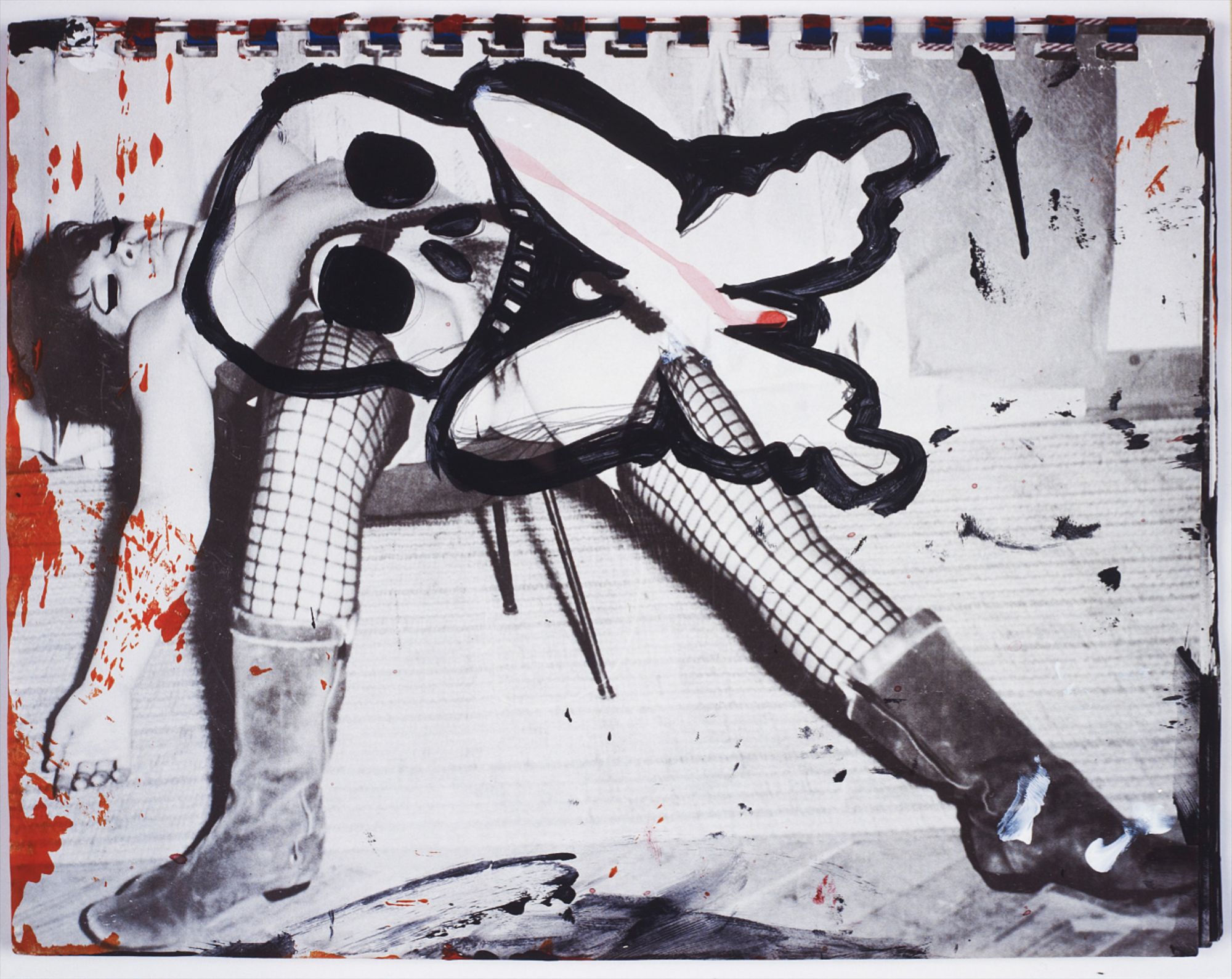
Through processes of appropriation, Richard Prince explores the distinctive iconography of modern America. Surveying the cultural landscape with a gaze that is both searching and oddly inscrutable, he draws influence from the worlds of entertainment, branding and advertising. From cowboys to motorcycles, he works with a readymade pictorial mythology, displaying an instinctive understanding of pop cultural and sub-cultural imagery.
The Myth of America, Still Burning
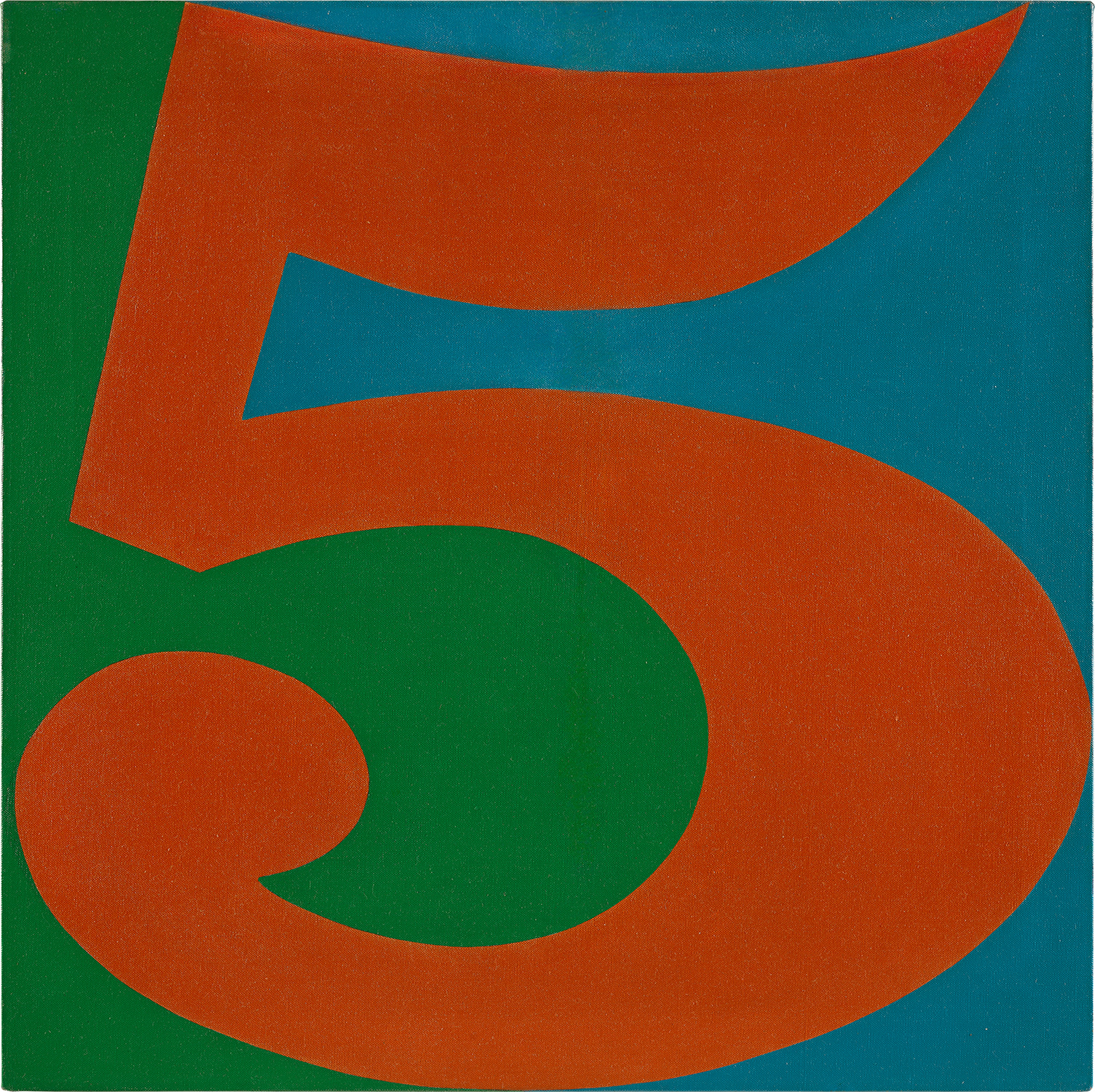
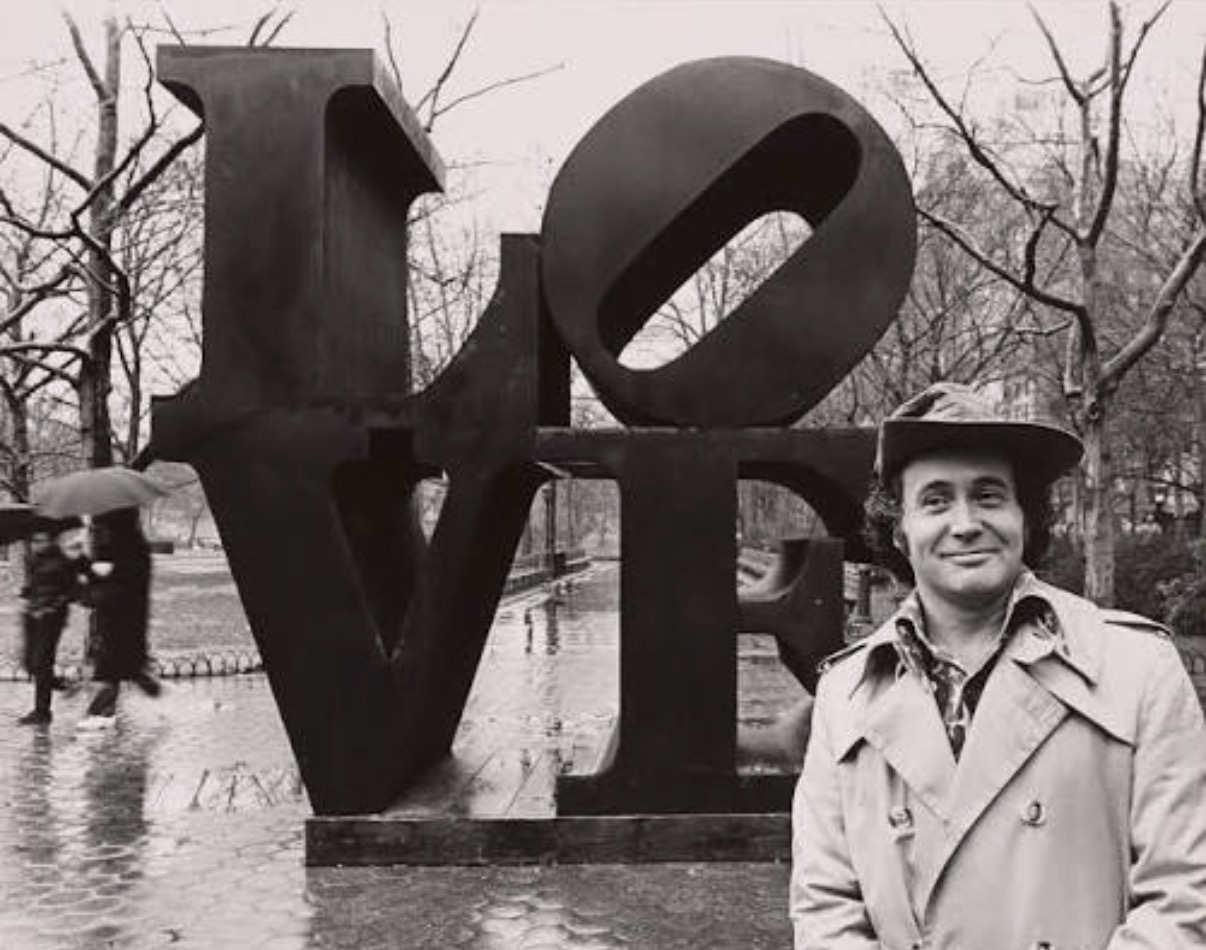
When Robert Indiana's LOVE sculpture sold at Christie's for well over a million dollars in a recent evening sale, the room barely flinched. That sculpture, that word, that four letter declaration rendered in Americana red and blue, has become so thoroughly absorbed into the visual fabric of the United States that bidding on it feels less like acquiring art and more like purchasing a piece of the country itself. That ease of recognition, that frictionless familiarity, is precisely what makes American iconography such a charged and endlessly generative field for collectors right now. The work feels obvious until you sit with it, and then it doesn't feel obvious at all.
The critical rehabilitation of Pop and its aftermath has been gathering momentum for some years now, but recent exhibitions have sharpened the conversation considerably. The Whitney Museum's ongoing engagement with artists who traffic in American symbols and commercial language has helped reframe what once seemed like celebration as something far more ambivalent. Richard Prince's appropriations of advertising imagery and cowboy mythology, works that ask who owns an image and what it means to want what you're sold, sit at the center of these debates. His Nurse paintings and Cowboy photographs continue to anchor major private collections and appear with regularity at auction, where they consistently demonstrate that the market for conceptually loaded American subject matter remains as strong as ever.
Richard Prince
Through processes of appropriation, Richard Prince explores the distinctive iconography of modern America. Surveying the cultural landscape with a gaze that is both searching and oddly inscrutable, he draws influence from the worlds of entertainment, branding and advertising. From cowboys to motorcycles, he works with a readymade pictorial mythology, displaying an instinctive understanding of pop cultural and sub-cultural imagery.
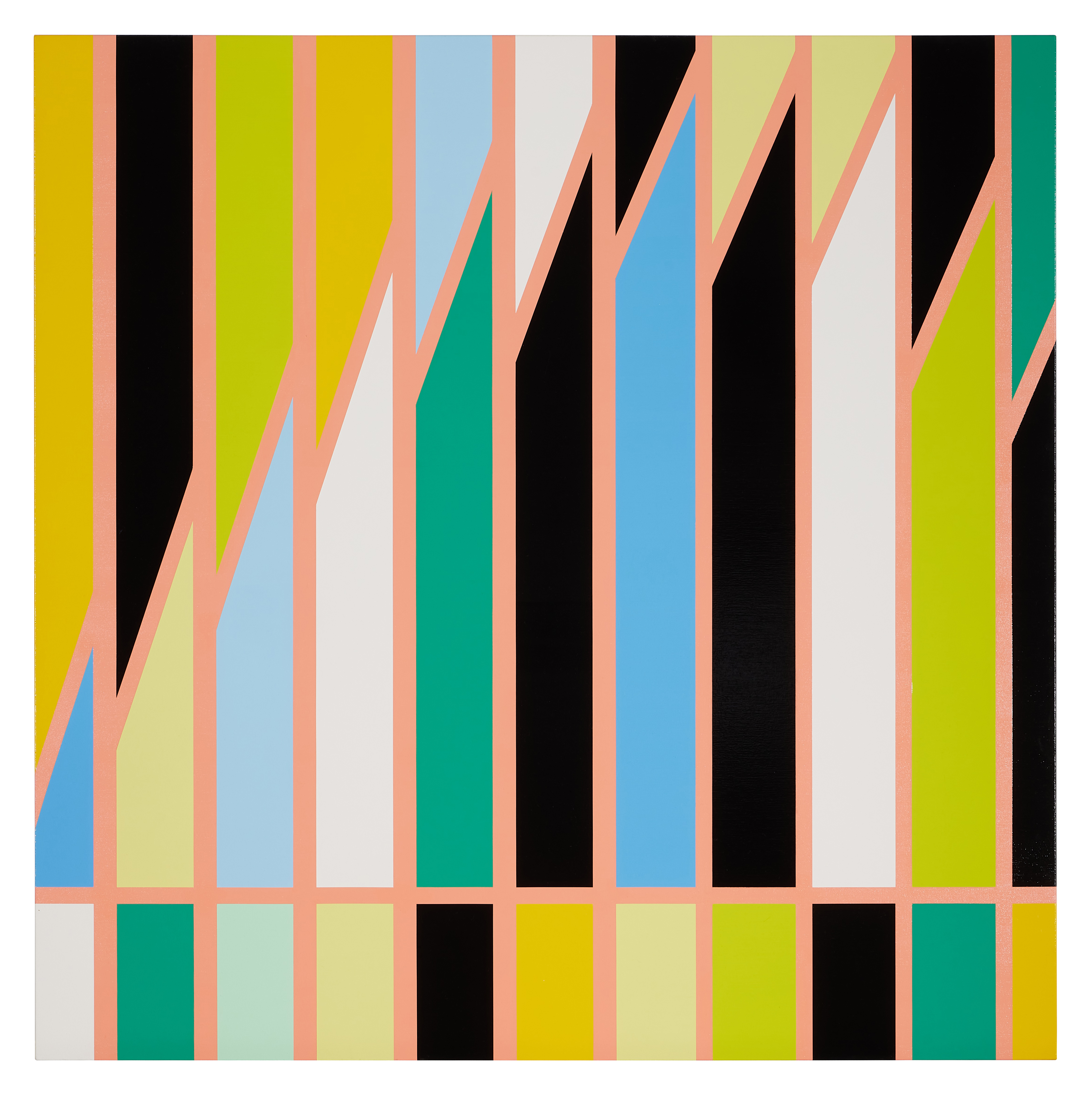
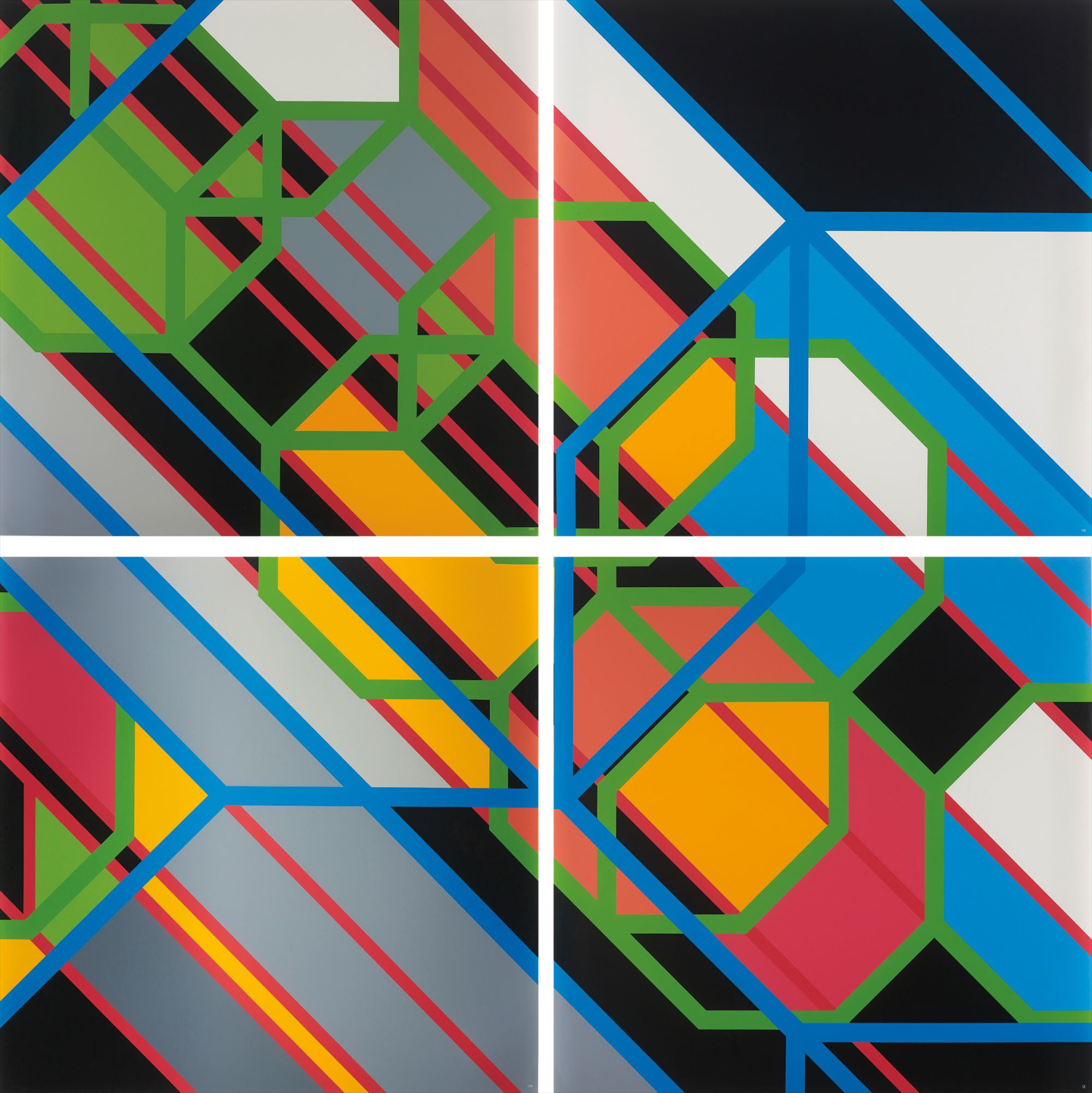
Sarah Morris occupies a different register within this conversation, though no less a vital one. Her large scale geometric paintings derived from the architectural logic of American cities, the grids of Washington D.C., the corporate facades of Los Angeles, translate systems of power into something visually seductive and politically cool.
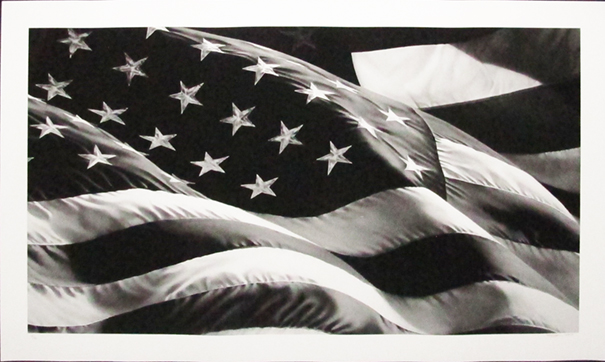
Her films and paintings together map the designed landscapes of American life with a precision that feels more urgent as those landscapes grow ever more surveilled and controlled. Morris has been the subject of significant institutional attention in Europe, particularly in Germany and the United Kingdom, and that transatlantic appetite for a distinctly American visual vocabulary says something interesting about where the hunger for this work actually lives. The auction results across this category reward close reading. Robert Longo's large scale charcoal drawings, those monumental depictions of suited figures frozen mid movement that he began making in the late 1970s under the title Men in the Cities, have seen renewed collector interest as a generation that missed them the first time around discovers their uncanny relevance.
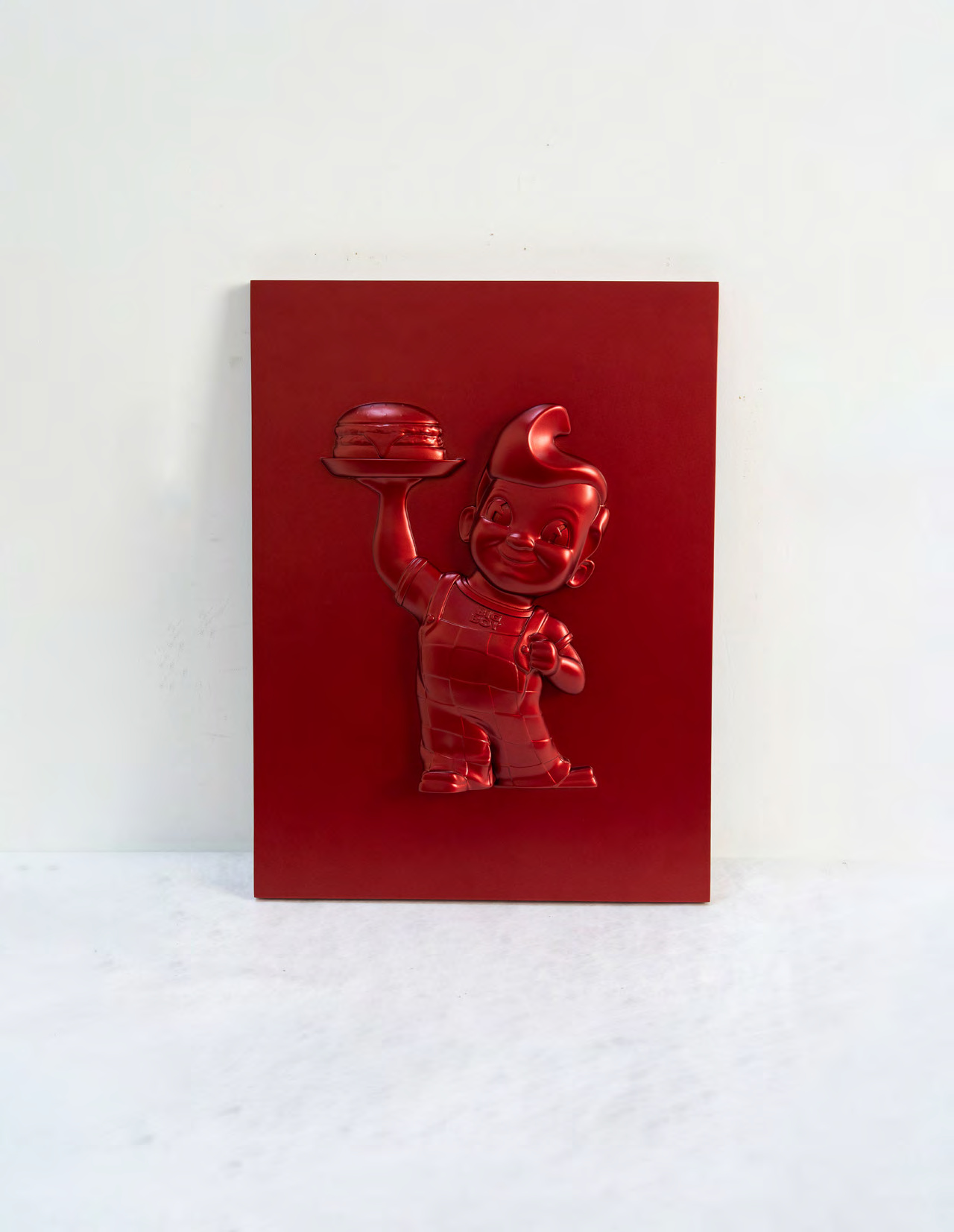
Robert Longo
Bob's Big Boy (Portrait of American President), 2026
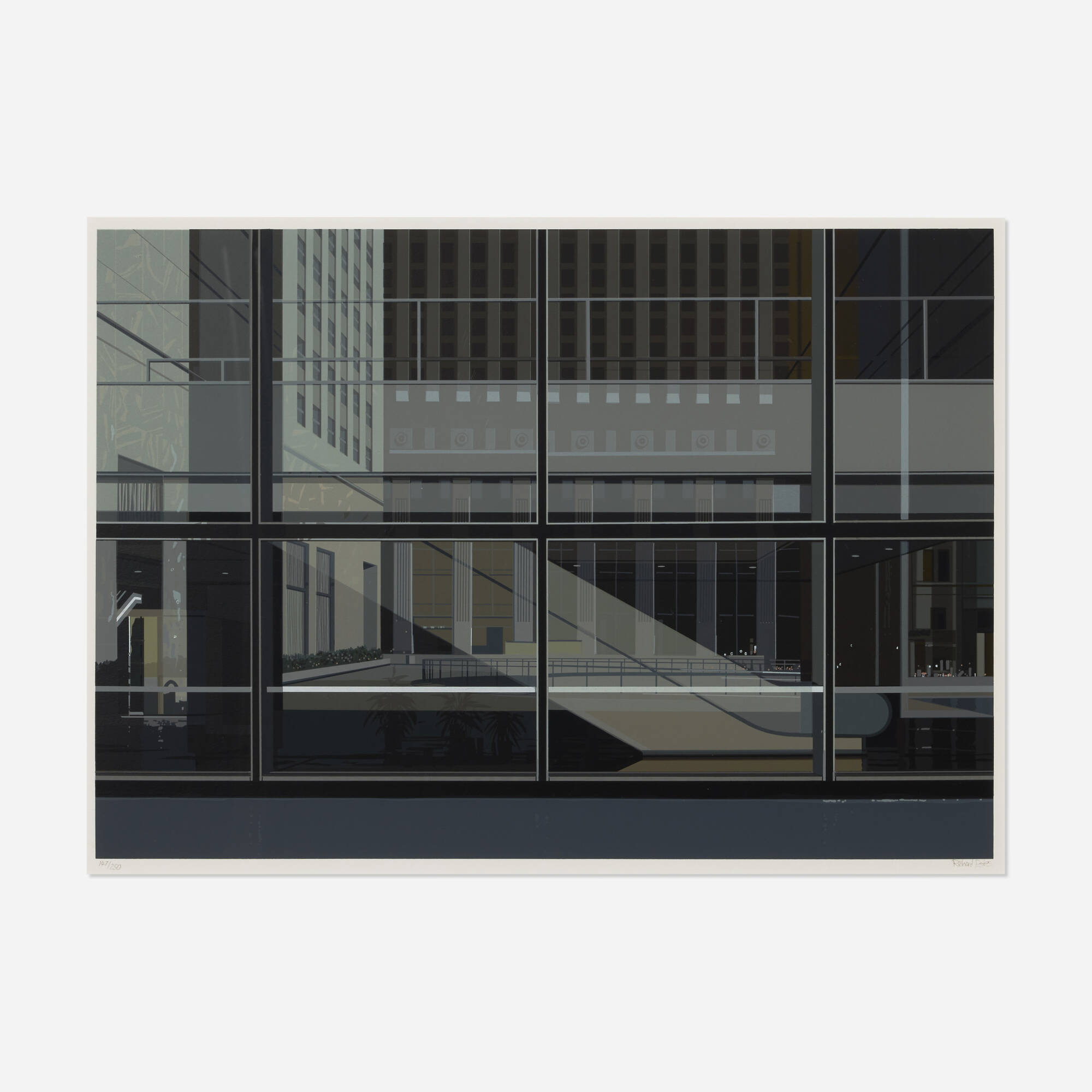
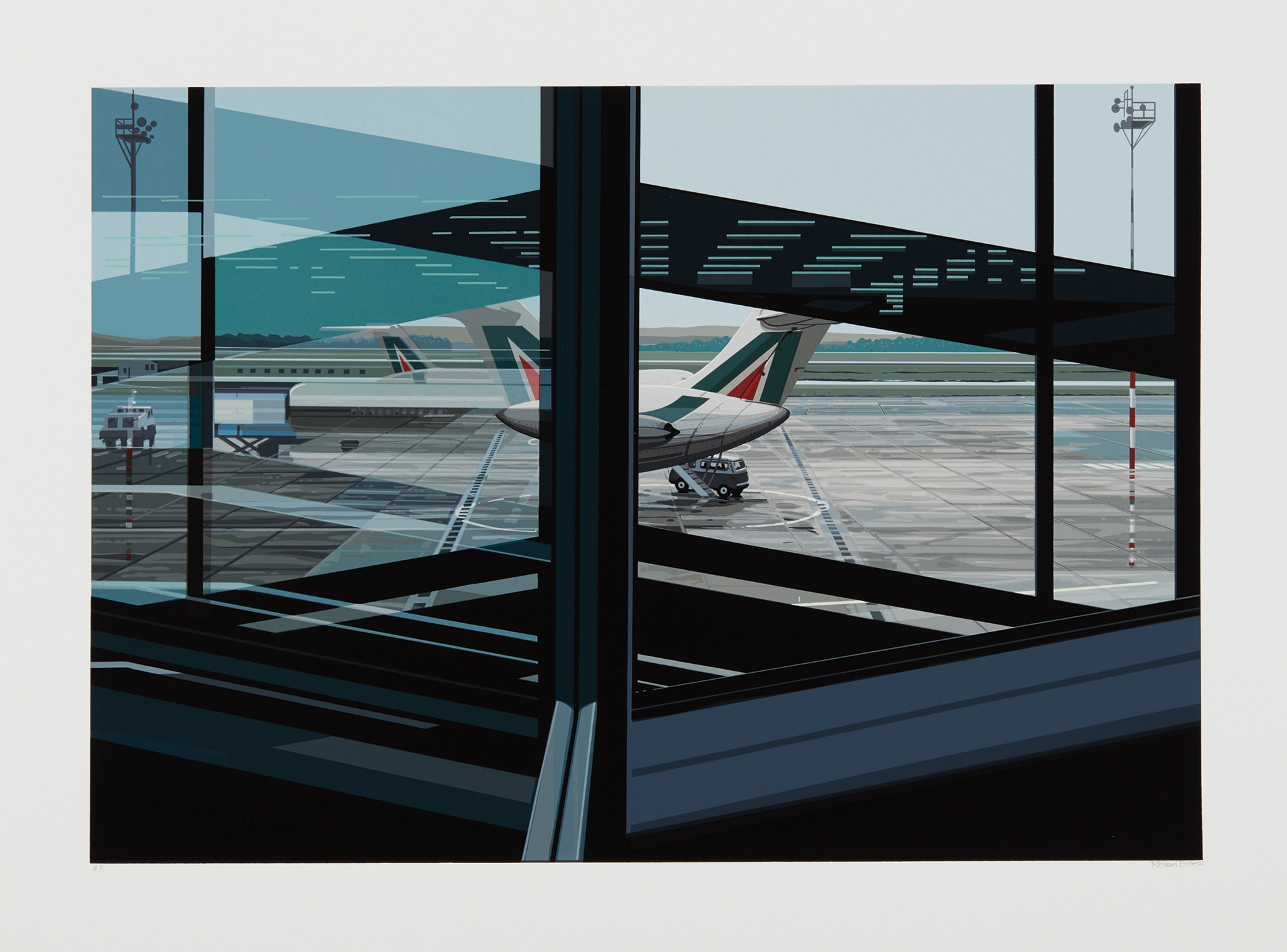
Bodies in crisis, figures caught between motion and collapse, read differently now than they did in the Reagan era, and the market has responded accordingly. Works on paper of this ambition and scale rarely disappoint when they appear at the major houses. Richard Estes, whose photorealist paintings of New York storefronts and reflective surfaces turned the commercial street into a subject worthy of sustained attention, similarly commands serious prices and serious institutional consideration. Institutional collecting in this space has shifted in telling ways.
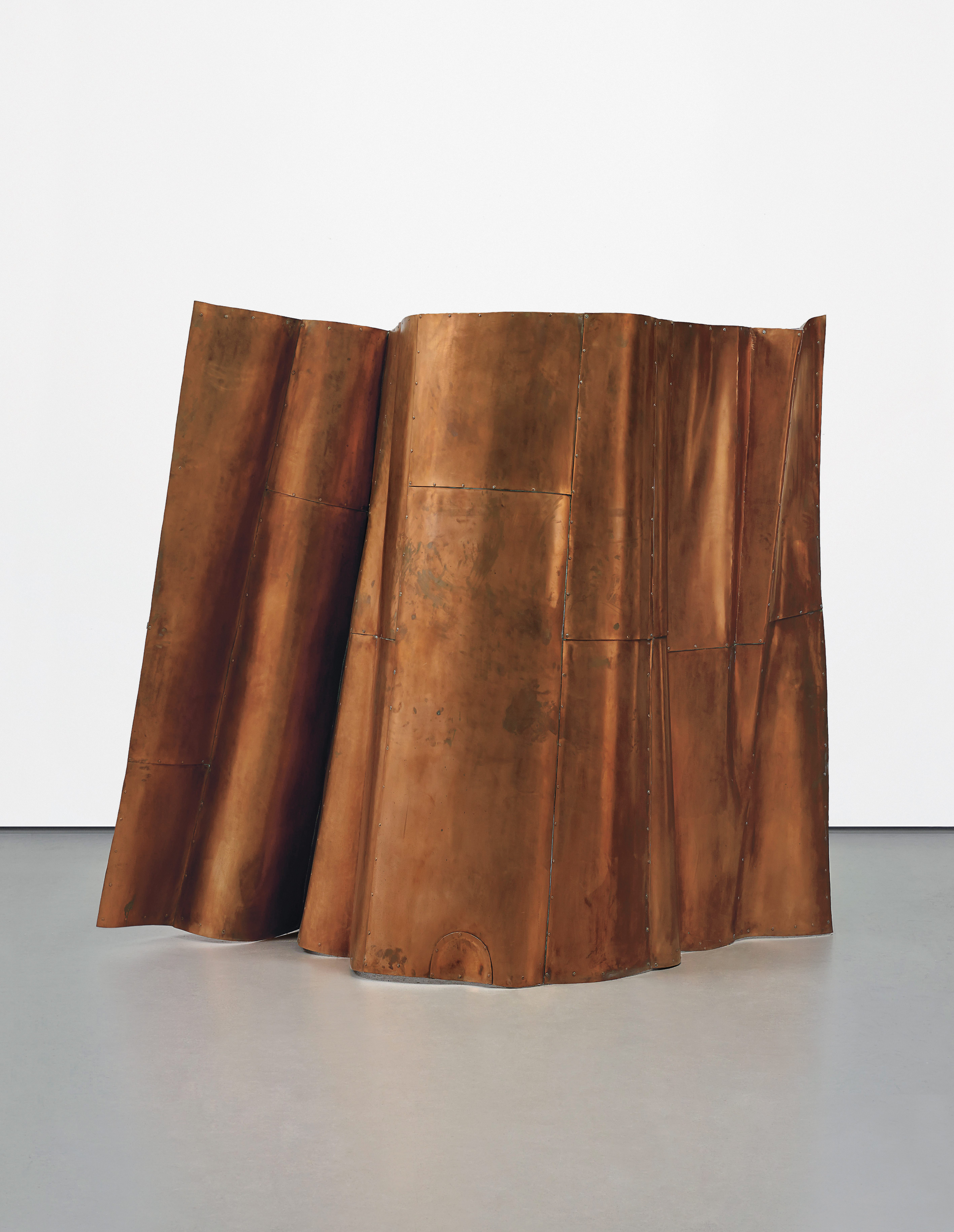
The Museum of Modern Art has deepened its holdings of work that interrogates American visual culture rather than simply celebrating it, and the Broad in Los Angeles continues to position itself as a home for the kind of large scale, culturally legible American art that bridges the gap between critical practice and popular recognition. Danh Vo, whose work often engages American imperial history through found objects and fragmented documents, has entered major museum collections on both sides of the Atlantic. His piece We the People, a full scale copper reproduction of the Statue of Liberty fabricated in fragments, is one of the most quietly devastating meditations on American mythology produced in the last two decades. The fact that institutions compete for his work signals that the field has expanded well beyond the familiar Pop canon.
Bernard Buffet
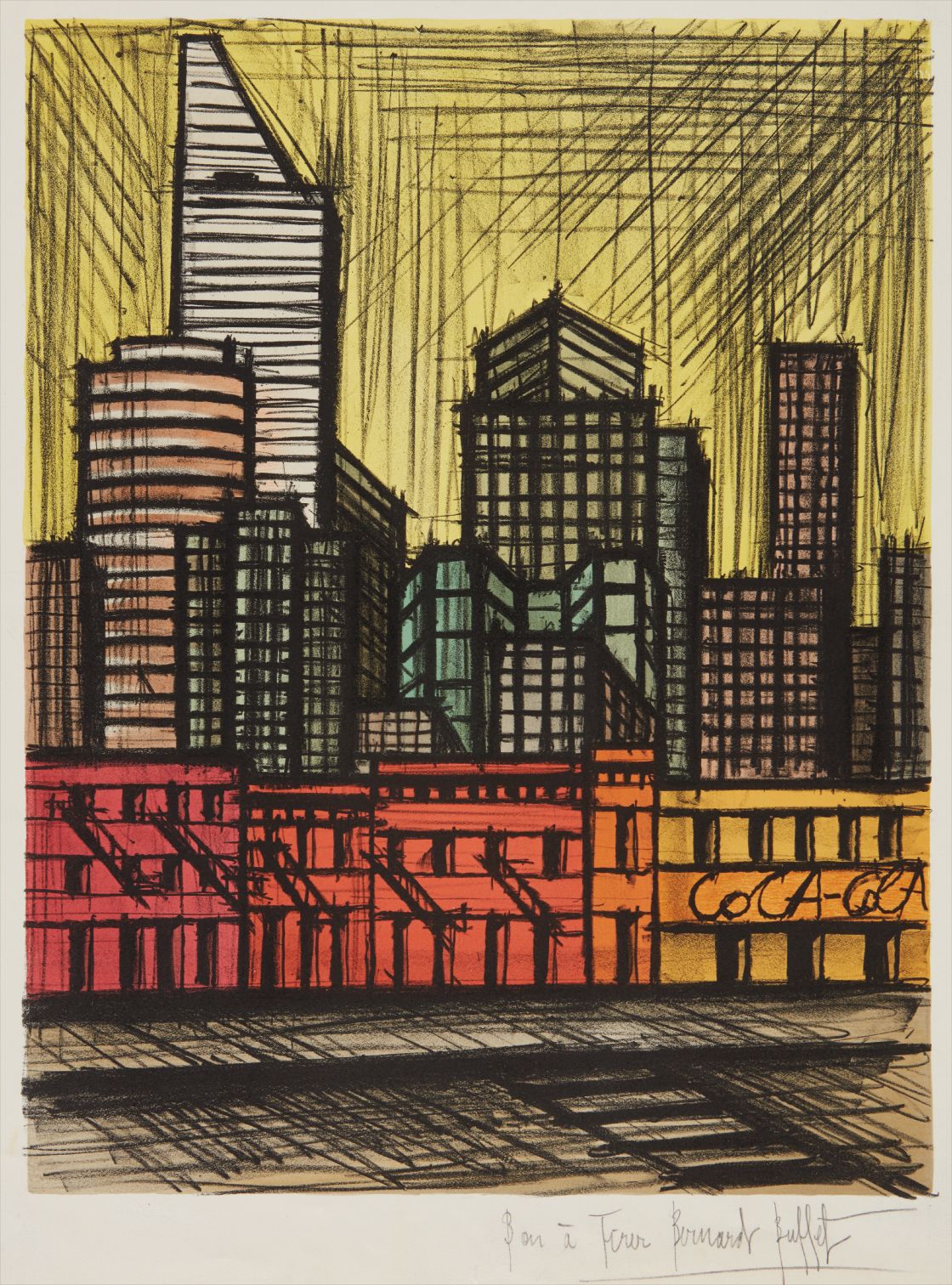
New York, Coca-Cola
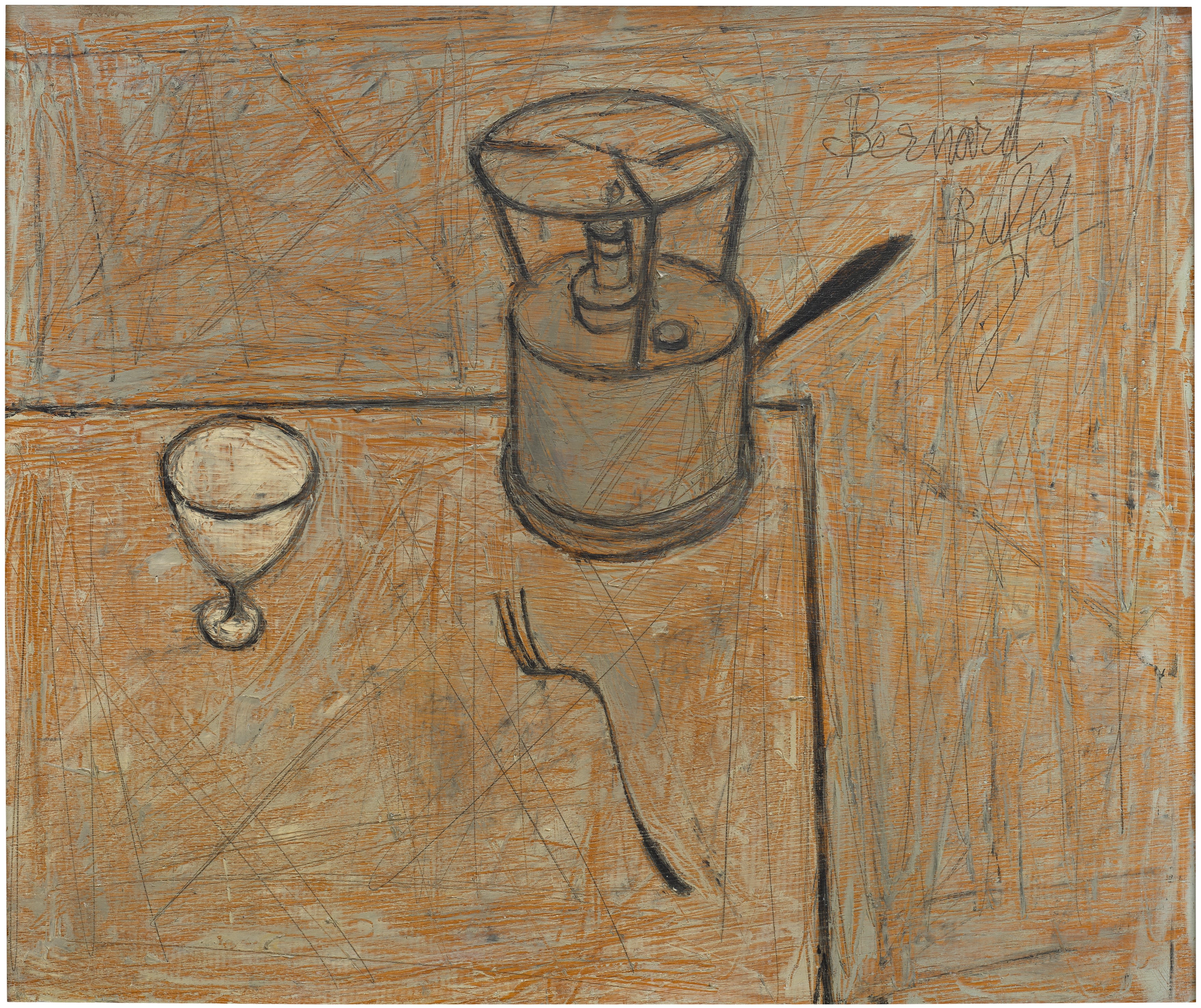
The critical conversation shaping this area has become genuinely more interesting than it was even a decade ago. Writers like Hal Foster, whose book The First Pop Age remains essential reading, gave us tools for understanding how American artists of the 1960s negotiated the image world. But younger critics writing in publications like Artforum, October, and Frieze have pushed further, asking how artists working today either perpetuate or dismantle the mythologies that Pop helped entrench. The inclusion of Bernard Buffet in conversations about American iconography might seem counterintuitive given that he was French, but Buffet's sharp, anxious line and his sustained engagement with urban alienation found an enormous American audience in the 1950s, and his reputation has been climbing steadily as collectors reassess the postwar period with fresh eyes.
What feels alive in this space right now is the question of whose America is being depicted and who gets to do the depicting. The most energized collecting and curating is happening around artists who bring pressure to bear on the official iconography, who take the flag, the skyline, the advertisement, the monument, and ask what it costs to believe in it. What feels more settled, perhaps too settled, is the canonical Pop narrative that runs through Warhol and Lichtenstein without complication. The surprises are coming from artists who refuse that comfort, who find in American symbols not a glossy surface to be reproduced but a site of genuine contestation.
Sarah Morris
Department of Water and Power (Los Angeles)
The works available on The Collection reflect this broader reckoning, bringing together artists whose relationships to American imagery range from cool appraisal to something closer to grief. For collectors paying attention, that range is exactly where the most interesting conversations, and the most durable investments, are being made.