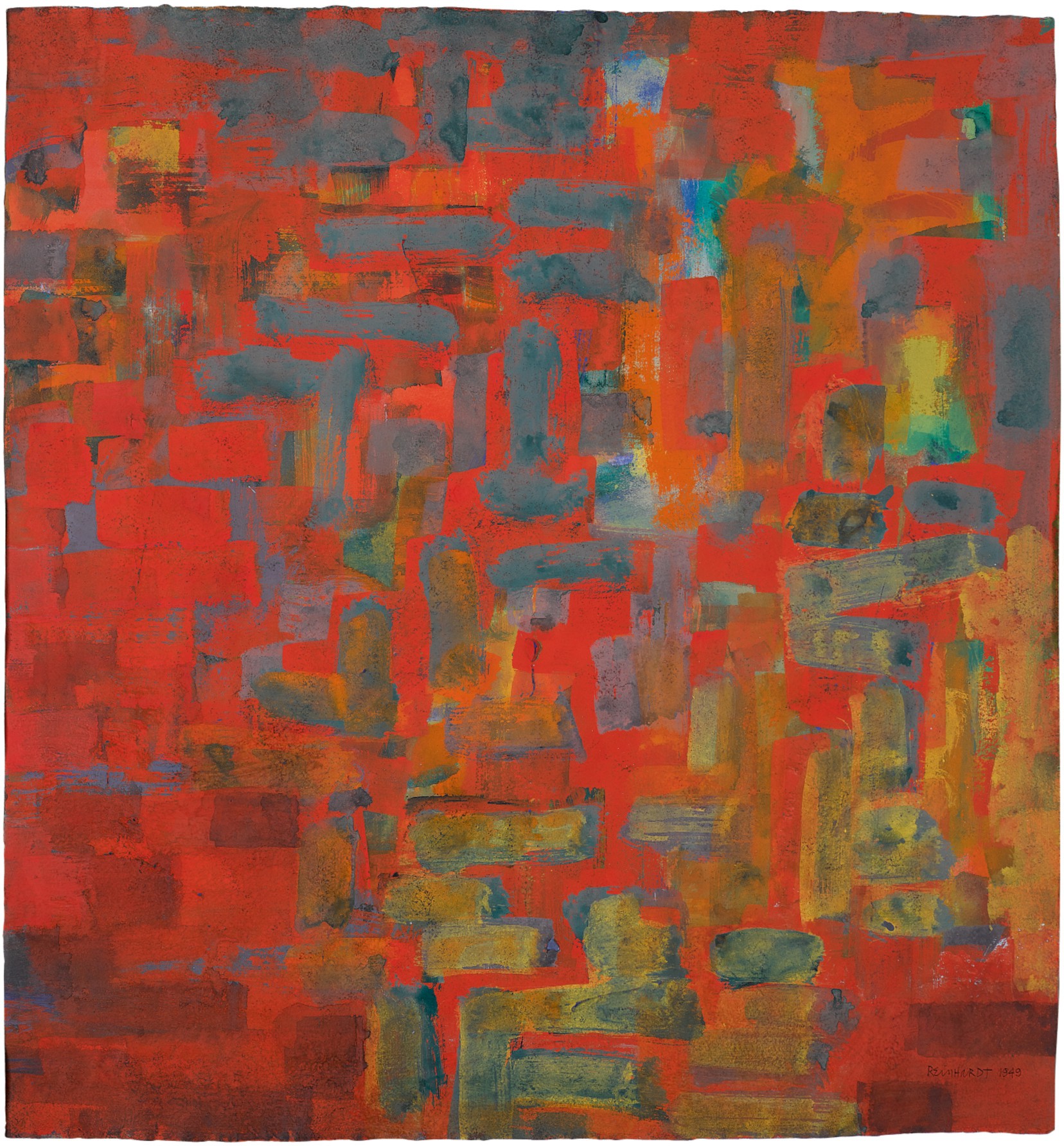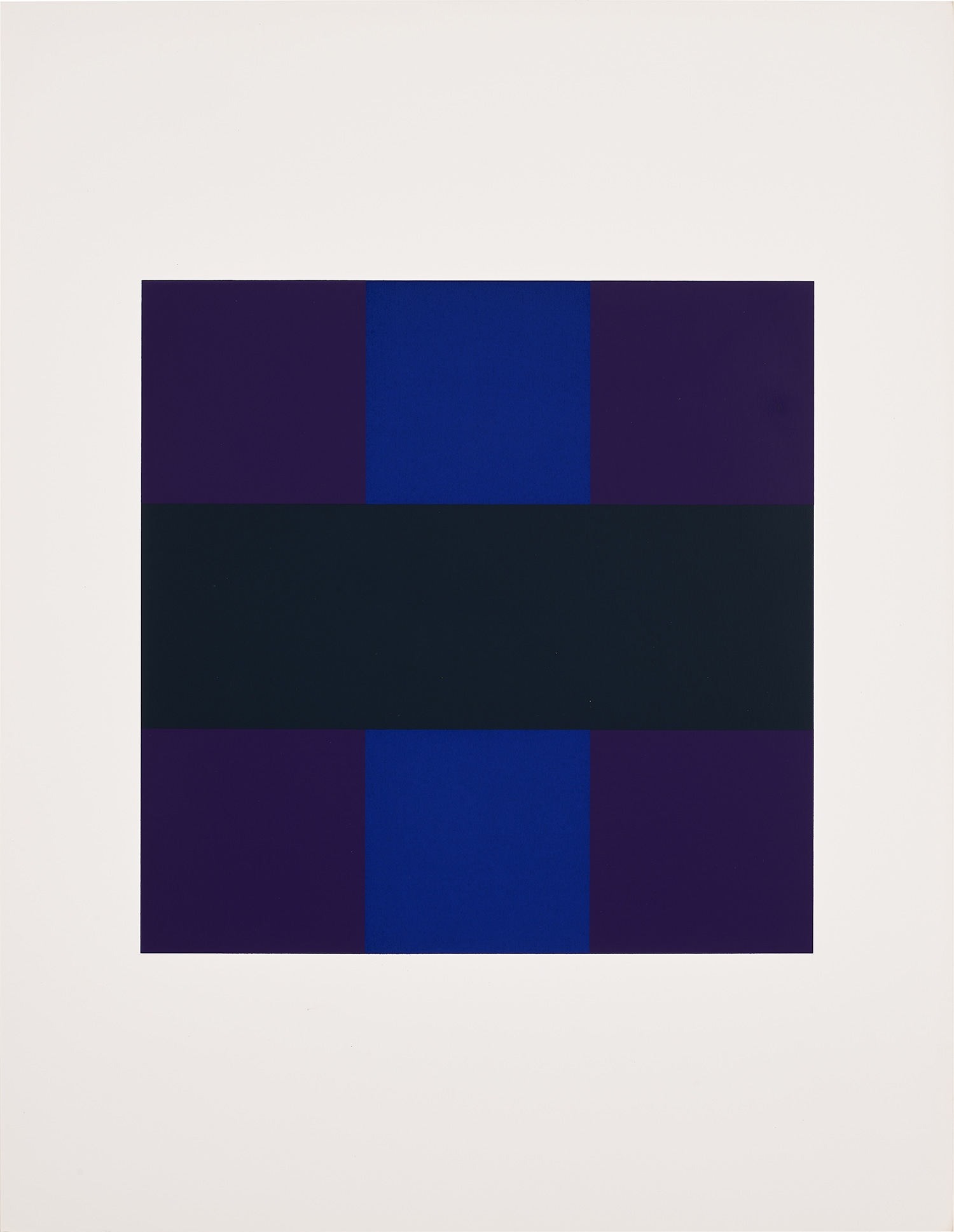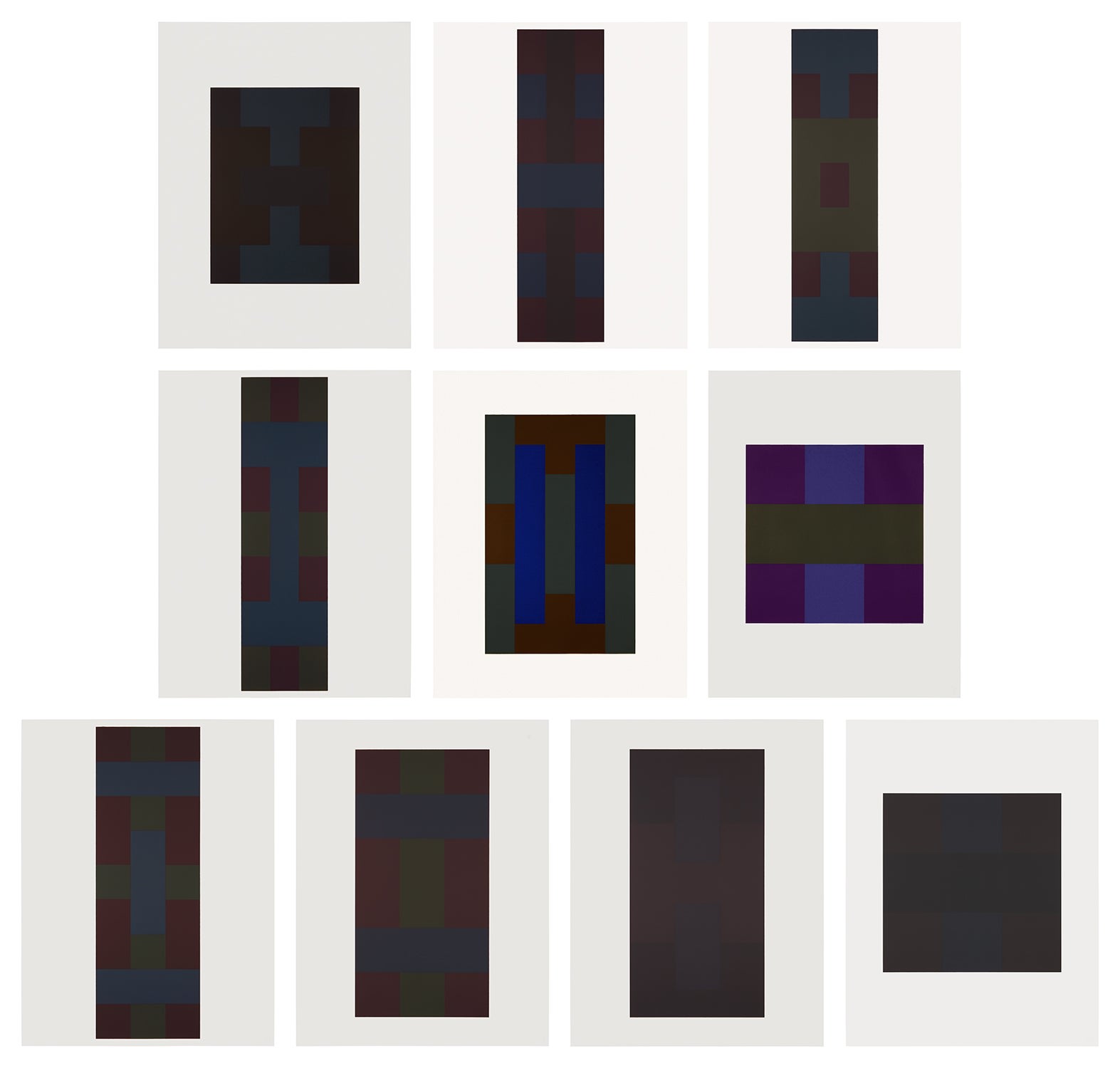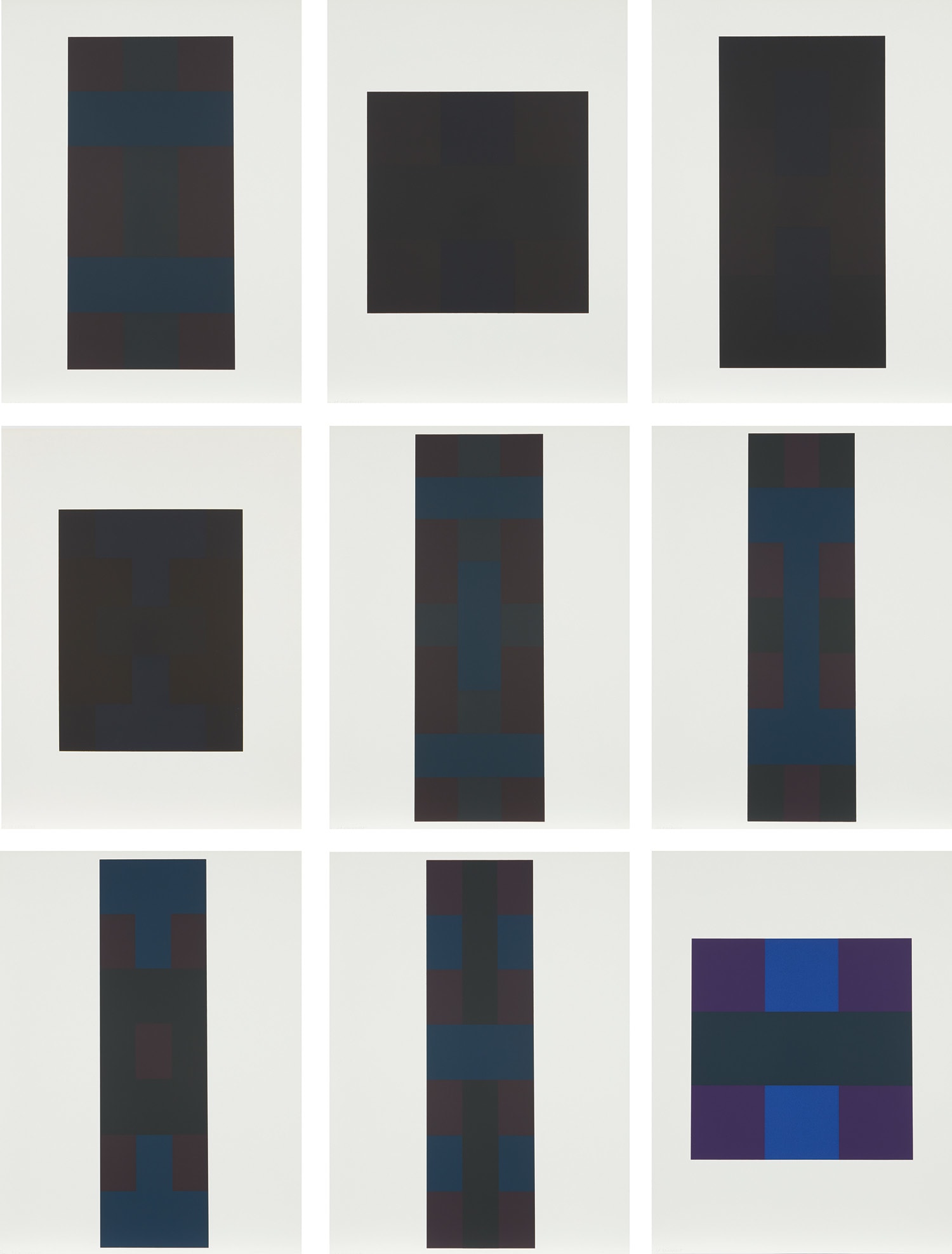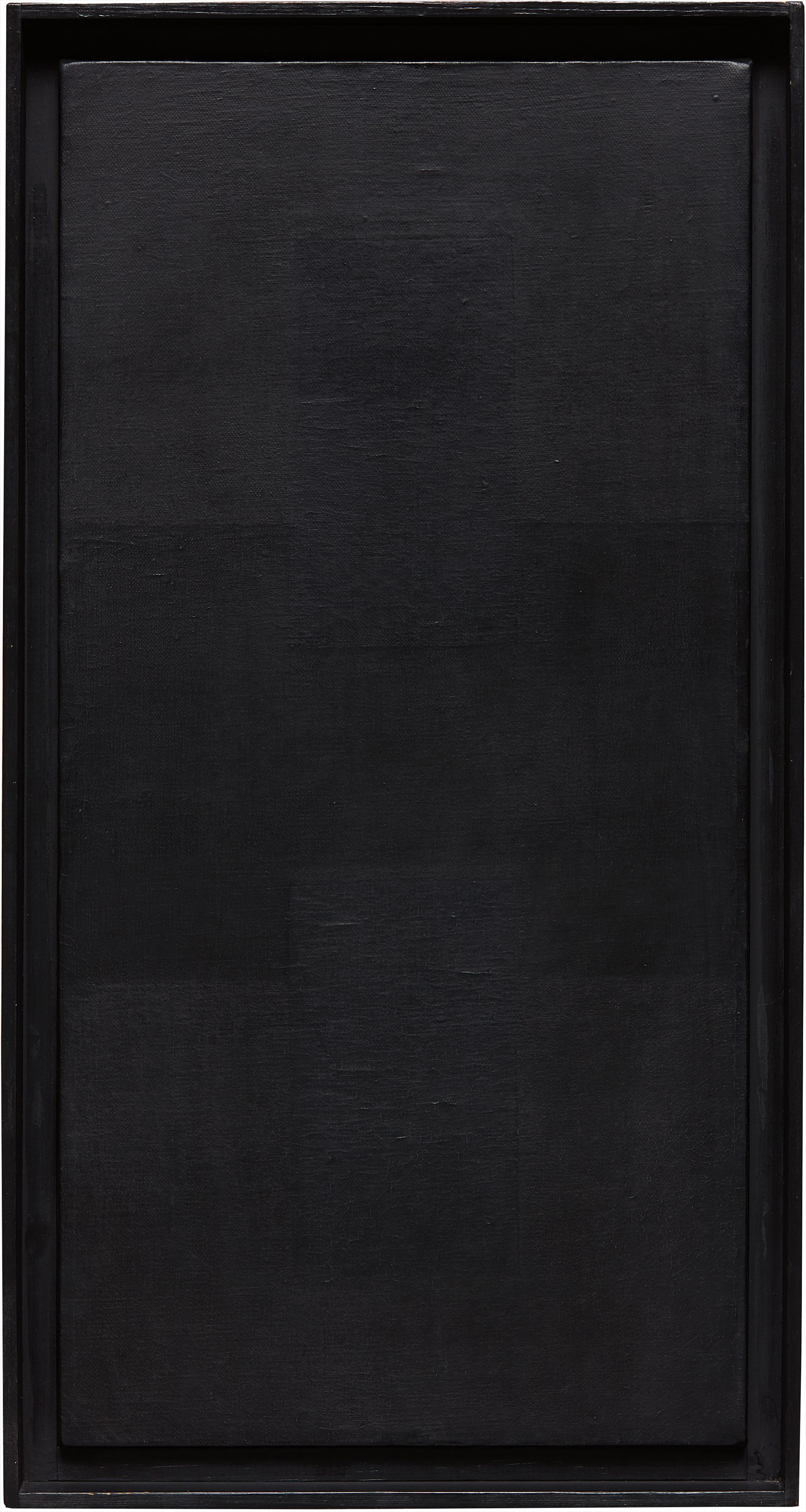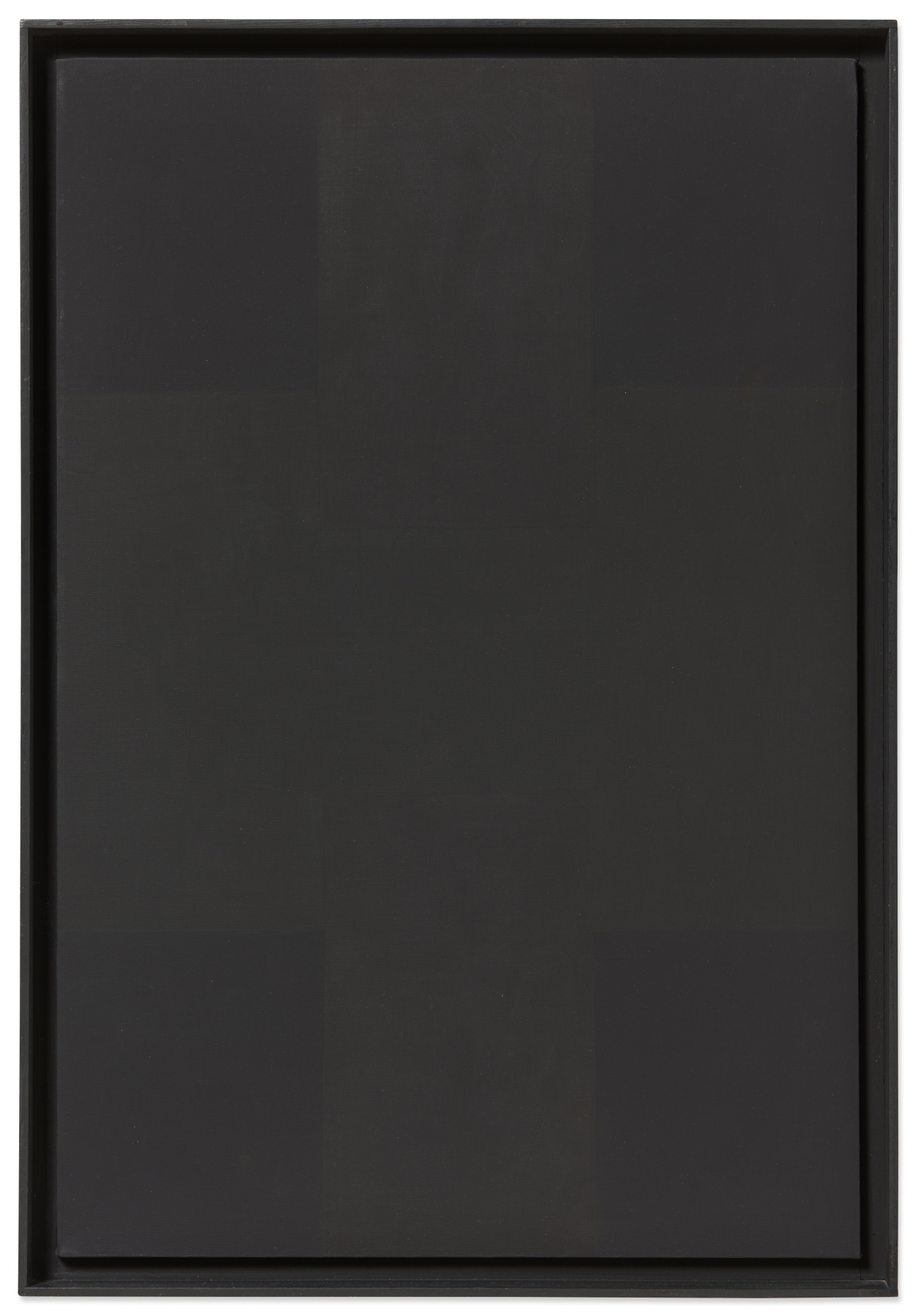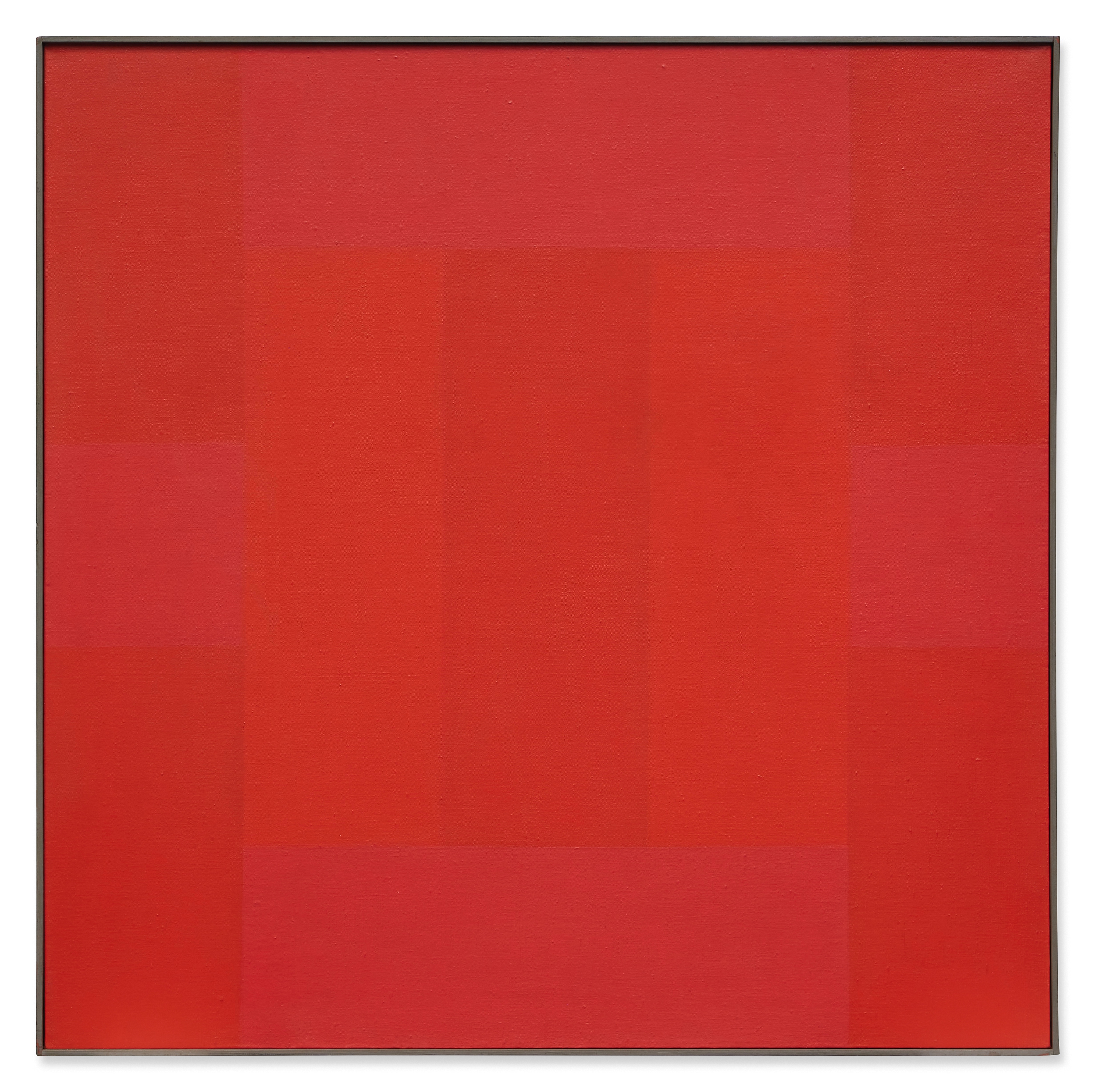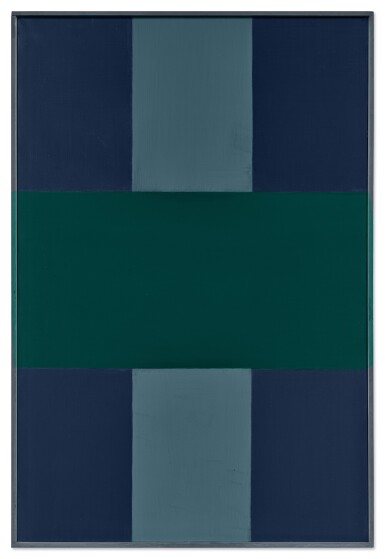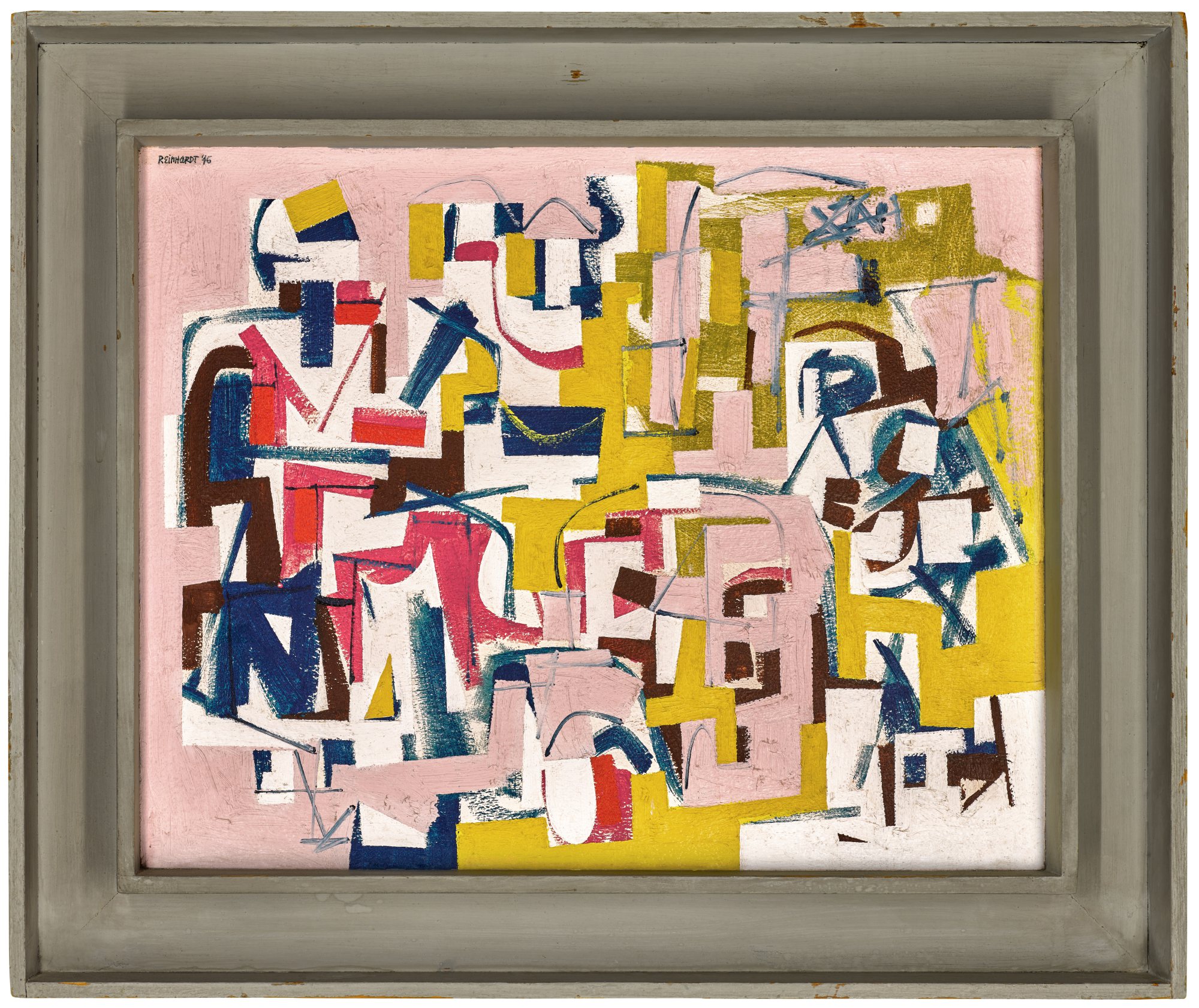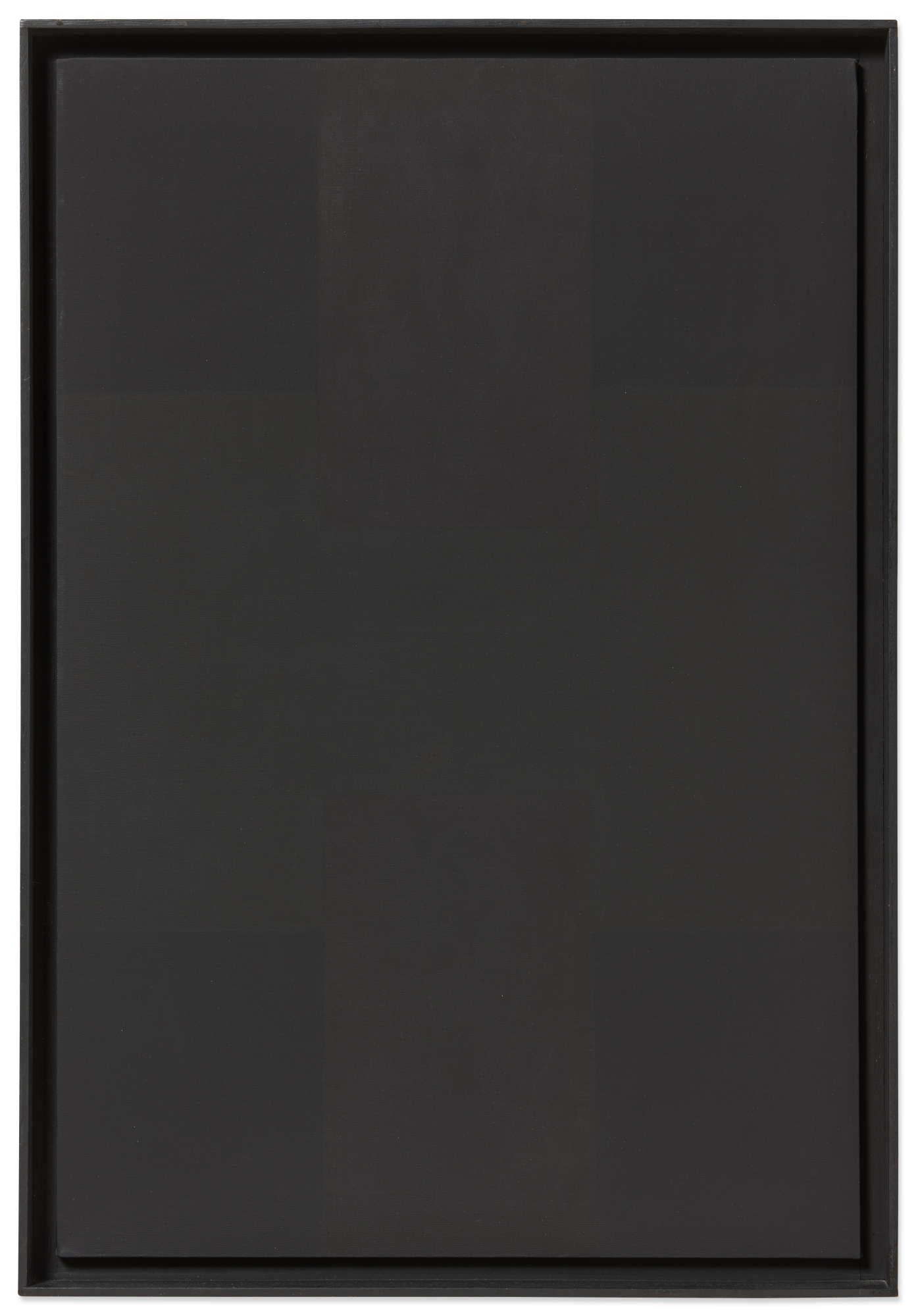
Stand in front of one of Ad Reinhardt's late black paintings long enough and something remarkable begins to happen. What first appears as a featureless void slowly reveals itself as a field of subtle, shifting geometry: a cruciform structure, a whisper of tonal variation, a universe of carefully ordered color hiding in plain sight. This is the experience that has drawn museum visitors, curators, and collectors back to Reinhardt's work for decades, and it is precisely why institutions from the Museum of Modern Art in New York to the Tate Modern in London continue to regard him as one of the defining voices of twentieth century American art. His paintings do not shout. They wait, and in that waiting, they change you. Adolph Dietrich Friedrich Reinhardt was born in Buffalo, New York, in 1913, and came of age in a city and a country in the midst of profound transformation. He arrived at Columbia University in New York in the early 1930s to study art history, where he encountered the rigorous intellectual culture that would shape his thinking for the rest of his life. His professors included Meyer Schapiro, the legendary art historian whose influence on a generation of American artists and critics was immeasurable. Reinhardt absorbed not only art history but also philosophy, politics, and the history of ideas, and he would carry that intellectual seriousness into every canvas he ever made. He later studied painting at the National Academy of Design and with the painter Karl Anderson, and he moved through the vibrant downtown New York art world of the late 1930s with the confidence of someone who understood exactly where painting had been and where he intended to take it. Reinhardt first made his reputation in the 1940s as an artist associated with the Abstract Expressionist generation, showing alongside figures including Mark Rothko, Barnett Newman, and Willem de Kooning at galleries and exhibitions that were defining the new American art. His work from this period, including lively and kaleidoscopic compositions such as the 1946 painting Yellow and Pink, displayed a genuine facility with color and rhythm, influenced by Synthetic Cubism and the example of Stuart Davis, with whom he worked on murals for the Federal Art Project. These early works are joyful, even exuberant, and they demonstrate a painter fully in command of his craft. Yet even in these years, Reinhardt was moving toward something more concentrated, more severe, and more philosophically demanding. Through the late 1940s and into the 1950s, Reinhardt began to strip his palette and his compositions down to essentials. He moved through a period of richly colored geometric abstraction before arriving, by the early 1950s, at paintings of extraordinary restraint. His Red Painting of 1953 demonstrates the transitional moment beautifully: a surface of deep, saturated red in which geometric forms are barely discernible, present only as shifts in tone and hue. By 1955, with works such as Abstract Painting and the extraordinary Untitled (Black in Black), Reinhardt had committed to a practice that would define the remaining twelve years of his life. The so called black paintings, to which he devoted himself almost exclusively from the mid 1950s until his death in 1967, are among the most demanding and most rewarding works in the history of modern art. Each canvas is typically a five foot square divided into a subtle grid of near identical dark tones that differ only in the faintest gradations of blue, red, or green, all subsumed beneath a surface of matte, light absorbing black. What elevates Reinhardt above the merely austere is the depth of the intellectual and ethical framework he brought to his practice. He was a prolific writer and polemicist, publishing witty and withering critiques of what he considered the compromises and confusions of the contemporary art world. His famous Twelve Rules for a New Academy, published in 1953, laid out with deadpan humor and genuine conviction his vision of a painting purified of all that was contingent, decorative, or illustrational. He coined the phrase art as art to capture his conviction that painting needed no justification beyond its own existence, no narrative, no emotion, no reference to the world outside the canvas. This was a radical position, and it placed him in productive tension with virtually everyone around him, from the Expressionists he had grown up alongside to the emerging Pop artists he regarded with skepticism. His Ten Screenprints portfolio, co published by the Wadsworth Atheneum in Hartford and Ives Sillman in New Haven, extended his graphic sensibility into print, offering a more accessible point of entry into his visual thinking while retaining the geometric rigor that defined all his work. For collectors, Reinhardt presents one of the most compelling propositions in postwar American art. His works are held in depth by the world's great museums, including MoMA, the Guggenheim, and the Whitney, which lends his market a gravitational seriousness that is impossible to ignore. Major paintings have achieved significant results at auction, reflecting the sustained institutional and scholarly interest in his practice, and his works on paper and print editions offer collectors a meaningful entry point into a body of work that has only grown in cultural stature over time. Collectors drawn to artists such as Ellsworth Kelly, Frank Stella, Agnes Martin, and Robert Ryman will find in Reinhardt a progenitor and a philosopher whose thinking runs beneath the surface of much of what came after him. His insistence on the integrity of the painted surface, on the ethical dimension of artistic decision making, and on the painting as an object of sustained contemplation rather than instant communication resonates powerfully with the best of contemporary practice. Reinhardt died in New York in 1967 at the age of fifty three, leaving behind a body of work of remarkable focus and integrity. His influence on Minimalism was direct and acknowledged: Donald Judd, Robert Morris, and others explicitly identified his work as foundational to their own thinking. His insistence that art could be a form of knowledge, that looking slowly and carefully was itself a meaningful act, has only become more urgent in a culture defined by distraction and speed. To spend time with a Reinhardt painting, whether a luminous early geometric composition or one of the great black canvases, is to be reminded that attention is itself a form of generosity, and that some of the most profound experiences available to us are hiding, quietly, in what first appears to be nothing at all.