
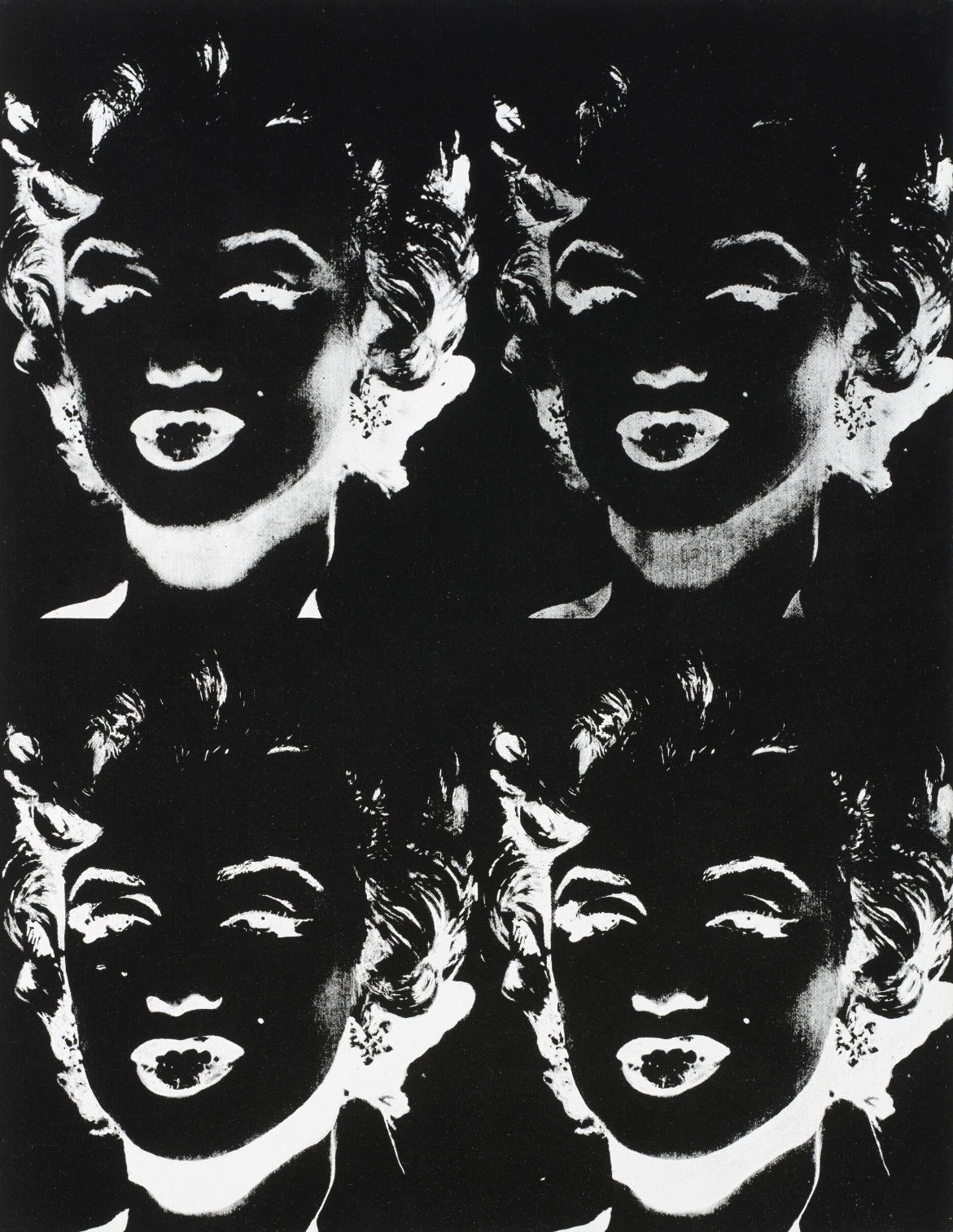
Four Marilyns (Reversal Series)
1986
A striking example from Warhol's late-career Reversal Series, this work presents four repeated high-contrast black-and-white portraits of Marilyn Monroe rendered in acrylic and silkscreen ink on canvas. Executed in 1986, the composition inverts the iconic imagery Warhol first popularized in the 1960s, stripping color to emphasize the graphic, death-obsessed undertone of celebrity culture. The work is stamp signed on the overlap and bears the Andy Warhol Art Authentication Board stamp numbered A120.042, with an inscription by Frederick Hughes certifying its authenticity. It achieved a hammer price of 3,262,000 GBP at a Modern & Contemporary Evening Auction in London in 2026, far exceeding its high estimate.
- Medium
- Acrylic and silkscreen ink on canvas
- Dimensions
- Signed
- Yes
- Spotted At
- Auction House · Sotheby's
Notes
Auction lot number: 6. Sale title: 'Contours of Modernity | A Private European Collection'. Estimate: 1,800,000–2,500,000 GBP. Lot sold: 3,262,000 GBP. Andy Warhol Art Authentication Board stamp number: A120.042. Overlap inscription reads: 'I certify that this is an original painting by Andy Warhol completed by Andy in 1986 Frederick Hughes'. Stamp signed on the overlap. Auction closed 9:10 PM GMT, London.




Artists in conversation
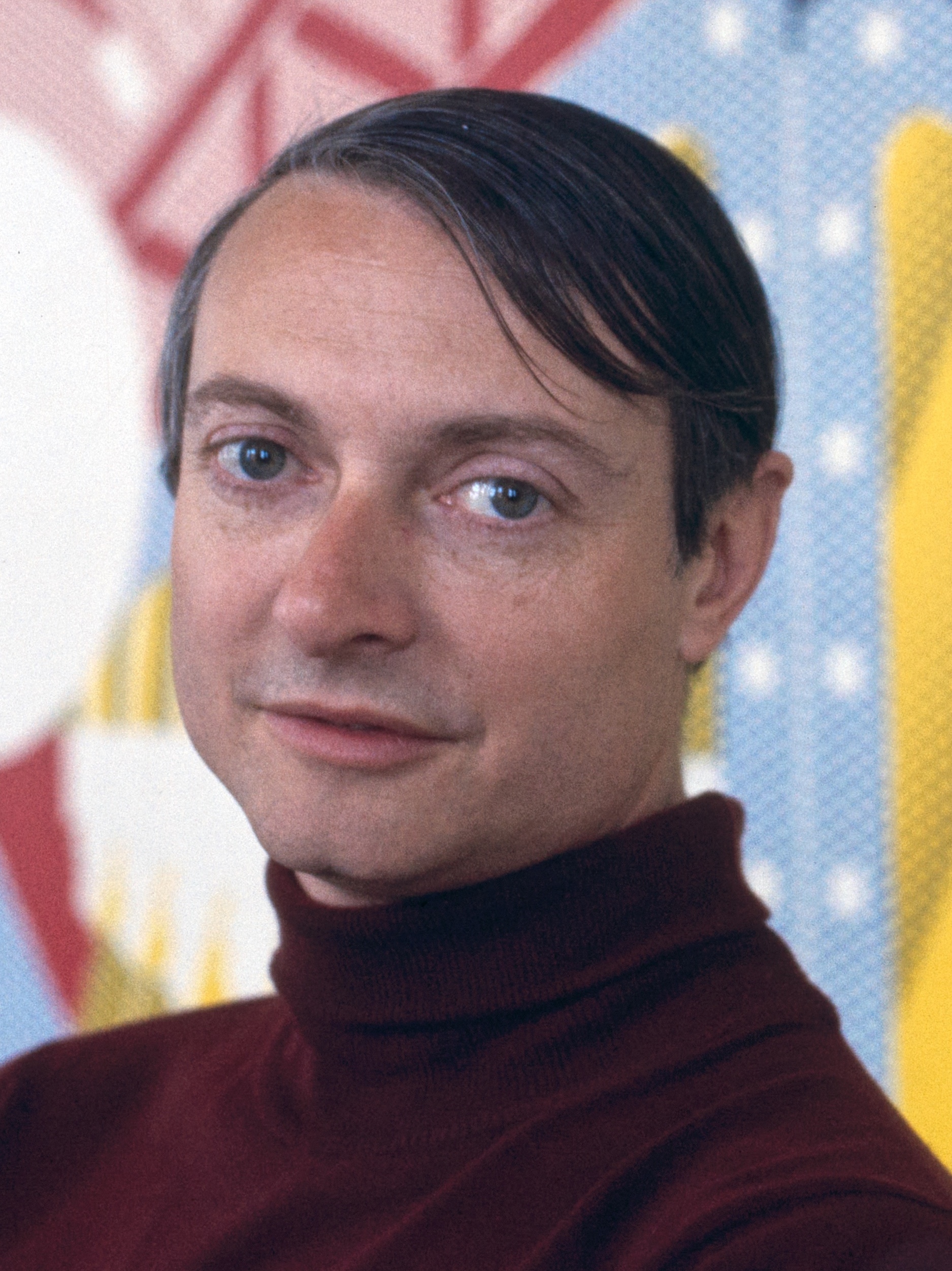
Roy Lichtenstein
American · b. 1923
Lichtenstein shared Warhol's commitment to Pop Art by transforming mass media imagery and consumer culture into high art. Both artists elevated commercial and popular sources through bold graphic techniques that questioned the boundary between fine art and everyday imagery.
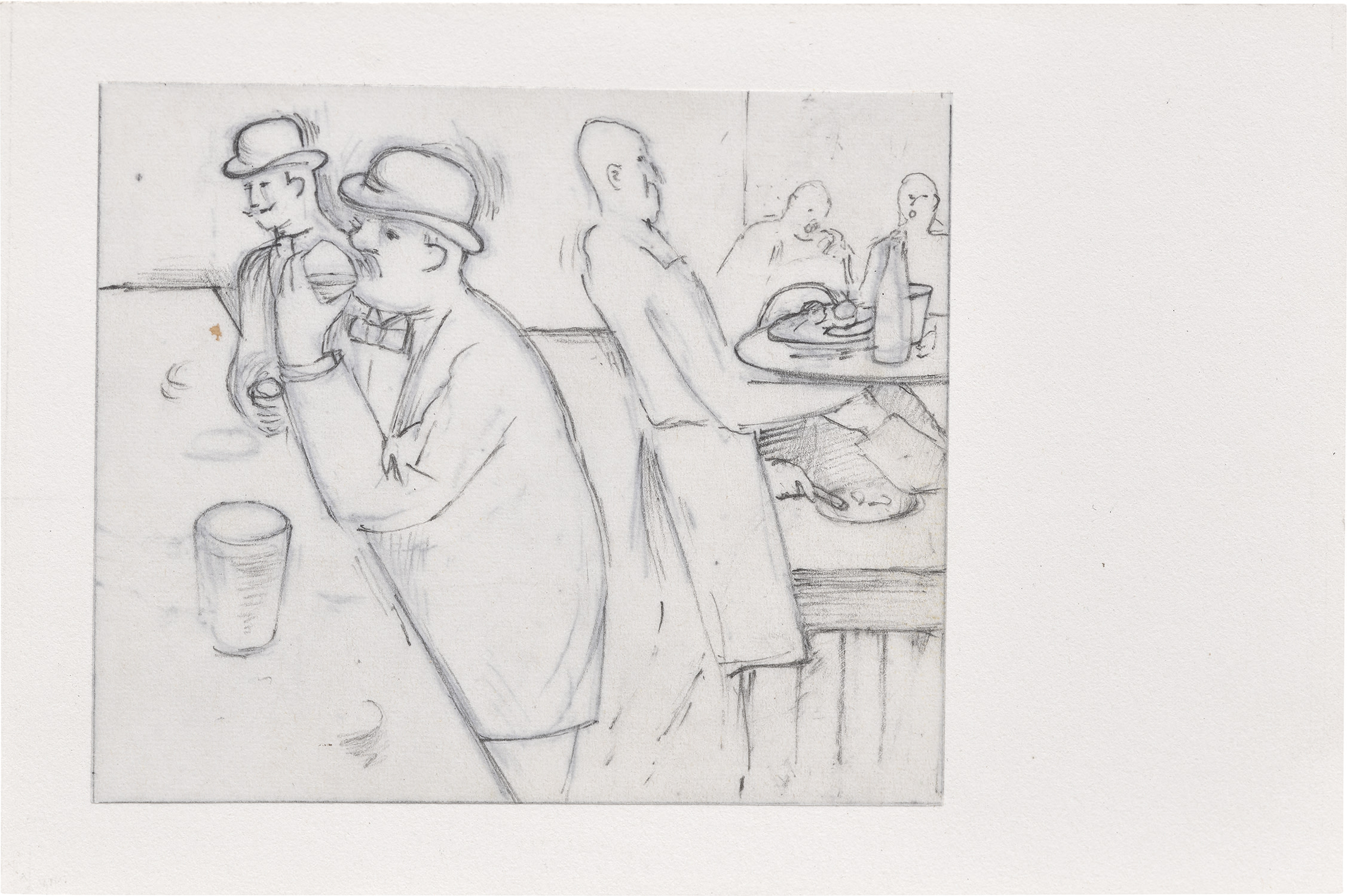
Richard Hamilton
British · b. 1922
Hamilton pioneered the use of consumer advertising and celebrity imagery as artistic subject matter in ways that directly parallel Warhol's preoccupations. His collage work incorporating mass media products and glossy commercial aesthetics makes him an essential discovery for any Warhol collector.

Takashi Murakami
Japanese · b. 1962
Murakami mirrors Warhol's practice of blending fine art with commercial production, celebrity culture, and serialized imagery through his Superflat movement. Like Warhol he operates studios that function as factories and collaborates with luxury brands, deliberately dissolving the line between art and commerce.
Start the Discussion
Request access to join the discussion