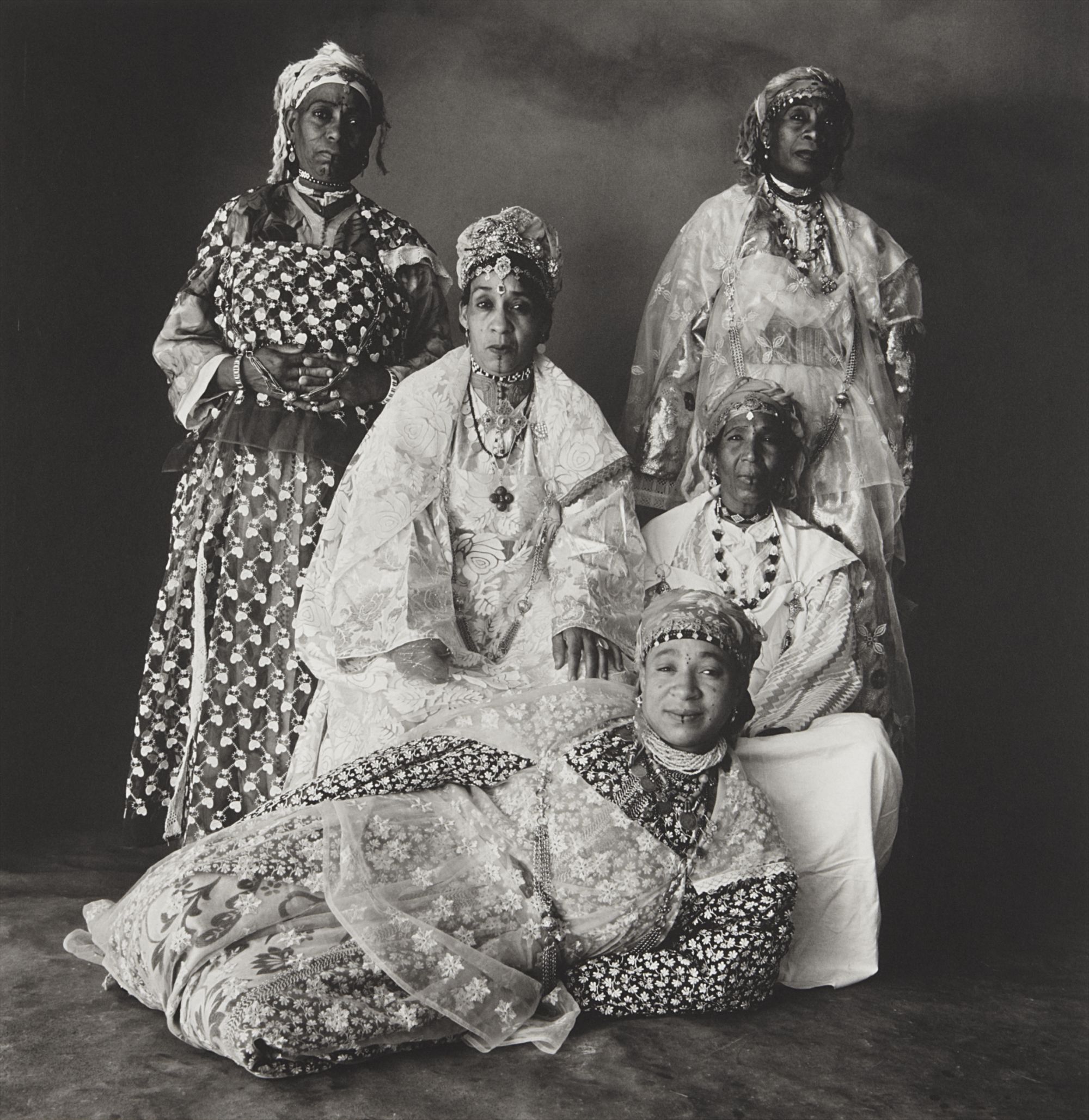
Five Moroccan Women
1979
A striking example of Irving Penn's masterful studio portraiture, *Five Moroccan Women* captures a group of women in a carefully composed arrangement that balances cultural authenticity with Penn's signature aesthetic precision. The photograph highlights Penn's ability to convey dignity and presence through deliberate posing and tonal contrast, transforming his subjects into timeless figures of quiet power. This signed and numbered print, edition 13/40, mounted on aluminum flush-mount and bearing the Condé Nast copyright credit and reproduction limitation stamps, underscores the work's status as a highly collectible and authenticated piece within Penn's celebrated ethnographic series.
- Medium
- Signed, titled, dated, numbered 13/40 in pencil, edition and Condé Nast copyright credit reproduction limitation stamps on the reverse of the aluminum flush-mount.
- Location
- Phillips, Salt Lake City, UT
- Spotted At
- Auction House · PhillipsView on map
🔨 Auction Lot
Photographs
October 1, 2013
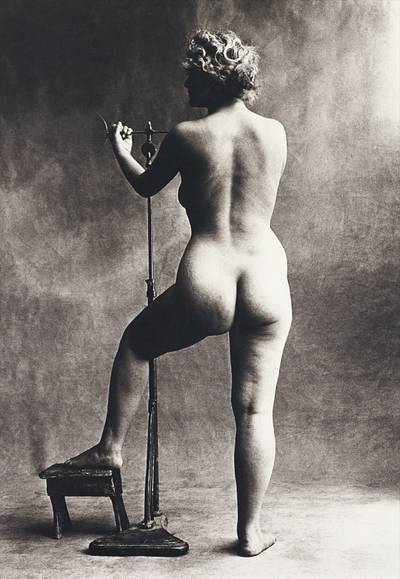
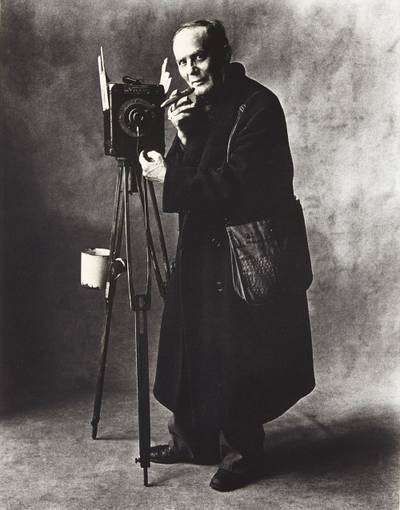
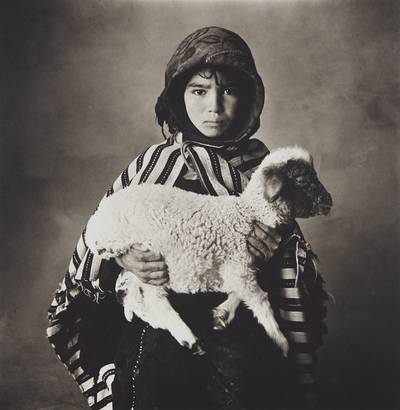
Artists in conversation
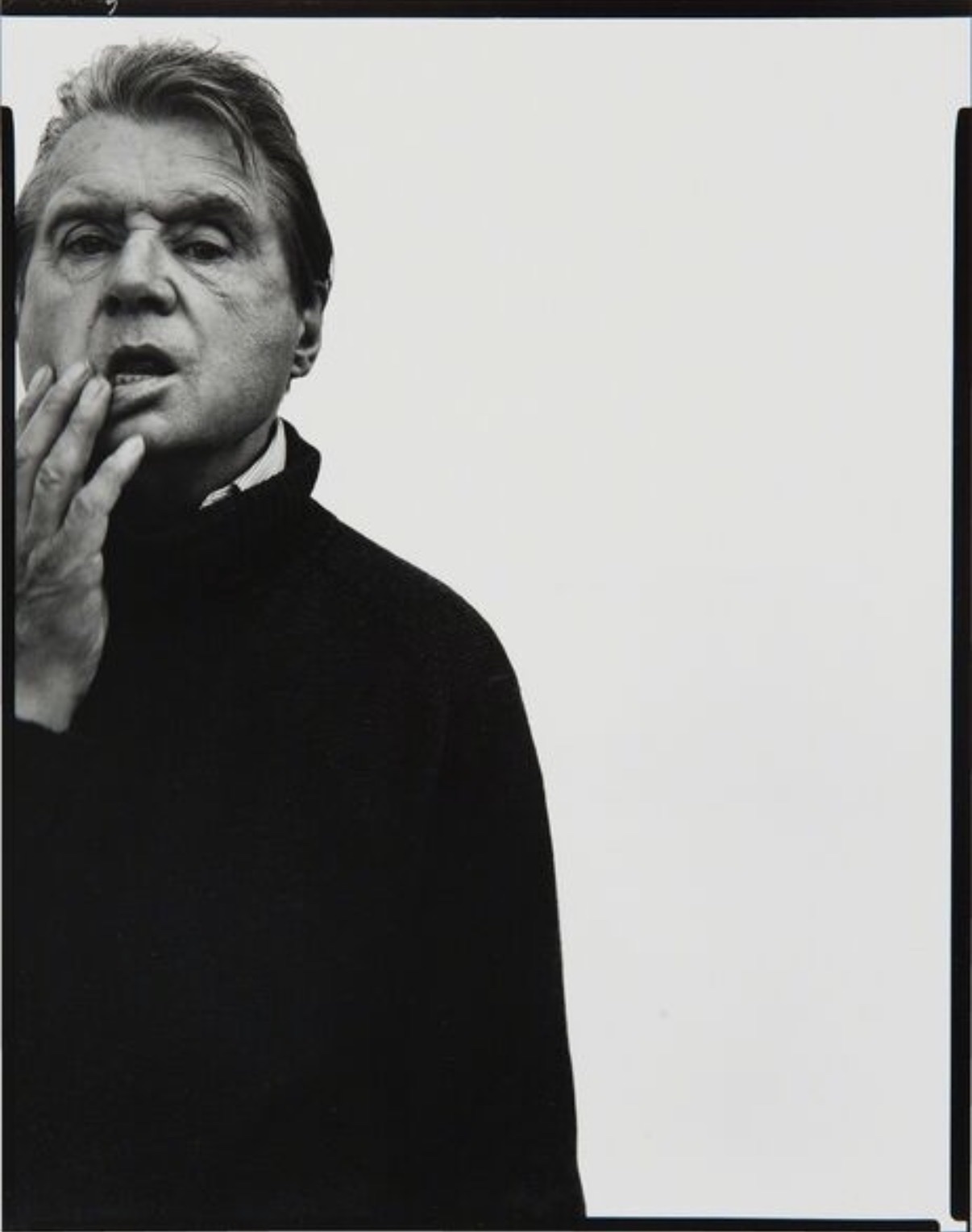
Richard Avedon
American · b. 1923
Avedon similarly used studio portraiture with stark tonal contrast and deliberate composition to convey profound dignity and cultural presence in his subjects, as seen in his In the American West series and his ethnographic portrait work for major publications including Vogue and Harper's Bazaar.
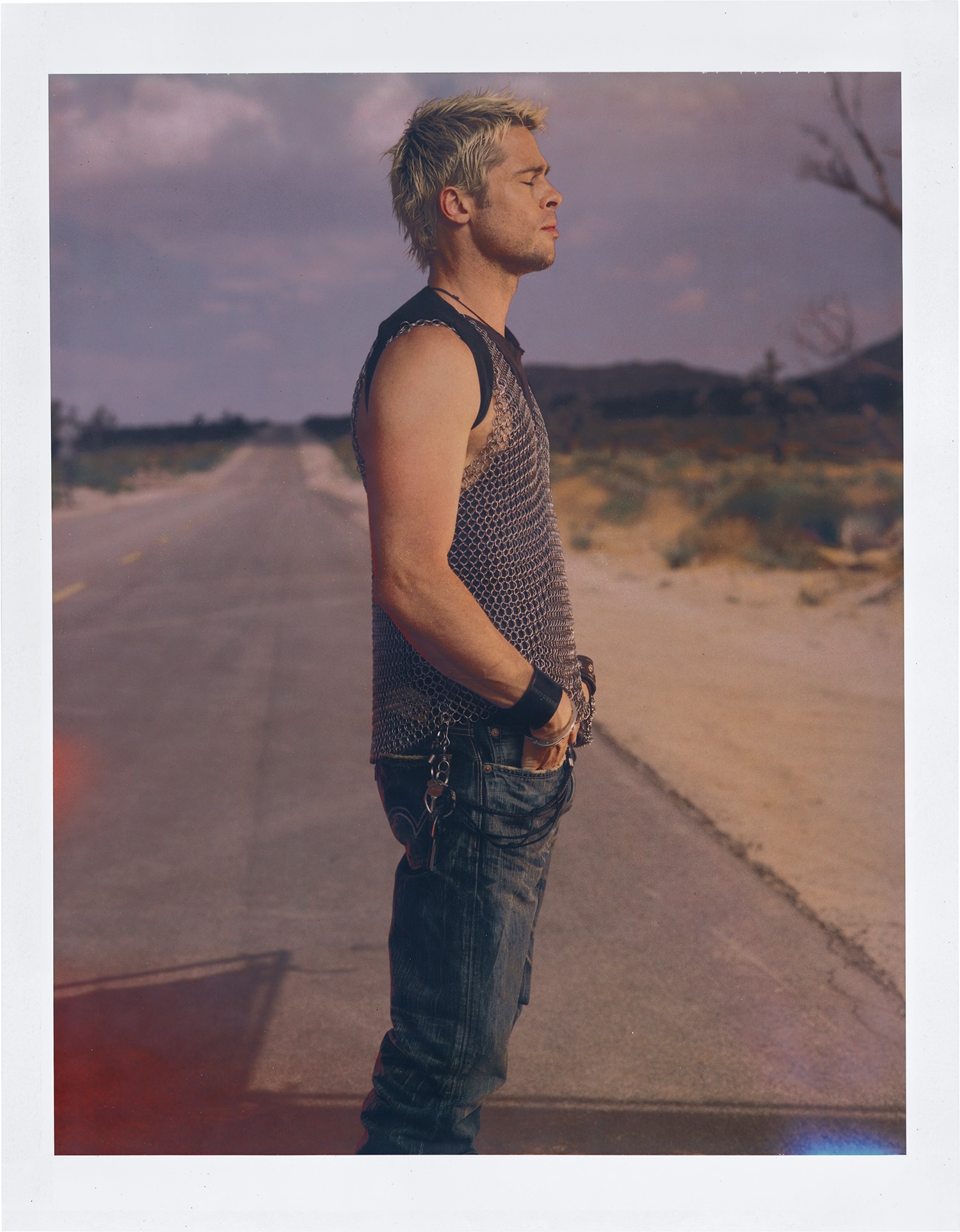
Sebastião Salgado
Brazilian · b. 1944
Salgado shares Penn's commitment to portraying non Western subjects with extraordinary dignity and quiet power through meticulous tonal richness, creating figurative documentary portraits that elevate their subjects to timeless, almost monumental presences within a carefully controlled visual aesthetic.
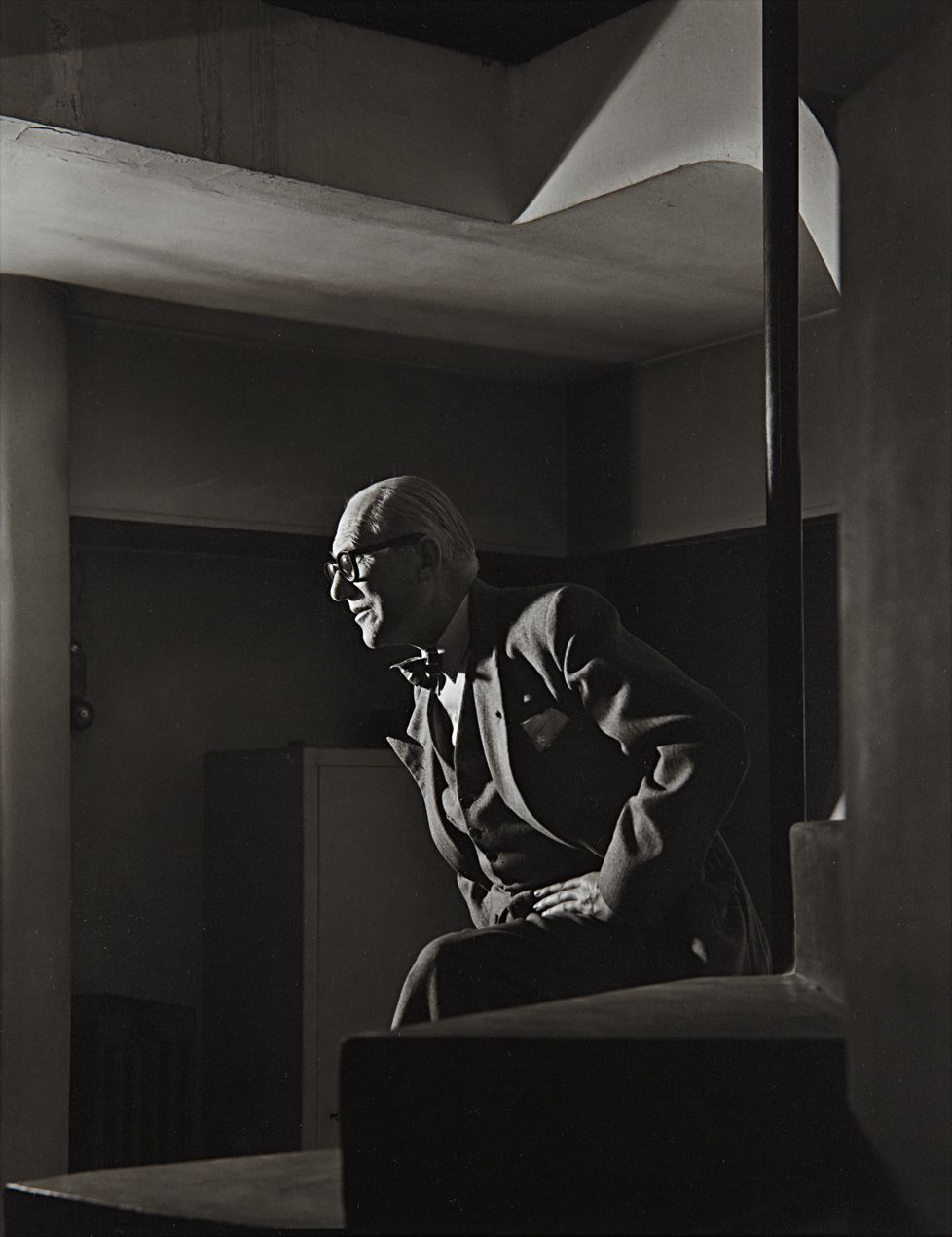
Yousuf Karsh
Canadian · b. 1908
Karsh mirrors Penn's studio mastery through his use of controlled lighting, neutral tonal palettes, and precise compositional arrangements that transform human subjects into figures of commanding presence and enduring dignity, sharing the same reverent and formalist approach to portraiture.
Start the Discussion
Request access to join the discussion