Portrait Photography
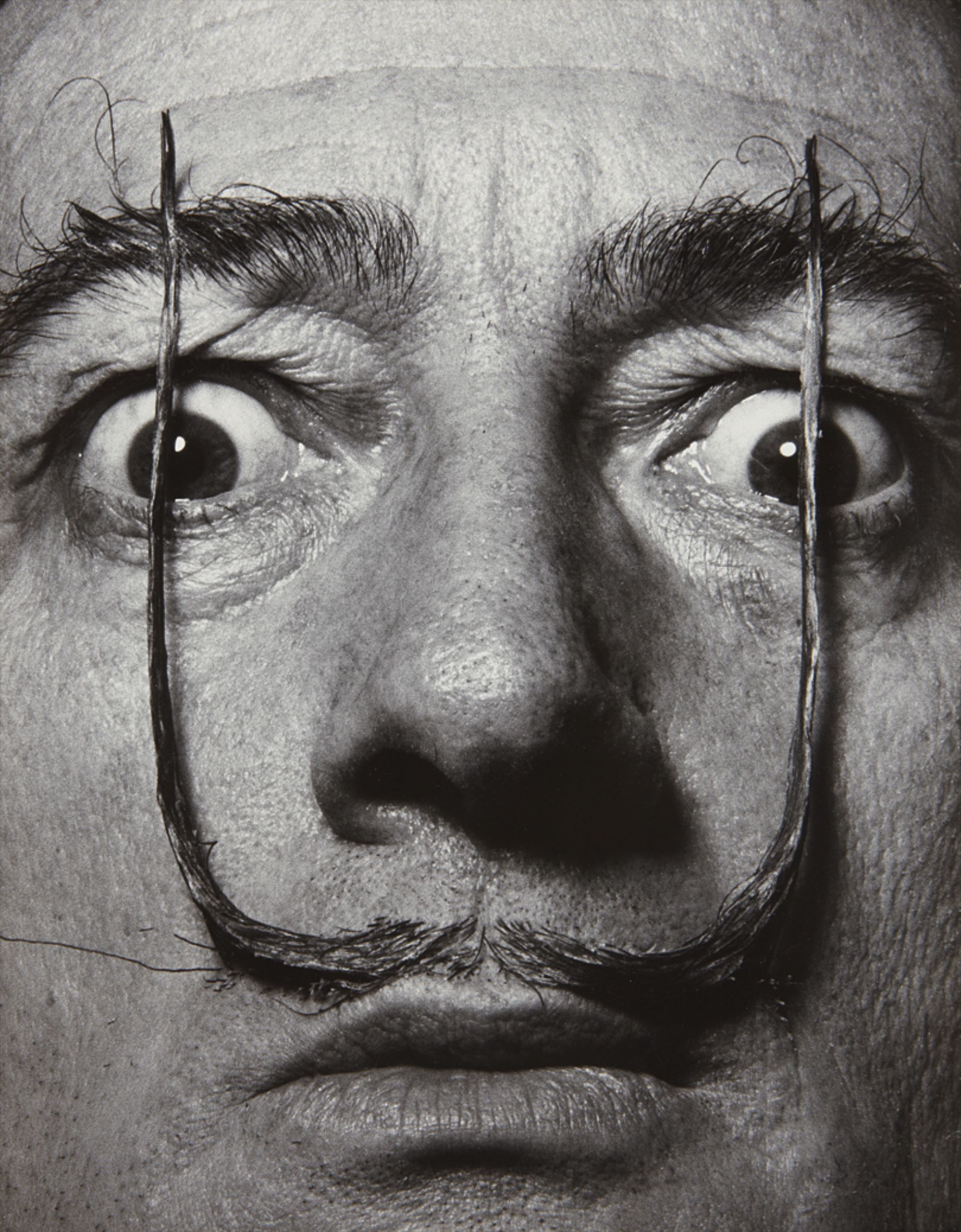
Philippe Halsman
Dali's Mustache
The Face Is Never Just a Face
There is something almost irrational about the pull of portrait photography. Collectors who build serious holdings in this area often describe the same experience: a work stops them cold, and they find themselves unable to look away. It is not sentiment, exactly, though sentiment is part of it. It is the particular vertigo of encountering another consciousness through a rectangle of paper or pigment, the sense that someone who was alive and present in a room on a specific afternoon is somehow still alive and present, right now, in yours.
Living with great portrait photography means living with that charge every day, and it does not diminish. If anything, it deepens. The works accumulate meaning as you change and as the world changes around them. What separates a merely good portrait photograph from a genuinely great one is harder to articulate than collectors sometimes expect, but it becomes instinctive over time.
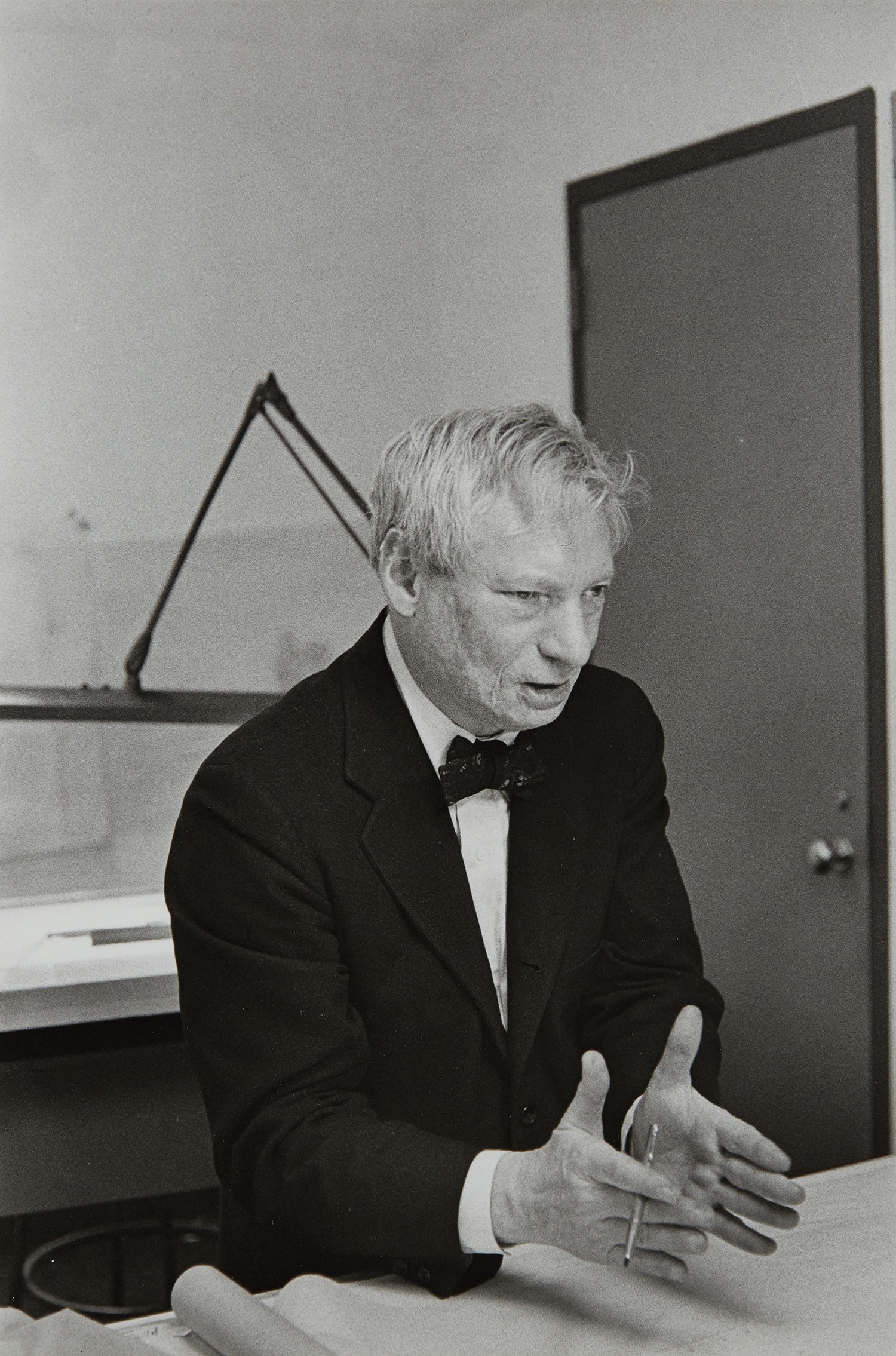
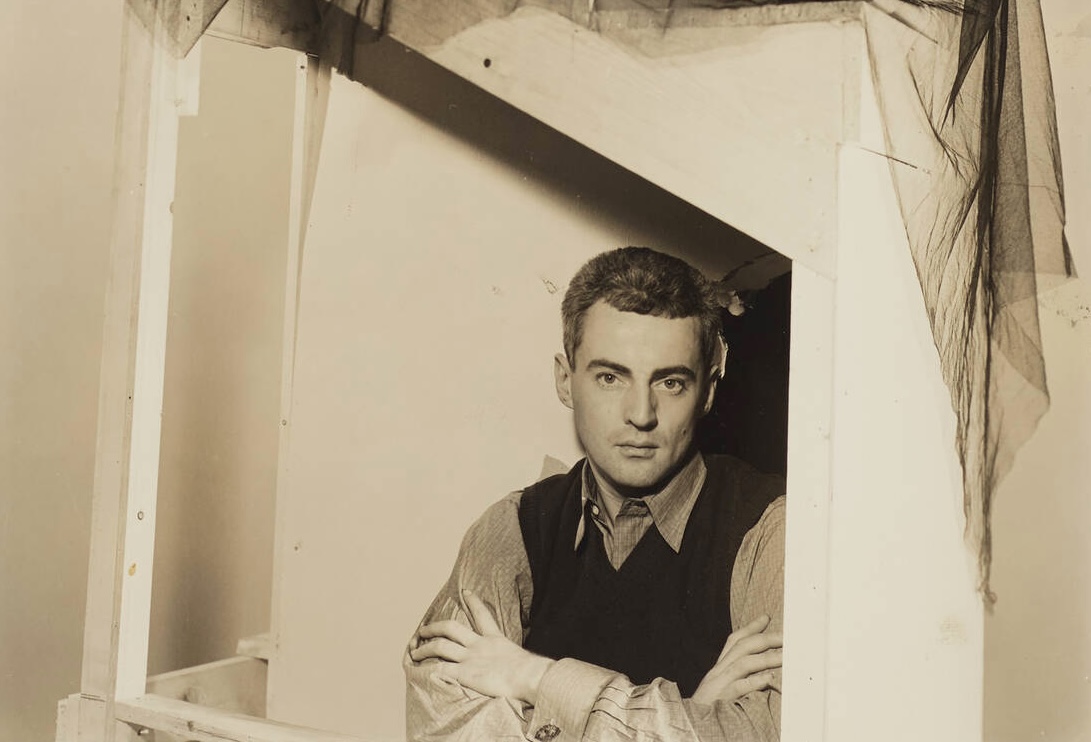
Henri Cartier-Bresson
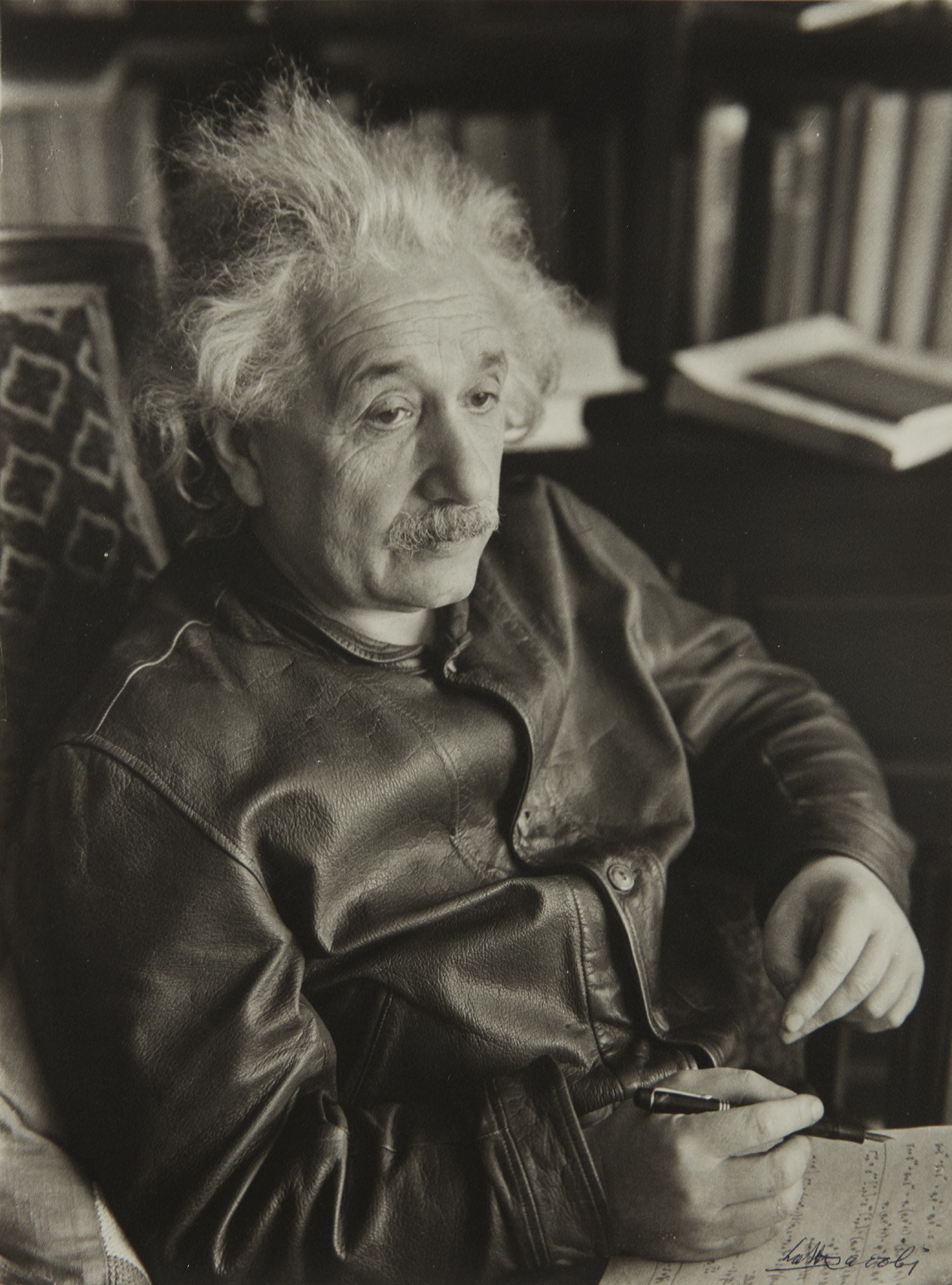
Louis Kahn
The easy answer is that a great portrait reveals something the subject might not have chosen to reveal, some quality of interior life that slips past the social mask. But that framing can mislead, because the greatest portrait photographers are not thieves of intimacy. They are negotiators. The tension between what the subject offers and what the photographer draws out, between performance and disclosure, is where the real meaning lives.
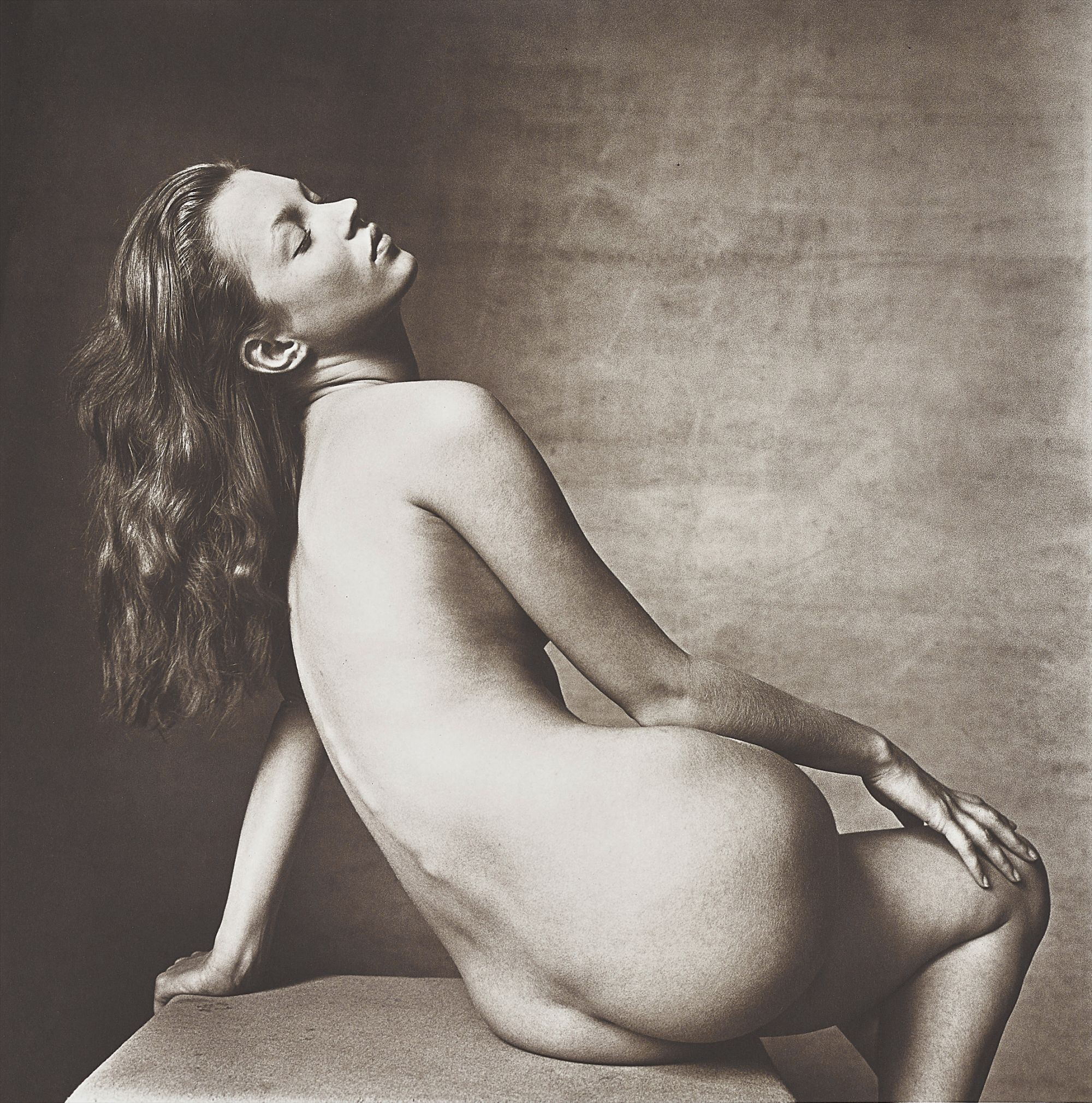
Irving Penn understood this completely. His portraits made in the 1940s and 1950s place their subjects against those plain grey or white backdrops and strip away every distraction, so there is nowhere to hide and nowhere to look except directly into the relationship between two people. The compression is formal and psychological at once. Richard Avedon pushed that negotiation toward something more confrontational.
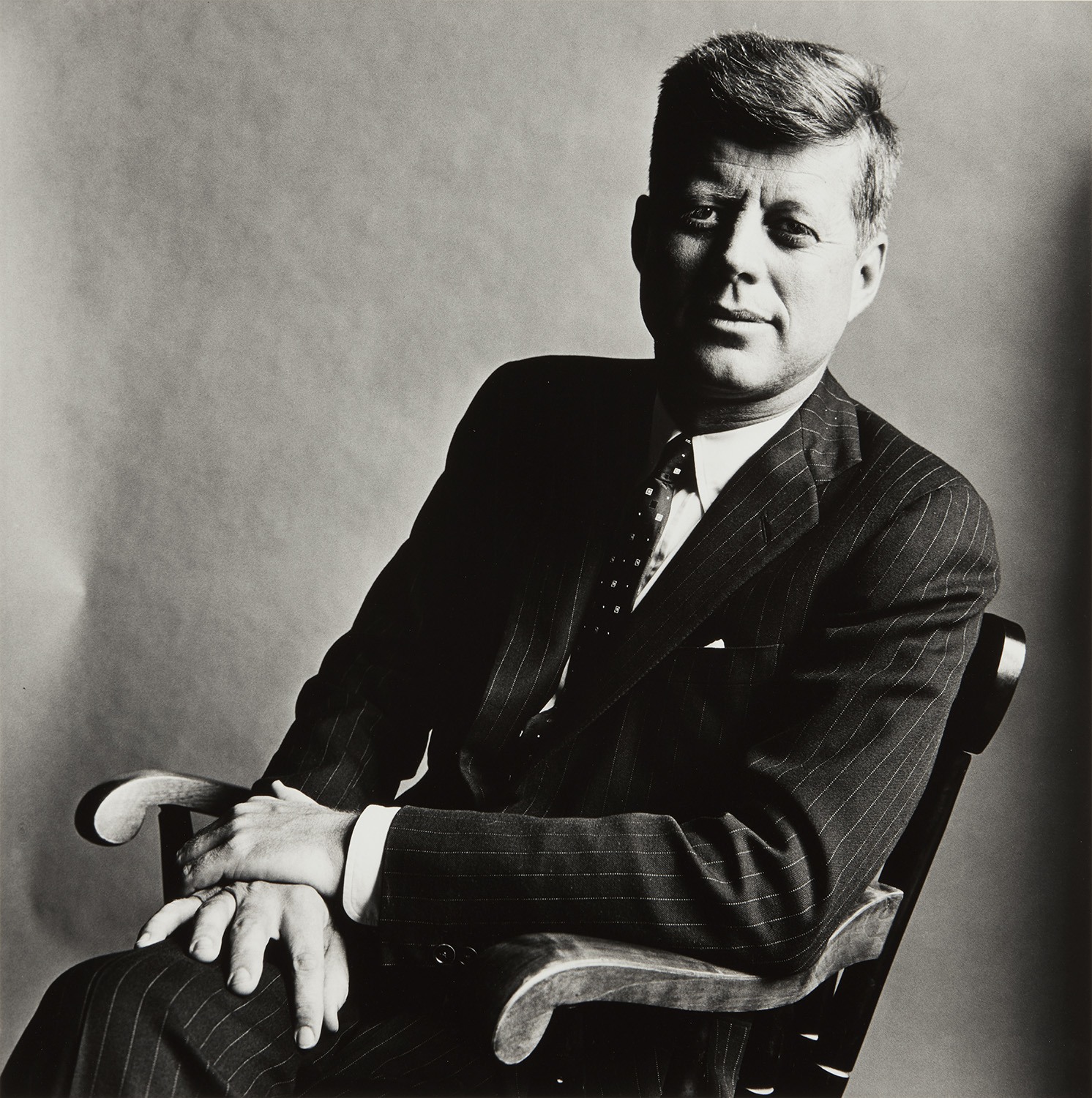
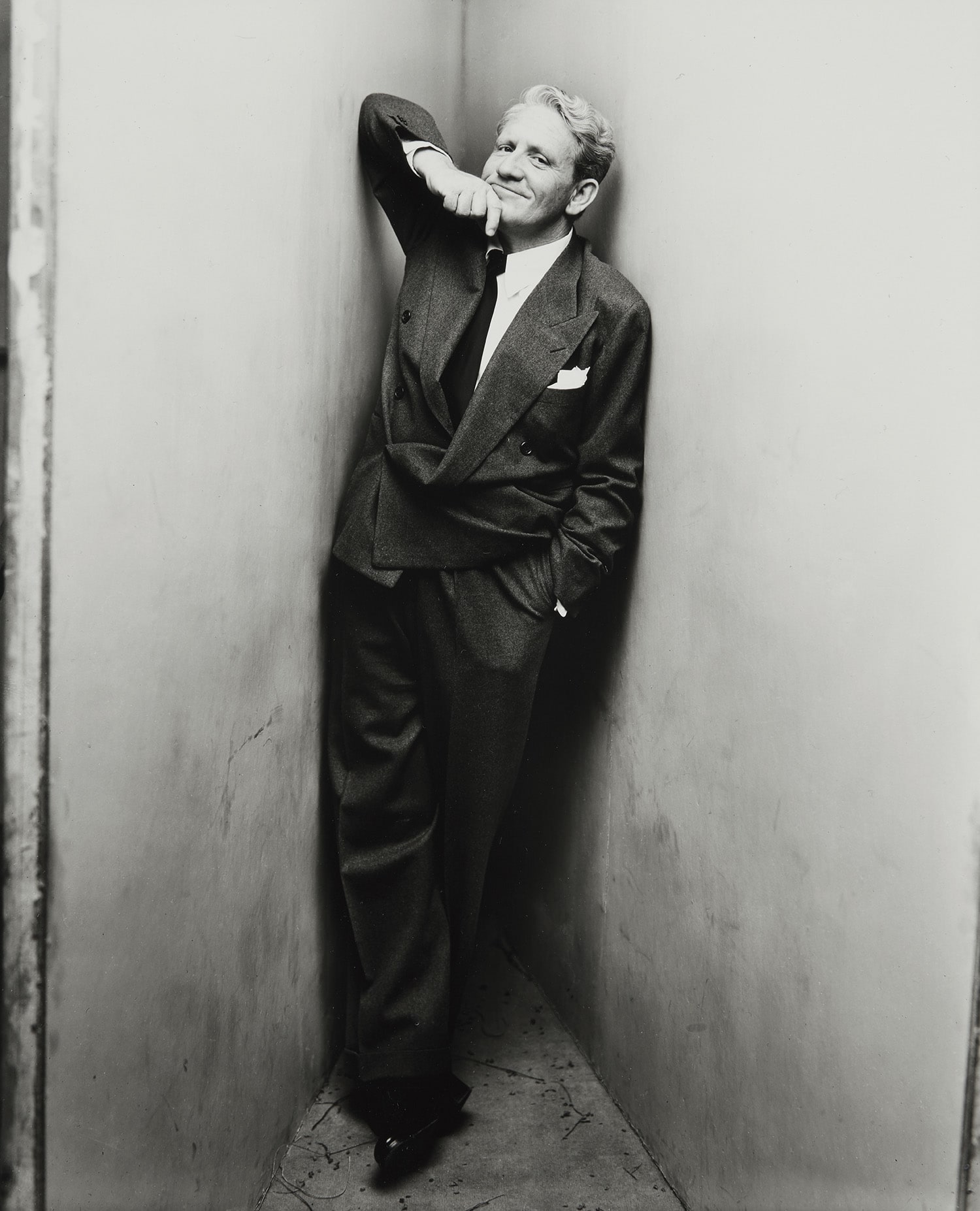
Irving Penn
John F. Kennedy, Washington, D.C., 1960
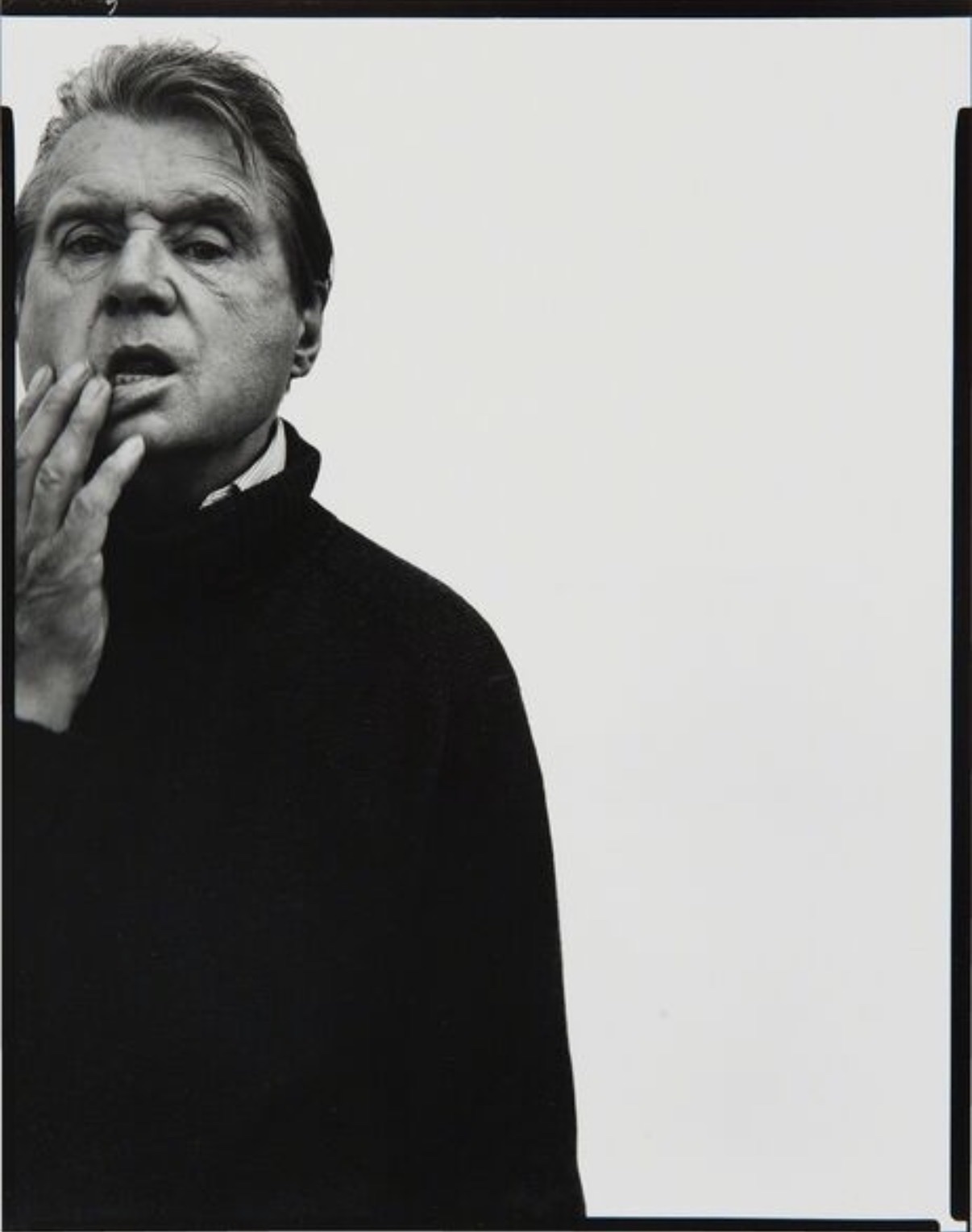
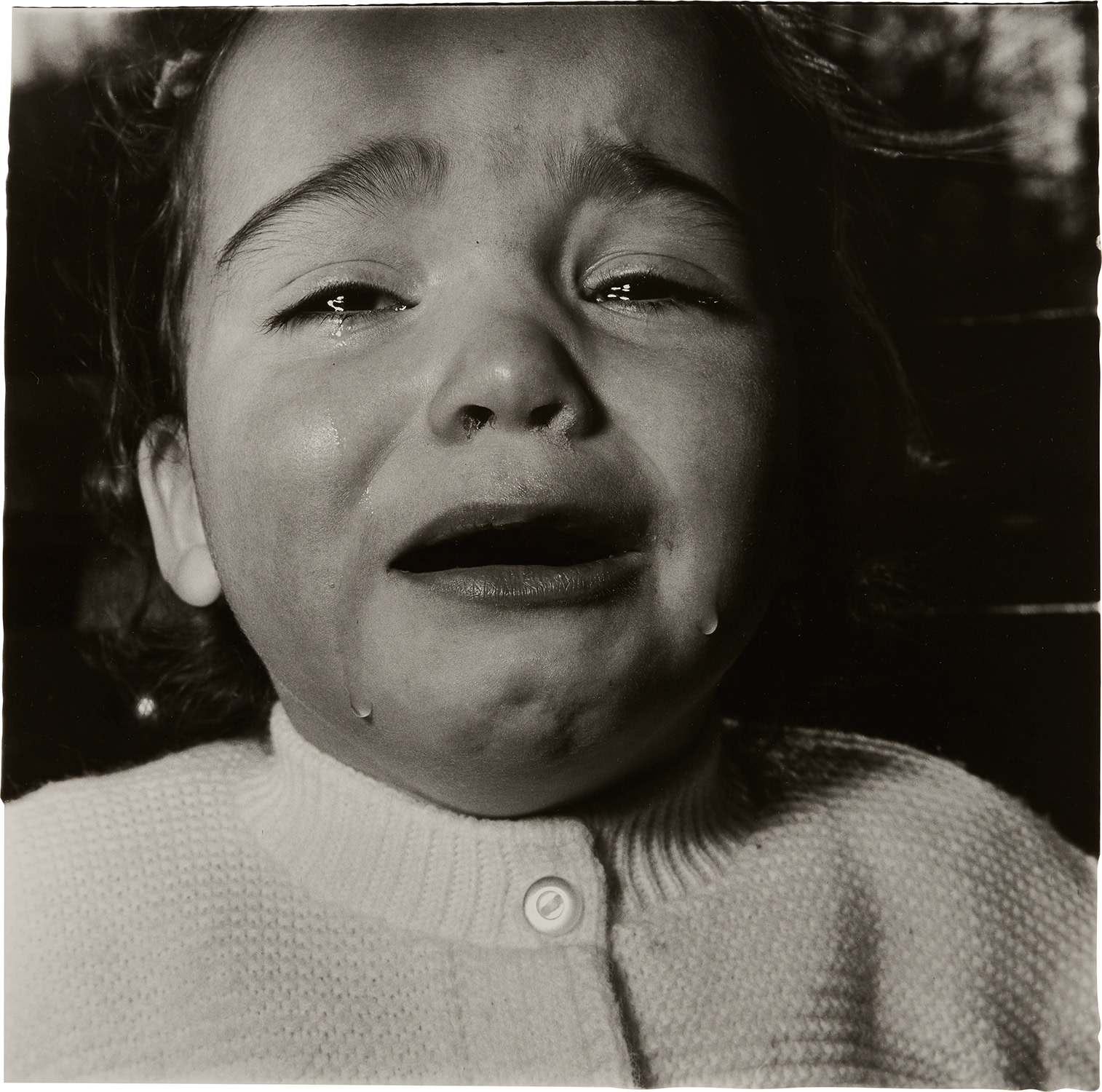
His later white background work, particularly the American West series from the early 1980s, forces questions that portrait photography rarely asks openly: who has the power in this encounter, and what is the photographer's responsibility to the person in front of the lens. Collectors who respond to work that carries genuine ethical weight find Avedon essential. Diane Arbus, whose photographs remain among the most debated in the medium, operates at a different frequency entirely. Her portraits from the 1960s insist that the camera has encountered someone specific, not a type, not a symbol, not a specimen, and it is that insistence that makes them so difficult to resolve.
Difficulty, in portrait photography, is almost always a sign of quality. For collectors thinking about where the strongest value lies within the market right now, a few names deserve particular attention. August Sander's systematic project of photographing German society across the early twentieth century feels increasingly significant as documentary ambition becomes more valued by institutions. His prints, when they appear in depth in a single collection, create a conversation that no individual work can.
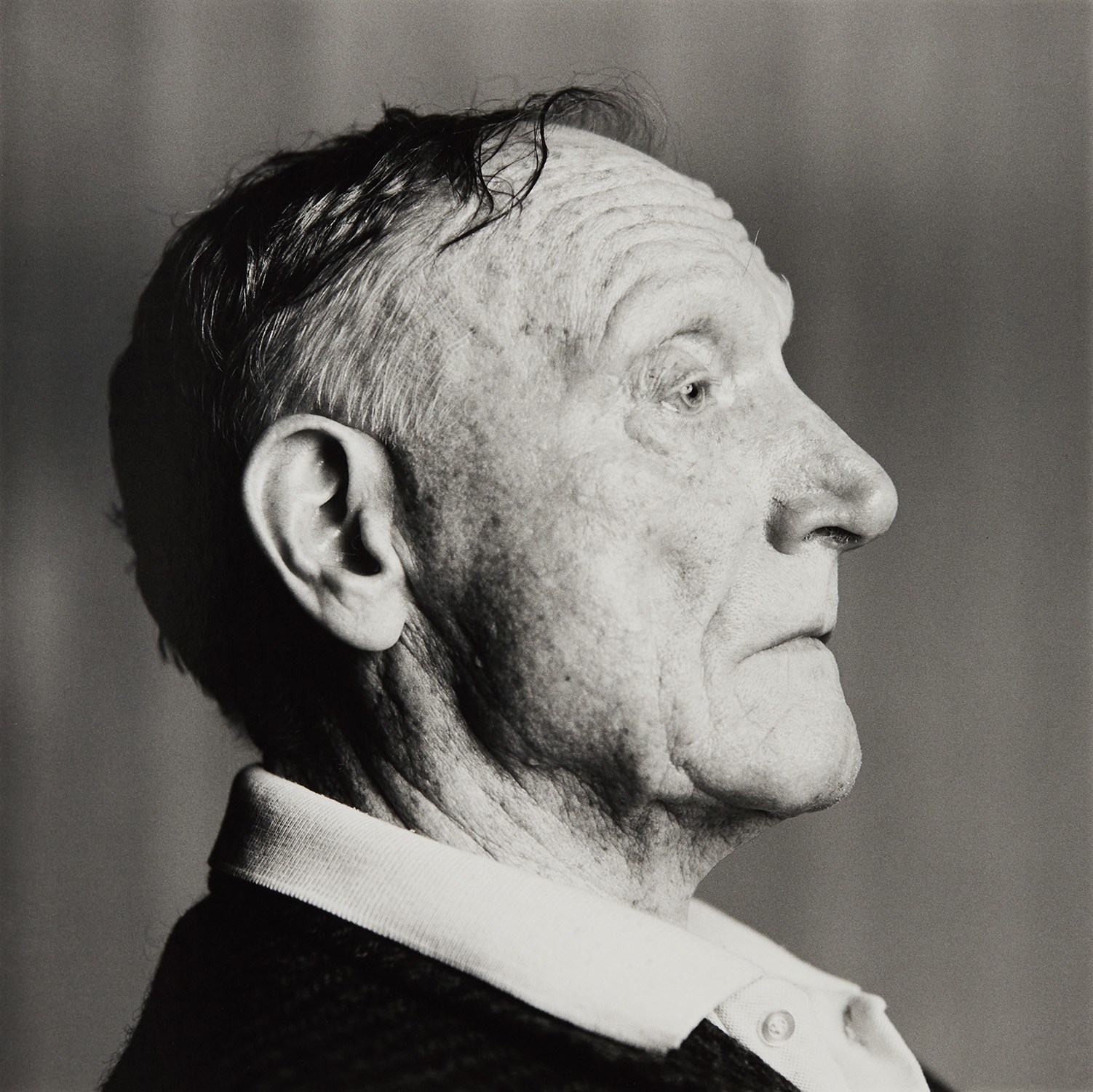
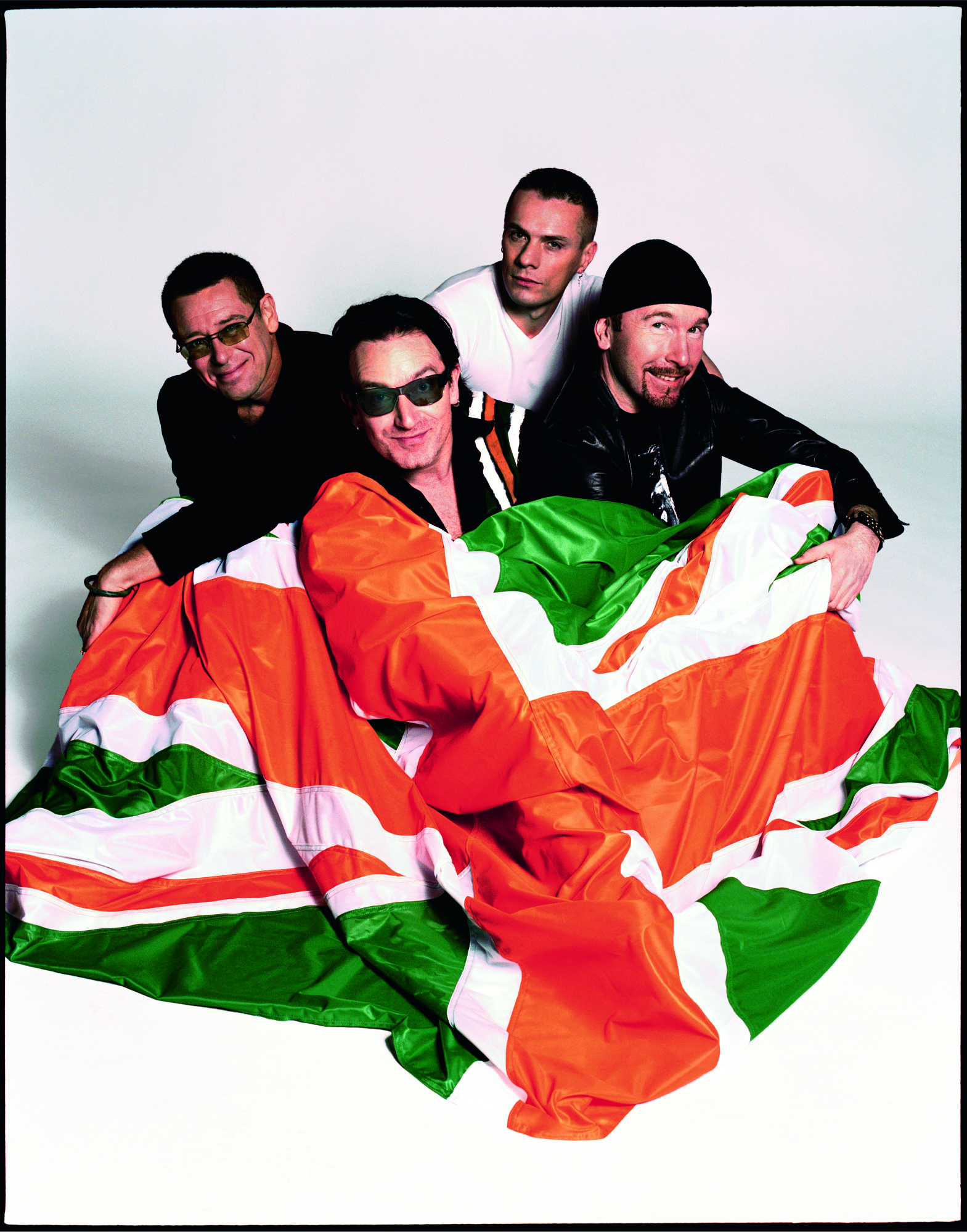
Hiro
Robert Penn Warren, poet, fairfield, CT, 10-13-78
Julia Margaret Cameron, whose Victorian calotypes are represented on The Collection, remains underpriced relative to her influence. She practically invented the idea of portraiture as psychological revelation rather than social record, and scholars continue to reassess her centrality to the history of photography. Rineke Dijkstra, working in large format color since the 1990s, has built a body of portrait work that sits comfortably alongside painting in terms of its formal ambition and its sustained attention to the subject's interior state. Her work performs well at auction and her institutional profile, with major retrospectives at MoMA and other institutions, continues to strengthen.
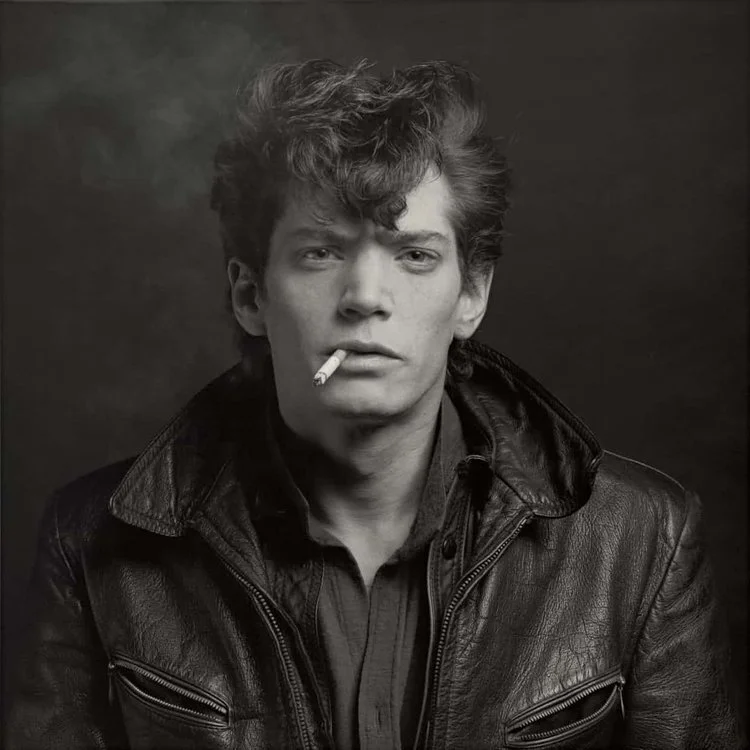
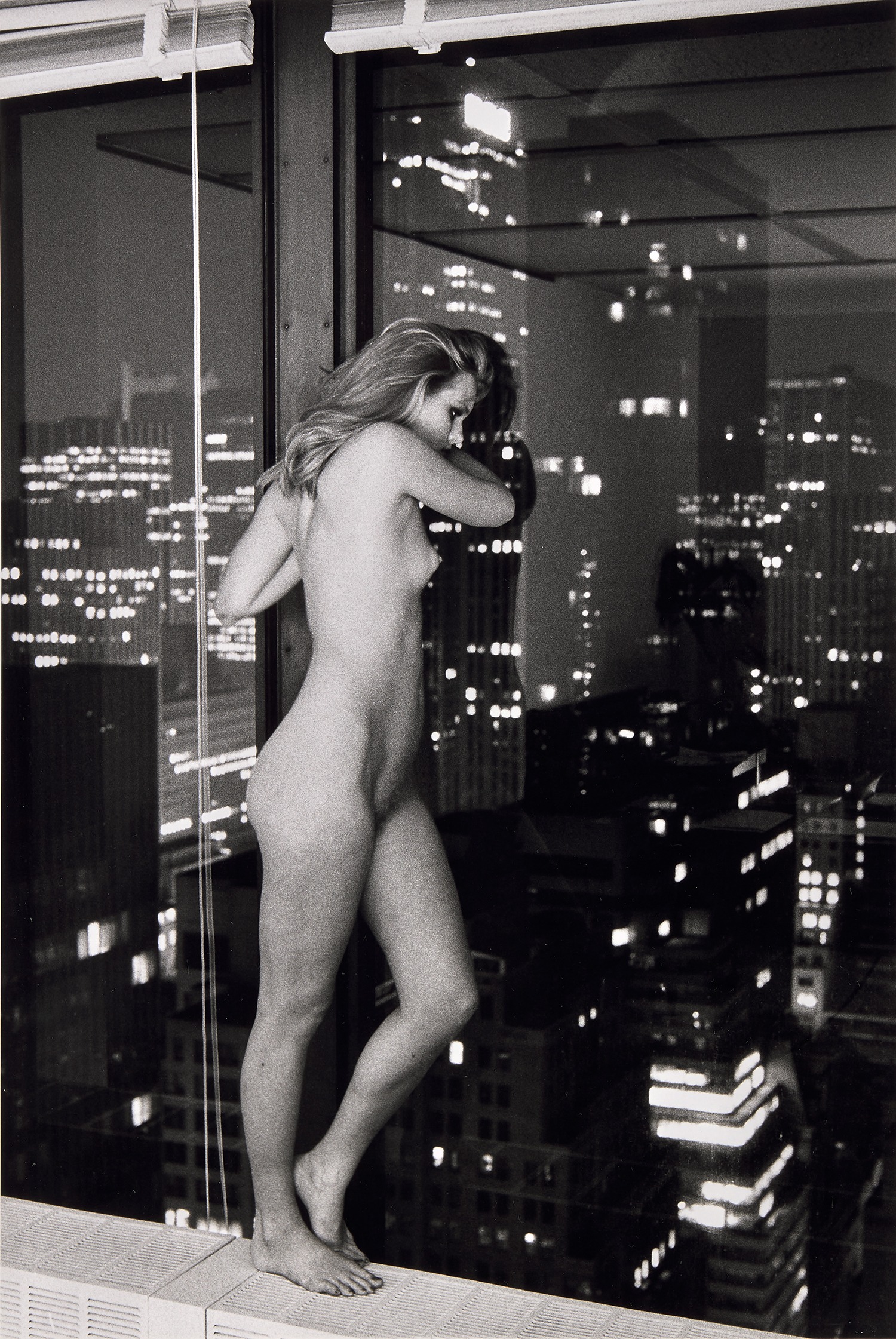
The market for portrait photography as a whole has matured considerably since the major auction houses established dedicated photography sales in the 1970s and 1980s. Works by Helmut Newton, Herb Ritts, and Robert Mapplethorpe that once circulated primarily through fashion and editorial contexts are now firmly established in the fine art market. Mapplethorpe in particular has seen sustained auction strength, with his platinum prints and gelatin silvers commanding serious prices at Christie's and Sotheby's consistently over the past decade. Nan Goldin's photographs, long beloved by collectors drawn to diaristic intimacy, have gained additional institutional weight since her advocacy work brought her name to a much wider public.
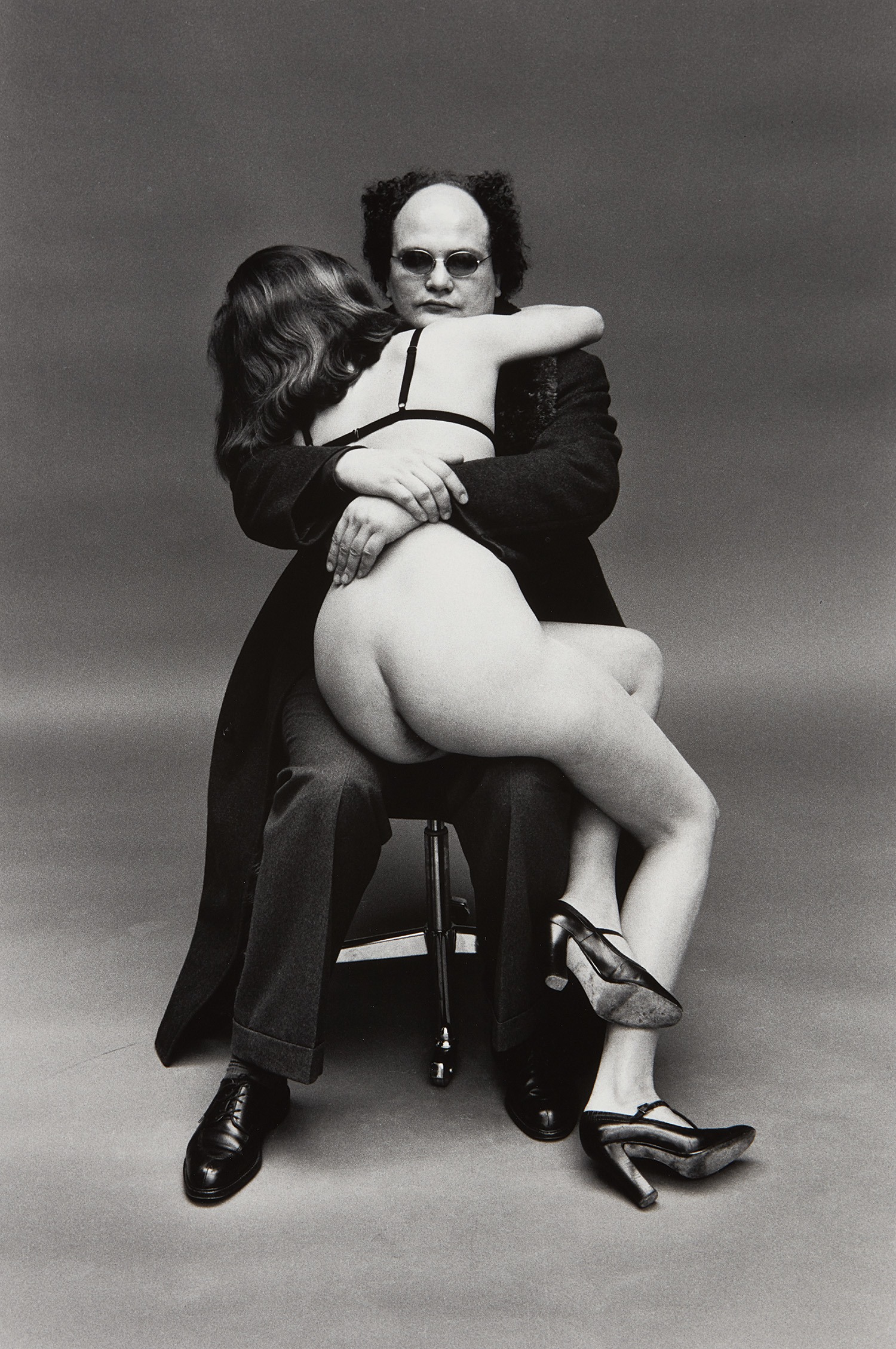
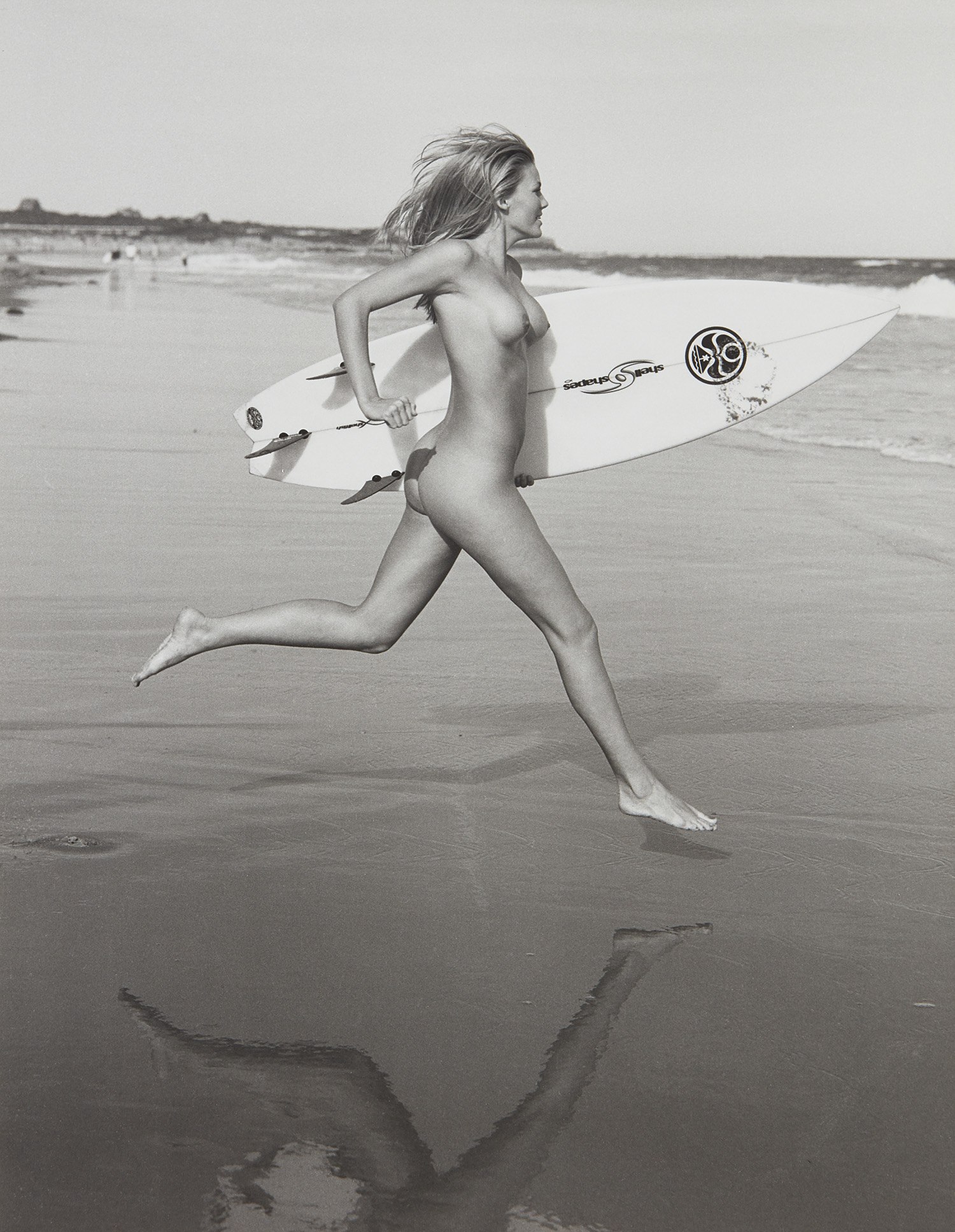
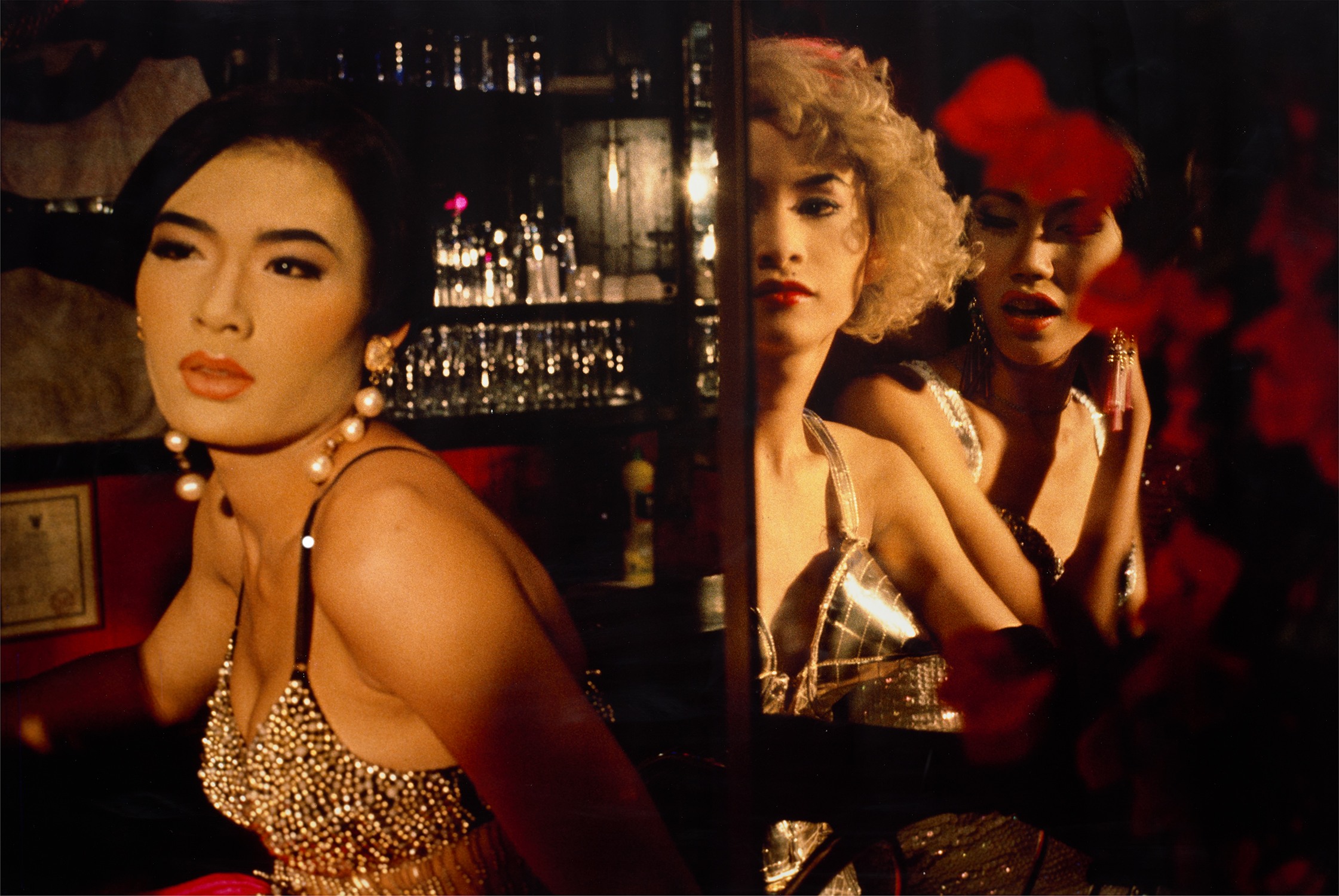
Helmut Newton
Xavier Moreau and friend, Paris
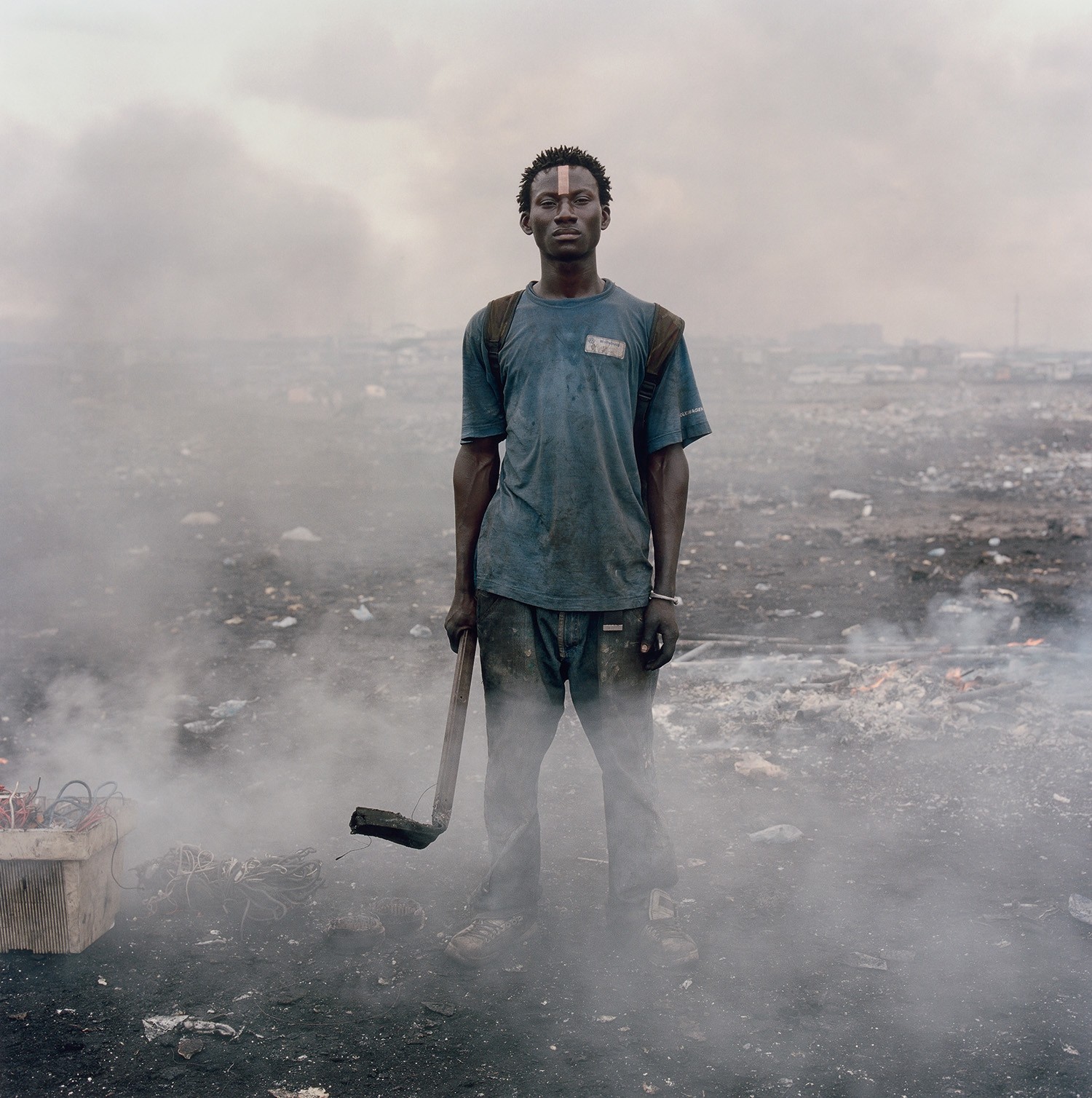
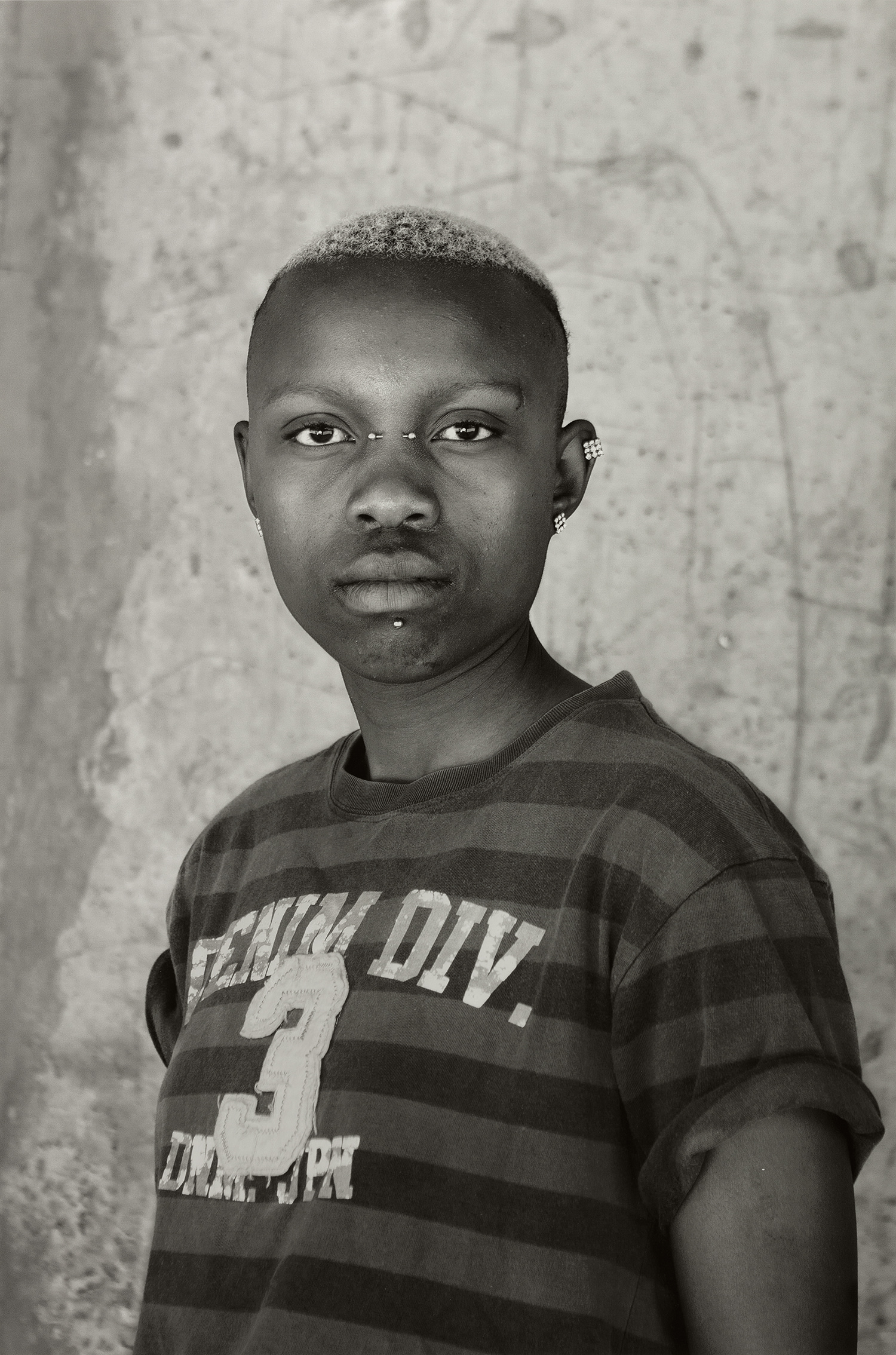
The secondary market for her work has responded accordingly. Annie Leibovitz occupies an interesting position, one where cultural ubiquity and genuine artistic ambition coexist, and savvy collectors have learned to look past the celebrity of her subjects toward the formal intelligence of the photographs themselves. For collectors willing to look further, Pieter Hugo's portraits from South Africa represent some of the most compelling work being made anywhere in the medium today. His large format color photographs from projects including Nollywood and Permanent Error combine documentary rigor with a painterly quality of attention that makes them extraordinary objects.
He is well represented on The Collection and his gallery prices, while no longer modest, remain below where the critical consensus around his work would suggest they should be. Catherine Opie is another artist whose portrait practice has deepened with each decade and whose market has not yet fully caught up with her standing among curators and critics. These are exactly the kinds of figures that reward early attention. On practical matters, condition is everything in photography and the specifics depend on process.
Gelatin silver prints are sensitive to humidity and light, and any work you consider acquiring should have clear provenance and ideally a conservation report if it predates the 1980s. For works produced in editions, which is the norm for most contemporary and mid century material, always ask the gallery for the edition size, the print run to date, and whether artist's proofs exist and how they have been priced. A small edition from an artist with strong institutional support will typically hold value more reliably than a large edition from an equally prominent name. Vintage prints, meaning those made close to the time of the negative, almost always carry a premium and generally deserve it, both for their historical significance and for their material quality.
When displaying silver gelatin or chromogenic work, UV filtering glass is not optional. Frame choices matter too. The presentation of a Penn or an Arbus should feel considered rather than incidental. A great portrait photograph is always in conversation with its environment, and that conversation is partly yours to shape.