Portraiture
Richard Avedon
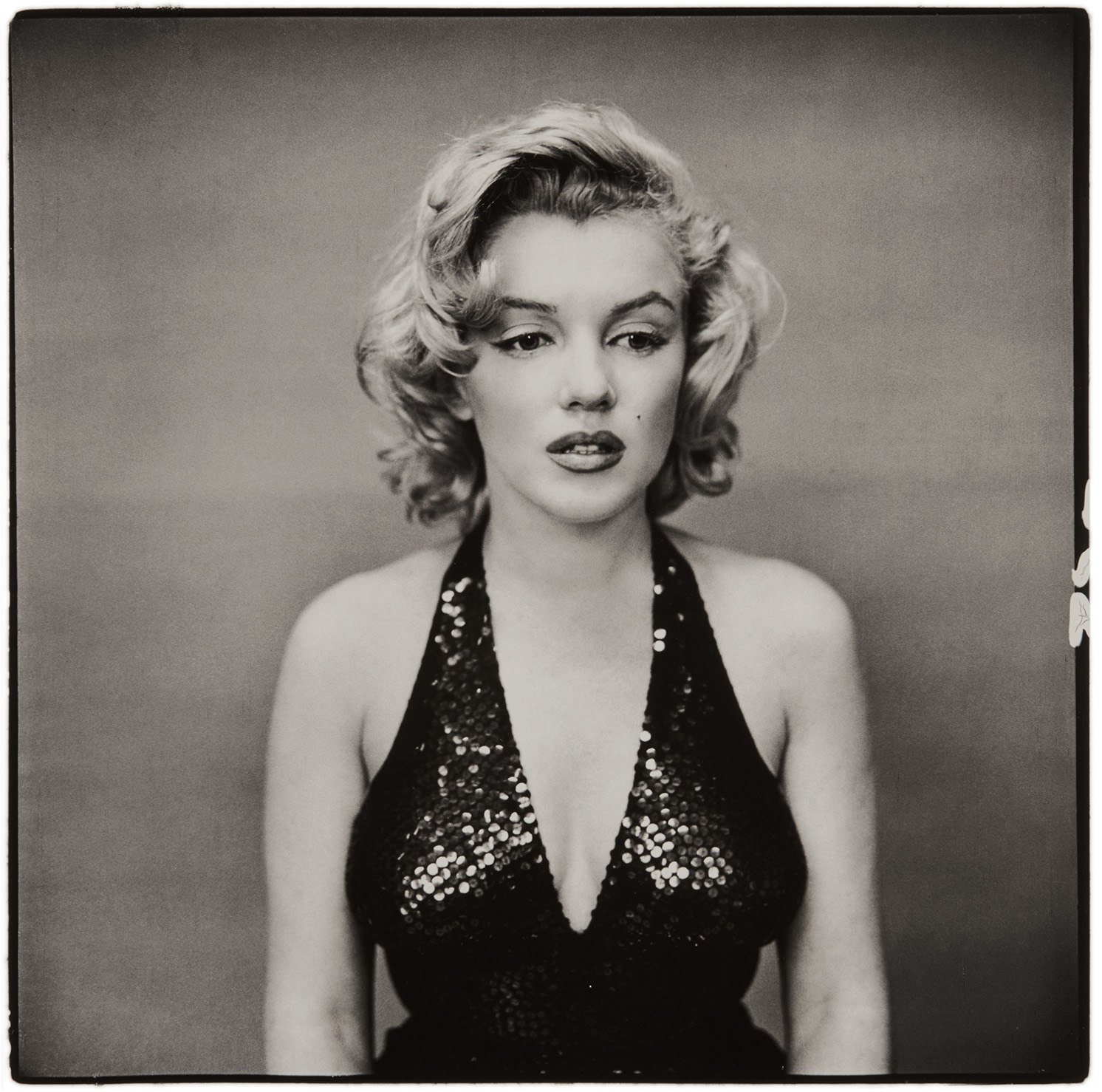
Marilyn Monroe, New York City, May 6


The Face Is Never Just a Face
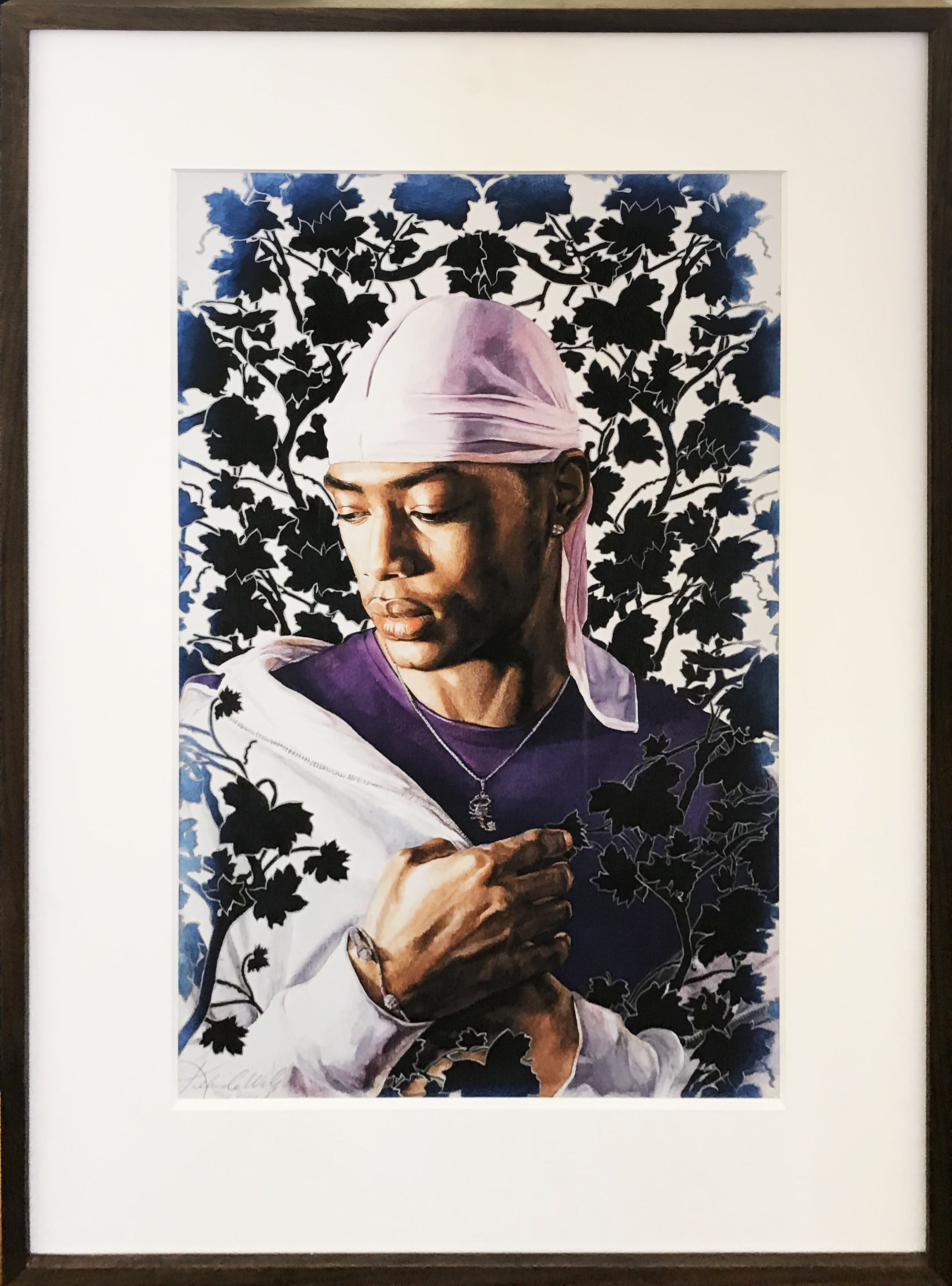
When Kehinde Wiley's portrait of Barack Obama was unveiled at the National Portrait Gallery in Washington in February 2018, something shifted in the cultural atmosphere around portraiture that hasn't fully settled since. The painting didn't just break attendance records at the Smithsonian. It reopened every question the genre thought it had answered: who gets painted, who does the painting, and what the act of sitting for a portrait actually means in a country still reckoning with whose image has historically been considered worthy of preservation. That moment announced, with considerable force, that portraiture was not a settled form but a live one.
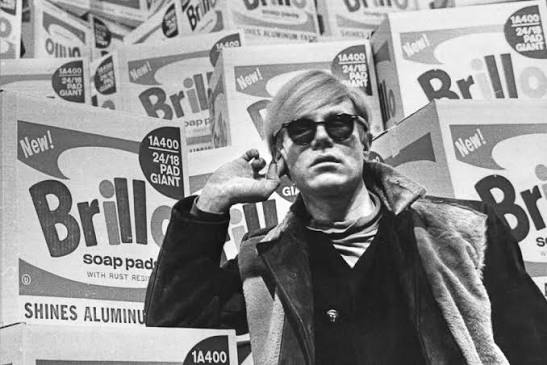
The market has been listening. At Christie's and Sotheby's in recent years, painted and photographic portraits have consistently outperformed expectations across a wide range of periods and practices. Andy Warhol's silkscreened heads, his Marilyns and Maos and society commissions, remain among the most reliably sought works at auction, where prices for significant examples routinely climb into the tens of millions. What's striking is not just the scale of those results but their consistency.
Richard Avedon
Marilyn Monroe, New York City, May 6
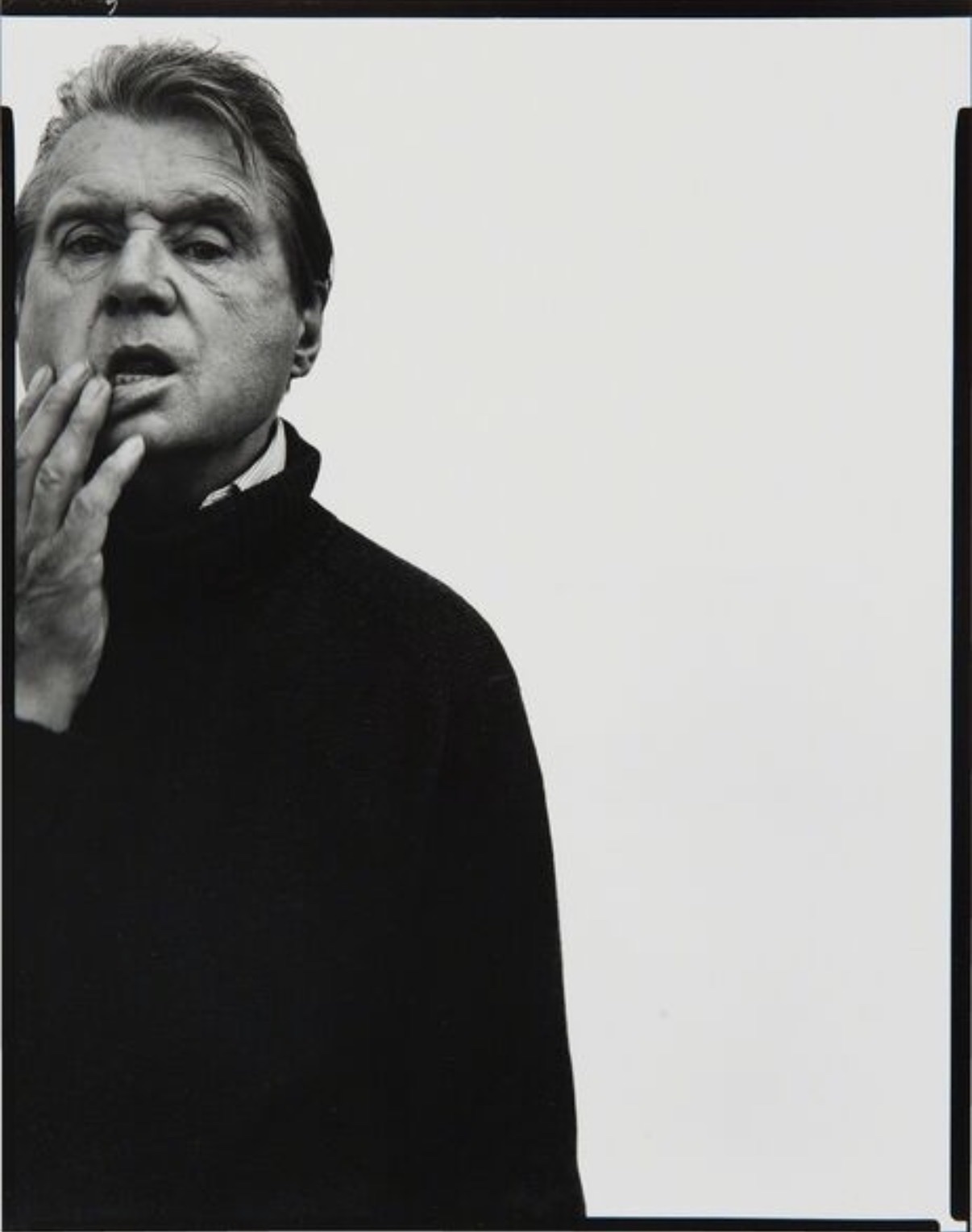
Warhol understood portraiture as a kind of industrial mythology, and collectors have never stopped wanting a piece of that transaction. His works on The Collection represent a serious cross section of that practice. Photographic portraiture has its own heated market lane. Richard Avedon's large format prints, particularly from his "In the American West" series completed in 1985, have attracted sustained institutional and private interest.
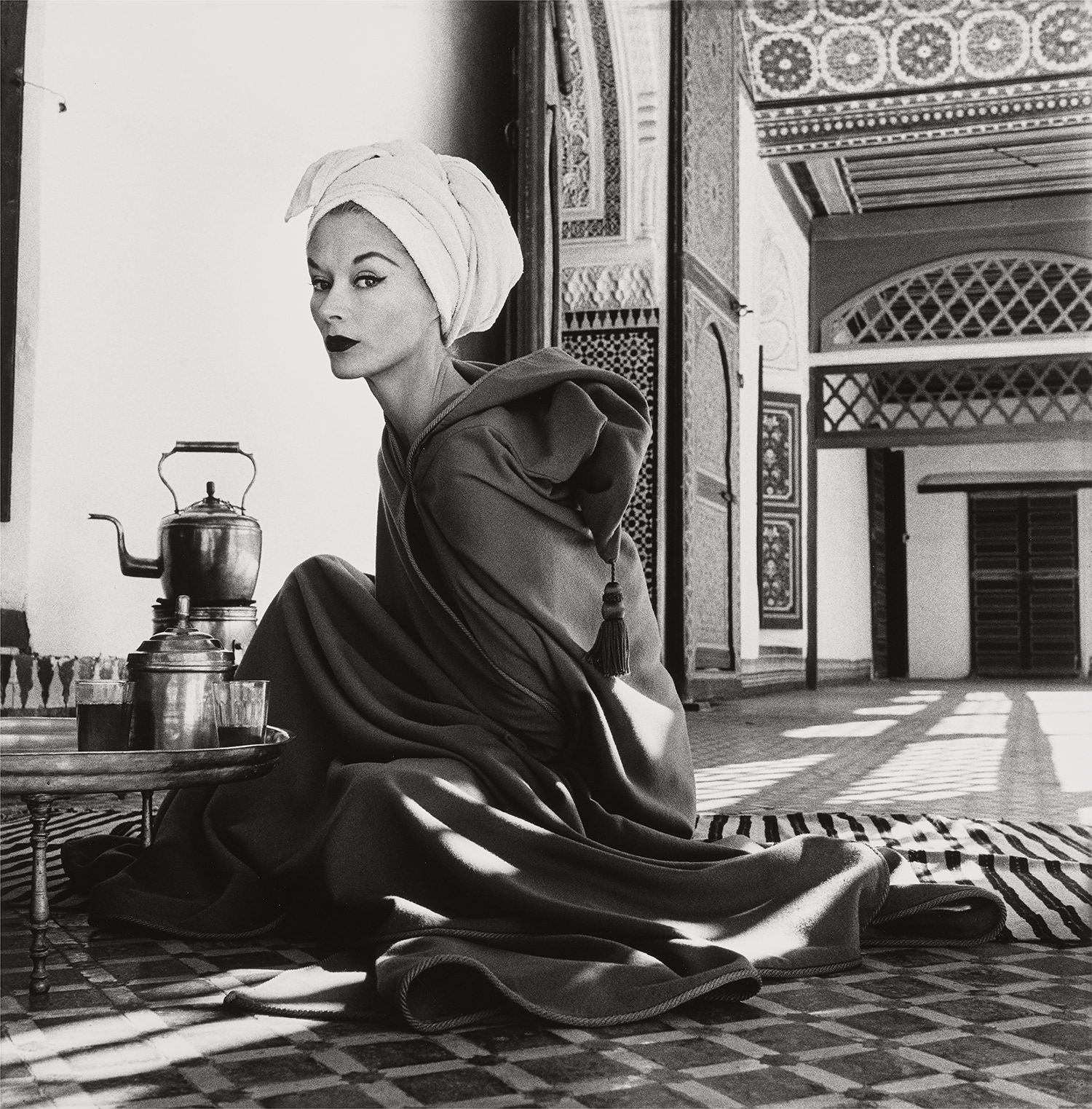
Irving Penn's portraits, with their compressed studio space and forensic attention to surface and gesture, have seen prices firm considerably over the past decade as the photography market has matured. Both photographers understood the portrait as a negotiated encounter rather than a simple capture, and that conceptual seriousness has translated directly into collecting confidence. Penn and Avedon are well represented on The Collection, and their presence reflects an understanding that photography's place in the portrait canon is no longer provisional. The exhibition landscape has been equally energized.
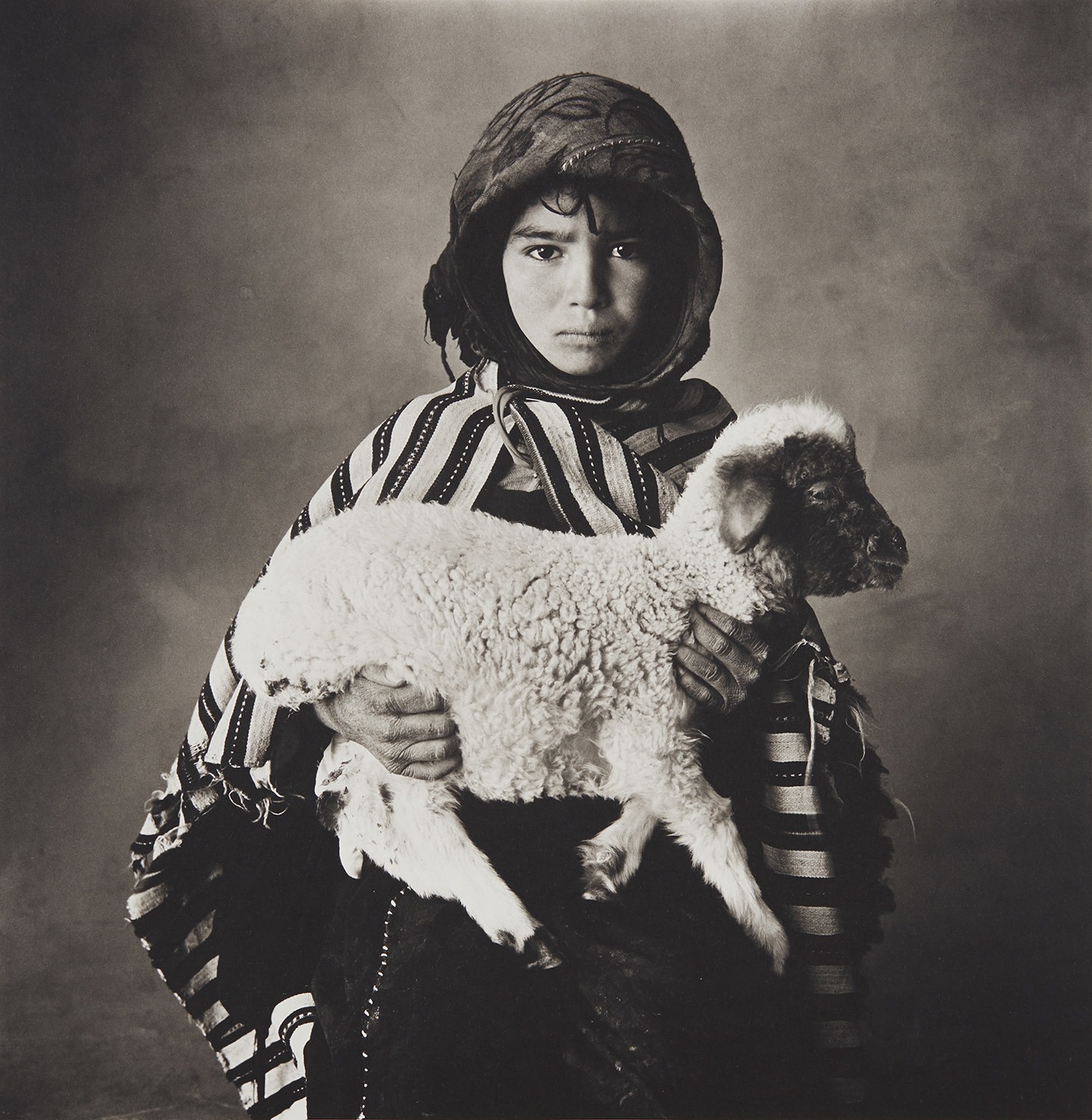
Irving Penn
Moroccan Child with Lamb, 1971, 1978
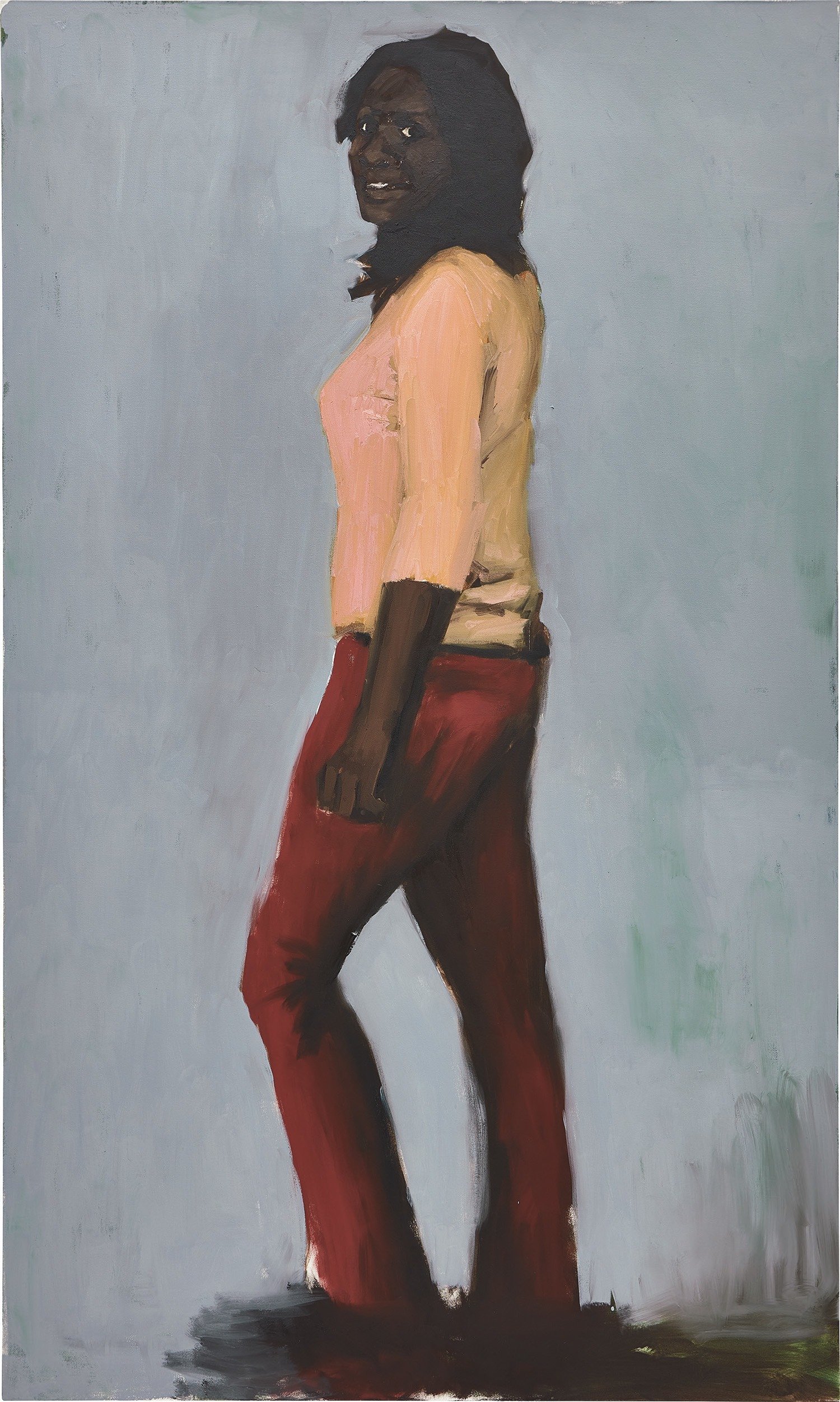
The National Portrait Gallery in London mounted its "Coming Home" initiative, which sent historically significant portraits on loan to regional venues across the United Kingdom, quietly arguing that portraiture belongs to a broader public conversation rather than to any single institution. The Guggenheim Bilbao's survey of Lynette Yiadom Boakye in 2022 introduced her fictional subjects to audiences who encountered them with something close to the feeling of recognition, even though none of the people in her paintings exist. That paradox sits at the heart of what makes her work so compelling and so collected. Yiadom Boakye's presence on The Collection feels genuinely important right now.
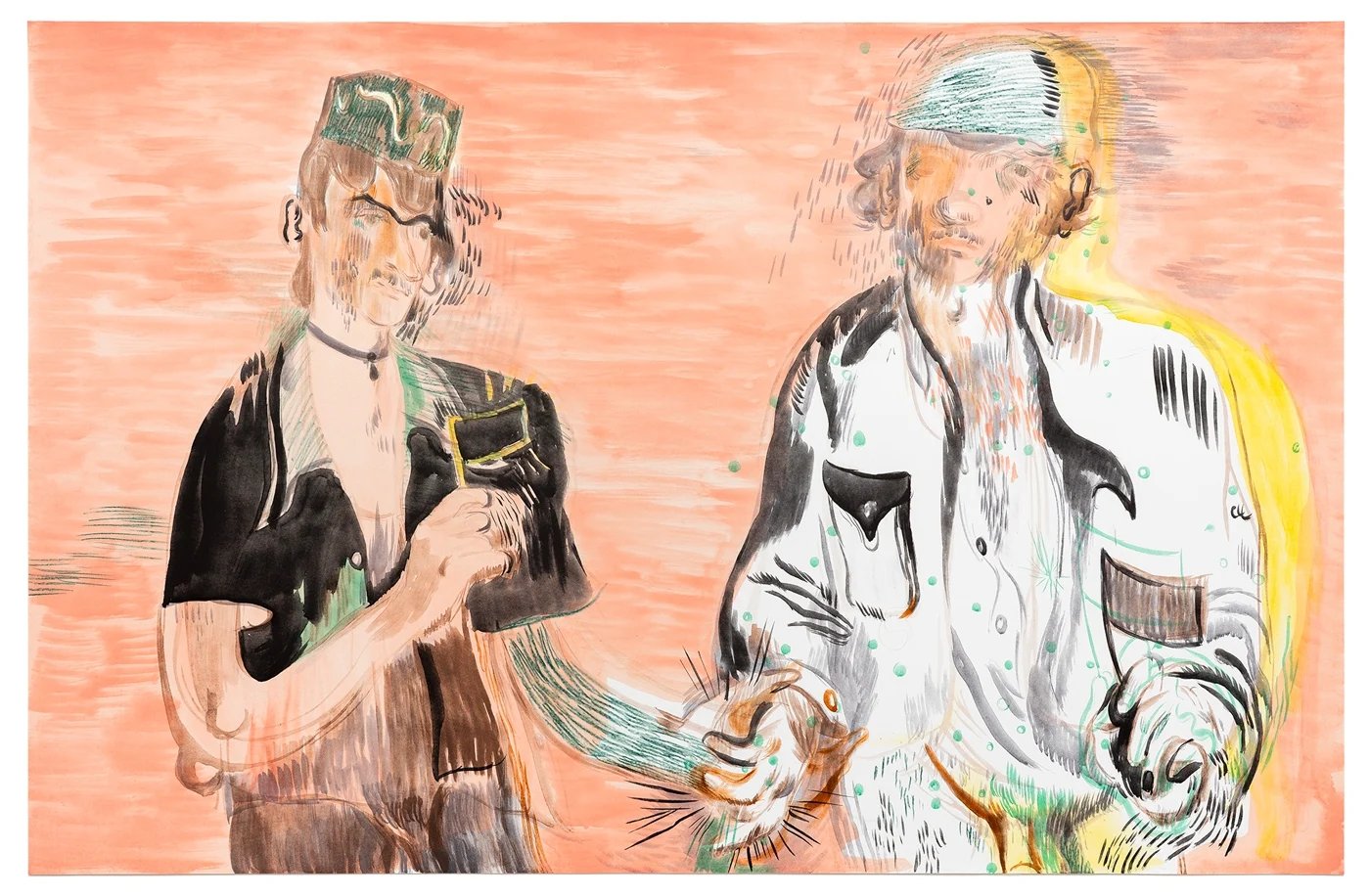
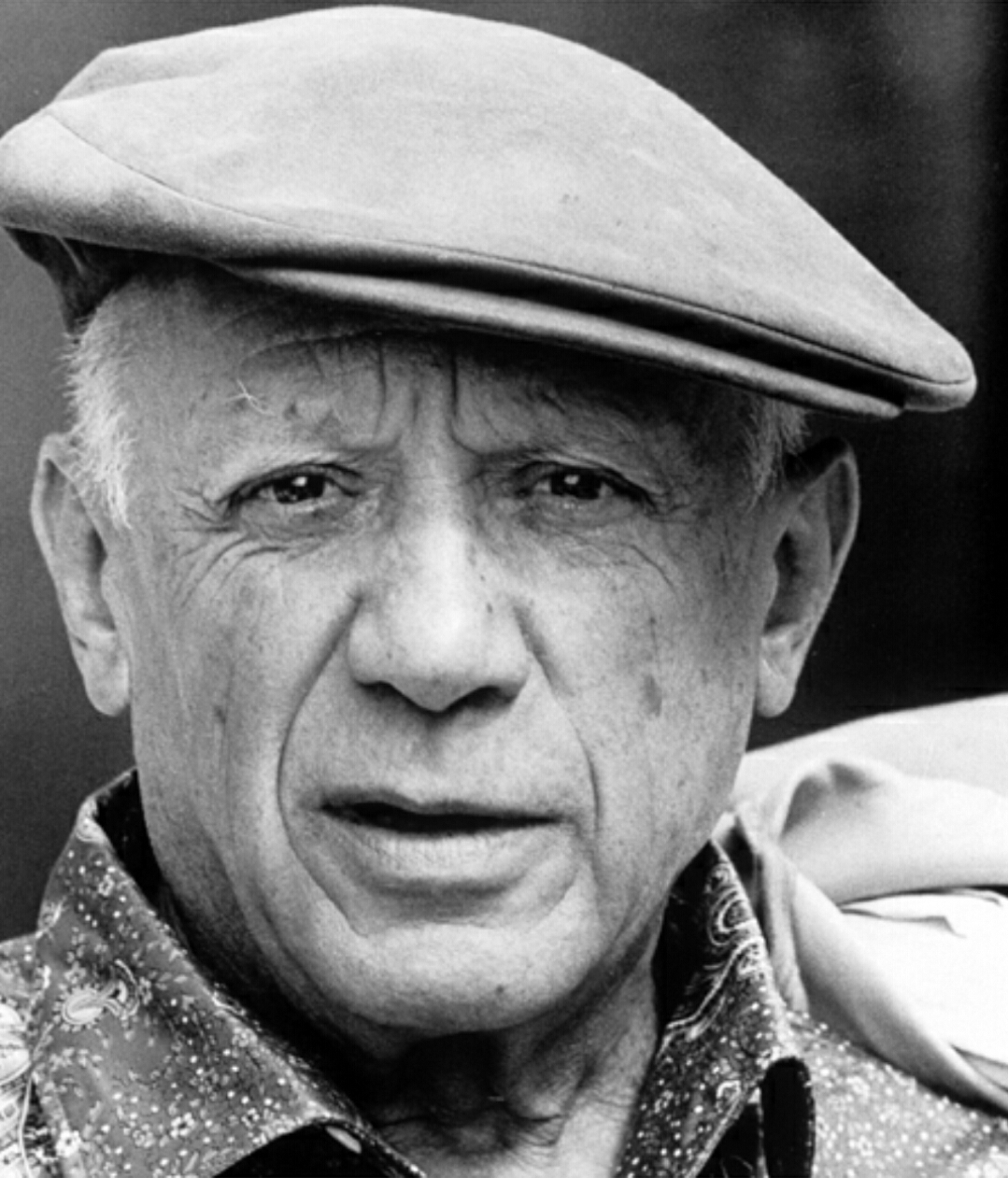
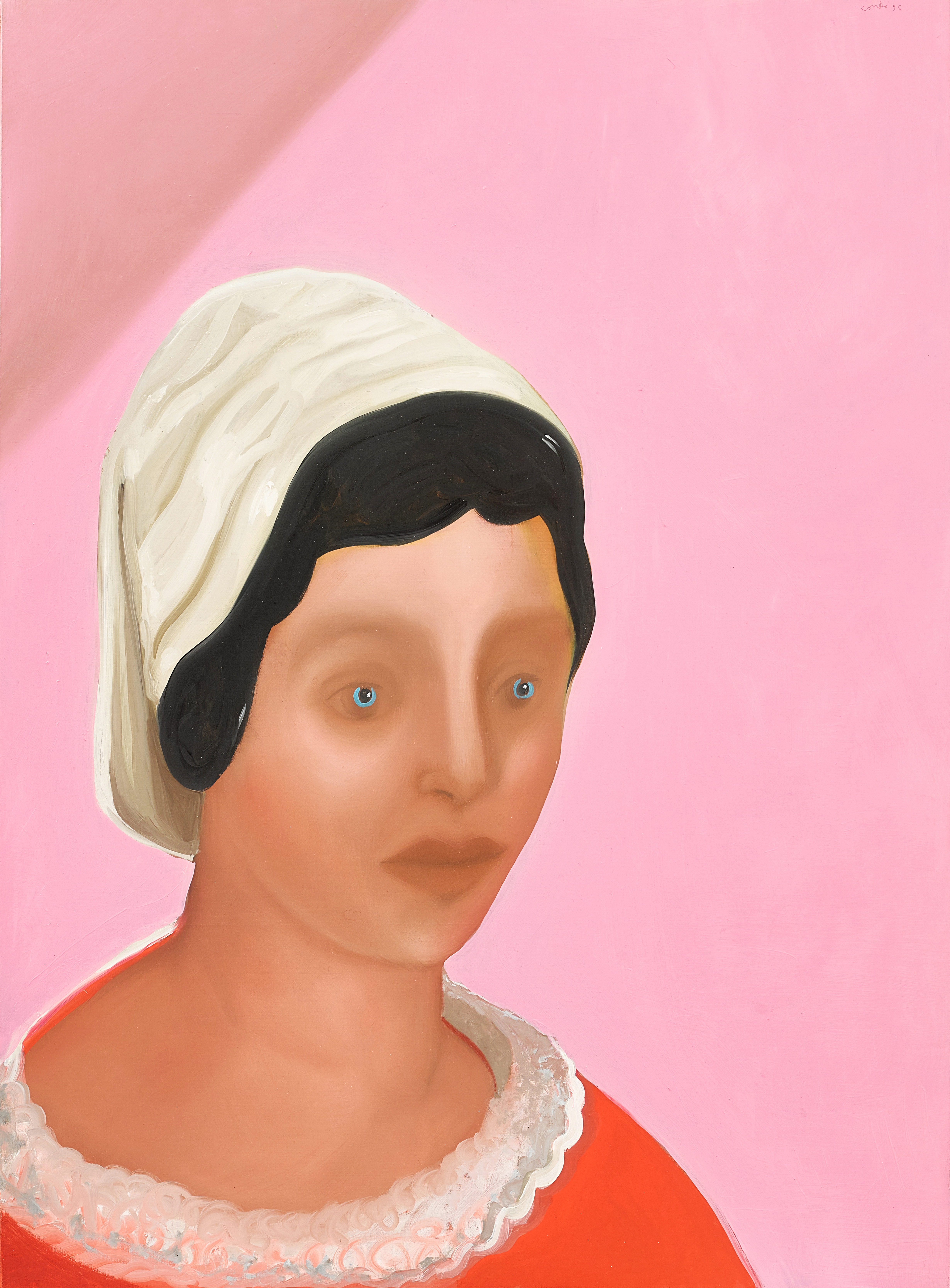
George Condo has spent decades building a practice that treats the portrait as a site of psychological pressure rather than social record, and his market has responded accordingly. His distorted, composite faces draw on Picasso's cubist fragmentation while arriving somewhere entirely their own, and major auction results in recent years have confirmed that serious collectors understand the difference between influence and originality. Picasso himself, whose contributions to the portrait form across the twentieth century are almost impossible to overstate, continues to anchor the upper end of the market. His works on The Collection offer an opportunity to consider that legacy across multiple periods and registers.
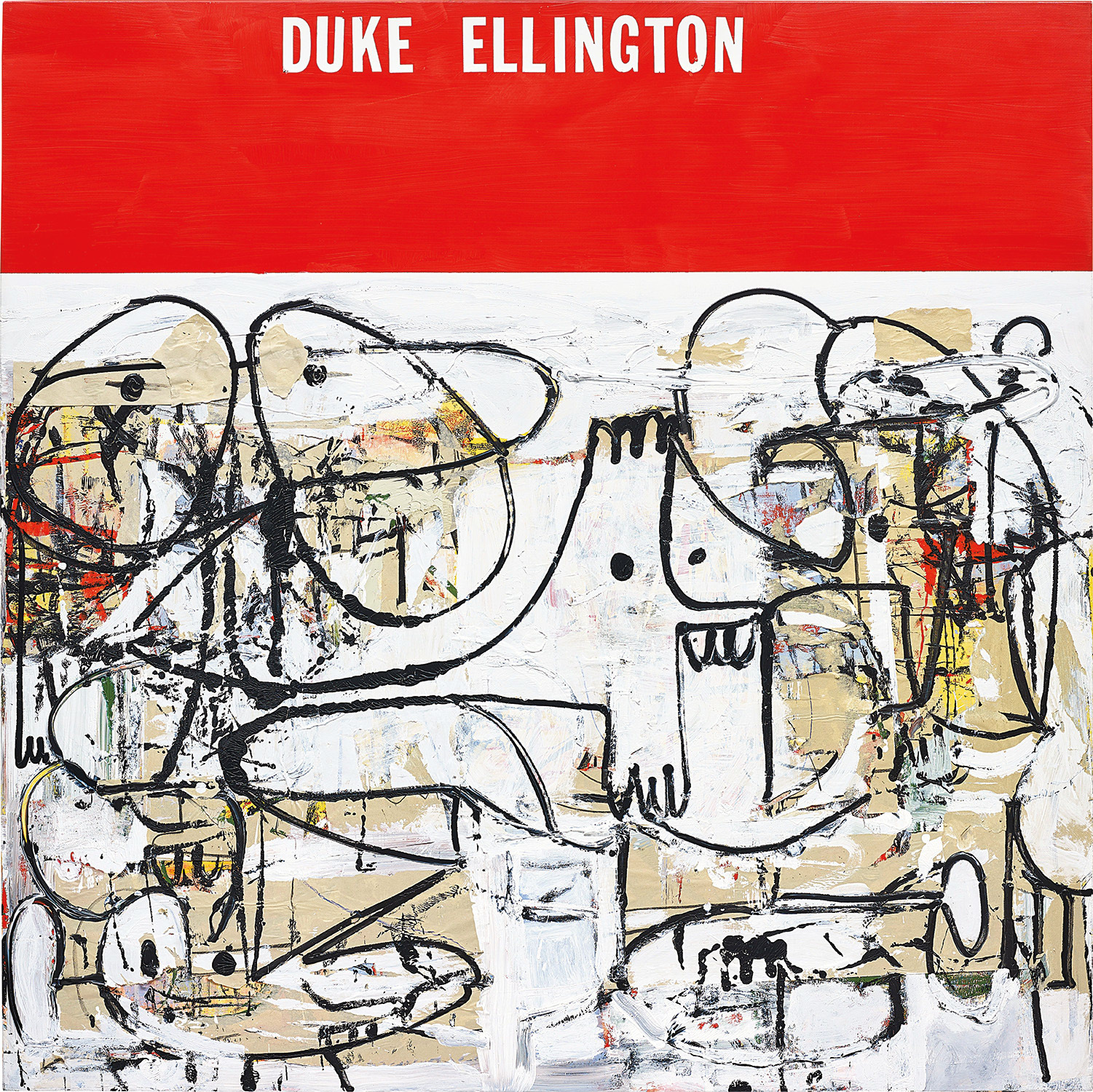
George Condo
Duke Ellington, 1999
What connects Condo and Picasso, and connects them further to someone like Marlene Dumas, is an insistence that the face is not a stable thing but a surface where anxiety, desire, and history leave visible marks. The critical conversation has sharpened considerably. Writers like Hilton Als, whose portrait criticism in the New Yorker treats sitters and artists with equal psychological seriousness, have helped shift the terms of how we discuss the genre. The curator Thelma Golden, through her long tenure at the Studio Museum in Harlem, has been instrumental in centering Black portraiture not as a subcategory but as a central strand of contemporary practice.
Publications including Aperture and Frieze have dedicated sustained space to photographers working in the portrait mode, from the street level intimacy of Nan Goldin and Philip Lorca diCorcia to the formal ambition of Rineke Dijkstra, whose beach portraits from the 1990s now feel like foundational documents of a certain kind of looking. Dijkstra is worth dwelling on. Her adolescent subjects, caught in the particular awkwardness of bodies not yet fully inhabited, brought a rigorous neutrality to the portrait that was genuinely new. That same quality of unflinching attention runs through the work of August Sander, whose early twentieth century typological project remains a touchstone for anyone thinking seriously about what the portrait can document.
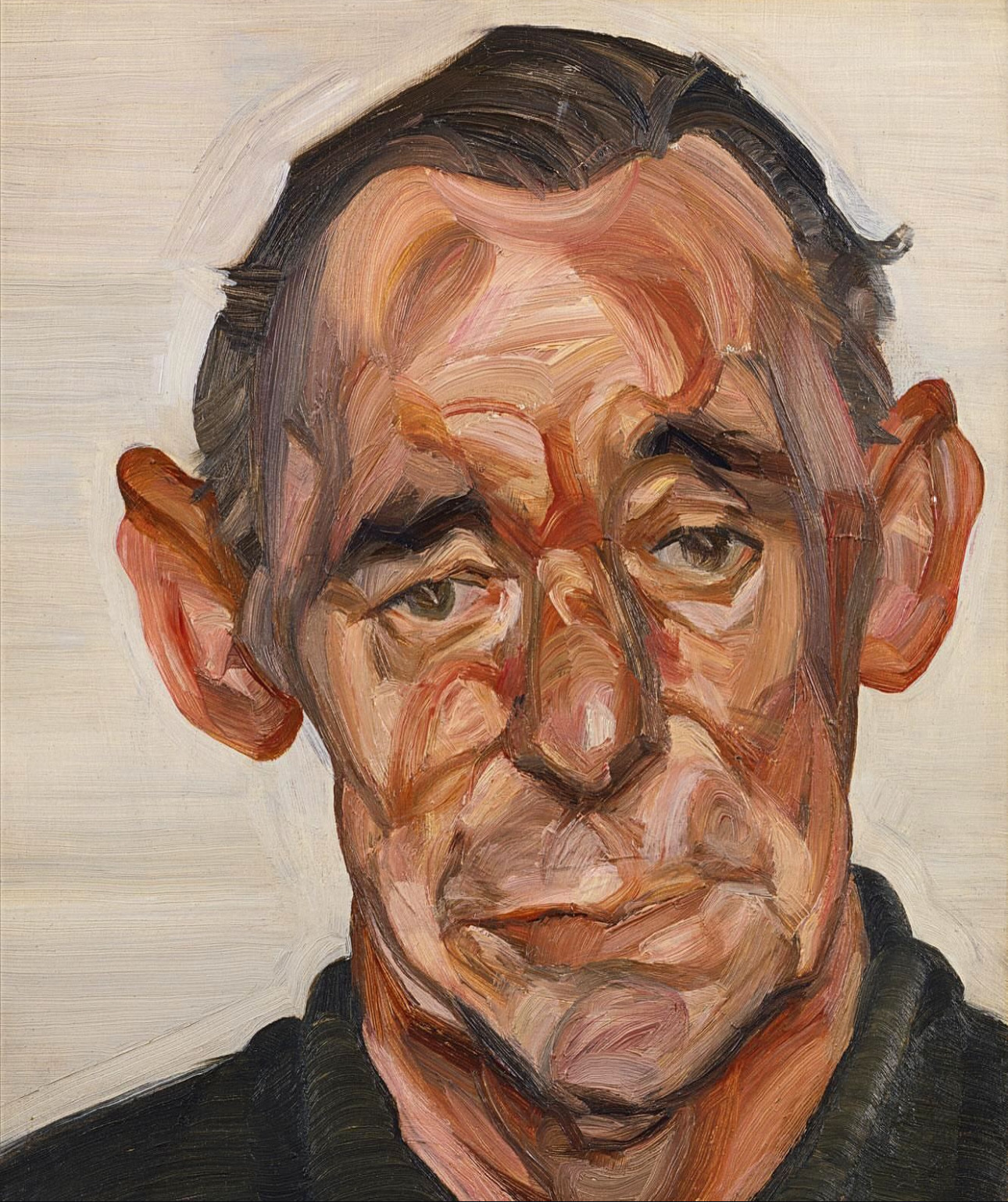
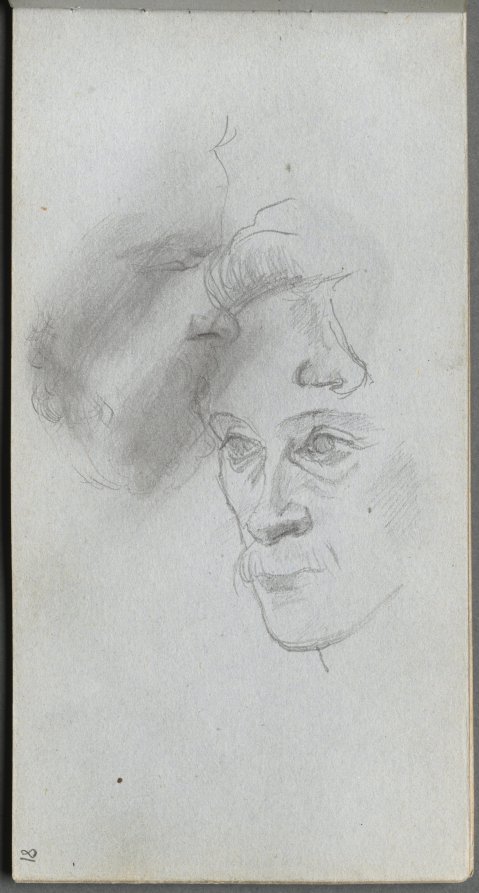
Lucian Freud
John Deakin, 1964
Pieter Hugo and Diane Arbus occupy different ends of the same tension, both drawn to subjects at the edges of social visibility, both accused at various moments of exploitation and celebrated at others for honesty. That tension is not resolved and probably shouldn't be. Where is the energy moving? Toyin Ojih Odutola is among the most watched painters working today, her graphite and pastel surfaces building a kind of speculative portraiture that invents entire social worlds and their histories.
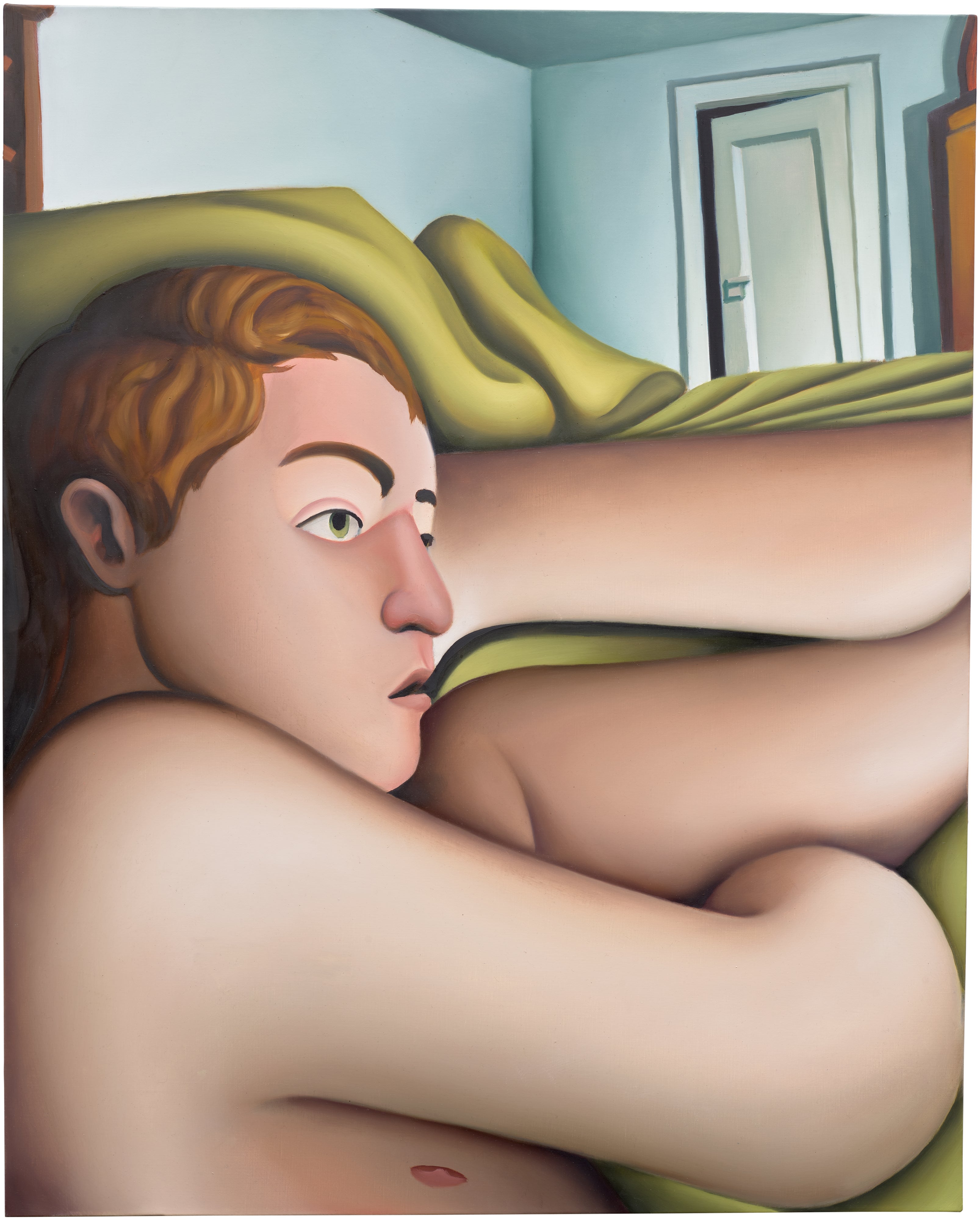
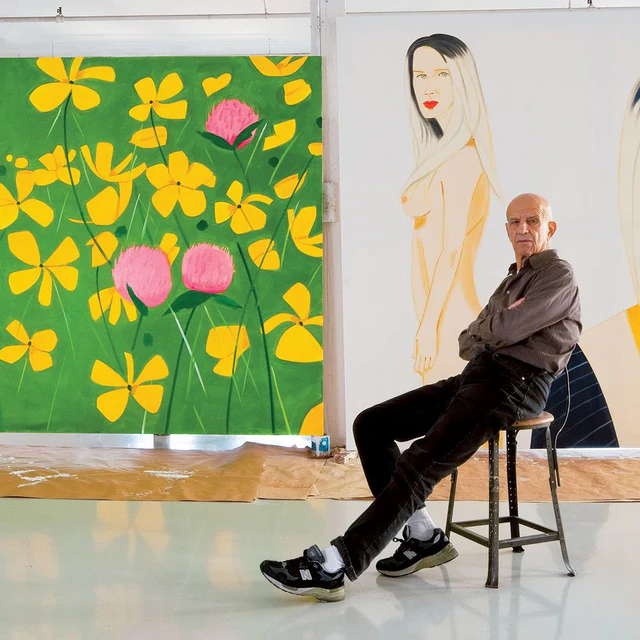
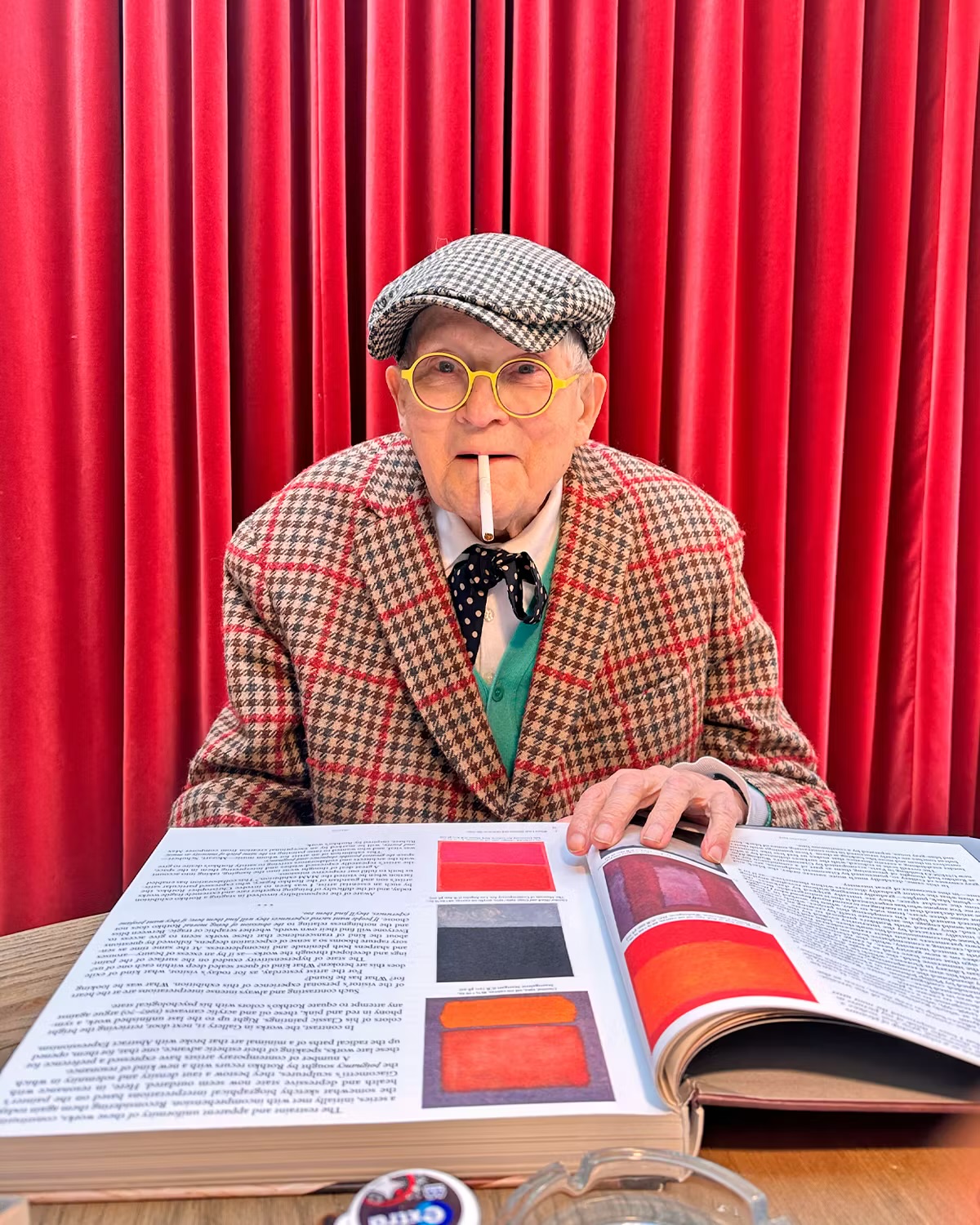
Henry Taylor brings a rawness and urgency to his painted subjects that feels fully alive to the present moment. Elizabeth Peyton has spent thirty years making intimate, tender portraits of artists and musicians that have quietly accumulated into one of the more singular bodies of work in contemporary painting. Alex Katz, now in his nineties, continues to produce work that younger painters study with something close to reverence. His flat, bold faces have influenced an enormous amount of contemporary portrait painting without ever being fully absorbed by it.
What all of this suggests is that portraiture is not retreating into heritage status. It is expanding, absorbing new technologies, new politics, new questions about identity and likeness and who controls the image of another person. The works available through The Collection span enough of this history and enough of the present to make a genuinely serious collection in the genre. And the collectors building in this space seem to understand something that the market keeps confirming: the face, in the hands of the right artist, is inexhaustible.