Documentary Photography
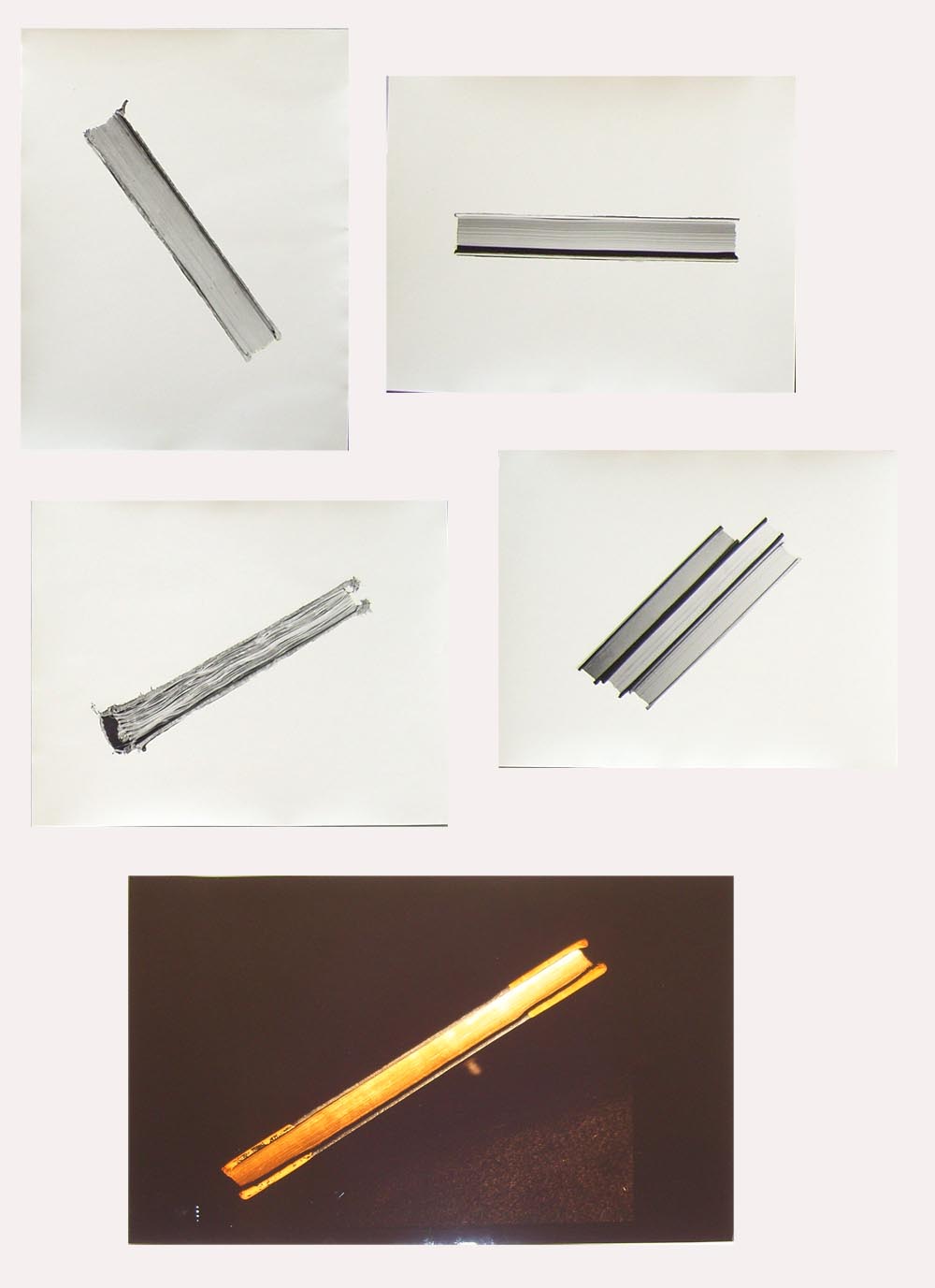
Ed Ruscha
Books, 2001
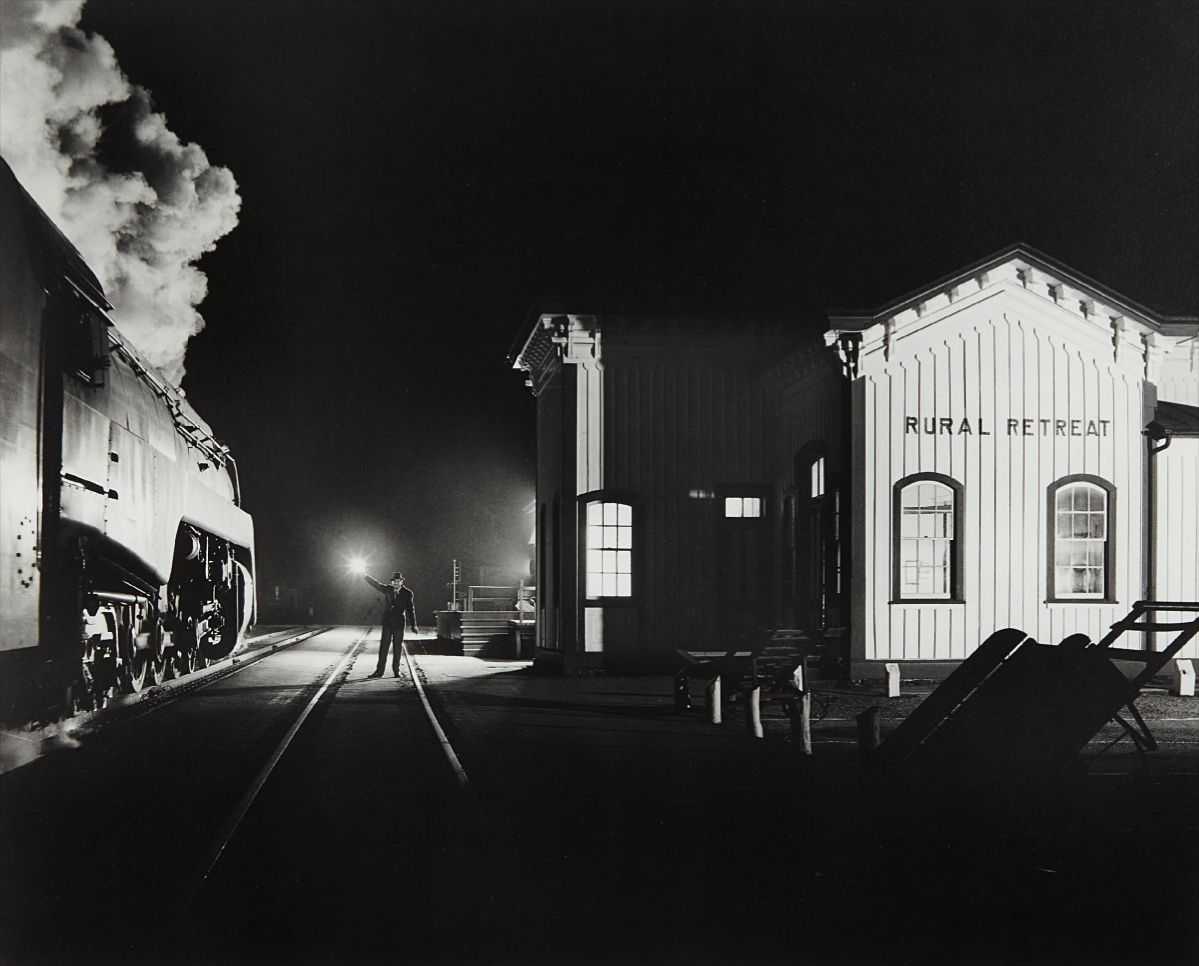
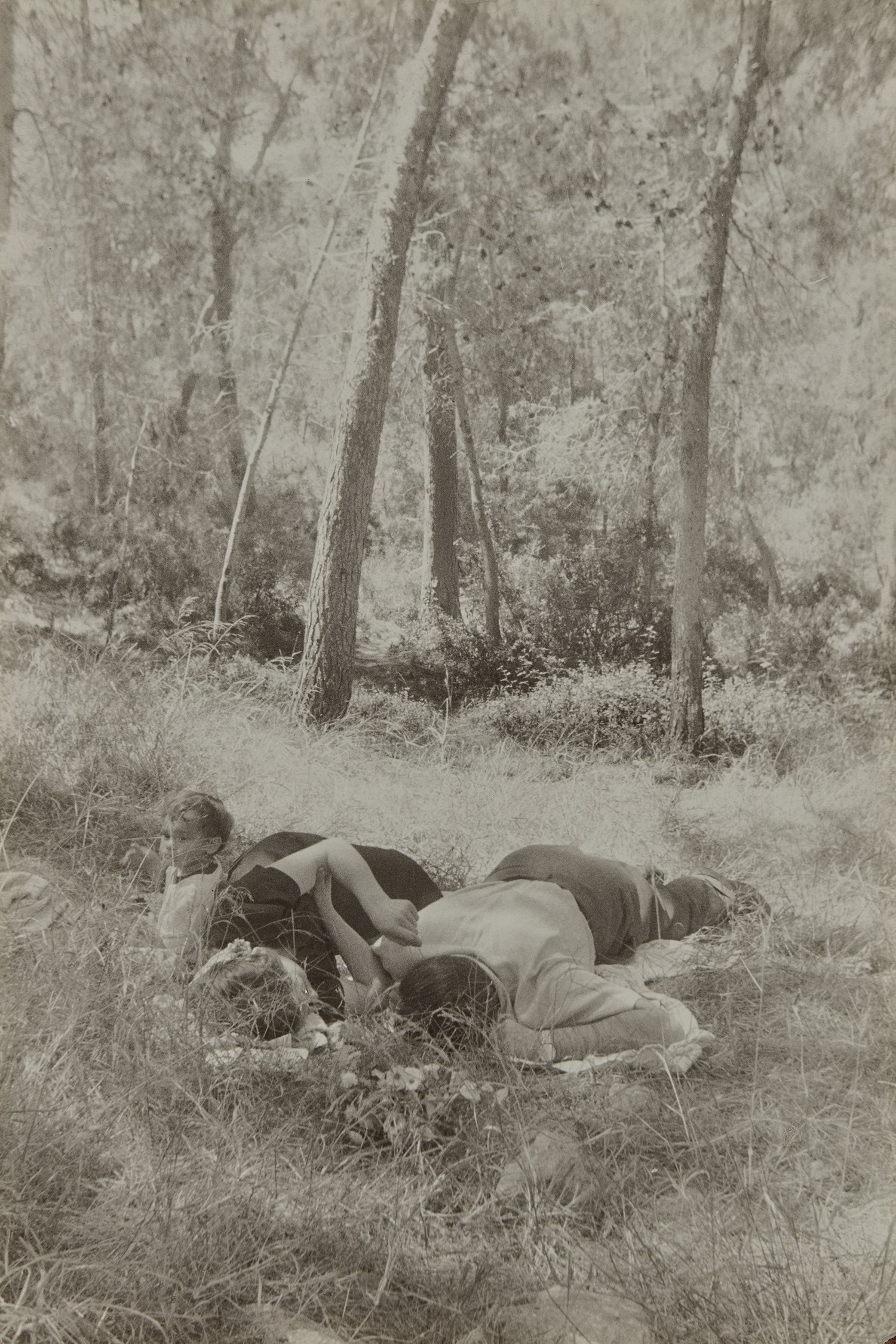
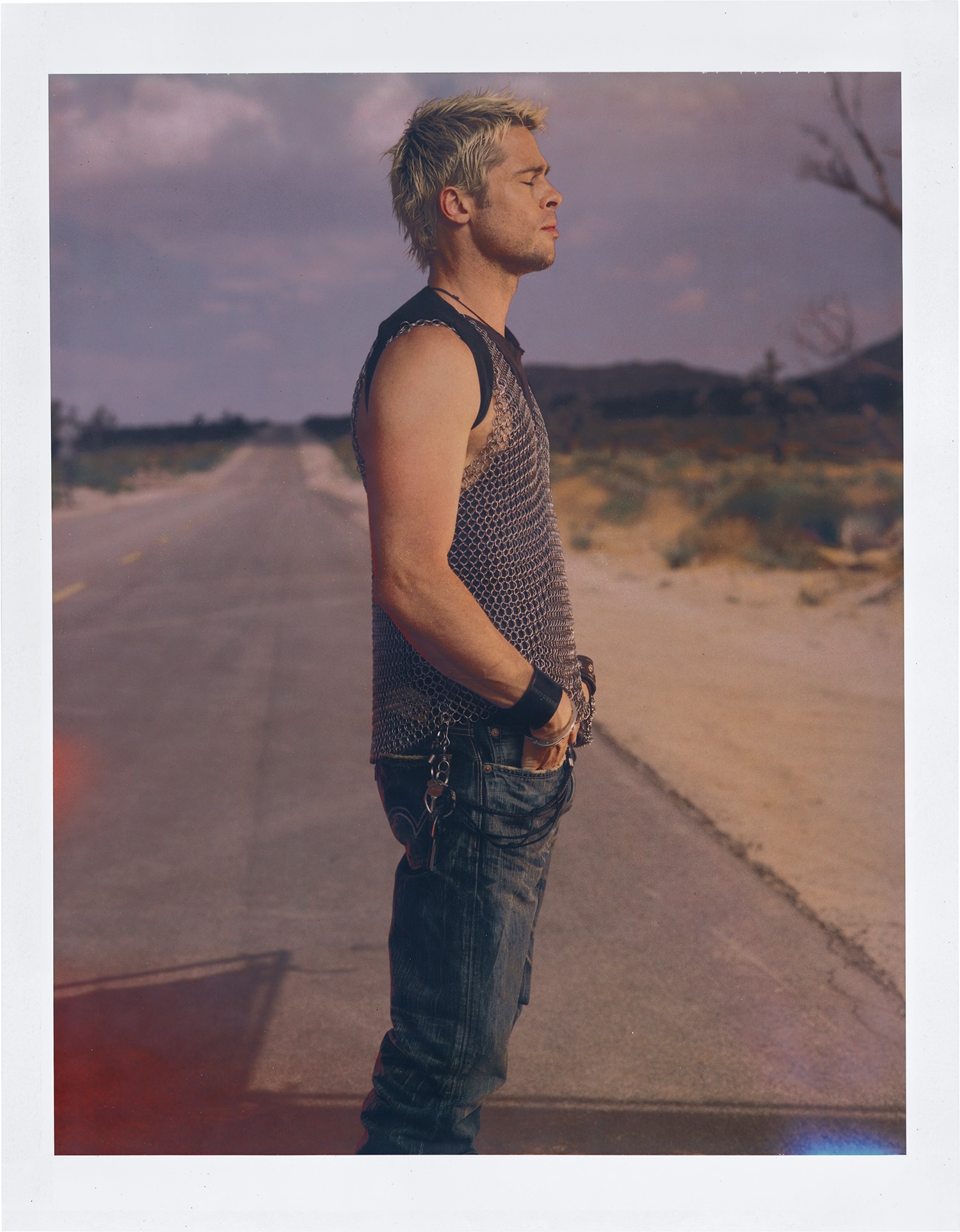
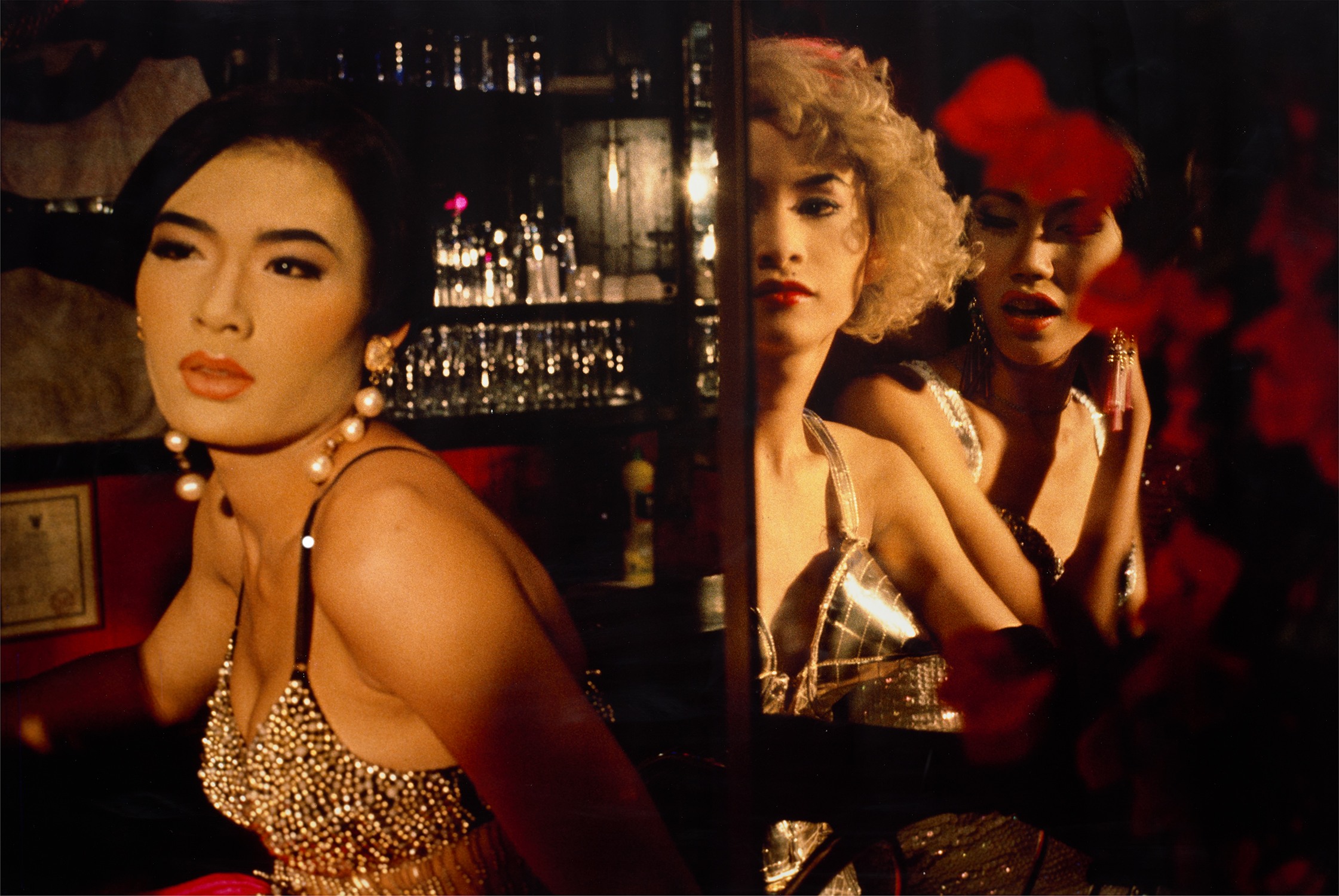
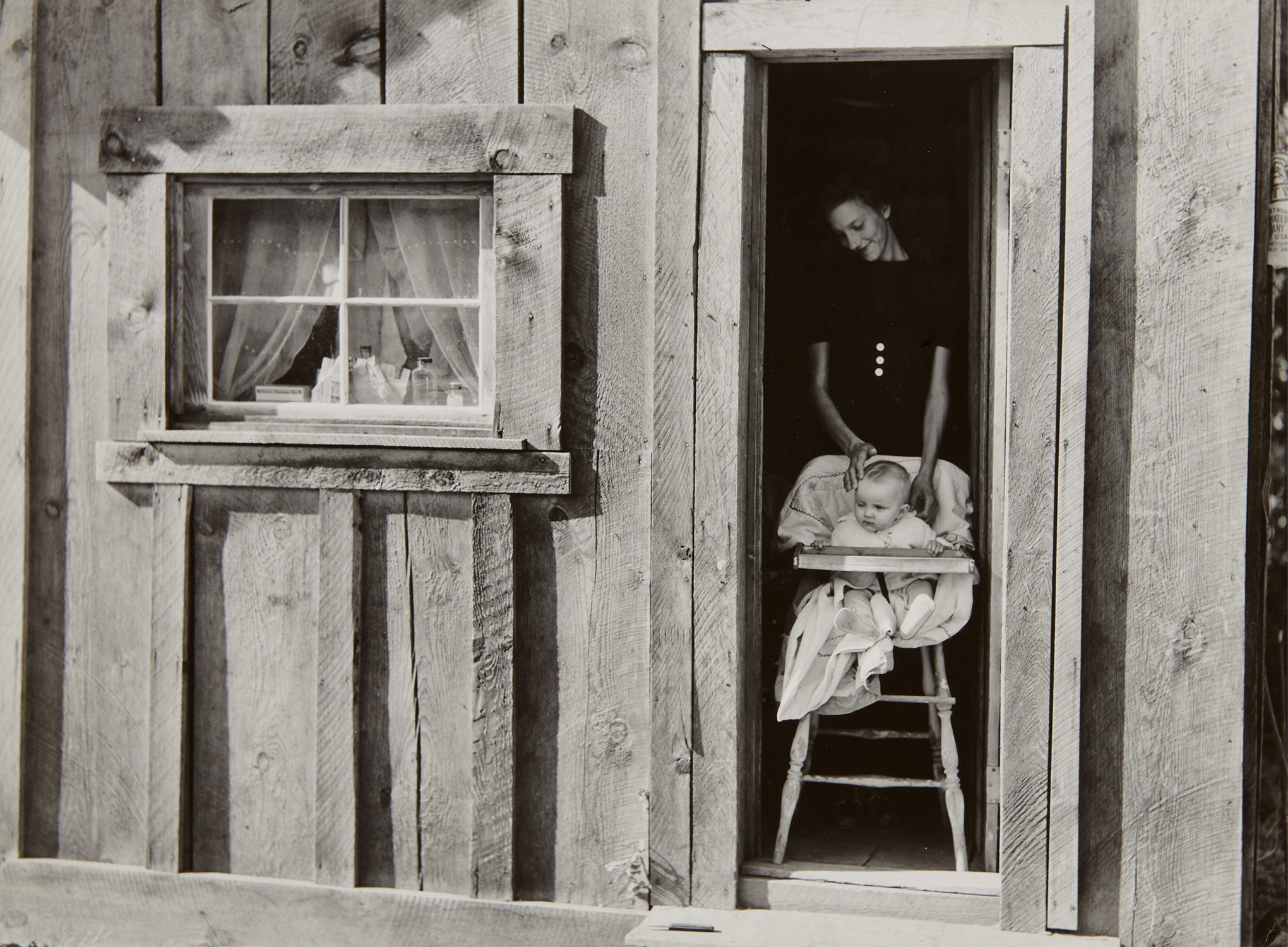
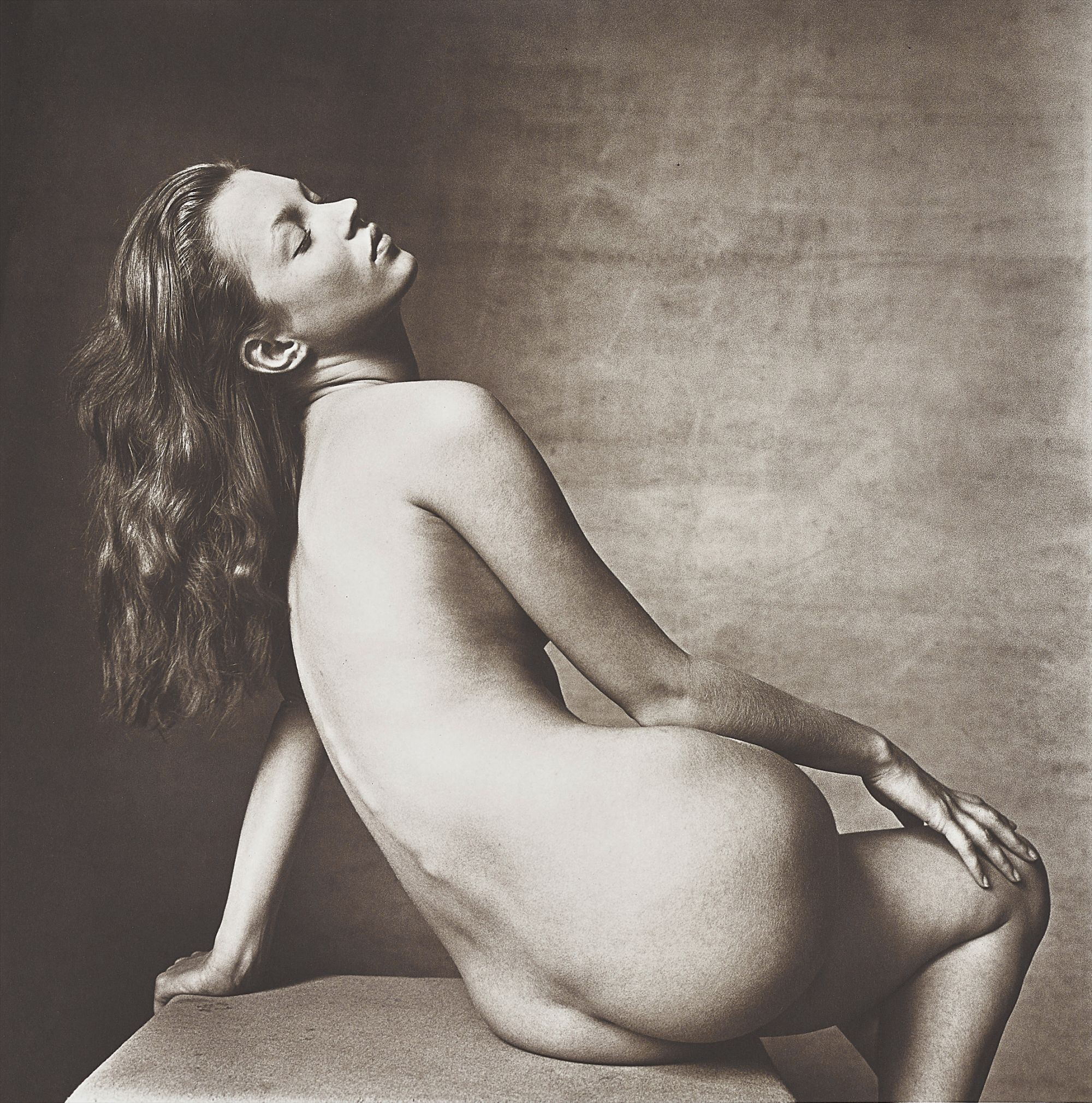
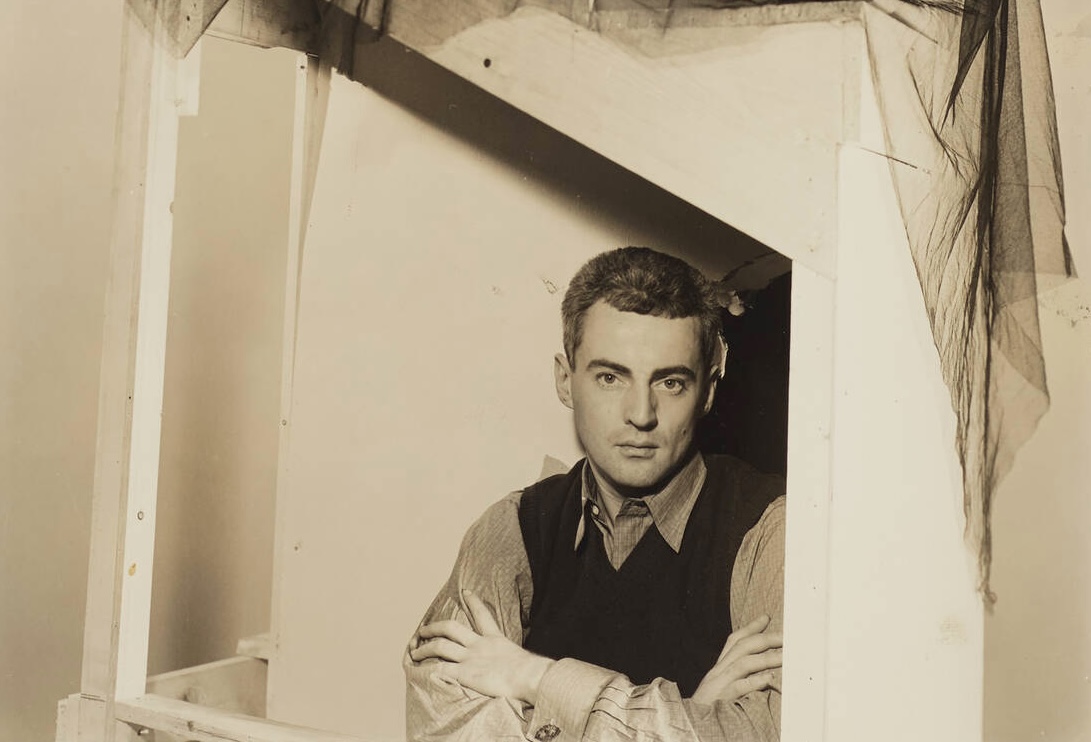
The Camera as Witness: Truth Under Pressure
There is a particular kind of photograph that does something more than record. It indicts, mourns, celebrates, or demands. It refuses to let you look away. Documentary photography has always operated in this uncomfortable register, somewhere between journalism and art, between evidence and empathy, and its greatest practitioners have spent careers refusing to let that tension resolve too easily.
To collect in this space is to collect the conscience of modern visual culture. The roots of documentary photography stretch back further than most people assume. In the 1870s and 1880s, John Thomson was already moving through the streets of London with his camera, producing his landmark series Street Life in London in 1877, a collaboration with writer Adolphe Smith that paired photographs of working class Londoners with sociological text. Thomson understood intuitively what would take the art world decades to fully acknowledge: that the camera could be an instrument of social witness rather than mere mechanical transcription.
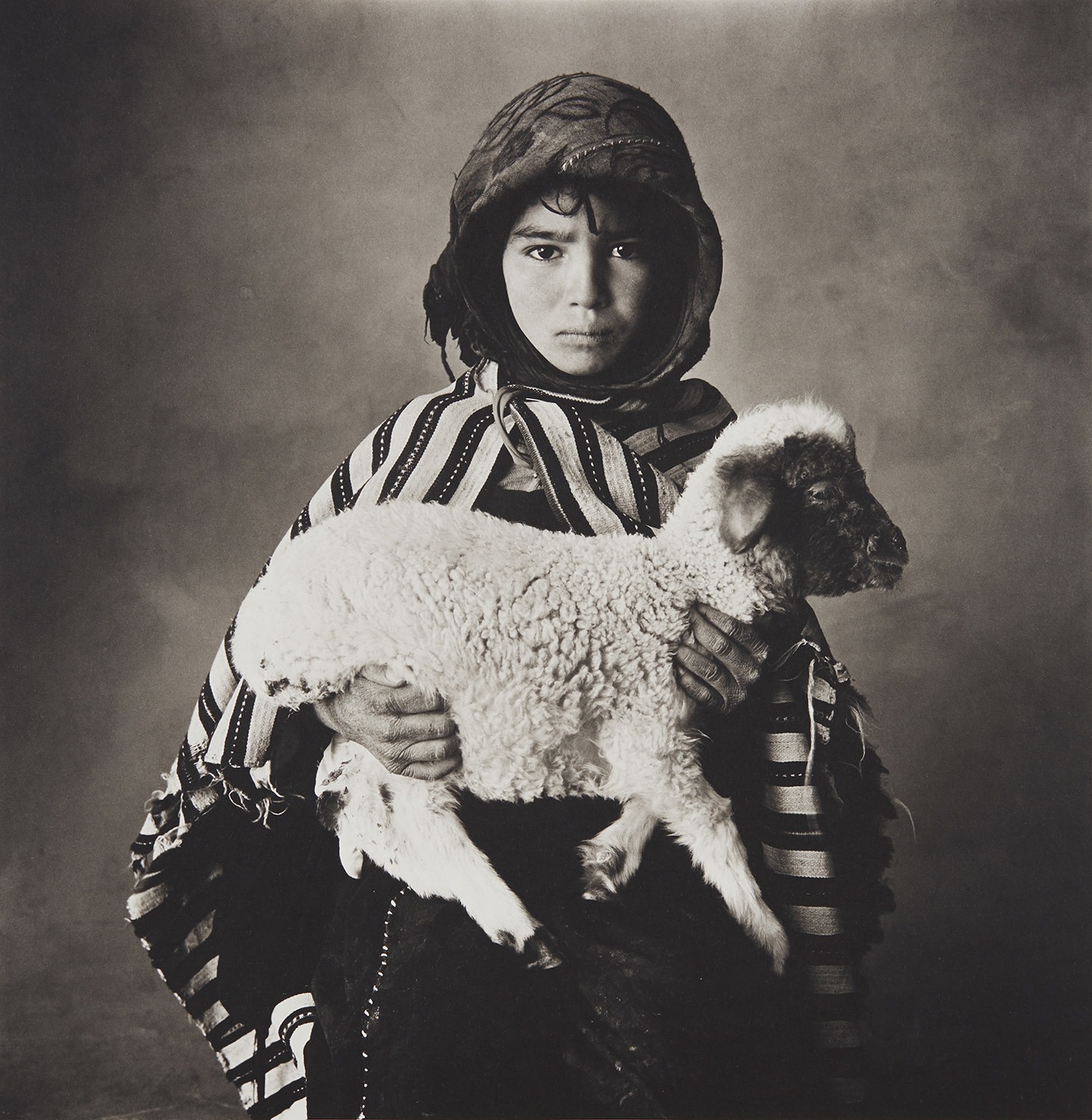
Irving Penn
Moroccan Child with Lamb, 1971, 1978
His work sits in a lineage that connects directly to the great documentary tradition of the twentieth century. By the early twentieth century, Lewis Wickes Hine was deploying that same understanding with urgent political intention. His photographs of child laborers for the National Child Labor Committee, made between 1908 and 1918, remain among the most consequential images ever produced. Hine believed, famously, that photographs could show things that needed to be changed or things that needed to be appreciated.
That dual mandate still defines the genre. Around the same time, Eugène Atget was quietly building his extraordinary archive of a disappearing Paris, working in near obscurity until the Surrealists recognized something in his images that even he may not have fully intended. His work sits at a fascinating threshold between document and dream. The 1930s represent perhaps the defining decade for documentary photography as a conscious art form.
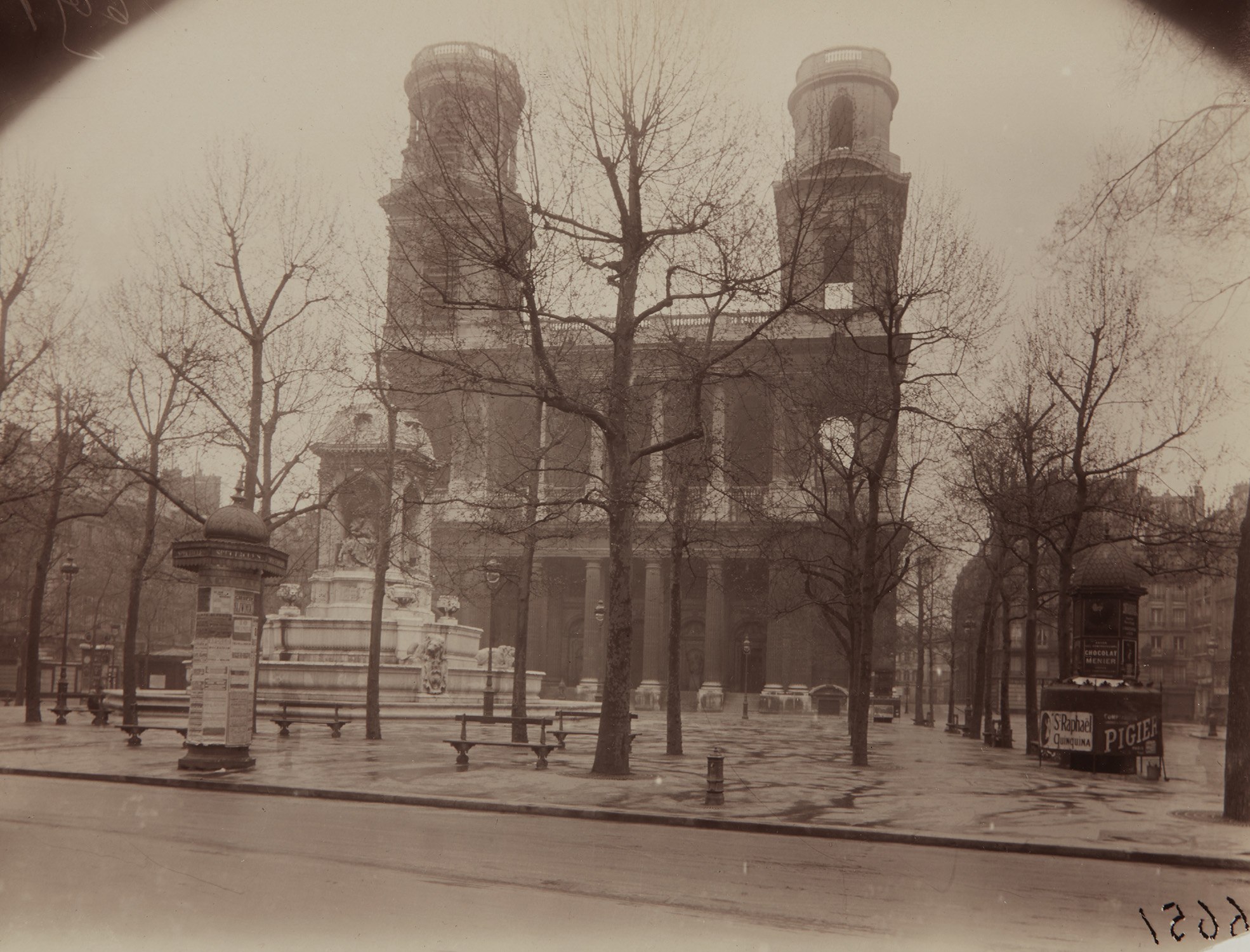
Eugène Atget
Place St. Sulpice
The Farm Security Administration project, launched in 1935 under the direction of Roy Stryker, sent photographers across Depression era America with a mandate to record suffering and resilience in equal measure. Dorothea Lange produced her iconic Migrant Mother in 1936, an image so deeply embedded in cultural memory that it now carries the weight of an entire era. Walker Evans, who worked alongside this project while maintaining a fierce aesthetic independence, brought a cooler, more formalist eye to similar subjects. His collaboration with writer James Agee, published as Let Us Now Praise Famous Men in 1941, remains one of the great documents of that period, and the tension between Evans's rigorous framing and Agee's overwrought prose is itself instructive about the complex relationship between image and narrative.
Henri Cartier Bresson gave documentary photography its most seductive theoretical framework with his concept of the decisive moment, articulated in his 1952 book of the same name. The idea that photography was about the simultaneous recognition of significance and precise visual organization elevated the medium definitively into the realm of art. Cartier Bresson was also a co founder of Magnum Photos in 1947, the cooperative agency that would shape how documentary images were produced and distributed for the rest of the century. Alongside Cartier Bresson, figures like W.
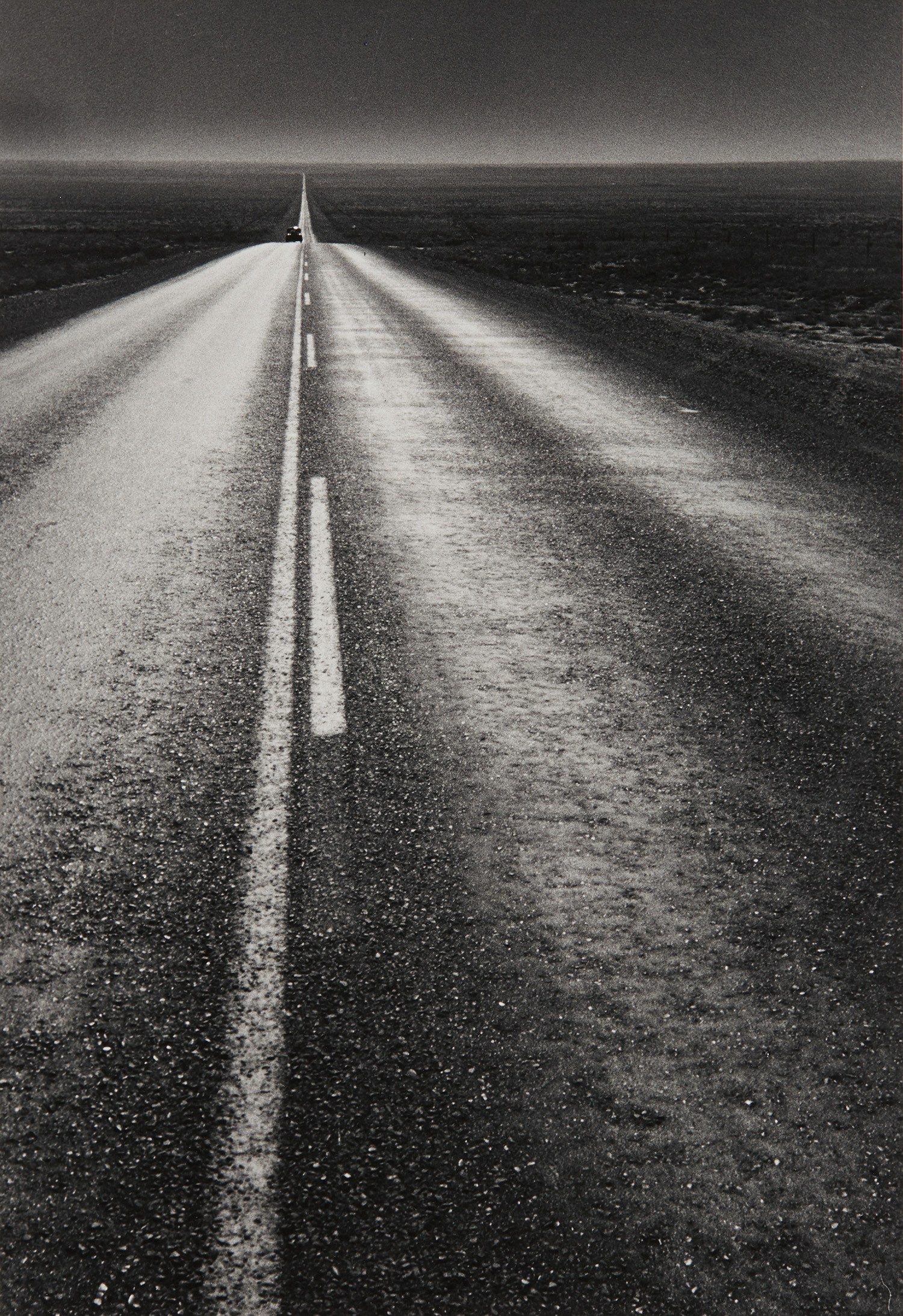
Robert Frank
U.S. 285, New Mexico
Eugene Smith were pushing the photo essay form to its expressive limits, particularly in his devastating coverage of Minamata, the Japanese fishing village poisoned by industrial mercury, published in 1972. Smith's commitment bordered on the sacrificial, and his work raises questions about the ethics of witness that the field has never fully put to rest. Robert Frank changed everything again in 1959 with the American publication of The Americans, a book that had already appeared in France the previous year. Frank's restless, formally unconventional journey across the United States dispensed with the redemptive humanism that had characterized much FSA era work and replaced it with something more ambivalent, more alienated, and ultimately more honest about the fractures running through postwar American life.
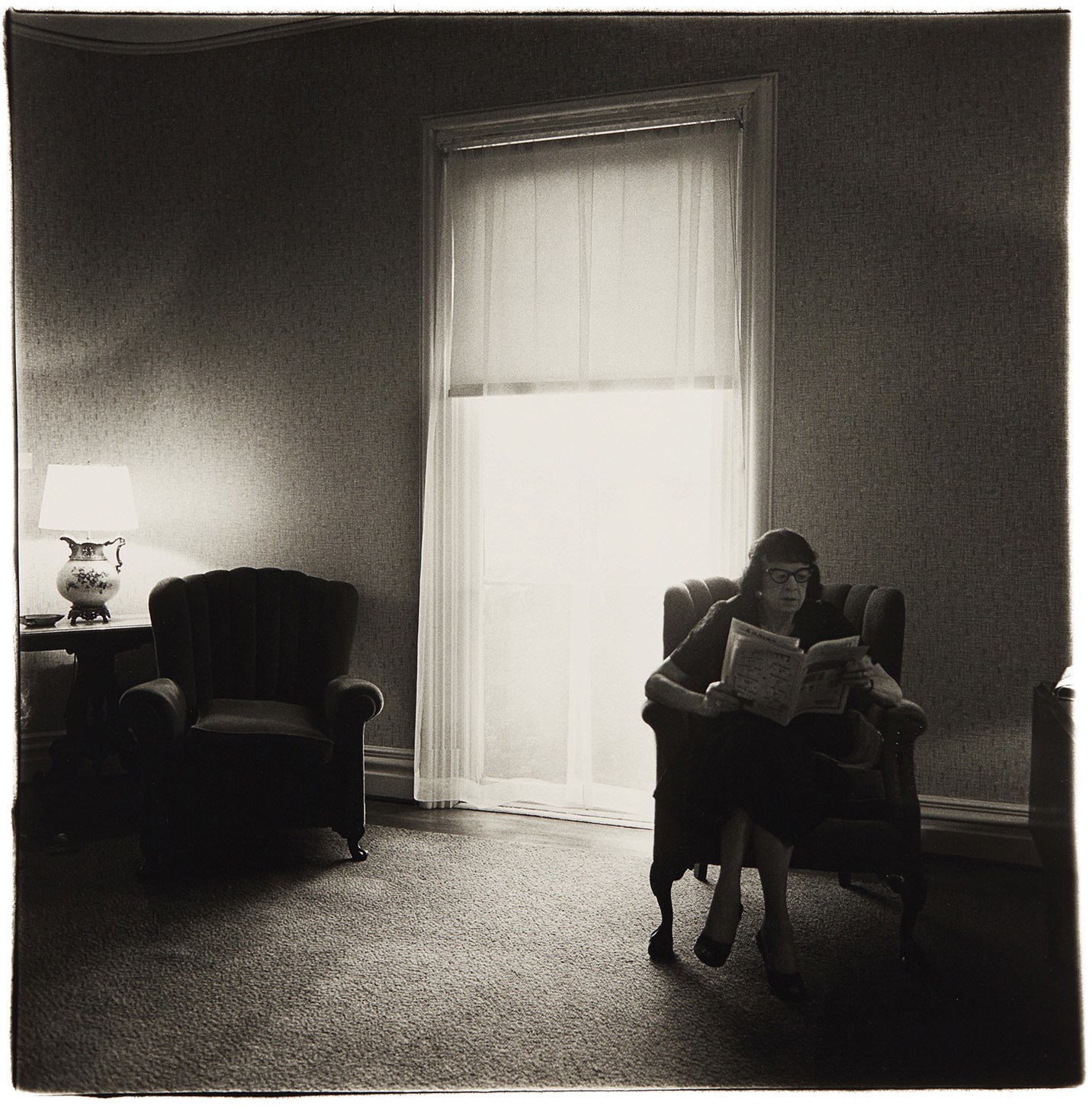
Jack Kerouac's introduction positioned the book within Beat culture, but Frank's vision was far colder and more searching than that framing suggested. The Americans is now recognized as one of the most influential photography books ever made, and its influence can be felt in the work of Garry Winogrand, Lee Friedlander, and the entire New Documents generation that Diane Arbus would come to define alongside them in the landmark 1967 MoMA exhibition of that name. Diane Arbus deserves particular attention in any serious discussion of documentary photography because her work tests the category's assumptions so thoroughly. Her portraits of people on the social and psychological margins of American life were documentary in their insistence on reality, but they operated with a psychological intensity that felt closer to portraiture or even mythology.
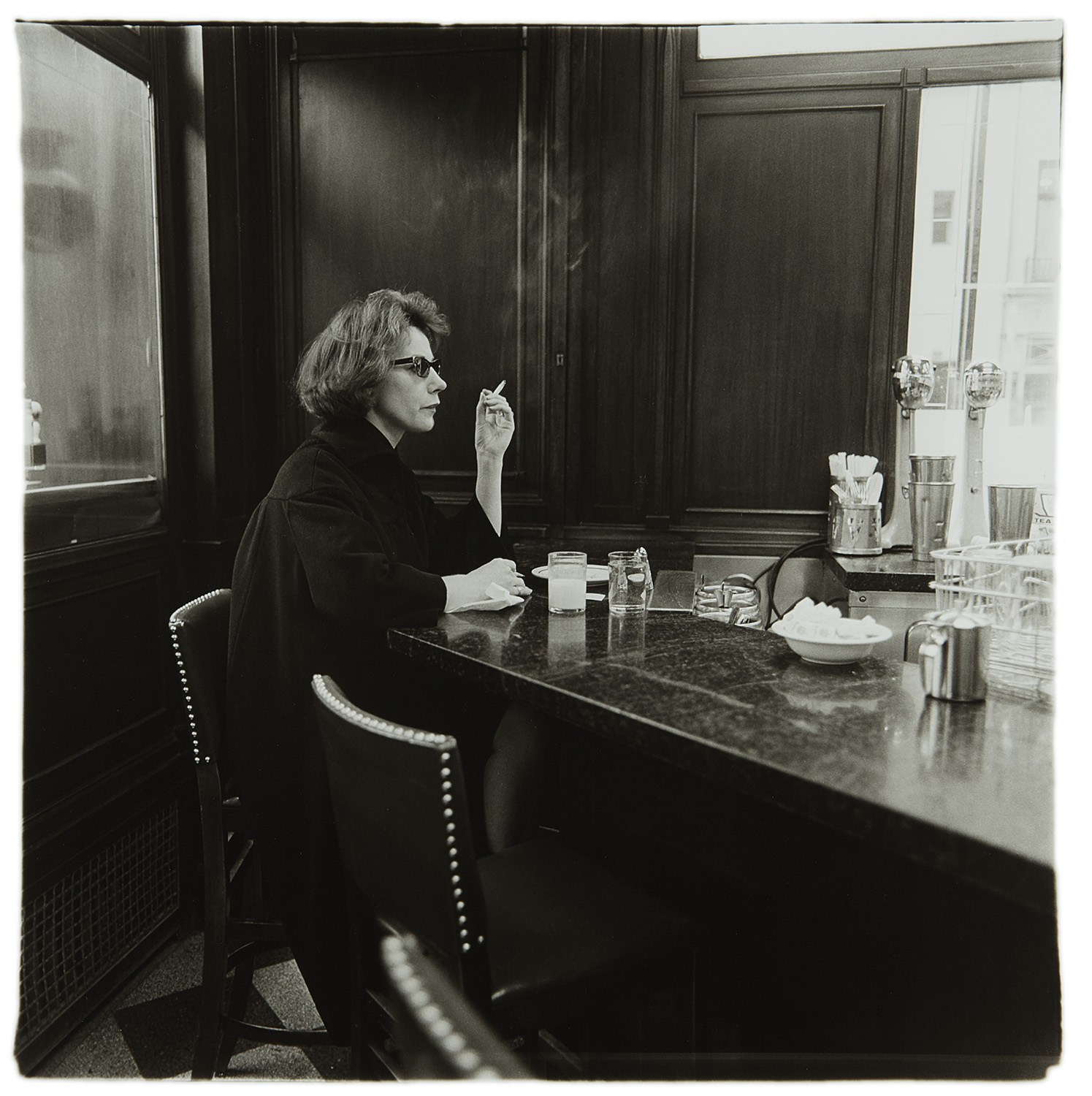
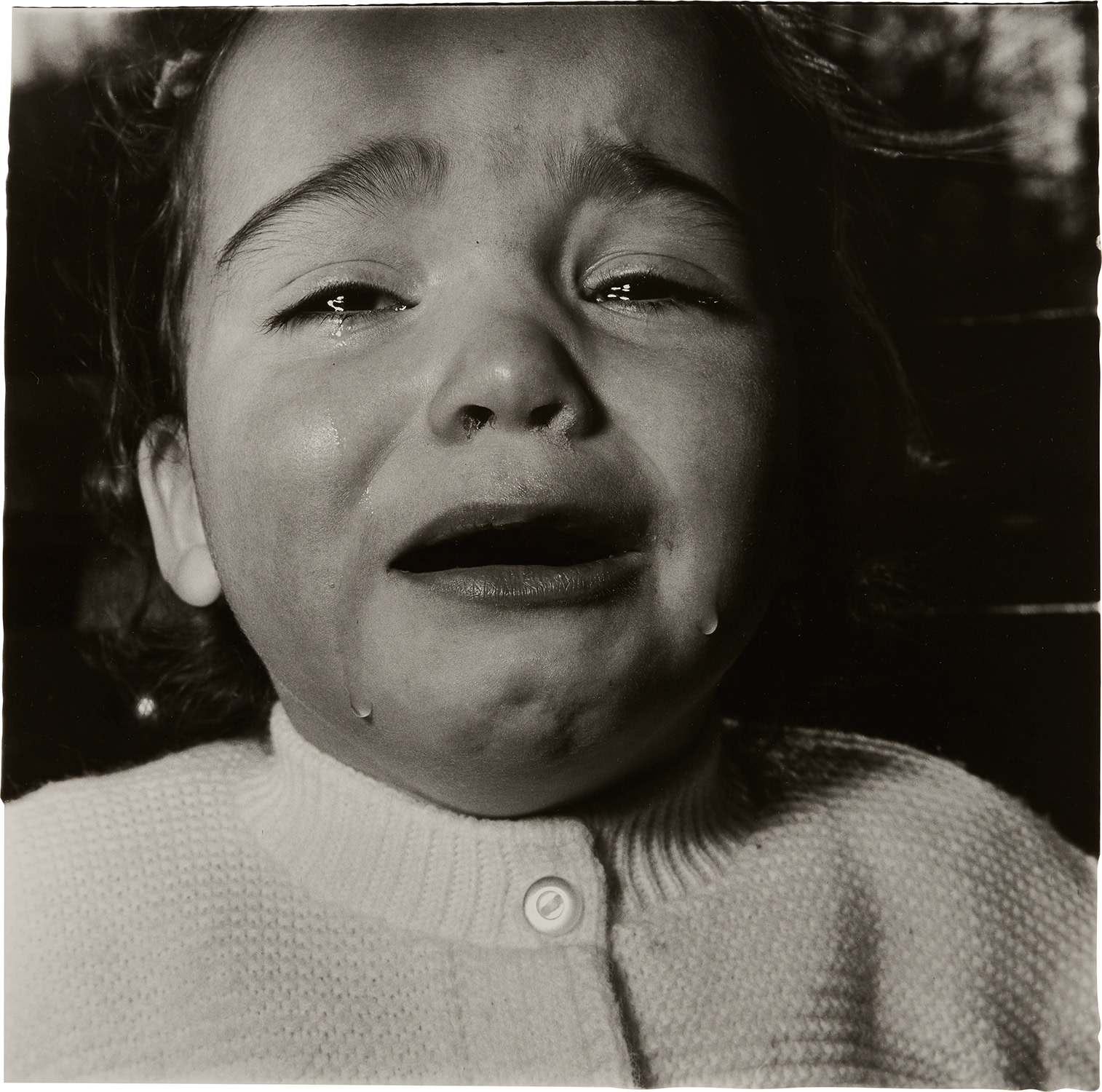
Diane Arbus
Woman at a counter smoking, N.Y.C.
Nan Goldin, working two decades later, pushed that personal documentary impulse further still with The Ballad of Sexual Dependency, first presented as a slide show in the early 1980s and eventually published as a book in 1986. Goldin collapsed the distance between photographer and subject entirely, turning the camera on her own intimate circle with a rawness that redefined what documentary photography could encompass. The question of landscape and environment has opened documentary photography outward in the contemporary period. Sebastião Salgado's sweeping black and white investigations of labor, migration, and the natural world carry an almost operatic moral weight.
Edward Burtynsky approaches industrial transformation with a formal beauty that sits in productive tension with its devastating subject matter. Pieter Hugo works in the borderlands between portraiture and social document in contemporary Africa, producing images that resist easy categorization and easy consumption in equal measure. What connects all of these artists, across a century and a half of practice, is a belief that the photographic image carries an obligation, not just to describe the world, but to reckon with it. The works gathered on The Collection represent that tradition at its most searching and its most essential.