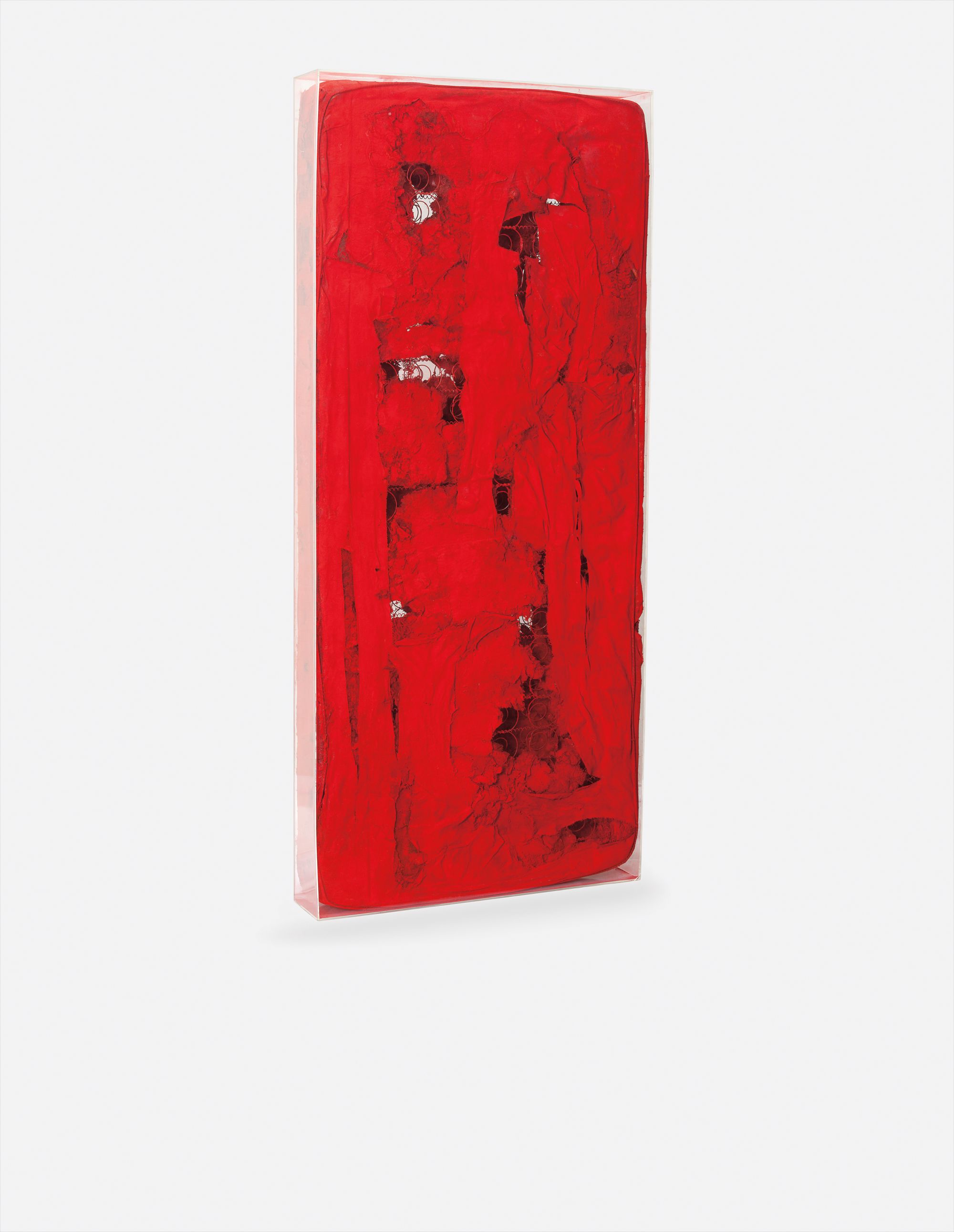
Totem Rosso
A striking vertical composition, *Totem Rosso* by Marcello Lo Giudice presents a richly layered interplay of oil and raw pigment applied to a mattress, encased in a custom Plexiglas structure crafted by the artist himself. The deep, saturated reds command an almost ritualistic presence, evoking ancient totemic forms while bridging the boundary between painting and sculptural object. Lo Giudice transforms an everyday domestic material into a charged artifact, suspended between the intimate and the monumental.
- Medium
- oil, pigment, mattress in artist's Plexiglas case
- Location
- Phillips, Salt Lake City, UT
- Spotted At
- Auction House · PhillipsView on map
🔨 Auction Lot
Under the Influence
April 8, 2014
More by Marcello Lo Giudice
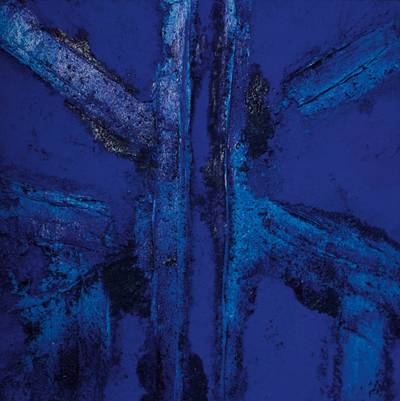
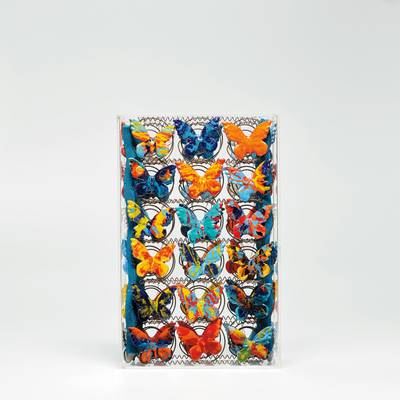
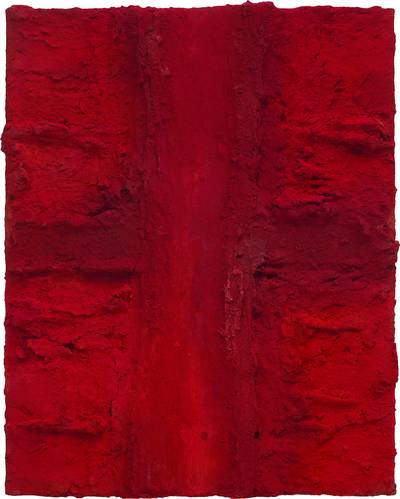
Artists in conversation
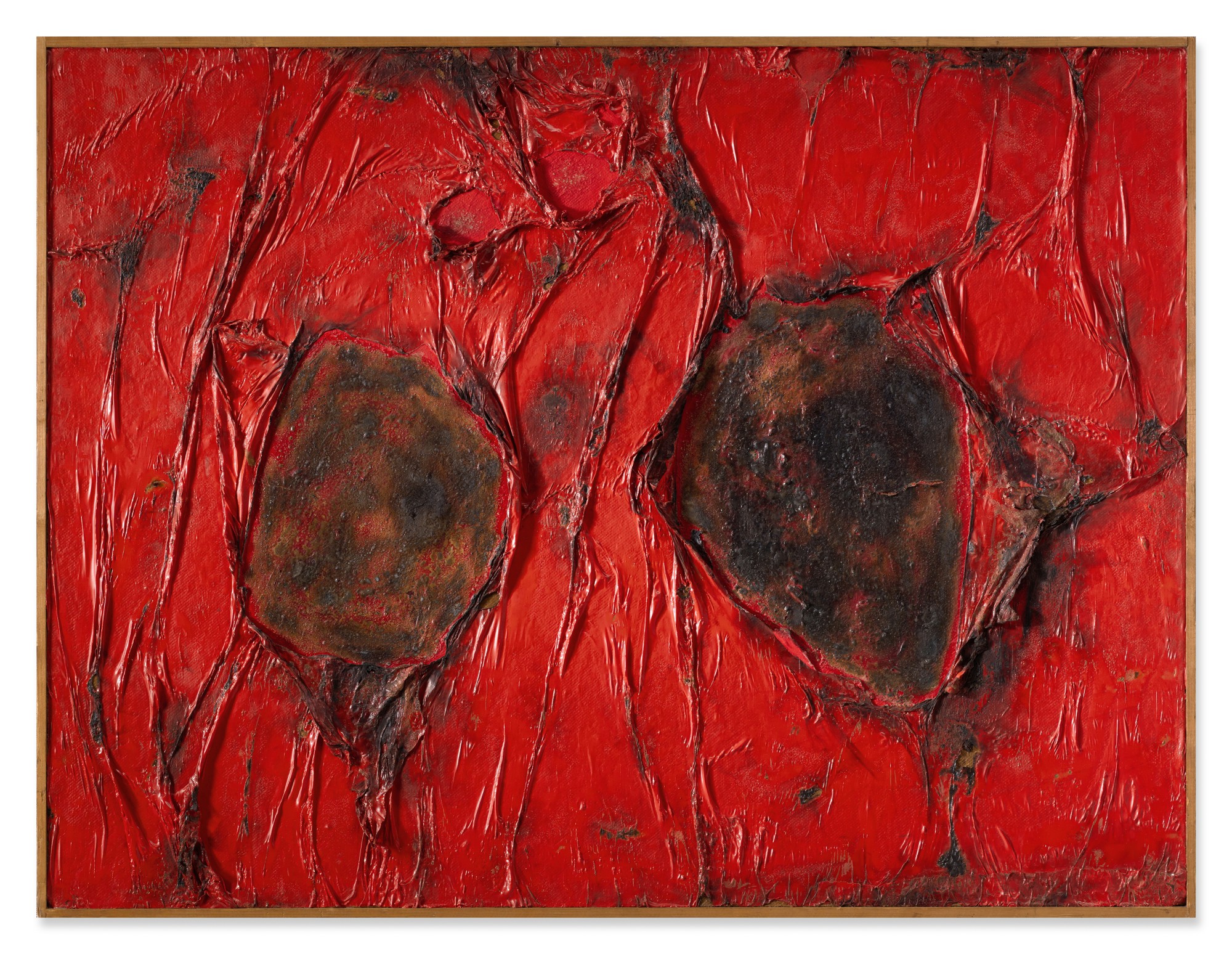
Alberto Burri
Italian · b. 1915
Burri famously incorporated raw, unconventional materials like burlap and burned plastic into richly textured works that blur the boundary between painting and sculpture, much like Lo Giudice transforms a domestic mattress into a charged ritualistic artifact. His deep, visceral use of red in works like the Sacchi series shares the same raw emotional intensity and material honesty found in Totem Rosso.
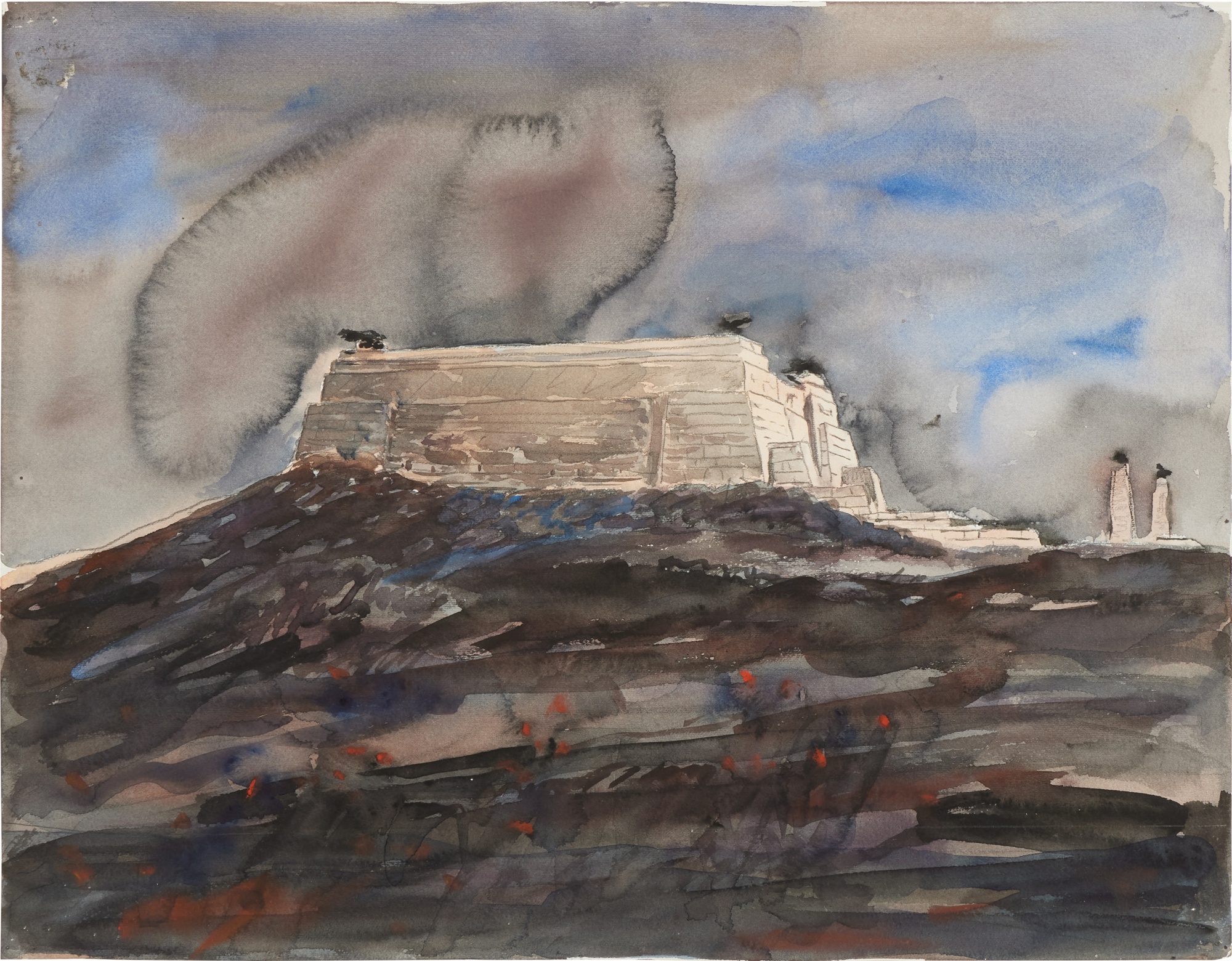
Anselm Kiefer
German · b. 1945
Kiefer builds monumental mixed media works using unconventional materials such as lead, straw, and ash, creating heavily layered surfaces that carry totemic and mythological weight comparable to the ritualistic presence of Totem Rosso. His practice of elevating base materials into symbolic sculptural objects speaks directly to the conceptual and expressive ambition of Lo Giudice's piece.
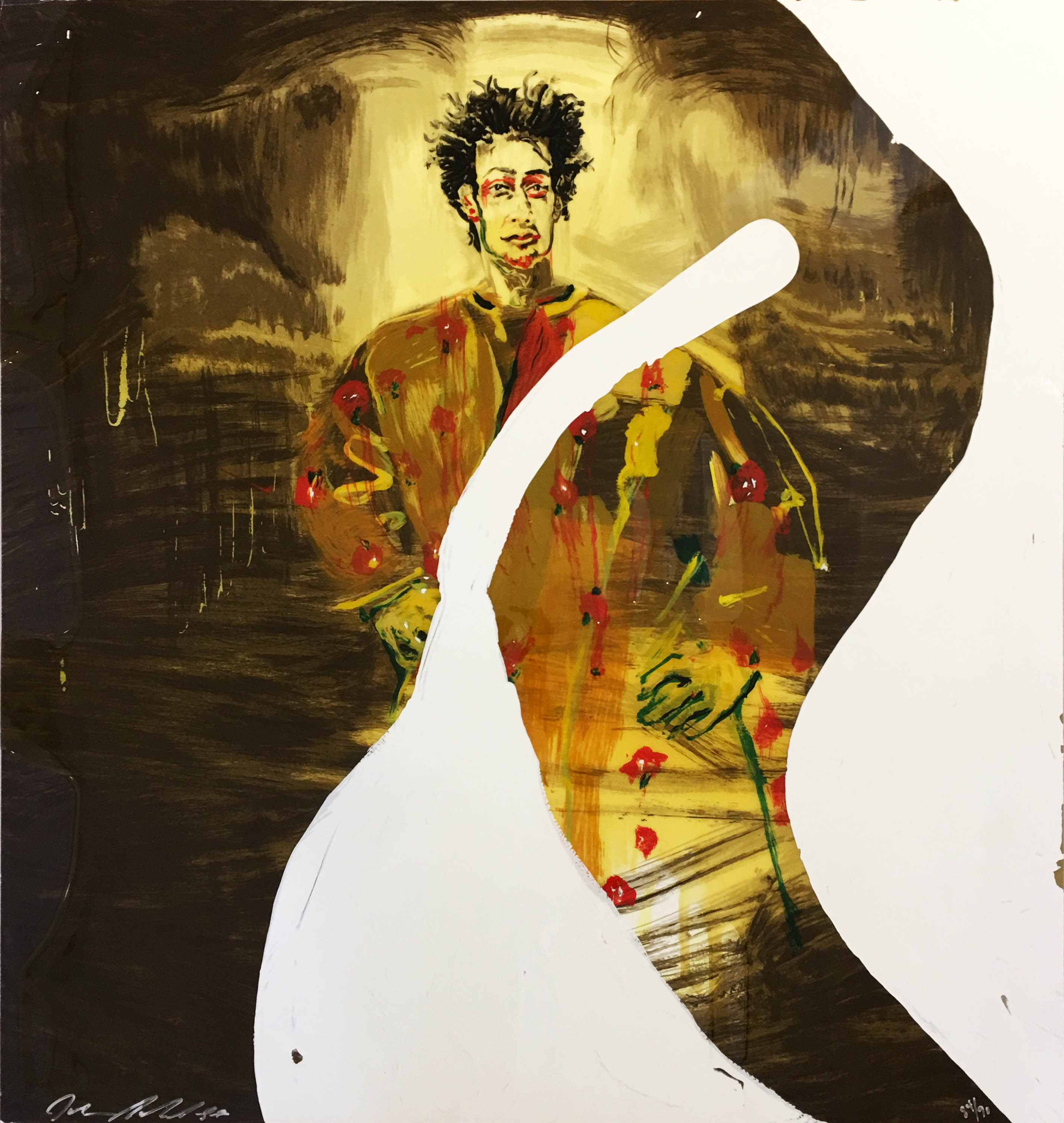
Julian Schnabel
American · b. 1951
Schnabel incorporates unconventional supports and materials, including velvet and broken plates, into bold vertically oriented works that merge painterly expressionism with sculptural assemblage, much like the Plexiglas encased mattress construction of Totem Rosso. His saturated color fields and charged, almost ceremonial surfaces share the same confident materiality and abstract expressiveness found in Lo Giudice's work.
Start the Discussion
Request access to join the discussion