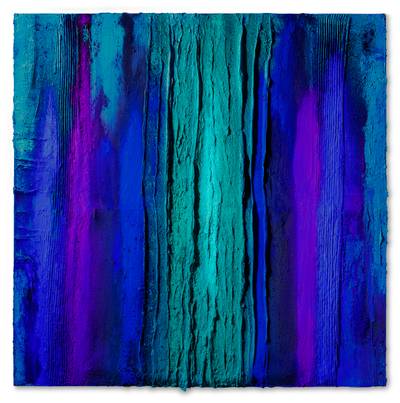
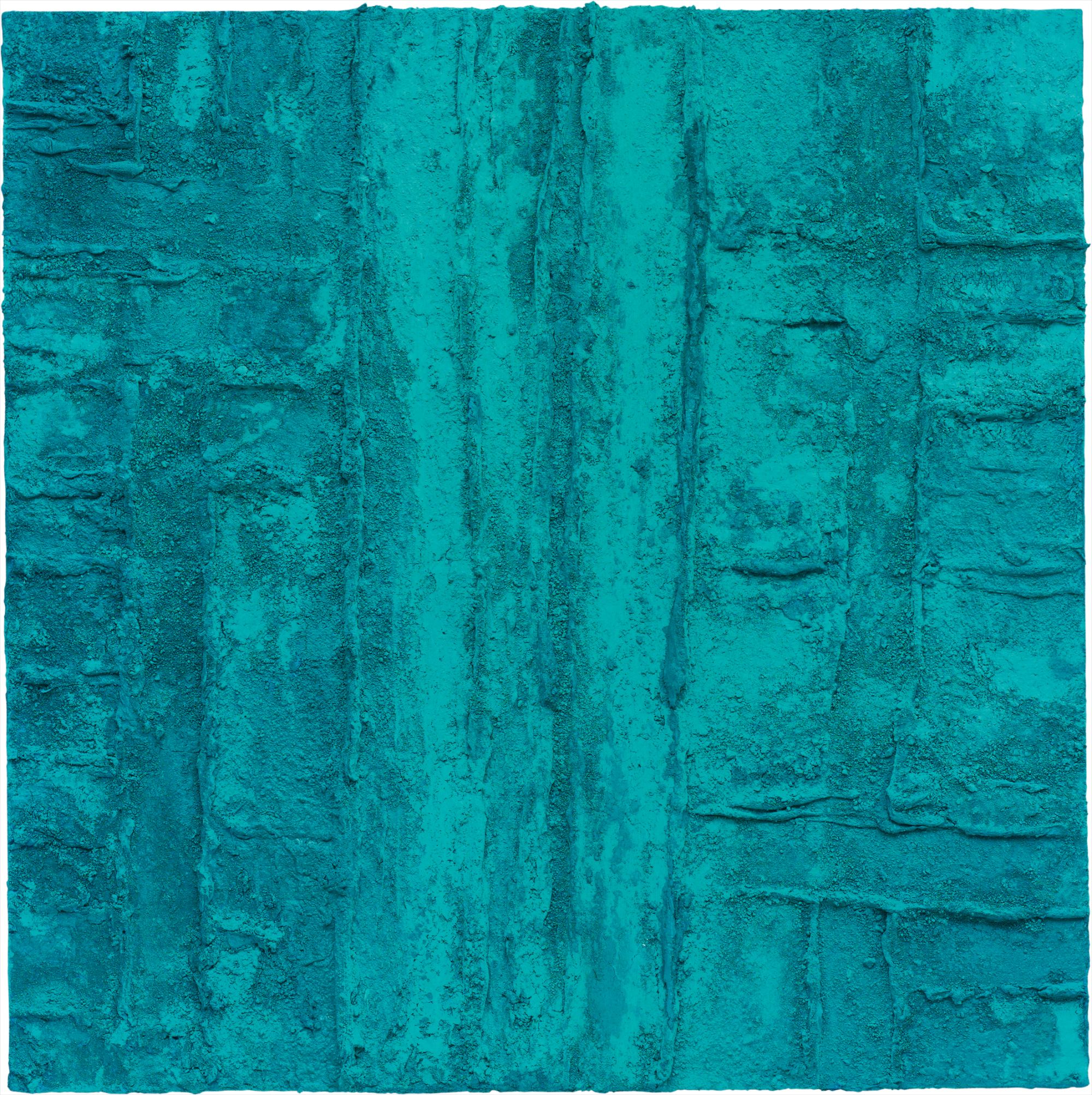
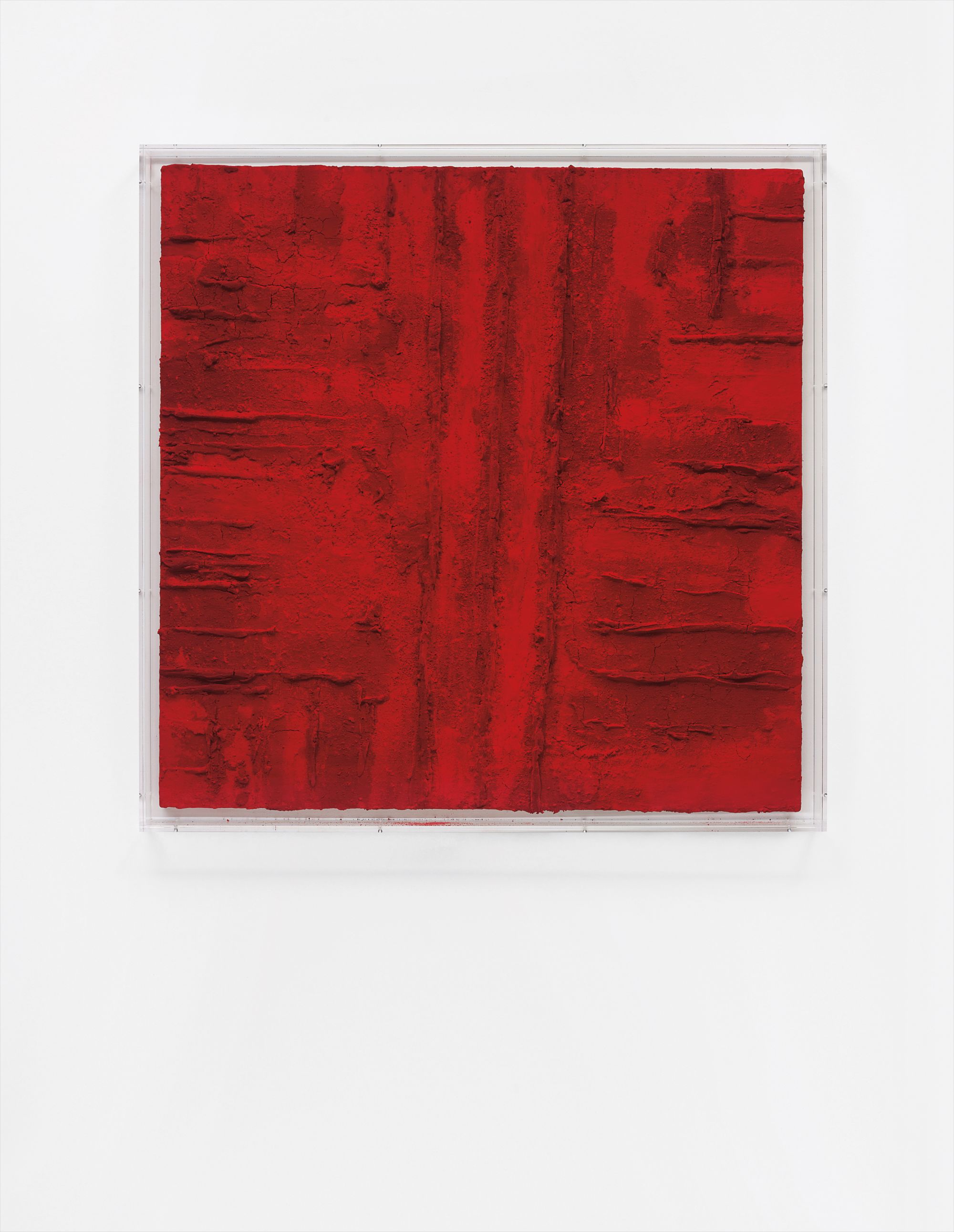
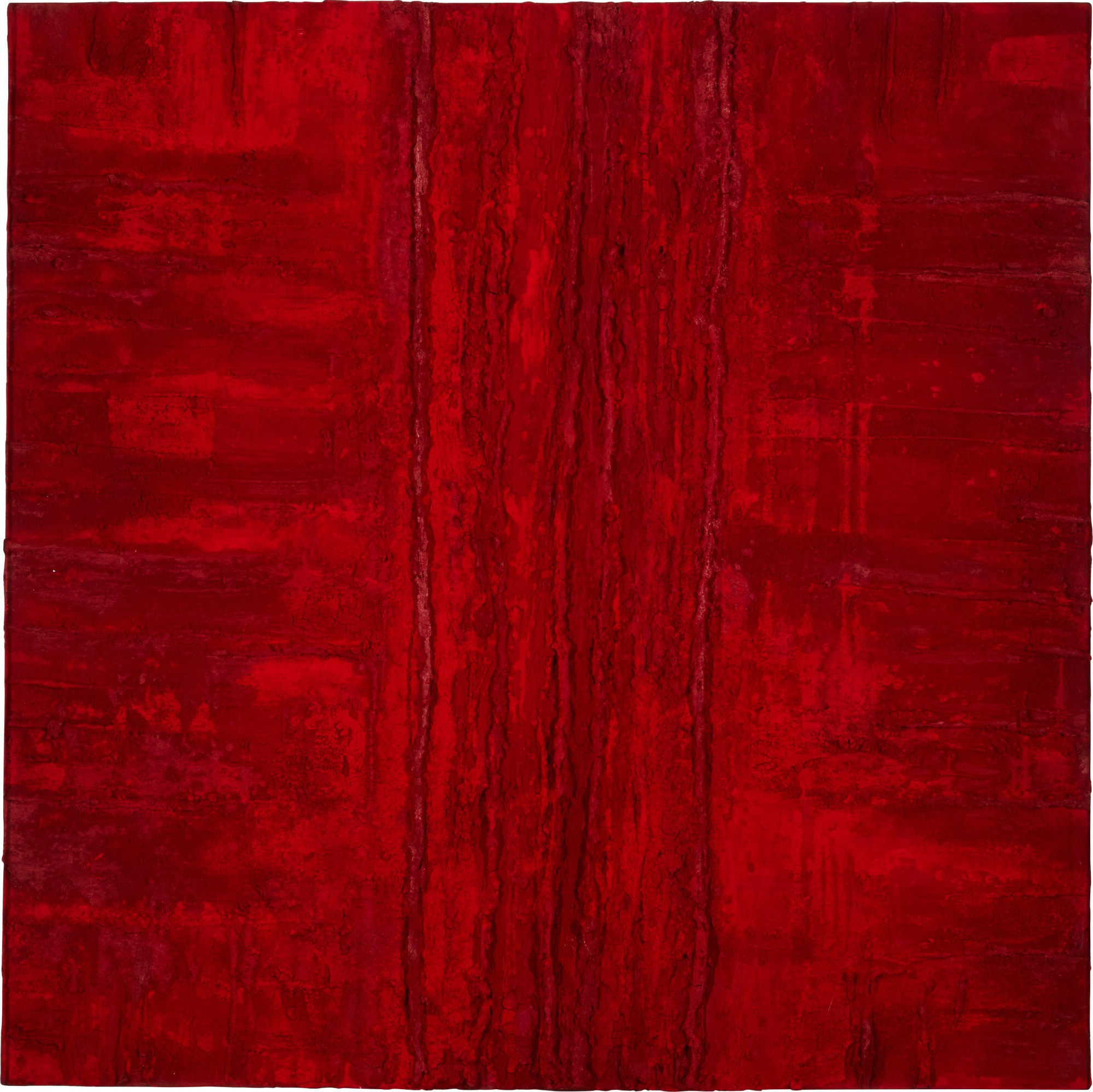
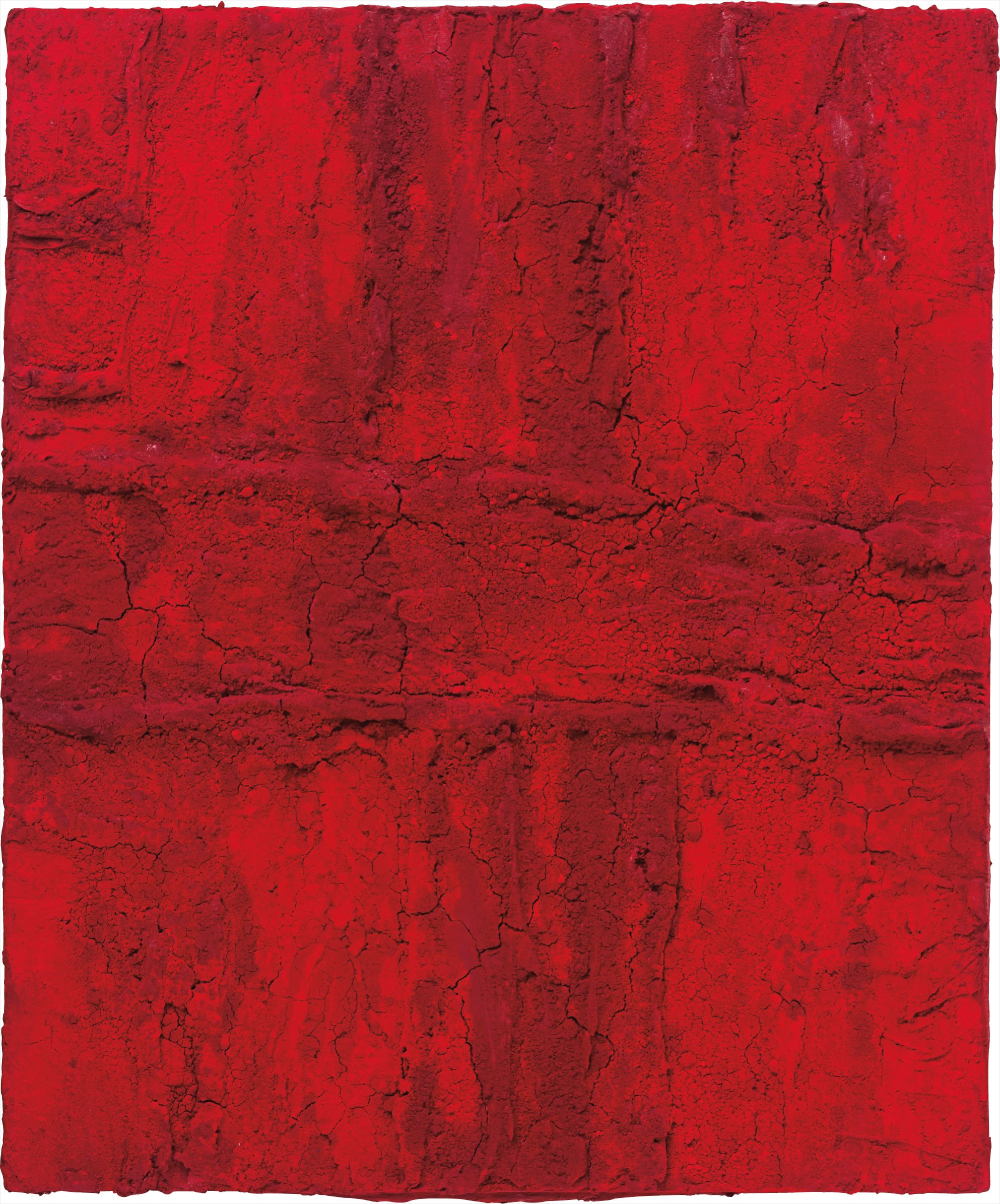
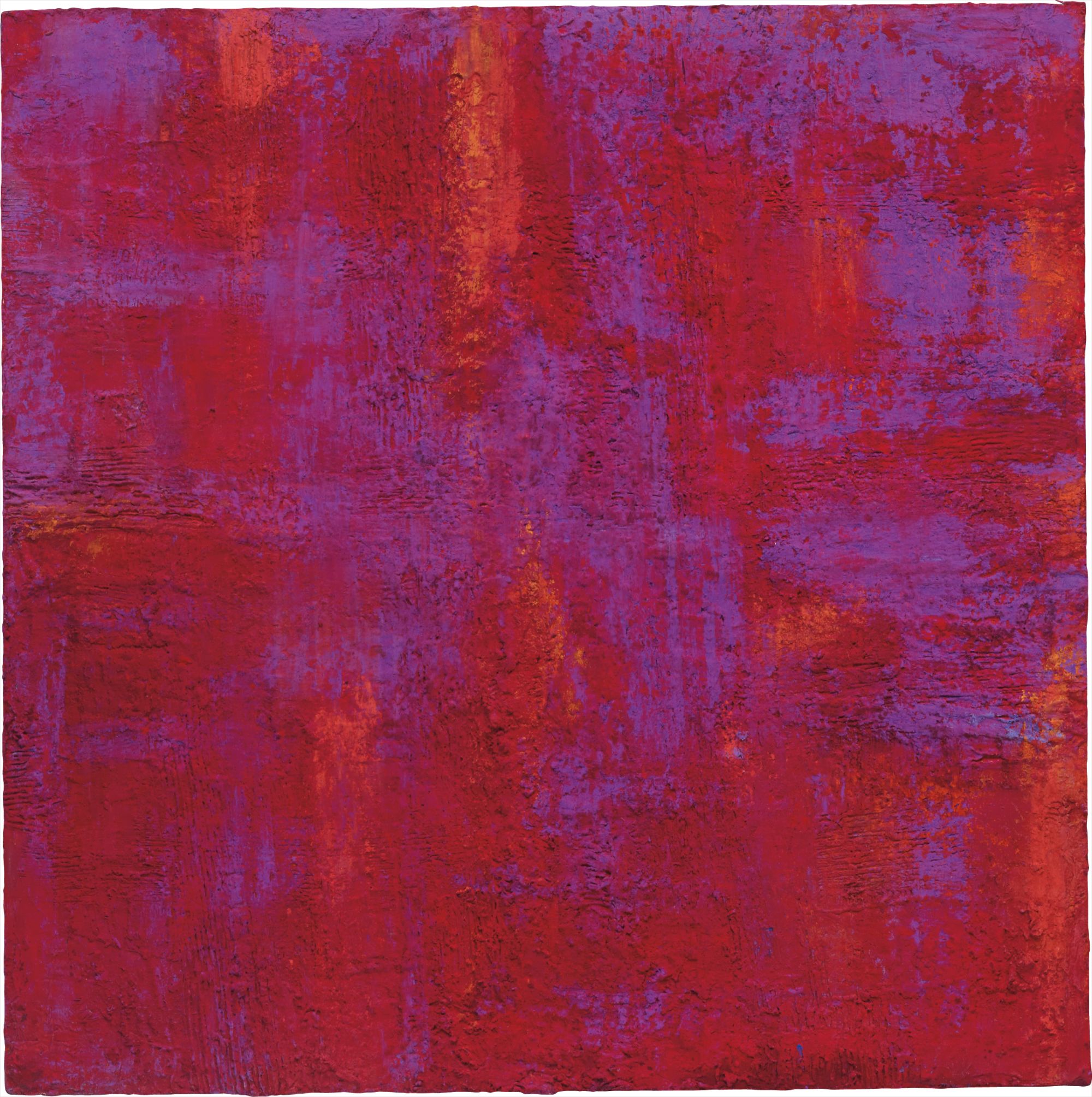
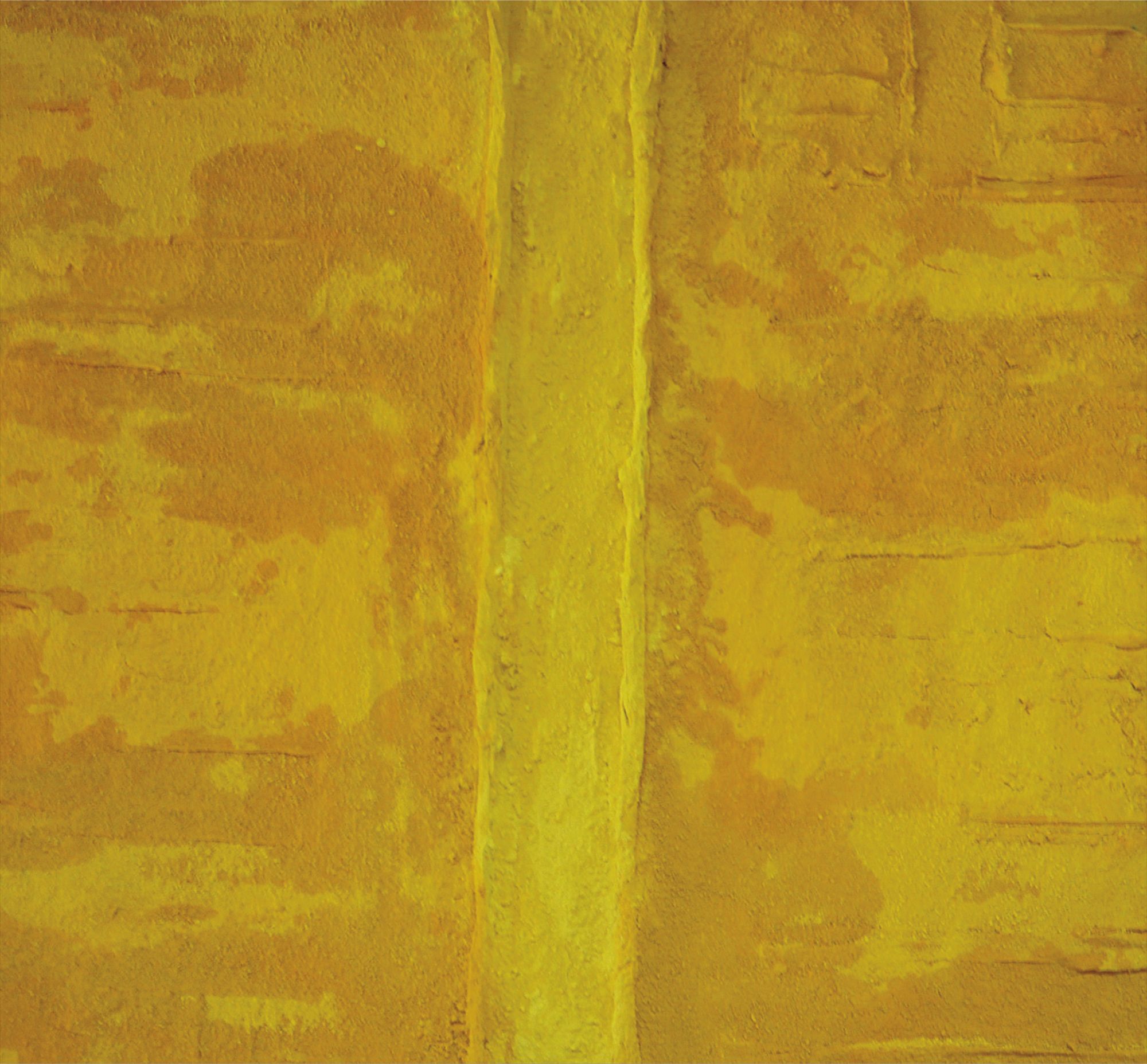
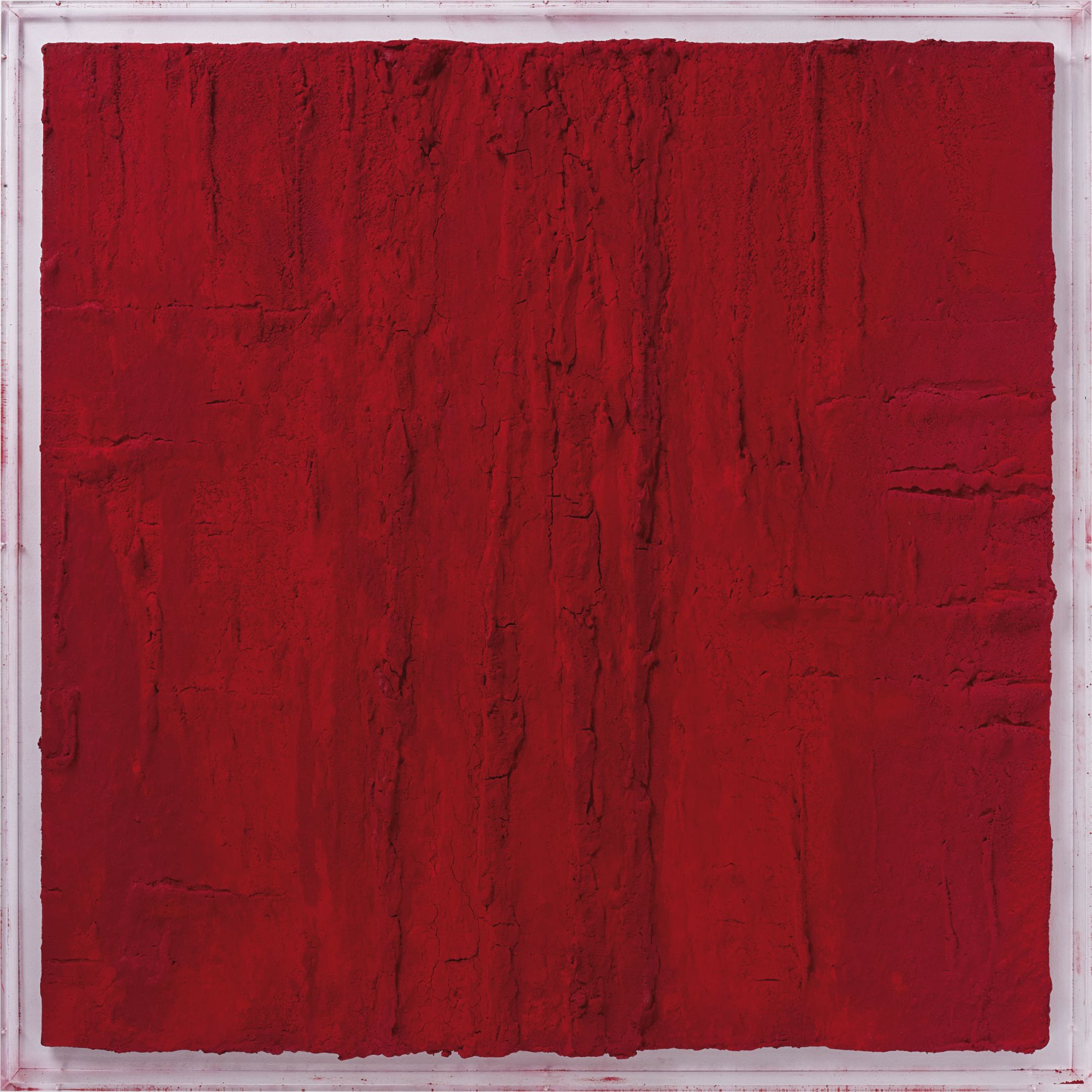
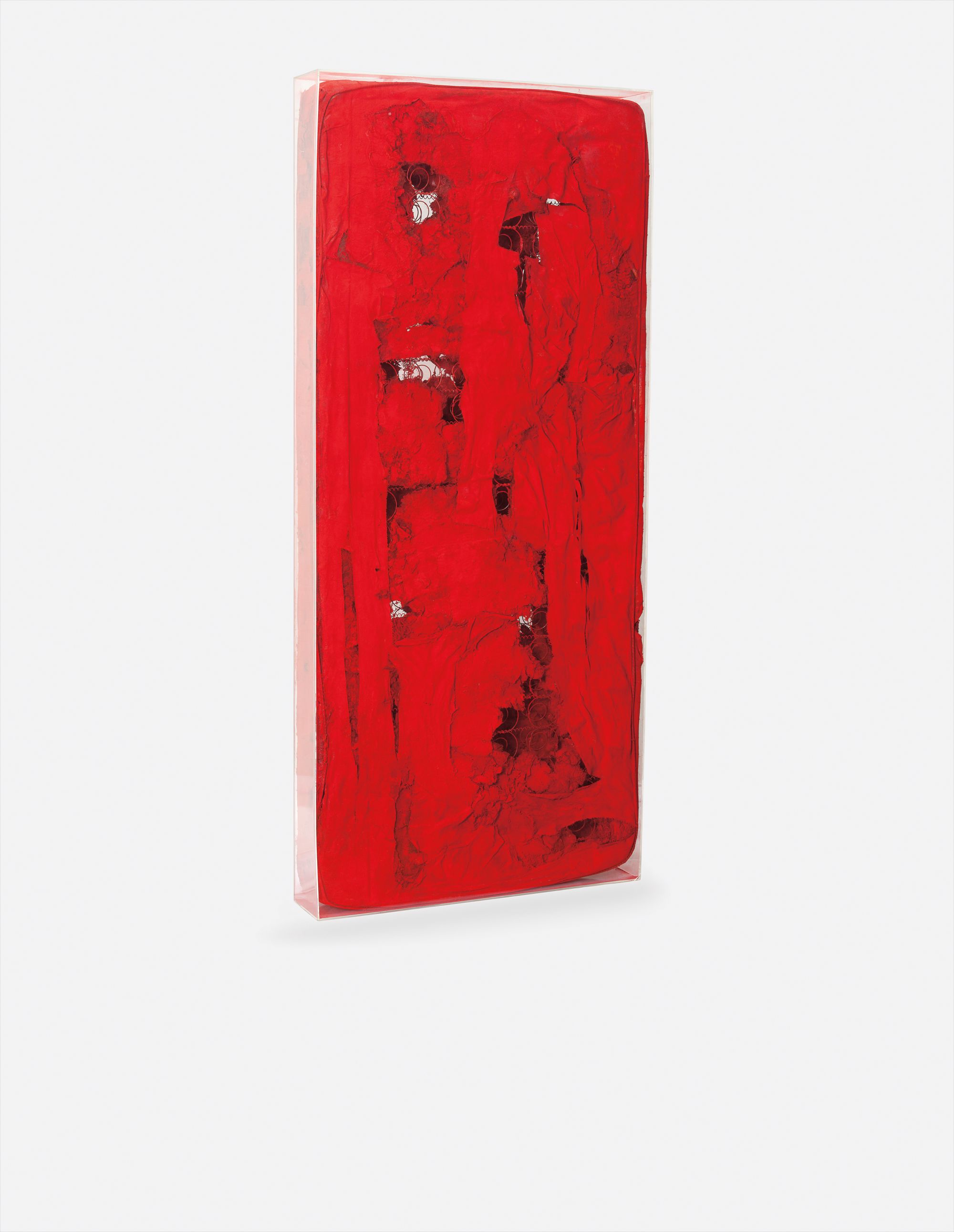
In the spring of 2022, Marcello Lo Giudice completed a canvas he titled Eden Turquoise Violet, a work that seems to hold an entire season inside it. Oil and pigments pool and surge across the surface in waves of aquatic blue and deep violet, the colors colliding and dissolving with a breathless, almost atmospheric energy. For those who encountered it, the painting offered something rare in contemporary abstraction: genuine emotional heat, the sense that a human being had stood before a canvas and poured something essential into it. It is a fitting emblem for where Lo Giudice stands today, recognized across Europe and beyond as one of the most compelling voices in Italian abstract painting. Born in 1957, Lo Giudice came of age in a postwar Italy that was simultaneously rebuilding its cultural identity and absorbing the seismic influences arriving from New York and Paris. The Mediterranean world that shaped him, its saturated light, its ancient layering of color on stone and fresco, its deep appetite for beauty as a serious philosophical matter, never left his sensibility. That grounding in a specific geography and a specific way of seeing would become one of the most distinctive qualities of his mature work. Where some abstract painters seek to erase their origins, Lo Giudice drew his into the center of his practice. His artistic development traces an arc that moves from early engagement with lyrical expressionism toward a fully realized personal language that resists easy categorization. He absorbed the lessons of the great gestural painters, the energy and scale of American Abstract Expressionism, the chromatic daring of European Informalism, figures like Hans Hartung and Antoni Tàpies whose influence rippled across Italian studios in the 1970s and 1980s. But Lo Giudice was never content to be a disciple. He brought to those inheritances a Mediterranean warmth, a love of pigment as a physical and almost sensuous substance, and a tendency toward lyricism rather than rupture. His brushwork is energetic without being violent, expressive without sacrificing beauty. Among his most celebrated works is Dalla Primavera di Botticelli, created in 2008, a piece that reveals the full scope of his ambition and his willingness to move beyond the painted canvas. Glazed ceramic butterflies and painted sponge are arranged on wire mesh within an acrylic case, creating something between a painting, a sculpture, and a reliquary. The reference to Botticelli is not mere homage but a genuine conversation across centuries, Lo Giudice positioning himself within a long Italian tradition of beauty made from close observation of the natural world. Works like Yellow/Sole from 2015, with its molten field of golden pigment, and Eden blu from 2014, where cool blues seem to breathe, demonstrate the sustained consistency of his vision. His ongoing series of works exploring the poles of red and its emotional registers, Rouge/Red, Red/Rosso, Rosso/Rouge, reads almost like a sustained meditation, a painter returning again and again to a question that cannot be fully answered. Some of his works take on an additional dimension through their presentation as objects. Totem Rosso, in which oil and pigment are applied over a mattress sealed in a bespoke Plexiglas case designed by the artist, raises immediate questions about painting, sculpture, domestic life, and the archive. The Plexiglas enclosure appears across several works, functioning as both a preservation strategy and a conceptual frame that asks the viewer to consider what it means to contain and display a work of art. This recurring device gives his practice an intellectual seriousness that complements and deepens its sensory pleasures. For collectors, Lo Giudice represents a particularly compelling proposition. He occupies a space that is neither obscure nor overexposed, the territory where serious private collectors have historically found the most rewarding acquisitions. His works carry genuine art historical weight, rooted in a lineage that connects mid century European abstraction to the present, while remaining visually immediate and deeply livable. The physical richness of his surfaces, the way pigment builds and moves, means that his paintings reward extended and repeated looking. A Lo Giudice canvas changes across the hours as light shifts, and that quality of constant discovery is something collectors often cite when speaking about works they have lived with for years. His practice in mixed media and object based work also offers points of entry for collectors drawn to the space between painting and sculpture. In situating Lo Giudice within a broader art historical context, it is useful to think about the tradition of Italian painters who worked the boundary between abstraction and a deeply felt engagement with the physical world. Artists like Alberto Burri, who transformed humble and damaged materials into paintings of extraordinary presence, and Emilio Vedova, whose explosive canvases defined postwar Italian gestural painting, are meaningful reference points. Among his international contemporaries, there is a kinship with painters like Joan Mitchell in her commitment to color as emotional weather, and with the Catalan painter Miquel Barceló in his embrace of material richness and Mediterranean rootedness. Lo Giudice belongs to this company not as an imitator but as an independent voice working through related concerns. What makes Lo Giudice matter today is precisely what makes any great painter matter: the unmistakable sense, in front of his work, that someone has found a way to say something that could not be said any other way. At a moment when painting is perpetually declared finished or irrelevant, only to return with renewed urgency, his canvases make the case for the medium quietly and completely. They do not argue. They simply exist, full of color and light and the evidence of a sustained and passionate engagement with what it means to be alive in a world that is, when we stop to look at it, almost unbearably beautiful. For any collector seeking a painter who works from genuine conviction, whose canvases carry real Mediterranean light into whatever room they inhabit, Marcello Lo Giudice is an artist whose time has arrived and whose work endures.