Wade Guyton
Artist Spotlight
Wade Guyton Rewrites the Rules of Painting
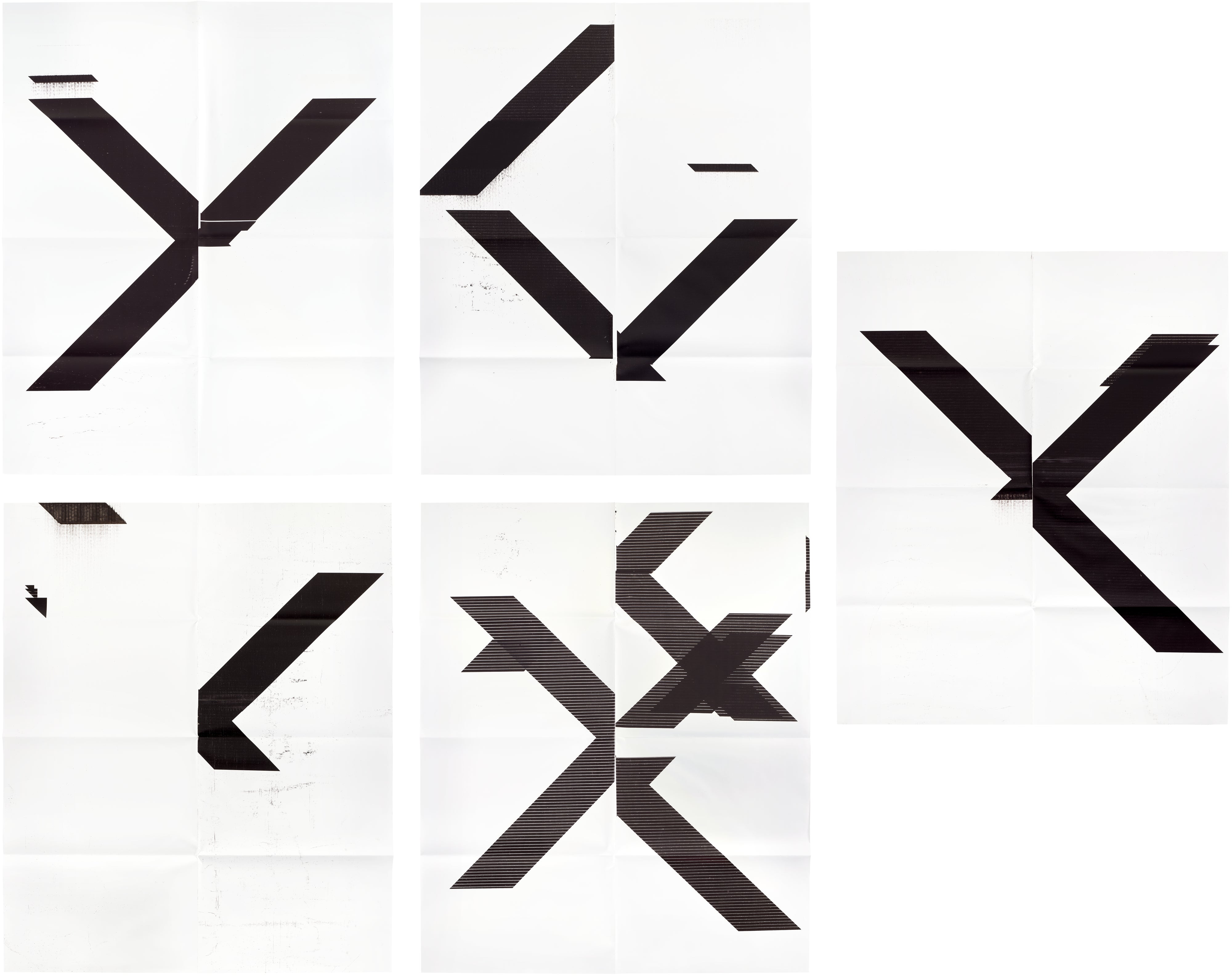
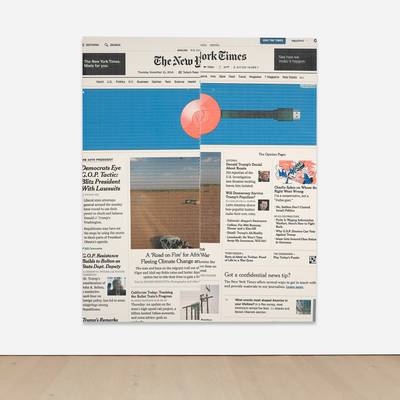
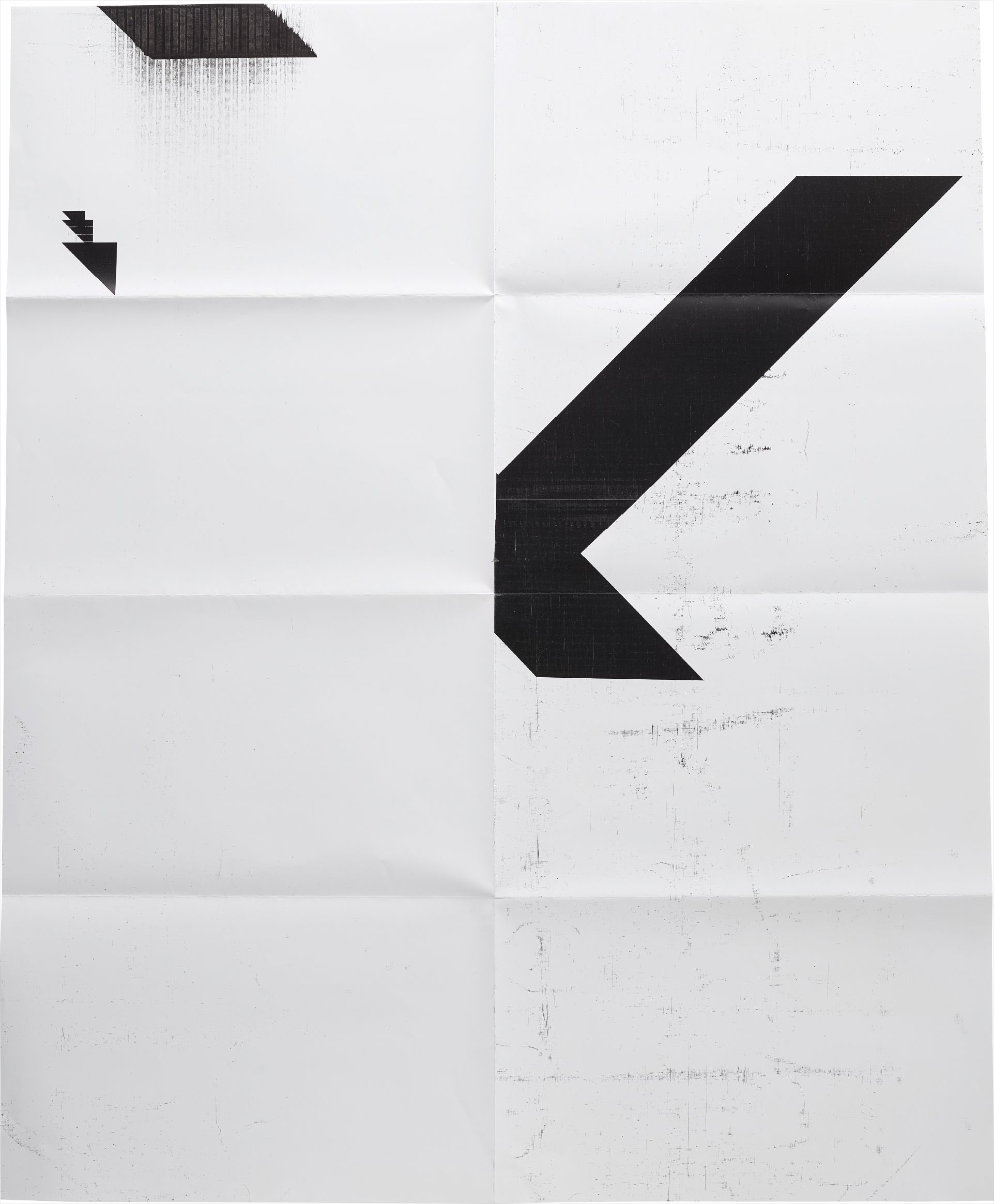
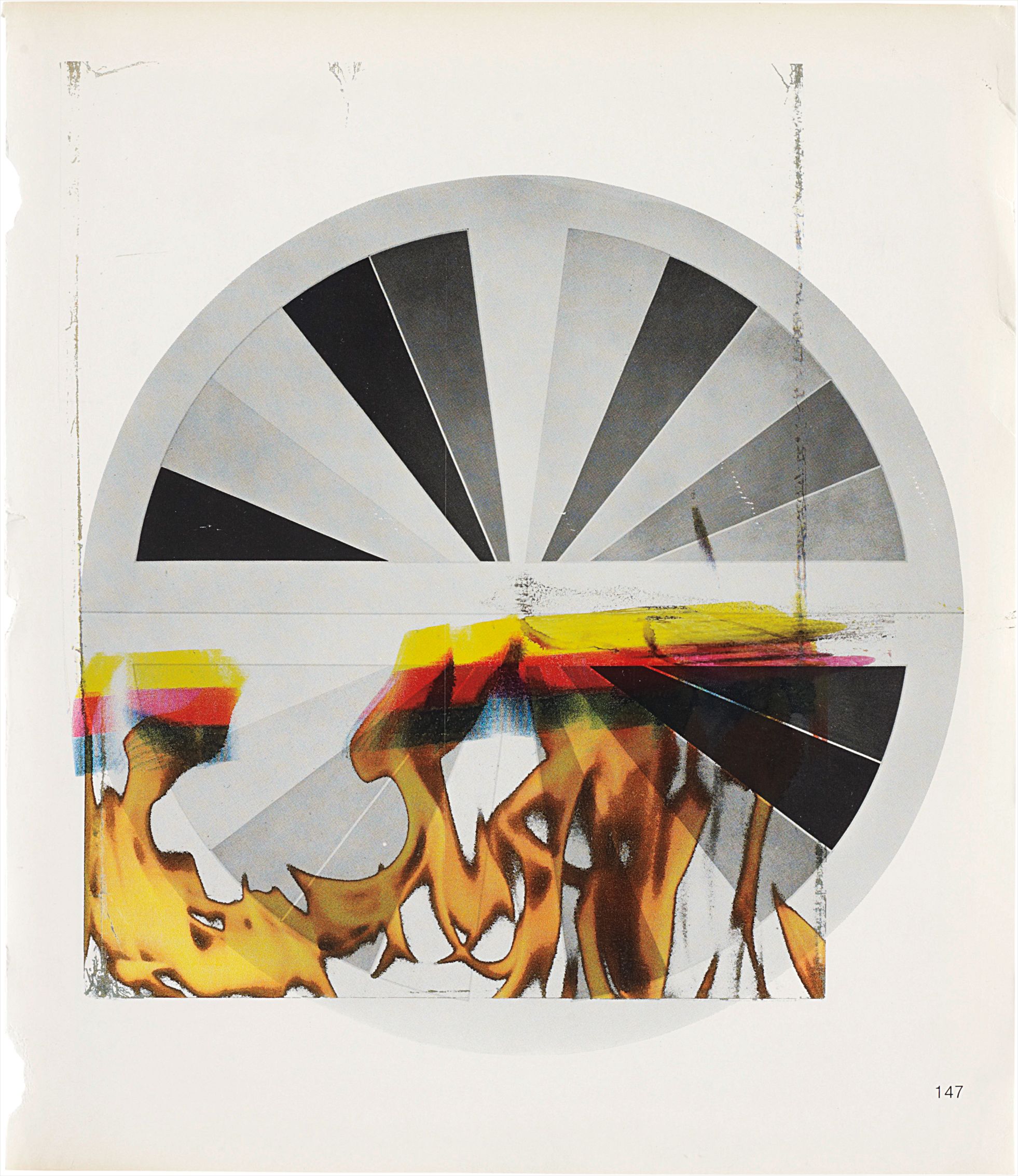
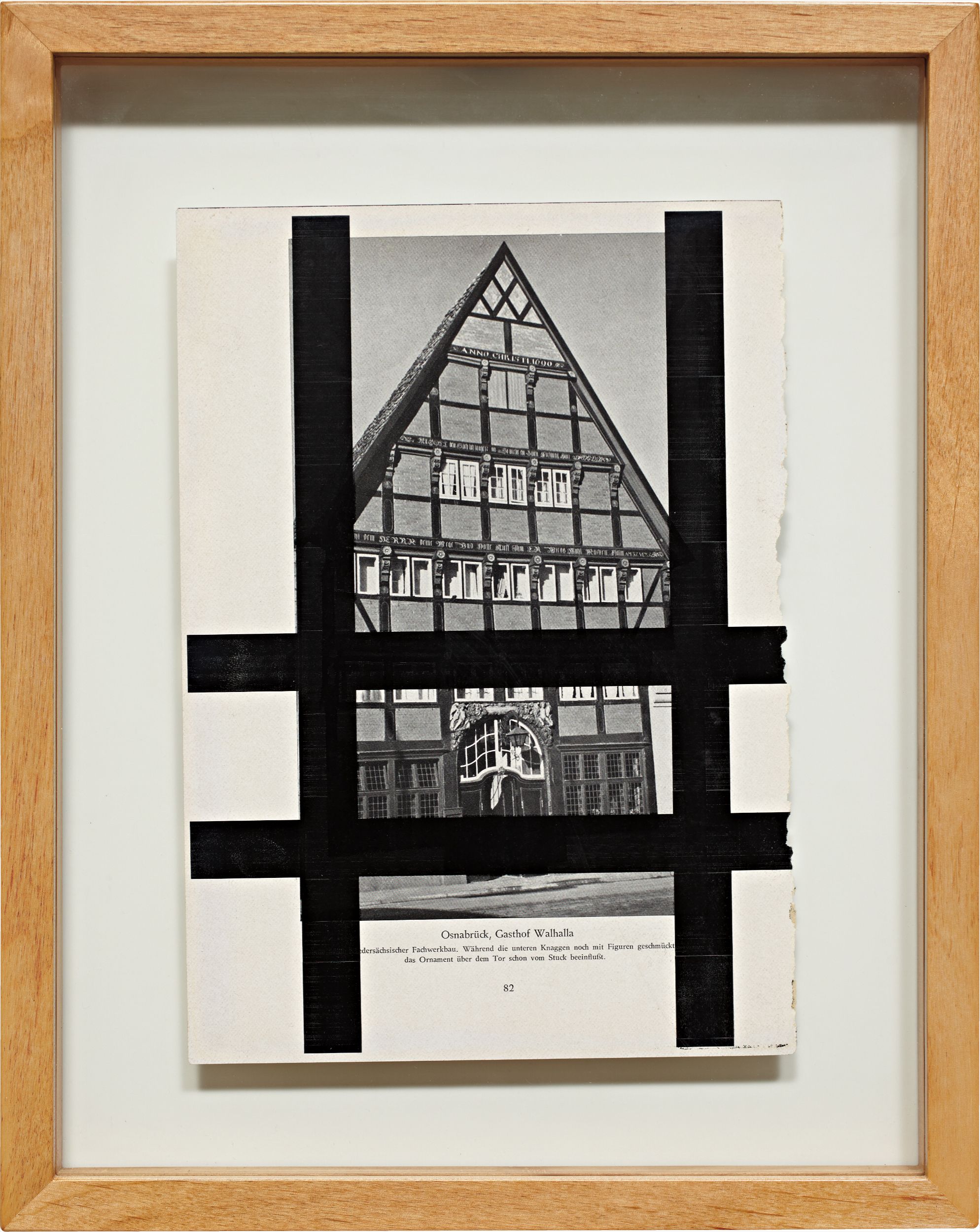
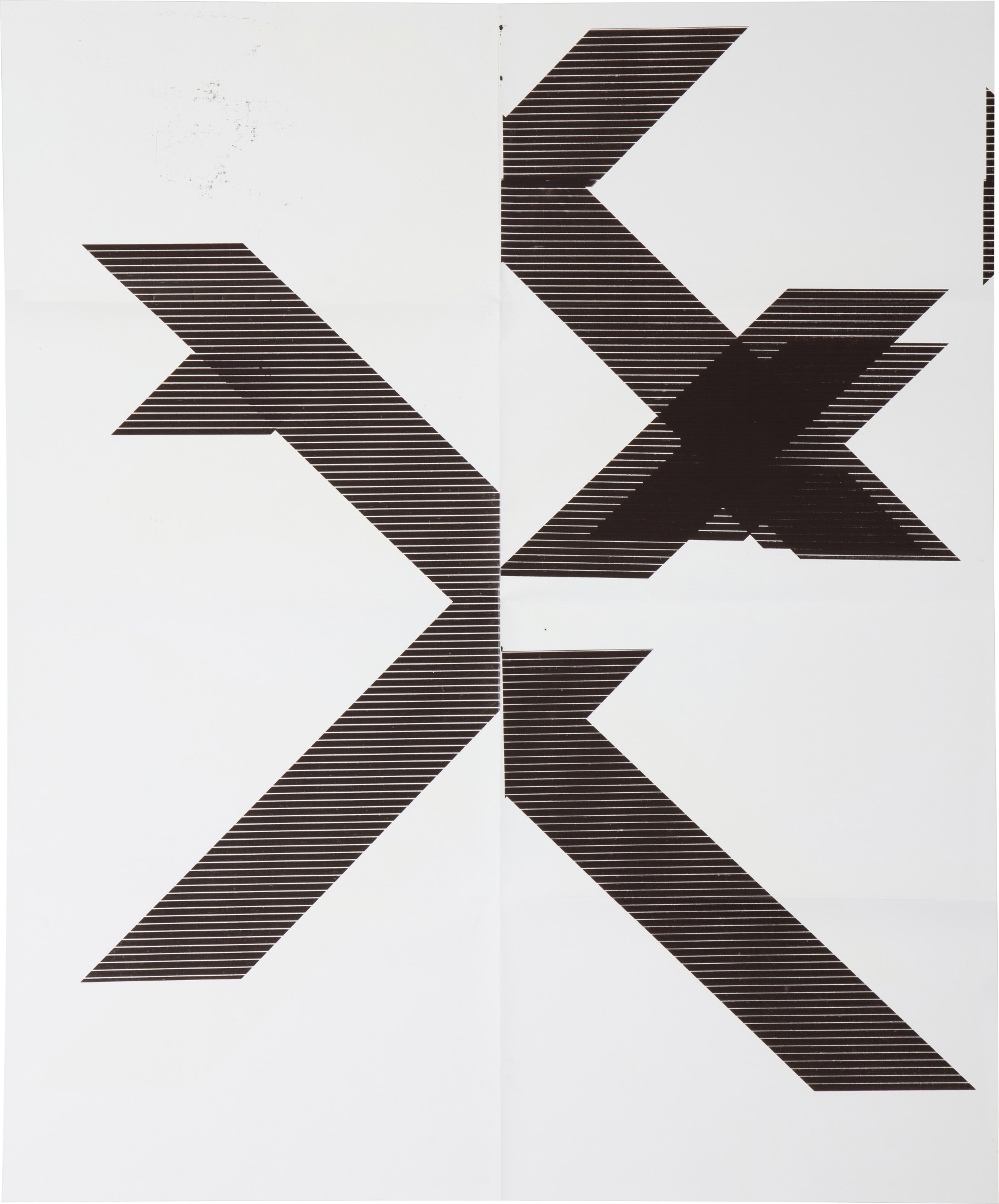
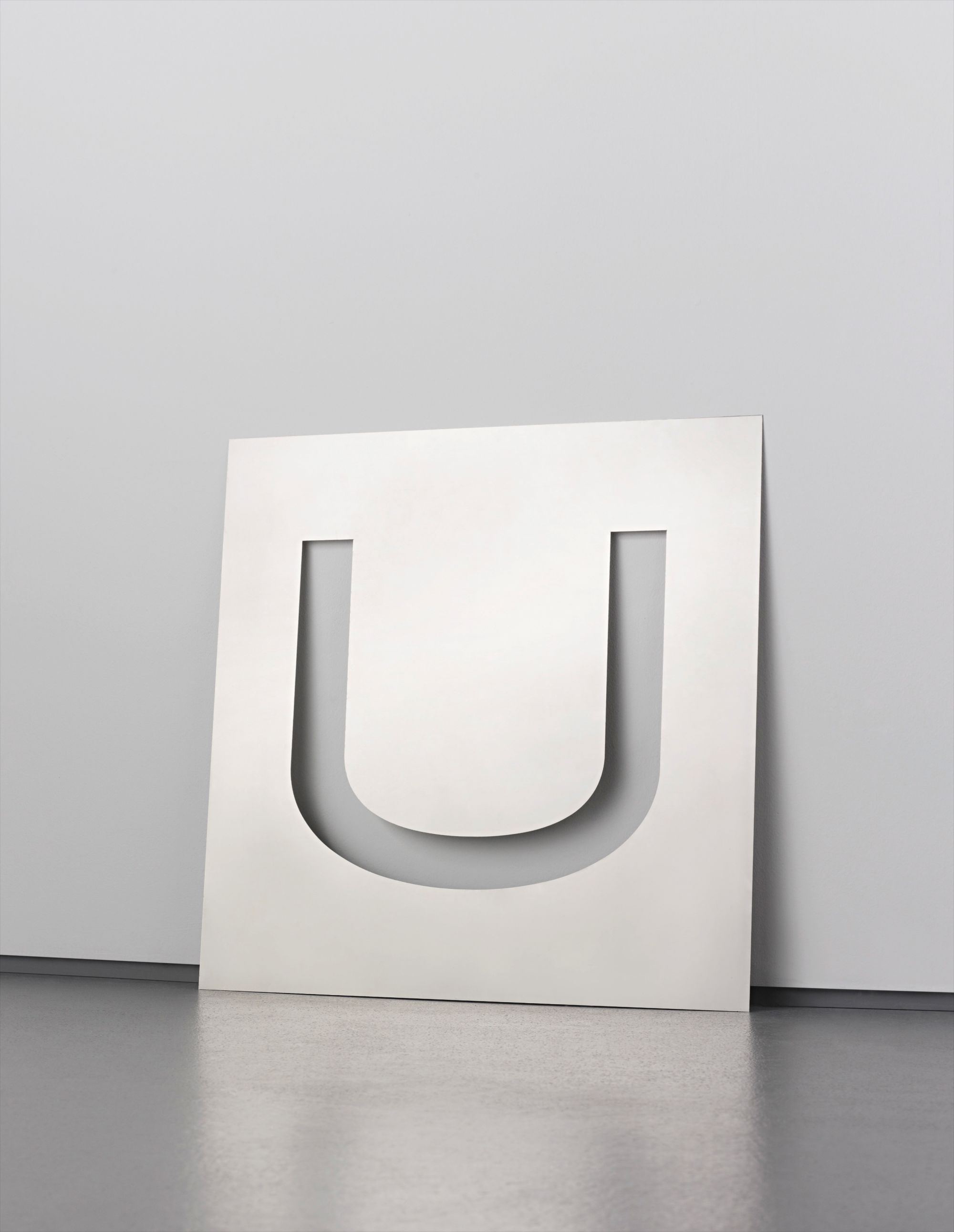
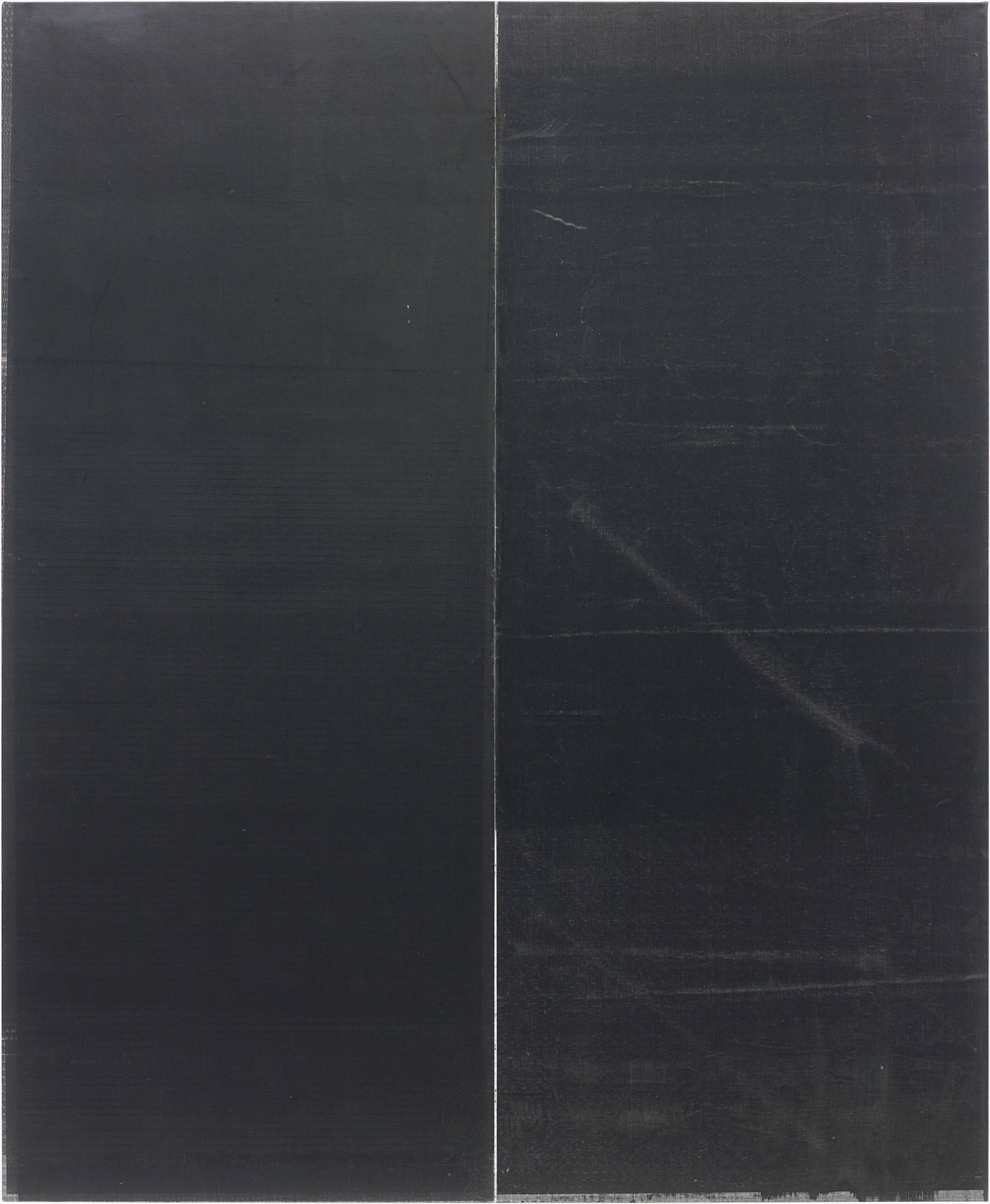
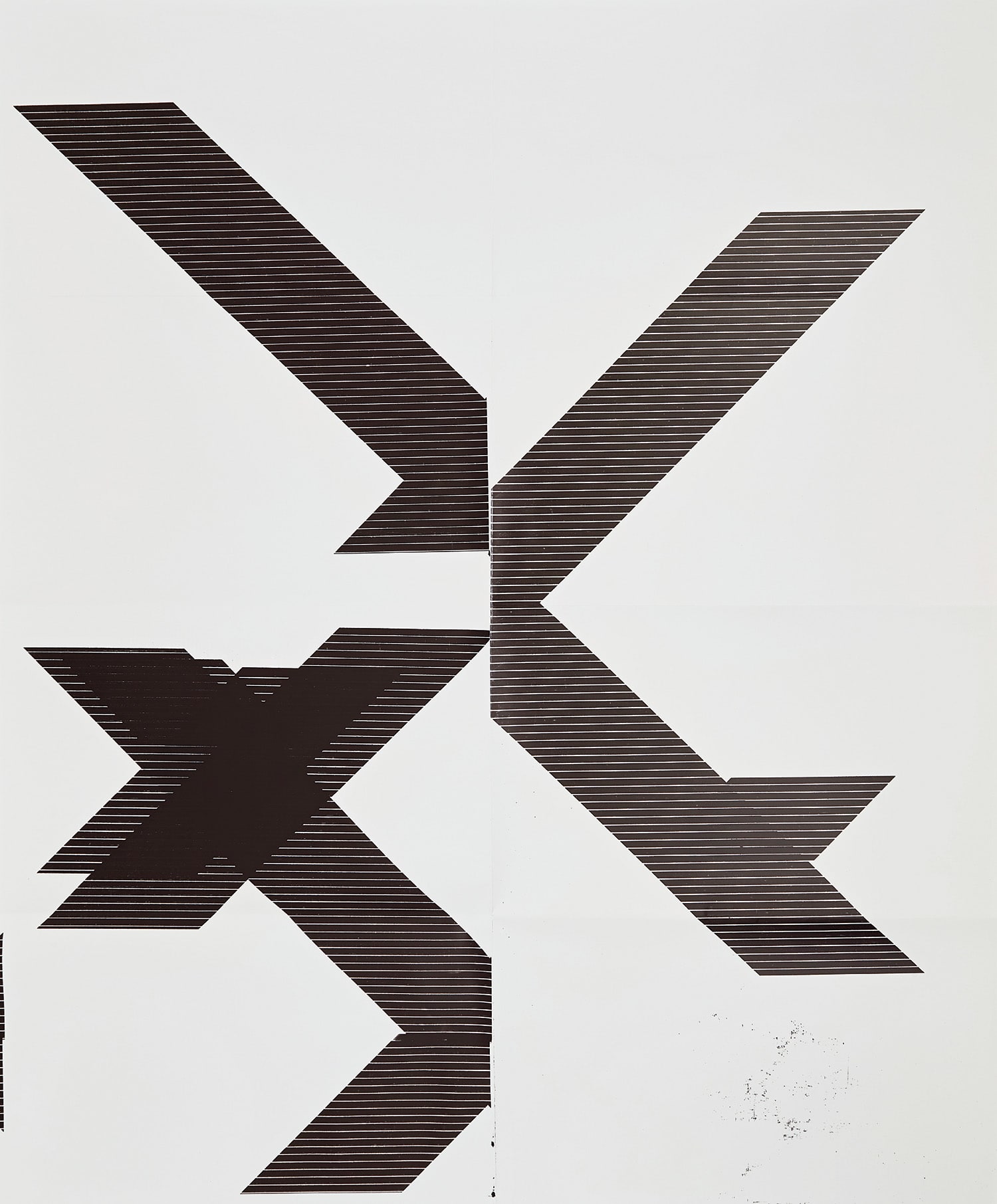
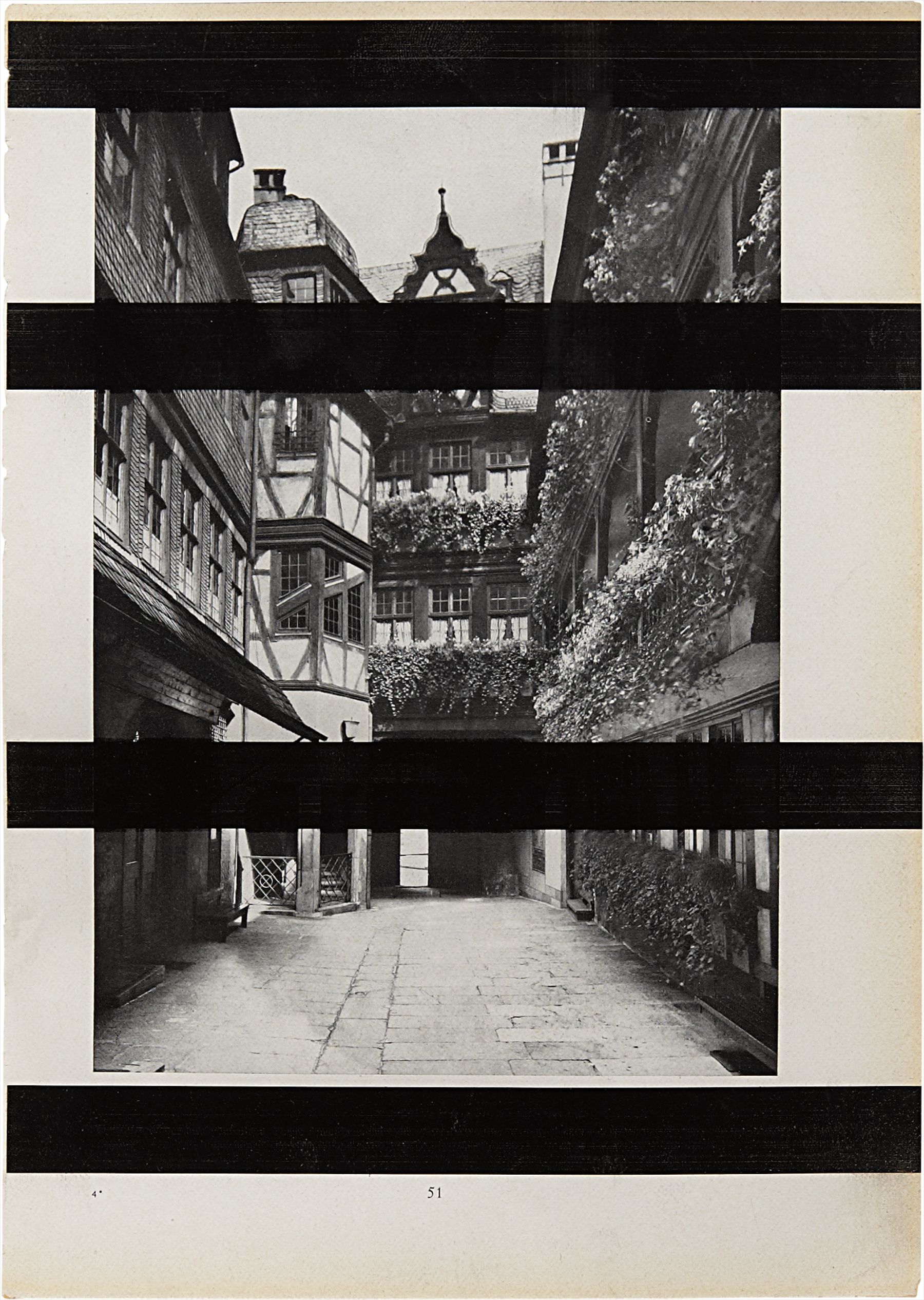
When the Whitney Museum of American Art devoted a full retrospective to Wade Guyton in 2012, it felt less like a career survey and more like a provocation aimed at the entire history of painting. Guyton was barely forty years old, and yet the show made a compelling case that he had already reshaped what it means to make a picture in the twenty first century. Curated by Scott Rothkopf, the exhibition filled the Whitney's galleries with large scale linen works streaked with inkjet ink, sculptural objects folded from stainless steel, and printed matter of every kind, collectively asking a… Continue reading
Artists in conversation
Christopher Wool
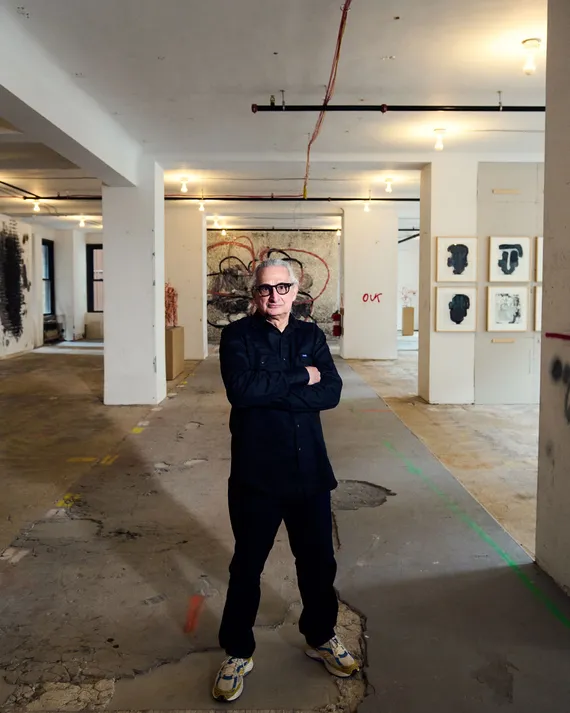
Wool similarly places text and stenciled geometric patterns onto large canvases, interrogating the boundary between painting and mechanical reproduction. Both artists embrace process and repetition as conceptual tools that destabilize traditional notions of the painted mark.
Kelley Walker
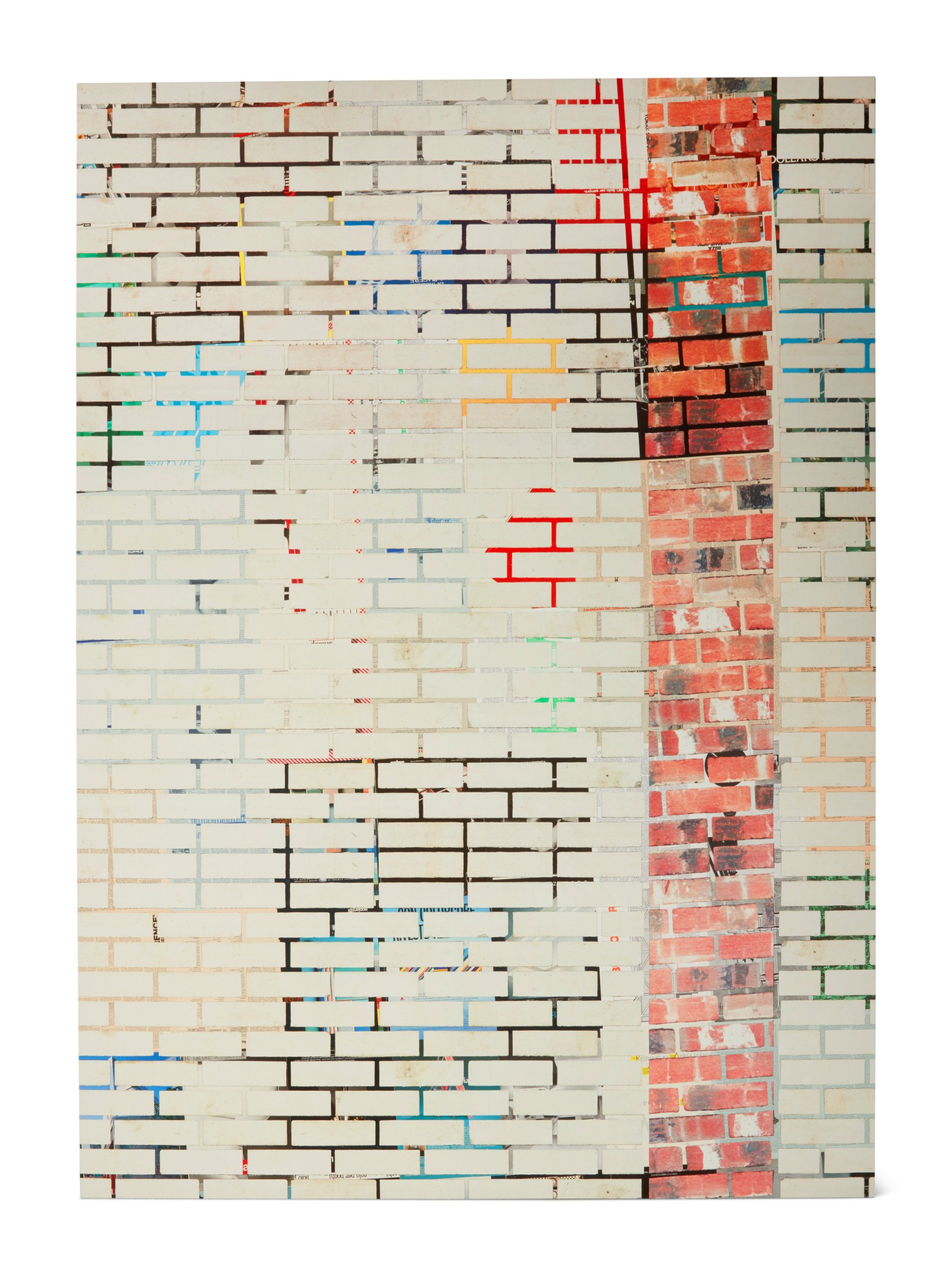
Walker uses digital manipulation and industrial printing processes to transfer images onto canvas and other surfaces, sharing Guyton's interest in how mechanical and digital mediation transforms the meaning of images. Both artists foreground the production process as integral to the work's conceptual content.
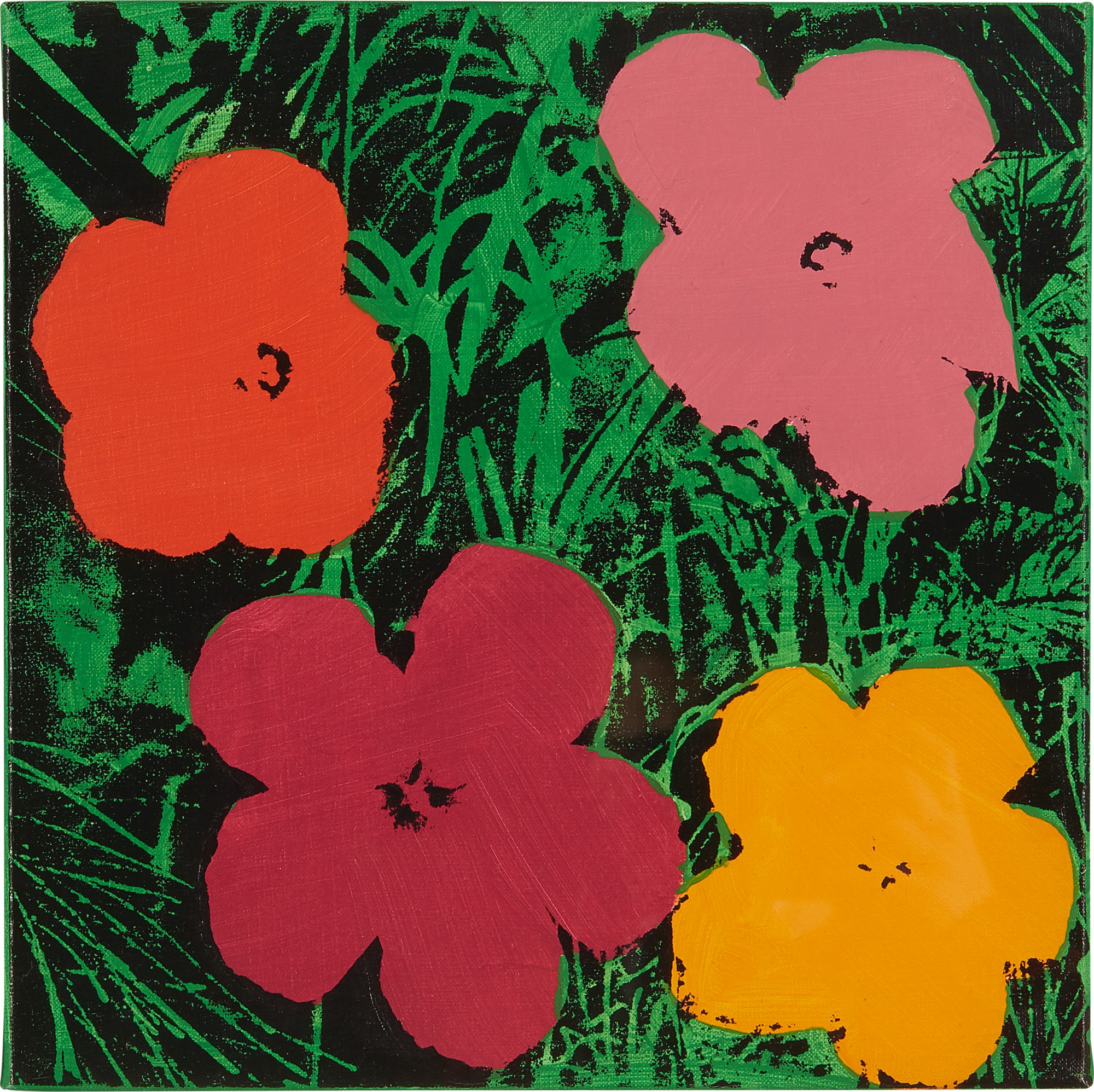
Sturtevant
Sturtevant relentlessly questioned authorship and originality by replicating canonical works, anticipating Guyton's interrogation of what constitutes an original painting in an age of digital reproducibility. Both practices center on the destabilization of singular artistic identity.
Artists who inspired them
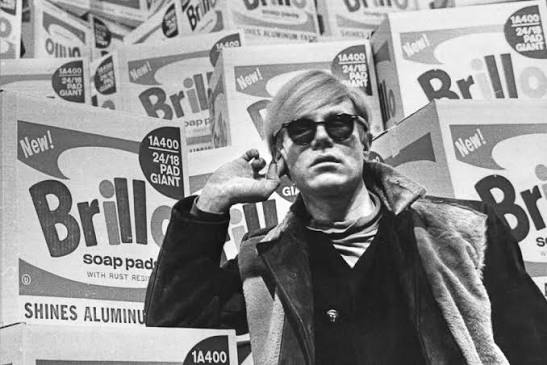
Andy Warhol
Warhol pioneered the use of silkscreen and mechanical reproduction to collapse the distinction between painting and print, directly anticipating Guyton's use of inkjet printers to produce what are nominally called paintings. His factory model of art production also informs Guyton's questioning of individual authorship.
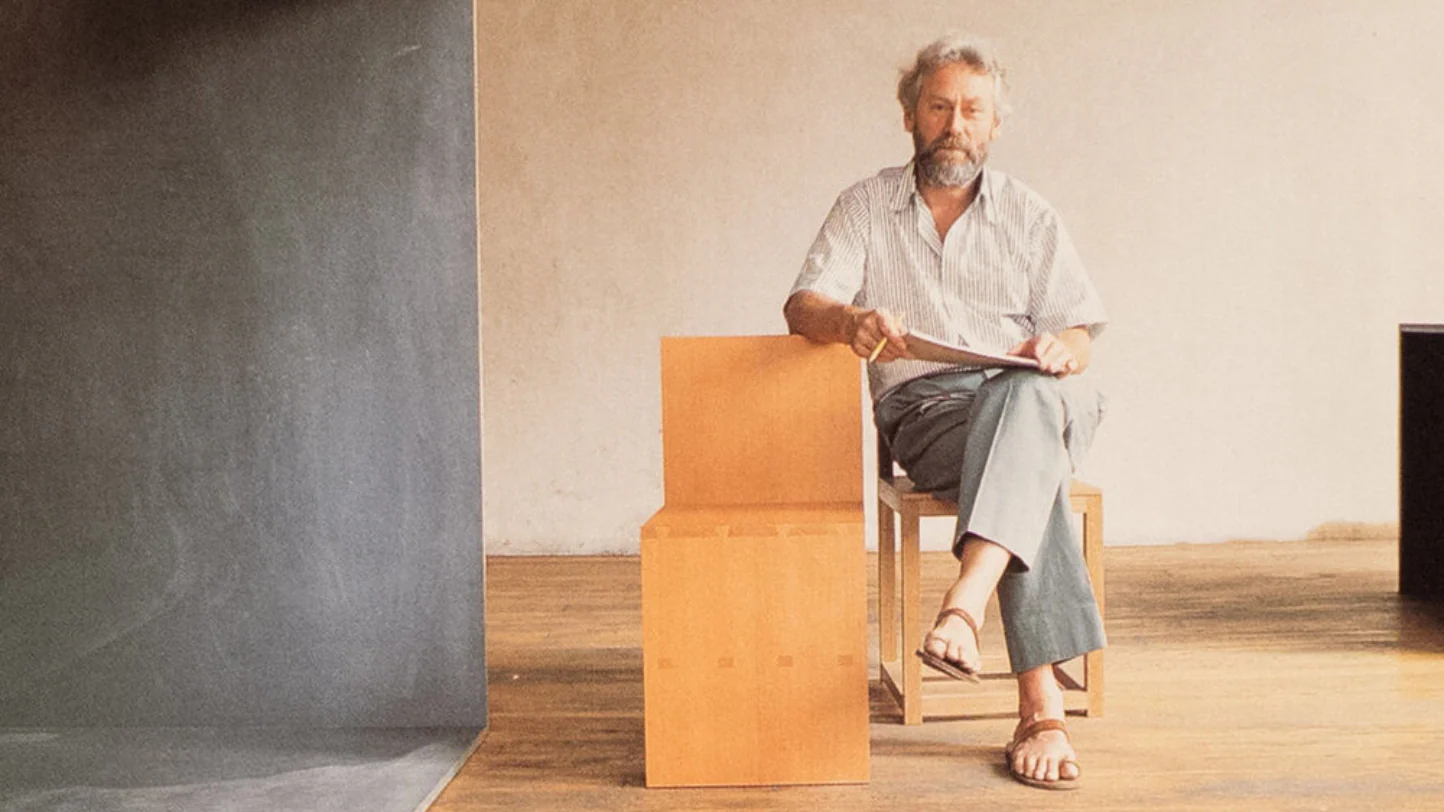
Donald Judd
Judd's Minimalist insistence on geometric form, industrial fabrication, and the rejection of expressive gesture is a clear precedent for Guyton's mechanically produced geometric compositions. Guyton's use of linen as a substrate and his serialist approach echo Judd's exploration of repetition and material specificity.
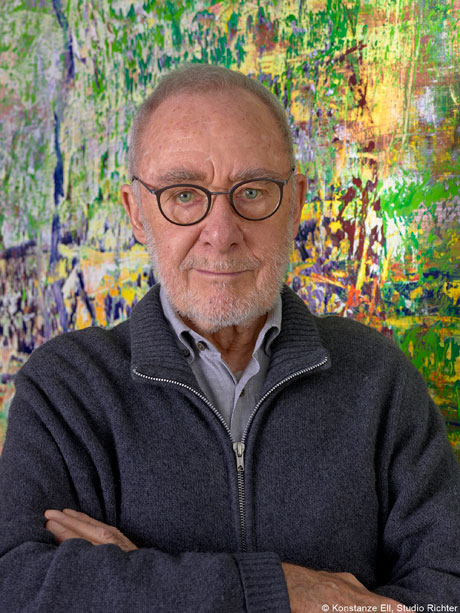
Gerhard Richter
Richter's sustained interrogation of what painting can mean after photography, including his monochrome and squeegee works, provided a critical framework for Guyton's own questioning of painting's status in the digital age. Richter's movement between abstraction and mechanical image making resonates deeply with Guyton's process.