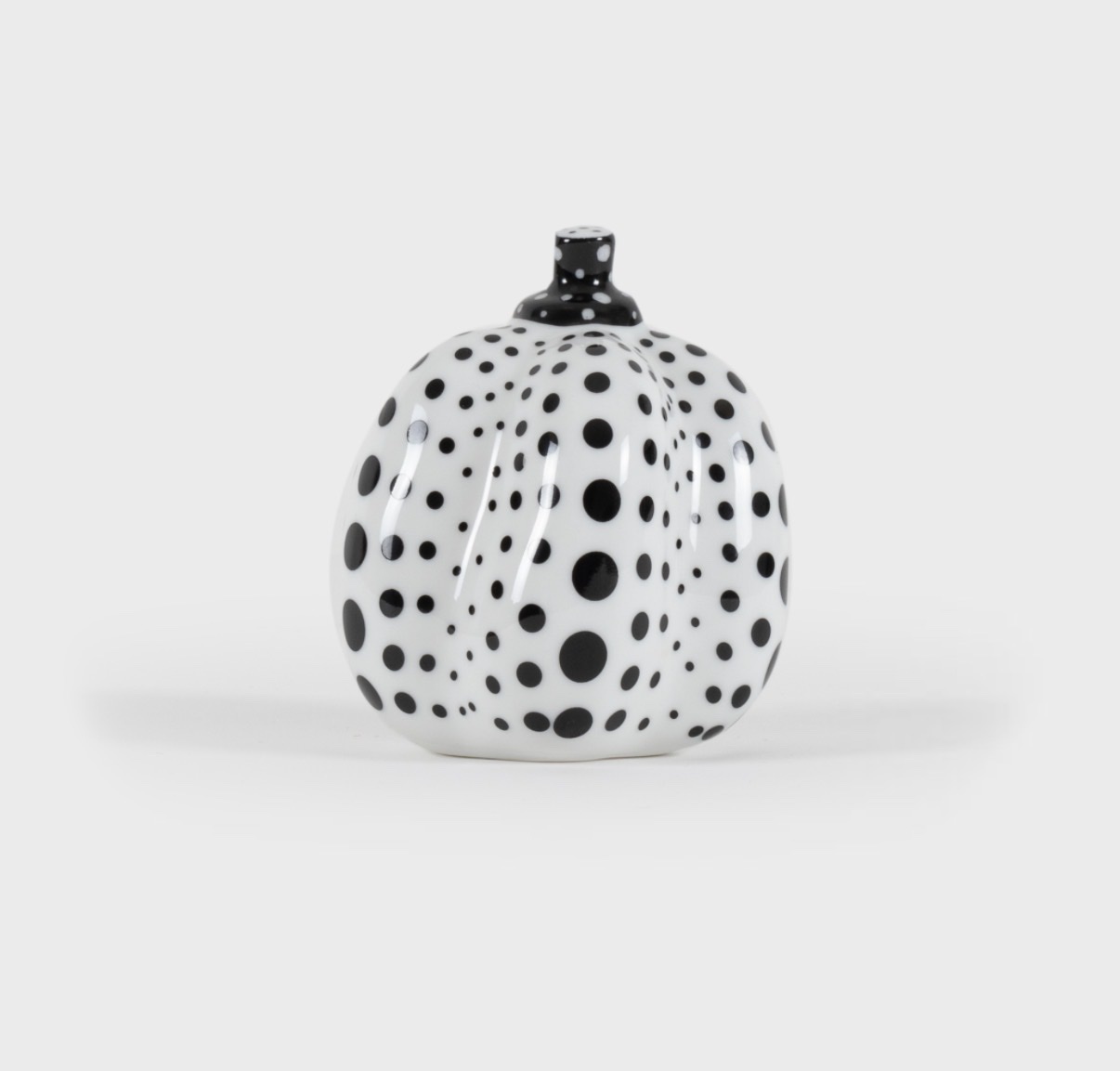
Digital Print

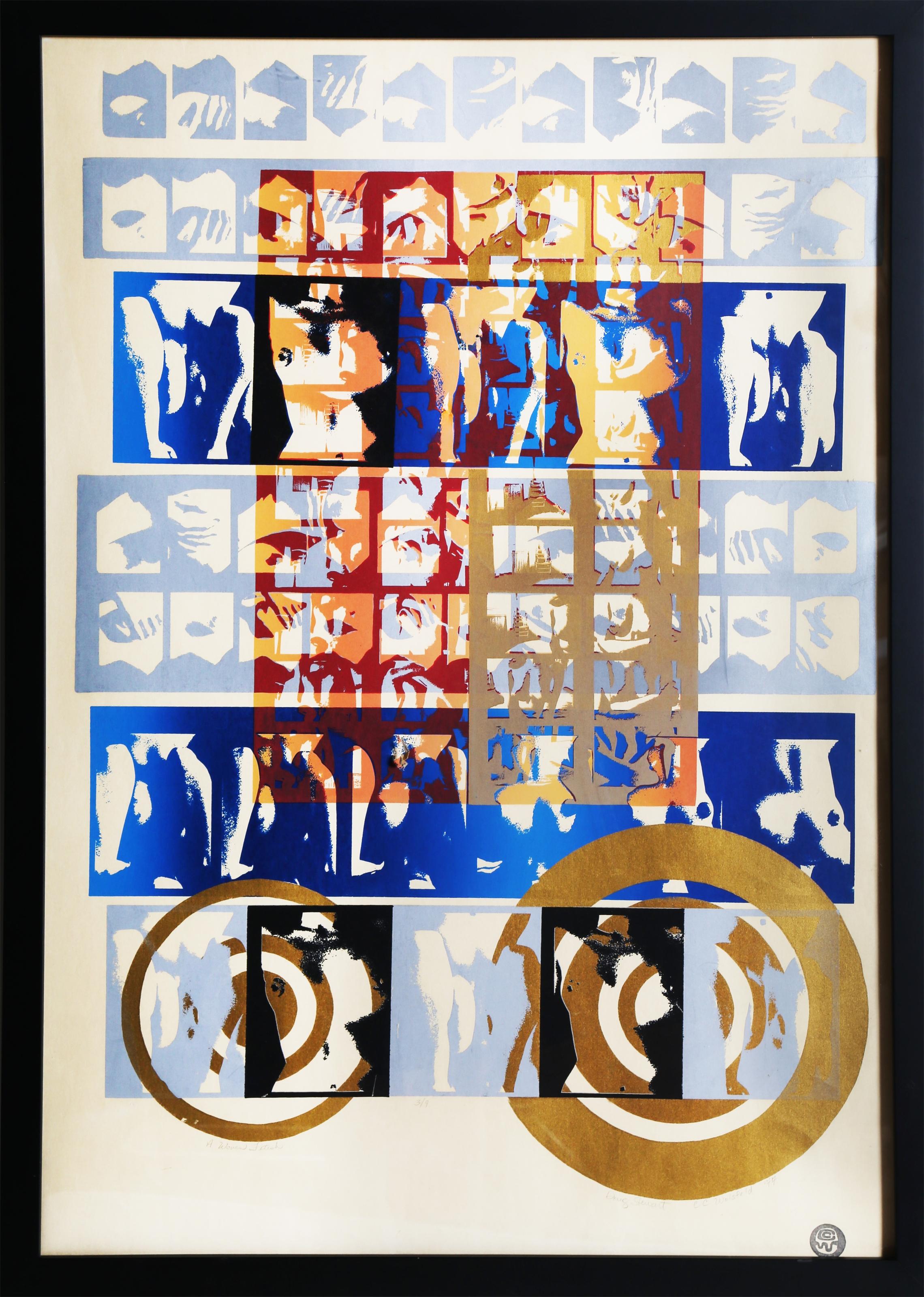
Damien Hirst
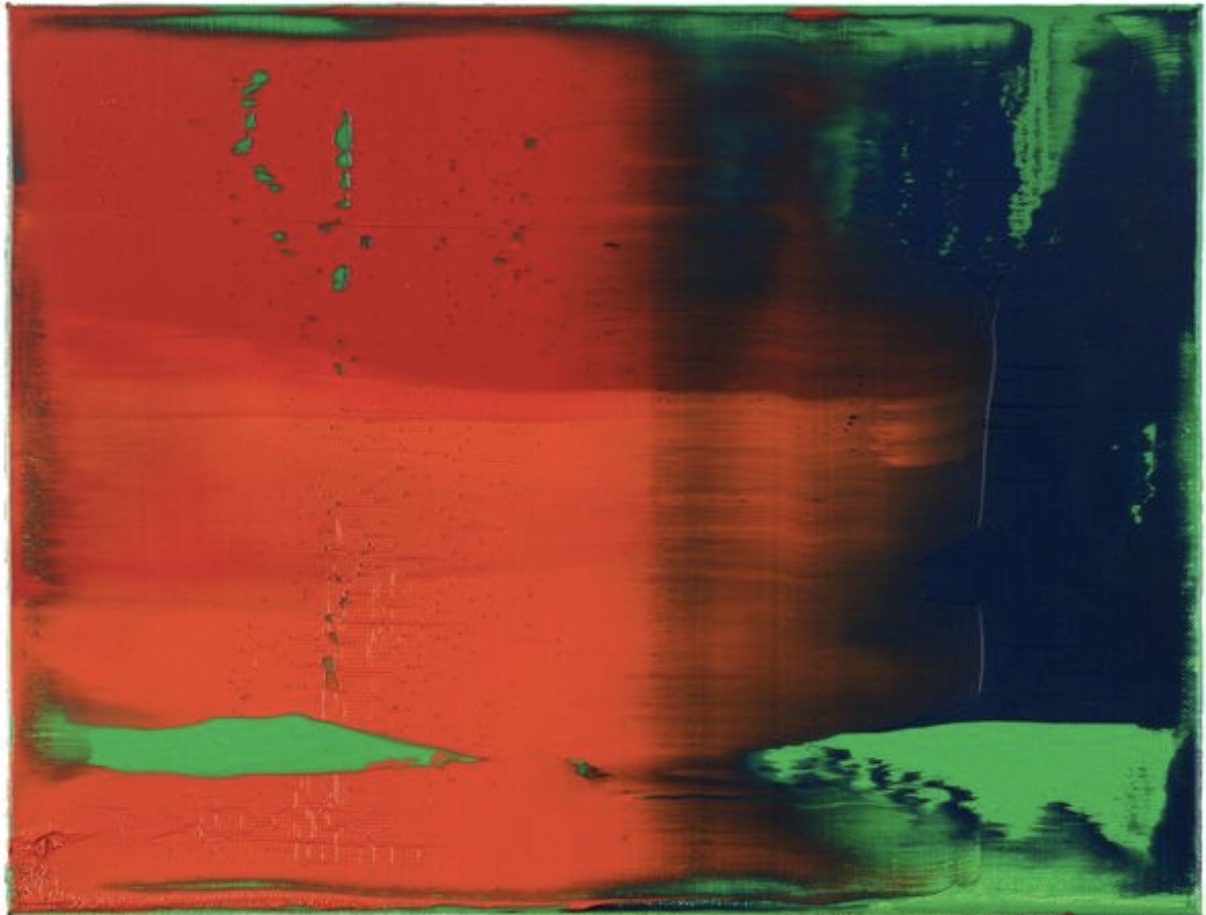
H10-3 Theodora, 2022

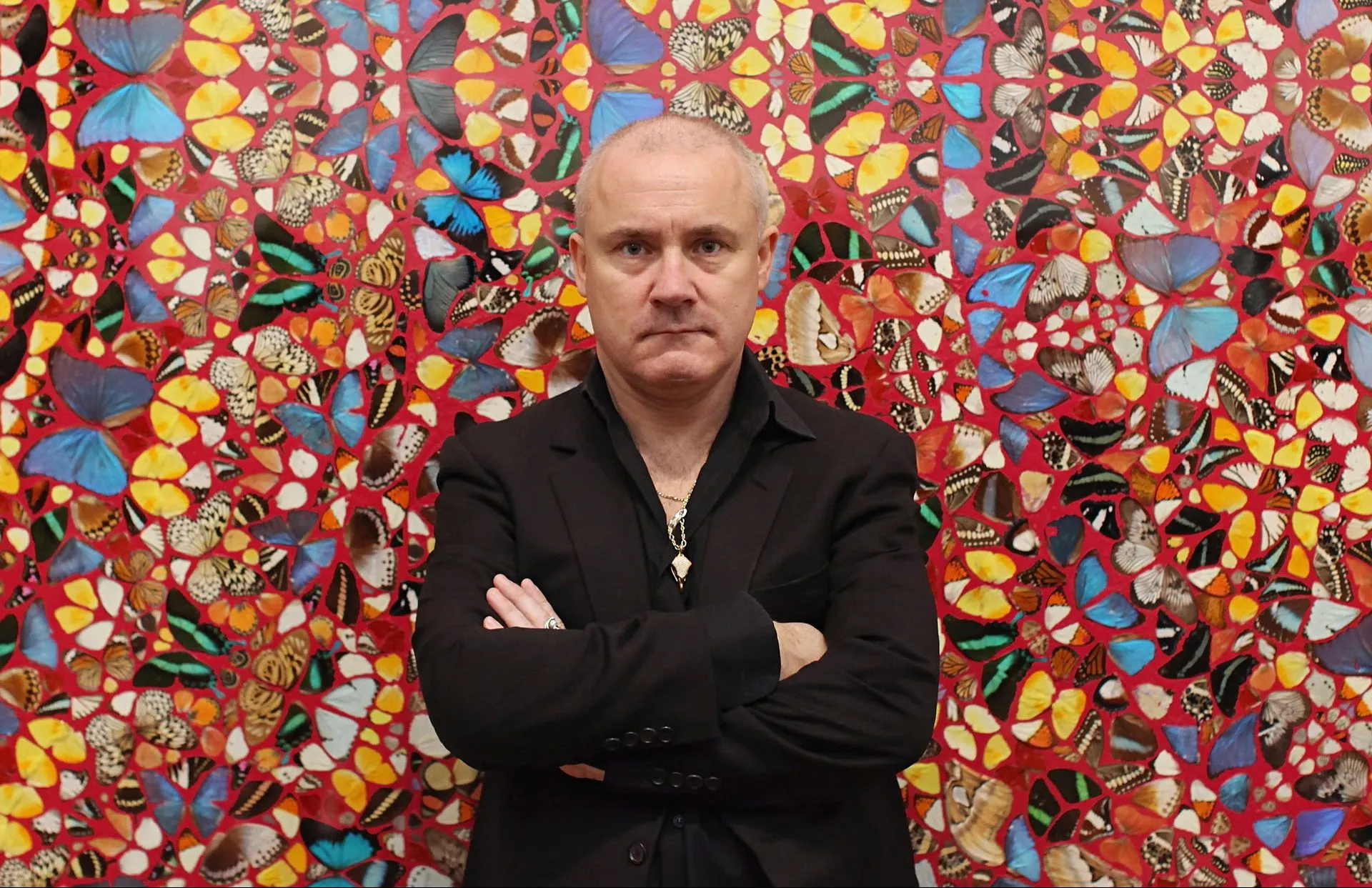





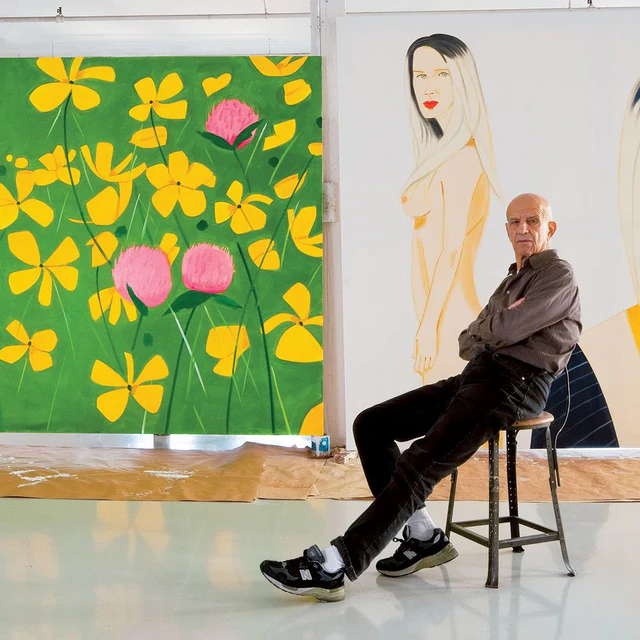


The Print That Thinks: Collecting Digital Now
There is something quietly seductive about living with a digital print. Unlike a painting, which wears its making on its sleeve, a digital work holds its process inside itself, a kind of compressed intelligence that rewards the curious collector willing to look slowly. Part of the appeal is precisely this tension between the immaculate surface and the complexity beneath it. Collectors who come to digital print often describe a similar moment of conversion: standing in front of a work and realising that the perfection of the image is not a limitation but a formal choice, as deliberate and loaded as any brushstroke.
The category also offers something that painting rarely does at comparable price points: genuine access to artists whose secondary market is already well established. Works by figures like Julian Opie and David Hockney, both of whom have used digital processes to extend and reinvent their practices, sit within reach of collectors who might otherwise be priced out of their paintings entirely. This is not a consolation prize. For both artists, the print work is where their thinking about representation, flatness, and perception is most concentrated and most directly communicated.

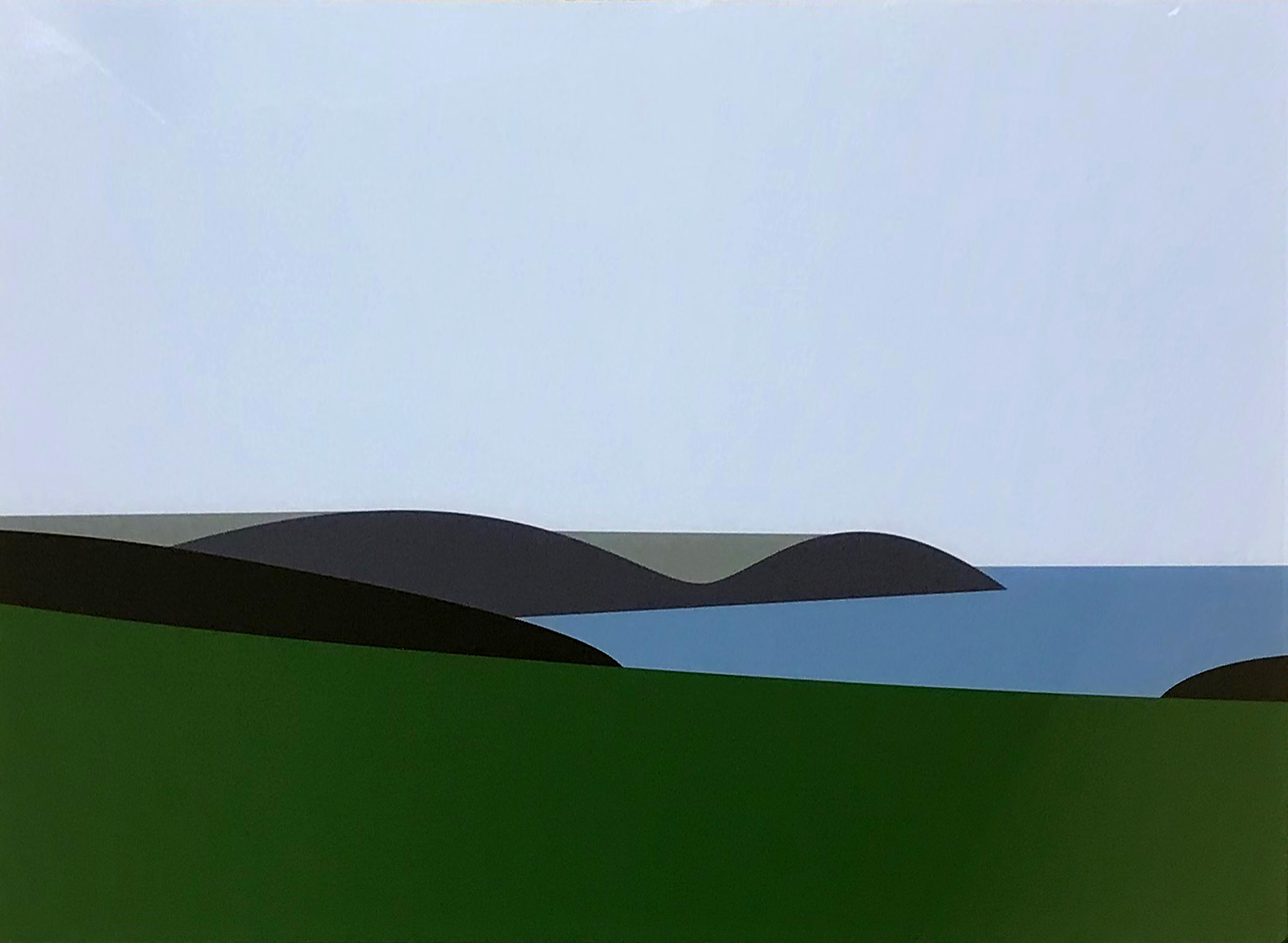
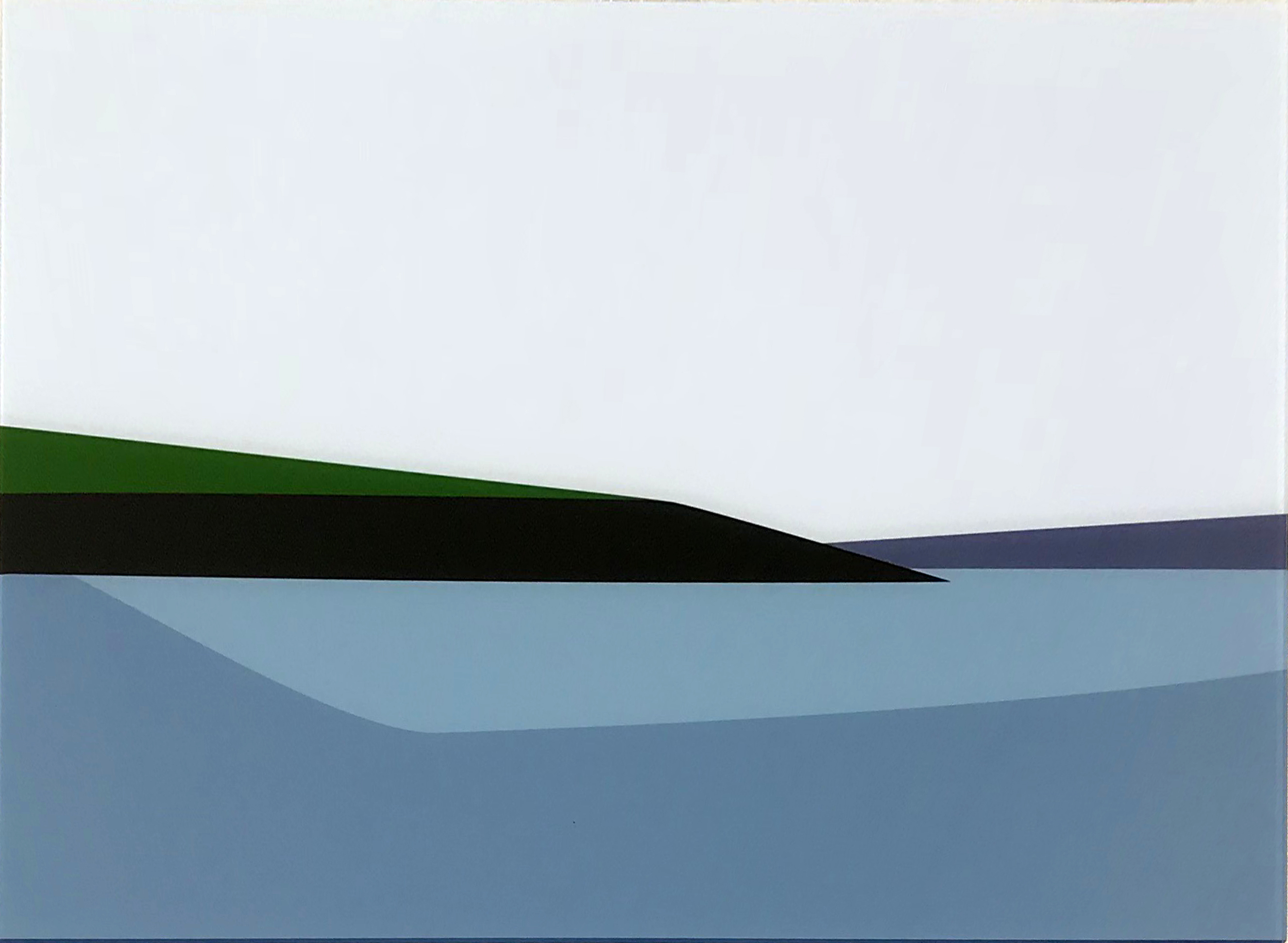
Julian Opie
Winter 09, 2012
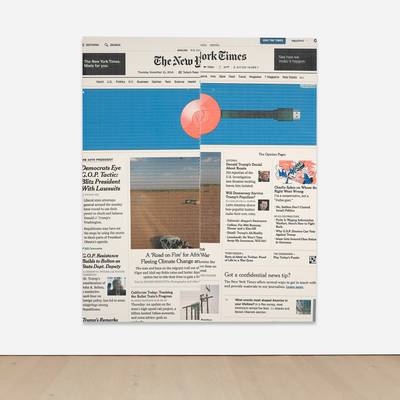
What separates a good digital print from a great one comes down to a few things that experienced collectors learn to read quickly. The first is intentionality: does the digital process serve a genuine conceptual or aesthetic purpose, or is it simply a reproduction method dressed up as a medium? The strongest works use the specific qualities of digital production, its precision, its relationship to screens and data and mass image culture, as the actual subject matter. Wade Guyton's inkjet paintings, which drag scanned imagery through an office printer to produce deliberate glitches and repetitions, are exemplary here.
The machine is not just making the work, it is arguing with it. Similarly, Thomas Ruff has spent decades interrogating what photographic images actually are when they are screened, compressed, downloaded, and redistributed, and his digital works carry that inquiry in every pixel. Edition size matters enormously and is one of the first questions any serious collector should ask. A digital print in an edition of two hundred and fifty is a fundamentally different proposition from one in an edition of ten, regardless of how similar they look on the wall.

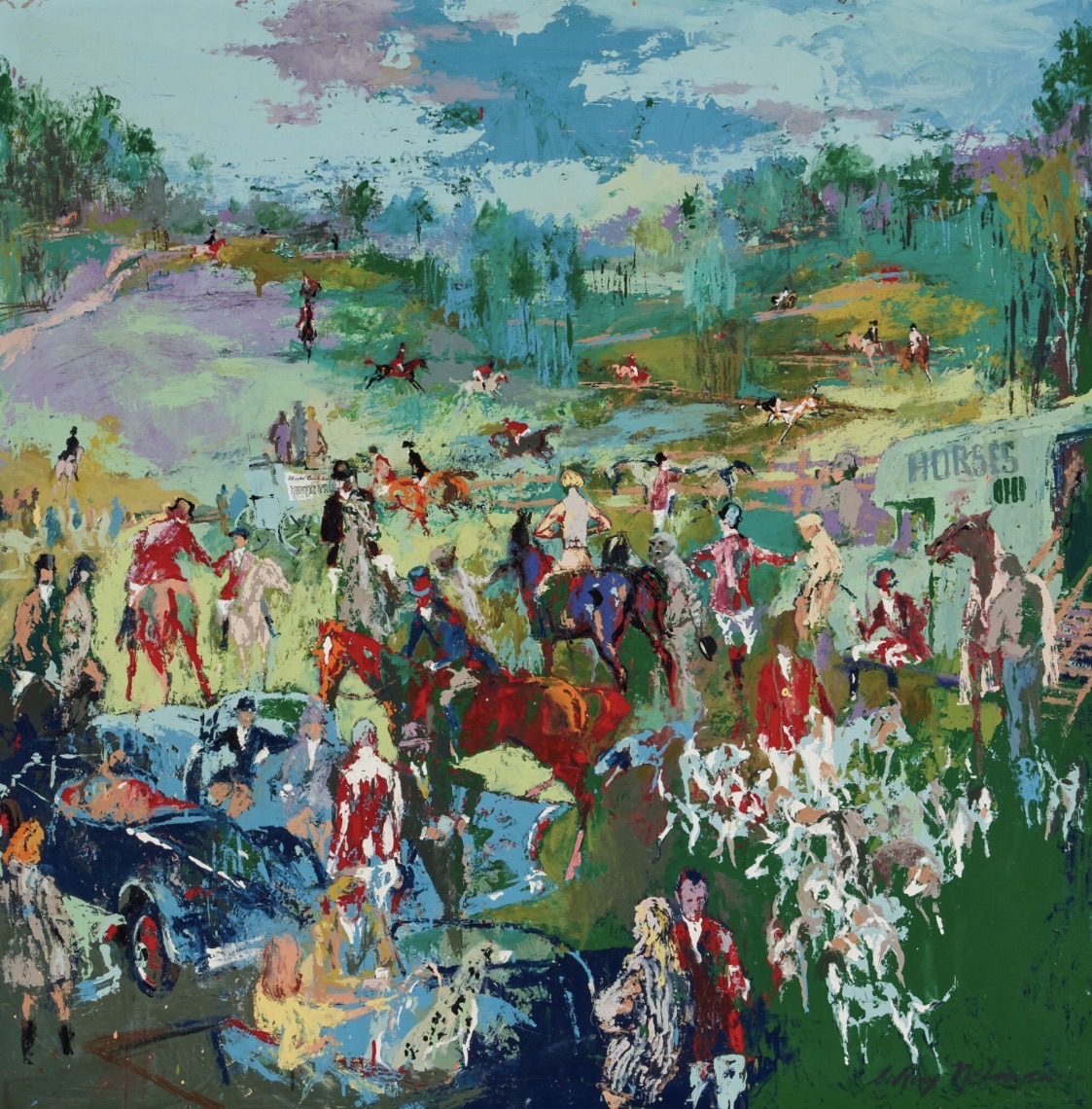
Steven Meisel
CK One, New York City
Smaller editions tend to hold value better on the secondary market, and they carry a different kind of cultural weight. Certificate of authenticity documentation, the involvement of the artist's studio in overseeing production, and the choice of substrate, whether archival pigment on cotton rag, aluminium, or specialist coated papers, are all factors that affect both longevity and perceived seriousness. Ask the gallery not just for the edition number but for the total edition size, and ask who printed it. The secondary market for digital print has matured considerably since the early 2000s, when auction houses were still uncertain how to categorise works that arrived on a hard drive.
Blue chip names perform with real consistency. Hockney iPad drawings printed on paper have appeared regularly at Christie's and Phillips, often achieving multiples of their original retail prices, and Damien Hirst's spot prints and spin works in digital editions have developed a robust collector base that keeps prices stable across cycles. The more interesting story, though, is happening slightly below that level. Artists like Barbara Kruger, whose text and image works exist in a space between graphic design, photography, and conceptual art, and Jenny Holzer, whose LED and print works share a visual language with digital media even when they predate it, are attracting a new generation of collectors who came to art through screens and find this work instinctively legible.
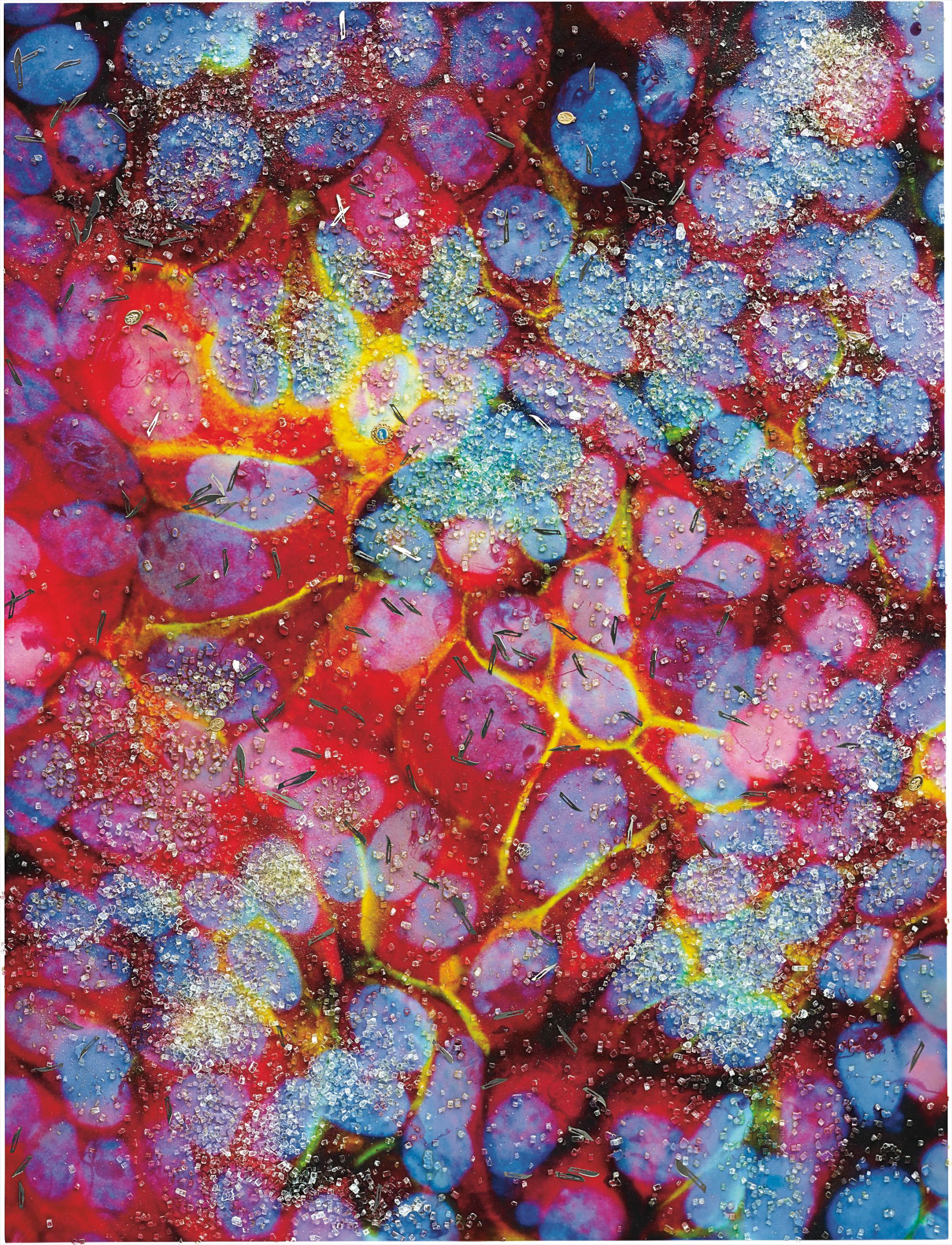
Damien Hirst
Second Series Biopsy: M122/105-Breast_cancer_cells,_immunofluorescent_light_micrograph-SPL.jpg, 2008
For collectors willing to look at slightly younger or less canonised positions, there is genuine opportunity right now. Katja Novitskova works with digitally printed cutout figures derived from stock imagery and scientific photography, and her practice sits at an interesting intersection of ecology, technology, and display. Arin Dwihartanto Sunaryo brings volcanic pigment and digital processes together in ways that feel both ancient and entirely contemporary. Tomokazu Matsuyama fuses Japanese graphic traditions with digital layering to produce works that have found strong institutional support in Asia and are increasingly visible in Western collections.
These are not speculative bets so much as positions in artists whose critical reputations are still being written. Condition is less fraught with digital prints than with works on canvas, but it is not irrelevant. UV exposure remains the primary enemy of archival pigment prints, and works should always be displayed away from direct light and glazed with UV protective acrylic rather than standard glass. Framing choices also carry aesthetic consequences: a work designed to be mounted flush on aluminium reads very differently when dropped into a traditional frame, and it is worth asking the gallery or the artist's studio how the edition is intended to be displayed.
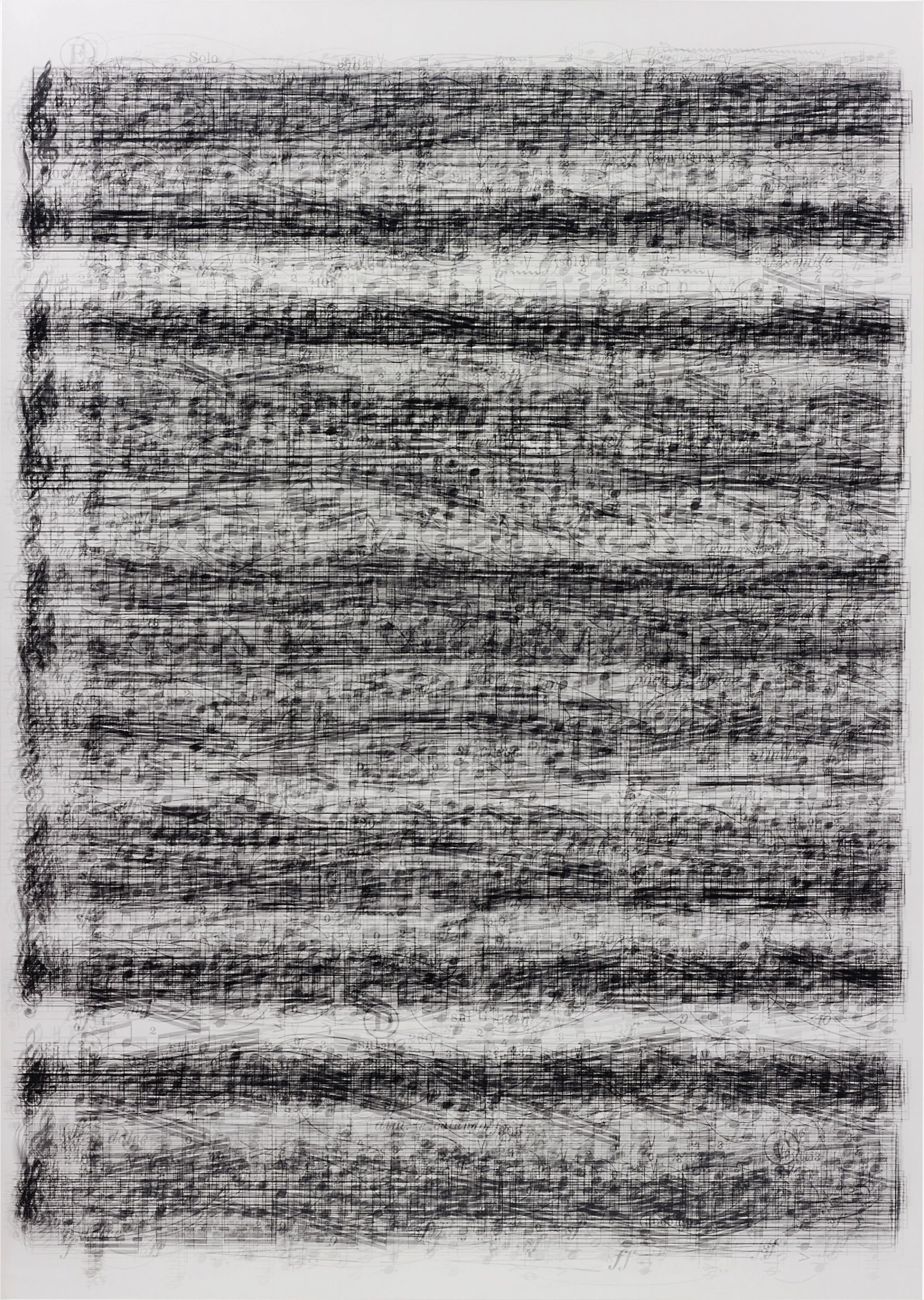
Idris Khan
Hearing Voices Violin Concerto, 2007
Some works are designed for the wall in a very specific way, and departing from that intention can diminish the experience significantly. The collecting conversation around digital print has shifted in the past decade from one focused on legitimacy, is this really art, does it really hold value, toward one focused on connoisseurship, which works within an artist's output are the strongest, which editions were produced with the most care, which pieces represent the sharpest thinking. That is a sign of a category that has arrived. Collectors who engage with it seriously, who learn to distinguish between an artist using digital tools and an artist thinking digitally, will find a field that is both intellectually rich and practically rewarding to build around.