Geological
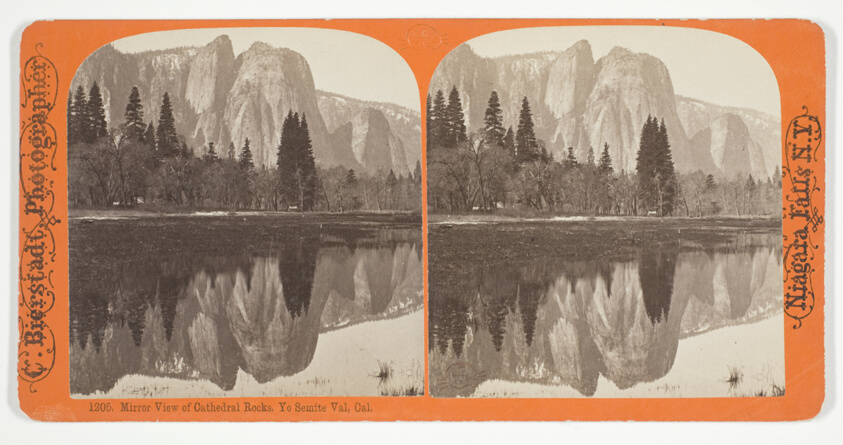
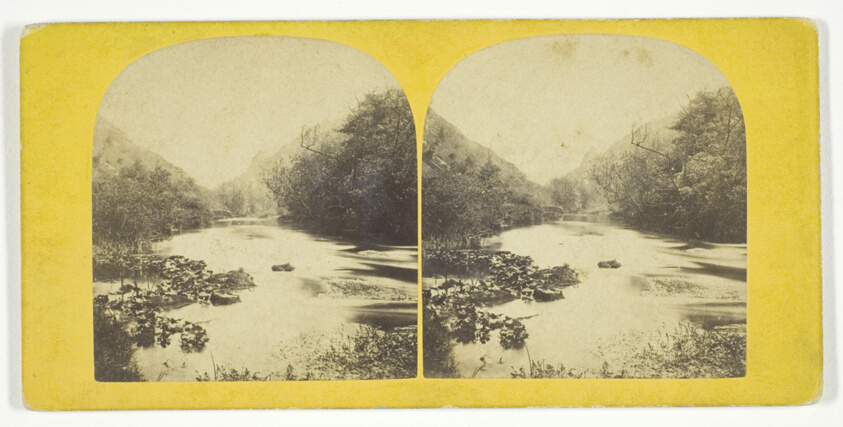
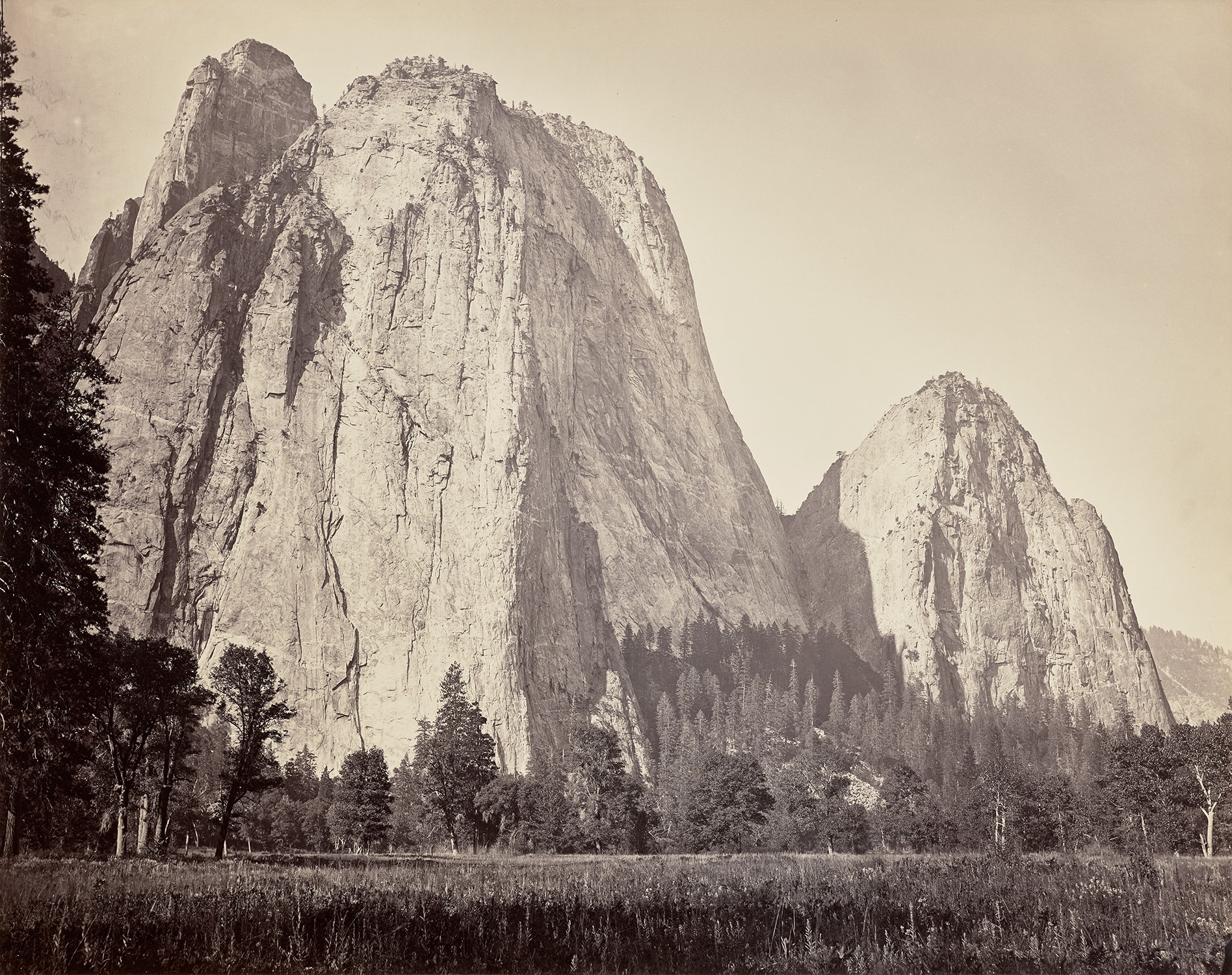
Charles Bierstadt
Mirror View of Cathedral Rocks. Yo Semite Val, Cal., 1863
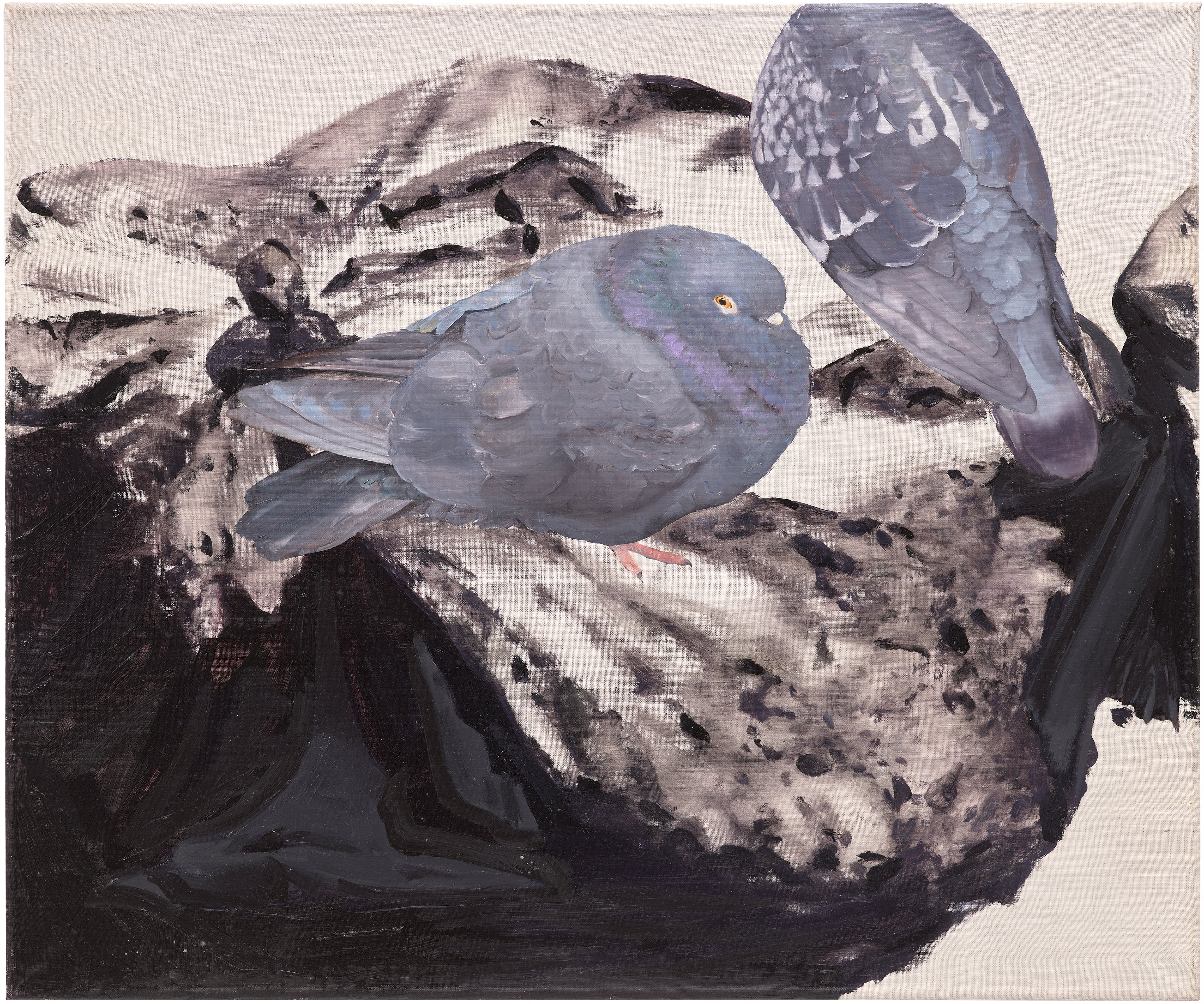
The Earth Speaks. Are You Listening?
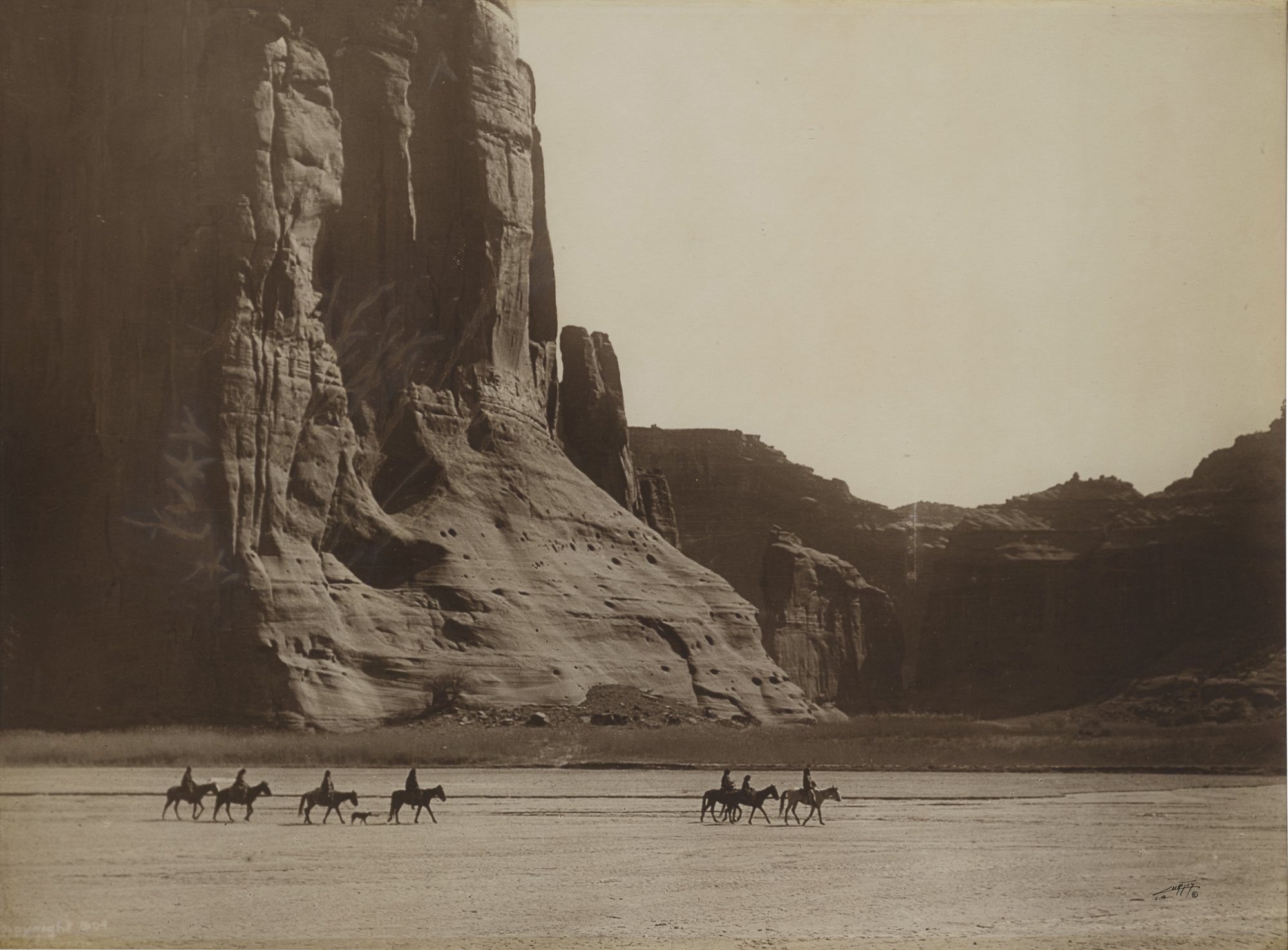
There is something quietly radical about hanging a photograph of raw geology on your wall. Not a landscape in the romantic sense, not a view composed to soothe, but something harder and stranger: stone that predates human memory, surfaces that register time in a way no painted canvas can quite replicate. Collectors who find their way into geological work tend to stay there. The category has a gravitational pull that is difficult to explain to someone who hasn't felt it, but immediately recognizable to anyone who has stood in front of a Timothy O'Sullivan print and felt the hair rise on the back of their neck.
What draws serious collectors to this territory is partly the subject matter itself and partly the peculiar emotional register these works occupy. Geological imagery sits at the intersection of the sublime and the empirical. It was never purely art, and it was never purely science, and that tension has aged extraordinarily well. Living with works like these means living with a constant, low hum of perspective.
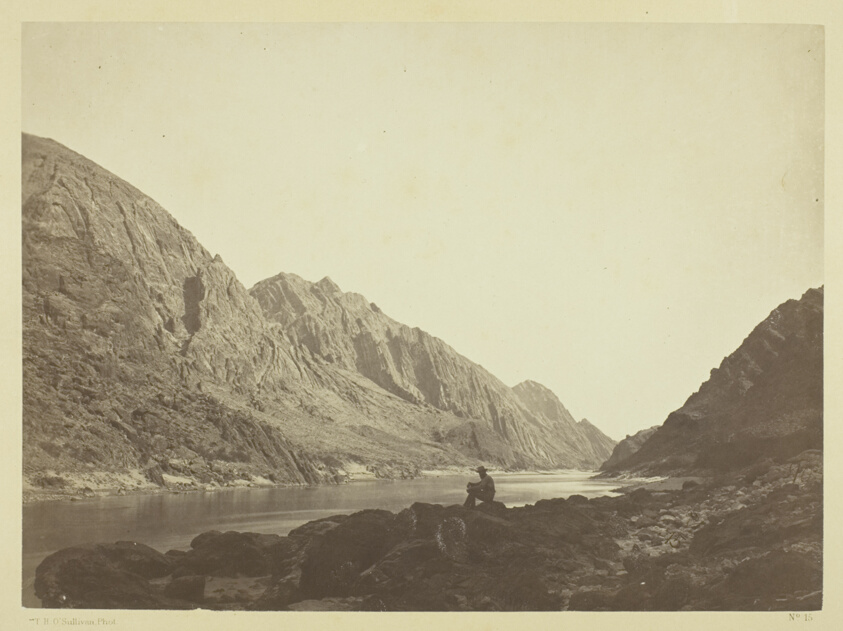
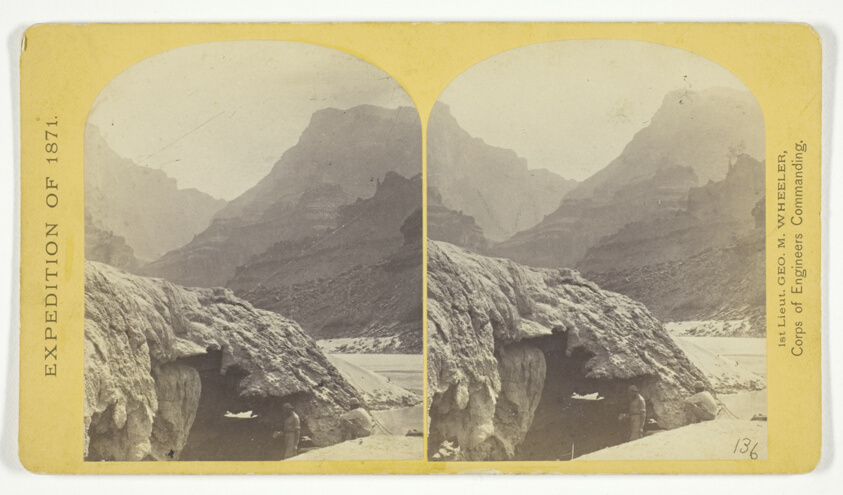
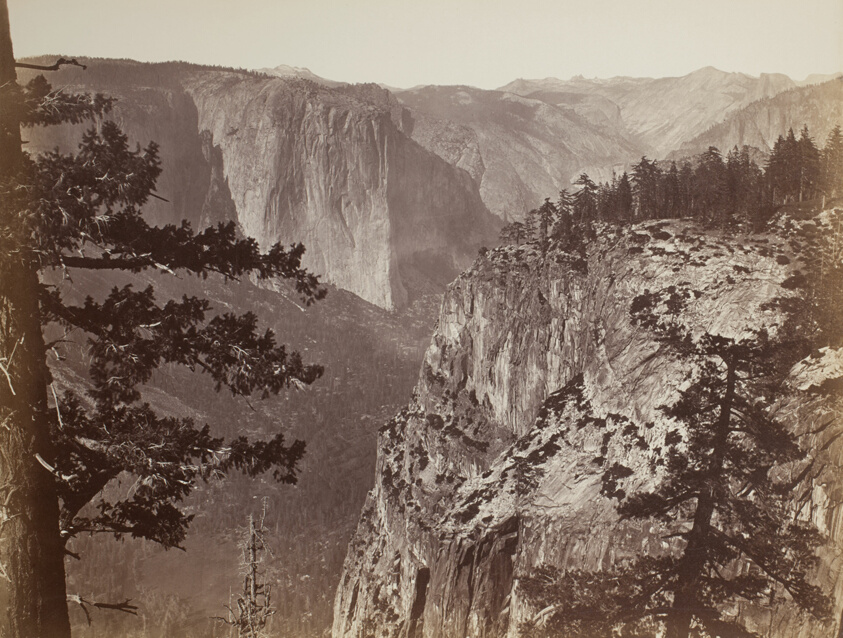
Timothy O'Sullivan
Iceberg Cañon, Colorado River, Looking Above, 1871
The scale of geological time has a way of making the anxieties of the present feel smaller without trivializing them. Collectors often describe the experience as grounding, which, given the subject matter, seems exactly right. Understanding what separates a good work from a great one in this category requires thinking carefully about purpose and context. The strongest works were made with an agenda, whether documentary, governmental, or commercial, and the best of them transcend that agenda entirely.
Look for images where the photographer's compositional intelligence is unmistakable, where you sense a human eye making a decision that no survey brief would have required. In O'Sullivan's work from the King and Wheeler surveys of the 1860s and 1870s, there are moments where the framing becomes so precise, so formally alert, that you forget entirely you are looking at a geological record. That doubling is the thing to chase. When an image works simultaneously as document and as picture, it achieves something very few photographs manage.
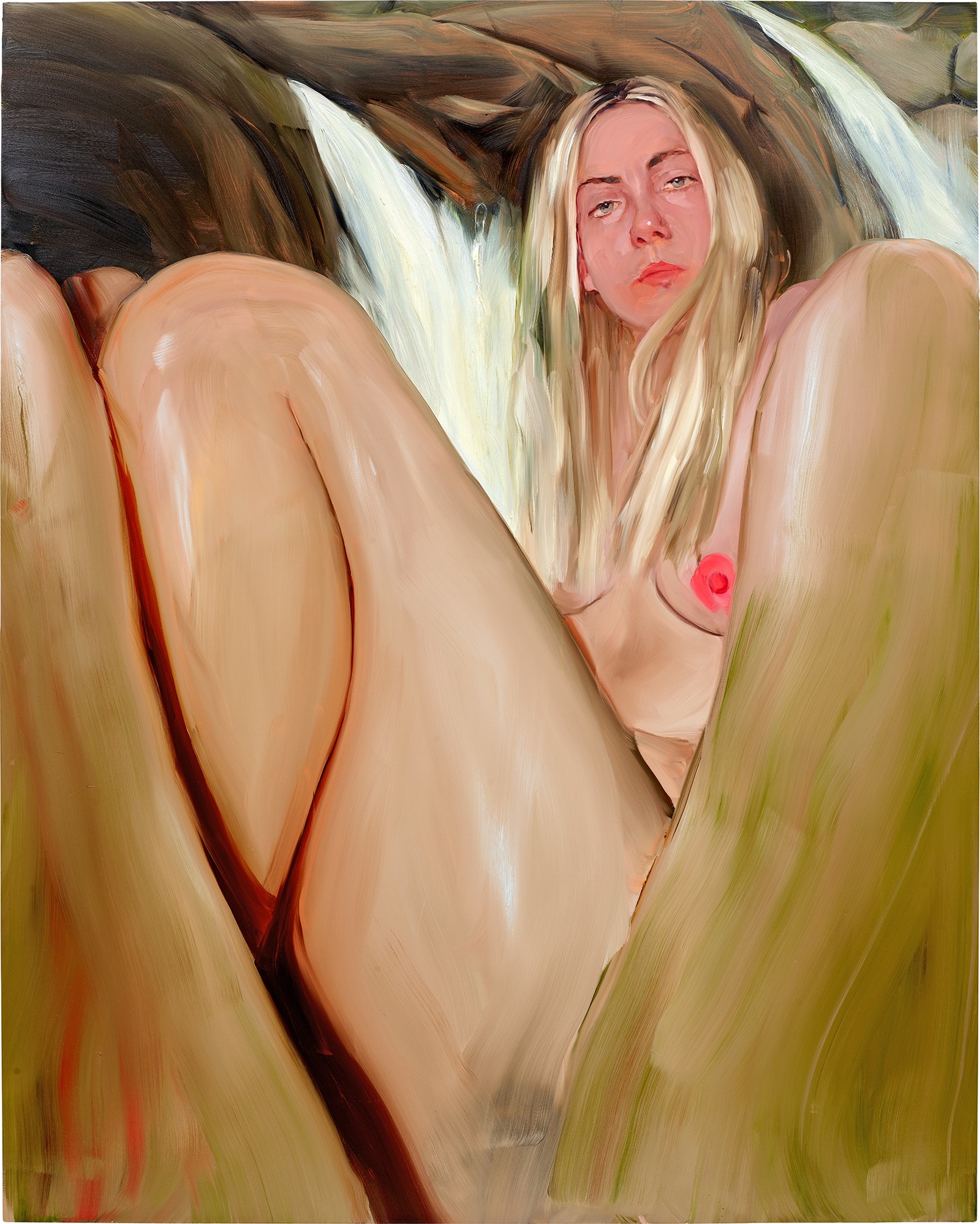
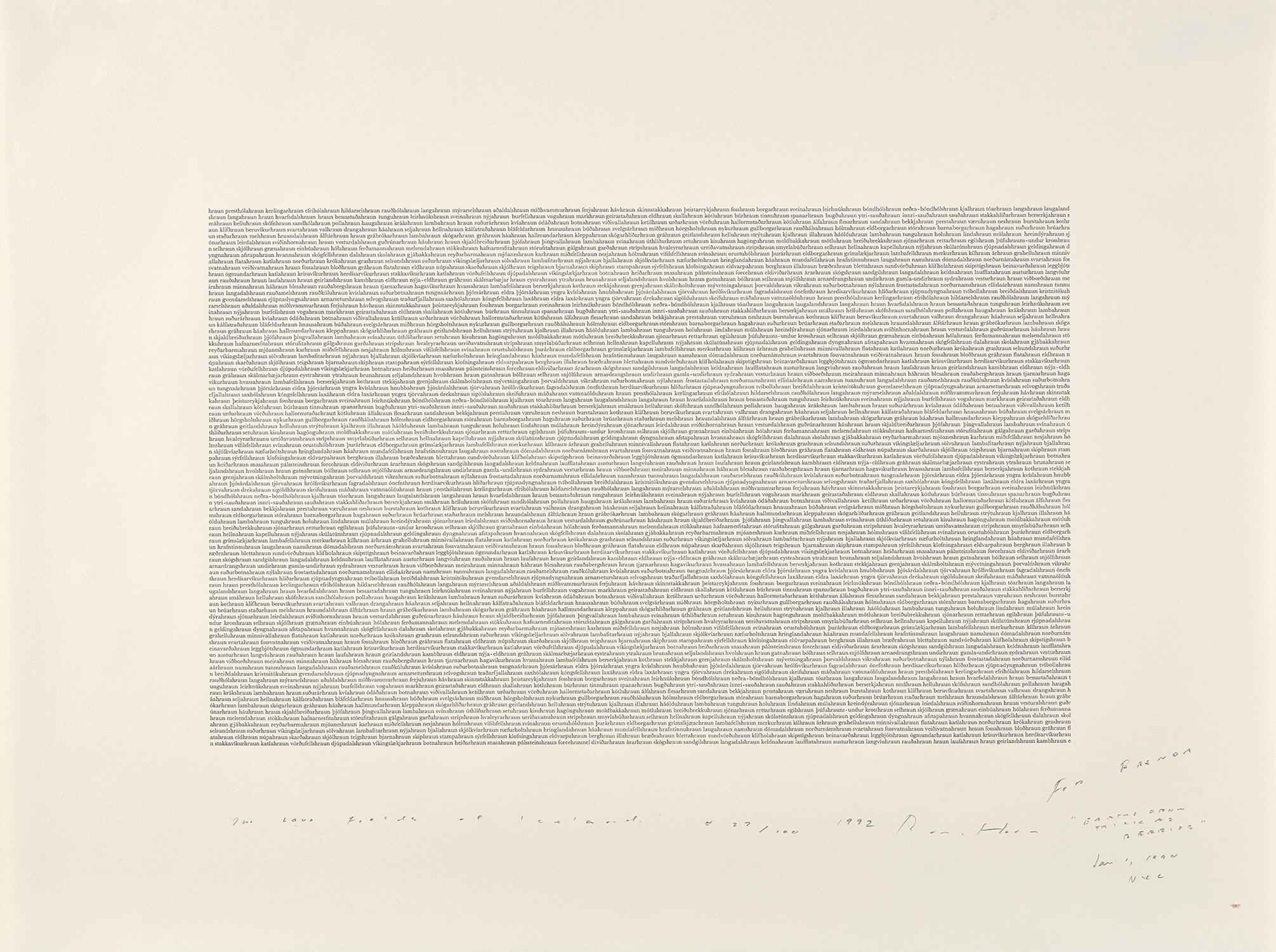
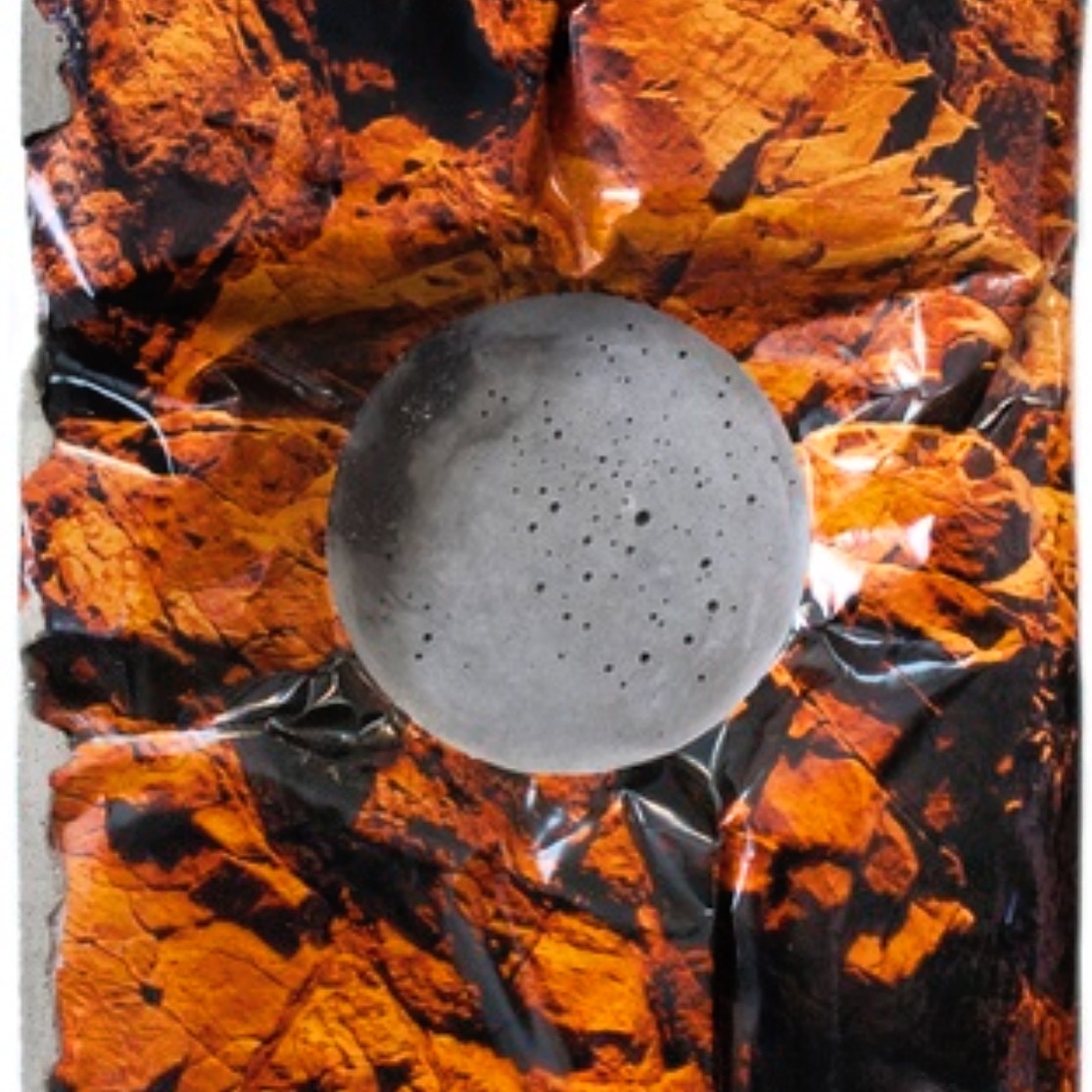
Jenna Gribbon
Gushing crevicescape, 2021
Print quality and provenance are everything in this space. Albumen prints from the survey era are fragile objects with complex histories, and condition disparities between examples of the same negative can be significant. Ask about fading, particularly in highlight areas, and look carefully at the mount. Period mounts with original stamps, survey annotations, or institutional labels add both authenticity and research value.
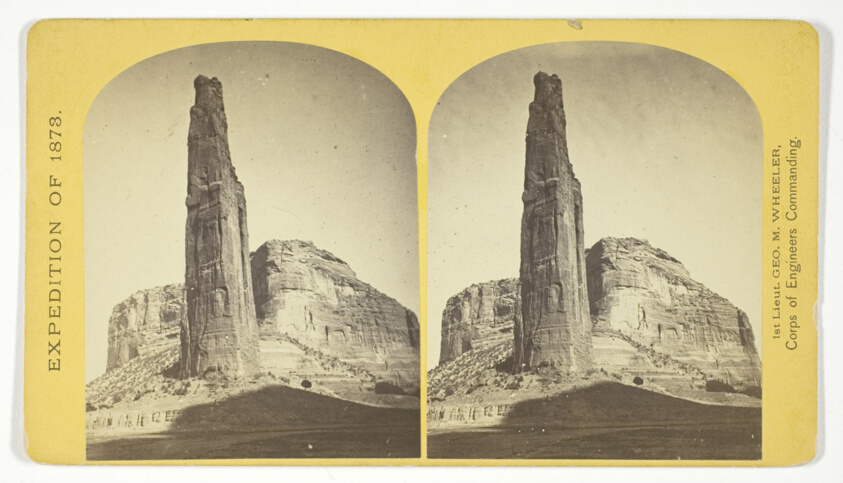
William H. Bell, whose work on the Wheeler Survey produced some of the most formally inventive geological photography of the nineteenth century, is well represented on The Collection, and his prints reward close attention to exactly these details. The difference between a trimmed, remounted example and an intact period print can be substantial in terms of both value and historical meaning. From a market perspective, the major survey photographers have performed with remarkable consistency over the past two decades.
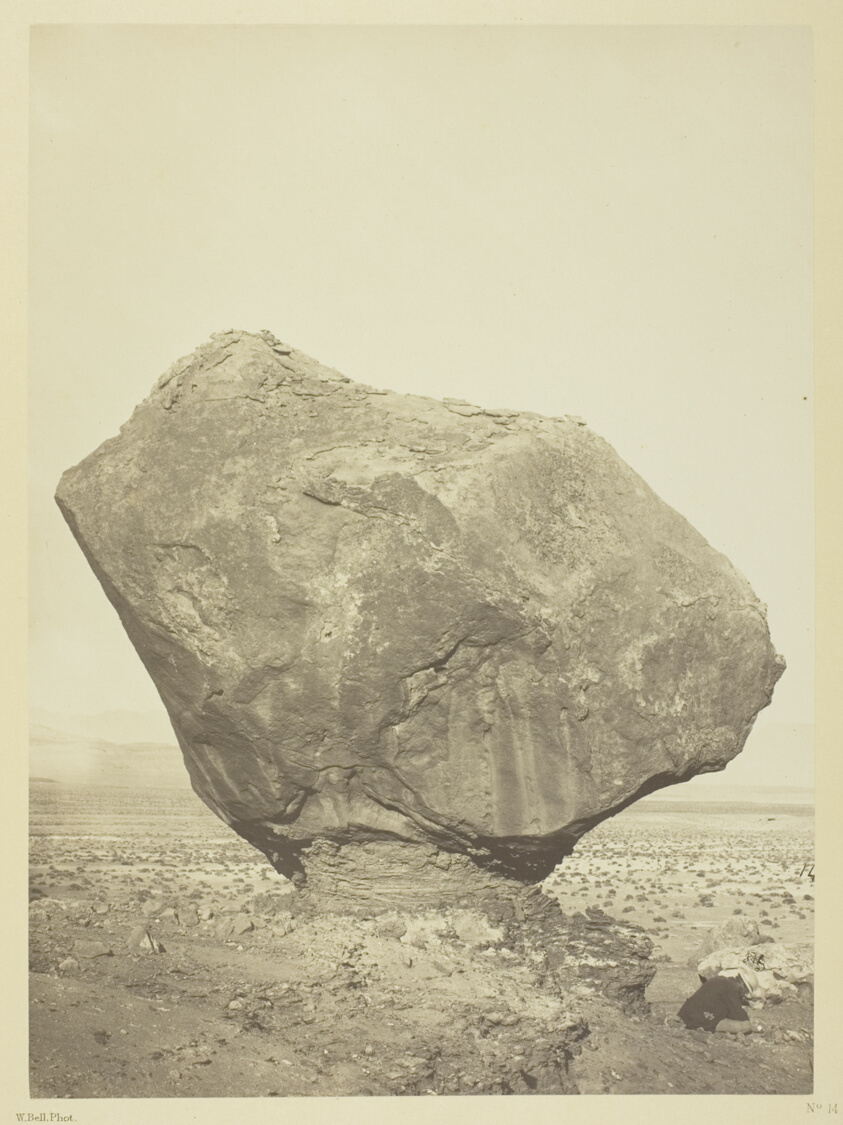
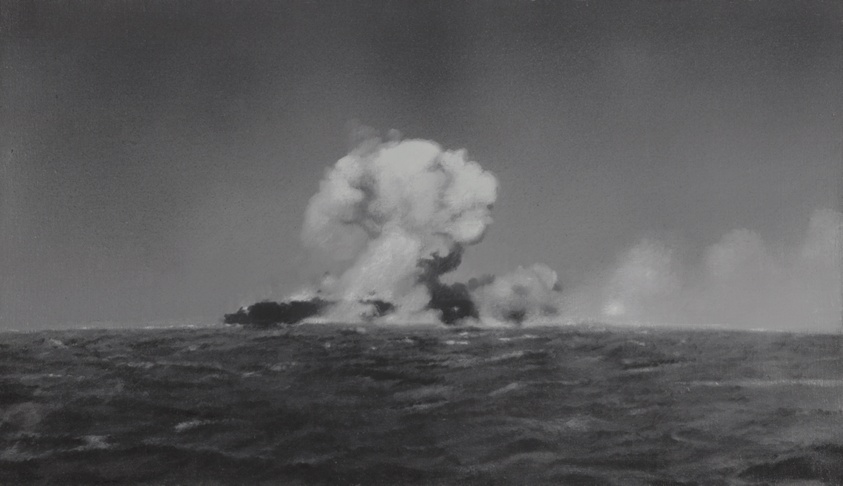
William H. Bell
Perched Rock, Rocker Creek, Arizona, 1872
Carleton Watkins, whose mammoth plate work from Yosemite and the California mining regions established a benchmark for the entire genre, commands serious prices at auction and has a collector base that spans photography specialists and landscape enthusiasts alike. O'Sullivan remains the most auction active of the survey photographers, with strong results at Christie's, Sotheby's, and Swann Galleries. The market for Andrew J. Russell, whose documentation of the transcontinental railroad produced images of geological terrain that feel almost brutally contemporary, has grown steadily as institutions have deepened their engagement with American survey photography.
What is notable across all these names is that the market has become increasingly sophisticated about condition and rarity. A fresh to market, well preserved albumen print in documented survey condition will consistently outperform a later or reprinted example by a meaningful margin. The more interesting conversation for forward thinking collectors right now is happening around photographers who engage geological themes from a contemporary vantage point. David Maisel's aerial work, which turns industrial and environmental transformation into something that looks disturbingly like abstract painting, sits in productive dialogue with the survey tradition while speaking entirely its own language.
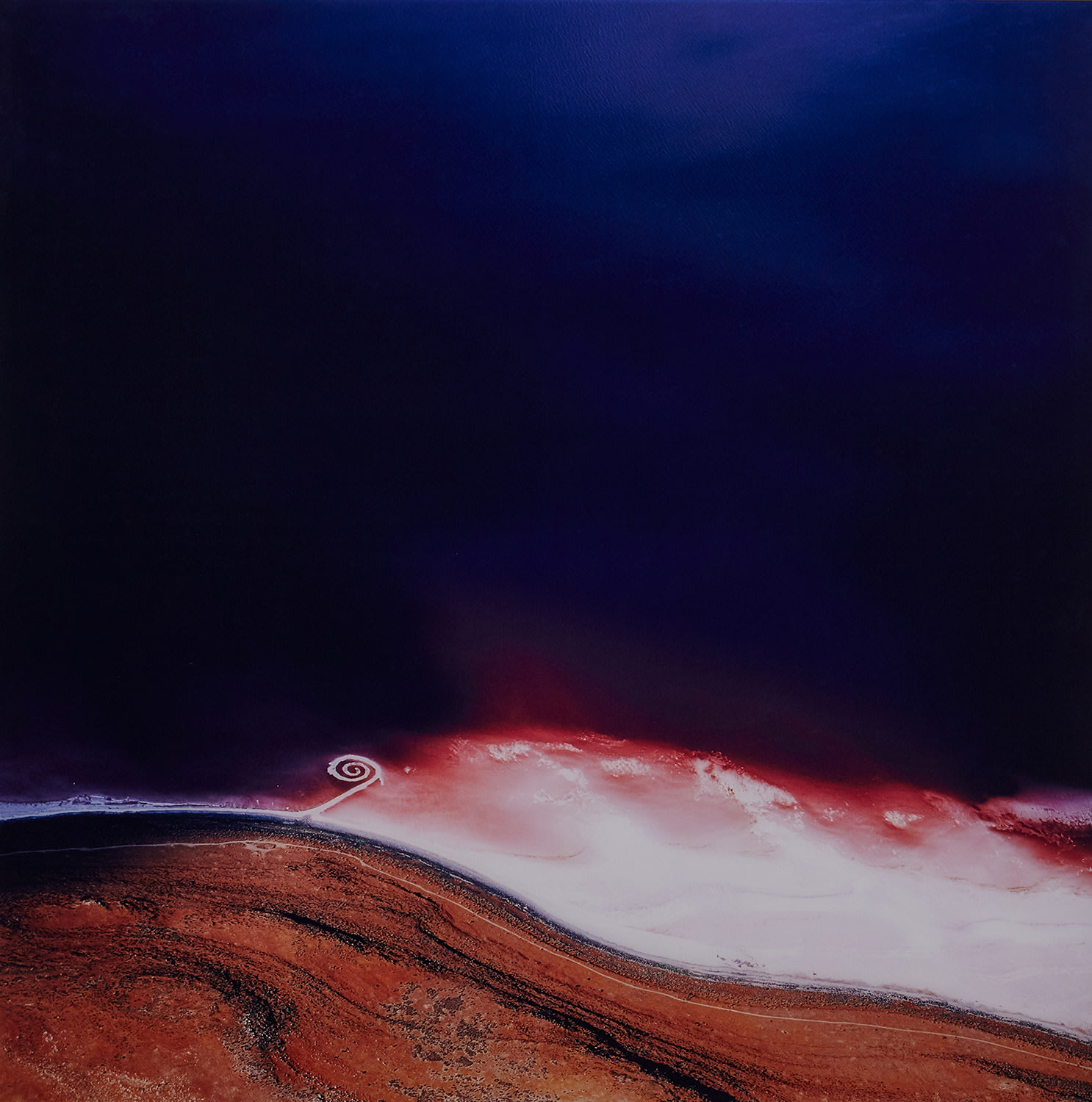
David Maisel
Terminal Mirage 215-9
Edward Burtynsky's large format documentation of extraction landscapes carries the empirical weight of the nineteenth century surveys but is saturated with a moral urgency those earlier works could not have anticipated. Both artists are represented on The Collection, and both occupy a position in the market where institutional interest continues to push values upward. Hiroshi Sugimoto's geological work, which treats stone and sediment with the same meditative precision he brings to his seascapes, offers a quieter but equally compelling entry point for collectors interested in contemporary photography's engagement with deep time. For collectors newer to this territory, a few practical considerations are worth keeping in mind.
Editions matter enormously in contemporary work. With Burtynsky and Sugimoto, understanding exactly where in an edition a print falls, and how large that edition is, directly affects both the current price and the long term ceiling. Ask galleries for complete edition information in writing, and ask specifically whether any prints from the edition have entered museum collections, as institutional acquisition is one of the most reliable drivers of secondary market performance. For nineteenth century material, work with dealers who have demonstrable expertise in survey photography specifically, not just American photography generally.
The authentication and condition questions in this niche are specialized enough that generalist advice can be genuinely costly. Display deserves more thought than it usually gets. Albumen prints are sensitive to light, and UV filtering glazing is not optional, it is essential. Many collectors choose to rotate survey prints seasonally, storing them in archival conditions and living with them for a few months at a time rather than exposing them to continuous light.
Contemporary works on the scale that Burtynsky and Maisel typically produce require serious wall space and lighting that respects the color calibration built into the prints. Both photographers have strong opinions about how their work should be shown, and their galleries are generally forthcoming with installation guidance. Following that guidance is worth the effort. These are works that reward the right conditions, and the right conditions reward you back every single morning you walk past them.