Aluminum
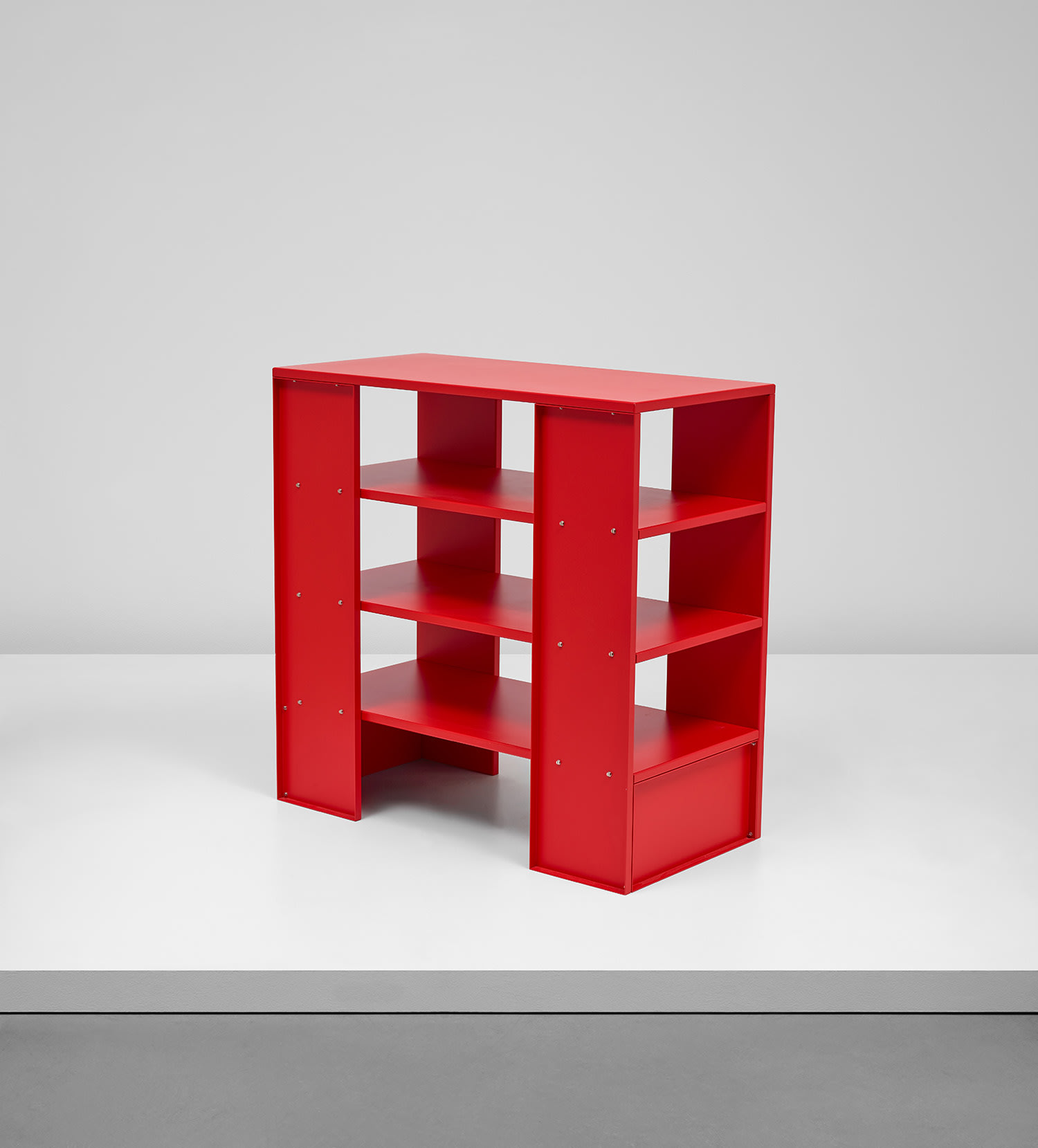
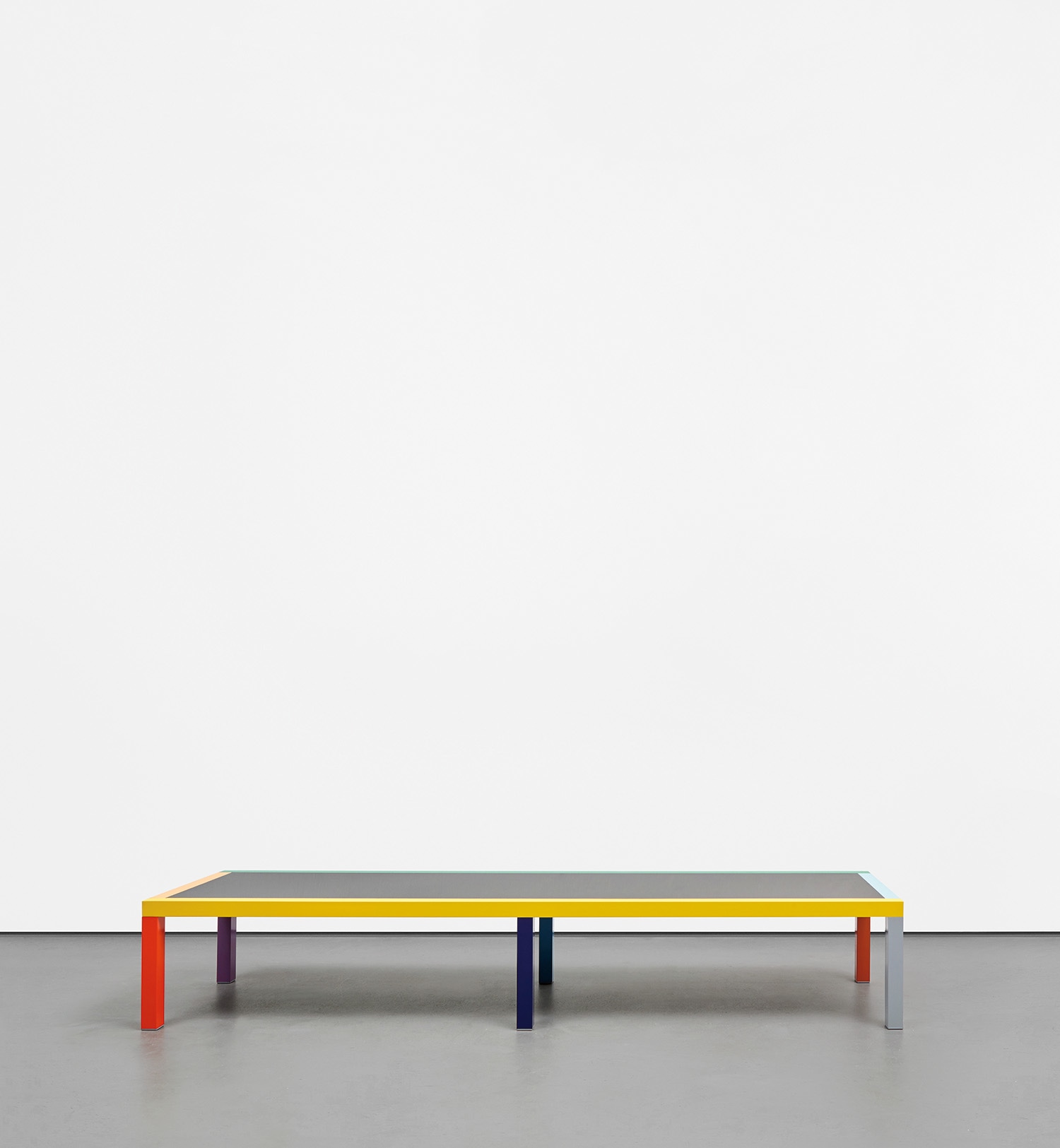
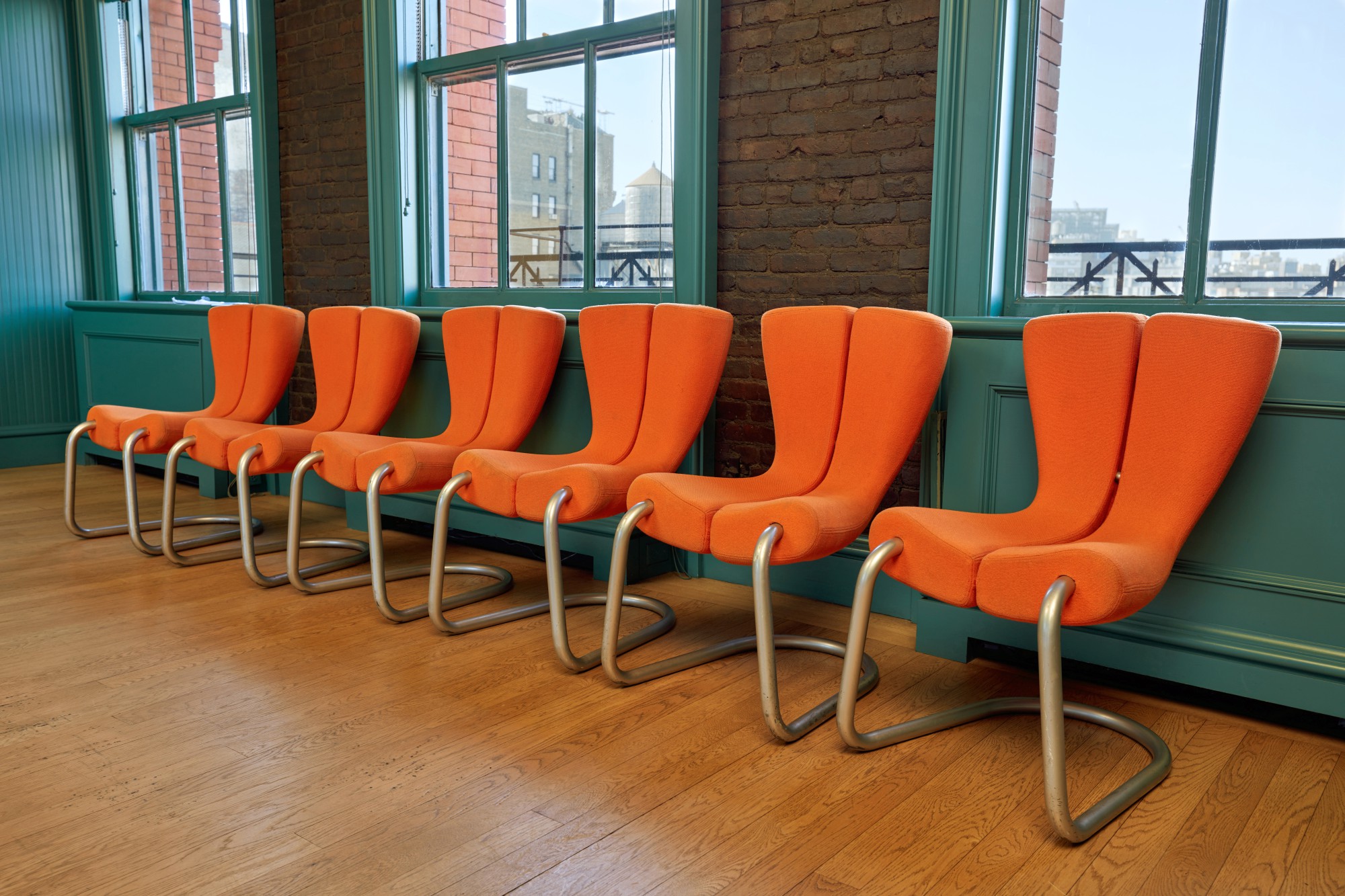
Donald Judd
Shelf No. 14 (Bookshelf), 1984


Light, Cold, Eternal: The Metal That Remade Art
There is something almost philosophical about aluminum. It is the most abundant metal in the earth's crust, yet for most of human history it was rarer than gold. Napoleon III famously reserved aluminum cutlery for his most honored guests while lesser visitors ate with silver. That paradox, of a material simultaneously ordinary and extraordinary, democratic and elite, has made it irresistible to artists who think seriously about what objects mean and how they exist in the world.
Aluminum entered the art world not through painting studios or bronze foundries but through industry. Its modern production became commercially viable in the 1880s following the Hall and Héroult electrolytic process, and within decades factories were stamping, casting, and extruding it into everything from aircraft fuselages to kitchen pots. Artists in the postwar period looked at this industrial abundance and saw possibility. If the material could build a bomber, it could hold a meaning.
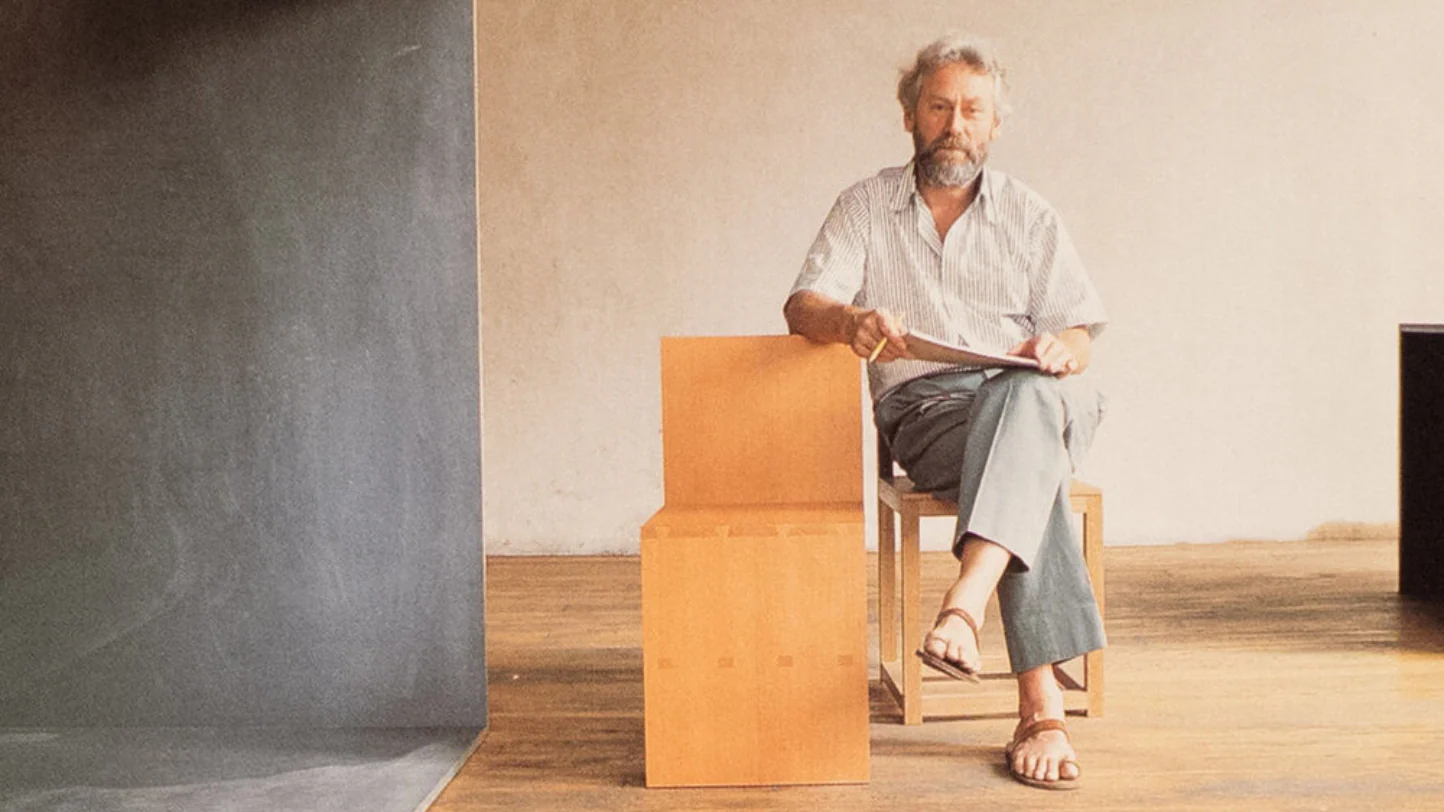
Donald Judd
Shelf No. 14 (Bookshelf), 1984
The question was what kind. The Minimalists of the 1960s answered that question with characteristic directness. Donald Judd, whose work appears prominently on The Collection, understood aluminum as a philosophical statement about presence and fabrication. His stacks and progressions from the mid 1960s onward used anodized and mill finish aluminum alongside other industrial materials to assert that an object need not represent anything beyond its own physical reality.
The surface of aluminum, that cool non reflective sheen or the almost optical brightness of a polished face, resisted the gestural warmth of Abstract Expressionism. It was a refusal, and a productive one. Judd often worked with industrial fabricators in New York and later at his compound in Marfa, Texas, treating the factory as a legitimate site of artistic production long before that idea became commonplace. Carl Andre, another figure well represented on The Collection, took a different approach.
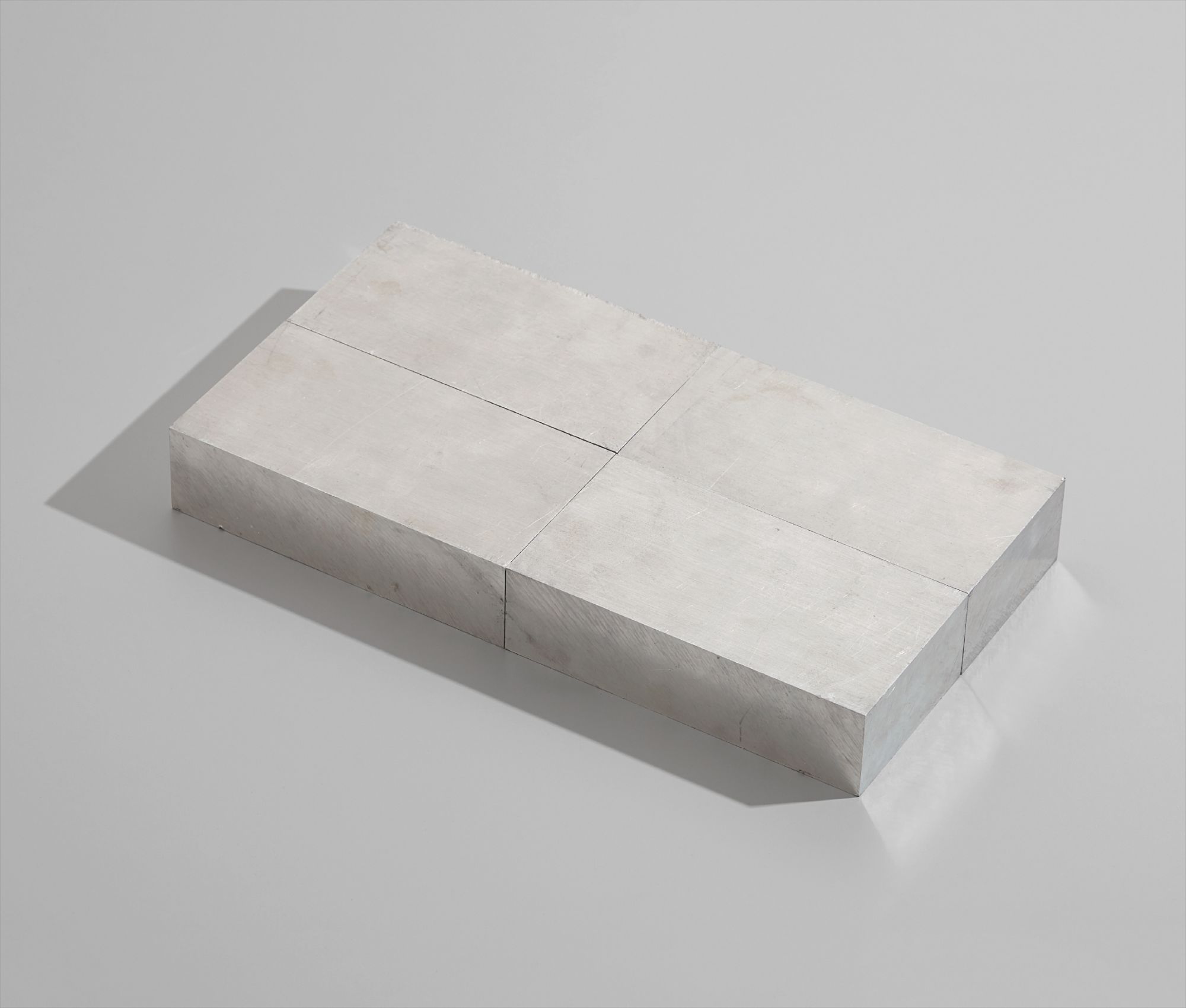
Carl Andre
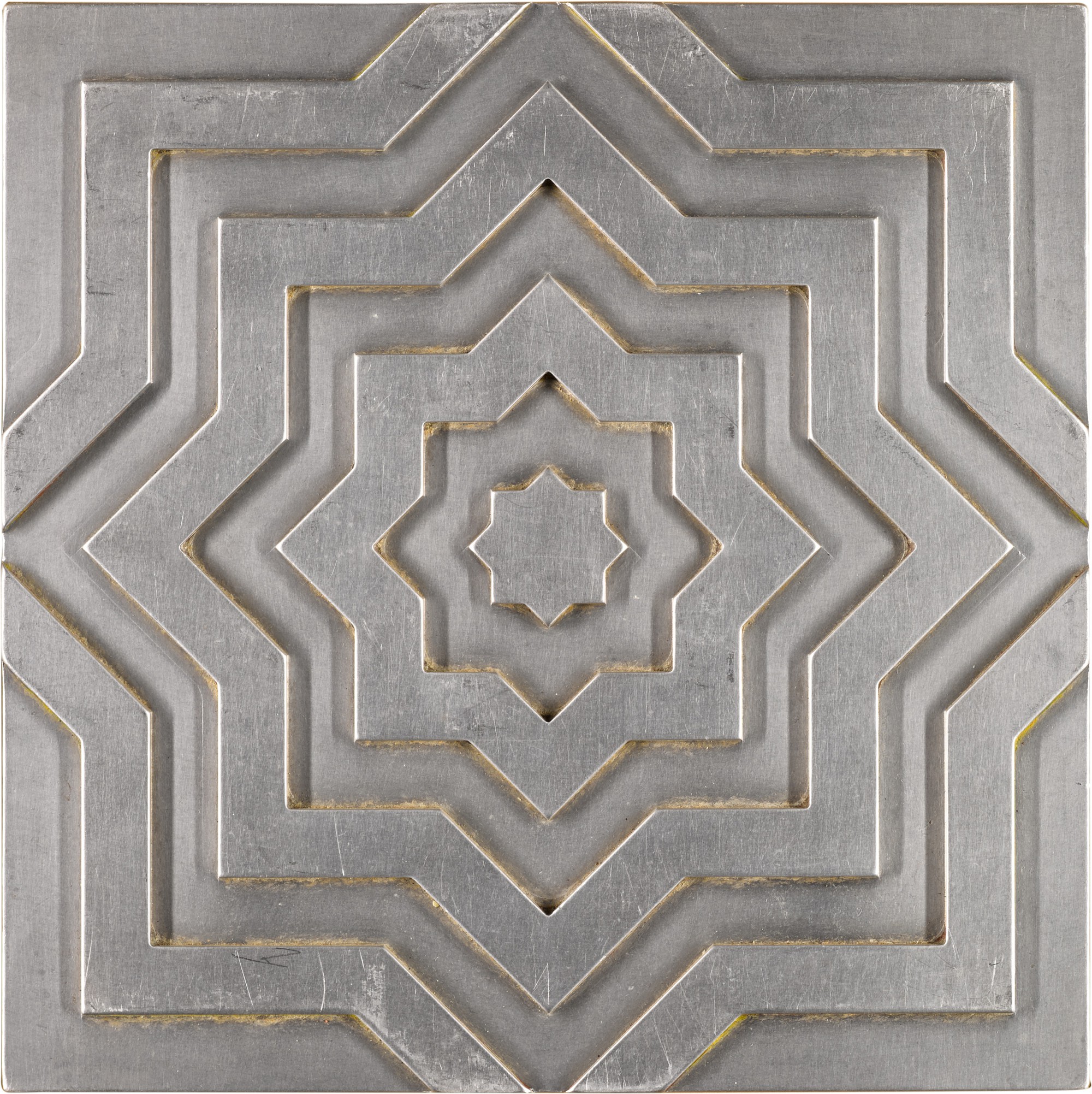
Al 4 Blocks
Where Judd built upward, Andre laid flat, placing sheets and plates of metal directly on the floor, returning sculpture to the ground plane and implicating the viewer's own body in the work. His use of aluminum plates in the 1960s and 1970s invited touch, or at least the fantasy of it. The material conducted the temperature of the room. You felt its coolness from several feet away.
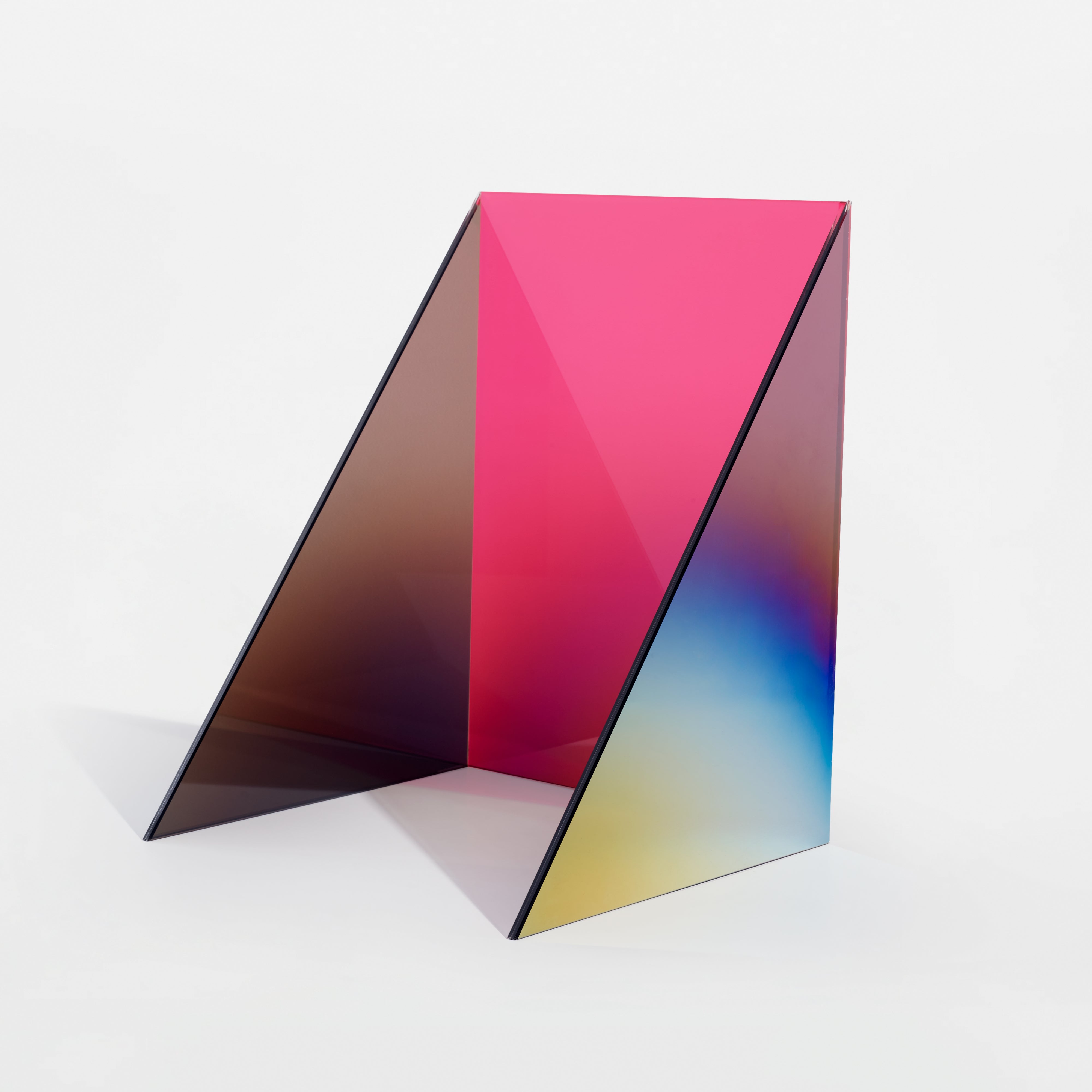
Few artists have understood so precisely how a metal can make you aware of your own skin. Larry Bell, the Los Angeles based artist associated with the Light and Space movement, pursued aluminum from a different angle entirely, treating it as a vehicle for optical transformation. His coated glass and vapor deposited metal works from the 1960s onward at the Ferus Gallery in Los Angeles and subsequently at major institutions worldwide explored how thin metallic films could bend and fracture light. Bell's work on The Collection demonstrates how aluminum's reflective properties could become a medium of perception rather than just material.
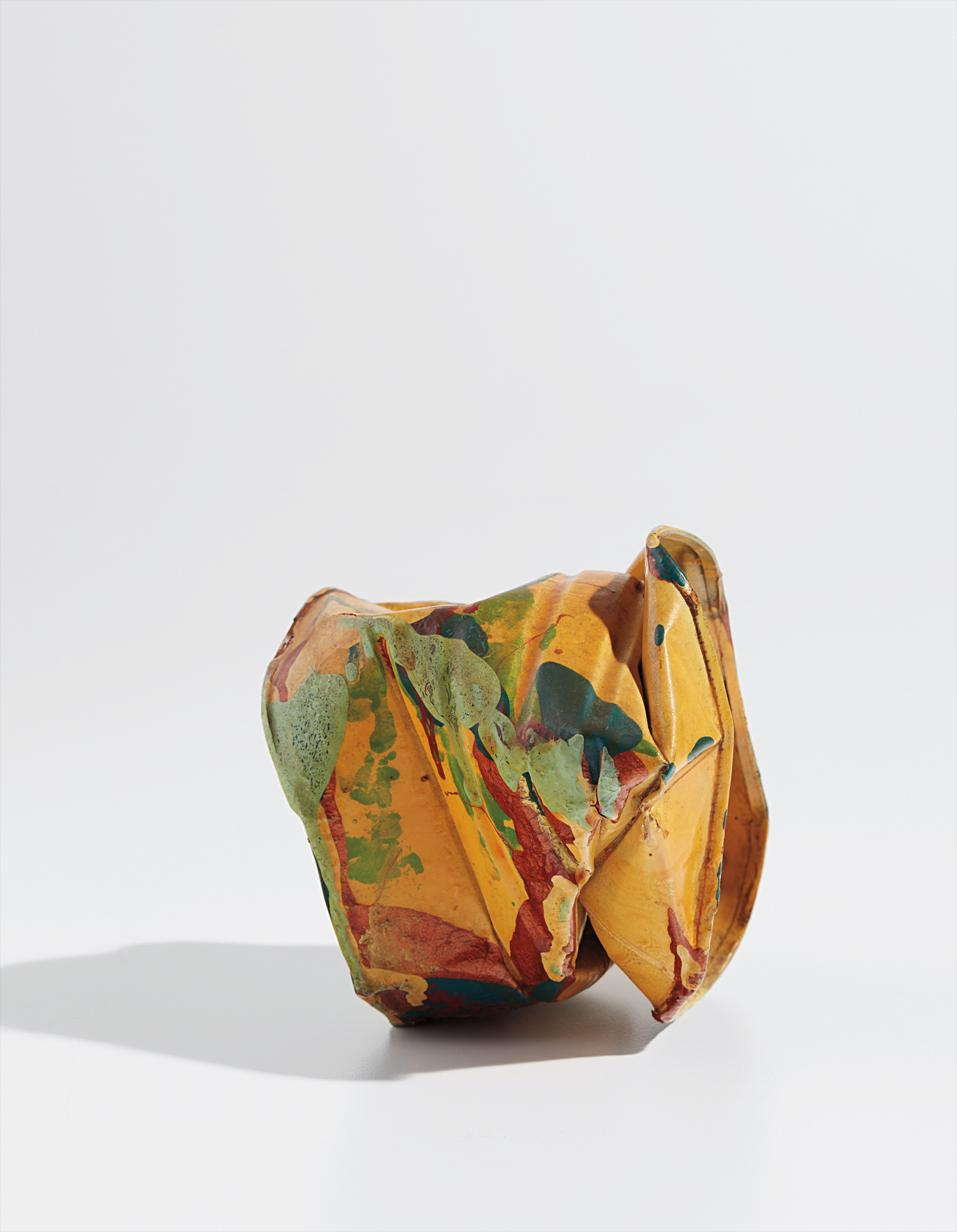
John Chamberlain
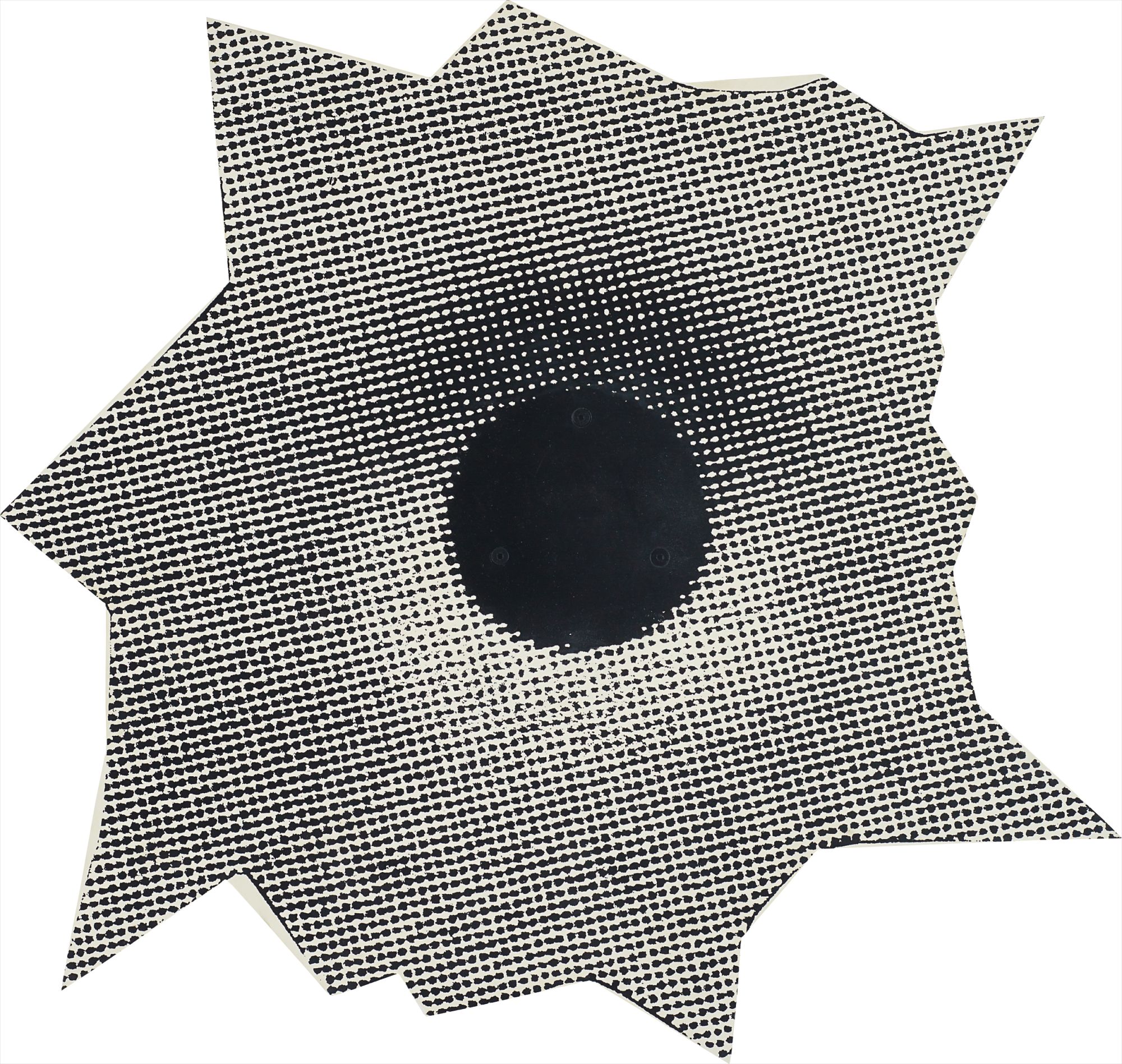
Socket #27, 1978
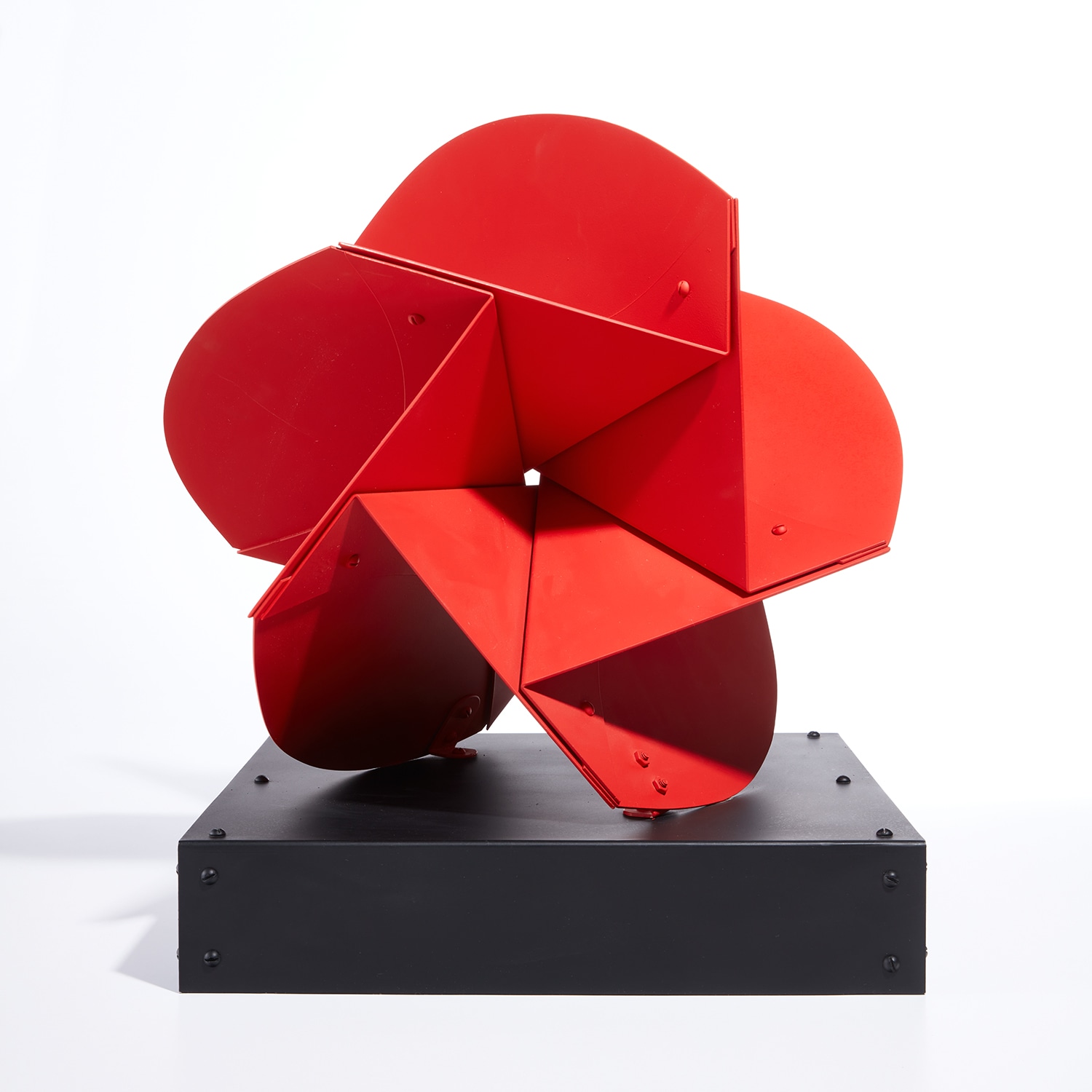
In Los Angeles the quality of sunlight mattered enormously, and Bell understood that aluminum was essentially a way of painting with light itself. The Colombian sculptor Édgar Negret occupies a quieter but equally significant place in this story. Working from Bogotá and New York from the 1950s onward, Negret developed a vocabulary of painted aluminum modules that he assembled into totemic and biomorphic structures. His work introduced aluminum to Latin American modernism at a moment when the continent was developing its own relationship to industrial materials and abstraction.
For Negret, aluminum was not a sign of American industrial dominance but a genuinely plastic medium, lightweight, bendable, capable of carrying color in ways that bronze and iron resisted. His forms hovered between machine and organism, and they remain among the most formally inventive sculptures of the twentieth century. The Collection holds several of his works, and they reward sustained attention. Lygia Clark, the Brazilian artist whose work also appears on The Collection, used aluminum in a completely different register.
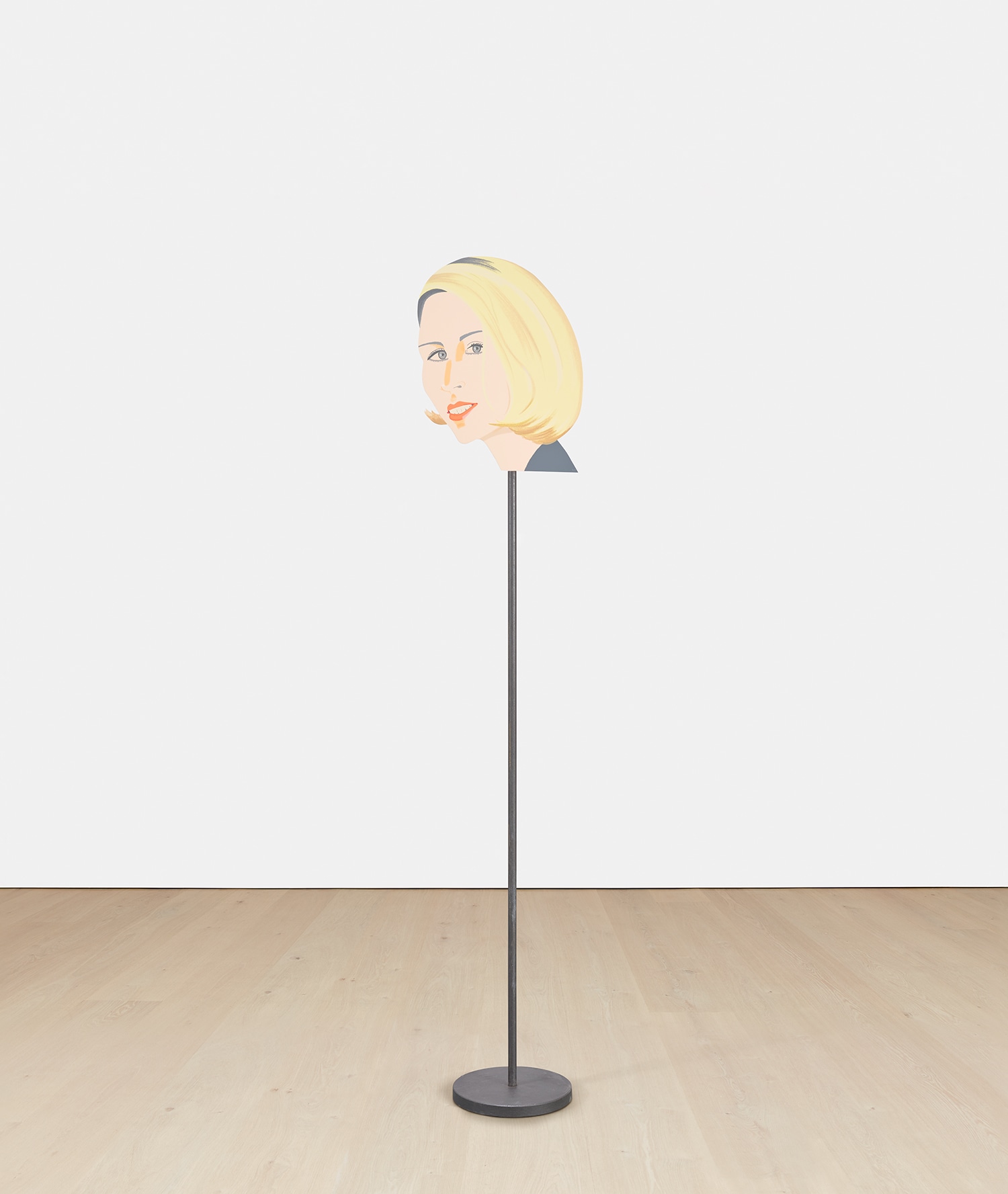
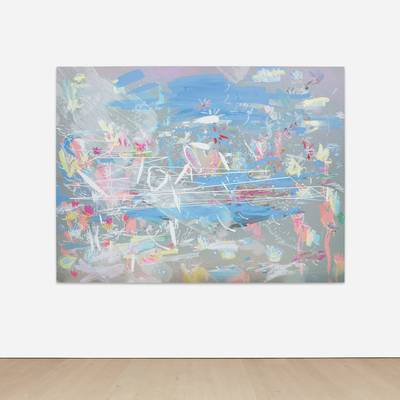
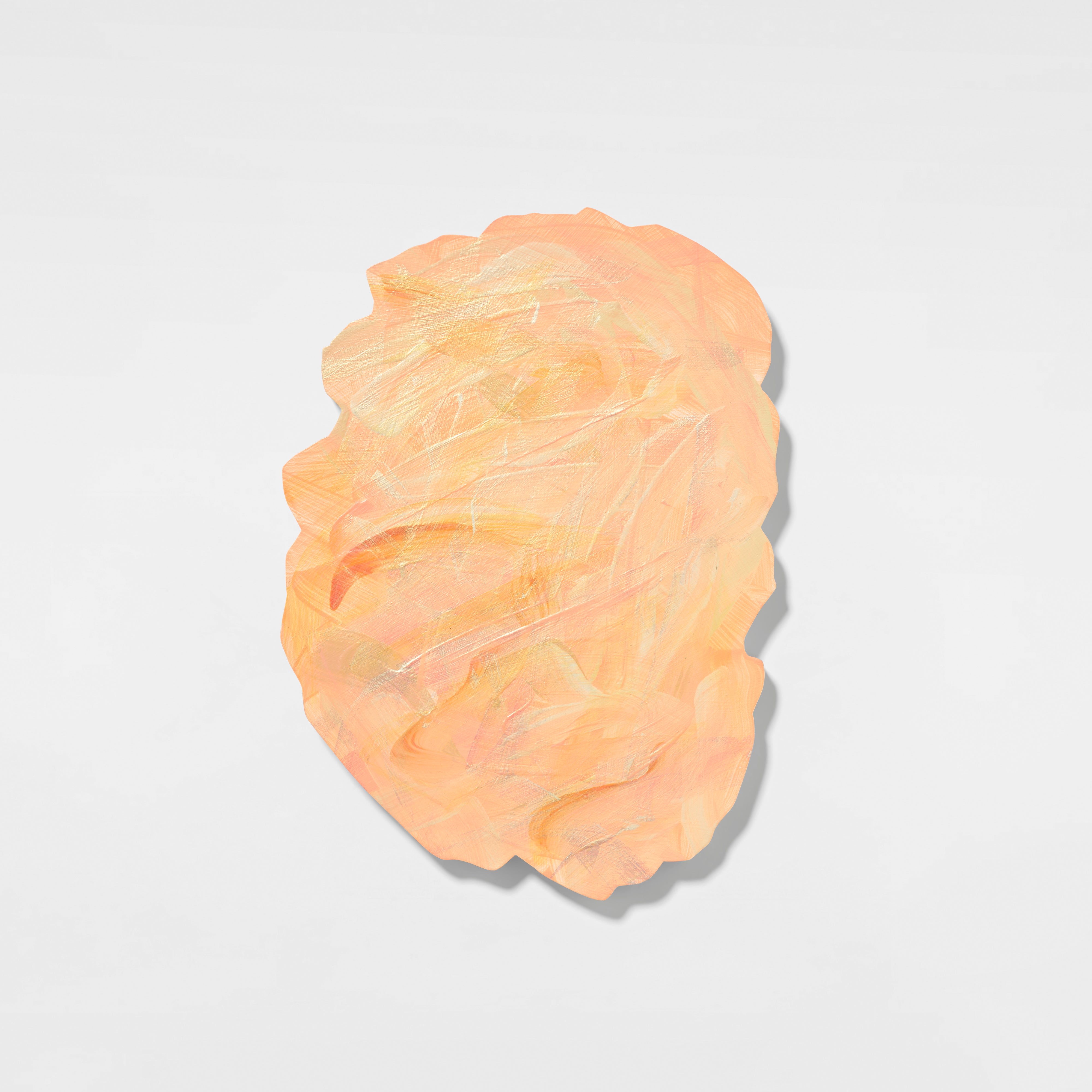
Alex Katz
Jessica (Cutout edition, weather vane) (S. 352)
Her Bichos series from the early 1960s consisted of hinged aluminum planes that viewers were invited to manipulate and reconfigure. Clark was interested in collapsing the distance between artwork and participant, and aluminum was ideal for this purpose. It was light enough to hold, rigid enough to maintain its form, and its industrial neutrality placed no emotional pressure on the handler. The Bichos could be folded, opened, and transformed without any sense of violating something precious.
Clark called the viewer a co author, and the material made that claim credible. More recently, El Anatsui has transformed aluminum from a minimalist or kinetic material into something approaching tapestry. His monumental works, constructed from thousands of discarded aluminum bottle caps and labels woven together with copper wire, address the history of trade, colonialism, and the global circulation of goods. The shimmering surfaces of his installations recall the gold and kente cloth of West African tradition while simultaneously invoking industrial waste and mass consumption.
When his work was shown hanging from the facade of the Palazzo Fortuny in Venice in 2007 it stopped people in the street. Aluminum had arrived at something like grandeur. What connects Judd's precise fabrications, Bell's optical films, Negret's painted modules, Clark's participatory objects, and Anatsui's woven accumulations is not a shared aesthetic but a shared curiosity about what aluminum does to meaning. The material is value neutral in a way that marble or gold never can be.
It carries no ancient associations, no ritual history, no inherited prestige. Every artist who uses it is essentially starting from zero, which is both the challenge and the freedom. In an art world saturated with symbolic weight, aluminum offers a kind of useful blankness. The Collection's holdings in aluminum span this full range of intentions and approaches.
Looking across them, one begins to understand the material not as a stylistic period piece but as an ongoing conversation about objecthood, light, industry, and the stubbornly physical nature of things. The artists represented here, from the Minimalists of the 1960s to contemporary practitioners, share an understanding that the most ordinary materials are often the ones that ask the deepest questions.