Water
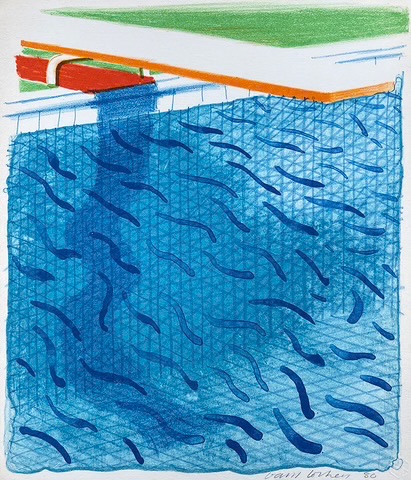
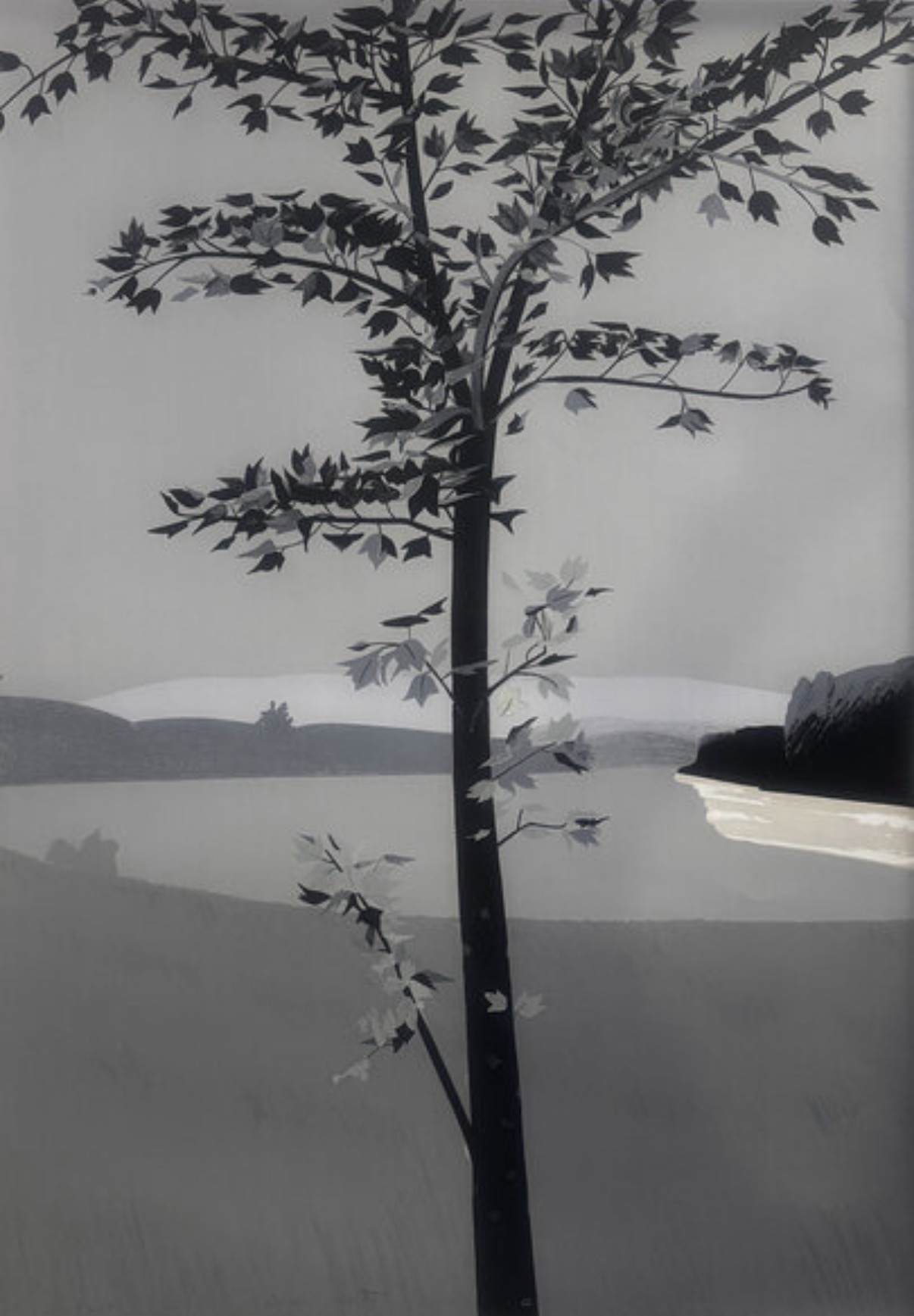
David Hockney
Pool Made with Paper and Blue Ink for Book, 1980

The Endless Subject That Art Cannot Resist
There is no subject in the history of art more persistently seductive, more technically demanding, or more philosophically loaded than water. It reflects and distorts. It stills and surges. It has no fixed form, no permanent colour, no single mood, and that is precisely why artists have returned to it across every century, every medium, and every cultural tradition with something approaching obsession.
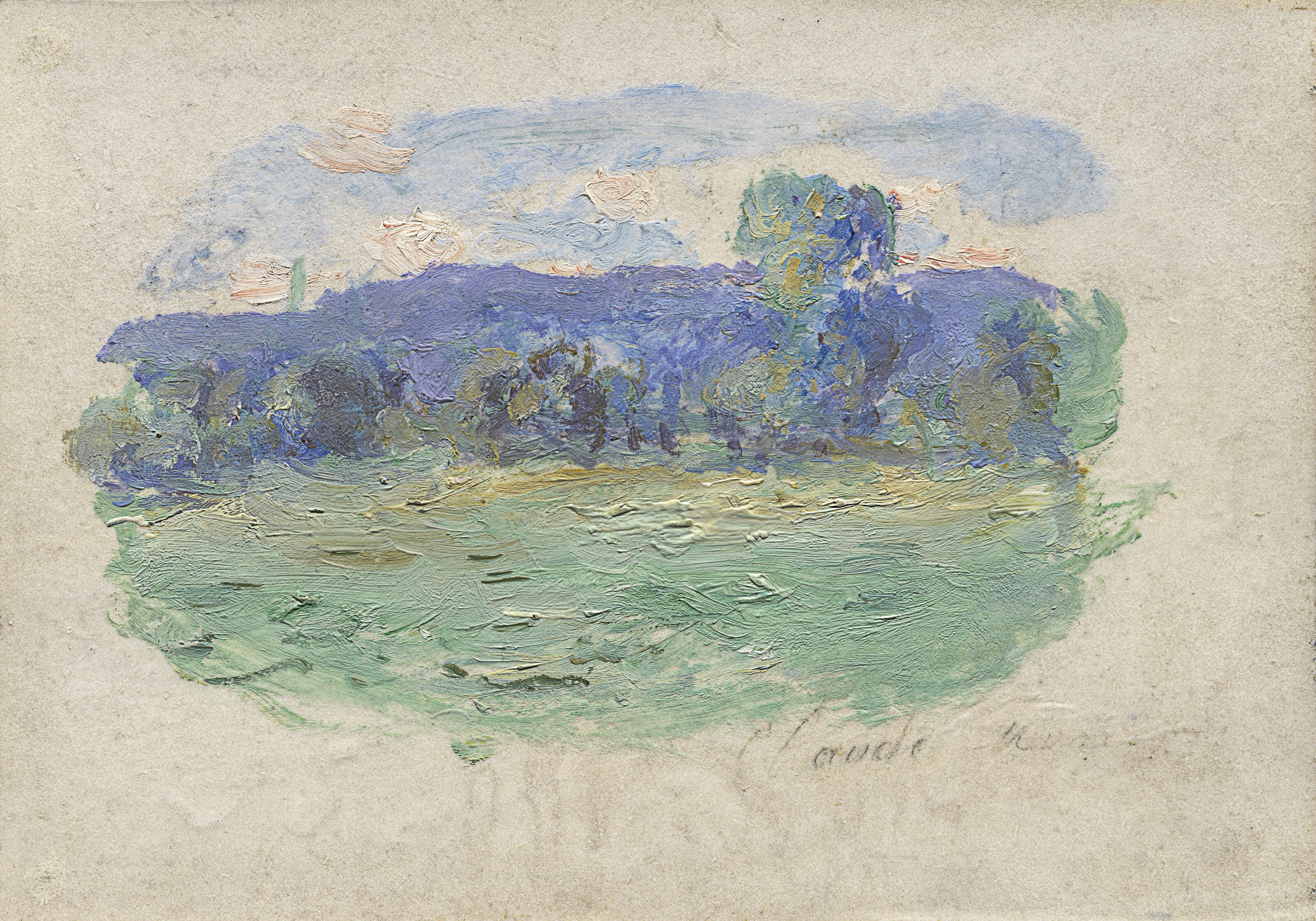
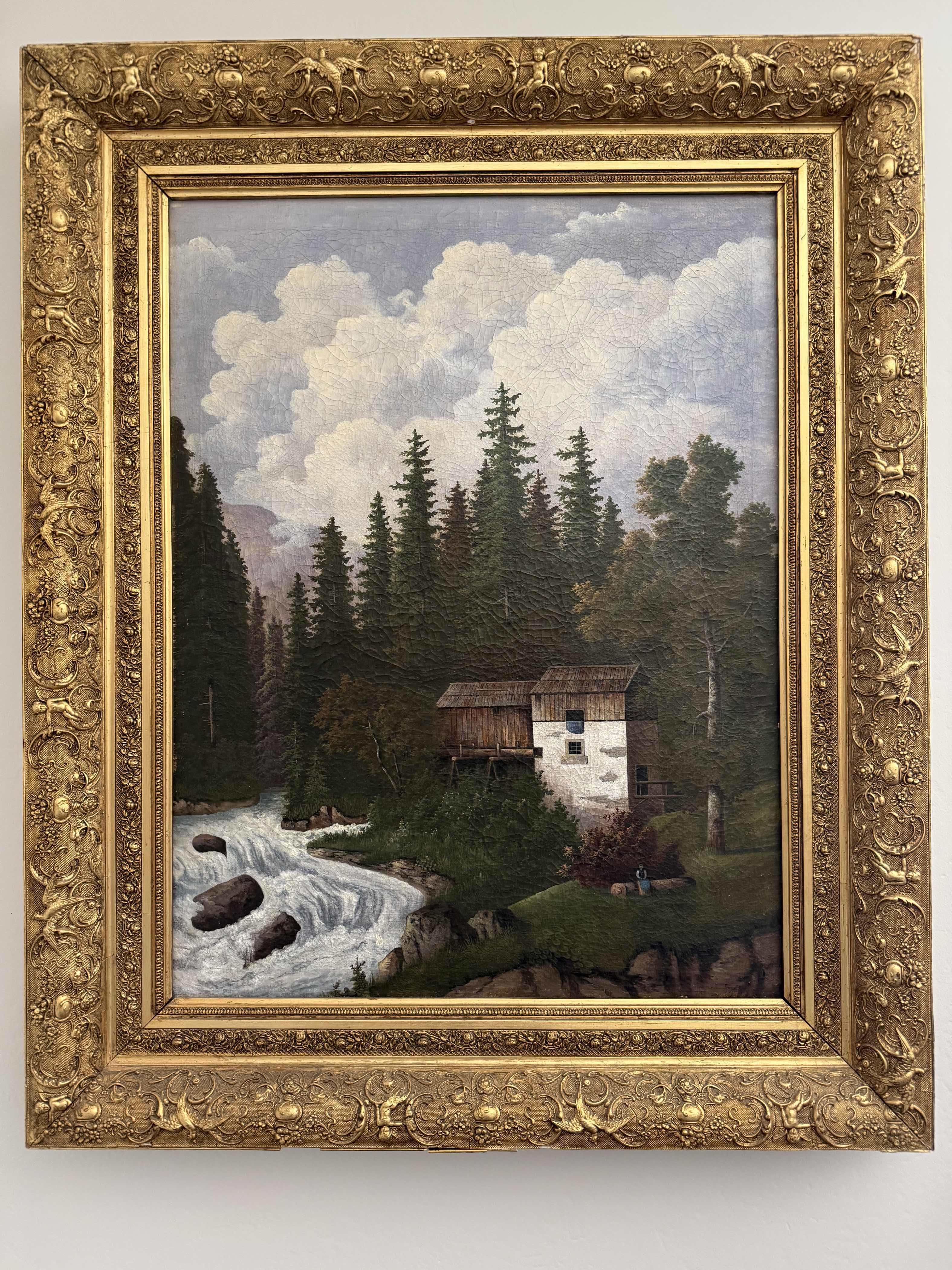
To paint or photograph water is to attempt the impossible: to arrest something that exists only in motion, to find permanence in the most transient of substances. The serious engagement with water as a primary subject can be traced at least to the Dutch Golden Age of the seventeenth century, where painters of marine and river scenes understood that light on water was among the most complex optical problems a brush could tackle. But it was the Impressionists who made water the engine of an entire aesthetic revolution. When Claude Monet began his systematic studies of the Seine and the ponds at Giverny in the 1890s, culminating in the monumental Nymphéas series exhibited at the Orangerie in 1927, he was not simply painting a garden.
Unknown
Untitled, 1850
He was proposing that perception itself, unstable and layered, was a legitimate subject for art. The water surface became a membrane between sky and depth, between what is seen and what is felt. The Japanese tradition arrived at similar conclusions through entirely different means. Katsushika Hokusai's Under the Wave off Kanagawa, published around 1831 as part of his Thirty six Views of Mount Fuji series, distilled water into pure graphic force: a curling, clawing wave that has become arguably the most reproduced image in all of printmaking.
What Hokusai understood, and what Utagawa Hiroshige reinforced across dozens of rain and river scenes in the same era, was that water could carry emotion as no other natural element could. It was never merely landscape. Both artists are well represented on The Collection, and looking at their work together you begin to understand how deeply this sensibility shaped Western artists who encountered Japanese prints later in the nineteenth century. That influence moved directly through artists like James McNeill Whistler, whose Nocturnes of the Thames in the 1870s translated the flat, tonal quietude of Japanese woodblock into oil and etching.
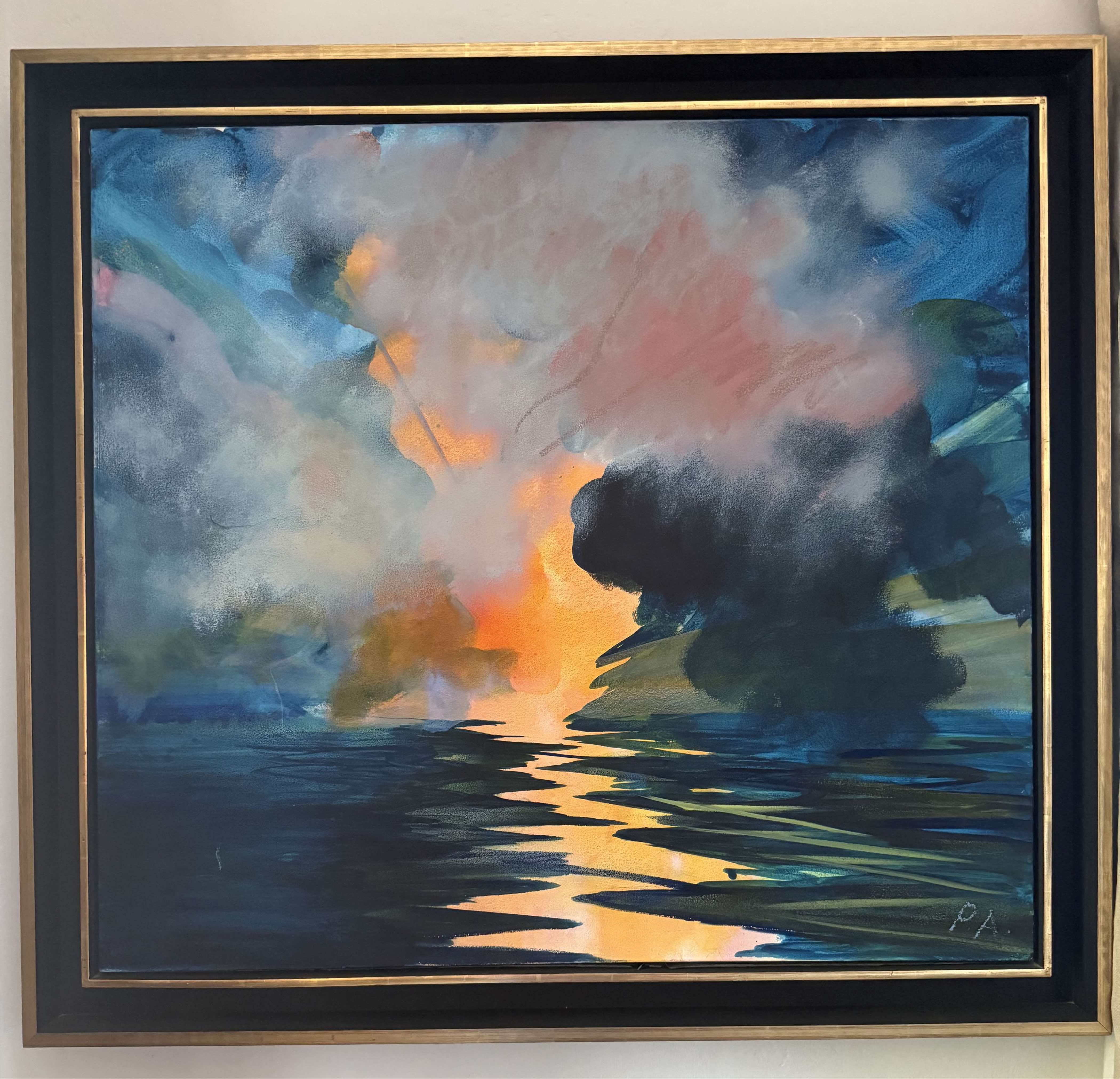
Silva Segrist
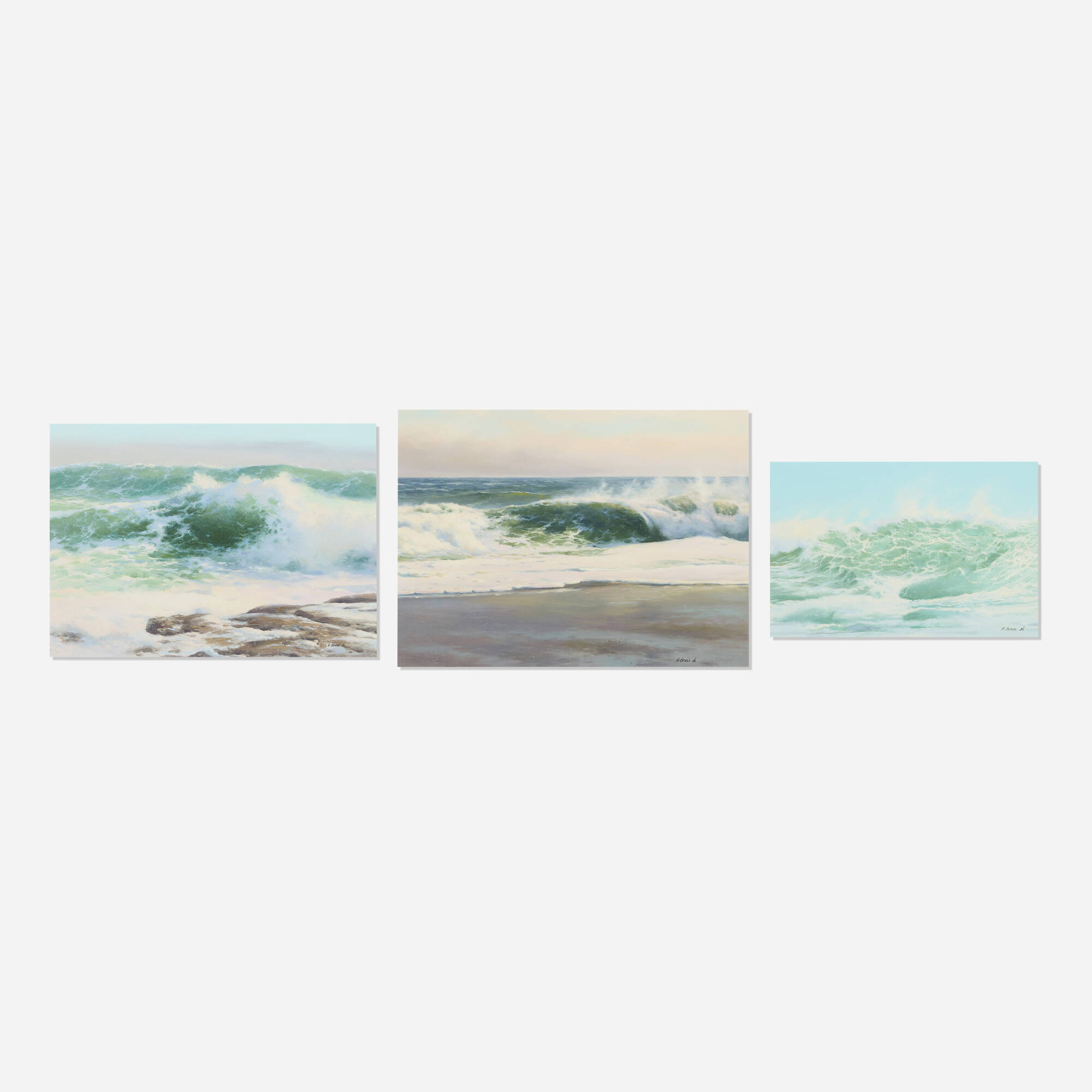
July Waves, 2000
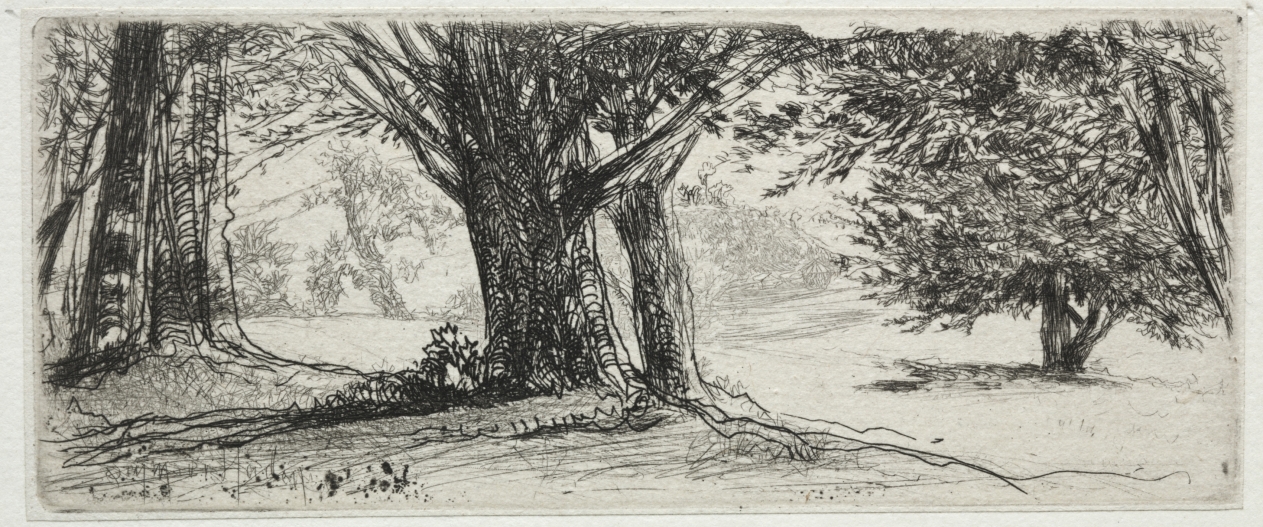
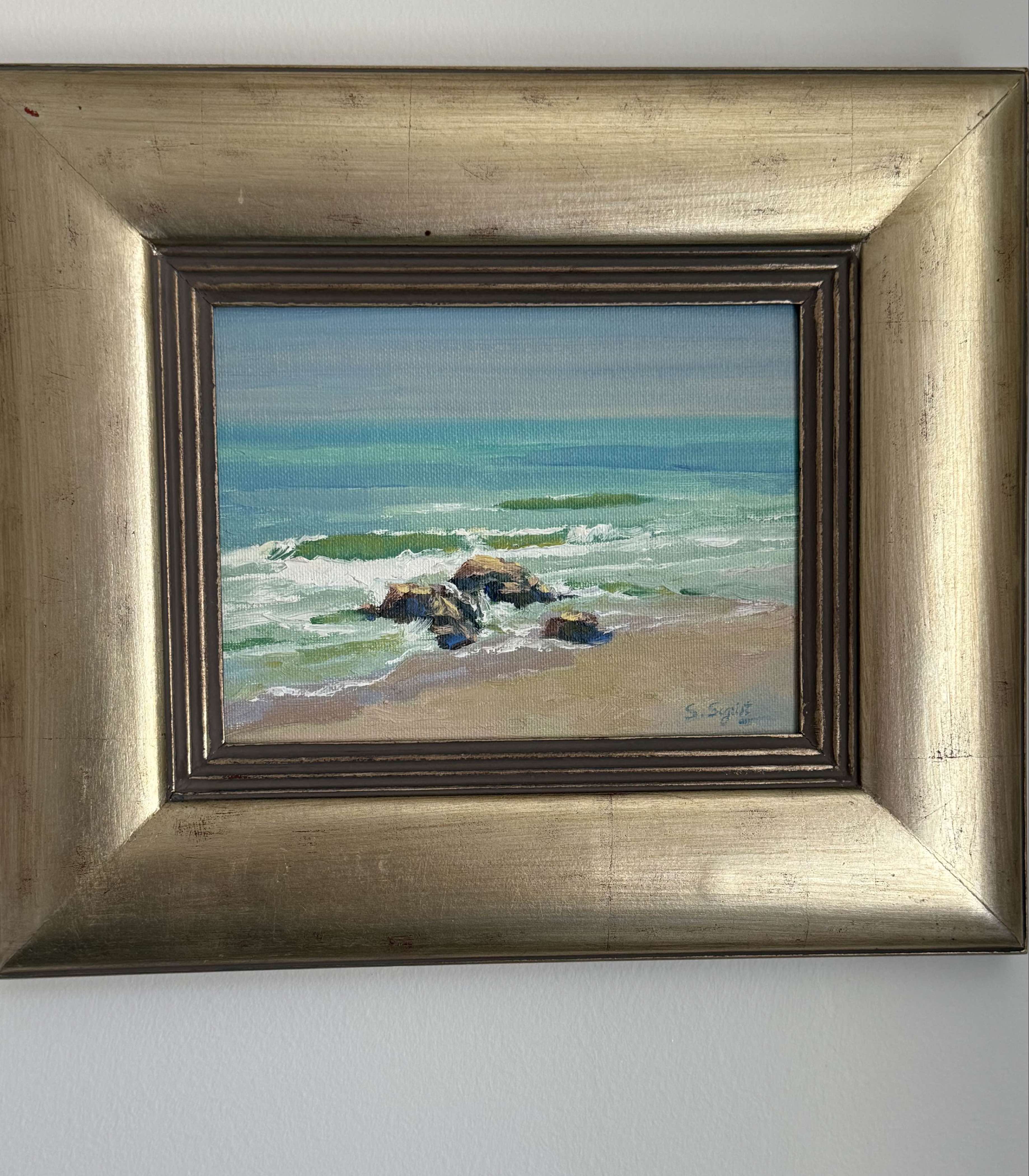
Whistler's river scenes barely describe water at all in the conventional sense. Instead they dissolve it into atmosphere, into suggestion, into a grey or blue field where a distant light might be a lantern or a star. His etchings and drypoints, produced partly in Venice in 1880, approached the lagoon city with the same restraint, and they stand among the finest prints of the nineteenth century. Francis Seymour Haden, Whistler's brother in law and a serious etcher in his own right, brought a more naturalistic eye to rivers and coastal views, though no less a sense of poetry in the mark making.
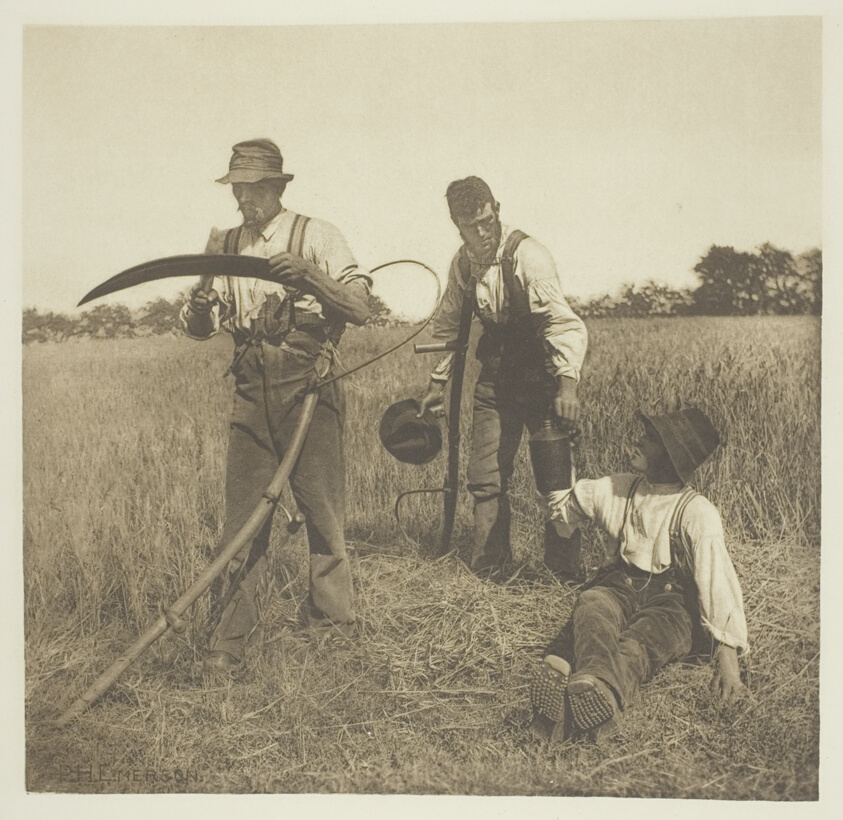
Photography entered this conversation with its own complications and possibilities. For Peter Henry Emerson, working in the Norfolk Broads in the 1880s, water was the native element of his entire photographic philosophy. His 1886 publication Life and Landscape on the Norfolk Broads, produced with the painter Thomas Frederick Goodall, argued for a photography rooted in observed nature rather than theatrical studio artifice. Emerson's reed cutters and marsh fishermen exist in a world that is more water than land, and his prints carry a soft, atmospheric depth that he theorised as naturalistic focus.
David Hockney
Pool Made with Paper and Blue Ink for Book, 1980
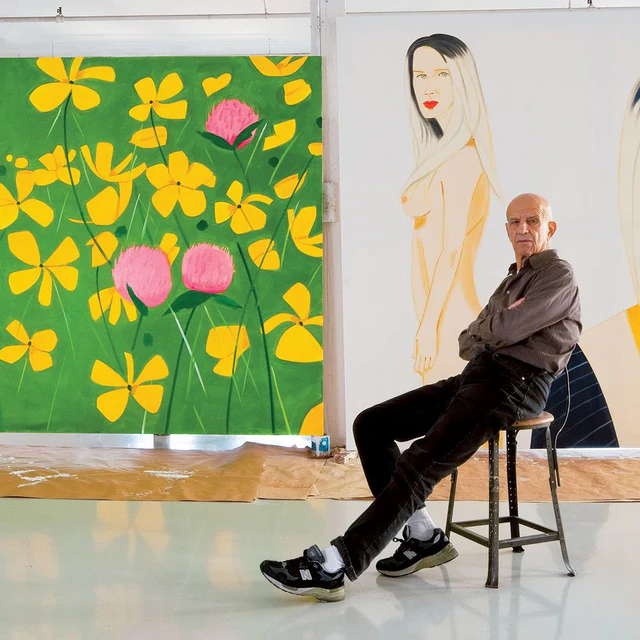
His body of work, among the most substantial on The Collection, remains a touchstone for anyone thinking seriously about landscape photography and its debts to painting. The twentieth century expanded what water could mean conceptually, not just visually. David Hockney's swimming pool paintings of the late 1960s and 1970s are among the most recognisable images of that era, but their real achievement was the depiction of light refracted through chlorinated blue. Works like A Bigger Splash, painted in 1967, used flat acrylic colour and stylised ripples to ask questions about representation, leisure, and the constructed nature of Californian paradise.
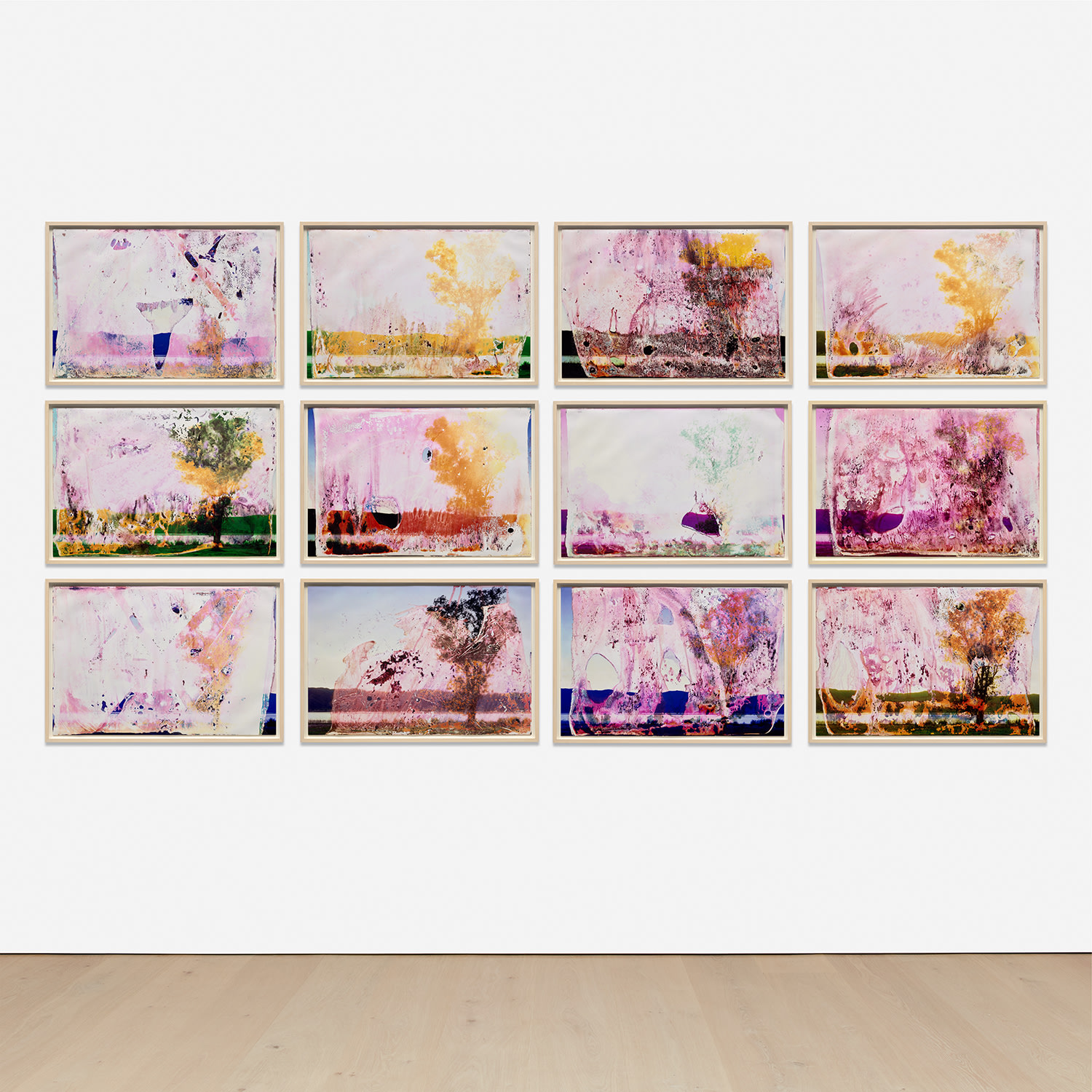
Hockney is a significant presence on The Collection, and the breadth of his work across print and drawing reveals how consistently he returned to the push and pull between surface and depth. Around the same time, Paul Signac's Pointillist harbour scenes were being reassessed as key documents in the history of colour theory, his stippled Mediterranean waters demonstrating how perception of hue changes with proximity and light. Contemporary artists have found in water a subject that carries new weight in an age of ecological anxiety. Matthew Brandt's large scale photographs, developed in the very water they depict, collapse the distinction between subject and material in ways that feel both conceptually precise and viscerally strange.
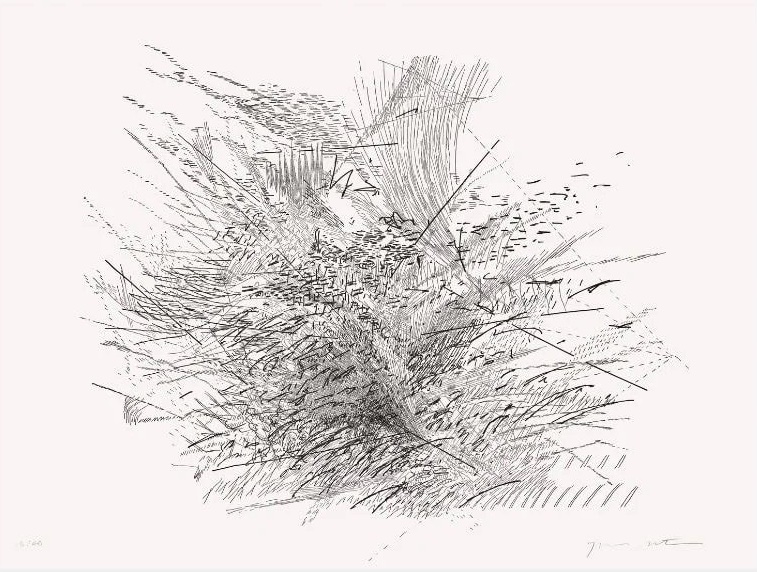
Hiroshi Sugimoto
Brush Impression 0916 (Water)
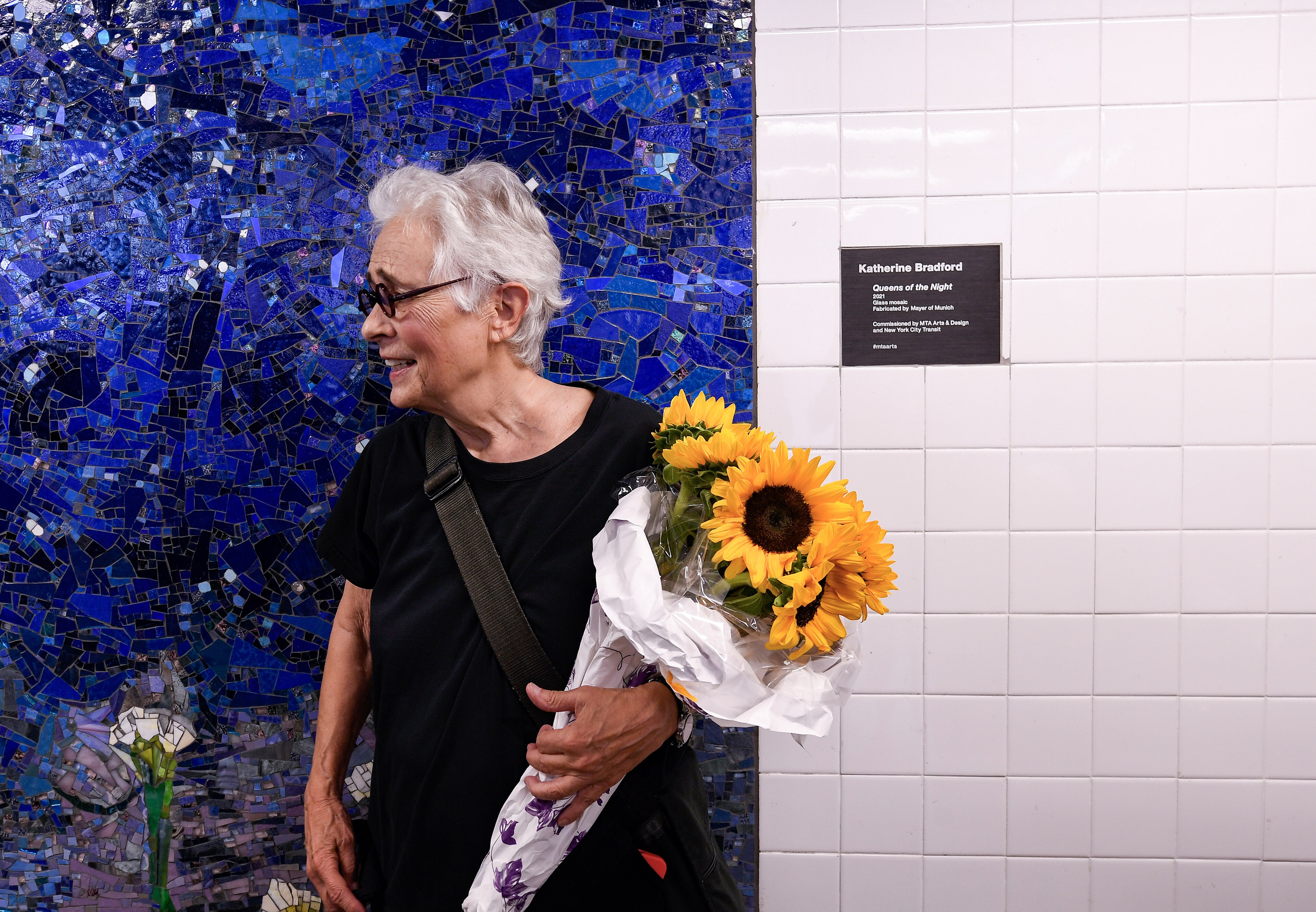
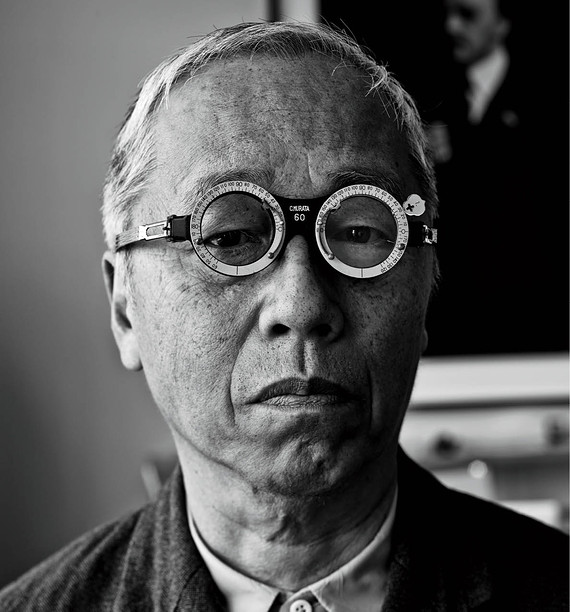
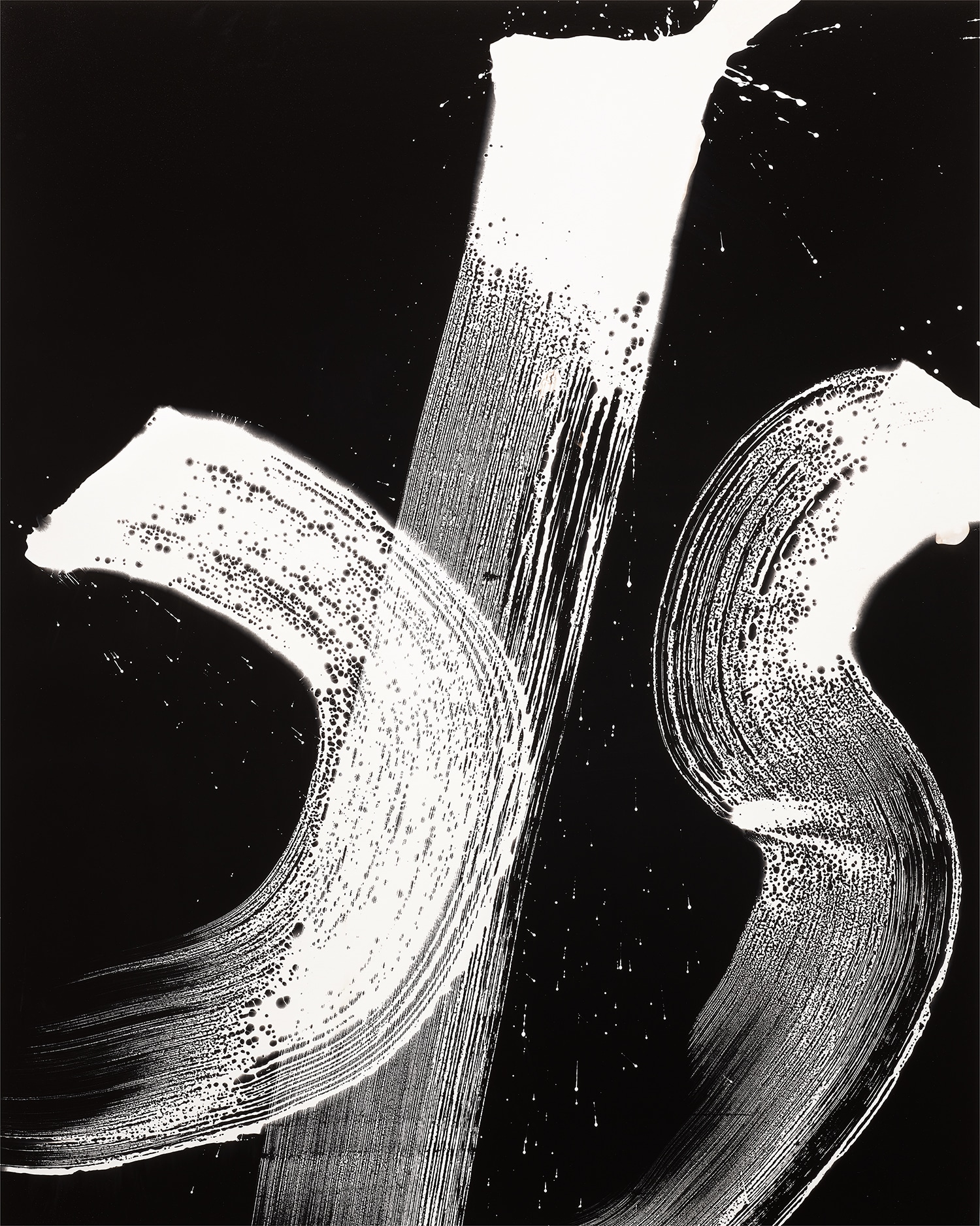
Hiroshi Sugimoto's long exposure seascapes, begun in the 1980s and continuing across decades, reduce ocean and sky to two bands of tone, a horizon line that functions as a kind of philosophical vanishing point. Both artists appear across significant bodies of work on The Collection. Katherine Bradford's paintings, by contrast, approach water with a looseness and emotional directness that feels closer to the body than to the horizon, her swimmers moving through colour fields that read simultaneously as sea, sky, and interior states. What connects Hokusai's wave to Monet's lily pond to Sugimoto's Atlantic horizon is not style or period but a shared understanding that water is an image of consciousness itself.
It holds light without possessing it. It moves without destination. Pat Steir's cascading waterfall paintings, in which poured and dripped paint performs the movement it describes, make this explicit: the medium enacts the subject. Kim Tschang Yeul devoted much of his career to the single image of a water drop, painted with obsessive precision across hundreds of canvases, finding in that tiny suspended sphere a vehicle for Buddhist thought, for memory, for the entirety of human longing.
To collect works centred on water is to build a collection that is never finished, because the subject is never finished. Every generation finds new questions in it. Every medium finds new problems to solve. The works on The Collection gathered around this theme span more than a century and a half of human looking, and placed in conversation with one another they illuminate something essential: that the most transparent of substances turns out to be the richest mirror we have.