Korean Artist
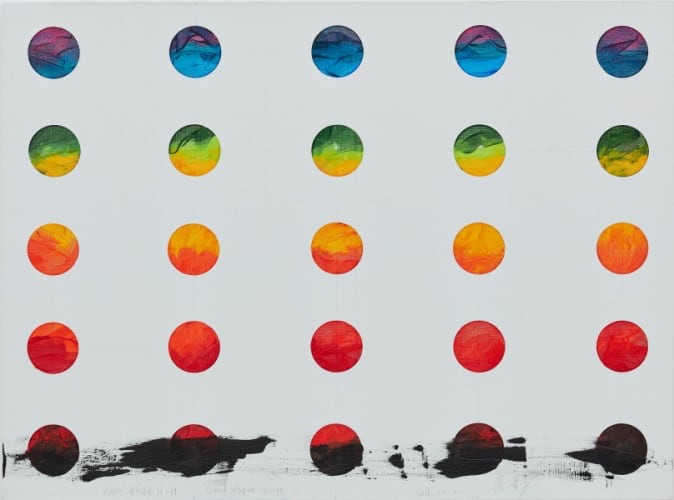
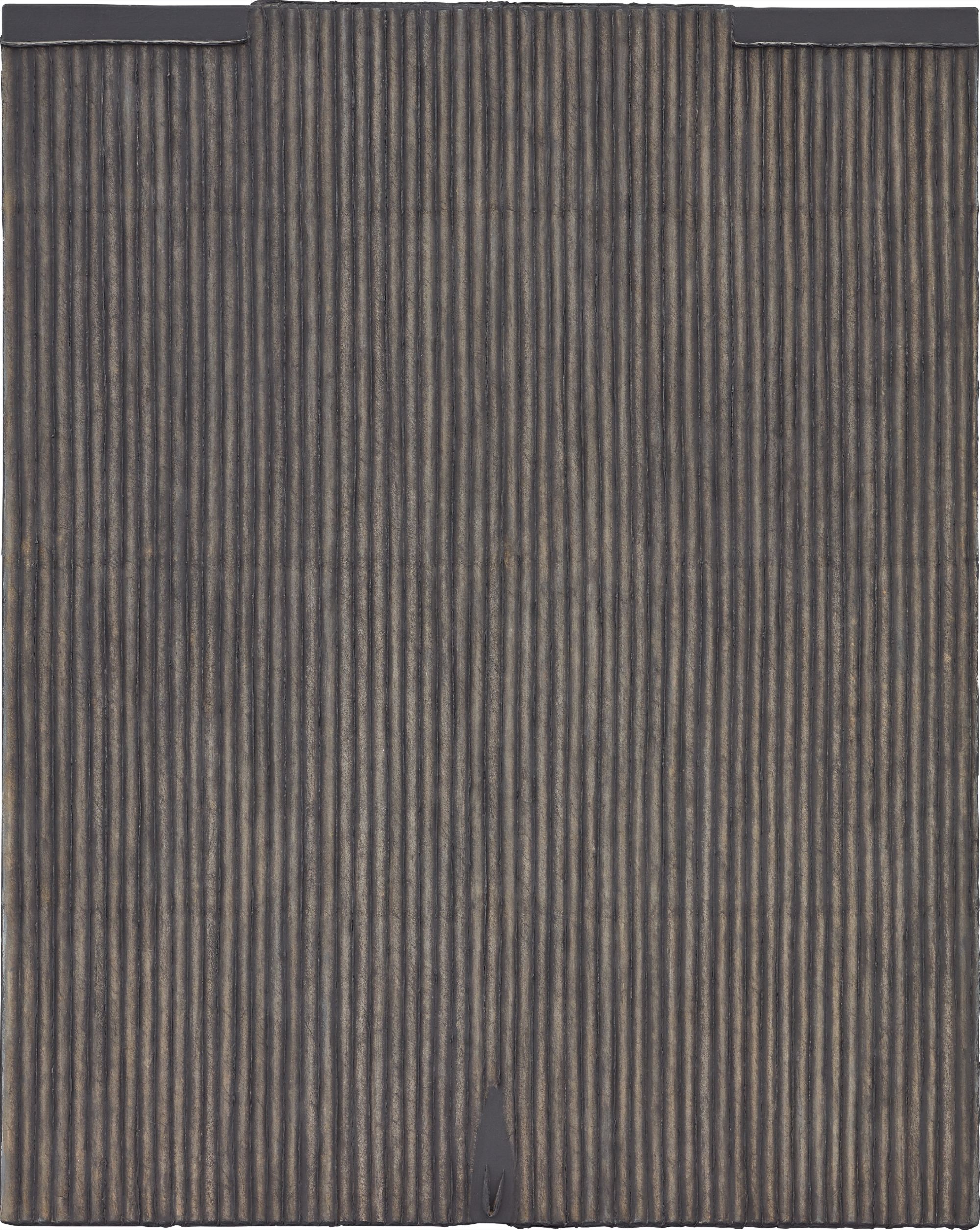
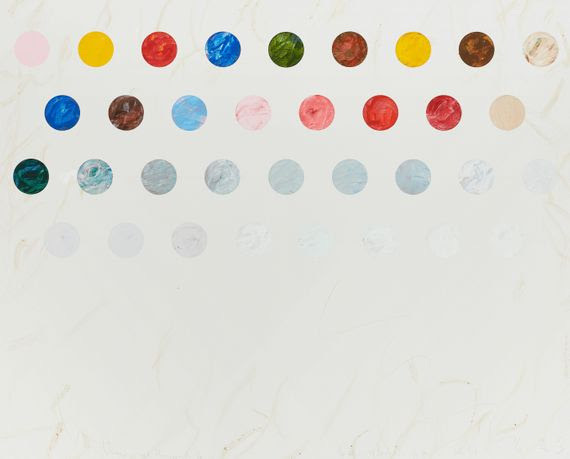
Kim Yong-Ik
Erased Utopia #16-11, 2016

Korean Art's Long Game Is Finally Winning
When a Lee Ufan canvas sold at Christie's New York for well over a million dollars in recent years, the room barely flinched. That kind of confidence, that collective exhale of recognition rather than surprise, marks a turning point. Korean art is no longer a discovery. It is a destination.
The story of how Korean contemporary and modern art arrived at this moment is not a sudden one. It runs through decades of institutional patience, critical advocacy, and the quiet determination of artists who were never really waiting for Western validation in the first place. Lee Ufan, whose presence on The Collection is substantial and well earned, built his reputation across Tokyo, Paris, and his native Korea simultaneously. His philosophical grounding in the Mono ha movement gave Western critics a framework they could hold, but the work always exceeded that frame.
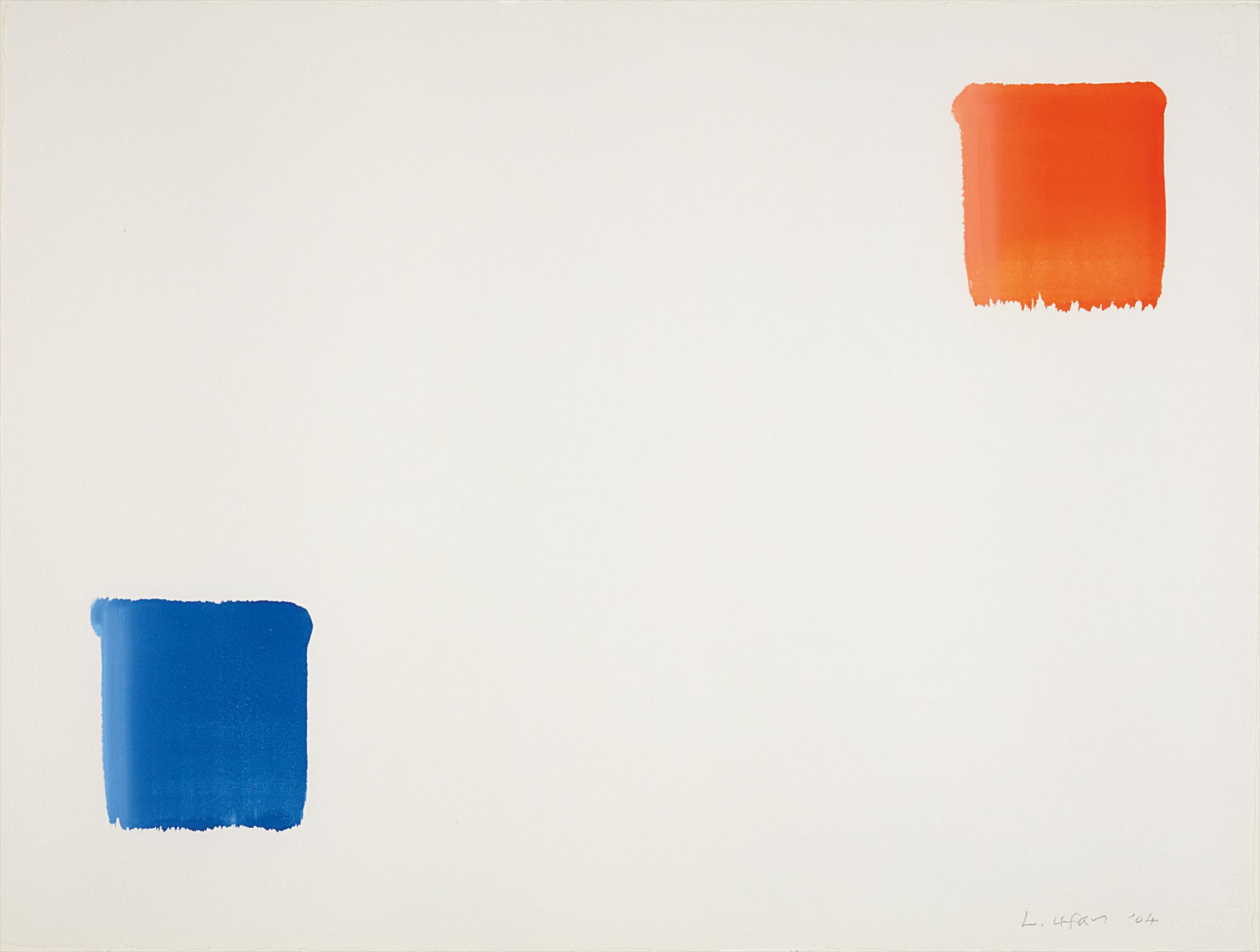
Lee Ufan
“It is difficult to say what is perfect or what is balanced, but the movement of vision in relation to similarity and difference is endless.” - Lee Ufan
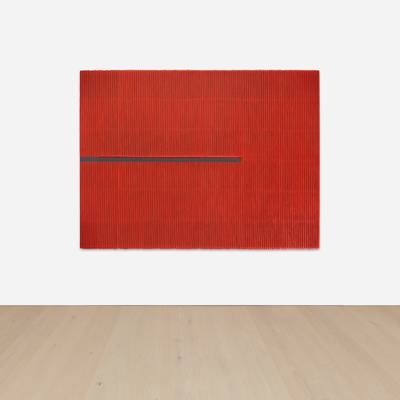
His paintings, with their restrained brushstrokes floating against vast unpainted linen, have become among the most sought after works in any Asian art sale category, commanding prices that place him firmly in the conversation with major postwar European artists. The 2022 retrospective of Park Seo Bo at the Tate Modern in London felt like a coronation long in the making. Park, one of the central figures of the Dansaekhwa movement, spent decades working in a register that the Western art market was simply not equipped to value correctly. His Ecriture series, with its meditative repetition of pencil lines pressed into wet hanji paper, rewards the kind of slow looking that auction previews rarely allow.
But the market caught up. Works from this series have achieved strong results at both Seoul Auction and the major international houses, and institutional collections from the Guggenheim to the Centre Pompidou have moved to acquire them. Park Seo Bo is well represented on The Collection, and rightly so. Kim Tschang Yeul occupies a singular position in this landscape.
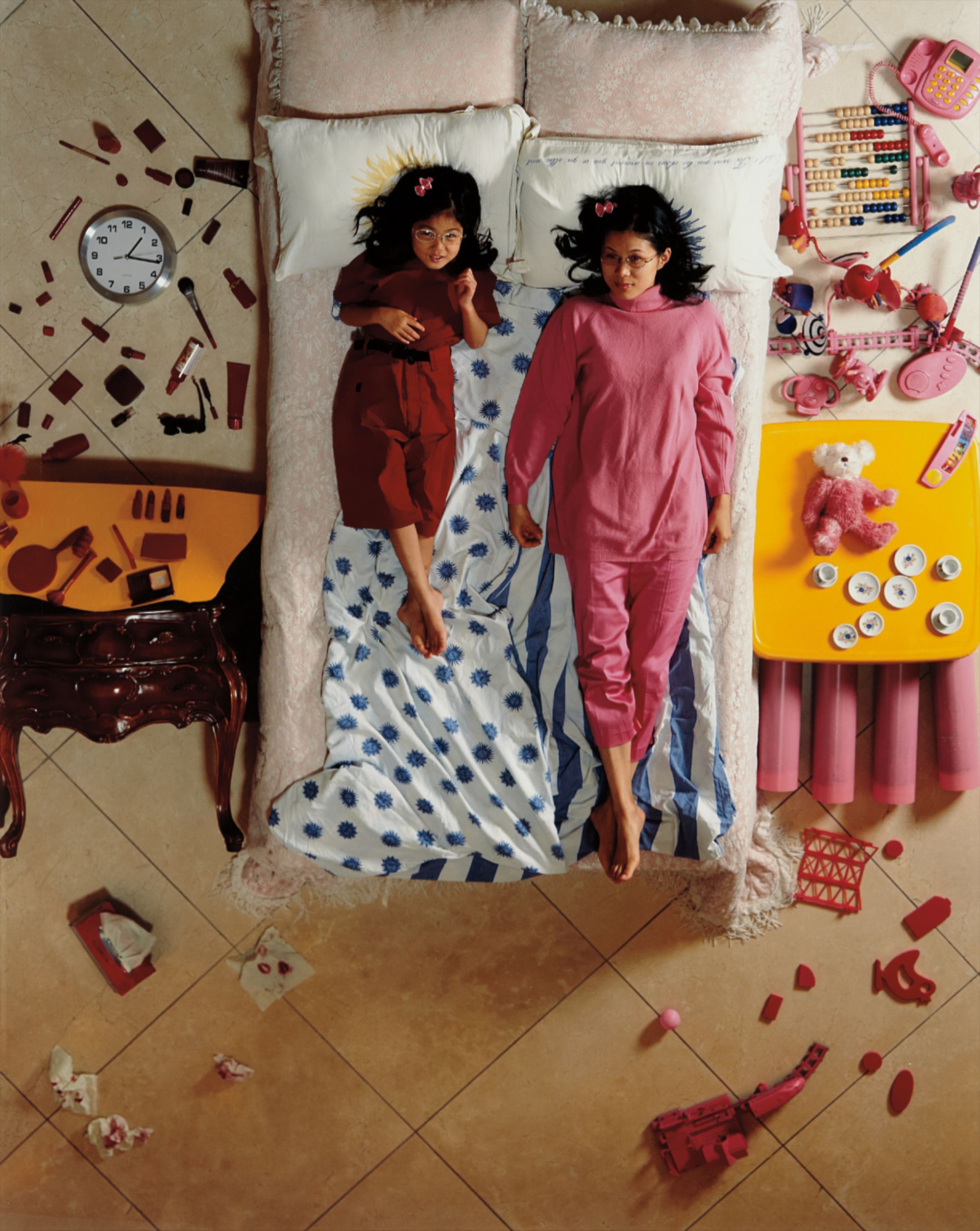
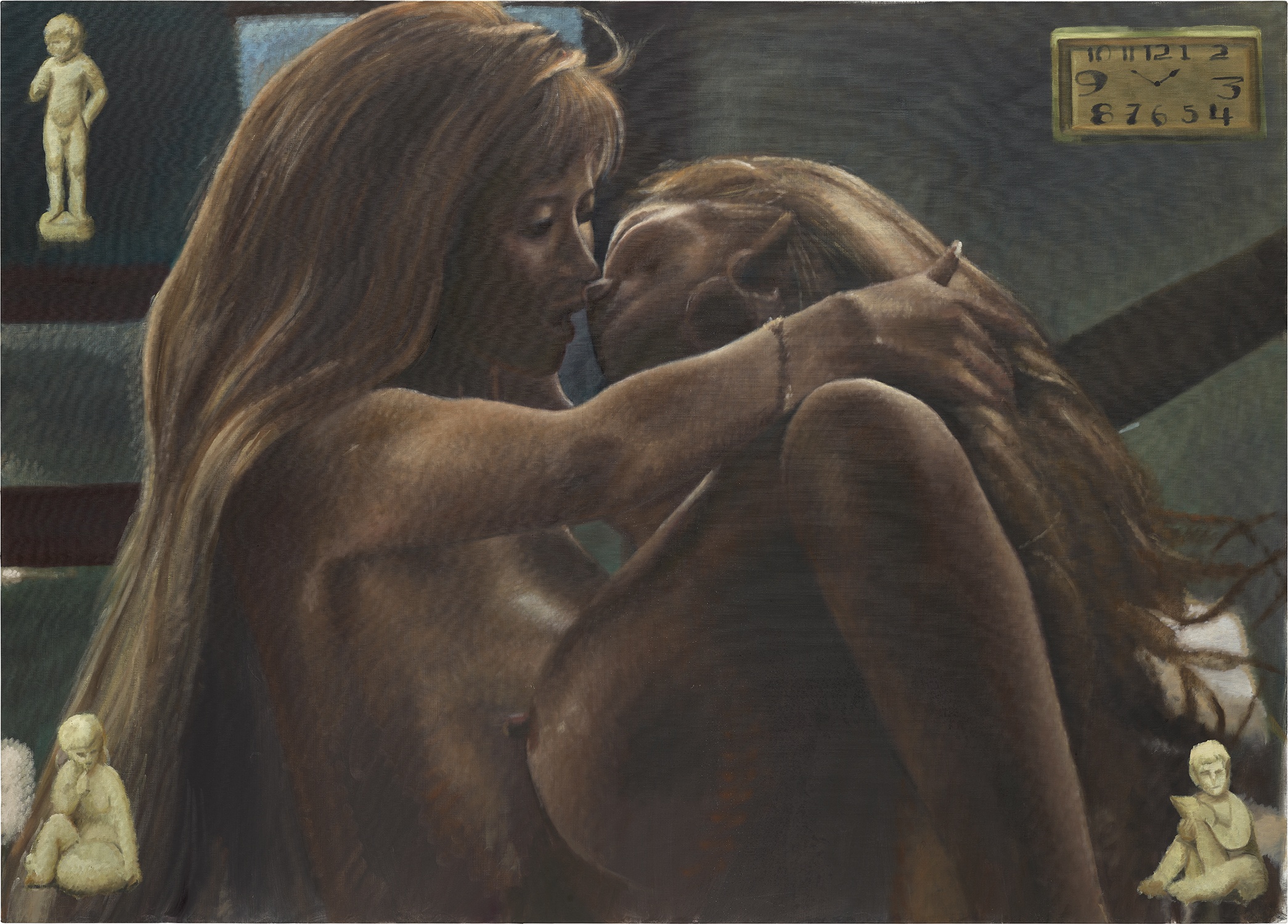
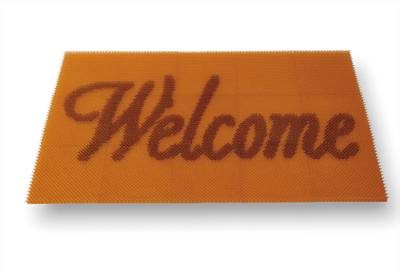
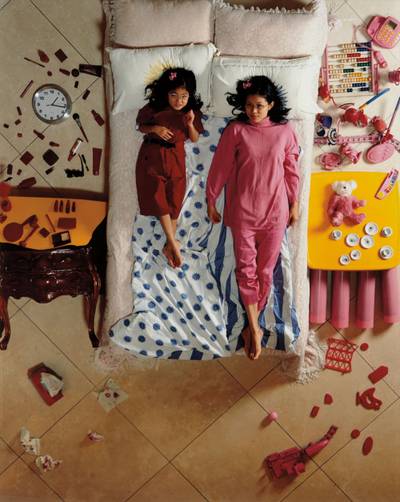
Yeondoo Jung
Afternoon Nap from Wonderland
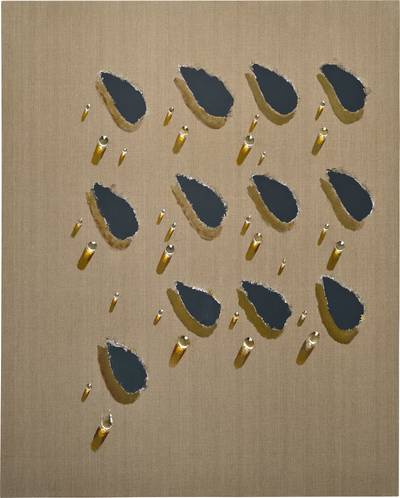
His lifelong obsession with water droplets painted with photorealistic precision and Eastern philosophical stillness sits at an intersection that collectors find irresistible. Born in what is now North Korea, trained in Seoul and later Paris, Kim lived a life shaped by displacement and reconstruction, and his canvases hold all of that without ever being explicit about it. His estate has been active in placement since his passing in 2021, and major galleries including Tina Kim Gallery in New York have worked to solidify his legacy with careful scholarship and considered exhibition programming. The results at auction have reflected that effort.
The institutions doing the most interesting work in this space deserve attention. The National Museum of Modern and Contemporary Art in Seoul, known as MMCA, has been quietly building one of the most rigorous programs of any national institution in Asia, and its recent surveys of figures like Yun Hyong Keun brought serious critical attention to an artist whose blackened, umber saturated canvases were already beloved in Europe but underrecognized in the American market. Yun Hyong Keun has since attracted significant collector interest, and works from his estate appear in major sales with increasing regularity. Meanwhile the Leeum Samsung Museum of Art has continued to position Seoul as a serious art capital, not merely a market for international work but a producer of ideas that the rest of the world is tracking.
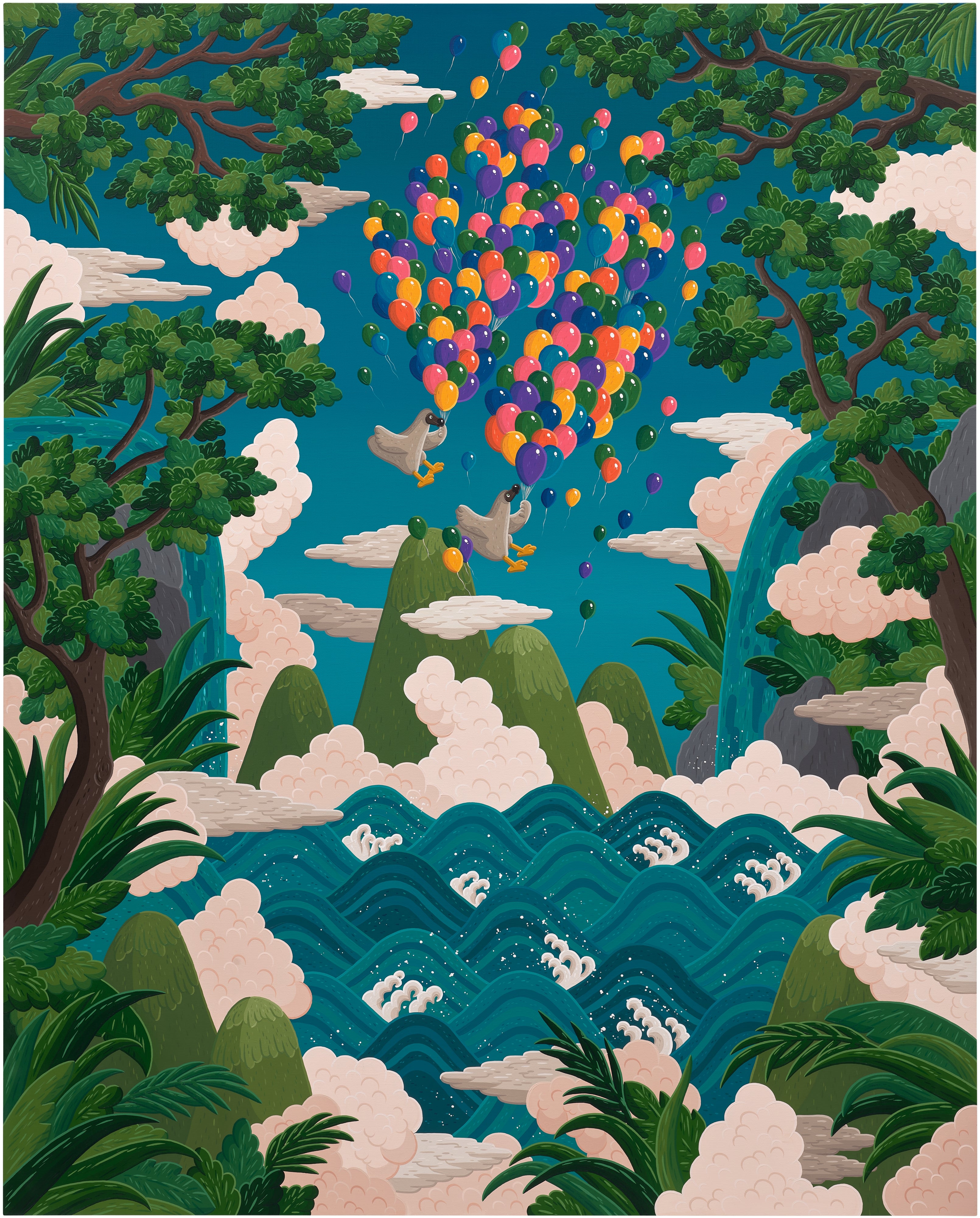
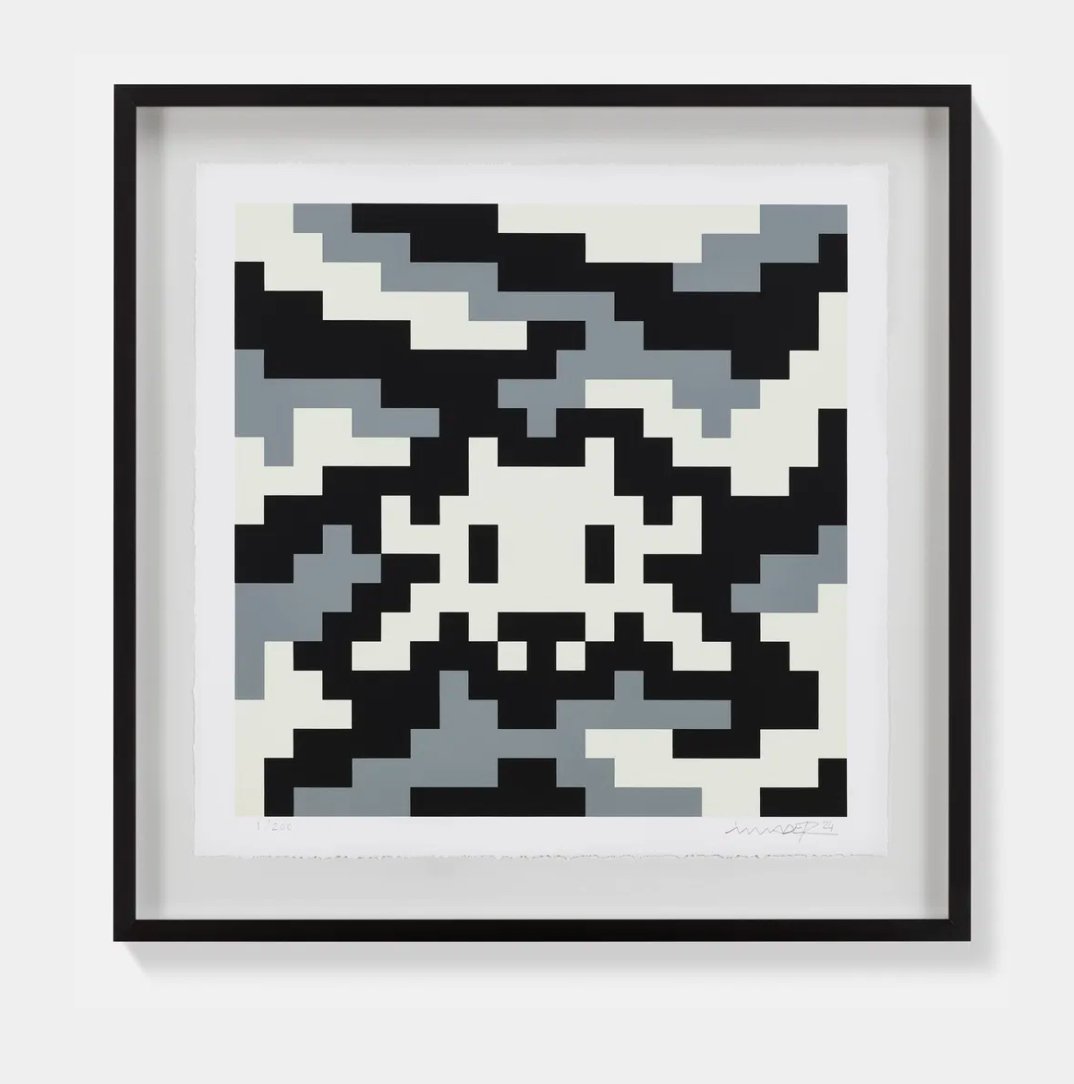
Kim Sunwoo
Flight Beyond the Tide, 2025
The critical conversation around Korean art has shifted considerably in the past decade. Curators like Kibum Kim and writers associated with publications including Frieze, Art in America, and the Korean journal Wolganmisool have pushed back against the tendency to read Korean abstraction purely through a Western lens. The Dansaekhwa artists in particular, including Chung Sanghwa whose single grid work available on The Collection is quietly compelling, were for too long described in terms of minimalism and arte povera rather than on their own terms. The corrective scholarship has had a measurable effect on how new collectors approach the work and how galleries frame it to institutional buyers.
Beyond the established names, the energy around younger and mid career Korean artists feels genuinely alive rather than manufactured. Haegue Yang, whose sculptural installations use venetian blinds, light, and smell to create environments that are spatially disorienting and emotionally precise, has been shown at the Venice Biennale and MoMA with significant impact. Do Ho Suh's fabric architecture pieces, which recreate apartments and corridors from his life at 1 to 1 scale in translucent silk, have entered the collections of major museums globally and remain among the most discussed works in contemporary sculpture. Both artists are represented on The Collection and both reward serious engagement.
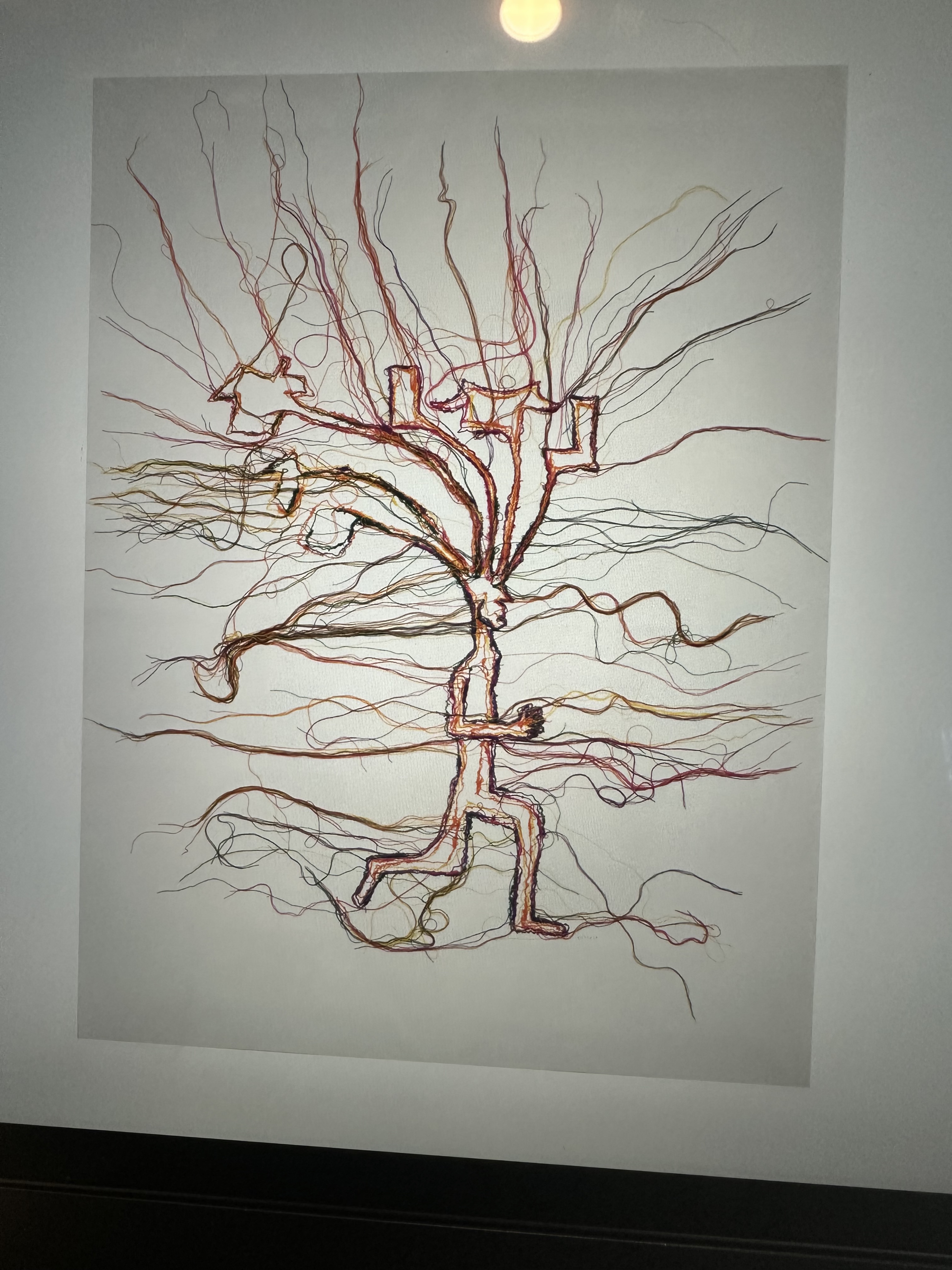
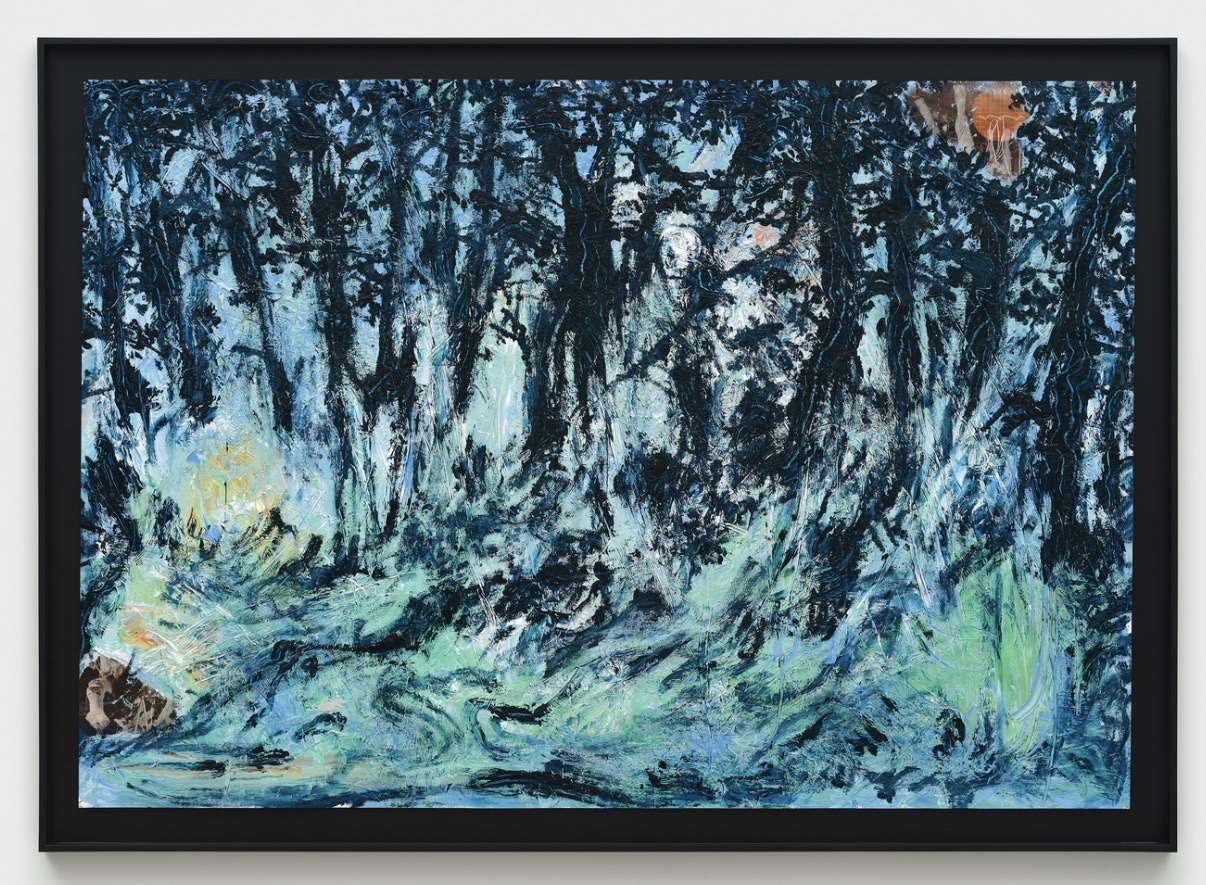
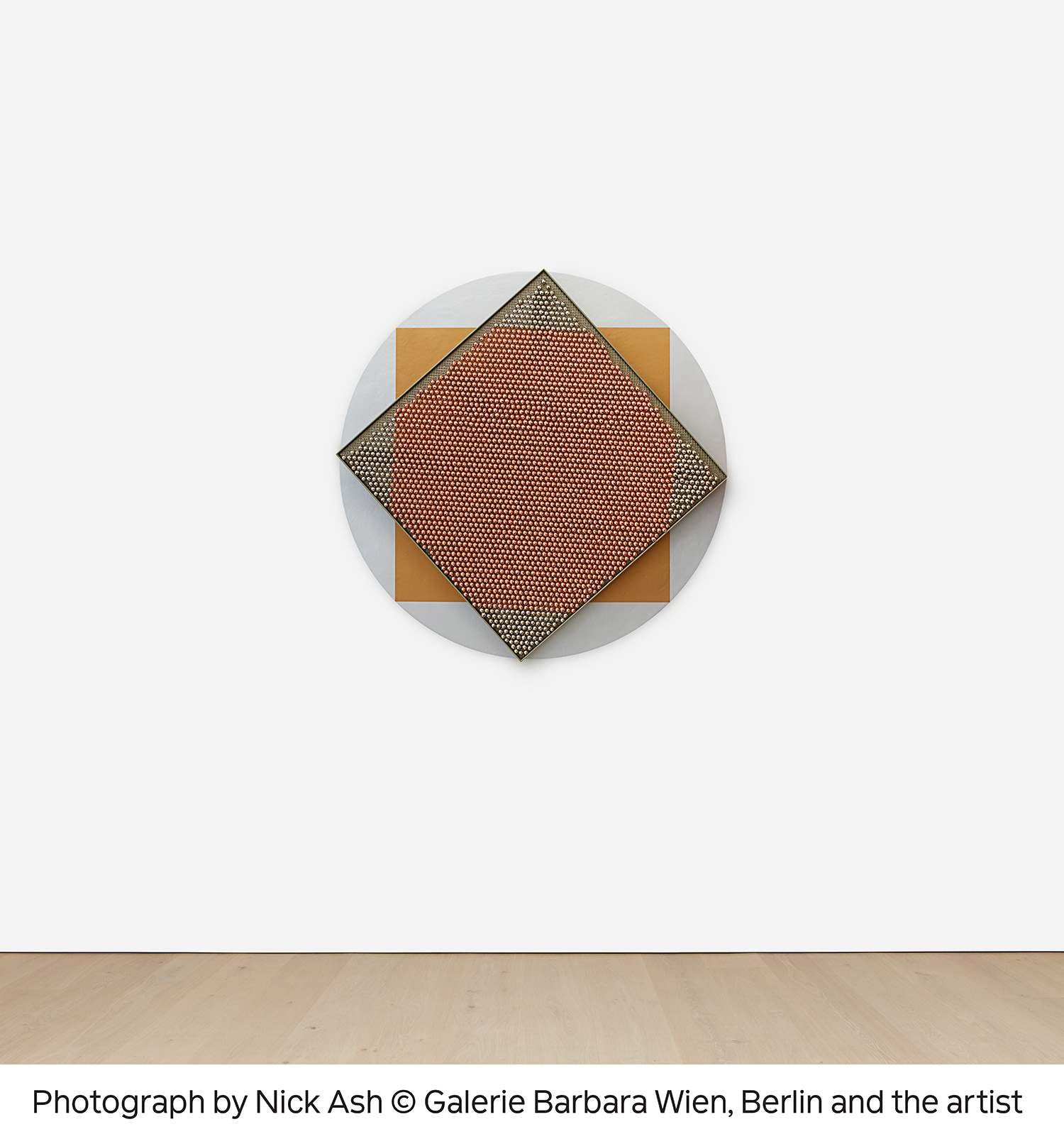
Do Ho Suh
my journey, 2025, 2025
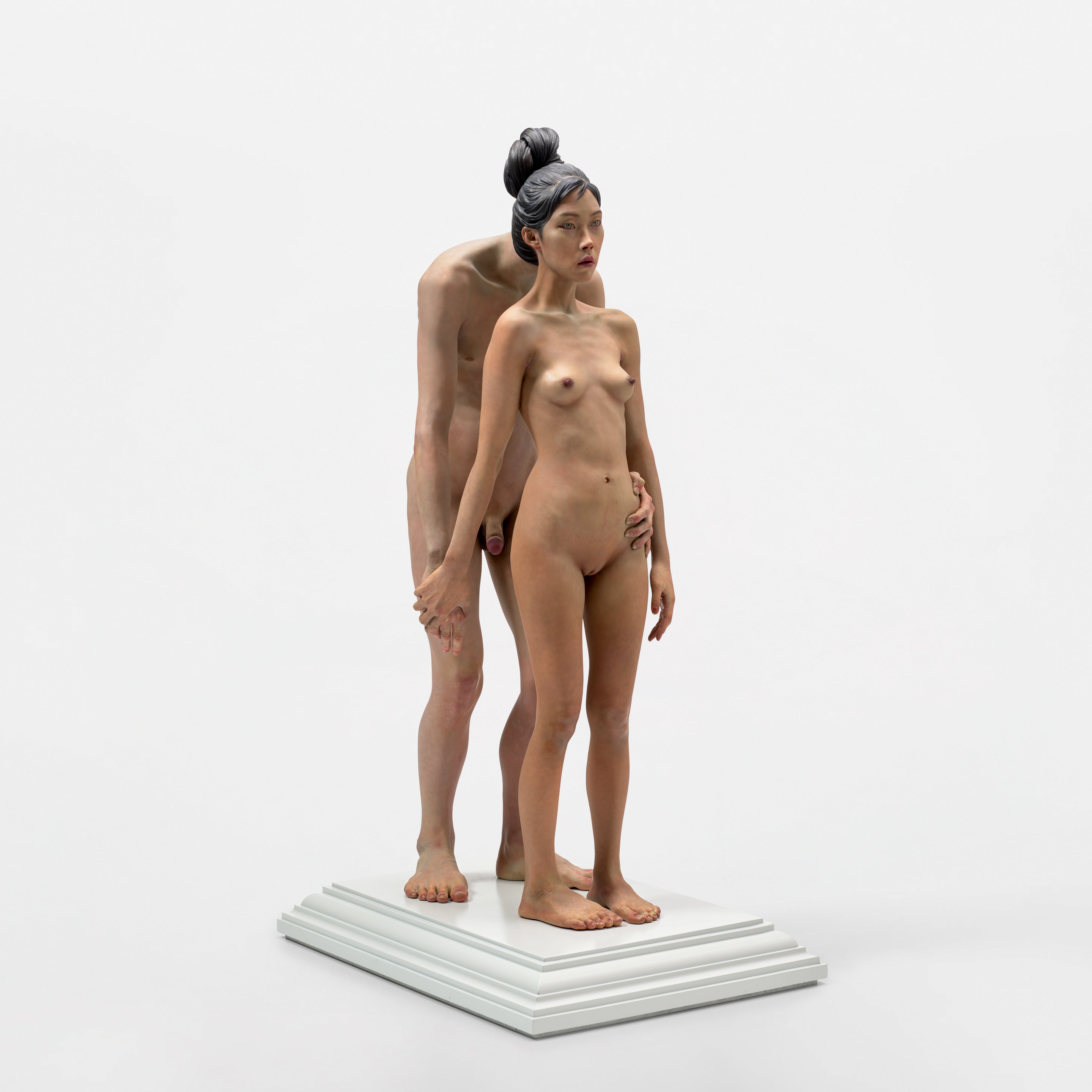
The question collectors are asking now is where the edge is. Artists like Yeesookyung, who reassembles shattered ceramic fragments with gold to create undulating sculptural forms, and Lee Bul, whose early performances and subsequent sci fi inflected sculptures have made her one of the most exhibited Korean artists of her generation, are no longer emerging names. They are the established present. The genuine discovery energy has shifted toward figures like Xooang Choi, whose hyperrealistic figurative sculpture operates in unsettling psychological territory, and Sky Kim, whose painterly practice engages with memory and material in ways that feel fresh without being self consciously so.
What the market signals, and what the institutional collecting confirms, is that Korean art is not a moment. It is a sustained body of thinking and making that rewards the kind of long term attention collectors on platforms like The Collection are well positioned to give. The artists who have shaped this story, from Lee Ufan's philosophical restraint to Kim Whanki's lyrical abstraction, built something durable. The work is not asking for reassessment.
It is simply becoming impossible to ignore.