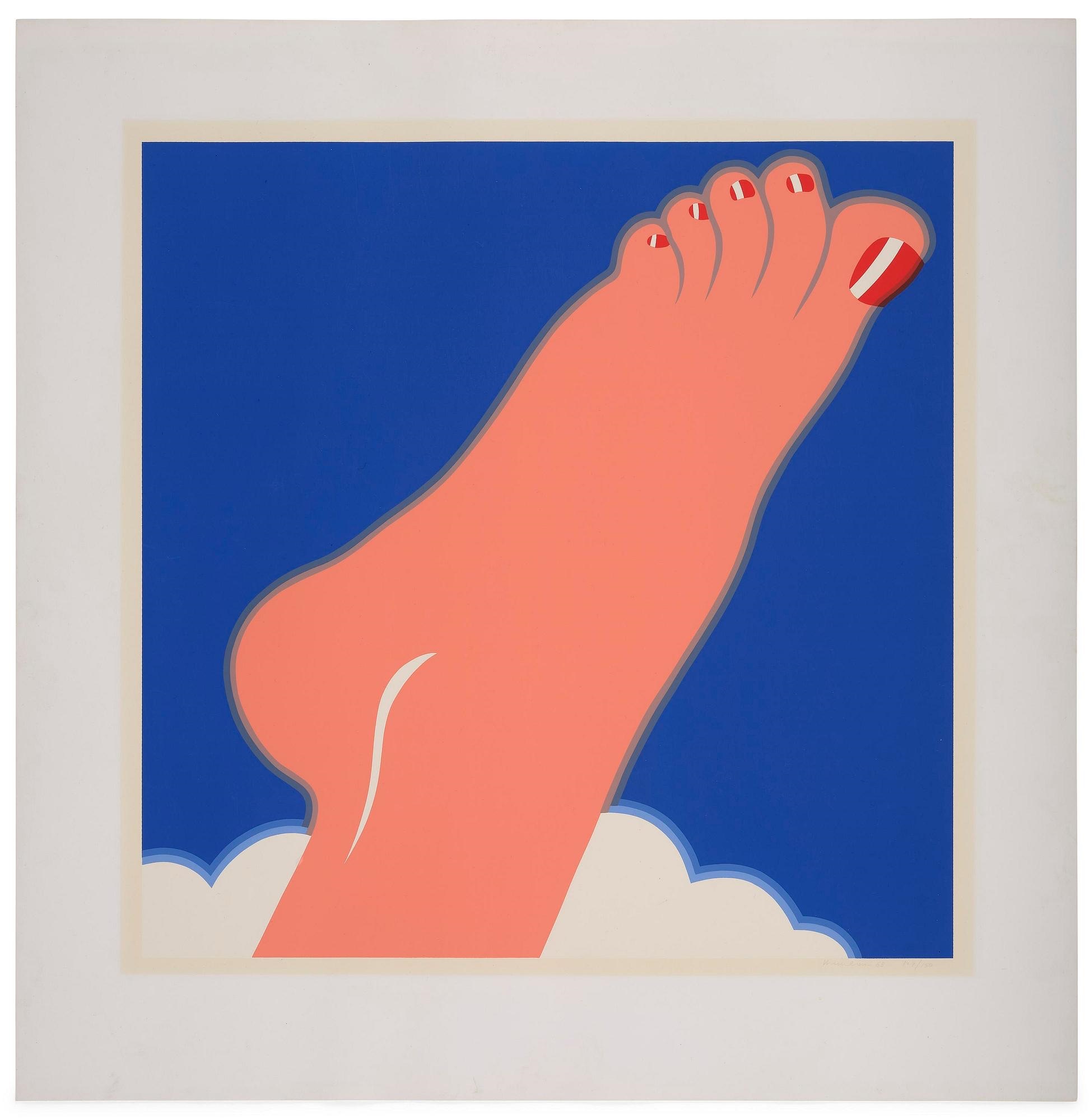
Repetition
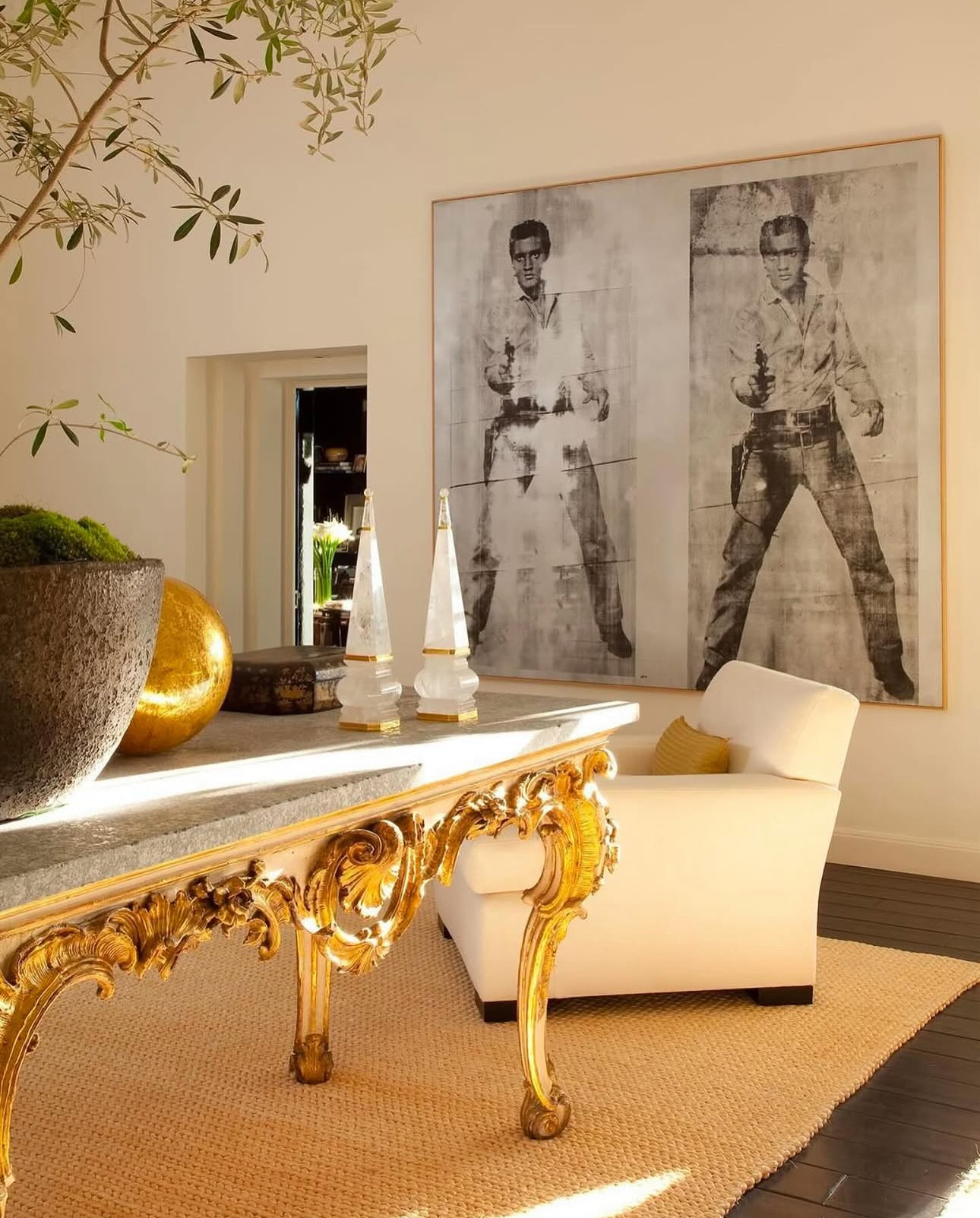
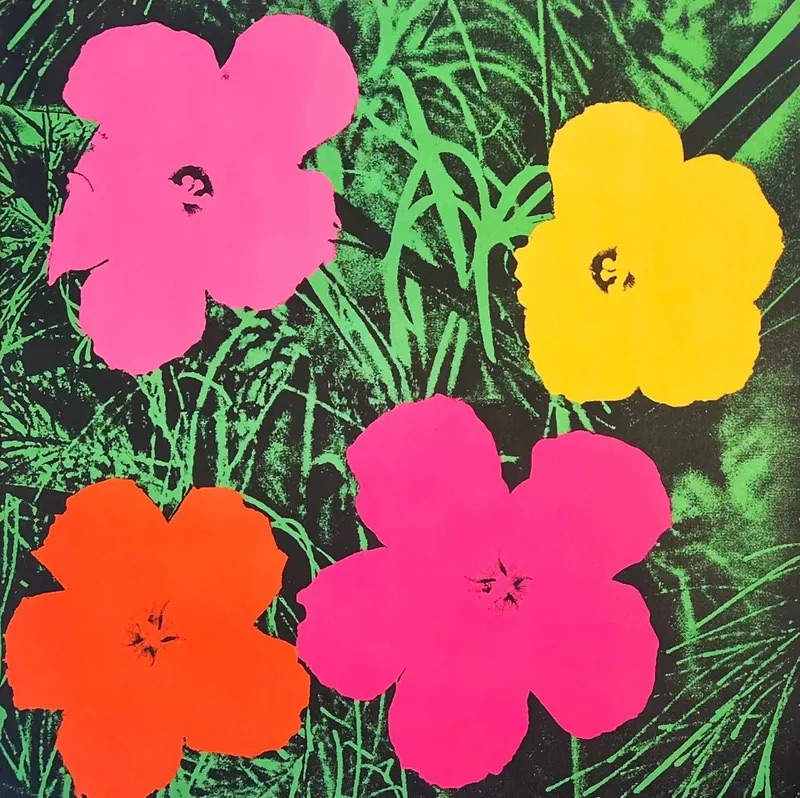
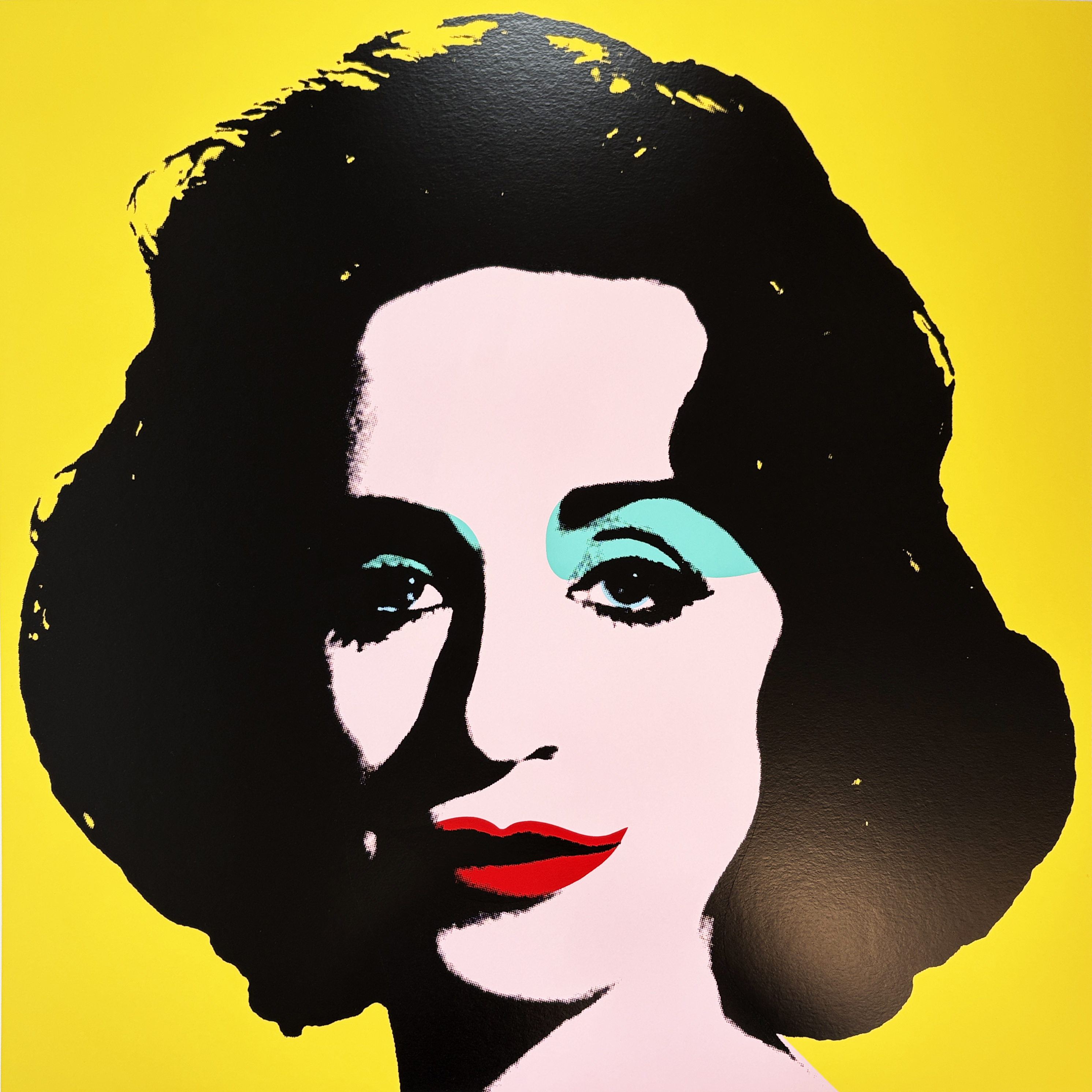
Andy Warhol
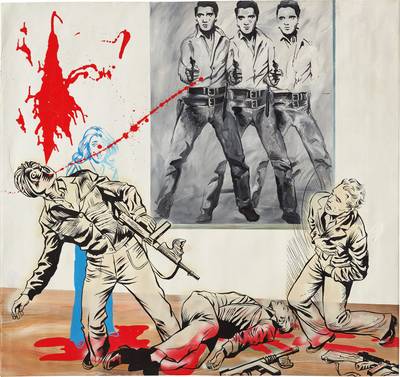
Double Elvis, 1963



Same Thing, Again: Why Repetition Rules
When a single Peter Dreher painting of an empty water glass sold at auction for a price that would have seemed absurd a decade ago, the art world paid attention in a new way. Dreher has spent decades painting the same glass, in the same position, under changing light, accumulating thousands of canvases in a project he calls Tag um Tag guter Tag. The auction result was not just a market moment. It was a kind of philosophical statement: that doing the same thing again and again is not monotony but devotion, and collectors are finally pricing that distinction accordingly.
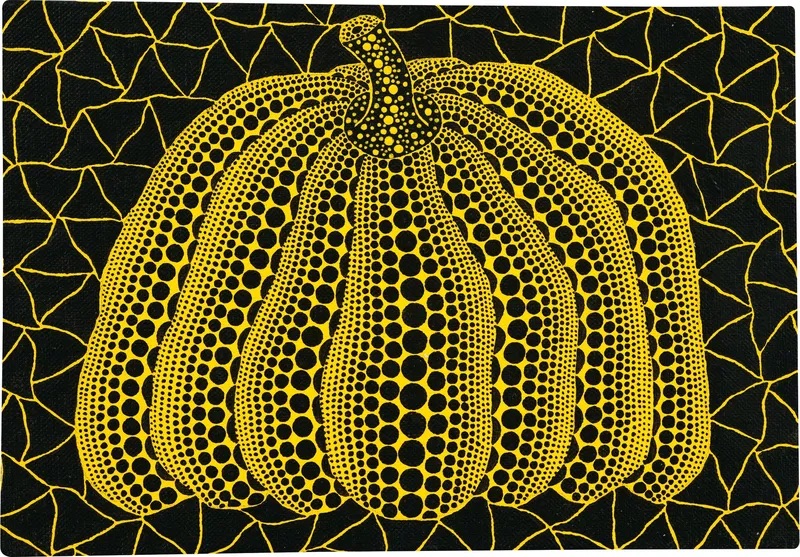
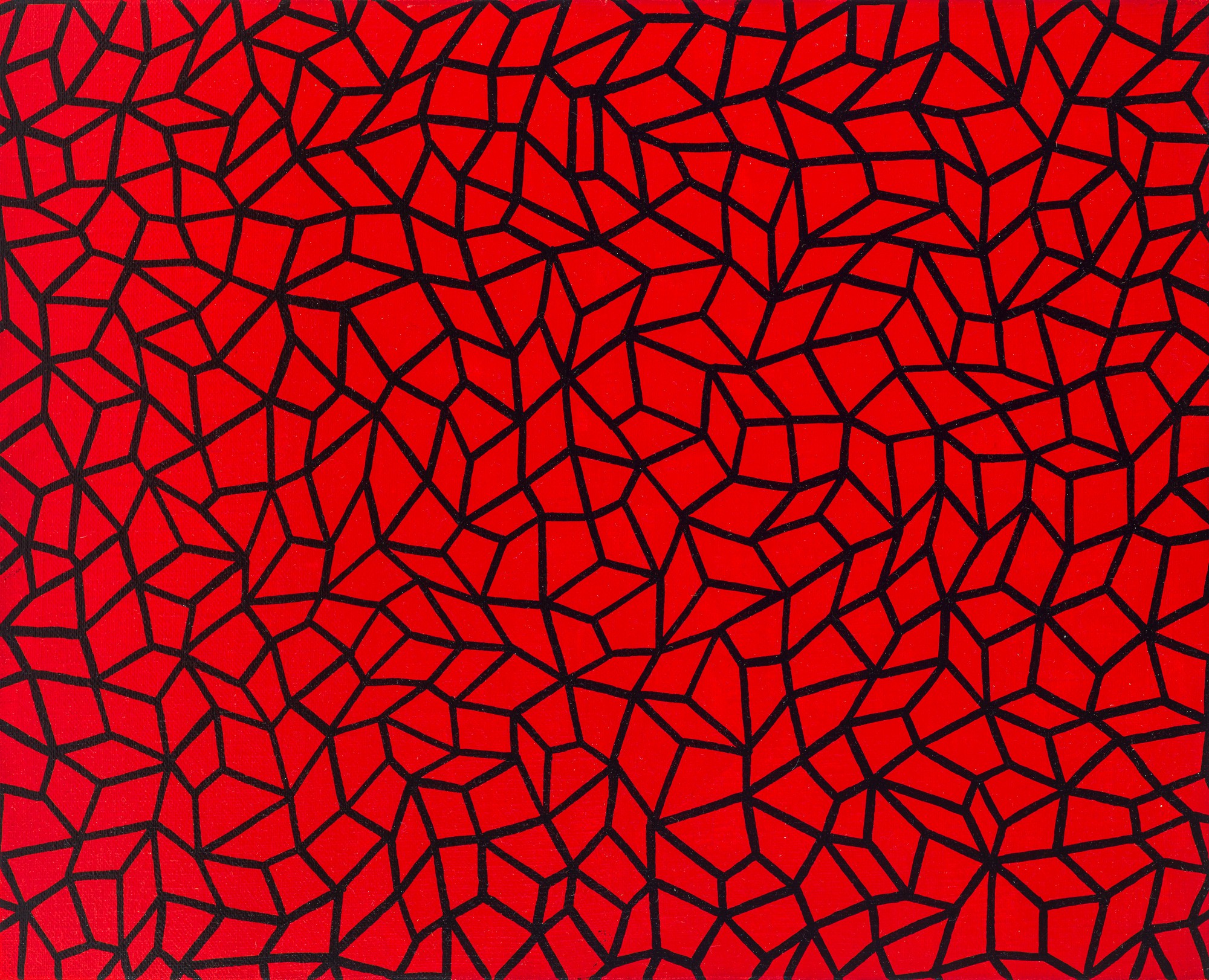
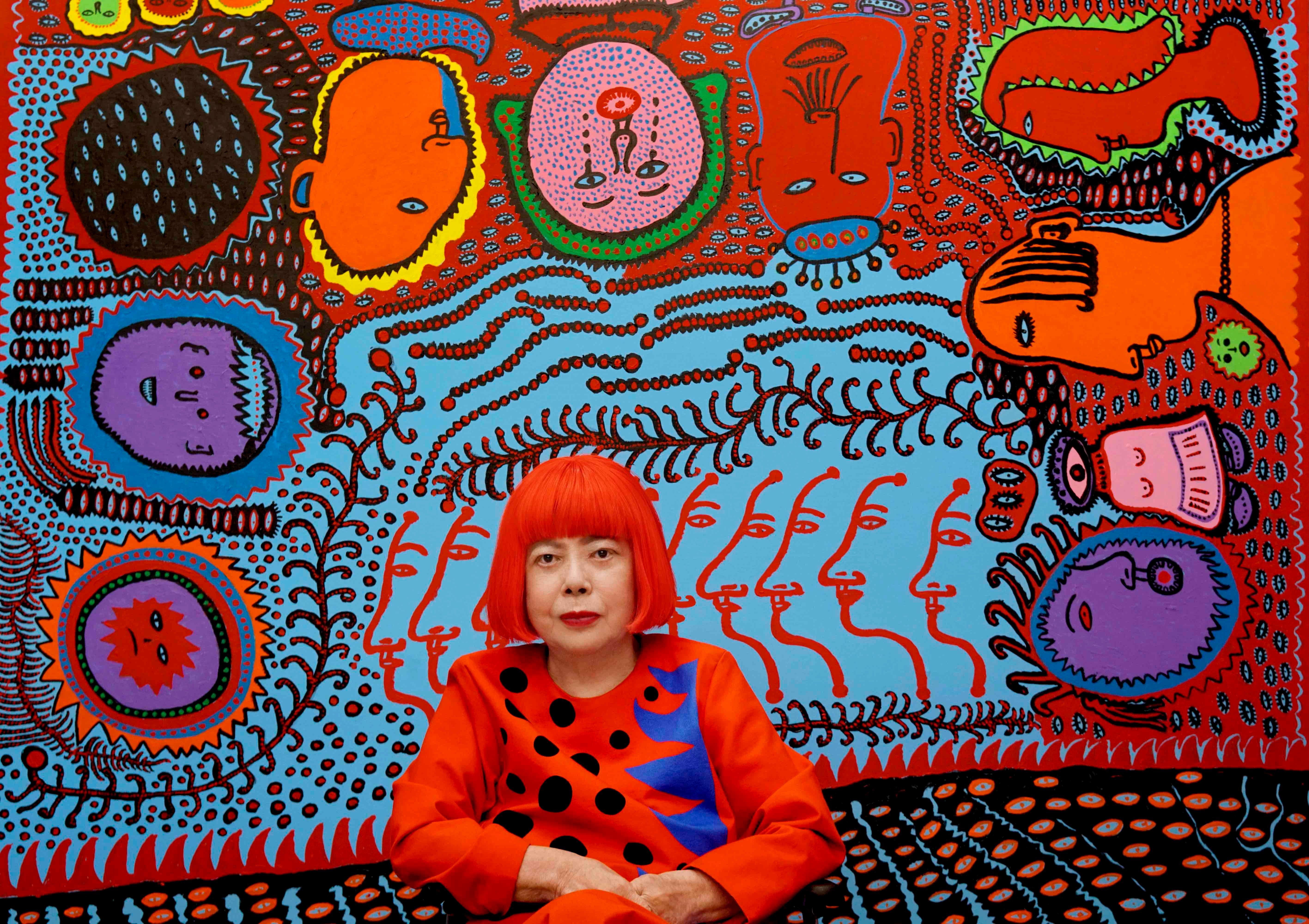
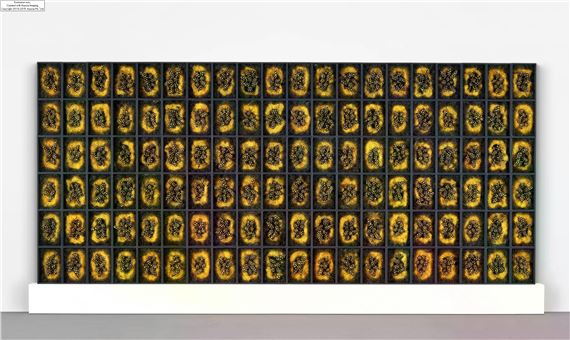
Repetition has always been present in art, but the past several years have sharpened the critical conversation around it considerably. The Yayoi Kusama retrospective that traveled to the Hirshhorn Museum in Washington and the Cleveland Museum of Art drew record attendance and reminded a new generation what obsessive repetition actually feels like when you are standing inside it. Kusama's infinity nets, her polka dots, her pumpkins, these are not motifs she chose and moved on from. They are returns she cannot stop making, and that compulsion is the work itself.
Andy Warhol
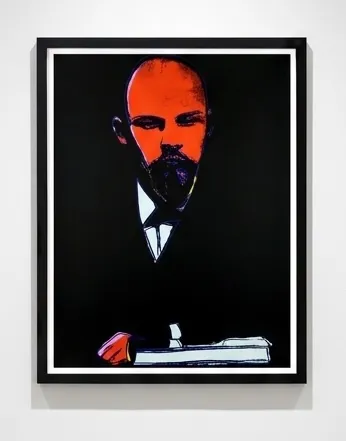
Lenin F.S. II 402, 1987
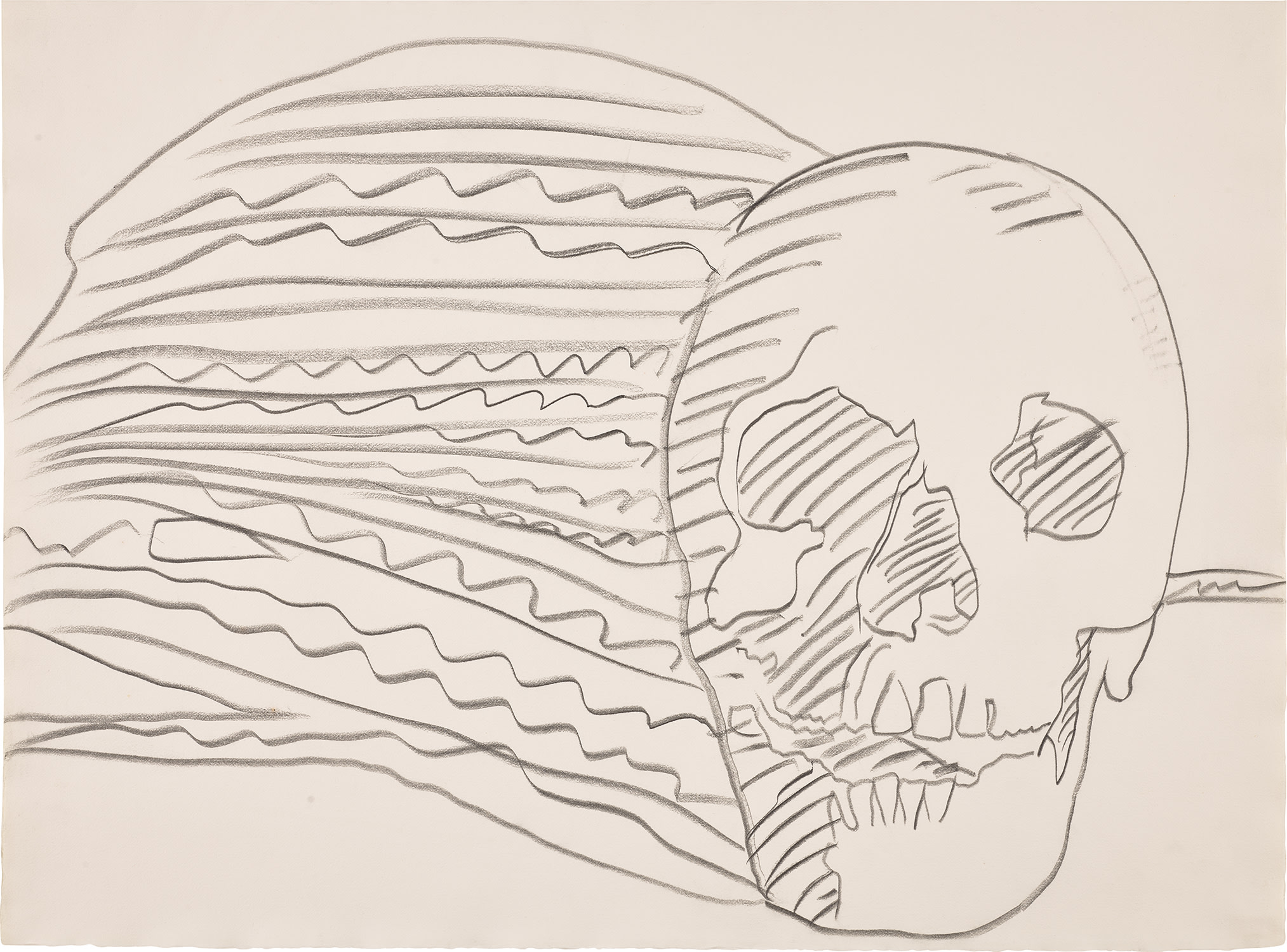
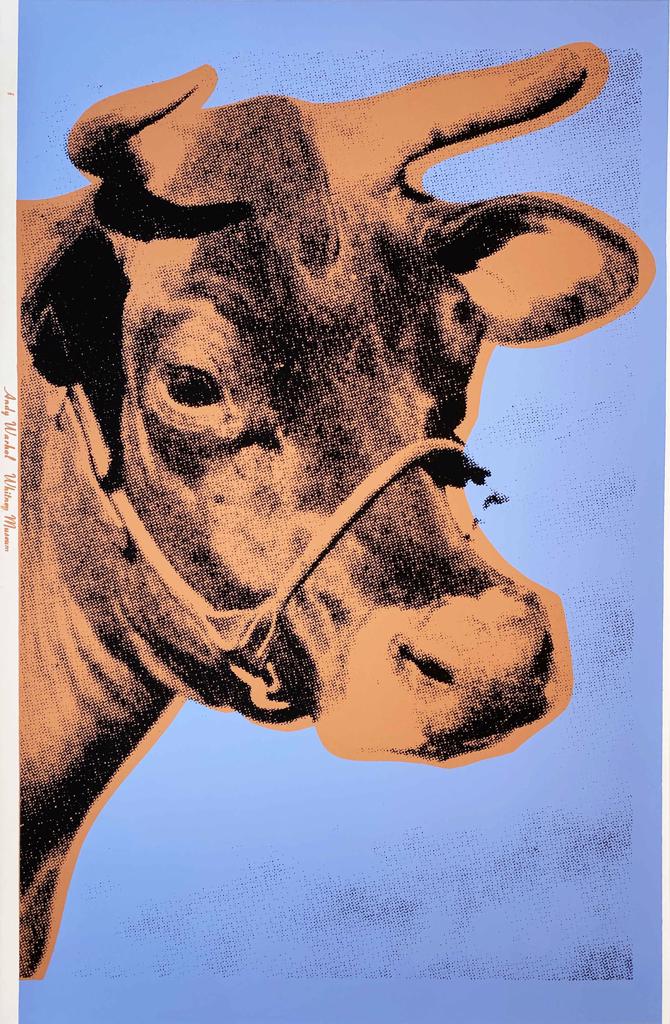
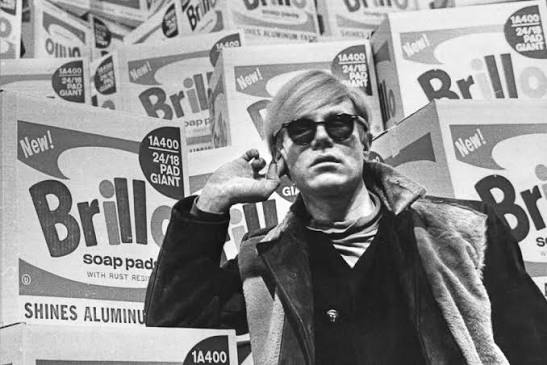
The distinction between style and obsession sits at the heart of why repetition keeps generating such serious critical and commercial interest. The auction market has been emphatic in its appetite for artists who commit to a system. Andy Warhol remains the defining figure in this conversation, and his presence on The Collection reflects how central his legacy is to any serious engagement with the subject. His repeated Marilyns, his Maos, his Flowers and Electric Chairs, these were not simply silk screened multiples.
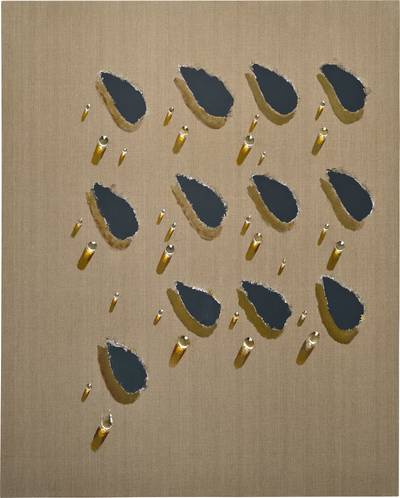
They were arguments about what image culture does to meaning when it runs the same thing through the machine over and over. Christie's and Sotheby's have consistently seen Warhol works breach major price thresholds, with his serial portrait work commanding particular attention from institutional buyers who understand that owning one is really owning a node in a larger network of repetition. The Korean artist Kim Tschang Yeul spent a career painting water droplets, a practice so focused and so singular that it sits comfortably alongside the most rigorous conceptual frameworks of the late twentieth century. His works on The Collection are a reminder that repetition in Asian modernism carries its own philosophical weight, rooted in meditative practice and the idea that the repeated gesture is a form of clearing rather than accumulation.
Yayoi Kusama
Repetition, 1998
Roman Opalka, the Polish painter who spent decades filling canvases with sequential numbers from one toward infinity, worked in a similar register. His project OPALKA 1965 slash 1 to infinity was as much a record of a life as it was a painting practice. Major European institutions including the Centre Pompidou have long held his work, and his critical rehabilitation has been steady and deserved. Institutions are thinking about repetition in increasingly sophisticated ways.
The Museum of Modern Art's sustained attention to artists like Vija Celmins, whose obsessive renderings of ocean surfaces and night skies occupy a space between representation and pure pattern, signals a curatorial understanding that repetition is not a formal quirk but a philosophical position. The Tate Modern's programming around artists who work in series has similarly shaped collector behavior, lending institutional credibility to acquisitions that a previous generation might have found conceptually thin. When Niele Toroni shows a new series of paint impressions, the same brush applied at the same intervals across a fresh surface, the Tate's attention confirms what informed collectors already know: that consistency of method is a kind of integrity. The critical writing shaping this conversation draws from a surprisingly wide range of sources.
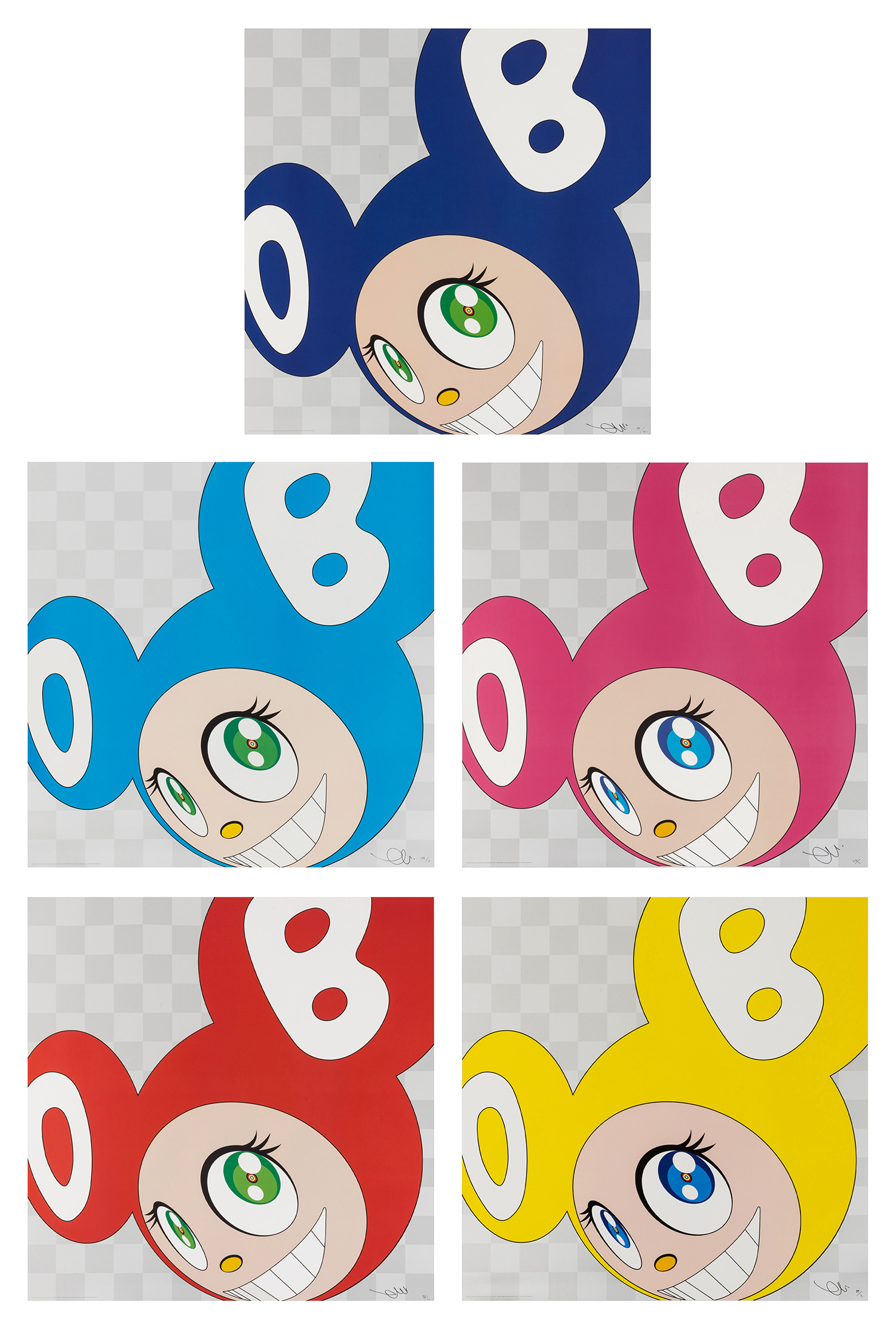
Takashi Murakami
And then and then and then and then and then: five plates
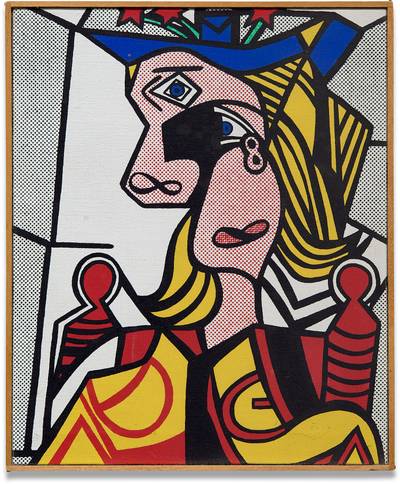
Rosalind Krauss's foundational essay on the grid in art, published in October in 1979, remains a touchstone for anyone thinking seriously about what happens when an artist commits to a structure and simply keeps working within it. More recently, writers at Artforum and Frieze have turned their attention to artists like Ding Yi, whose cross and plus sign motifs accumulate across canvases in ways that feel both systematic and deeply personal. Ding Yi's sustained investigation of a single mark, pursued over decades in Shanghai largely outside of Western market attention until relatively recently, is now a story that auction results are helping to tell with new urgency. Takashi Murakami and Deborah Kass bring very different energies to repetition but share an interest in what happens when you run a powerful image through a system of reproduction until it transforms into something else.
Murakami's superflat surfaces and his serial flower motifs absorb the logic of Warhol and push it through Japanese visual culture in ways that continue to fascinate both critics and the market. Kass borrowed Warhol's actual methods and applied them to Jewish American identity and feminist iconography, making her practice a meta commentary on repetition itself. Her works on The Collection sit in productive dialogue with the Warhols around them, which is exactly as she intended. The energy in this area is heading somewhere interesting.
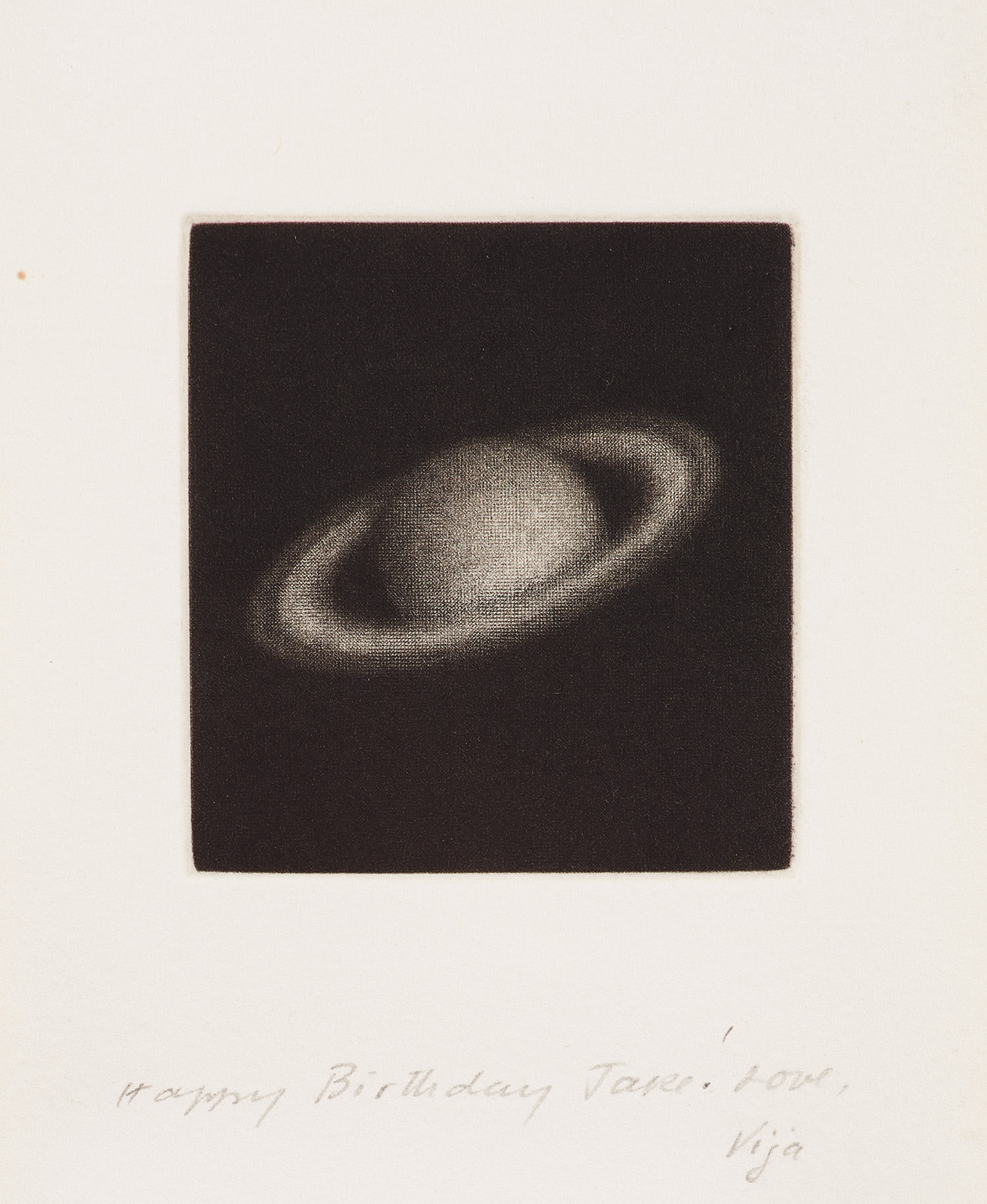
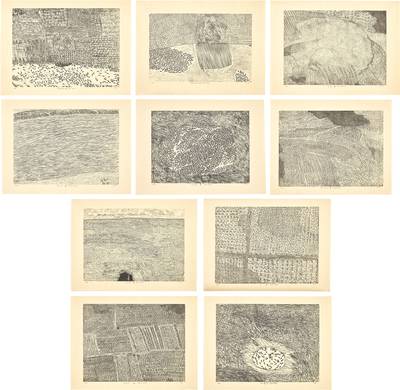
Vija Celmins
Saturn Stamps (R. 28)
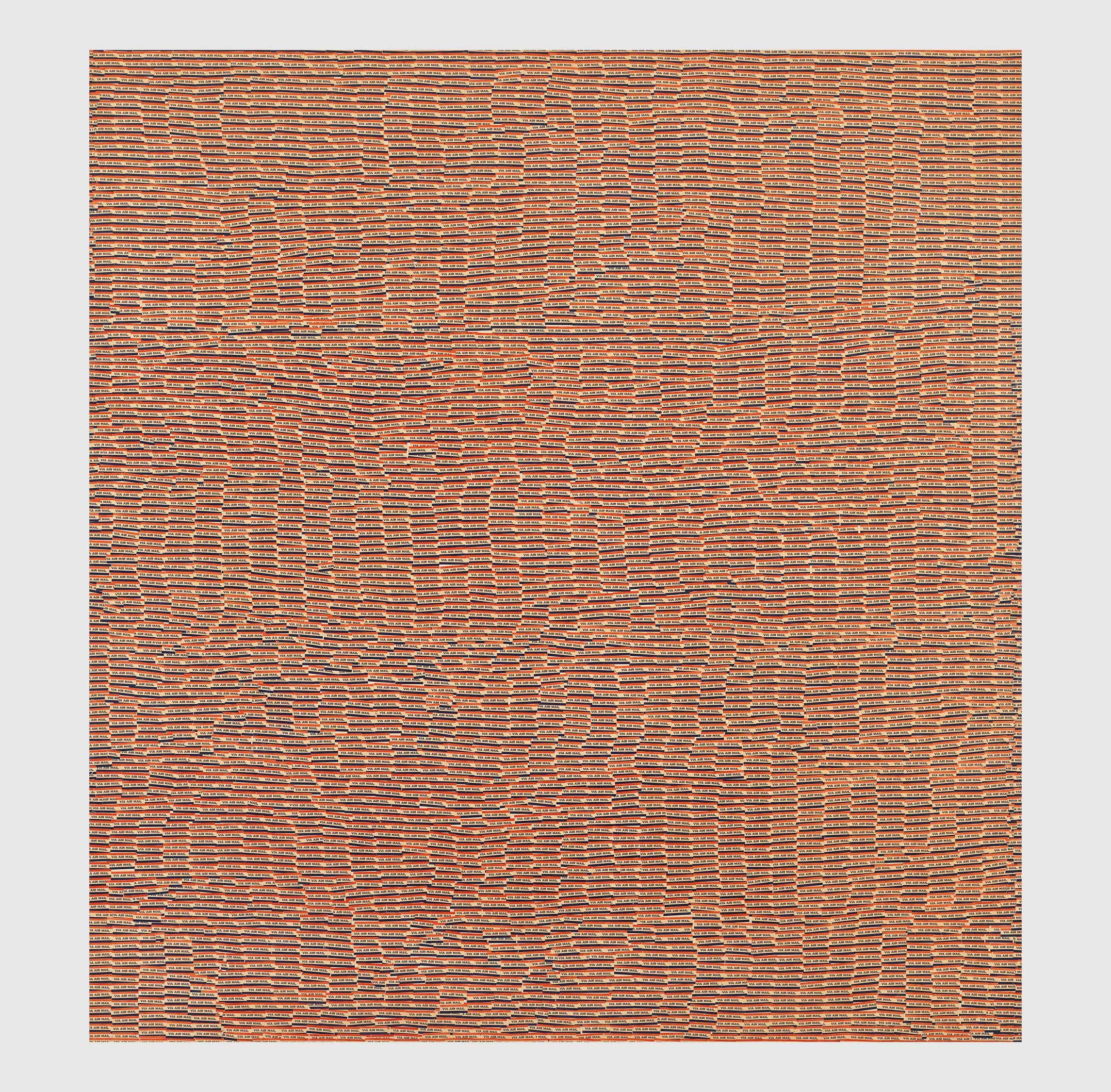
There is growing collector and institutional attention to artists working with digital and algorithmic repetition, where the system generates the work and the artist sets the conditions. But there is also a countermovement toward the deeply handmade and the durational, artists like Arman and Richard Pettibone who accumulated and reproduced objects and images with a kind of archival fever. The surprise may be that the most exciting collecting in this space is not about finding the next Kusama but about understanding that repetition is a lens, not a style. When you look at Hiroshi Sugimoto's long exposure theater photographs, each one the same format applied to a different venue, you understand that the series is the argument.
Collectors who grasp that tend to build collections that hold together in ways that feel inevitable rather than assembled.