Pattern
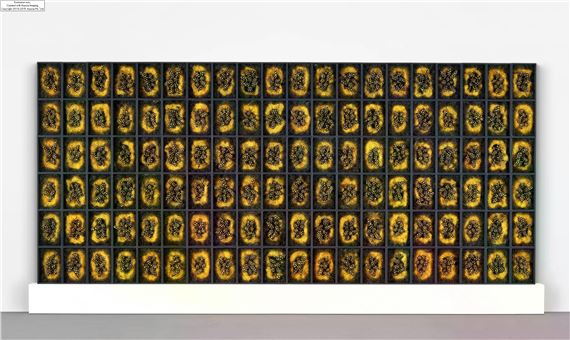
Yayoi Kusama
Repetition, 1998
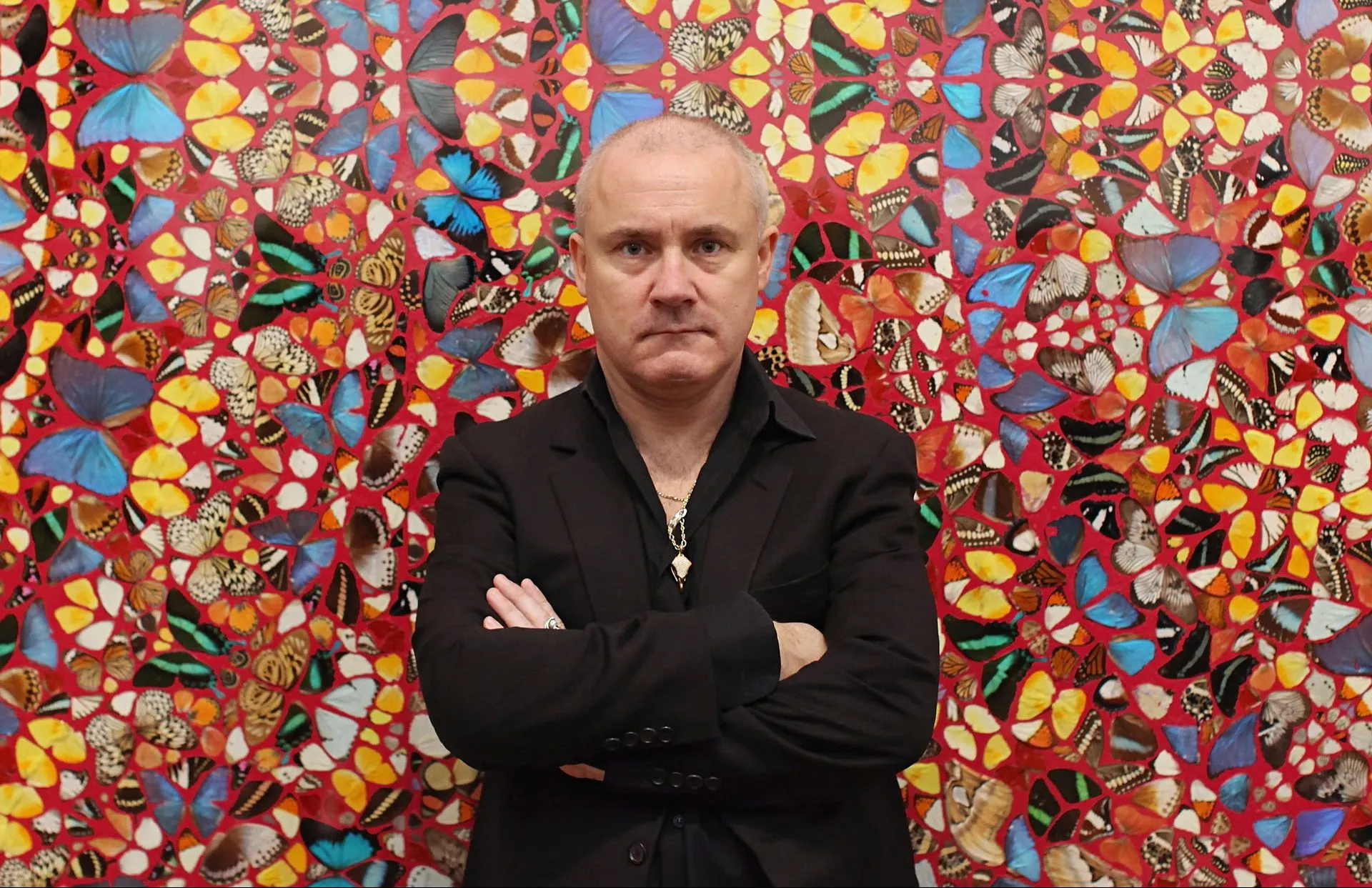
Pattern Is Never Just Decoration
There is a moment, standing in front of a Bridget Riley canvas, when the eye begins to lose its footing. The surface does not depict anything. It does not tell a story. And yet something profound is happening, something physiological and psychological at once, as waves of black and white undulate toward you with the force of lived experience.
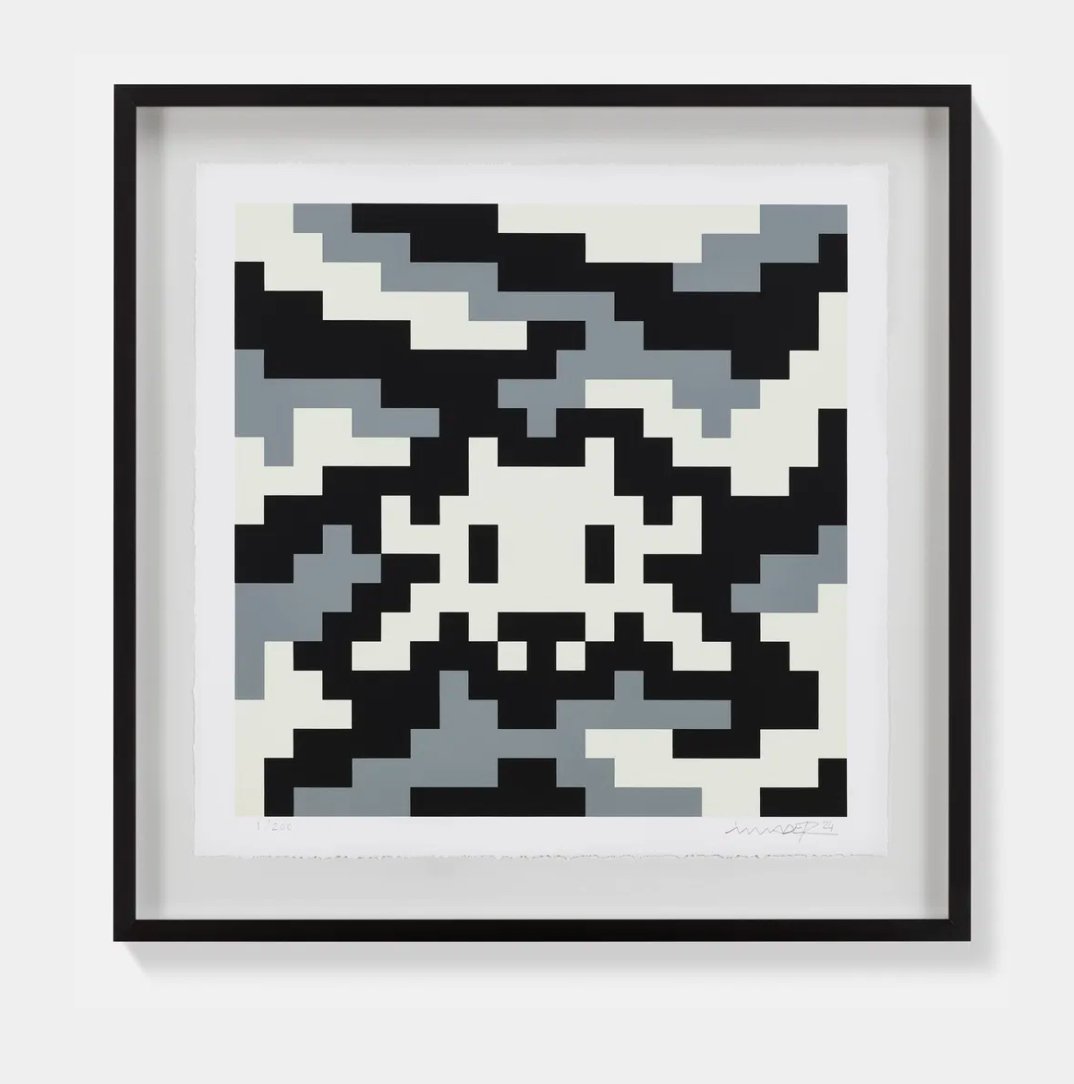
Pattern, it turns out, is one of the oldest and most radical languages in art. To dismiss it as mere decoration is to misunderstand almost everything about how human beings make meaning. The impulse to pattern goes back further than painting. Neolithic pottery, Egyptian tomb walls, Islamic geometric tilework, Celtic manuscript illumination: across cultures and millennia, the drive to impose repeating structure onto surfaces has been one of the most persistent expressions of human intelligence.
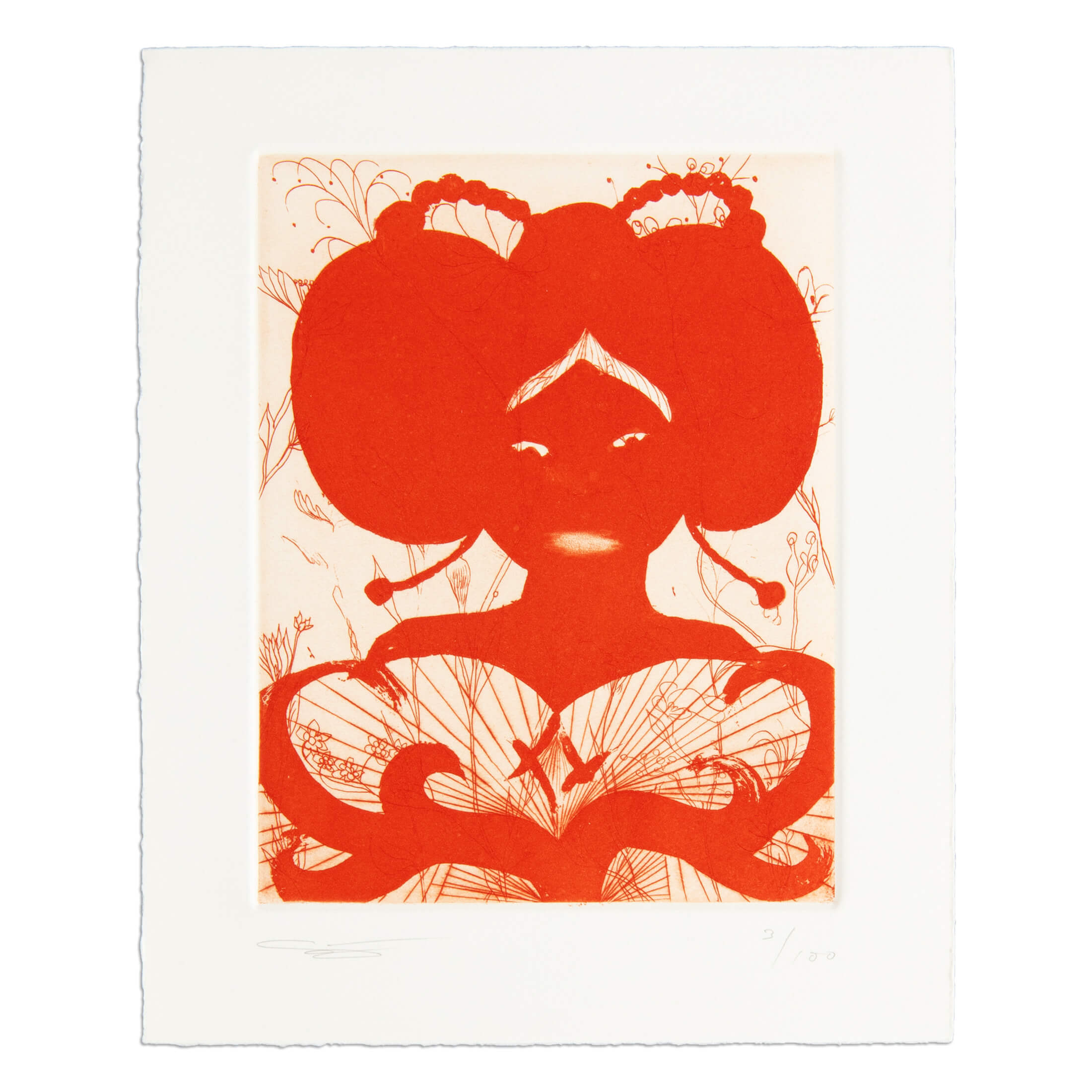
Chris Ofili
Untitled (Portrait), 2000
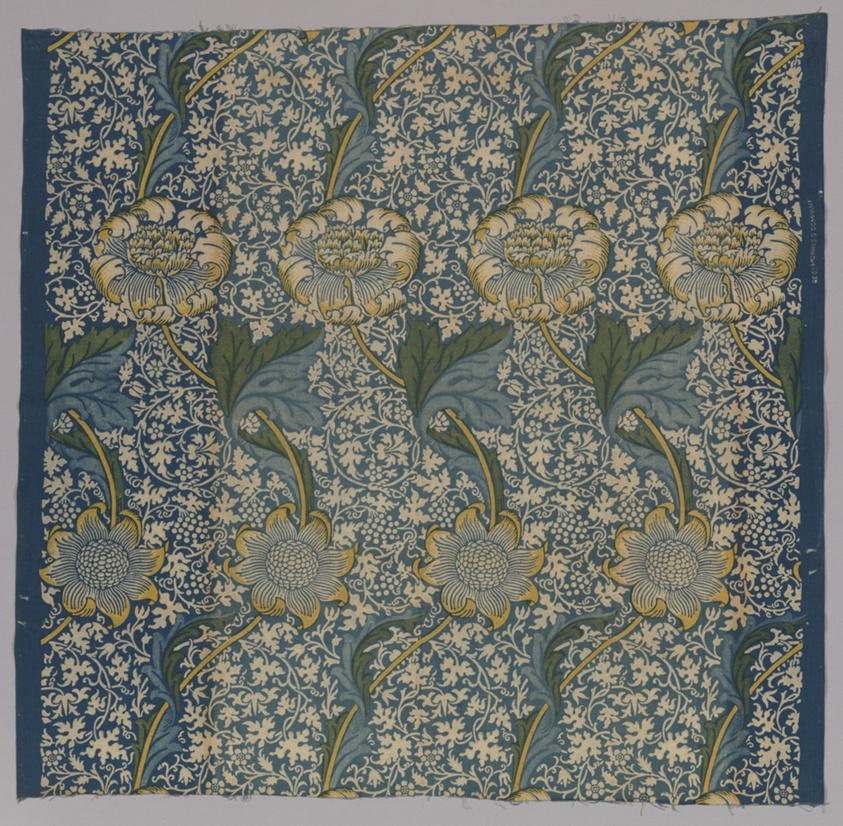
In the Western tradition, ornament was long considered the lesser sibling of representation, the wallpaper behind the serious work. That hierarchy began to crack seriously in the late nineteenth century, when designers like William Morris argued that pattern was not background but foreground, not craft but culture. Morris saw in repeating botanical forms a moral vision of labor, beauty, and connection to the natural world. His wallpapers and textiles were ideological objects dressed in flowers and leaves.
The twentieth century did not simply continue this tradition. It exploded it. When Anni Albers arrived at the Bauhaus in the 1920s, she was directed toward the weaving workshop partly because painting was considered a male domain. What she did in response transformed the way an entire generation thought about structure, surface, and abstraction.
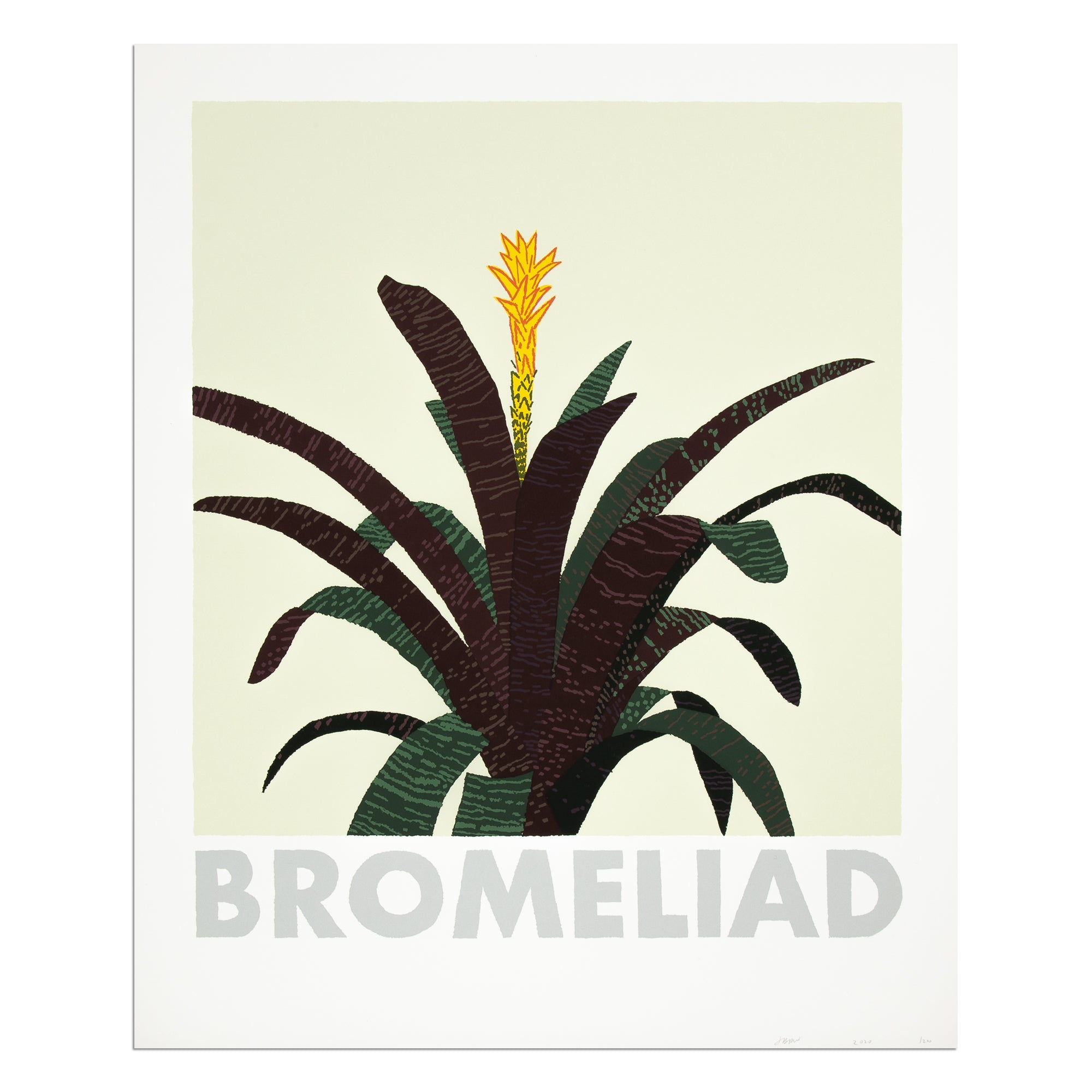
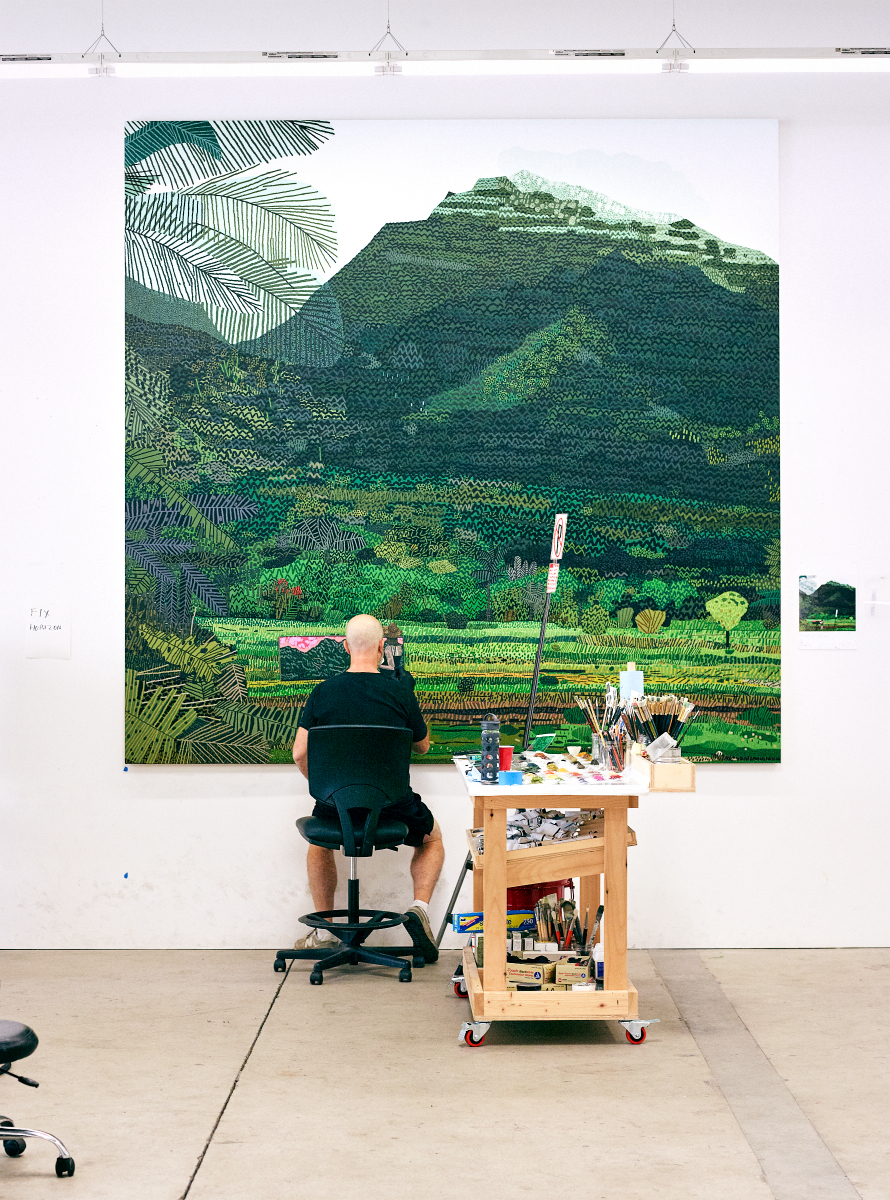
Jonas Wood
Bromeliad
Her woven works are not decorative objects in any reductive sense. They are rigorous inquiries into the behavior of line, color, and interval. Albers understood that the grid of the loom was itself a conceptual tool, a machine for thinking. Her legacy runs through every artist who has since treated the repeated unit as a philosophical proposition.
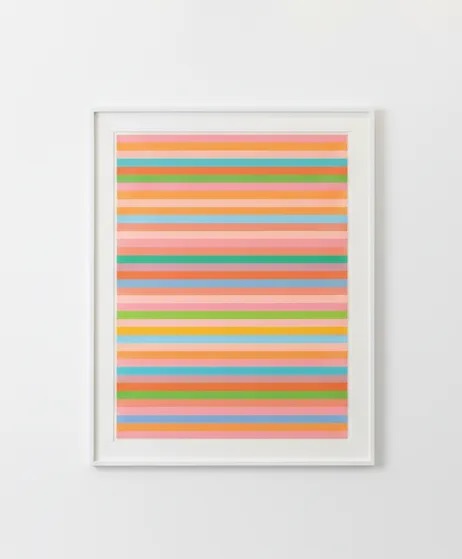
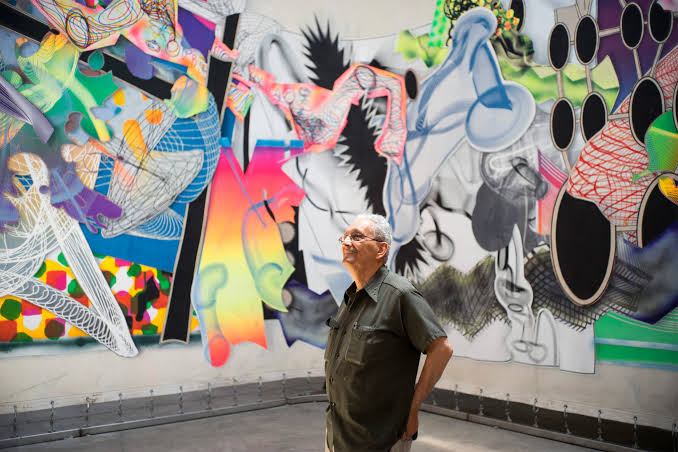
By the 1960s, pattern had become a battleground. Op Art, championed by figures like Victor Vasarely and brought to international attention by the landmark 1965 exhibition The Responsive Eye at MoMA, insisted that visual perception itself was the subject of painting. Riley's work from this period, her early stripe and curve paintings made with meticulous precision, turned the canvas into an instrument for measuring how the eye constructs reality. Around the same time, Frank Stella was flattening illusionistic space entirely, letting the physical shape of the canvas generate its own logic of stripe and repeat.
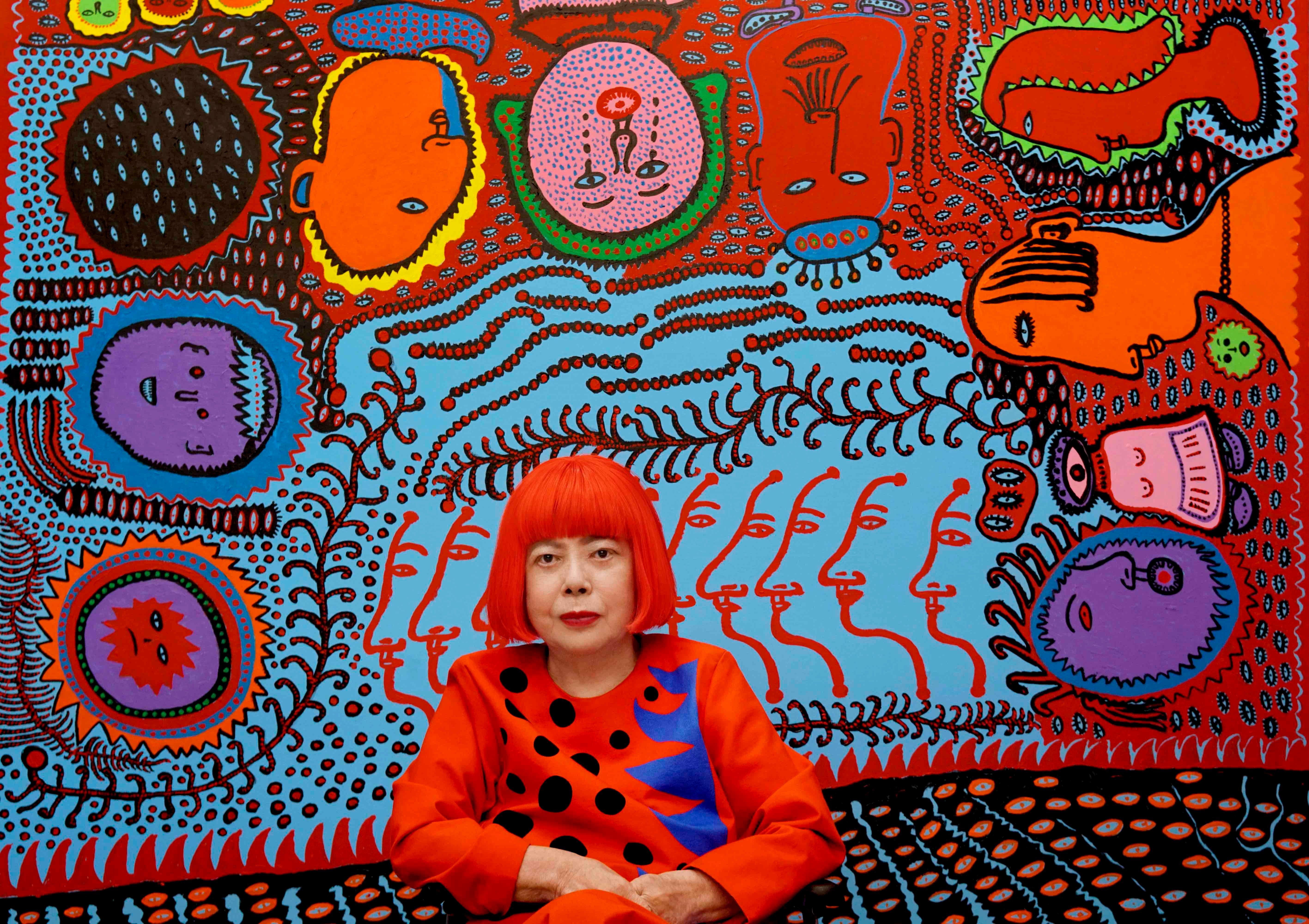
Yayoi Kusama
Repetition, 1998
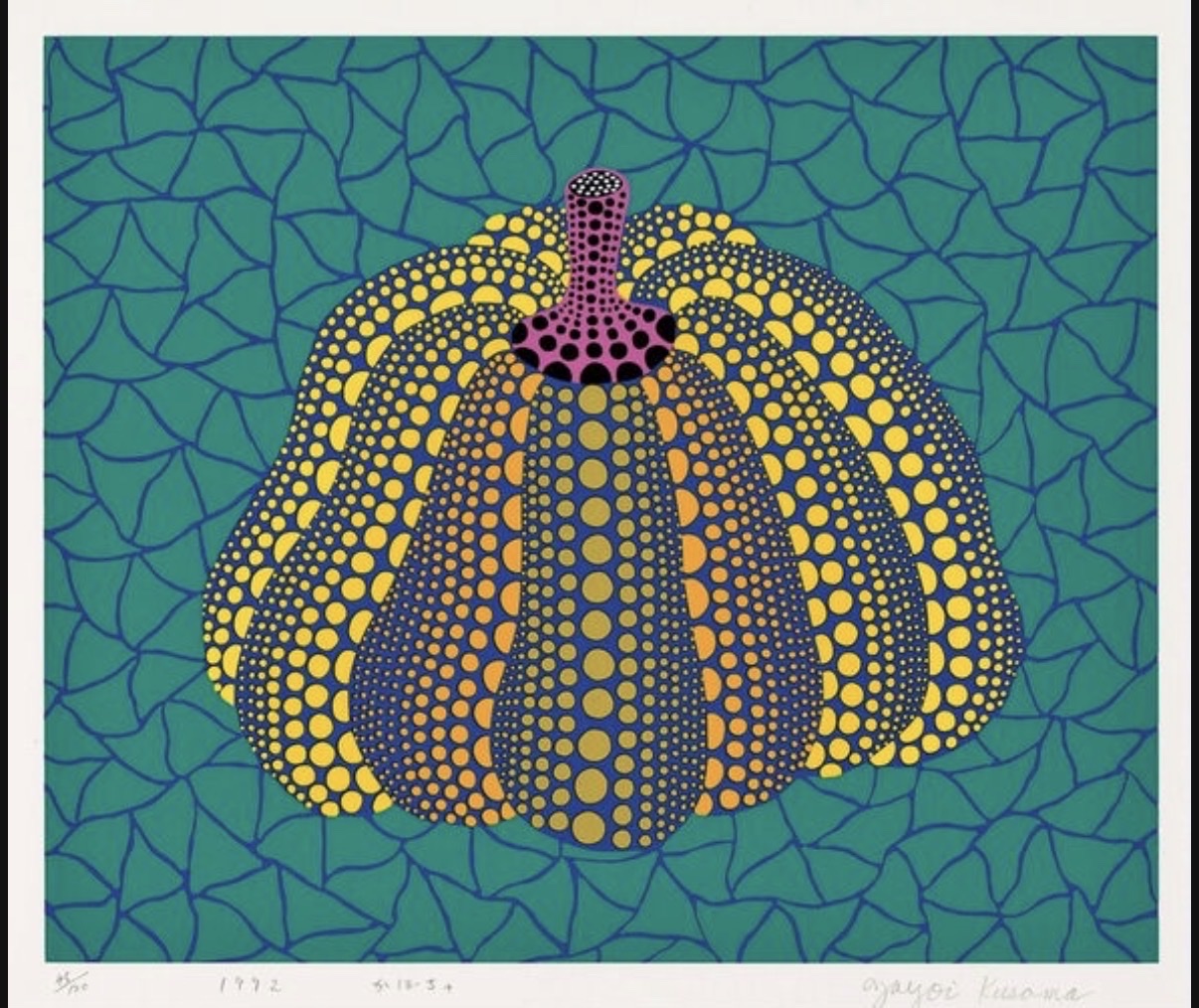
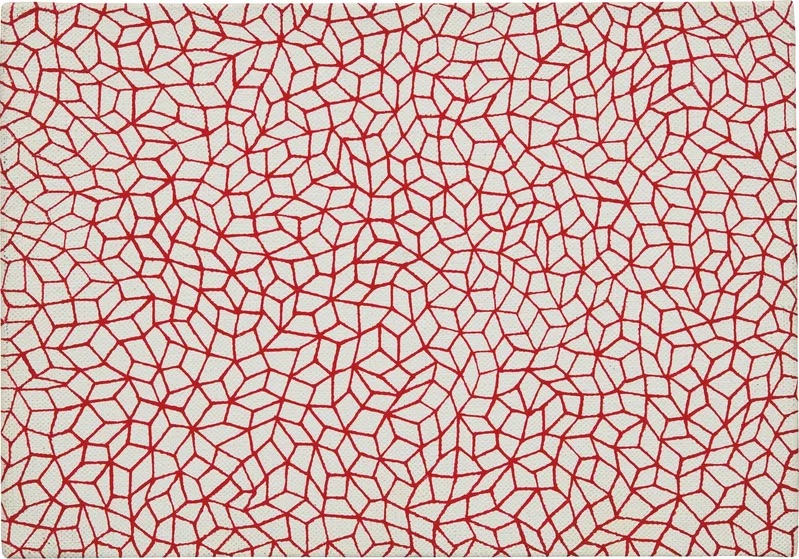
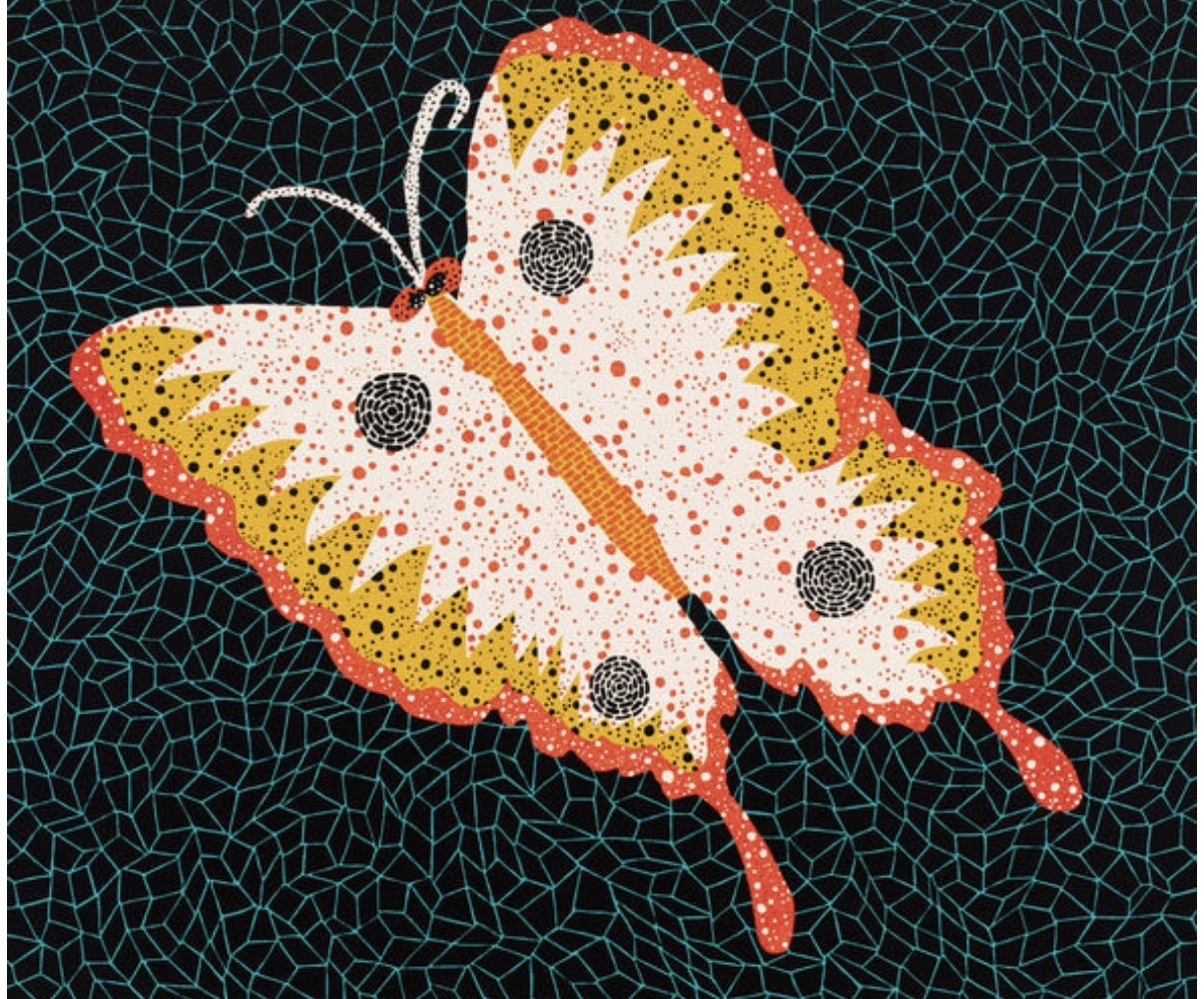
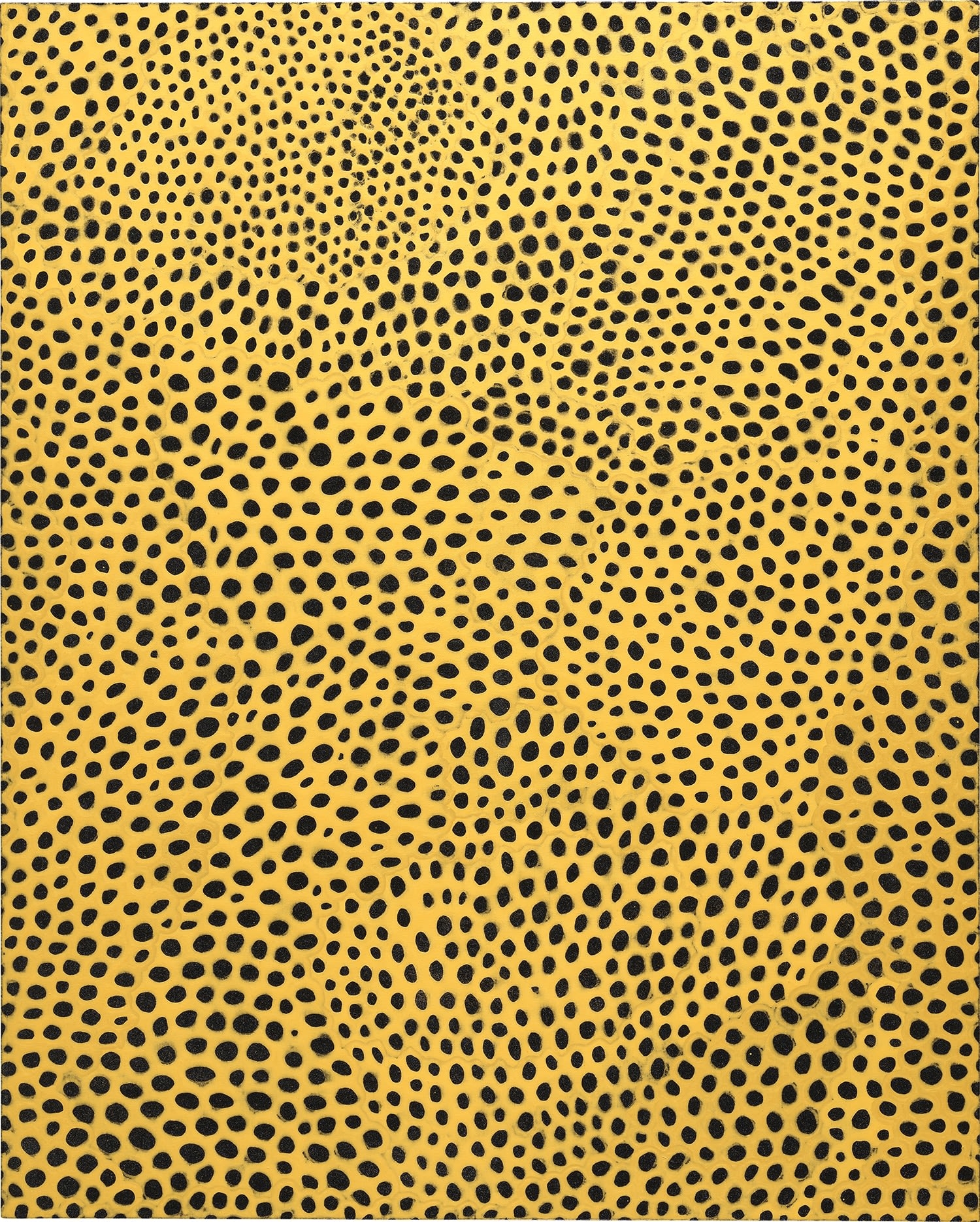
These were not pretty pictures. They were arguments. And then there is Yayoi Kusama, who may be the most important living artist working with pattern, and who has been doing so since long before her recent global celebrity. Kusama's dots are not a style.
They are a cosmology, an obsession she has described in terms of self obliteration and infinity. From her early Infinity Net paintings of the late 1950s, vast monochromatic canvases covered in obsessive looping strokes, to the immersive Infinity Mirror Rooms that have drawn millions of visitors worldwide, Kusama has turned the repeated mark into both a psychological portrait and a meditation on the nature of existence. Her work is well represented on The Collection, and returning to it again and again reveals new dimensions each time. The Pattern and Decoration movement of the 1970s offered a more politically inflected version of the same conversation.
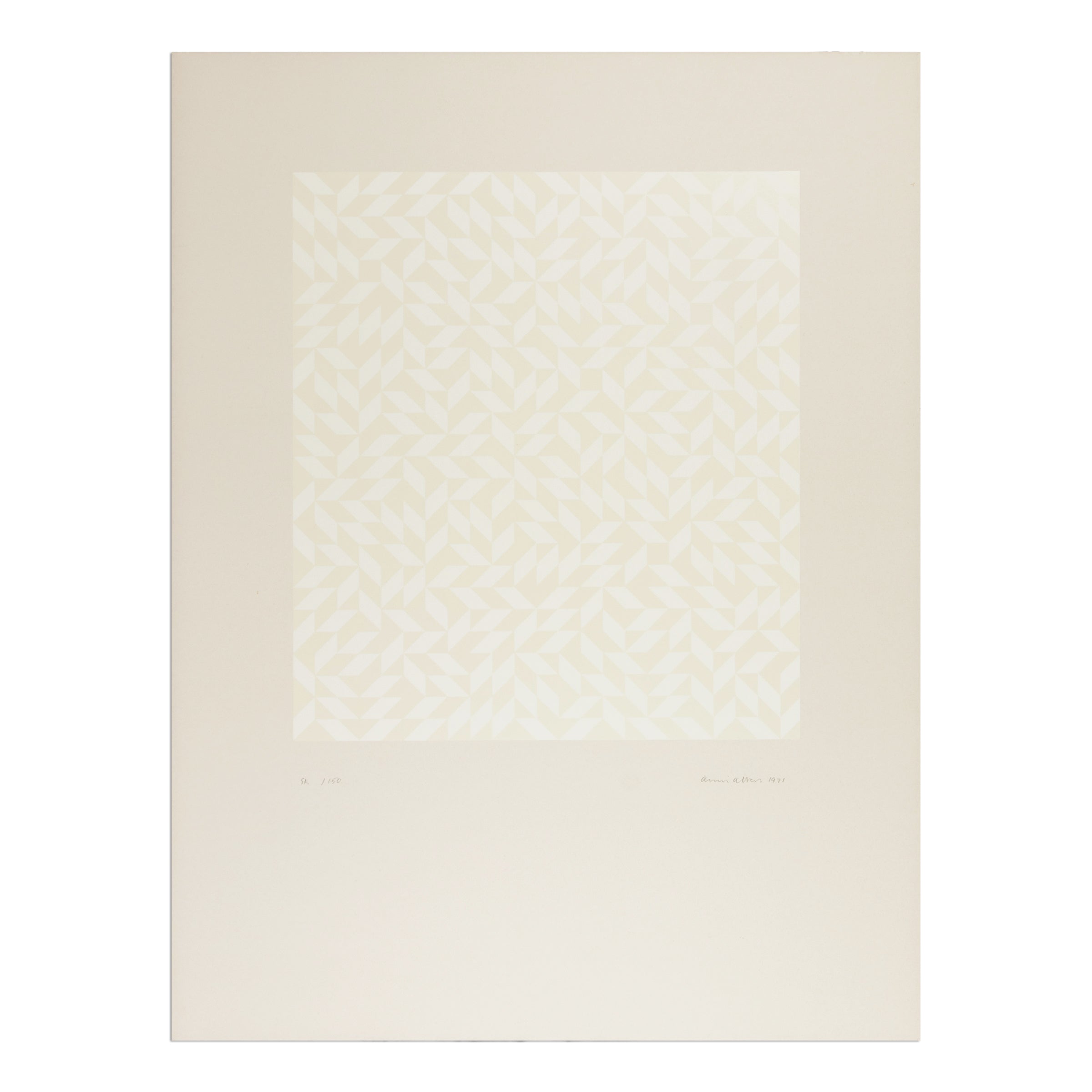
Various Artists
Anni Albers – ST, 1899
Artists associated with the movement, sometimes called P&D, pushed back against the austerity of Minimalism and drew deliberately on sources that high modernism had dismissed: Islamic tiles, Hawaiian quilts, Turkish kilims, domestic craft traditions coded as feminine. Philip Taaffe, who came slightly later but absorbed much of this spirit, works in a mode of elaborate layered pattern that pulls from Byzantine mosaics, North African textiles, and biological diagrams simultaneously. His canvases are acts of cultural archaeology conducted in vivid color. What separates the most compelling pattern based work from simple repetition is intention under pressure.
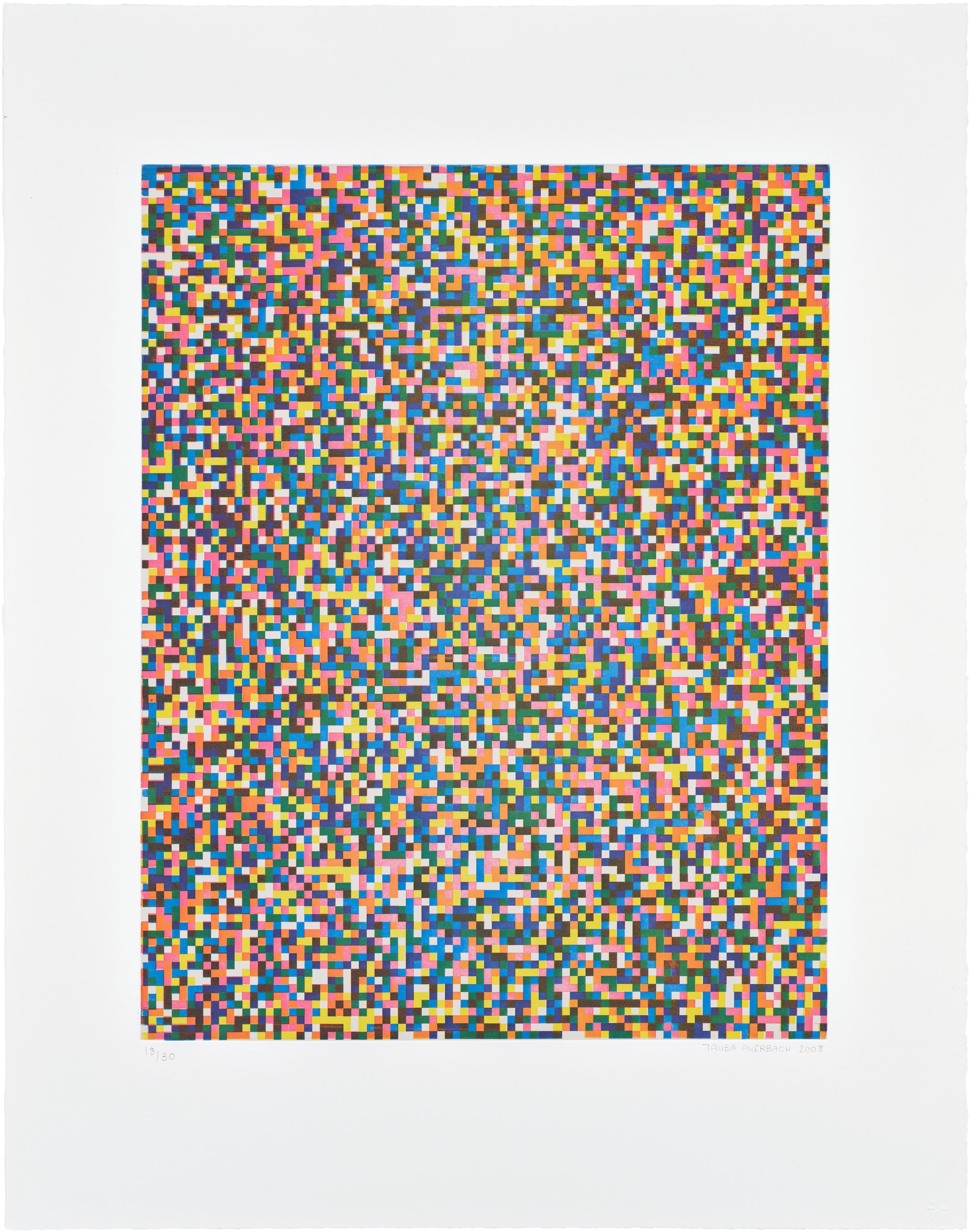
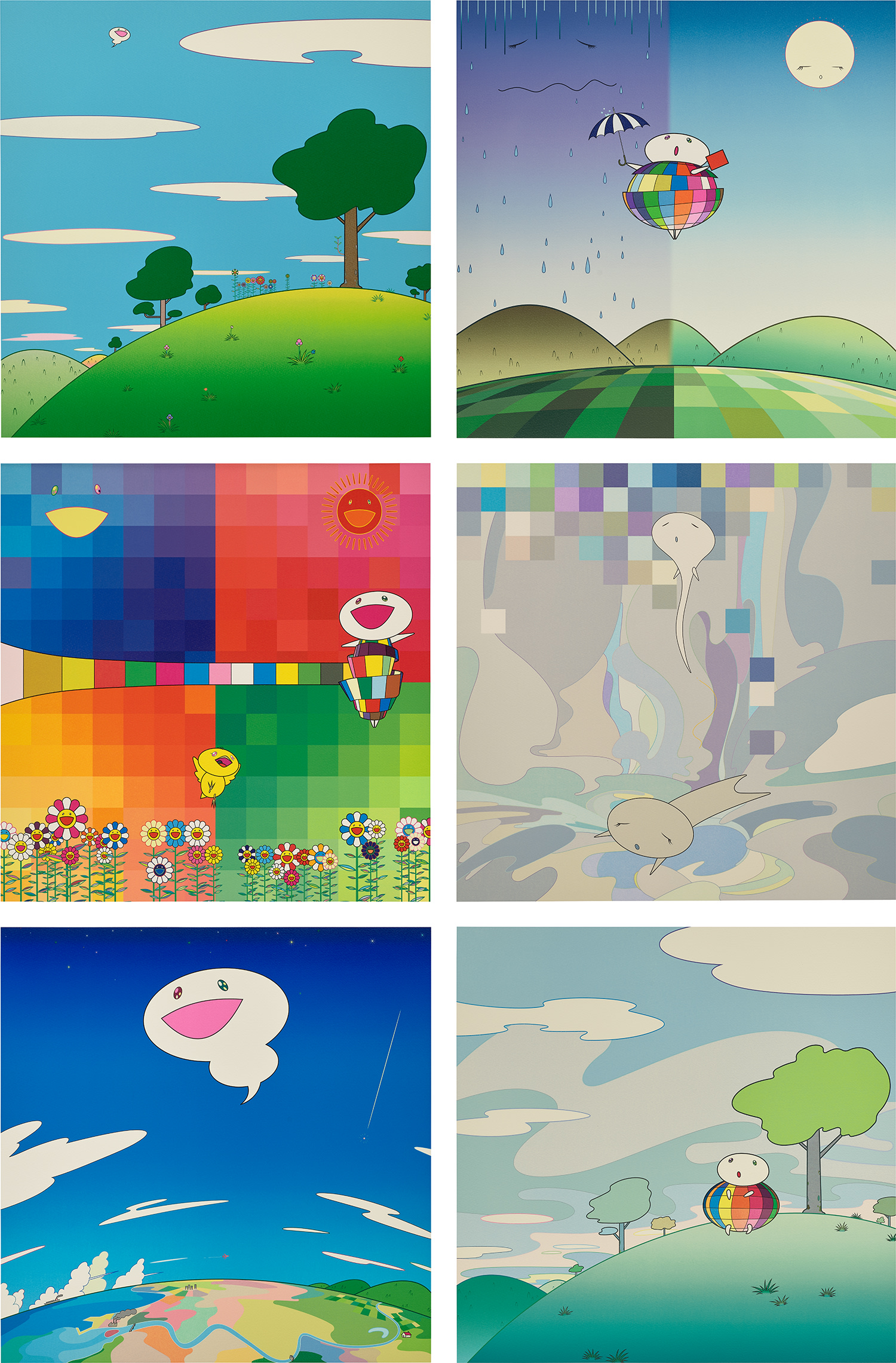
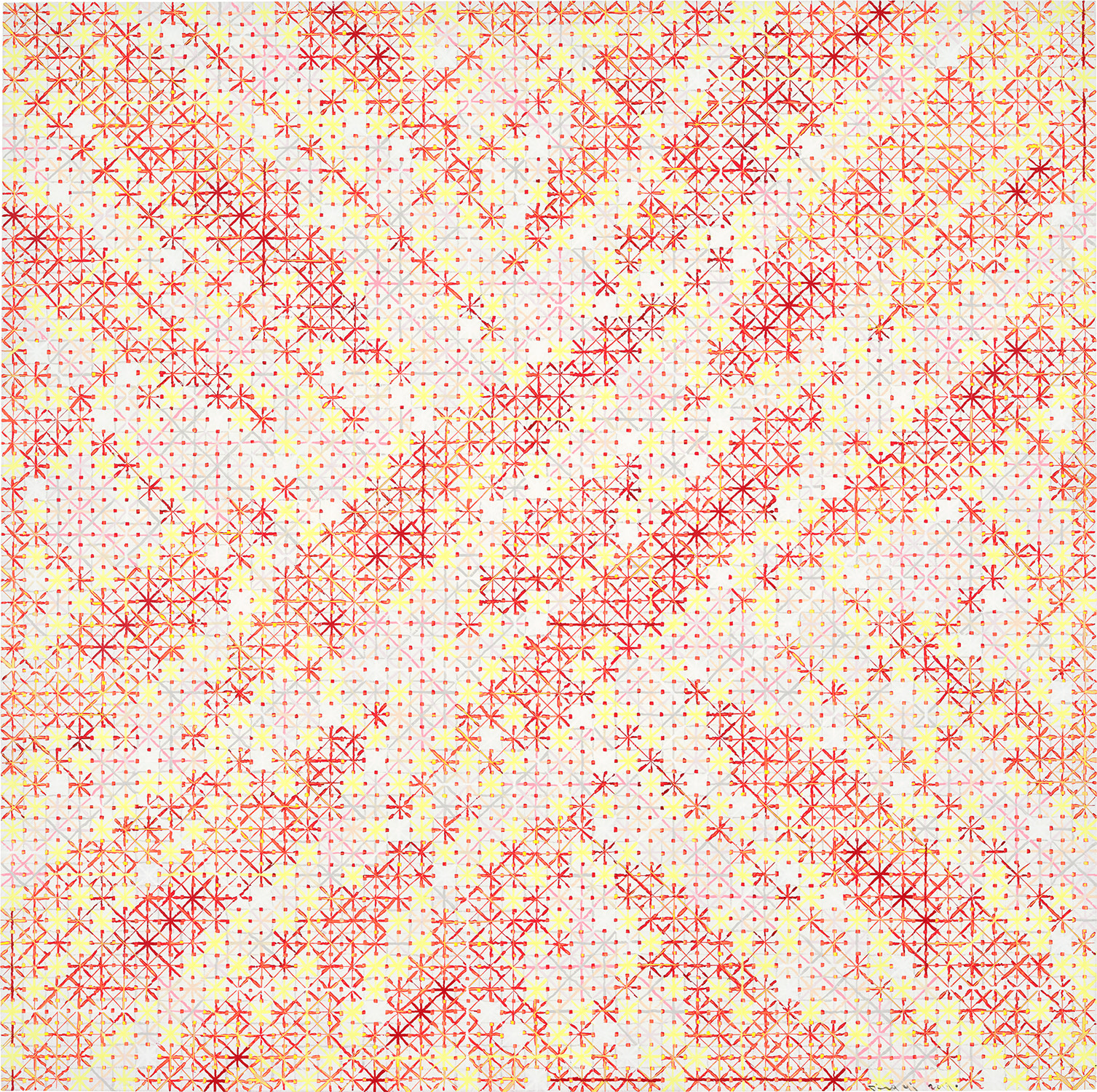
Tauba Auerbach builds systems of order only to introduce the tremor of entropy. Alighiero Boetti handed his map embroideries to Afghan craftswomen, embedding questions of authorship and geography into works that appear at first glance purely decorative. Takashi Murakami fuses traditional Japanese decorative conventions with the visual grammar of anime and consumer culture in a way that is simultaneously celebratory and deeply critical. Ding Yi spends years on grids of crosses and checked marks that accumulate into something that feels, paradoxically, like silence.
Each of these artists is using the logic of pattern to ask questions that purely representational painting cannot easily reach. The recurring appeal of pattern for collectors is not simply aesthetic, though the pleasure it offers is real and immediate. Pattern rewards sustained looking in ways that more immediately dramatic work sometimes does not. A Gene Davis stripe painting or a Sol LeWitt wall drawing changes as light changes, as your distance changes, as your mood changes.
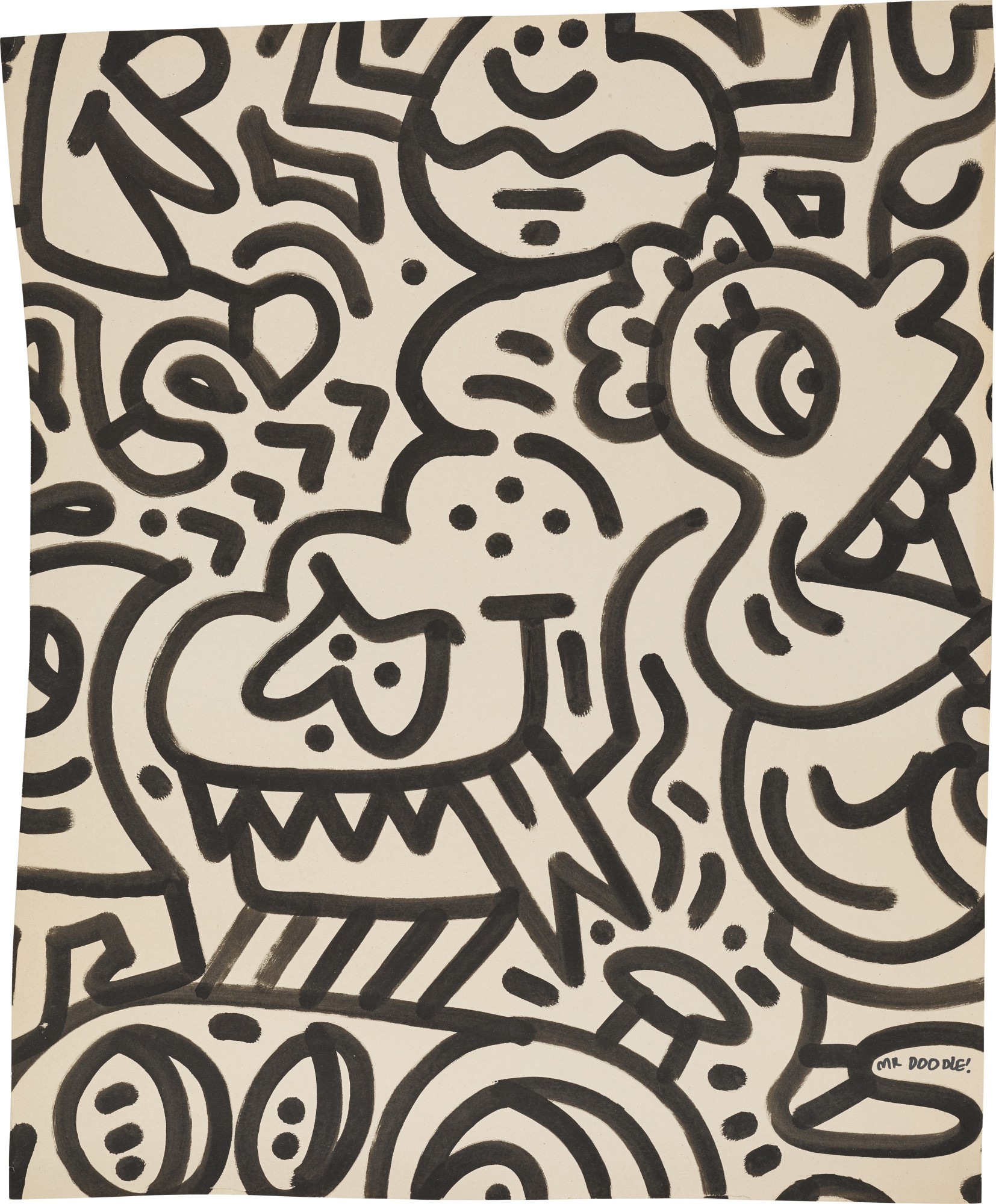
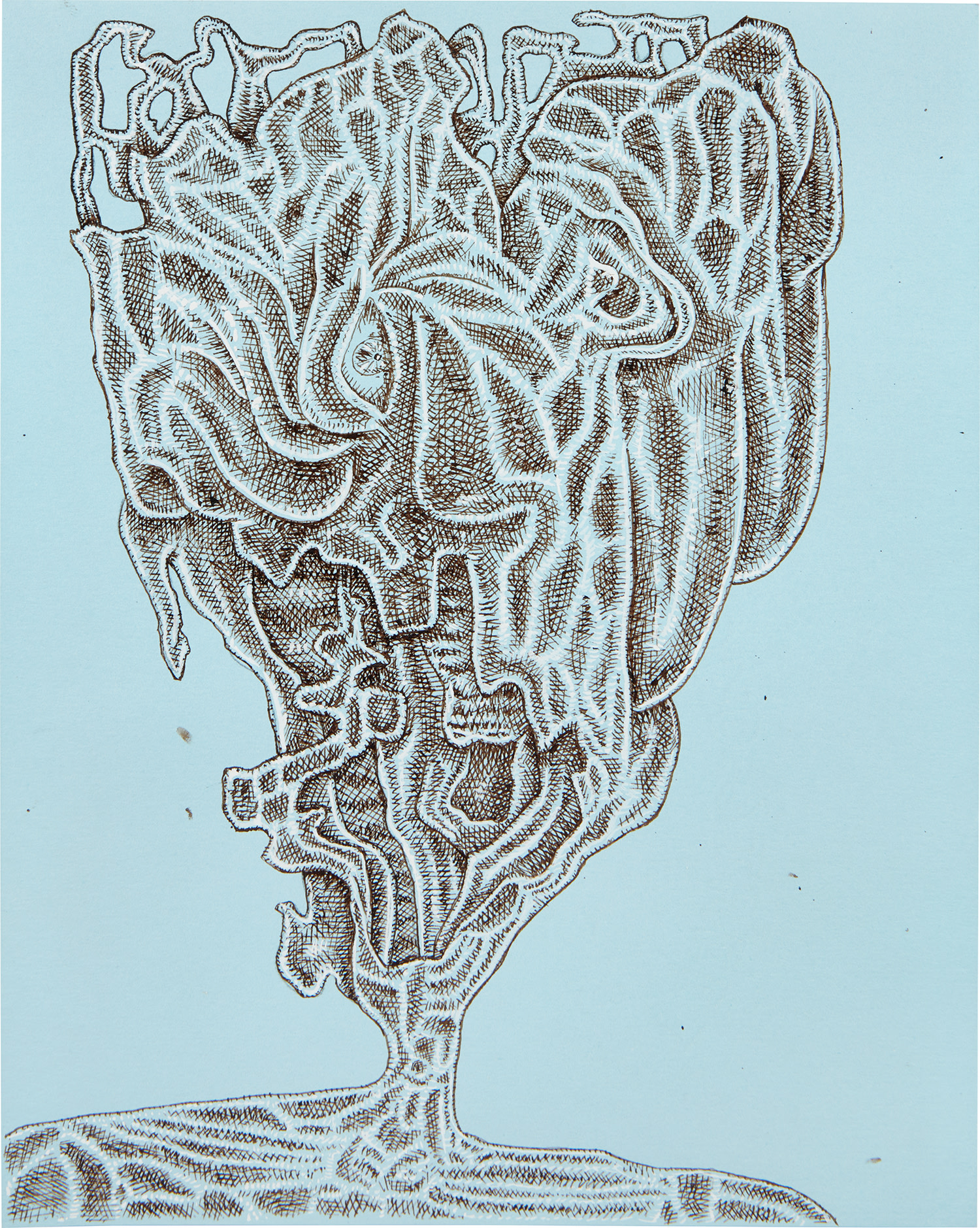
The work does not exhaust itself on first encounter. There is also something about the relationship between the individual unit and the whole that mirrors concerns central to contemporary life: how systems are built, how individuals move within structures, how order and disorder negotiate. Mr Doodle covers every surface in an anarchic vocabulary of cartoon marks. James Siena builds intricate rule based systems that teeter on the edge of collapse.
Jim Lambie lays vinyl tape across gallery floors to dizzying effect. Bernard Frize works through procedures that generate surface patterns almost as byproducts of method. Each represents a distinct approach to the same fundamental question: what happens when a single decision, repeated, becomes a world. That question has animated art making for as long as people have made art.
It shows no sign of losing its urgency.